
Remember When You Could Save Money At The Post Office?
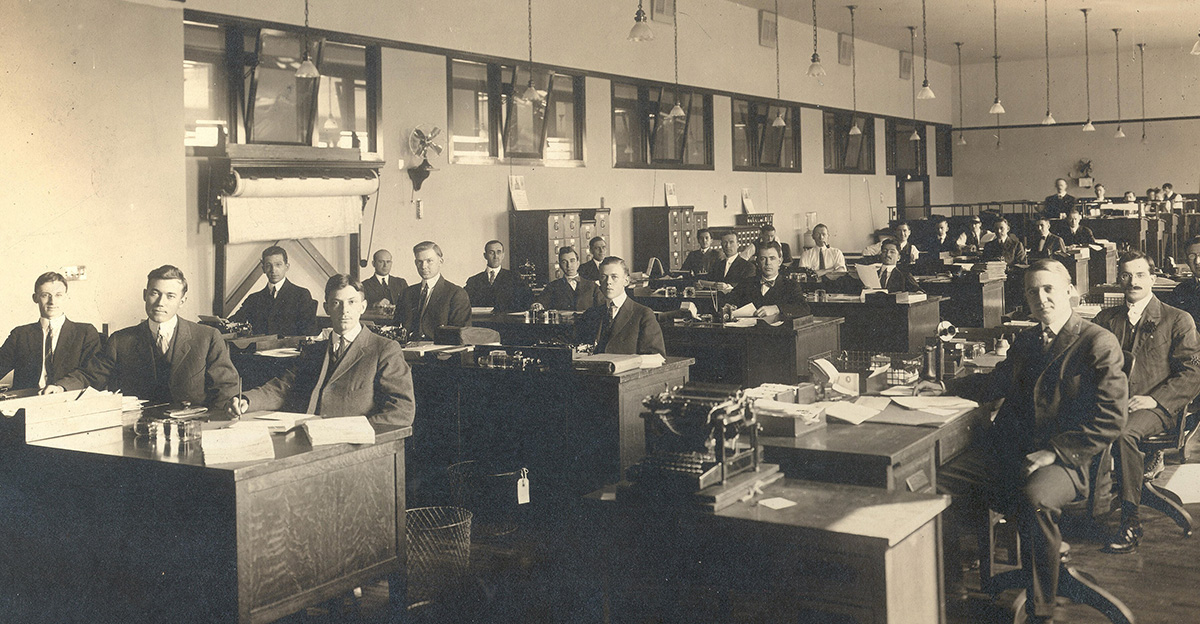
Believe it or not, there was a time when Americans could walk into their local post office, mail a letter, buy some stamps, and deposit money into a savings account. The federal government actually ran its own savings system for more than 50 years. So, what happened to it?
 Smithsonian Institution from United States, No restrictions, via Wikimedia Commons
Banks Weren't Always Trustworthy
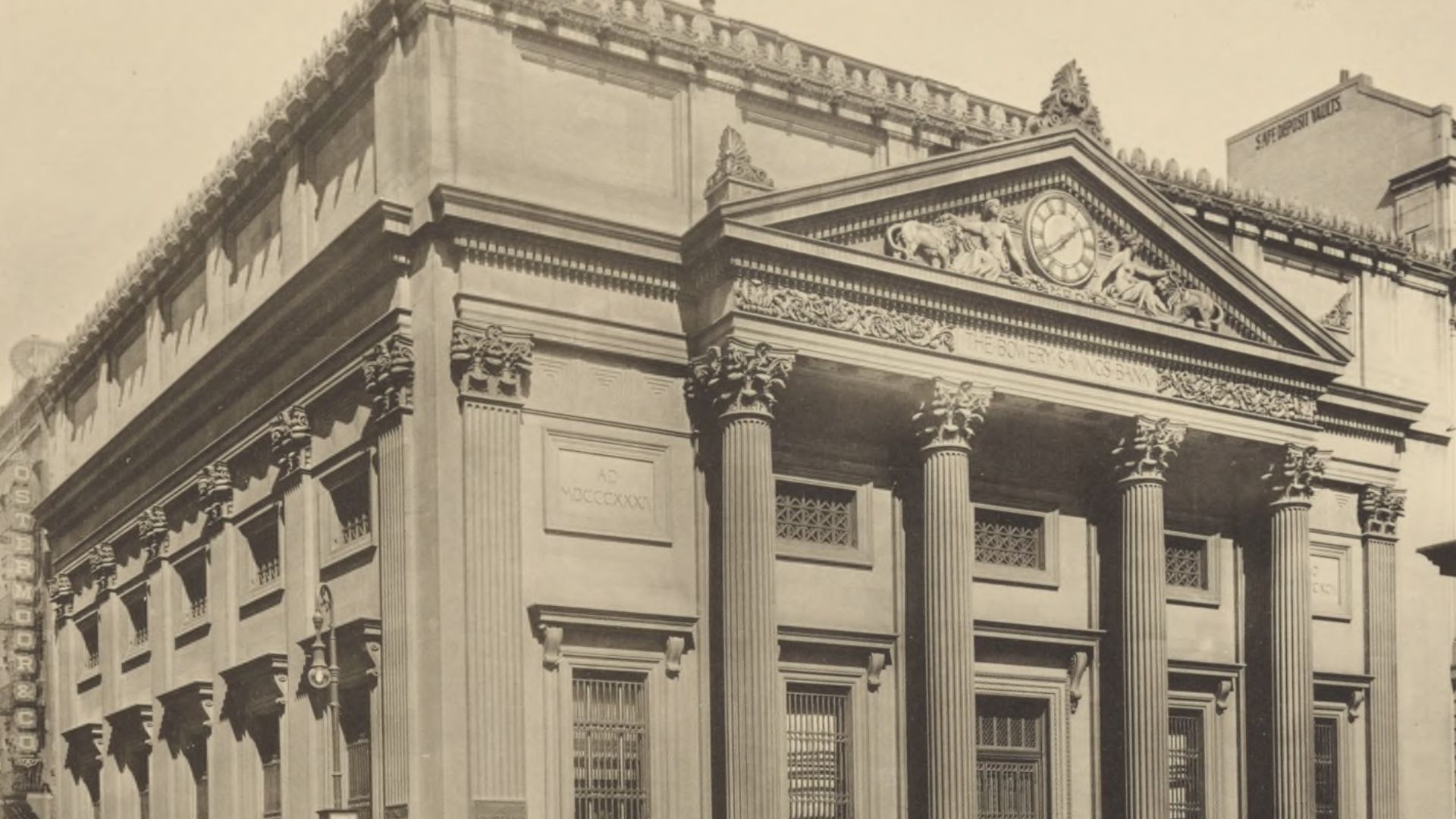
Today, most Americans don't think twice about putting their money in the bank. But back in the early 1900s, things were different. Banks could fail, taking people's savings down with them. And without federal deposit insurance, customers had little protection if their neighborhood bank suddenly closed its doors.
 McKim, Mead & White, Wikimedia Commons
Keeping Money Under The Mattress Made Sense
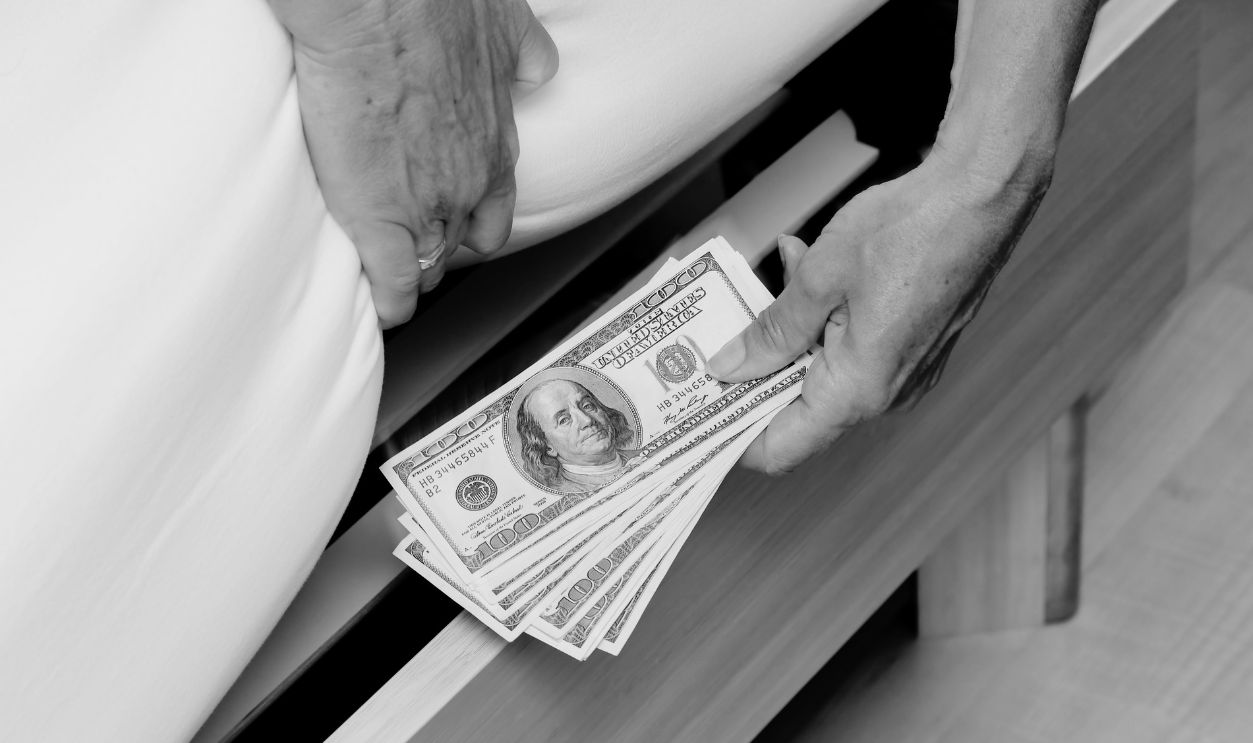
You probably remember hearing stories about grandparents hiding money in mattresses, coffee cans, or kitchen cupboards. Well, there was a good reason for that. If you didn't trust the banks, keeping your savings close to home seemed sensible. The government, however, had another idea.
 ullstein bild, Getty Images, Enhanced
A Banking Crisis Got Washington's Attention
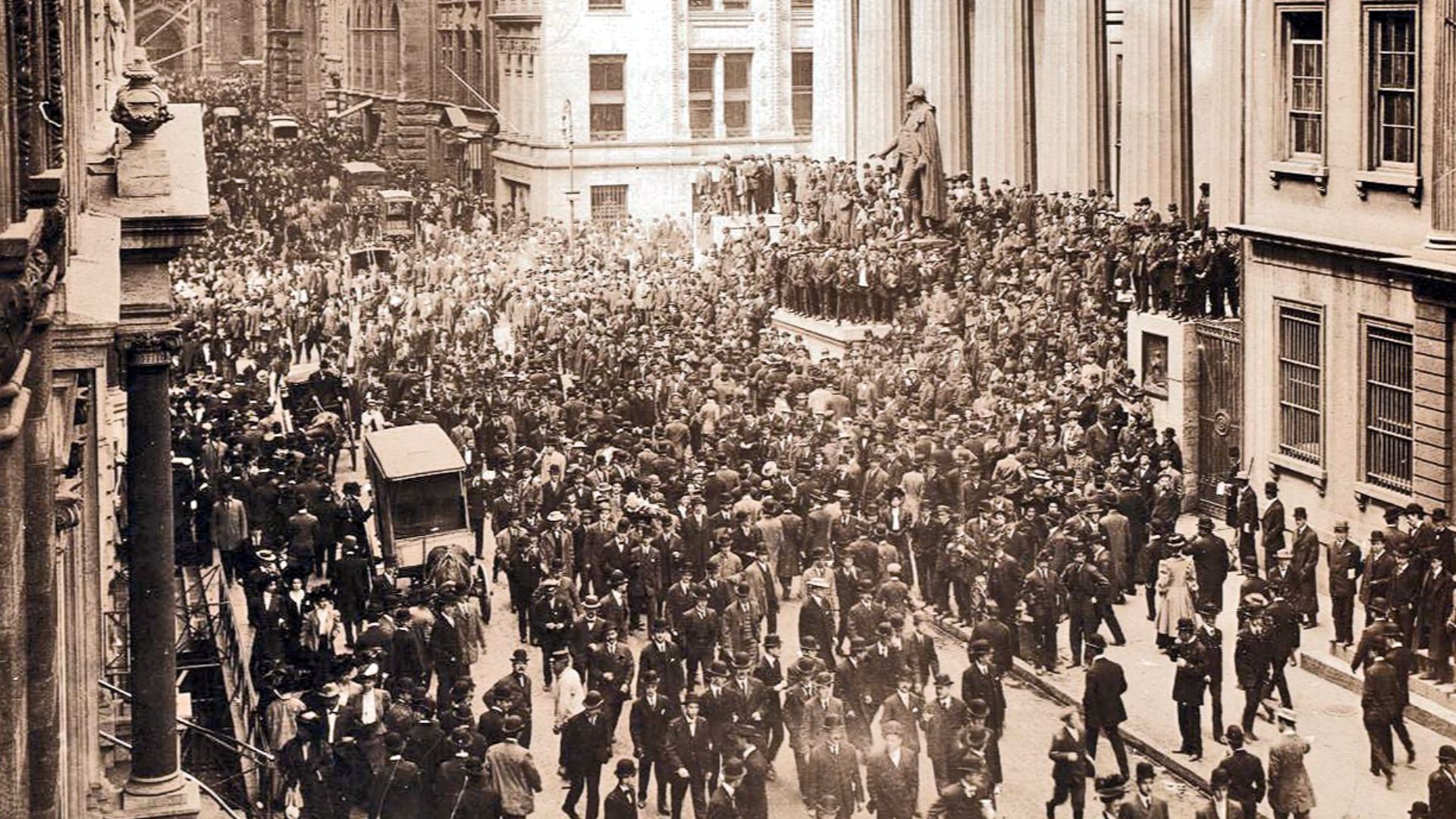
The Panic of 1907 shook America's financial system. Banks faced runs, businesses struggled, and ordinary people became understandably nervous about their money. Washington knew something needed to change. One proposal was surprisingly simple: Why not let Americans deposit their savings at the post office?
Other Countries Were Already Doing It
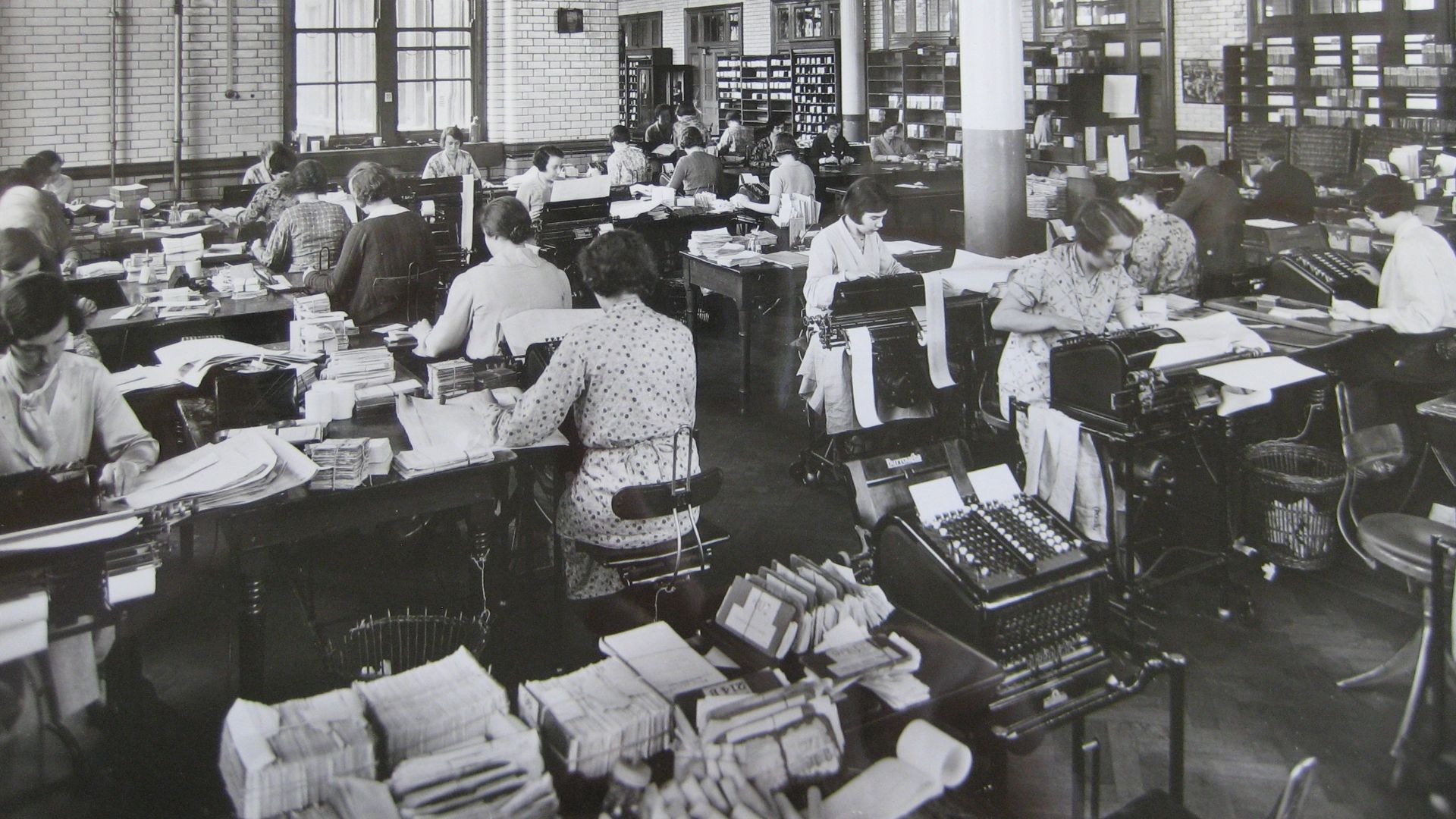
The idea wasn't entirely new. Britain had introduced postal savings accounts way back in 1861, and several other countries had followed suit. Some immigrants arriving in America were already familiar with postal banking. To them, trusting the post office with their savings wasn't unusual at all.
 Post Office Savings Bank (UK), Wikimedia Commons
President Taft Gave It The Green Light
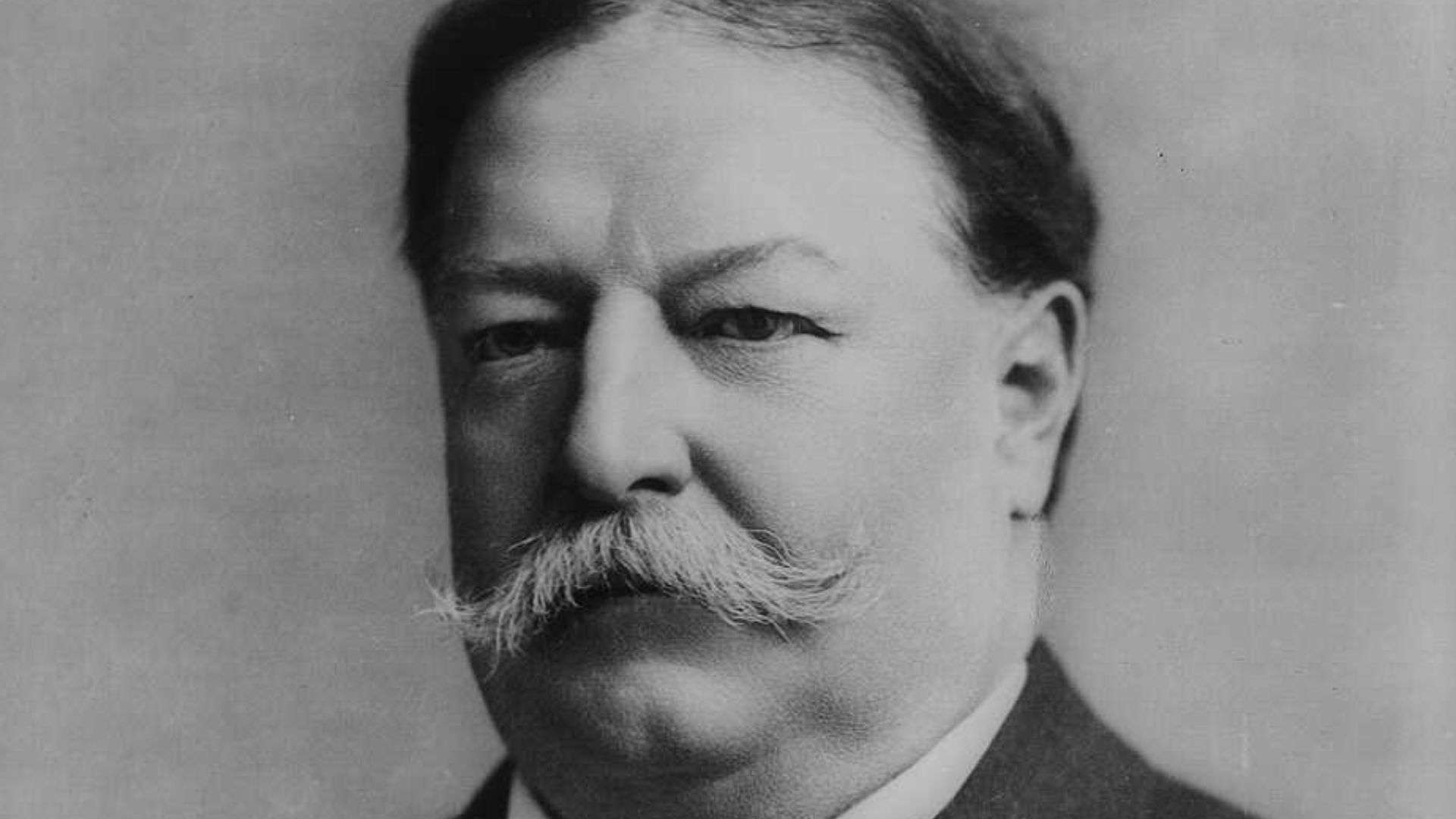
On June 25, 1910, President William Howard Taft signed legislation establishing the United States Postal Savings System. The first accounts became available in January 1911. For Americans nervous about traditional banks, this was welcome news. They finally had somewhere to save their money with a federal guarantee.
 Miscellaneous Items in High Demand, PPOC, Library of Congress, Wikimedia Commons
Your Local Post Office Became A Savings Bank
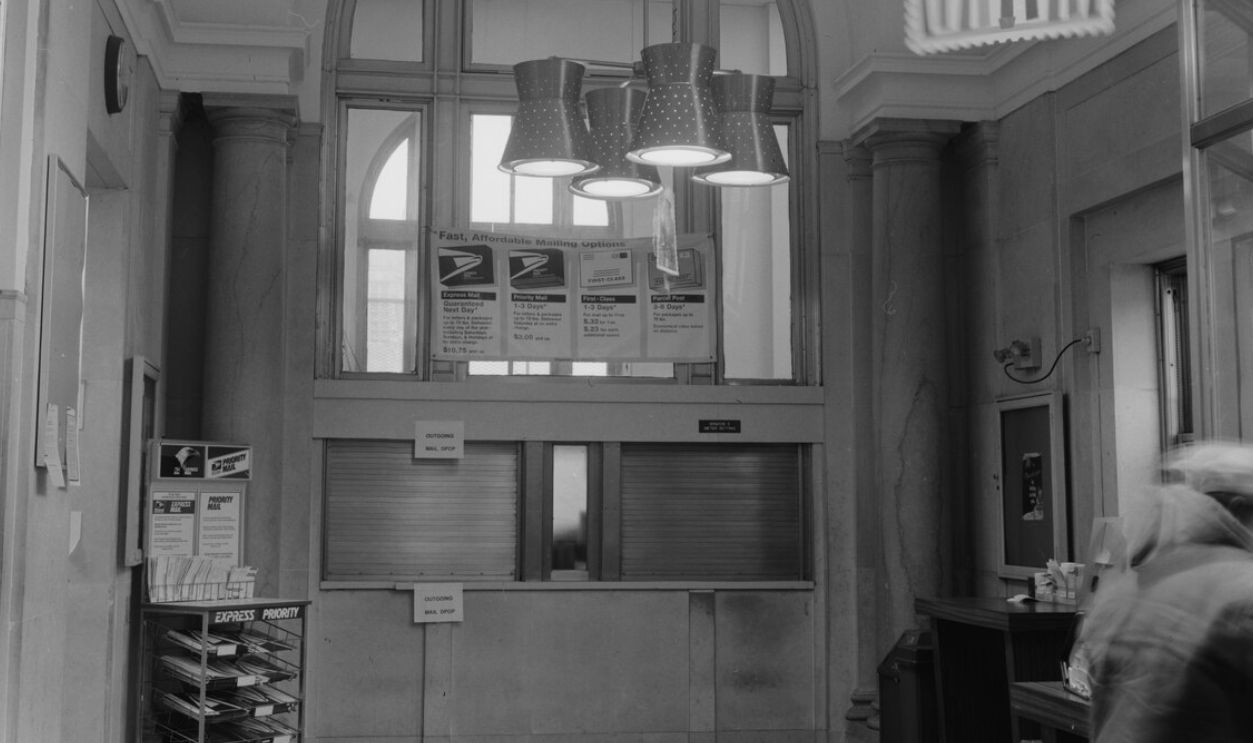
The program started at just 48 designated post offices, but it didn't stay small for long. Eventually, thousands of locations offered postal savings services. This was particularly helpful in rural communities, where finding a commercial bank wasn't always easy. Now, saving money could be as convenient as mailing a letter.
All You Needed Was A Dollar
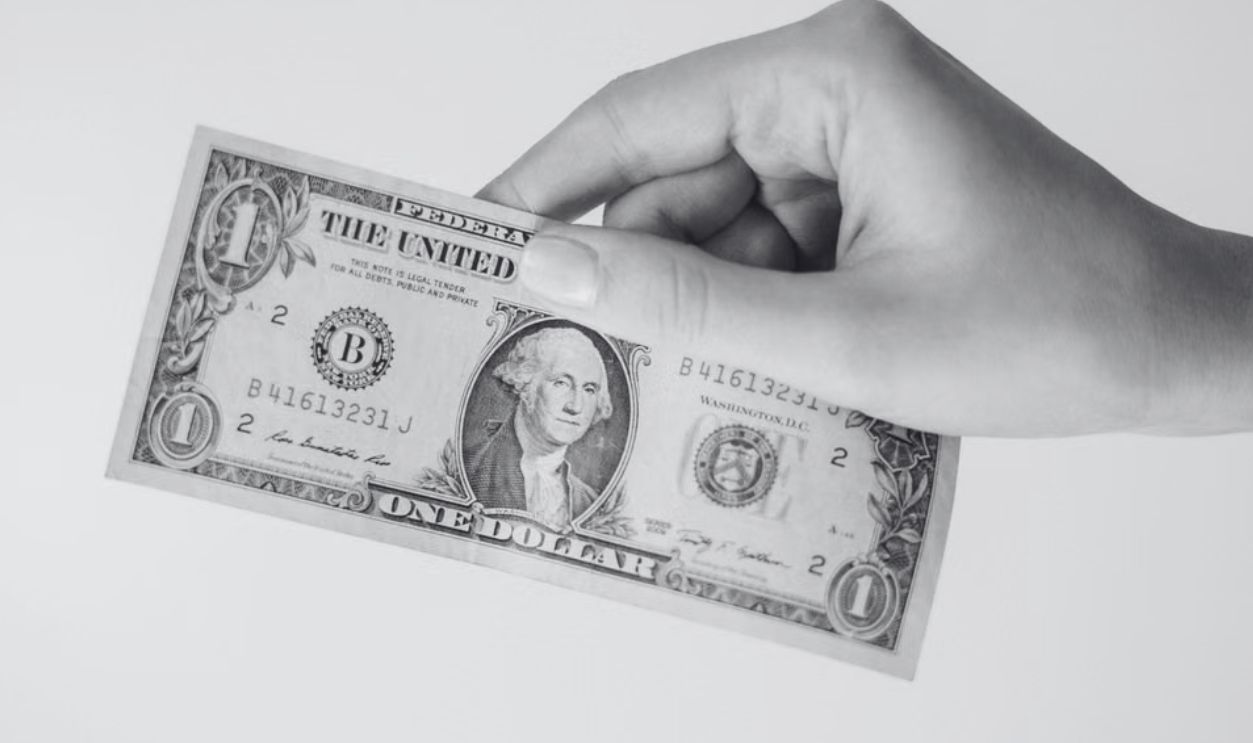
Here's something that made postal savings especially appealing: You didn't need much money to get started. An account could be opened with just $1. For factory workers, farmers, and families stretching every paycheck, that was manageable. You didn't have to be wealthy to start putting something aside.
 cottonbro studio, Pexels, Enhanced
Uncle Sam Had Your Back
The biggest selling point wasn't convenience or interest. It was security. Postal savings deposits were backed by the full faith and credit of the United States government. If you were worried about another bank failure, that promise was reassuring. The government was essentially telling Americans their savings would be protected.
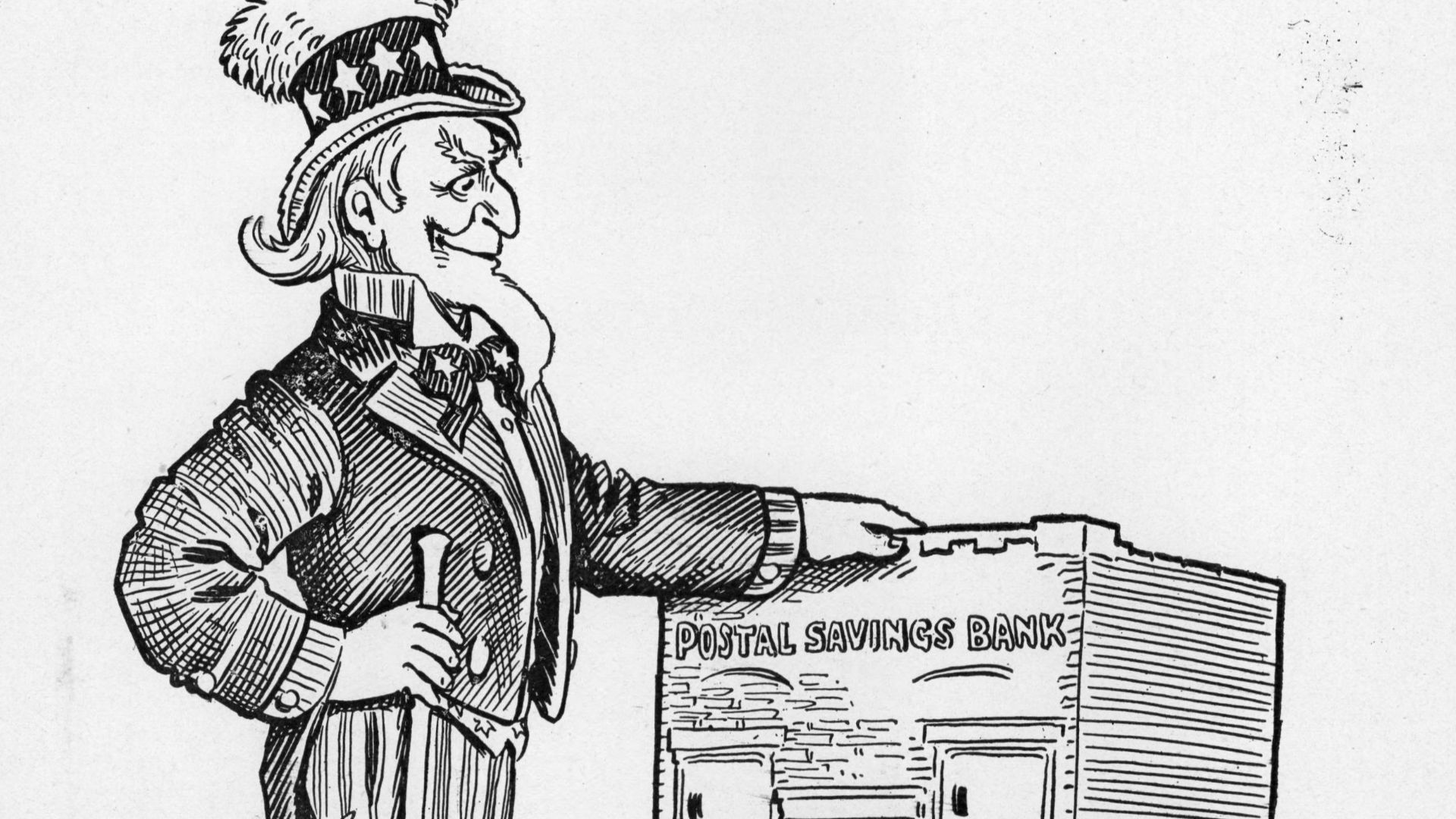 Bartholomew, Charles Lewis 'Bart', 1869-1949, Wikimedia Commons
Two Percent Interest Was The Deal
Postal savings accounts paid 2% annual interest. That might not sound particularly exciting, and even back then, some private banks offered more. But postal customers weren't necessarily chasing the highest returns. They wanted somewhere dependable to keep their money, and earning a little interest was a welcome bonus.
You Couldn't Deposit A Fortune
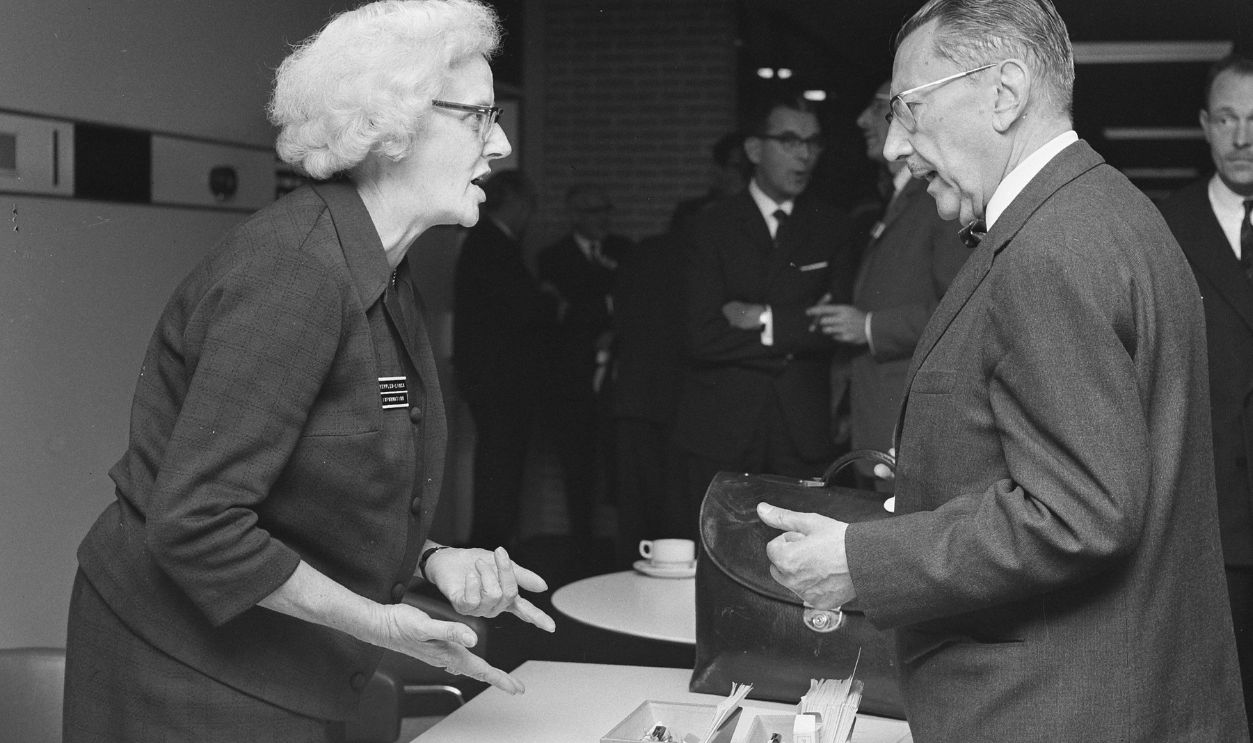
The government wasn't trying to replace commercial banks entirely. When the program began, customers could hold only $500 in postal savings, excluding interest. That limit eventually increased to $2,500 in 1918. These accounts were intended for everyday Americans looking to build modest savings, not wealthy investors managing enormous fortunes.
Children Could Have Accounts, Too
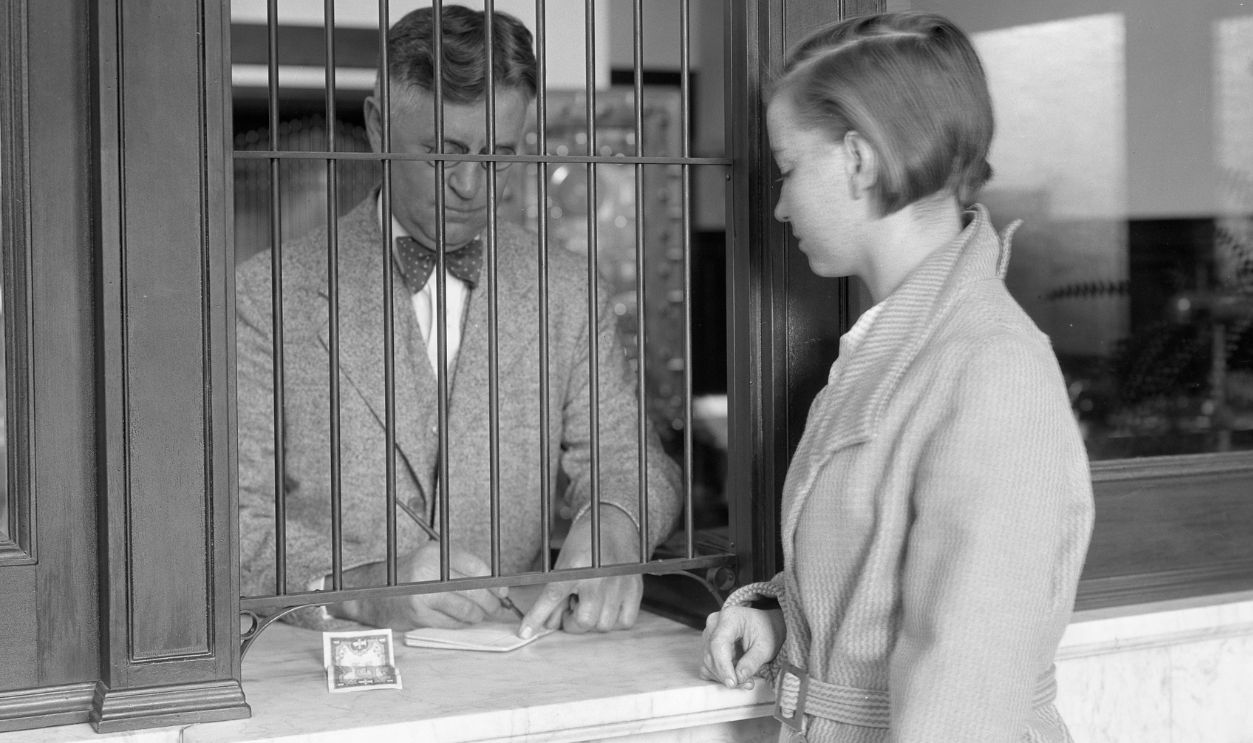
Postal banking wasn't just for grown-ups. Children as young as 10 could open their own accounts, giving youngsters an opportunity to learn about saving money. Imagine taking your child to the post office to deposit a dollar they'd earned doing chores. It was a simple introduction to financial responsibility.
Remember Collecting Savings Stamps?
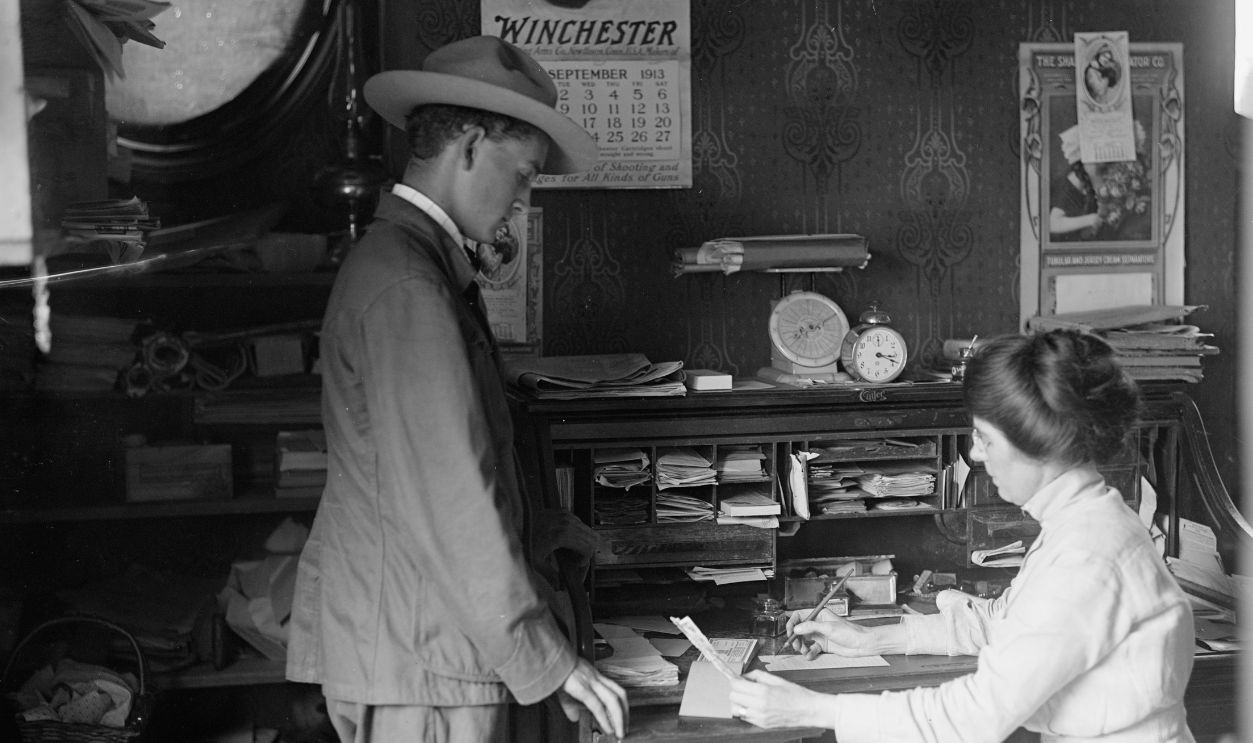
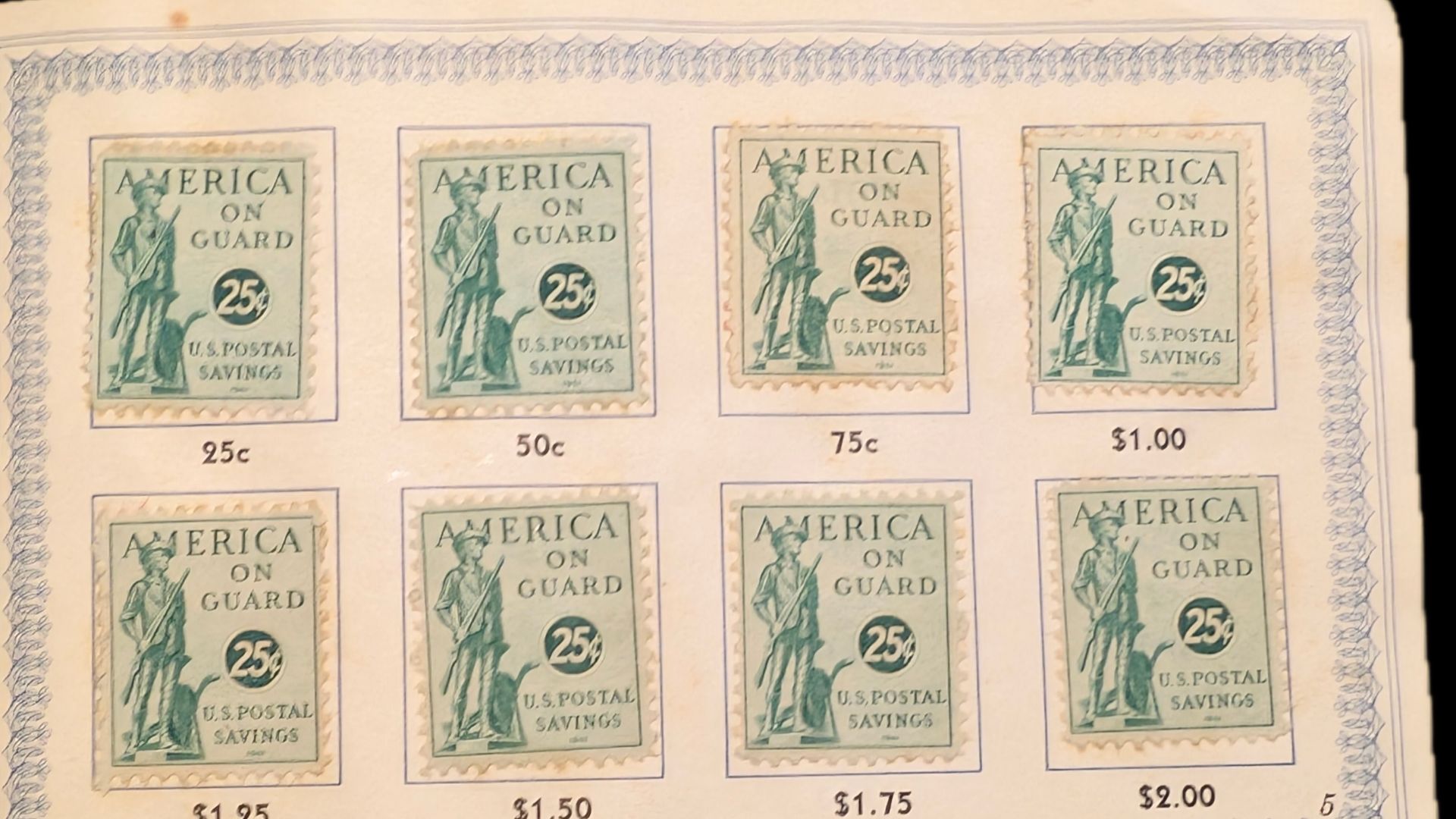
Here's a feature that might bring back memories. Postal customers could purchase special savings stamps, initially costing just 10 cents each. Once they'd collected enough stamps on a savings card, they could exchange them for a deposit. Even someone who couldn't spare a whole dollar could gradually build their savings.
Those Savings Certificates Were Important
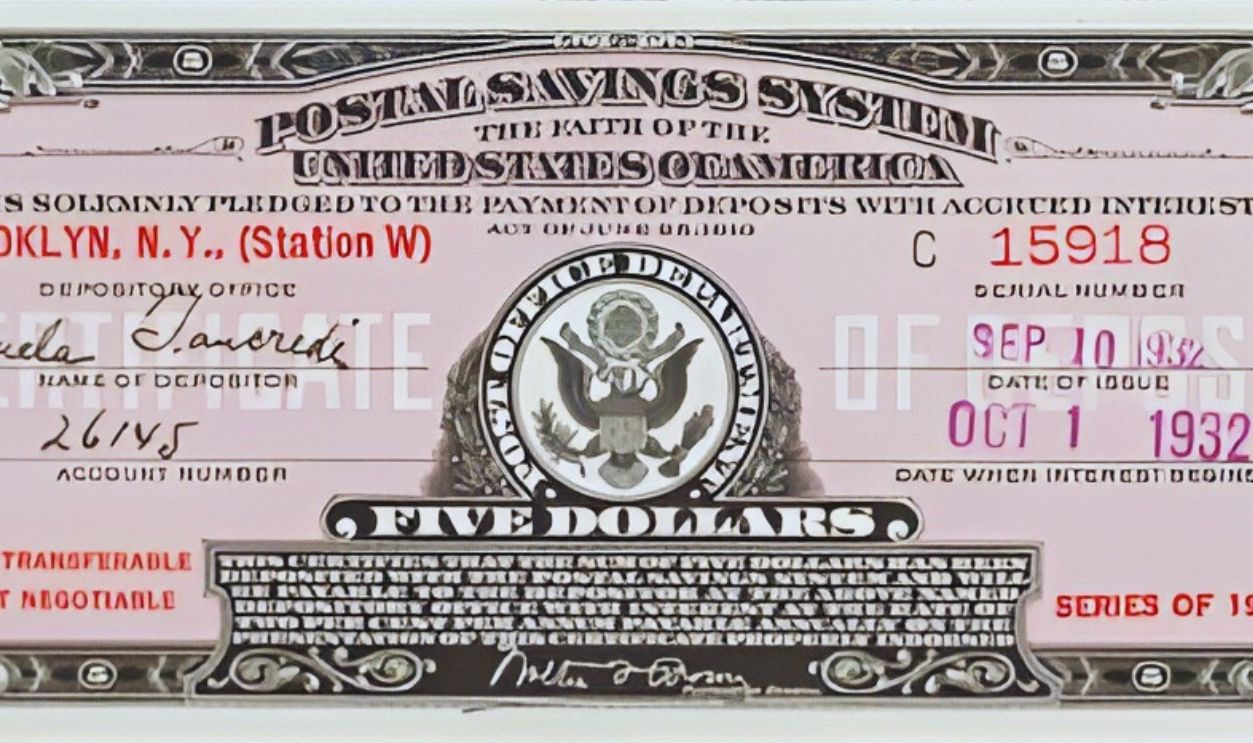
Instead of receiving a modern bank statement, postal savings customers received certificates documenting their deposits. These pieces of paper represented actual money held by the government. There were no debit cards or online banking apps, of course. Keeping track of your savings meant carefully holding onto those certificates.
Where Did All That Money Go?
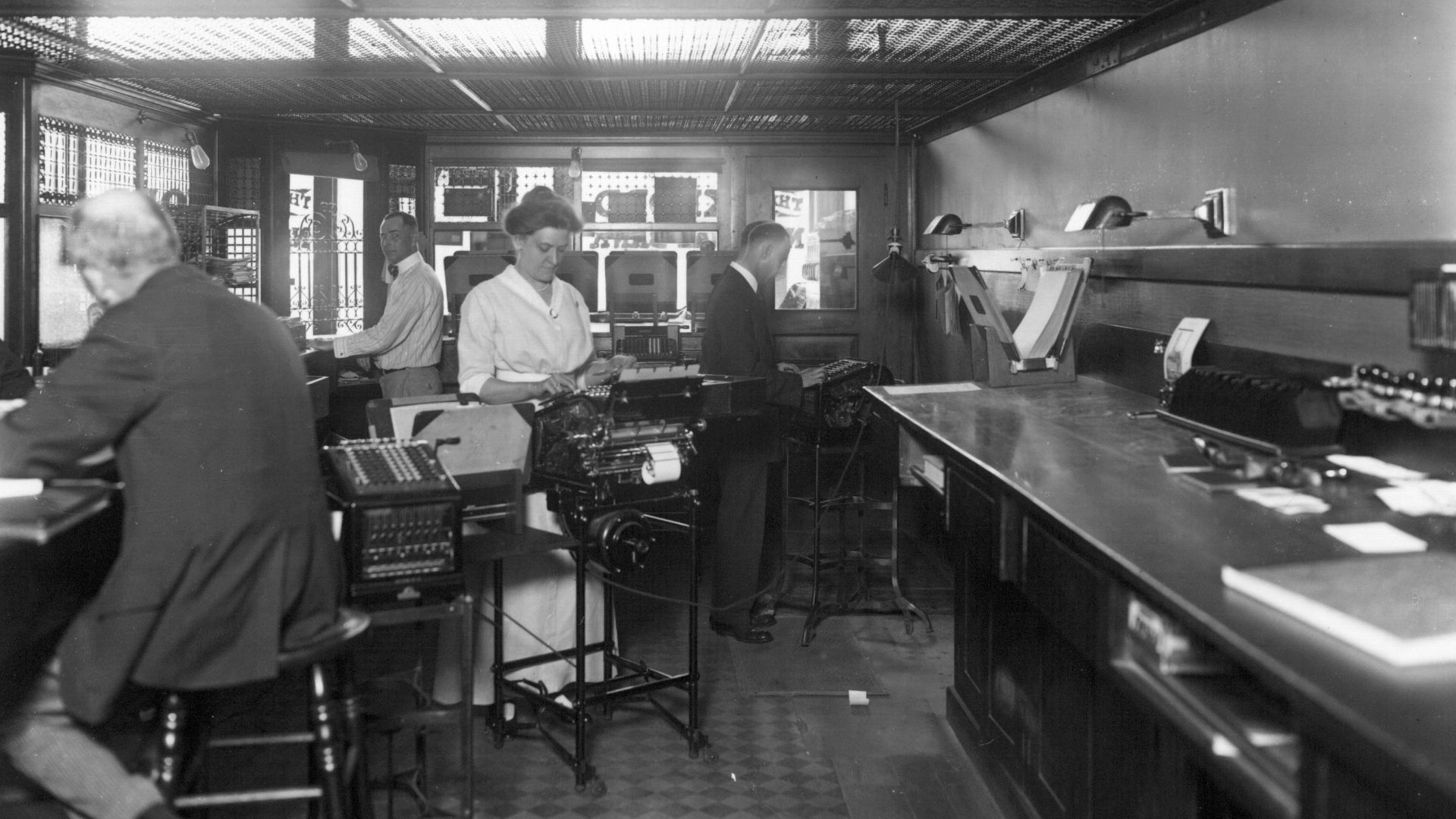
You might picture the government stacking piles of cash inside post office vaults, but that's not how the system worked. Much of the money was deposited in qualified local banks. Those banks paid interest to the postal system, which helped cover the interest paid to customers. It was an interesting arrangement.
 Snyder, Frank R. Flickr: Miami U. Libraries - Digital Collections, Wikimedia Commons
Then The Great Depression Arrived
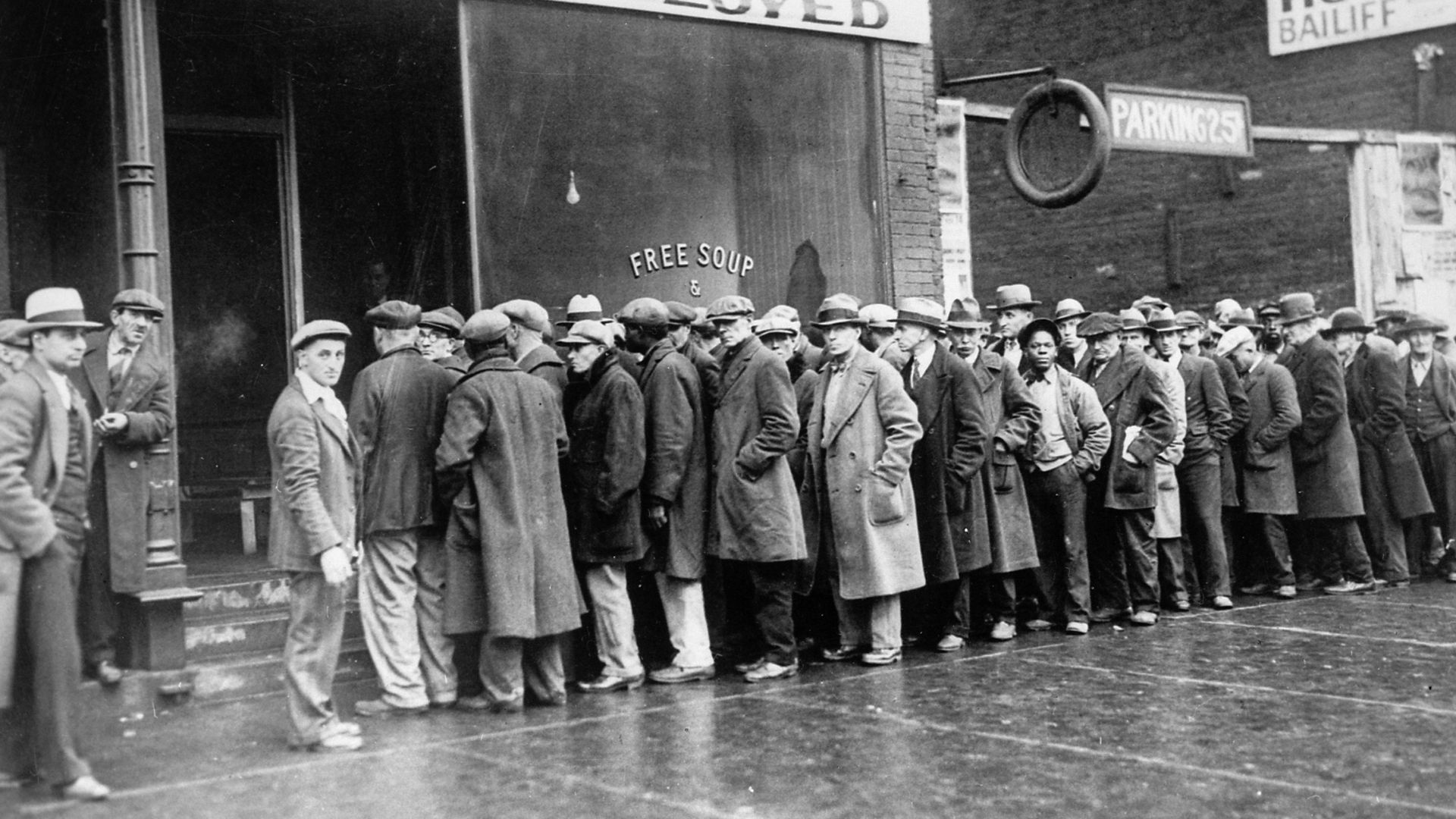
When the Great Depression began in 1929, Americans had every reason to worry about their savings. Thousands of banks eventually suspended operations or failed, leaving depositors frightened about their money. Suddenly, those federally guaranteed postal accounts looked awfully attractive. People wanted security, and the post office offered exactly that.
 Unknown authorUnknown author or not provided, Wikimedia Commons
Americans Flocked To Postal Savings
The numbers were remarkable. In 1929, postal savings deposits totaled approximately $153 million. During the 1930s, that figure climbed to around $1.2 billion. Americans who had previously overlooked the program were now taking it seriously. When confidence in traditional banks disappeared, Uncle Sam's savings accounts became much more appealing.
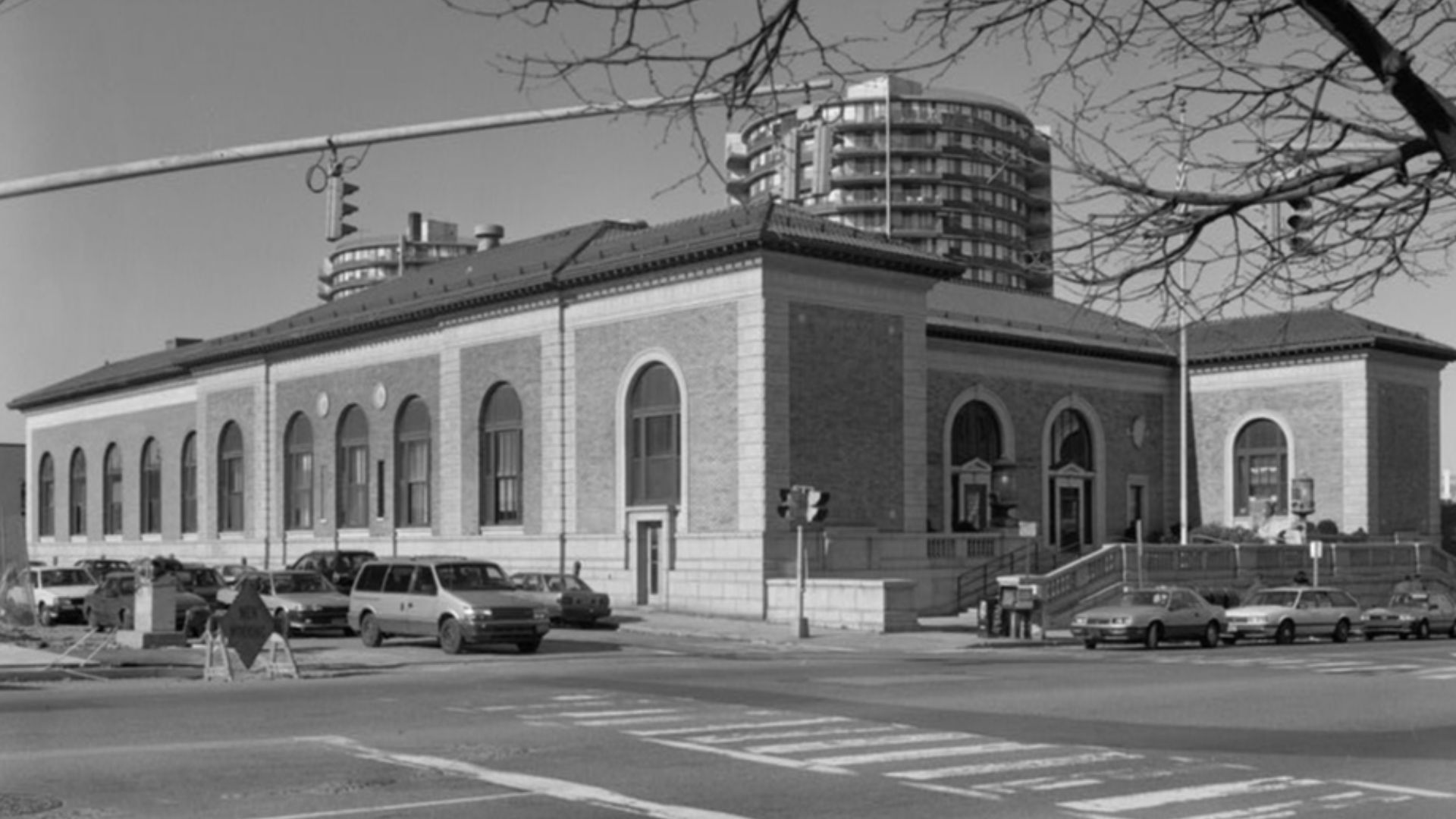 Unknown - information not yet digitized, Wikimedia Commons
The Government Introduced Something New
In 1933, Congress established the Federal Deposit Insurance Corporation, better known as the FDIC. Federal deposit insurance began the following year. Suddenly, eligible accounts at participating banks had federal protection, too. This changed everything for postal savings, which could no longer claim the same unique advantage over traditional banking.
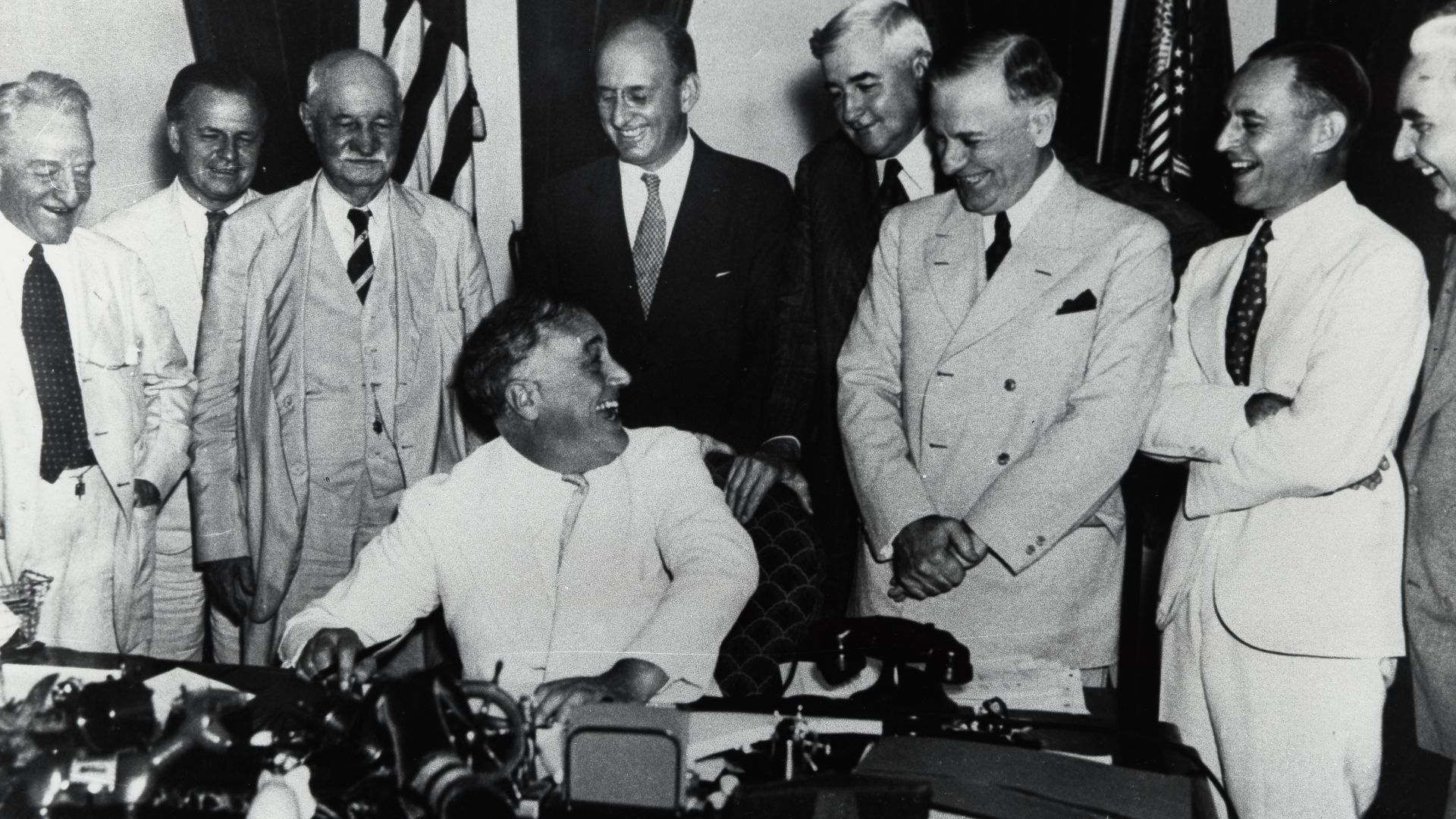 Federalreserve, Wikimedia Commons
World War II Kept The Program Going
Postal savings weren't finished just yet. During World War II, Americans were earning wages but couldn't always spend their money freely. Rationing and shortages made many consumer goods difficult to purchase. Plenty of families put their extra cash into savings, and postal accounts enjoyed another period of popularity.
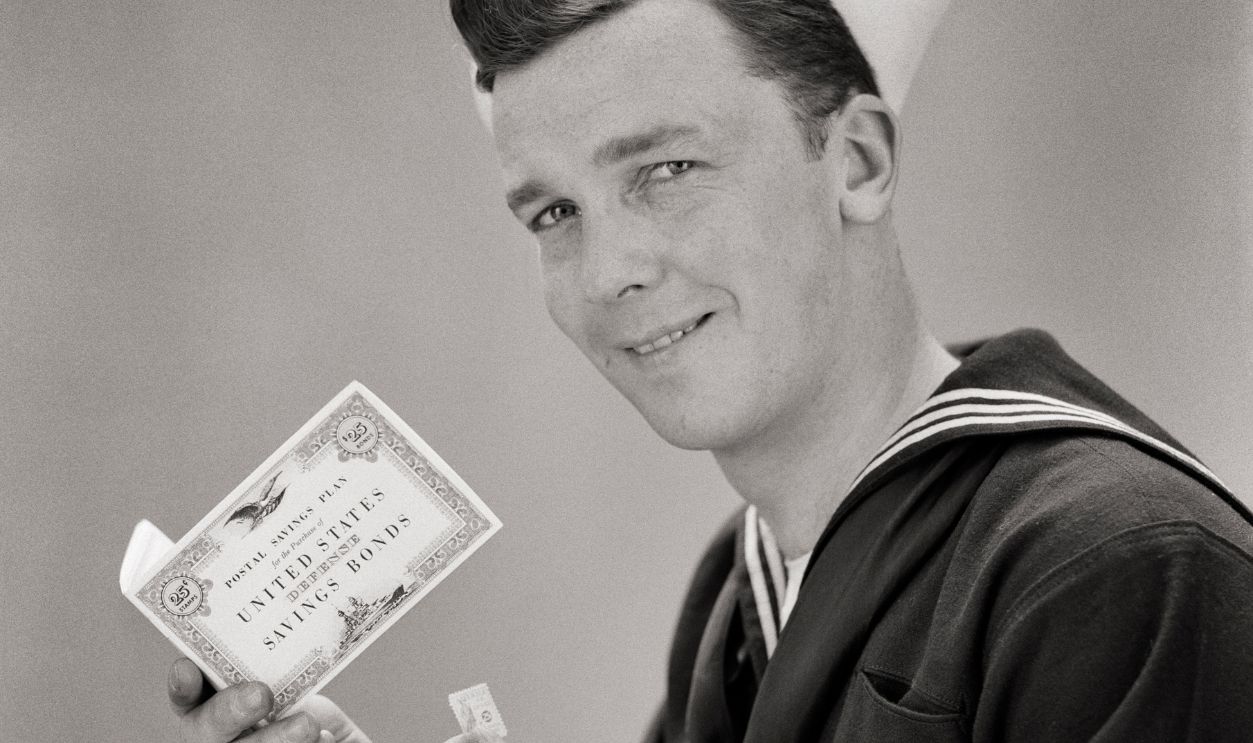
By 1947, Business Was Booming
Postal savings reached their peak in 1947, with nearly $3.4 billion deposited across the country. More than four million people held accounts, and over 8,000 postal units offered the service. For a program that had started with just 48 locations, that was quite an achievement. Unfortunately, things were about to change.
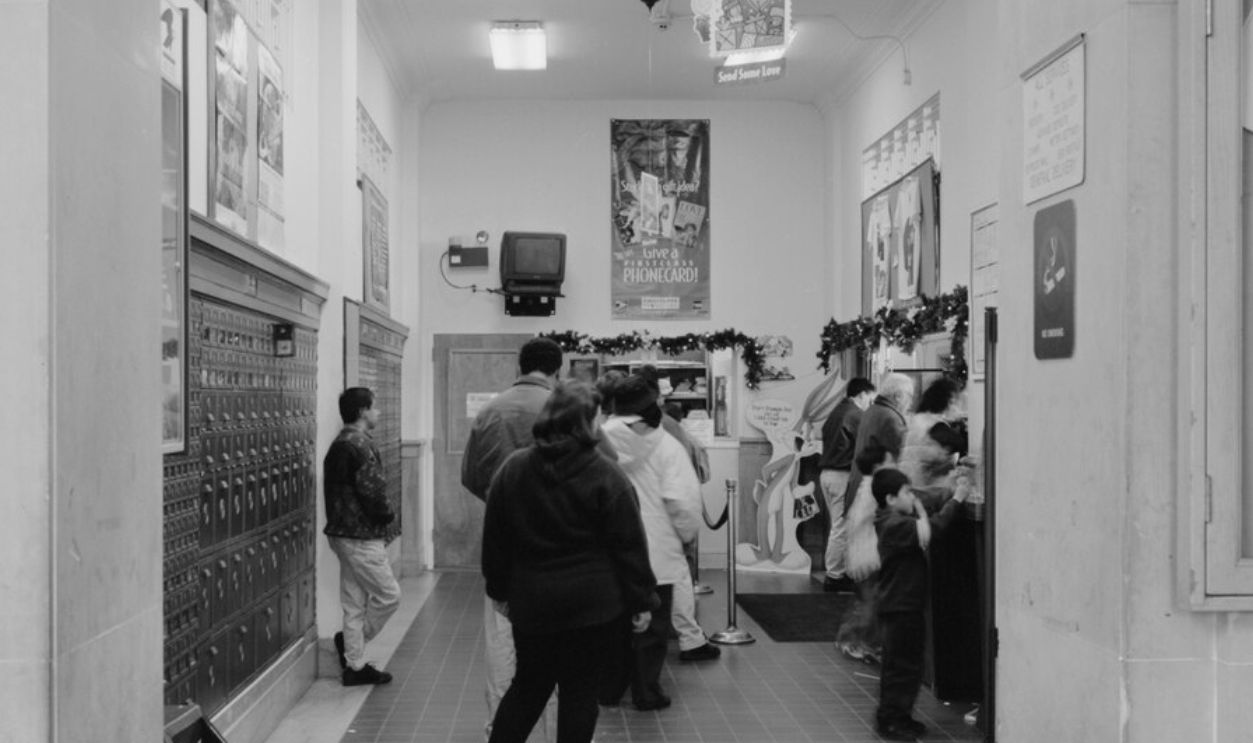
Traditional Banks Were Catching Up
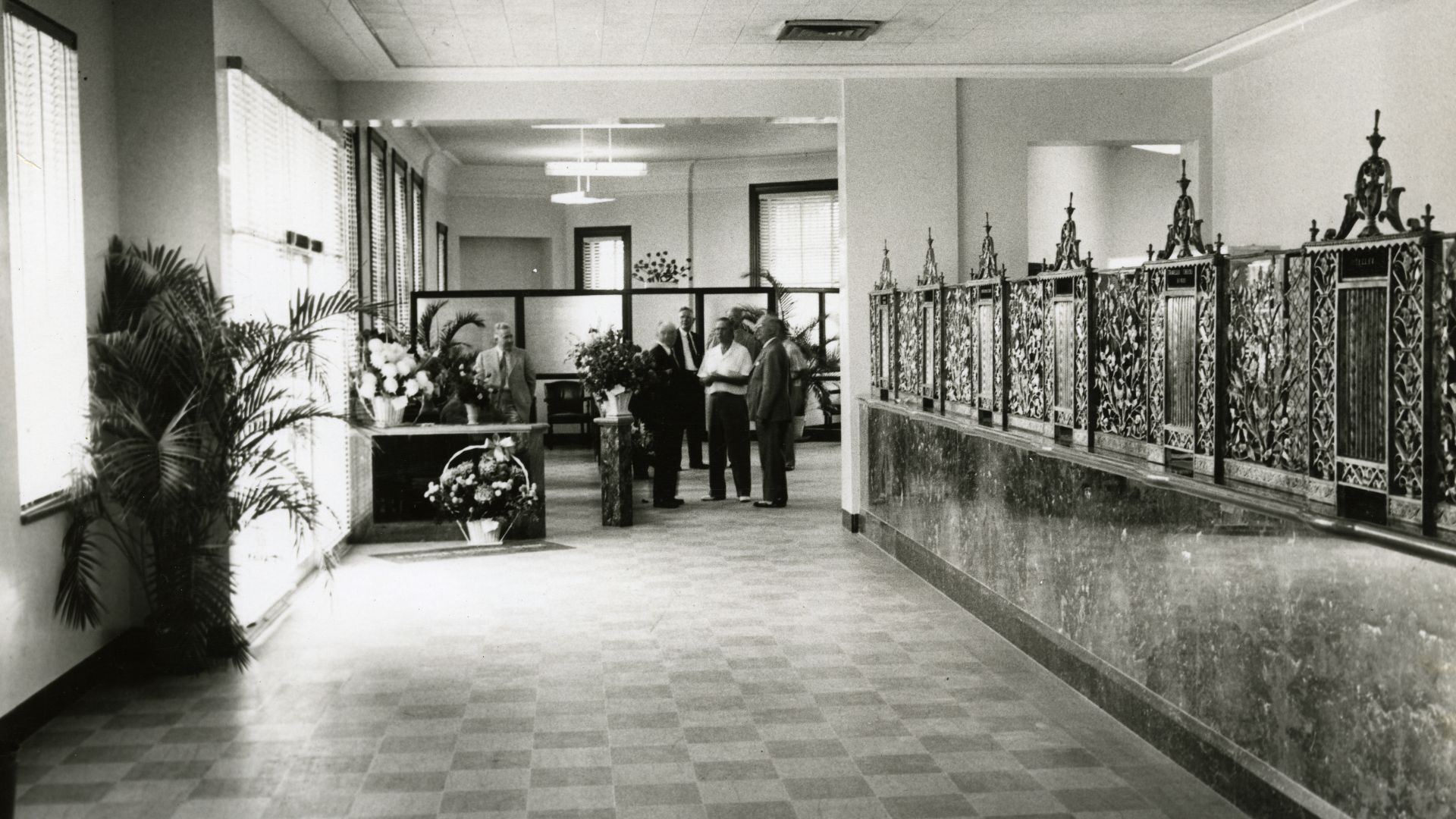
After the war, commercial banks became more attractive to ordinary Americans. They offered federally insured accounts, additional financial services, and increasingly competitive interest rates. Postal savings, meanwhile, continued paying just 2%. When customers could get similar protection and potentially better returns elsewhere, the post office started losing its appeal.
 Florida Keys--Public Libraries, Wikimedia Commons
Savings Bonds Didn't Help Matters
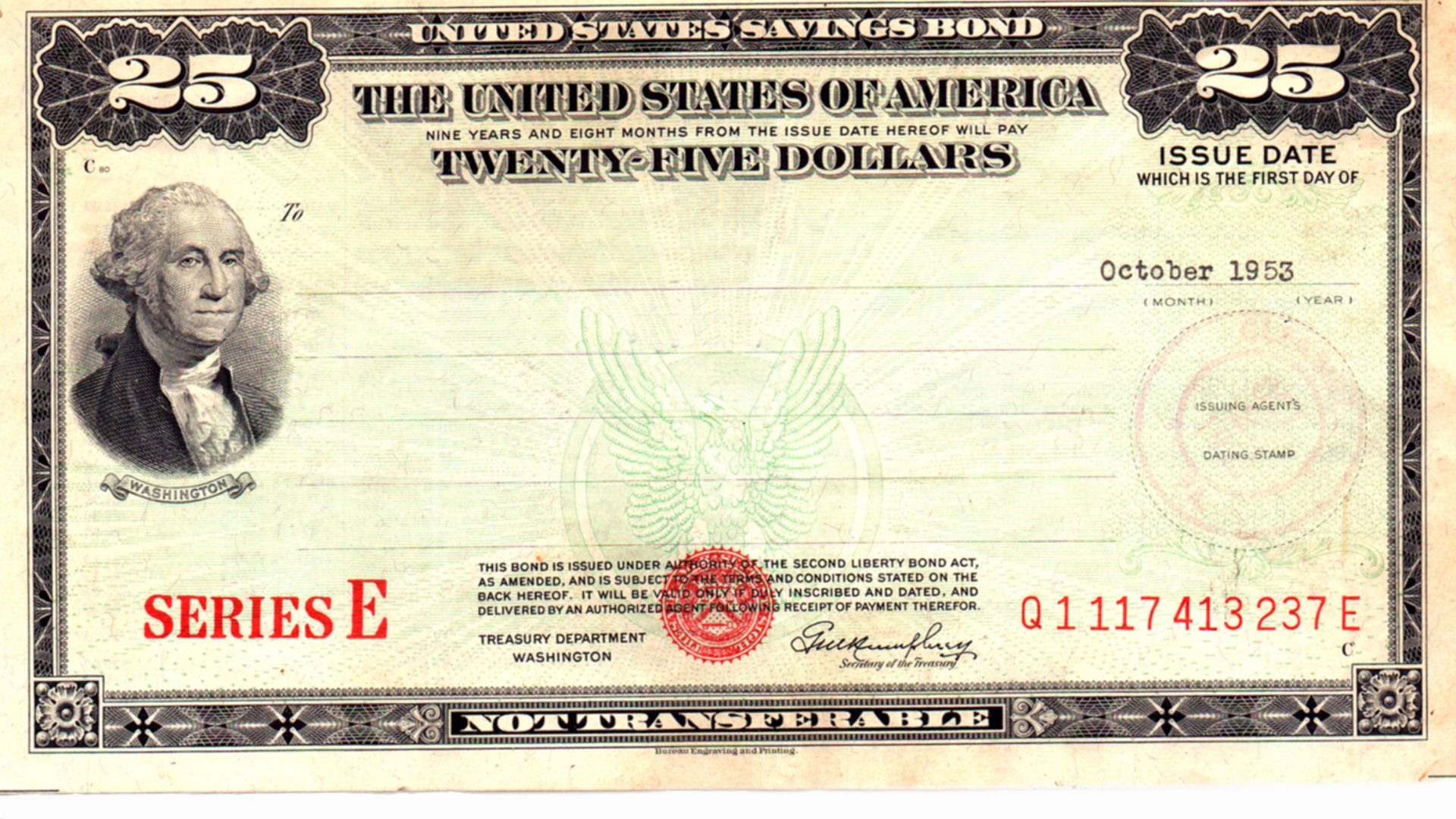
Postal accounts also faced competition from United States savings bonds. These government-backed investments offered another way to save securely, sometimes with more attractive returns. Americans no longer needed a postal account simply because they wanted the federal government's backing. There were other options, and many people began exploring them.
 US Government, Wikimedia Commons
The Deposits Started Disappearing
By 1964, the Postal Savings System held only about $416 million in deposits. That's a pretty dramatic fall from its $3.4 billion peak in 1947. The program still had loyal customers, but fewer Americans were using it. Washington increasingly questioned whether operating a separate savings network was worth the expense.

Private Banks Weren't Exactly Sad To See It Go
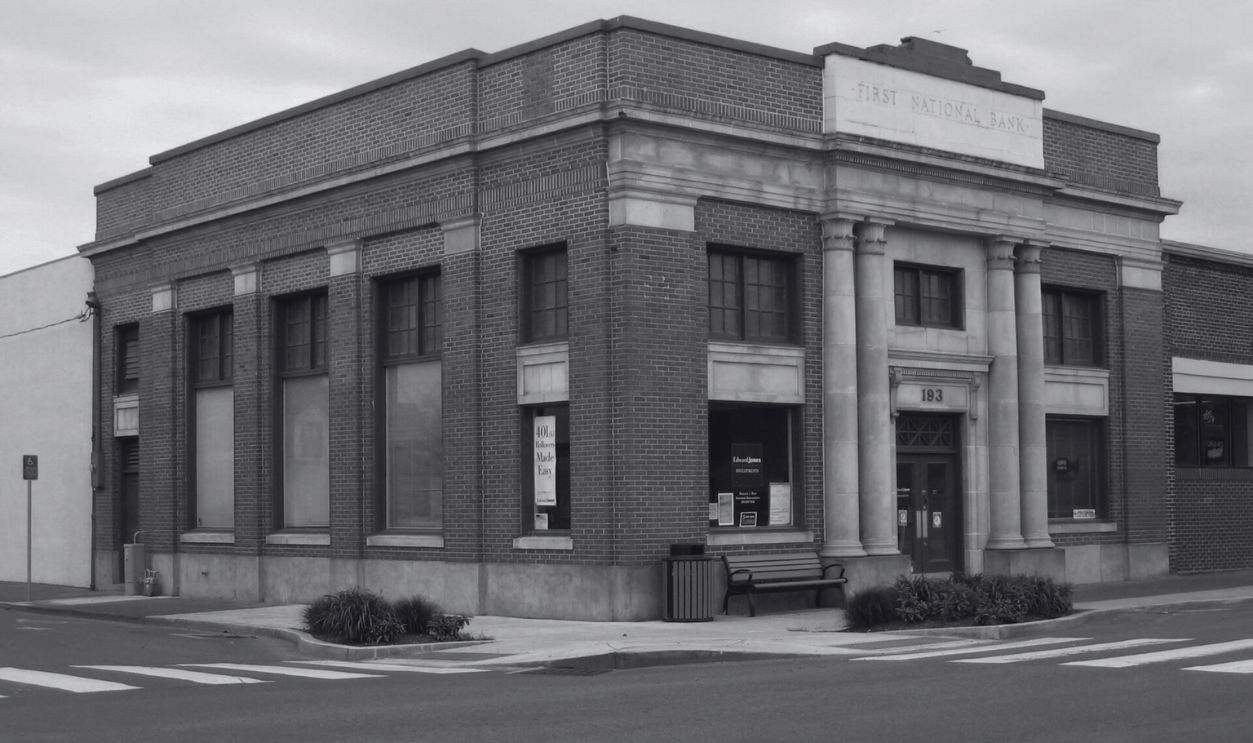
There's another part of this story worth mentioning. Private bankers had opposed postal savings since its early days, arguing that the government shouldn't compete with commercial banks. As the program declined, those longstanding objections remained. Banking-industry opposition was one of the factors influencing the eventual decision to shut it down.
 Publichall, Wikimedia Commons, Enhanced
Congress Decided Enough Was Enough
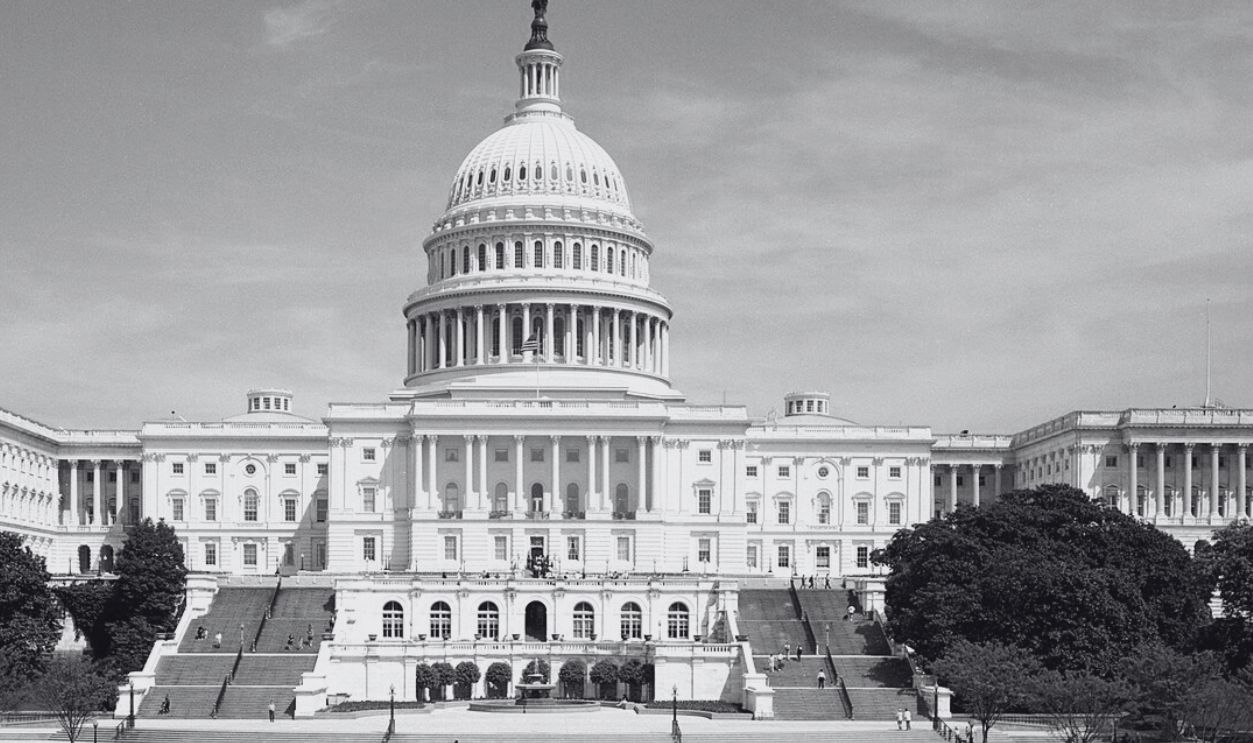
In March 1966, Congress approved legislation bringing the Postal Savings System to an end. Beginning April 27, post offices stopped accepting new deposits and opening accounts. Existing customers still had time to withdraw their money, but the writing was on the wall. After more than half a century, postal banking was being retired.
 Architect of the Capitol, Wikimedia Commons, Enhanced
What Happened To The Money Left Behind?
The system officially closed on July 1, 1967. Most customers had withdrawn their savings, but roughly $50 million remained unclaimed in hundreds of thousands of accounts. Those funds went to the Treasury, and later legislation addressed their distribution to states. The deadline for making claims on old postal savings certificates eventually passed in 1985.
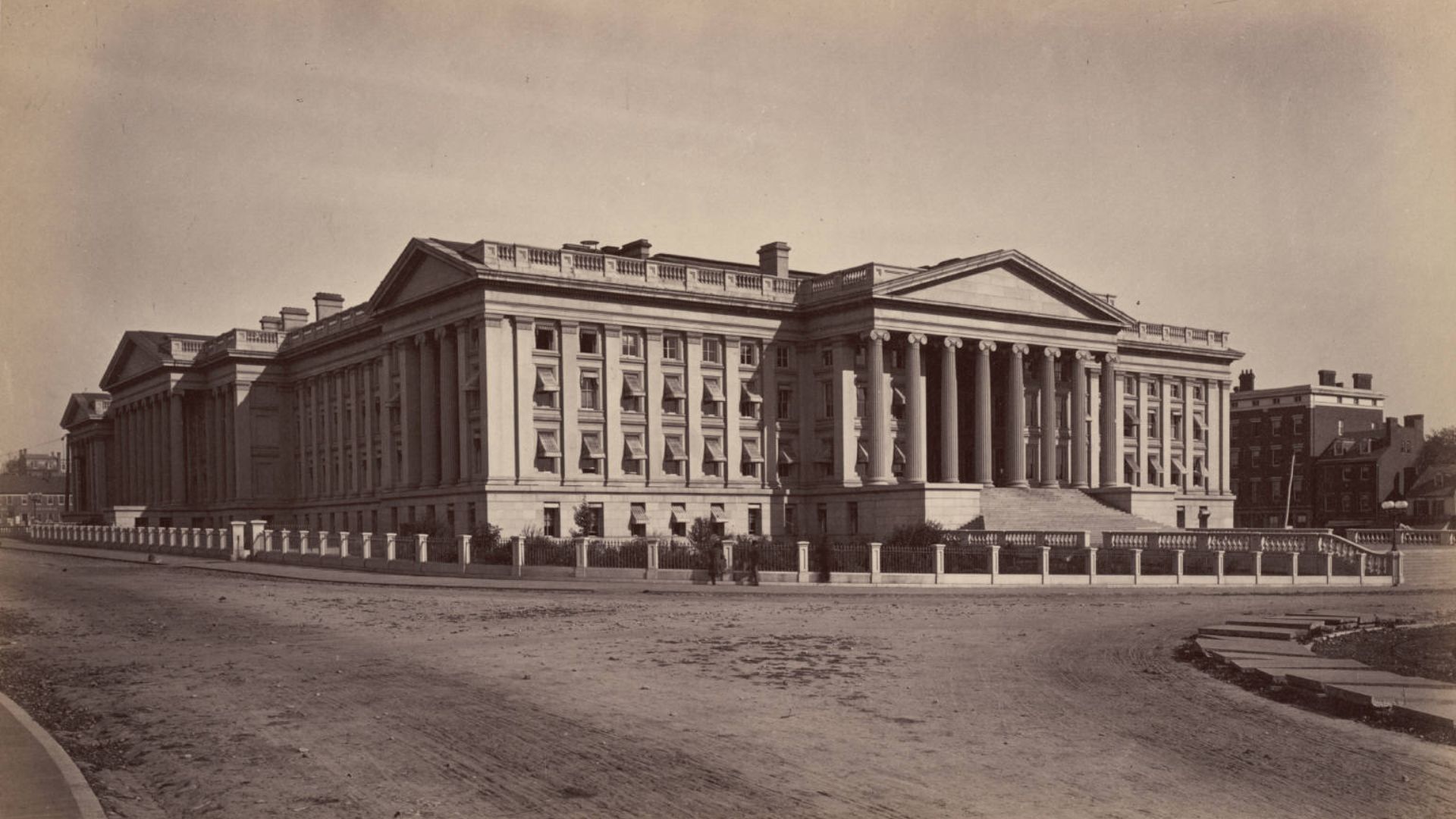 Cornell University Library, Wikimedia Commons
Could Americans Ever Bank At The Post Office Again?
For Baby Boomers who remember the final years of postal savings, it's a fascinating piece of American financial history. The system gave millions of people somewhere secure to keep their hard-earned money before modern banking protections became widespread. It disappeared because banking had changed, but the idea of postal banking still occasionally comes up. Maybe some old ideas aren't quite as outdated as they seem.
You May Also Like:
How Credit Card Promotional Rates Can Turn A Deferred-Interest Purchase Into An Expensive Loan
My Employer Offered A Pension Buyout. How Do I Compare A Lump Sum With Monthly Payments?