Same Gas, Different Price
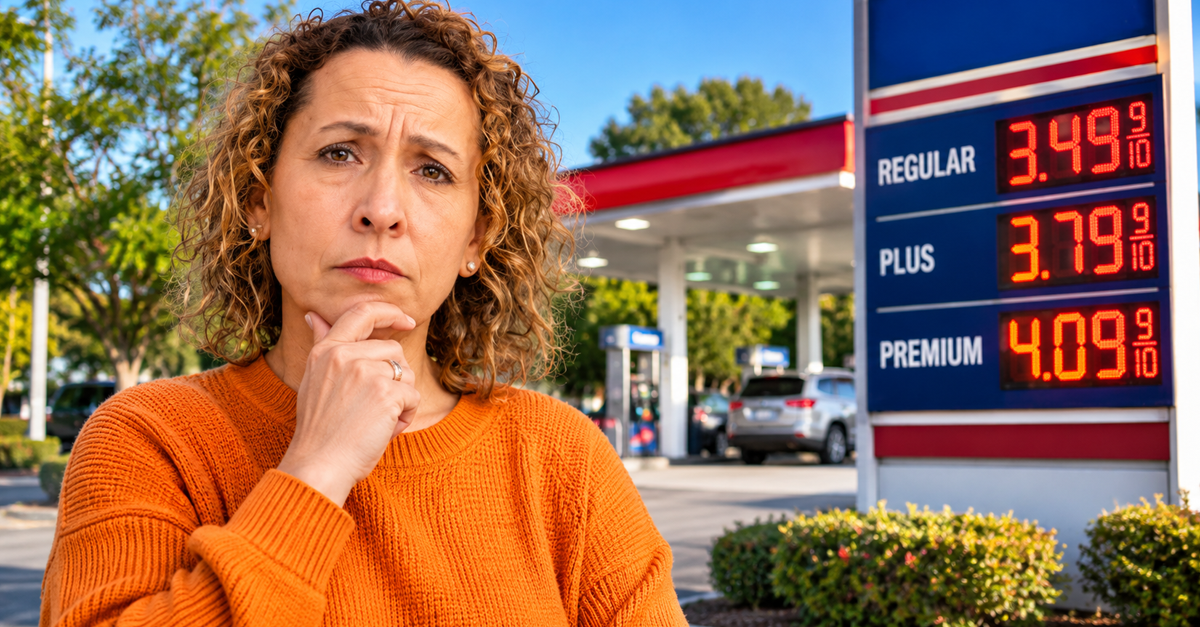
Two gas stations sit directly across the street from each other, yet one charges 20 cents more per gallon. Stranger still, both might get their gasoline from the same distribution terminal. It seems ridiculous to pay more when cheaper fuel is just a few steps away.
So what's really behind those surprisingly different prices?
The Price Difference Isn't Always About The Gas
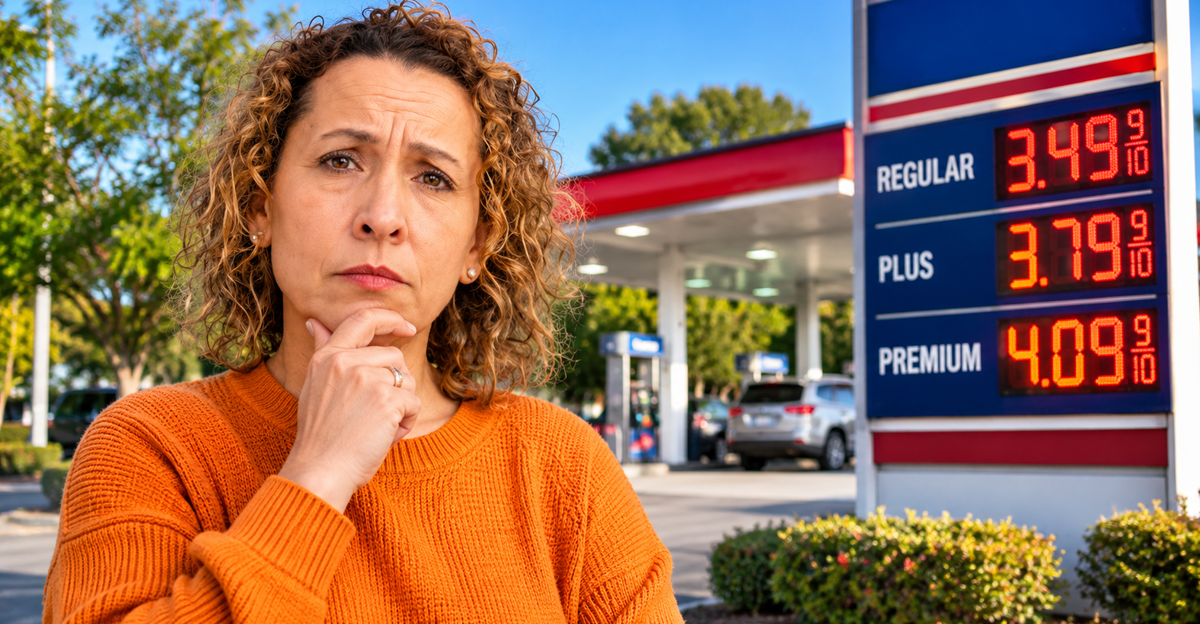
You might assume the more expensive station sells better gasoline, but that's not necessarily true. Gas stations set prices based on their costs, suppliers, and competition. Even businesses facing each other across the road can operate under completely different financial circumstances.
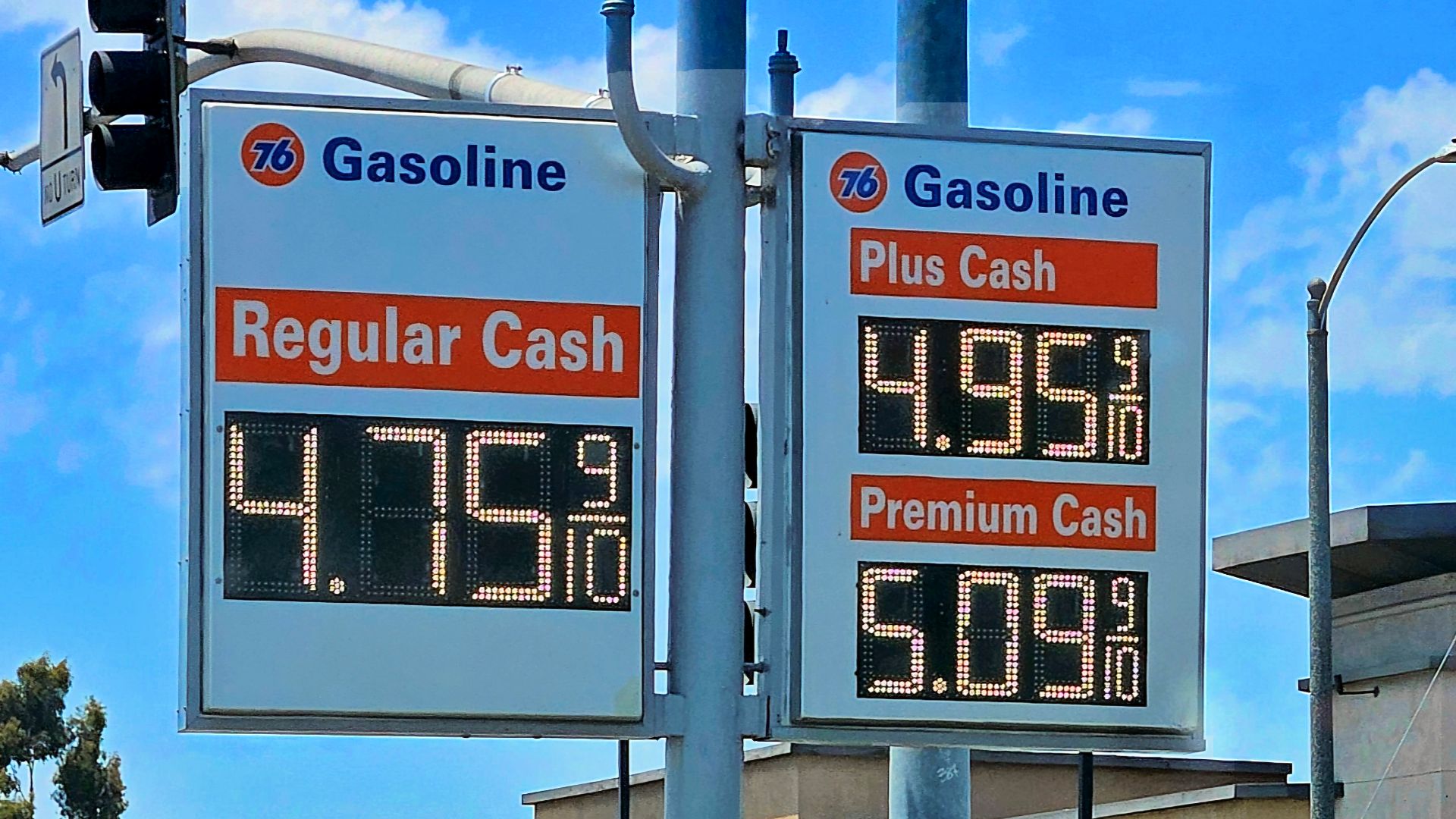
It Starts Long Before The Pump
The price on a gas station sign includes much more than the gasoline itself. Crude oil, refining, transportation, taxes, and retail expenses all contribute to the final cost. Crude oil generally accounts for the largest share, but retail expenses and business decisions help explain differences between nearby stations.
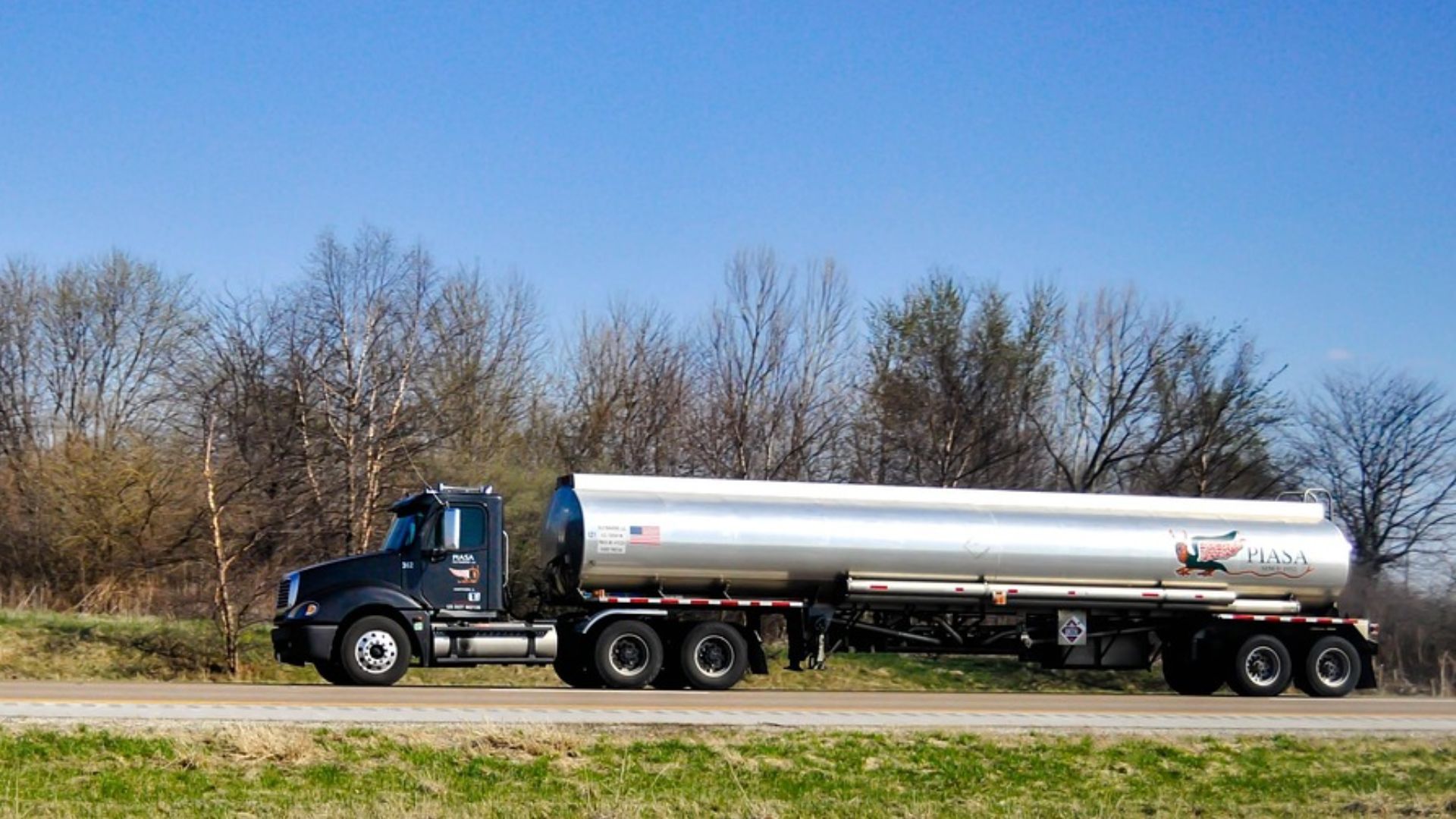
They Might Pay Different Wholesale Prices
Two stations selling regular unleaded gasoline don't necessarily pay the same amount for it. According to the National Association of Convenience Stores, wholesale costs can differ by 10 to 20 cents per gallon. Purchasing agreements, branding, and local competition all influence what retailers pay their suppliers.
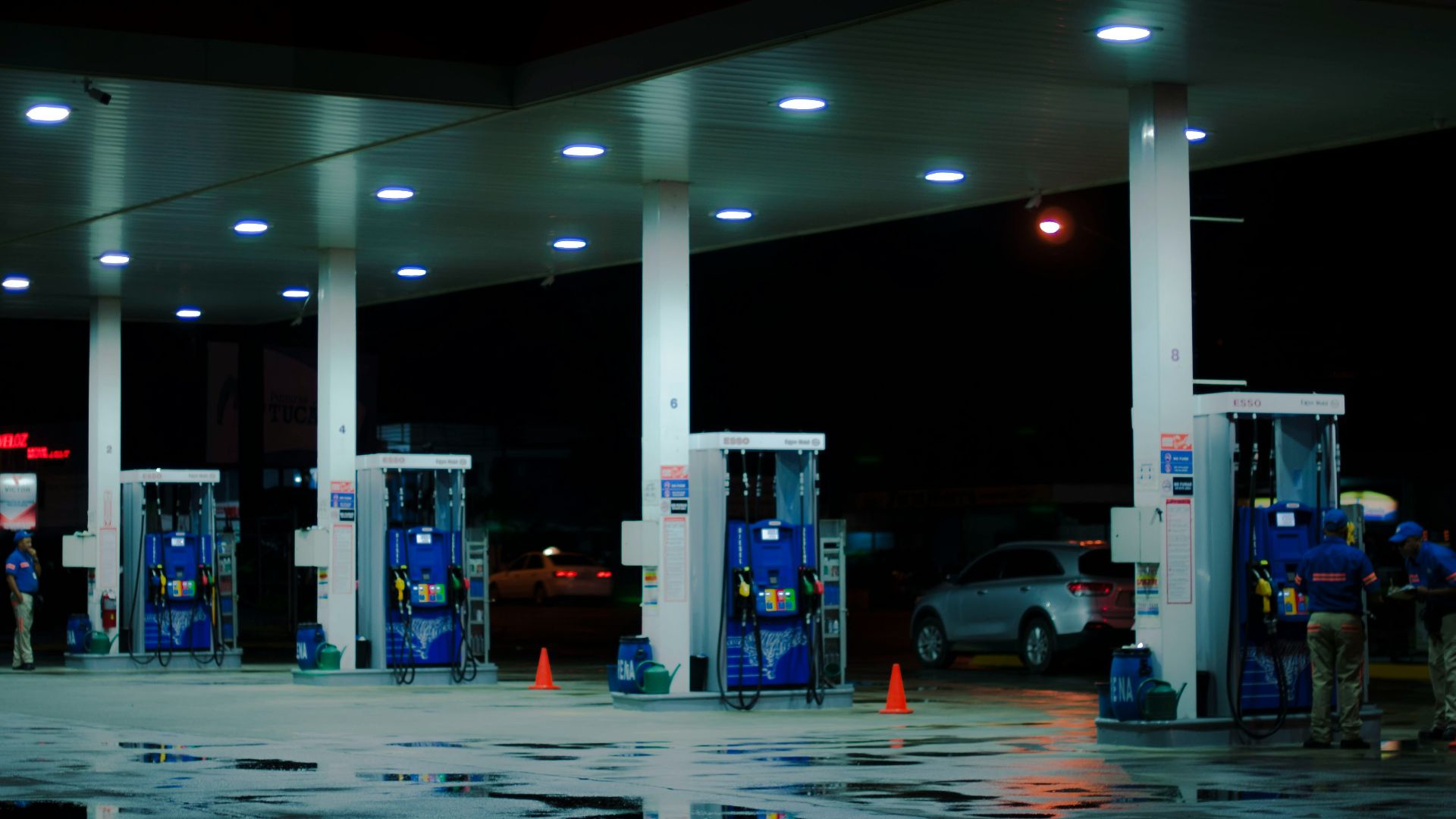
One Station Might Buy Much More Fuel
A busy station selling thousands of gallons has an advantage over a smaller competitor. High-volume retailers can sometimes negotiate lower wholesale prices because they purchase more gasoline. That allows them to charge less per gallon while still making a profit.
 Grendelkhan, Wikimedia Commons
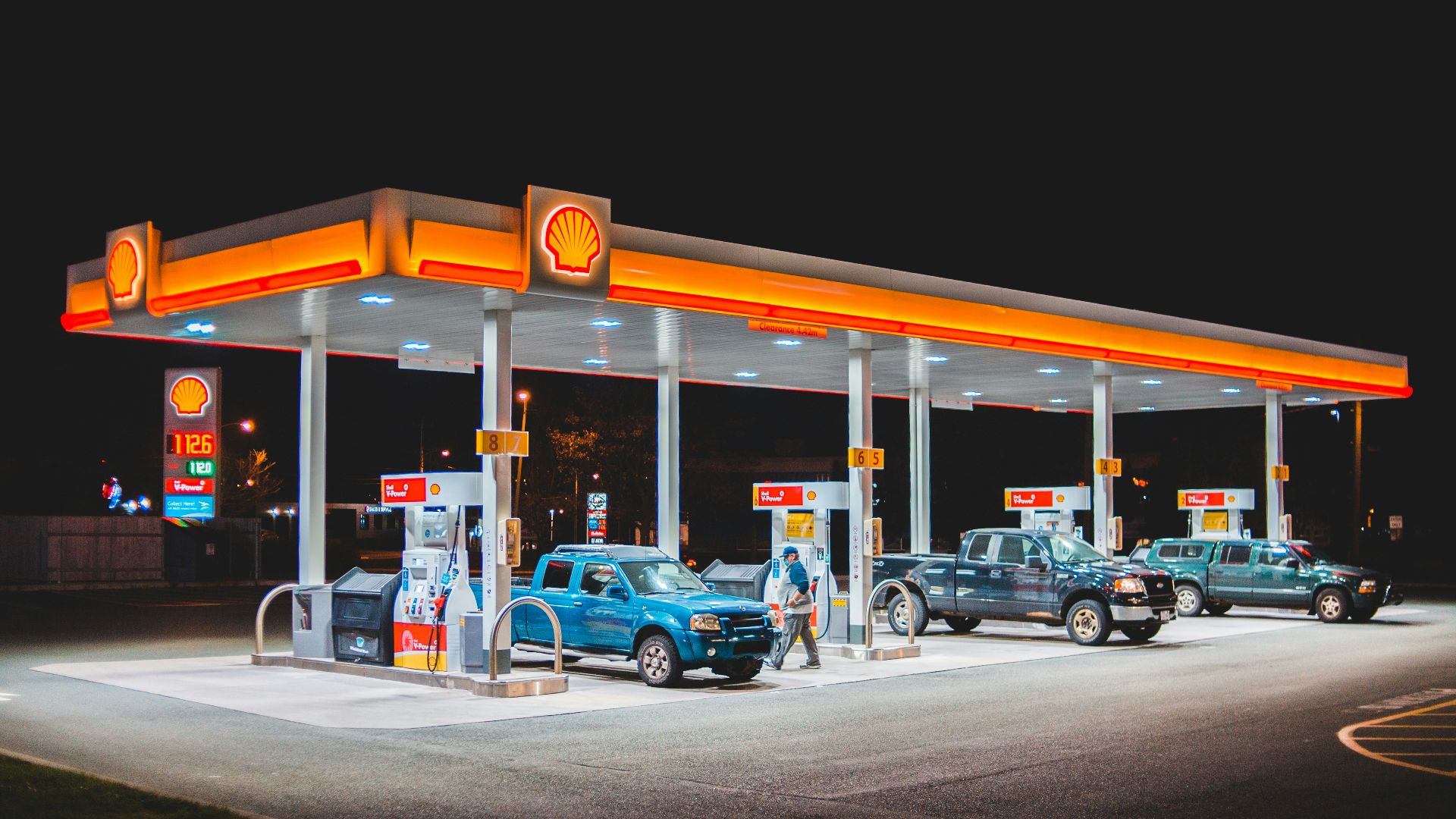
The Brand On The Sign Matters
Major gasoline brands offer more than recognizable signs and logos. Their agreements can include advertising support, proprietary additives, and assistance with running the business. Those benefits can increase wholesale costs, meaning a familiar national brand sometimes charges more than an independent station nearby.
Independent Stations Have More Flexibility
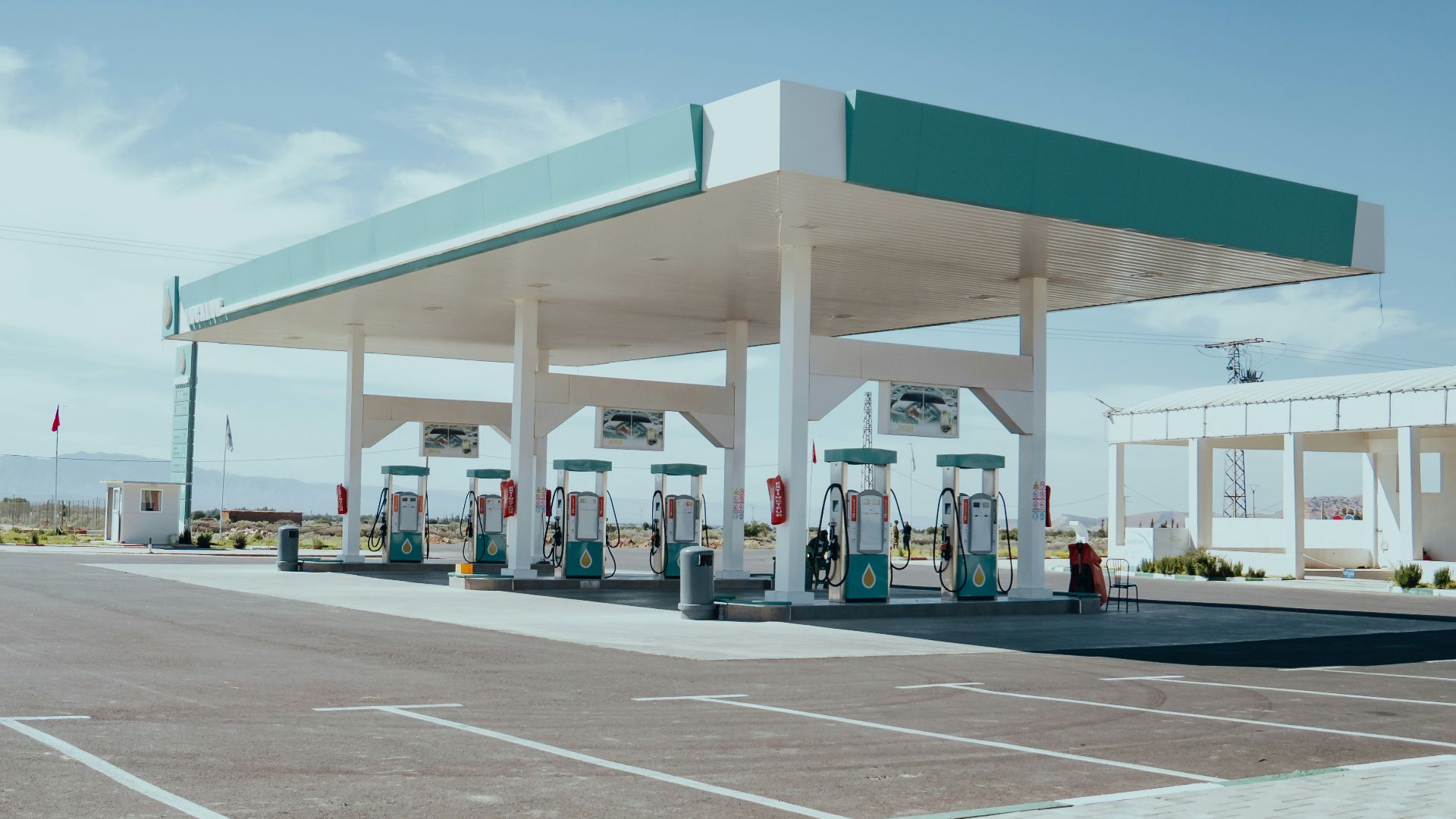
Unbranded gas stations can often shop around for better wholesale deals. Instead of relying on one branded supplier, they may buy from whichever available distributor offers favorable terms. This flexibility can lower prices, although independent retailers sometimes face higher costs when gasoline supplies become tight.
The Fuel Might Come From The Same Terminal
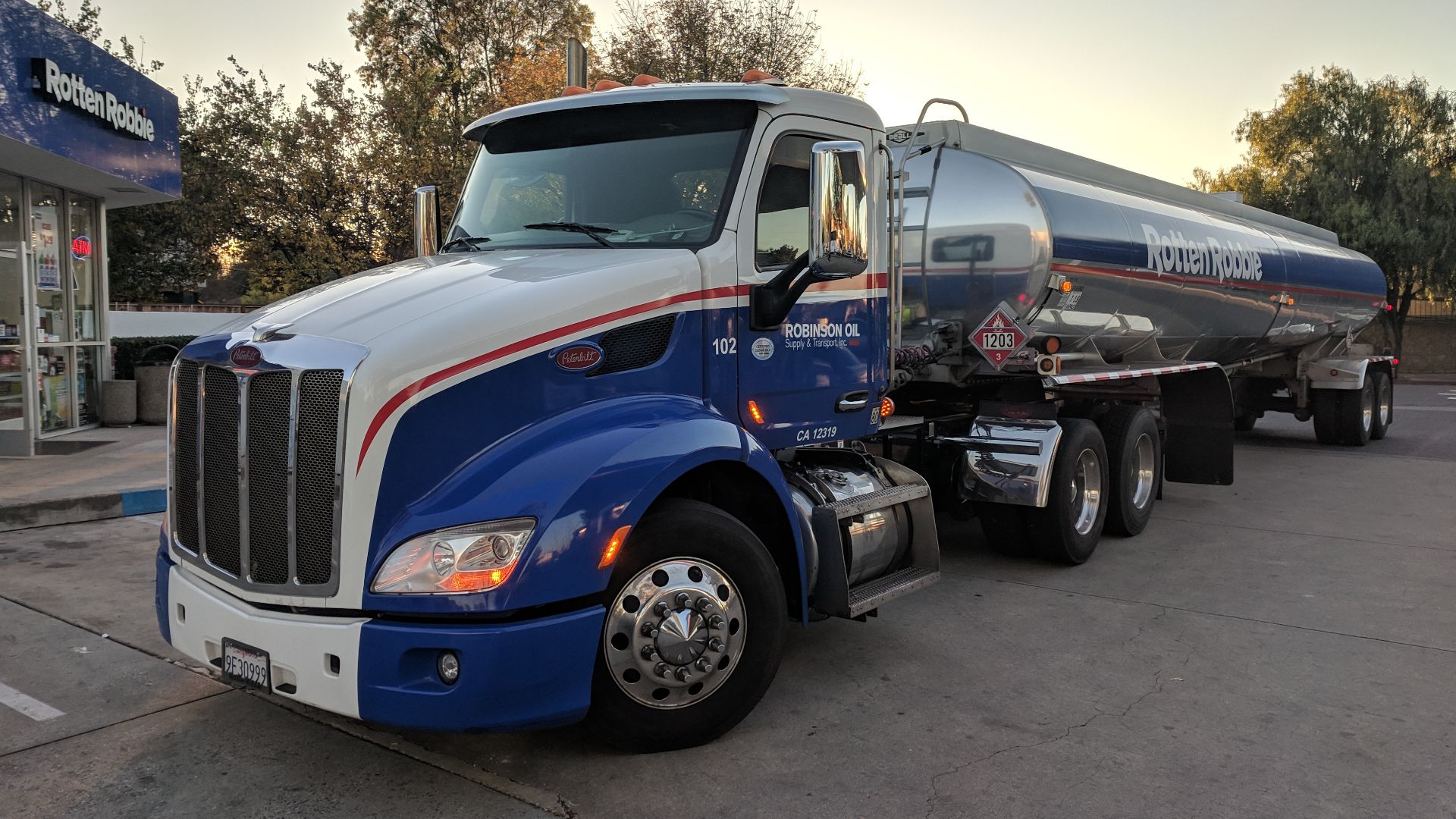
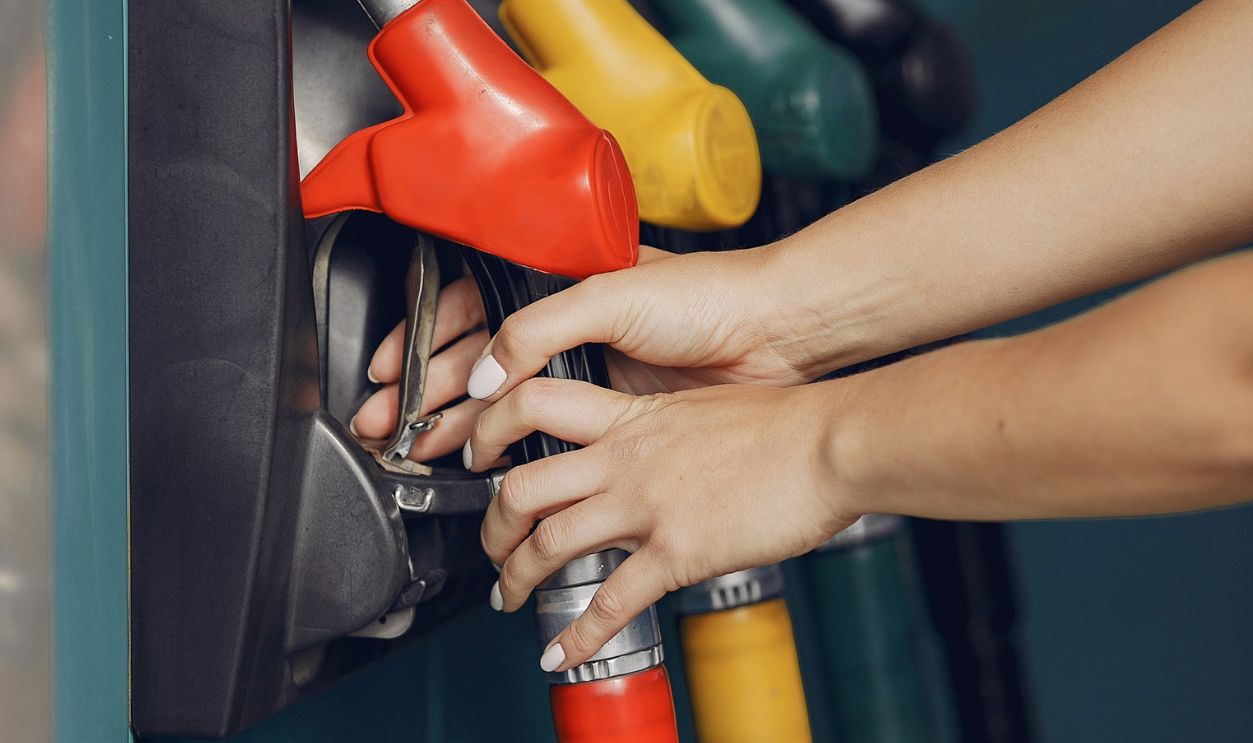
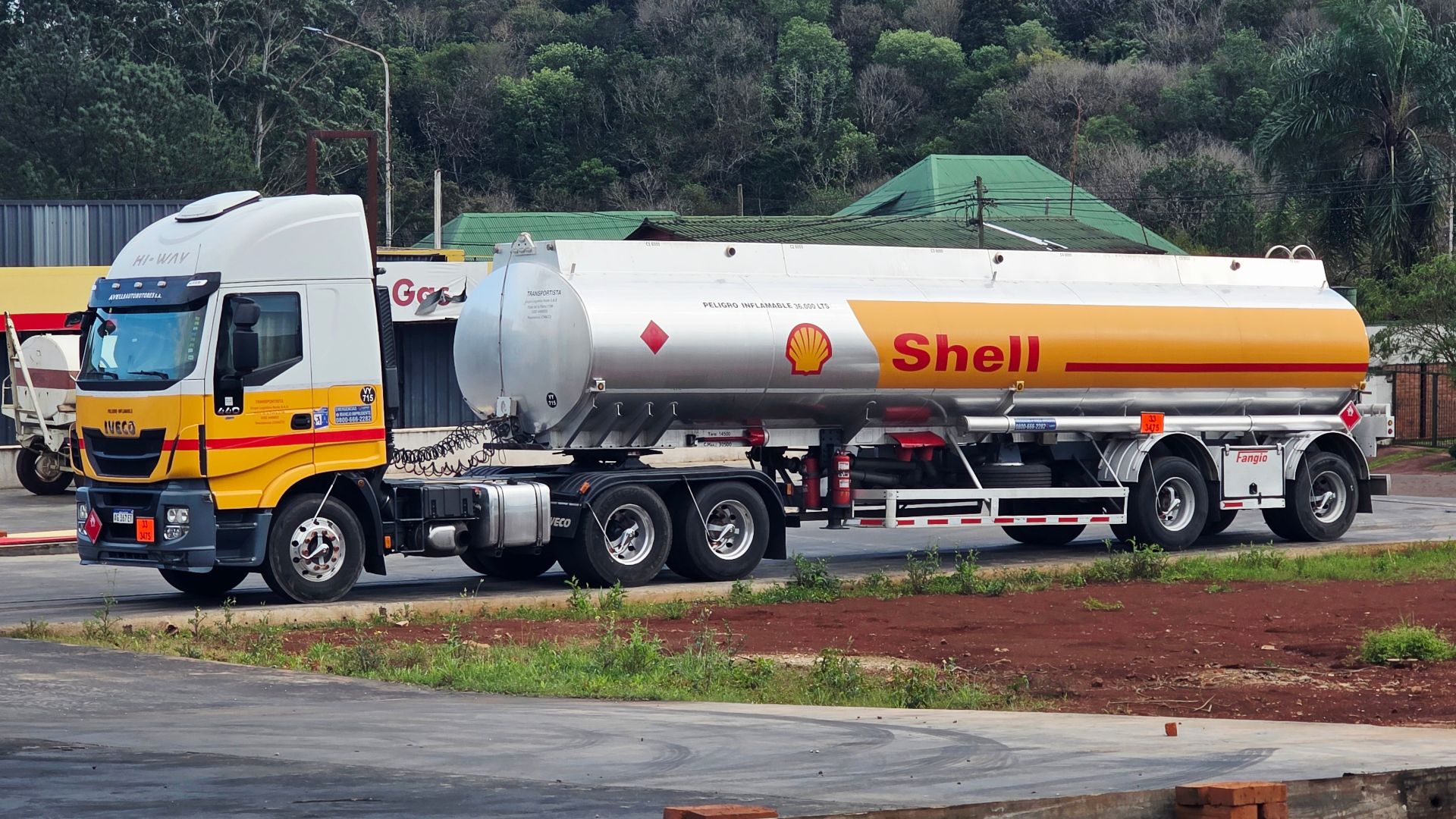
Here's something many drivers don't realize. Gasoline sold under different brand names can travel through the same pipelines and sit in common storage terminals. Brand-specific additives are typically introduced when the gasoline is loaded into tanker trucks, meaning competing stations may receive fuel from the same basic supply.
But The Additives Can Be Different
Although the base gasoline may be similar, detergent additives can vary between brands. All gasoline sold legally in the United States must meet applicable fuel standards, but some brands exceed those requirements. AAA testing found that TOP TIER gasoline produced significantly fewer engine deposits than the non-TOP TIER fuels tested.

A Busy Corner Can Cost More
Location matters even when two stations are separated by only a few lanes of traffic. A station occupying a particularly desirable corner may face higher rent, property taxes, or real estate expenses. Those costs can influence how much it needs to charge customers.
The Traffic Pattern Makes A Difference
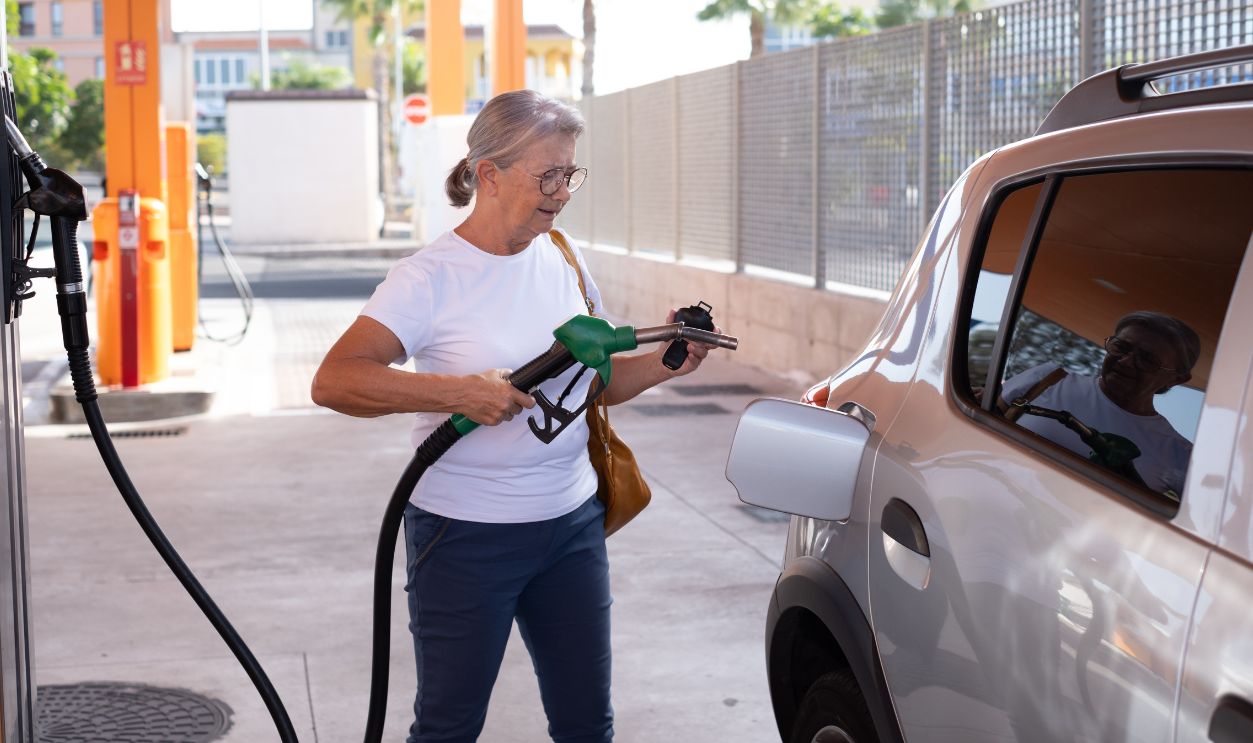
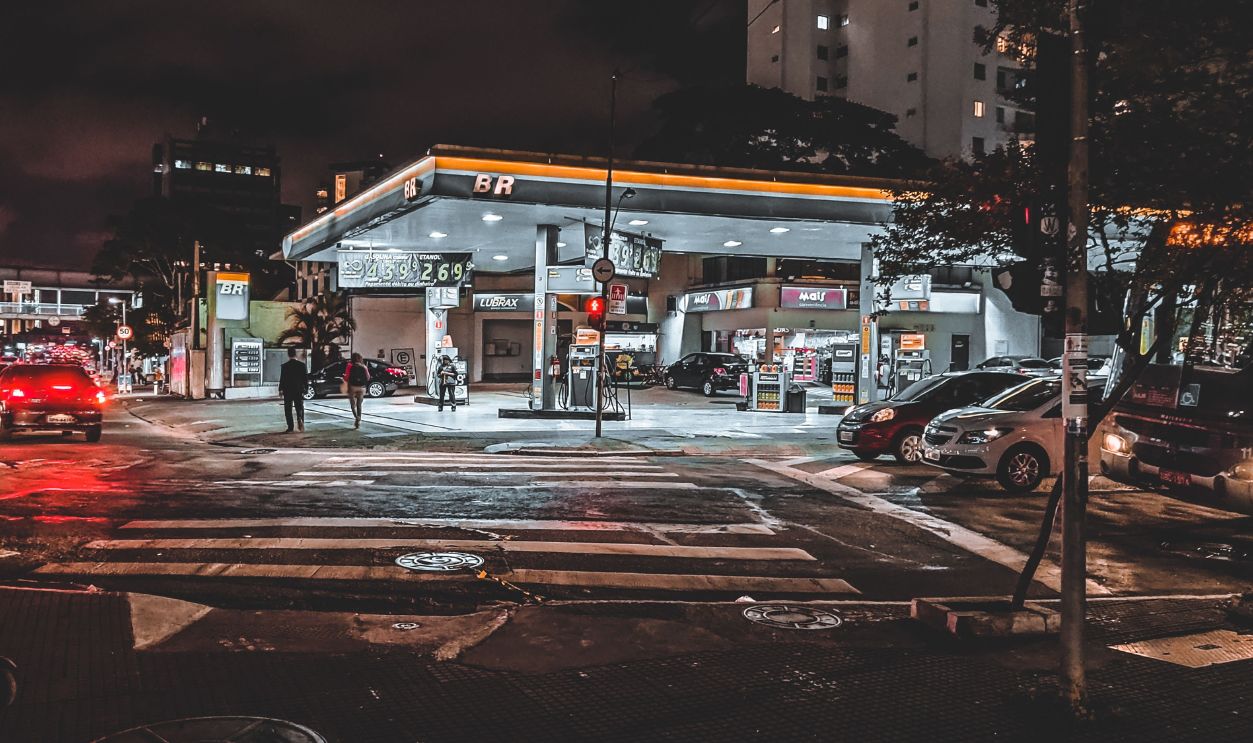
Two stations facing each other don't necessarily attract the same drivers. One might offer an easy right turn for commuters, while the other requires crossing several lanes of traffic. Drivers who prioritize convenience may choose the easier station even when its gasoline costs more.
 Carlos Augusto Dias de Menezes, Pexels
The Convenience Store Changes Everything
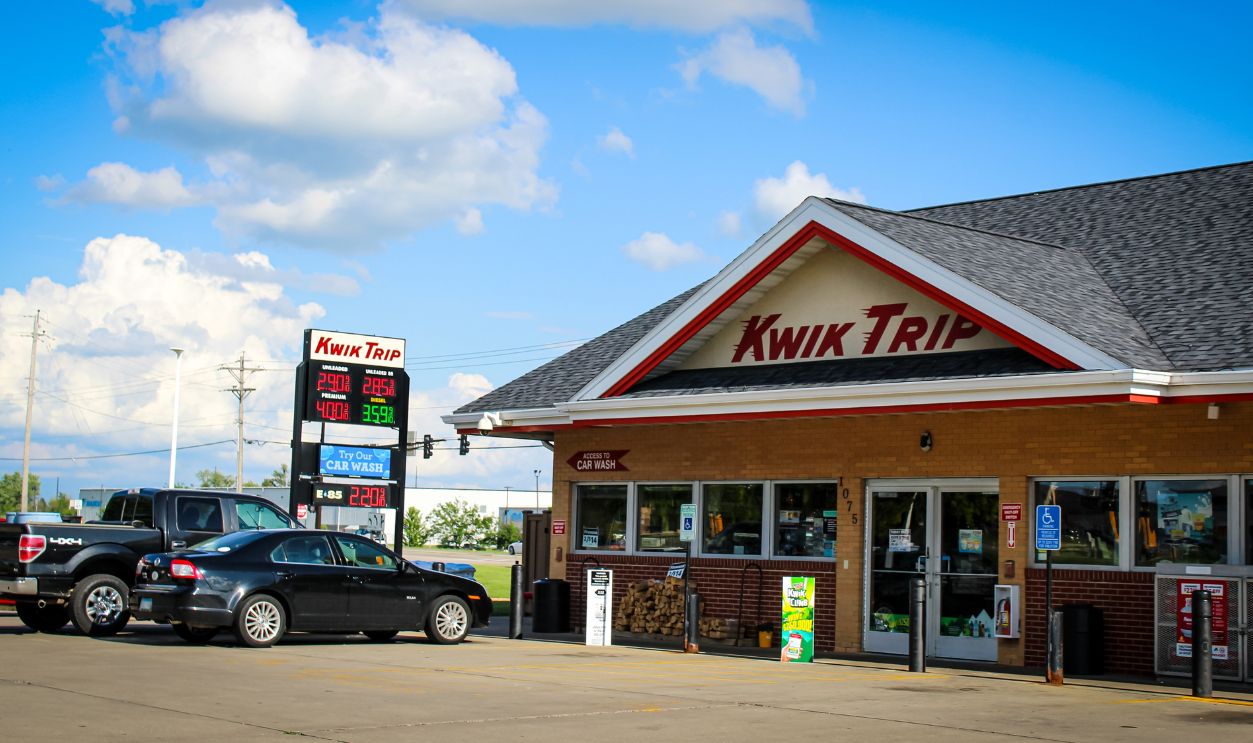
For many gas stations, the convenience store is a major source of profit. According to NACS, gasoline accounted for 67% of U.S. convenience-store revenue but only 39% of profits in its February 2025 analysis. Food, drinks, and merchandise can therefore be more important to the business than the pumps themselves.
Cheap Gas Can Be A Marketing Strategy
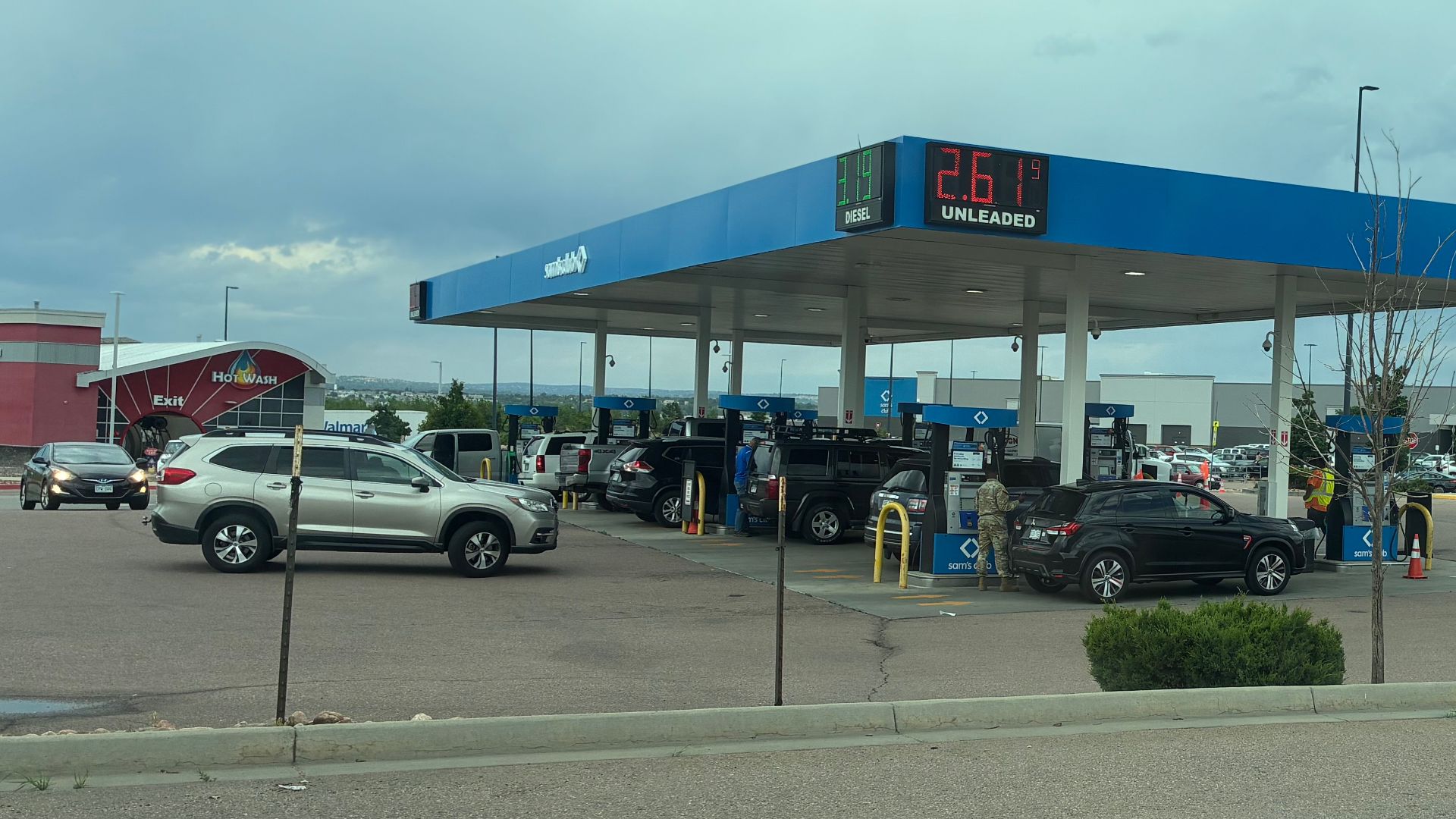
Some retailers deliberately keep gasoline prices low to attract customers who might purchase other products. Warehouse clubs like Costco and Sam’s Club can also use competitive fuel prices to attract shoppers and encourage customers to maintain their memberships. A standalone gas station without those additional revenue opportunities may need to earn more from gasoline sales.
 NissanFanatic245, Wikimedia Commons
Operating Costs Aren't Identical
Running a gas station involves more than purchasing fuel. Employee wages, insurance, electricity, equipment maintenance, and property expenses all affect profitability. Even neighboring stations can have different costs depending on their facilities, staffing, and ownership arrangements.
Credit Card Fees Can Add Up
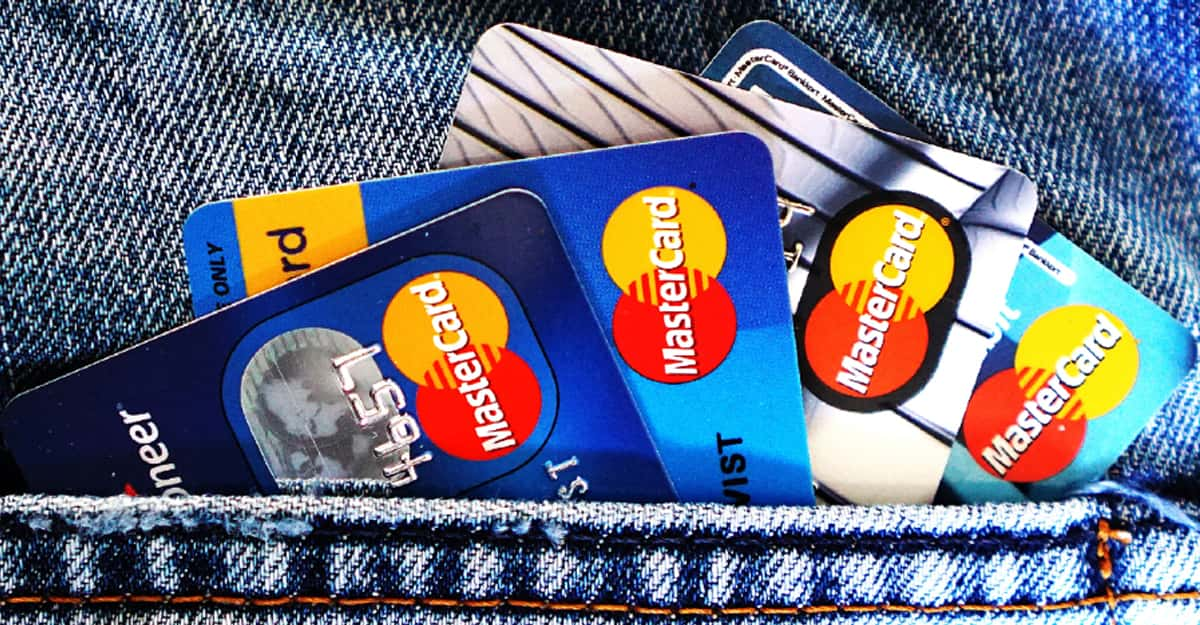
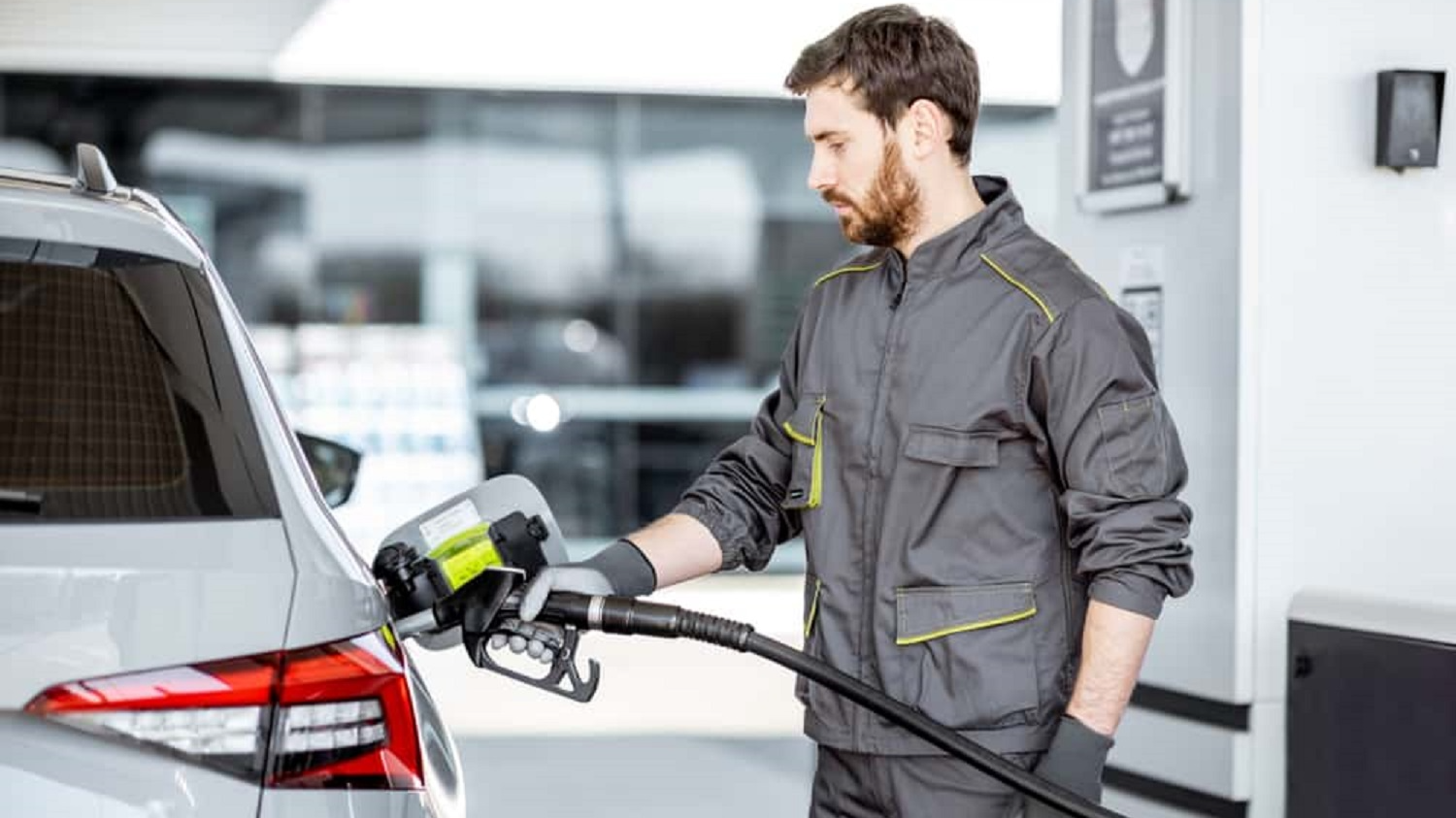
Every credit card purchase creates processing expenses for the retailer. NACS reported that payment card fees cost fuel retailers an average of 8.4 cents per gallon in 2024. Some stations absorb those expenses into their prices, while others encourage customers to pay cash.
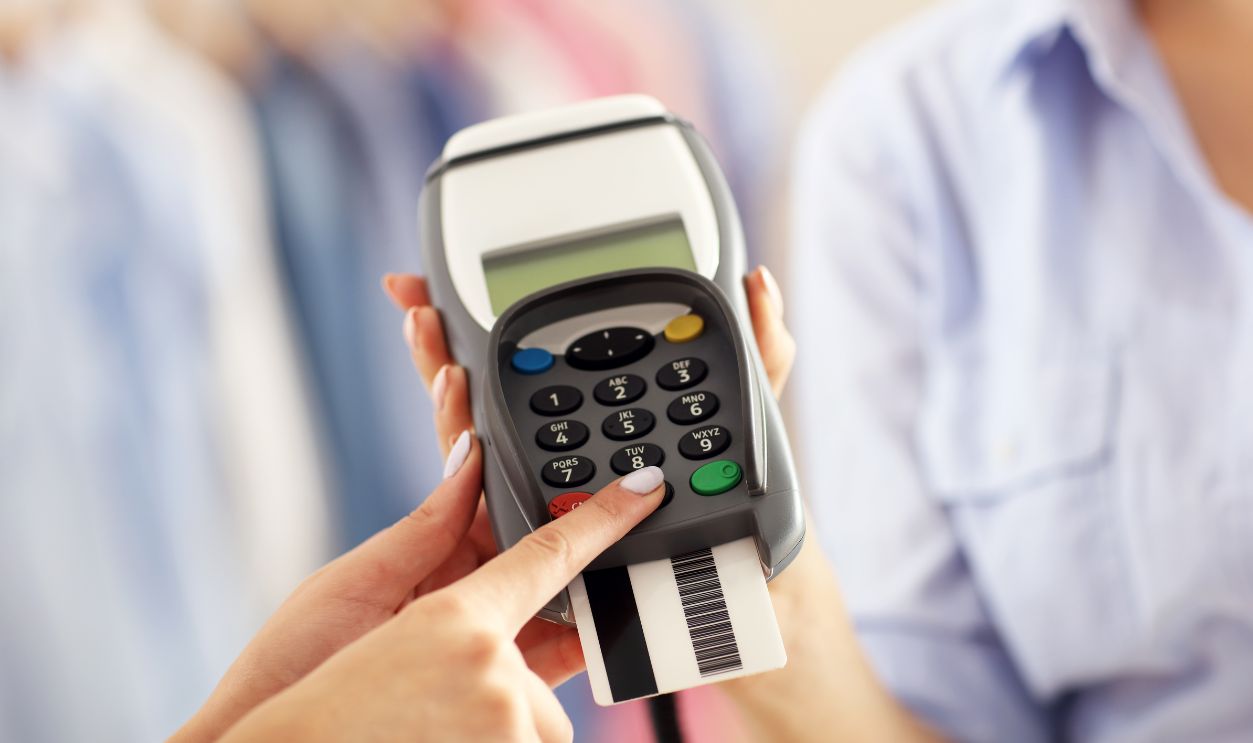
The Price On The Sign Might Have Conditions
That unusually cheap gasoline price might come with a catch. Some stations advertise cash discounts or prices available only through particular rewards programs. Before choosing the cheaper station, check what you'll actually pay using your preferred payment method.
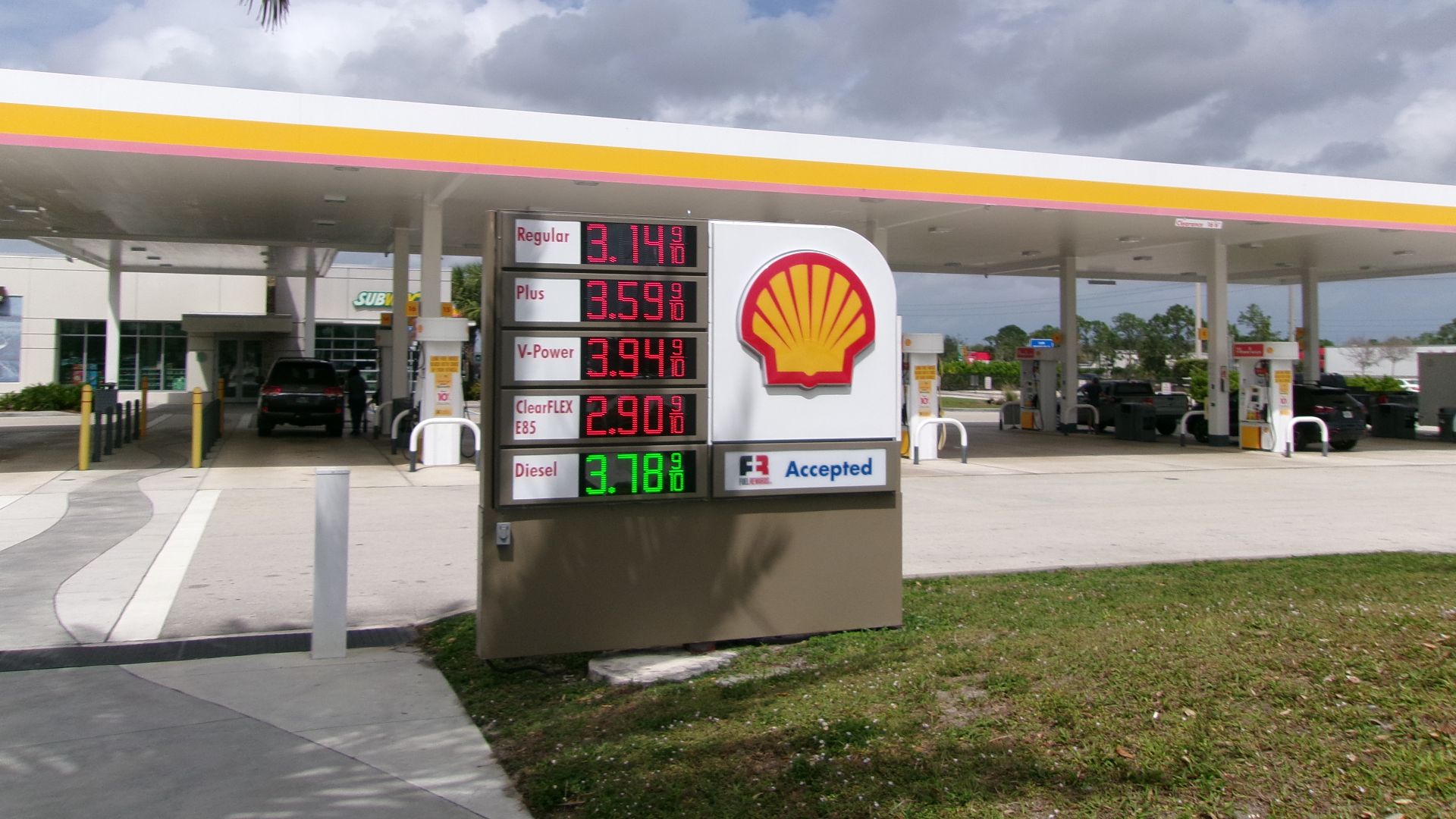
They Might Have Different Owners
A familiar national brand doesn't necessarily own the gas station displaying its logo. According to the American Petroleum Institute, fewer than 5% of U.S. gasoline stations are owned by major oil companies. Independent owners may have different financial goals, supplier arrangements, and pricing strategies.
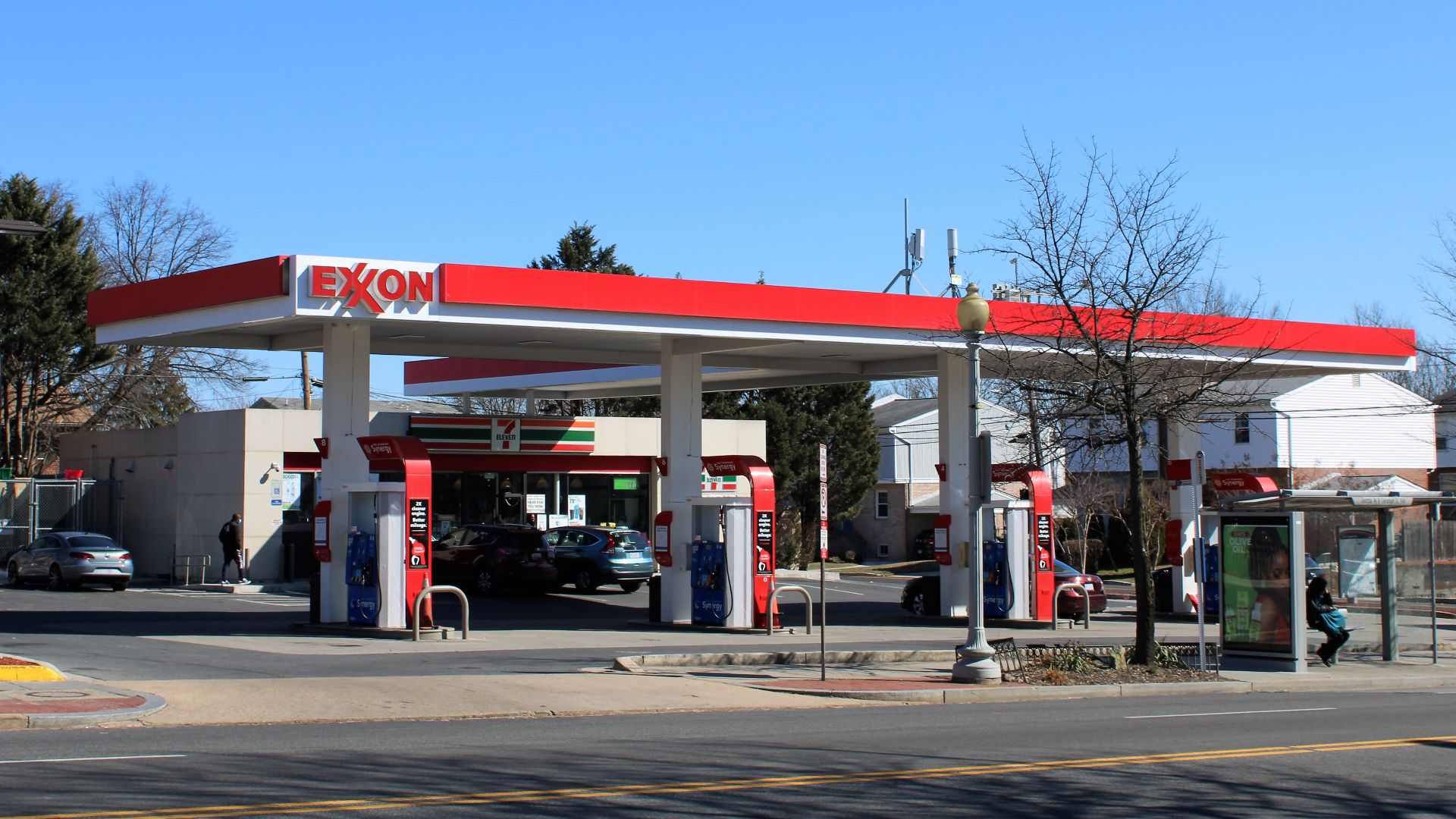 Farragutful, Wikimedia Commons
One Station Might Have Bought Gas Earlier
Wholesale gasoline prices can change before a station receives its next delivery. One retailer might anticipate paying more for its next shipment, while another faces different supplier costs. Because stations consider replacement costs as well as existing inventory, neighboring prices don't always change together.
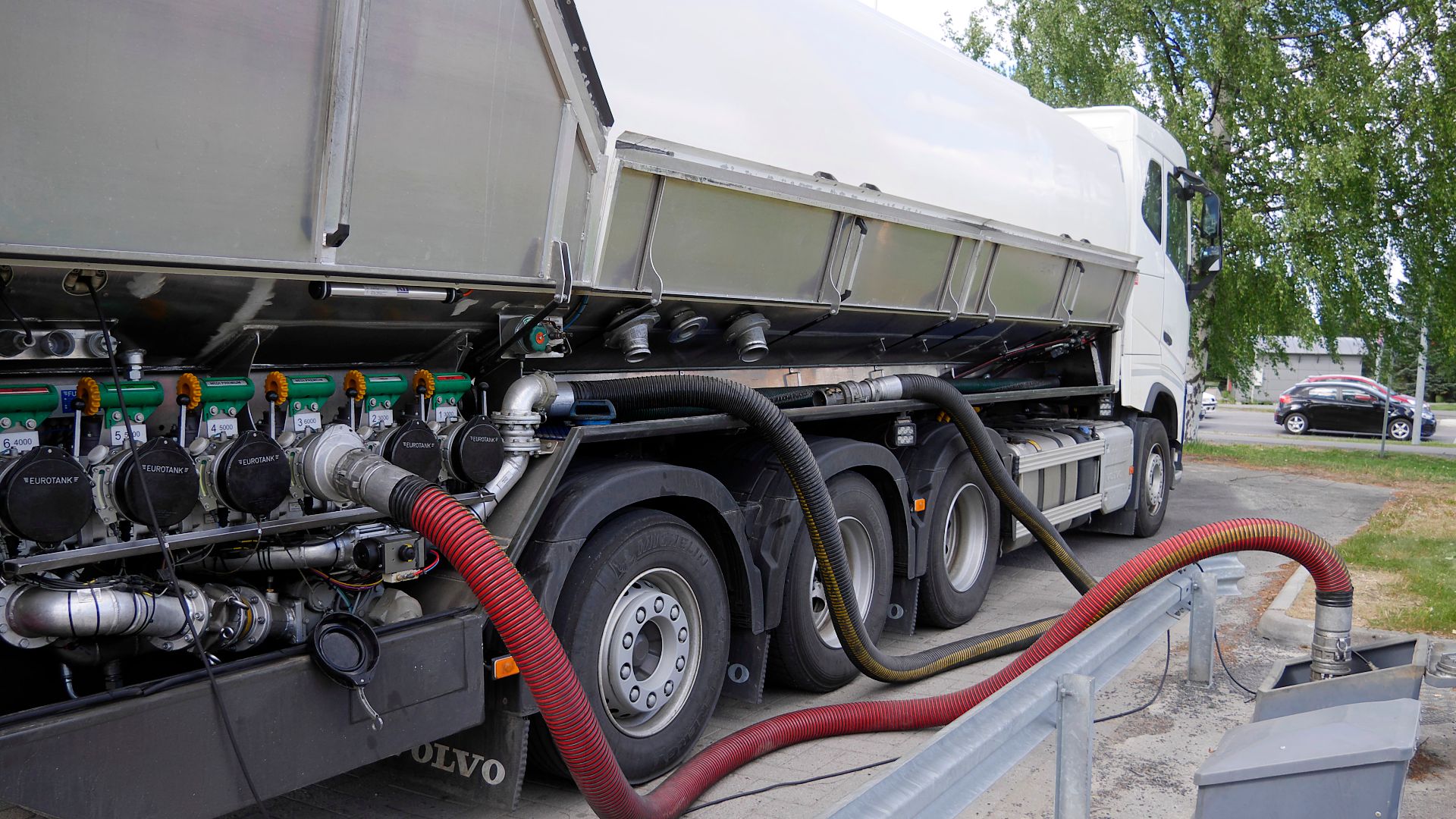 Santeri Viinamaki, Wikimedia Commons
Prices Can Rise Faster Than They Fall
Have you noticed how quickly gasoline prices jump when oil becomes more expensive? Research has documented a tendency for prices to rise faster than they fall, sometimes called the rockets-and-feathers effect. Lower wholesale costs can take longer to reach customers, although local competition influences how quickly prices adjust.
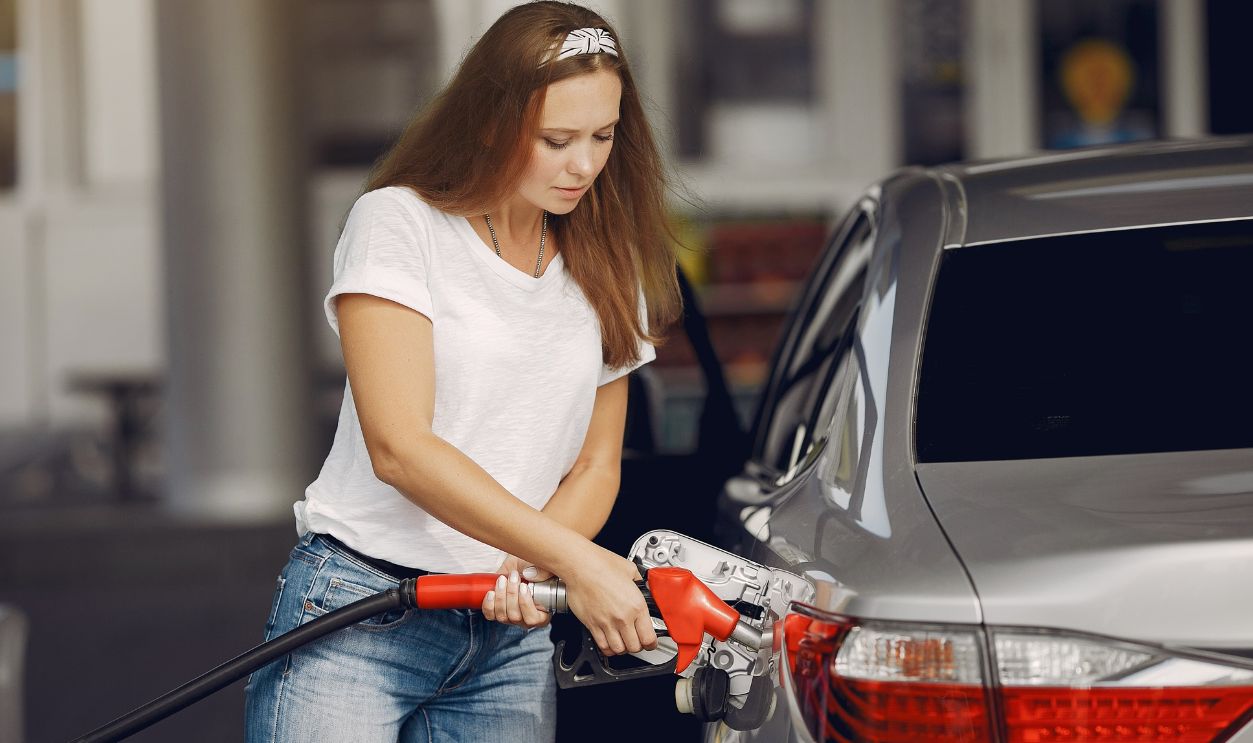
The Competition Across The Street Matters
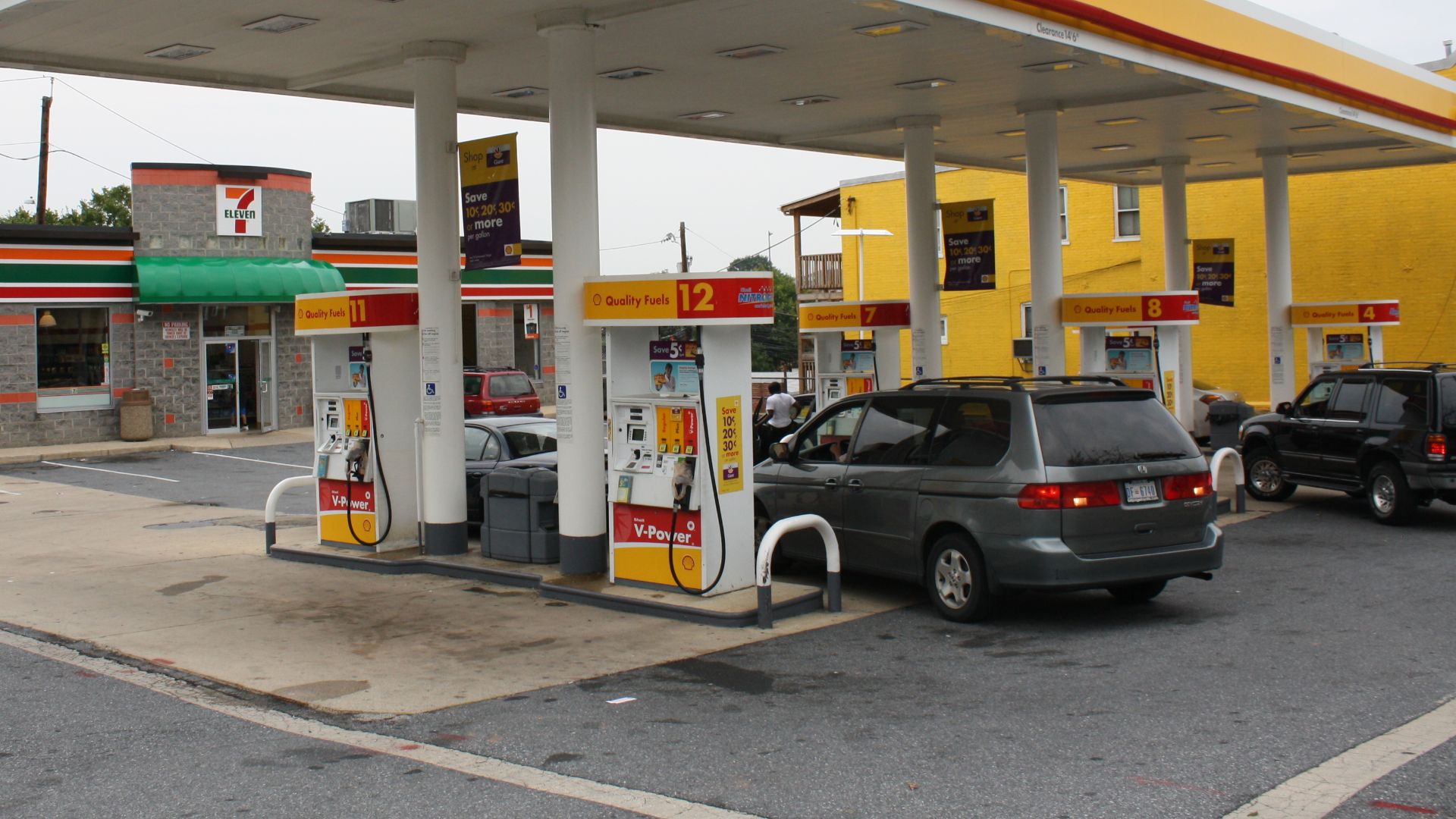
You might expect neighboring stations to charge identical prices because they're competing for the same drivers. But one business may prefer selling more fuel at a smaller margin, while another accepts fewer customers at a higher price. Neither strategy guarantees greater profits, and each retailer decides how aggressively to compete.
 Elvert Barnes, Wikimedia Commons
Sometimes Stations Start A Price War
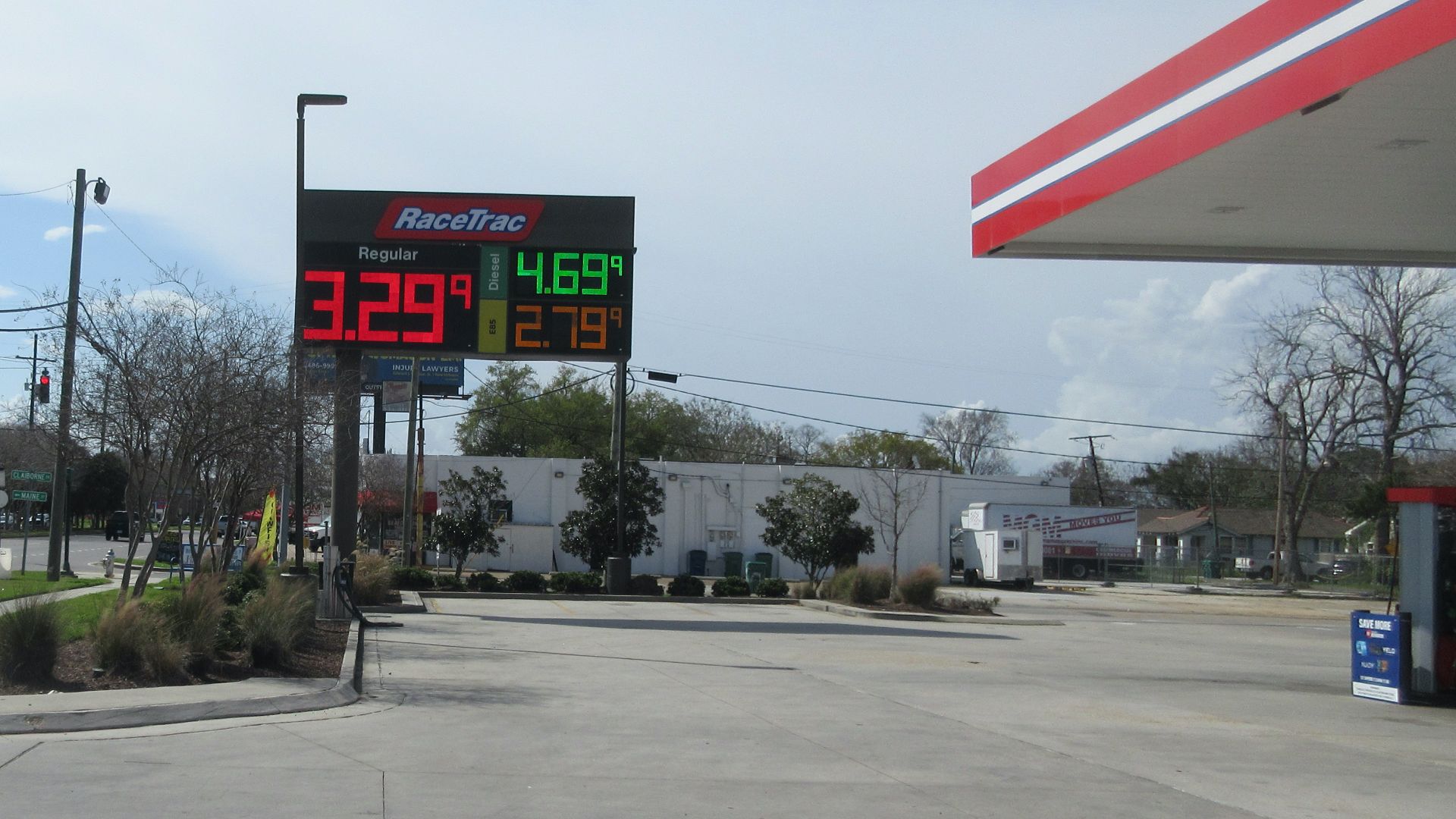
When one station lowers its prices, competitors may respond with reductions of their own. In some markets, researchers have observed recurring gasoline price cycles involving sharp increases followed by gradual decreases. These patterns aren't universal, but they help explain why prices at competing stations sometimes change rapidly.
 Infrogmation, Wikimedia Commons
Different Prices Don't Automatically Mean Price-Fixing
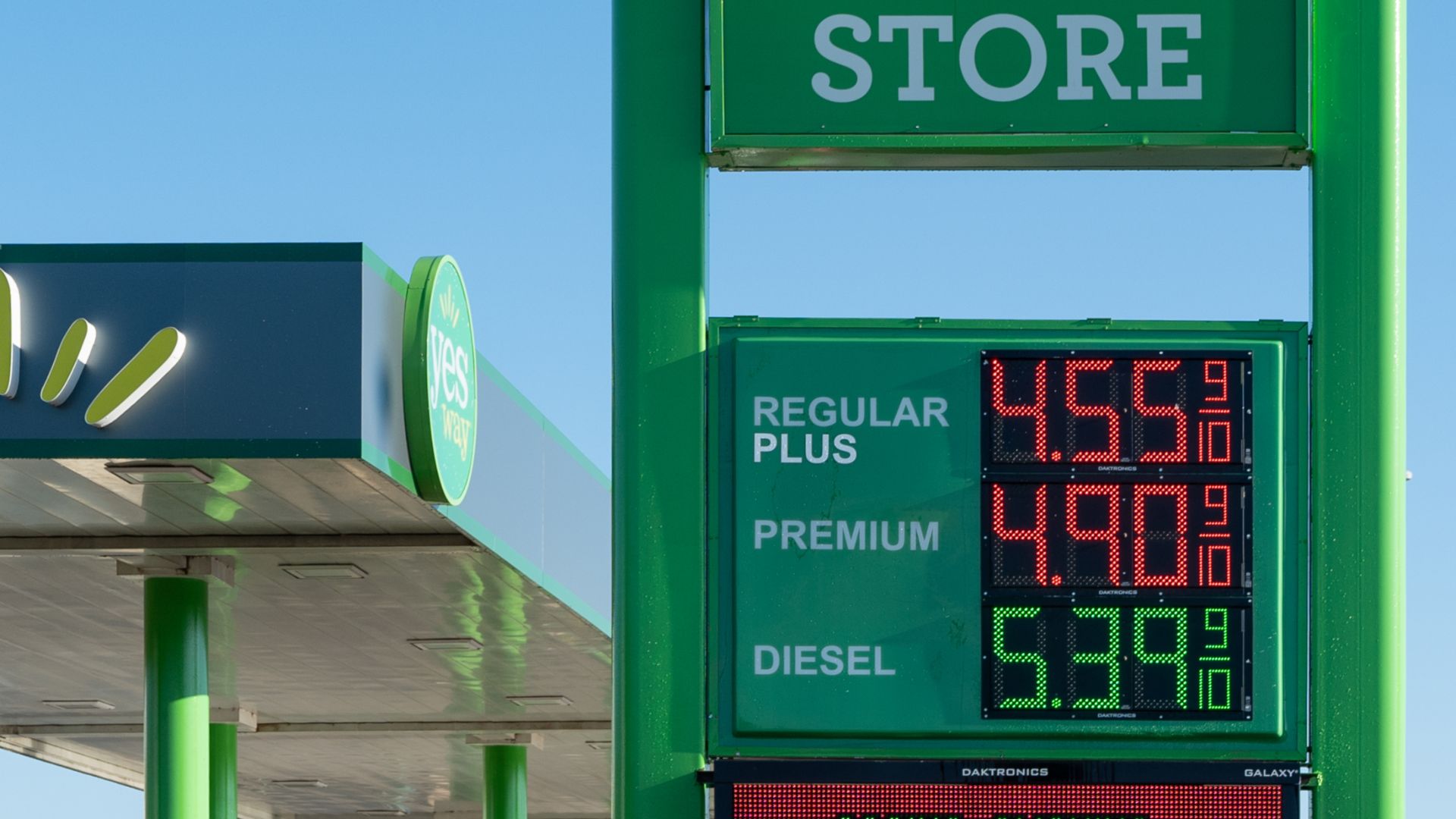
Similar prices can look suspicious, especially when neighboring stations change them around the same time. But gasoline prices are displayed publicly, making it easy for competitors to monitor one another. Independently matching a competitor's price is generally legal, while agreements between businesses to fix prices are not.
 Tony Webster, Wikimedia Commons
Some Suppliers Use Geographic Pricing Zones
Gasoline suppliers sometimes divide markets into geographic pricing zones. Under this system, retailers in different areas may receive different wholesale prices based partly on local competitive conditions. The Federal Trade Commission has investigated this practice, although two stations directly across the street may belong to the same zone.
 Horacio Cambeiro, Wikimedia Commons
Loyalty Discounts Can Change The Math
A station's advertised price isn't necessarily what every customer pays. Rewards programs may offer discounts that make a higher-priced station competitive with a cheaper neighbor. But it pays to compare the final price rather than assuming loyalty points always deliver the best deal.
A Few Cents Can Add Up
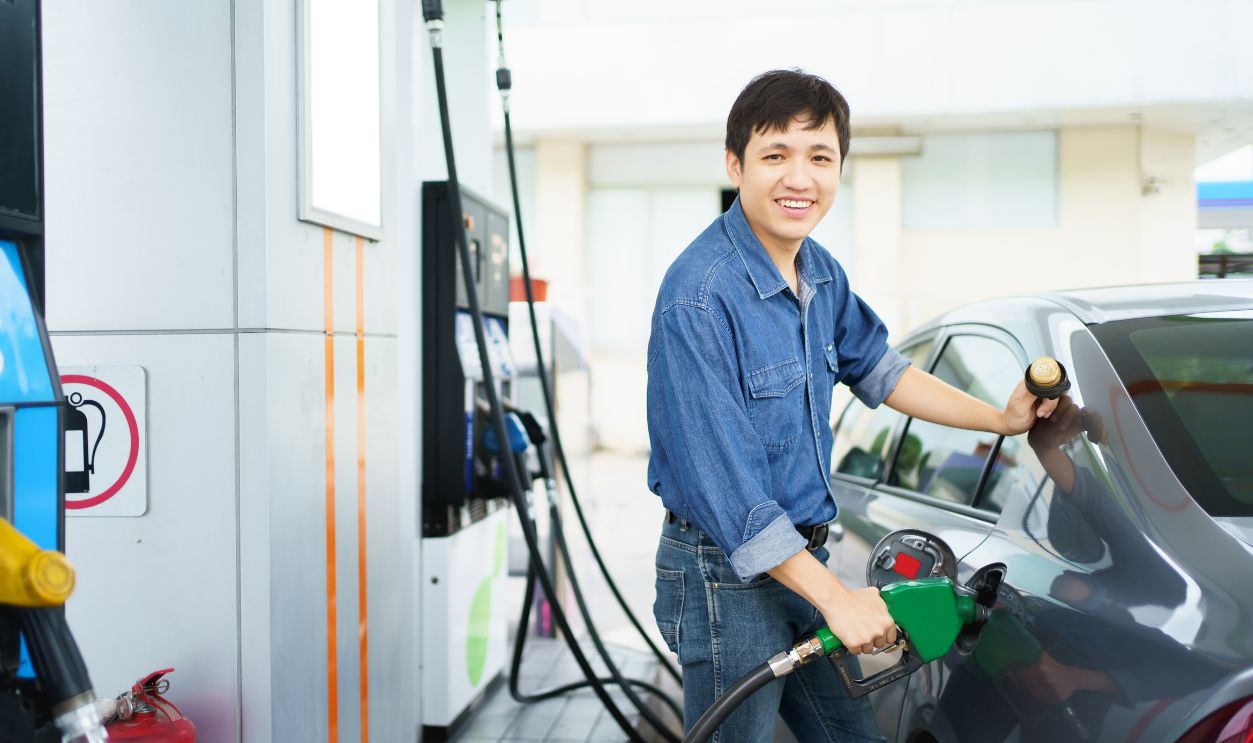
A difference of 10 cents per gallon might seem too small to worry about. But on a 15-gallon fill-up, that's $1.50. If you buy 15 gallons every week and consistently save 10 cents per gallon, you'll keep $78 more over 52 weeks.
Driving Farther Isn't Always Worth It
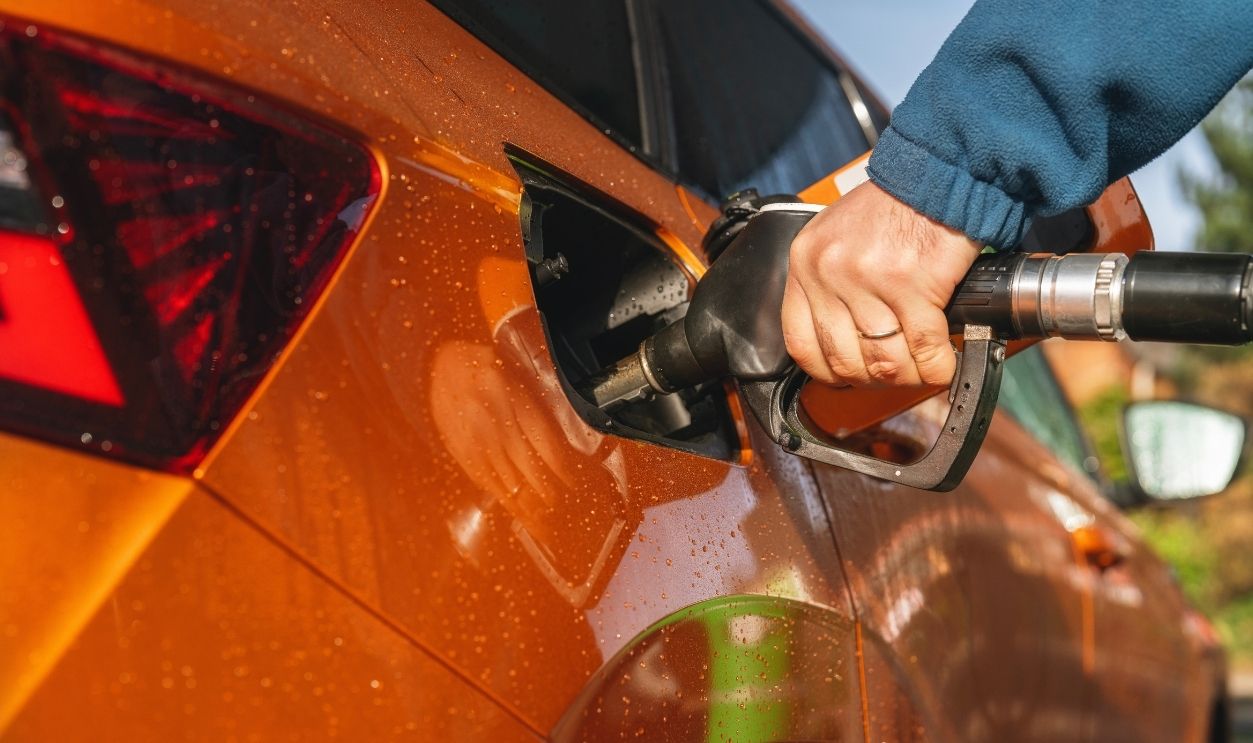
Finding cheaper gasoline is helpful, but driving out of your way can erase the savings. Suppose your vehicle gets 25 miles per gallon and gasoline costs $3.50 per gallon. A five-mile round trip to a cheaper station would consume about 70 cents in fuel alone, without accounting for your time or vehicle wear.
 https://kaboompics.com/, Pexels
Don't Pay For Premium Unless You Need It
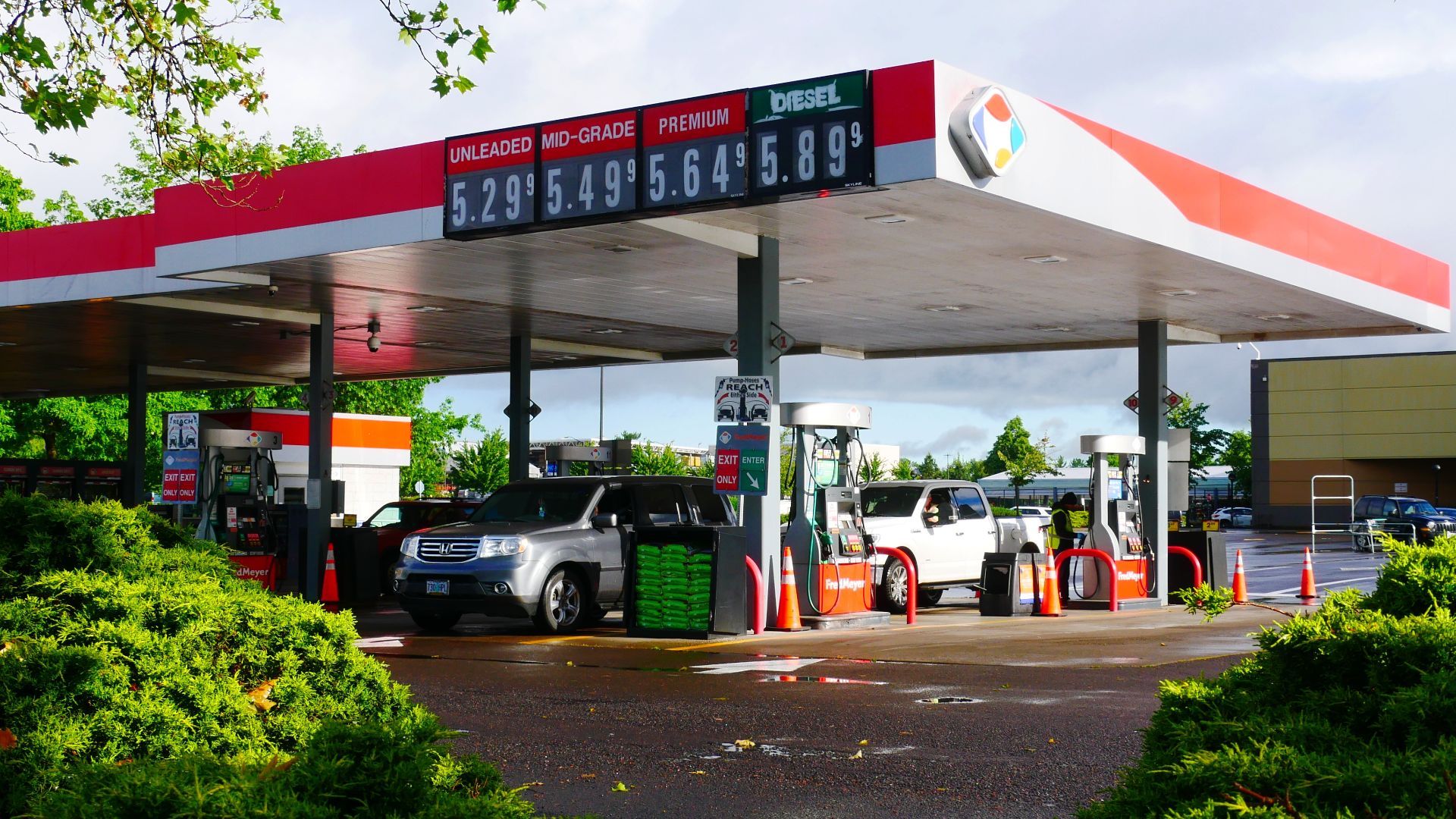
Many drivers assume premium gasoline is better simply because it costs more. But AAA testing found no significant benefit from premium in vehicles designed for regular gasoline. Some engines that recommend premium can benefit under certain conditions, while others require it, so checking your owner's manual is the smartest way to avoid unnecessary spending.
The Cheapest Gas Isn't Necessarily The Worst
A lower price doesn't automatically mean inferior gasoline. Look for fuel that meets your vehicle's octane requirements, and consider TOP TIER-certified gasoline if engine cleanliness is a priority. AAA's testing suggests that detergent quality deserves attention alongside the price on the sign.

What Really Matters Is What You Pay
The next time two stations across the street display different prices, don't assume the expensive one is selling better gasoline. Compare the actual price after discounts, choose the fuel your vehicle needs, and avoid driving unnecessary miles to save pennies. Sometimes the cheapest station really is the smartest choice, even when a famous brand sits right across the road.

You May Also Like:
The Real Cost Of A Family Movie Night In The 1980s Compared With Today
The Psychology Behind Loyalty Programs And Why Shoppers Spend More
Workplace Habits That Seemed Normal To Baby Boomers—But Could Get Employees Fired Today