
Yesterday's Office Rules Could Get You Fired Today
The workplace Baby Boomers entered could look shockingly different from today's. Smoking at your desk, boozy lunches, crude humor, loose handling of company information, and aggressive management styles were more tolerated in many workplaces decades ago. Today, those same habits can trigger complaints, discipline, or worse. What once seemed normal at work can now put your paycheck and career at risk.

Smoking Right At Your Desk
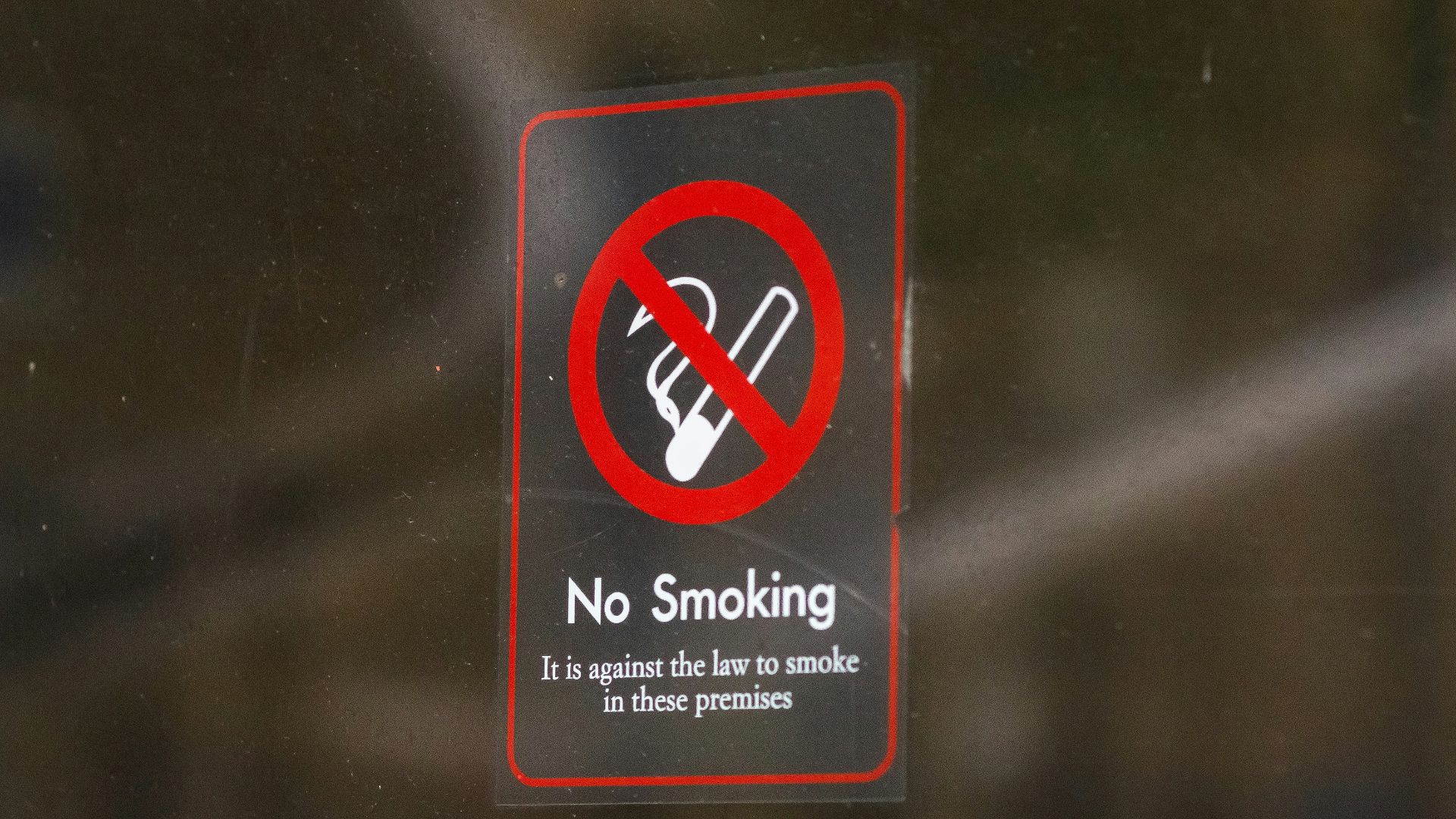
Cigarette smoke was once a routine feature of many American workplaces. In a 1986 survey, 55% of working respondents reported having no workplace smoking restrictions, while only 3% reported a total ban. Smoking rules are dramatically stricter today, and employees who ignore workplace restrictions can face discipline under company policies and applicable laws.
Treating Lunch Like Happy Hour
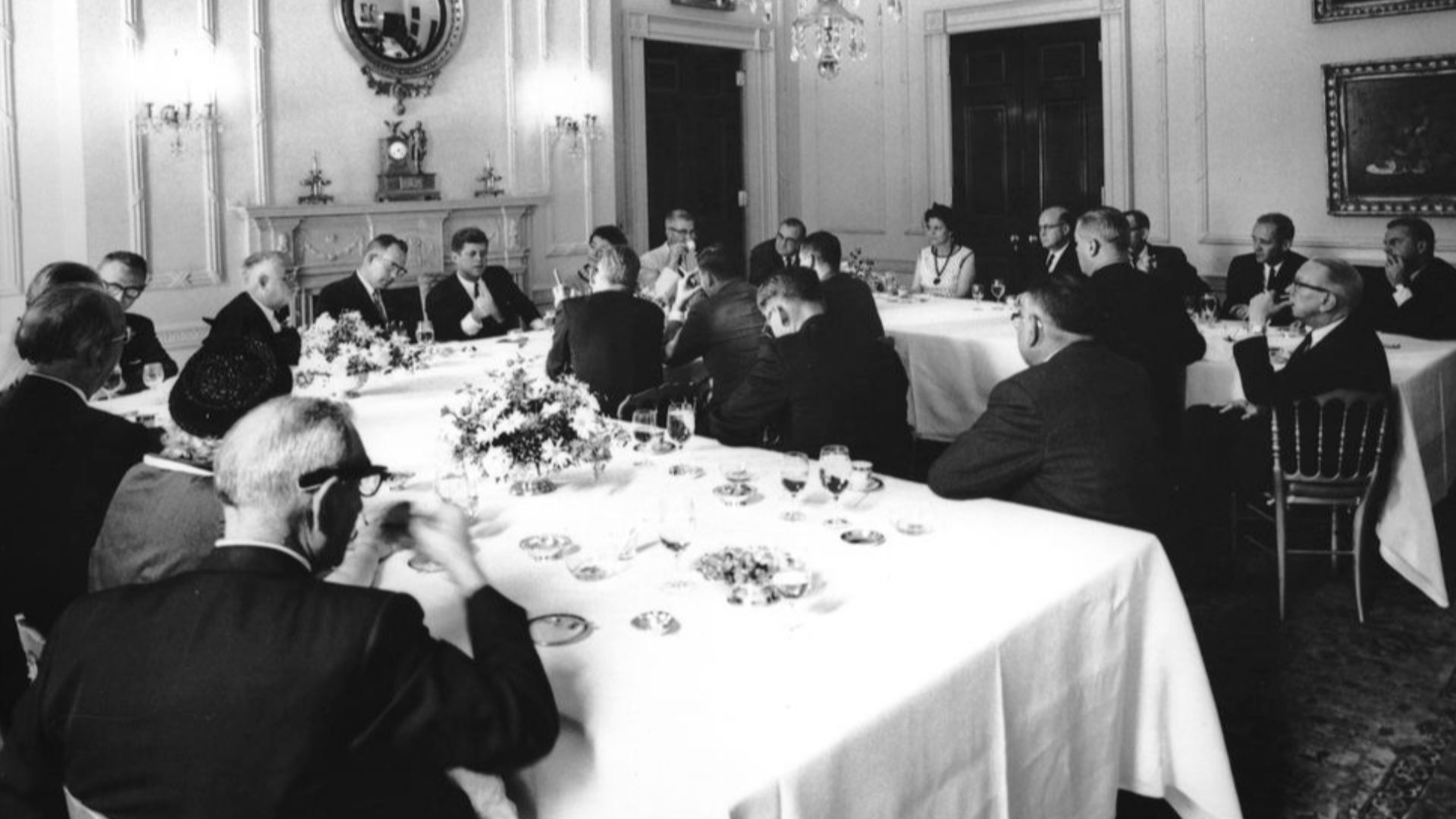
The three-martini business lunch became such a familiar cultural image that it helped define an era of corporate life. Modern employers can restrict alcohol at work, at work-related functions, and before employees return to their duties. Federal workplace guidance specifically notes that working under the influence can threaten safety and productivity, particularly in safety-sensitive positions.
Passing Off Suggestive Jokes As Office Humor
Crude workplace humor was tolerated in plenty of offices long before today's formal harassment policies became standard. Modern employers have strong reasons to stop repeated unwelcome comments and inappropriate jokes before they create a hostile environment. Federal guidance makes clear that offensive jokes and other unwelcome conduct related to protected characteristics can contribute to unlawful harassment when sufficiently serious or frequent.

Refusing To Take No For An Answer
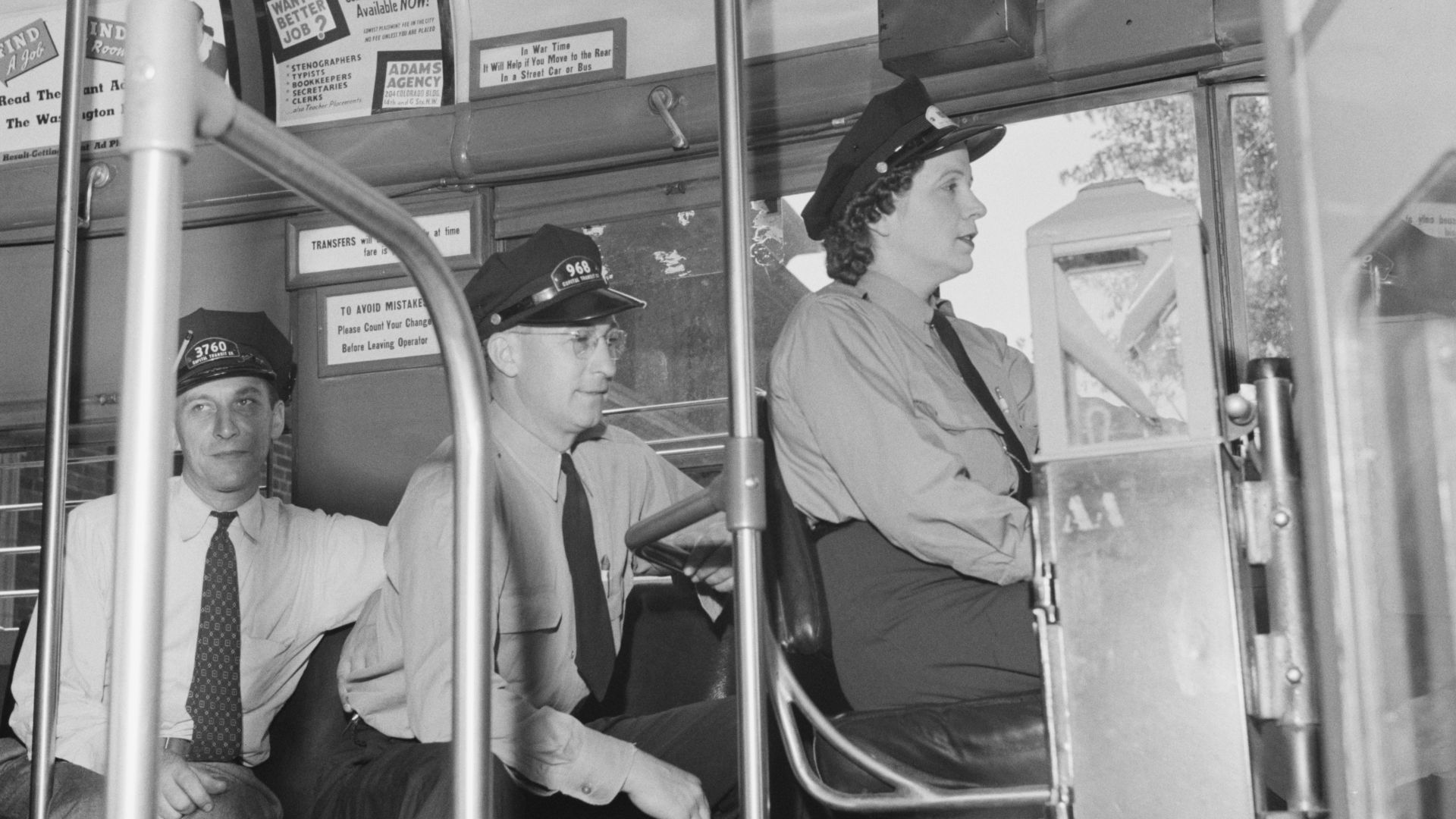
Asking a coworker on a date is not automatically workplace harassment. Repeatedly pursuing someone after the attention has clearly become unwelcome is a much different situation. Federal guidance specifically identifies pressure for dates and other persistent unwanted advances among conduct that can become workplace harassment.
 Esther Bubley / Adam Cuerden, Wikimedia Commons
Making Race-Based Jokes
What someone considers edgy office humor can create a serious employment problem. Federal guidance identifies racial slurs, offensive jokes, ridicule, and racially offensive images among conduct that can contribute to unlawful harassment. Employers do not have to wait until behavior produces a lawsuit before enforcing their own workplace conduct policies.

Joking About Someone's Accent
Imitating a coworker's accent for laughs may seem harmless to the person doing it. Federal employment law prohibits national-origin harassment, and the EEOC specifically identifies derogatory comments about a person's accent or ethnicity as possible examples. Simple teasing is not automatically unlawful, but repeated or severe conduct can cross the line.

Turning Disability Into A Punchline
Disability-related jokes are another area where workplace expectations have become much clearer. Federal disability protections cover offensive conduct including repeated jokes, ridicule, mockery, threats, and insulting remarks tied to a disability. Even conduct that falls short of unlawful harassment can violate an employer's broader behavior policies.

Making Age Jokes At Work
Calling an older coworker "grandpa" every morning may not feel particularly serious to the person saying it. Federal age-discrimination protections cover employees age 40 and older, and repeated age-based ridicule can contribute to unlawful harassment. Age comments become especially risky when they accompany decisions about promotions, assignments, performance, or layoffs.

Mocking Someone's Religion
Religious jokes can create the same kind of workplace trouble. Federal law protects employees from harassment based on religious beliefs, practices, attire, or lack of religious belief. A stray offhand comment is not automatically illegal, but persistent ridicule or intimidating remarks can become much more serious.

Assuming Friendly Touching Is Always Fine
Older workplace culture sometimes allowed much more physical familiarity between coworkers. Today, unwanted touching can trigger complaints, investigations, or discipline, particularly when someone has already made clear that the contact is unwelcome. The safest approach is not to assume that familiarity automatically equals permission.

Threatening Someone "As A Joke"
Employees sometimes excuse threatening remarks by insisting they were only joking. OSHA defines workplace violence broadly enough to include threats, intimidation, harassment, verbal abuse, and other threatening behavior, not merely physical attacks. A supposed joke can therefore become a serious workplace matter if colleagues reasonably perceive it as threatening.

Managing Through Intimidation
The screaming boss was once a familiar movie and television stereotype, but intimidation is a poor management strategy in a modern workplace. OSHA treats threats, intimidation, harassment, and threatening behavior as workplace-safety concerns. Ordinary disagreements are different, but repeatedly frightening, threatening, or intimidating employees can create serious consequences for a manager.

Hazing The New Hire
Making the newest employee earn a place on the team may sound like harmless tradition. The situation changes when an initiation prank involves threats, discriminatory treatment, humiliation, physical danger, or interference with someone's ability to work. Employers concerned about harassment and workplace safety have good reasons to stop that behavior before somebody gets hurt.
 https://kaboompics.com/, Pexels
Passing Around Explicit Pictures
The calendar or magazine image that once hung openly in some workplaces can cause very different problems now. Federal harassment guidance identifies offensive pictures and sexually demeaning imagery as examples of material that can contribute to a hostile environment. Sending similar material electronically can also leave behind an easily preserved record of who distributed it.

Assuming Private Messages Stay Private
A message sent to a small group of coworkers can be copied, forwarded, or shown to management within seconds. Employees should therefore be careful about harassment, threats, confidential information, or disparaging comments even when they believe a conversation is private. Digital communication makes it far easier for workplace disputes to arrive in HR with the evidence already attached.

Using Work Email Like A Personal Inbox
Company email may feel private when nobody else is sitting at your computer. Employees generally should not assume that messages sent through employer-controlled systems are invisible to the employer, particularly when workplace policies authorize monitoring. Personal conversations, inappropriate material, confidential information, or outside-business activity can therefore become much easier for an employer to discover.

Running A Side Hustle On Company Time
Having a second job or freelance business is not automatically a workplace violation. Problems can arise when employees perform outside work during paid company time, use company equipment, misuse confidential information, or allow the second job to interfere with their primary position. State laws, employment agreements, and company policies can affect what restrictions an employer may impose.

Emailing Work Files To Yourself
Taking work home once meant putting papers in a briefcase. Sending company documents to a personal account can now create a much bigger information-security problem. Employers may closely investigate transfers involving customer information, business plans, financial records, proprietary material, or other sensitive files.

Taking Your Rolodex With You
A salesperson once might have left a company carrying years of contacts in a physical address book. Digitally copying customer lists before moving to a competitor can raise confidentiality, contract, or trade-secret concerns depending on what information is involved and how the company protects it. Employers increasingly have the ability to trace downloads, emails, USB transfers, and other unusual activity before an employee leaves.

Leaving Sensitive Papers On The Desk
Physical paperwork still creates security risks even in a digital workplace. The Federal Trade Commission advises businesses to restrict access to sensitive records, lock files, and avoid leaving confidential documents exposed when employees are away from their workstations. A carelessly abandoned customer record or personnel file can therefore become more than a messy-desk problem.

Tossing Sensitive Records In The Trash
The wastebasket is not the right place for documents containing confidential customer or employee information. FTC guidance recommends securely disposing of records that contain sensitive data rather than simply throwing them away intact. Shredding or otherwise destroying information can prevent an ordinary cleanup job from becoming a data-security incident.

Treating Passwords Like Office Supplies
Handing your login to the coworker beside you may seem faster than contacting IT. Modern security practices depend on knowing exactly who accessed sensitive systems and information. The FTC advises businesses to require strong authentication practices and make clear that employees should not share passwords.

Venting About The Boss Online
Social media makes workplace frustration visible to far more people than the old break-room complaint ever reached. Employees do have important protections when they act together to discuss pay, benefits, hours, or other working conditions, and those protections can extend to online conversations. Individual complaining is not automatically protected concerted activity, however, so employees should understand the distinction before assuming every post is legally protected.

Acting Like You Speak For The Company
Personal and professional identities can become blurry online, particularly when an employee publicly lists an employer. Company communications policies may limit who is authorized to speak on behalf of the organization or make official statements. Employees should make sure personal posts cannot reasonably be mistaken for authorized company communications when workplace policies draw that distinction.

Padding The Expense Report
Adding a personal purchase to a business trip or inflating a reimbursement claim may seem minor compared with larger corporate misconduct. Expense reimbursement schemes are a recognized form of occupational fraud. Losing a steady paycheck over a relatively small false claim is an especially bad financial trade.

Playing Games With The Timecard
Recording hours that were not worked or clocking in for another employee can be treated as serious misconduct. Workplace ethics guidance identifies timecard fraud as behavior that can lead to discipline and potentially immediate discharge depending on the circumstances and employer practices. Employees should also remember the reverse is true: covered workers are entitled to be paid for compensable time they actually work.

Treating Safety Rules As Suggestions
Experience can sometimes make longtime workers overly comfortable with equipment or procedures they have followed for years. Safety rules are not optional simply because someone believes they know a quicker way to get the job done. Ignoring required precautions around machinery, vehicles, chemicals, protective equipment, or other workplace hazards can endanger coworkers and create grounds for discipline under employer safety policies.

Your Paycheck Is Worth Protecting
Not every outdated habit automatically violates federal law, and employment rules vary by state, industry, employer, and individual circumstances. The bigger lesson is that relying on what was accepted decades ago can be expensive in a workplace governed by different policies, technology, and expectations. Reading the handbook and adjusting with the times is a lot easier than explaining a preventable firing at your next job interview.

You May Also Like:
Common Purchases That Come With The Most Added Fees—And How To Avoid Them
Companies That Were Worth Billions In The 1990s—Then Everything Fell Apart
Workplace Benefits Older Workers Got For Free That Younger Employees Now Have Pay For