Billions Could Disappear Surprisingly Fast
The 1990s made billion-dollar companies look almost unstoppable. Investors poured money into telecom, finance, energy, and the booming internet, sending some businesses to staggering valuations almost overnight. But the good times didn't last. These nine companies went from Wall Street darlings to bankruptcy, liquidation, or extinction faster than anyone expected.
WorldCom Looked Almost Unstoppable
WorldCom spent the 1990s buying telecommunications companies and turning itself into one of the industry's largest players. Investors embraced the growth story, and the company's stock-market value peaked above $120 billion in 1999. WorldCom seemed positioned to compete with the biggest names in American communications.

The Numbers Started Hiding The Trouble
The telecommunications boom eventually cooled, putting pressure on WorldCom's results. An internal investigation later found that from 1999 through 2002, more than $9 billion in false or unsupported accounting entries were made to produce desired financial results. The accounting scandal transformed what looked like a struggling telecommunications company into one of the biggest corporate fraud cases in American history.

WorldCom Went From $120 Billion To Bankruptcy
WorldCom disclosed billions of dollars in improper accounting in 2002, triggering investigations and destroying investor confidence. It filed for Chapter 11 protection that July in what was then the largest bankruptcy filing in American history. WorldCom emerged from bankruptcy in April 2004 and merged into MCI, at which point WorldCom's separate corporate existence ended.
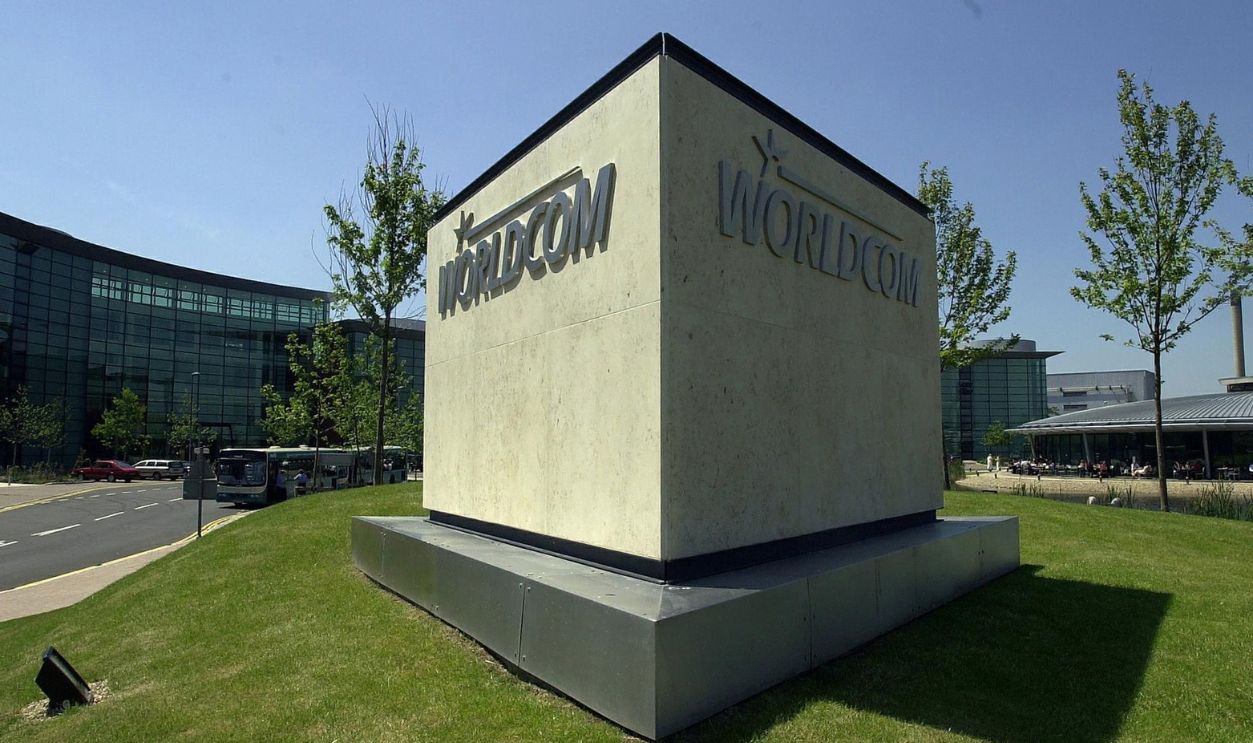 Michael Stephens - PA Images, Getty Images
Enron Became A Wall Street Favorite
Enron transformed itself from a conventional energy business into a sprawling trader of energy, commodities, and financial products. By the end of 1999, its market capitalization was roughly $32 billion, and its value climbed much higher during 2000. The company became one of the most celebrated corporations in the United States before its finances began unraveling.
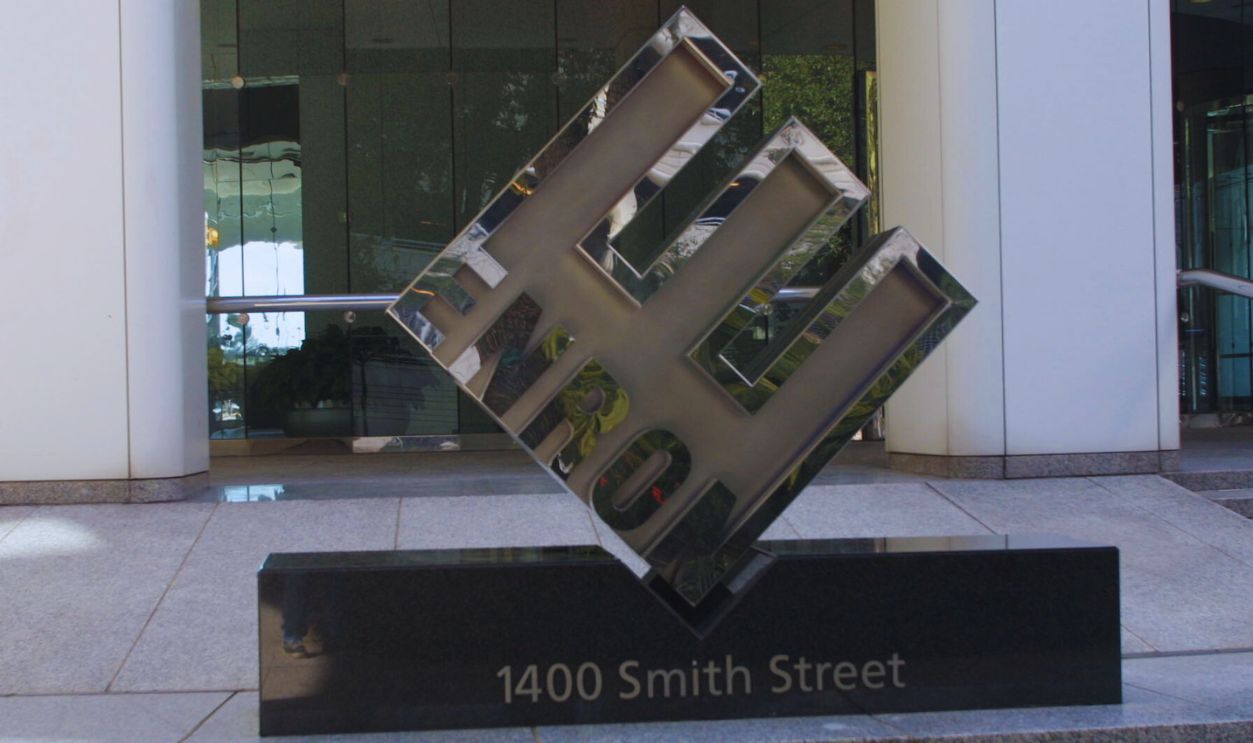
Enron's Success Was Not What It Seemed
Behind the celebrated growth were complicated financial arrangements that concealed liabilities and distorted the company's financial condition. Investigators later documented partnerships and accounting practices that made Enron appear healthier than it really was. Investors who thought they were buying into a fast-growing energy powerhouse were working with financial statements that did not provide the full picture.

Enron Collapsed In A Matter Of Months
As Enron's accounting practices came under scrutiny in 2001, confidence evaporated and its stock plunged from above $80 to below $1. The company filed for bankruptcy on December 2, 2001, devastating shareholders and many employees who held Enron stock in their retirement accounts. The scandal produced criminal prosecutions and became one of the defining corporate failures of its era.

Global Crossing Promised A Connected World
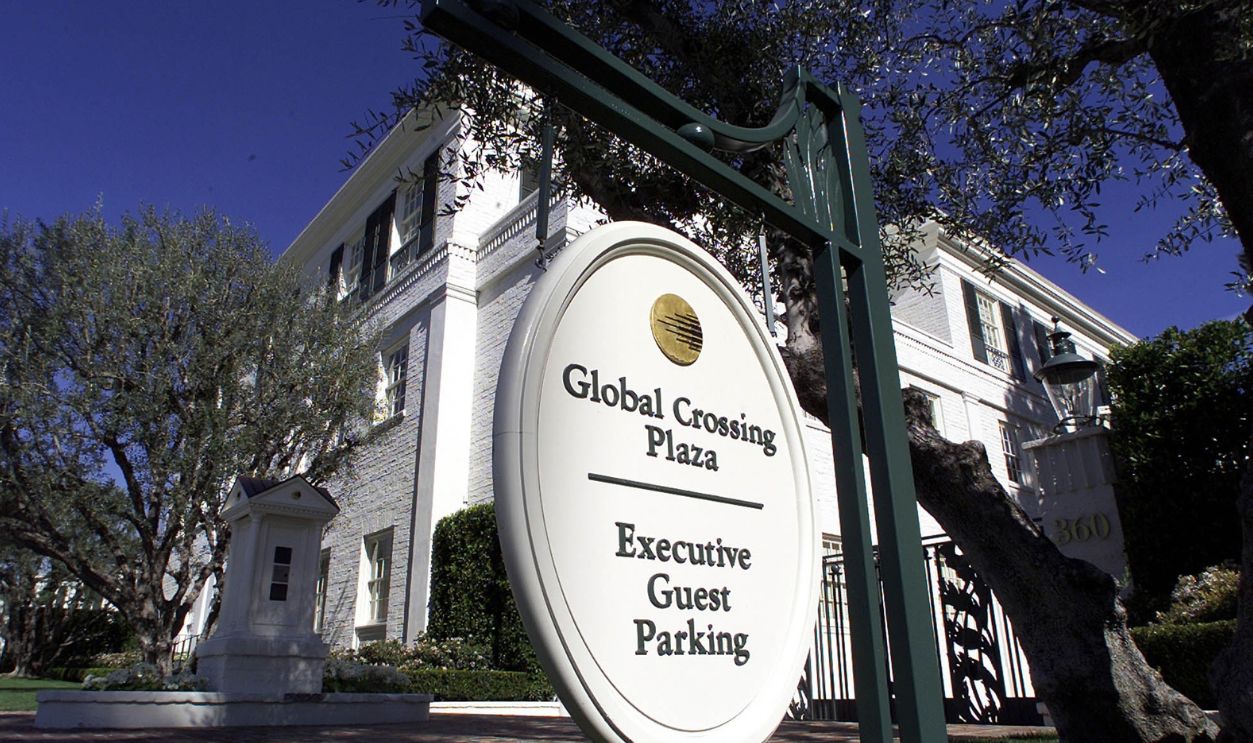
Founded in 1997, Global Crossing set out to build a huge fiber-optic telecommunications network connecting countries around the world. Investors loved the idea, and in 1999 its stock price reached a level that gave the company a market value of about $47 billion. For a business that had existed for only a few years, the rise was extraordinary.

Too Much Fiber Became A Big Problem
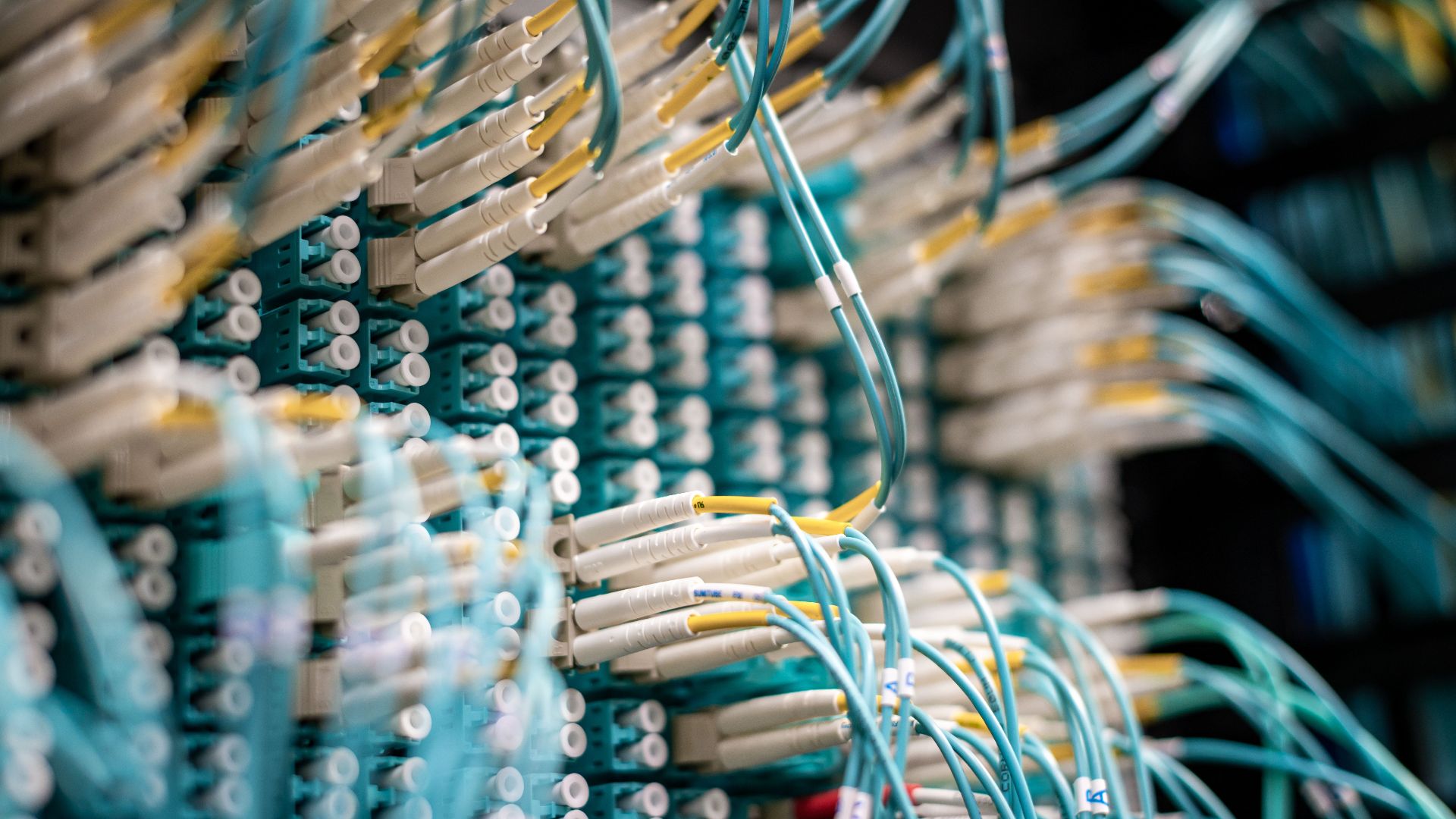
Global Crossing spent heavily constructing its international fiber network at a time when the telecommunications industry expected data traffic to soar. Competitors were expanding too, increasing network capacity just as conditions in the telecom market deteriorated. Global Crossing eventually found itself carrying enormous financial obligations while the economics of its industry became much less favorable.
A $47 Billion Company Hit Bankruptcy
Global Crossing filed for Chapter 11 protection in January 2002 with roughly $22 billion in assets and about $12 billion in debt. The company emerged from bankruptcy in 2003 under a new ownership structure and continued operating under the Global Crossing name. Level 3 acquired Global Crossing in 2011, at which point Global Crossing's separate legal existence ended.
EToys Became More Valuable Than Toy Giants
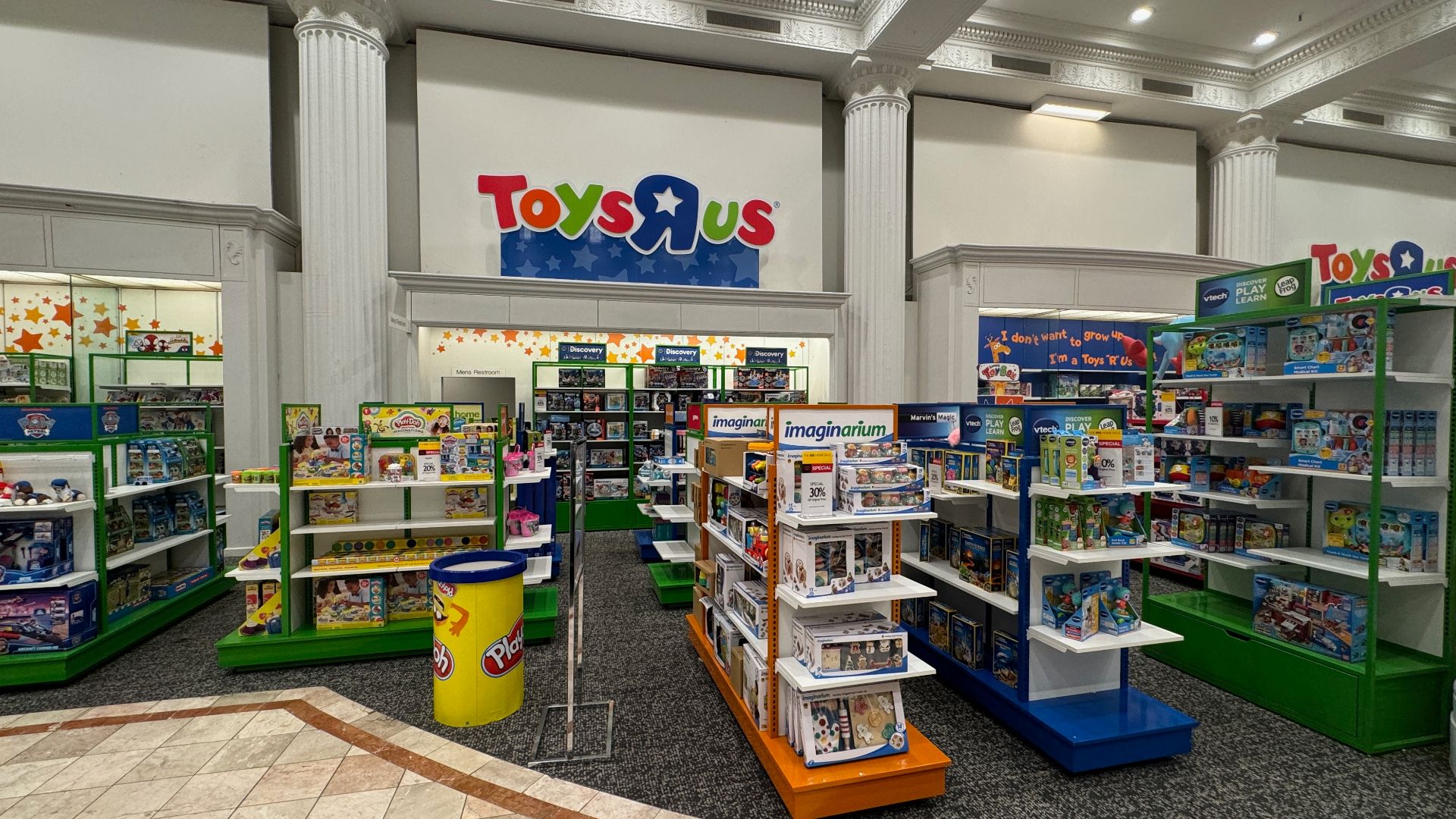
EToys went public in May 1999 as investors raced to buy shares in internet retailers. Its stock soared 283% during its first trading day, giving the company a market value of about $7.78 billion. That briefly made the still-unprofitable online retailer worth more on the stock market than Toys "R" Us and Mattel.
Holiday Sales Did Not Match The Hype
EToys spent aggressively while trying to establish itself as a leading destination for online toy shopping. But its crucial 2000 holiday season disappointed, leaving the company searching for financing or a buyer. By early 2001, it was laying off employees and warning that it was running out of cash.

EToys Was Gone Less Than Two Years Later
Unable to find enough financing or a buyer that could rescue the business, eToys filed for Chapter 11 bankruptcy protection in March 2001. It shut down its website and turned its attention toward selling its remaining assets. A company valued at nearly $8 billion less than two years earlier said its liabilities would substantially exceed the proceeds from those sales and that its shares were worthless.
Webvan Wanted To Reinvent Grocery Shopping
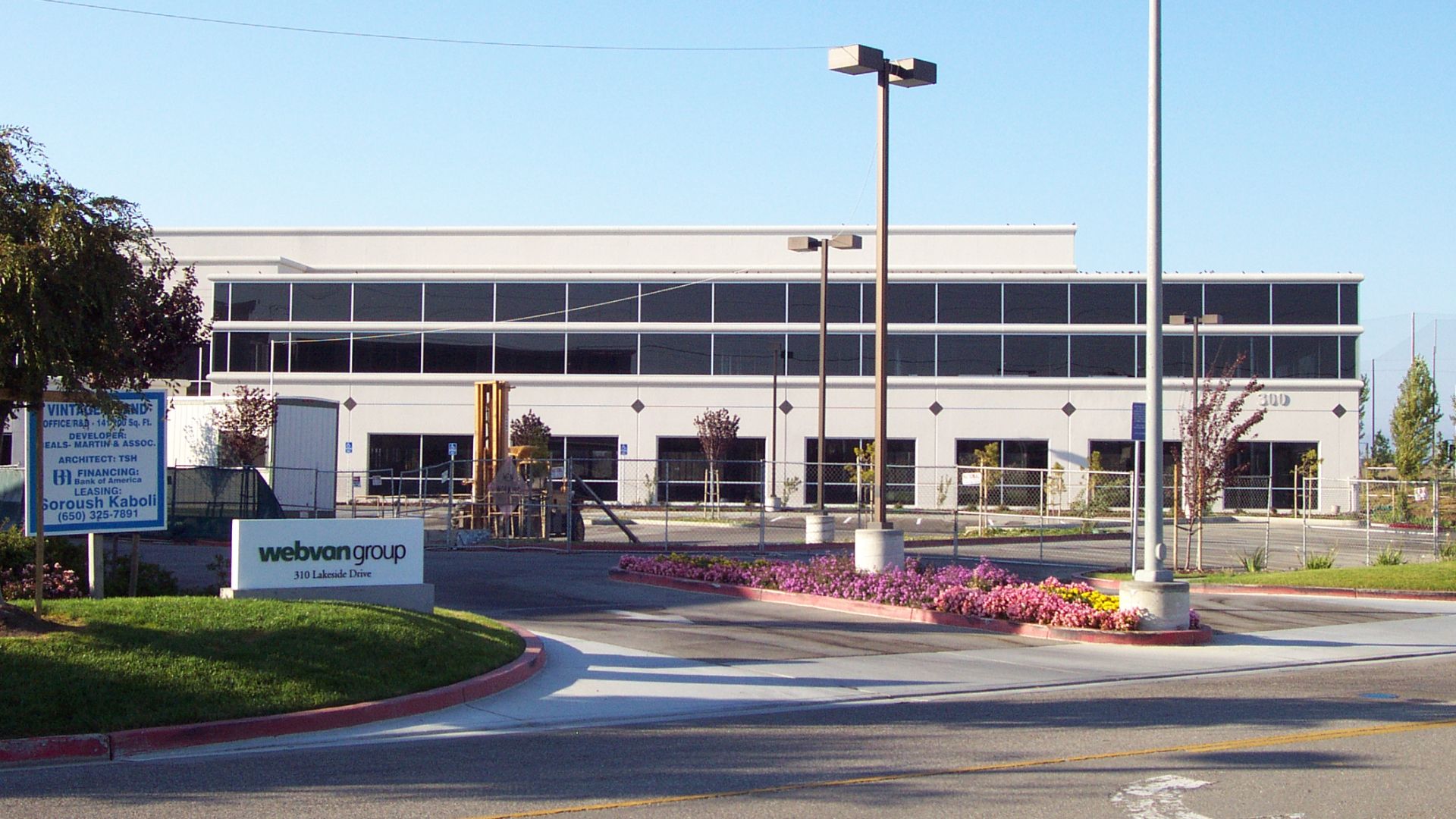
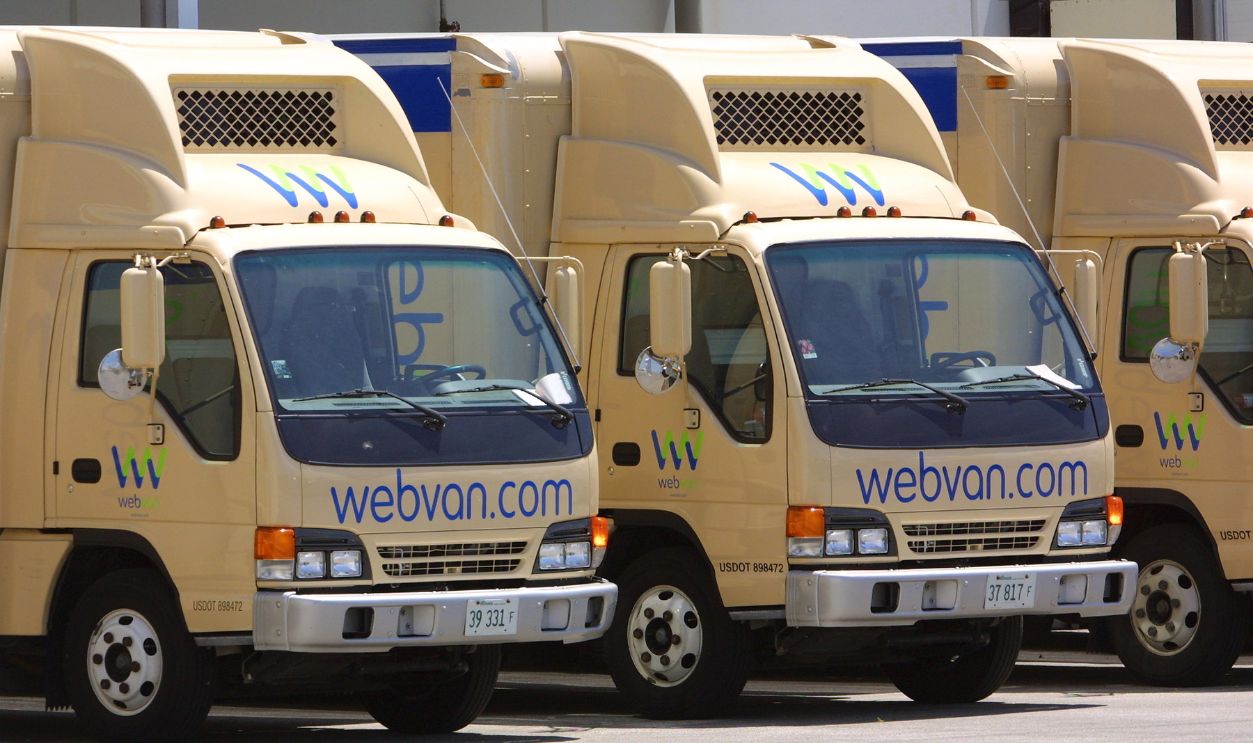
Webvan promised something that now sounds familiar: order groceries online and have them delivered directly to your home. In 1999, however, investors treated the idea as potentially revolutionary, and the company finished its first day of public trading with a market value of about $8 billion. That valuation came despite Webvan having recorded only a few million dollars in sales since launching its first warehouse.
Webvan Expanded Before The Economics Worked
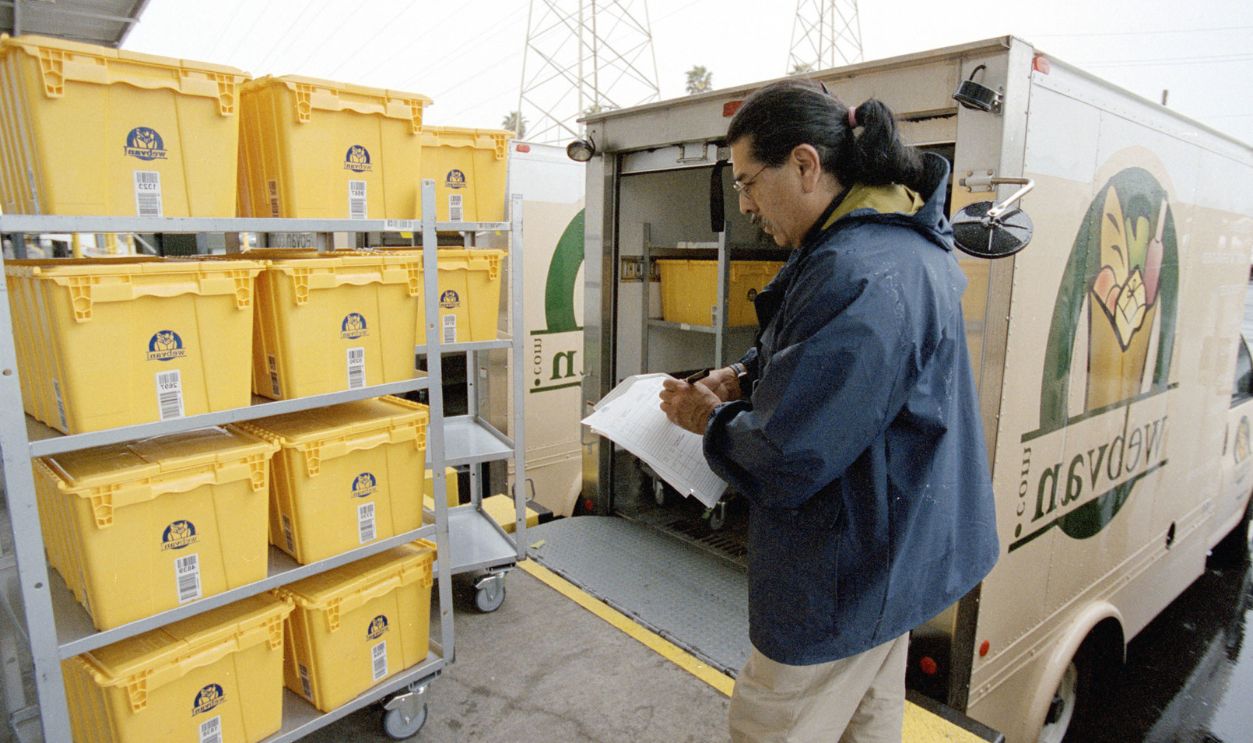
Rather than simply sending orders through existing supermarkets, Webvan invested heavily in its own sophisticated distribution infrastructure. The system needed substantial order volume to support its costs, but the business never generated enough profitable sales to make the model sustainable. Even with hundreds of thousands of customers, Webvan continued burning through cash.
The Online Grocery Pioneer Ran Out Of Cash
Webvan shut down in July 2001 and announced plans to seek Chapter 11 bankruptcy protection. In the first quarter of that year, the company lost $86 million while generating only $77 million in sales. Online grocery delivery would eventually become commonplace, but Webvan exhausted its resources long before that market matured.
Value America Sold Almost Everything
Value America wanted to become an enormous online department store where shoppers could purchase products ranging from computers to household goods. Its shares were offered at $23 in April 1999 and closed their first trading day at $55, giving the three-year-old company a valuation of roughly $2.4 billion. Value America had yet to turn a profit.

The Business Model Became Hard To Control
Value America tried to avoid holding large quantities of inventory by having manufacturers and suppliers fulfill many customer orders. The arrangement reduced some traditional retail costs but also made the shopping experience harder for Value America to control. As losses mounted, the company began cutting costs and trying to reshape a business that had attracted far more investor enthusiasm than profits.
Sixteen Months Later It Was Bankrupt
Value America's shares lost most of their value as the company burned through cash. In August 2000, it filed for Chapter 11 protection, closed its consumer online store, and eliminated another 185 jobs. The collapse came only about 16 months after investors had valued the business at approximately $2.4 billion.
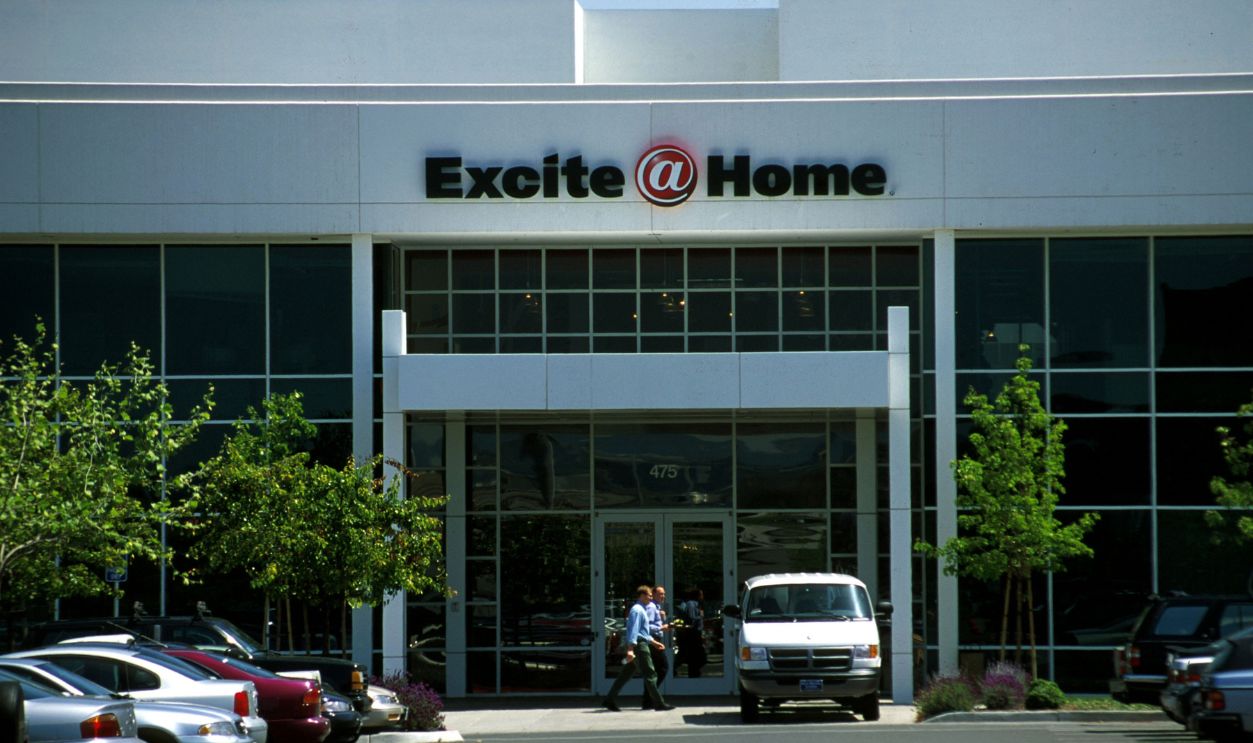
Excite And At Home Made A $6.7 Billion Bet
In January 1999, broadband provider At Home agreed to acquire internet portal Excite in a stock deal valued at approximately $6.7 billion. The combination was supposed to bring together broadband access with search, content, advertising, and other online services. At the time, it was described as the largest internet deal yet announced.
The Internet Boom Turned Against It
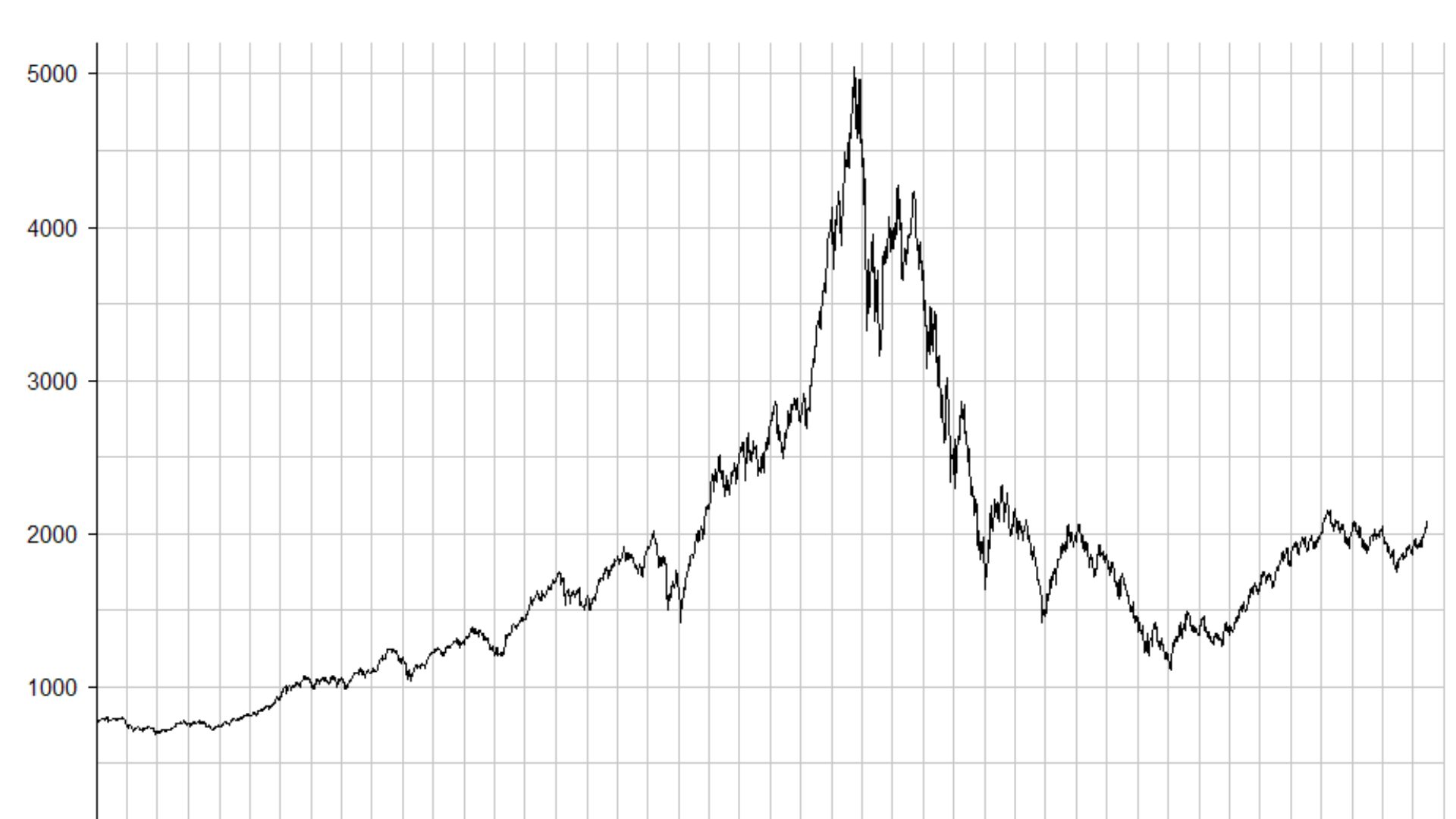
The combined business became heavily exposed to the online advertising market while also carrying costly agreements and substantial debt. When the dot-com boom ended, advertising revenue weakened sharply and the company's financial position deteriorated. Excite@Home reported a $7.4 billion loss for fiscal 2000 and warned that it needed additional financing to keep operating through 2001.
 Made by ed g2s talk., Wikimedia Commons
Excite@Home Fell Apart In 2001
Excite@Home filed for bankruptcy protection in late September 2001 after its stock had fallen dramatically from its internet-boom highs. Shares that had traded around $100 in April 1999 closed at just 15 cents on the day the bankruptcy deal was announced. The company eventually shut down its remaining internet operations, ending a business combination once valued at $6.7 billion.
 Mark Coggins from San Francisco, Wikimedia Commons
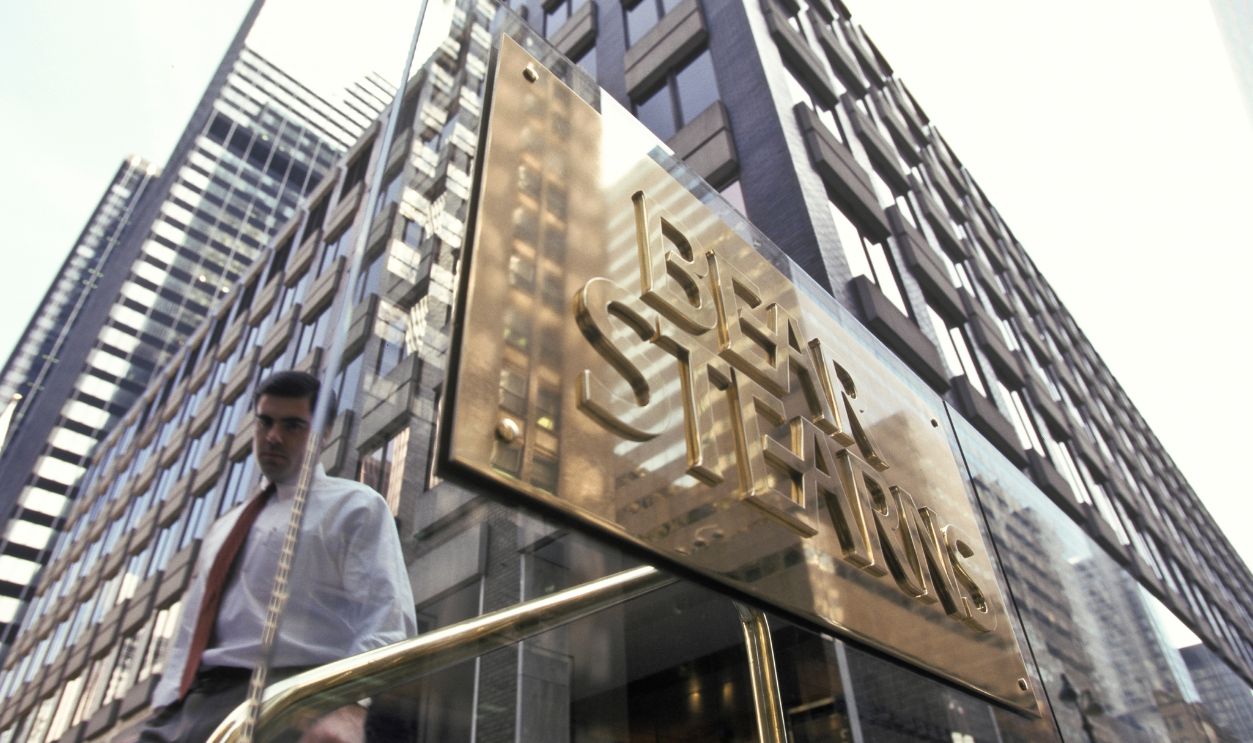
Bear Stearns Was Already Worth Billions
Bear Stearns had been a Wall Street institution for decades by the time the 1990s ended. Its market capitalization stood at roughly $4.85 billion at the end of 1999, and the firm's value climbed substantially during the credit boom that followed. Its market capitalization briefly exceeded $20 billion at its 2007 intraday peak.
Mortgage Exposure Became Dangerous
Bear Stearns became deeply involved in securities connected to the booming mortgage market. Two hedge funds managed by Bear Stearns Asset Management collapsed in 2007 after suffering major losses on investments that included subprime mortgage-backed securities. The SEC later said the funds' collapse caused investors approximately $1.8 billion in losses.
Bear Stearns Suffered A Liquidity Crisis
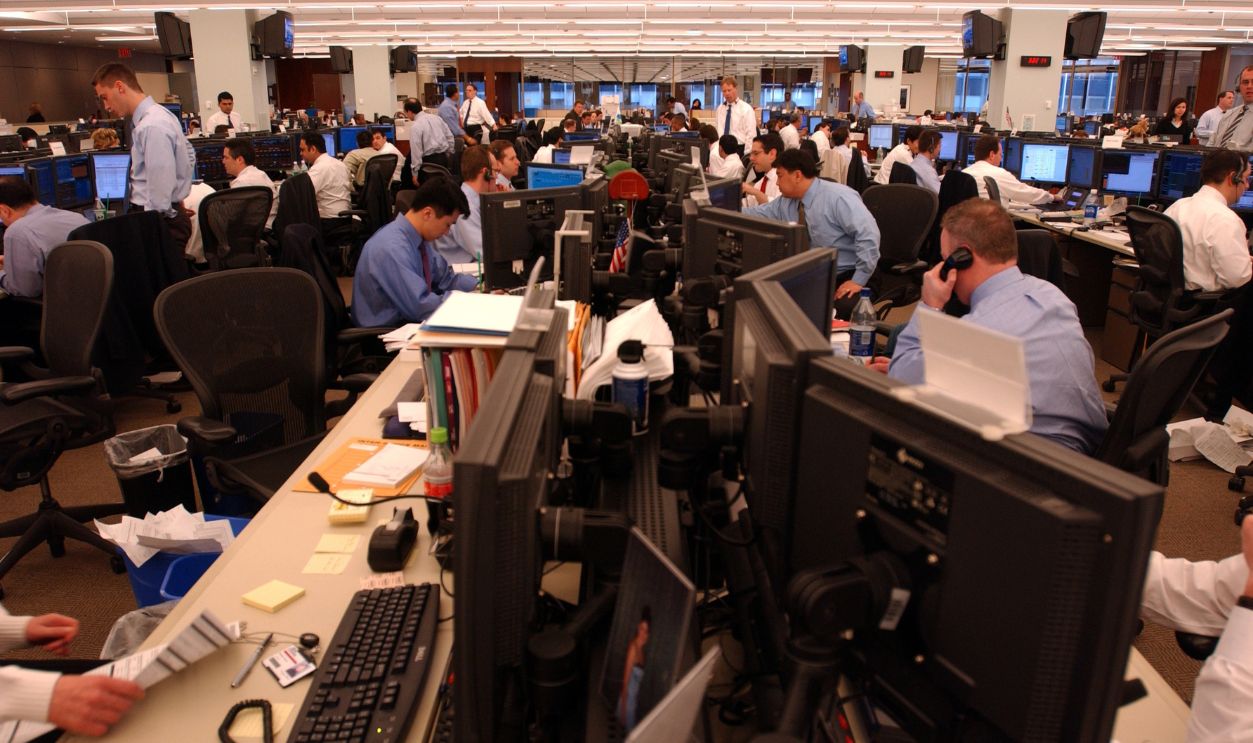
Bear Stearns still had more than $17 billion in cash and unencumbered liquid assets on March 11, 2008, according to information supplied to the SEC. Over the following days, however, lenders and customers rapidly pulled funds and the firm's excess liquidity deteriorated. JPMorgan Chase ultimately acquired Bear Stearns with support from the Federal Reserve, ending its existence as an independent investment bank.
 WhisperToMe, Wikimedia Commons
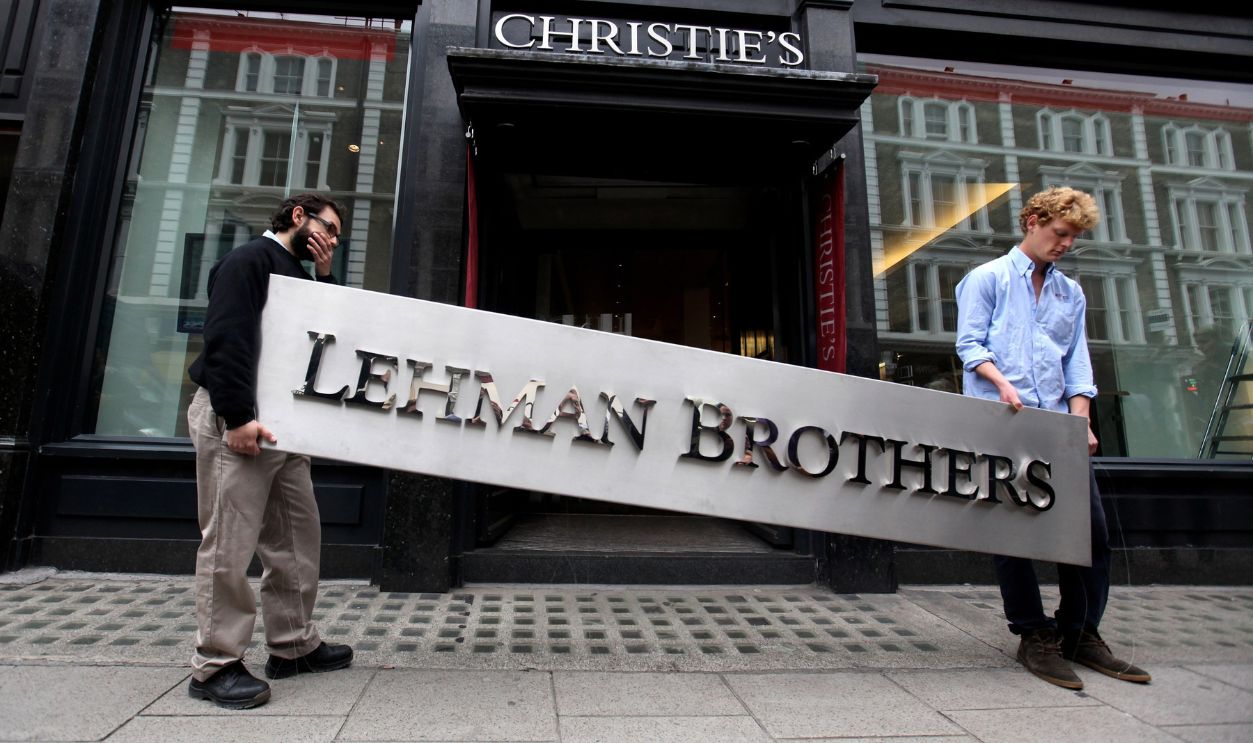
Lehman Brothers Entered The 2000s Strong
Lehman Brothers had survived more than a century of financial upheaval by the end of the 1990s. Its market capitalization stood at roughly $10.16 billion at the end of 1999, then increased dramatically during the credit boom. At its intraday peak in February 2007, Lehman's market value reached approximately $45.7 billion.
 Johannes Geiger, Wikimedia Commons
Lehman Took On Enormous Financial Risk
Lehman became deeply involved in mortgage-related investments and depended heavily on borrowing as its business expanded. As the housing and credit markets deteriorated, investors increasingly questioned the firm's real-estate exposure and financial strength. A later bankruptcy examiner also scrutinized transactions known as Repo 105s, which allowed Lehman to temporarily remove certain assets and related liabilities from its balance sheet around reporting periods.

Lehman Became The Symbol Of The Financial Crisis
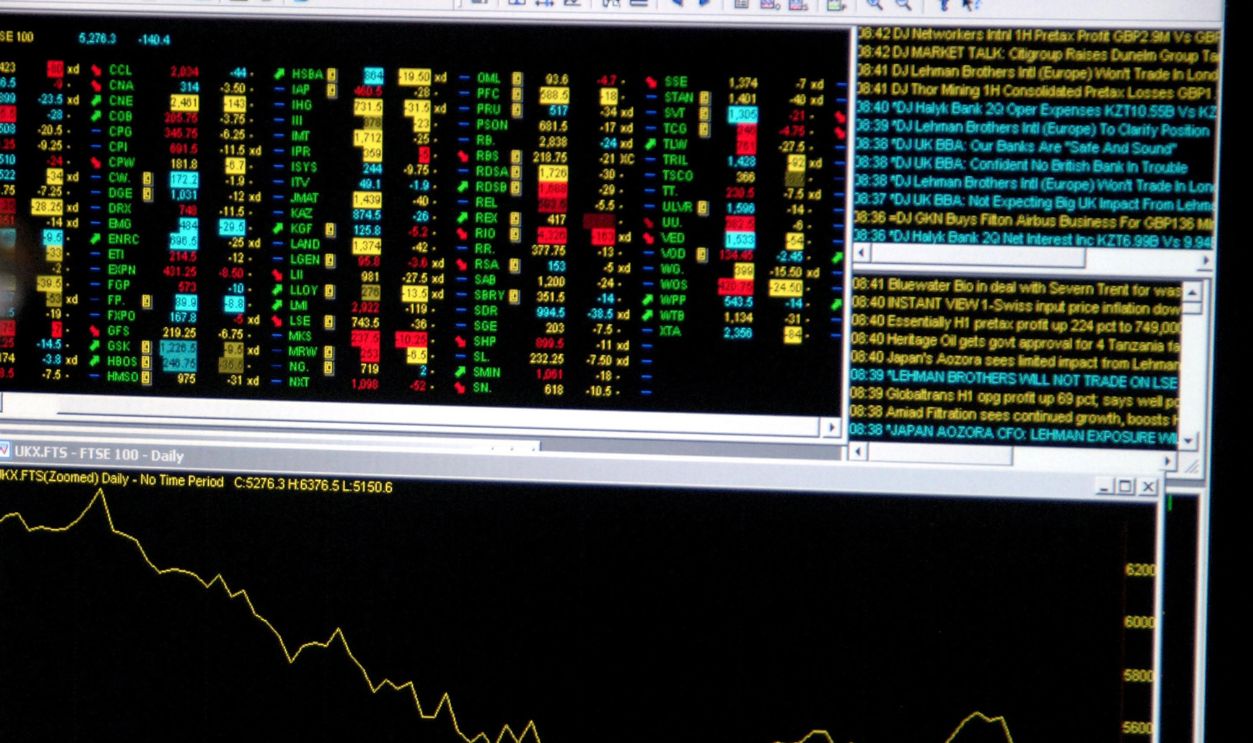
Government officials and financial executives spent the weekend of September 13 and 14, 2008, searching for a private-sector solution to Lehman's worsening condition. No workable rescue emerged, and Lehman Brothers Holdings filed for Chapter 11 bankruptcy protection on September 15. The failure of one of Wall Street's most prominent firms became a defining event of the global financial crisis.
The Billions Did Not Guarantee Survival
These companies failed for very different reasons, including fraud, excessive debt, poorly timed expansion, collapsing markets, and dependence on fragile sources of financing. What they shared was a period when investors assigned them multibillion-dollar values and expected much more growth to come. Their stories are a useful reminder that a company's valuation reflects what investors are willing to pay at a particular moment, not a guarantee that the business will endure.
You May Also Like:
Companies That Dominated American Living Rooms Before New Technology Made Them Obsolete
Sneaky Ways Companies Make Prices Look Lower Than What You Actually Pay
Sources: 1, 2, 3, 4, 5, 6, 7, 8, 9, 10, 11, 12, 13, 14, 15, 16, 17, 18