How Many Of These Do You Remember?
In the 70s, a company could seem absolutely everywhere—until suddenly it wasn’t. One day the parking lot was packed, the sign was glowing, and your parents had a reason to stop there. A few decades later, somebody says the name and it takes your brain three seconds to find the memory.
Just saying...Remembering five of them might be tougher than you think.
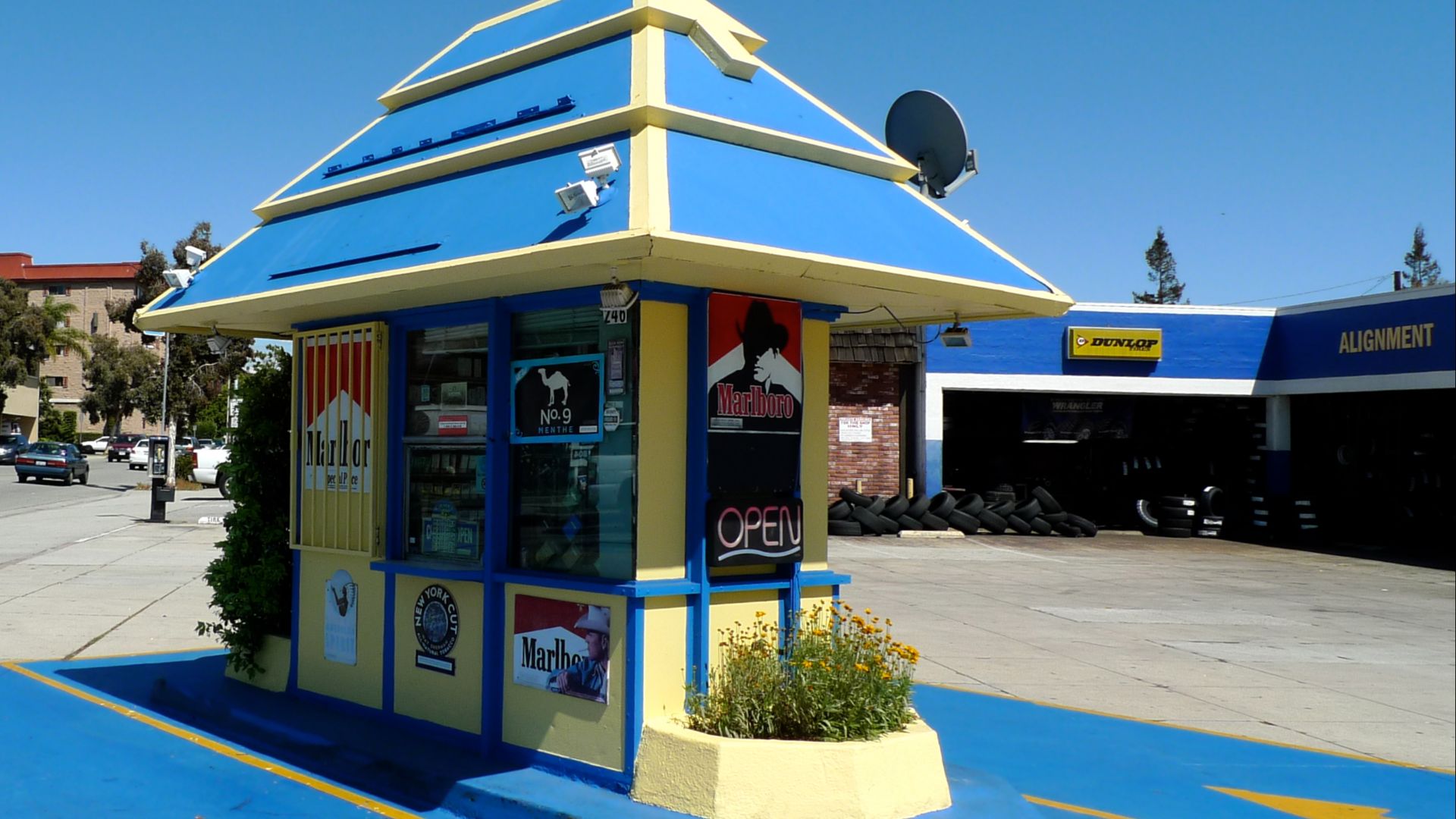
Fotomat
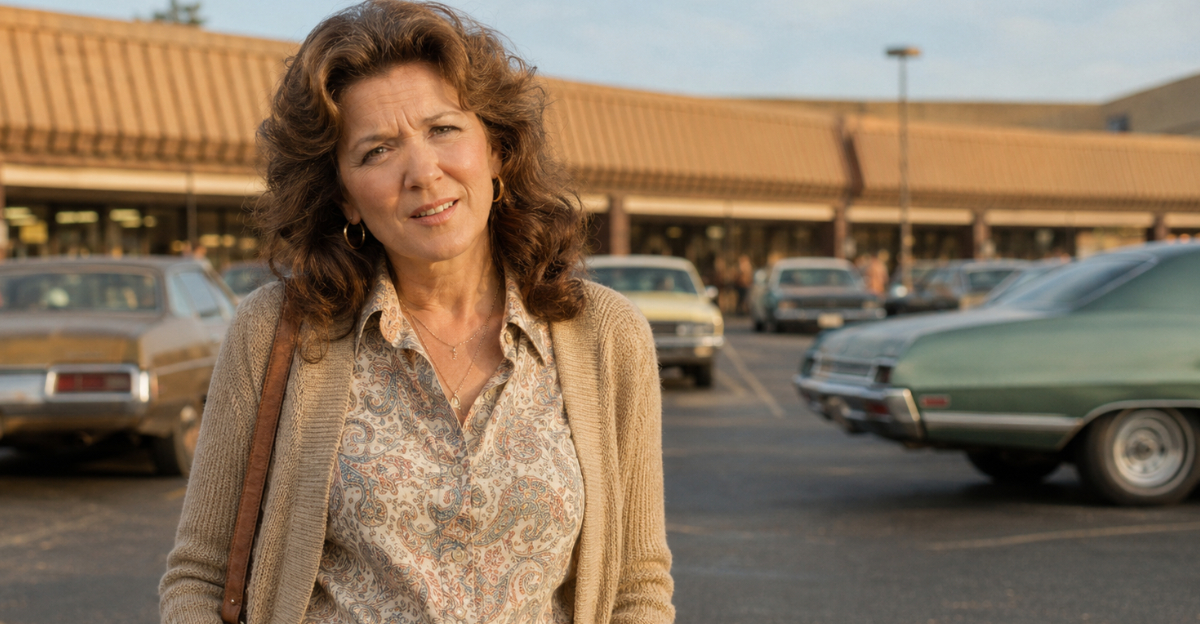
Remember those tiny little huts sitting in the middle of parking lots? Fotomat let you drive up, hand over your film, and come back later for the pictures. At its peak around 1980, there were roughly 4,000 Fotomat locations. Today, surviving booths mostly look like somebody abandoned a very small tollbooth in a parking lot.
 Britta Gustafson, Wikimedia Commons
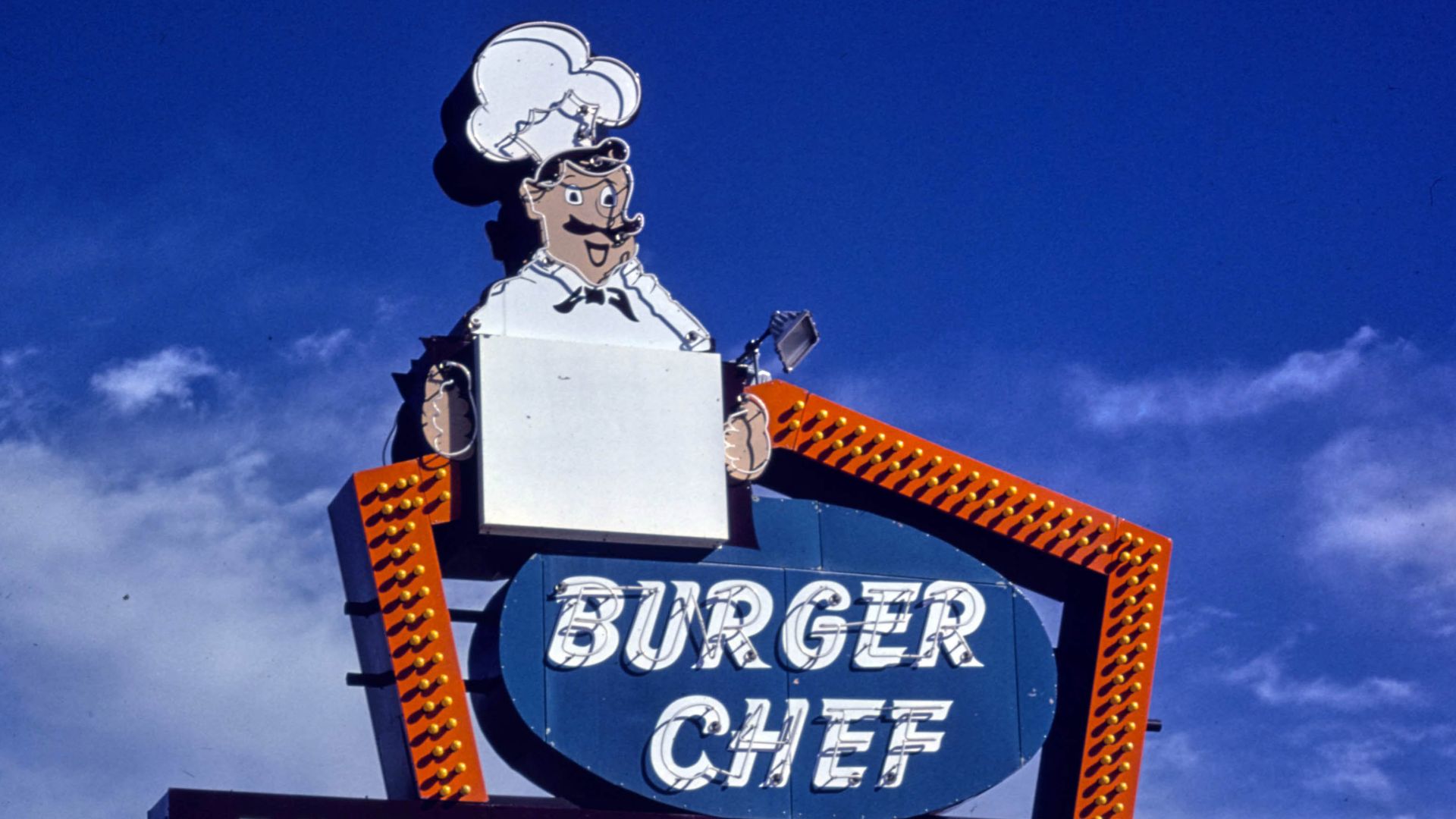
Burger Chef
This one might surprise you. Burger Chef wasn't some tiny local burger stand. The chain grew to roughly 1,200 restaurants by 1972 and had once been McDonald's biggest fast-food rival. Burger Chef even helped popularize the burger-fries-drink combo meal. Hardee's eventually bought the chain, and the Burger Chef name slowly disappeared.
 John Margolies, Wikimedia Commons
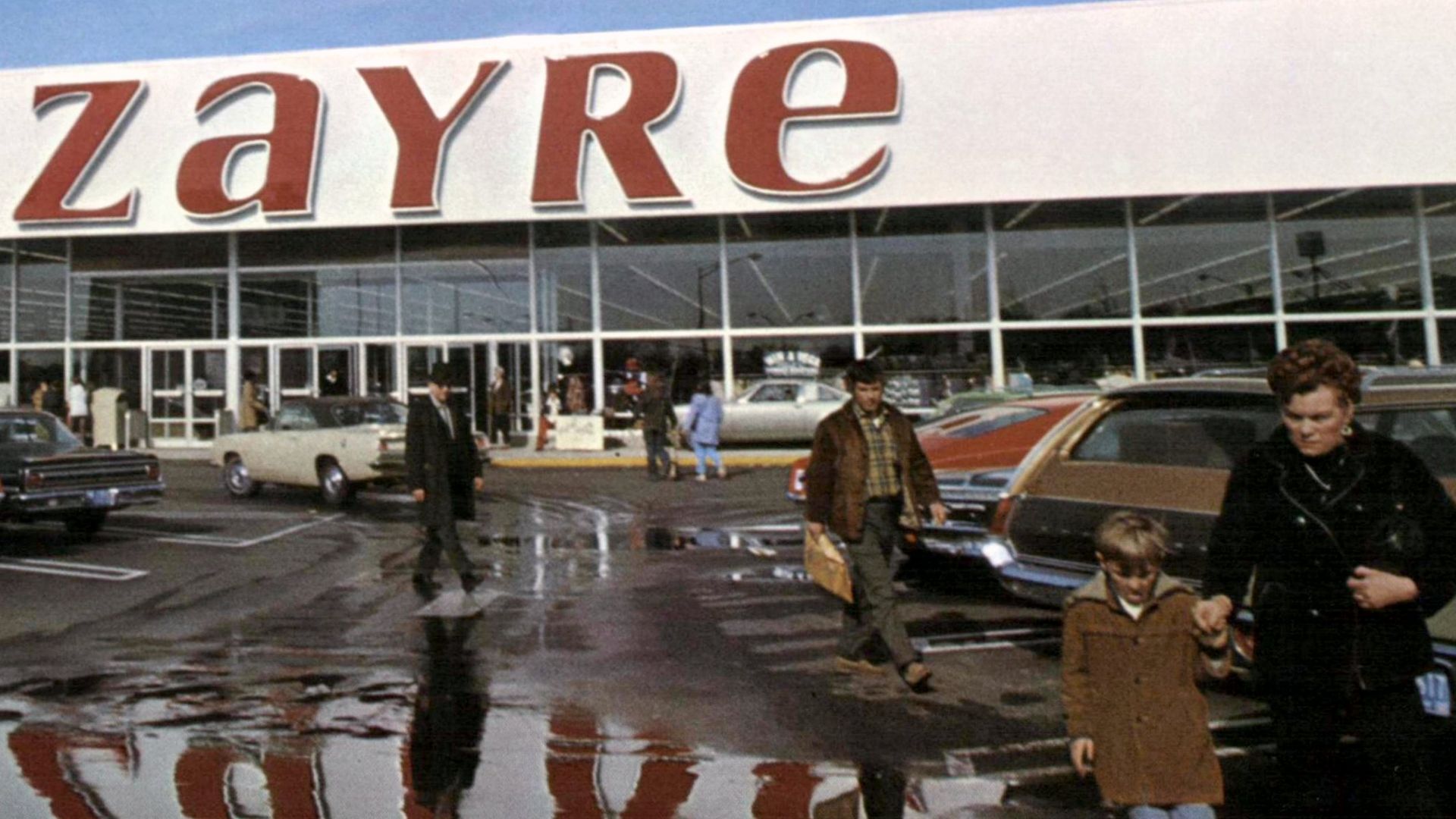
Zayre
If you grew up in the Northeast, Midwest, or parts of the South, Zayre might immediately unlock a memory. The discount chain had more than 200 stores by the early 70s. The really strange part? Zayre helped create T.J. Maxx in 1977. One name vanished, while its little side project became enormous.
 Click Americana, Wikimedia Commons
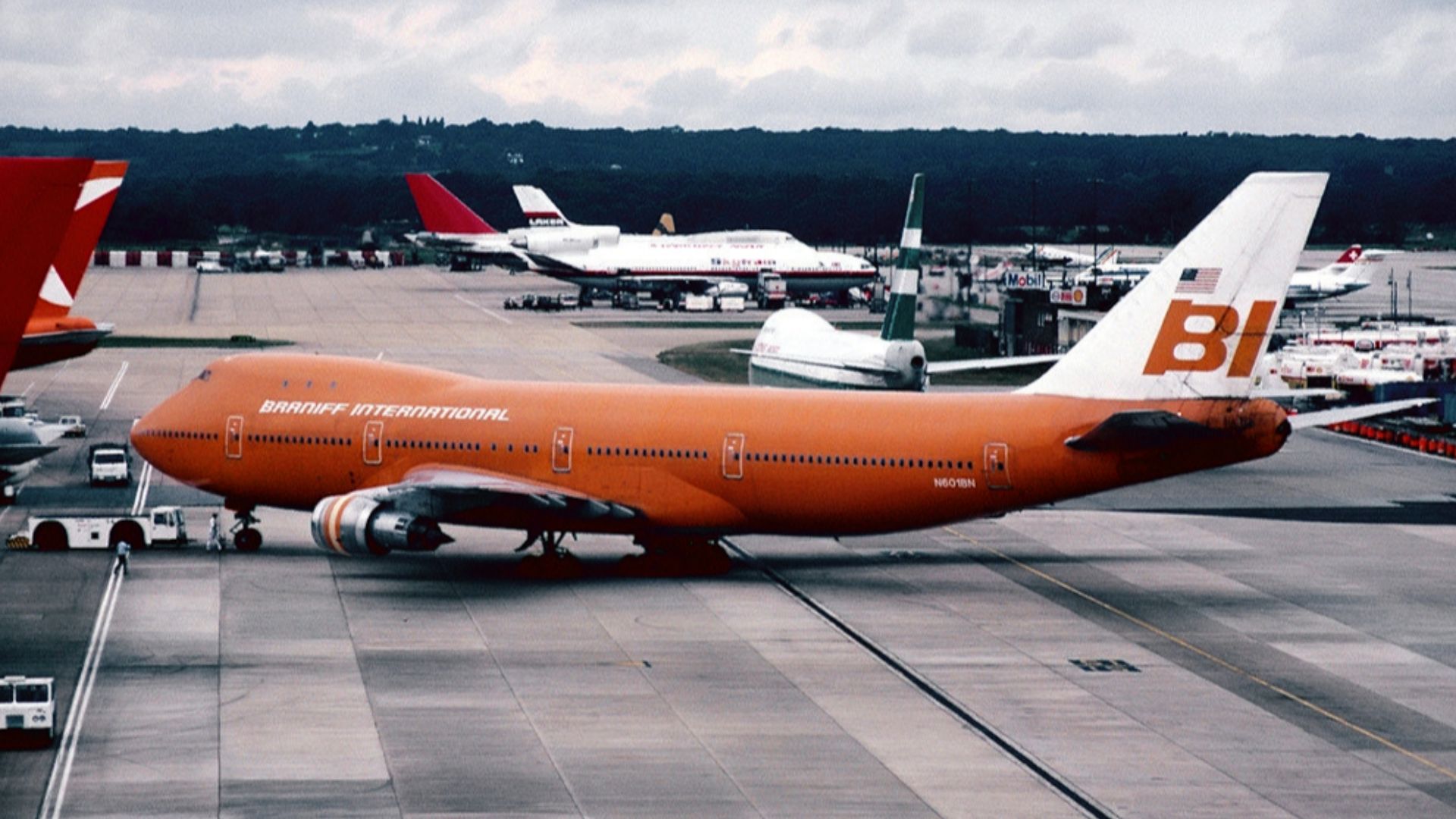
Braniff International
Braniff wasn't trying to make flying look boring. Its planes came in bright colors, its flight attendants wore designer uniforms, and the airline leaned hard into fashion and style. During the 60s and 70s, Braniff looked like the future of air travel. In 1982, the original airline suddenly stopped flying.
Kinney Shoes
There was a time when finding a Kinney Shoes in your local mall was about as surprising as finding an Orange Julius. In 1974, Kinney operated around 940 stores. That same year, the company launched a new athletic-shoe concept you definitely do remember: Foot Locker. Kinney faded away. Its offspring certainly didn't.
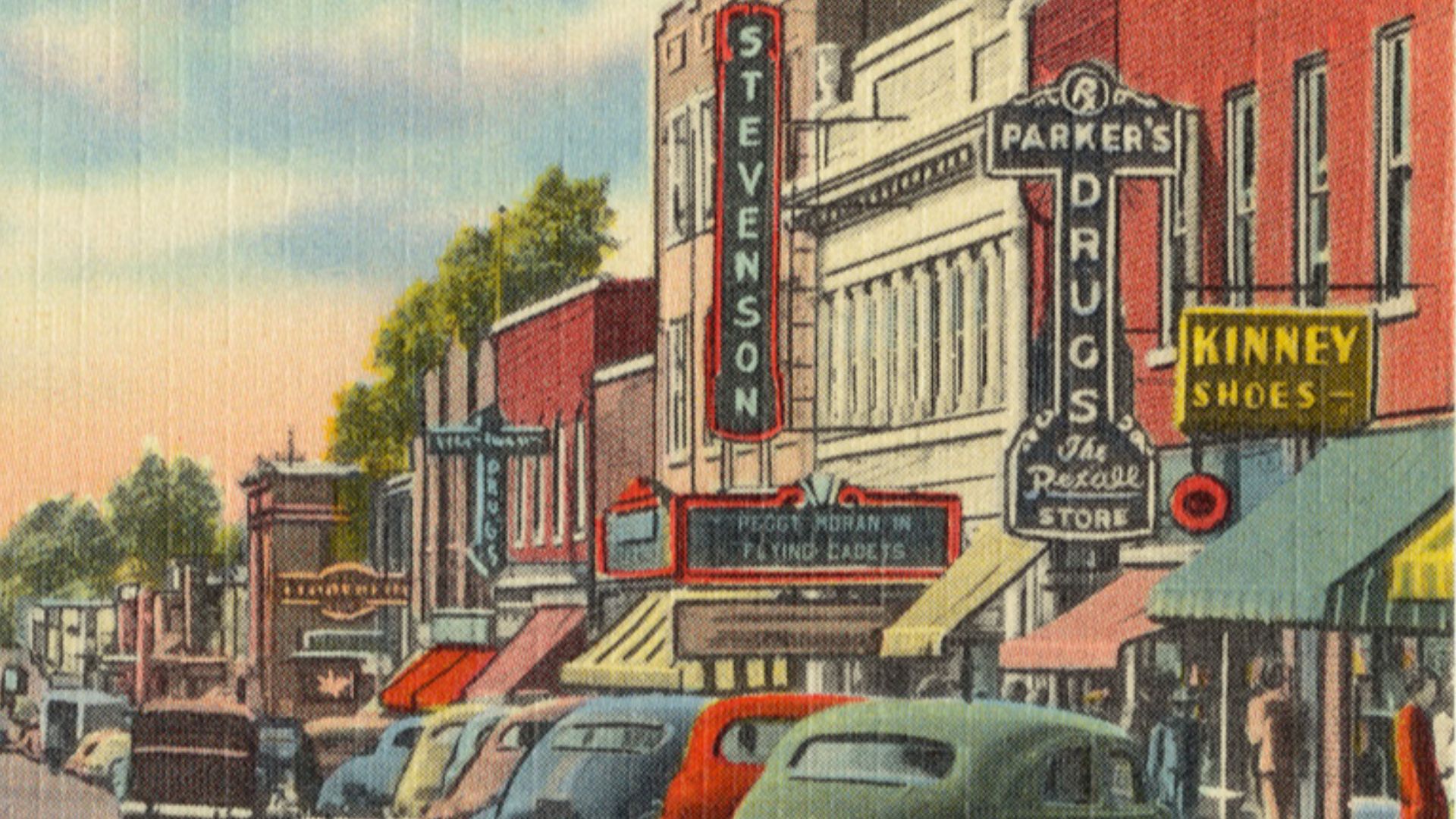 Boston Public Library, Wikimedia Commons
Lum's
Lum's became famous for one particularly unusual specialty: hot dogs steamed in beer. Somehow, that idea helped the chain grow to more than 400 restaurants during its heyday. Lum's later introduced the Ollieburger and had Milton Berle promoting the place. By the early 80s, however, the company was in bankruptcy.
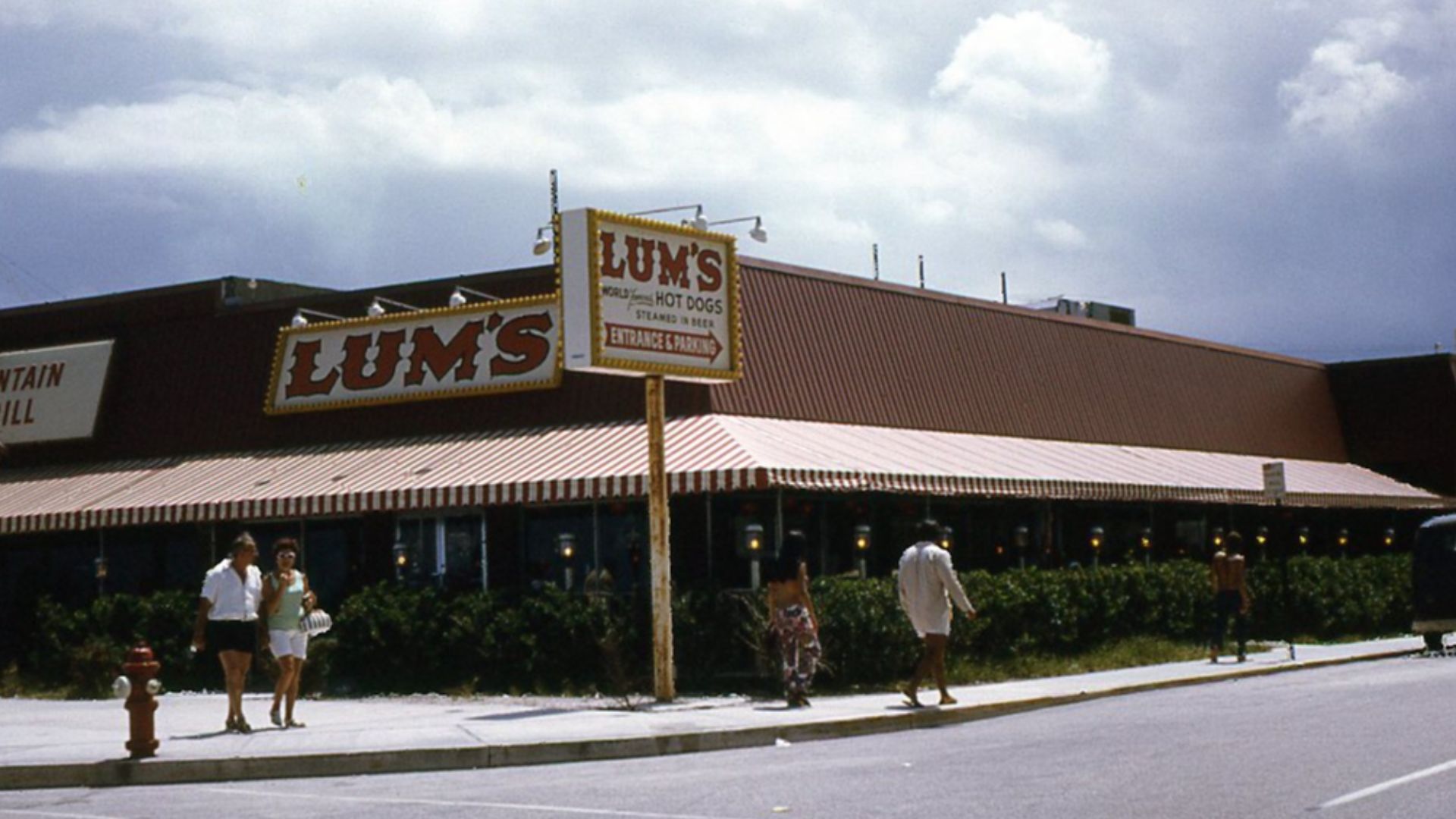 Phillip Pessar, Wikimedia Commons
W.T. Grant
For decades, W.T. Grant looked like the kind of retailer that simply couldn't disappear. By 1975, the company still operated more than 1,000 stores. Then came one of the biggest retail collapses America had ever seen. By 1976, the once-familiar Grant signs were disappearing for good.
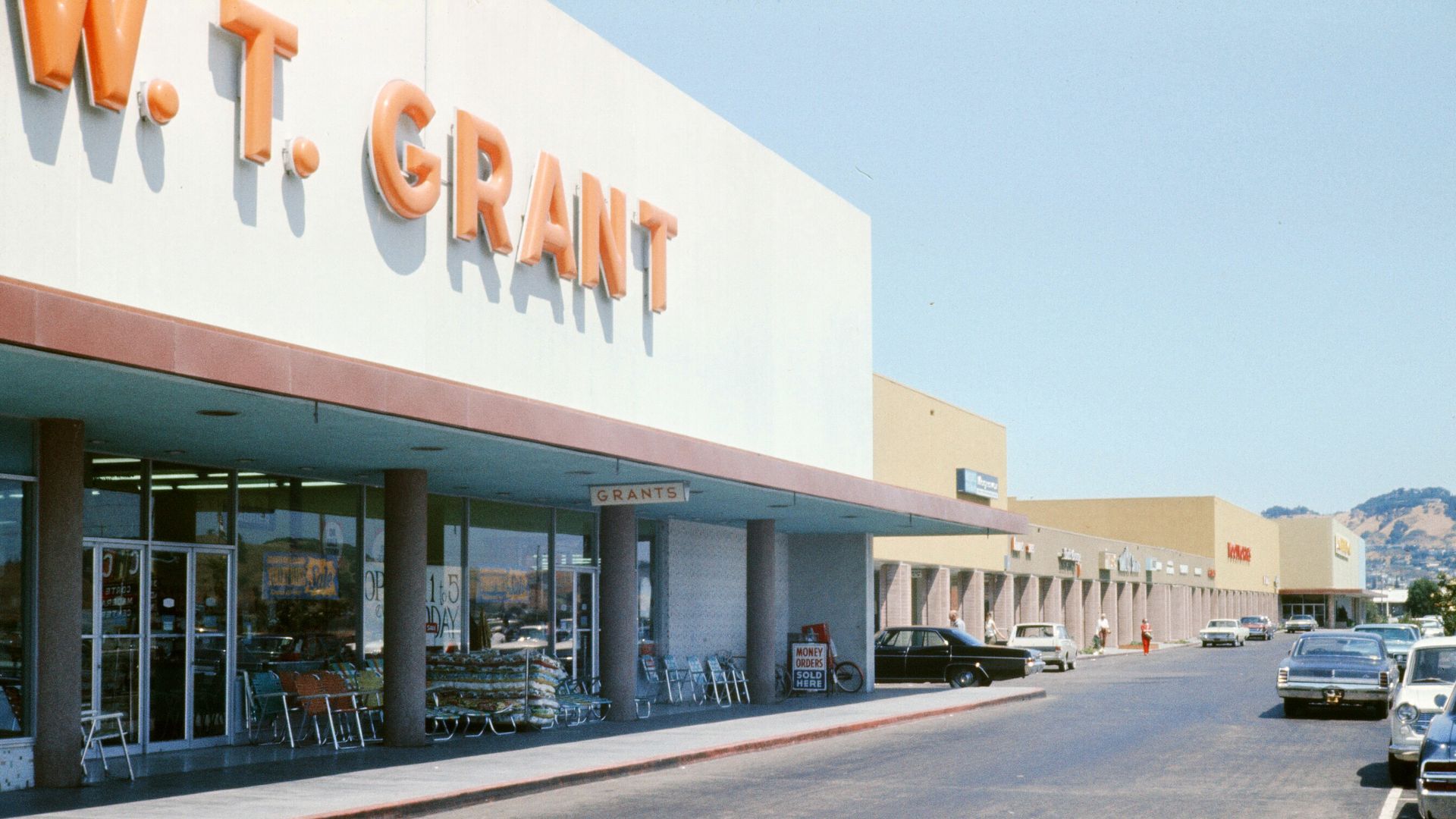 Menlo Park Planning, Wikimedia Commons
National Airlines
National Airlines was once a major American carrier, particularly in Florida and along the East Coast. During the 70s it became famous for its cheeky "Fly Me" advertising campaign. But the National name disappeared from airports after Pan Am bought the airline and absorbed its routes and aircraft in 1980.
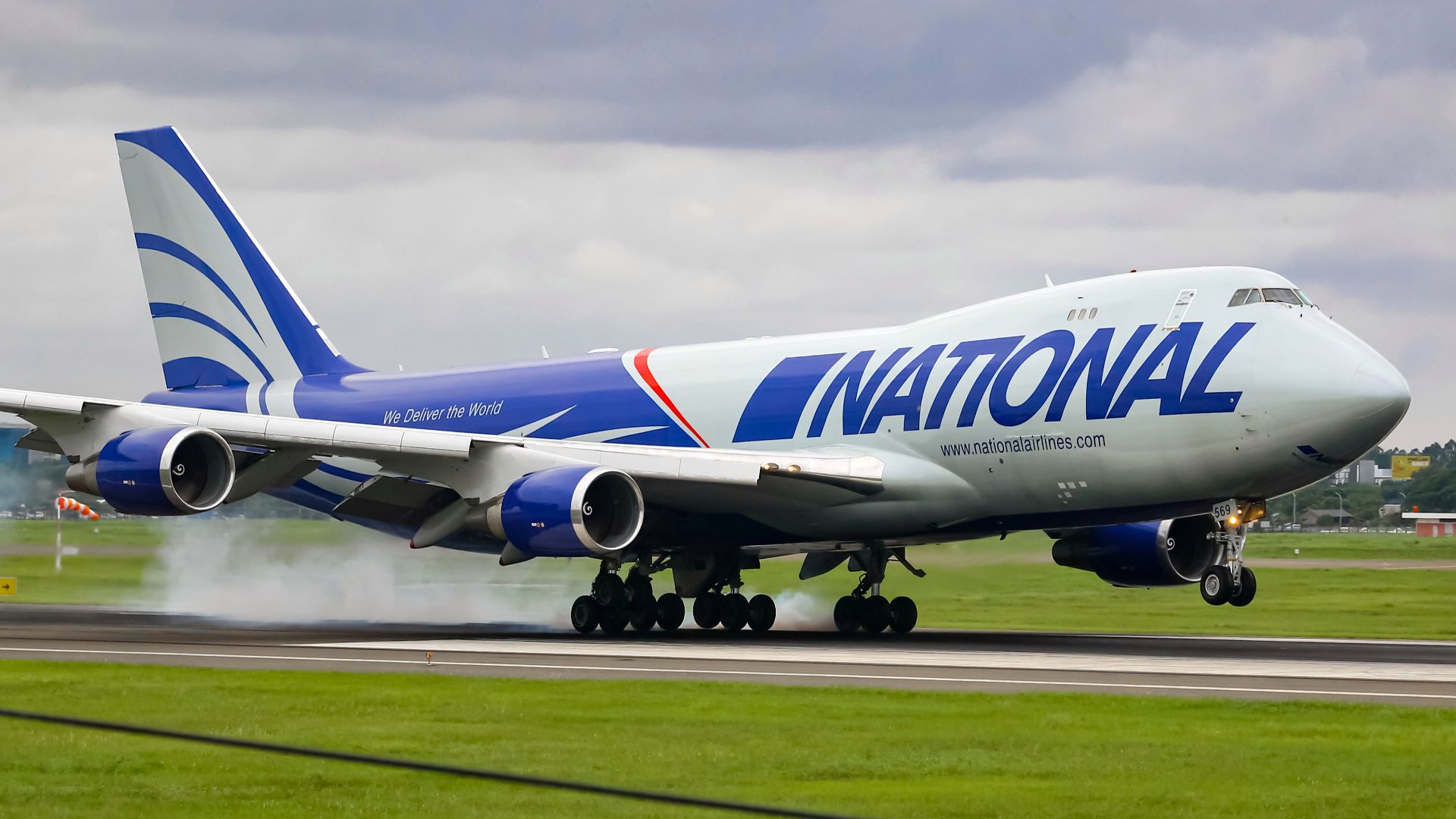 Frostedcave, Wikimedia Commons
Red Barn
You didn't need GPS to find Red Barn. The restaurants were often built to look like actual red barns, because subtlety apparently wasn't a major concern in 70s fast food. At its peak, the chain had roughly 400 locations and sold burgers, chicken, fish, and even offered a salad bar.
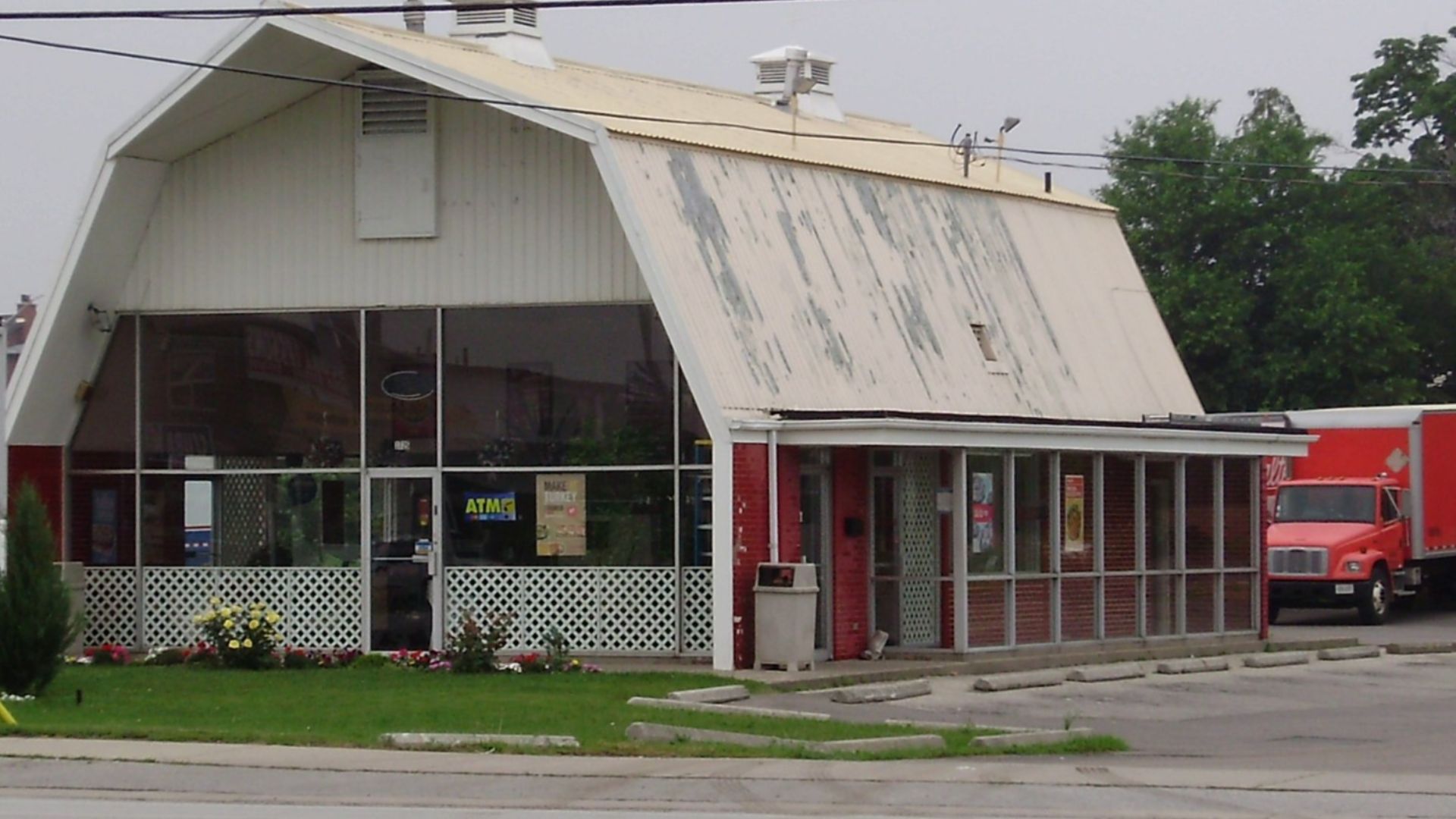 GTD Aquitaine, Wikimedia Commons
Service Merchandise
Shopping at Service Merchandise required a little more patience than shopping does today. You looked through displays or a catalog, wrote down what you wanted, and waited for somebody in the mysterious back room to produce it. The company expanded quickly during the 70s and eventually became one of America's biggest catalog-showroom chains.
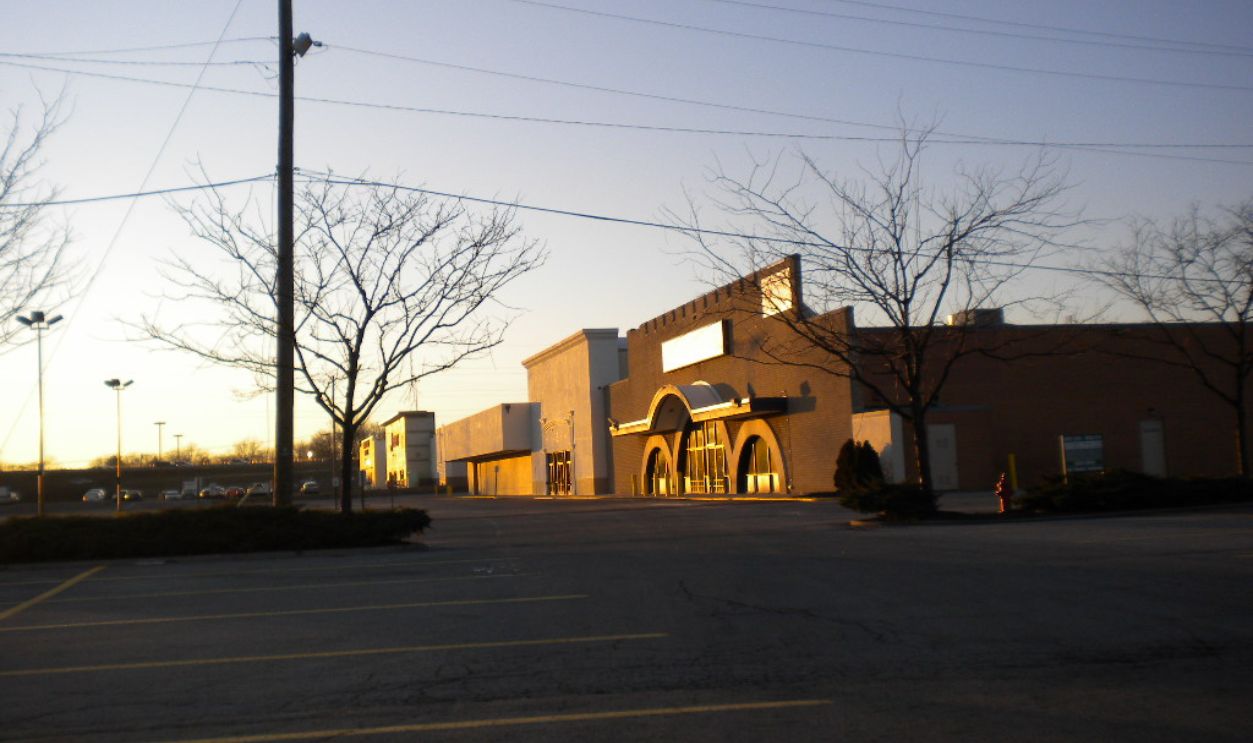 Solution7z, CC BY-SA 3.0, Wikimedia Commons
Lafayette Radio Electronics
Before every electronics question could be solved with an Amazon search and two-day shipping, there were stores like Lafayette Radio Electronics. It sold stereo equipment, radios, CB gear, and enough mysterious electronic components to keep somebody's dad busy all Saturday. Competition intensified during the late 70s, and Lafayette eventually disappeared.
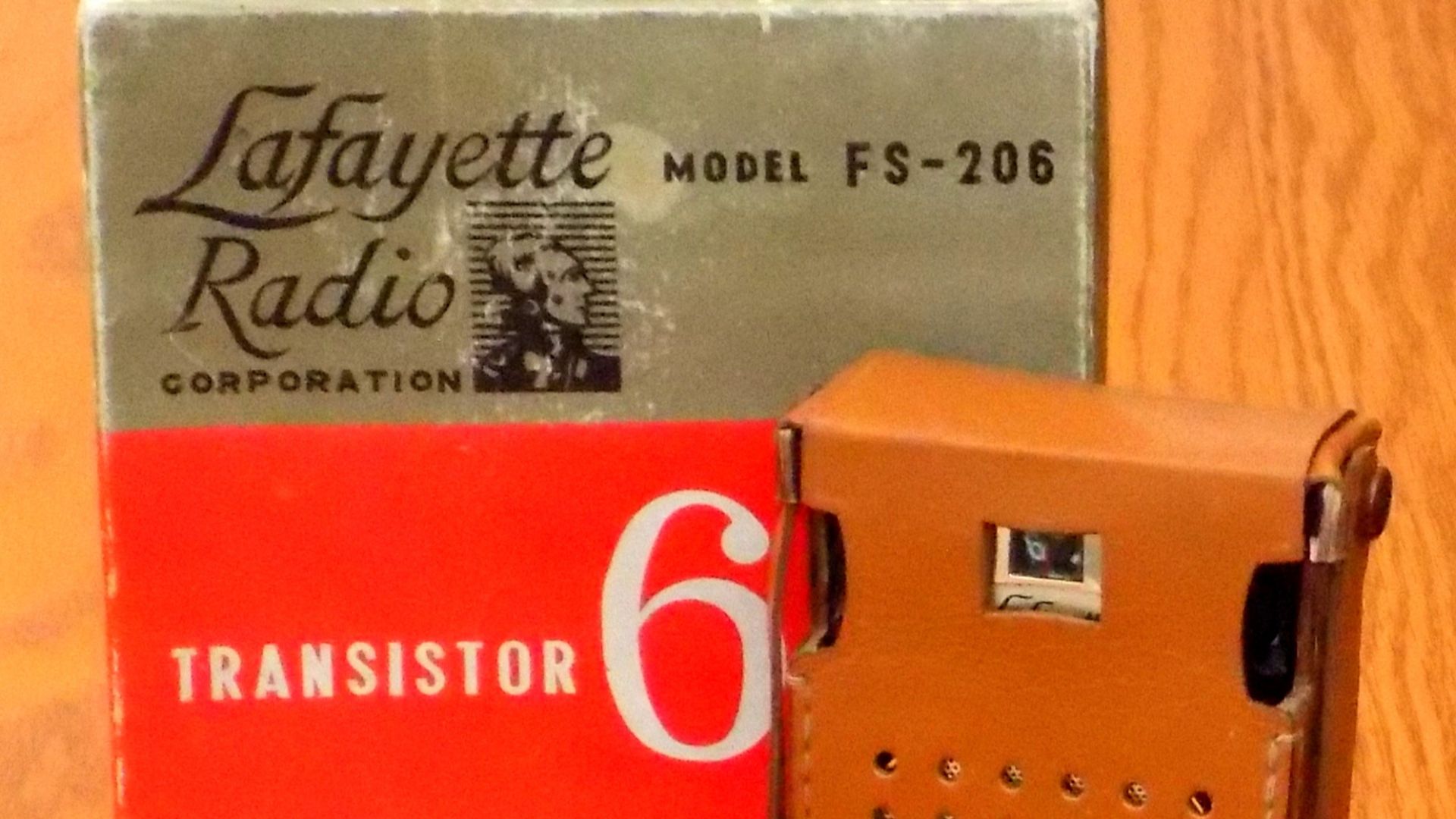 Joe Haupt from USA, Wikimedia Commons
Victoria Station
Going to Victoria Station wasn't just dinner. Many locations were literally built around old railway cars and cabooses, with English railroad decorations everywhere. Prime rib was the star of the menu, and by the end of 1978 the company had 97 restaurants. For a while, eating dinner inside a boxcar seemed perfectly reasonable.
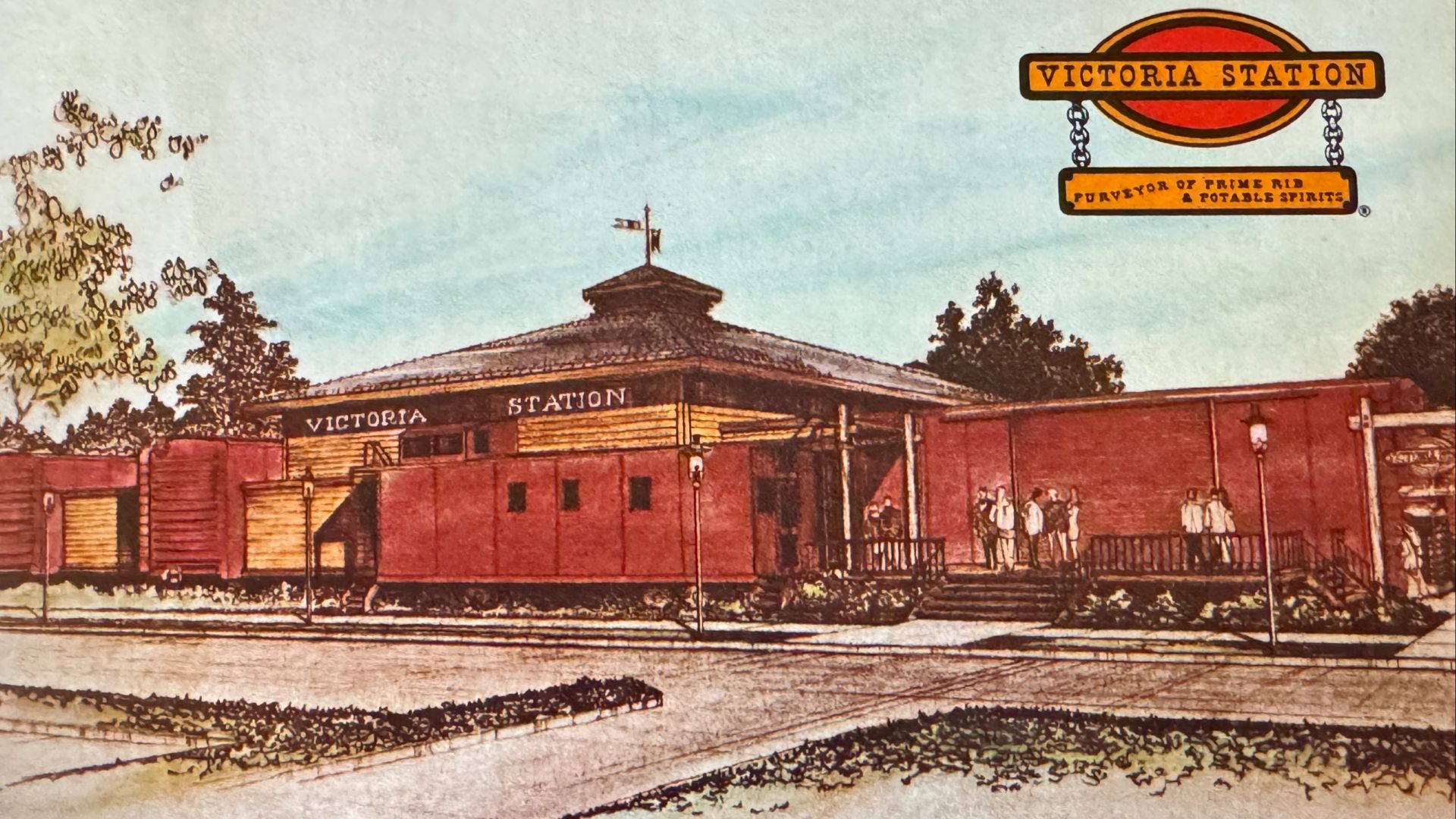 ChesterPlumfield, Wikimedia Commons
Woolco
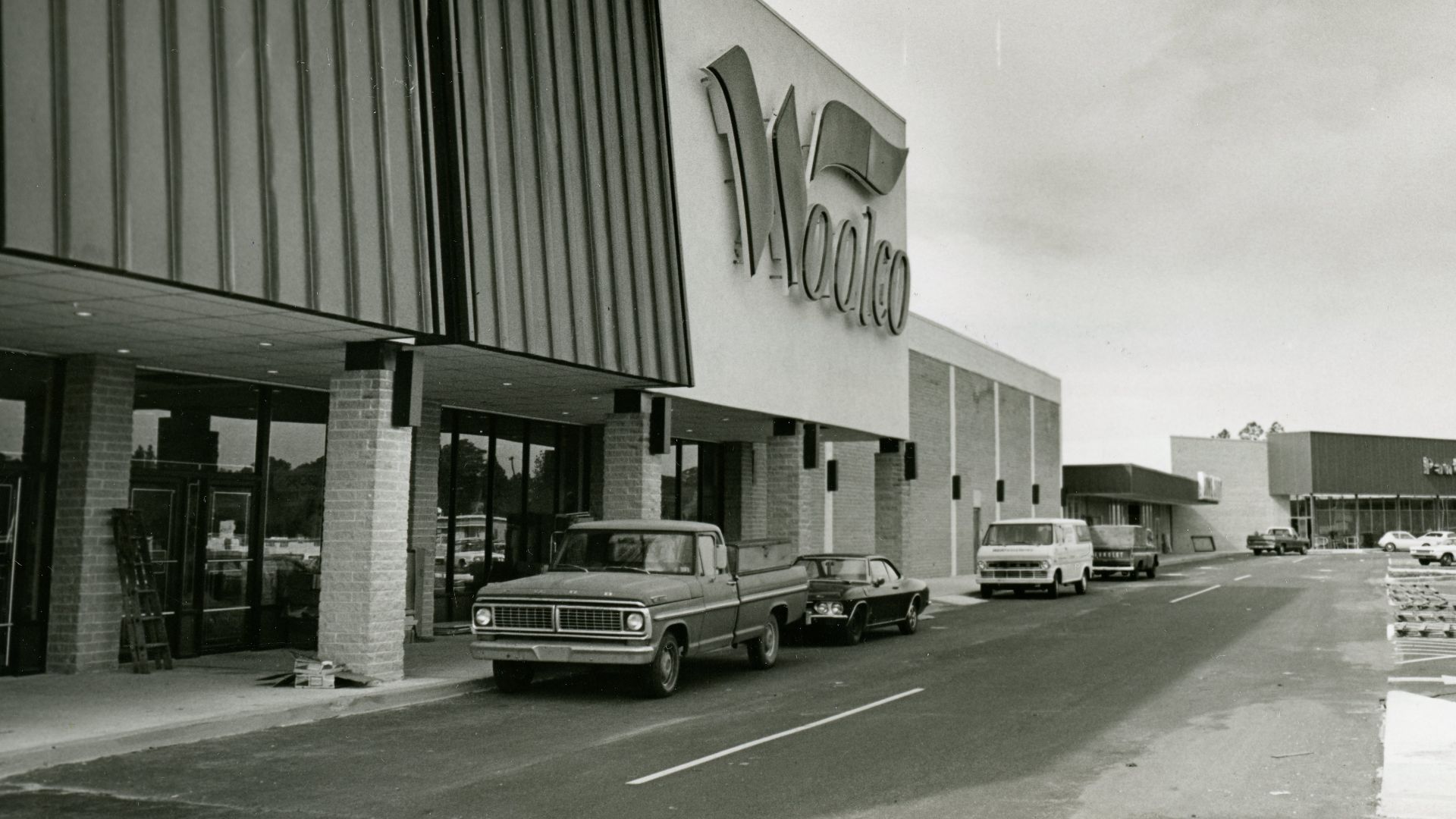
No, not Woolworth. Woolco was Woolworth's attempt to take on the giant discount stores popping up across suburbia. These were much bigger stores where you could buy clothing, appliances, toys, groceries, and probably lose your parents for 20 minutes. The American Woolco chain disappeared in 1983.
 Phillip Pessar, Wikimedia Commons
Allegheny Airlines
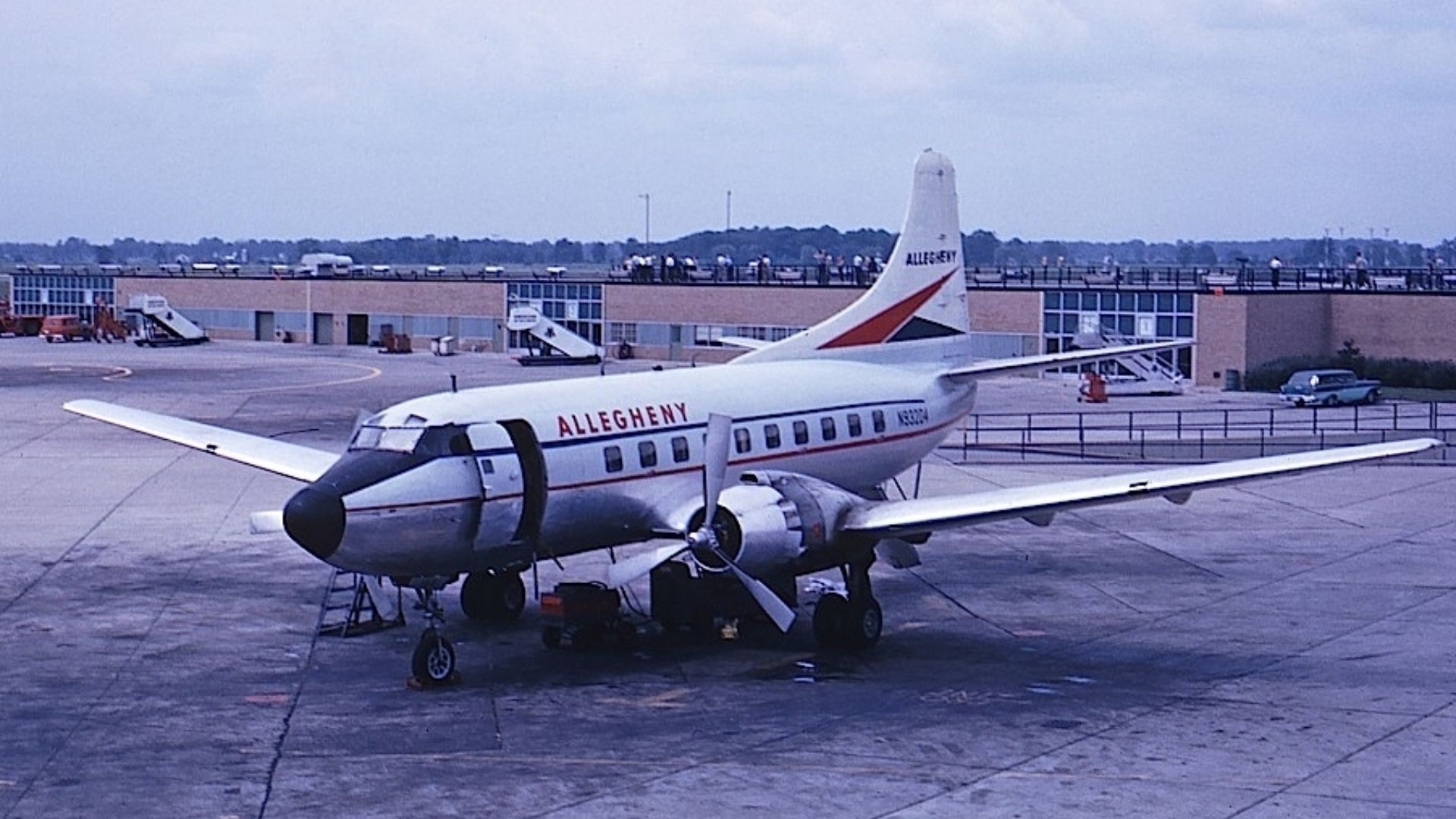
For years, Allegheny Airlines carried passengers around the Northeast and gradually expanded well beyond it. Then, in 1979, the company decided the regional-sounding name no longer fit and became USAir. That later became US Airways, which eventually merged with American Airlines. Allegheny disappeared, but its corporate family tree certainly didn't.
 Jon Proctor, Wikimedia Commons
Sperry & Hutchinson
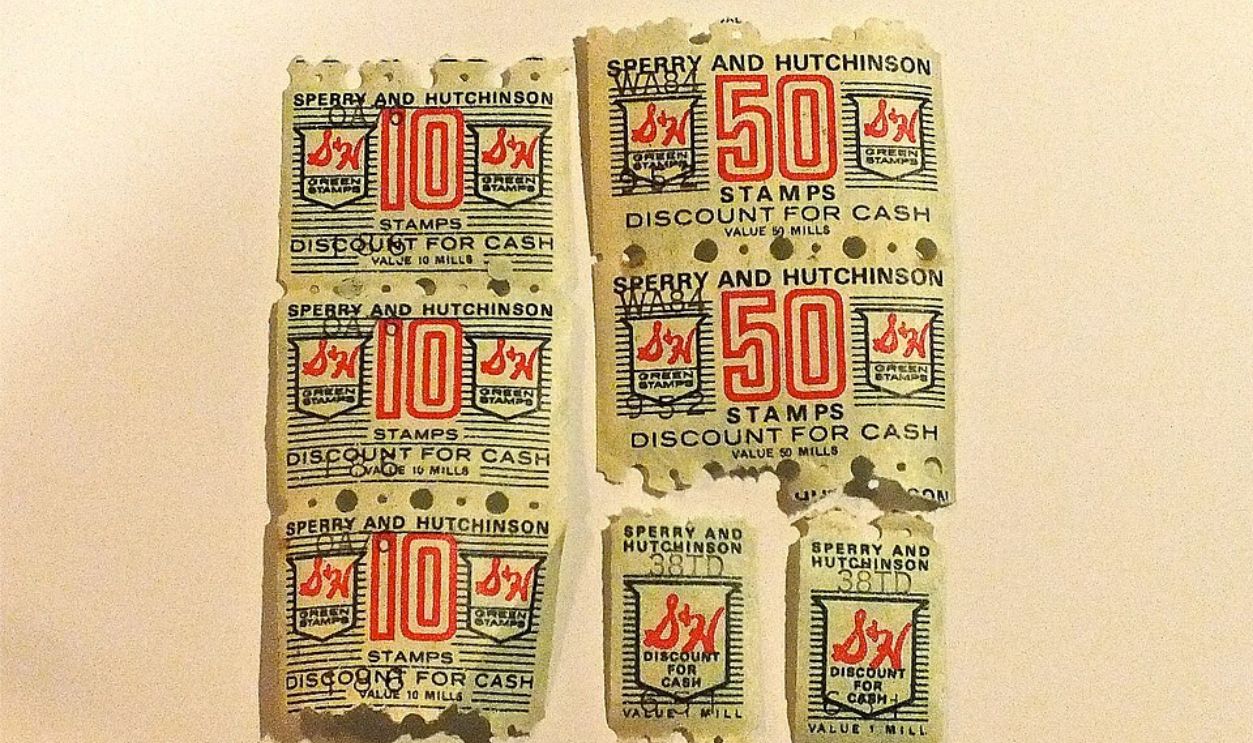
The company name might not immediately ring a bell. But S&H Green Stamps probably will. Shoppers collected the little stamps from participating stores, licked them, stuck them into books, and eventually traded those books for merchandise. Somehow, entire families once willingly spent evenings doing what was basically analog rewards-program paperwork.
 Cayobo from Key West, The Conch Republic, CC BY 2.0, Wikimedia Commons
Two Guys
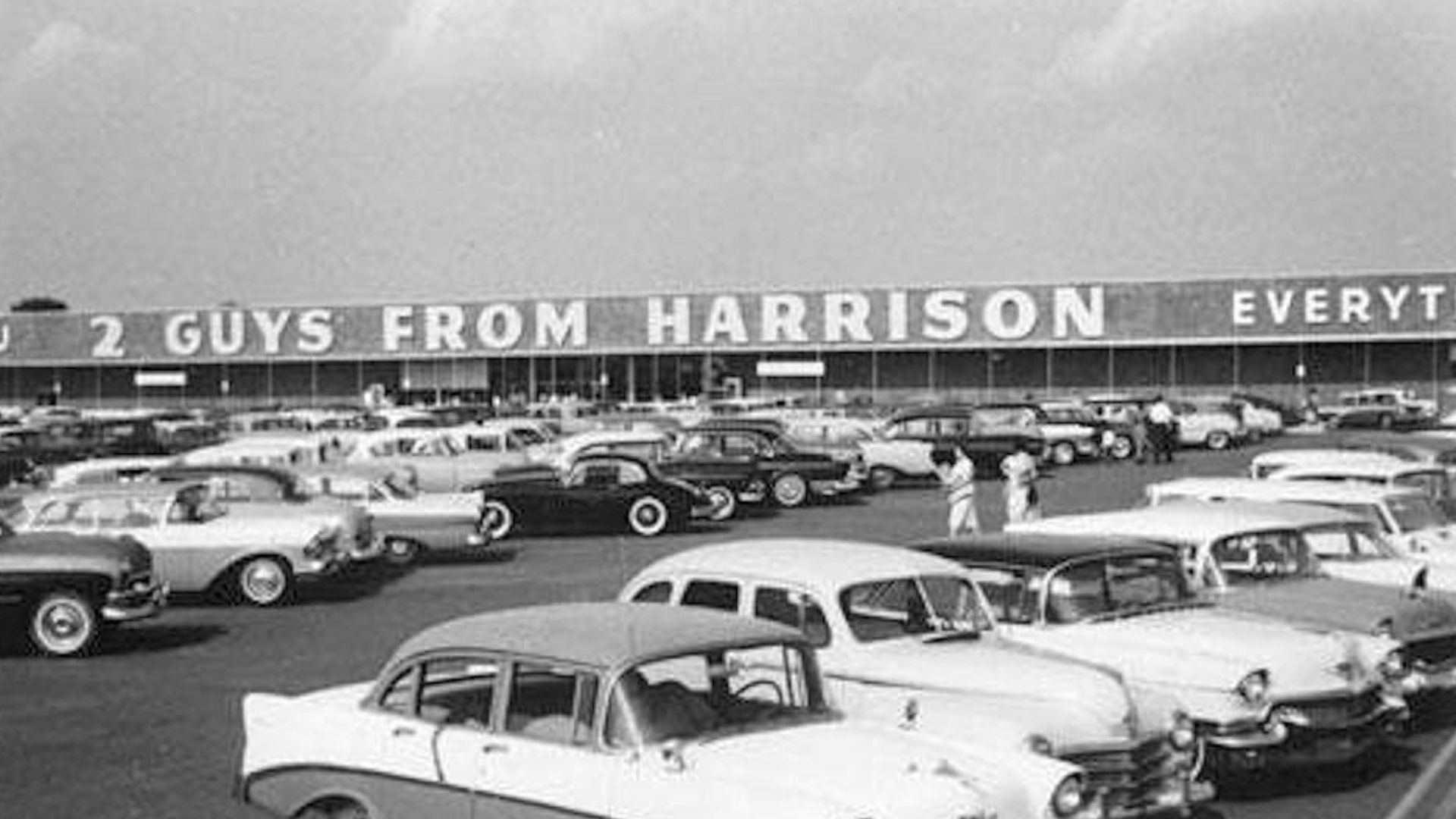
Yes, the store was really called Two Guys. Originally Two Guys from Harrison, the New Jersey company grew into a major discount chain selling everything from appliances to groceries. Less than a decade after its 70s heyday, Two Guys was gone. That's a pretty dramatic disappearing act for two guys.
 Unknown authorUnknown author, Wikimedia Commons
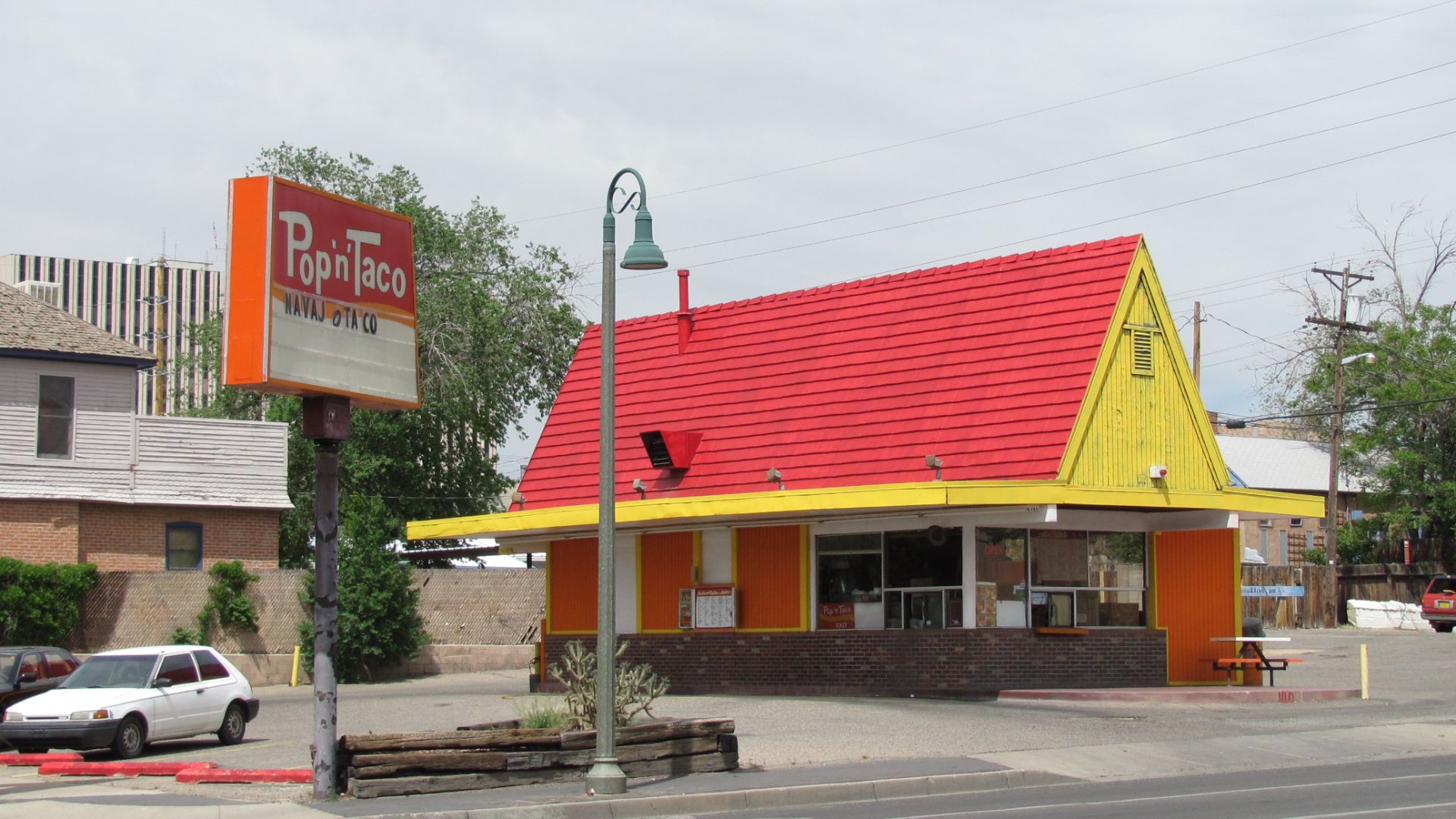
Pup 'N' Taco
California kids may remember this strange but apparently effective combination. Pup 'N' Taco sold hot dogs, tacos, tostadas, burgers, and pastrami sandwiches because choosing a specialty was evidently optional. The chain eventually grew to more than 100 locations before Taco Bell bought 99 of them in 1984.
 John Phelan, Wikimedia Commons
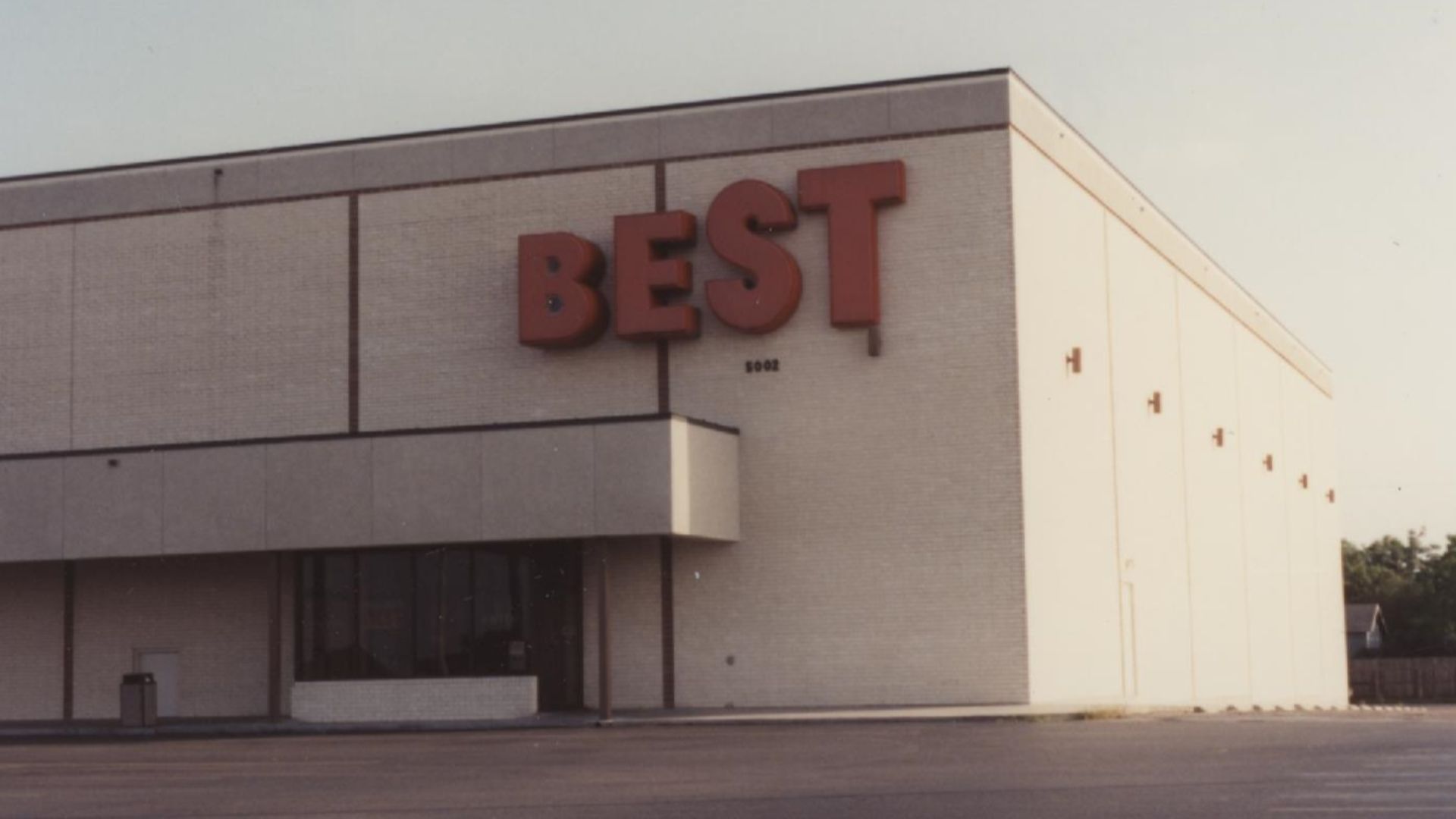
Best Products
Another catalog-showroom giant, Best Products sold everything from jewelry and appliances to cameras and toys. But Best had something most retailers definitely did not: bizarre architecture. Some stores looked cracked, tilted, or partially demolished on purpose. Apparently simply putting a giant red sign over the door wasn't interesting enough.
 Gregory Strakos, Wikimedia Commons
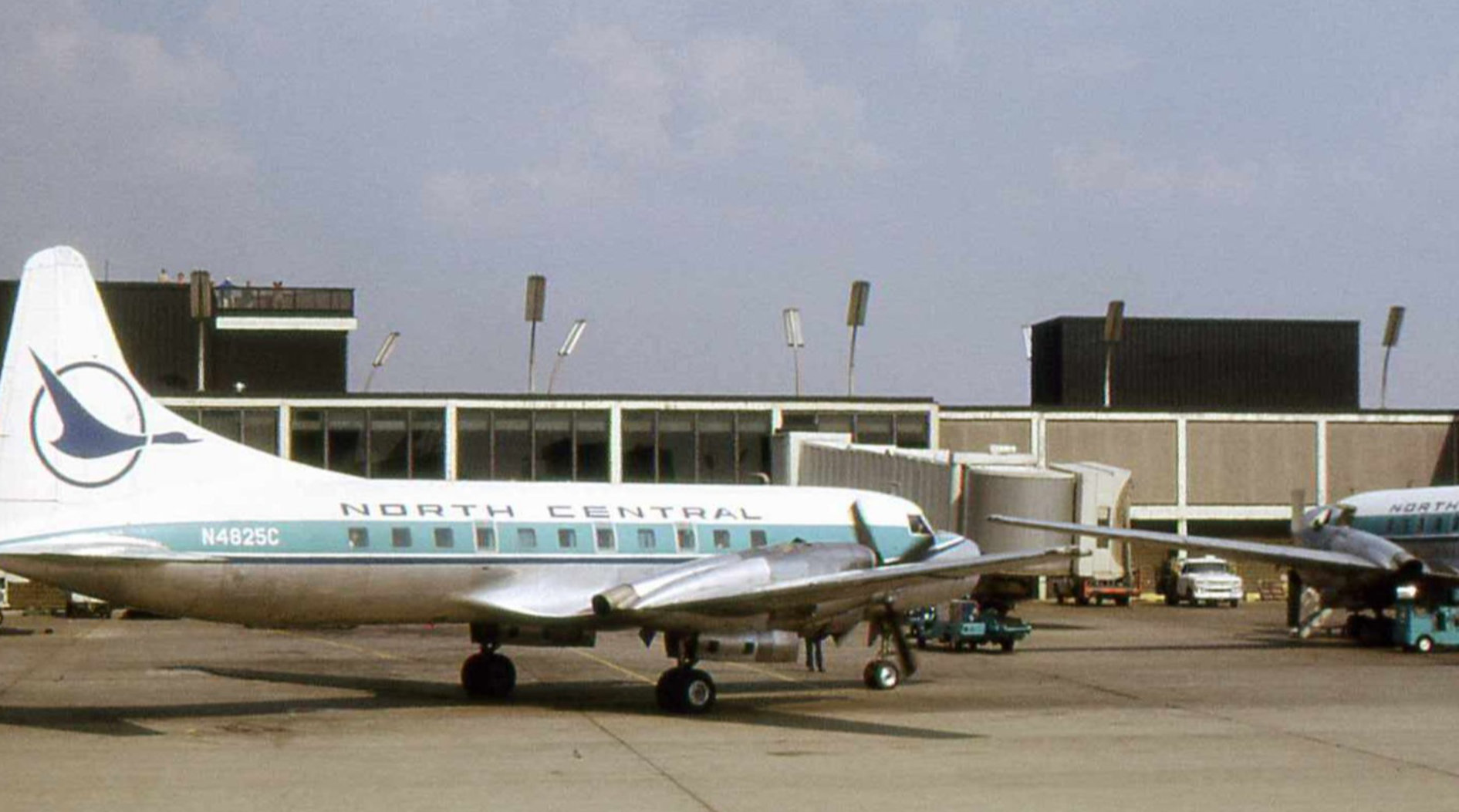
North Central Airlines
North Central was especially familiar to travelers across the Midwest, where its blue airplanes carried the familiar mallard logo known as "Herman the Duck." By the late 70s, North Central served dozens of cities. In 1979, it merged with Southern Airways to form the brand-new Republic Airlines.
 Piergiuliano Chesi, Wikimedia Commons
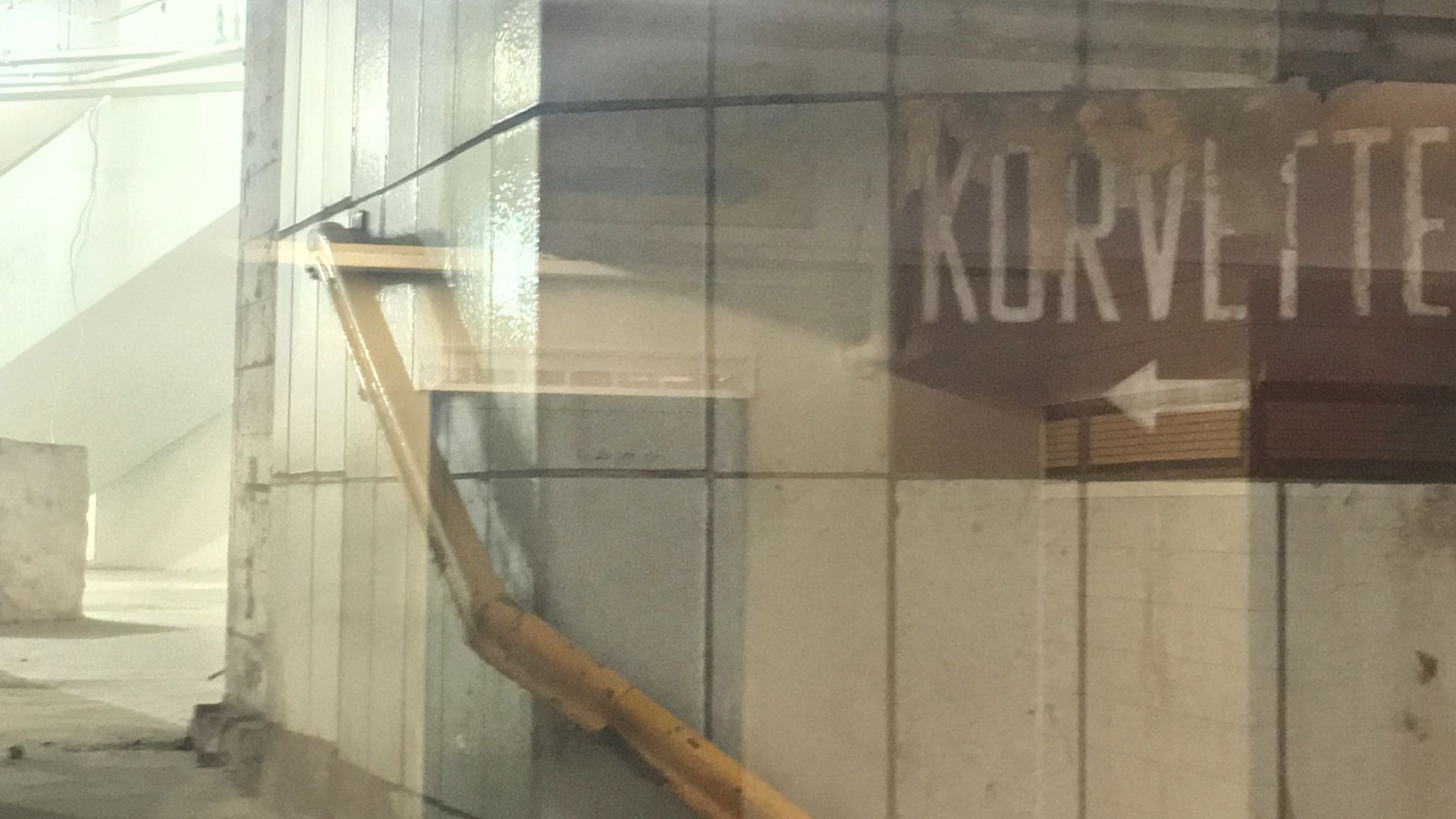
E.J. Korvette
E.J. Korvette sounds less like a department store and more like a man who should have been selling used Cadillacs. But it was once a serious discount-retail competitor, particularly around major Eastern cities. The company struggled badly during the 70s, and the final remaining stores closed in 1980.
 John J. Meola, Wikimedia Commons
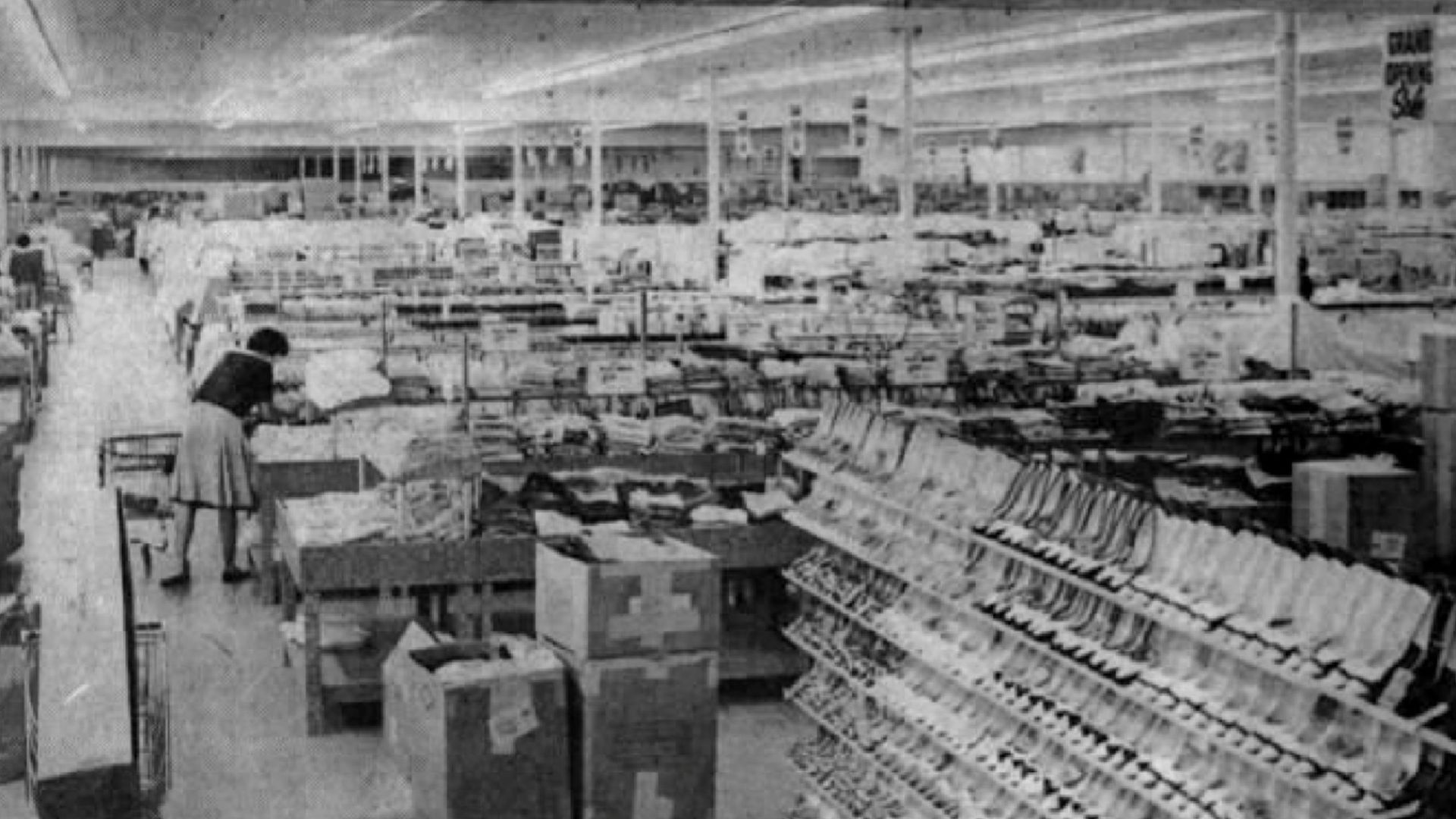
Mammoth Mart
With a name like Mammoth Mart, you would expect the stores to either be enormous or sell groceries to Fred Flintstone. The discount chain grew to nearly 90 stores along the Eastern Seaboard before filing for Chapter 11 protection in 1974. But Mammoth Mart actually made it back out the following year. Founder Max Coffman eventually sold the chain to King Department Store in 1977—and the Mammoth Mart name faded away.
 Self Scanned, Wikimedia Commons
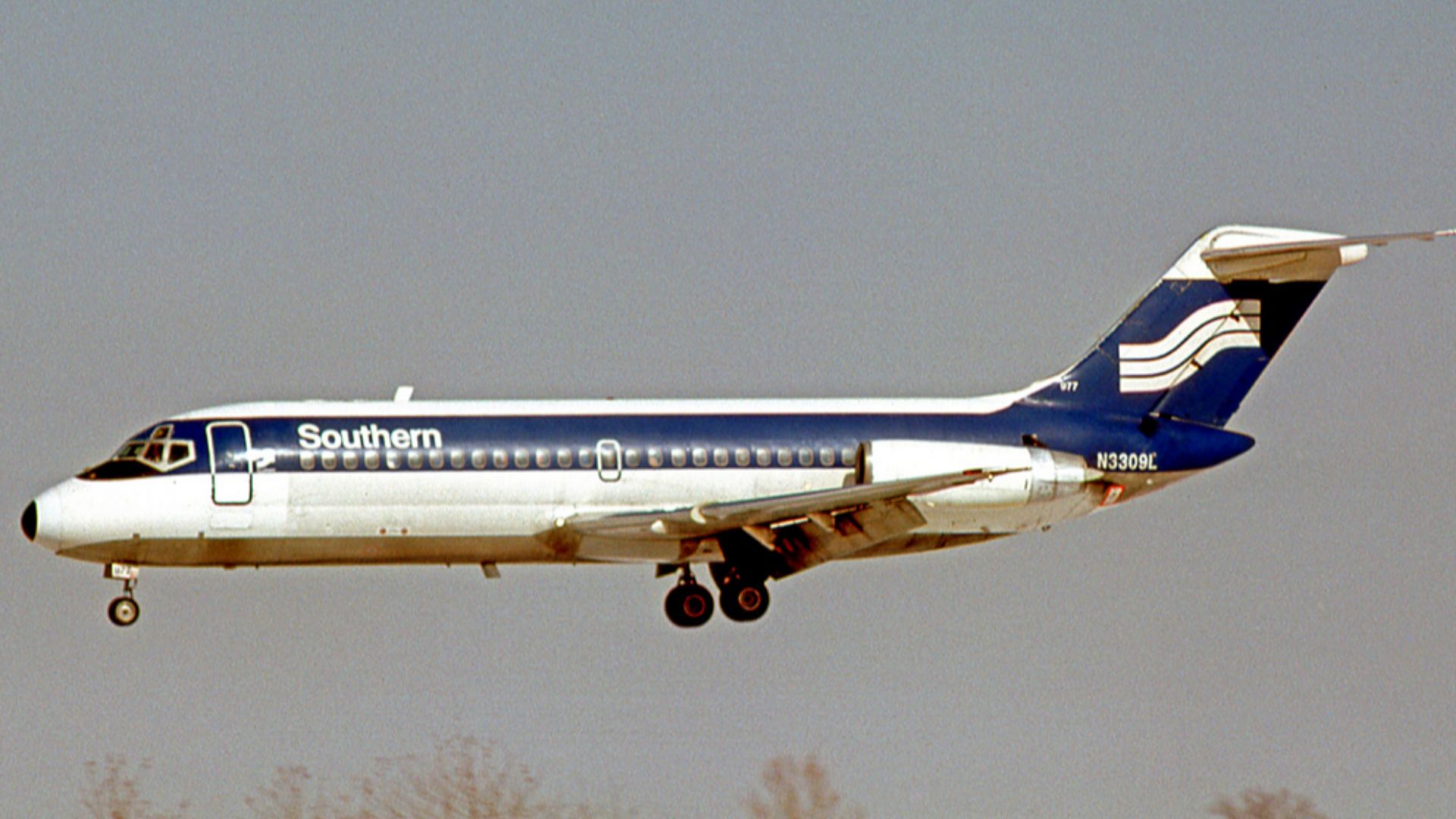
Southern Airways
If you lived in the Southeast, Southern Airways was once a familiar name at regional airports. The carrier spent decades connecting smaller Southern cities with larger hubs before joining North Central in 1979. The merger created Republic Airlines—and just like that, another name that had spent years on airport signs was gone.
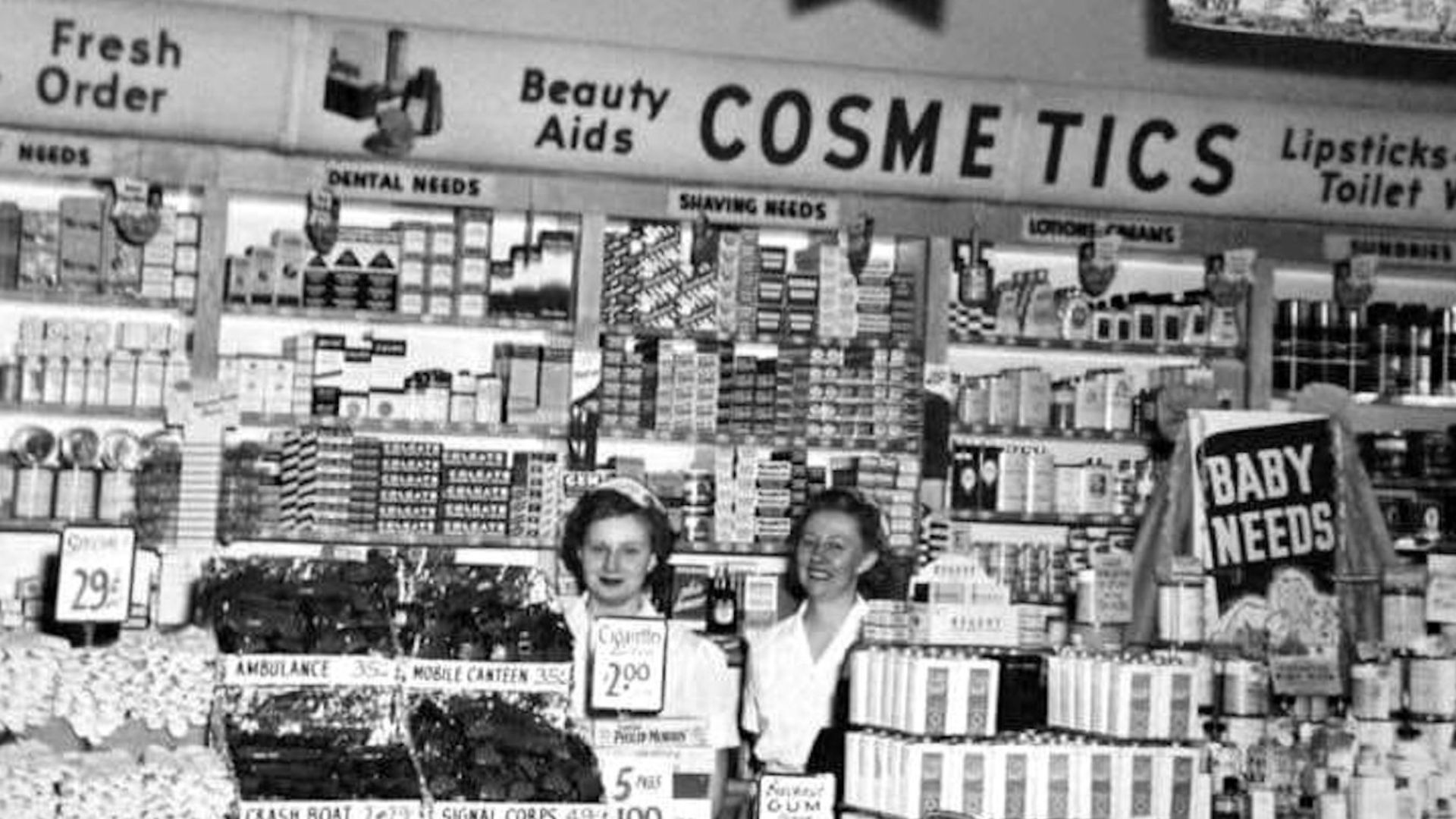
J.M. Fields
J.M. Fields was another discount chain that once occupied huge stores along the East Coast. Its parent company, Food Fair, eventually poured huge amounts of money into keeping the struggling operation going. When Food Fair entered bankruptcy proceedings in 1978, the remaining Fields locations were sold off. Another giant sign disappeared from the roadside.
 Self-Scanned, Wikimedia Commons
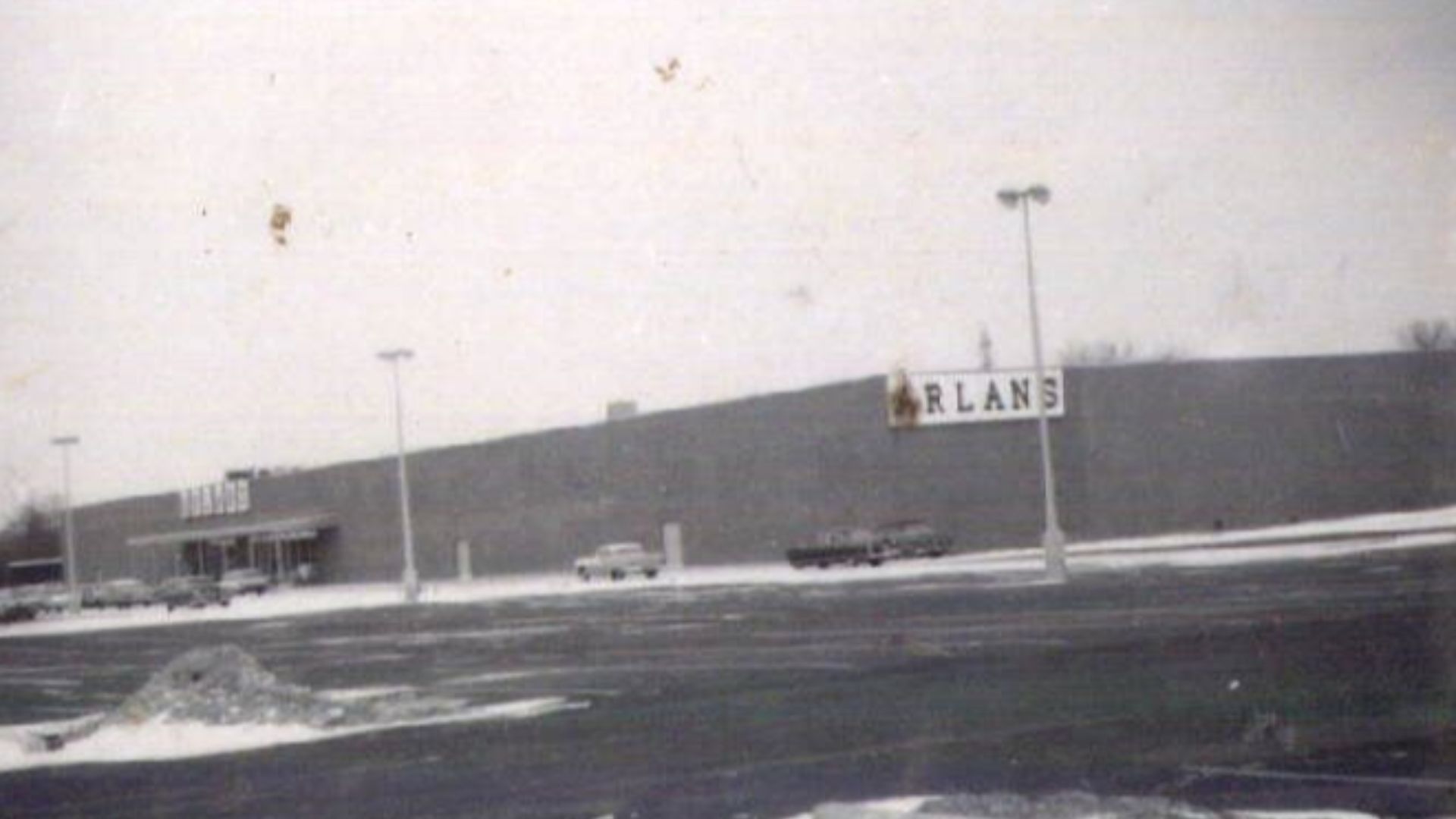
Arlan's
Arlan's was a discount-store powerhouse with about 119 stores in 1970. Unfortunately, that was pretty much where the fun stopped. Losses piled up, stores started closing, and the company entered bankruptcy proceedings in 1973. A name that had once been plastered across enormous stores disappeared remarkably quickly.
 Lucas County (Ohio). Auditor's Office, Wikimedia Commons
So...How Many Did You Remember?
Some of these companies once had hundreds—or even more than a thousand—locations. Now, plenty of Americans born after 2000 have probably never heard of any of them. So, did more than 5 of these ring a bell?

You Might Also Like:
Forgotten Department Stores Where Americans Spent Their Saturdays In The 60s And 70s
School Supplies Baby Boomers Used All The Time—That No One Born After 2000 Has Ever Touched