The Cash Discount Question Sounds Simple
A discount for paying cash has always made sense. The business avoids card fees, so why not knock a little off the price? But in practice, this depends on card fees, state rules, cash-handling costs, and the merchant’s own pricing strategy. For any business in 2026, the margins are tighter than they've ever been, and the old-school cash discount might not be so simple.

Why This Idea Sticks Around
For years, people have heard that credit cards cost businesses money on every sale. That part is true. Merchants do pay processing fees on card transactions, which helps explain why many customers assume cash should come with a discount.
Card Fees Are Real
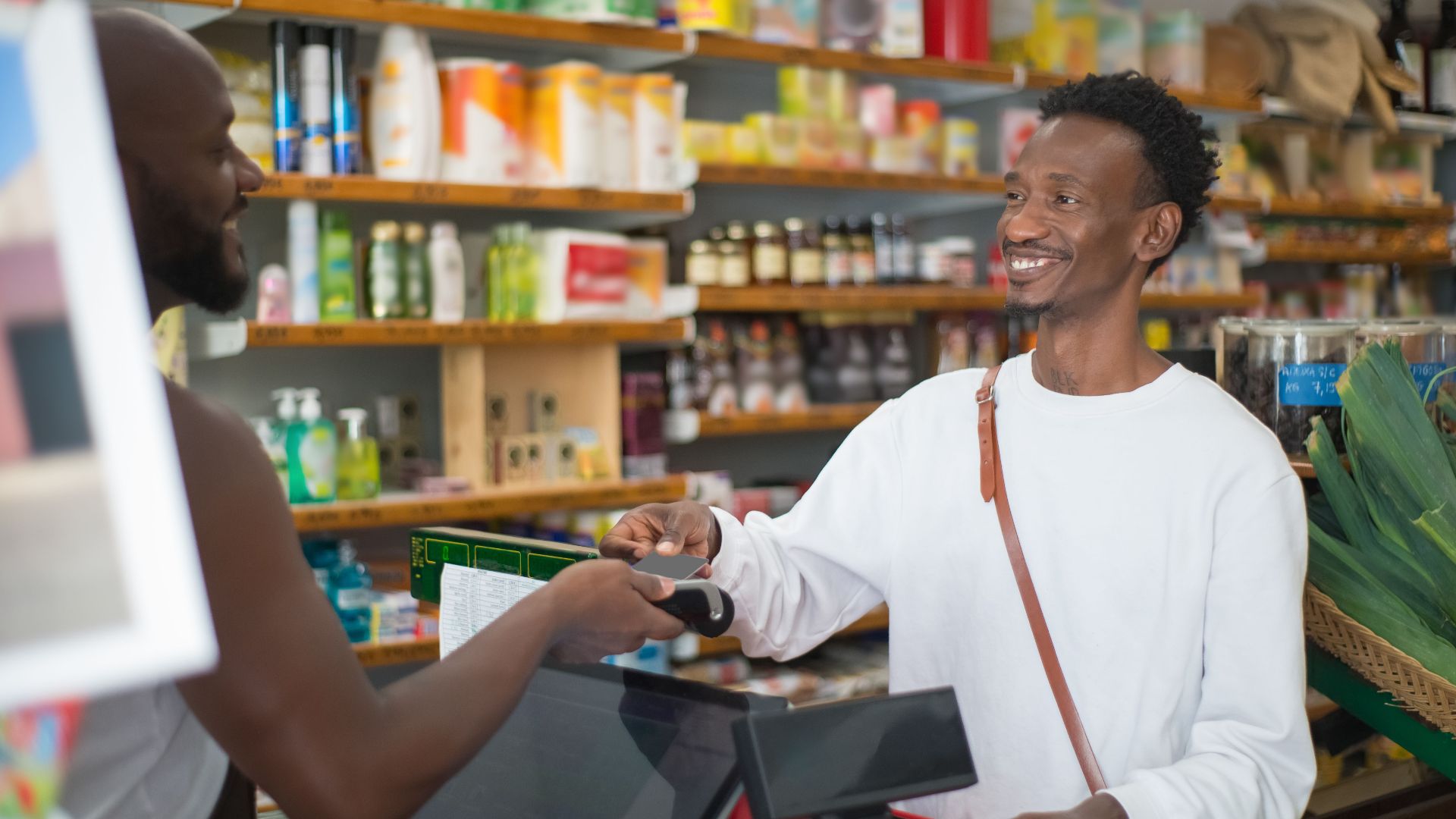
According to the Federal Reserve Bank of Kansas City, merchants usually pay a mix of interchange fees, network fees, and processor charges when customers use cards. Those costs vary by card type and by the merchant’s agreement. So the basic logic behind a cash discount is real.

But Cash Is Not Free
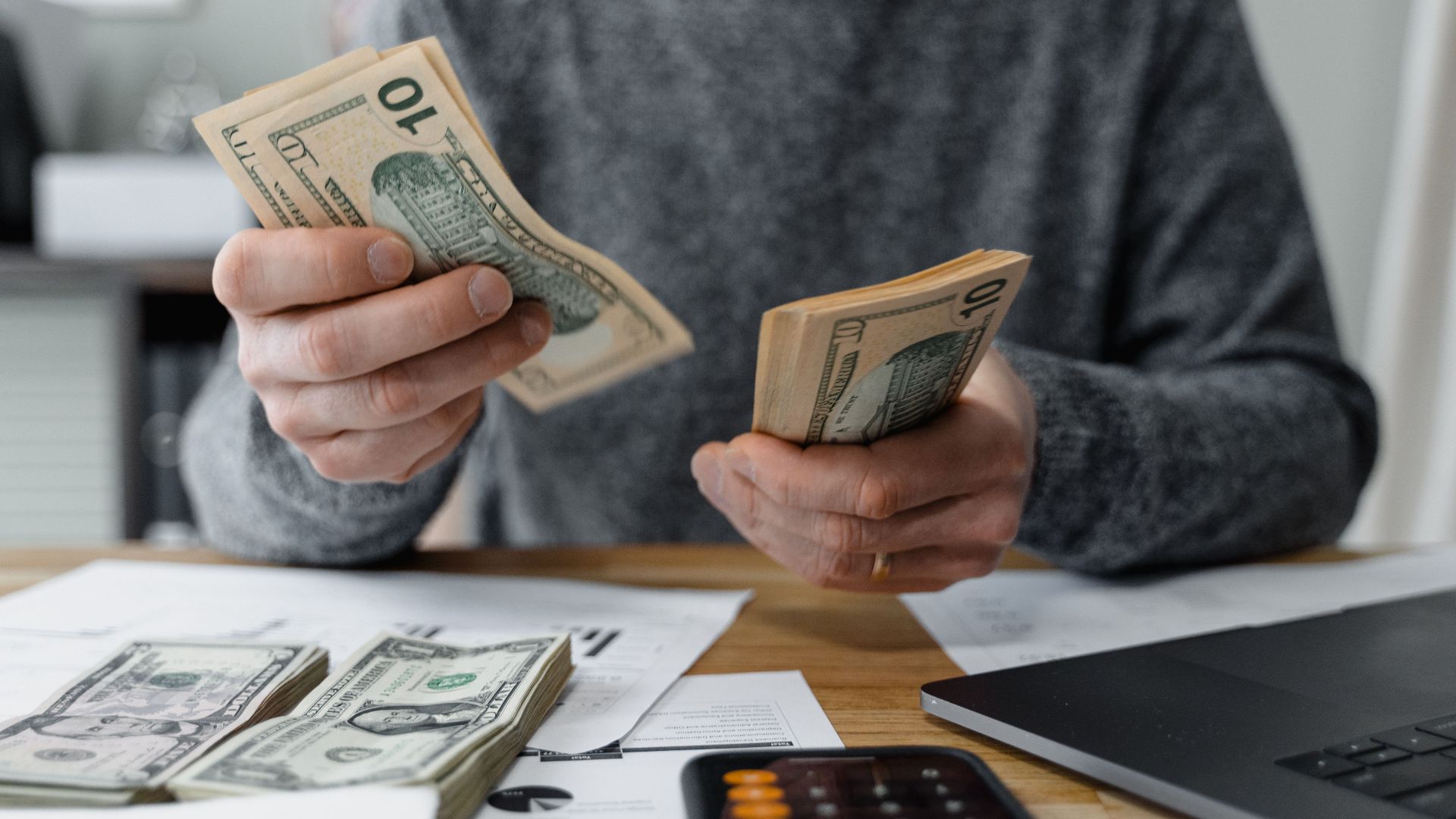
This is the part people often miss. Cash has costs too. Someone has to count it, store it, protect it, transport it, and make change with it. Staff also spend time balancing drawers at the end of the day. The Philadelphia Fed has noted that different payment methods come with different costs, and cash is not always the cheapest option.
Small Businesses Feel It Differently
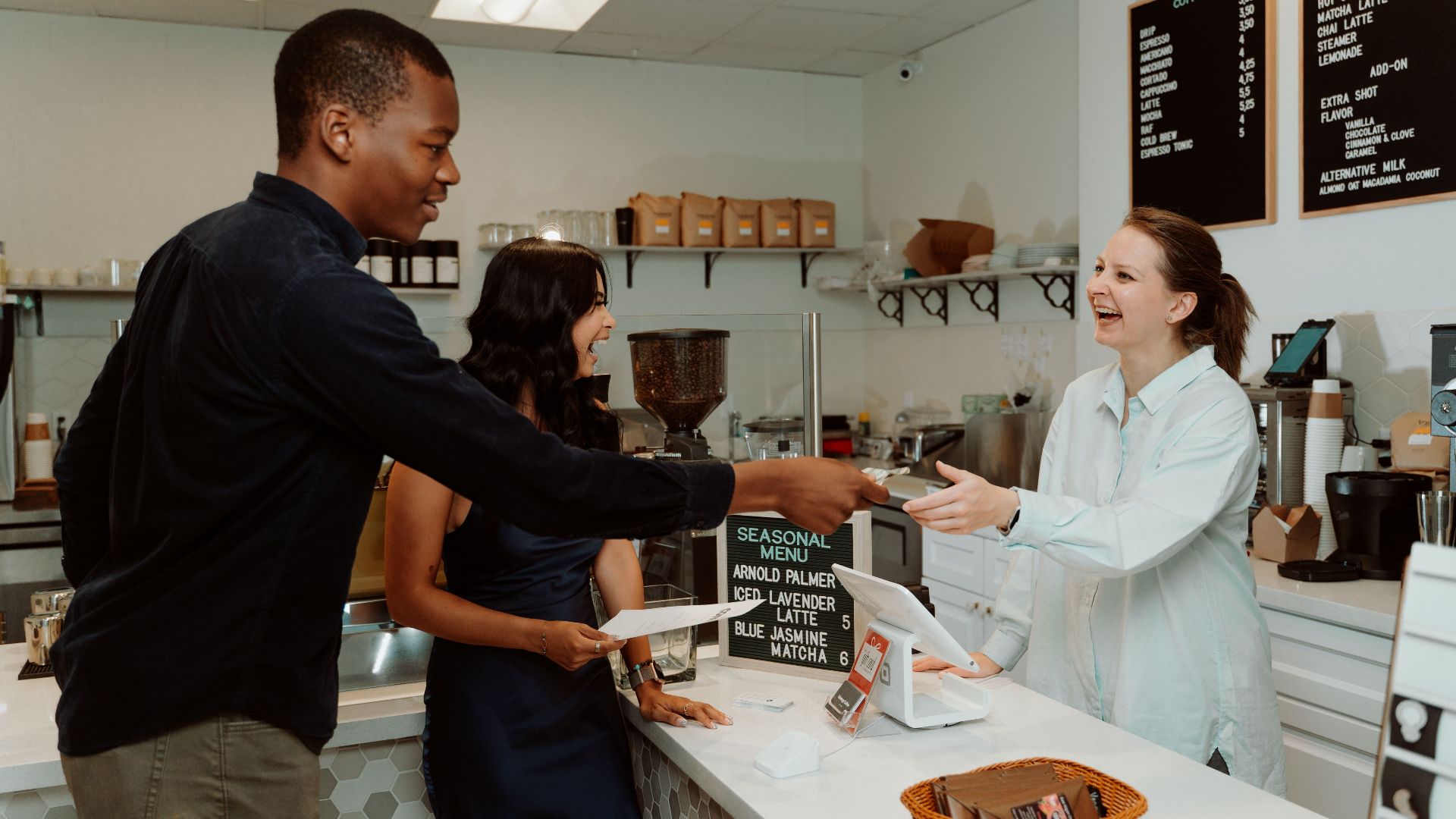
A coffee shop, corner store, or local salon may run on very thin margins. A 2% to 3% card fee can hurt, especially on small purchases. But many owners would rather build that cost into their general prices than explain a separate cash discount to every customer.

2013 Was A Turning Point
For a long time, card network rules limited how much merchants could steer customers toward cheaper payment methods. Then a major antitrust settlement in 2013 let U.S. merchants offer discounts to customers who pay with cash, checks, debit cards, or certain other methods instead of credit cards. That made cash discounts more normal, but it did not make them required.
Surcharges And Discounts Are Different
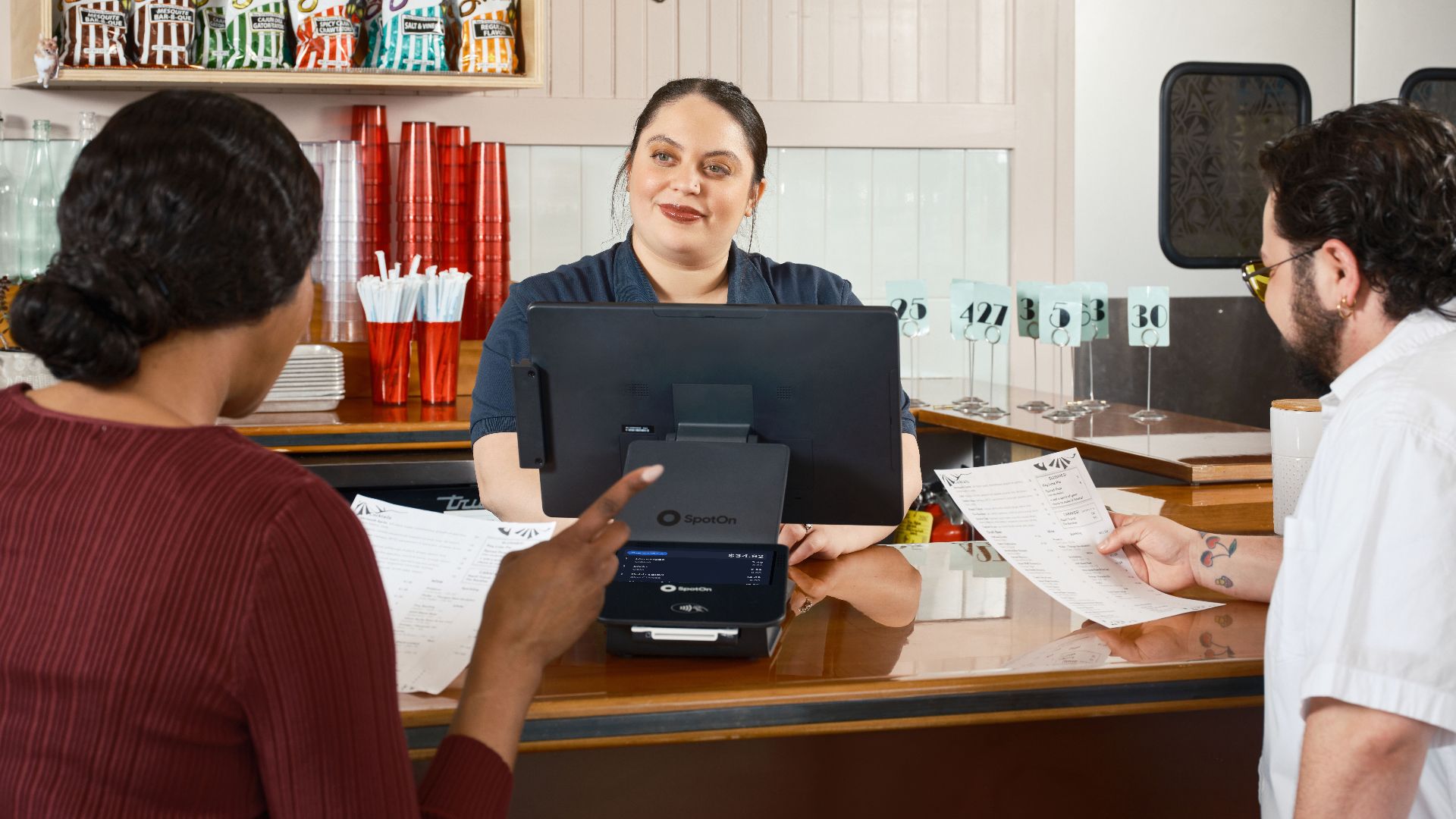
This gets confusing fast because a cash discount is not the same as a credit card surcharge. A cash discount lowers the posted price for cash buyers. A surcharge adds a fee for credit card users. That difference matters both legally and practically, and businesses have to be careful about how they present prices.

The Supreme Court Got Involved Too
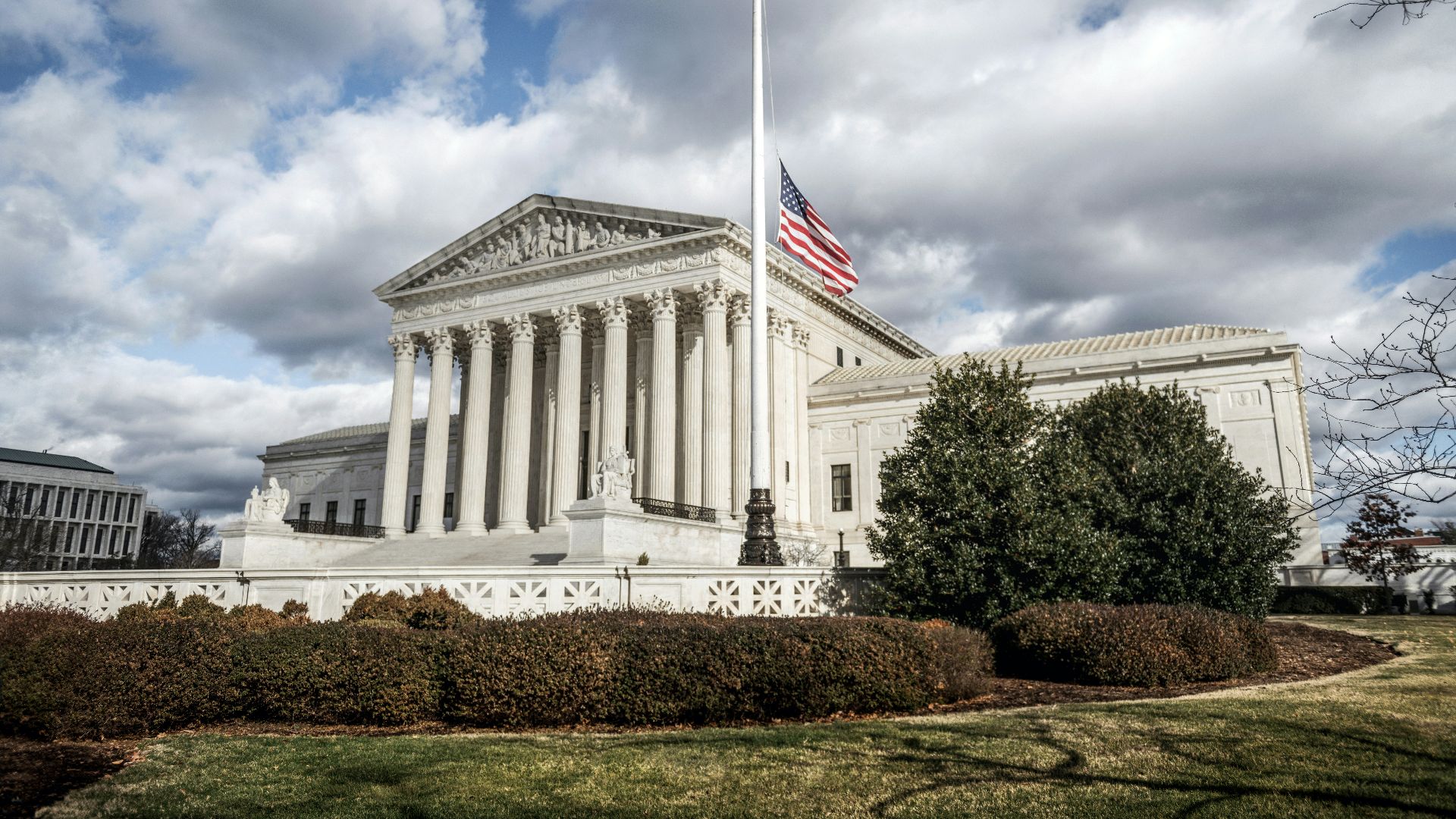
In 2017, the U.S. Supreme Court decided Expressions Hair Design v. Schneiderman, a case about New York’s law on credit card surcharges. The Court did not say surcharges were legal everywhere, but it did say the law affected how sellers communicate prices. The case showed how much of this issue comes down to disclosure and presentation.
State Rules Still Matter
Even after that case, merchants still have to follow state laws and card network rules. The National Conference of State Legislatures tracks how states handle credit card surcharges. So if one business offers a cash discount and another does not, part of the reason may be the legal rules where they operate.
Card Network Rules Add Another Layer
Visa says merchants may offer discounts for different payment methods, including cash, as long as they follow applicable laws. It also has rules for surcharges, notice requirements, and debit cards. So a business owner thinking about a cash discount has more to consider than simple customer goodwill.

Debit Cards Make It More Complicated
Many shoppers treat debit and credit like the same thing, but merchants often pay different fees for each. The Durbin Amendment, part of the Dodd-Frank Act passed in 2010, capped certain debit interchange fees for large banks. That made some debit transactions cheaper for merchants than many credit card purchases, which weakens the idea that every non-cash payment should cost extra.
Cash Discounts Can Work As Marketing
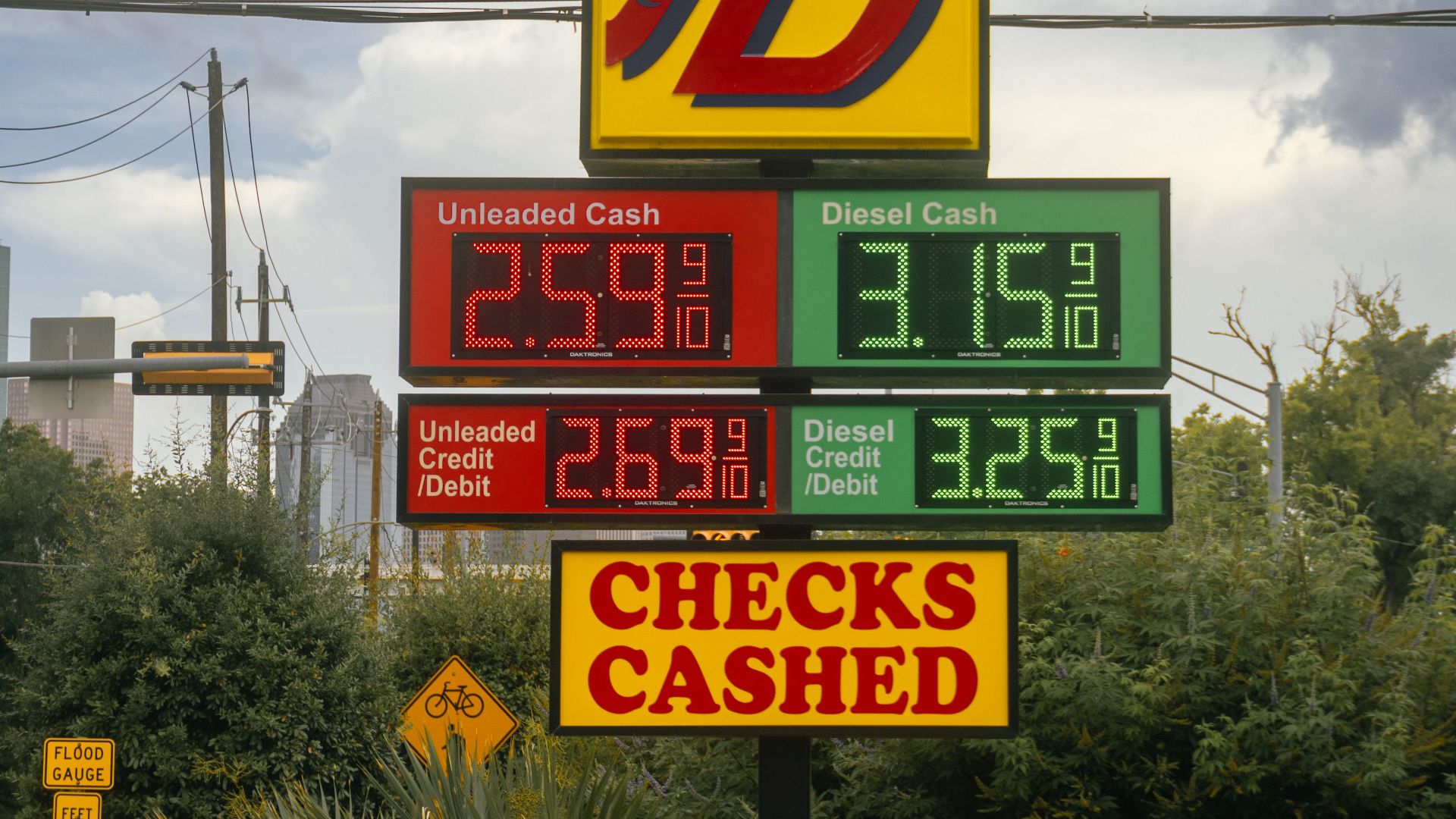
Some businesses use cash discounts to attract price-sensitive customers. Gas stations are the classic example. The lower cash price stands out right away, even when the merchant is really just separating prices rather than giving up much margin.
Gas Stations Shaped Expectations
Many Americans got used to cash discounts at gas stations long before the practice showed up elsewhere. That history matters. It helped create the idea that every small business should do the same thing, even though a gas station and a local bakery have very different cost structures.
Some Businesses Choose One Price For Simplicity
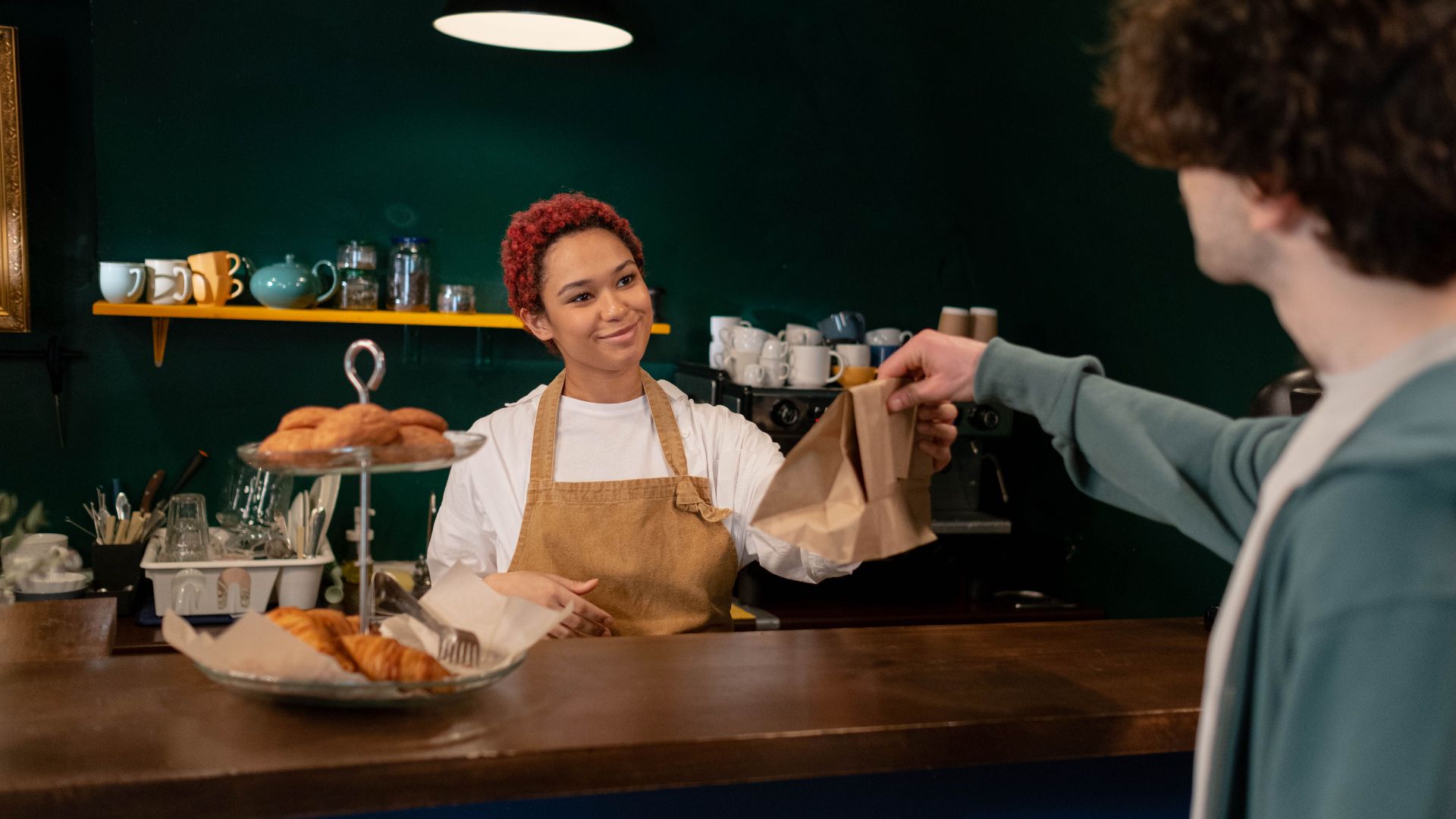
Many owners stick with one price for everyone because it keeps the line moving and avoids awkward conversations. It also cuts down on register mistakes. For a busy lunch spot or crowded farmers market stand, simplicity can be worth more than the savings from pushing customers toward cash.

Customers Often Overestimate The Savings
If a card fee is 2.5%, that does not mean the owner can painlessly offer a 2.5% cash discount. Prices also have to cover rent, labor, spoilage, software, taxes, insurance, and other overhead. The room to lower the price may be smaller than customers think.

There Is A Security Tradeoff
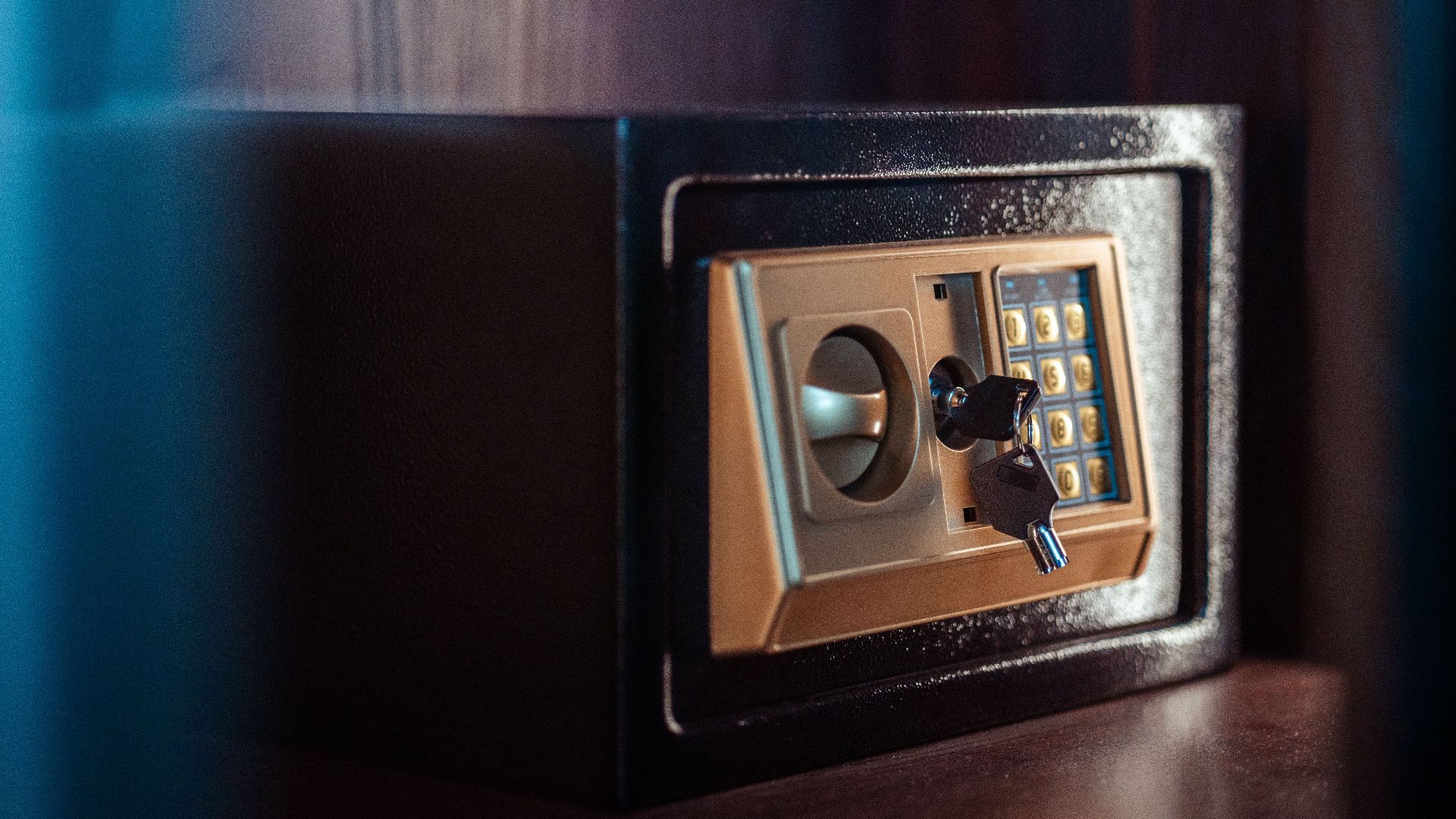
More cash on site can mean more risk. Businesses that take in a lot of cash may need safes, more bank runs, or stronger theft controls. Those costs can eat into the savings that customers assume are pure profit.
Recordkeeping Counts Too
Digital payments automatically create records, which can make bookkeeping easier. Cash can be managed just fine, but it takes more manual work. For some owners, cleaner records and faster reconciliation are worth the processing fees.

What The FTC Says About Honest Pricing
The Federal Trade Commission stresses clear, truthful pricing and warns against deceptive practices. If a merchant advertises one price but ends up charging another through unclear fees, that can create problems. A clearly disclosed cash discount is usually easier to defend than confusing surprise pricing.
Restaurants Show The Tension Best
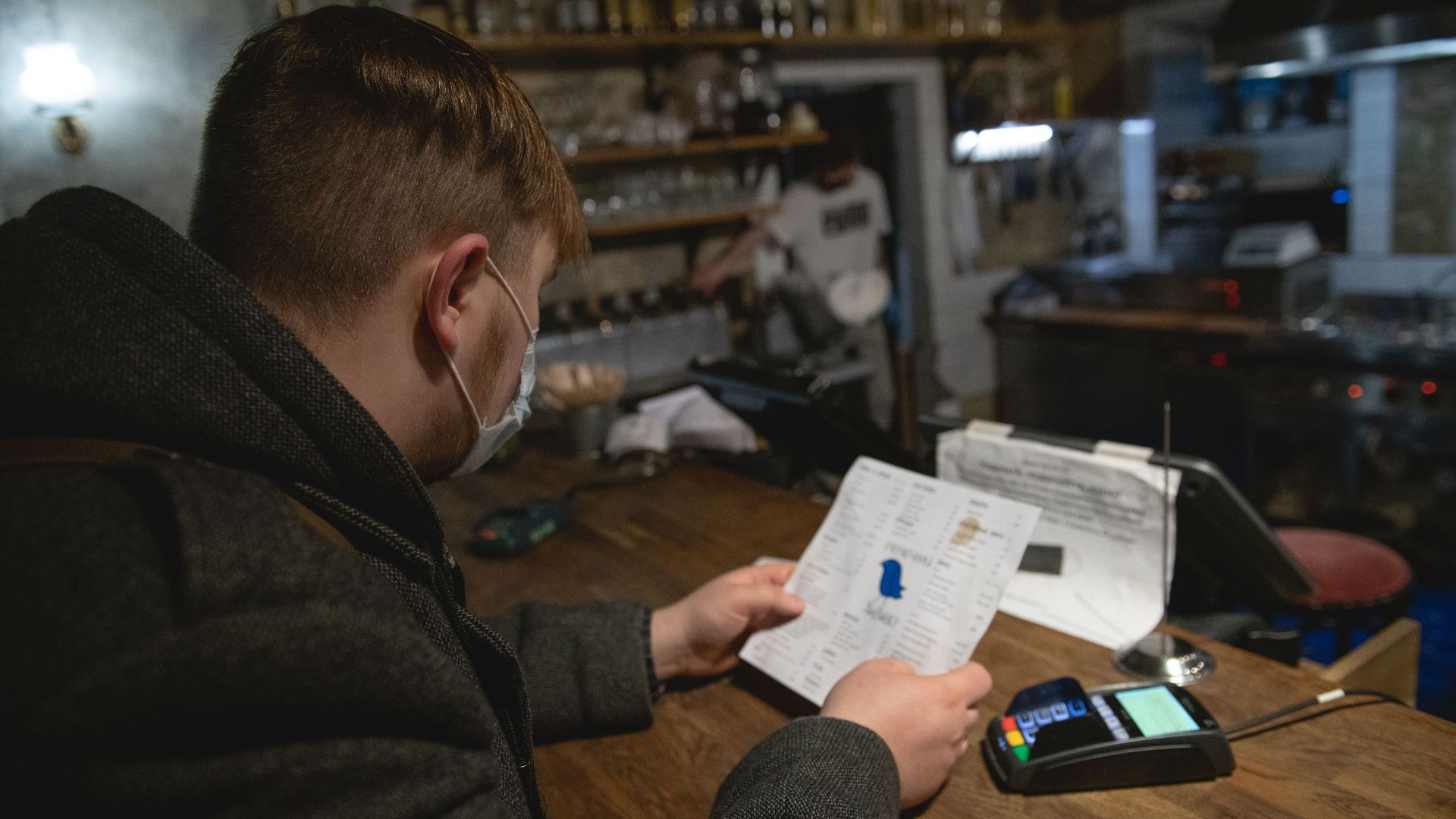
Independent restaurants often deal with thin margins and lots of card use. Some have added service fees or payment-related adjustments in recent years. But many still avoid cash discounts because diners are already dealing with tips, taxes, and menu prices, and another pricing wrinkle can be irritating.

Small Purchases Change The Math
On a $3 coffee, a flat processing component plus a percentage fee can feel big relative to the sale. That is one reason some very small merchants set minimum purchase amounts for credit cards where allowed, or encourage cash for low-cost items. Even then, encouraging cash is not the same as being required to discount it.

Asking Is Different From Expecting
It is perfectly reasonable to politely ask whether a small business has a cash price. Some do, especially for larger purchases or service work. But expecting one every time can come off like you are telling the owner how to run a business you do not have to manage.

Bigger Purchases Are Different
Cash discounts are more common when the total is large enough for card fees to add up in real dollars, such as home repair jobs, furniture, or independent professional services. On a $2,000 invoice, a few percentage points matter a lot more than they do on a muffin. In those cases, asking about payment options makes more sense.

Cash Does Not Mean Off The Books
Some people assume cash should bring a lower price because the seller can avoid taxes. That is not a valid expectation. Legal cash discounts are about payment costs and pricing strategy, not dodging taxes or recordkeeping rules.
Some Owners Prefer Cards Anyway
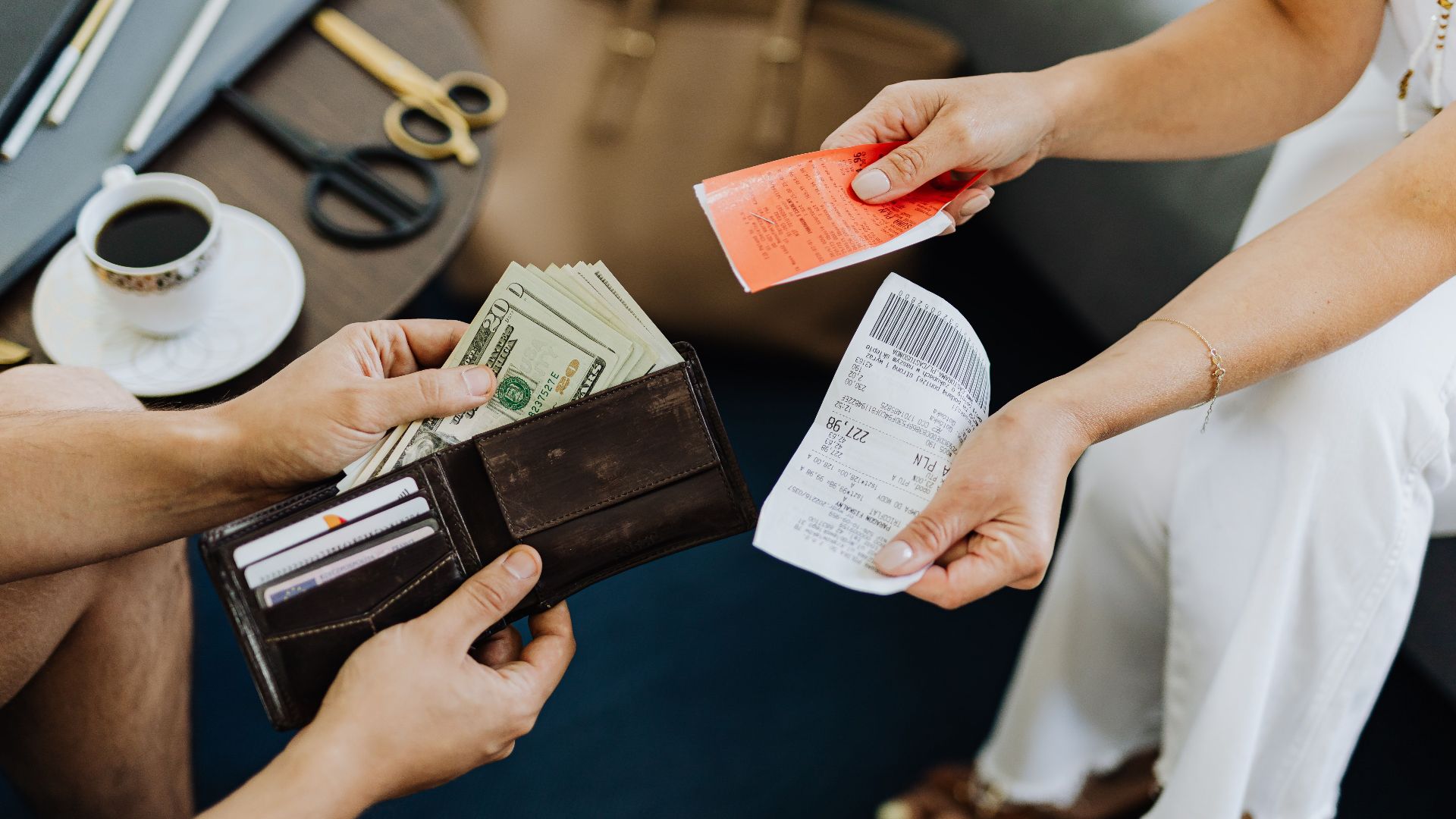
Faster checkout, easier online ordering, and fewer trips to the bank can make cards worth the fee. Customers also often spend more easily with cards, which can help revenue. So a merchant may reasonably decide that card fees are worth it and that there is no need to push cash.

Inflation Has Made This Tougher
After years of rising costs for labor, ingredients, utilities, and rent, many small businesses have less room to be flexible on price. Even if cash saves them something, they may need every bit of margin they can keep. That makes the idea of an automatic discount less realistic than many shoppers assume.

What A Fair Customer Mindset Looks Like
The fairest approach is to see a cash discount as a possible perk, not a right. If a business offers one, great. If not, it usually means the owner has decided that simpler pricing, safety, convenience, or other costs matter more than the card-fee savings.

The Bottom Line For Your Friend
Paying in cash can save a business money on some transactions, but not always enough to justify a discount. Laws, card rules, cash-handling costs, and day-to-day business realities all shape the answer. So no, it is not especially realistic to expect every small business to give a cash discount, though asking politely once in a while is completely fair.