The Back-To-School Time Machine
There was a time when back-to-school shopping meant more than grabbing a tablet, a charger, and whatever notebook was cheapest online. It meant strange smells, weird machines, oddly specific classroom tools, and supplies that felt completely normal then—but would probably look like museum pieces to anyone born after 2000.

The Trapper Keeper
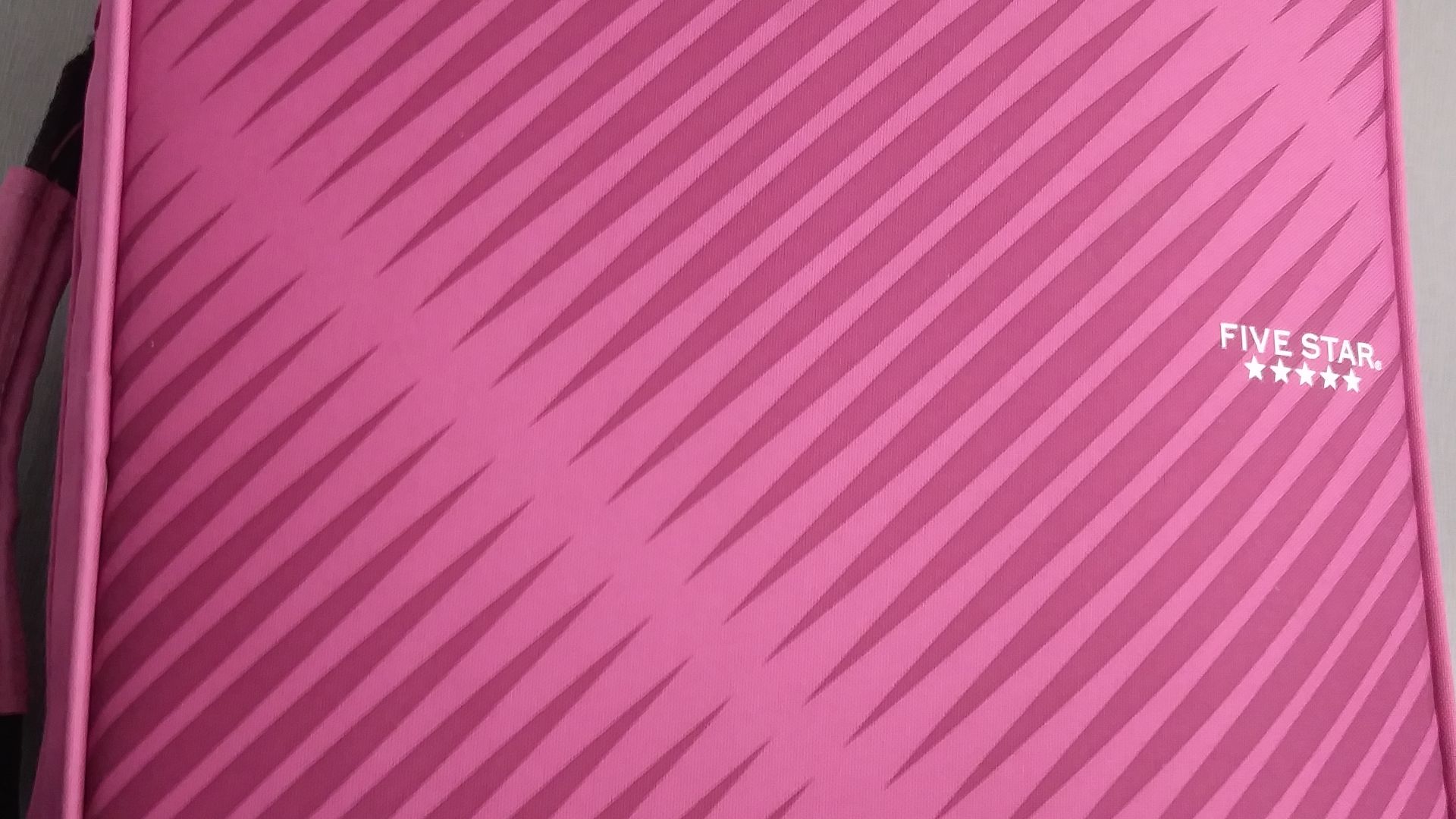
If you had a Trapper Keeper, you were not just organized. You were making a statement. The loud designs, the Velcro rip, the folders inside—it all felt wildly official. Of course, half the time it was stuffed with crumpled homework, loose worksheets, and one pencil shaving that somehow lived there all year.
 Yortizsoto16, Wikimedia Commons
Pee-Chee Folders
Before folders had inspirational quotes or sleek designs, there were Pee-Chee folders with those athletes on the front. They were everywhere. Kids doodled on them, bent the corners, wrote crush names inside them, and somehow still expected them to survive an entire school year without ripping in half.
Metal Lunch Boxes
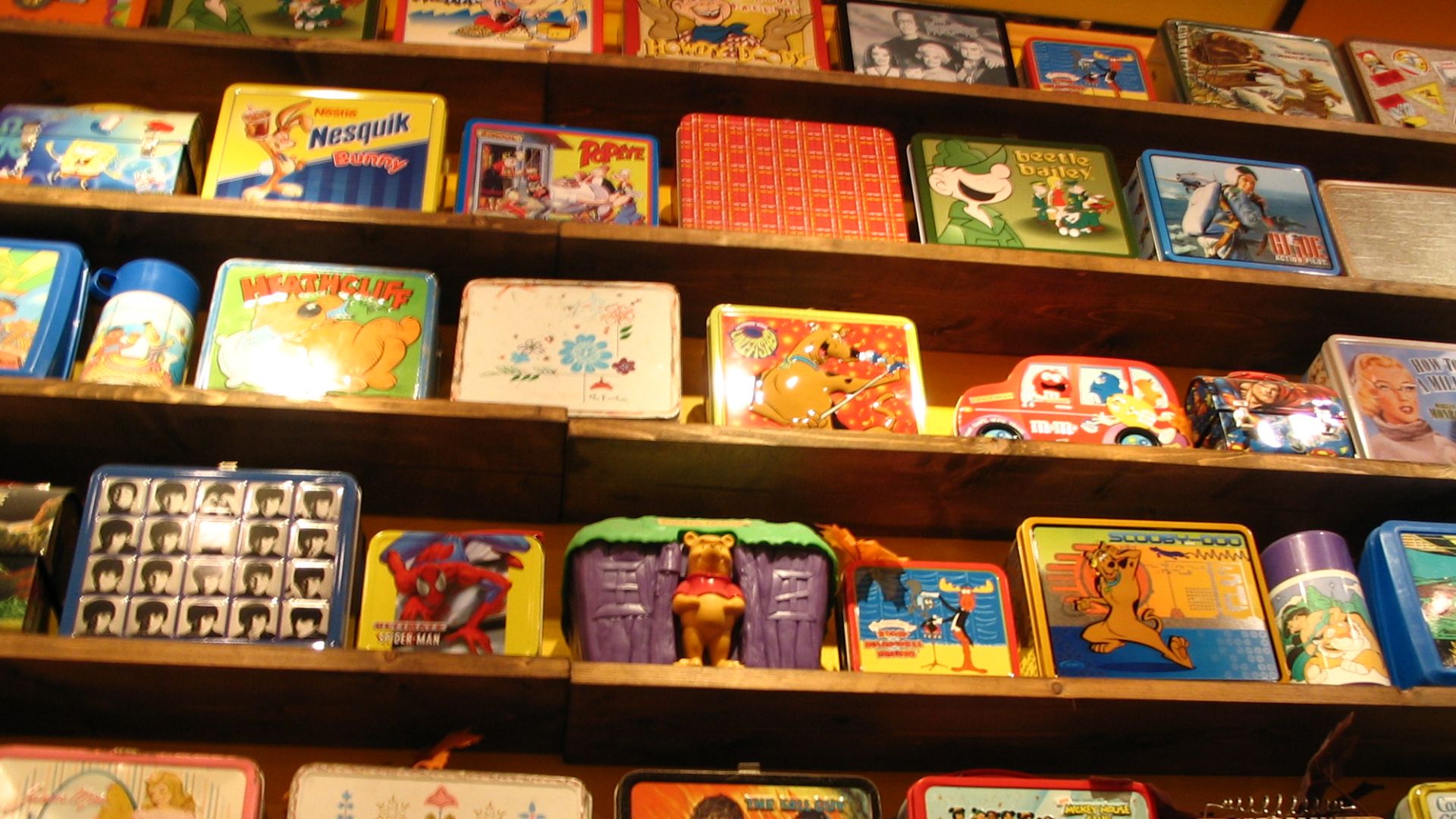
A metal lunch box was basically a personality test. Star Wars, The Dukes of Hazzard, The Muppet Show, Strawberry Shortcake—whatever you carried told the whole cafeteria what you were about. The thermos almost always leaked, but somehow everyone just accepted that warm juice smell as part of childhood.
 nickd from Chicago, IL, United States, Wikimedia Commons
Book Covers Made From Paper Bags
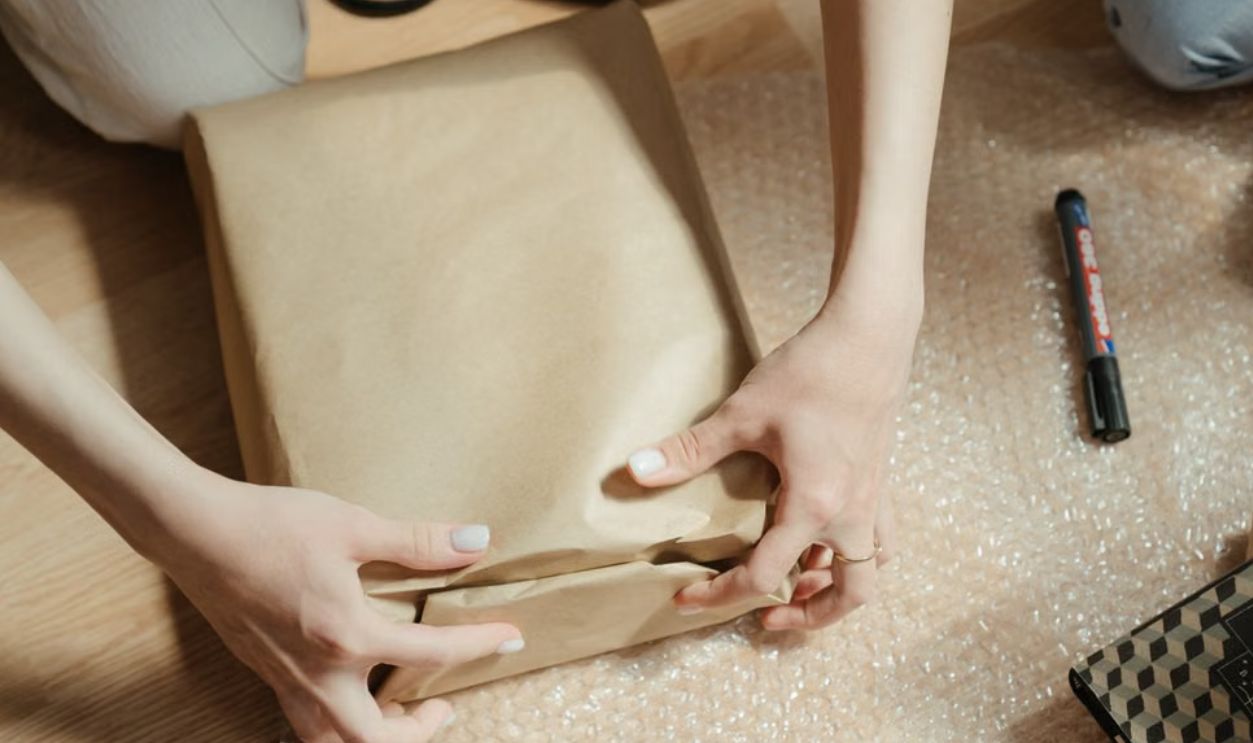
Before stretchy fabric covers and school-branded versions, you protected textbooks with brown paper grocery bags. Parents knew how to fold them perfectly. Kids immediately ruined them with band names, hearts, doodles, and bubble letters. By October, most looked like they had been through a small war.
Reinforcement Rings
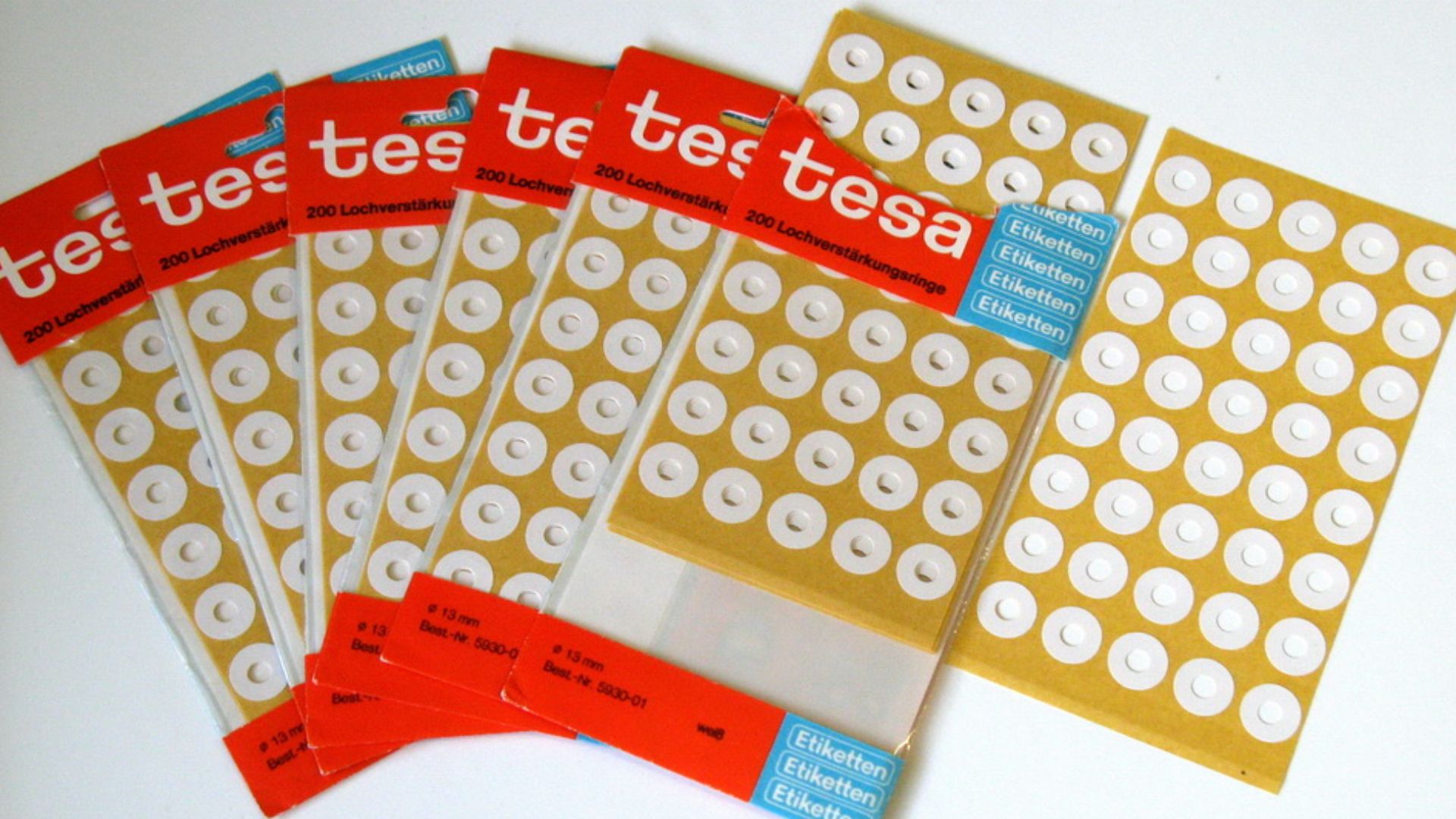
Those little white paper circles were everywhere, and they made kids feel like they were doing serious repair work. A hole tore in your loose-leaf paper, and suddenly you were a document restoration expert. Of course, the rings usually stuck to your fingers, your desk, and everything except the actual paper.
 Thiemo Schuff, Wikimedia Commons
Liquid Paper
Nothing smelled quite like Liquid Paper. One little mistake and you could paint over it, blow on the page, and pretend the error never happened. The problem was that everyone could still see the thick white blob sitting there like a tiny snowdrift in the middle of your sentence.
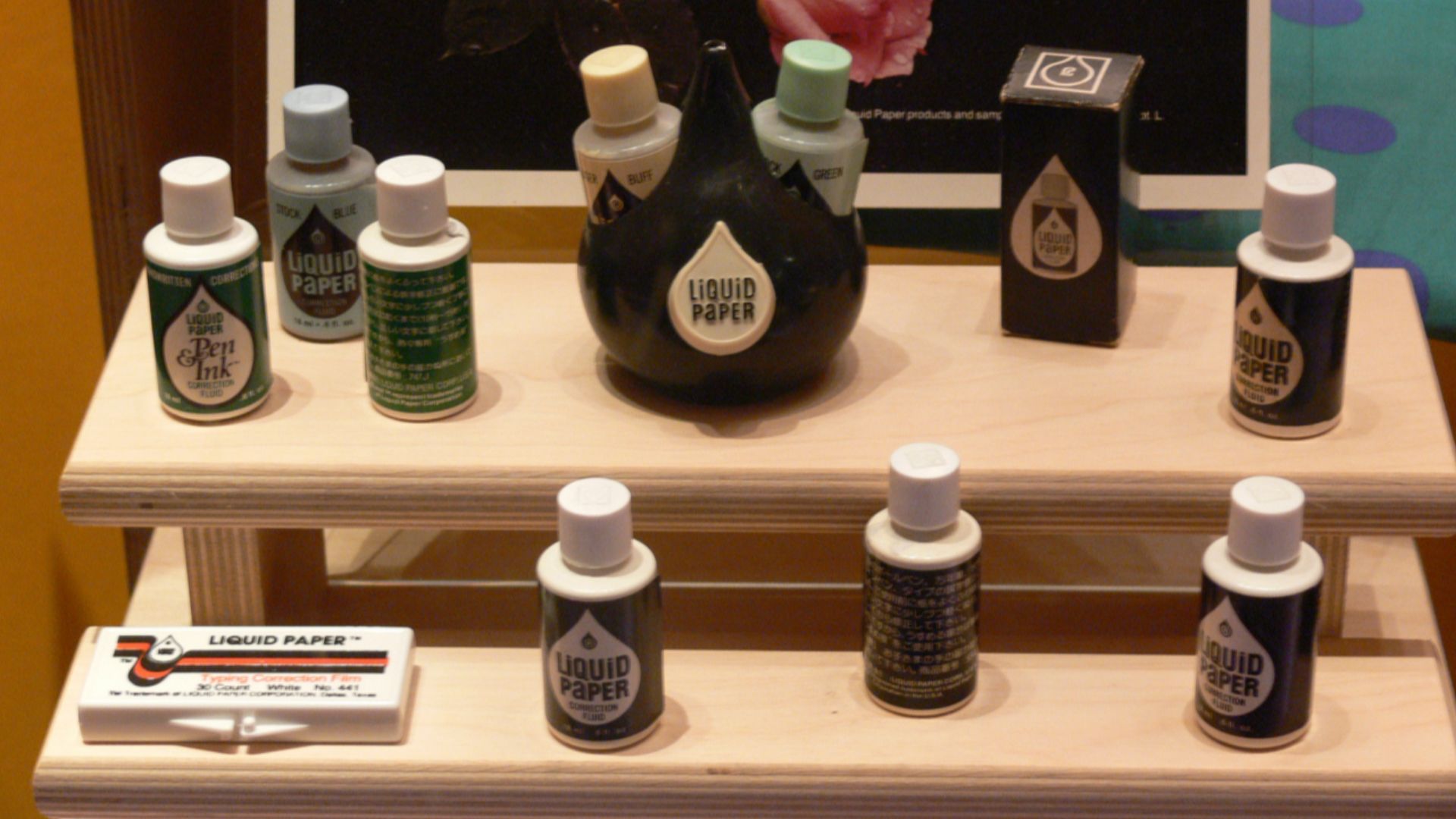 Photo: User:FA2010, Wikimedia Commons
Erasable Pens
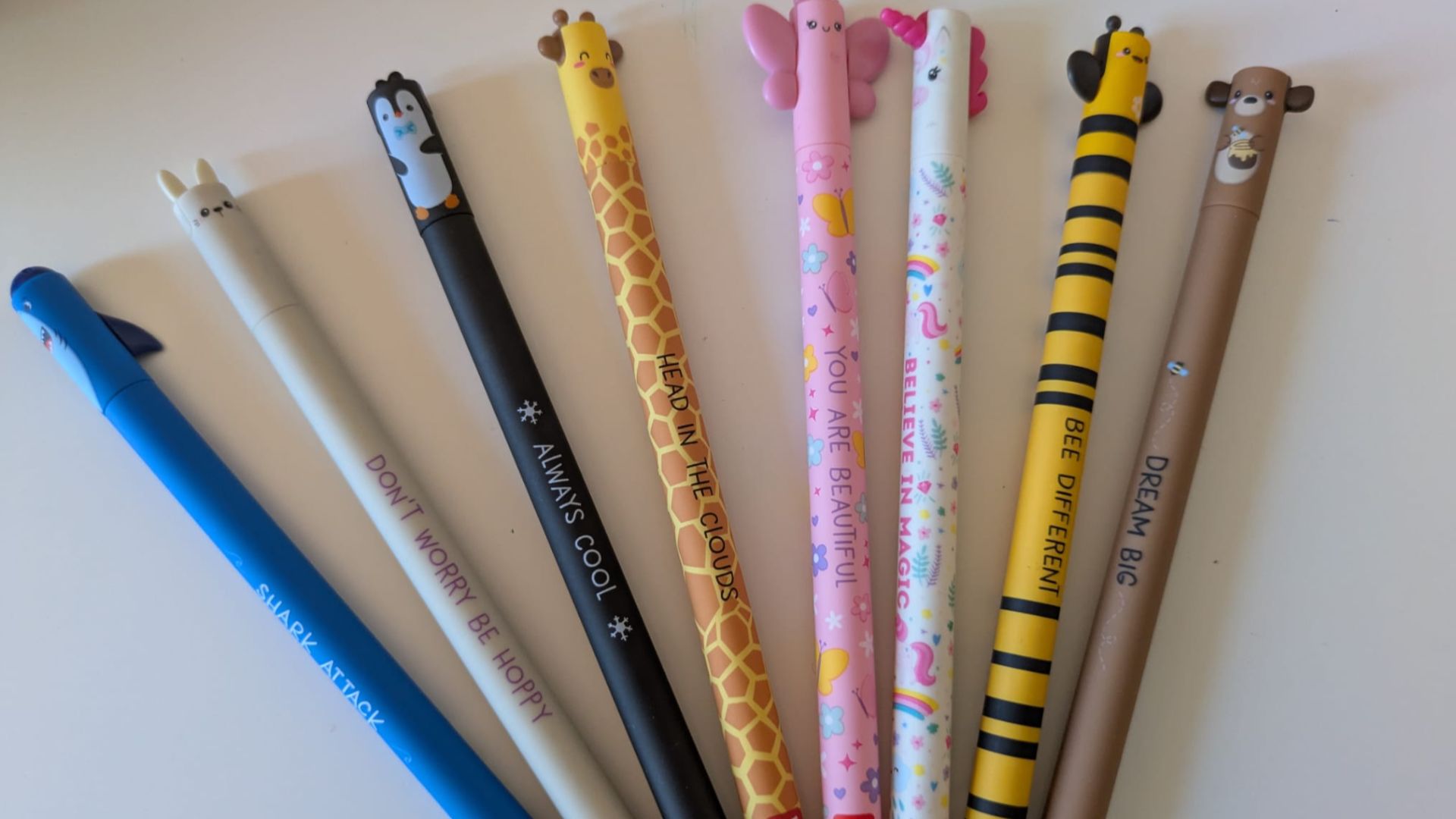
Erasable pens sounded like the future. A pen you could erase? Incredible. Then you used one and discovered it wrote in a strange faded ink, erased badly, and left the paper looking bruised. Still, kids loved them because they felt like a loophole in the entire pen-and-pencil system.
 Paul Gascoigne, Wikimedia Commons
Typing Correction Tape
Before everyone could just hit backspace, typing mistakes had consequences. Correction tape was the little white strip that saved your term paper, your typing-class assignment, or your sanity. You lined it up, retyped the wrong letter, hoped it covered cleanly, and tried not to think about how much easier computers were about to make everything.
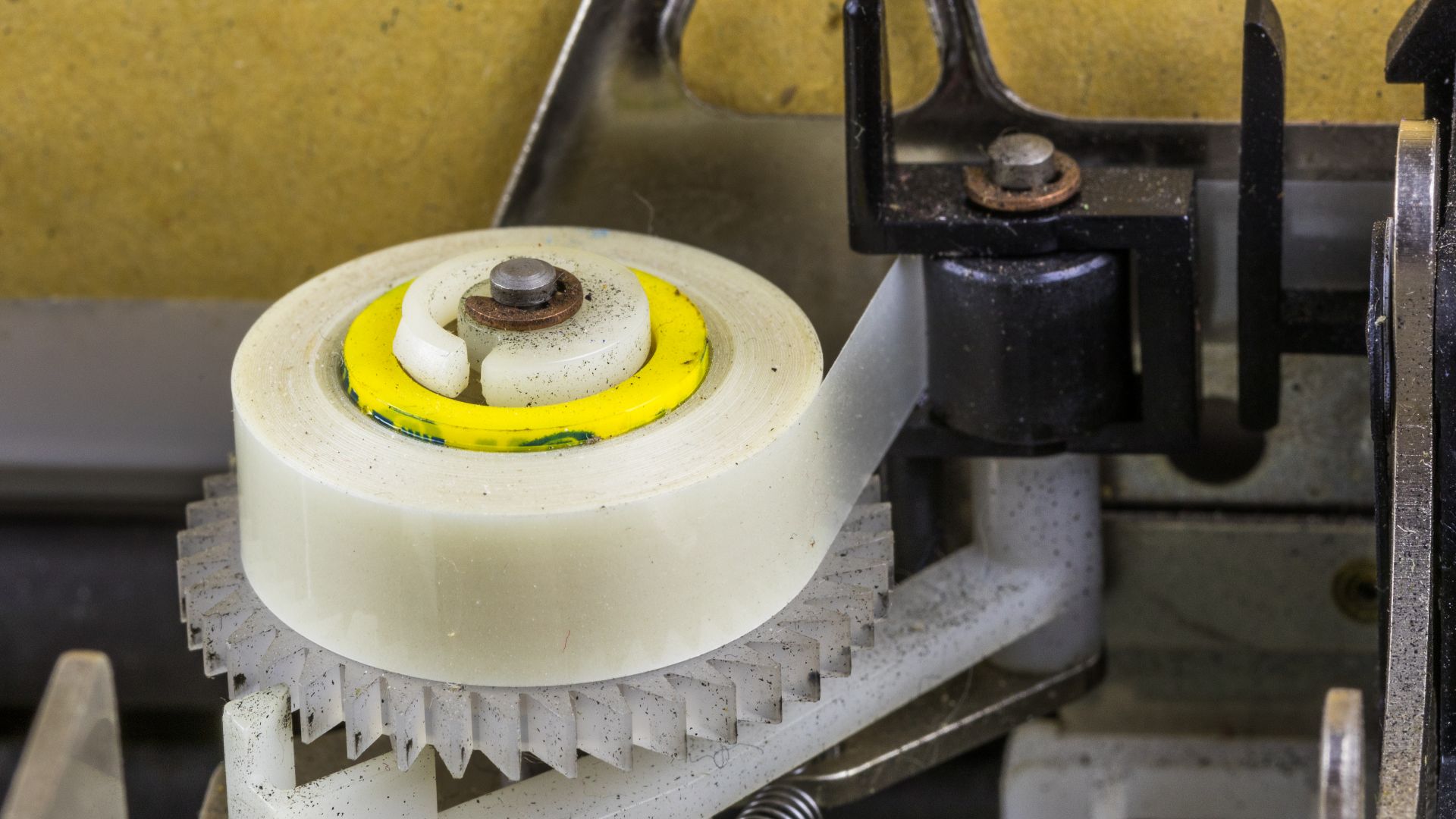 Raimond Spekking, Wikimedia Commons
Paste In A Jar
This was not glue. This was paste. It came in a jar, smelled strange, and had that little applicator built into the lid. Every classroom had at least one kid who tried to taste it, which is probably why school supplies eventually moved toward glue sticks like civilization demanded.
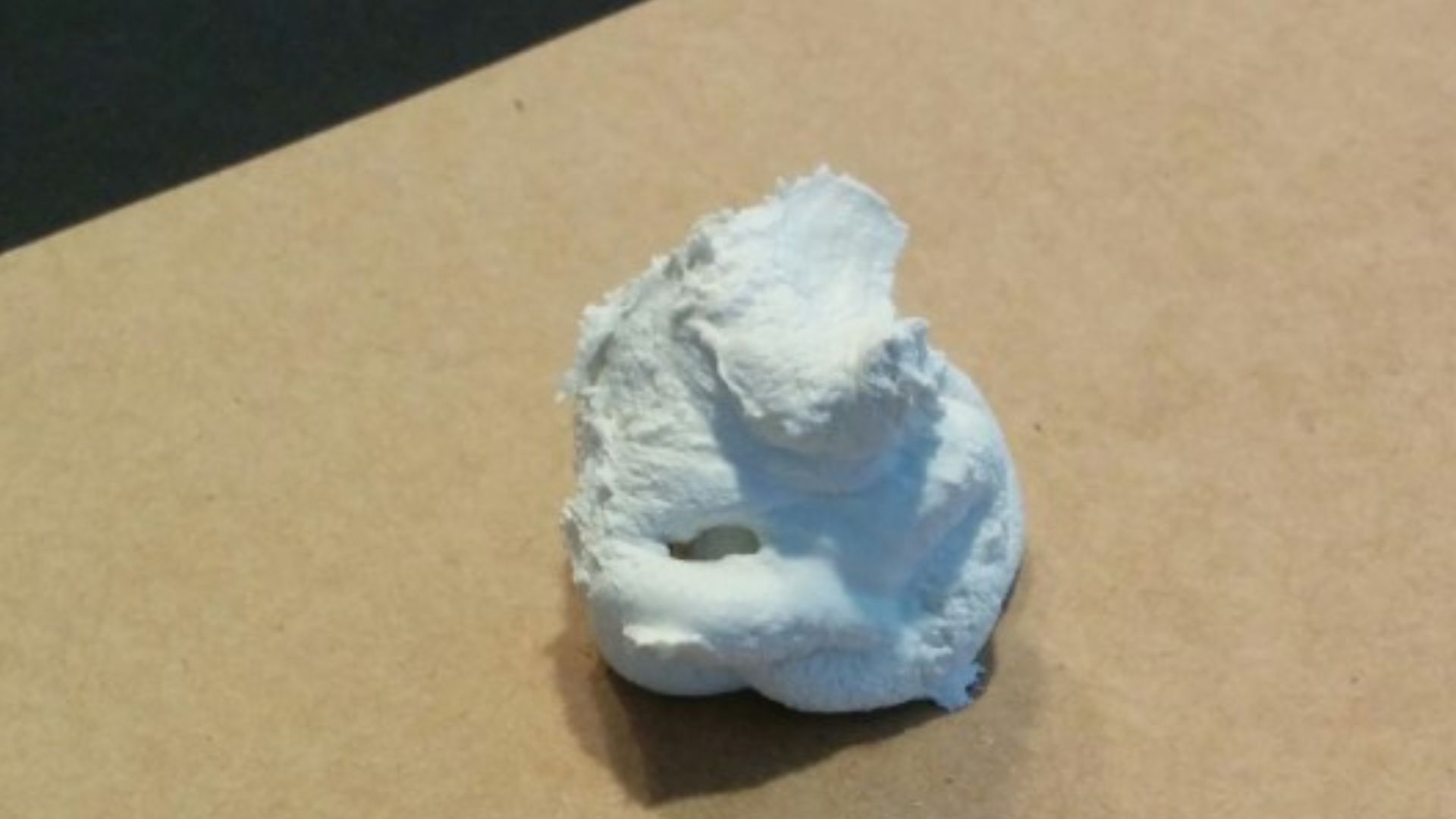 Reptilien.19831209BE1, Wikimedia Commons
Rubber Cement
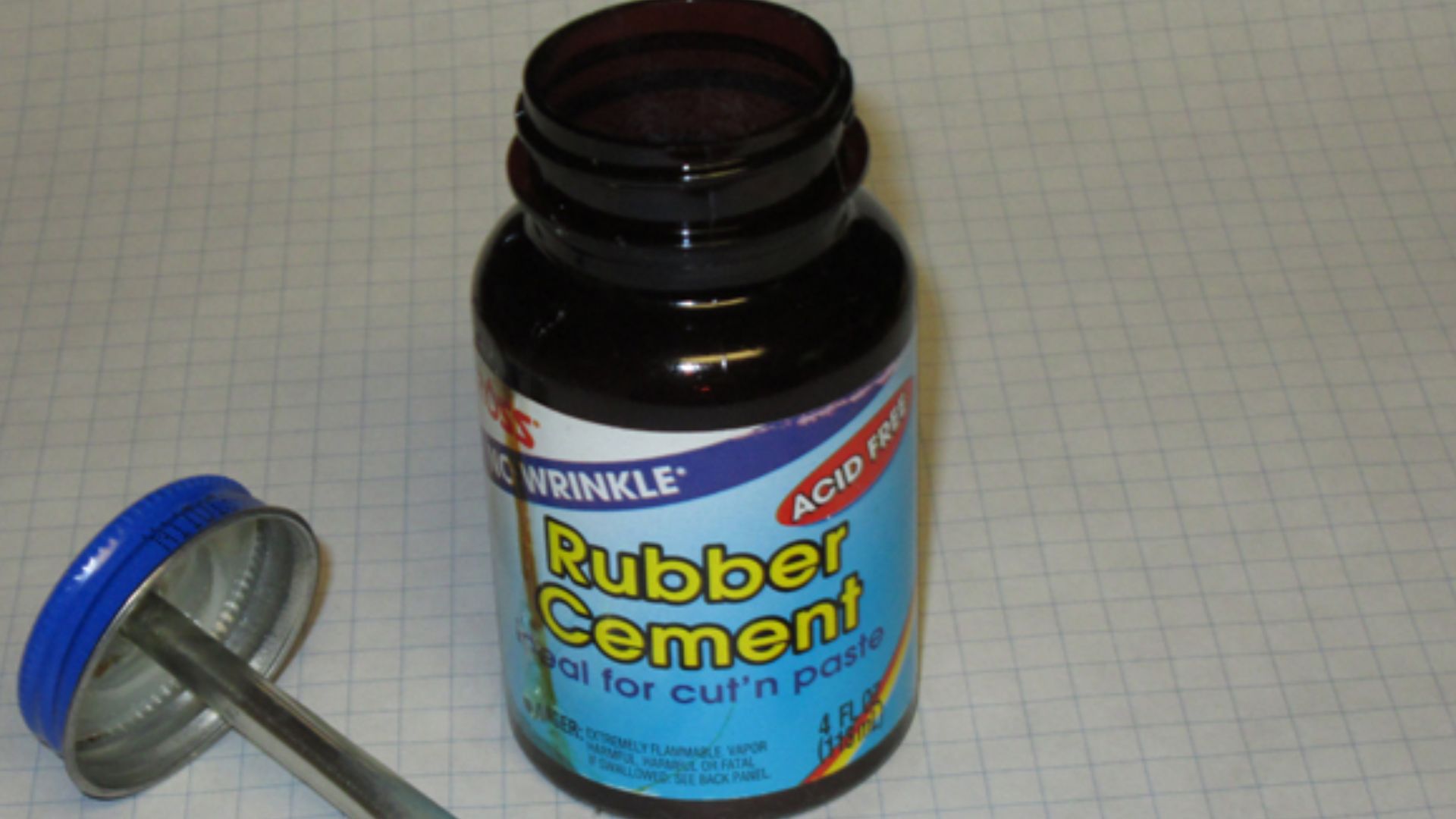
Rubber cement felt weirdly grown-up for a school supply. You brushed it on, waited for it to get tacky, pressed things together, and then rubbed off the excess like you were doing professional design work. The smell was unforgettable, which is one reason it now feels very much from another era.
Report Covers With Brass Fasteners
Before every assignment became a Google Doc, students had to make reports look official. That usually meant a plastic or paper report cover with two little brass fasteners punched through the top. It made even a mediocre book report feel like it belonged in a filing cabinet somewhere.

Manila Folders With Metal Prongs
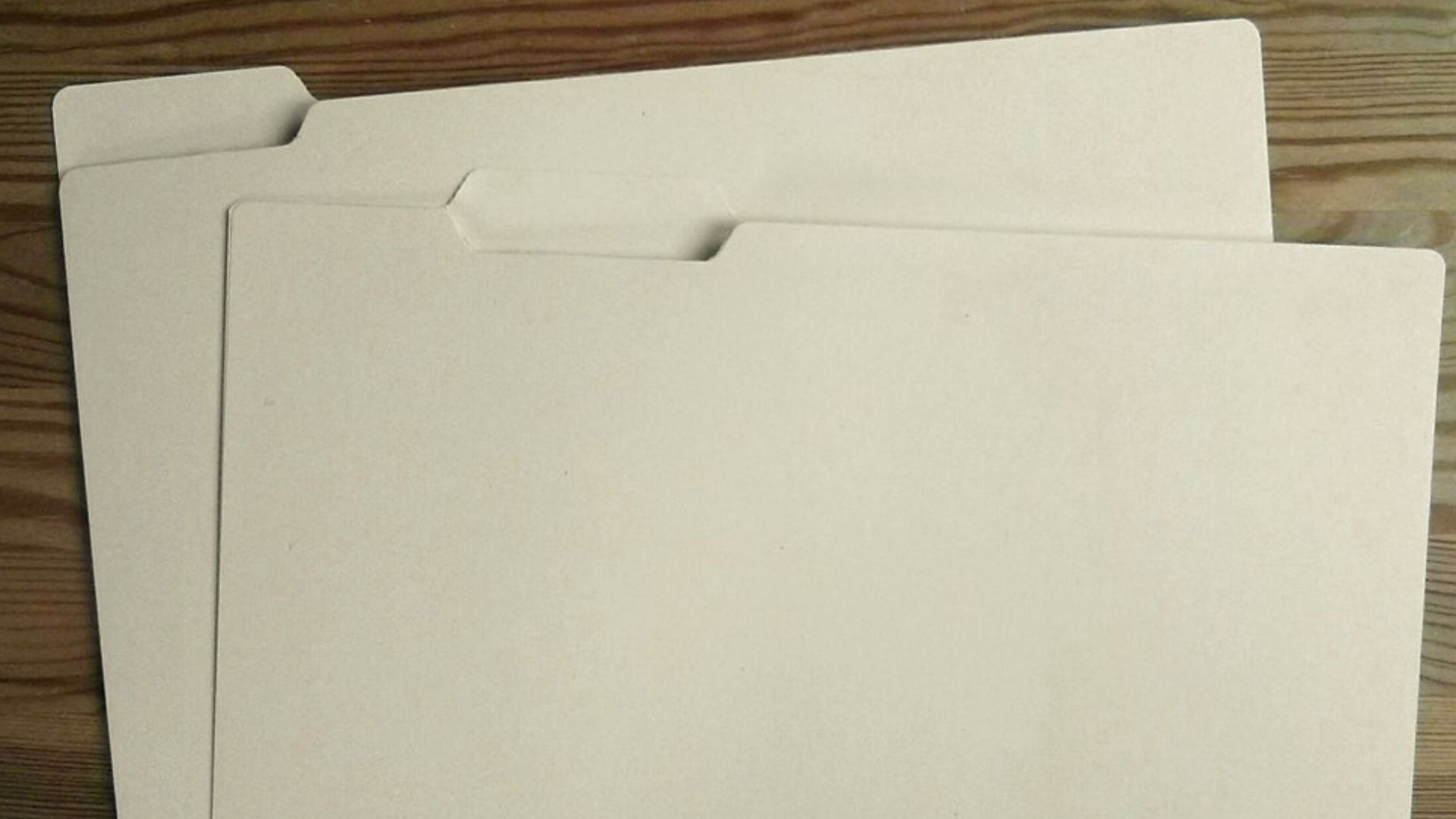
These folders looked boring, but schools loved them. The metal prongs held punched paper in place, usually after you nearly sliced a finger trying to bend them flat. They were sturdy, serious, and somehow made every worksheet feel like part of a permanent academic record.
Ditto Machine Handouts
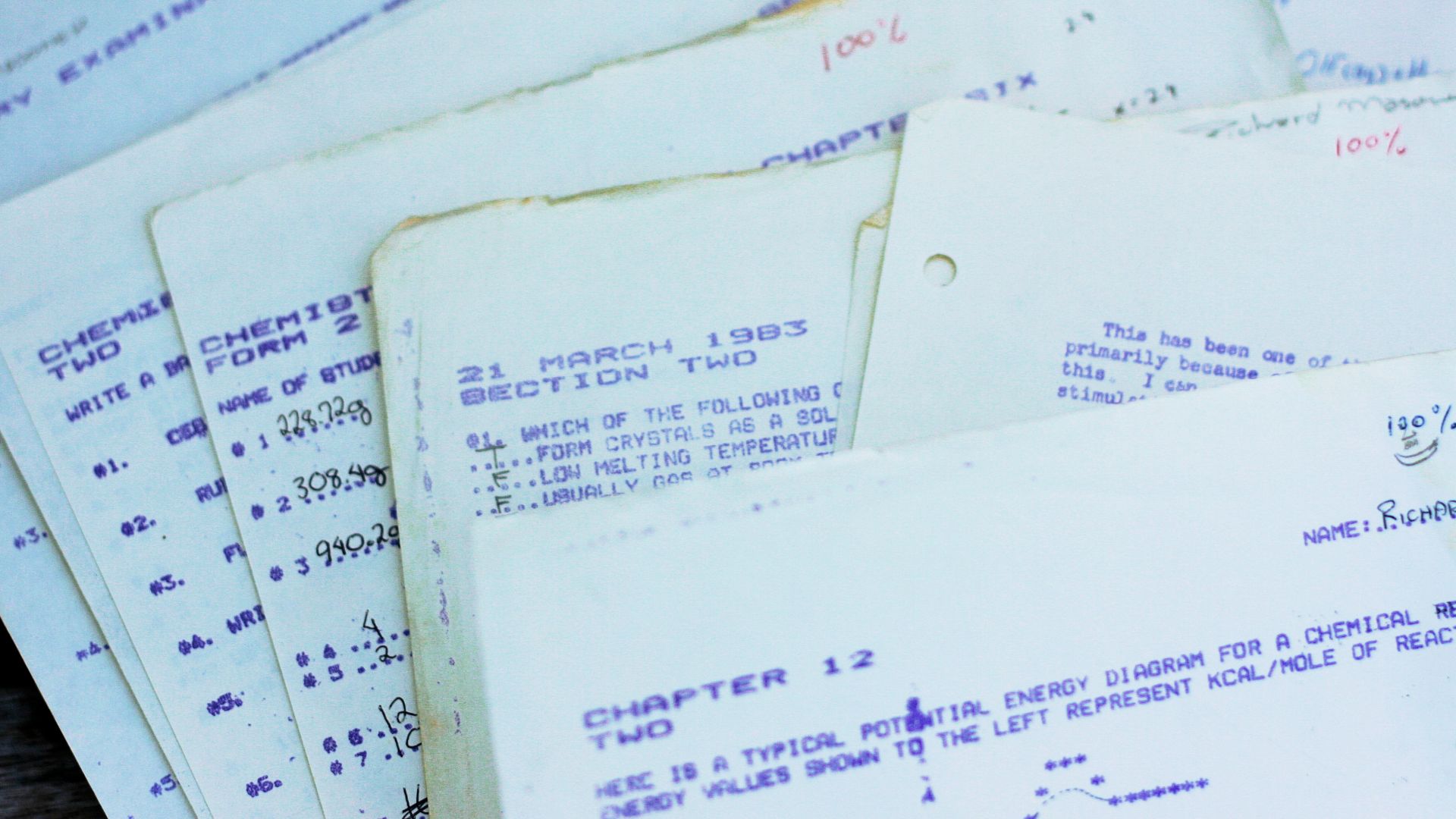
Before photocopies took over, plenty of kids remember those purple-ink worksheets from the ditto machine. They had that unmistakable smell, and students would practically inhale the page the second it landed on their desks. The print faded, the paper curled, and somehow it made every worksheet feel oddly exciting.
 Richard Masoner, Wikimedia Commons
Mimeograph Sheets
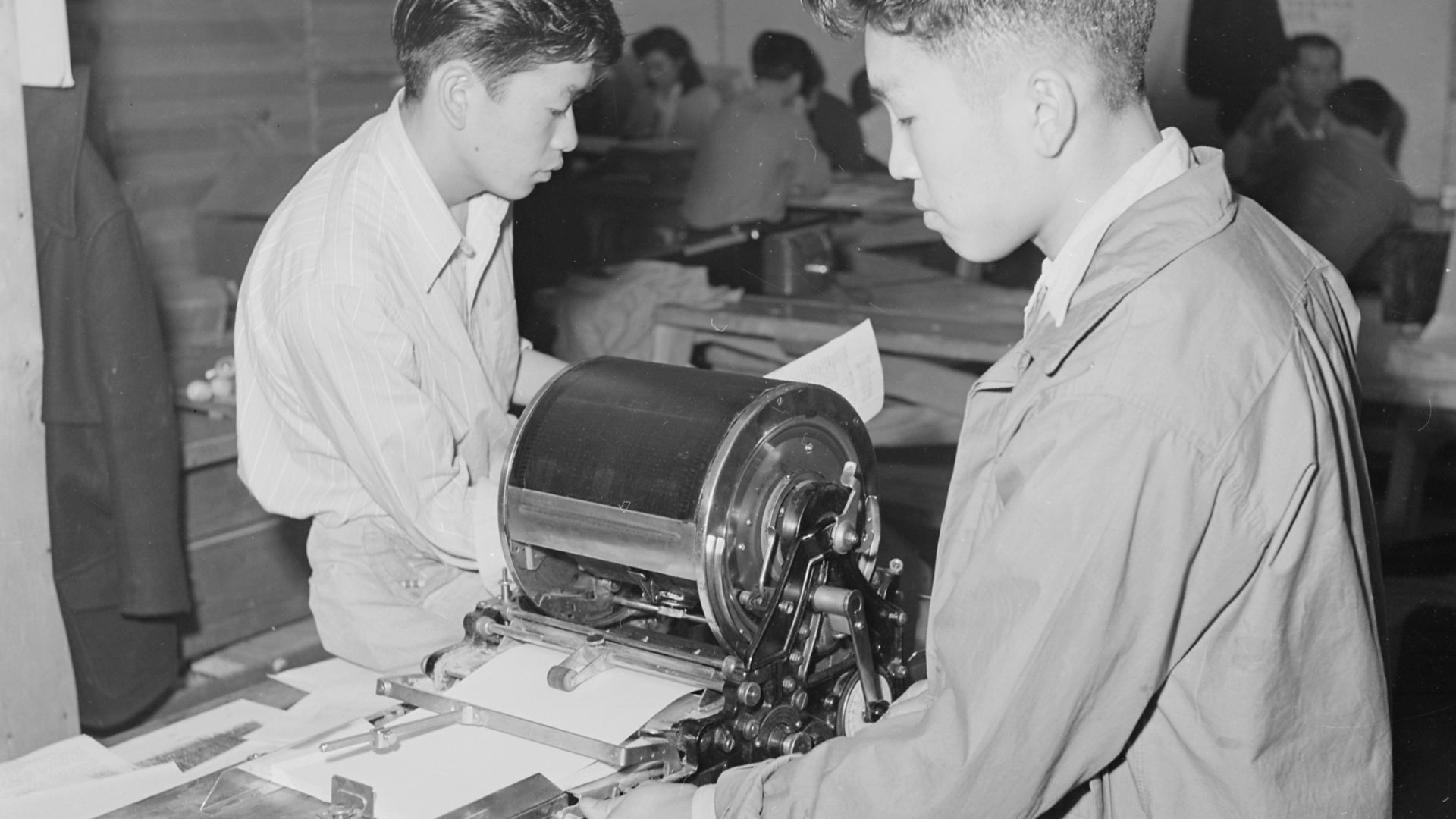
Ditto sheets get most of the nostalgia, but mimeograph sheets had their own strange classroom magic. The copies came out dark, inky, and a little rough around the edges, and teachers treated the machine like sacred equipment. A freshly printed worksheet was not just an assignment—it was a full sensory event.
 Unknown authorUnknown author or not provided, Wikimedia Commons
Overhead Projector Transparencies
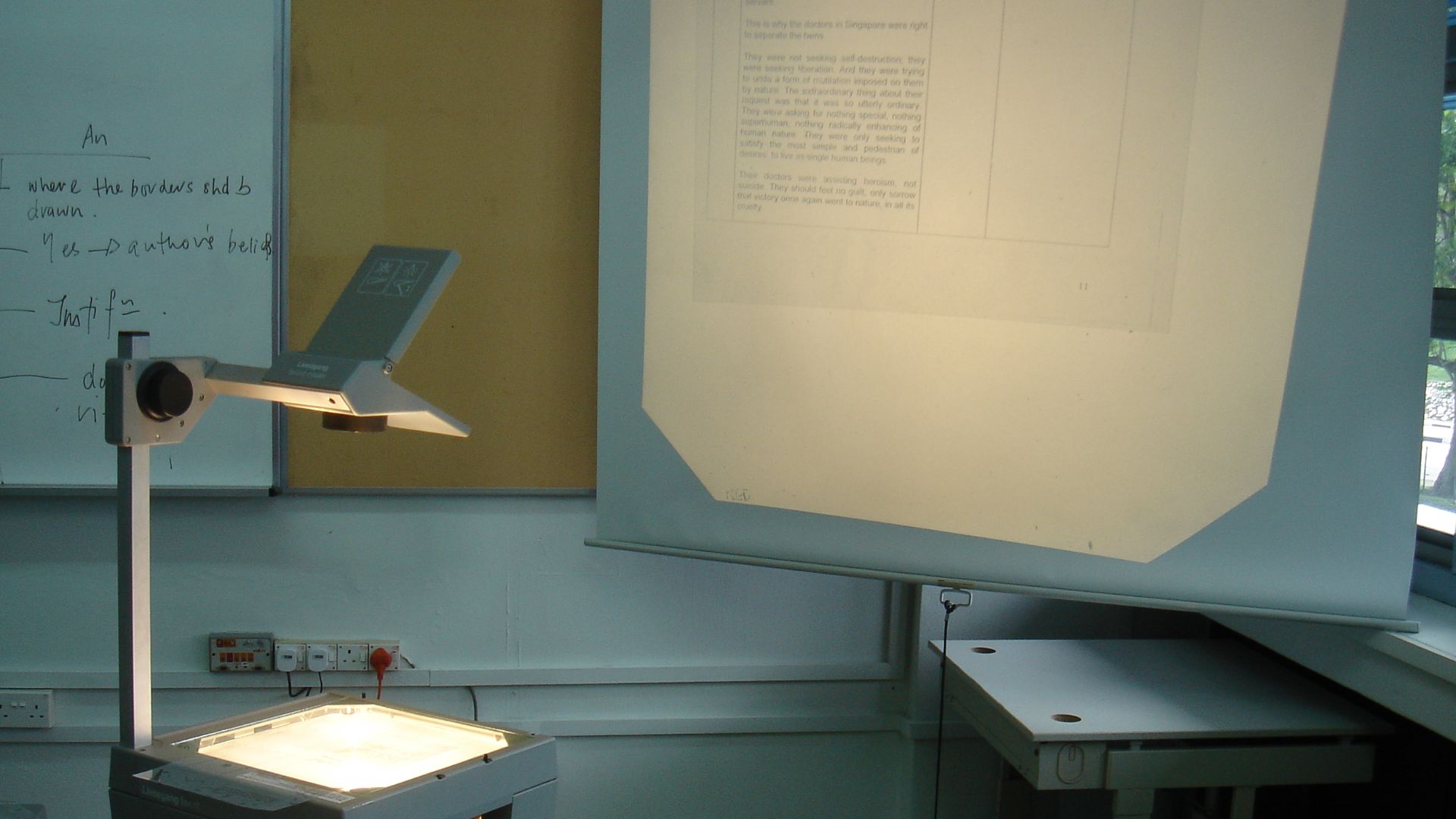
When the teacher rolled out the overhead projector, it felt like a major production. There were clear sheets, special markers, and that bright square of light at the front of the room. If the teacher’s sleeve dragged through the wet marker, congratulations—the whole lesson suddenly became modern art.
 mailer_diablo, Wikimedia Commons
Overhead Projector Pens
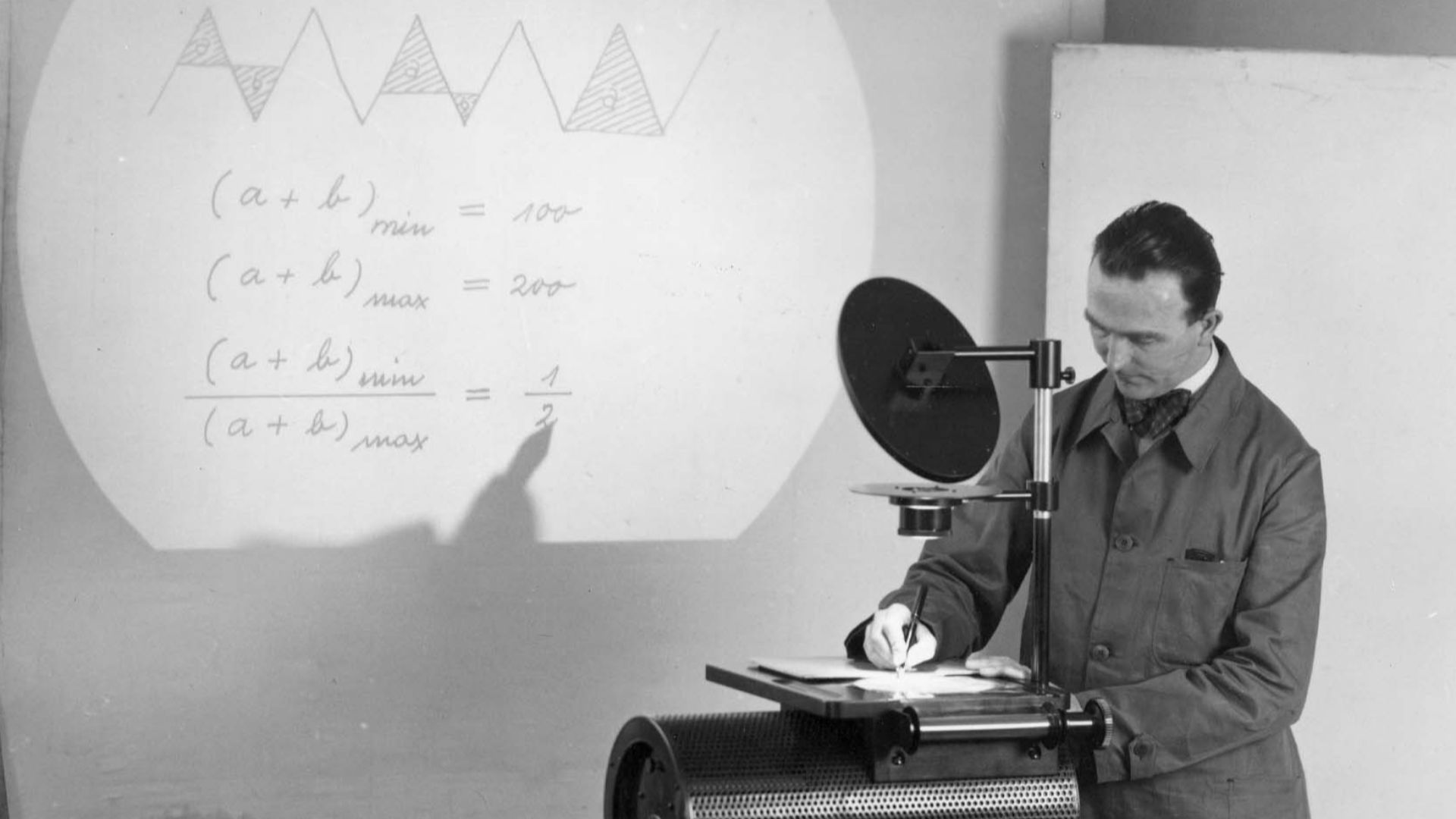
These were not regular markers, and everyone knew it. Overhead projector pens wrote on clear plastic sheets, stained fingers instantly, and had a cap that always seemed to disappear. A teacher with a fresh transparency and four colored pens was basically running a high-tech command center.
 Carl Zeiss Jena, Wikimedia Commons
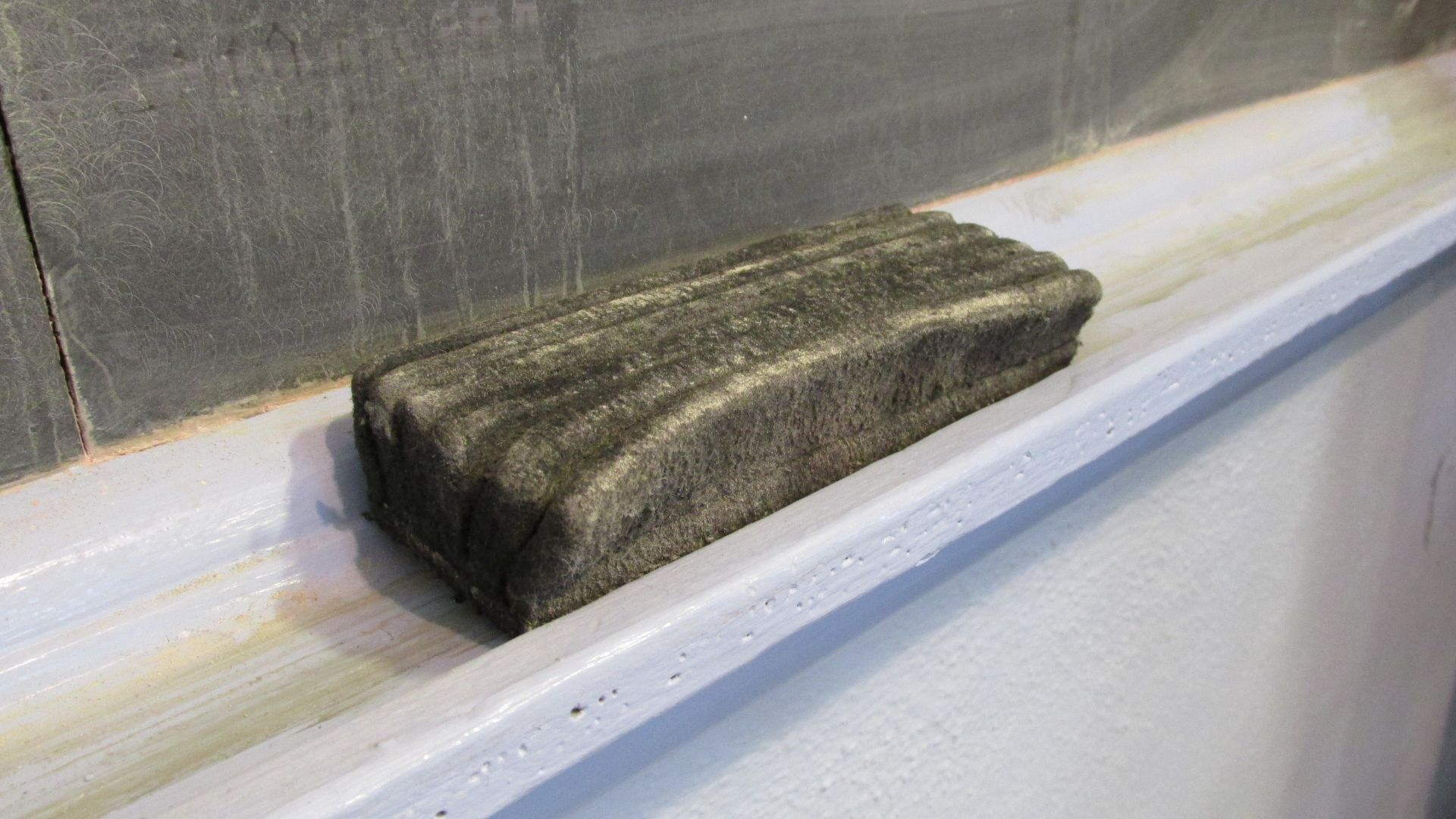
Chalkboard Erasers
Clapping chalkboard erasers was either a classroom job or a punishment, depending on how much dust you inhaled. Kids would take them outside, smack them together, and vanish into a cloud of chalk. It looked fun for about five seconds, then everyone remembered breathing was important.
 John Phelan, Wikimedia Commons
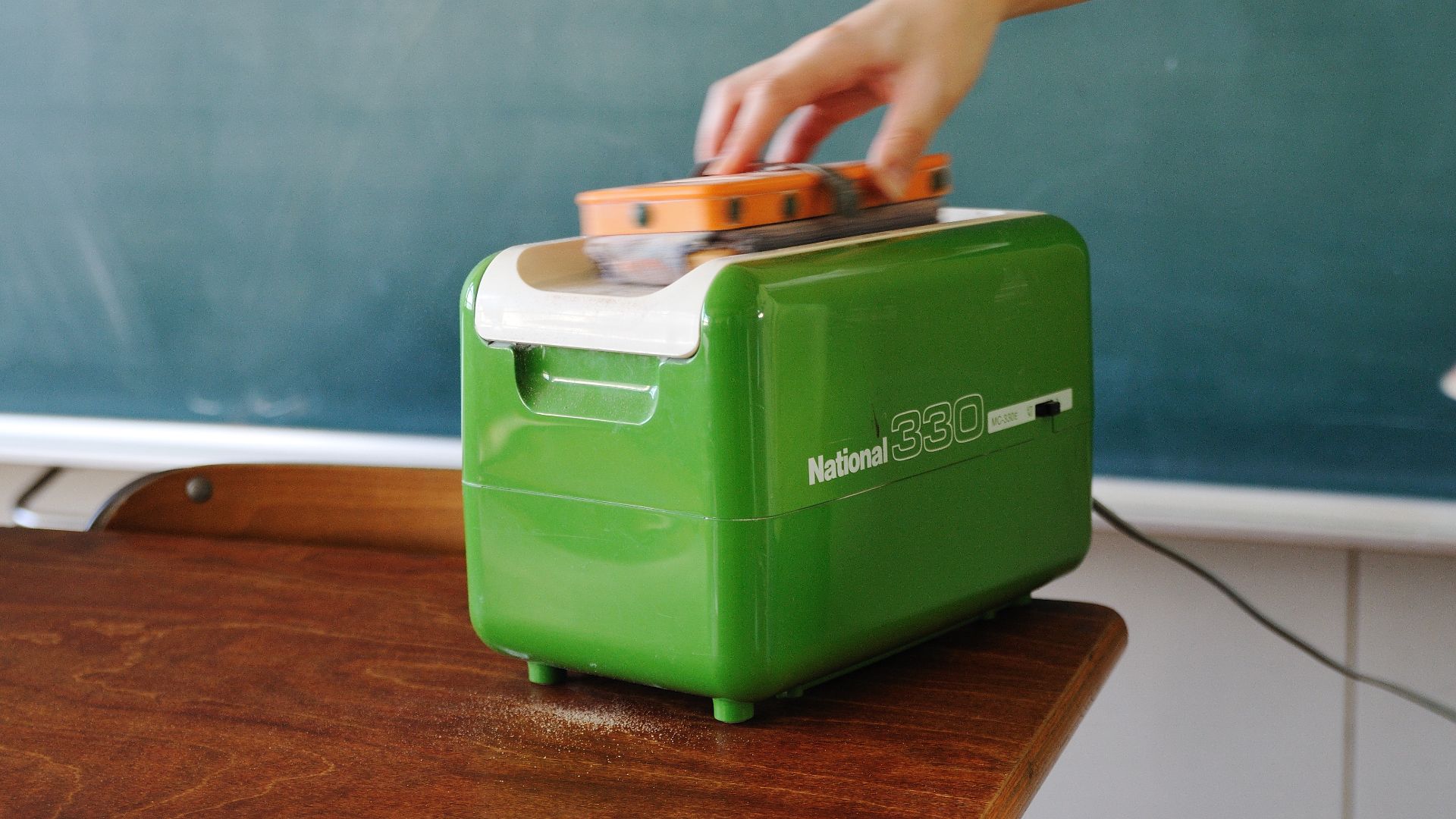
Chalk Dust Eraser Cleaners
Some schools had actual machines for cleaning chalkboard erasers, which sounds fake until you remember how much chalk dust used to run the world. You pressed the eraser against the machine, watched dust disappear, and felt like you were operating industrial equipment instead of helping after math class.
 ajari from Japan, Wikimedia Commons
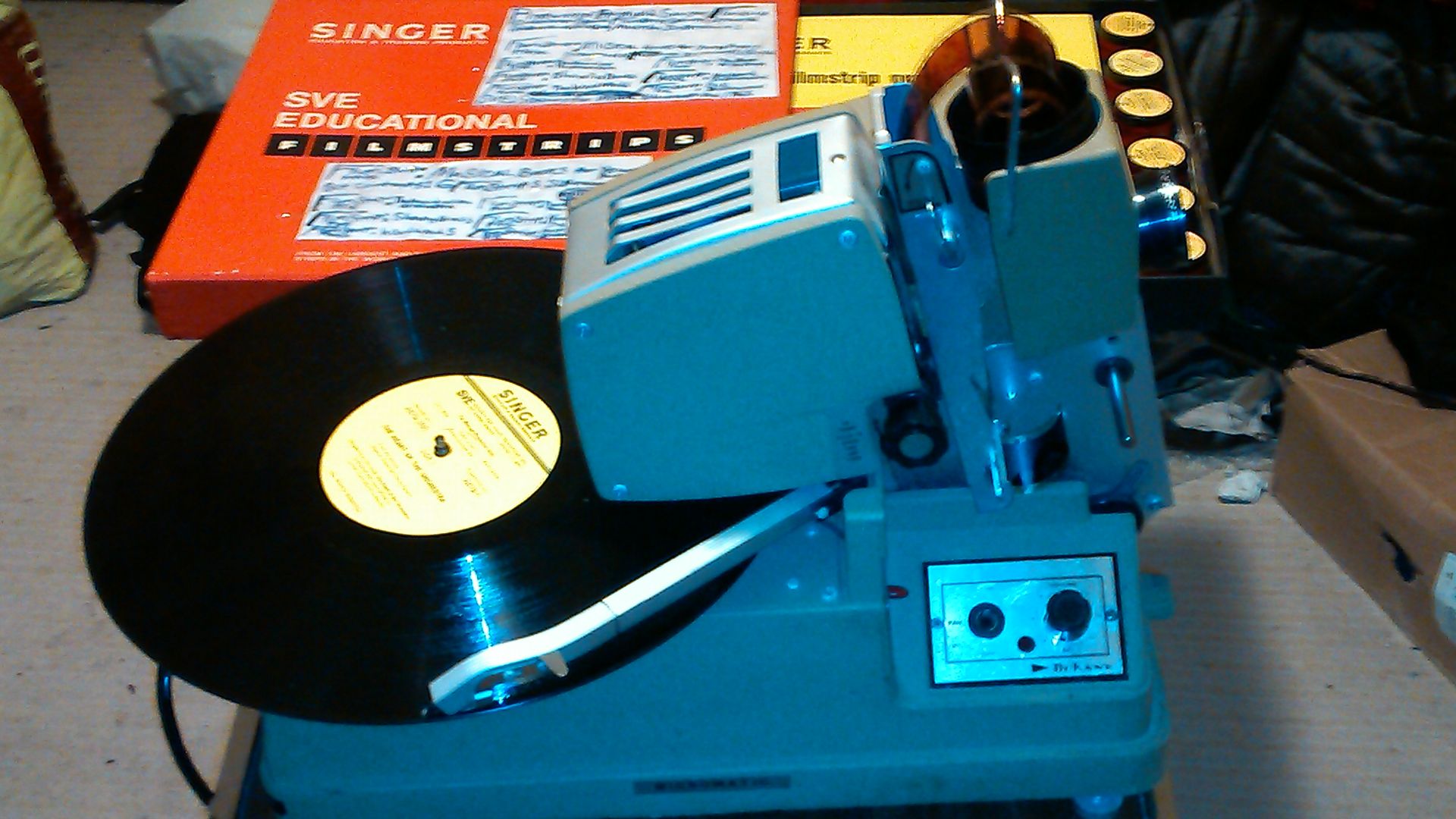
The Filmstrip Projector
A filmstrip day felt like a vacation from regular school. The teacher would load the strip, someone would dim the lights, and then came the beep telling them to advance to the next frame. Half educational, half nap invitation, and somehow more exciting than almost anything on the lesson plan.
 Toy Polar Bear, Wikimedia Commons
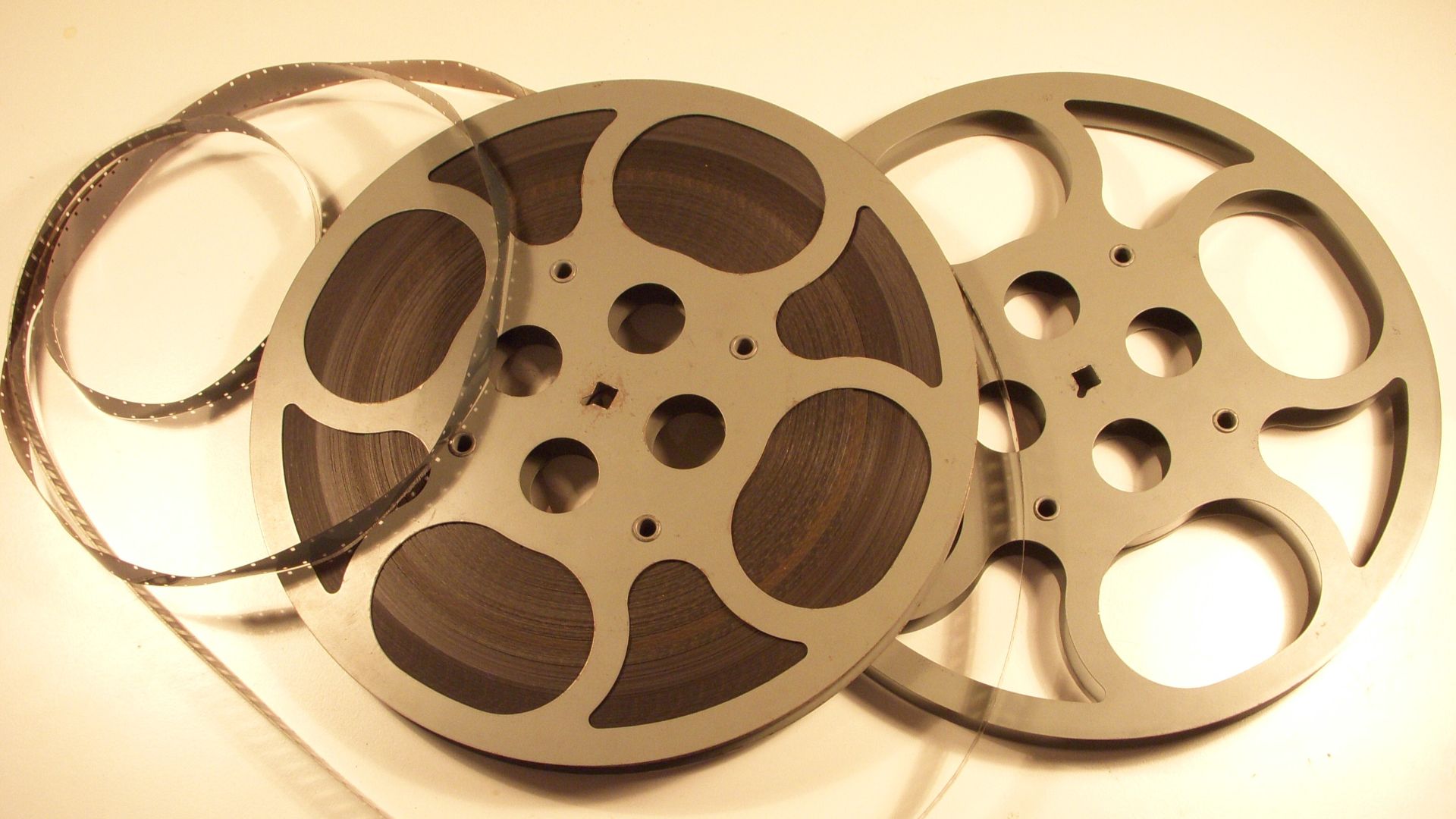
Classroom Film Reels
Before teachers could stream a video in two clicks, there were film reels. Someone had to thread the projector, adjust the focus, and pray the film did not snap halfway through. When it worked, it felt like the whole class had been rewarded with a tiny trip to the movies.
 Holger.Ellgaard, Wikimedia Commons
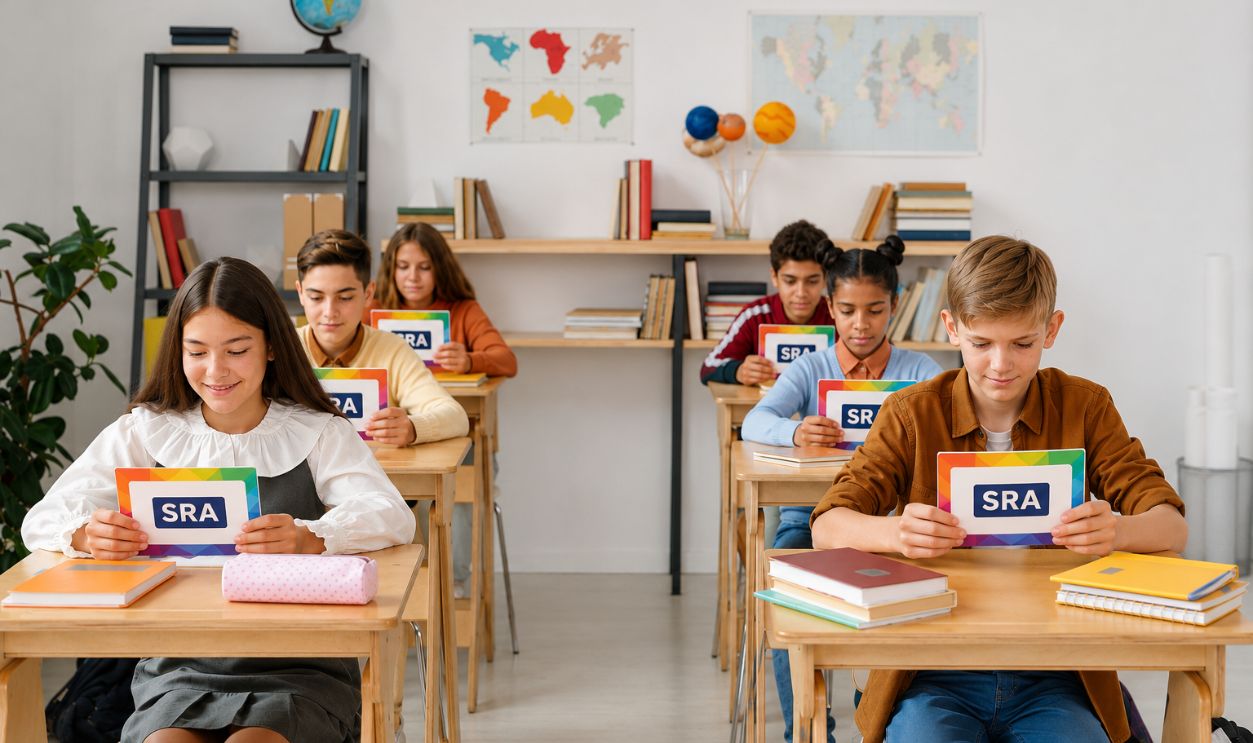
SRA Reading Cards
If your classroom had an SRA reading box, you remember the colors. Students picked cards, read short passages, answered questions, and moved through levels like they were unlocking some secret school achievement system. It was self-paced learning before anyone called it that, except with more cardboard and less fun branding.
Card Catalog Cards
Before kids typed a few words into a search bar, they had to learn the card catalog. Tiny drawers, index cards, call numbers—it felt like a secret library code. Finding a book meant physically hunting it down, which made every successful discovery feel like solving a small academic mystery.
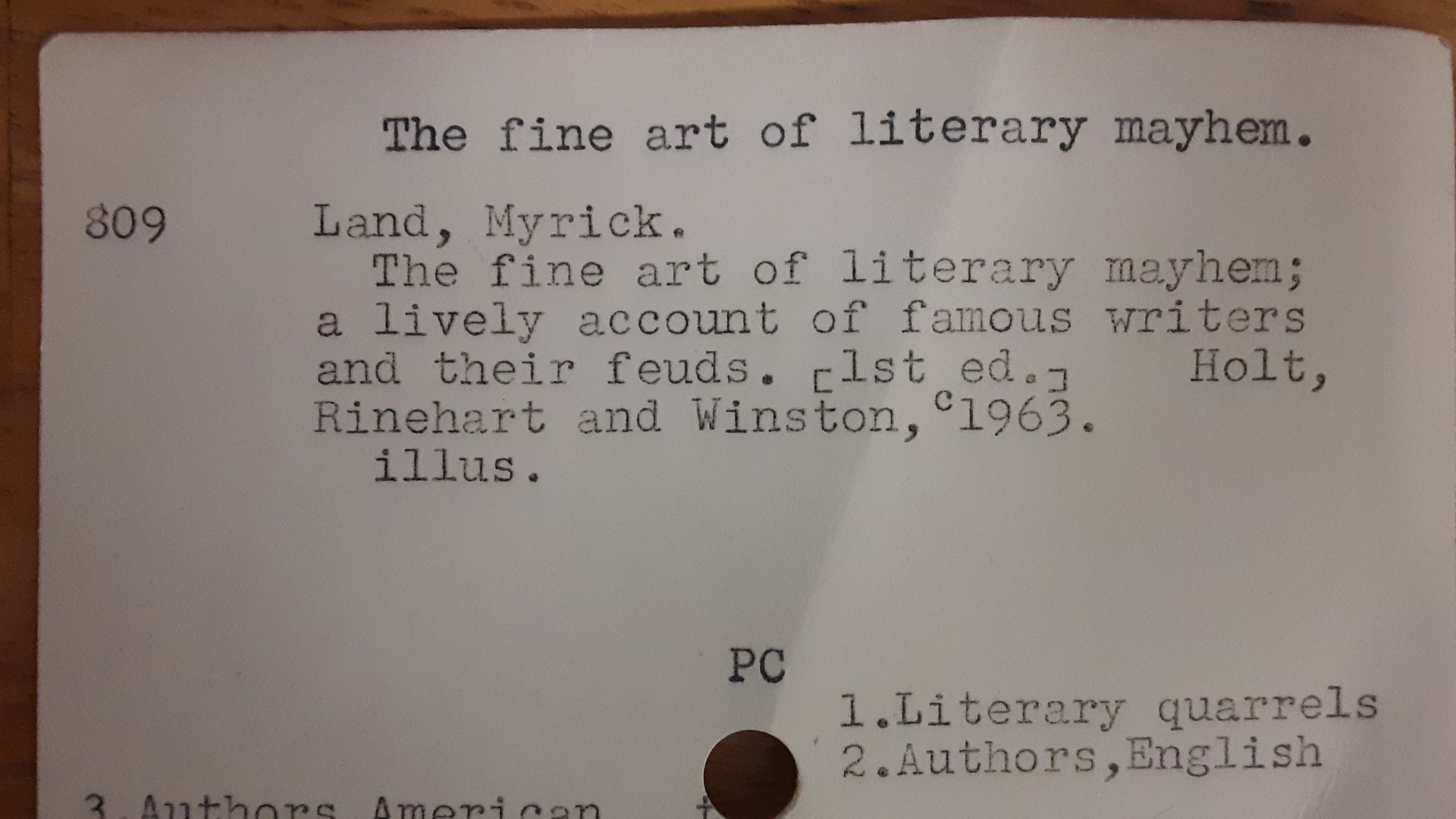 ScottishTshirt, Wikimedia Commons
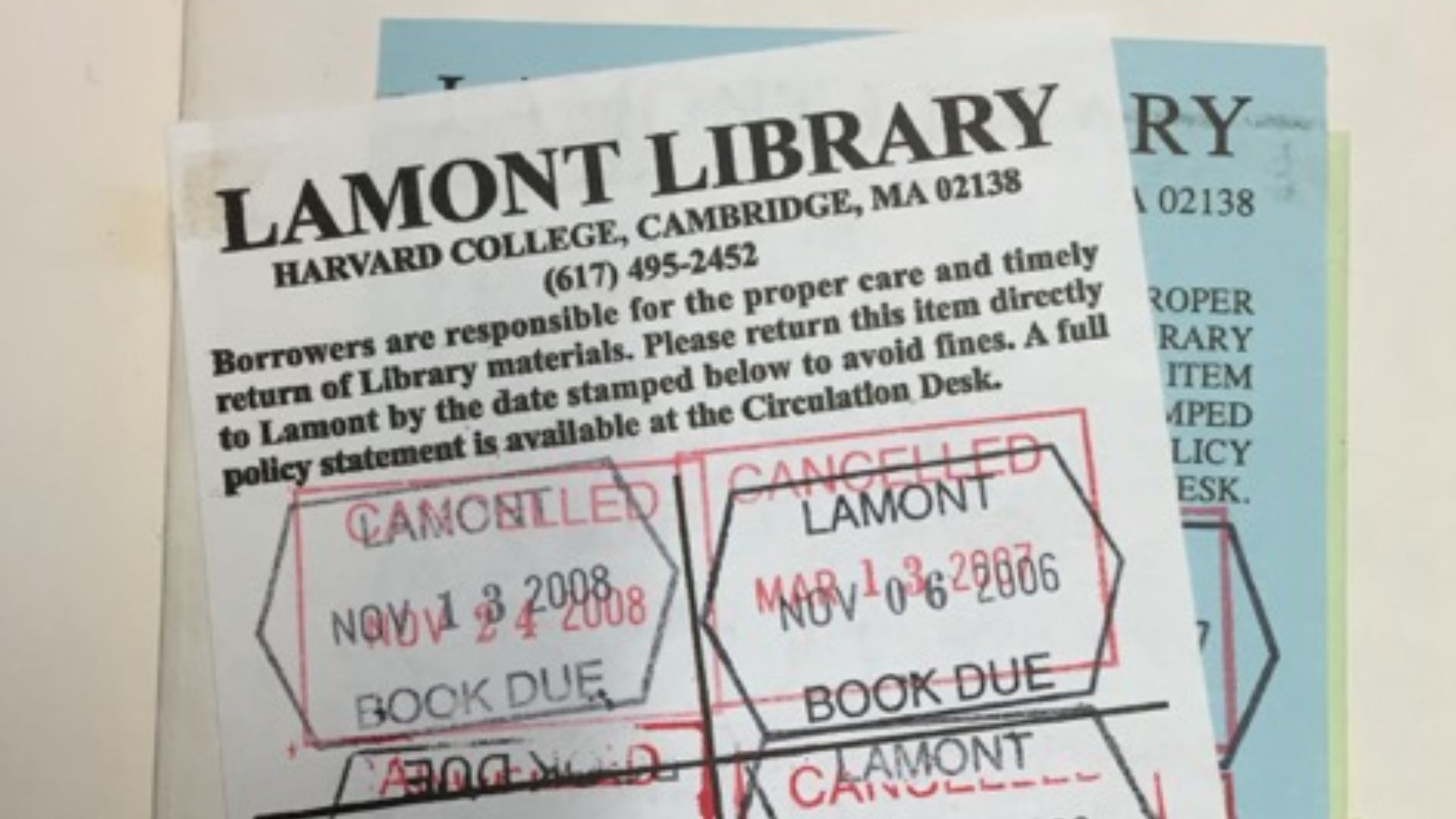
Library Date Due Slips
Every library book had that little paper pocket and date due slip inside. The librarian stamped it, and suddenly the book had a history. You could see how long it had been around, how often it had been checked out, and whether you were about to owe five cents in fines.
Library Checkout Cards
Before barcodes quietly handled everything, library books had checkout cards tucked into little pockets. The librarian pulled the card, stamped the date, and filed it away like evidence. It made borrowing a book feel strangely official, like you had entered into a legal agreement with the school library.
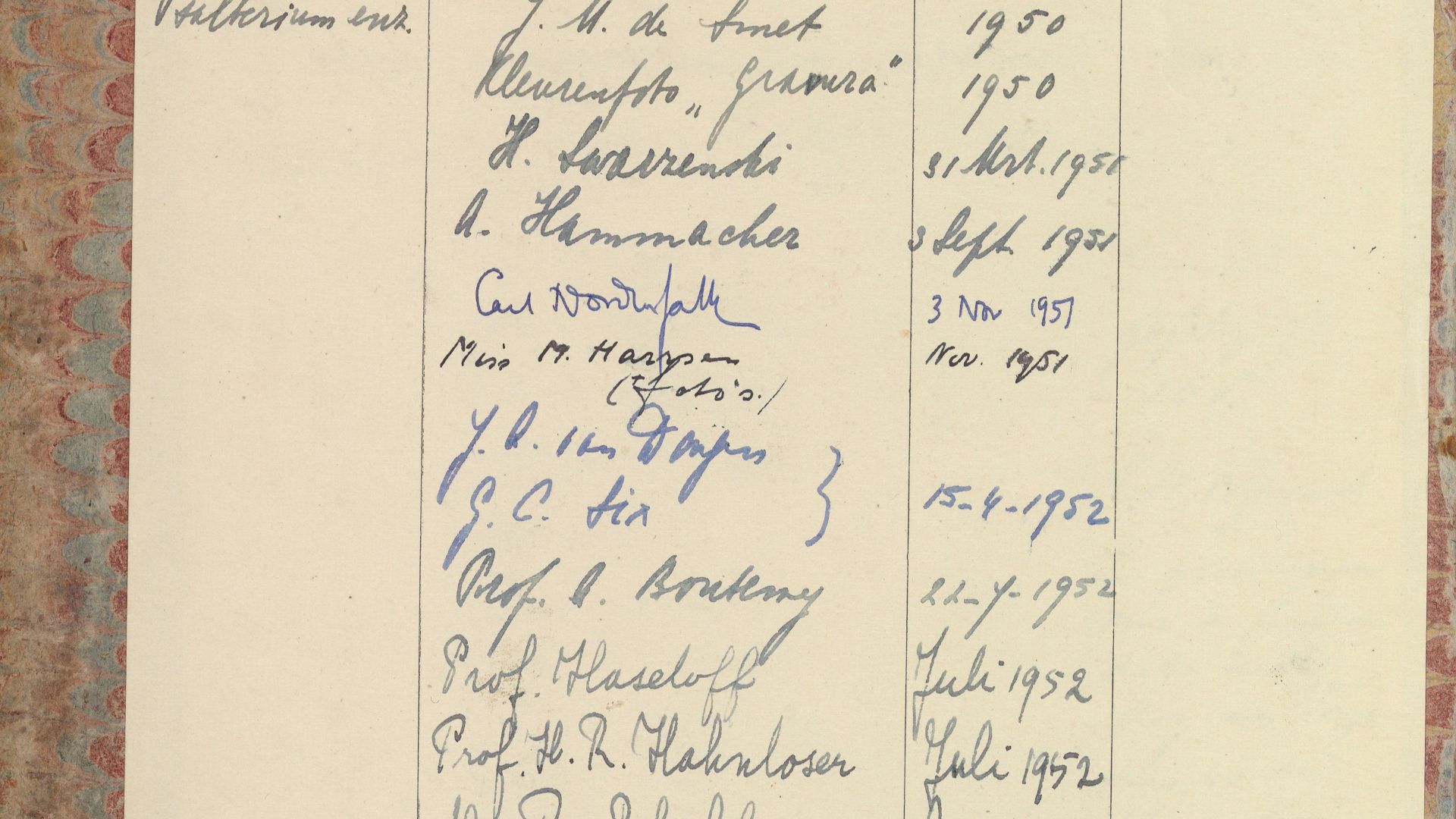 OlafJanssen, Wikimedia Commons
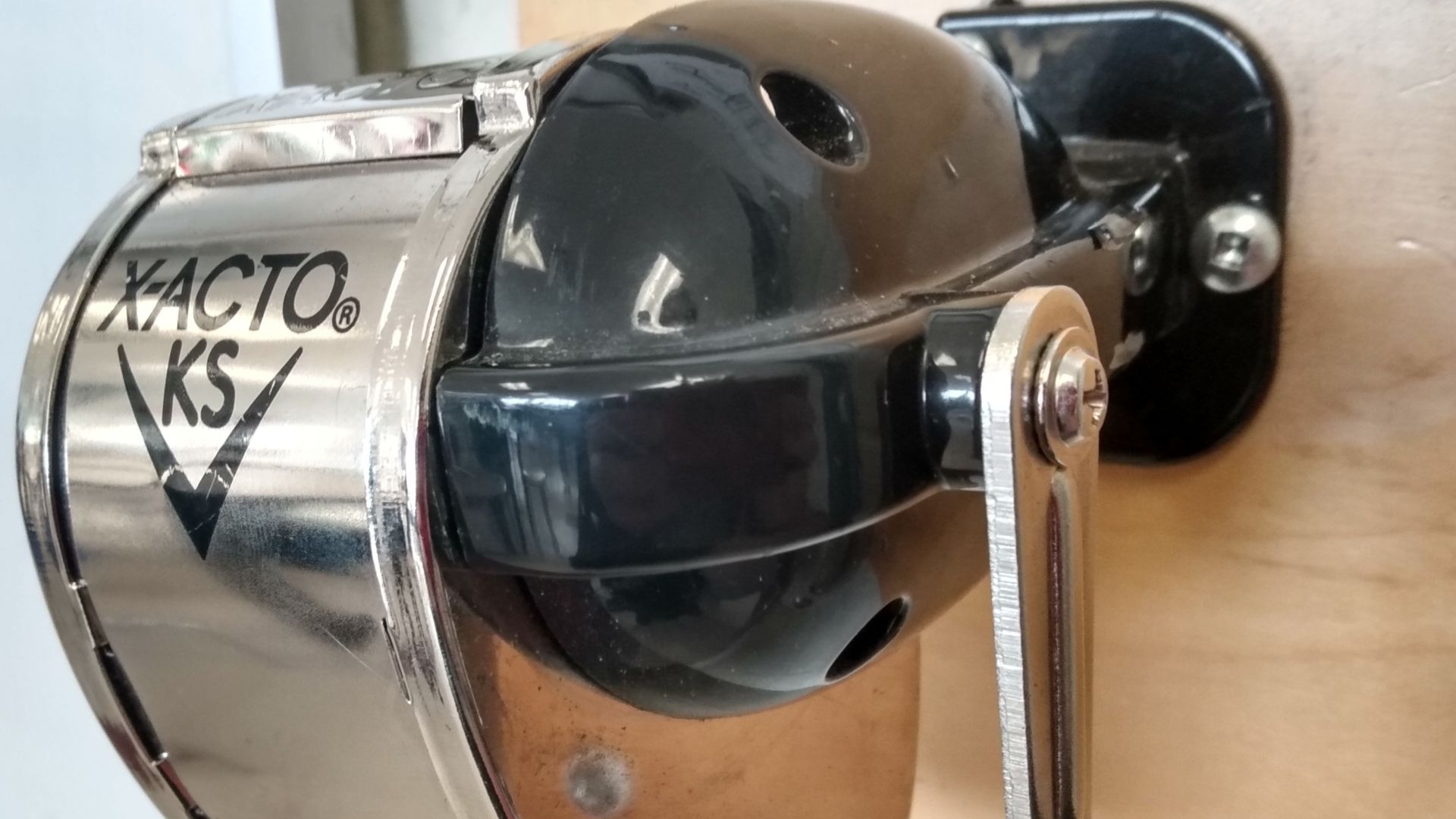
Pencil Sharpeners Bolted To The Wall
The wall-mounted pencil sharpener was a whole classroom ritual. You got up, walked across the room, cranked the handle, and hoped the pencil came out sharp instead of weirdly lopsided. It was loud, messy, and somehow still better than discovering your only pencil was dull during a quiz.
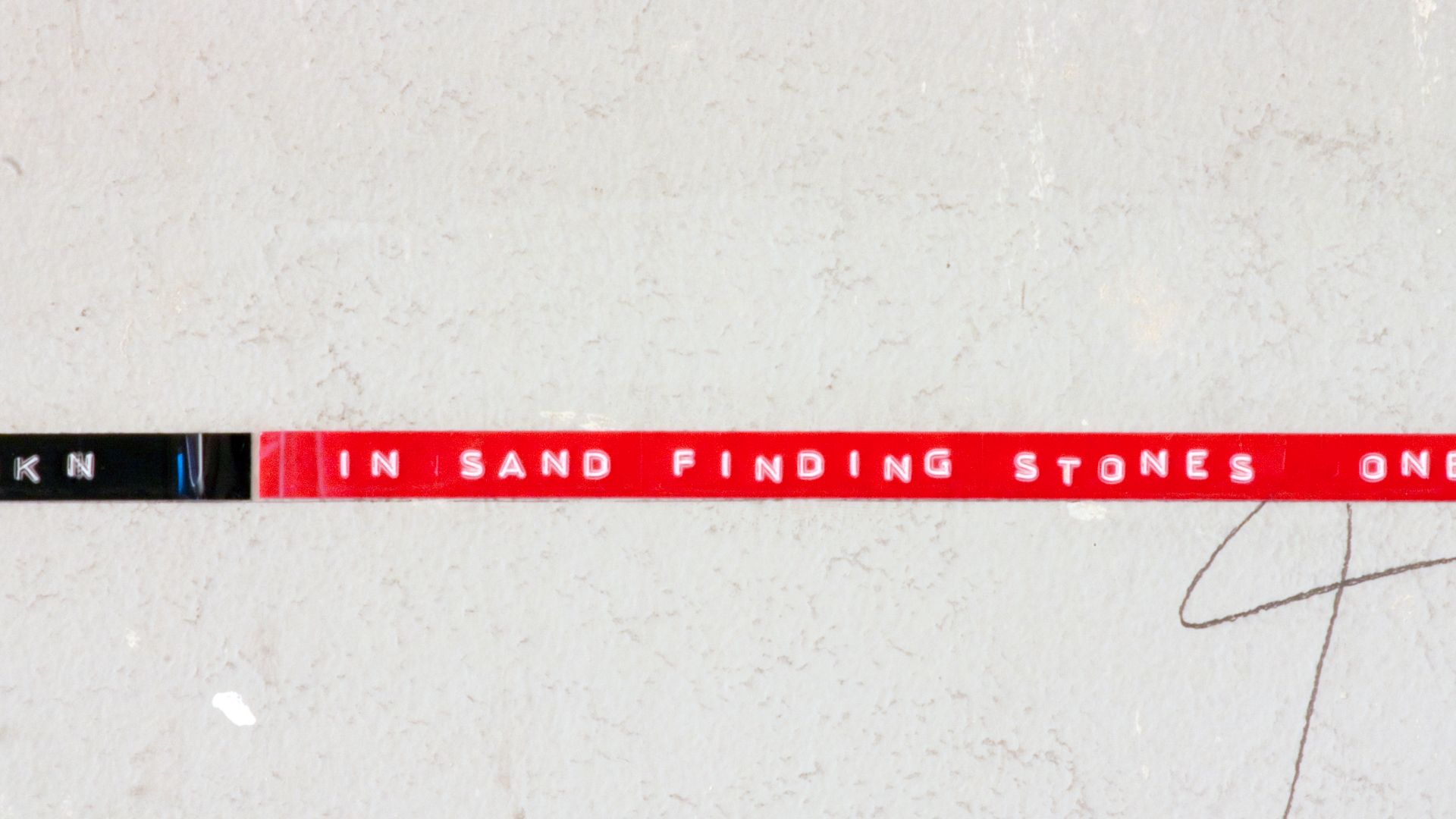
Name Labels Made With Embossing Tape
Those raised plastic labels showed up on pencil boxes, binders, lunch boxes, and anything else parents were trying to keep from disappearing. The letters looked official, the tape never came off cleanly, and every labeled item suddenly felt like property of a very tiny corporation.
 Dominic Alves, Wikimedia Commons
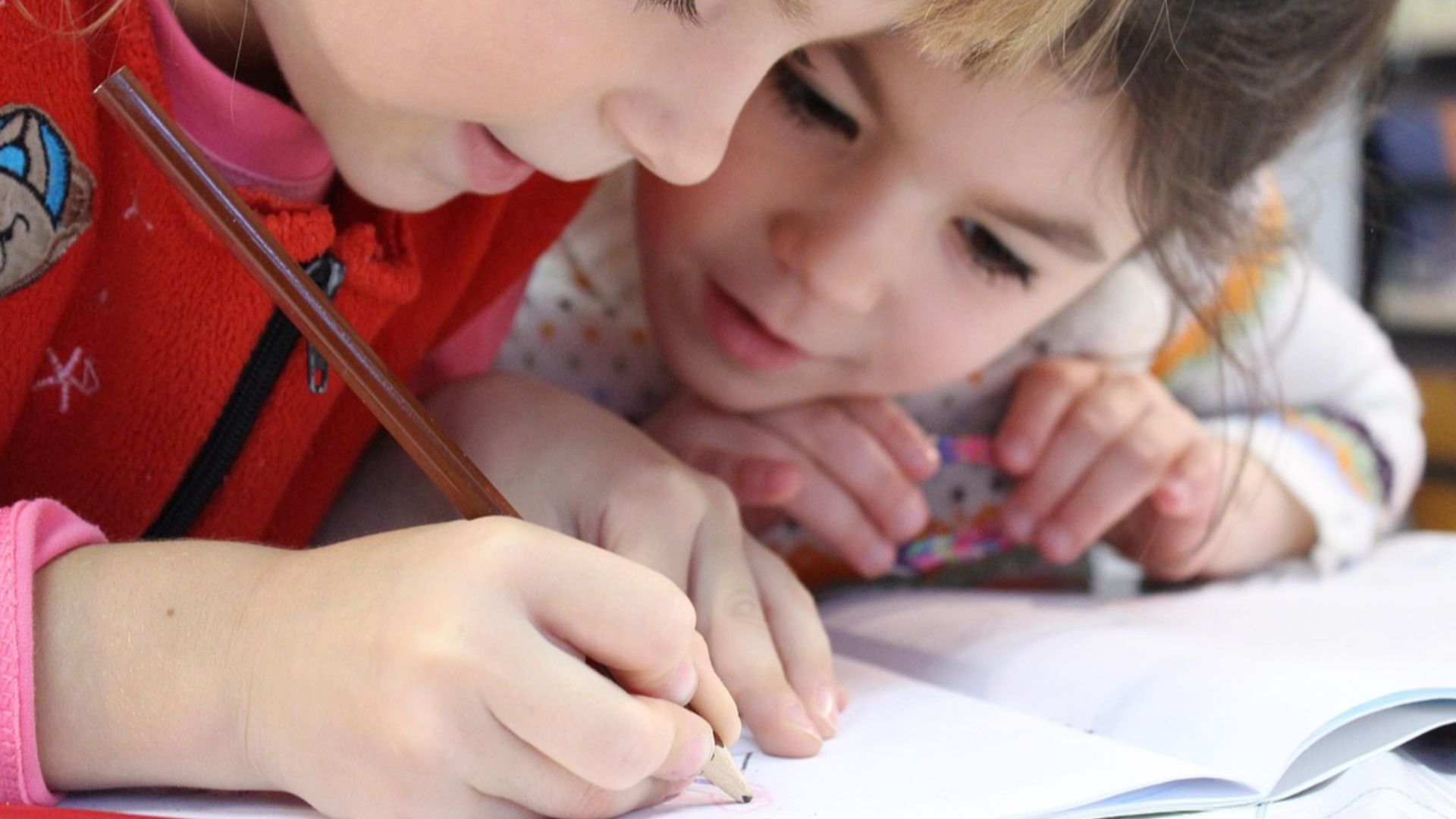
The Assignment Pad
Before digital reminders, there was the assignment pad. Every school insisted it would teach responsibility. Some kids wrote every homework task neatly. Others used it for doodles, fake signatures, and elaborate games of MASH. Either way, parents still asked, “Do you have any homework?” and nobody believed the answer.
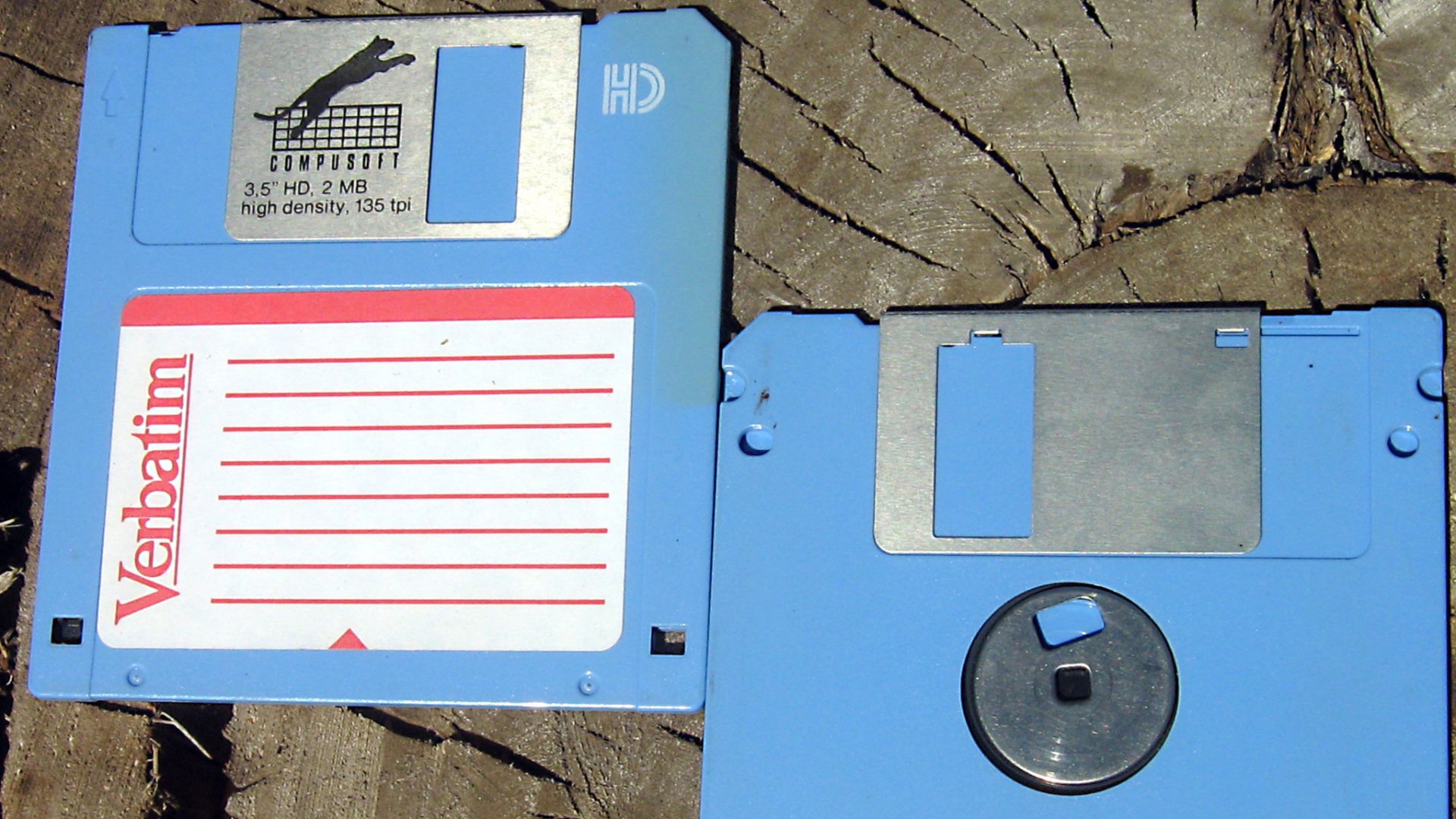
Floppy Disks For Computer Class
At some point, computer class meant carrying a floppy disk like it contained state secrets. Kids saved tiny files, labeled disks with stickers, and prayed the computer actually read them. To anyone born after 2000, the idea of saving homework on a plastic square probably sounds like a prank.
 Victor Korniyenko, Wikimedia Commons
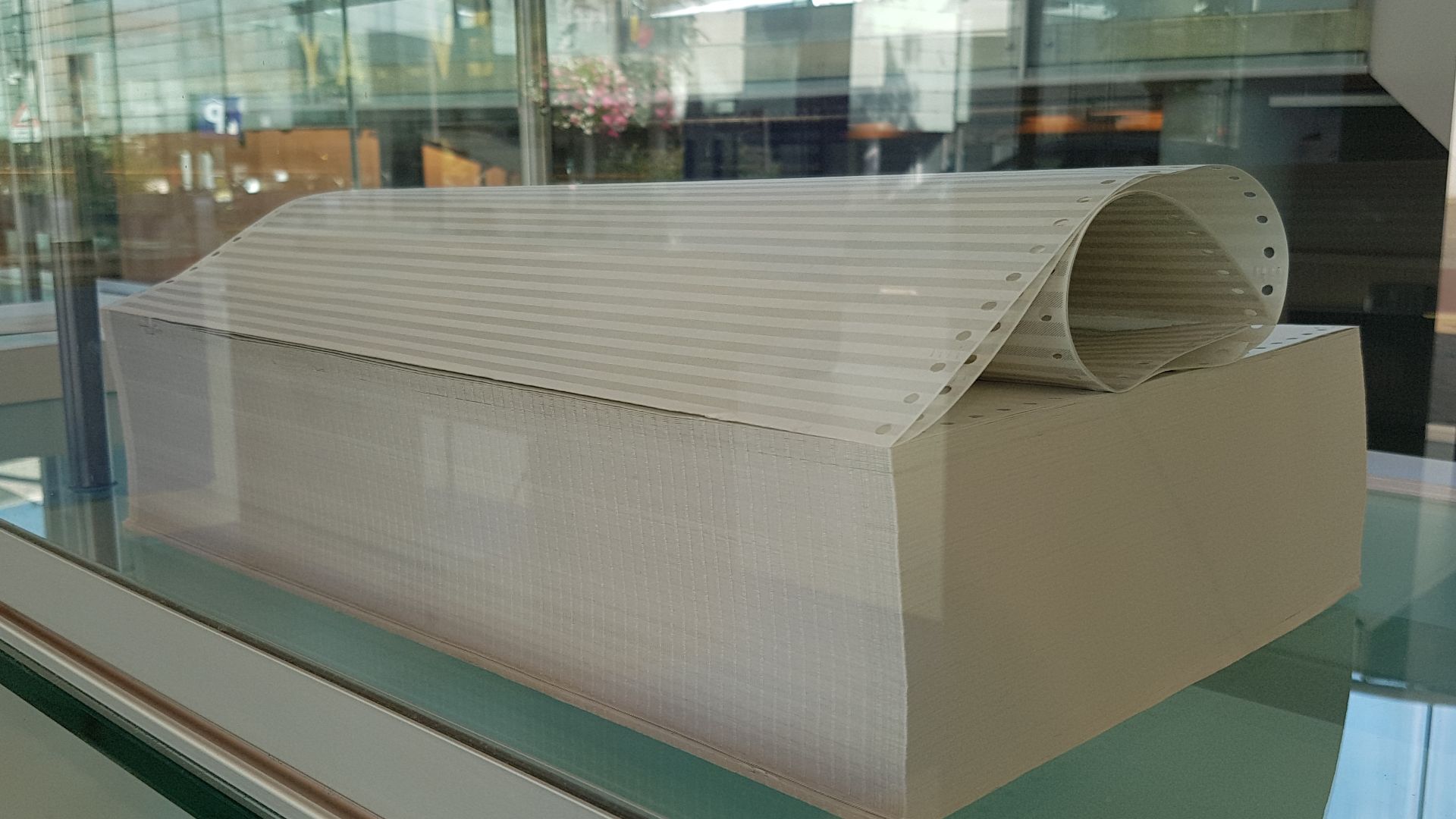
Tractor-Feed Printer Paper
That connected printer paper with the perforated edges made every classroom printout feel important. You tore off the side strips, folded them like tiny accordions, and sometimes kept them for no reason whatsoever. The printer itself sounded like it was building a garage, but the paper was half the fun.
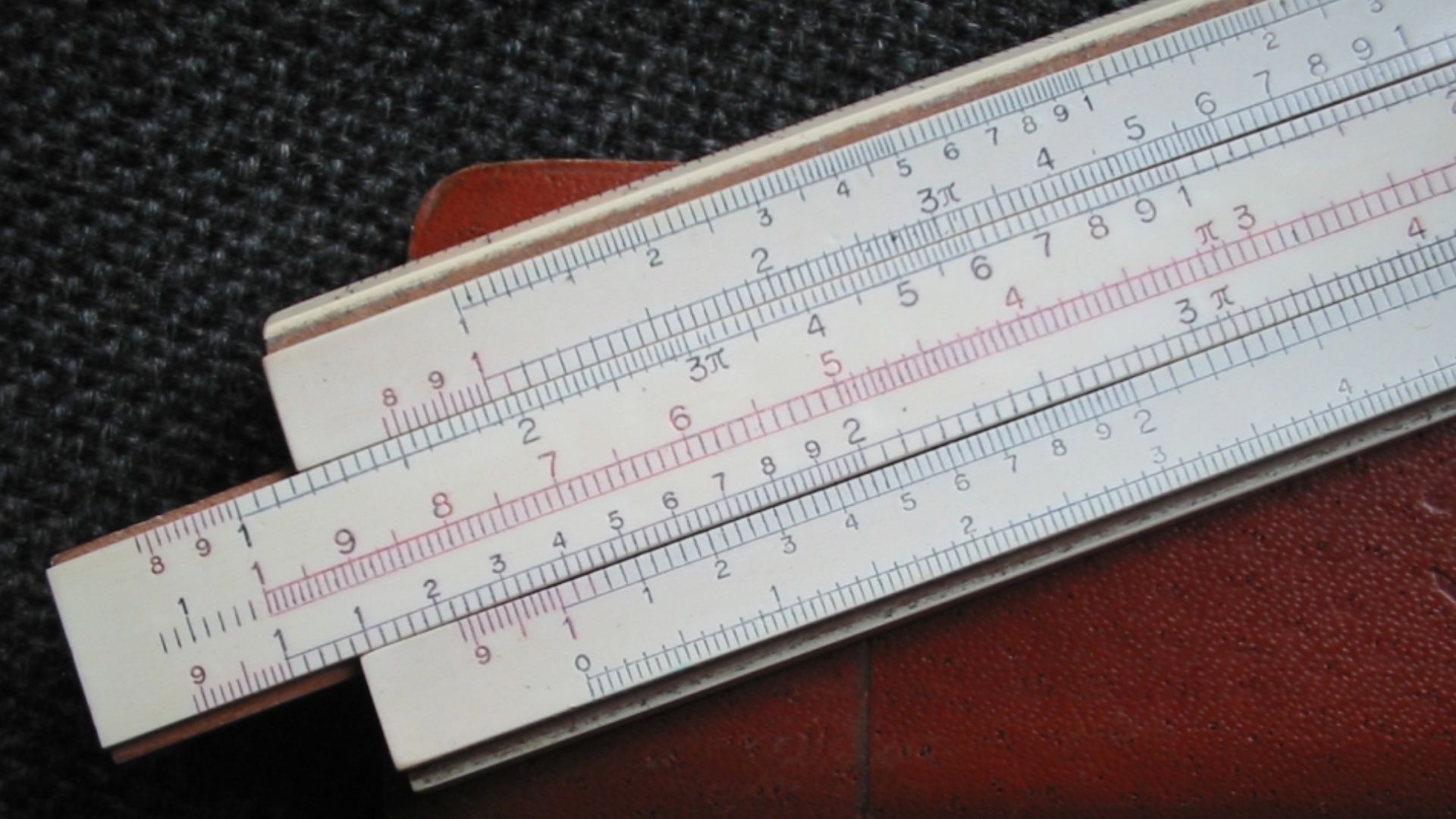
Slide Rules
By the 80s, slide rules were already fading fast, but plenty of older Baby Boomers still remember when they were serious school tools. They looked intimidating, worked without batteries, and made calculators seem like witchcraft when they finally took over. Today, most students would probably assume one was a strange ruler with commitment issues.
 The original uploader was Tamas Szabo at English Wikipedia., Wikimedia Commons
The Classroom Time Capsule
School supplies now are cleaner, quieter, and a lot more practical. But they do not have the same strange little rituals. No purple ditto smell. No Velcro binder rip. No wall sharpener drama. And definitely no metal lunch box announcing your entire personality before you even sat down.
You Might Also Like: