The Lunchbox Showdown
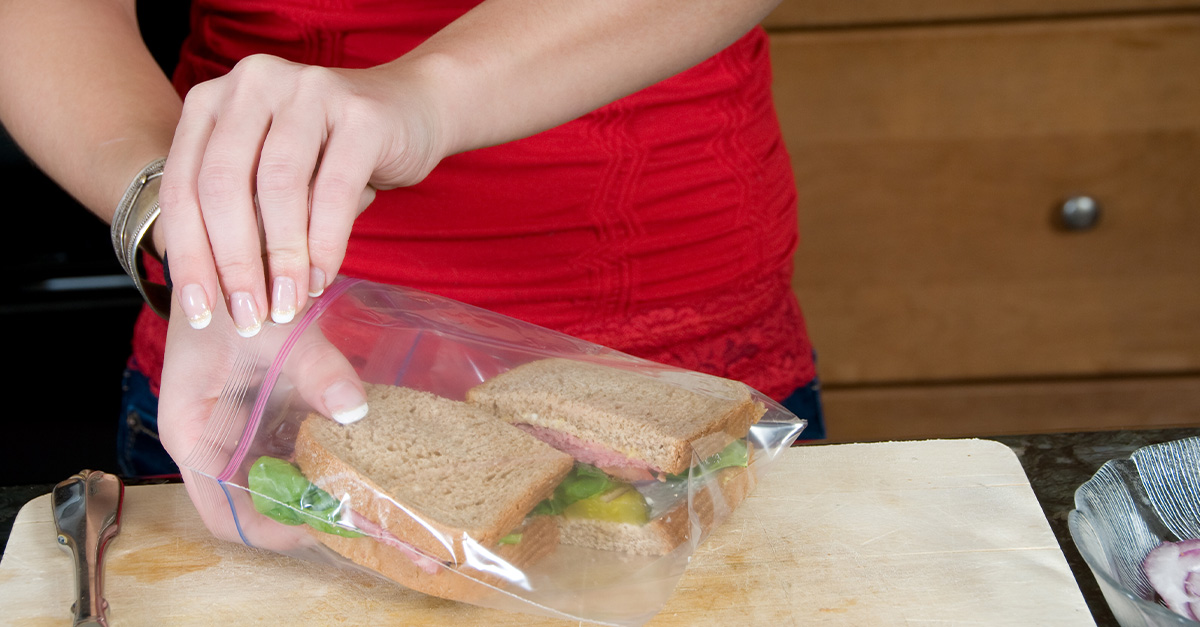
You pack the turkey sandwich, apple slices, and tiny cookie with love. Then the school says, “Nope, your child must buy from our menu.” Cue the record scratch. In most cases, that rule deserves a closer look.
The Basic Answer
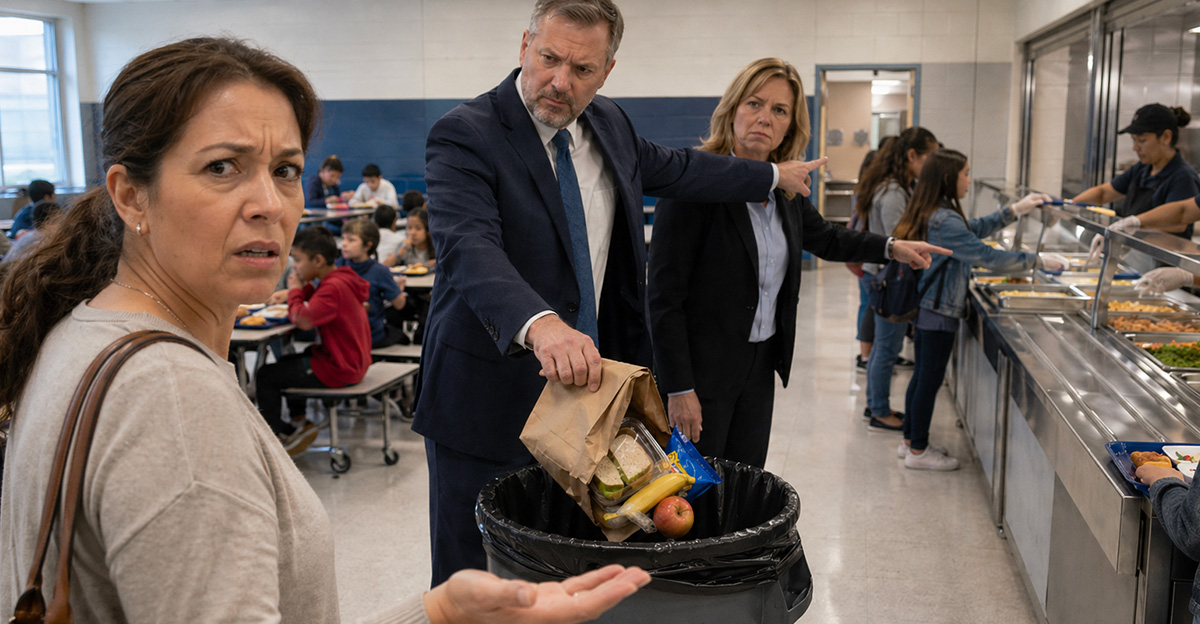
Usually, no, a public school cannot simply force every child to buy lunch from the cafeteria just because it prefers that system. Schools can regulate food for safety and allergy reasons, but a blanket “cafeteria only” rule is a different beast.
Why Schools Have Lunch Rules
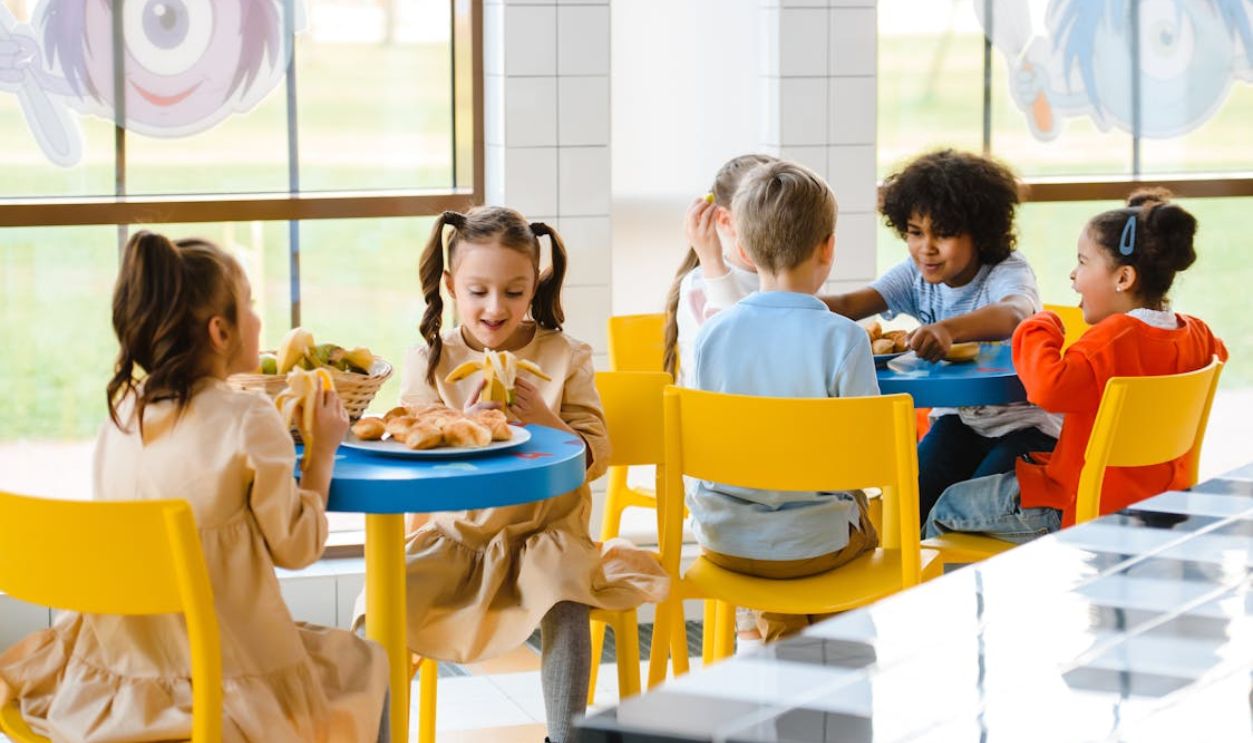
Schools are not totally powerless here. They run crowded cafeterias, manage allergies, follow nutrition rules, and try to keep lunchtime from becoming a soda-and-candy carnival. The National School Lunch Program is federally assisted and provides nutritionally balanced, low-cost or free lunches.
What Federal Rules Actually Cover
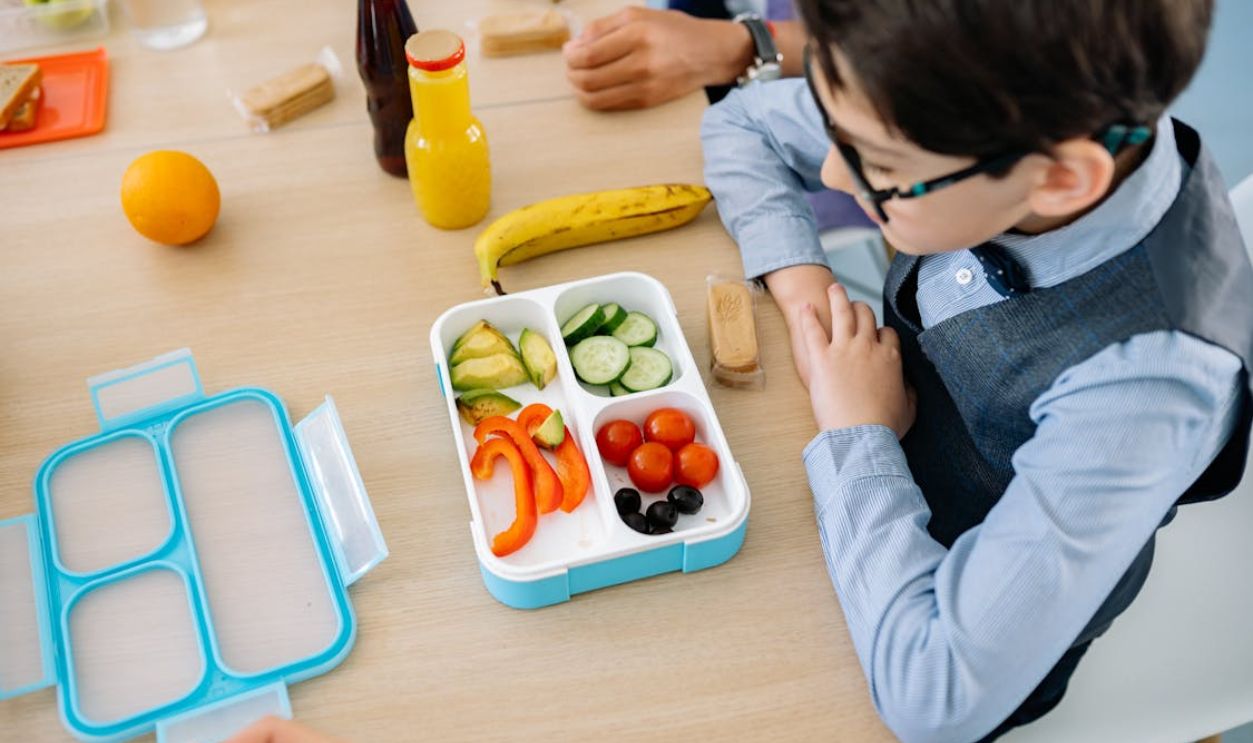
Federal school lunch rules mainly govern meals served through programs like the National School Lunch Program. They set standards for participating school meals, not every sandwich a parent packs at home. That distinction matters a lot.

Packed Lunches Are Usually A Parent Choice
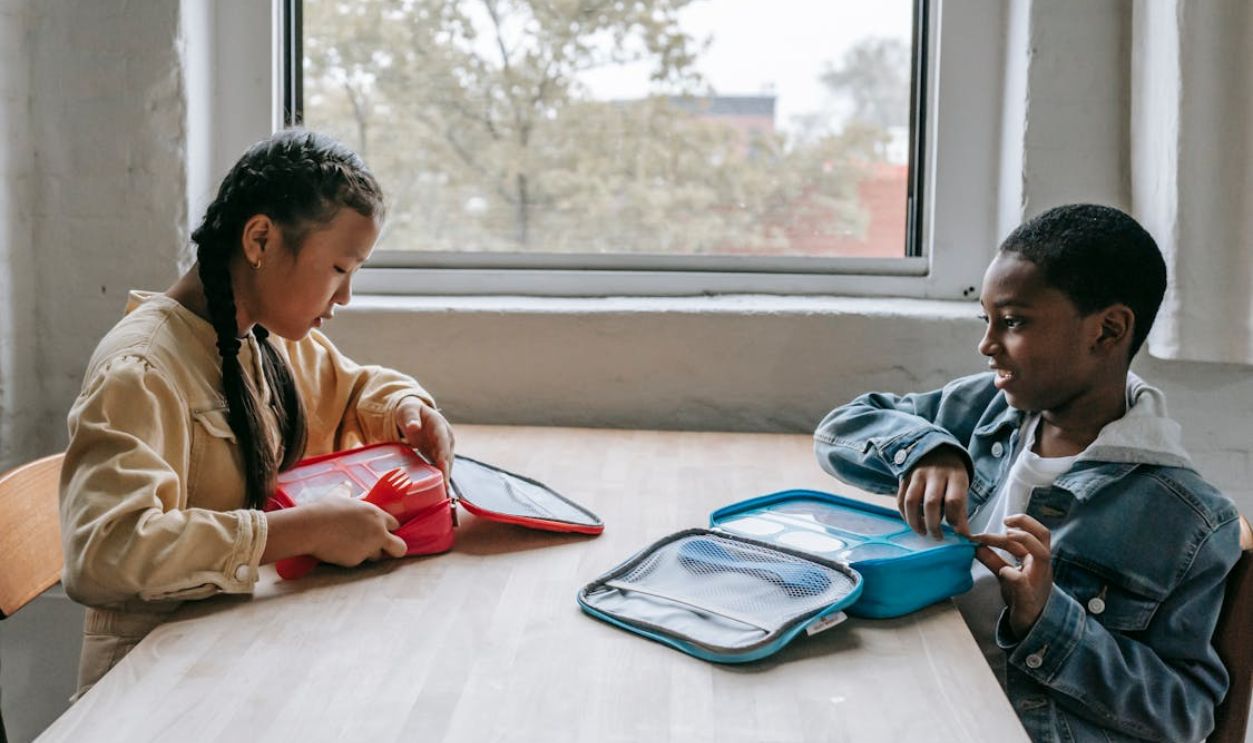
In everyday practice, families generally can send food from home. Schools may discourage certain items, ask for nut-free lunches, or ban glass bottles, but “you must buy our lunch” is harder to justify without a specific policy reason.
Ask For The Written Policy
Do not argue with a cafeteria worker in the lunch line. Ask the principal or district office for the written policy. A rule this big should exist somewhere official, not just as a hallway rumor wearing a lanyard.
Look For The Magic Words
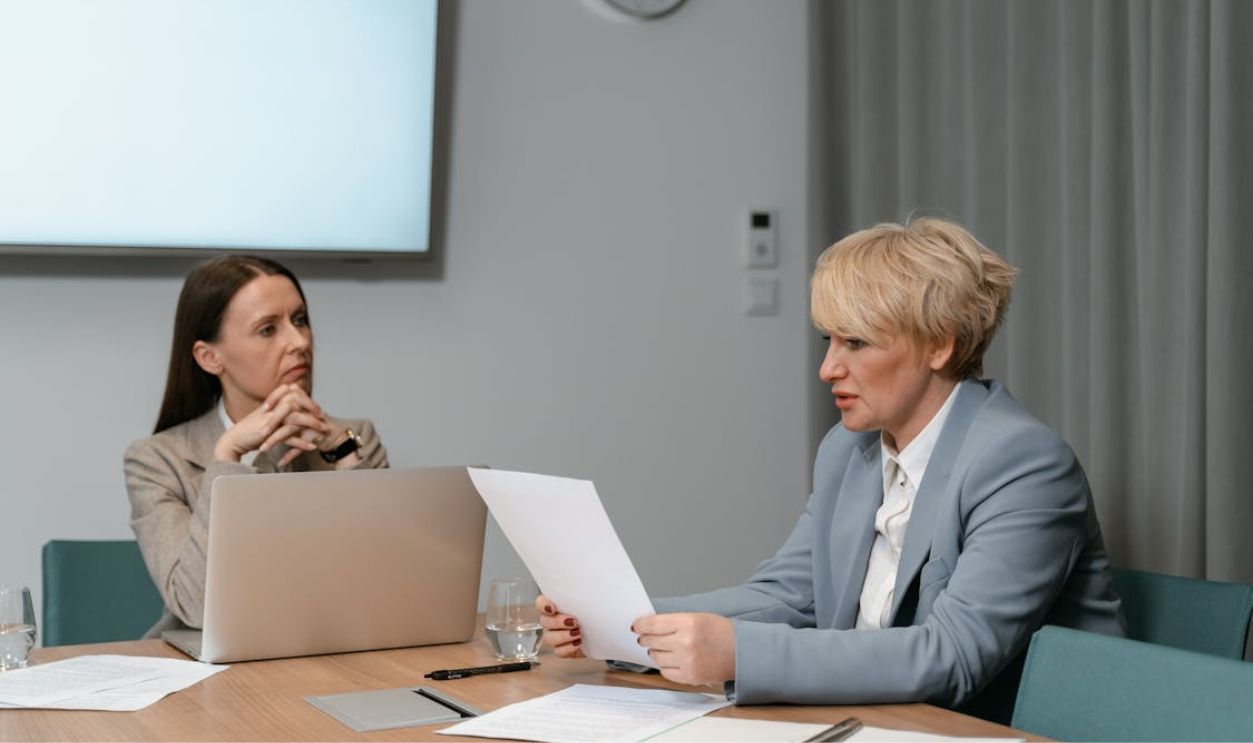
Read the policy closely. Does it say packed lunches are banned, or does it say outside fast food is banned? Those are very different. Many schools prohibit food delivery or restaurant drop-offs, not homemade lunches.
Allergies Can Change The Rules
If a classroom or lunch table has a serious allergy concern, the school can create safety rules. A nut-free table, peanut ban, or “no sharing food” rule may be reasonable. But that still does not automatically mean every family must buy school lunch.

Medical Needs Matter Too
If your child has allergies, diabetes, sensory issues, celiac disease, or another health-related food need, the school may have accommodation duties. USDA guidance addresses reasonable meal modifications for children with disabilities in school meal programs.
Get The Doctor’s Note Ready
When food is tied to a medical need, paperwork helps. A note from a licensed health provider can turn “my child prefers this” into “my child needs this.” Schools tend to respond more carefully when documentation enters the chat.

Religious And Cultural Food Needs Count
Some families pack lunches for religious, cultural, or ethical reasons. If the cafeteria menu does not work for your child’s needs, explain that calmly in writing. Schools should be careful about rules that burden sincerely held religious practices.

Follow The Money
Sometimes a strict lunch rule is less about nutrition and more about participation numbers. Cafeterias rely on meal counts, staffing plans, and reimbursement systems. That may explain the pressure, but it does not automatically make a forced-purchase rule fair.
Free Lunch Is Still Optional
Even if your school offers free lunch to all students, that does not necessarily mean every student must eat it. More public schools have moved toward universal free meals through state or local programs, but access is not the same as compulsion.

Public Versus Private Schools
Public schools face more constitutional and statutory limits. Private schools often have more room to set enrollment conditions, including food rules, as long as they follow applicable discrimination and health laws. Your leverage may depend on the type of school.
Daycare Rules Are Different
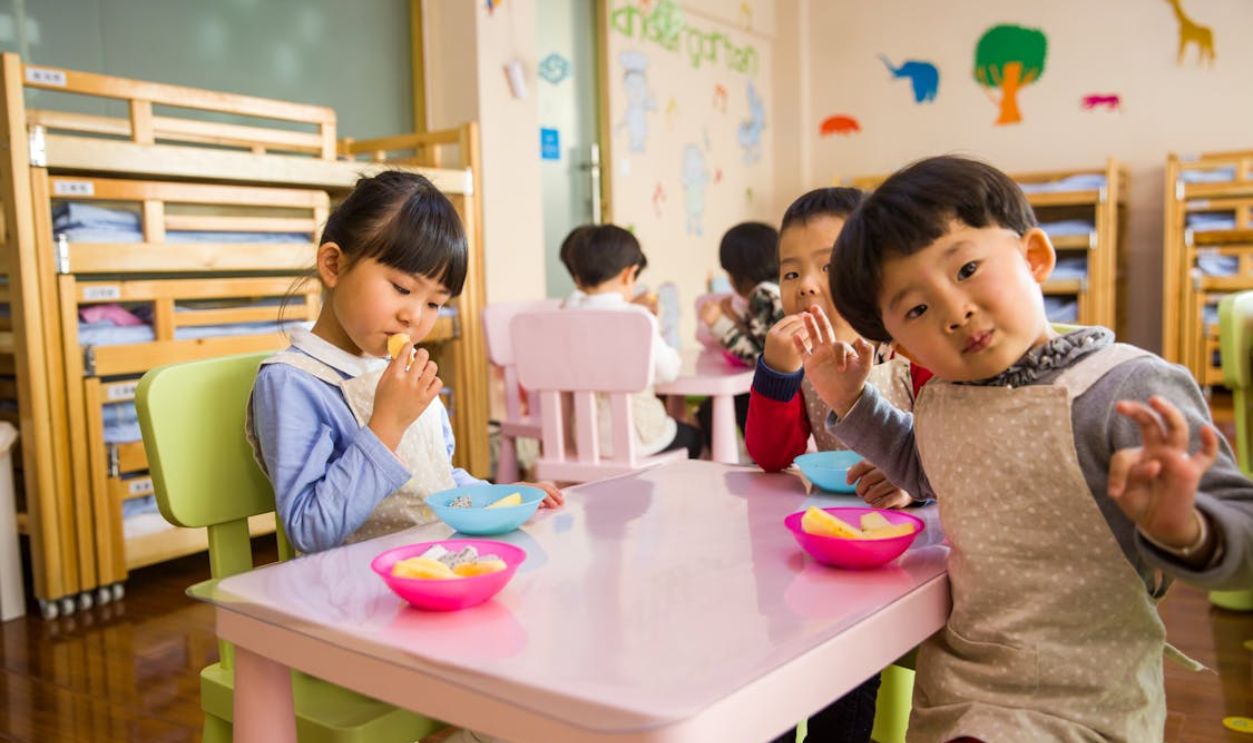
Preschool, daycare, and early childhood programs can have stricter food policies, especially if meals are part of licensing, sanitation, or program requirements. Do not assume the same rule applies from toddler rooms to middle school cafeterias.
Safety Rules Are More Defensible
A school can usually say no to glass containers, energy drinks, knives, choking hazards for young kids, or food sharing. Those are targeted safety rules. A total ban on packed lunches needs a much stronger explanation.
Nutrition Rules Can Get Tricky
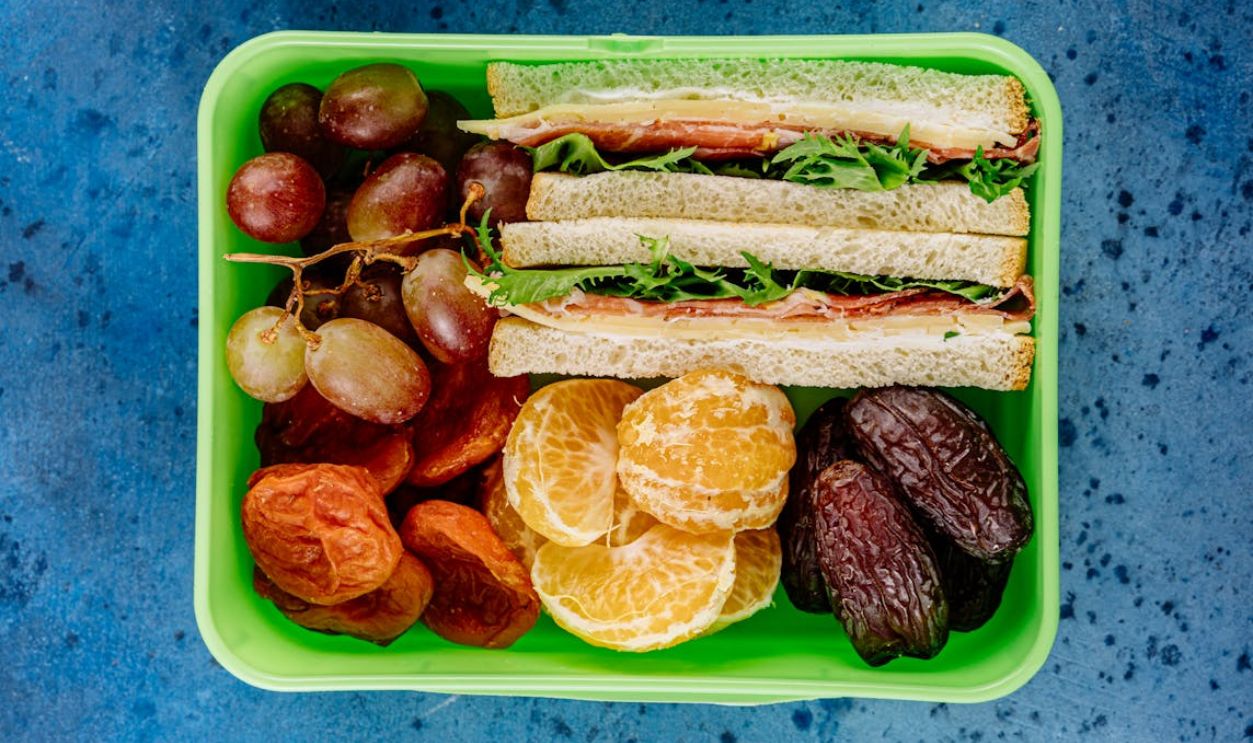
Some districts try to promote healthier eating by limiting candy, soda, or giant bags of chips. That is not the same as forcing the cafeteria menu. A school can guide lunchbox choices without taking over your grocery list.

Start With A Friendly Email
Write something simple: “I understand there may be a lunch policy. Please send me the written rule requiring students to purchase school lunch and explain whether packed lunches from home are prohibited.” Polite, direct, and beautifully hard to dodge.

Keep Records
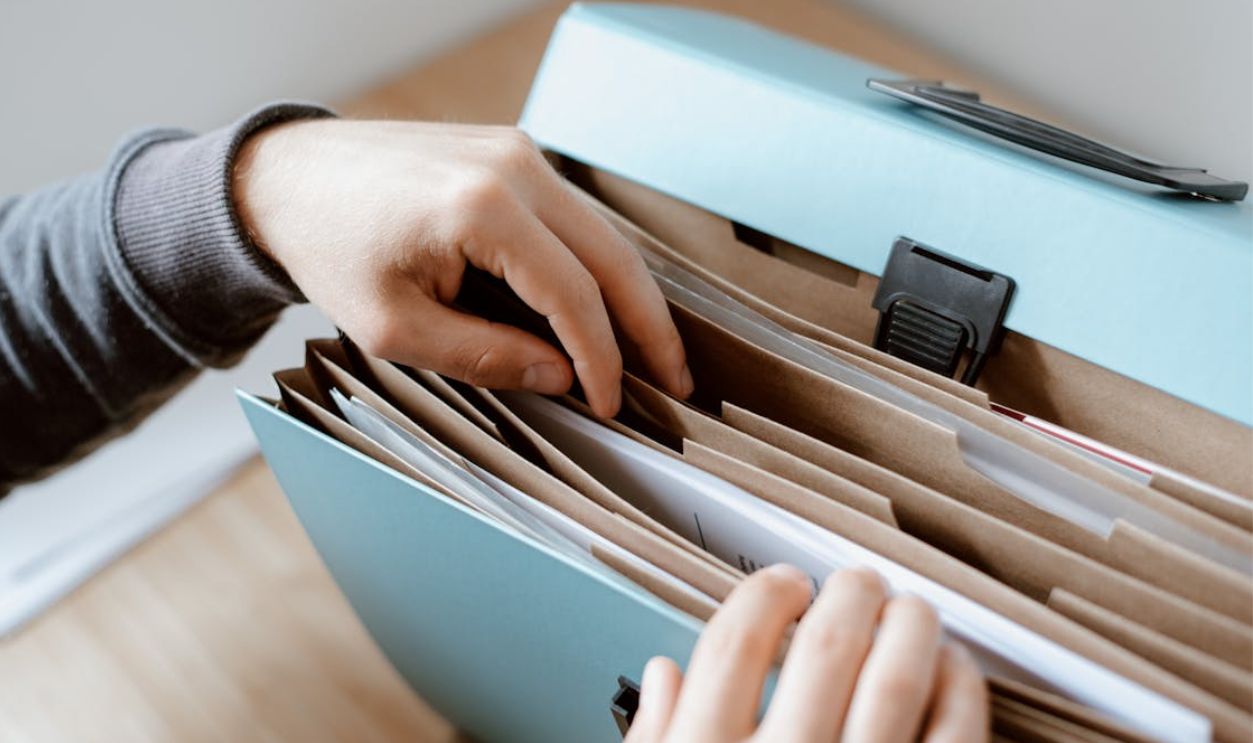
Save emails, handbooks, screenshots, and notes from phone calls. If someone says, “That is just how we do it,” write down who said it and when. Paper trails are boring until they become your superhero cape.
Ask About Exceptions
Ask whether exceptions exist for allergies, medical needs, religious diets, sensory issues, picky eating tied to disability, financial hardship, or family preference. A policy with no exception process may be more vulnerable than one with reasonable flexibility.

Escalate Calmly
If the principal will not budge, contact the district nutrition services director, superintendent’s office, or school board. Stay focused on the specific question: “Where is the authority to require my child to purchase school meals?”

Do Not Make It A Food Fight
Avoid turning lunch into a public brawl unless you have to. Schools are full of people juggling impossible jobs. You are more likely to get results by sounding organized, reasonable, and mildly impossible to ignore.

When To Call An Advocate
If your child has a disability, allergy, or documented medical need and the school refuses accommodation, consider contacting a special education advocate, civil rights office, or education attorney. That is especially important if your child is missing meals.

What You Can Reasonably Offer
Offer to follow practical rules: no nuts, no glass, no sharing, labeled containers, and food your child can open independently. Showing that you respect school logistics makes it harder for the district to paint you as unreasonable.
The Real-World Answer
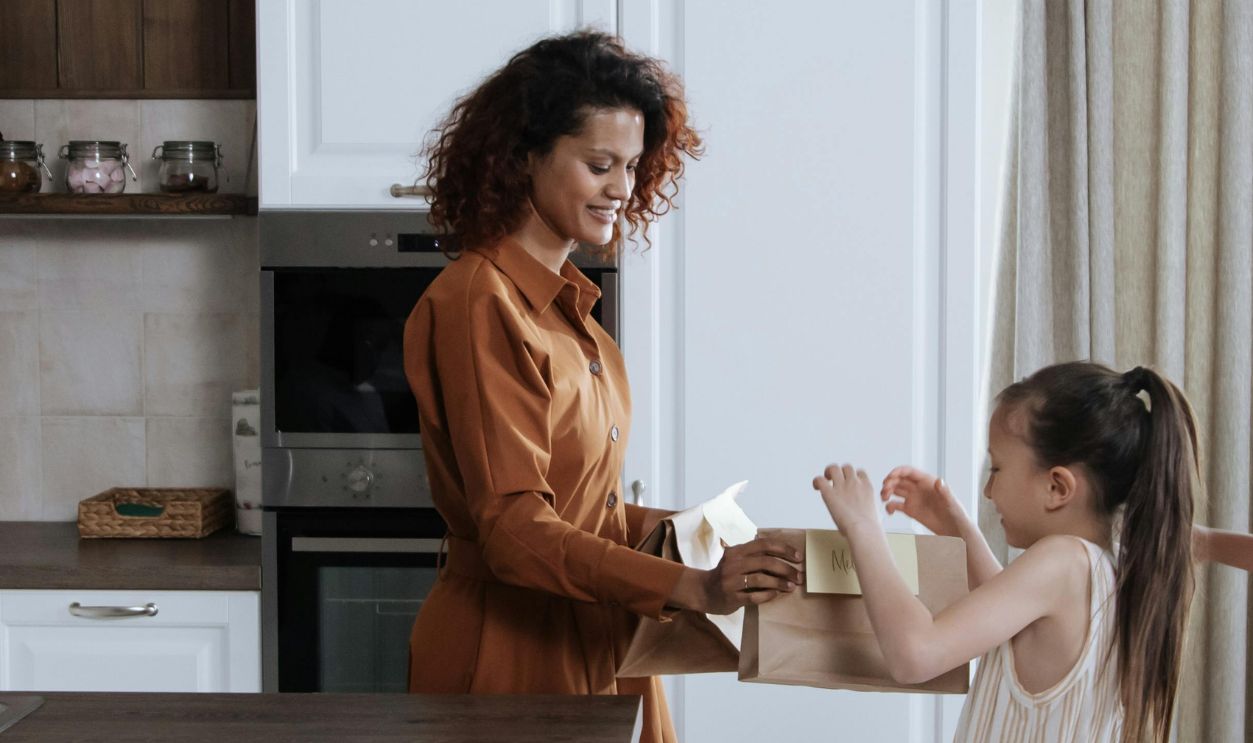
For most families, the likely answer is: your child can bring lunch from home, but must follow school safety and allergy rules. A district claiming otherwise should be able to show you the exact written policy and legal basis.
The Parent Script
Try this: “I’m happy to follow reasonable safety and allergy guidelines. However, I do not consent to a blanket requirement that my child purchase school lunch. Please provide the written policy and any appeal or exemption process.”

The Bottom Line
You probably do not have to surrender the lunchbox just because the cafeteria says so. Ask for the policy, document everything, follow reasonable safety rules, and push for an exception when health, religion, cost, or common sense calls for one.

You May Also Like:
My sister is trying to convince me I can start an Airbnb without owning property. Is that true?