Forgotten Money? Score!
You uncover an old wallet in the attic stuffed with bills from the 1980s and head to the bank to deposit your surprise find. Then the teller hesitates like something’s off. Now you’re wondering… are these bills still valid, or did your money quietly expire years ago?

Are Old US Bills Still Legal Tender?
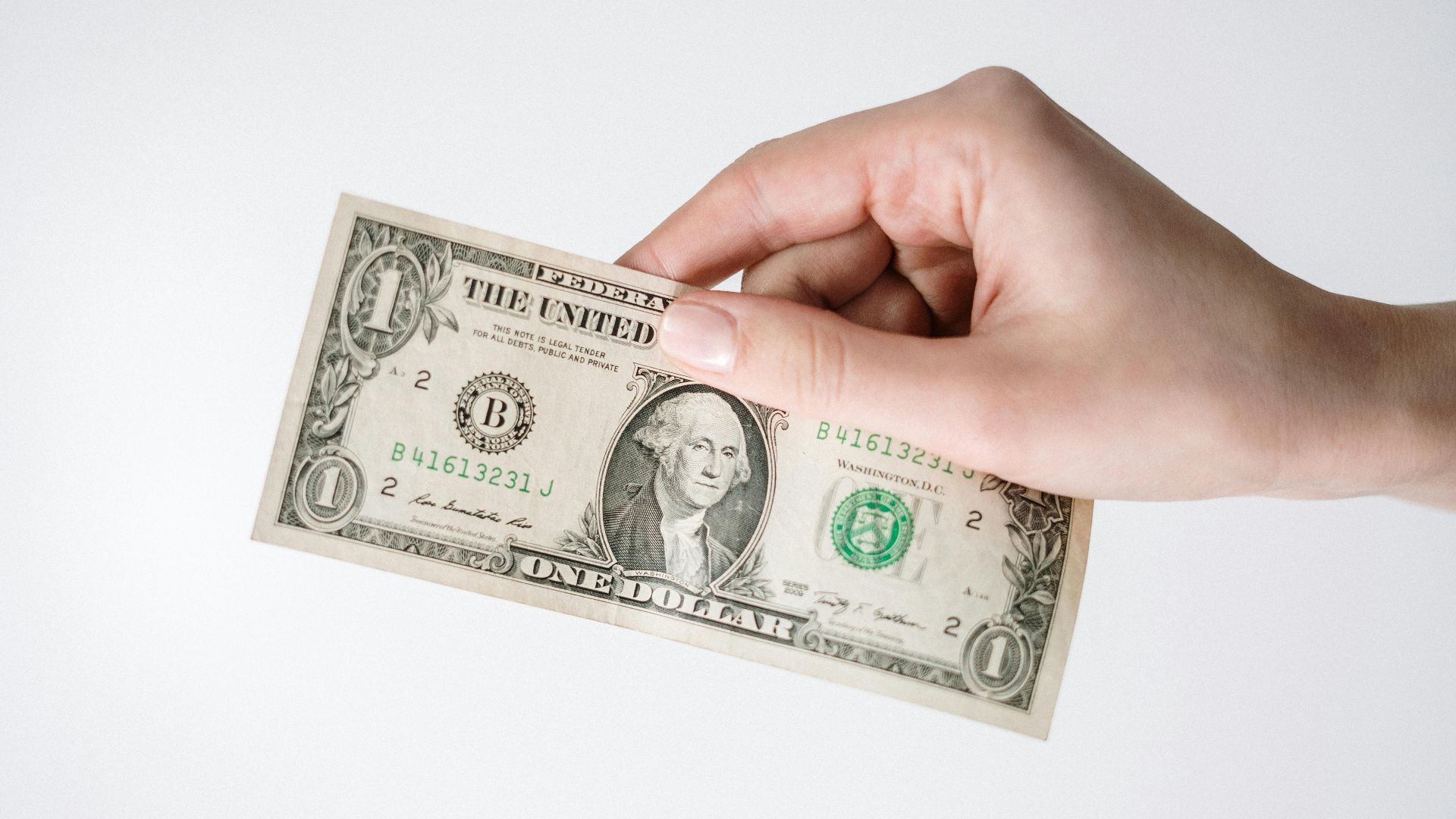
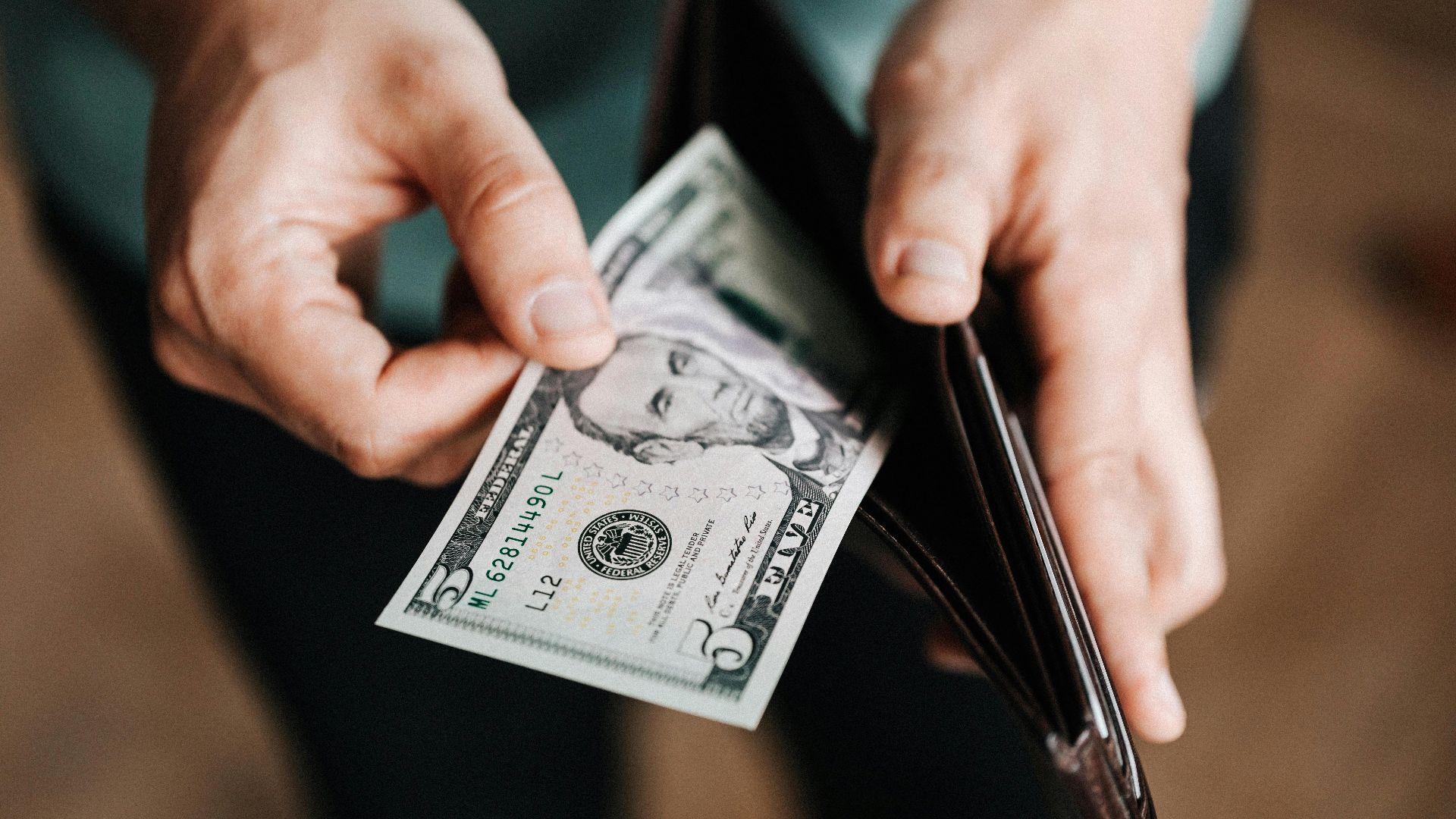
Yes—this is the key point. In the United States, all Federal Reserve notes ever issued are still legal tender. That means your 1980s bills are absolutely valid and can still be used or deposited without expiration.
Then Why Did the Teller React That Way?
Because older bills don’t look like modern currency. US money has gone through multiple redesigns, especially since the 1990s. So when older bills show up, tellers often take extra time to verify they’re genuine.
What Makes Older Bills Look Suspicious?
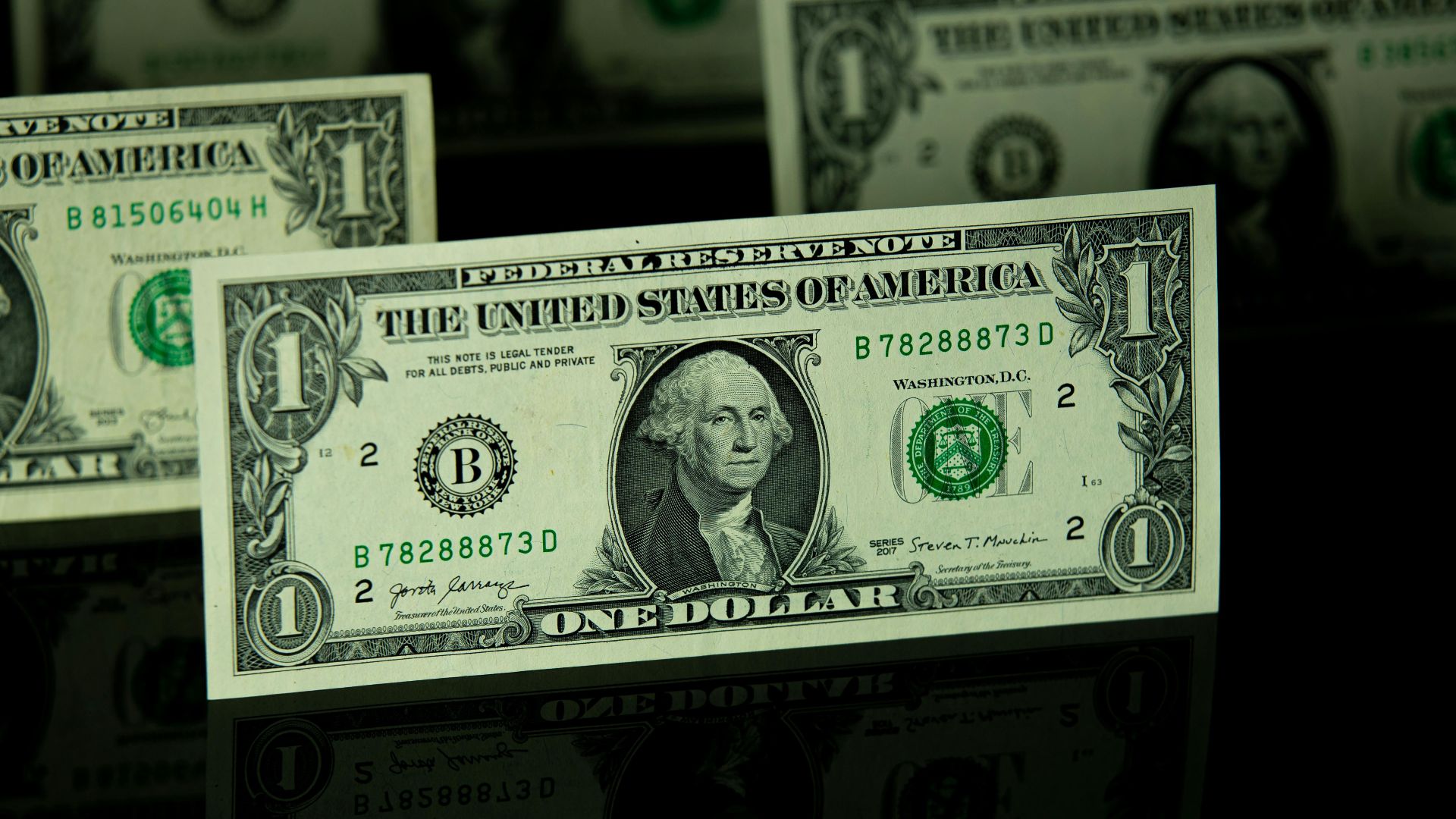
Older bills lack modern security features like color-shifting ink, security threads, and watermarks. To someone trained on newer currency, these missing features can initially make legitimate bills look questionable.
Counterfeit Detection Has Changed Over Time
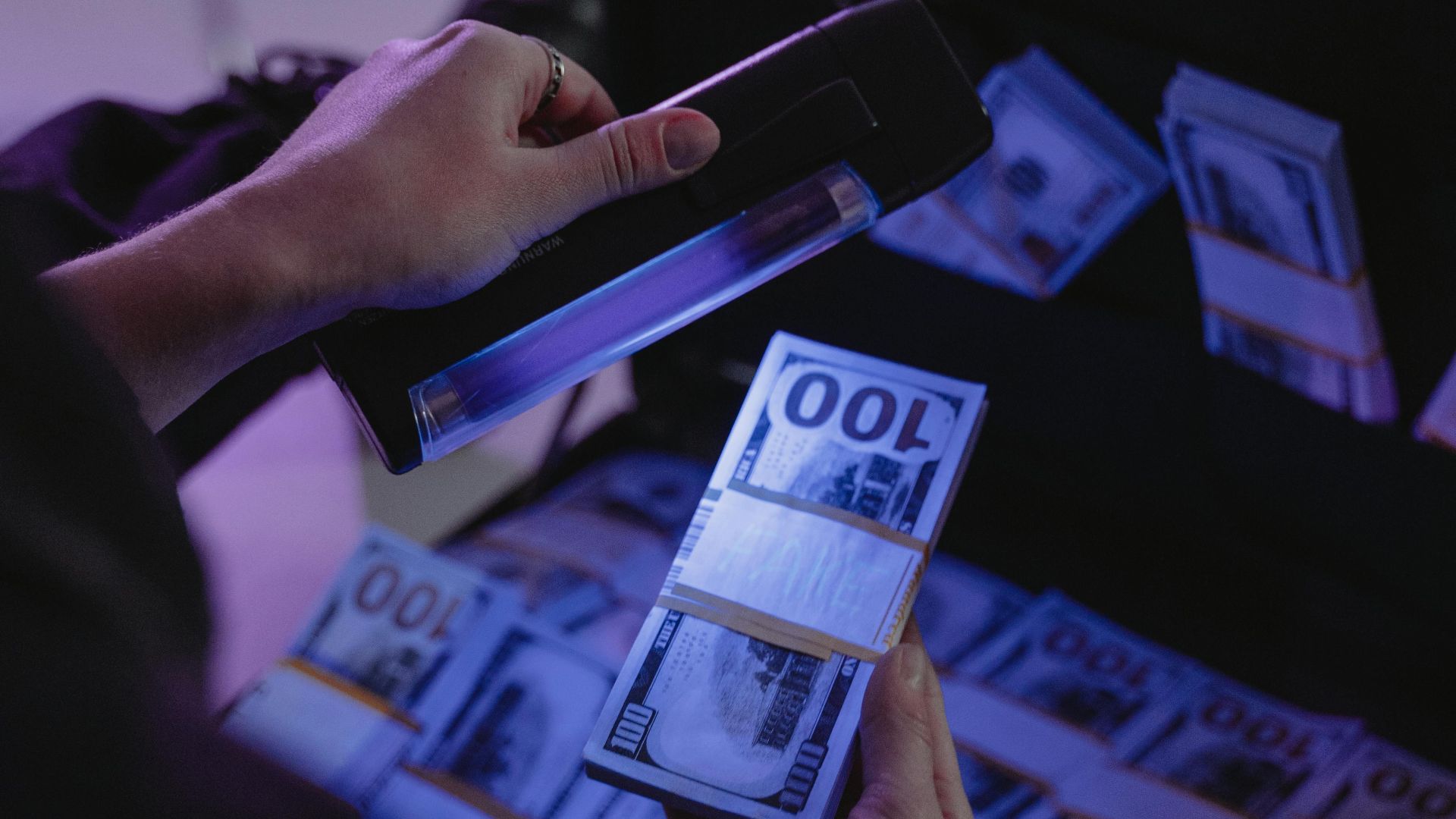
Modern counterfeit detection relies heavily on newer design elements. When those features aren’t present—as with older bills—bank staff must rely on older verification methods, which can slow things down and raise caution.
Are Older Bills More Likely to Be Counterfeited?
Not necessarily—but they can be easier targets. Because older designs are simpler, they may lack the advanced anti-counterfeiting measures found in newer bills, which is why banks scrutinize them more closely.

Why Banks Take Extra Time With Them
Banks are responsible for detecting counterfeit money. If a teller accepts fake bills, the bank can lose that money. So when something unusual appears—like older currency—they slow down and verify carefully.
What Happens During Verification?
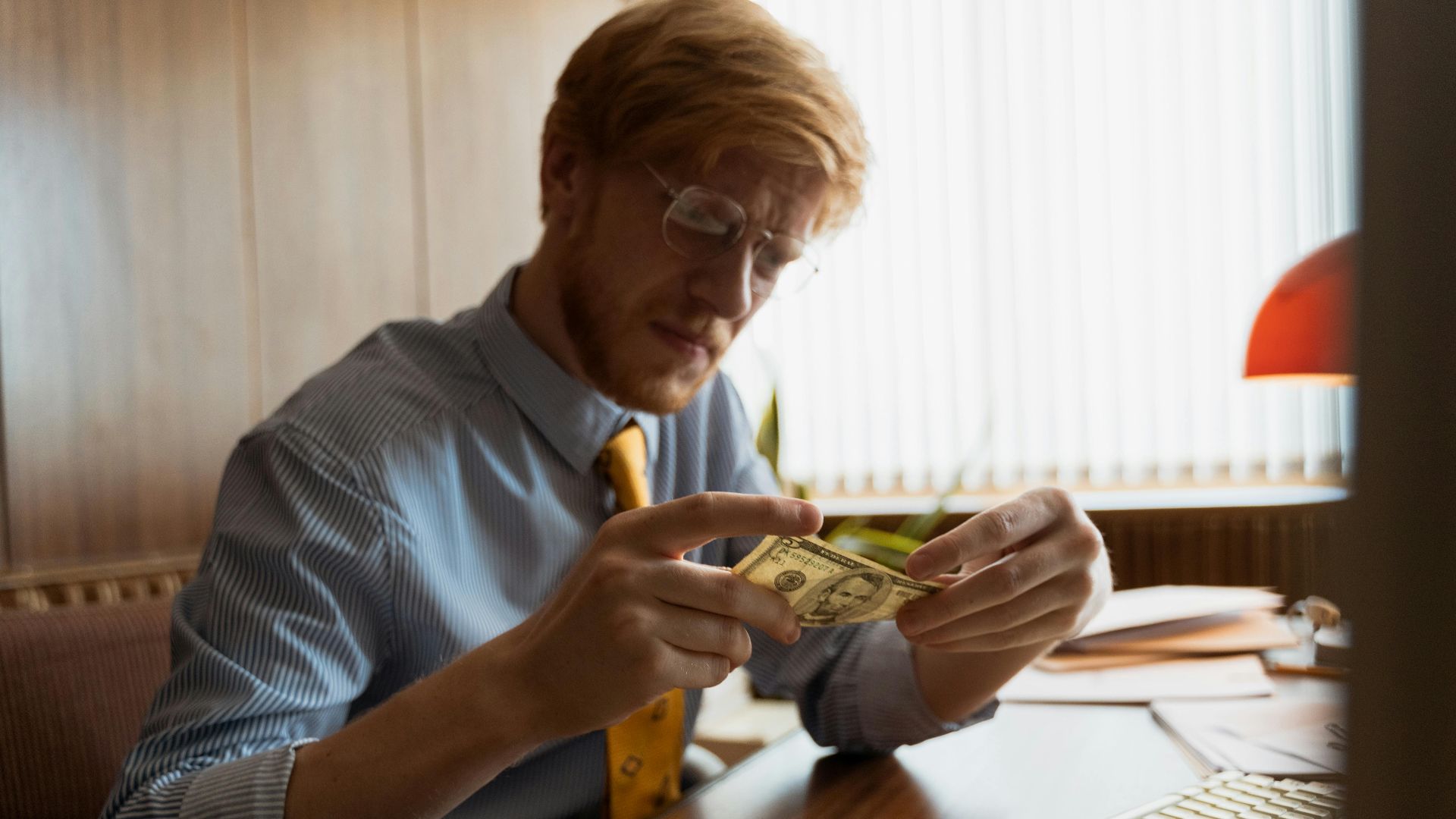
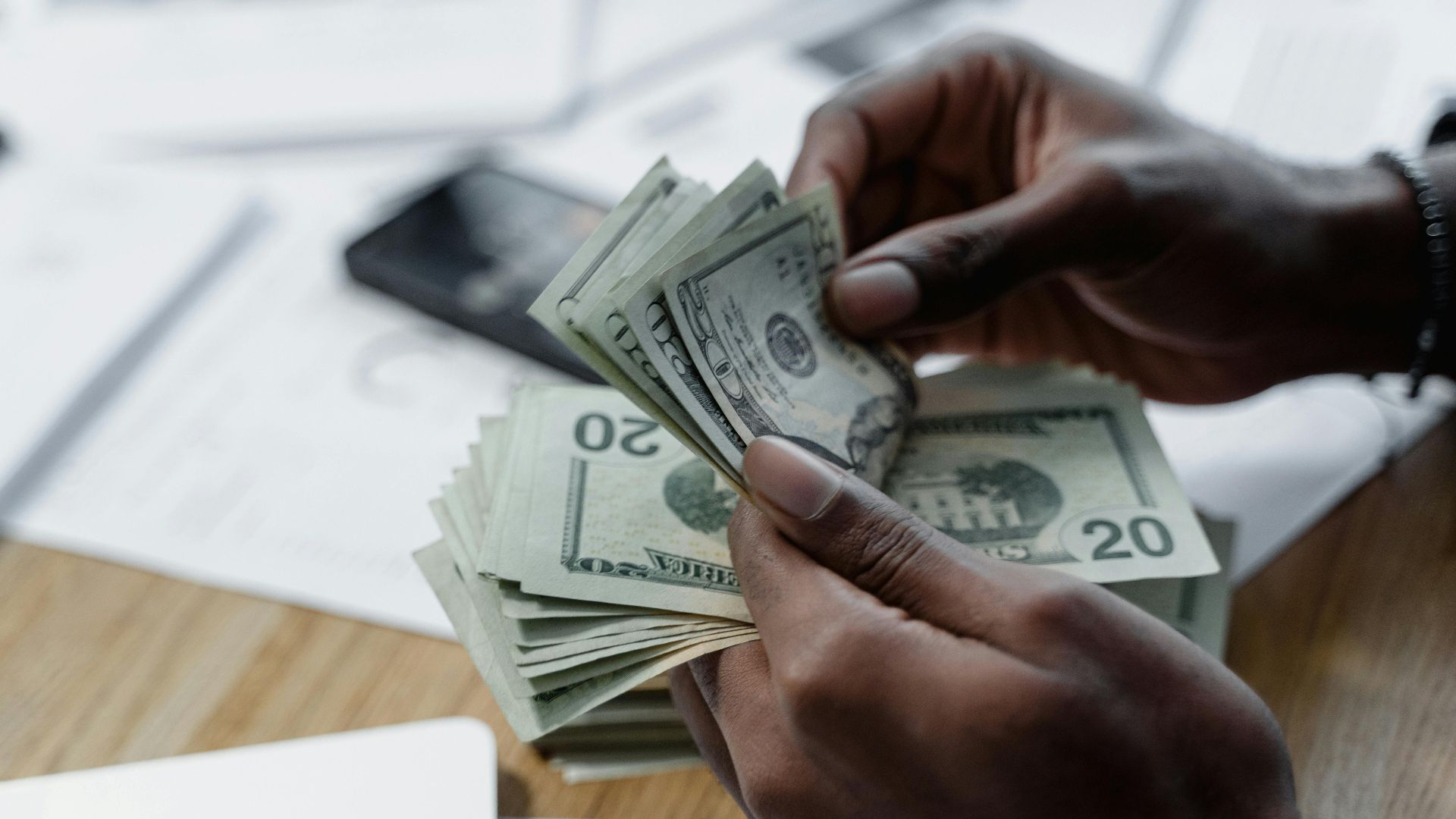
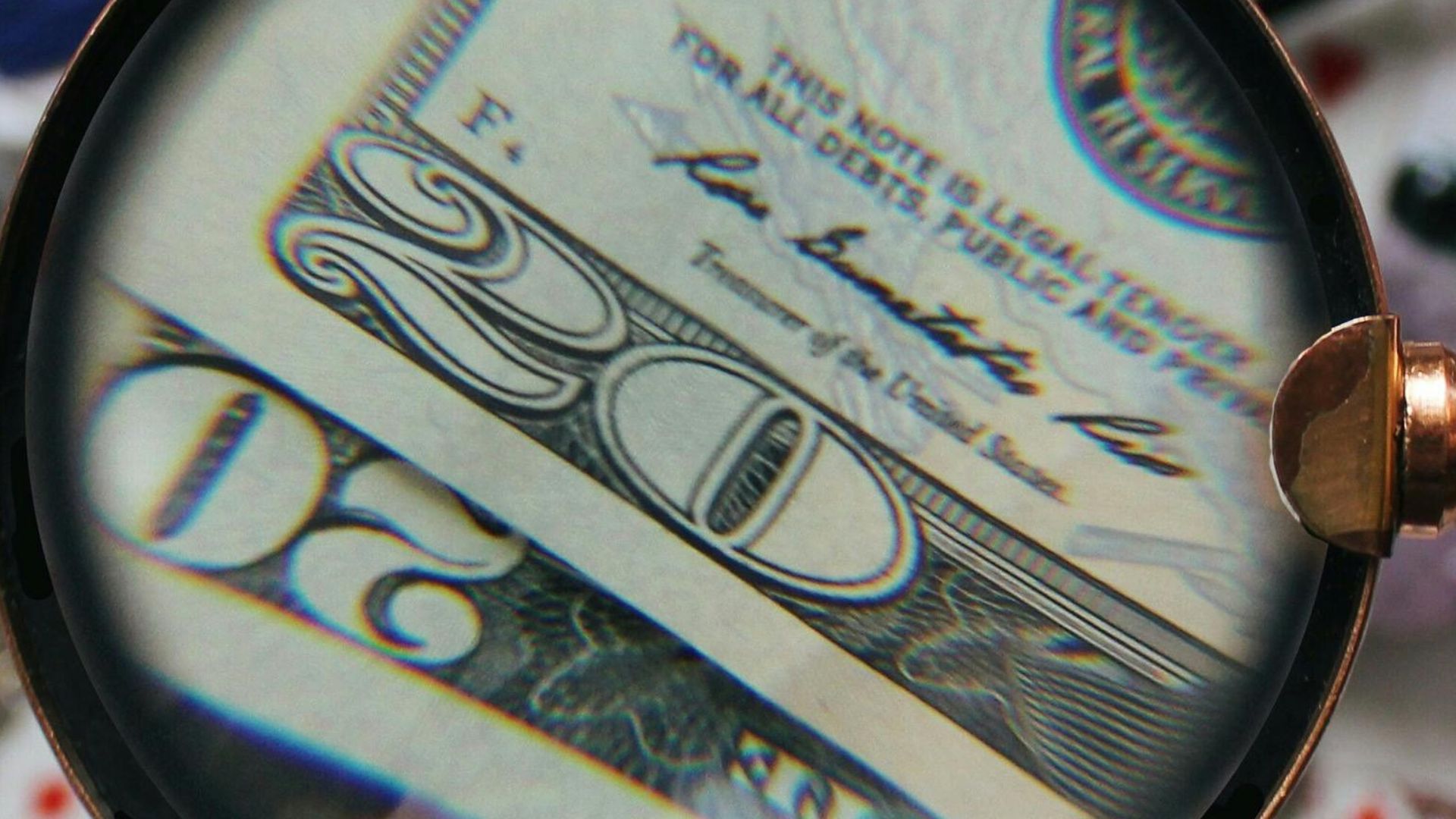
The teller may check the paper texture, print quality, serial numbers, and historical design details. In some cases, they may even consult a supervisor or use specialized tools to confirm authenticity.
Could They Refuse to Accept Them?
In rare cases, yes—but usually only temporarily. If the teller isn’t confident, they may hold the bills for further inspection. If confirmed genuine, they should still be accepted as valid US currency.
Are You in Trouble for Bringing Them In?
No. Bringing in older bills is completely legal. The scrutiny is about the money itself—not you. Most situations like this are resolved quickly once the bills are verified.
What About Depositing vs. Spending?
Banks may be more cautious during deposits because they’re formally accepting the money. Retail stores, on the other hand, may simply refuse older bills if employees aren’t familiar with them—even though they’re still valid.
Why You Don’t See These Bills Often
Older bills gradually disappear from circulation as banks remove worn or outdated currency. That’s why seeing a large batch from the 1980s is uncommon—and why it stands out.
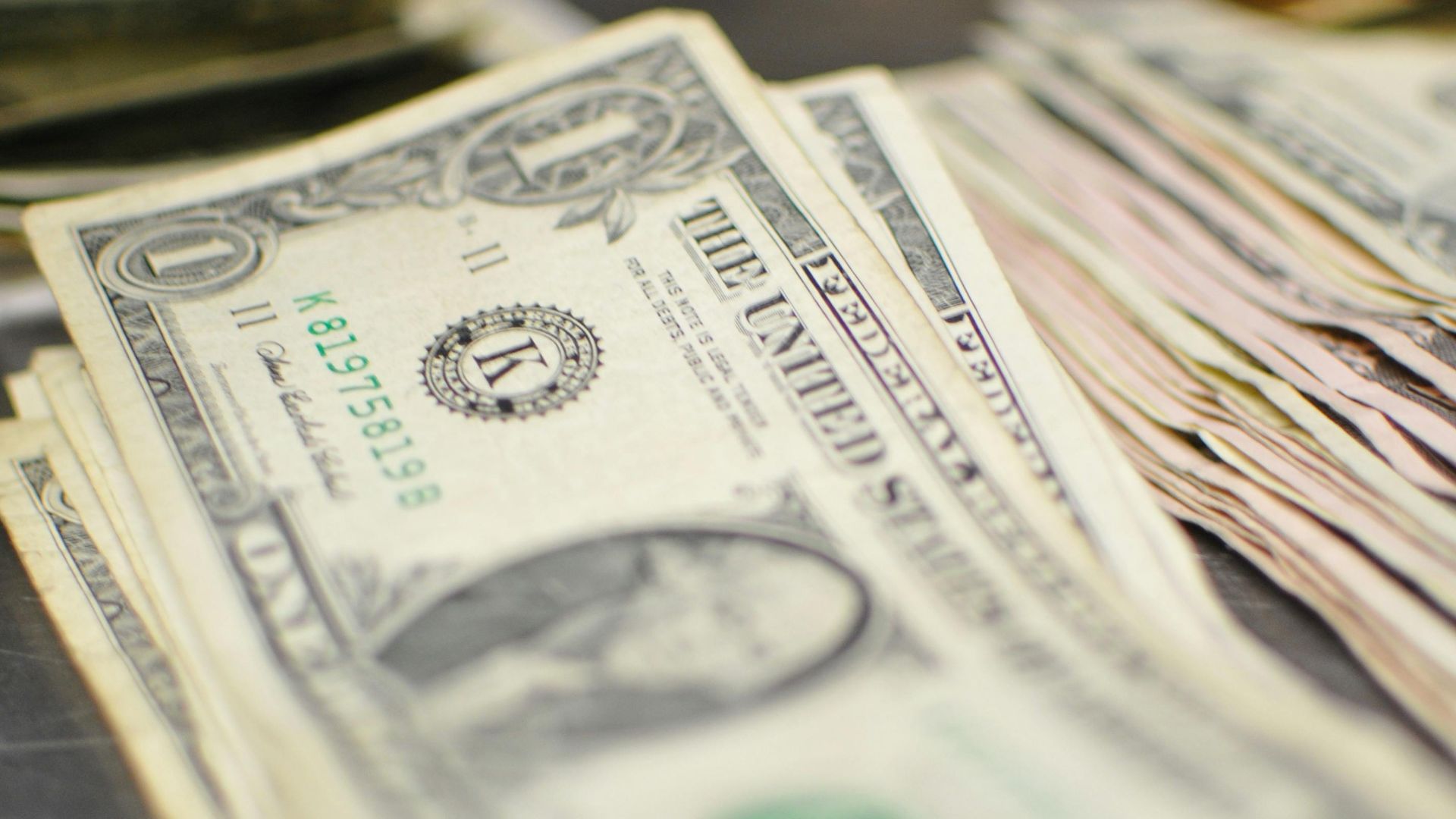
Could the Age of the Bills Raise Questions?
Yes, especially if there’s a large amount. Banks may wonder where the money came from, since older bills typically aren’t circulating widely anymore. That doesn’t mean suspicion—it just means curiosity and compliance.
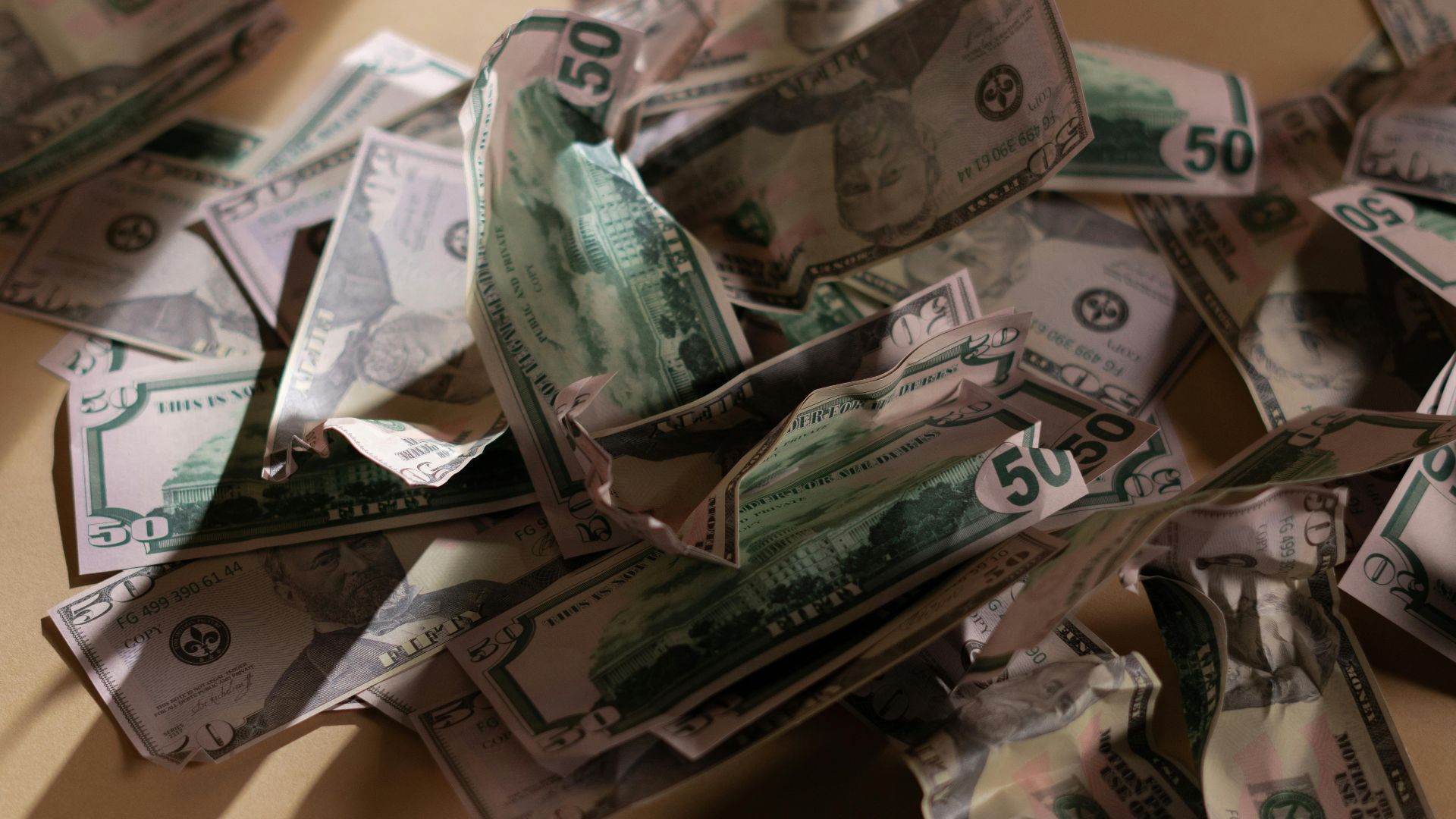
What If the Bills Are Damaged?
If older bills are torn, worn, or faded, they may be sent to the US Treasury for evaluation. You can still get value for them, but the process may take longer.
How This Differs in Canada
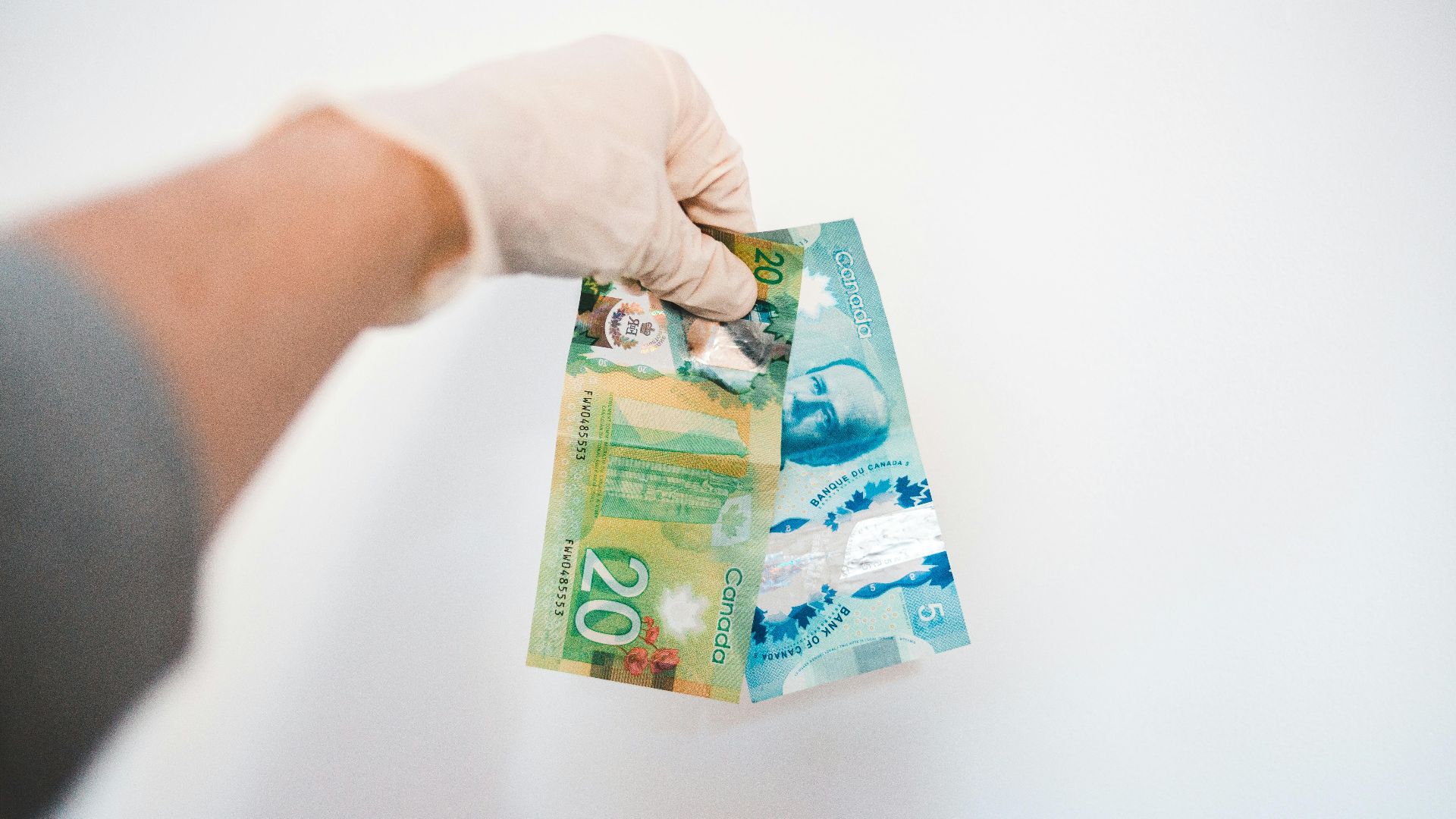
Canada is stricter with older currency. While most Canadian bills remain legal tender, some older series have been withdrawn from circulation. Banks may still accept them, but you may need to exchange them through the Bank of Canada.
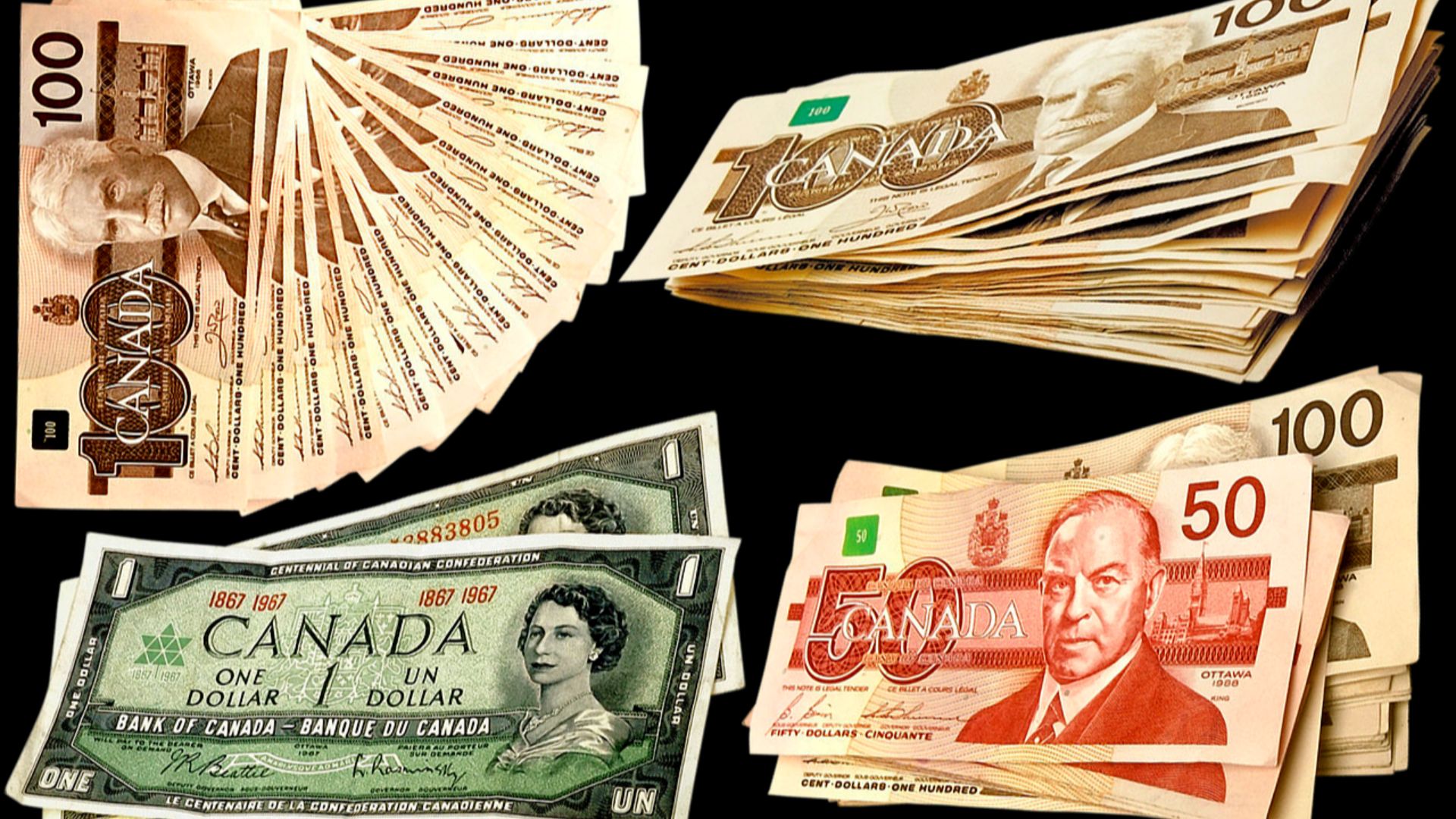
Why Canadian Bills Are Treated Differently
Canada has fully transitioned to polymer (plastic) banknotes, which include advanced security features. Older paper bills are more likely to be flagged or removed from use compared to US currency.
Should You Have Warned the Teller First?
It can help. Letting the teller know you’re depositing older currency upfront can set expectations and make the process smoother, especially if you have a large amount.

So… Why Did This Feel Like Counterfeit Suspicion?
Because the teller was doing their job. When something doesn’t match modern currency standards, they’re trained to pause and verify. It can feel intense—but it’s routine procedure.
So… Are Your 1980s Bills Still Good?
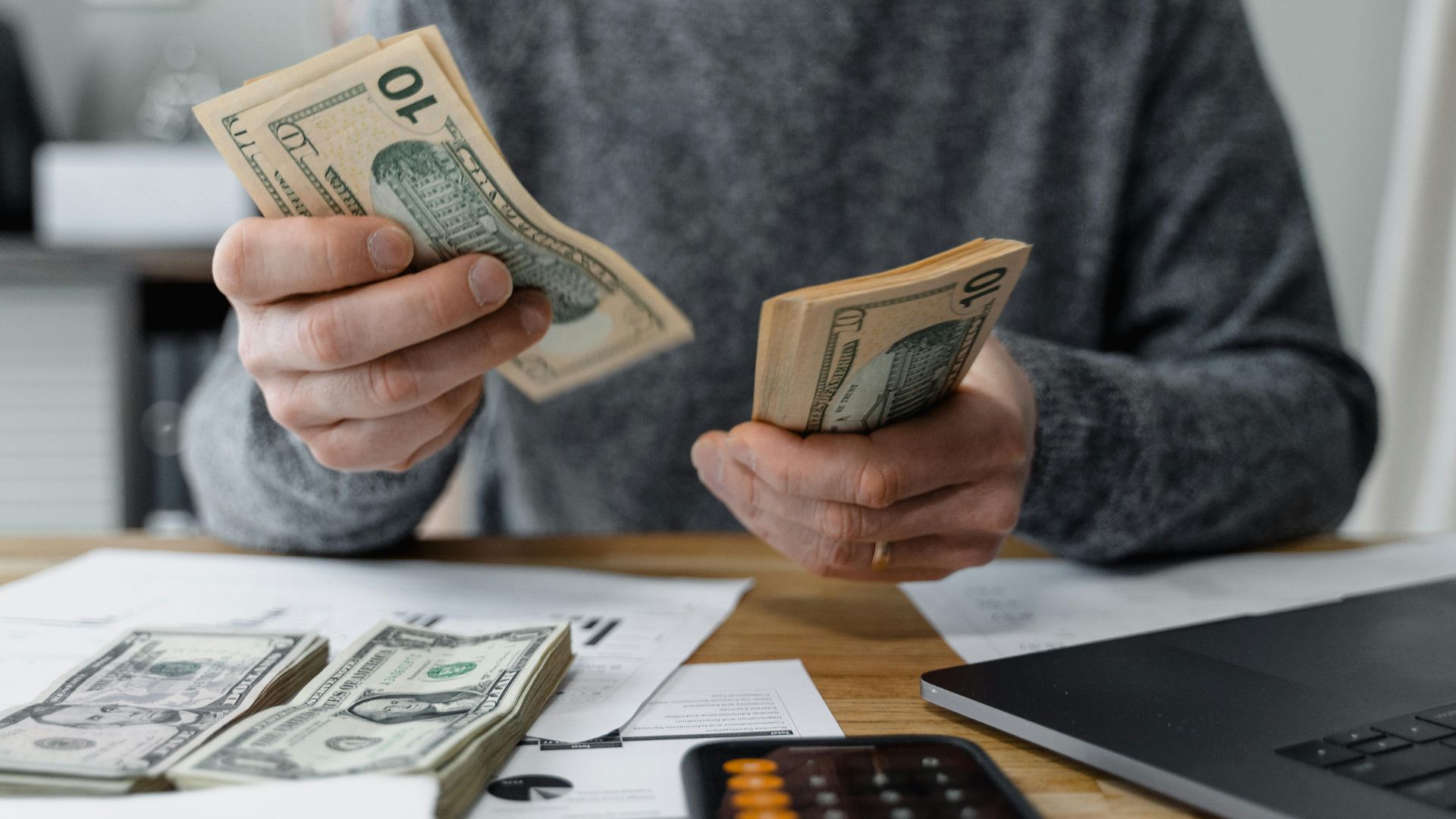
Yes. In the US, they are fully valid legal tender. The hesitation wasn’t about expiration—it was about verification and ensuring the bills were authentic.

The Bottom Line Before You Bring in Old Cash Again
Your old bills are still worth full value—but they may attract extra attention. Banks aren’t rejecting them—they’re just making sure everything checks out before accepting something they don’t see every day.

You May Also Like: