It sounded like a smart move at first
Skipping banks can feel like taking control. No overdraft fees, no account minimums, and no one watching your transactions. For a lot of people, it seems simpler and safer. But there’s a hidden downside most don’t realize until it quietly starts adding up over time.

It’s more common than you think
This isn’t a rare situation. According to the FDIC, about 4.2% of U.S. households are unbanked and 14.2% are underbanked, meaning millions of people don’t fully rely on traditional banks for everyday financial needs.
And it’s not always for the same reason
Some people avoid banks for privacy or control. But many are pushed out instead. The FDIC says the most common reason is not having enough money to meet minimum balance requirements, followed by not trusting banks.
The problem isn’t earning money, it’s using it
Even without a bank account, money still has to move. Paychecks, benefits, and refunds all need to be received and spent somehow. That’s where the system starts quietly charging you at multiple steps along the way.

You still need a way to get paid
Without direct deposit, most employers will pay you with a paper check or a payroll card. Both give you access to your money, but neither option is always free to actually use in everyday situations.

Cashing a paycheck usually isn’t free
If you don’t have a bank, you’ll likely use a check-cashing service or retailer. These places typically charge 1% to 10% just to turn your paycheck into cash you can actually spend on bills, rent, and daily expenses.

A small fee doesn’t stay small
Say you make $800 a week and pay a 2% fee. That’s $16 per paycheck. Over a year, that adds up to more than $800 lost, just to access money you already earned. That’s basically working an entire week every year just to be able to use your own paycheck.

And that’s actually on the low end
In some areas, fees can be closer to 5% or more depending on the service used. On the same income, that could mean losing $2,000 or more per year just from cashing your paycheck alone.

Payroll cards can come with strings attached
Some employers offer prepaid payroll cards instead of checks. They sound convenient at first, but many come with monthly fees, transaction charges, and limits on withdrawals. You may even be charged to check your balance or contact customer service.

ATM withdrawals add another layer
Out-of-network ATM fees usually run $2 to $5 per withdrawal, and sometimes more when card fees are added. If you rely on cash regularly for groceries or gas, those charges can build up faster than expected over time.
Everyday transactions can come with fees
Without a bank account, paying bills often means using money orders or third-party services that charge small per-transaction fees. Reloading prepaid cards can also cost extra, adding even more to routine expenses over time.
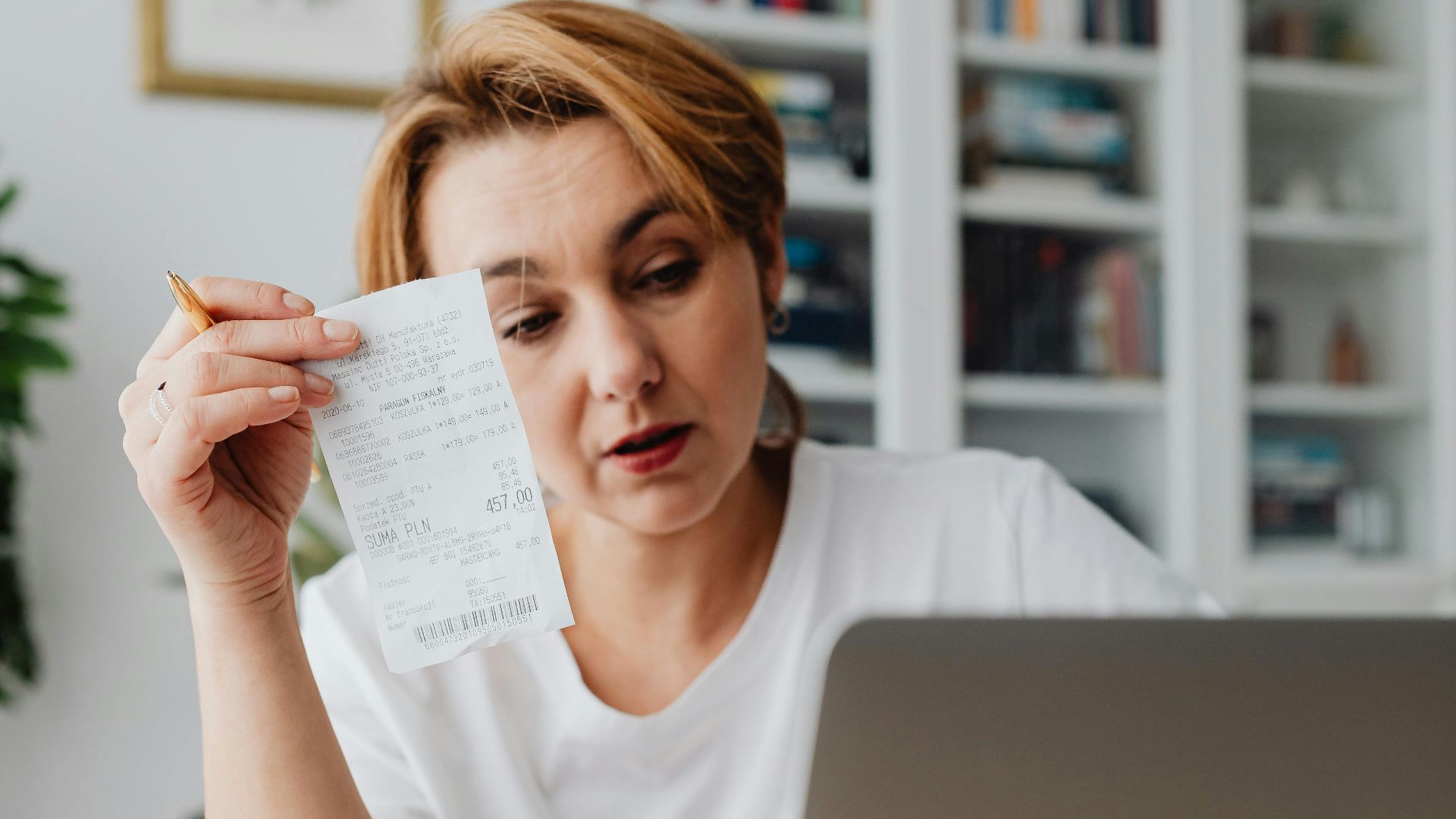
The fees are small, but constant
Individually, these charges don’t seem huge. But they happen repeatedly. Week after week and month after month, they quietly chip away at your income without always being obvious at first.

Then there’s the cost of borrowing
Without a bank account, access to traditional credit options can be limited. That’s where payday loans and short-term cash advances often come in, and that’s where costs can increase dramatically for many people.

Payday loans are extremely expensive
Many payday loans come with APRs of 300% to 400% or more. Even borrowing a few hundred dollars can result in paying back far more than expected once fees and interest are fully added.

One loan can turn into a cycle
If you can’t repay the full amount right away, you may roll it over or take another loan. This cycle can quickly lead to hundreds or even thousands per year in fees and interest payments.

This is how the total climbs so high
When you combine check-cashing fees, prepaid card charges, ATM withdrawals, bill payment costs, and borrowing expenses, it becomes easy to reach $2,000 or more per year just to manage your money.
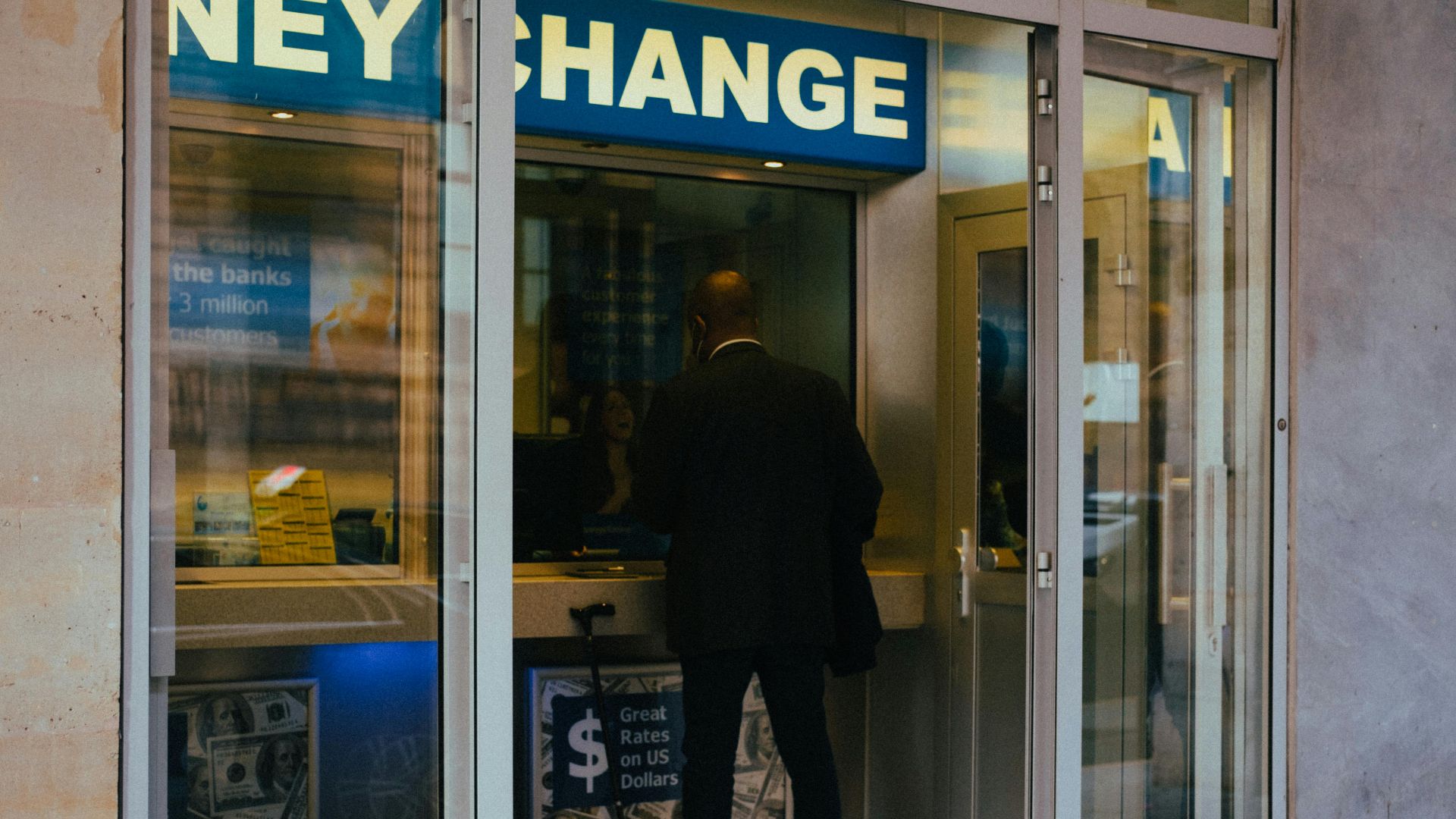
Millions of people deal with this
According to the FDIC, millions of households rely on these alternative financial services. Many face higher costs, fewer consumer protections, and limited access to safer, lower-cost financial tools.

It’s not always easy to just open an account
Barriers can include minimum balance requirements, lack of proper ID, or past banking issues. Systems like ChexSystems track account problems, meaning some people can be denied a new account even if they want one.

Avoiding banks can cost more
Trying to avoid bank fees can seem logical at first. But in many cases, it leads to paying more through alternative services where the fees are spread out and less obvious over time.

There are lower-cost options out there
Credit unions, second-chance accounts, and some online banks offer low-fee or no-fee options. These can reduce costs significantly, though access and awareness still vary widely by location and income level.

So is this actually legal?
Yes, these fees are legal because they are charged by private companies providing financial services. The bigger question is whether the system is fair or if there are better ways to reduce these costs.
The real takeaway
Not having a bank account might feel like more control and privacy. But in many cases, it means paying extra just to use your own money, and those small, constant fees can quietly turn into thousands every year.
You Might Also Like: