
A Costly Reality Check
You might want to sit down for this. Across the U.S., the income needed to live comfortably has quietly pulled away from what most people actually earn. When you compare the “living wage” to the median income in each state, the gap isn’t small—and in many places, it’s shockingly large.

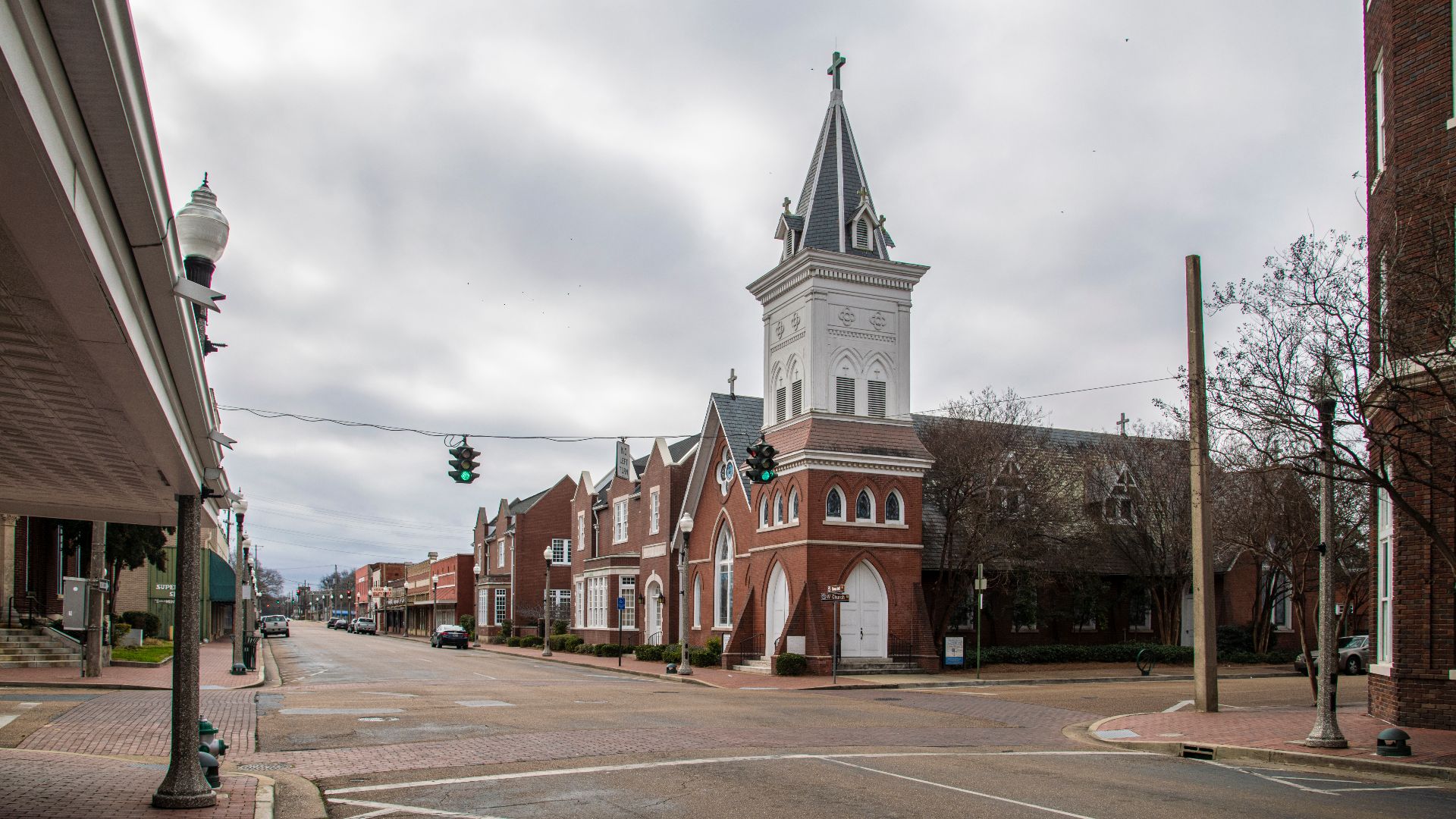
50: Mississippi
Living wage: $68,000
Median income: $52,000
Gap: ~$16,000
Mississippi looks affordable on paper, but even here, many families are still stretching every dollar to cover basics, leaving little room for savings or unexpected expenses.
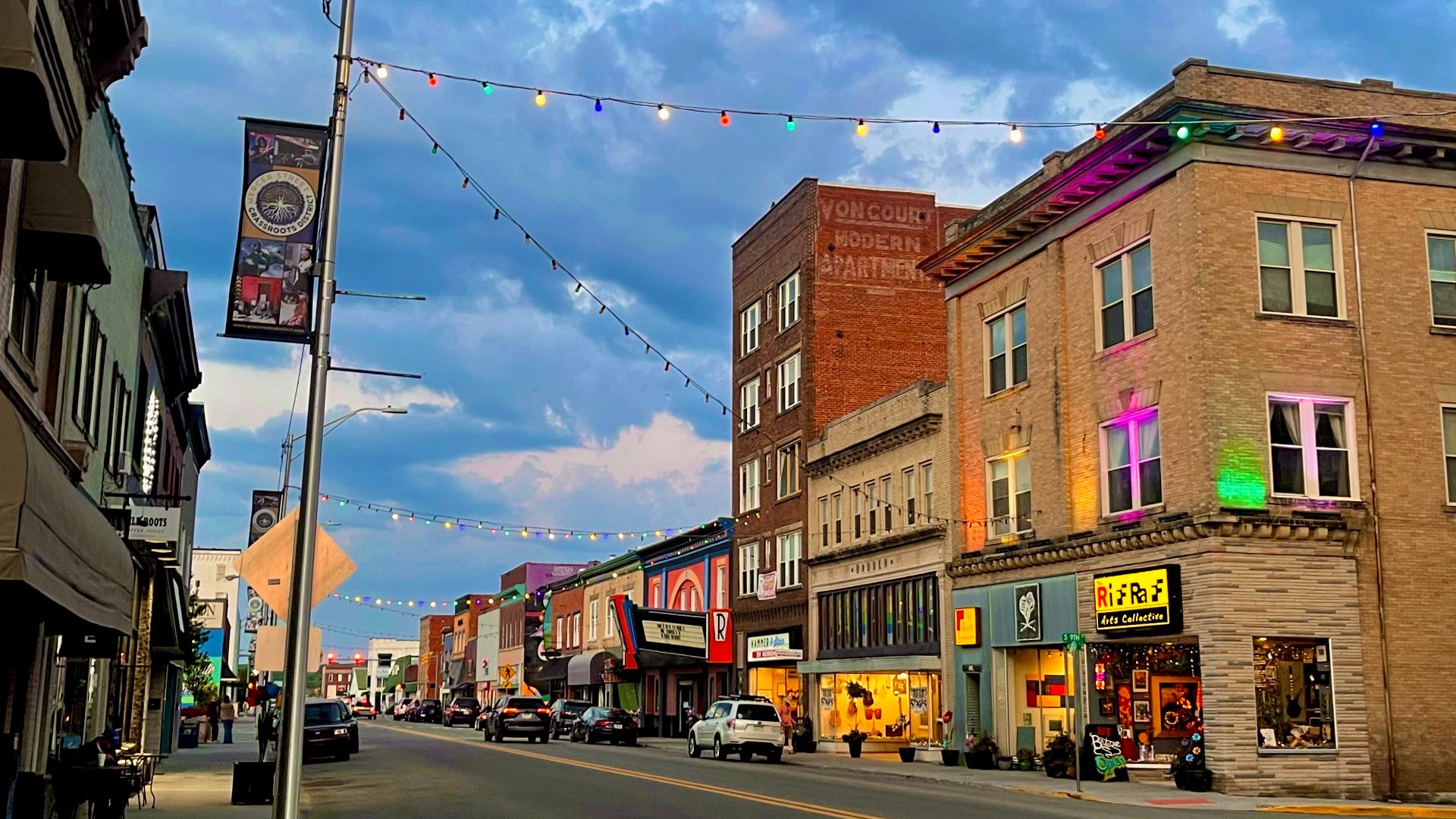
49: West Virginia
Living wage: $70,000
Median income: $54,000
Gap: ~$16,000
Lower costs help narrow the gap, but incomes are still modest, meaning many households feel financially stable only as long as nothing unexpected goes wrong.
 Princetonnative, Wikimedia Commons
48: Arkansas
Living wage: $72,000
Median income: $56,000
Gap: ~$16,000
Affordable housing keeps Arkansas relatively balanced, but wages remain low enough that many families still feel pressure when it comes to long-term financial security.
 EurekaSpringsAR, Wikimedia Commons
47: Oklahoma
Living wage: $74,000
Median income: $58,000
Gap: ~$16,000
Oklahoma’s cost-to-income balance is better than most, but even here, families are increasingly noticing that everyday expenses are rising faster than their paychecks.

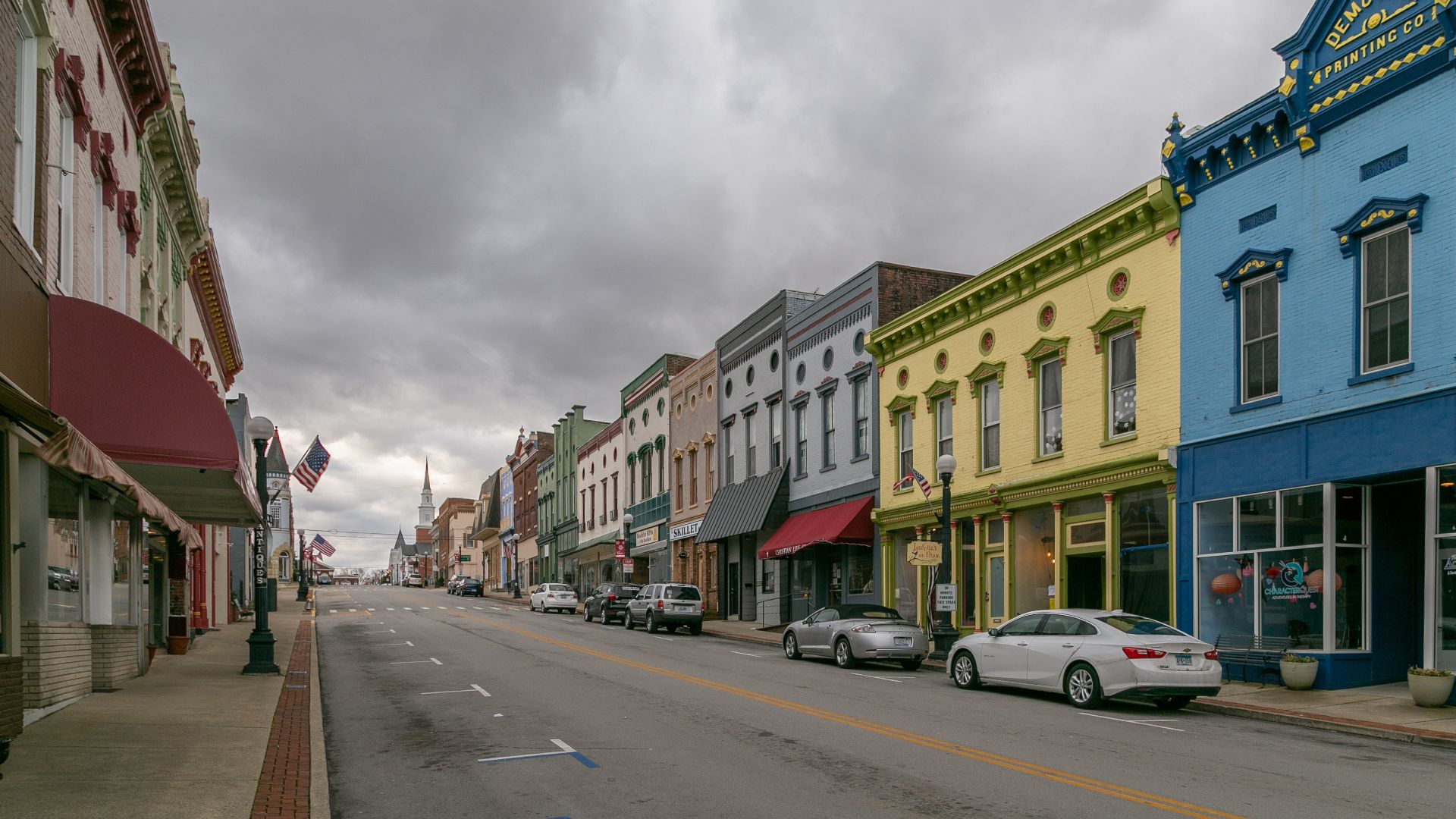
46: Kentucky
Living wage: $76,000
Median income: $60,000
Gap: ~$16,000
Costs remain moderate, but wage growth hasn’t kept up enough to eliminate financial stress, especially for households trying to save or get ahead.
 Christopher L. Riley, Wikimedia Commons
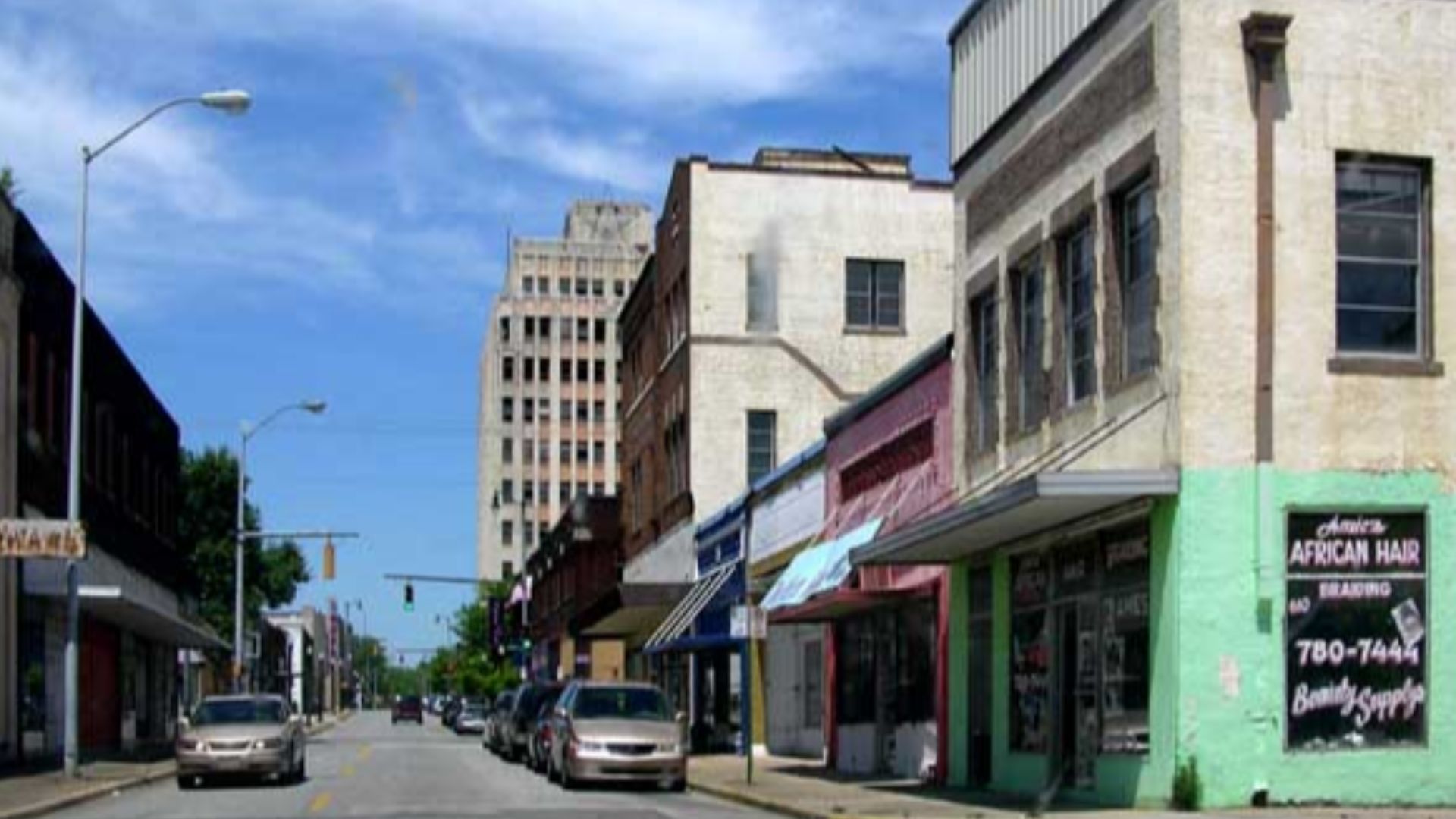
45: Alabama
Living wage: $78,000
Median income: $61,000
Gap: ~$17,000
While still relatively affordable, Alabama is seeing slow but steady increases in everyday costs, making it harder for incomes to stretch as far as they once did.
 Patriarca12, Wikimedia Commons
44: Louisiana
Living wage: $80,000
Median income: $62,000
Gap: ~$18,000
Rising insurance, utilities, and other hidden costs are quietly widening the gap, even in a state that has traditionally been considered affordable.
 Domenico Convertini, Wikimedia Commons
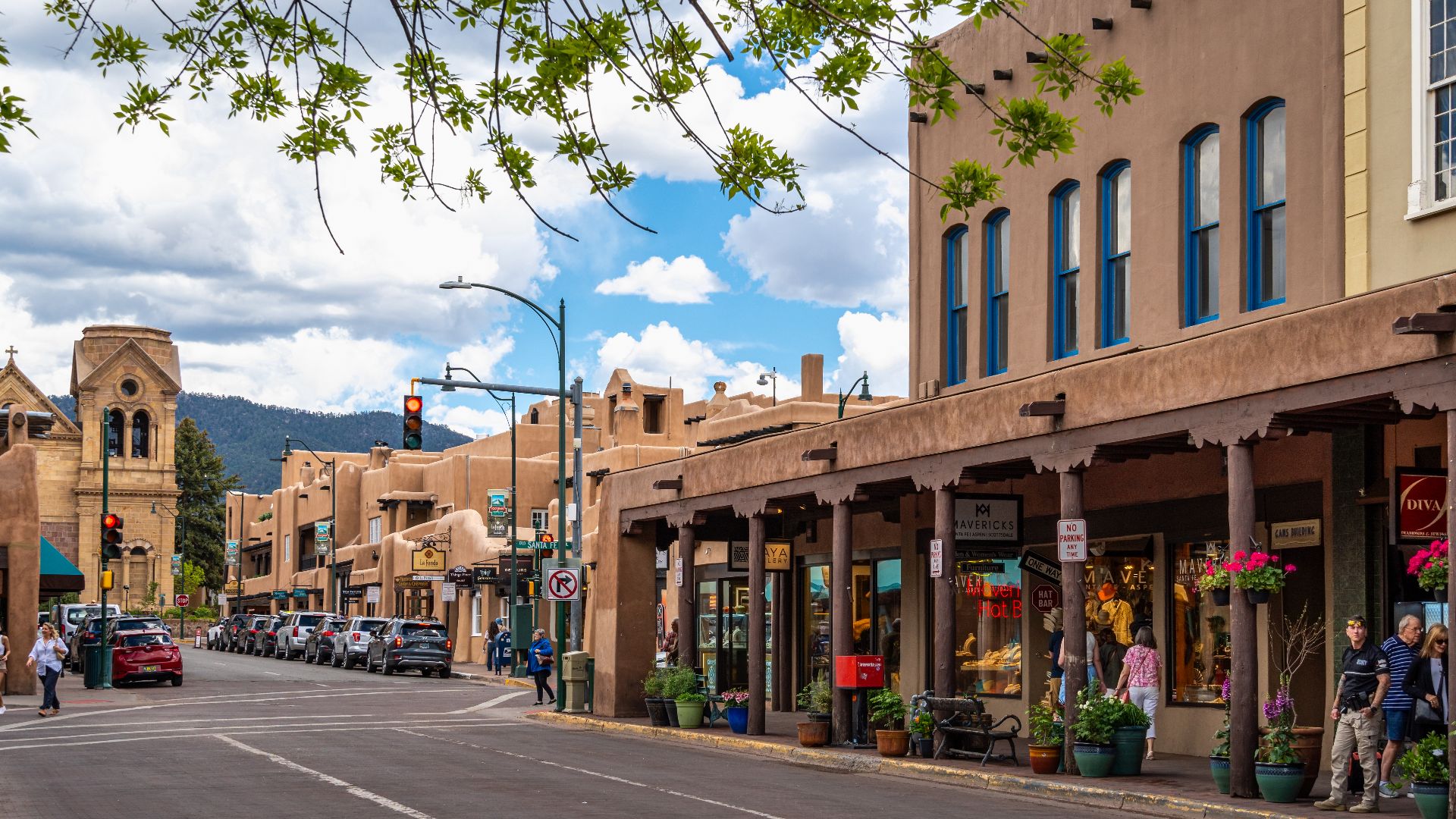
43: New Mexico
Living wage: $82,000
Median income: $64,000
Gap: ~$18,000
Moderate costs help, but wages still lag behind what’s needed for real financial comfort, especially for families trying to build savings.
 dconvertini, Wikimedia Commons
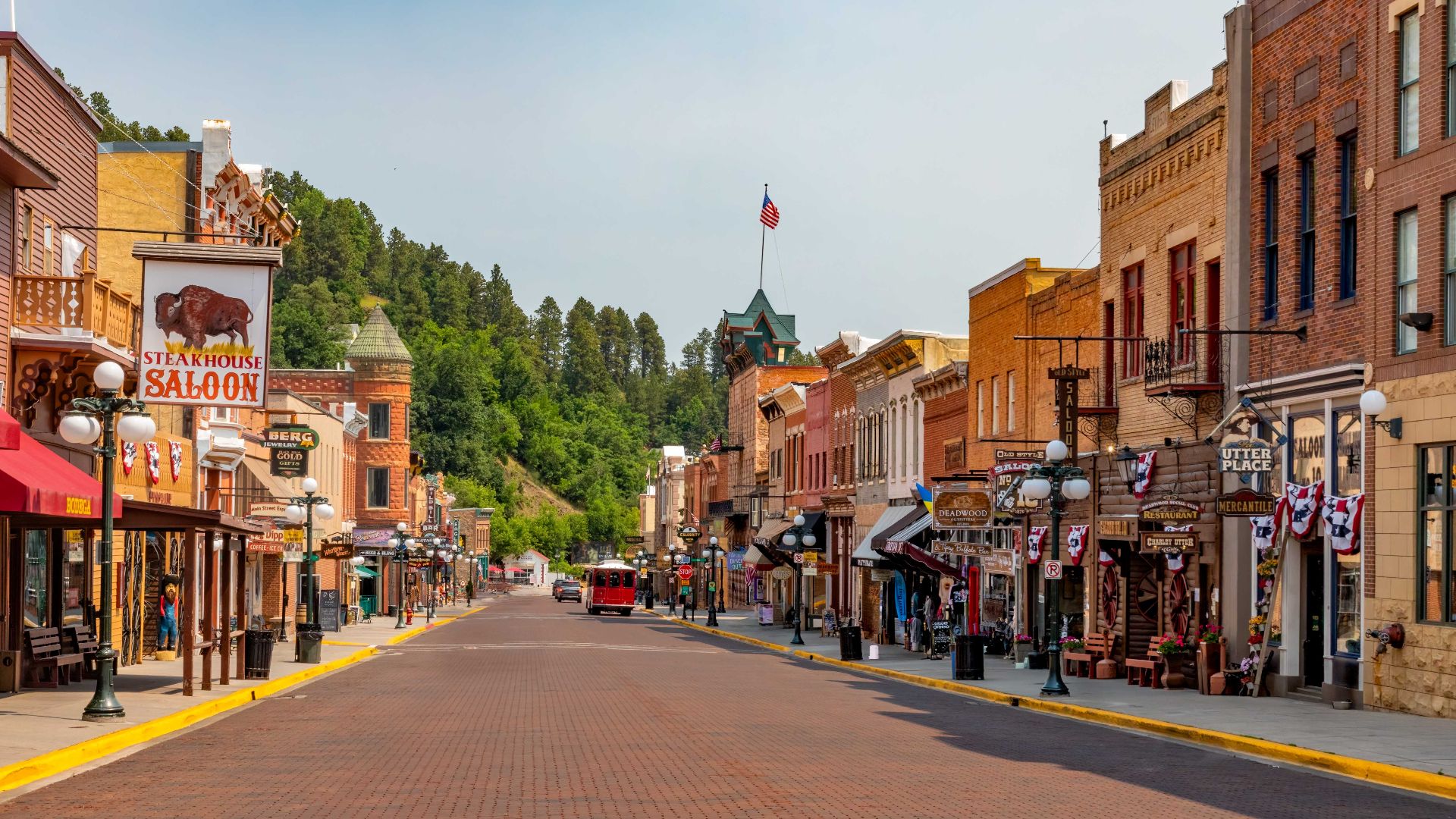
42: South Dakota
Living wage: $84,000
Median income: $66,000
Gap: ~$18,000
Low taxes provide some relief, but increasing housing costs are slowly eroding that advantage, leaving many residents feeling the squeeze.
 Robbschultz69, Wikimedia Commons
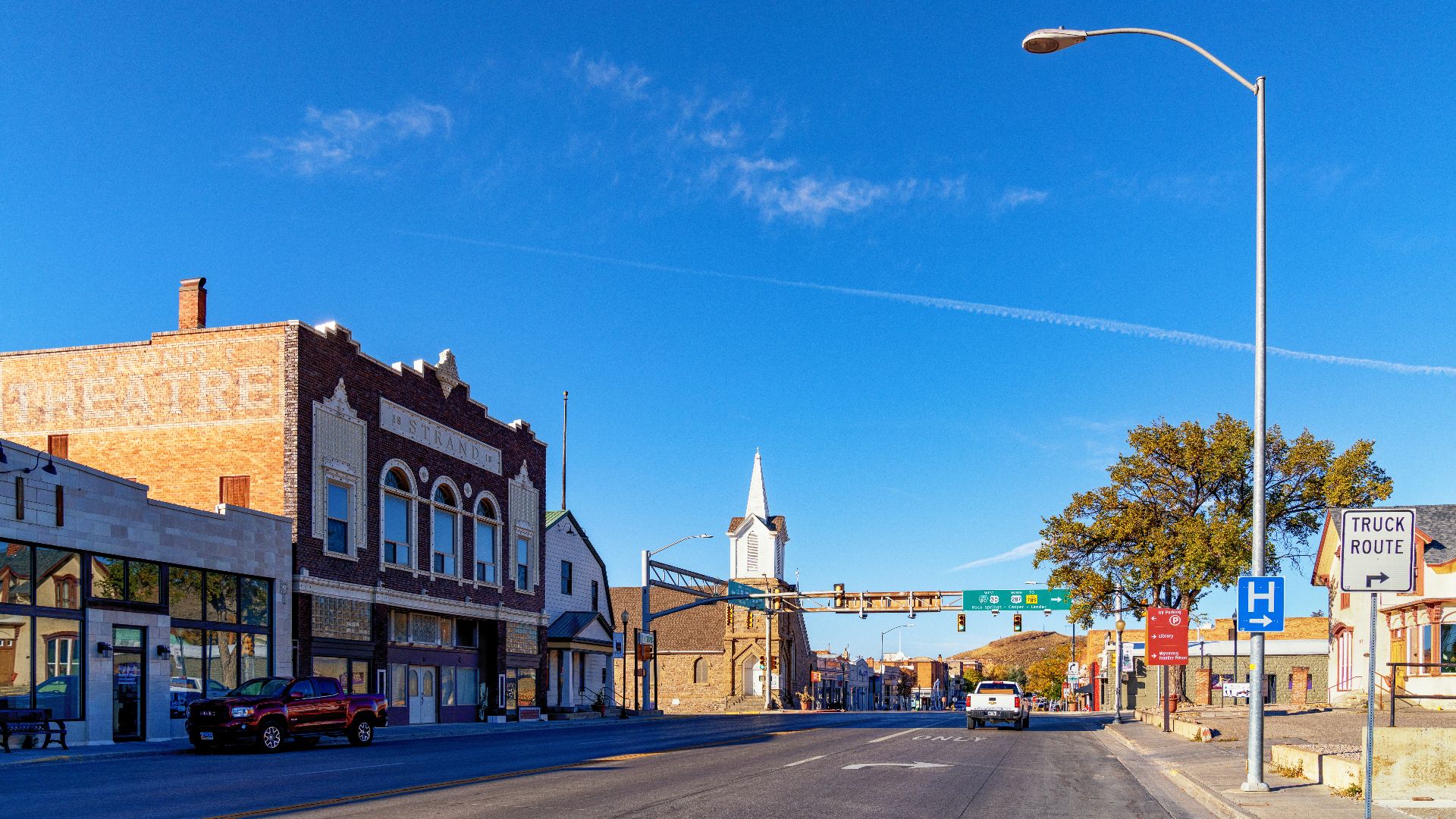
41: Wyoming
Living wage: $86,000
Median income: $68,000
Gap: ~$18,000
Wyoming benefits from low taxes, but wages haven’t fully caught up to modern living costs, especially for families with growing expenses.
 Tony Webster from Laramie, Wyoming, United States, Wikimedia Commons
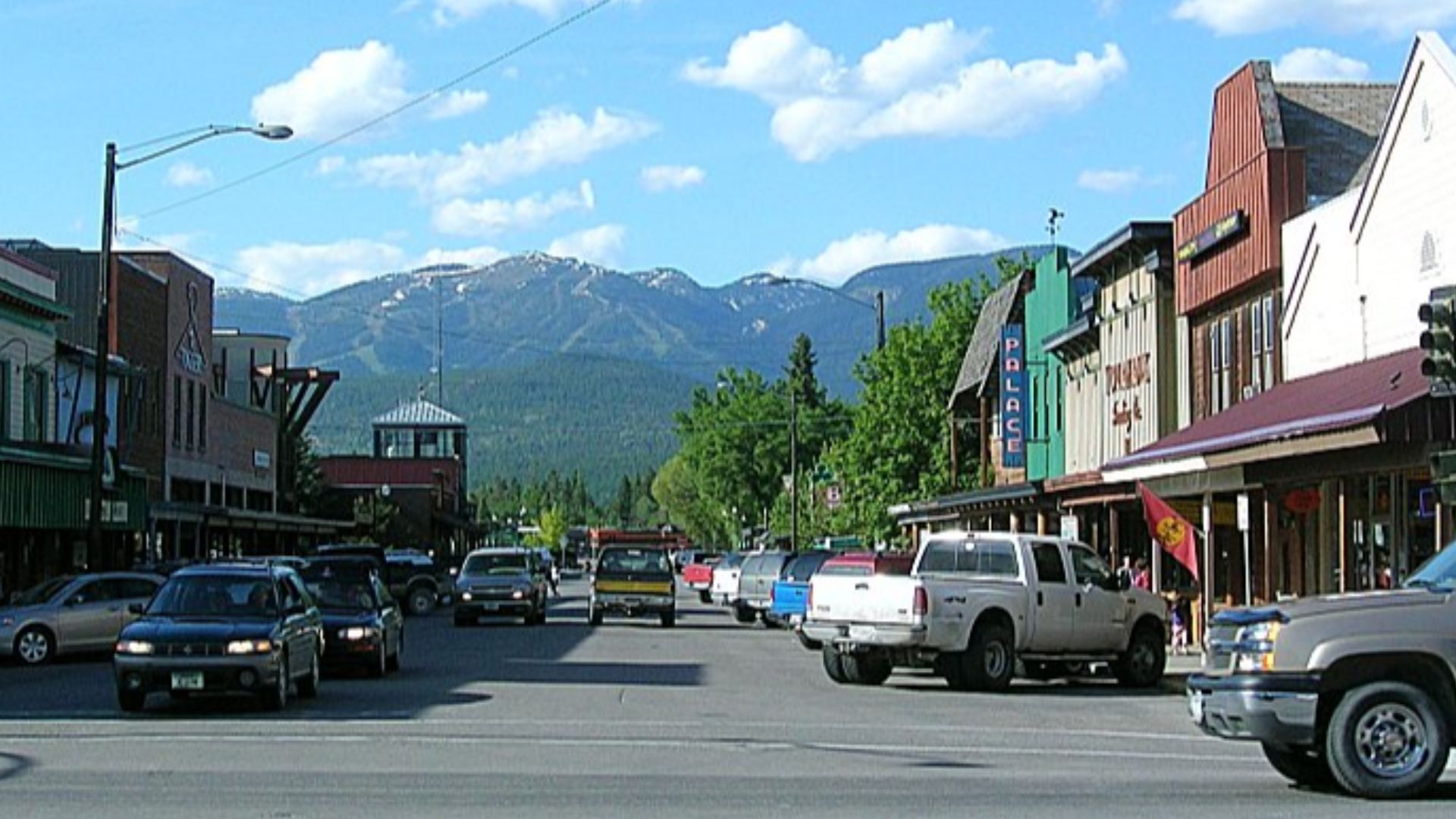
40: Montana
Living wage: $88,000
Median income: $69,000
Gap: ~$19,000
Housing prices have surged in recent years, making it harder for local incomes to keep up with demand driven by new residents.
 WikiCapa at English Wikipedia, Wikimedia Commons
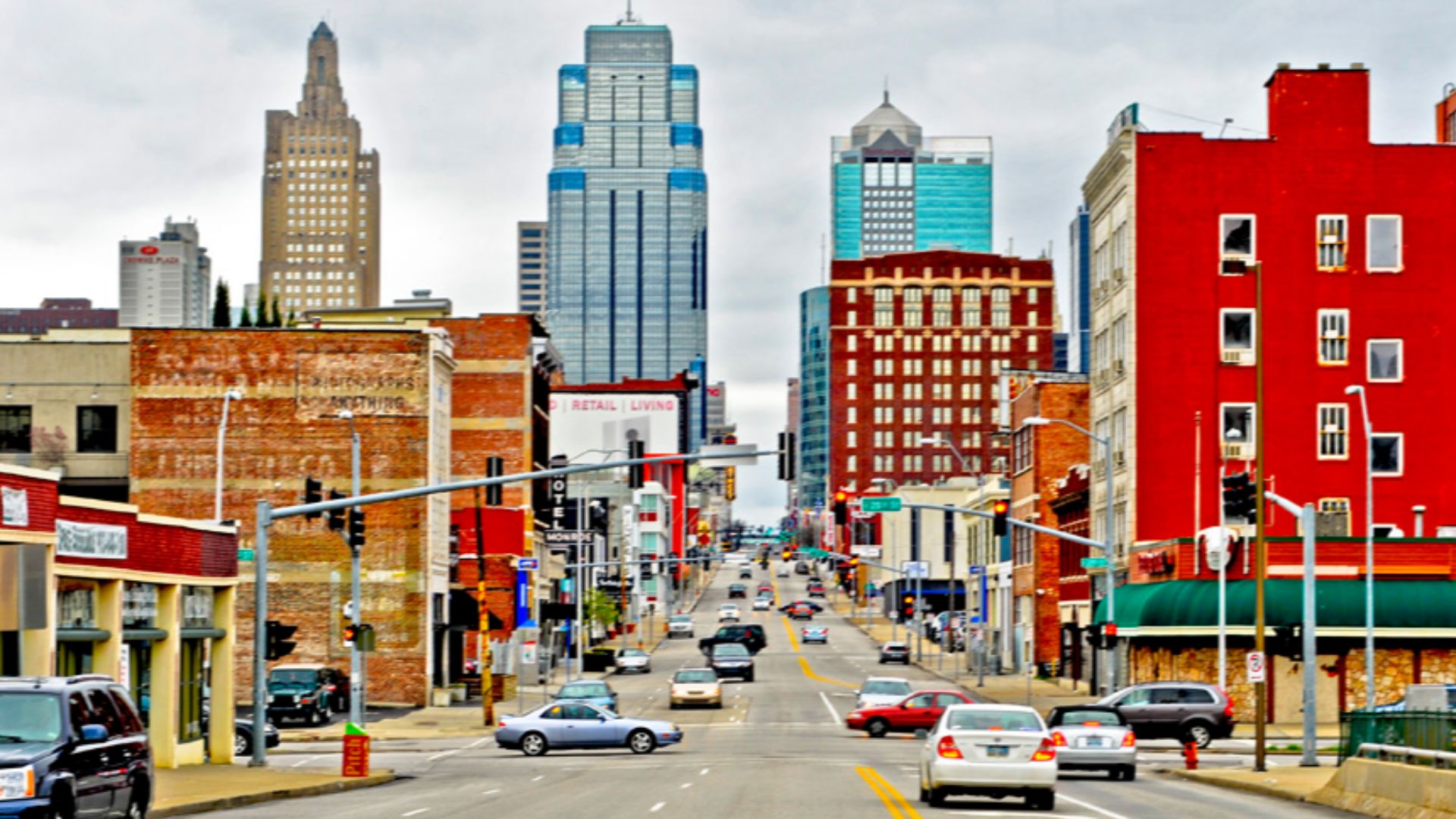
39: Kansas
Living wage: $89,000
Median income: $70,000
Gap: ~$19,000
Kansas remains relatively affordable, but wage growth hasn’t matched inflation, leaving households with less breathing room than before.
 Kcphotoblog, Wikimedia Commons
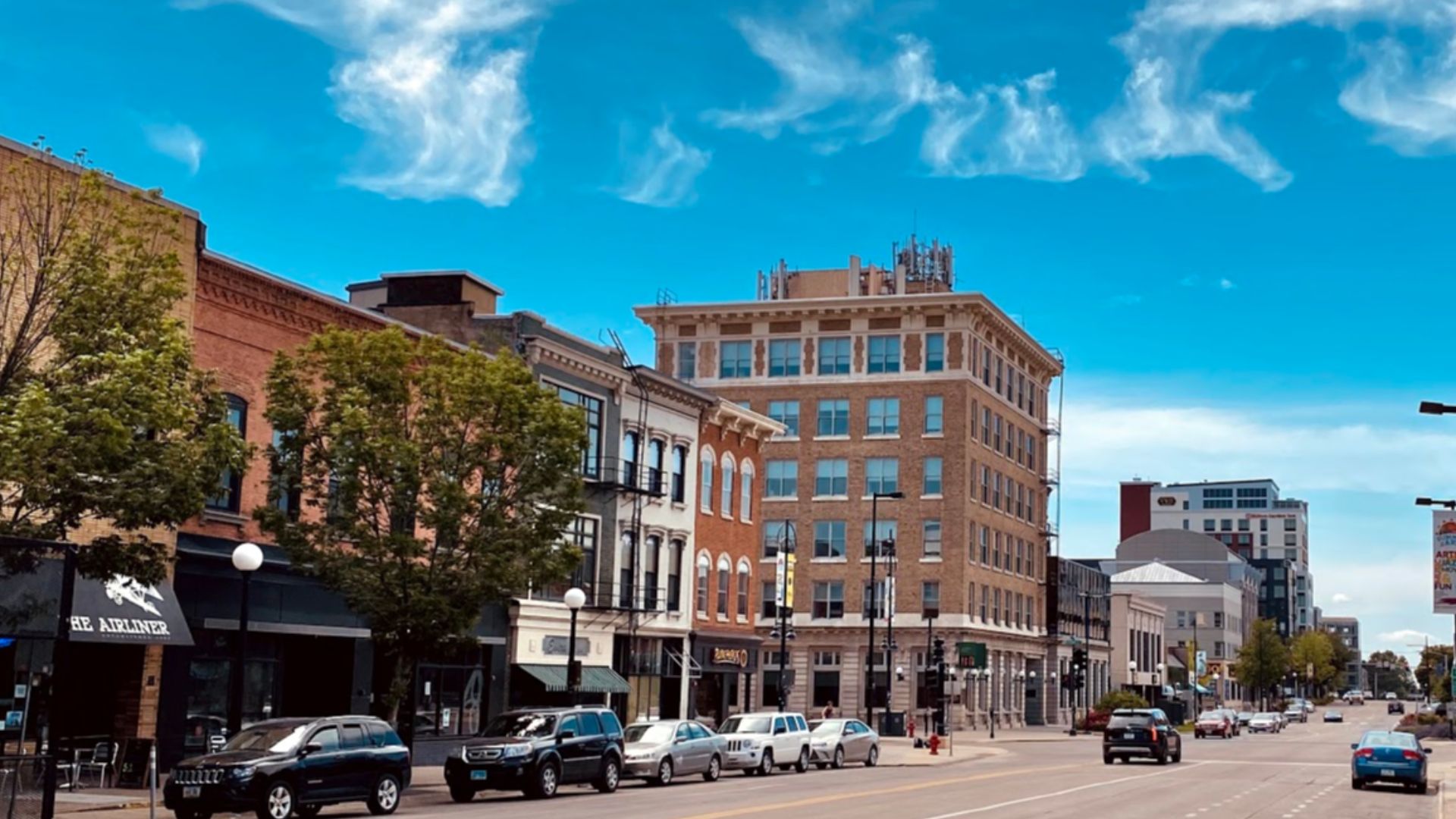
38: Iowa
Living wage: $90,000
Median income: $71,000
Gap: ~$19,000
Stable costs help keep things predictable, but incomes still fall short of what’s needed for long-term financial comfort.
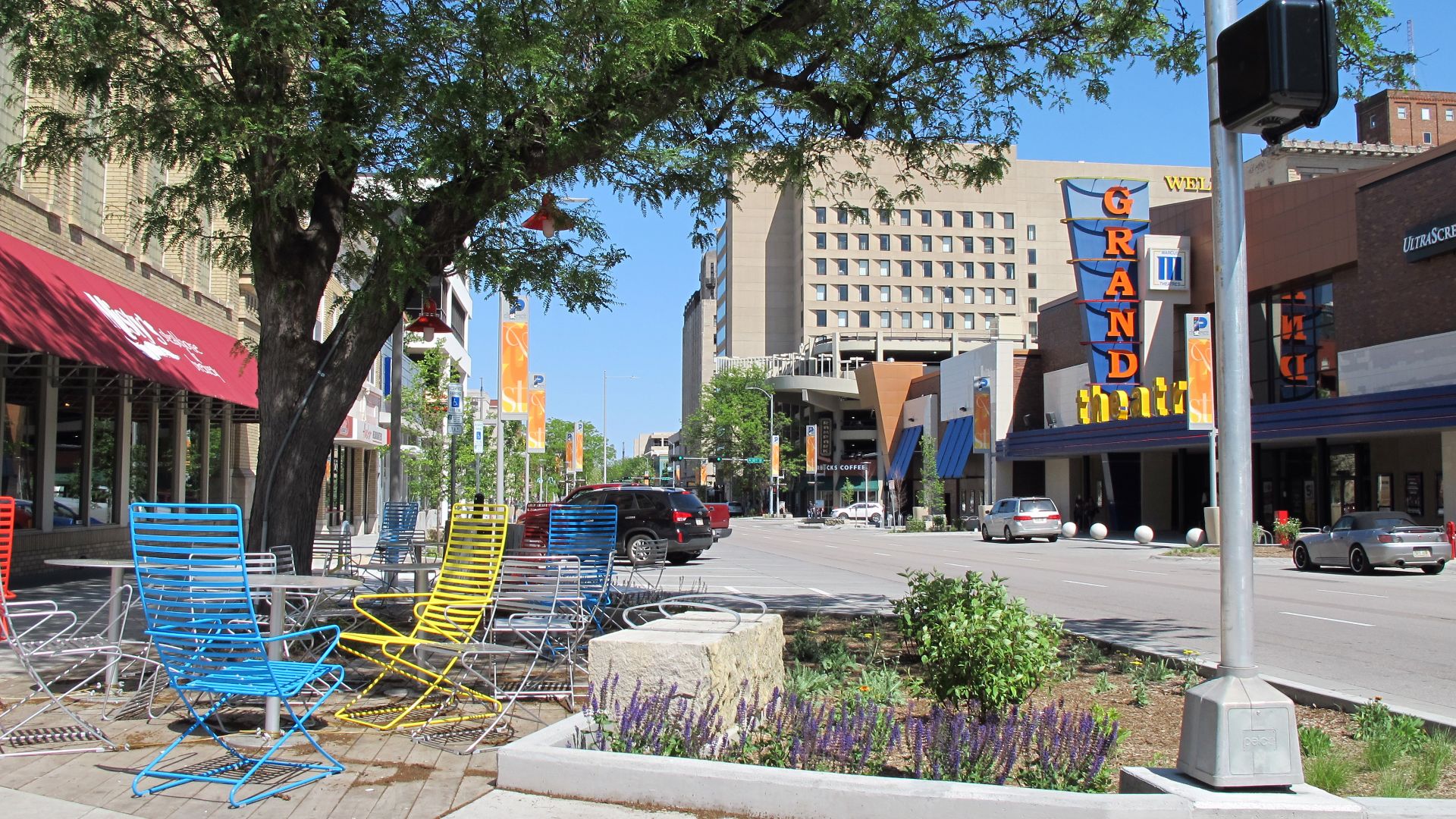
37: Nebraska
Living wage: $91,000
Median income: $72,000
Gap: ~$19,000
Nebraska sits in the middle, but the gap is slowly widening as both housing and everyday expenses creep upward.
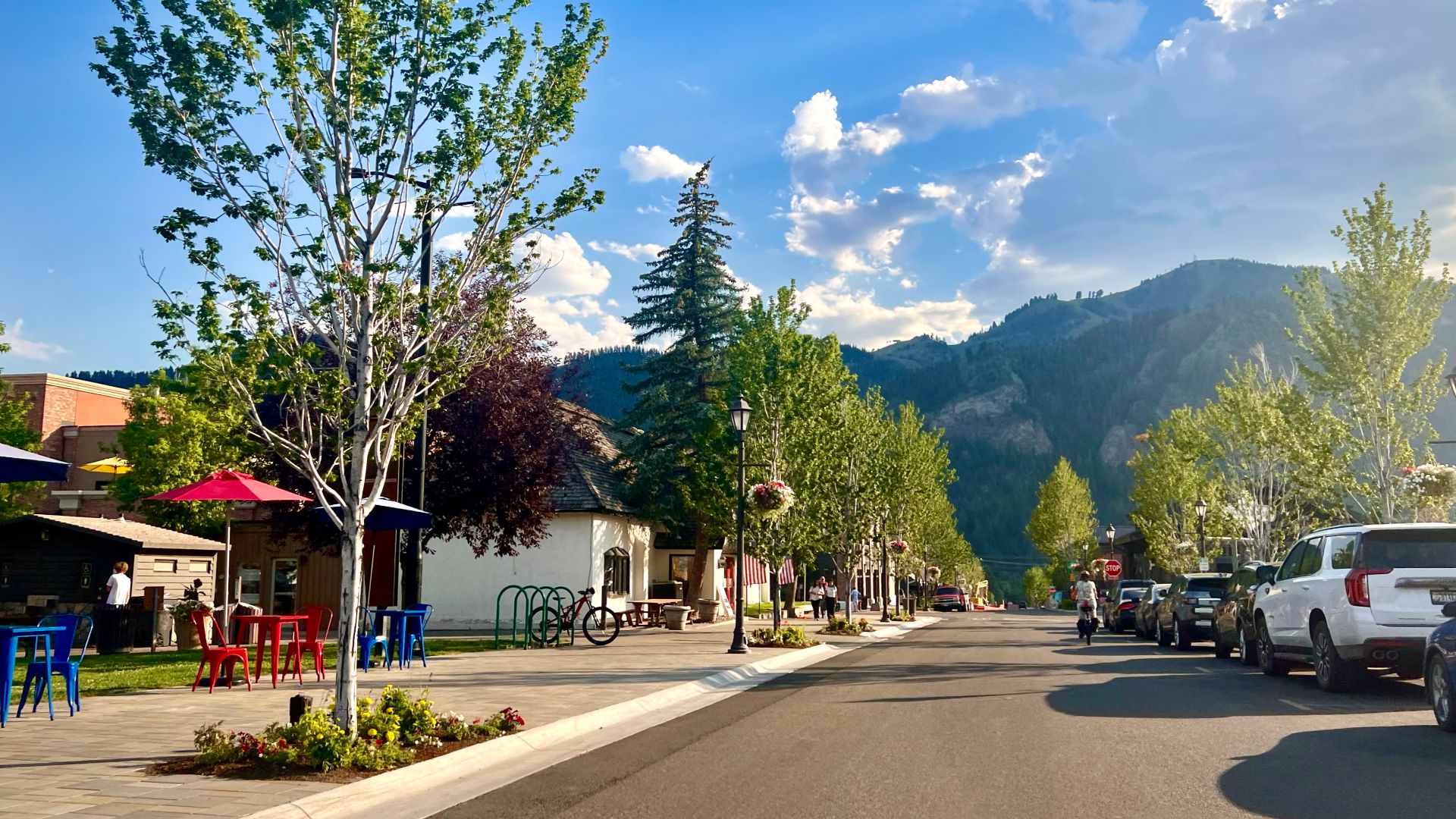
36: Idaho
Living wage: $92,000
Median income: $72,000
Gap: ~$20,000
Rapid population growth has driven housing prices up quickly, making it harder for wages to keep pace.
 Sharon Hahn Darlin, Wikimedia Commons
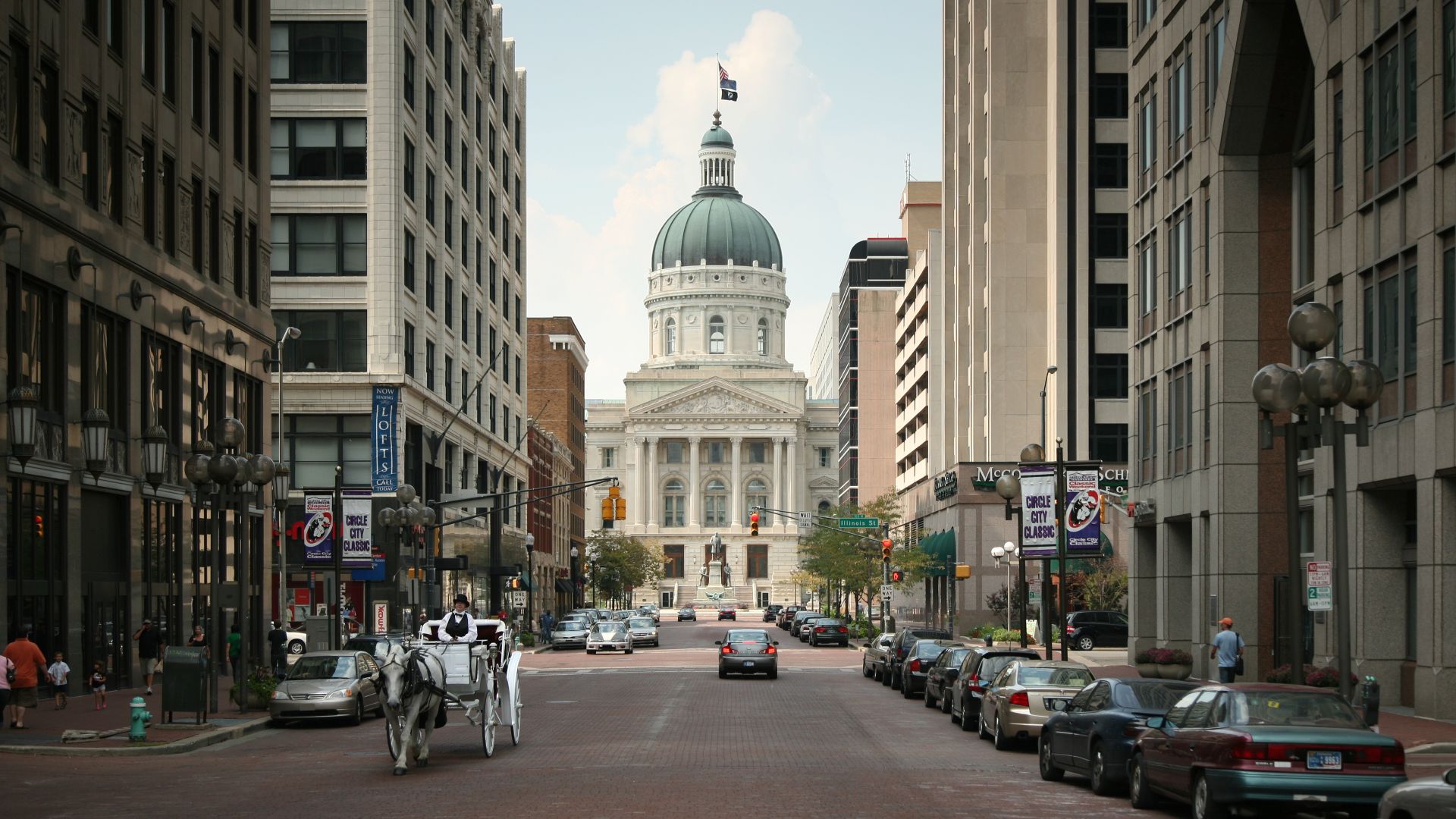
35: Indiana
Living wage: $93,000
Median income: $73,000
Gap: ~$20,000
This is a classic “getting tighter” situation—costs are rising just enough to make previously comfortable incomes feel stretched.
 Daniel Schwen, Wikimedia Commons
34: Missouri
Living wage: $94,000
Median income: $74,000
Gap: ~$20,000
Missouri remains fairly affordable, but inflation has quietly widened the gap between what people earn and what they need.
 Daniel Schwen, Wikimedia Commons
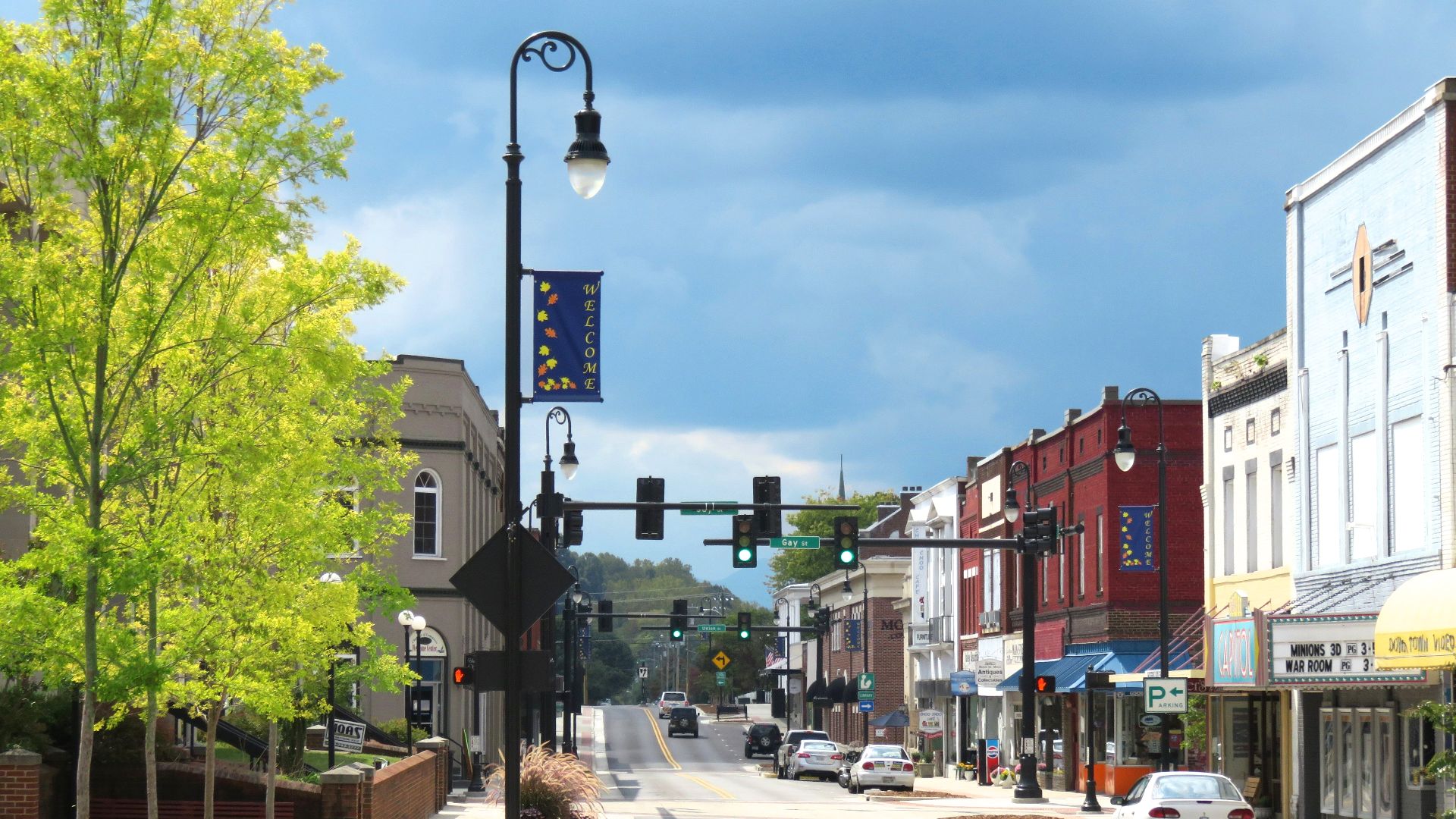
33: Tennessee
Living wage: $96,000
Median income: $75,000
Gap: ~$21,000
Rapid growth has pushed housing costs higher, making it harder for long-time residents to keep up financially.
 Brian Stansberry, Wikimedia Commons
32: South Carolina
Living wage: $97,000
Median income: $75,000
Gap: ~$22,000
Costs are rising quickly in popular areas, especially along the coast, widening the gap for many households.
 Elisa.rolle, Wikimedia Commons
31: Nevada
Living wage: $98,000
Median income: $76,000
Gap: ~$22,000
Tourism-driven growth has boosted the economy, but not enough to fully close the gap between wages and living costs.

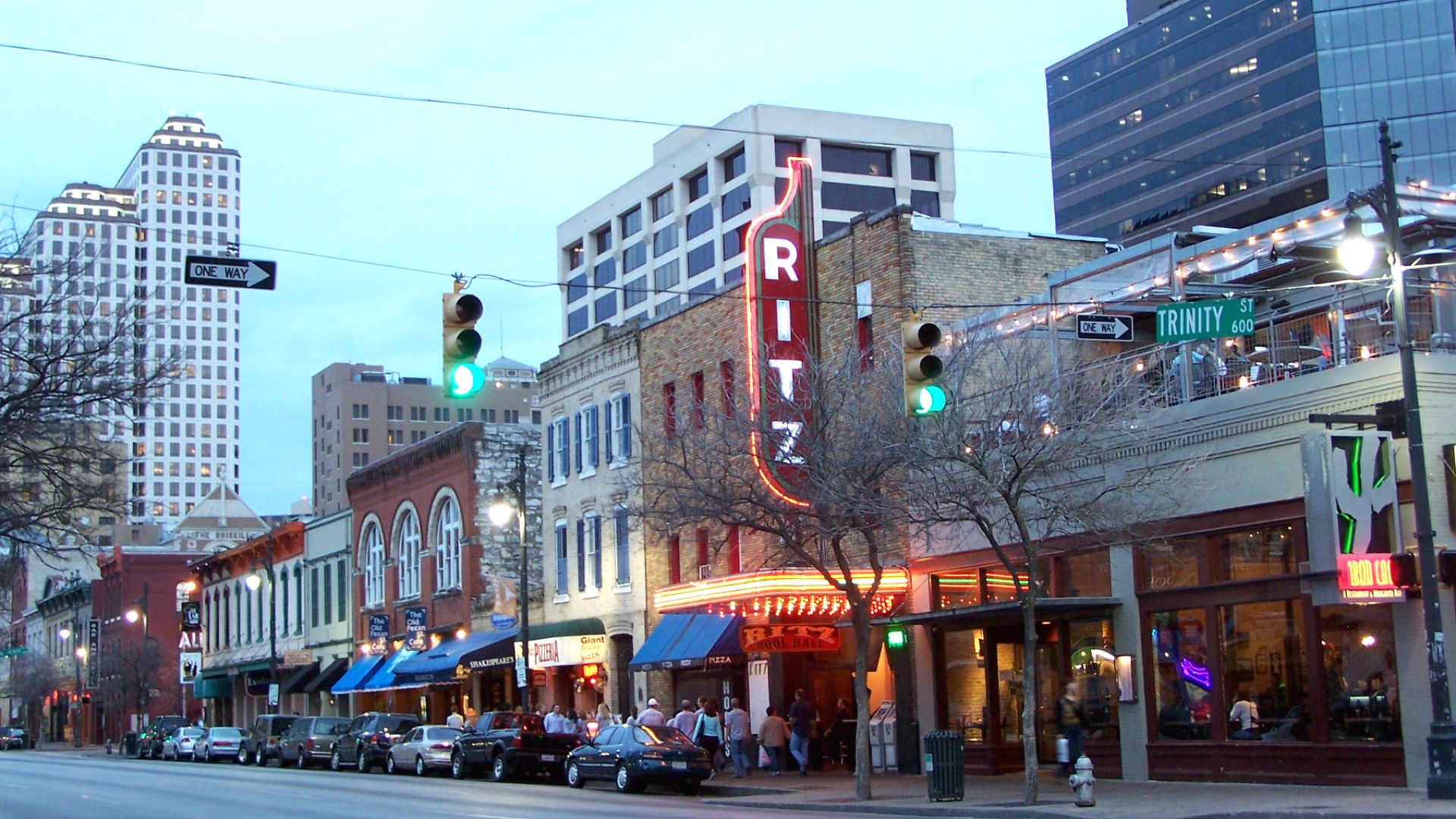
30: Texas
Living wage: $100,000
Median income: $74,000
Gap: ~$26,000
Texas has seen housing costs surge in major cities, making it much less affordable than its reputation suggests.
 Larry D. Moore, Wikimedia Commons
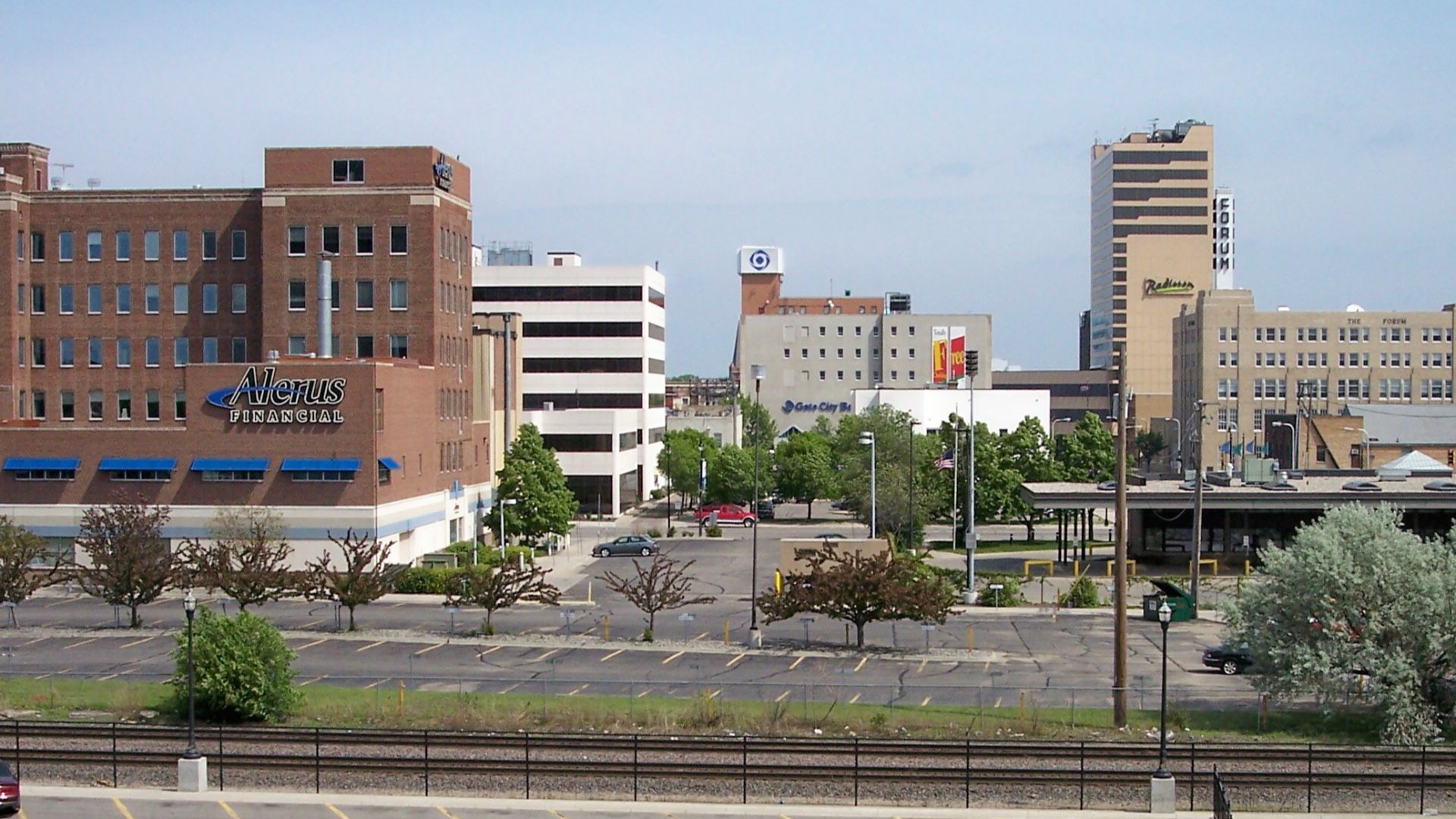
29: North Dakota
Living wage: $101,000
Median income: $77,000
Gap: ~$24,000
Higher wages help, but costs have risen alongside them, keeping the gap firmly in place.
 Tim Kiser (w:User:Malepheasant), Wikimedia Commons
28: Maine
Living wage: $102,000
Median income: $78,000
Gap: ~$24,000
Housing shortages have pushed prices up, making it increasingly difficult for residents to keep up.
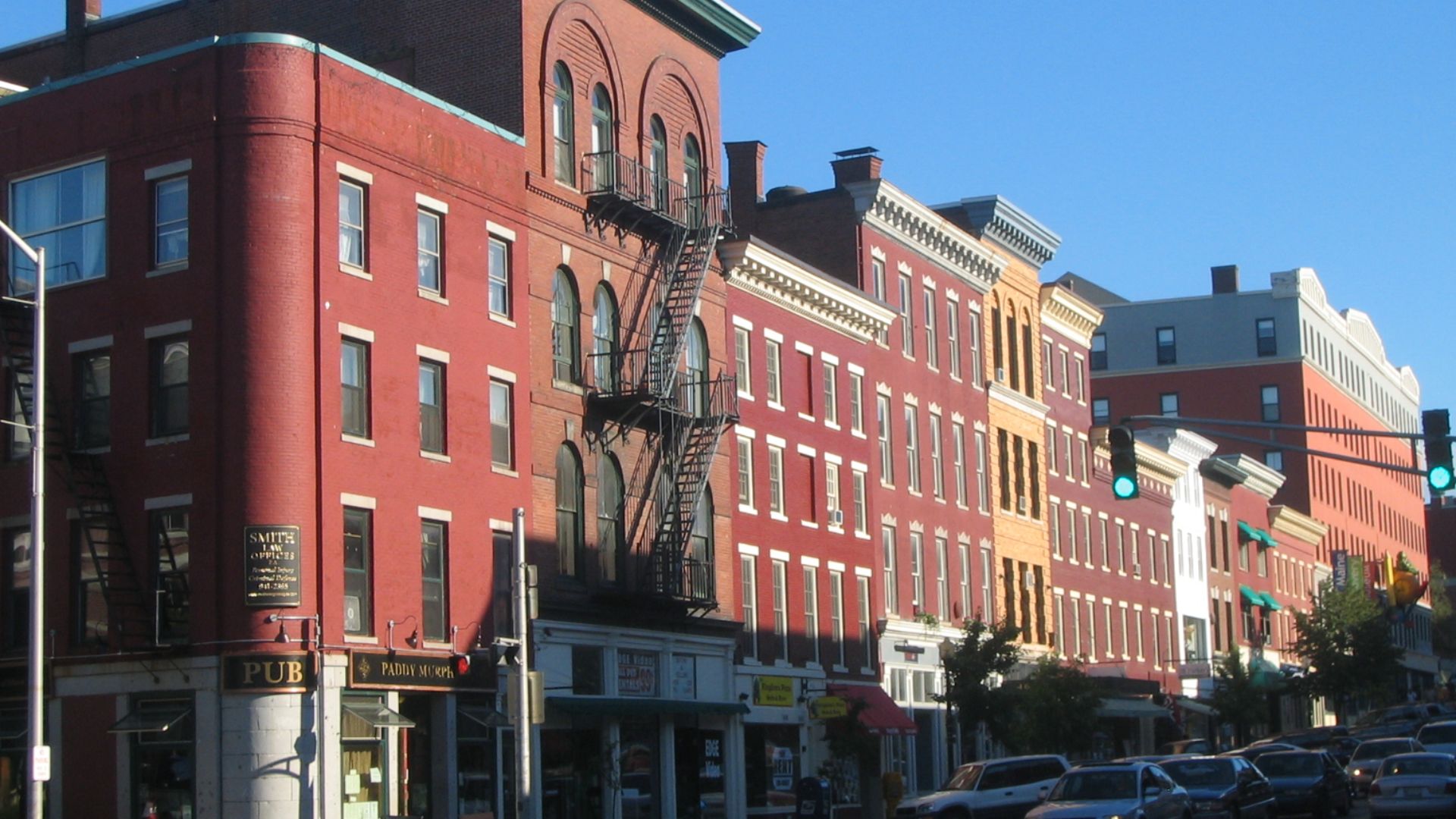
27: Alaska
Living wage: $104,000
Median income: $80,000
Gap: ~$24,000
High wages are offset by expensive goods and services, leaving many households still feeling financially stretched.
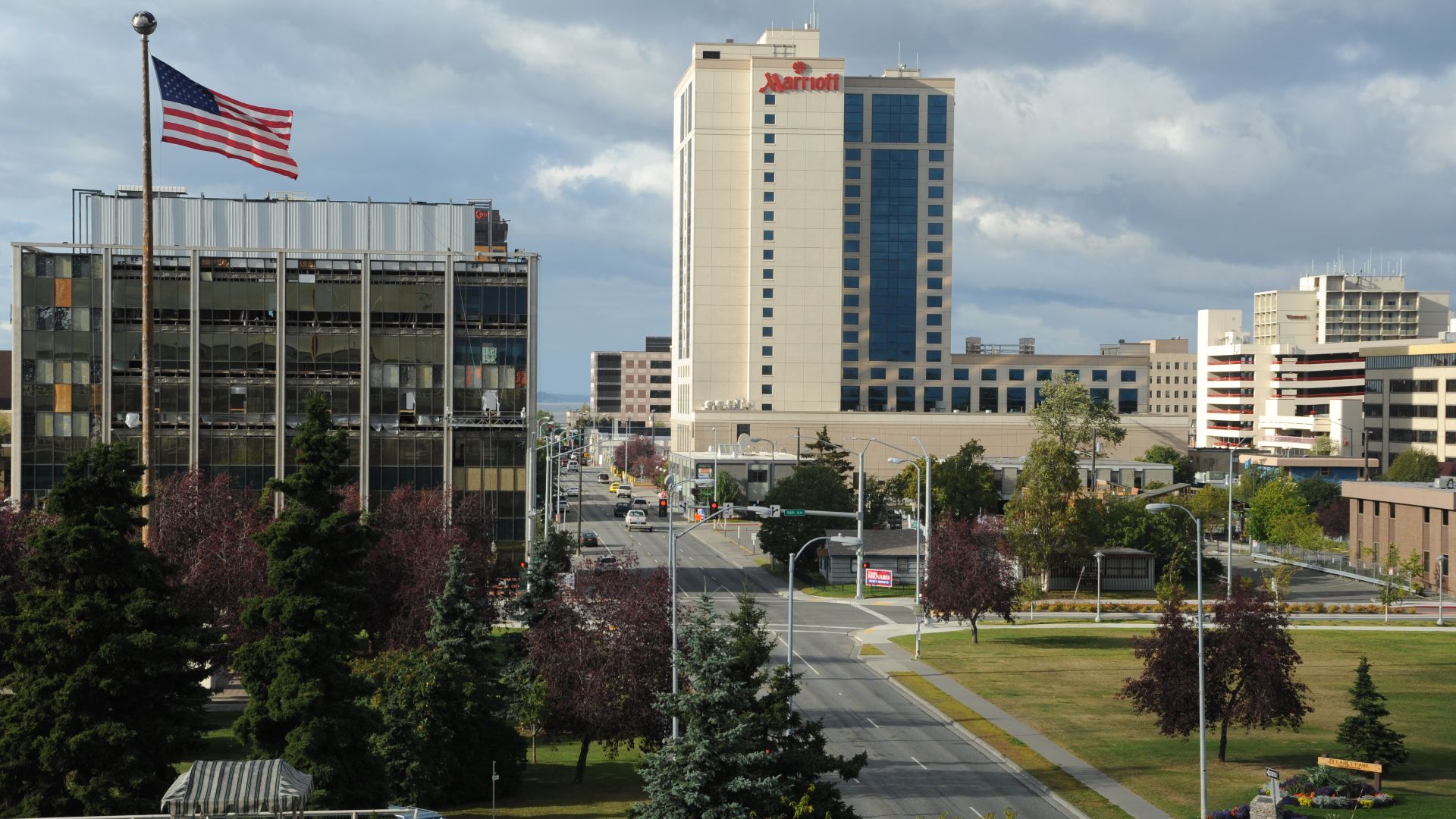
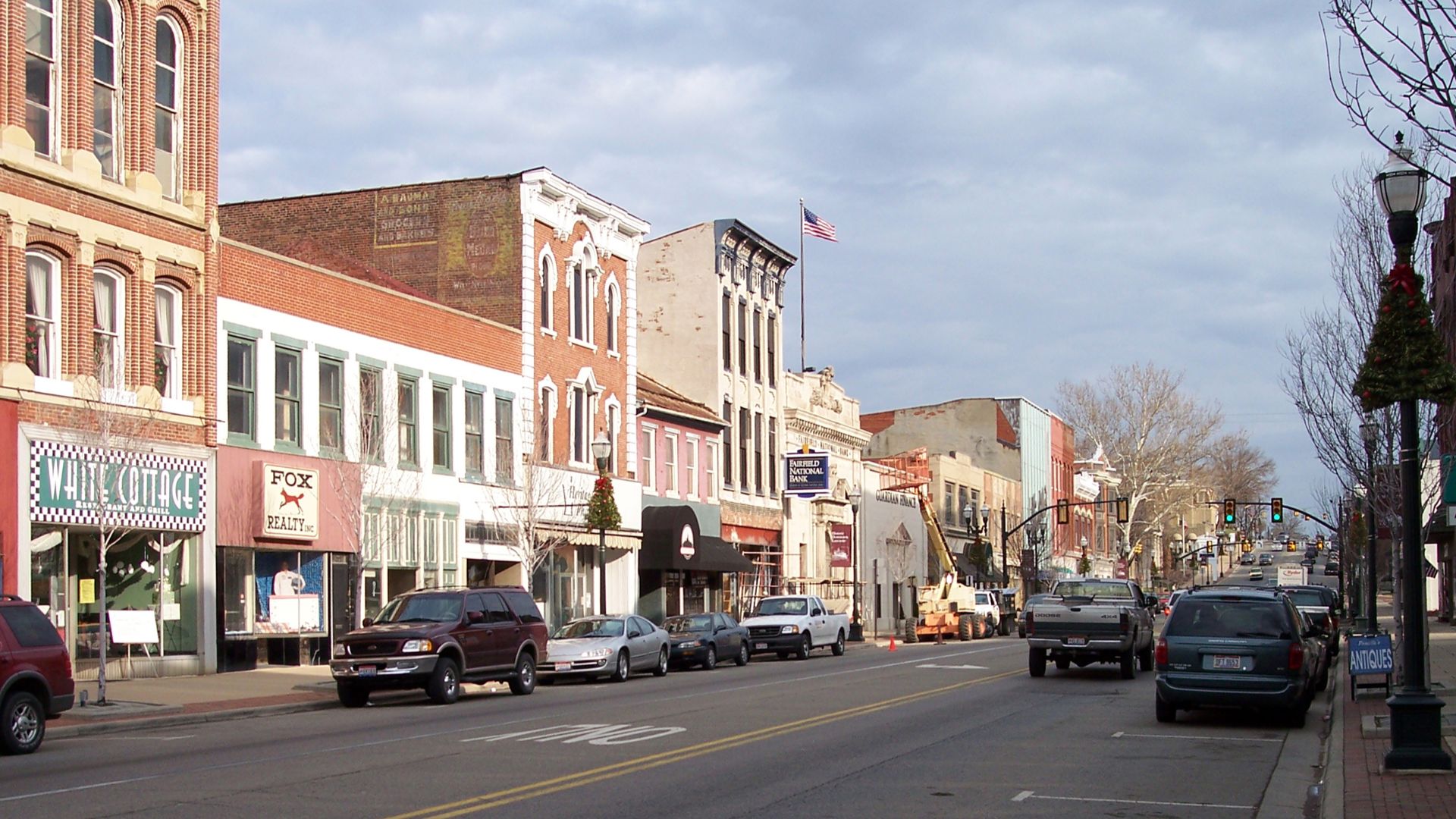
26: Ohio
Living wage: $105,000
Median income: $79,000
Gap: ~$26,000
Costs remain reasonable overall, but incomes haven’t risen fast enough to prevent the gap from widening.
 Tim Kiser (w:User:Malepheasant), Wikimedia Commons
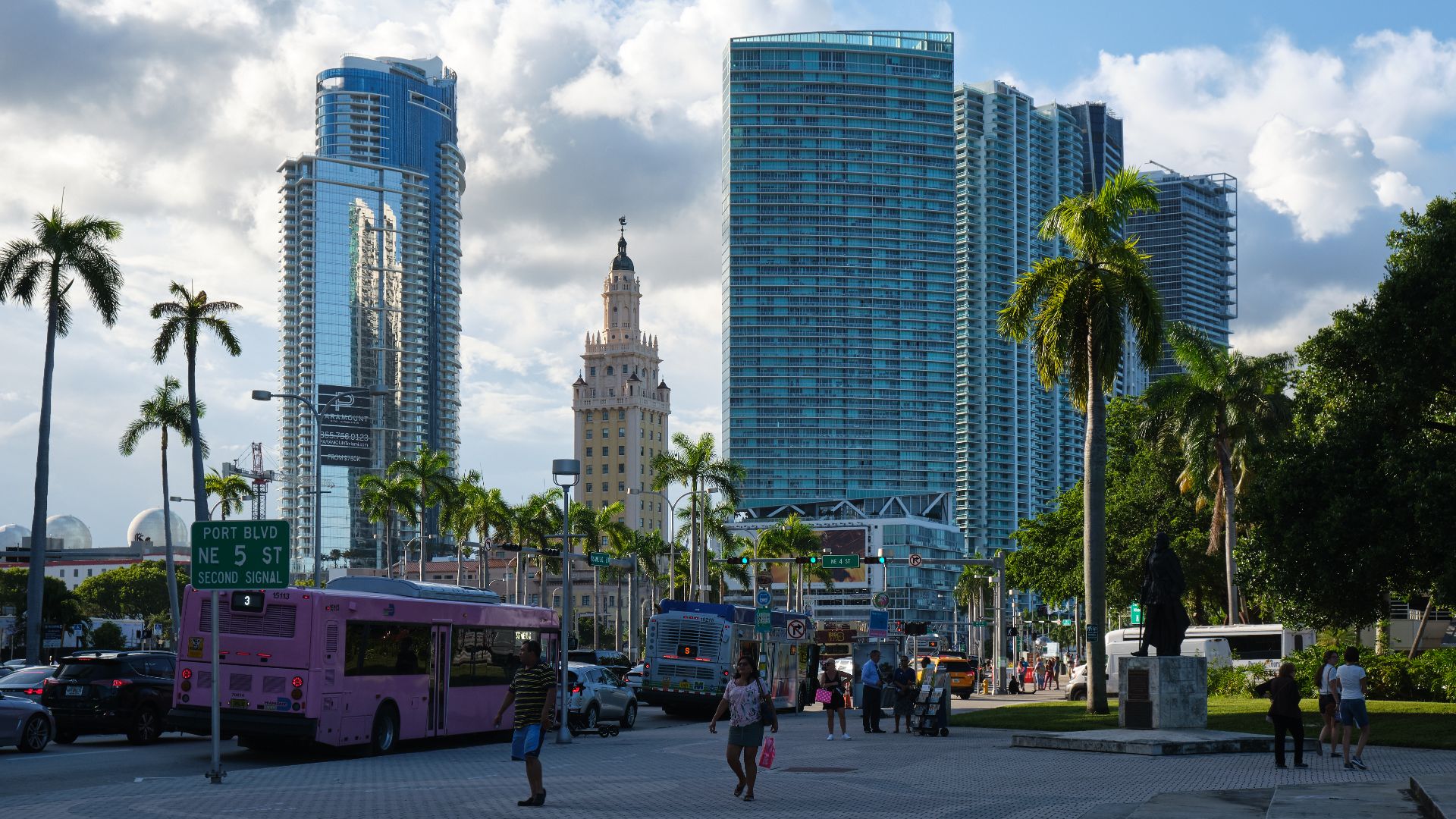
25: Florida
Living wage: $107,000
Median income: $75,000
Gap: ~$32,000
Housing and insurance costs have surged dramatically, creating one of the fastest-growing affordability gaps in the country.
 Oliver Echeverria, Wikimedia Commons
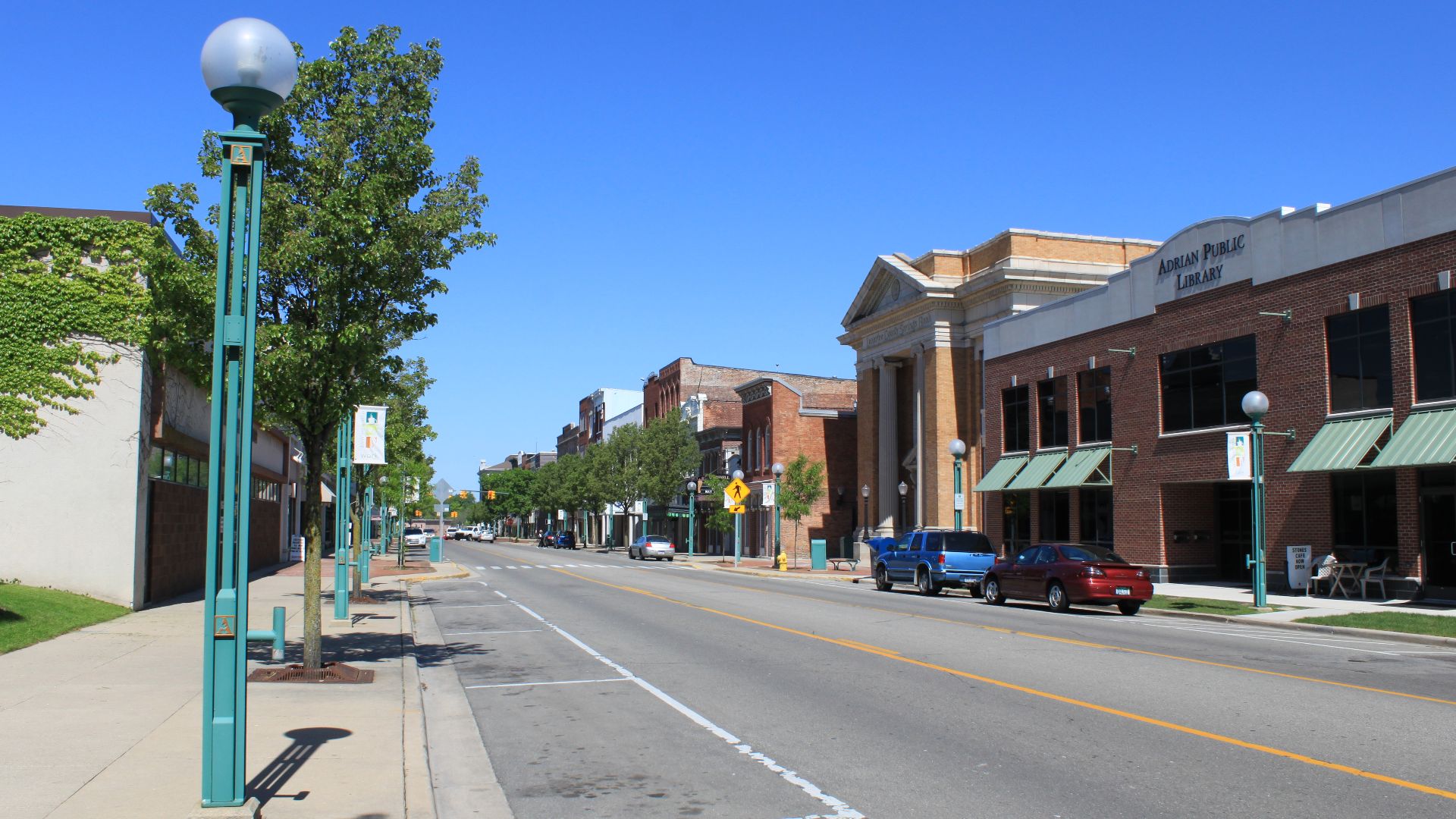
24: Michigan
Living wage: $108,000
Median income: $80,000
Gap: ~$28,000
Costs are rising steadily, especially in urban areas, putting pressure on incomes that haven’t kept up.
 Dwight Burdette, Wikimedia Commons
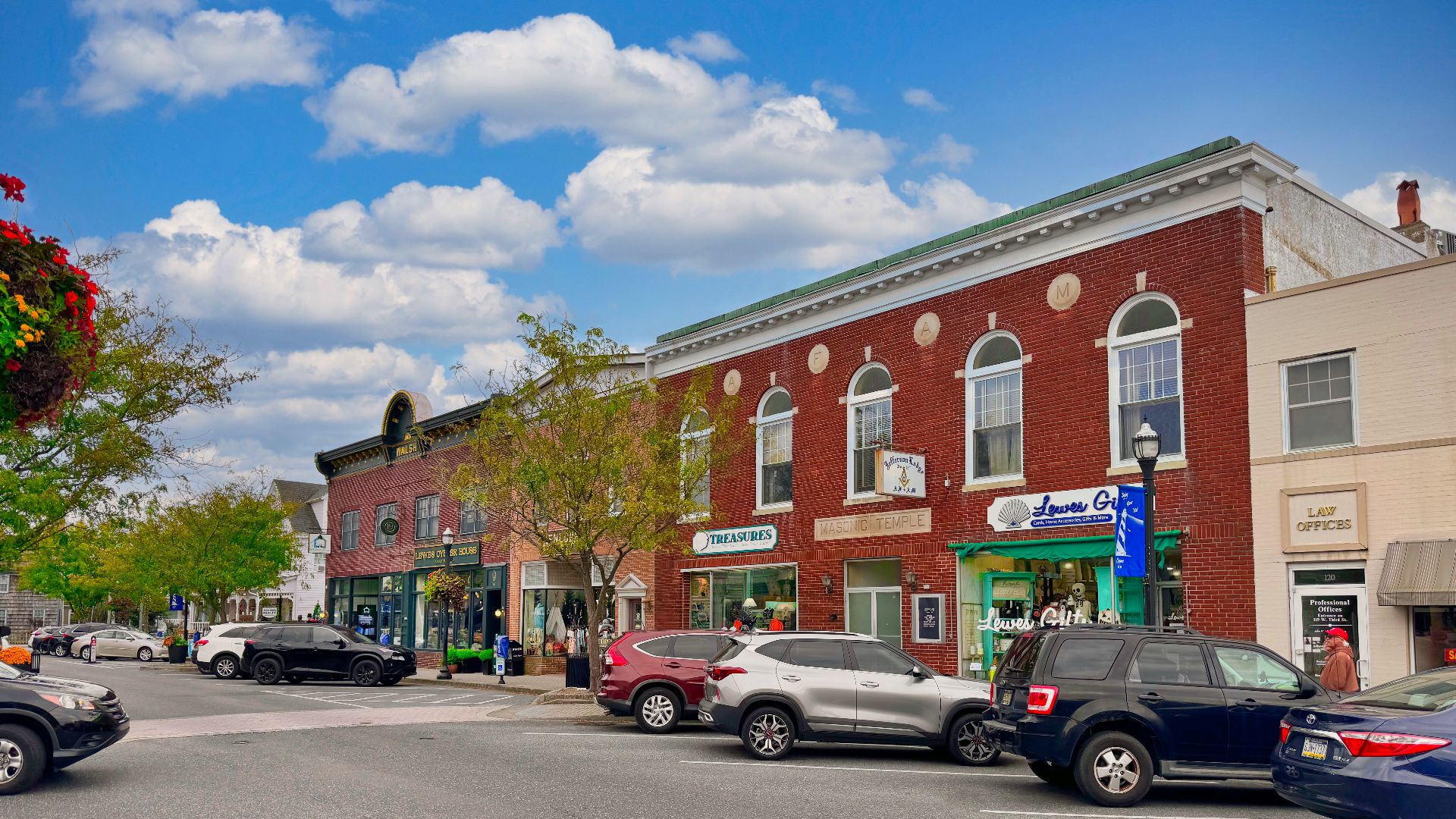
23: Delaware
Living wage: $110,000
Median income: $82,000
Gap: ~$28,000
Despite its size, Delaware has seen costs rise quickly, widening the gap for many residents.
 Harrison Keely, Wikimedia Commons
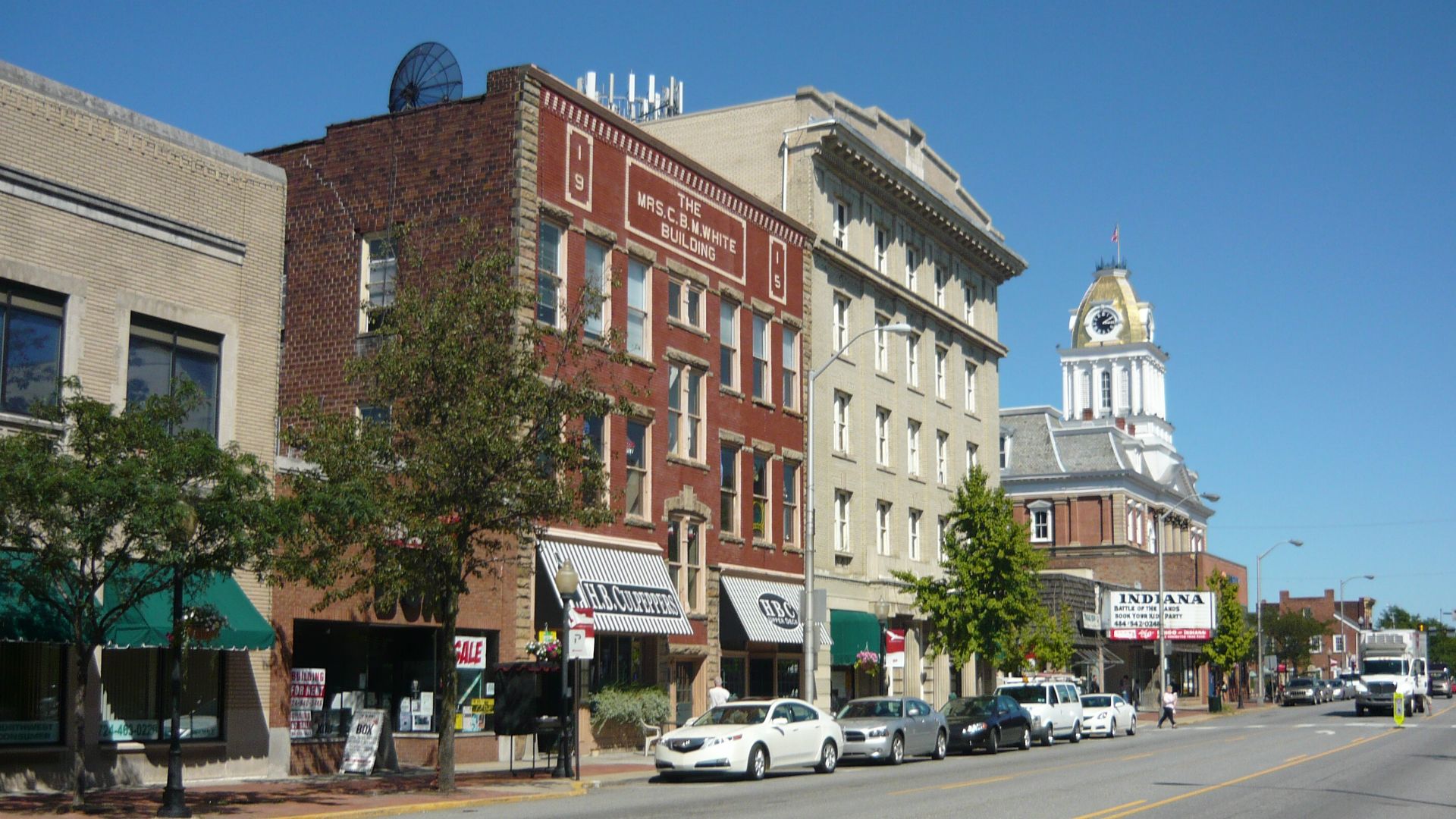
22: Pennsylvania
Living wage: $112,000
Median income: $83,000
Gap: ~$29,000
The gap is noticeable across both cities and rural areas, with costs rising faster than wages in many regions.
 Canadian2006, Wikimedia Commons
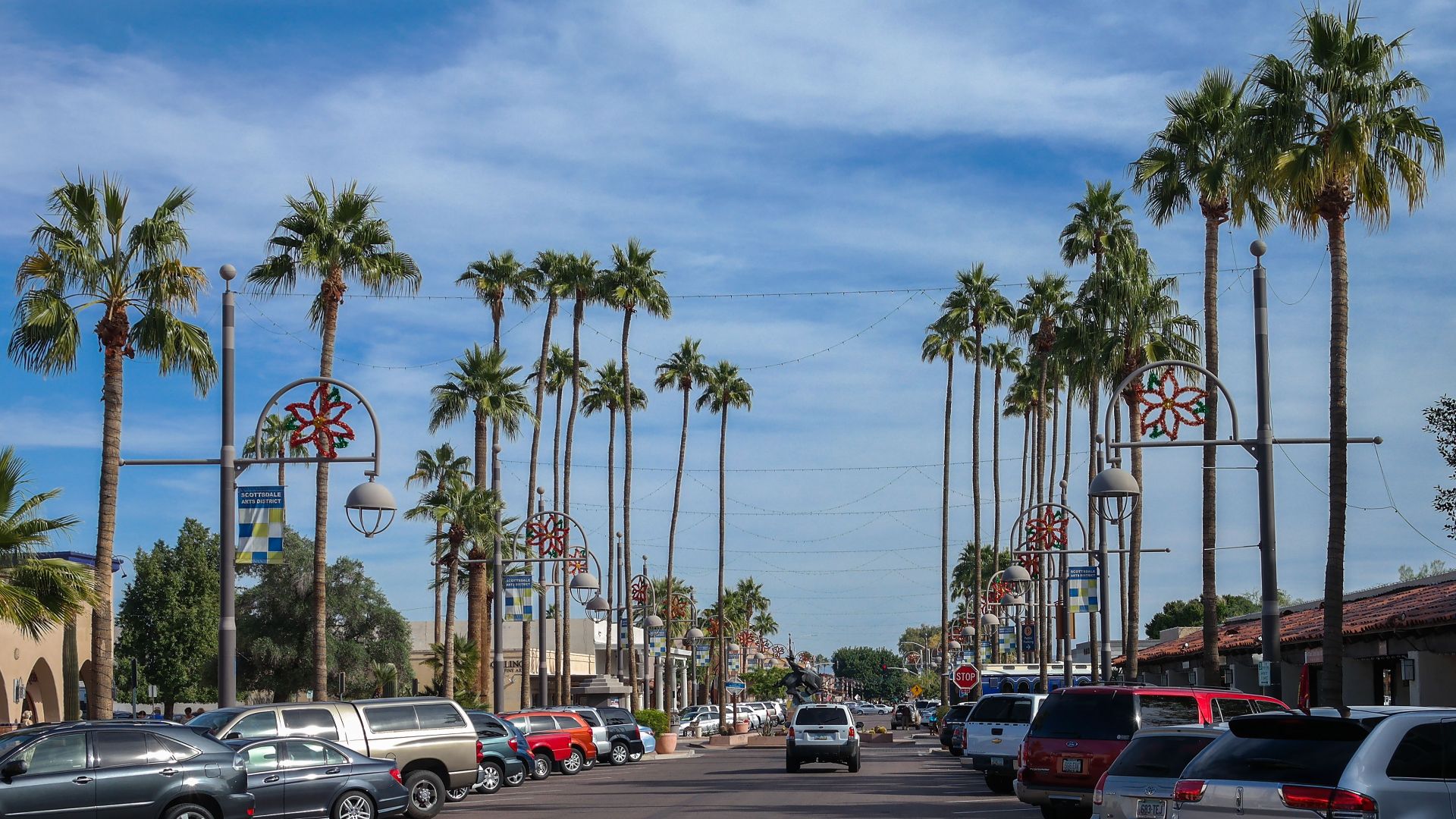
21: Arizona
Living wage: $114,000
Median income: $78,000
Gap: ~$36,000
Rapid population growth has pushed housing prices up sharply, leaving incomes struggling to keep pace.
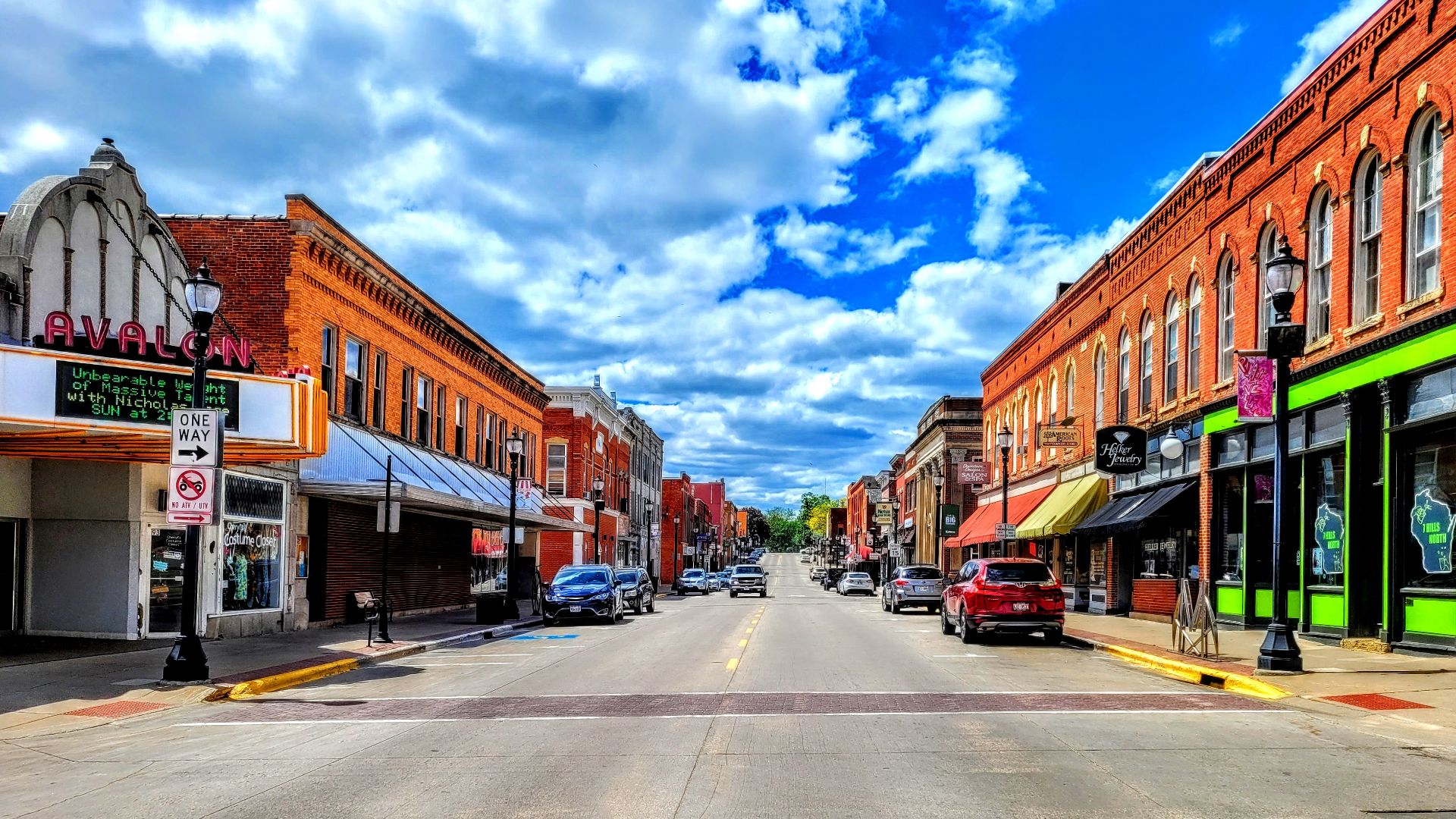
20: Wisconsin
Living wage: $115,000
Median income: $84,000
Gap: ~$31,000
Wisconsin has solid incomes compared to many states, but rising housing and everyday costs are steadily closing the gap.
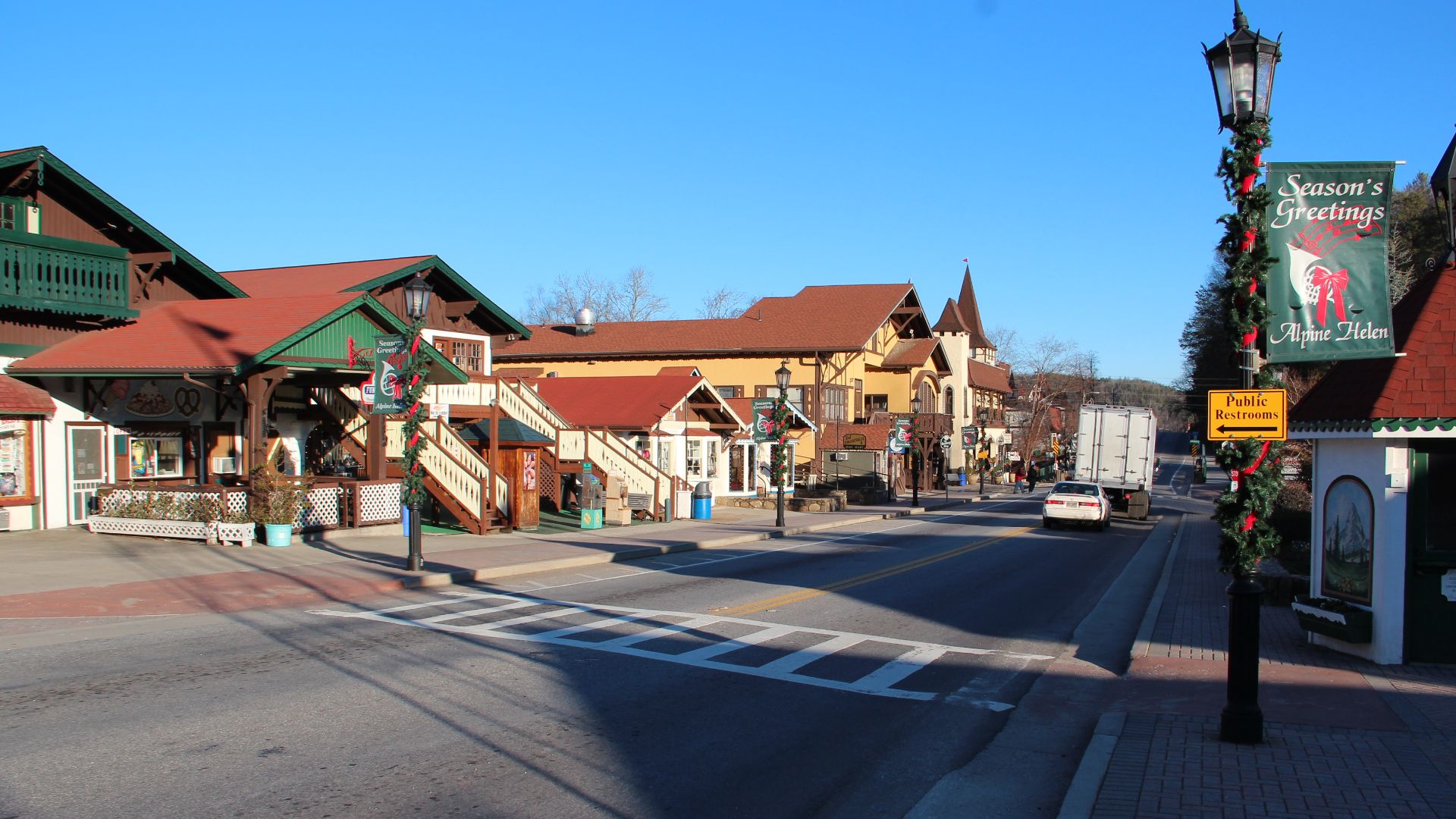
19: Georgia
Living wage: $117,000
Median income: $81,000
Gap: ~$36,000
Georgia’s rapid growth—especially around Atlanta—has pushed housing and living costs higher, making it harder for incomes to keep up.
 Thomsonmg2000, Wikimedia Commons
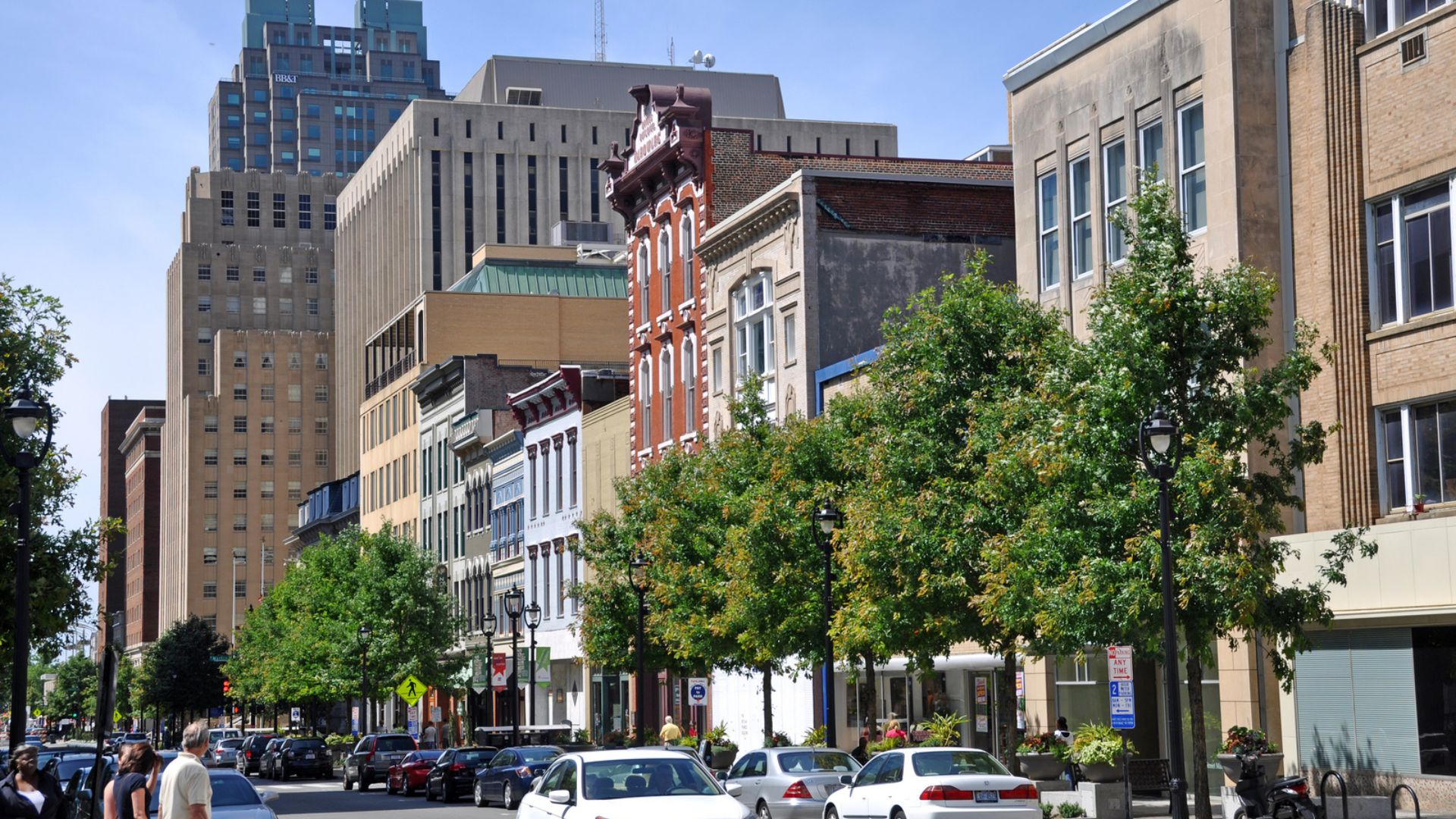
18: North Carolina
Living wage: $118,000
Median income: $80,000
Gap: ~$38,000
North Carolina’s popularity has driven costs upward quickly, widening the gap between what people earn and what they need.
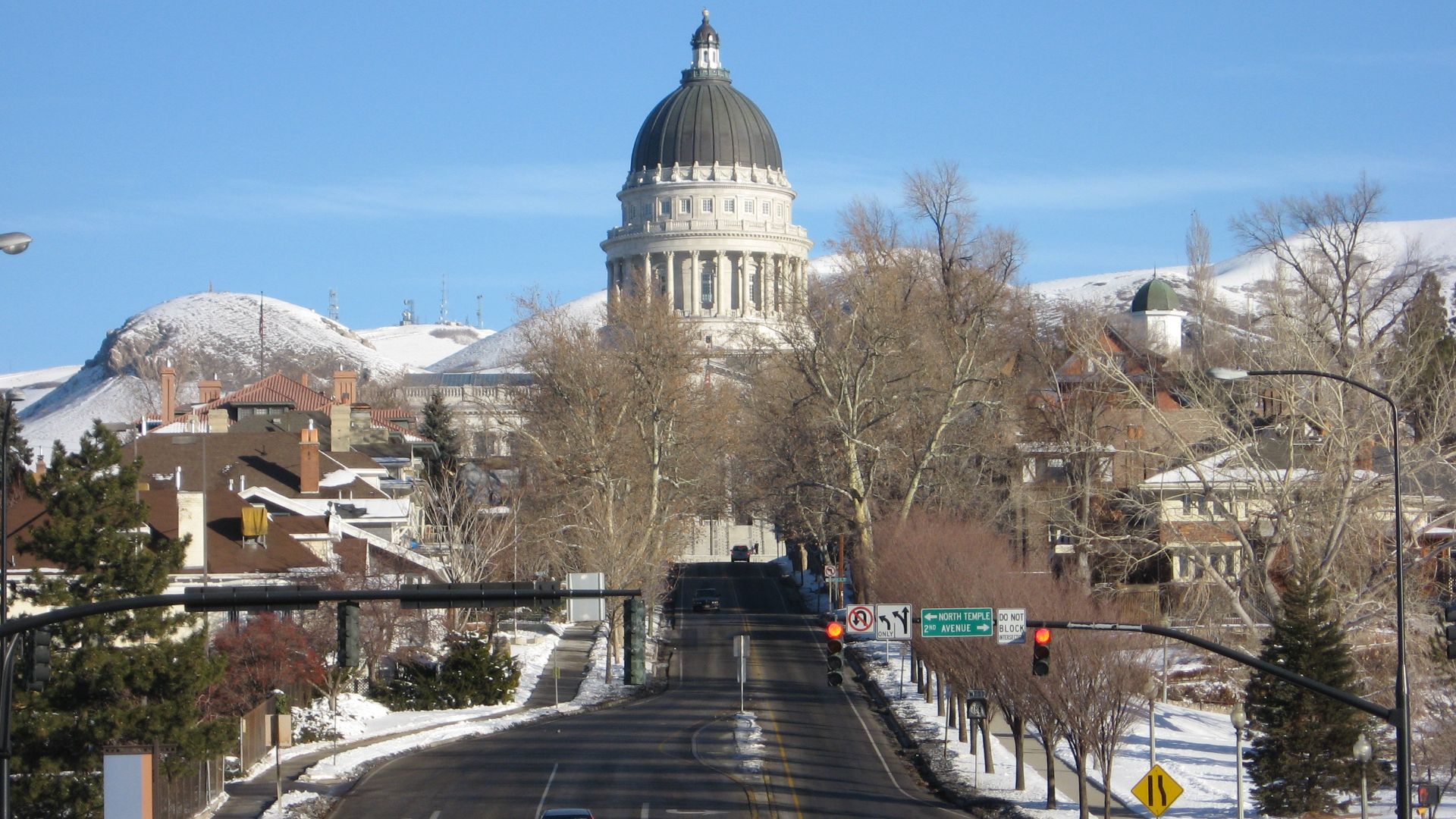
17: Utah
Living wage: $120,000
Median income: $86,000
Gap: ~$34,000
Strong wages help in Utah, but housing prices have surged in recent years, making it harder for families to feel financially comfortable.
 You may select the license of your choice., Wikimedia Commons
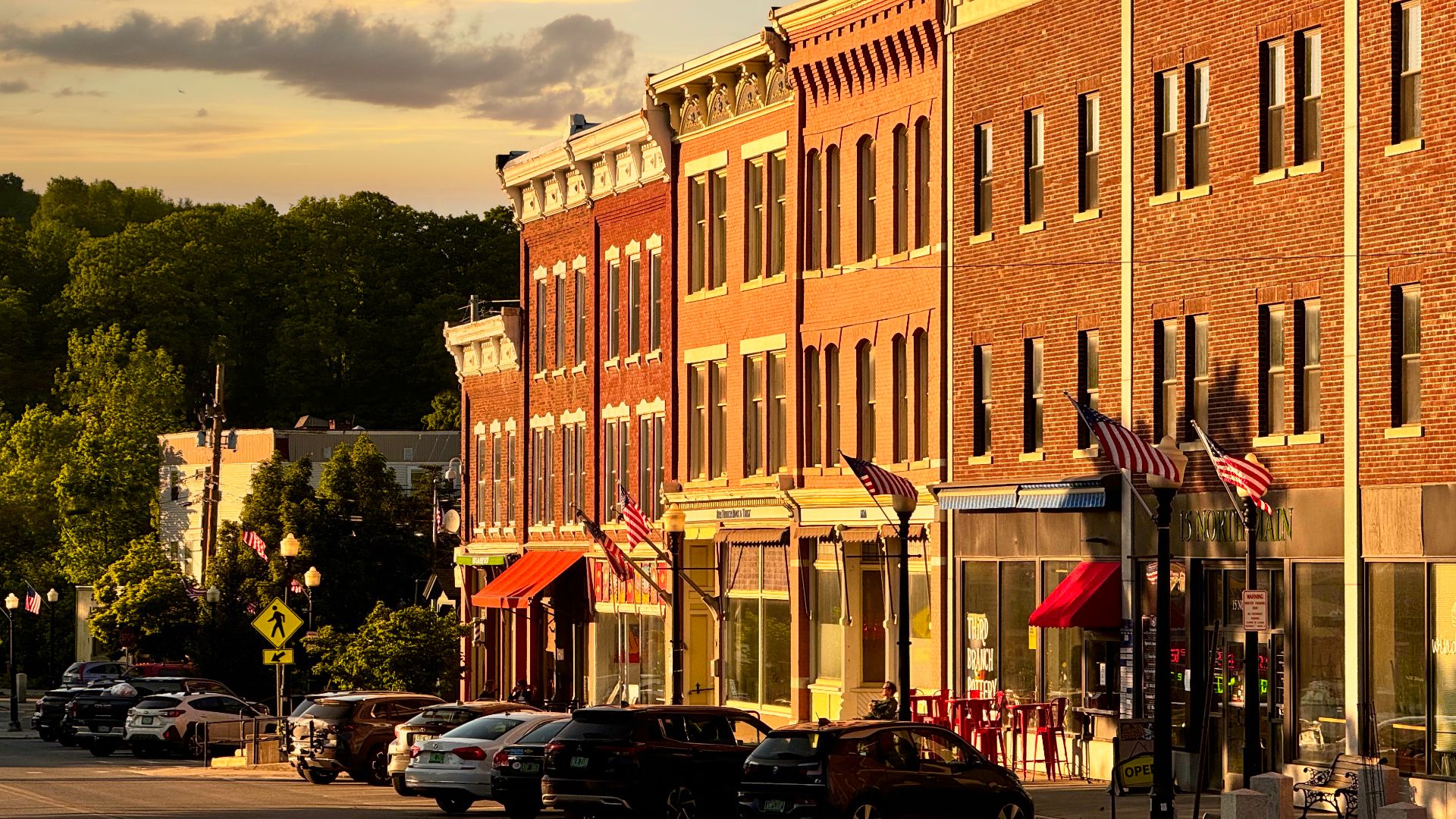
16: Vermont
Living wage: $122,000
Median income: $84,000
Gap: ~$38,000
Limited housing supply and higher rural costs keep Vermont surprisingly expensive for many residents.
 Harrison Keely, Wikimedia Commons
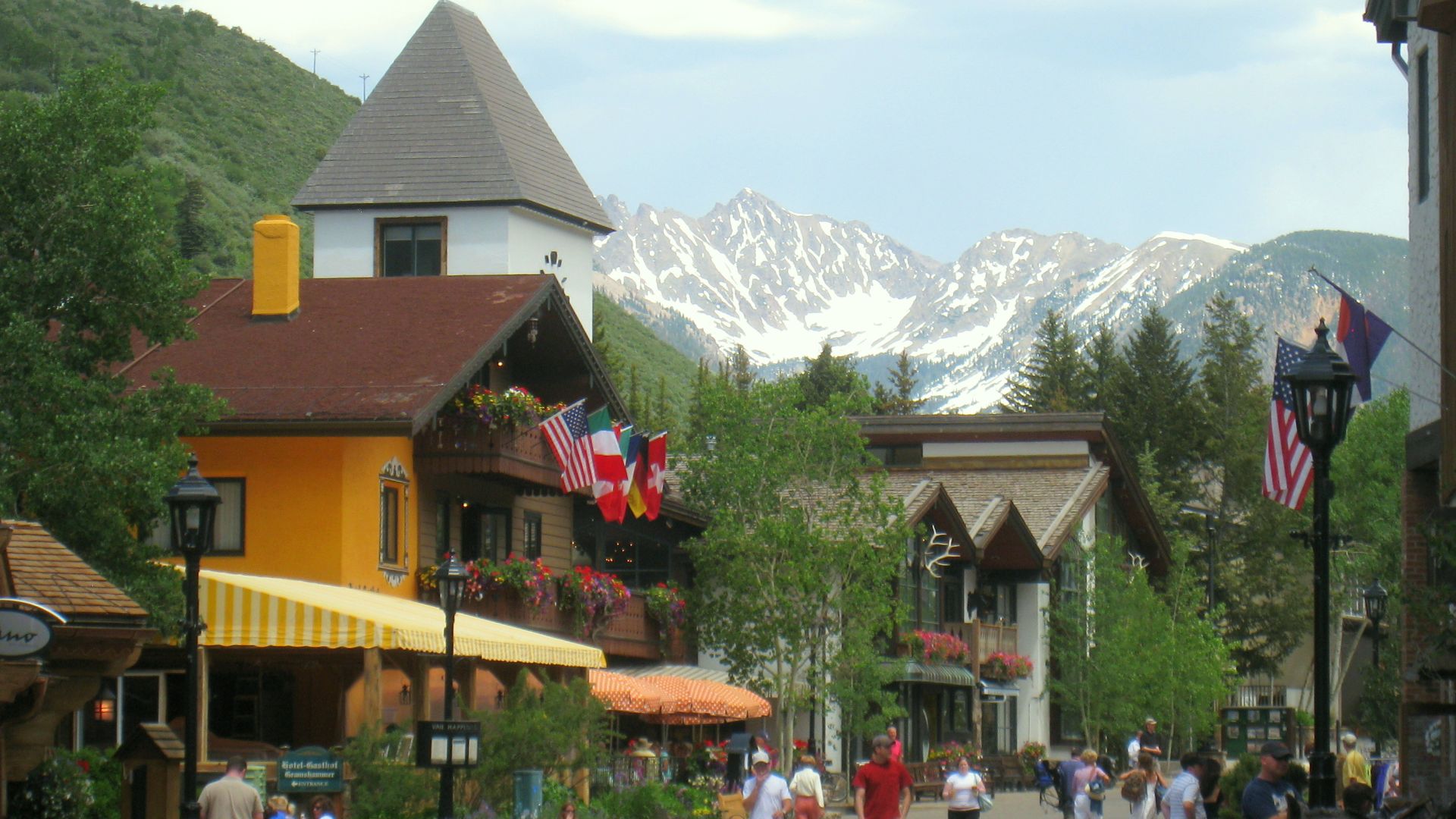
15: Colorado
Living wage: $124,000
Median income: $82,000
Gap: ~$42,000
Colorado’s appeal has driven costs sharply higher, especially for housing, making it harder to stay financially comfortable.
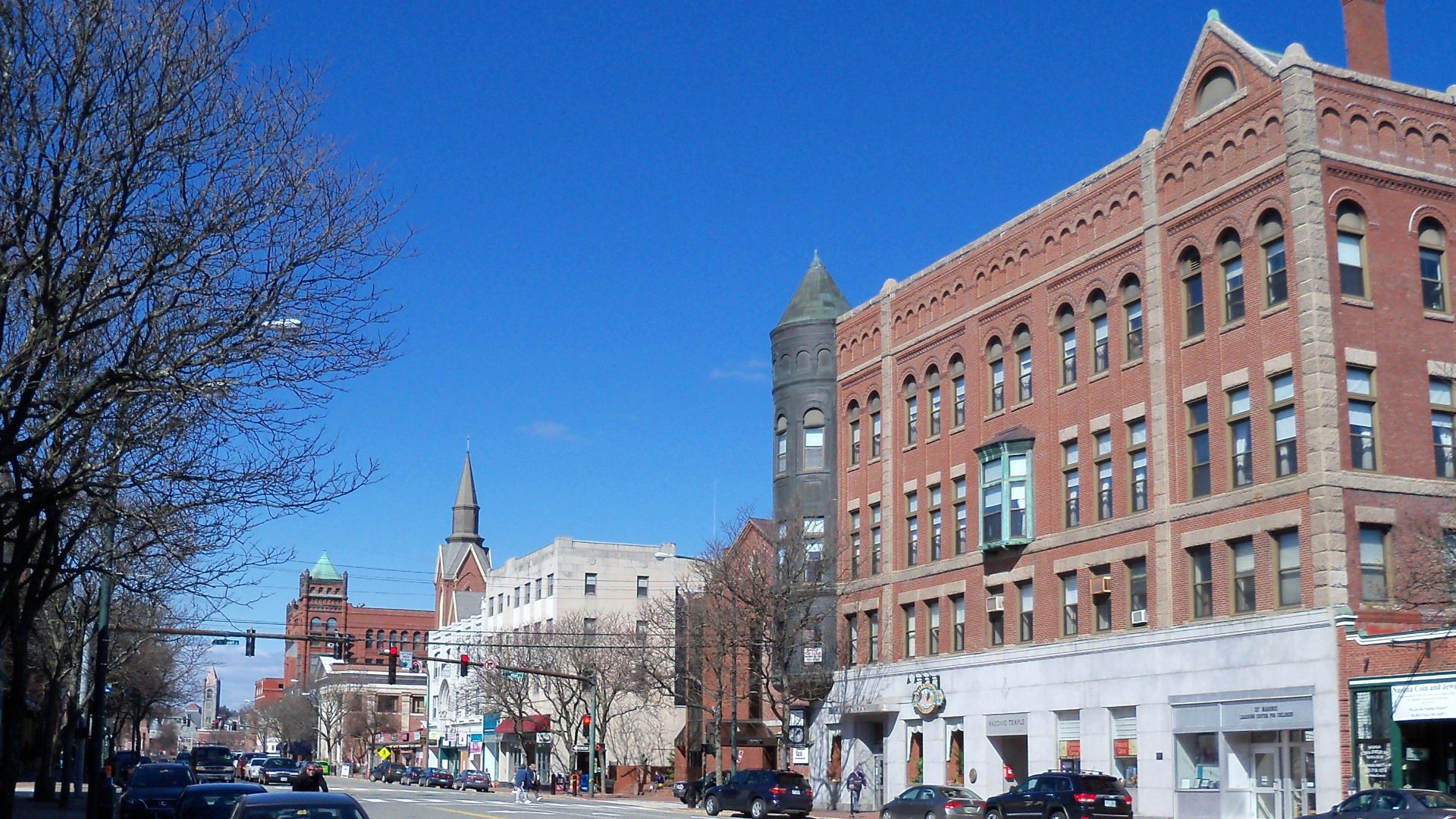
14: New Hampshire
Living wage: $126,000
Median income: $90,000
Gap: ~$36,000
Higher incomes help offset costs somewhat, but rising housing prices continue to keep pressure on households.
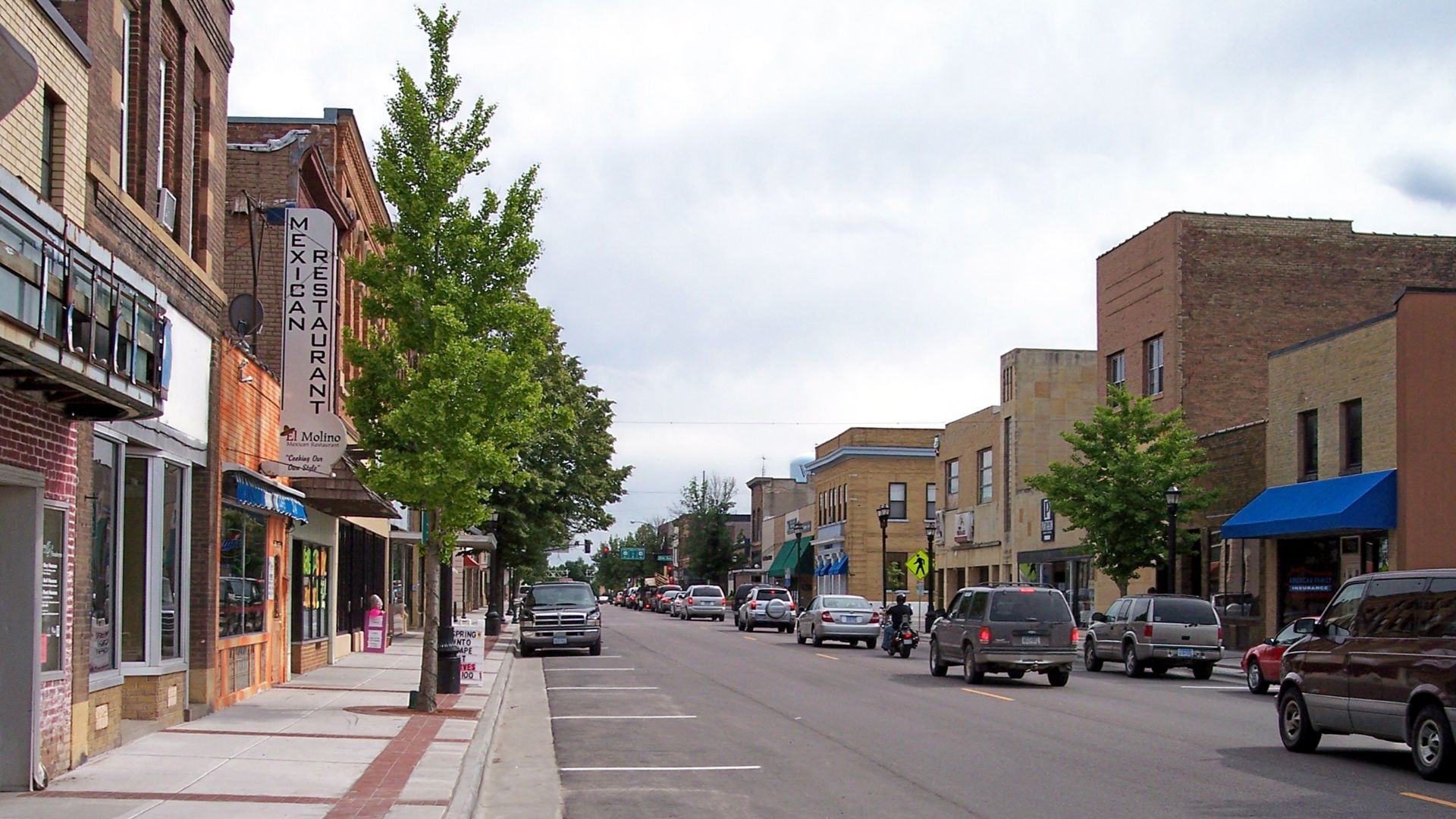
13: Minnesota
Living wage: $128,000
Median income: $88,000
Gap: ~$40,000
A strong economy hasn’t fully offset rising costs for housing, healthcare, and childcare.
 Tim Kiser (w:User:Malepheasant), Wikimedia Commons
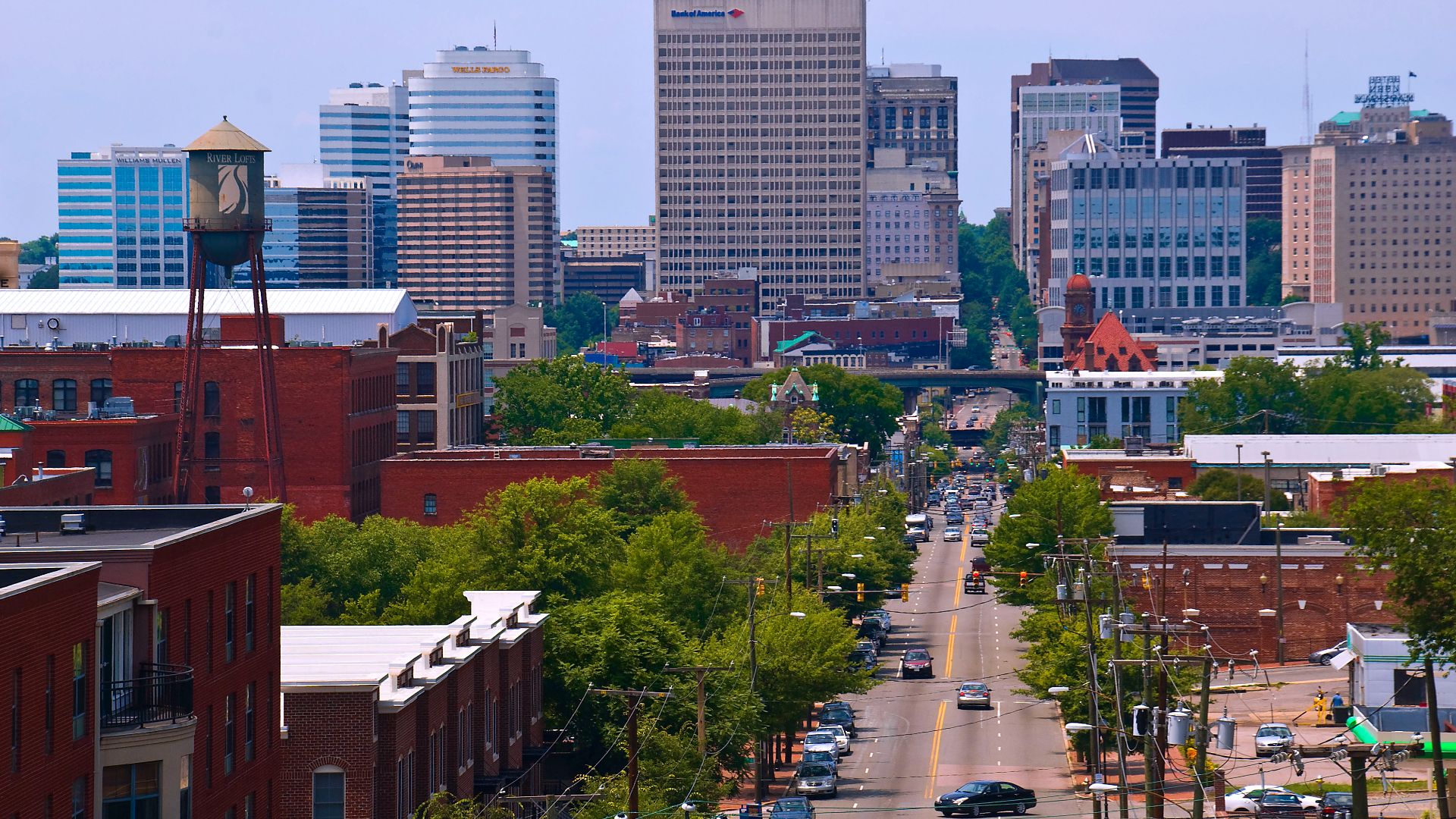
12: Virginia
Living wage: $130,000
Median income: $87,000
Gap: ~$43,000
Northern Virginia significantly raises overall costs, making it harder for incomes across the state to keep up.
 Ron Cogswell, Wikimedia Commons
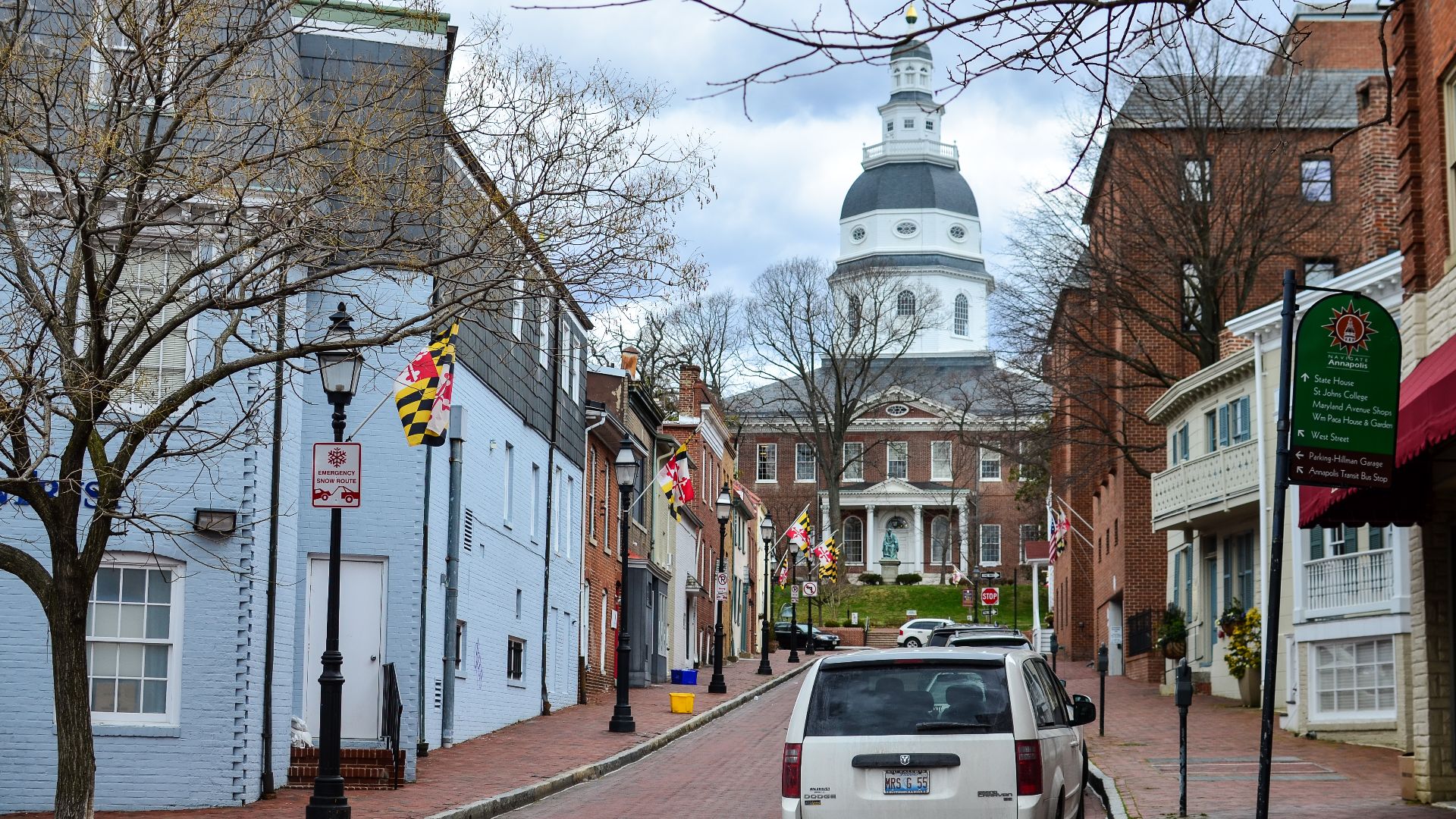
11: Maryland
Living wage: $132,000
Median income: $94,000
Gap: ~$38,000
High incomes help on paper, but proximity to D.C. drives up costs considerably.
10: New York
Living wage: $135,000
Median income: $85,000
Gap: ~$50,000
High expenses—especially near NYC—create one of the largest affordability gaps in the country.
 Ajay Suresh from New York, NY, USA, Wikimedia Commons
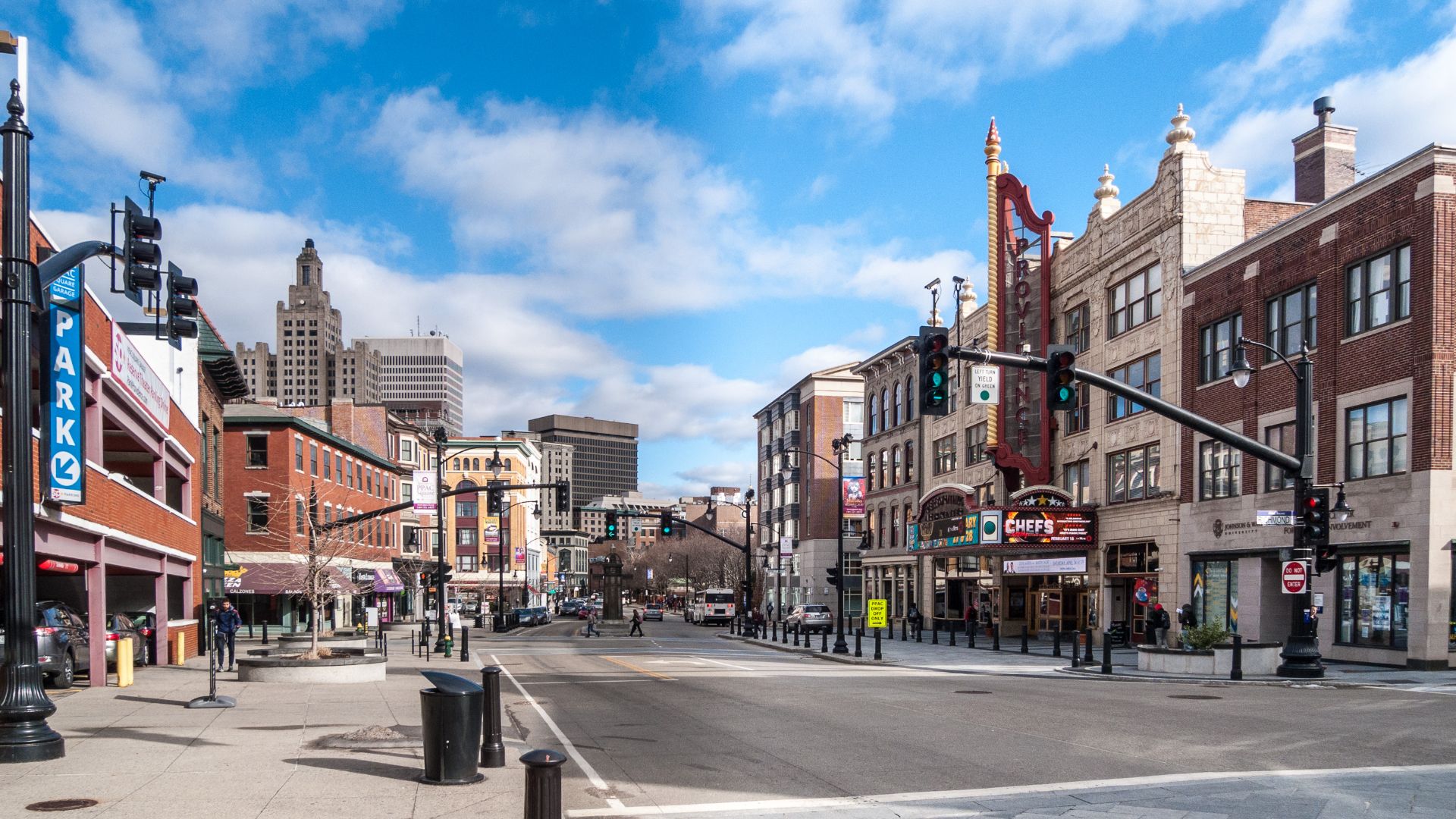
9: Rhode Island
Living wage: $136,000
Median income: $87,000
Gap: ~$49,000
Small state, but cost pressures are significant as housing and daily expenses outpace income growth.
 Kenneth C. Zirkel, Wikimedia Commons
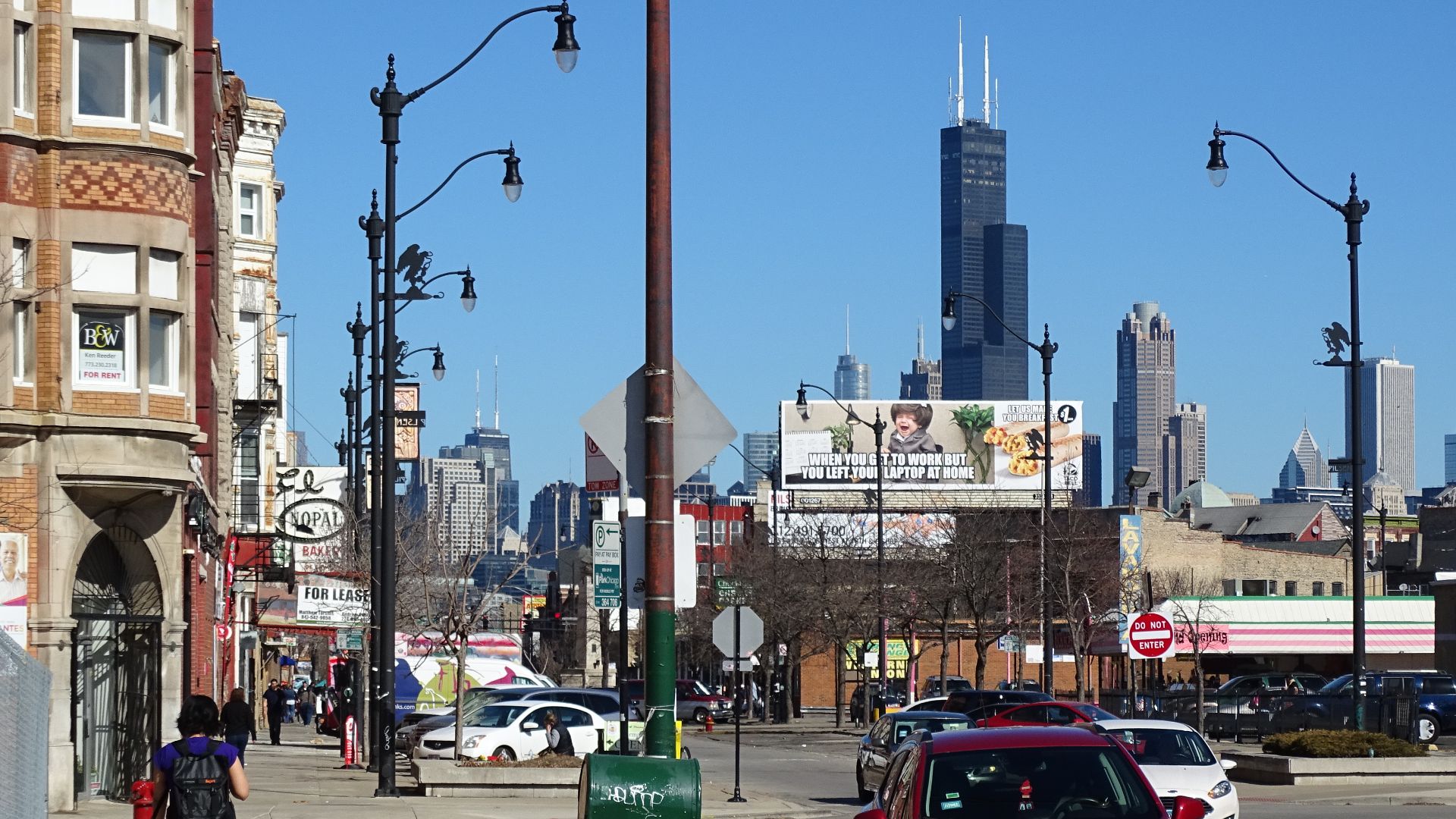
8: Illinois
Living wage: $138,000
Median income: $86,000
Gap: ~$52,000
Chicago heavily influences costs, and even solid incomes struggle to keep up with rising expenses.
 Adam Jones from Kelowna, BC, Canada, Wikimedia Commons
7: Washington
Living wage: $140,000
Median income: $90,000
Gap: ~$50,000
High-paying jobs exist, but soaring housing and living costs keep the affordability gap wide.

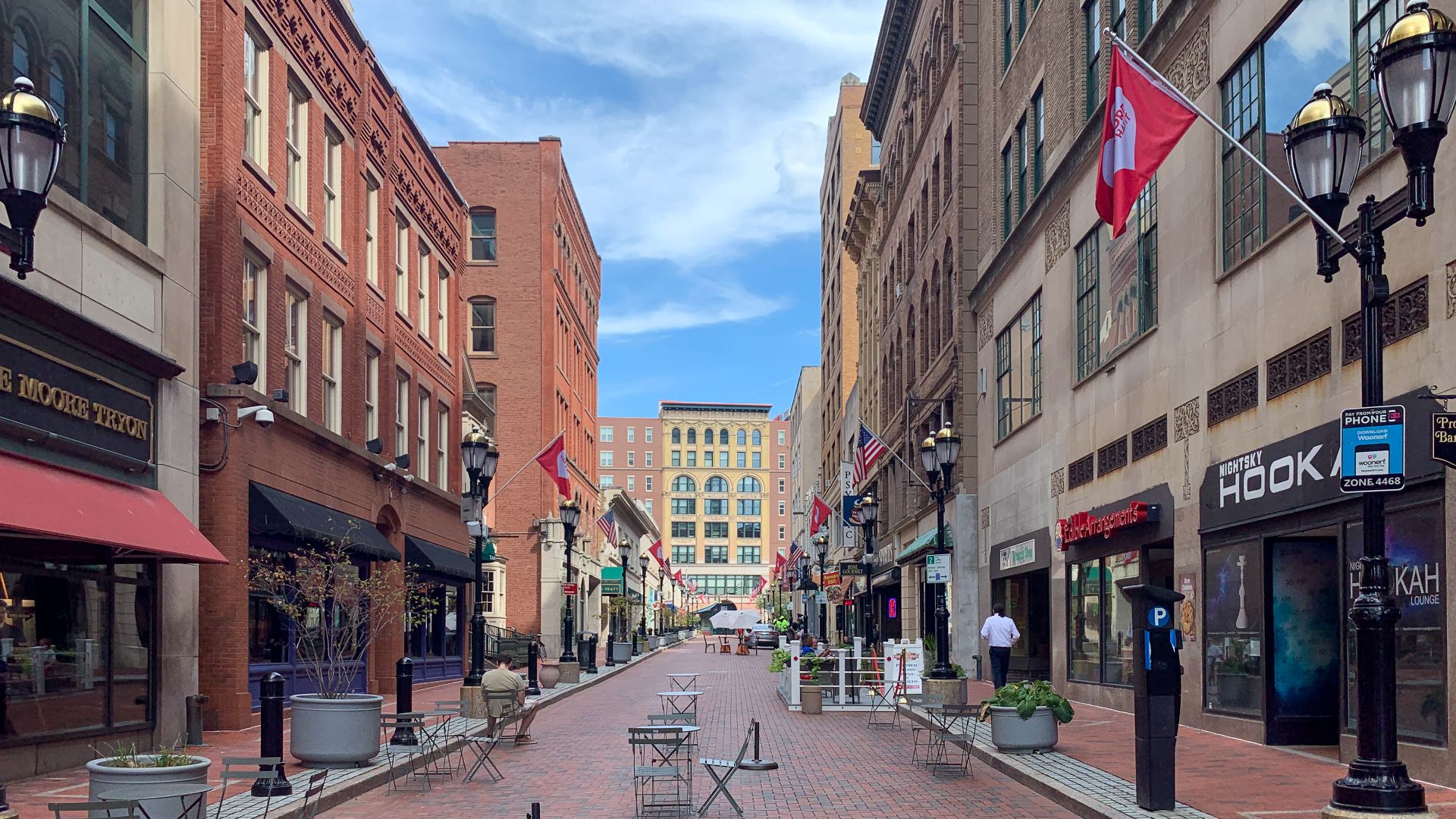
6: Connecticut
Living wage: $142,000
Median income: $92,000
Gap: ~$50,000
Wealthy on paper, but high taxes and costs make it harder to feel financially secure.
 Kenneth C. Zirkel, Wikimedia Commons
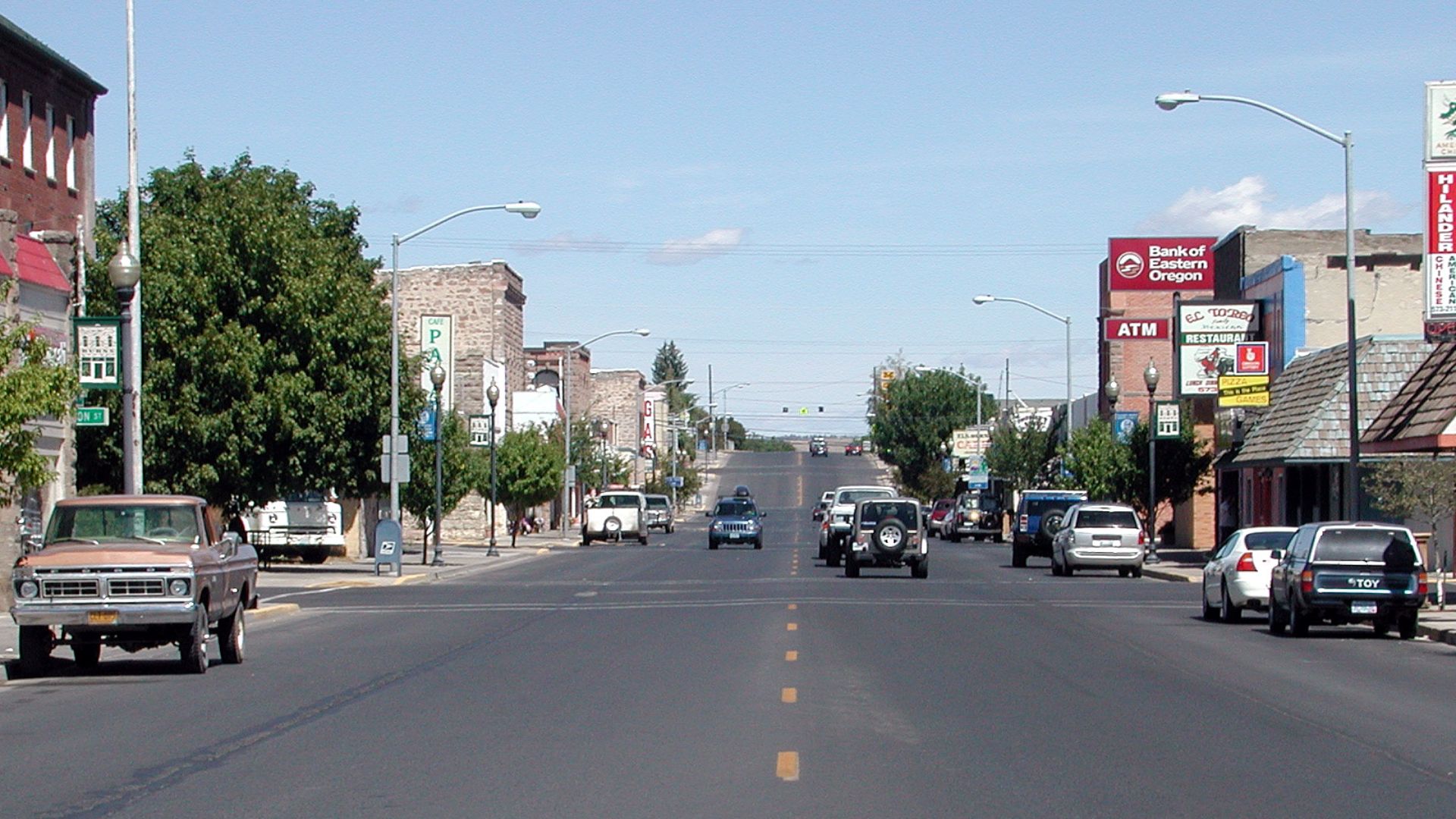
5: Oregon
Living wage: $144,000
Median income: $87,000
Gap: ~$57,000
Housing costs have surged across the state, making it increasingly difficult for incomes to keep up.
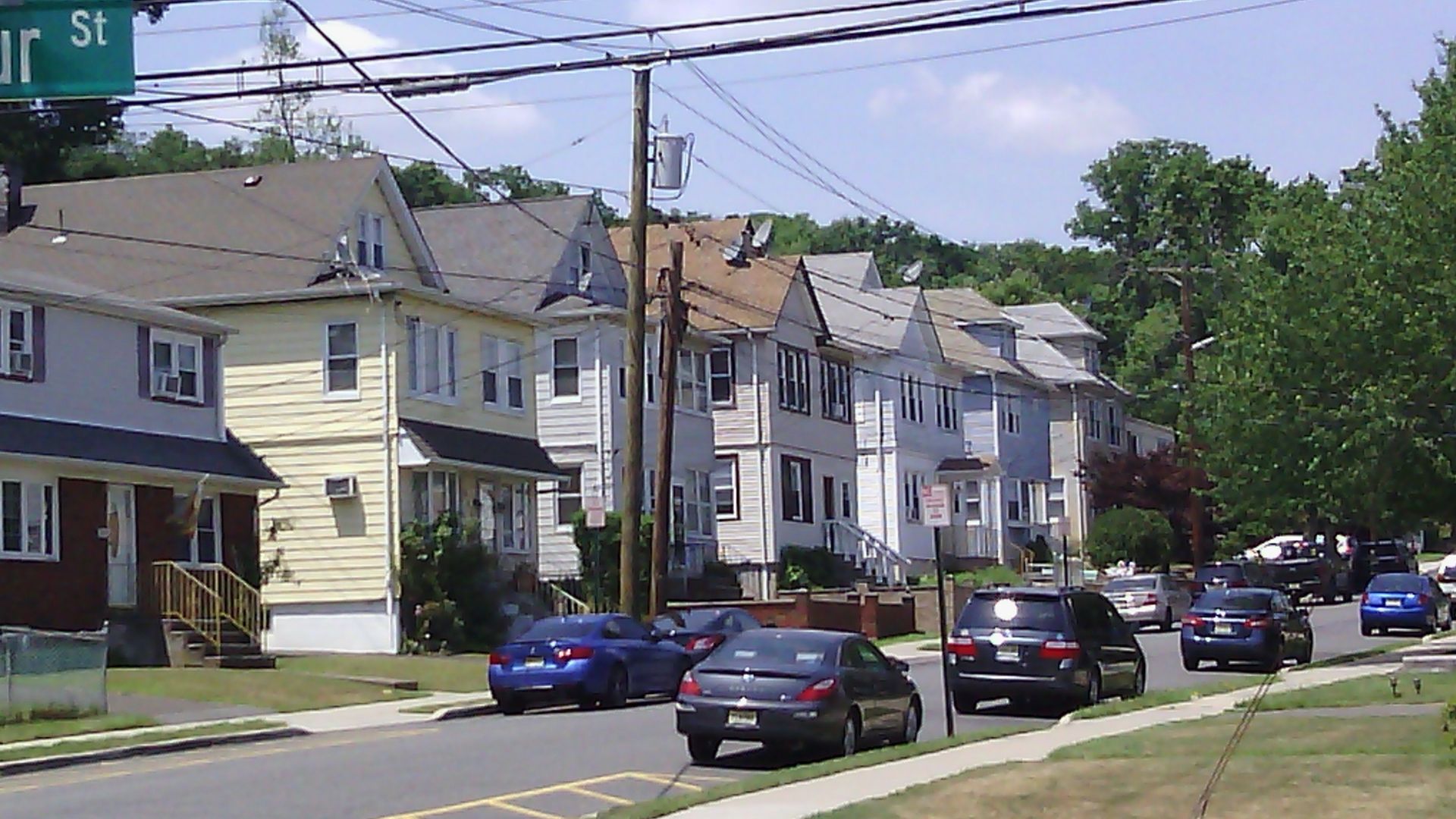
4: New Jersey
Living wage: $146,000
Median income: $96,000
Gap: ~$50,000
High incomes are quickly eaten up by steep housing, taxes, and everyday expenses.
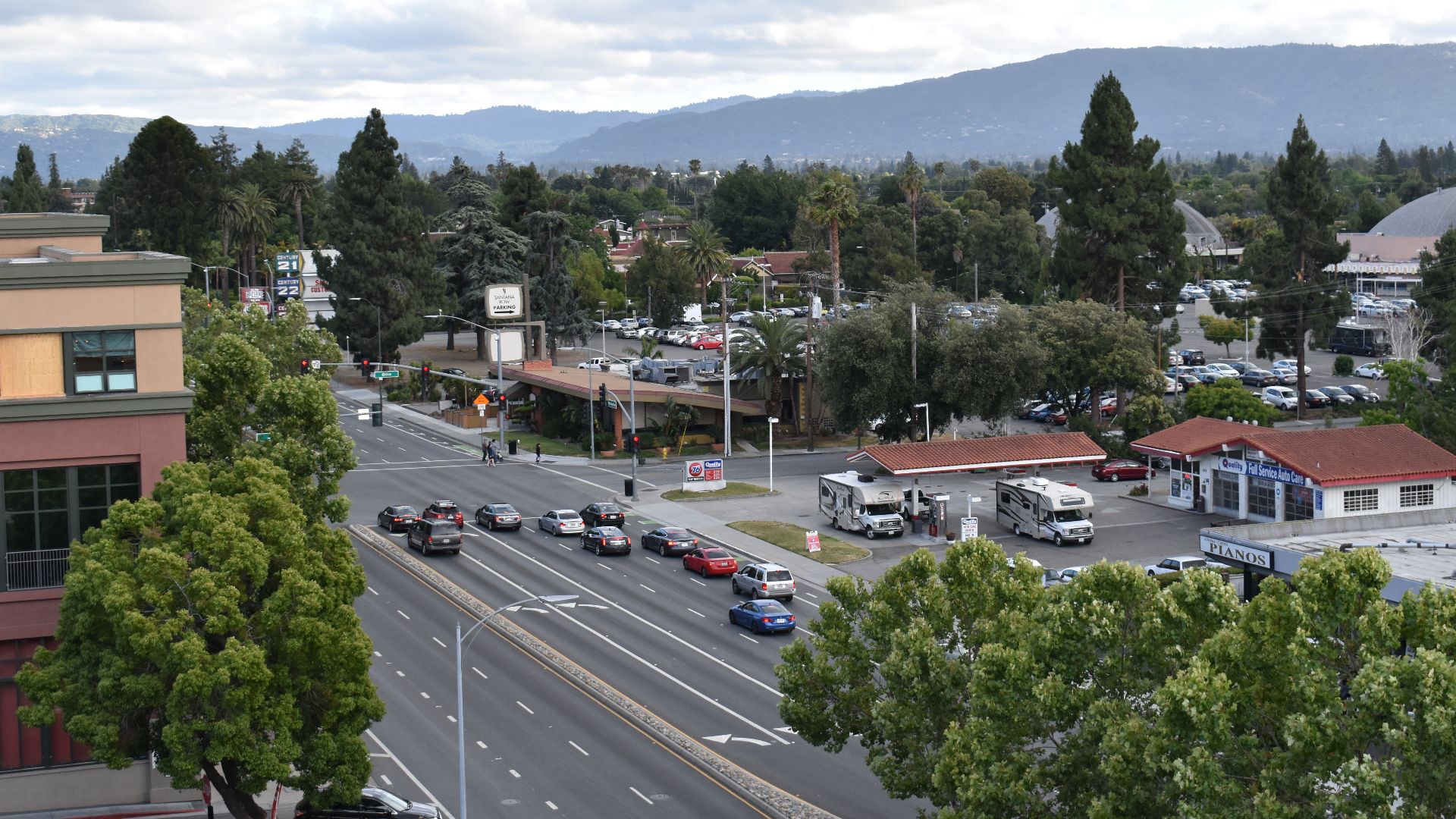
3: California
Living wage: $150,000
Median income: $91,000
Gap: ~$59,000
California’s high salaries don’t go nearly as far as they seem, with costs creating one of the largest gaps.
2: Massachusetts
Living wage: $152,000
Median income: $94,000
Gap: ~$58,000
Strong earnings still aren’t enough to keep up with extremely high costs across the state.
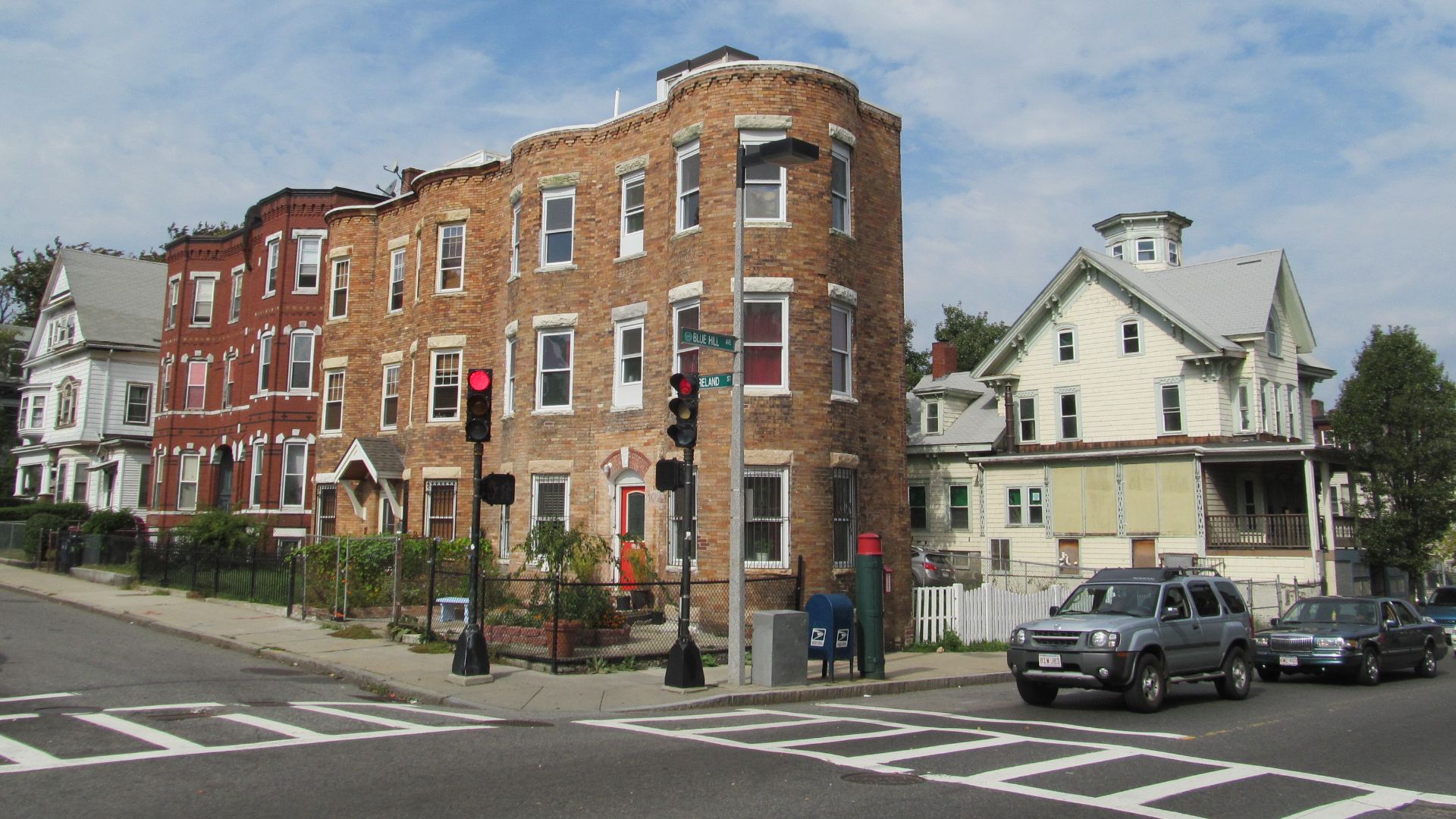 John Phelan, Wikimedia Commons
1: Hawaii
Living wage: $160,000
Median income: $92,000
Gap: ~$68,000
Hawaii is the toughest state to afford comfortably, with extremely high costs far outpacing local incomes.
 Janine from Mililani, Hawaii, United States, Wikimedia Commons
You Might Also Like: