When Your Office Has A View Of The Ocean (And Your Boss Notices)
Working remotely sounds like the ultimate setup—until your boss finds out your “home office” includes a beachfront villa and a pool. What felt like a harmless upgrade suddenly turns into a weird conversation about expectations, trust, and whether your location actually matters. If you’ve ever thought, it’s remote work, who cares where I am, you’re definitely not the only one.
Here’s what’s really behind that awkward moment.

Remote Doesn’t Always Mean Anywhere
A lot of people hear “remote” and immediately think they can work from literally anywhere. But for many companies, remote just means you’re not in the office—not that you can bounce between countries whenever you feel like it.

Companies Still Care About Where You Are
Even if no one’s watching your every move, employers usually still care about your location. It’s not always about control—it’s often tied to things like rules, taxes, and how the company operates behind the scenes.

The Tax Situation Can Get Complicated Fast
Working from another country can open a whole can of worms with taxes. Even a short stay somewhere new can create unexpected obligations for you—or your employer—which is why companies get nervous about it.

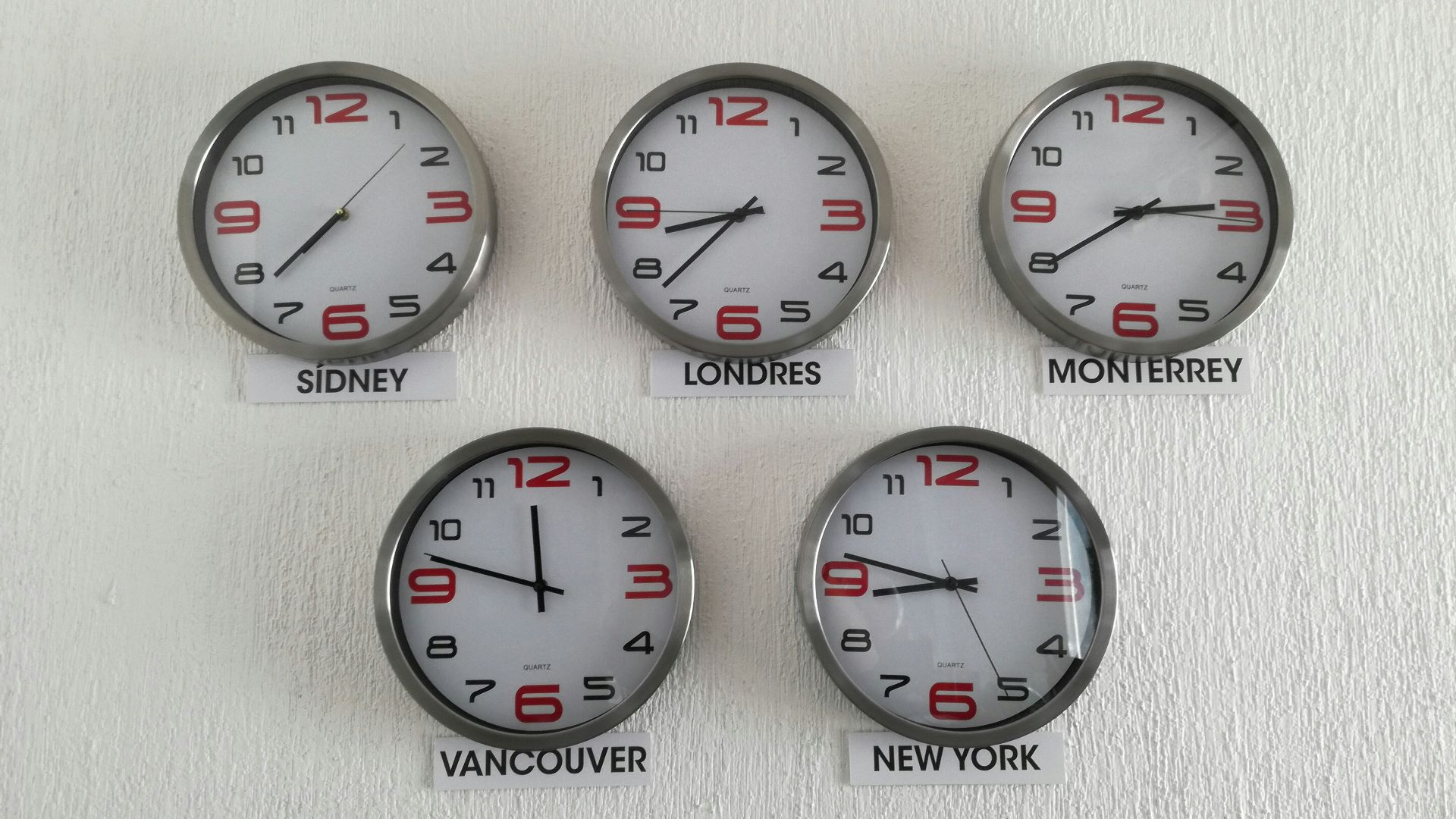
Time Zones Can Become A Real Problem
Your ocean view might be amazing, but if you’re suddenly working hours that don’t line up with your team, it can cause friction. Meetings get harder to schedule, and quick questions turn into long delays.
Not All Internet Connections Are Equal
That dreamy villa doesn’t always come with rock-solid Wi-Fi. And if your connection drops during meetings or slows down your work, it starts to look like a productivity issue pretty quickly.

Some Jobs Need You In A Specific Place
Certain roles actually require you to stay within a specific region. It’s not about being strict—it’s just that some work is tied to local rules, clients, or systems that depend on where you’re based.

Security Concerns Are A Thing
Logging in from a different country can raise red flags when it comes to data security. New networks, unfamiliar systems, and different privacy standards can all make companies uneasy.

Your Contract Might Already Cover This
There’s a good chance your employment agreement says something about where you’re allowed to work. Most people don’t notice it until it suddenly matters.

“Work From Anywhere” Usually Has Fine Print
Some companies do allow location flexibility, but it’s rarely a free-for-all. There are often rules about how long you can stay somewhere, which countries are okay, or whether you need approval first.

Employers Think About The Bigger Picture
If you can work from a tropical villa, why can’t everyone else? Companies often worry about setting a precedent they can’t realistically manage across the whole team.

Productivity Isn’t Just About Output
Even if you’re getting all your work done, your boss might assume you’re less focused in a vacation setting. It’s not always fair, but perception plays a big role in how people judge remote work.
Communication Can Get Messy
When you’re farther removed—physically and sometimes mentally—it’s easy for communication to slip a bit. Delayed replies or missed messages can start to frustrate your team.

Residency Can Sneak Up On You
Spend enough time in another country, and you might accidentally trigger residency rules. That can have real consequences, especially if no one planned for it.
It Can Feel Like You Hid It
If your boss found out after the fact, that might be part of the issue. Even if your work hasn’t changed, not mentioning it upfront can come across as a lack of transparency.

Not Every Company Is Fully Flexible
Some companies are all-in on location freedom, but others still expect a bit of structure. Remote work means different things depending on where you work—and that mismatch causes problems.

Travel Can Throw Off Your Routine
New place, new schedule, new distractions. Even if it feels exciting, it can take time to adjust, and your boss might be worried about consistency.

Insurance Stuff Gets Tricky
Working from another country can affect things like health coverage or liability protections. Employers usually want to know where you are so they’re not caught off guard.

Visa Rules Aren’t Always Straightforward
A lot of people assume remote work is fine anywhere, but that’s not always the case. Some countries don’t technically allow it on a tourist visa, which puts things in a gray area.

Your Boss Is Thinking Long-Term
It’s not just about this one trip. If working from anywhere becomes your norm, your employer has to think about how that impacts the team over time.

A Simple Heads-Up Goes A Long Way
Most of these issues could be avoided with a quick conversation beforehand. Letting your boss know your plans shows you’re thinking about more than just yourself.
 LinkedIn Sales Solutions, Unsplash
So…Does It Actually Matter?
Honestly, it depends on your company. Some won’t care at all as long as your work gets done. Others will see it as a bigger deal because of all the behind-the-scenes complications.
At the end of the day, remote work isn’t just about freedom—it’s about how that freedom fits within your company’s expectations. And sometimes, the difference between smooth sailing and a tense conversation is just keeping everyone in the loop.

You May Also Like:
My job reduced my salary despite no decrease in my performance. Is that legal?