When Something Big Is Missing After You Move In
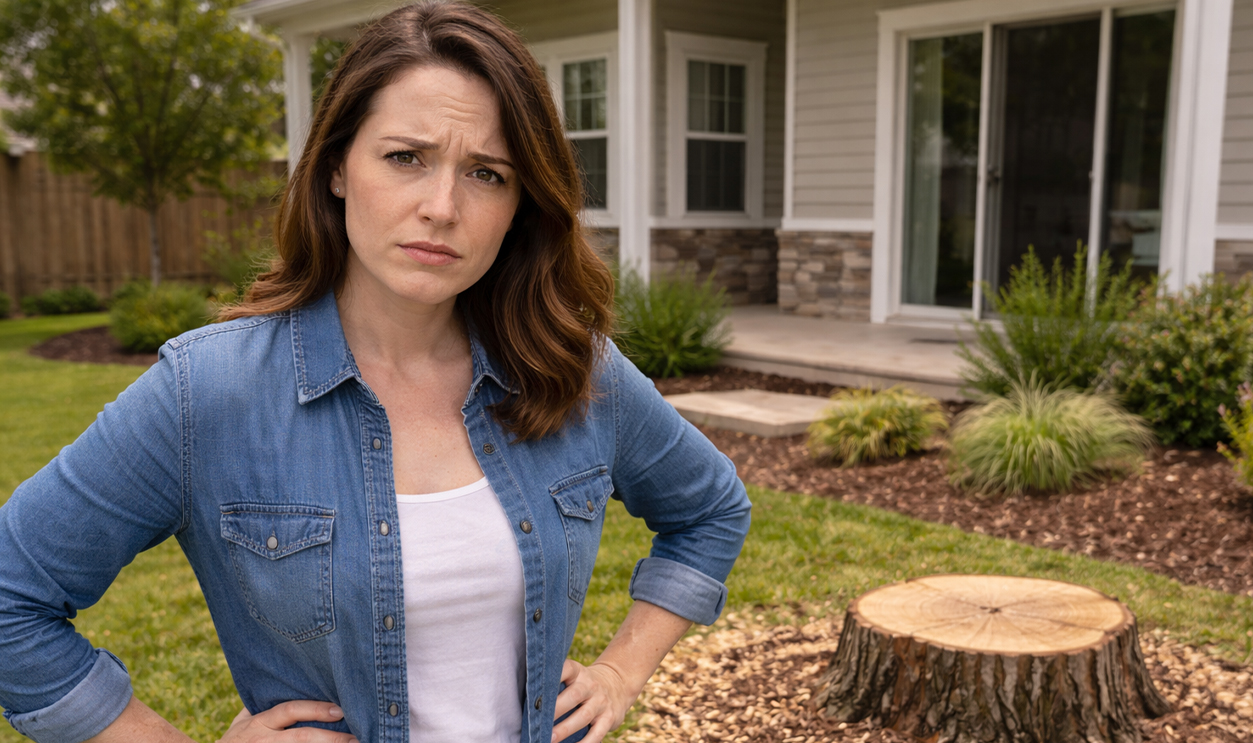
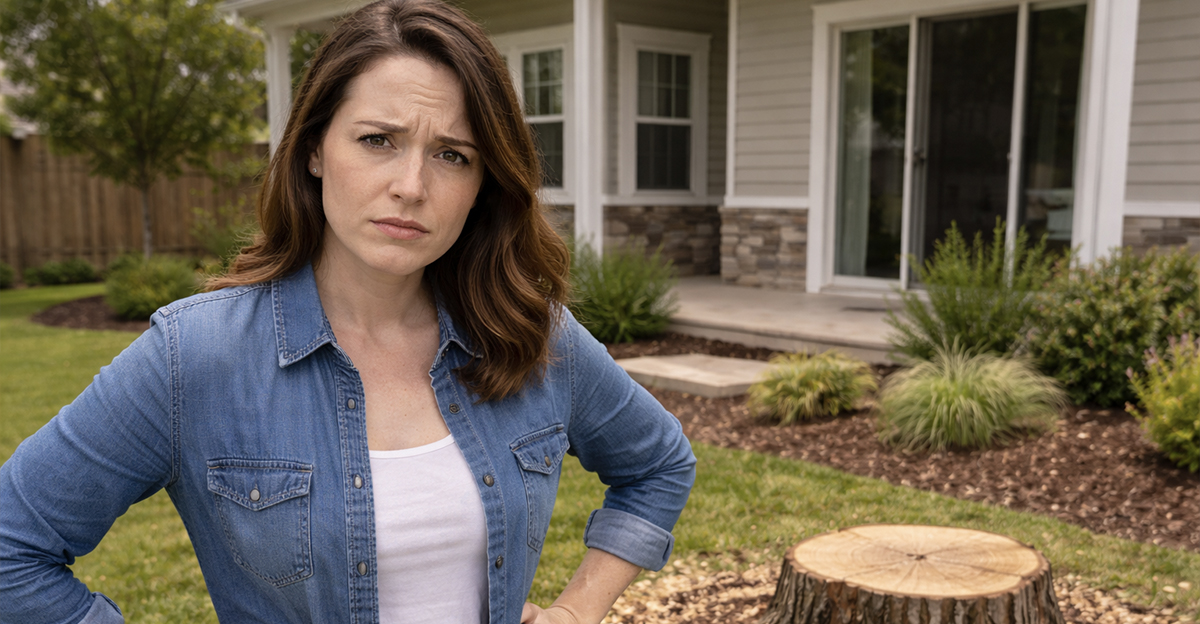
You finally close on your new home, get the keys, and start settling in. Then you notice something is off: that large, beautiful tree that was in the yard when you toured the property is gone. Not trimmed. Not damaged. Completely removed. Now you’re left wondering what just happened and what you can do about it. It might seem like a gray area at first, but in many cases, something like a mature tree is not just landscaping. It can actually be considered part of the property you bought, and if the seller removed it, they’ve probably crossed a serious line.
Trees Are Often Considered Part Of The Property
In real estate, there is an important distinction between “personal property” and “fixtures". Fixtures are things that are attached to the property and are expected to stay with it after a sale. That can include built-in features, landscaping, and yes, even trees. Because trees are rooted in the ground and contribute to the property’s value, they are typically treated as part of the real estate itself, not something a seller can casually take.
Sellers Usually Cannot Remove Fixtures After The Sale
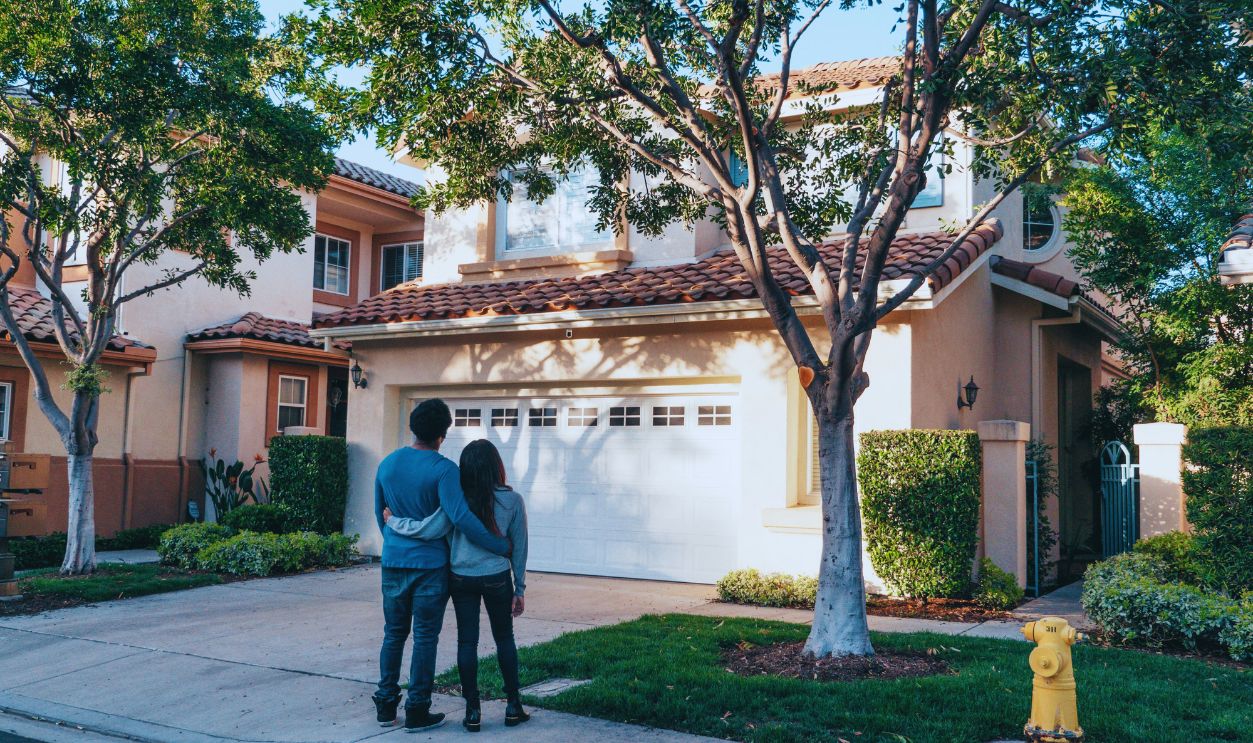
Once a deal is finalized, the buyer is entitled to receive the property in the agreed-upon condition. Sellers are generally not allowed to remove fixtures unless the contract specifically says they can. If something that was clearly part of the property disappears after closing, that can potentially be a breach of contract.

The Purchase Agreement Is Everything
The first place to look is your purchase agreement. This document outlines exactly what was included in the sale. Some contracts specifically list landscaping, trees, or outdoor features. Others rely on general language about fixtures. If the tree was not excluded in writing, there is a strong argument that it should have stayed.

Listing Photos Can Help Your Case
If the tree appeared in the listing photos or marketing materials, that can support your position. Those images help establish what the property looked like when it was being sold. They can also show that the tree was a meaningful feature, not something minor or temporary.

Final Walkthroughs Are Meant To Catch This
The final walkthrough before closing is supposed to give buyers a chance to confirm that the property is in the expected condition. This is when issues like missing items or damage are usually caught. If the tree was removed after the walkthrough but before or after closing, that timing becomes very important.

Timing Matters More Than You Think
If the tree was removed before closing and you did not notice, it may still be an issue, but it becomes a bit more complicated. If it was removed after closing, that is often more clearly a problem since ownership had already transferred to you. In general, once you take ownership, the property and everything attached to it belongs to you.

Trees Can Have Real Monetary Value
A mature tree is not just decoration. It can add significant value to a property in terms of curb appeal, shade, energy efficiency, and overall landscaping. Replacing a mature tree can cost thousands of dollars, especially if you try to replicate its size and impact.
You May Be Able To Seek Compensation
If the seller removed the tree without permission and it was part of the property, you may be able to pursue compensation. This could involve asking the seller to pay for replacement or negotiating a financial settlement. In some cases, buyers pursue claims in small claims court or through real estate attorneys.

Start By Contacting Your Agent
Before jumping into legal action, reach out to your real estate agent. They can often contact the seller’s agent and try to resolve the issue informally. Sometimes disputes like this are settled quickly once both sides understand the situation.

Document Everything Right Away
Take photos of the area where the tree used to be. Gather listing photos, inspection reports, and any communications related to the property. The more evidence you have showing the tree was there before closing, the stronger your case will be.

Ask The Seller For An Explanation
There is always a small chance there is a misunderstanding. Maybe the seller believed they had the right to remove the tree or thought it was excluded. Asking for an explanation can sometimes lead to a quick resolution without escalating things.

Consider Whether The Tree Was Specifically Excluded
Some contracts include lists of items the seller plans to remove. If the tree was clearly listed as excluded, your options may be limited. However, if there was no mention of it, that strengthens your position significantly.

Legal Action Is An Option, But Not Always Necessary
If the seller refuses to cooperate, you may consider legal action. Depending on the value of the loss, this could mean small claims court or hiring a real estate attorney. Courts often look at the contract and whether the item removed was considered a fixture.

Courts Often Favor Buyers In Fixture Disputes
In disputes over whether something was a fixture or personal property, courts often lean toward the buyer’s reasonable expectations of what was included in the sale. If a feature looks permanent and was part of the property during showings, that can work in your favor.

The Cost Of Replacement Can Be Used As Leverage
Getting a professional estimate for replacing the tree can help quantify your loss. This gives you a clear number to present when negotiating with the seller. It also shows that the issue is not just cosmetic, but financially meaningful.

Title And Insurance Usually Do Not Cover This
Title insurance typically covers ownership disputes, not missing landscaping. Homeowners insurance may not apply either if the issue stems from a seller’s actions rather than a covered event. That means resolving the issue often comes down to negotiation or legal action.

Prevention For Future Buyers
While this does not help your current situation, it is a good reminder of how important the final walkthrough is. Verifying that everything is still in place right before closing can prevent surprises like this. Clear contract language about what stays and what goes is also key.

Final Thoughts: You May Have A Strong Case
If a seller removed a tree after closing and it was not clearly excluded from the sale, you may have a valid claim. Trees are usually considered part of the property, and removing one without agreement can cross into breach of contract territory. Your best move is to review your purchase agreement, gather evidence, and start by contacting your agent. Many of these situations can be resolved through negotiation, but if needed, legal options are available. The key is acting quickly and backing up your claim with clear documentation.

You May Also Like: