Too Many Bodies
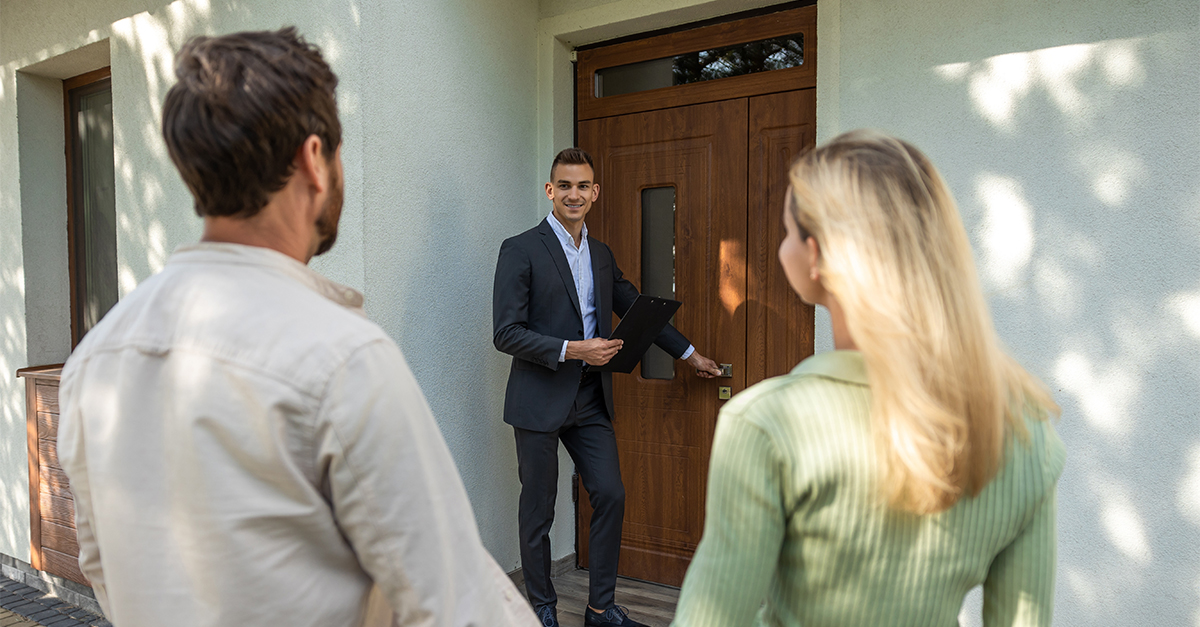
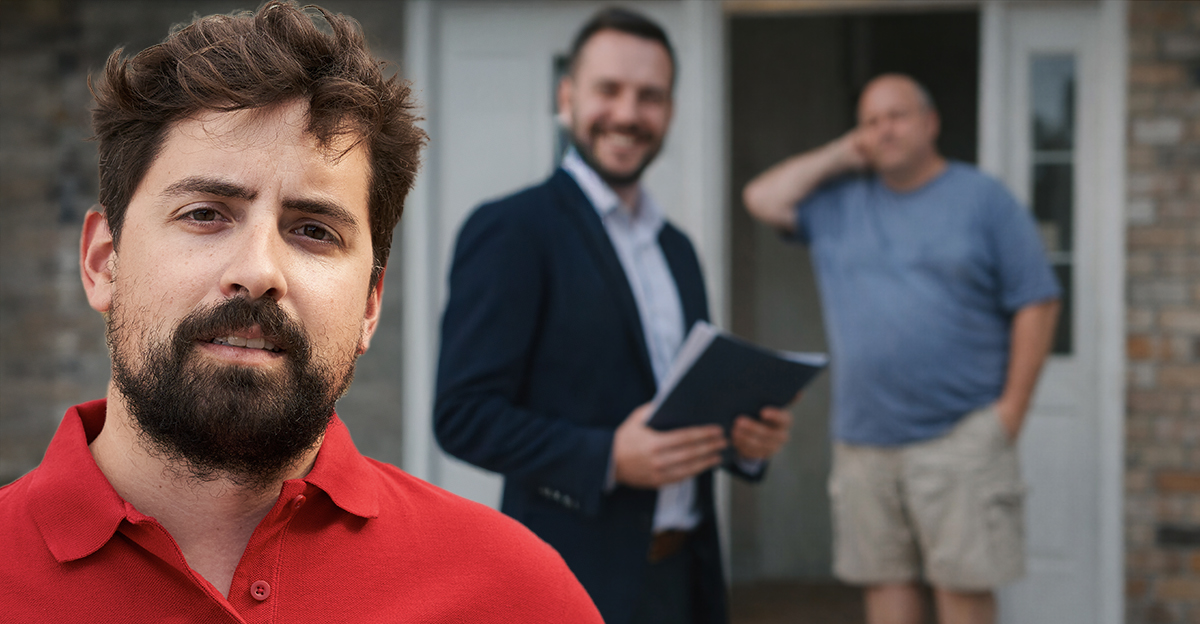
You’re touring homes as a first-time buyer while trying to picture your life in each space. But twice already, the sellers have been loitering at the kitchen table or hovering near you during your showing. Instead of feeling free to ask honest questions or critique flaws, you feel awkward. Now you’re wondering whether this is a normal practice and whether your agent should be handling things differently.
 Carlos Barquero, Shutterstock, Factinate
What Normally Happens At A Showing
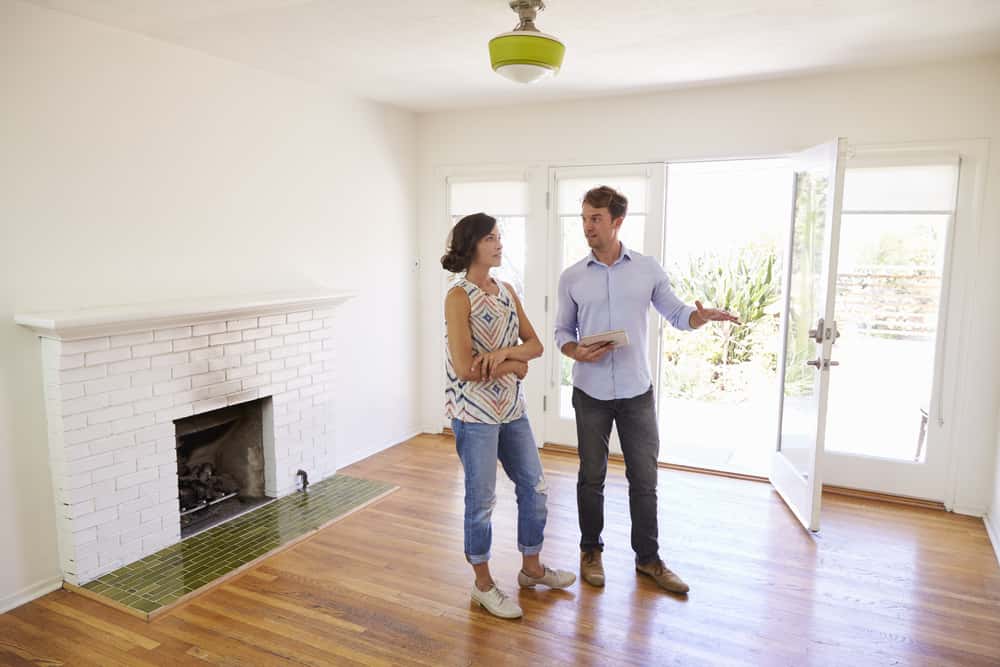
In most residential real estate transactions, sellers are not present during private showings. The standard practice is for the buyer or buyers to view the home with their agent while the sellers temporarily leave the premises. This lets the buyers move freely around the house, ask questions candidly, and evaluate the property without feeling pressure or weirdness.
Why Sellers Typically Step Out
Sellers are encouraged to vacate the home during showings because this creates a neutral environment. Buyers need the mental space to imagine themselves living in the house. When sellers hang around, it disrupts that process. Their presence can unintentionally influence conversations, reactions, and even the emotional tone of the showing.
Is It Ever Acceptable For Sellers To Stay?
There are exceptions to this general practice. In unique situations such as luxury estates, rural properties, or owner-built custom homes, a seller may give access or special knowledge. However, even in such cases as these, it’s often better handled as a scheduled meeting instead of a casual presence during a standard showing.

How This Affects First Time Buyers
As a first-time home buyer, you may not yet feel fully confident evaluating properties. Having the seller nearby only amplifies this anxiety. You might avoid opening closets, examining flaws, or discussing future renovation plans. That hesitation can interfere with your ability to make a fully informed decision.

Buyers Need To Speak Honestly
Showings are when you evaluate layout, repairs, and potential costs. You may want to remark that the carpet smells, the kitchen looks dated, or the bedrooms seem small. If the seller is listening, you may censor yourself, which restricts your ability to process whether the home truly works for you.

Negotiation Risks For Sellers
Ironically, a seller’s presence can hurt them during negotiations. Buyers who feel uncomfortable may rush through the showing or walk away without really looking at the place. They might also reveal too much enthusiasm or too many concerns in front of the seller, undermining their own bargaining position later.

Emotional Attachments Complicate Matters
Sellers often feel emotionally attached to their homes. If they overhear criticism, they may take it personally. That kind of reaction can make negotiations tense or defensive. Transactions tend to go a lot more smoothly when both parties allow their agents to serve as buffers.

Your Realtor’s Role In Showings
Your buyer’s agent is responsible for protecting your interests and maintaining a controlled professional environment. If sellers are frequently seen hanging around, your agent should communicate with the listing agent to request private showings. Clear boundaries uphold the interests of everyone involved in the transaction.
Listing Agent’s Responsibility
The listing agent also has a duty to advise their seller properly. Standard real estate guidance recommends that sellers leave the premises during private tours. If sellers insist on staying, the listing agent should explain the potential downsides of doing that and document the seller’s choice.

Safety And Privacy Concerns
Having strangers wandering around and looking at your property is inherently vulnerable. But the presence of sellers can cause safety issues of its own. Buyers may feel uneasy walking through rooms under the homeowner’s watchful eye. A comfortable, neutral showing helps keep tension to a minimum and maintain professionalism.
Open Houses Are Different
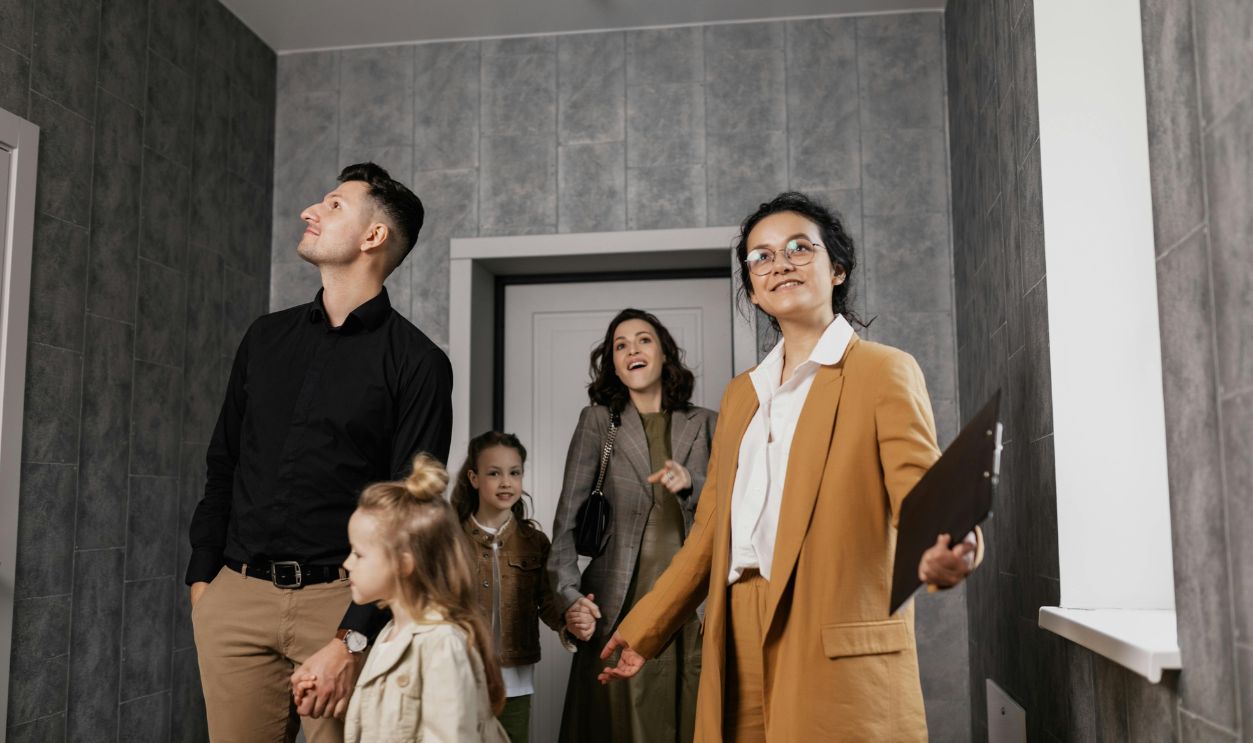
Keep in mind that open houses operate differently. Sellers typically leave during open houses too, but those events are intended more for public browsing than a detailed evaluation. Private showings are much more personal and usually warrant complete privacy for buyers.

How This Impacts Offers
If you feel at all uncomfortable during a showing, it could make a difference in how much you offer or whether you even offer at all. Emotional discomfort can cloud judgment. A home purchase is a major financial decision, and the showing experience should support thoughtful analysis and reflection rather than implicit pressure.
What You Should Say To Your Agent
If you feel awkward, speak up. Tell your realtor that you prefer private showings. A good agent will appreciate your honesty and try to adjust future appointments accordingly. Communication early in the process prevents any further frustration.

Understanding Seller Anxiety
Sometimes sellers may stay in the home because they feel anxious about leaving valuables or disrupting their schedule. While this is understandable, those concerns should not override the standard showing process. Proper coordination and professionalism can usually find ways to address these worries.

Market Conditions Can Influence Behavior
In competitive markets, sellers may feel empowered to bend the expected norms. However, strong markets don’t mean that best practices should take a back seat. Even if demand is high, sellers who accommodate smooth showings often create the conditions for better overall impressions and stronger offers.
How It Could Affect You Legally
While it is not illegal to have the seller present, conversations during a showing could inadvertently disclose information. A casual remark about how much you love the house could have a big effect on the seller’s negotiation strategy. Privacy protects both sides from unintended disclosure.

Creating A Professional Environment
Real estate transactions work best when agents manage the communication and logistics. Keeping buyers and sellers separate during showings maintains a high level of formality and professionalism. It ensures feedback, questions, and negotiation strategies all go through the appropriate channels.
When To Consider A New Agent
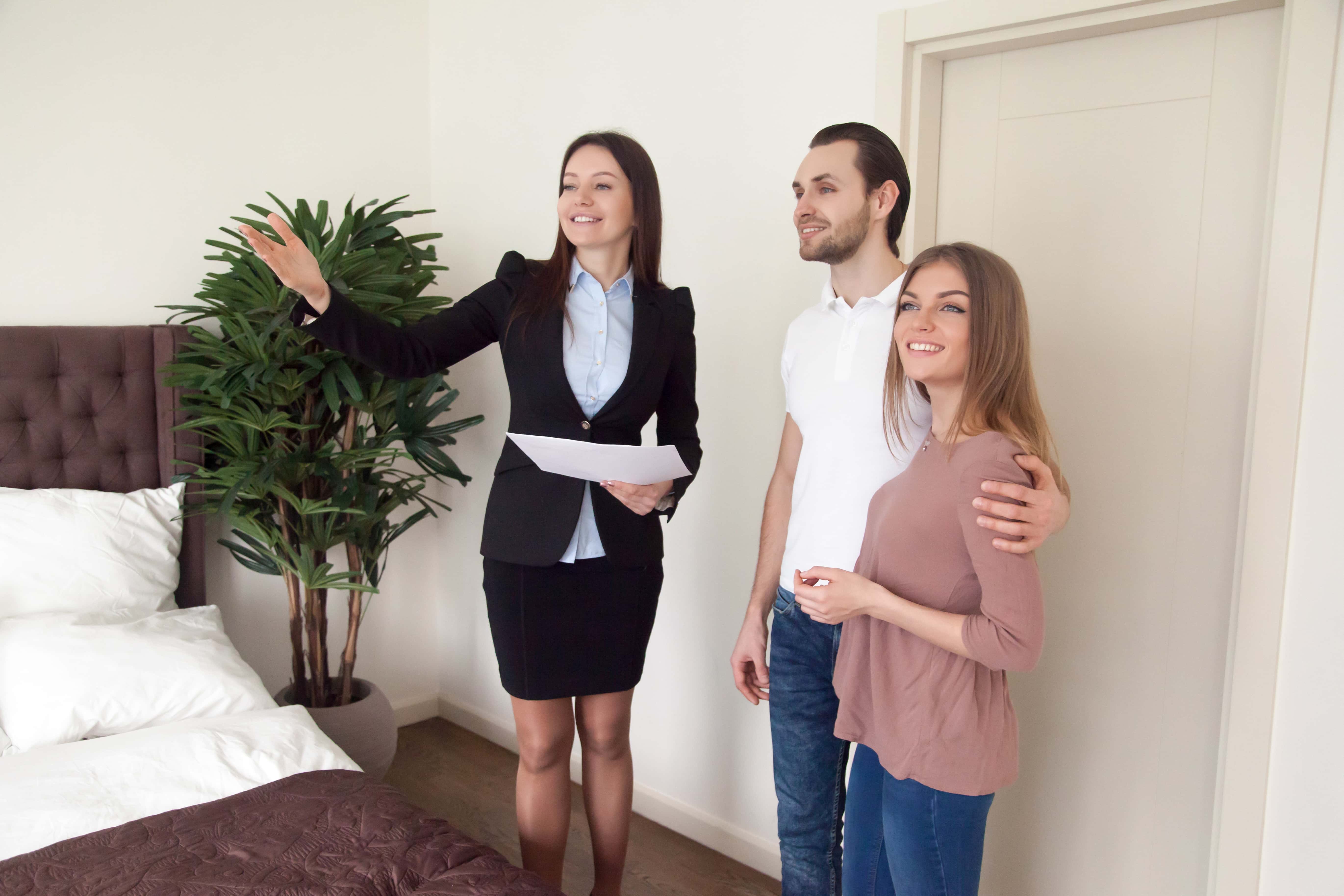
If your realtor dismisses your concerns or continues to schedule showings where sellers are present without any explanation, that may signal some kind of communication problem. First-time buyers especially are looking to get strong guidance and advocacy from their agent.

Trust Your Instincts
If something feels uncomfortable, it’s worth addressing. Buying a home is likely one of the biggest financial decisions you’ll ever make. The viewing process should feel safe, private, and respectful of your needs as a buyer.
Going Forward
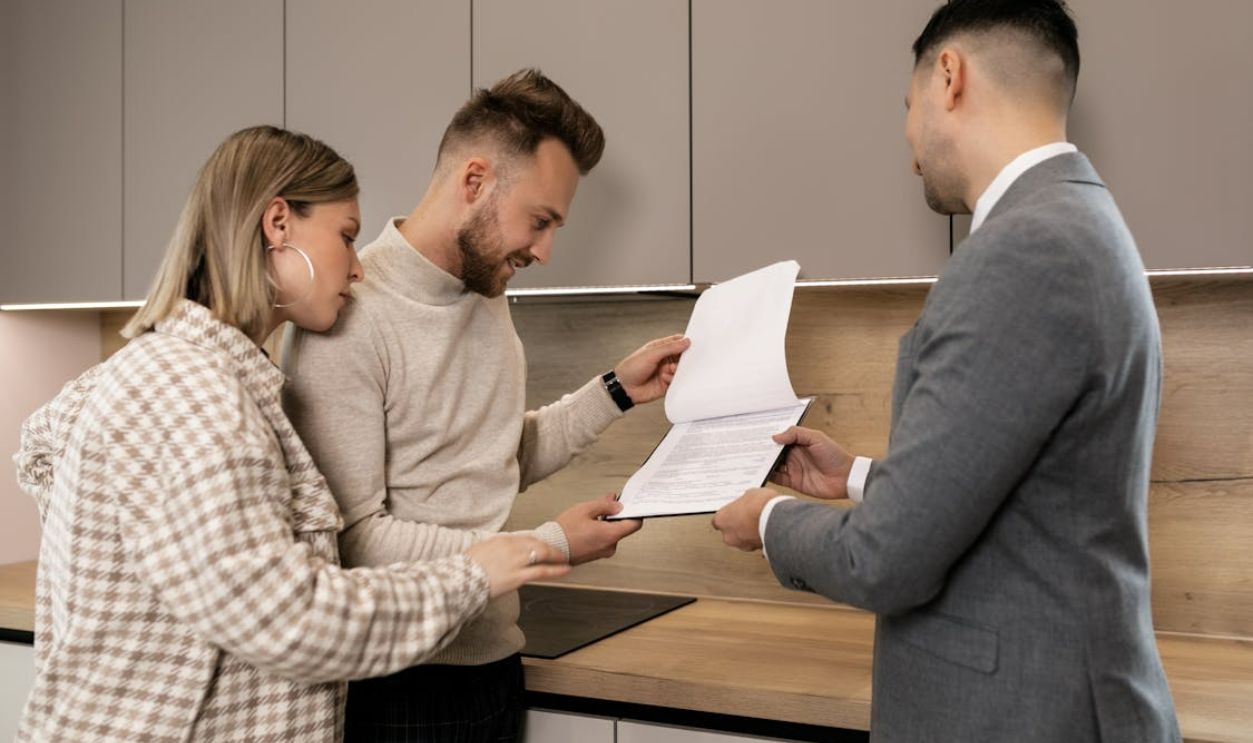
The presence of a seller during occasional showings can happen, but it certainly shouldn’t become the norm. By laying out your expectations clearly with your agent, you can ensure that future showings give you the chance to evaluate properties thoroughly and negotiate from a position of confidence.

You May Also Like: