A Cold Listing Heats Up
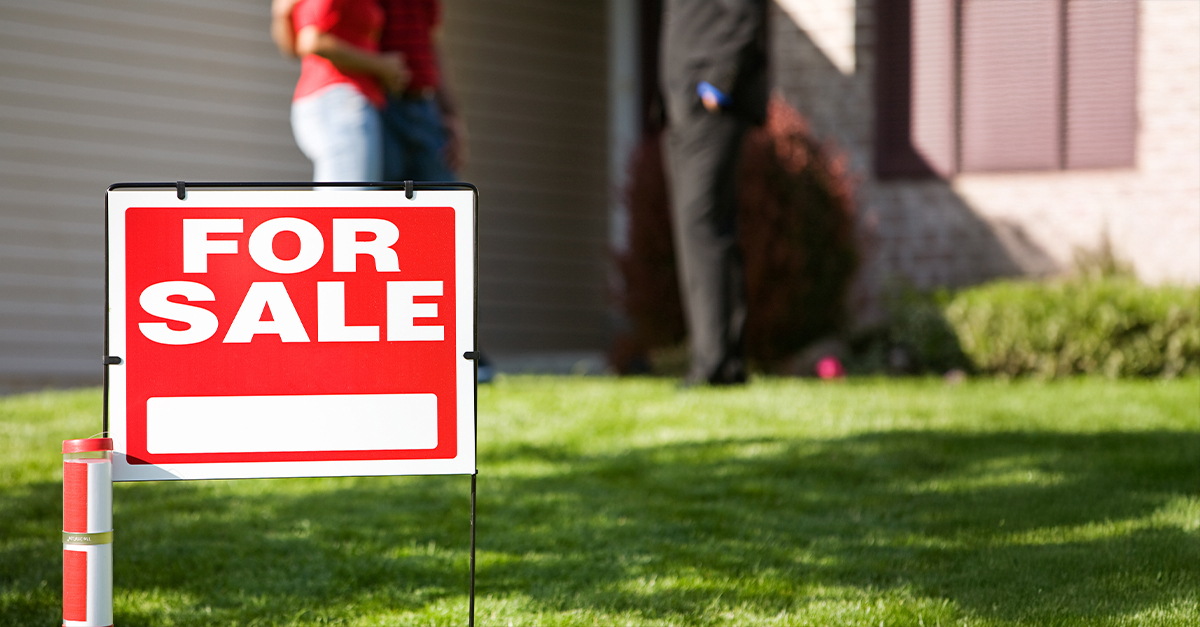
You finally felt great making an offer on a home that had been sitting on the market for months with no apparent interest. Then, almost immediately, the seller’s agent indicated that two other higher offers came in right after yours. The timing feels unsettling and raises alarm bells about transparency, pressure tactics, and what your next move should be.
 Krakenimages.com, Adobe Stock; Factinate
Why This Situation Seems Suspicious
Long-listed homes rarely attract a sudden flurry of competition without some kind of catalyst. When multiple offers pop up right after yours, it’s natural to wonder whether you’re being leveraged to create urgency. Even if nothing unethical is going on, the emotional shock alone can push some buyers into making a decision they later regret.

Multiple Offers Can Be Legitimate
Your offer itself may have been what triggered the subsequent attention. Listing agents often notify interested parties once an offer arrives, and this can prompt others to act. Buyers who were previously sitting on the fence sometimes rush in when they sense momentum or fear of losing the opportunity.
Understand The Listing Agent’s Role
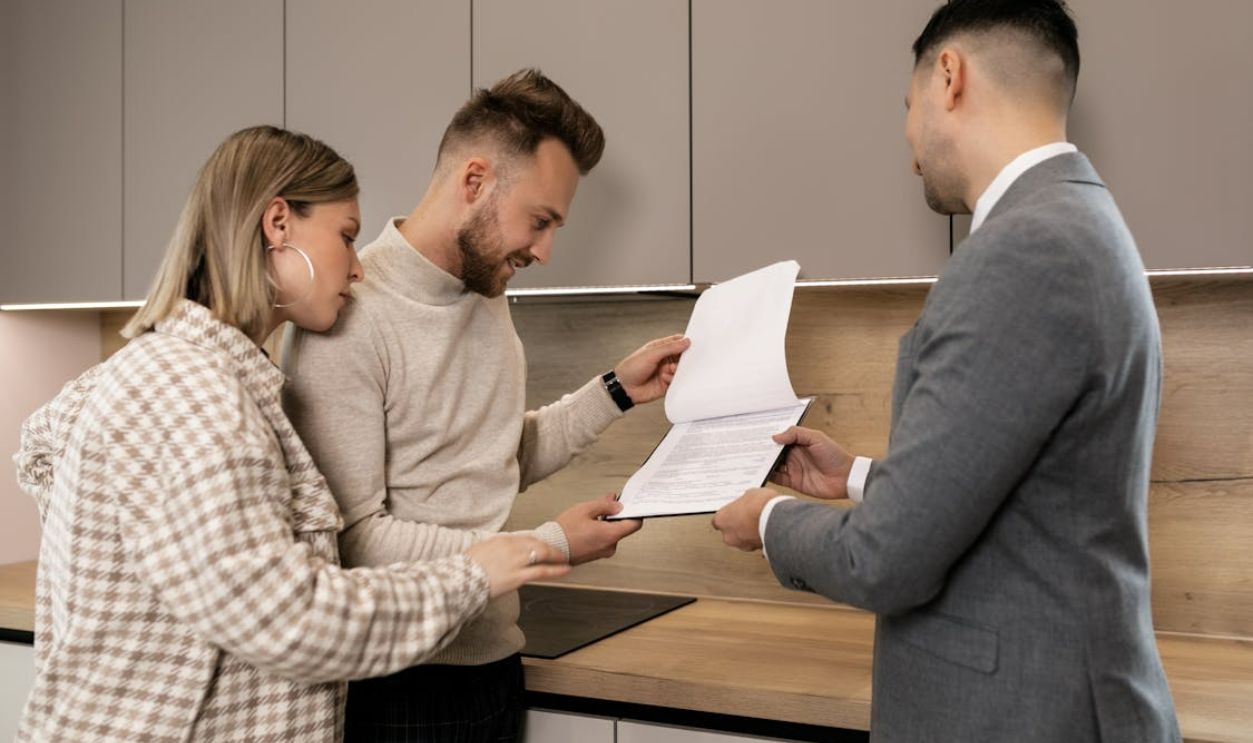
The seller’s agent represents the seller, not you. Their job is to maximize price and terms. While agents are required to present offers honestly, they’re not obligated to protect you from competitive pressure or to slow the process to make you happy.

Ask Without Sounding Confrontational
You’re allowed to ask clarifying questions. You can request confirmation that there are competing offers and whether these are written and submitted. While agents can’t disclose offer details, reasonable questions like this can help you get a better understanding of the situation without escalating tension.

Don’t Make A Panic Bid
The biggest mistake buyers make in this scenario is to rush to overpay out of fear. A house sitting for 90 days still carries that history. Sudden competition doesn’t automatically change the property’s true market value or long term suitability.

Think About Why You Want The House
Step back and reconnect with the original reasoning you had before these other offers emerged. Did the price, location, or condition make sense at your offer level? If the home was only attractive without the added competition, that may tell you something important about your comfort zone.

Review Your Offer Strength Honestly
Look beyond the price alone. Strong financing, flexible closing terms, and fewer contingencies can matter just as much as the raw dollar amount. If your offer was already competitive on non-price terms, you may not need to escalate significantly to keep yourself in the running.

Set Your Take-It-Or-Leave-It Number
Before responding, define your firm offer ceiling. This should be the price at which you would feel genuinely comfortable owning the home long term. Making this decision calmly now saves you from emotionally-driven bidding later.

You’re Not Obligated To Counter
Multiple offers don’t force you to act. You can stand pat, walk away, or adjust strategically. Choosing not to counter is a perfectly valid decision, especially if you’re having misgivings about a situation that feels rushed or manipulated.

Ask Your Agent To Advocate Carefully
Your agent should provide context, not pressure. Ask them to explain the market norms in your area and to communicate thoughtfully with the listing agent. A good agent will help you stay grounded rather than filling you with a sense of urgency.

Deadlines And Escalation Clauses
Some buyers respond with escalation clauses or tight deadlines. These tools can be effective, but they also surrender control. You should resort to these only if you fully understand the consequences and are comfortable with the maximum outcome.

From The Seller’s Point Of View
Sellers who waited months may now jump at sudden interest, even if the offers are close together. They may also use competition to drive the price upward quickly. Understanding this dynamic helps you understand the seller’s behavior without personalizing it.

Be Wary Of Anchoring Bias
Once competition crops up, buyers often anchor their thinking to the highest rumored offer. Remember that those offers may fall through or carry weak terms. Focus on objective value, not speculating on every possible outcome.

Walking Away Isn’t Failure
It can feel disappointing to step back after investing a lot of time and emotion. But avoiding a purchase that stretches your finances or comfort level is a step forward, not a loss. If the home is right for you, it should still make sense under pressure.

If You Stay In The Game
If you choose to move forward with the offer, respond deliberately. Adjust only to an amount that you’re comfortable with and submit clean terms. Confidence, clarity, and professionalism are what’s important, and will help you avoid frantic escalation.

What This Says About The Market
This scenario reflects a housing market where supply and demand are uneven and buyer psychology plays a larger role than usual. Even slower listings can flip suddenly, which is why preparation and restraint are so important.

Protect Yourself In Future Offers
Next time, discuss advance strategies with your agent before you submit any offers. Knowing how you’ll respond to sudden competition prevents knee-jerk reactive decisions and helps you remain faithful to your own long-term goals.

Data Vs Timing
The number of days on market, comparable sales, inspection realities, and financing terms matter more than sudden flurries of panic-stricken bidding. Data-grounded decisions hold up a lot better than choices driven by surprise and impulsive decision-making.

Bottom Line On Sudden Competition
Multiple offers popping up right after yours can feel unsettling, but it doesn’t mean you should panic. Clarify the facts, revisit your limits, and act with deliberation. Whether you proceed or walk away, the right decision is the one that protects both your finances and your peace of mind.

You May Also Like: