
The Problem You’re Facing
You relied on your realtor’s recommended home inspector, closed on the house, and only just now are discovering costly repairs the inspection somehow missed. Was this is just bad luck or a legal and financial failure by professionals you had every reason to believe you could trust? Before assigning blame, it helps to review what actually happened and what options exist at each stage.

Why Realtors Push Their Inspectors
Many realtors recommend inspectors they’ve worked with before, a lot of times because transactions went smoothly and deals didn’t fall through. While that isn’t necessarily unethical, it can generate low-key pressure to downplay issues. It’s important to know this dynamic because it affects how liability and conflicts of interest are assessed later.

Home Inspector: Legal Responsibility
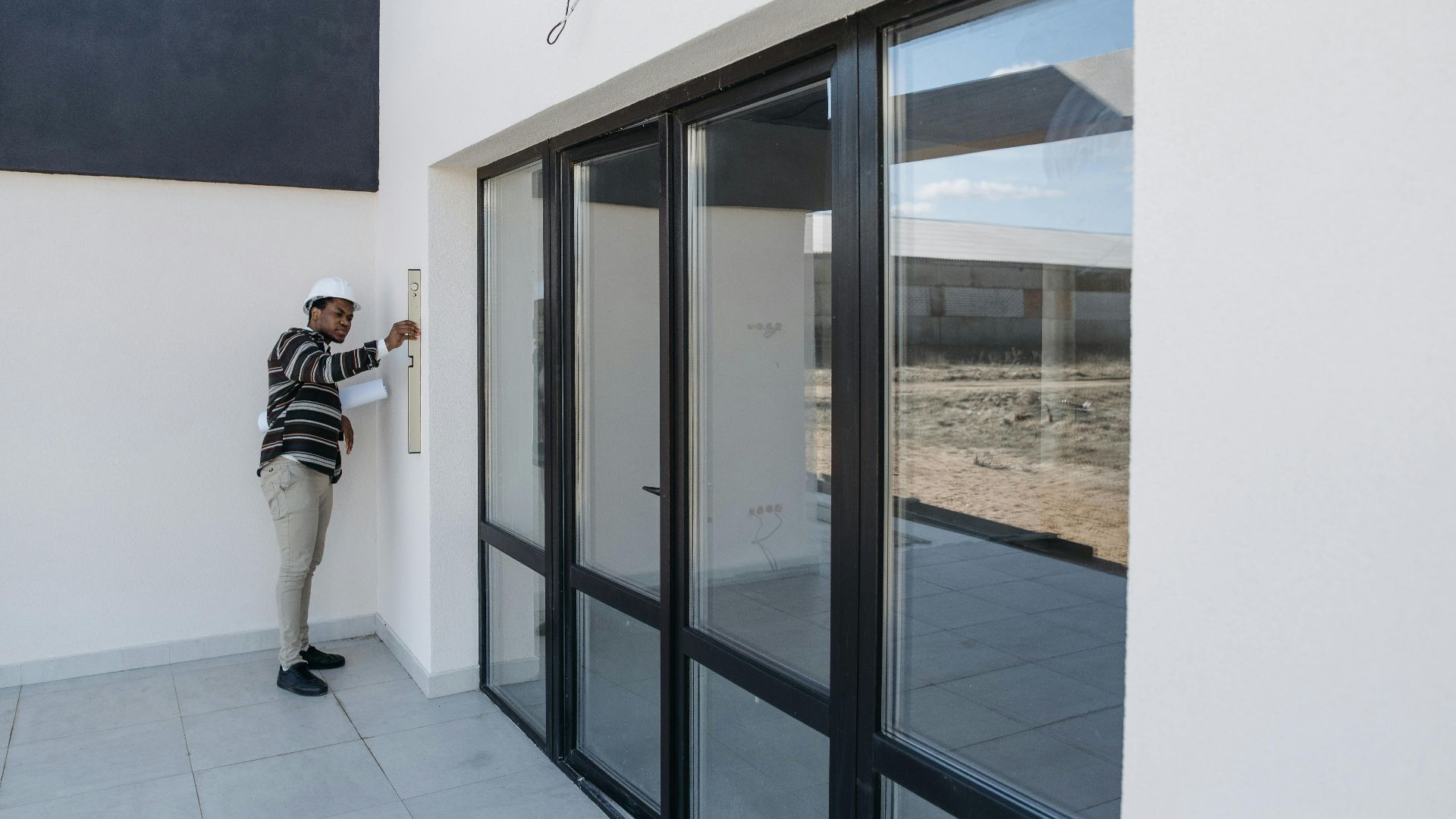
Home inspectors are typically responsible only for identifying visible, accessible defects during a limited visual inspection. They aren’t there to guarantee the home’s condition. Their duties are defined by state law and the inspection contract you signed, which often great limits both scope and liability.

The Inspection Report Is Everything
Your inspection report is the bedrock of any claim you may bring forward. It spells out what the inspector did, what they left out, and the standards they followed. Carefully reviewing the language can tell you whether the missed issues were explicitly excluded or should reasonably have been identified at the time of the inspection.

Inspection Agreement: Liability Caps
Most inspection contracts cap damages at the inspection fee itself, sometimes a few hundred dollars. These clauses often hold up in court. While this may be frustrating, these clauses have a big effect on whether legal action makes financial sense, and they often push homeowners toward negotiation rather than litigation.

When Missed Issues Might Constitute Negligence
If the inspector missed obvious problems, like visible structural damage, active leaks, or unsafe wiring, you may have grounds for a negligence claim. The key question is whether or not a competent inspector should reasonably be expected to identify the issue under standard inspection practices, not whether the problem exists now.

Timing Affects Your Claim
The sooner you document and address the discovered defects, the stronger position you’ll be in. Delays allow inspectors or insurers to make the argument that the damage occurred after closing. Photos, contractor reports, and dated repair estimates help set the record straight that the problems existed at the time of inspection.

Can Your Realtor Be Held Liable?
Realtors generally aren’t responsible for inspection mistakes unless they deliberately concealed defects or misrepresented the inspector’s independence. However, if your realtor pressured you to use a specific inspector or discouraged your own proposals for an independent inspection, that behavior could be relevant in a complaint or legal claim.

Explore Errors And Omissions Insurance
Many licensed home inspectors carry Errors and Omissions insurance. If the negligence is clear, a claim against that policy may be possible. This route is often more practical than litigation, though insurers will still want to carefully scrutinize whether the issue fell within the inspection’s defined purview.
File A Complaint With Licensing Boards
Even if compensation is a long shot, filing a complaint with your state’s home inspector licensing board can be worth a try. Regulatory pressure sometimes encourages settlements, and it generates a formal record. It also helps protect future buyers from repeated failures by the same inspector.

Negotiate Before Lawyering Up
In a lot of cases, a direct but well-documented demand letter to the inspector or their insurer can lead to partial reimbursement. This approach is often quicker and cheaper than hiring an attorney, especially when damages won’t realistically outweigh the cost of drawn-out legal action.

When Small Claims Court Makes Sense
If your damages are modest and fall within your local small claims limits, this route can be effective. You’ll still need to bring evidence showing the inspector failed to meet professional standards. While damage caps apply, the process gets you out of the expense of full-scale litigation.

Understand The Seller’s Role
Sellers can be liable if they knowingly failed to disclose defects required by law. If contractors’ invoices, past repairs, or neighbor testimony suggest any prior knowledge, you could have a separate claim to pursue. This path focuses on disclosure laws, not inspection failures.

Lawsuits Are A Last Resort
Full civil lawsuits are expensive, time-consuming, and emotionally draining. Between liability caps and expert witness costs, few homeowners recoup much of their costs even if they win. Being ware of this reality helps you weigh whether legal action aligns with your financial best interests.
Home Warranties And Insurance
If you purchased a home warranty, it may cover certain systems regardless of whoever’s at fault. Homeowners insurance typically don’t cover pre-existing defects, but sudden failures sometimes qualify. While far from perfect, these tools can reduce the short-term financial strain while you explore other options.

Budget For Repairs While Disputes Unfold
Even when liability is uncertain, repairs often can’t wait. Putting a priority on safety-related fixes while delaying cosmetic ones helps you manage your cash flow. Making a repair timeline allows you to set your finances on an even keel while you pursue reimbursement or resolution through other channels.

To Avoid This Next Time
For future home purchases, hire an independent inspector, one with no referral ties to your realtor, to reduce your risk. Attend the inspection, ask questions, and commission specialized inspections for older homes, and you’ll be much more likely to catch issues general inspections often miss.

Second Opinions Can Pay For Themselves
Paying for a second inspection may feel like overkill, but it can uncover discrepancies before closing. The cost is often a pittance compared to post-purchase repairs. This approach also weakens claims of undue influence or pressure in future disputes.

Document Everything Moving Forward
Keep all reports, emails, texts, invoices, and photos related to the inspection and repairs. Thorough documentation adds strength to your negotiation leverage and protects you if disputes escalate. Even if no claim succeeds, records help with resale disclosures later.

From Frustration To Financial Control
The situation feels unfair, but stay focused on practical next steps: documentation, negotiation, and risk reduction. All of these steps will help put you back in control. Liability may be limited, but informed decisions now can stop a bad experience from turning into a long-term financial setback.

You May Also Like:
My realtor refuses to show me “For Sale By Owner” listings. Is he just protecting his commission?