
The Situation
Your elderly mother rents out her basement, but the bombastic male tenant has begun telling neighbors up and down the street that he actually is the one who owns her house. He’s also made a raft of unauthorized changes to the suite. You’re worried that this scenario goes beyond a simple tenant dispute and may involve manipulation, fraud, or a potential attempt to exploit your mother’s age, trust, or vulnerability.

A Serious Red Flag
A tenant claiming ownership of a property that he does not, in fact, own is extremely concerning. This behavior could signal an effort to mislead others, assert false authority, or turn the tables on your mother psychologically. Combined with unauthorized alterations, it raises red flags about possible financial exploitation or legal maneuvering.

Unauthorized Changes Aren’t Small Issues
Tenants generally can’t alter a rental unit without express permission. Unauthorized changes could violate tenancy laws, lease agreements, or building codes. These changes could even generate safety hazards and insurance issues that put the entire responsibility and liability on your mother, even though she didn’t approve, or even perhaps know of, the work in the first place.

Elder Financial Exploitation: A Common Problem
Older homeowners are frequent targets of fraudsters due to isolation, declining health, or reluctance to challenge others who may be physically intimidating. A tenant asserting ownership could be testing the waters or could be making the first attempts at exerting psychological control. This behavior should be viewed as a potential warning sign, and not as a harmless or amusing personality quirk.

Squatter Or Adverse Possession Claims
Although adverse possession claims are tough to establish, tenants do sometimes invoke ownership language to muddy the waters or intimidate owners. Even with no legal merit, false claims can complicate removals and embolden an unscrupulous tenant if they get it in their heads that no one will intervene.

Confirm Ownership And Documentation Pronto
Make sure that your mother’s ownership documents are secure and accessible. Property title records, tax documents, and mortgage statements are a clear legal record of ownership. If your mother seems uncertain or confused about these facts, it may be time for immediate family involvement.

Review The Lease Or Rental Agreement
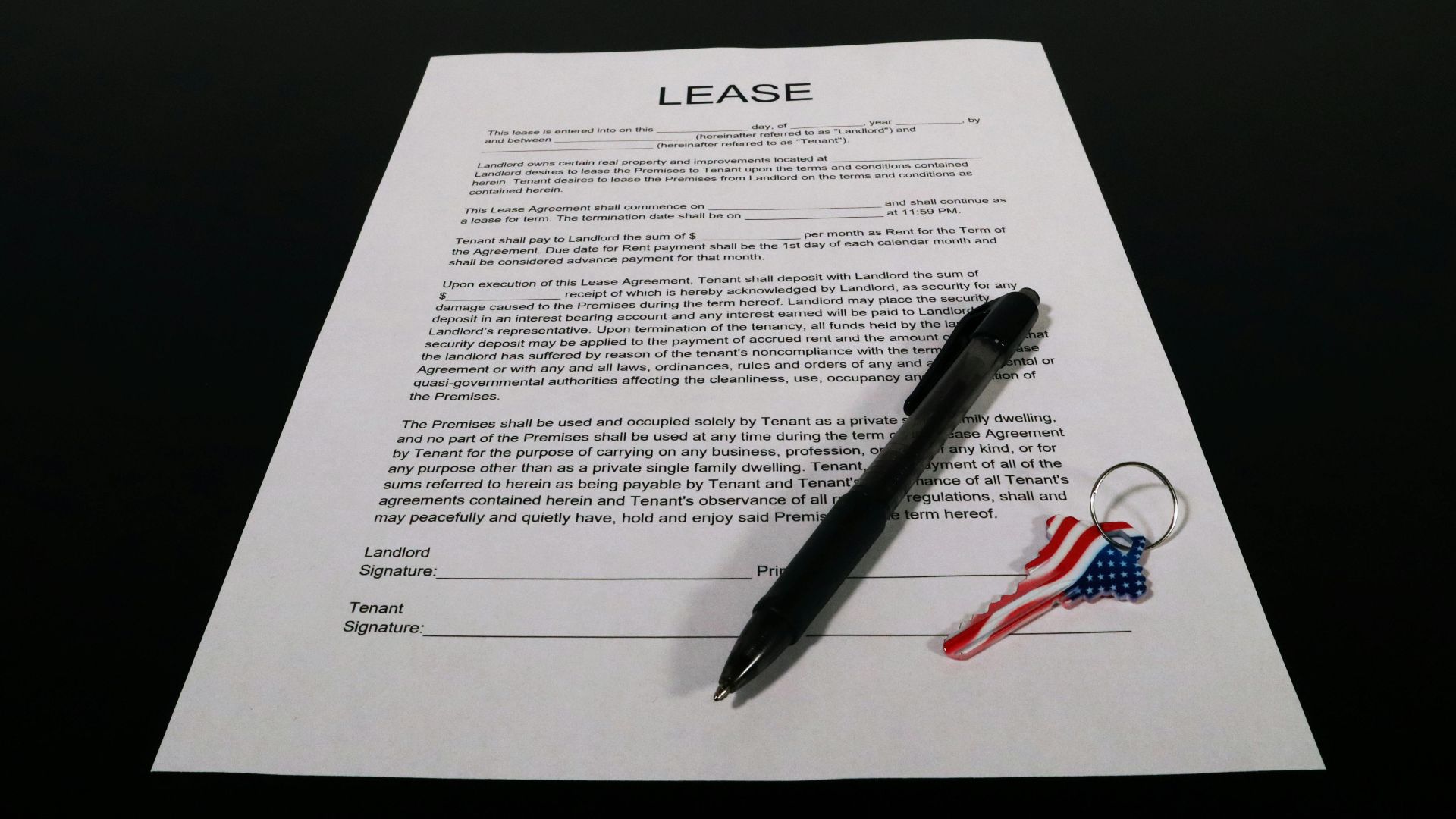
Go through the lease and look for clauses addressing alterations, misrepresentation, and tenant conduct. Most rental agreements strictly prohibit unauthorized modifications and false claims of ownership. Clear violations will give your mother a better leg to stand on legally if formal notices or eviction become necessary.
Address False Statements Right Away
Allowing any tenant to claim ownership publicly can cause long-term problems. Neighbors, service providers, or even your mother may start to treat him as an authority figure. False narratives get all that much harder to undo the longer they’re left uncontested.

Document Everything
Start documenting all these incidents as soon as possible. Record statements the tenant makes, take pictures of all unauthorized changes, and preserve your messages. Detailed documentation can help you put together a clear timeline and is essential if legal counsel, protective services, or tenancy boards get involved with the situation.

Set Firm Boundaries In Writing
Any communication with the tenant should be written, calm, and based on the facts. State clearly that your mother owns the property and that any unauthorized alterations and false claims have to stop. Written communication helps reset the personal and legal boundaries, but it also has the added benefit of creating a paper trail.

Is Capacity An Issue?
If your mother seems genuinely confused, fearful, or unnecessarily deferential toward the tenant, capacity could be a concern. Cognitive decline can make elders more vulnerable to manipulation. This doesn’t mean your mother is incapable, but it could justify added scrutiny and safeguards.

Is Power Of Attorney Needed?
If your mother seems to struggle to manage this situation, granting power of attorney to a trusted family member can be a helpful move. Legal authority gives you carte blanche to act decisively on her behalf and stops others from taking advantage of gaps in oversight.

When To Involve A Lawyer
If the tenant continues this conduct, you’re well advised to talk to a lawyer experienced in elder law or landlord-tenant disputes. Early legal advice can nip escalation in the bud and clarify eviction, cease-and-desist, or protective options specific to your jurisdiction.

Don’t Ignore Insurance And Liability Risks
As mentioned above, unauthorized renovations can void insurance coverage or create unsafe conditions. If injury or property damage happens, liability could fall on your mother. Acting quickly protects her financial stability and reduces exposure to future claims.

Local Tenancy And Elder Abuse Laws
Many jurisdictions provide special protections against elder abuse and financial exploitation. Misrepresentation, coercion, and control over housing can all come under the umbrella of these laws. Knowing the specific protections that apply to your mother’s case strengthens your ability to intervene.

When To Contact Adult Protective Services
If you suspect coercion, intimidation, or exploitation, contacting Adult Protective Services may be the way to go. Their role is to assess risk and connect seniors with support, not to punish. Early involvement can prevent anything more serious from happening.

Don’t Let Fear Stop You
Just like a brush fire, these situations often get worse when they’re allowed to grow unchecked. What starts out as boundary-pushing by a quirky eccentric can evolve into intimidation or fraud by a menacing and bullying presence on your family member’s property. Taking early action is not an overreaction. It’s a meat-and-potatoes countermeasure toward protecting your mother’s autonomy and property.

Create A Safety And Support Plan
Make sure your mother has support beyond the tenant. Regular family check-ins, trusted neighbors who are aware of the situation, and clear points of contact will prevent her from being isolated. A strong support network makes exploitation a lot harder.

Reclaim Control Of The Situation
Your goal is to restore clarity, safety, and authority. When boundaries are enforced and support systems are active and ongoing, problematic tenants often cease the behavior. If not, formal legal action may be a justified and welcome next step.

Before You Decide
To answer your question: yes, you should be concerned. A tenant claiming ownership and making unauthorized changes is not normal, especially when the homeowner is getting up there in years. Document everything, assert boundaries, and get professionals involved early on in the process so you can protect your mother and her home.

You May Also Like: