A Storm, A Fallen Limb, And A Question Mark
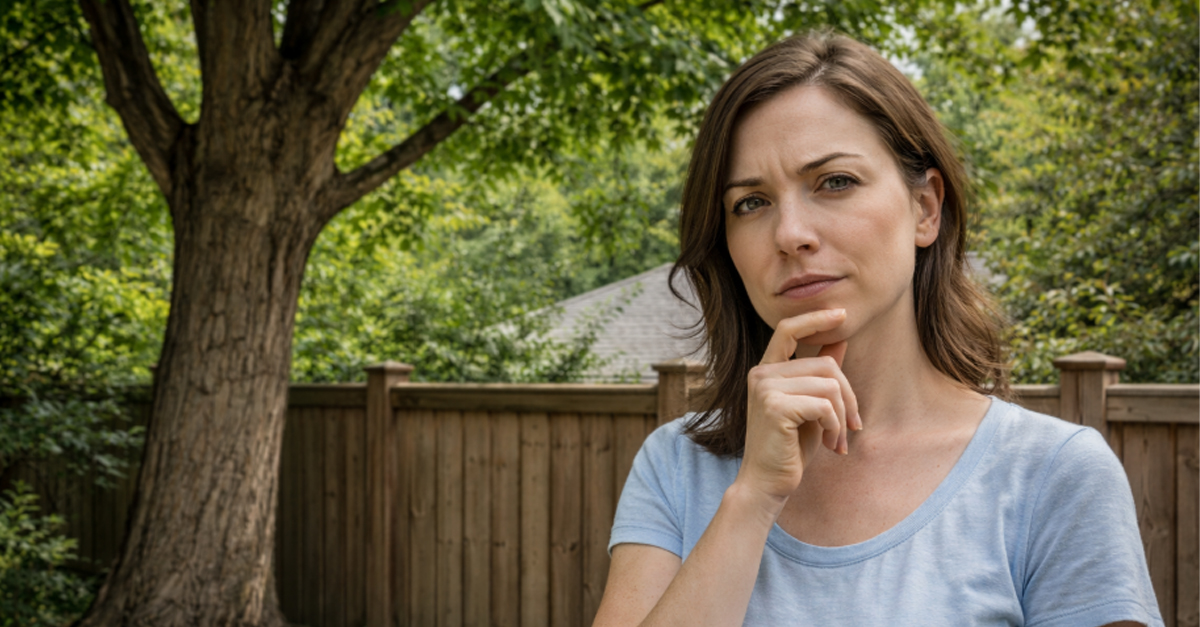
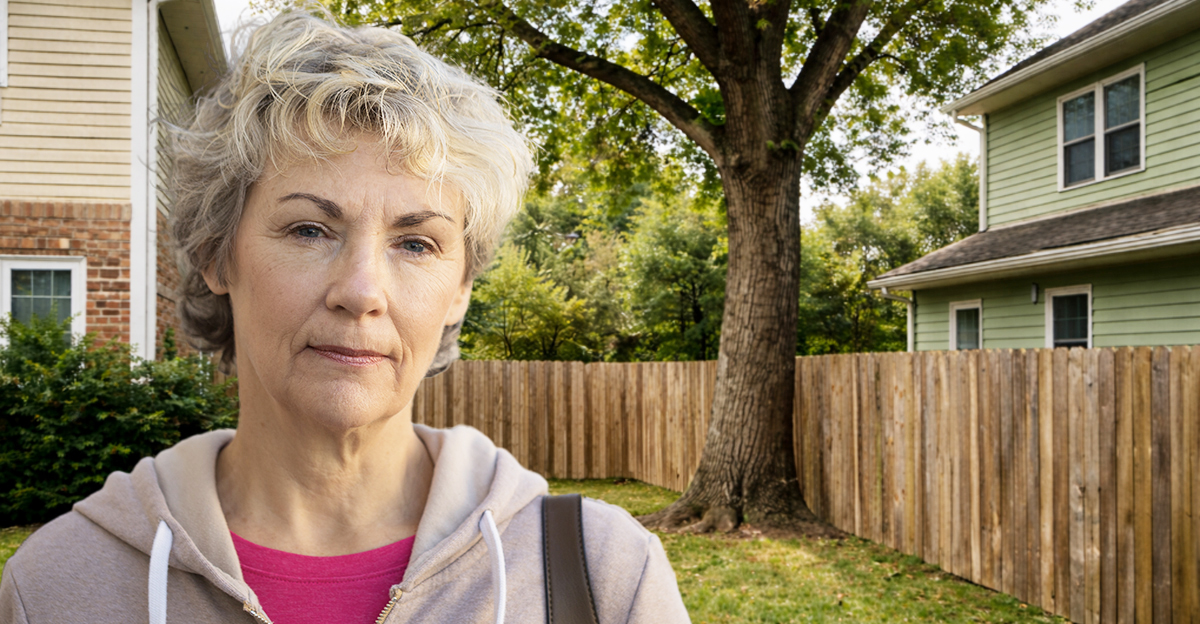
A windstorm recently whipped through your neighborhood and sent several large branches from a tree on your property crashing onto your next-door neighbor’s roof. She then hired repairs and sent you a bill for the full cost. But when you checked with your own home insurance, you were shocked to discover it won’t cover the damage. Now you’re left wondering if you owe hundreds of dollars out of pocket — or if the storm, rather than negligence, was to blame.
 blvdone, Adobe Stock; Factinate
How Fallen Trees And Branches Are Usually Handled
When limbs break off in a storm, the question of who pays depends largely on why the tree fell and what your insurance policy says about acts of nature. Most home-owners' insurance policies cover sudden, unexpected damage from storms, including fallen trees hitting structures, but only if the damage is caused by an event the policy covers. If your tree simply toppled due to age or rot, insurers may treat it differently.
Acts Of Nature Vs. Negligence
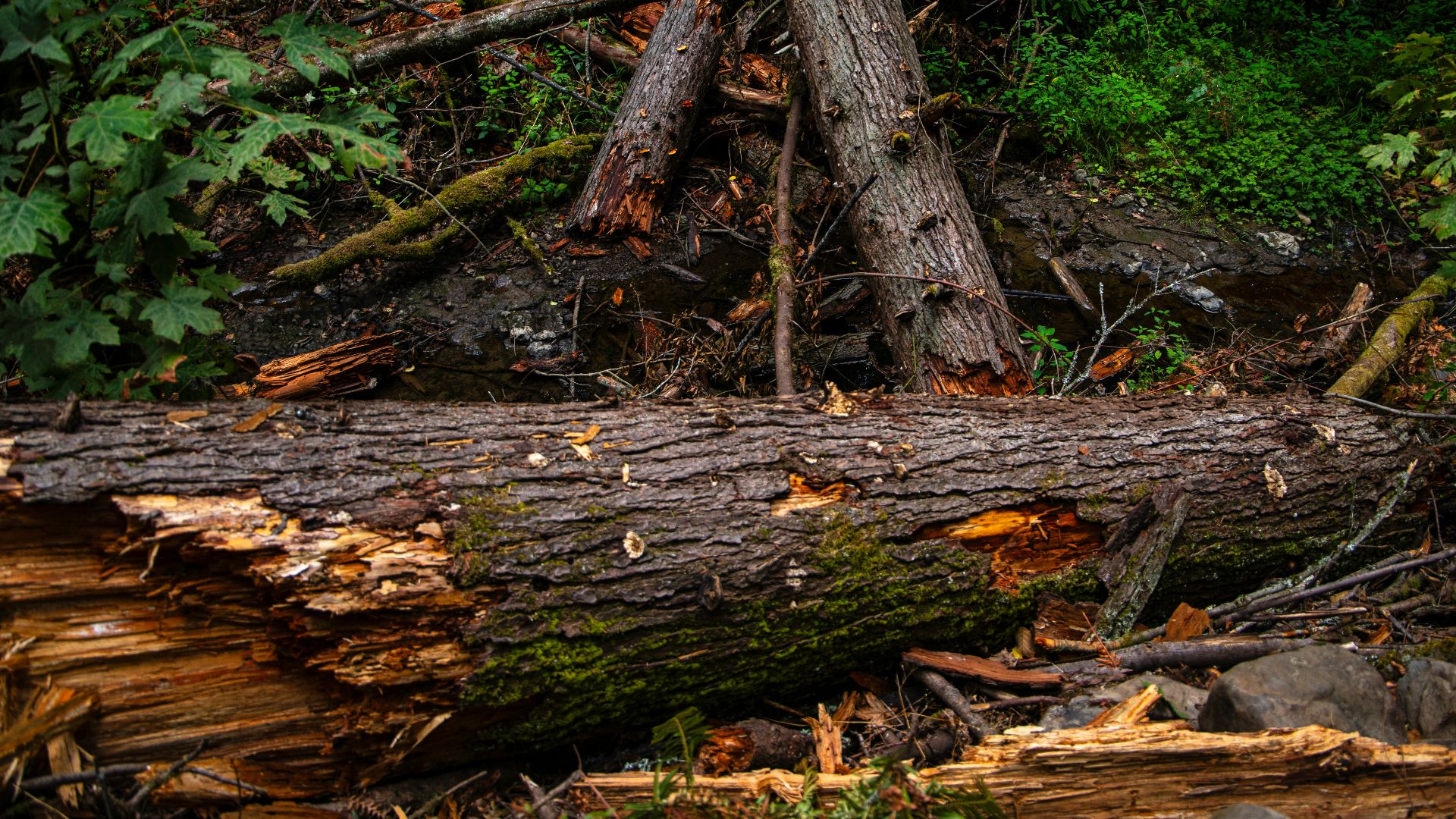
In insurance speak, there’s a big difference between an “act of God” and negligence. If the windstorm was truly unpredictable and the tree was otherwise in a healthy condition, most insurers treat that as an act of nature, and expect each homeowner to file with their own policy for damage to their own property. That means your neighbor would typically file a claim with her own insurer; you shouldn’t have to file with yours.
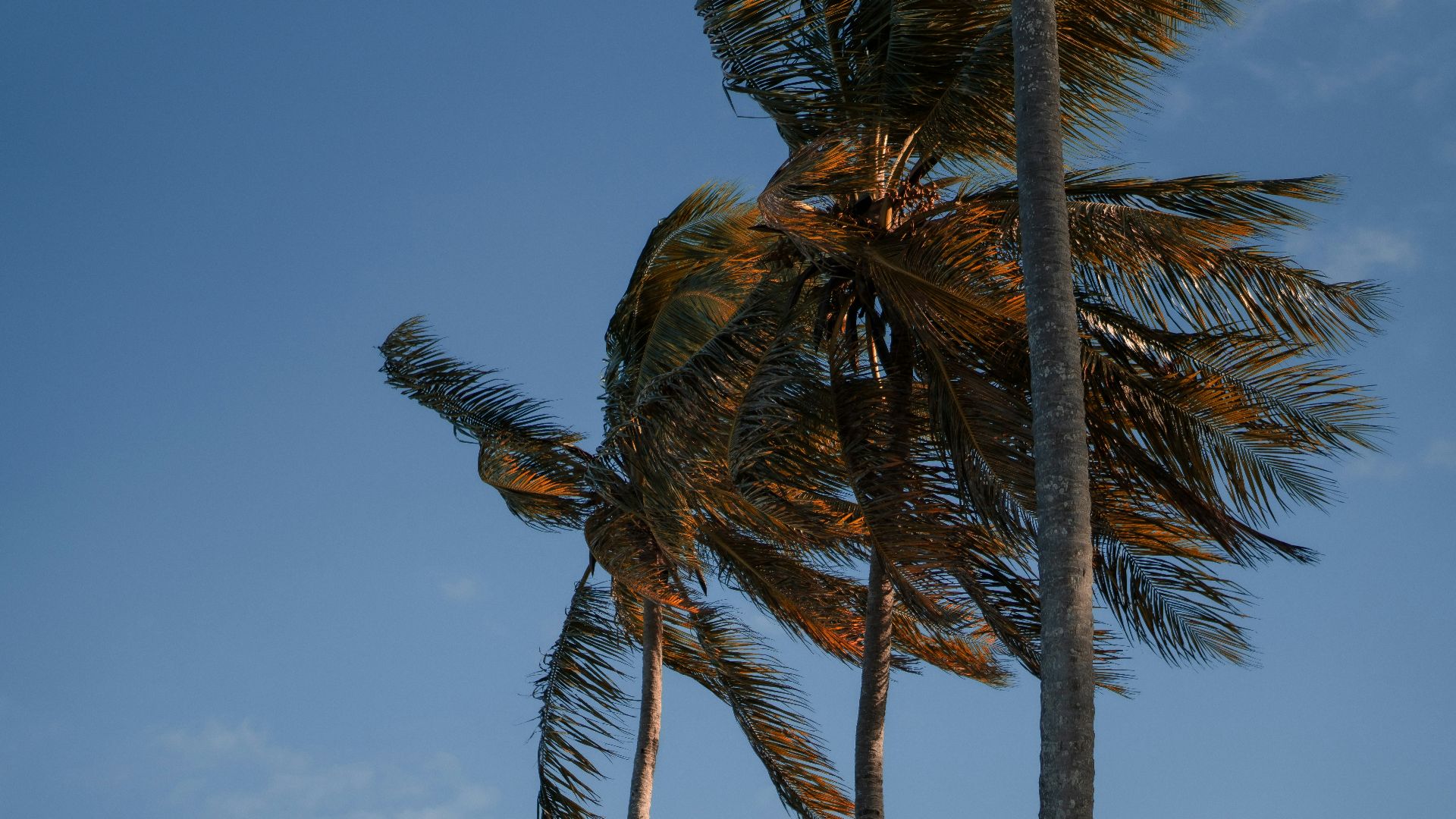
Why Your Insurance Might Deny Coverage
Insurance companies scrutinize fallen tree claims carefully. They look at photos, the state of the tree before the storm, and whether visible signs like rot, disease, or poor maintenance existed. If they decide that a dangerous tree was left to stand without pruning or removal, they may deny coverage as a maintenance exclusion.
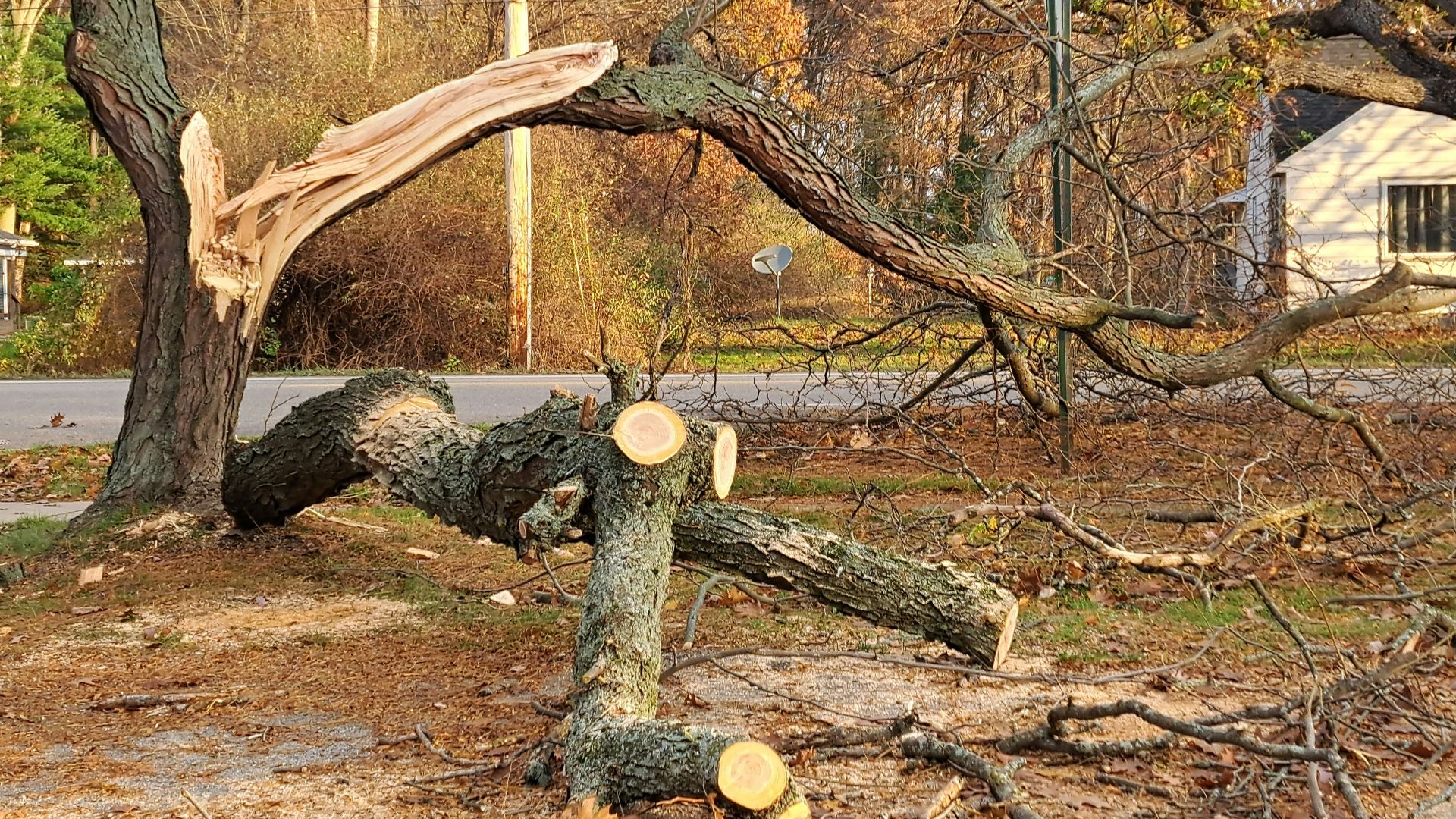
Ownership Of The Tree Matters
Legally, you own the tree if 100 percent of the trunk is on your property. That means you’re generally responsible for maintenance and preventing foreseeable harm. But mere ownership doesn’t automatically make you liable for every consequence of fallen limbs, especially if the cause was a severe storm beyond normal human control.
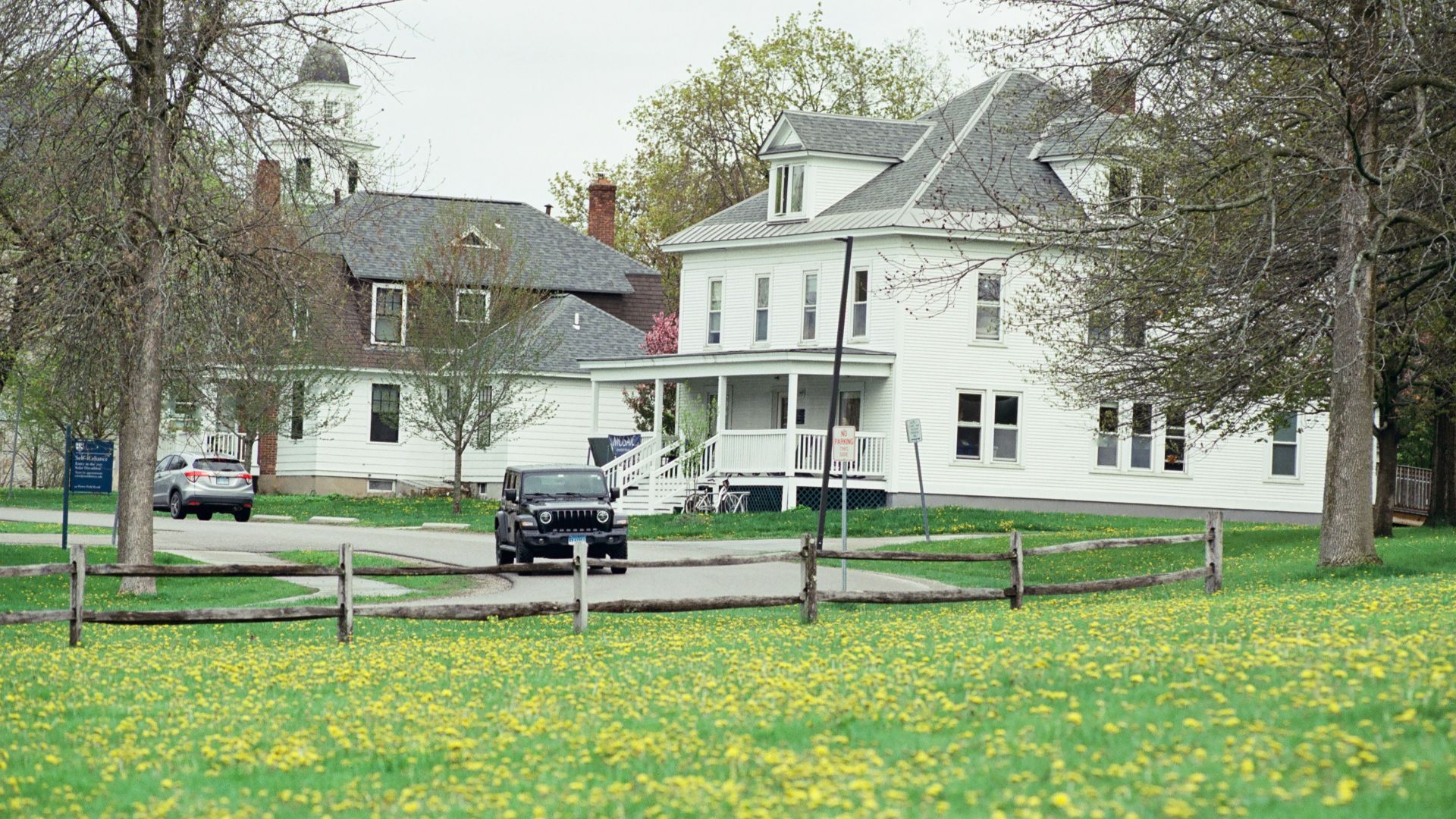
When Storm Damage Isn’t Your Fault
If a limb breaks solely because of extreme weather, be it lightning, high winds, or ice; and the tree was not in visibly poor condition beforehand, most laws and insurance practices treat that as an act of nature. In that case, your neighbor usually needs to claim with her own insurer, and you aren’t automatically on the hook.
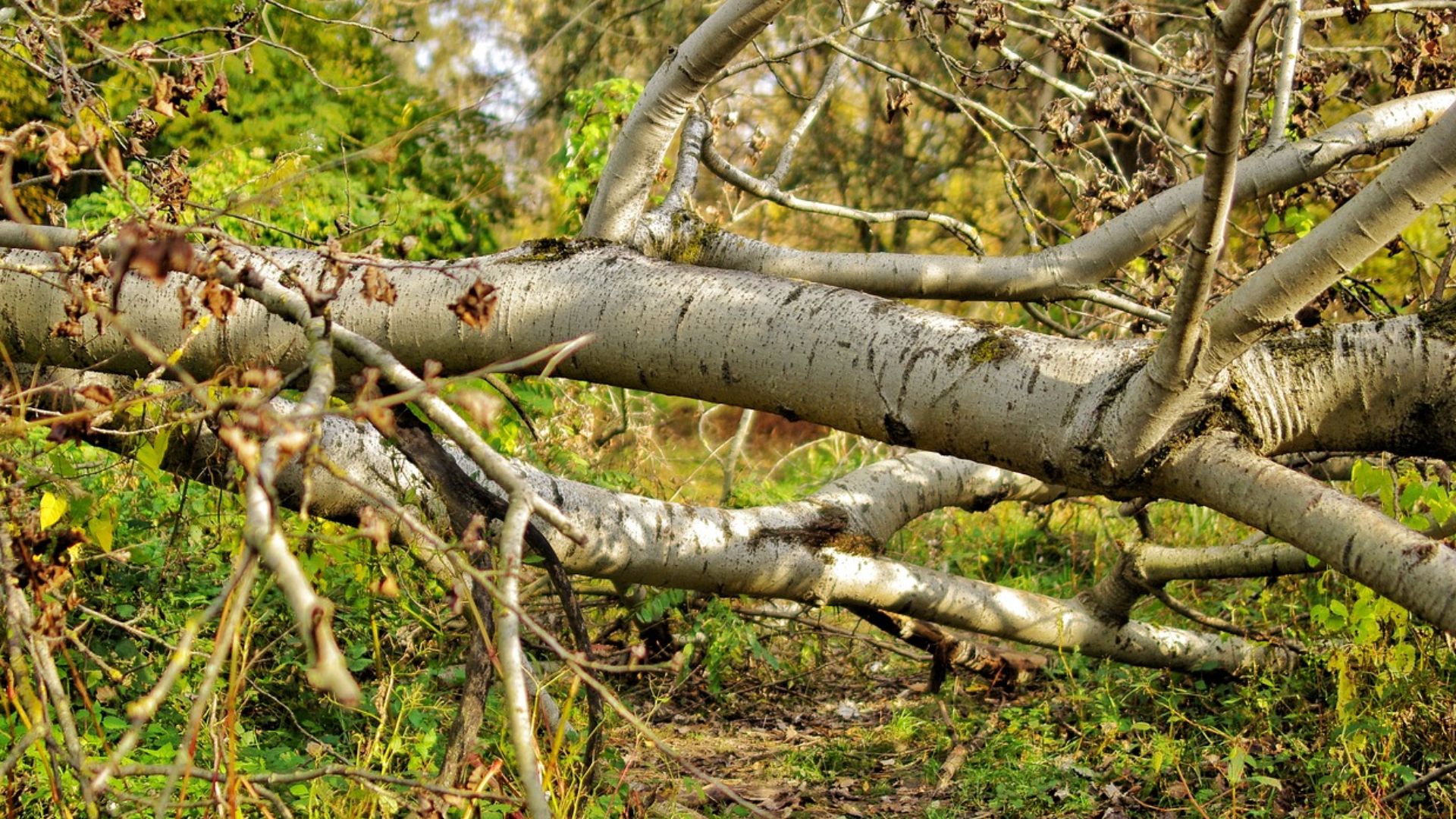
If The Tree Was Known To Be Dangerous
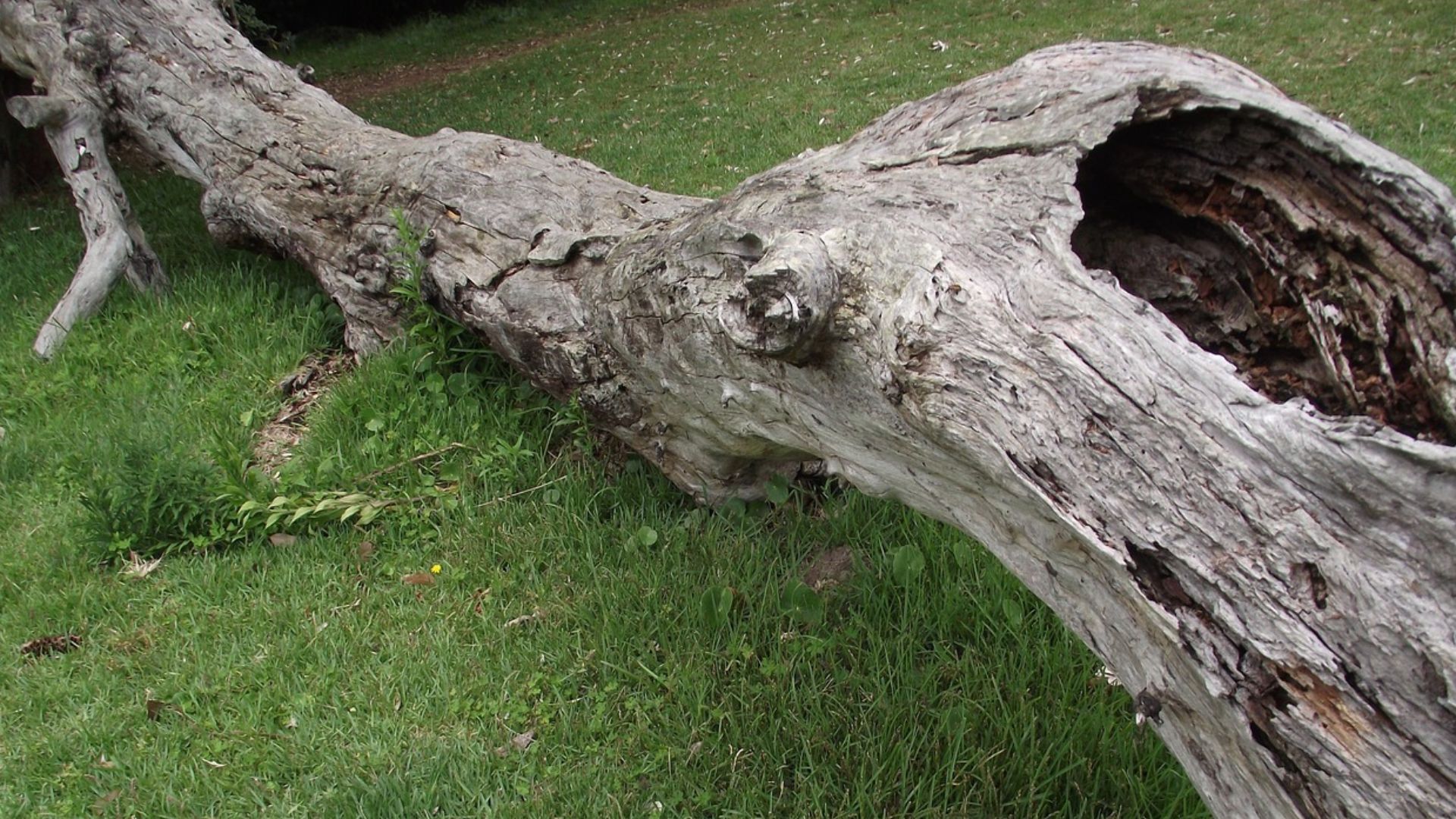
On the other hand, if you knew the tree was diseased, dead, rotting, or otherwise unstable before the storm, and you failed to act, you might be considered negligent in the eyes of the law. Courts and insurance companies sometimes hold tree owners liable when they ignore warnings or previous concerns.
Insurance Won’t Always Help
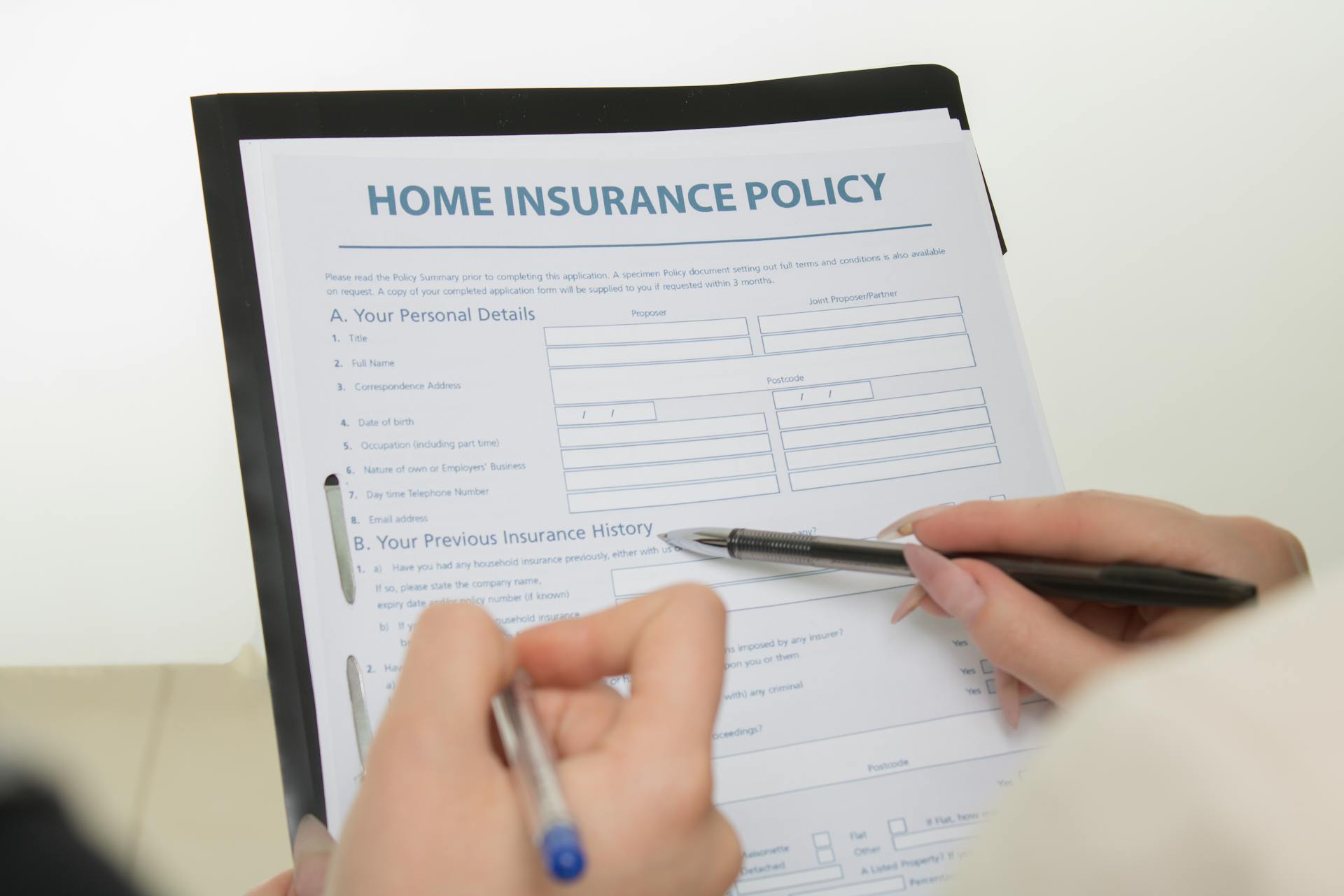
Homeowners insurance often covers fallen tree damage but only up to policy limits and only if the cause is covered. Even then, deductibles apply and certain aspects, like debris removal beyond a structure, may not be fully reimbursed. So your neighbor’s insurance not picking up the full tab isn’t unusual.
When Insurance Doesn’t Pay
If an insurer denies coverage, your neighbor might try to collect directly from you, as has happened here. It’s not clear whether the neighbor filed a claim with her insurer before electing to have the repair work done. But aside from billing you personally, she could also have filed a third-party liability claim with your insurer if you have that coverage, or she could even take legal action in small claims court.
 Karolina Grabowska www.kaboompics.com, Pexels
The Importance Of Liability Coverage
Liability coverage in a homeowners policy is specifically designed to help in situations where you’re legally responsible for someone else’s damages. If your insurer views the storm as the cause, they may not trigger liability coverage, but if negligence is alleged, that portion of your policy could come into play.

Document Everything
From photos of the fallen branches and roof damage to a record of the tree’s condition before the storm, documentation helps your case immensely. Insurers and, if it comes to that, courts, will want evidence. Keep dated photos, emails, and any arborist reports you have.

Talk To Your Neighbor
Before things escalate, open a calm dialogue with your neighbor. Explain what your insurers have told you, share what you know about the tree’s history, and discuss whether a joint action, like hiring an arborist or mediator, might help resolve the issue without having to pay legal fees.

Check Local Laws And Ordinances
Municipal codes sometimes have rules about tree maintenance and liability. In some jurisdictions, property owners must remove dangerous trees or face fines, and those rules might also help determine who pays for damage if a storm strikes.
 MusikAnimal, Wikimedia Commons
Arborist Inspection
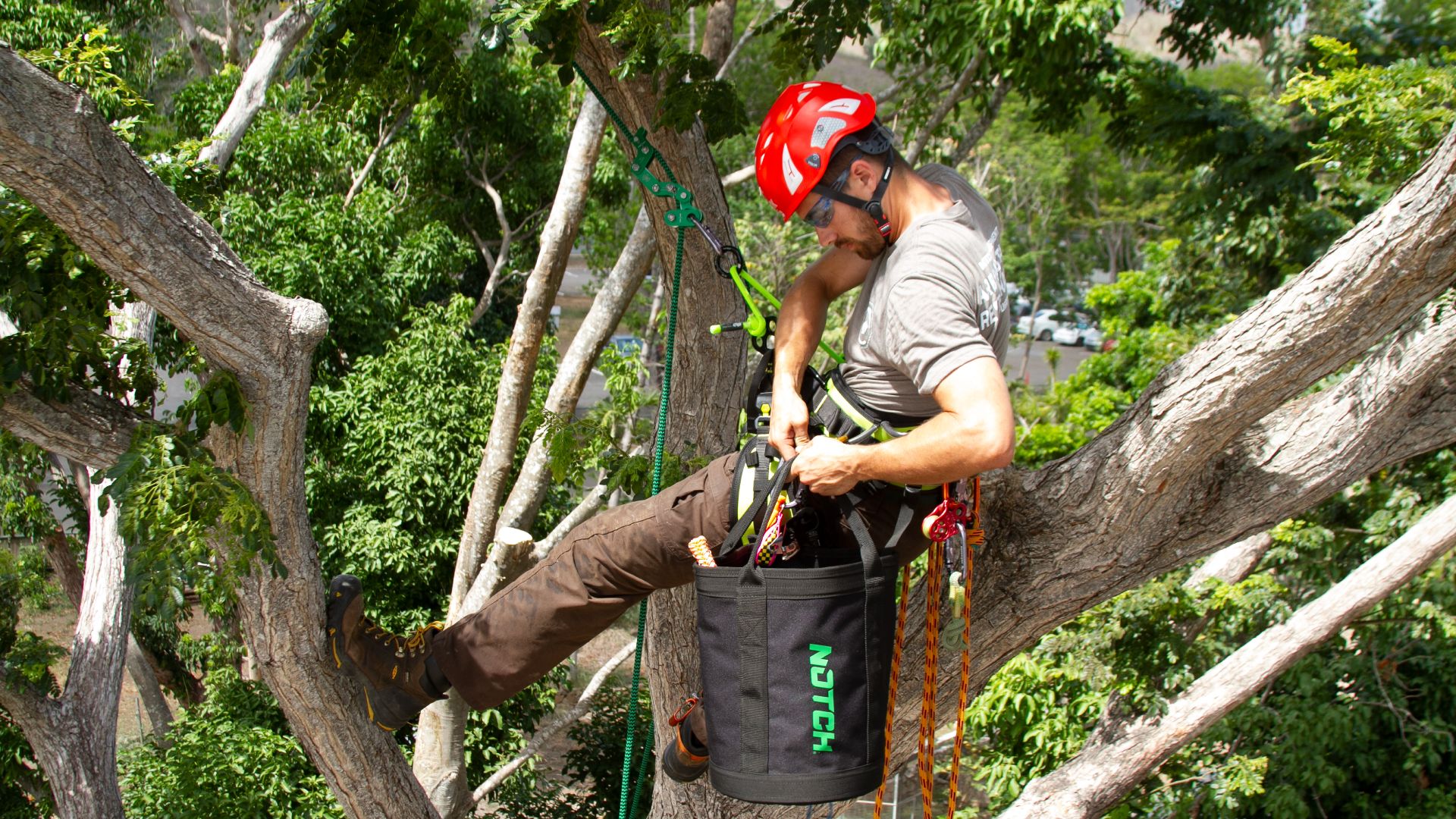
If there’s any question about whether the tree was healthy or hazardous before it fell, an arborist’s assessment can give you objective evidence. Their report might show whether you took reasonable precautions or whether a risk was truly unforeseeable.
 TreeMinion15, Wikimedia Commons
What Small Claims Court Looks At
If your neighbor pursues legal action, a small claims judge will look into factors like whether you owned the tree, whether you knew it was dangerous, whether you took reasonable care of the tree, and whether the storm was foreseeable. This is where good documentation matters most.

Reasonableness Is Key
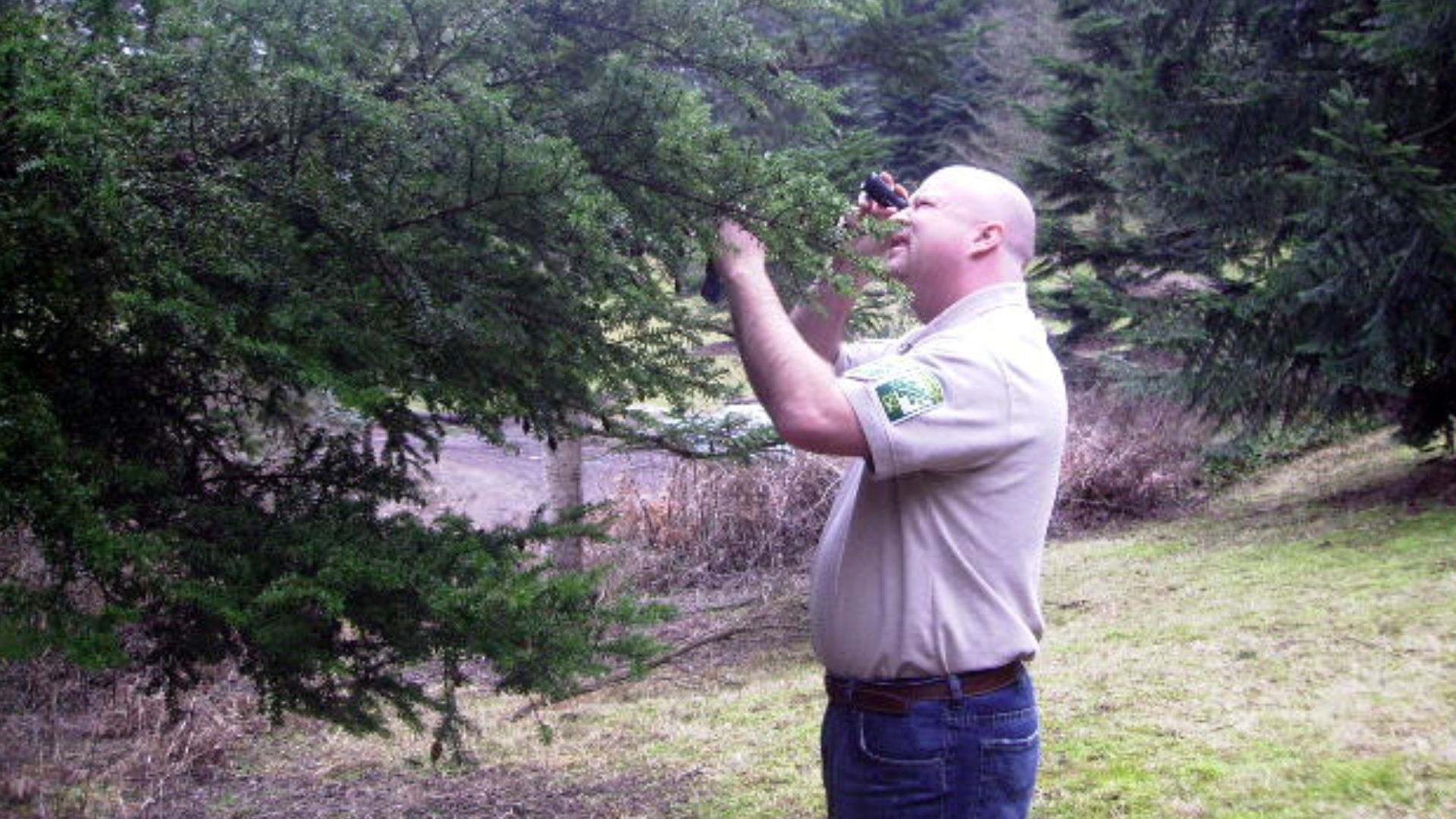
The law often revolves around reasonableness. Did you do what a reasonable homeowner would do to inspect and maintain your trees? If so, you’re less likely to be held liable for storm damage. But if warning signs were ignored, a court might see it differently.
 Tnj1989 at English Wikipedia, Wikimedia Commons
Insurance Can Still Help You
Even if your own insurer denied a direct property claim, your personal liability coverage, if you have it, might cover damage to a neighbor’s property. Check your policy’s liability section carefully and get in touch with your agent, if necessary.

A Neighborly Solution Is Often Best
Rather than arguing with your insurance company or becoming embroiled in a legal dispute, many homeowners choose to share costs for tree removal, roof repair, or future mitigation. Goodwill gestures like these can keep peace and strengthen neighborhood relationships.

Prevent Future Tree Maintenance Problems
Regular pruning, inspections, and proactive care drastically lowers the likelihood of costly storm damage. If large branches overhang a neighbor’s roof, consider trimming them before the storm season begins, with your neighbor’s knowledge and agreement.
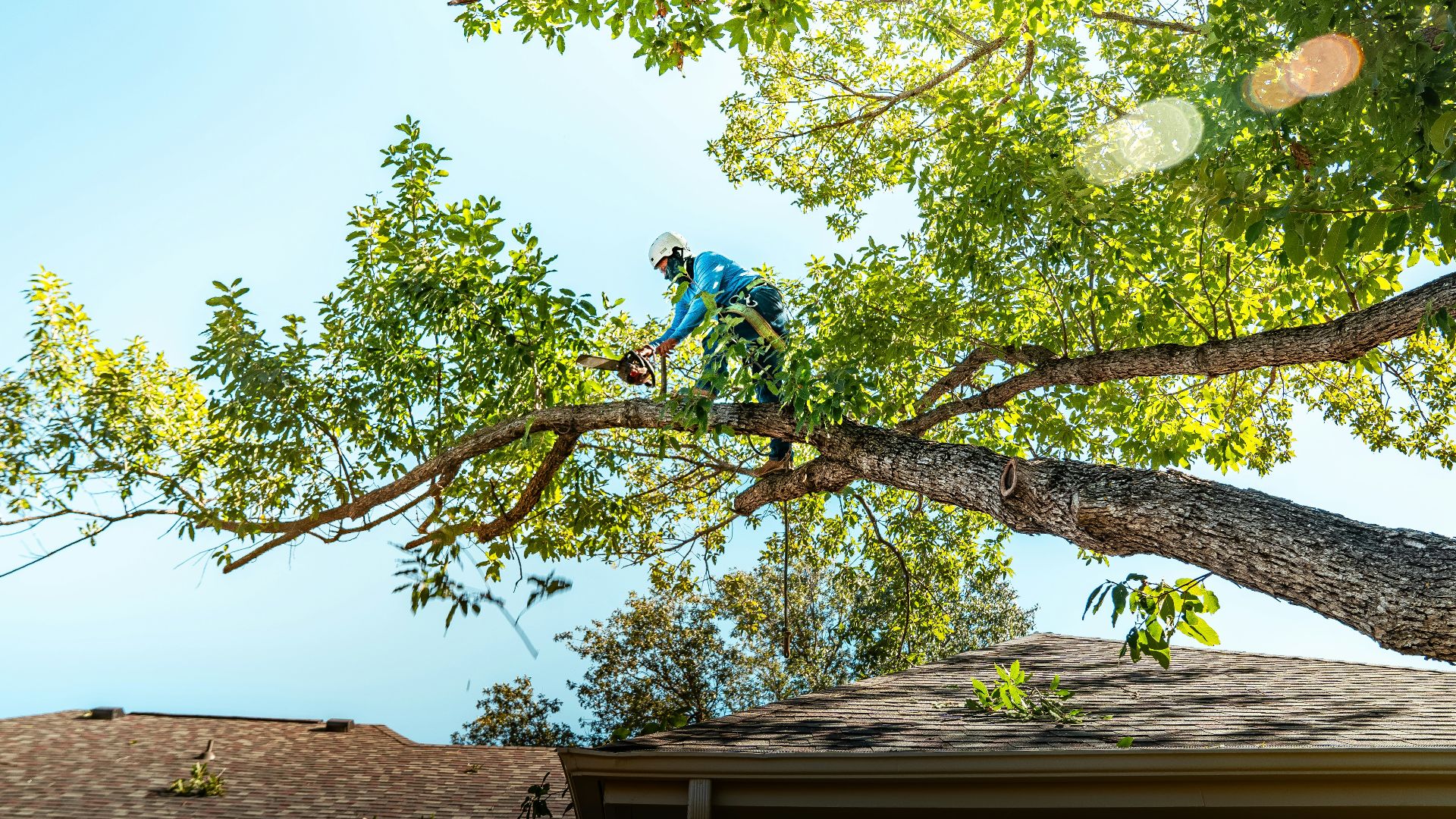
Know Your Coverage Beforehand
Understanding your home-owners policy, what perils it covers, what it excludes, and what your liability protection includes, helps you prepare for worst-case scenarios before they happen. Annual reviews with your insurer are a good way to go.

You Might Not Have To Pay
In many cases where tree damage is caused by a storm, neither neighbor is automatically on the hook for the other’s repairs. If there is no negligence demonstrated, each homeowner’s insurance covers their own damage. But if bad maintenance is proven to have contributed, liability could change the picture. Good luck.

You May Also Like:
My neighbor's tree fell on my roof, and their insurance will not pay. Am I stuck with the bill?