The Frosty Accusation
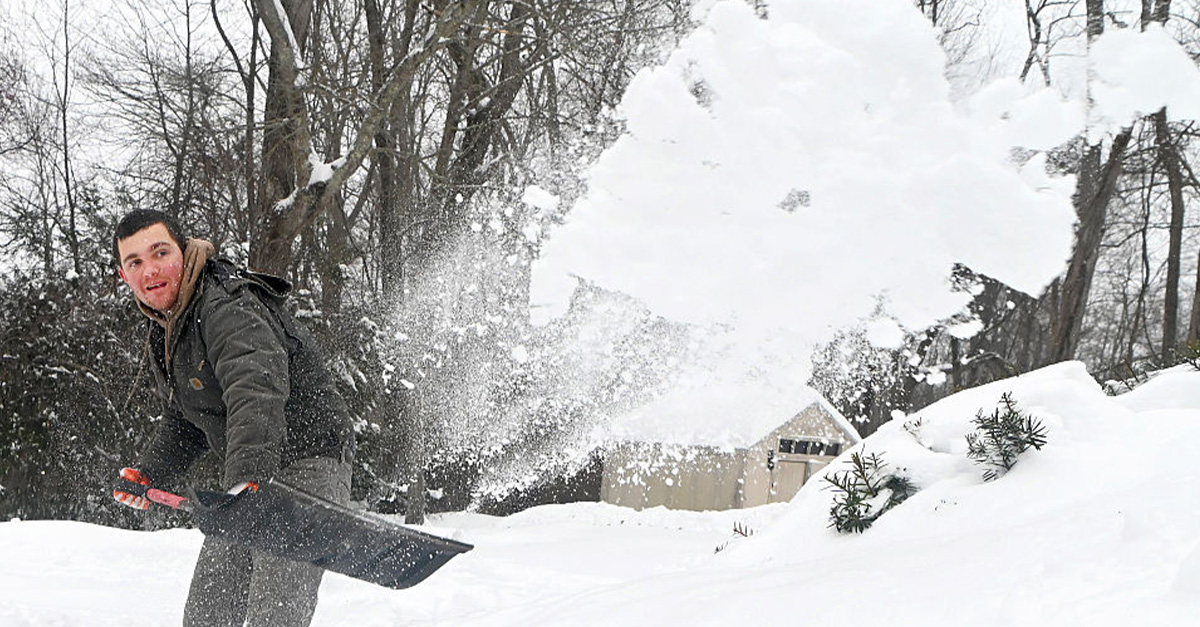
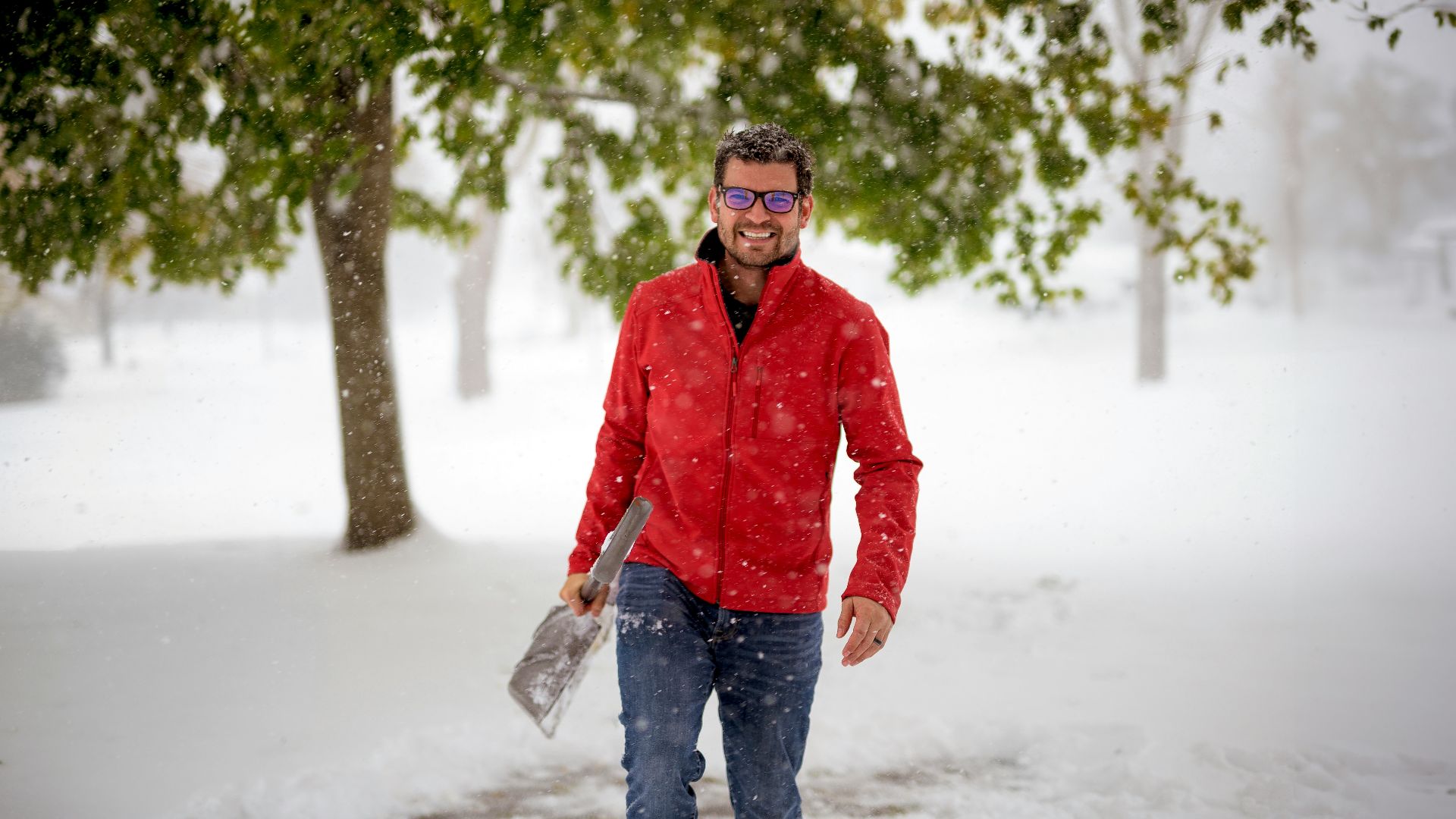
You’re out there shoveling like a champ, snow flying everywhere, winter soundtrack blaring in your head—and suddenly your neighbor hits you with: “Stop dumping snow on my driveway.” The plot twist? He doesn’t even own a car and rarely uses the space. So why is this a problem? Short answer: winter logic and legal logic don’t always agree, and that’s where tension starts. Let’s dig in.
Why This Even Becomes A Fight
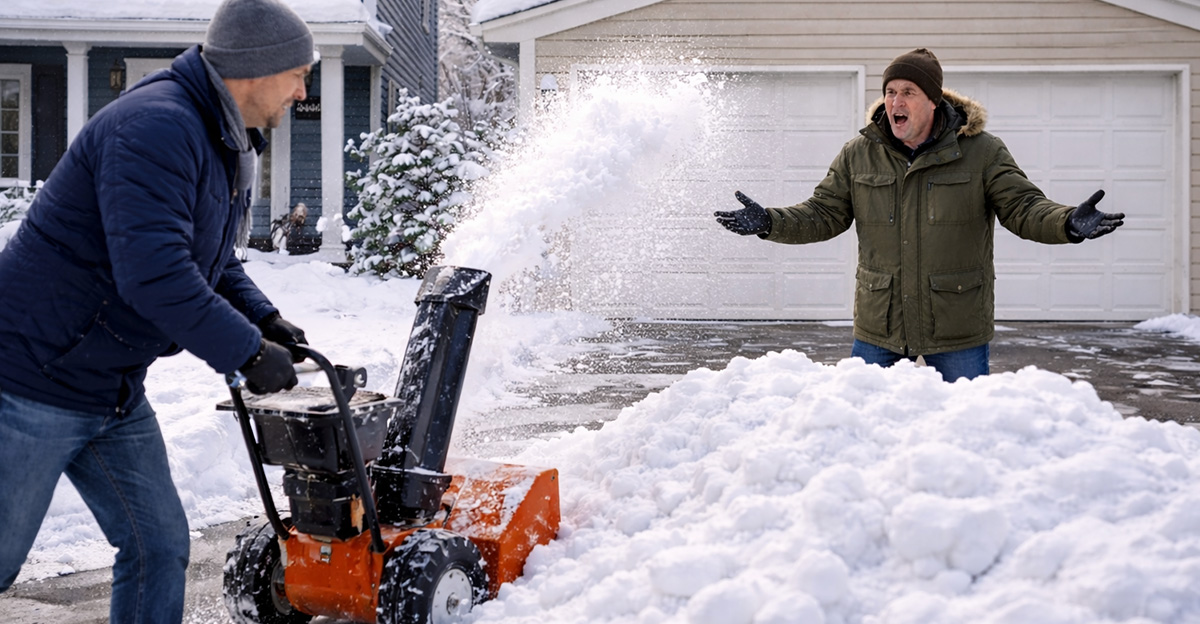
Snow disputes aren’t really about snow. They’re about space, fairness, boundaries, and the deeply human belief that your workaround makes perfect sense in the moment. To you, the driveway looks unused and harmless. To your neighbor, it’s still his property—and winter just made the lines more visible.
 Karolina Grabowska www.kaboompics.com, Pexels
Whose Snow Is It Anyway?
Once snow lands on your property, it’s legally considered yours to manage. Moving it doesn’t magically make it public property or community snow. Think of it like yard waste: you can’t toss your leaves onto someone else’s lawn just because they’re not actively using it.
Property Lines Don’t Hibernate
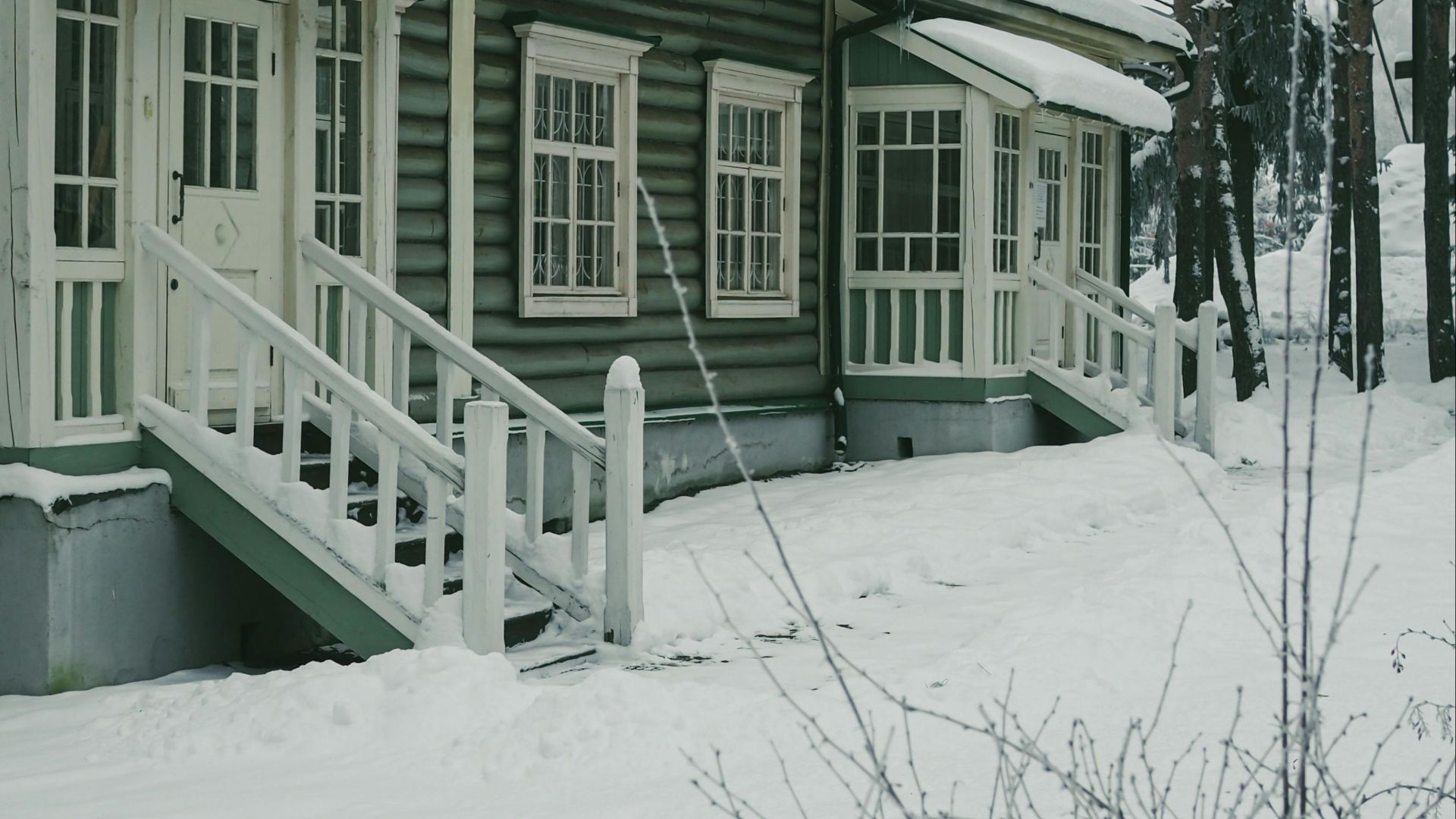
Snow doesn’t pause property rights, no matter how inconvenient that feels mid-shovel. Driveways remain private property year-round, whether there’s a car on them or not. Crossing that line—even with fluffy, innocent snow—can technically count as trespass or nuisance under local law.
“He Doesn’t Have A Car” Isn’t A Free Pass
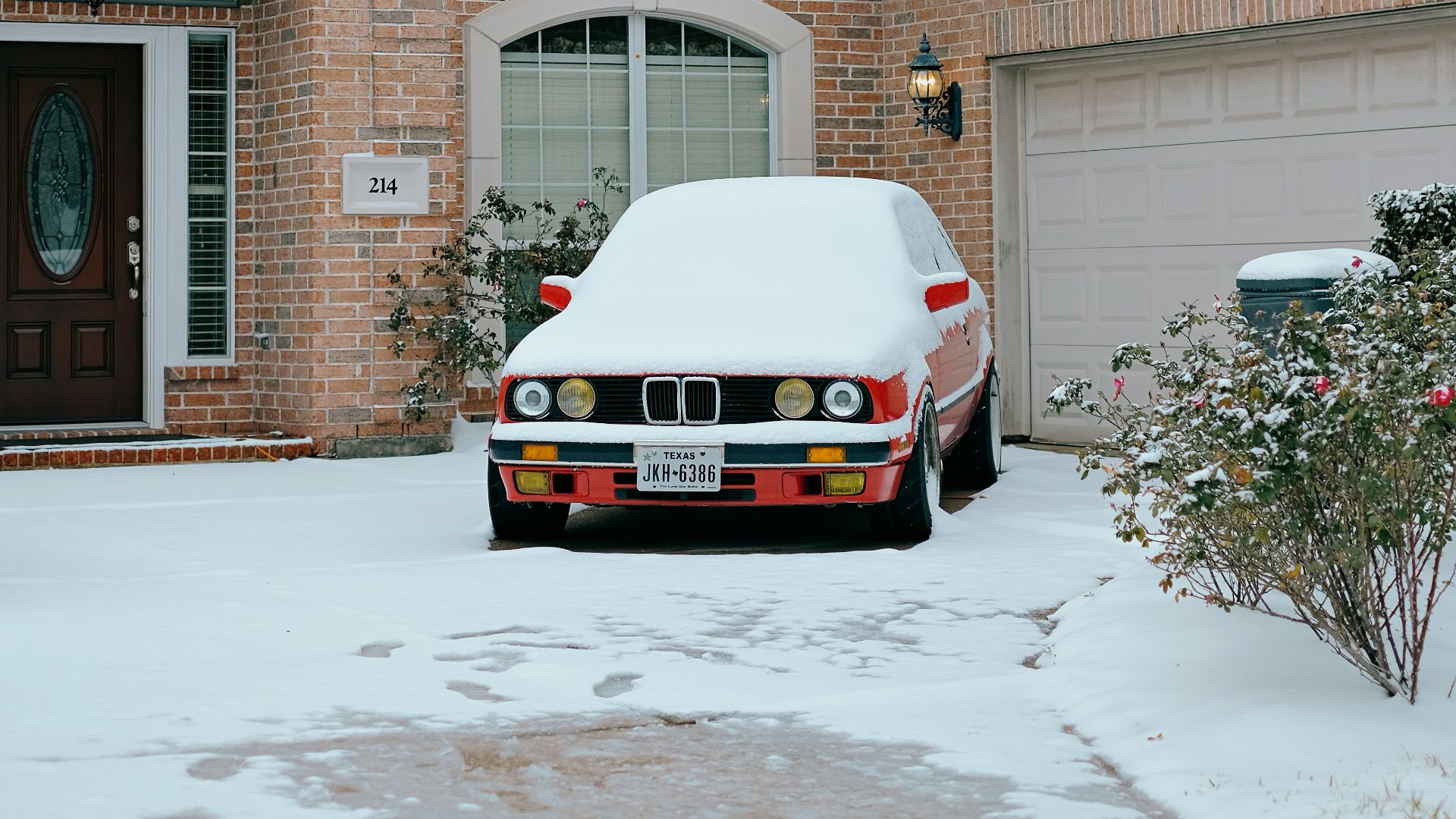
A driveway isn’t defined by whether a car is present today or ever. It’s defined by ownership and intended use. Your neighbor might not drive, but that driveway still serves access, safety, visitors, services, and emergency vehicles when needed.
Driveways Are More Than Parking Spots
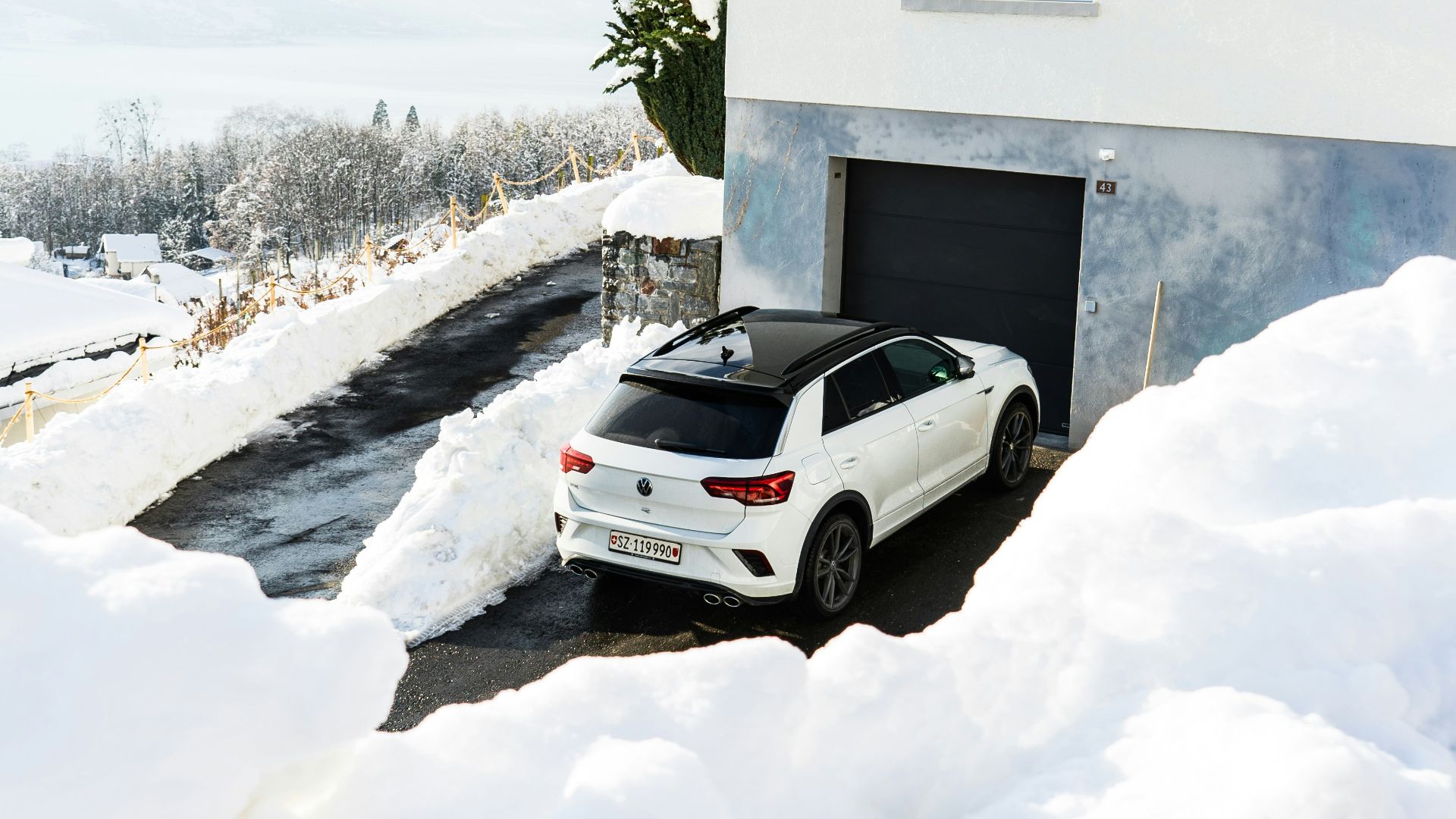
Driveways double as walkways, loading zones, and access points for daily life. Blocking them with snow can interfere with trash pickup, deliveries, guests, or mobility needs. Even unused driveways need to stay functional and reasonably clear for practical reasons.
The Slip-And-Fall Wild Card
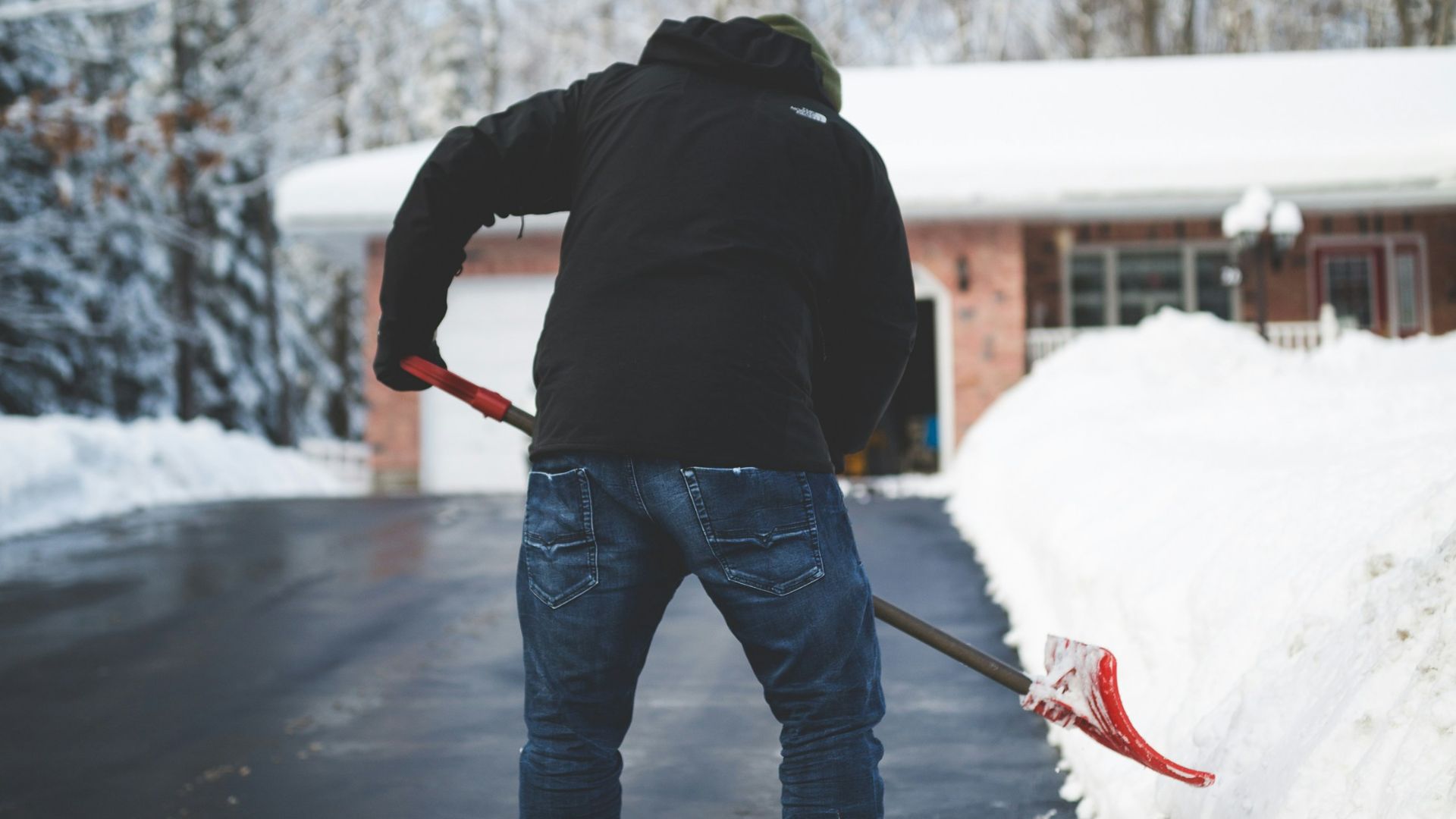
Here’s where things get spicy fast. If someone slips on snow you piled onto your neighbor’s driveway, liability can shift your way. Suddenly, that harmless shovel toss looks like a legal headache instead of a time-saving shortcut.
Ice Today, Lawsuit Tomorrow
Snow melts, refreezes, and transforms into ice that refuses to leave until April. Piled snow increases the risk of slick patches forming overnight. That’s where insurance claims, medical bills, and awkward conversations with adjusters enter the chat unexpectedly.

Emergency Access Still Matters
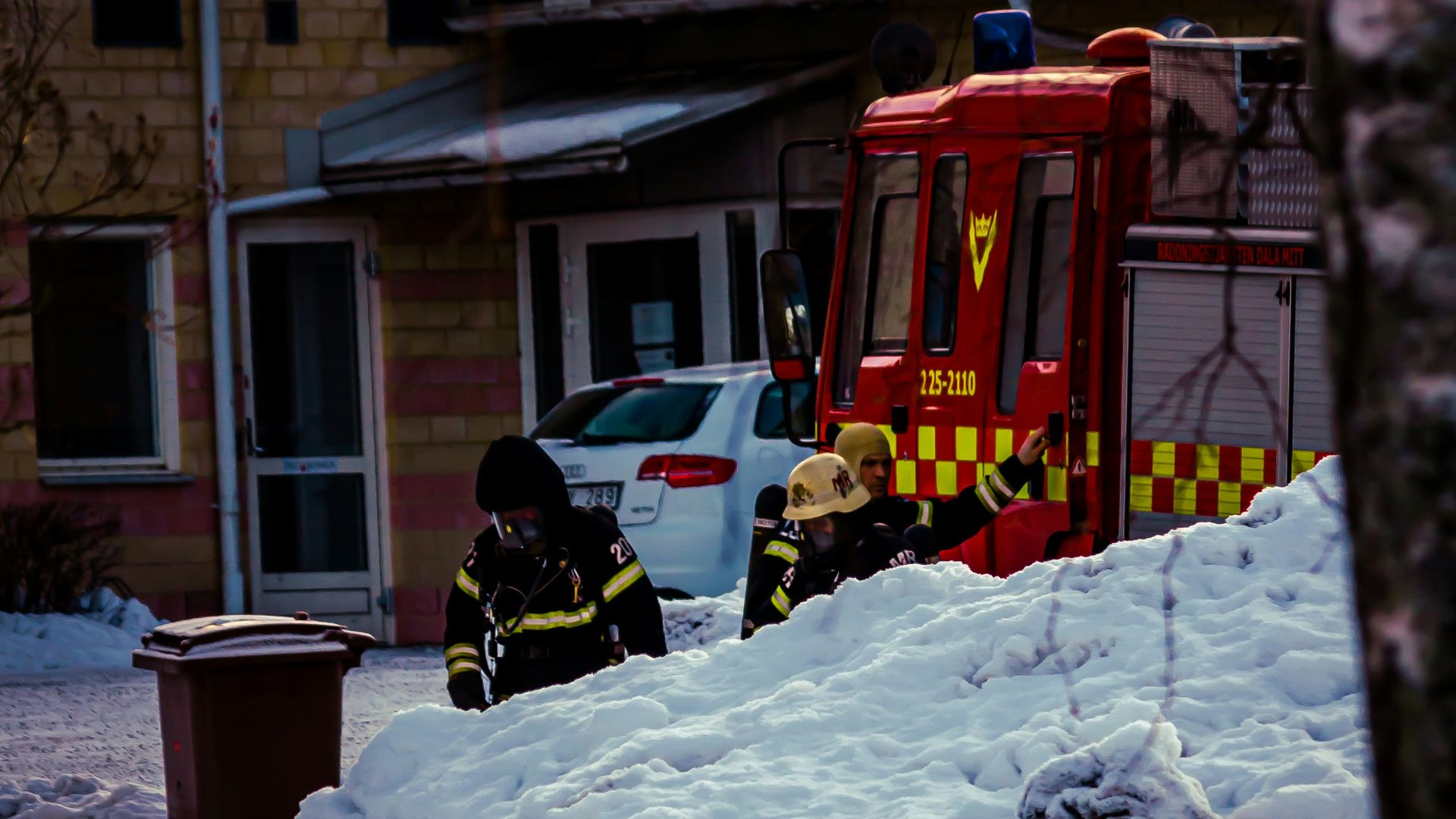
Fire trucks, ambulances, and service vehicles don’t care who owns a car or not. They care about access. Blocking a driveway—even temporarily—can create serious safety concerns if an emergency hits at the worst possible time.
Mail Carriers, Deliveries, And Daily Life
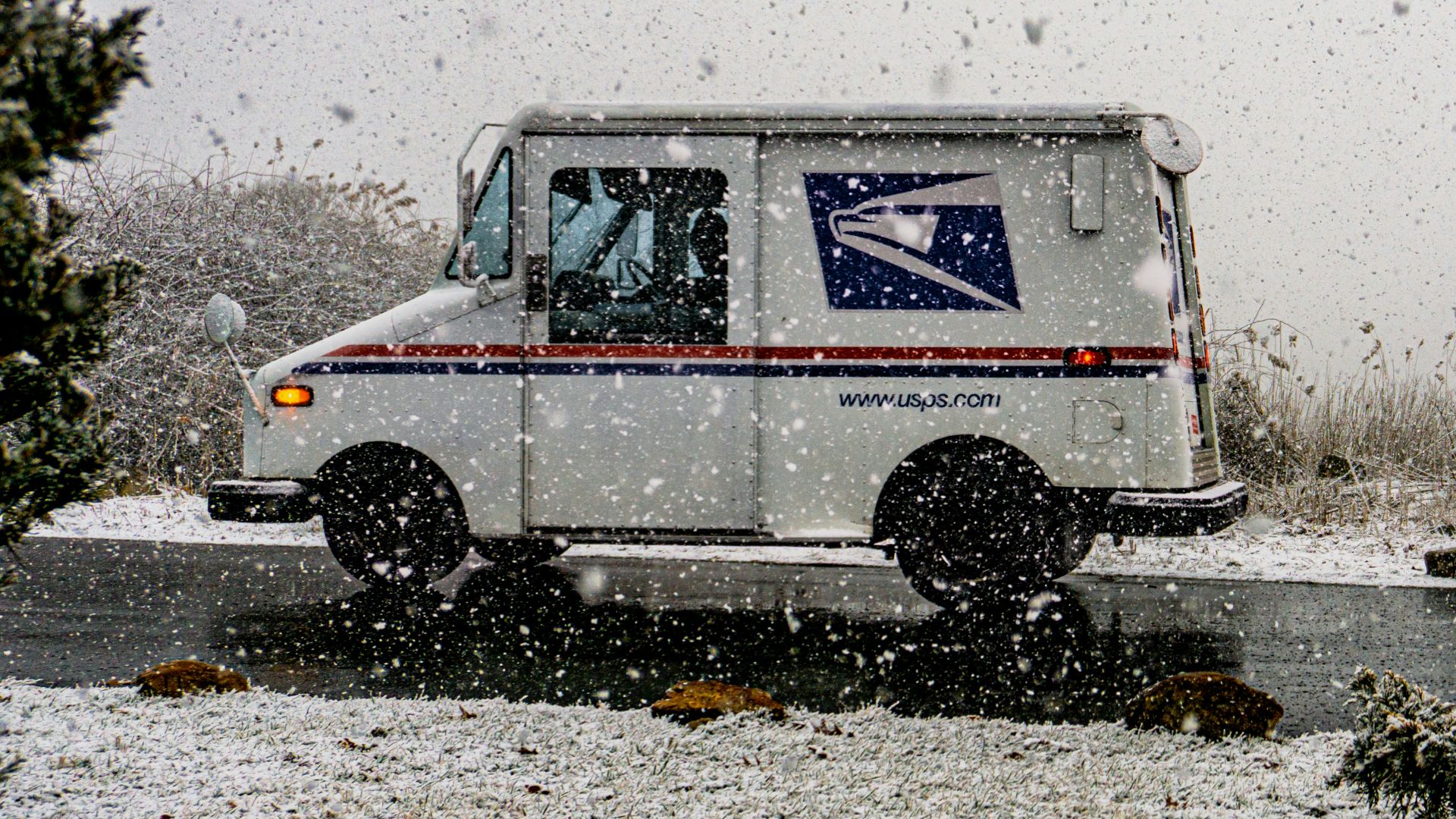
No car doesn’t mean no traffic at all. Mail carriers, grocery deliveries, rideshares, home services, and guests still use driveways. Snow piles can force people into the street or onto icy paths, increasing risk for everyone involved.
Snow Compacts And Turns Mean
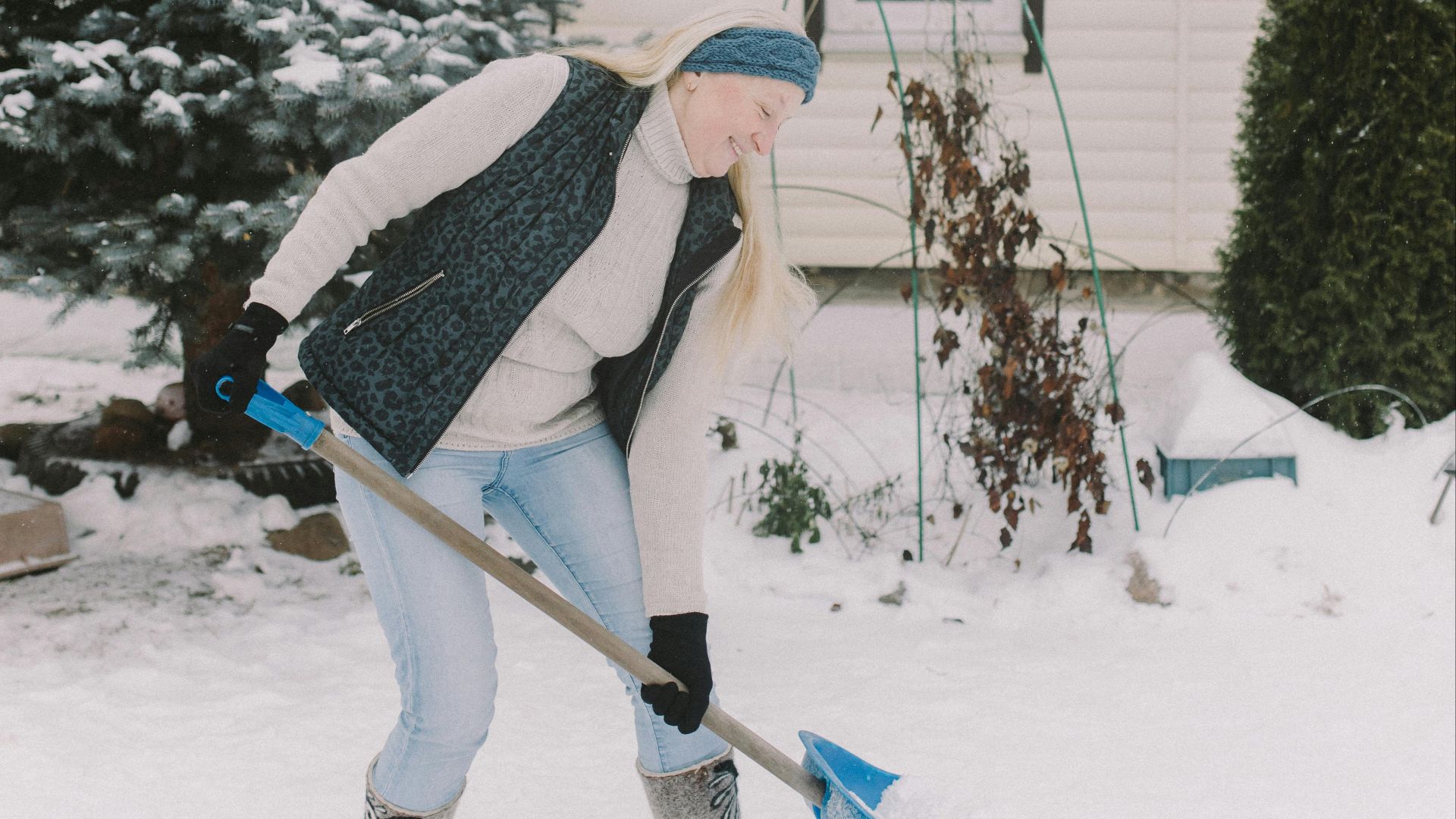
Fresh snow is light, airy, and forgiving when first shoveled. Piled snow? Not so much over time. It compacts, hardens, and becomes significantly harder to move later. Your neighbor may be thinking about the springtime mess you’re quietly gifting him.
Local Rules You Probably Haven’t Read
Many towns have ordinances against placing snow onto sidewalks, streets, or neighboring properties. These rules exist precisely because snow disputes are a winter classic. Cities got tired of playing referee between neighbors armed with shovels.

Plows Change The Equation
Municipal plows can shove snow back into driveways without warning or mercy. If you pile snow on your neighbor’s driveway, it can compound the problem when plows come through and create a frozen barricade that’s twice as hard to remove.
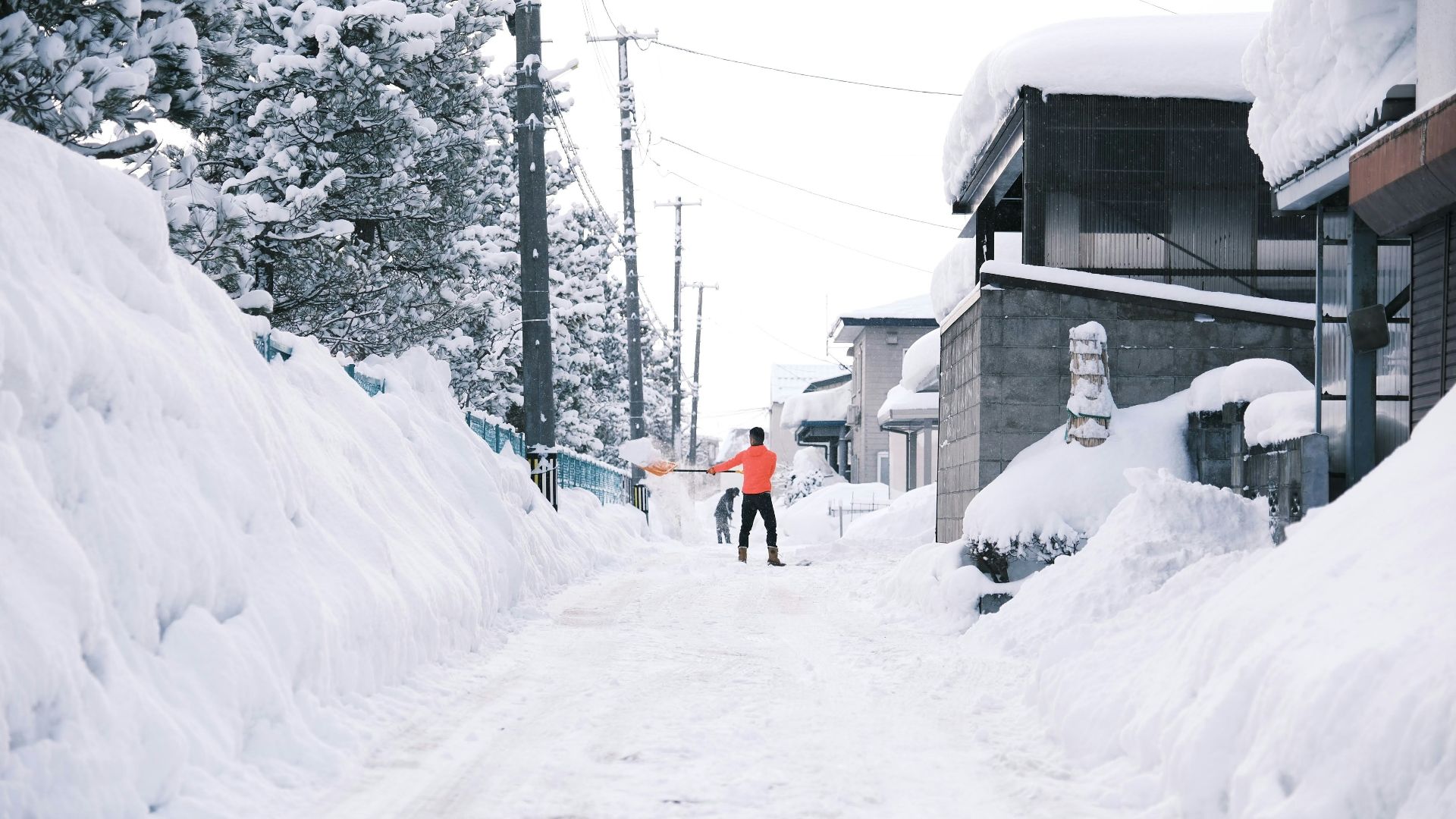
Shared Driveways And Gray Areas
Shared or adjacent driveways blur boundaries fast and create confusion easily. Even then, unspoken habits don’t override property law. If it’s not clearly shared or agreed upon, assume it’s off-limits unless you’ve talked it through directly.
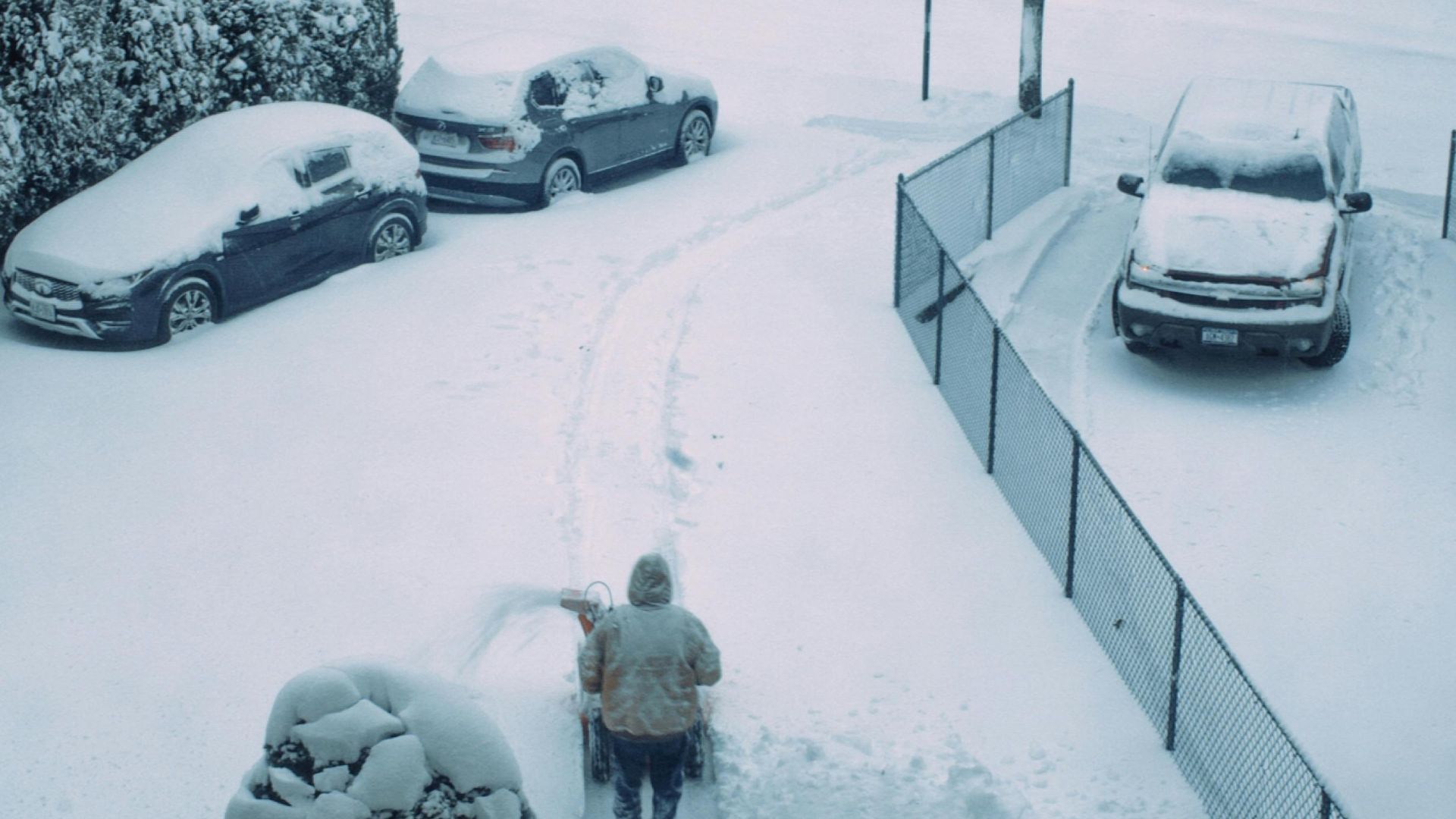
Easements: The Invisible Legal Gotcha
Some driveways have easements for utilities, access, or shared rights-of-way. Dumping snow there can interfere with legally protected use—even if the driveway looks private and unused most days of the year.

HOA And City Enforcement Surprises
If you live under an HOA or strict city code, snow placement violations can trigger warnings or fines. And yes, sometimes those fines arrive before the snow even melts, adding insult to icy injury.

The Neighbor Relationship Cost
Snow disappears eventually. Awkwardness lingers far longer. Turning a blind eye to your neighbor’s concern might win you five minutes of convenience and cost you years of side-eye at the mailbox.
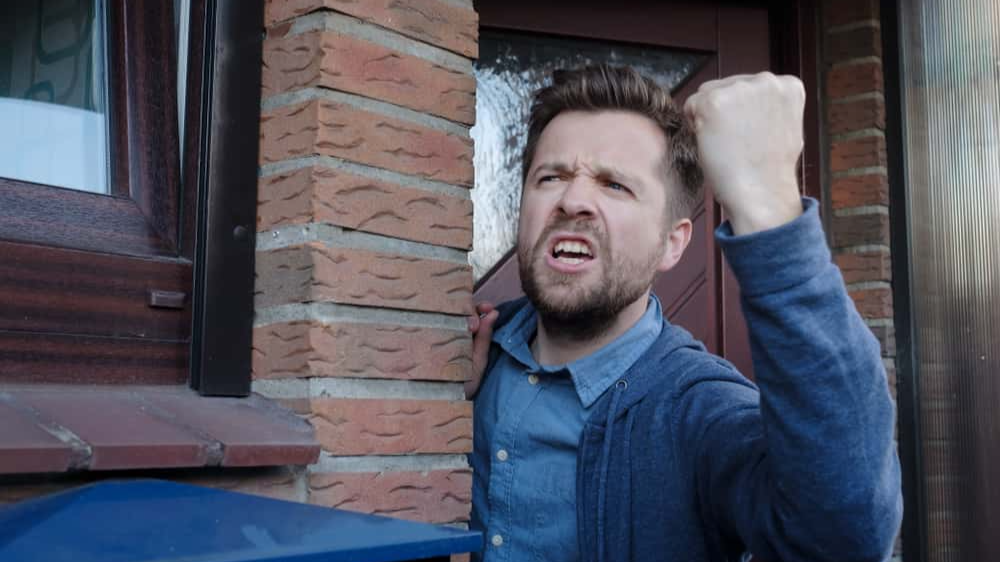
How Small Snow Piles Become Big Feuds
Many long-running neighbor feuds start with the words “It was just snow.” Winter stress plus territorial instincts is a powerful combo. What feels minor now can escalate fast and snowball emotionally.
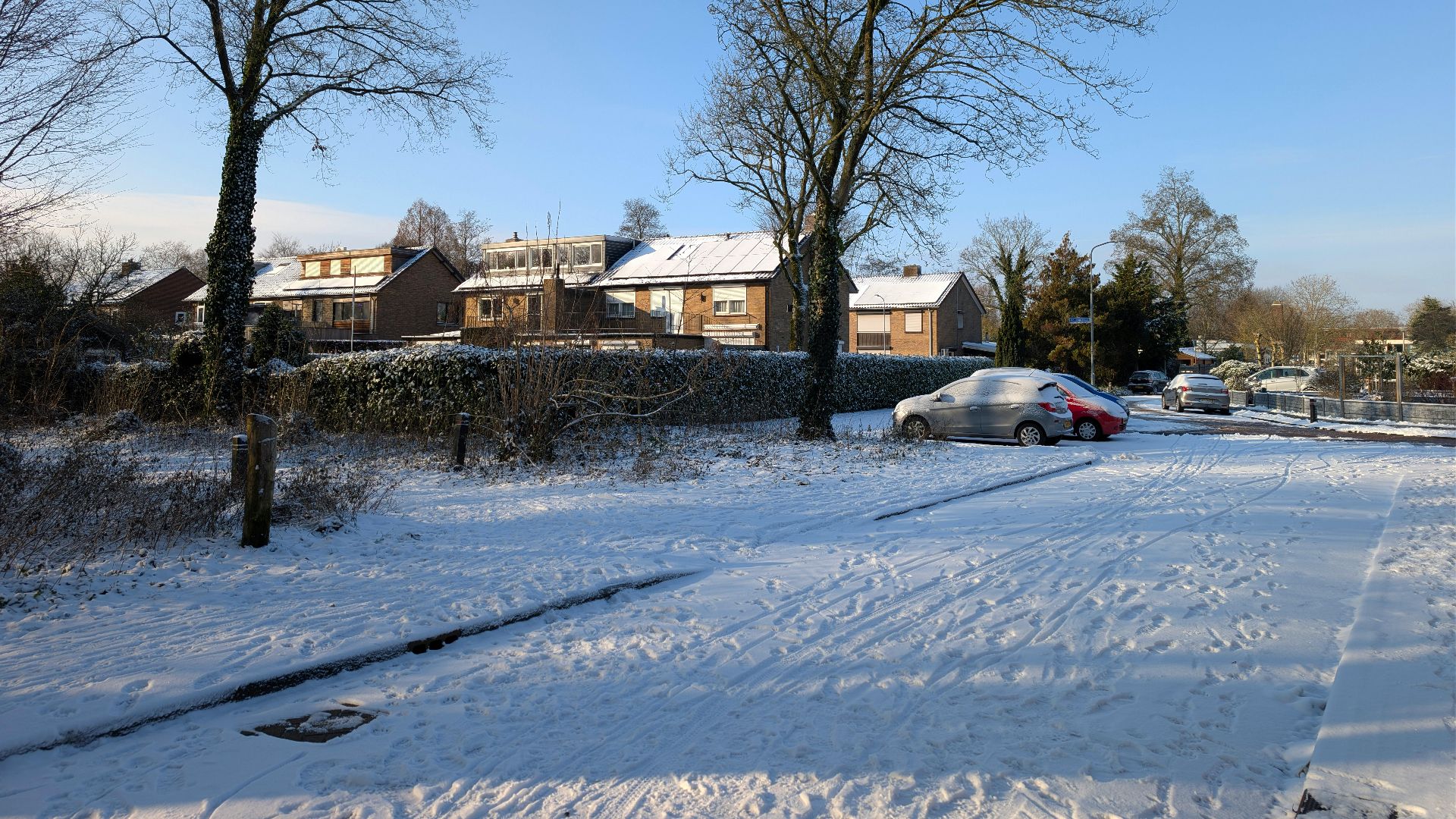
Better Places To Put The Snow
Your own yard edges, designated snow zones, or evenly spread piles are safer bets overall. It might take an extra minute or two, but it keeps the peace—and your liability—intact.
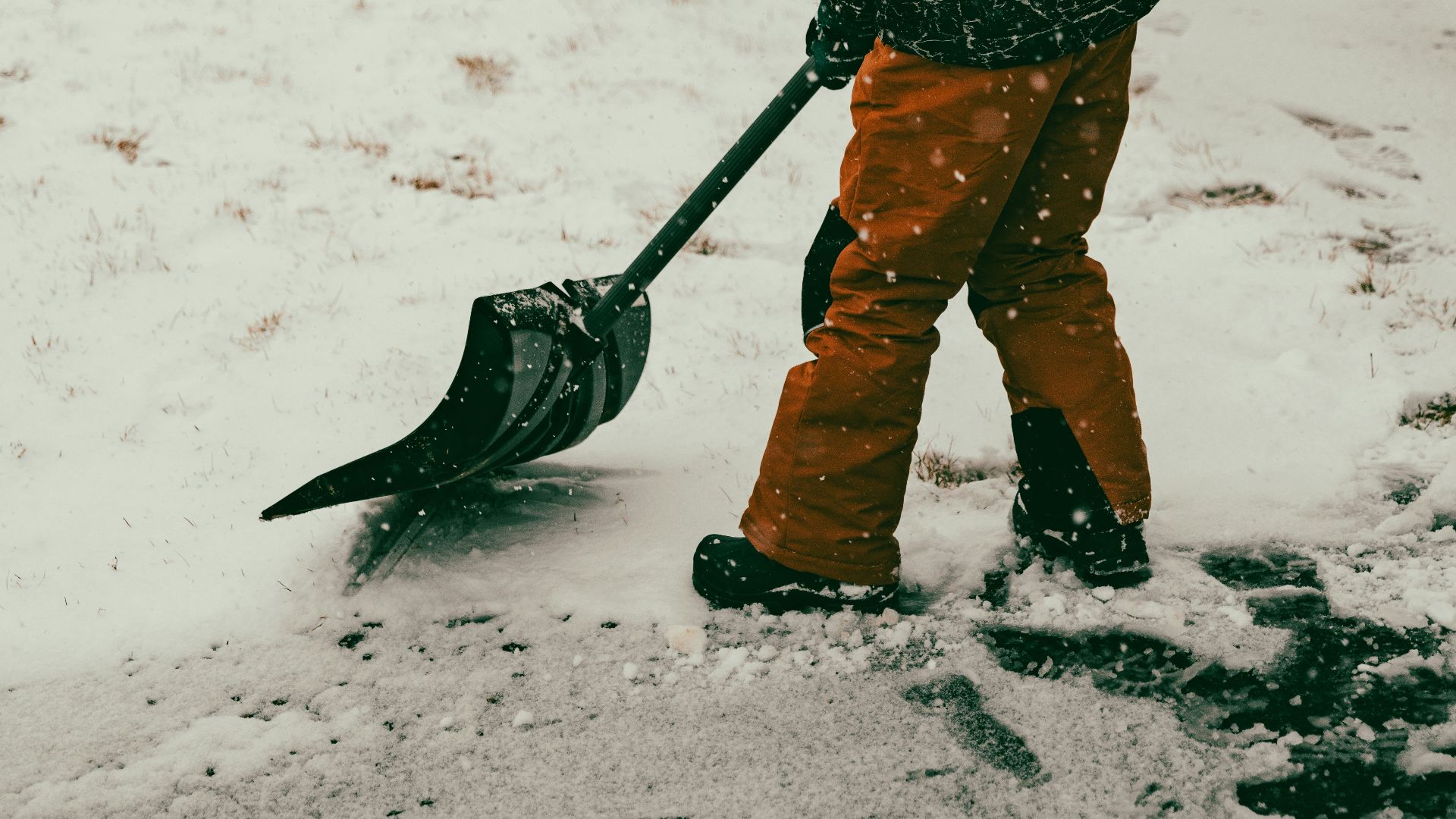
Smart Shoveling Techniques That Save Space
Shovel early and often to avoid massive piles. Push snow outward instead of stacking it high. Use a snow blower chute strategically. Small adjustments can eliminate the temptation to “borrow” your neighbor’s driveway space.
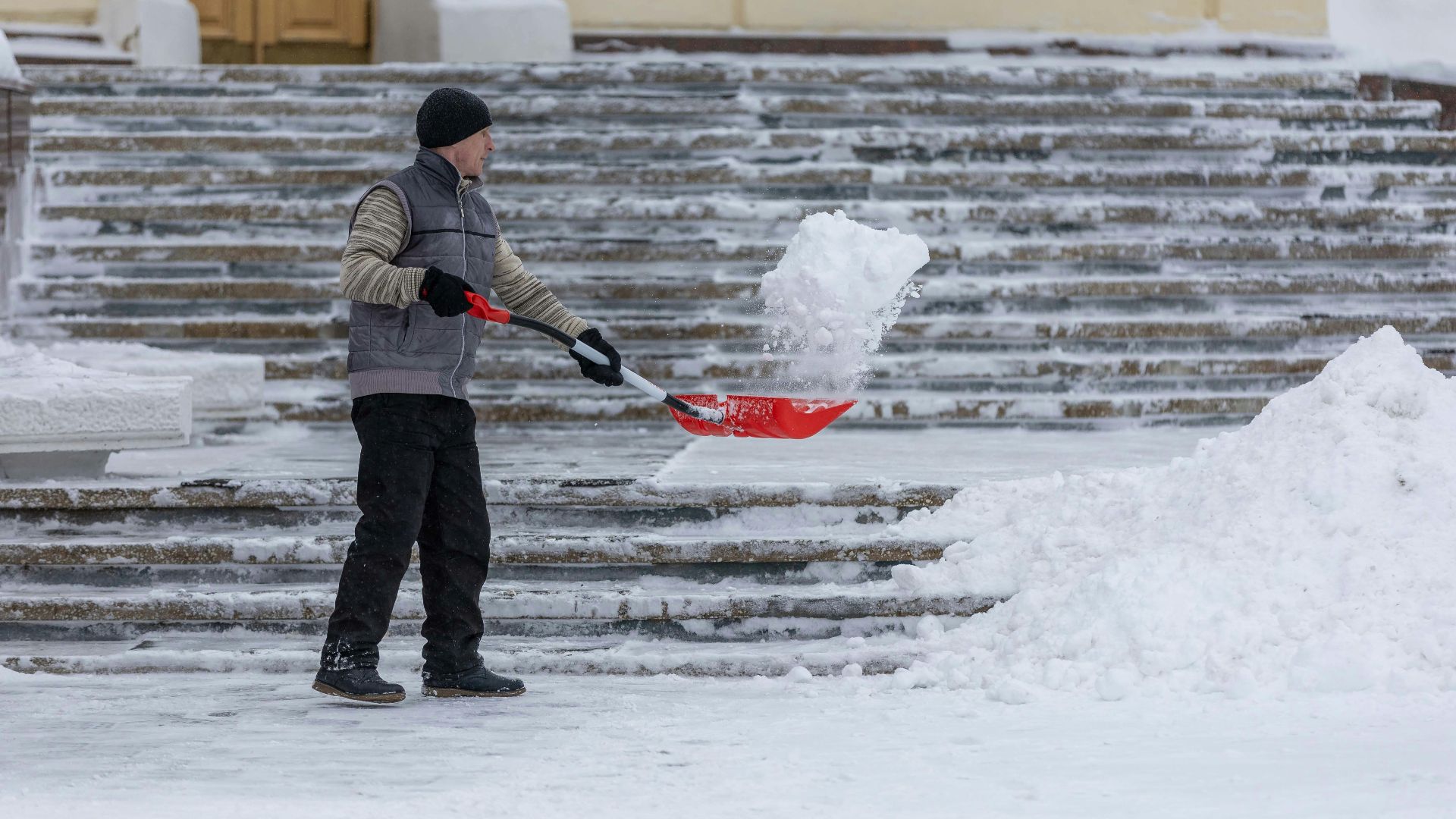
When It Might Actually Be Okay
If your neighbor explicitly says it’s fine to place snow there, great. Verbal permission changes everything. Just don’t assume silence equals consent—especially when winter tempers are already icy and patience runs thin.
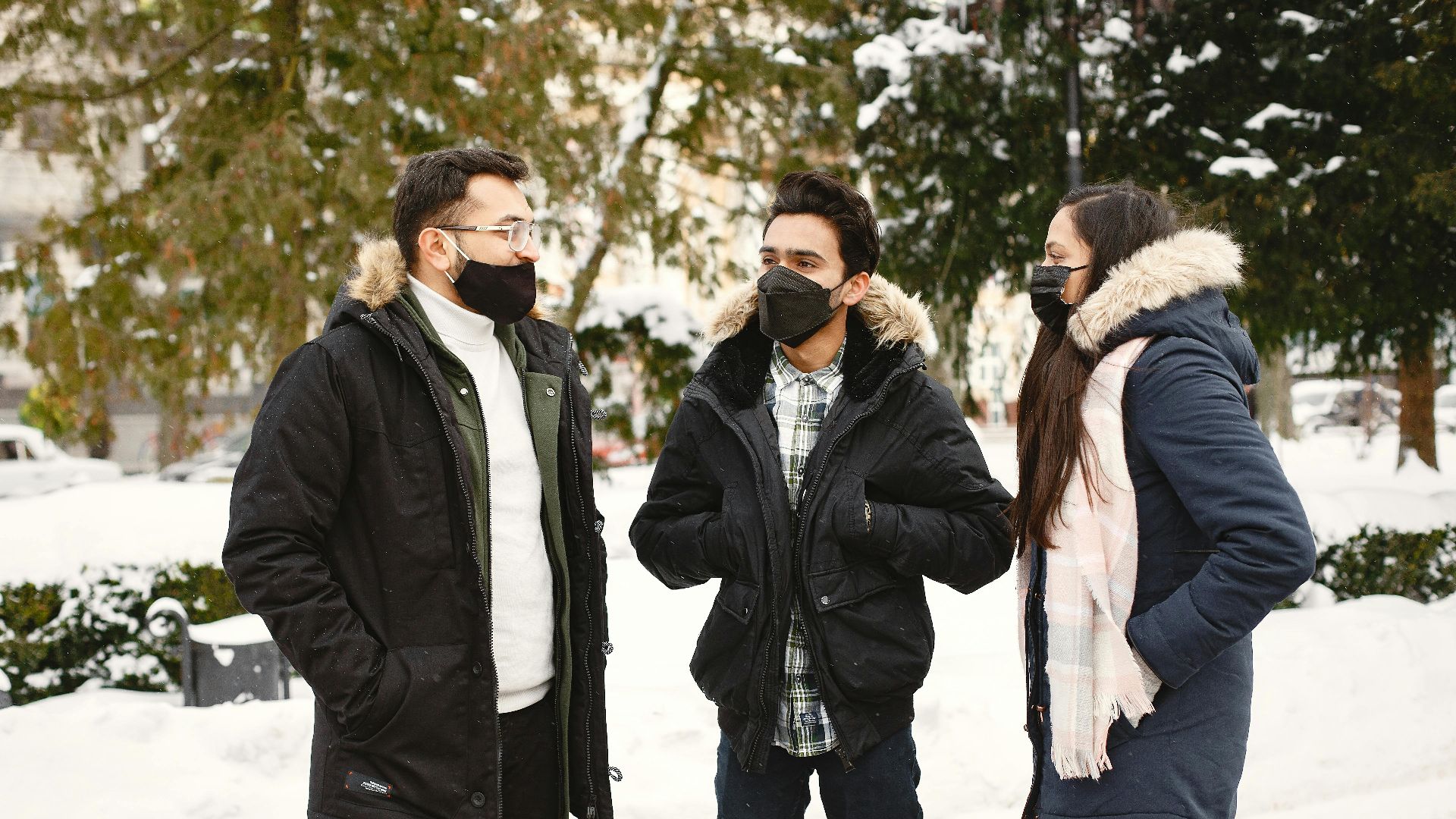
How To Talk To Your Neighbor Without Escalating
A simple, calm conversation works wonders here: “Hey, I didn’t realize that bothered you—I’ll keep the snow on my side.” No legal lecture required. Respect goes a long way in cold weather.

If He Keeps Accusing You
Document where you place snow if the situation feels tense. Take photos if needed. Stick strictly to your property. If accusations continue, staying squeaky clean gives you the high ground—and peace of mind.

What To Do If Damage Or Injury Happens
If something goes wrong, notify your insurance promptly and avoid arguing fault on the spot. Snow-related claims are common, and handling them calmly matters more than being technically “right.”

Long-Term Winter Peace Strategies
Establish boundaries early in the season before resentment builds. Agree on snow placement if space is tight. Investing in better tools or occasional help can cost less than a neighbor dispute that drags on for years.
 RealPeopleStudio, Shutterstock
A Quick Snow-Etiquette Checklist
If it’s not your property, don’t pile snow there. Keep access paths clear. Think about melt and refreeze patterns. And when in doubt, choose the option that won’t annoy someone else.
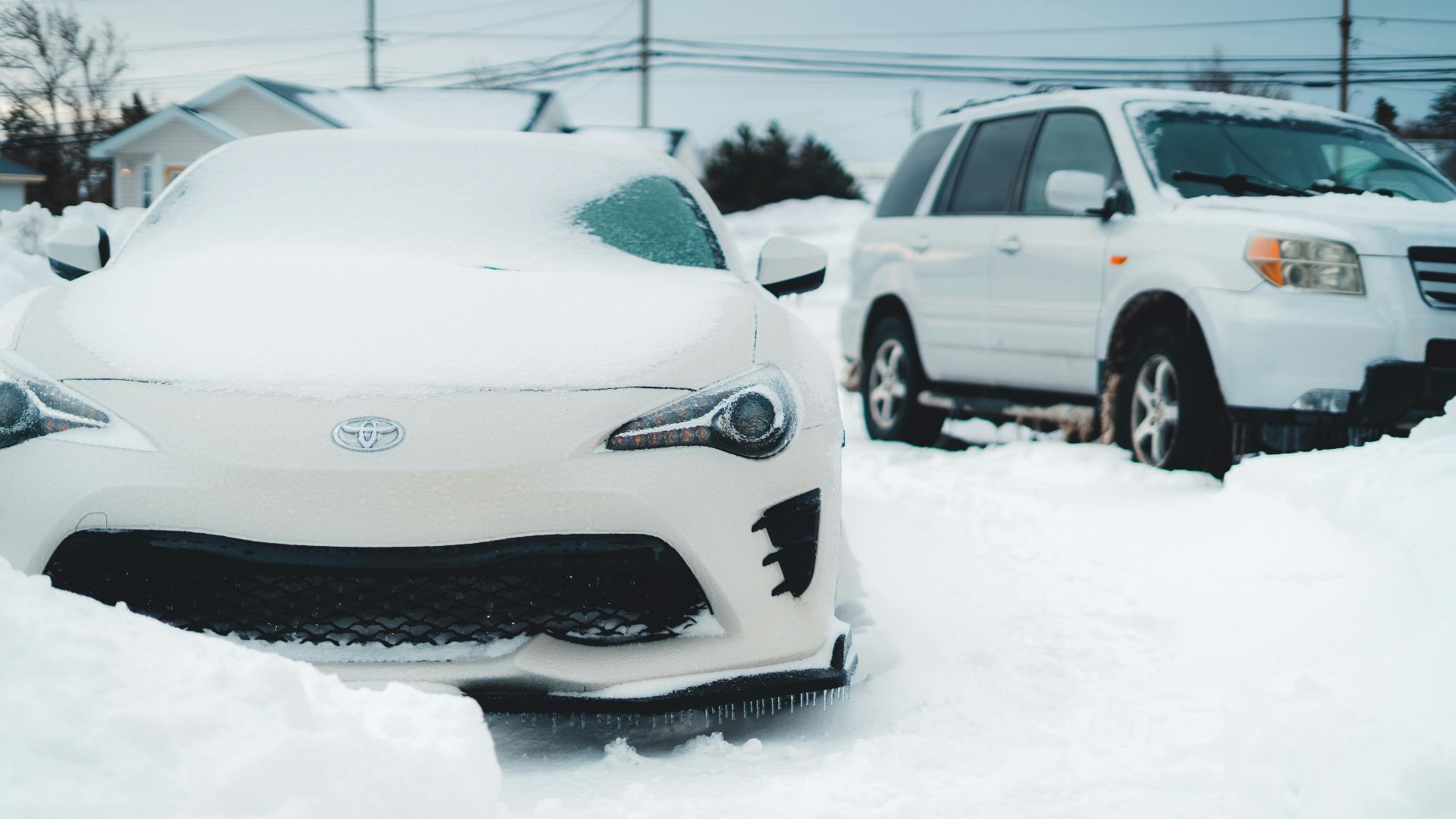
The Takeaway: Choose Peace Over Piles
Your neighbor’s driveway may look unused, but it’s still not yours to use. Snow has a way of magnifying small choices into big problems. When winter hits, the safest move—legally and socially—is keeping your snow firmly on your side of the line.

You May Also Like: