
When Love Meets An Unexpected Detour
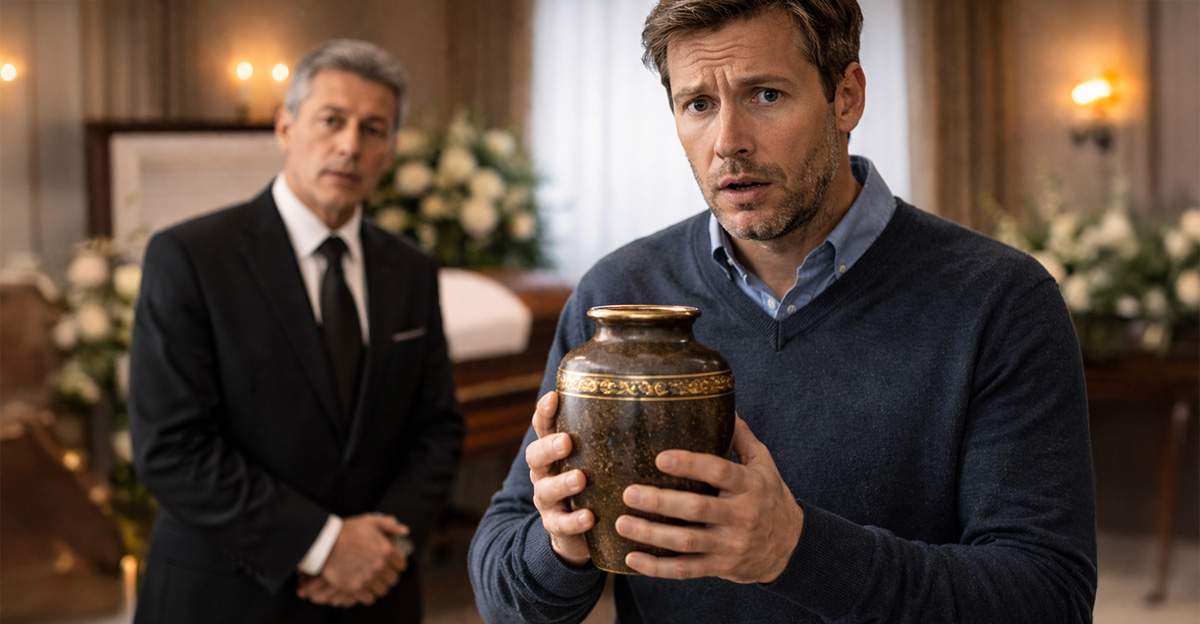
Losing a spouse is one of life’s most disorienting experiences. You’re grieving, exhausted, and trying to honor someone you loved deeply—often while navigating paperwork and decisions you never wanted to make alone. So when a will clearly states burial, but a mix-up leads to cremation, it can feel like a second loss layered on top of the first. This article is here to say: you haven’t failed, your love still counts, and there are many meaningful ways to honor your wife’s life and wishes—even when circumstances didn’t go as planned.
First, Let’s Acknowledge The Pain
Before we talk about solutions, let’s pause. This situation hurts because it matters. You wanted to do right by her. Feeling guilt, anger, confusion, or even embarrassment is completely normal. None of those emotions make you weak—they make you human. Honoring her life starts with honoring your own grief and giving yourself permission to feel what you feel.
Understanding That Mistakes Do Happen
Funeral arrangements often happen quickly, under pressure, and with multiple parties involved. Funeral homes, hospitals, and family members are all human—and humans sometimes make mistakes. While that doesn’t erase the pain, it can help reframe the situation. This wasn’t a choice you made lightly or a disregard for her wishes. It was a tragic administrative error during an already overwhelming time.

Separating Method From Meaning
Burial versus cremation is a logistical choice; honoring a life is an emotional and spiritual one. Your wife’s will likely reflected values—tradition, faith, family, remembrance—not a desire to constrain how she is loved or remembered. While the method changed, the meaning does not have to. You can still express everything she stood for in powerful ways.
Revisiting What She Truly Valued
Think beyond the word “buried.” What did she care about? Was it being close to family? Having a peaceful resting place? Being remembered with dignity? Her wish for burial may have been rooted in those deeper desires. When you identify those core values, you can design memorials and rituals that honor the spirit of her wishes, even if the form looks different.
Creating A Beautiful Memorial Service
If a traditional burial service didn’t happen—or didn’t feel complete—you can hold a memorial now. Memorial services are incredibly flexible. They can be religious or secular, large or intimate, somber or celebratory. You can include music she loved, stories from friends, photos, and readings that reflect her personality. A memorial isn’t less meaningful because it happens later.

Choosing A Resting Place With Intention
Cremation doesn’t mean there’s no place to visit. You can inter her ashes in a cemetery plot, mausoleum niche, or columbarium. Many cemeteries offer burial of cremated remains, allowing you to fulfill the essence of her wish—to be laid to rest in a dedicated, respectful place.

Incorporating Faith And Tradition Thoughtfully
If faith played a role in her burial wishes, speak with a clergy member or spiritual advisor. Many religious traditions have prayers, blessings, or rites specifically for cremated remains. These rituals can bring a sense of closure and reassurance, reminding you that spiritual care isn’t undone by a procedural mistake.
Holding A Second Ceremony Without Shame
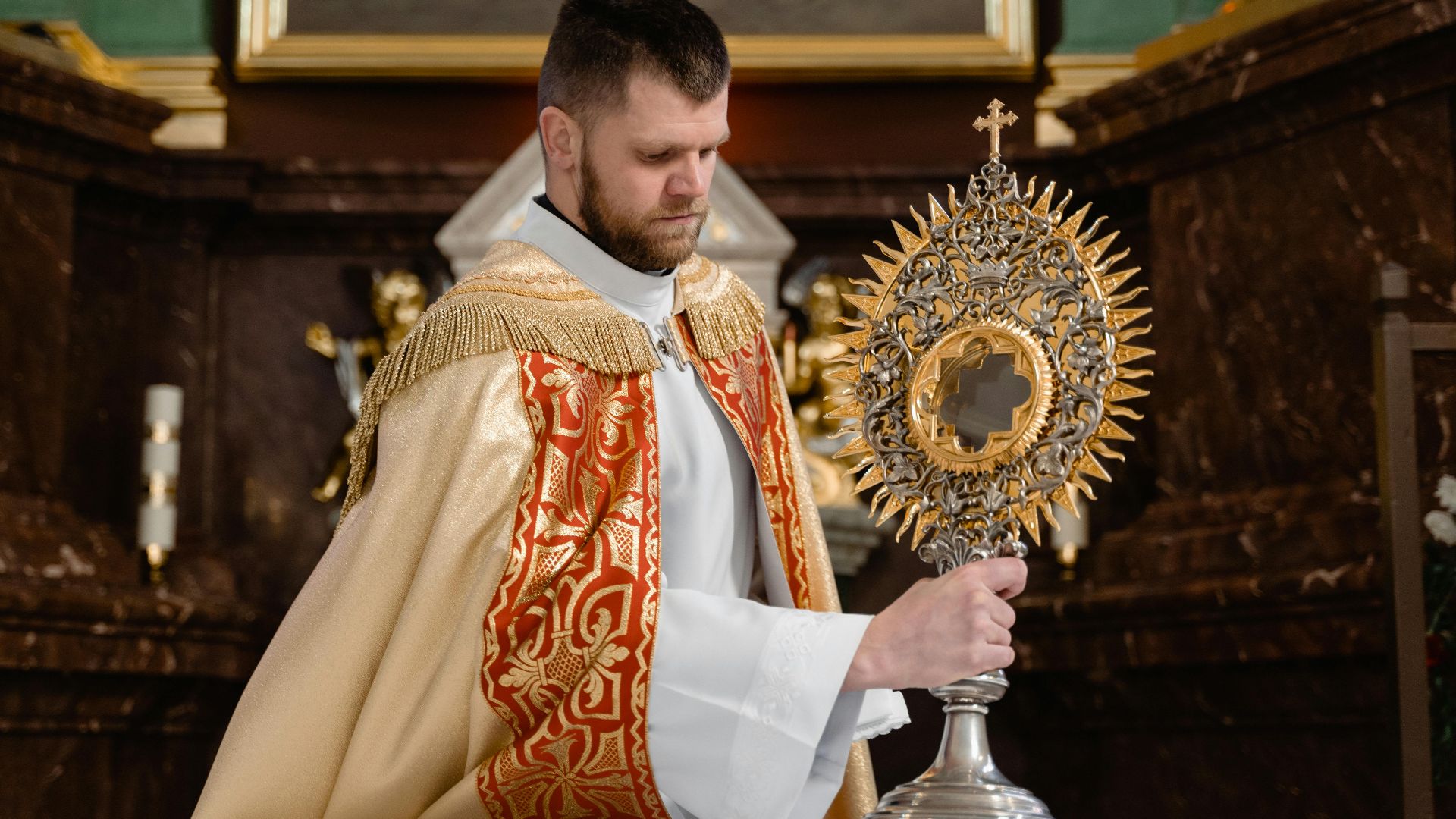
Some people worry that holding another ceremony looks “odd” or unnecessary. In reality, it’s common and deeply healing. A second ceremony isn’t an admission of failure—it’s an act of love. You’re saying, “Her life deserves this moment,” regardless of what happened before.

Turning Ashes Into A Place Of Reflection
Ashes can be placed somewhere meaningful: beneath a tree, in a memorial garden, or in a cemetery plot marked with a headstone. The key is intention. When there’s a physical place to visit, reflect, and remember, grief often has somewhere to land.
Creating A Living Memorial
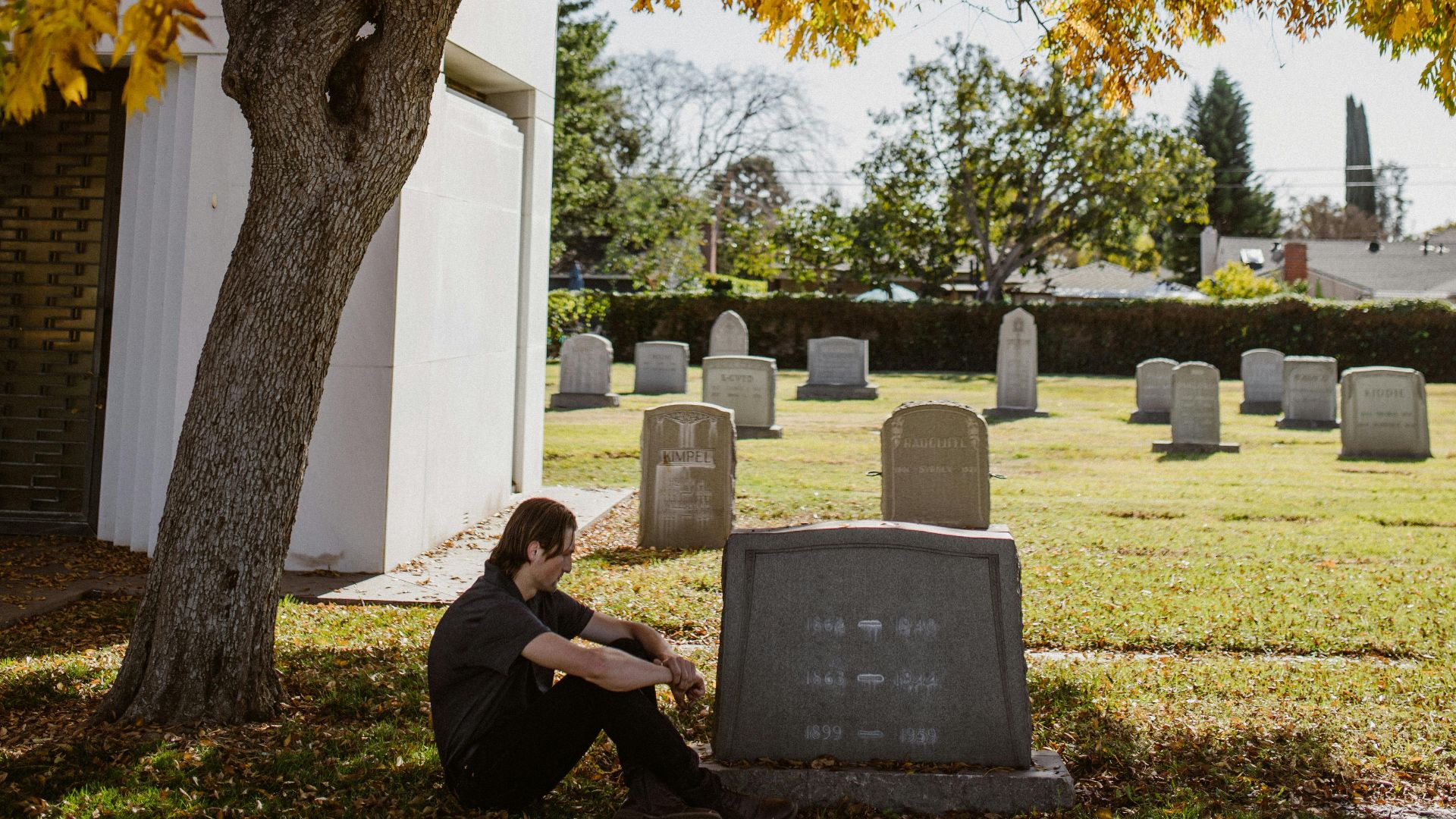
Not all memorials are stone or marble. You might plant a tree, start a scholarship, donate a bench in a park, or fund a cause she cared about. Living memorials grow, change, and continue to give—much like love itself.

Writing Her Story
One powerful way to honor her is to tell her story. Write about how you met, what made her laugh, what she believed in, and how she changed the people around her. This can be private, shared with family, or even published for others to read. Stories keep people alive in ways no procedure ever could.

Including Family In The Healing Process
A mix-up like this can stir tension or blame among family members. If possible, invite loved ones into the conversation about how to honor her now. Shared decision-making can transform anger into collective healing and remind everyone that you’re on the same side.
Releasing Guilt That Isn’t Yours
Guilt has a way of sneaking in, whispering “I should have…” or “I failed her.” But guilt implies intent—and there was none here. You acted with love, under pressure, in grief. Honoring her life also means refusing to punish yourself for something you didn’t choose.

Understanding That Love Is Not A Checklist
Your relationship wasn’t defined by one logistical outcome. It was defined by years of shared life—inside jokes, hard days, ordinary mornings, and quiet support. No single event can erase that. Love isn’t measured by perfection; it’s measured by presence.

Allowing Yourself To Redefine Closure
Closure isn’t a moment—it’s a process. You may find peace through ceremony, conversation, prayer, or time. Or all of the above. There is no deadline for doing something meaningful. You’re allowed to decide what closure looks like for you.

Talking To Professionals When Needed
Grief counselors, therapists, and bereavement groups are familiar with complicated loss situations like this one. Talking through the added layer of distress can help untangle emotions and provide tools for coping. Asking for help is not a weakness—it’s wisdom.

Honoring Her On Your Own Terms
You don’t owe anyone an explanation for how you remember your wife. Whether it’s lighting a candle on anniversaries, visiting her resting place weekly, or talking to her when you’re alone—those private rituals matter. They’re real, valid, and deeply human.

Finding Meaning In Moving Forward
Moving forward doesn’t mean moving on. It means carrying her with you as life continues. The way you treat others, the values you uphold, and the kindness you extend can all become reflections of her influence.

Letting Go Of The Word “Wrong”
It’s easy to label what happened as “wrong.” But doing so can trap you in a loop of regret. Try reframing it as “unexpected” or “unintended.” Language matters, especially in grief. Gentler words create gentler healing.
Remembering That Intent Matters Most
If your wife could see your heart—your pain, your care, your effort—she would know she was loved. Intent is the moral center of honoring someone. And your intent has been clear from the very beginning.

Giving Yourself Permission To Smile Again
Grief doesn’t cancel joy forever. Laughing at a memory or smiling at a shared photo isn’t betrayal—it’s tribute. Those moments prove that love still exists, even after loss.

Knowing You’re Not Alone In This
Many people have faced similar situations, even if they don’t talk about them openly. You’re part of a quiet community of people navigating imperfect endings with sincere hearts. There is comfort in knowing others understand.

Turning A Painful Moment Into A Loving Legacy
This experience, as painful as it is, can deepen your empathy for others facing loss. The compassion you gain may become one of the ways her life continues to ripple outward, touching people you haven’t even met yet.

Love Is Bigger Than Any Mix-Up
In the end, honoring your wife’s life isn’t about burial or cremation—it’s about love, remembrance, and intention. Plans changed, but love did not. And love, in all its resilience and humanity, will always be the truest memorial of all.

You May Also Like:
More Store Closures Are Coming In 2026 After Losing Thousands In 2025