
The Expiration Date Surprise
You get a new credit card in the mail because the old one expired. Same number. Same account. Just a new expiration date. Seems simple enough. But then the emails start arriving—payment failed, subscription paused, update billing info.
Suddenly a bunch of recurring charges—from streaming services to apps and memberships—stop working. The card number didn’t change, so why didn’t everything update automatically? It seems like there should be a better system for this by now.

Why Your Card Even Has An Expiration Date
Credit cards have expiration dates for a few practical reasons. One of the simplest is wear and tear. Cards get scratched, demagnetized, or physically worn out after years of use. Expiration dates ensure banks can periodically replace them so customers aren’t using damaged cards that fail during transactions.

Security Tech Gets Updated Too
Expiration dates also allow banks to refresh security features over time. Cards may be replaced with newer chips, updated fraud-prevention technology, or improved authentication systems. So every few years the bank sends a new card—even though the account behind it stays the same.
Wait…It’s The Same Card Number
That’s what confuses most people. When your card expires, the bank usually keeps the same card number. All that changes is the expiration date and the security code on the back. So it feels like nothing actually changed. But inside the payment system, those details matter more than people realize.
The Expiration Date Isn’t Just Cosmetic
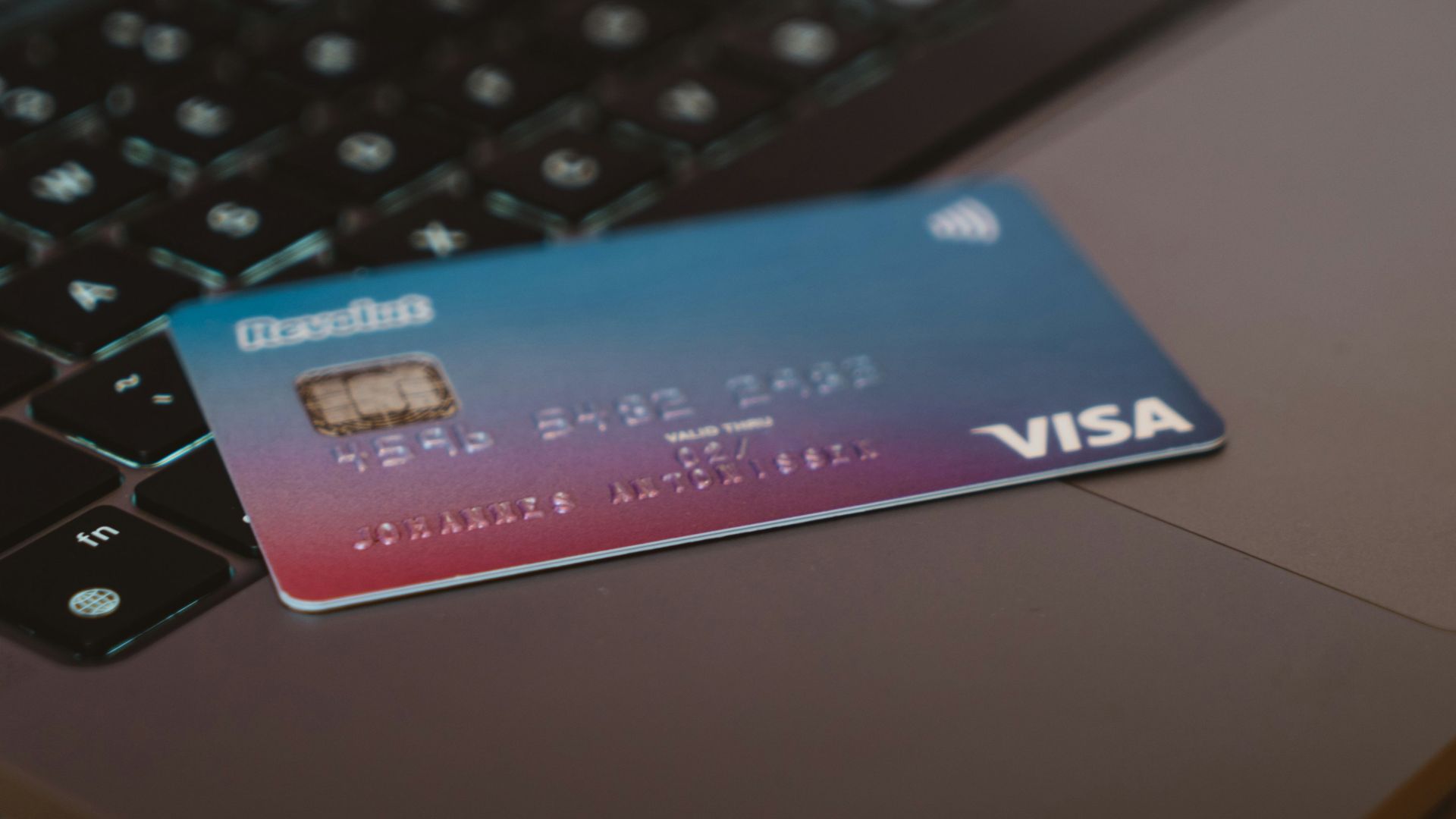
The expiration date isn’t printed on the card for decoration. When a company charges your card, the payment network checks multiple pieces of information—including the expiration date—to confirm the card is valid. If the stored expiration date no longer matches what the bank has on file, the charge can be declined. From the merchant’s side, it simply looks like the card stopped working.

The Part Most People Don’t Realize
When a company sets up a recurring charge, they don’t just remember your account. They store the card details that were used at the time of the first payment—usually the card number, expiration date, and sometimes a tokenized version of the security code. If any of those pieces change later, the system may treat the card like it’s no longer valid.
What Merchants Actually Store
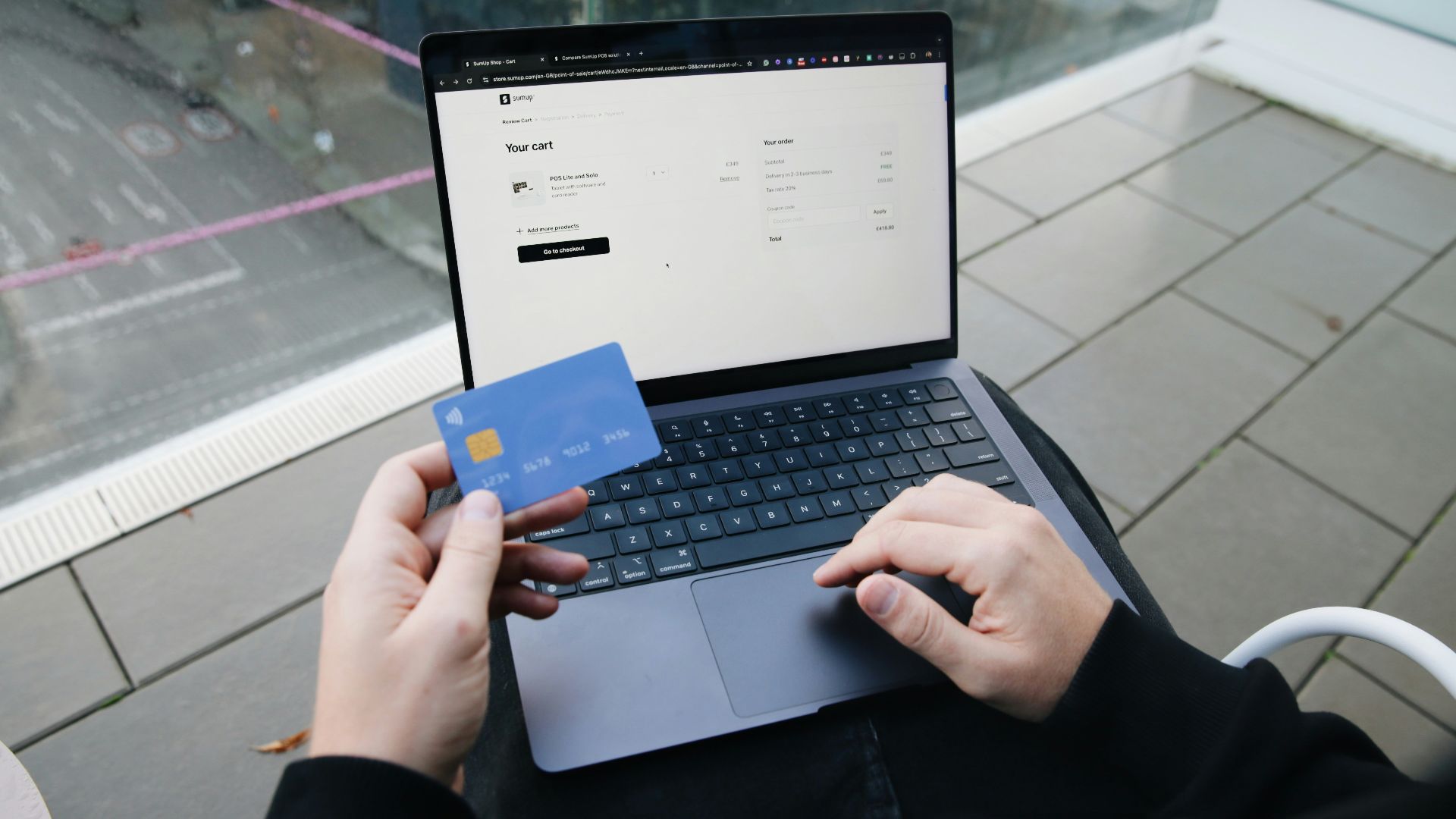
When you sign up for a recurring charge, companies store specific card details used during the first payment—usually the card number and expiration date. If one of those pieces changes later, their system may treat the card like it’s expired or invalid, even if the underlying account hasn’t changed.
The Rise Of “Card-On-File” Payments
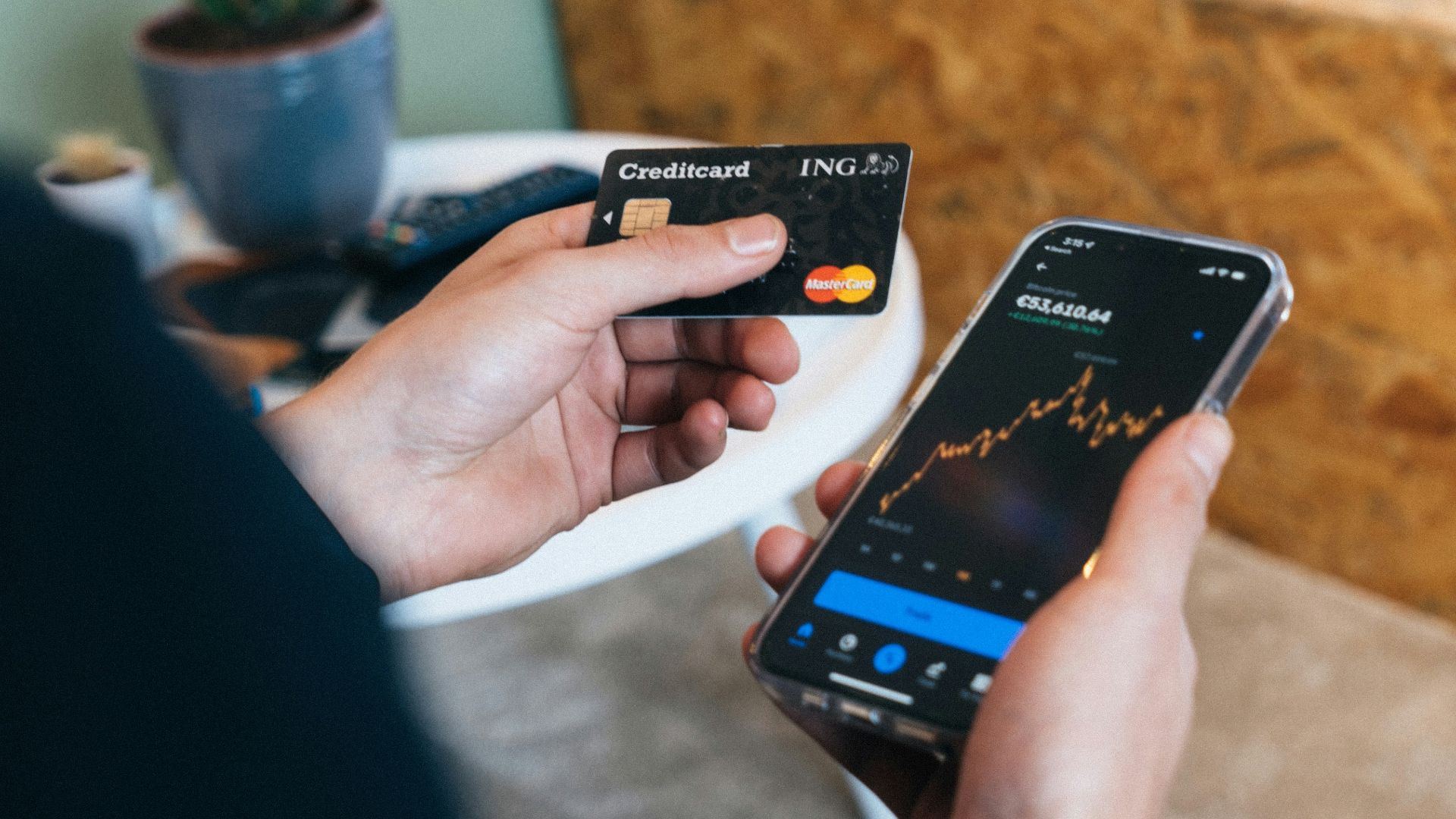
Visa refers to these stored payment setups as “card-on-file” transactions. They’ve become one of the fastest-growing types of digital payments because so many services—from streaming platforms to software subscriptions—charge customers automatically each month.

Why Banks Don’t Just Update Everyone
It seems like the bank should just notify every company you’ve ever paid. But banks don’t actually know every place your card is stored. A single card could be saved across dozens of services—streaming apps, subscriptions, memberships, and online stores. Automatically pushing updated card details to every merchant would also create huge security risks. So the system works a little differently.
The System That Can Update Cards
There actually are systems designed to solve this problem. Visa runs Visa Account Updater, and Mastercard has Automatic Billing Updater. These services allow participating merchants to receive updated card details when a card expires or gets replaced. If both the bank and the merchant participate, your subscription keeps charging without interruption. You never notice the card changed.
Why Some Subscriptions Still Miss The Update
Even with those systems in place, plenty of subscriptions still fail after a card expires. Sometimes the merchant doesn’t participate in the updater program. Sometimes their payment processor doesn’t support it. In other cases, the subscription may have stored your card years ago before the merchant adopted the system. So the merchant simply keeps trying the old expiration date until the charge fails.

Why The Security Code Also Changes
When your new card arrives, the three-digit security code on the back usually changes too. Many recurring payment systems don’t store that code directly for security reasons. But some payment tokens are tied to the original card credentials. Once those credentials change, the system may require new billing information before it can charge again. That’s why some subscriptions suddenly stop.
When The Card Number Changes Too
Sometimes your replacement card also comes with a completely new number. Banks might do this if there’s suspected fraud, a card upgrade, or a change in issuing systems. When that happens, automatic updating becomes even less likely unless the merchant uses those payment network updater services. Otherwise, every subscription tied to the old card simply stops.

The Weird Subscription Audit
Oddly enough, expired cards sometimes reveal something useful. You suddenly see every service that was quietly charging your card each month. Streaming services. Apps. Memberships. Random trials you forgot to cancel.

Subscriptions Add Up Fast
A 2022 C+R Research survey found the average American spends about $219 per month on subscriptions, and many people underestimate how many they actually have. That’s one reason an expired credit card can unexpectedly turn into a subscription audit.

The Subscription Economy Is Huge Now
Subscriptions have exploded over the past decade. The Subscription Economy Index from Zuora found subscription-based businesses grew more than four times faster than the S&P 500 over a ten-year period. With so many services now using automatic monthly billing, it’s easier than ever to accumulate recurring charges without noticing them.

People Usually Underestimate Their Subscriptions
And people are often surprised by how many subscriptions they actually have. A West Monroe survey found Americans underestimate their monthly subscription spending by about $100 on average. That’s another reason an expired credit card sometimes turns into an accidental subscription audit.

Why You Get “Payment Failed” Emails So Fast
Many companies monitor subscription payments automatically. If a charge declines because of an expired card, the system instantly flags the account and sends a message asking you to update billing details. That’s why those emails often arrive within minutes of the failed charge. From the company’s perspective, it’s just a billing error they want fixed quickly.

Why Some Subscriptions Quietly Stop
Not every service chases failed payments right away. Some simply pause the subscription until the billing issue gets fixed. You might lose access to the service, but your account stays active. Once you update your card details, the next billing cycle usually resumes like nothing happened.

Why Digital Wallets Have Fewer Problems
Payment systems like Apple Pay, Google Pay, and PayPal often avoid this issue entirely. These services use tokenized payment methods, meaning merchants never store your actual card details. Instead they charge a secure token connected to your wallet. If the card behind that wallet updates, the token often continues working without interruption.
The Simple Fix
Fortunately the solution is usually quick. Just log into the subscription account and update the expiration date and security code for the card. Because the card number is usually the same, the update takes seconds. Once the merchant has the new details, recurring charges normally resume without any further problems.

Unfortunately, This Is Just How The System Works
As inconvenient as it feels, there usually isn’t a shortcut. When your card expires, some subscriptions will keep working, but others will fail depending on how the merchant handles stored payment details. In many cases, the only fix is logging in and updating the expiration date yourself. It’s annoying—but for now, it’s simply how the payment system works.

The Bottom Line
It feels like a glitch when subscriptions stop after a credit card expires—especially if the card number didn’t change. But the expiration date is actually part of the card verification process. Unless both the bank and merchant use automatic card updater systems, the old payment details simply stop working. So when your card expires and a few subscriptions suddenly fail… it’s usually just the payment system doing exactly what it was designed to do.

You Might Also Like:
I’m 25 and willing to sacrifice almost anything to retire by 45. Tell me what to do.