Cashless?
The idea of a cashless society gets thrown around a lot—and if you still use cash and checks, you might be wondering if you’re about to be left behind. The short answer? Kind of.

Will Cash Actually Go Away?
Not tomorrow, or next week. But while cash still plays an important role—especially for privacy and emergencies—things are changing. In many ways, a cashless society is already here, and whether you like it or not, you need to be ready for it.
It Feels Like It’s Already Happening
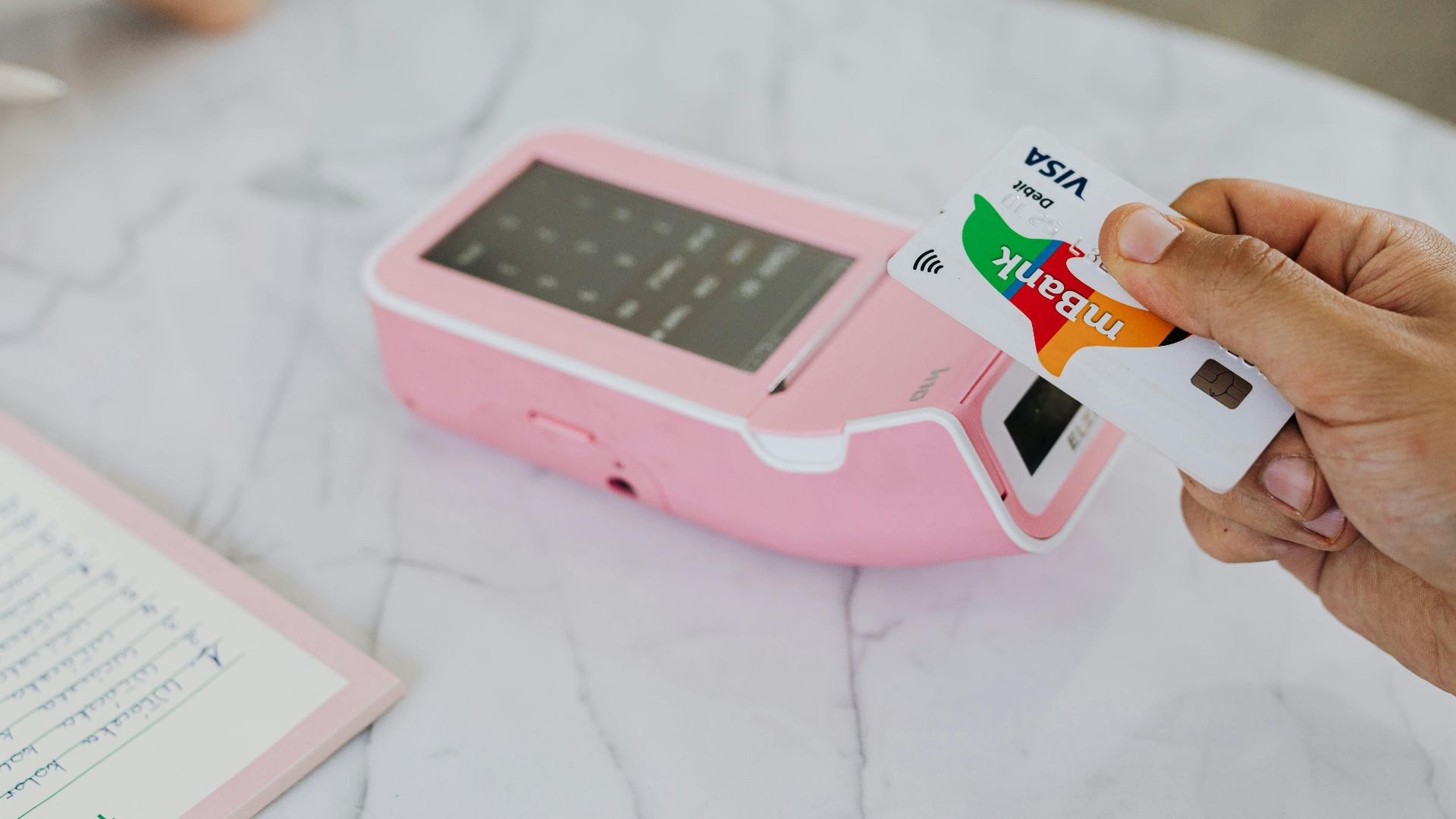
You’ve probably noticed it already—stores asking for card only, fewer people carrying cash, and even friends saying they don’t have cash anymore. It can start to feel like cash is quietly disappearing, even if no one officially said it is.
What Does Cashless Actually Mean?
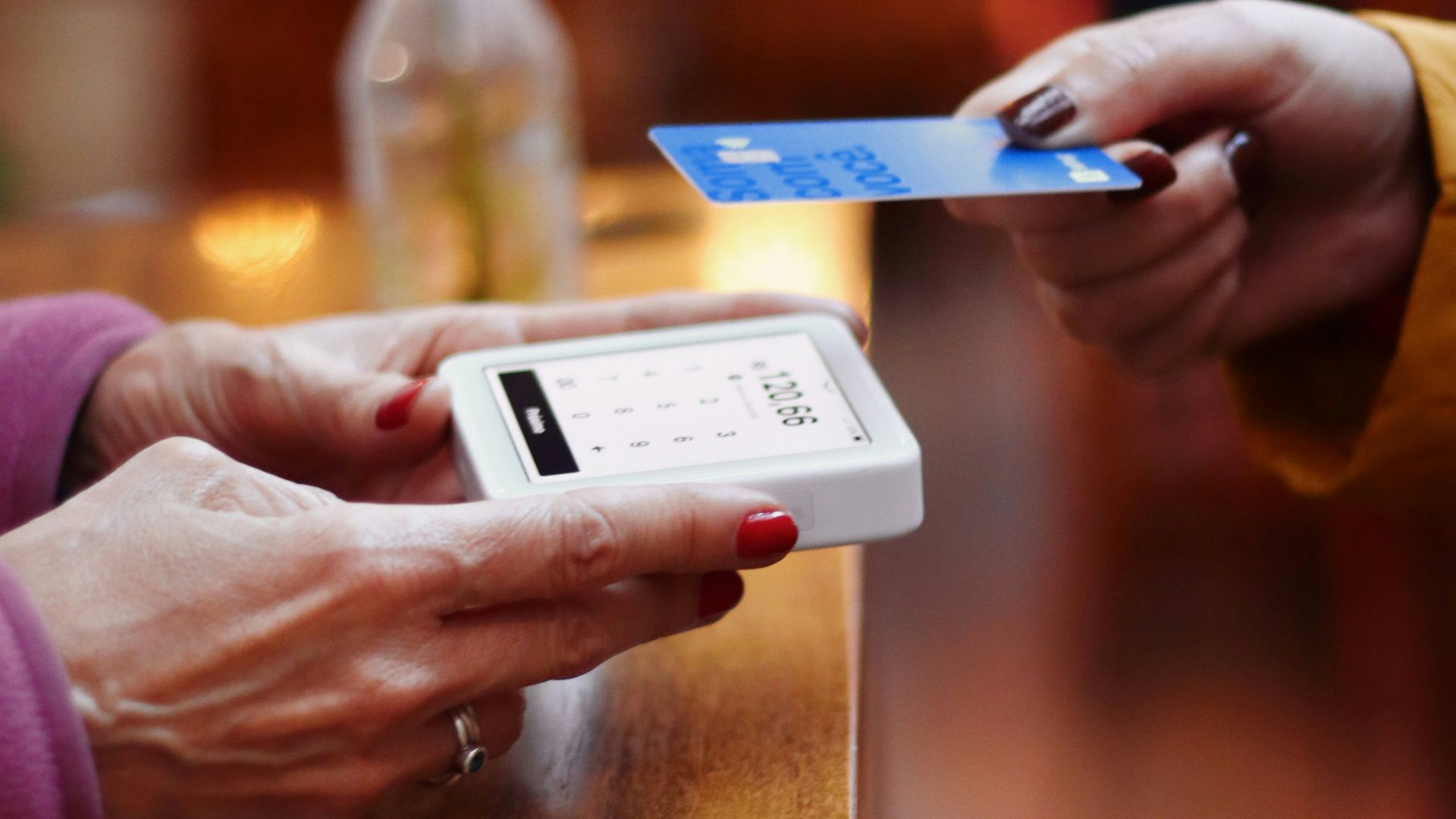
A cashless society doesn’t mean cash disappears completely. It just means most people stop using it regularly. Payments shift toward cards, apps, and online transfers, while cash becomes more of a backup than a default way to pay.
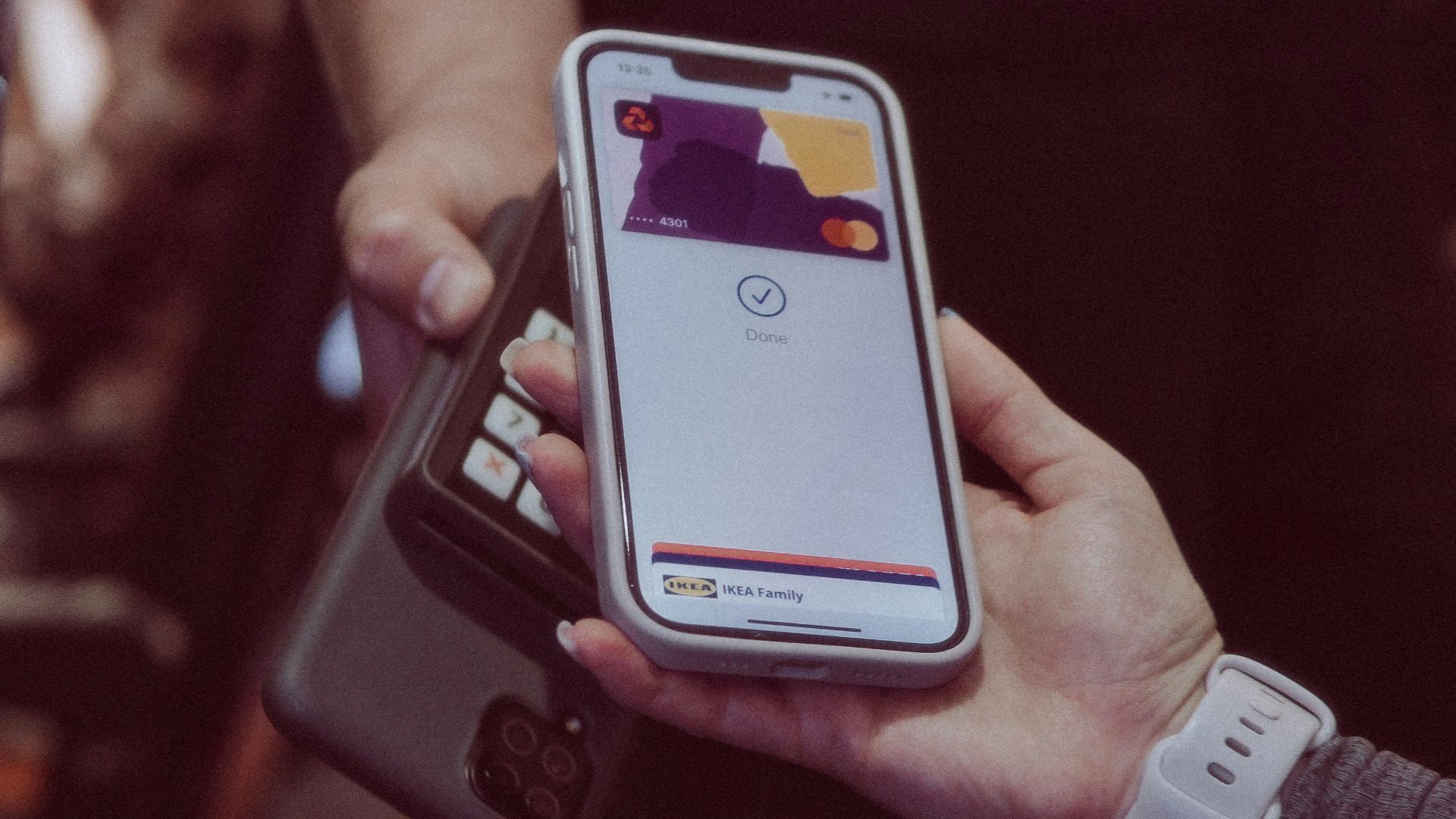
Are We Already Moving In That Direction?
Yes—and it’s been happening for years. More people are tapping cards, paying through apps, or shopping online. Federal Reserve data shows cash now makes up roughly 18% of U.S. payments, a sharp drop from previous decades.
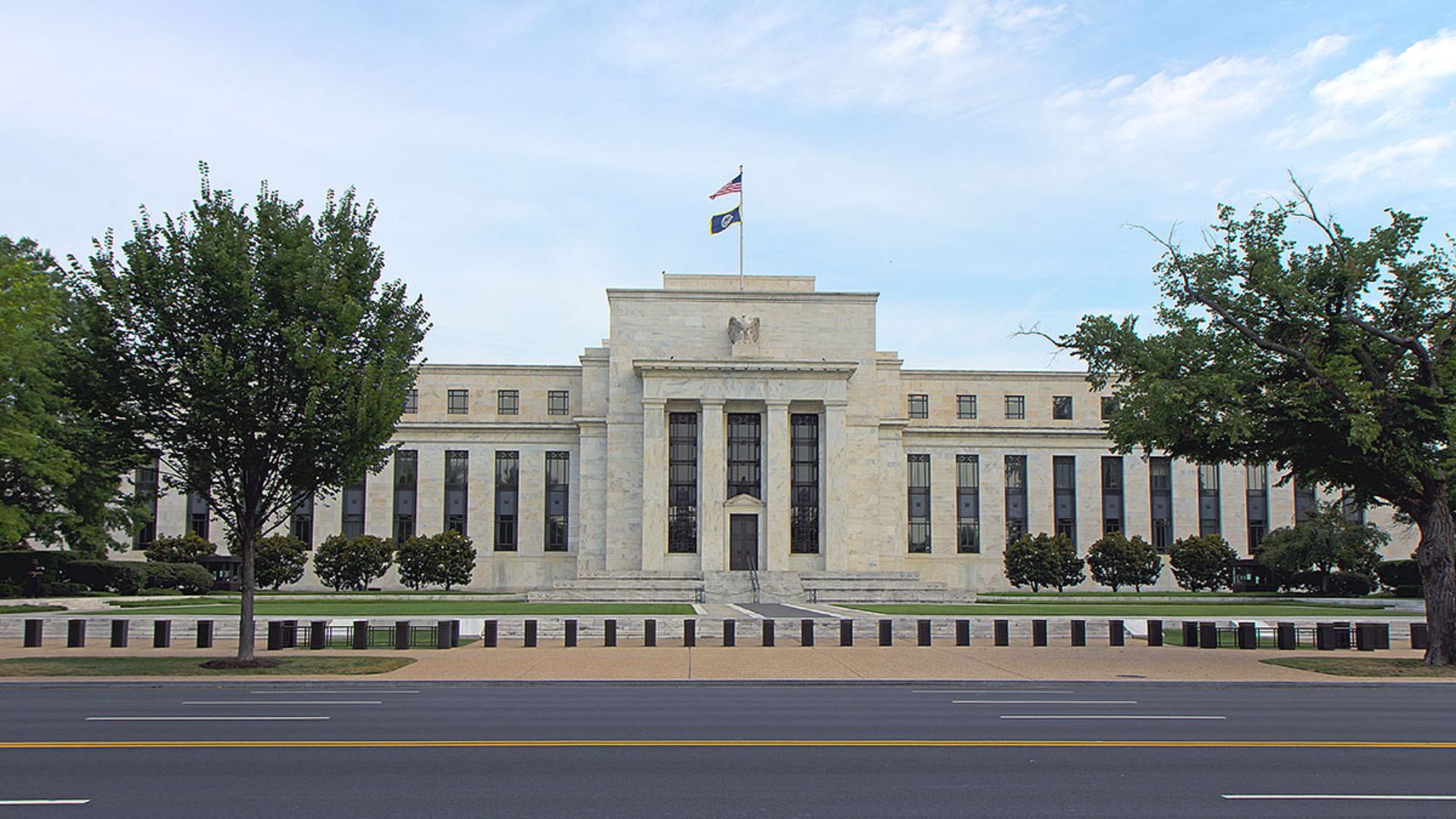 Stefan Fussan, Wikimedia Commons
Why Are People Using Less Cash?
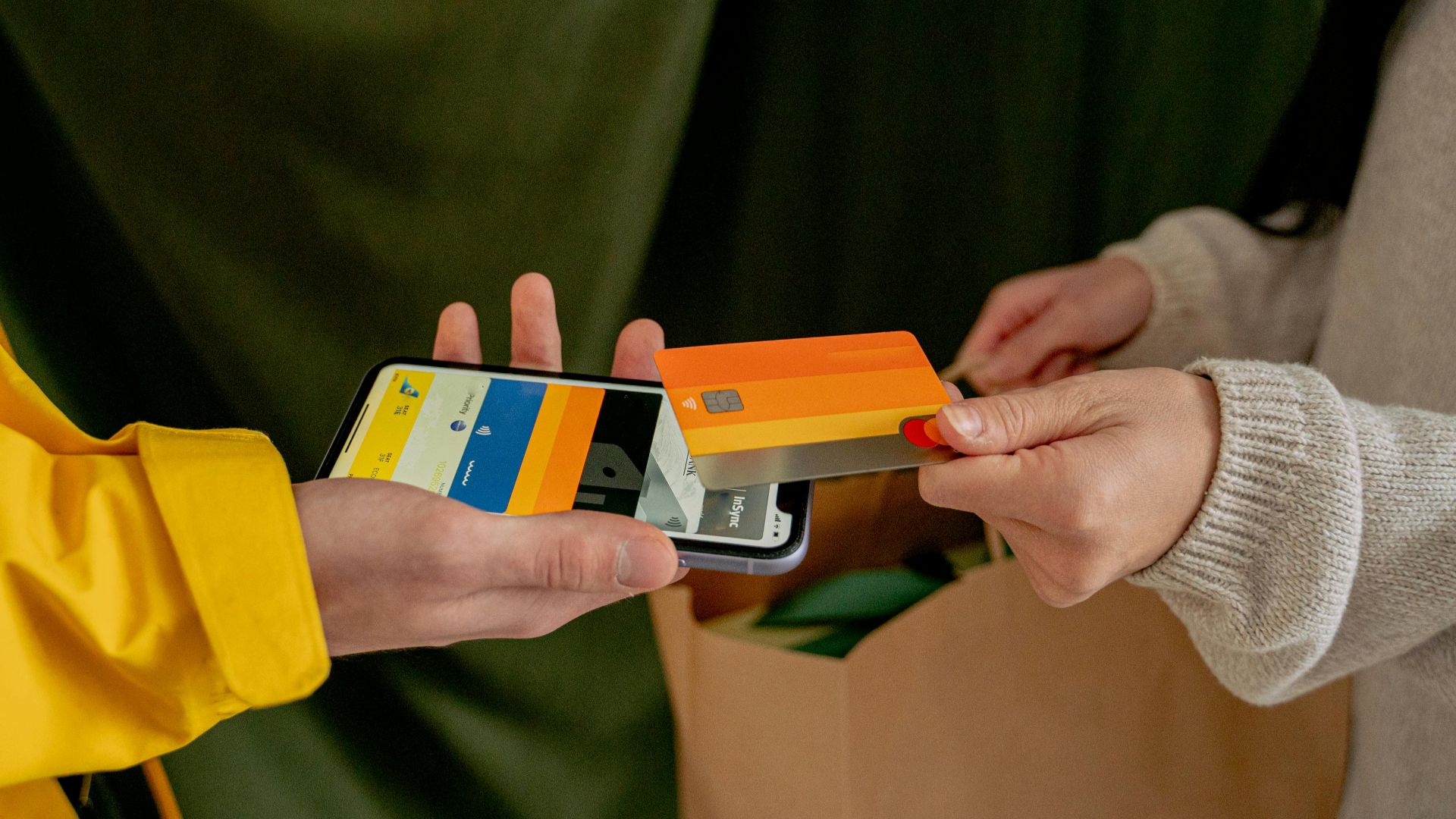
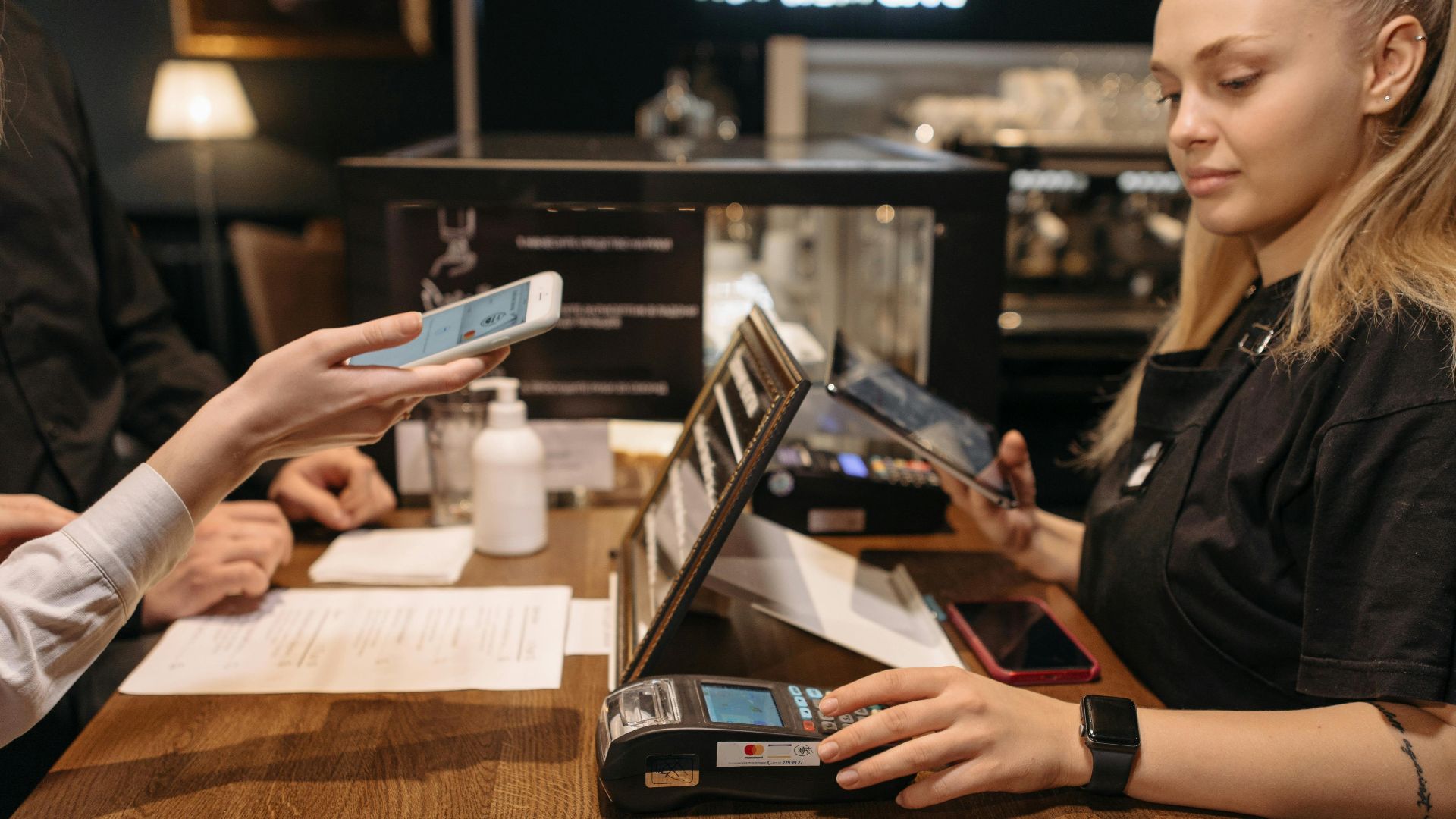
Convenience is driving the shift. Cards and phones are faster, easier, and don’t require exact change. Mobile payments have surged, with millions regularly using digital wallets and payment apps instead of carrying cash.
Checks Are Fading Even Faster
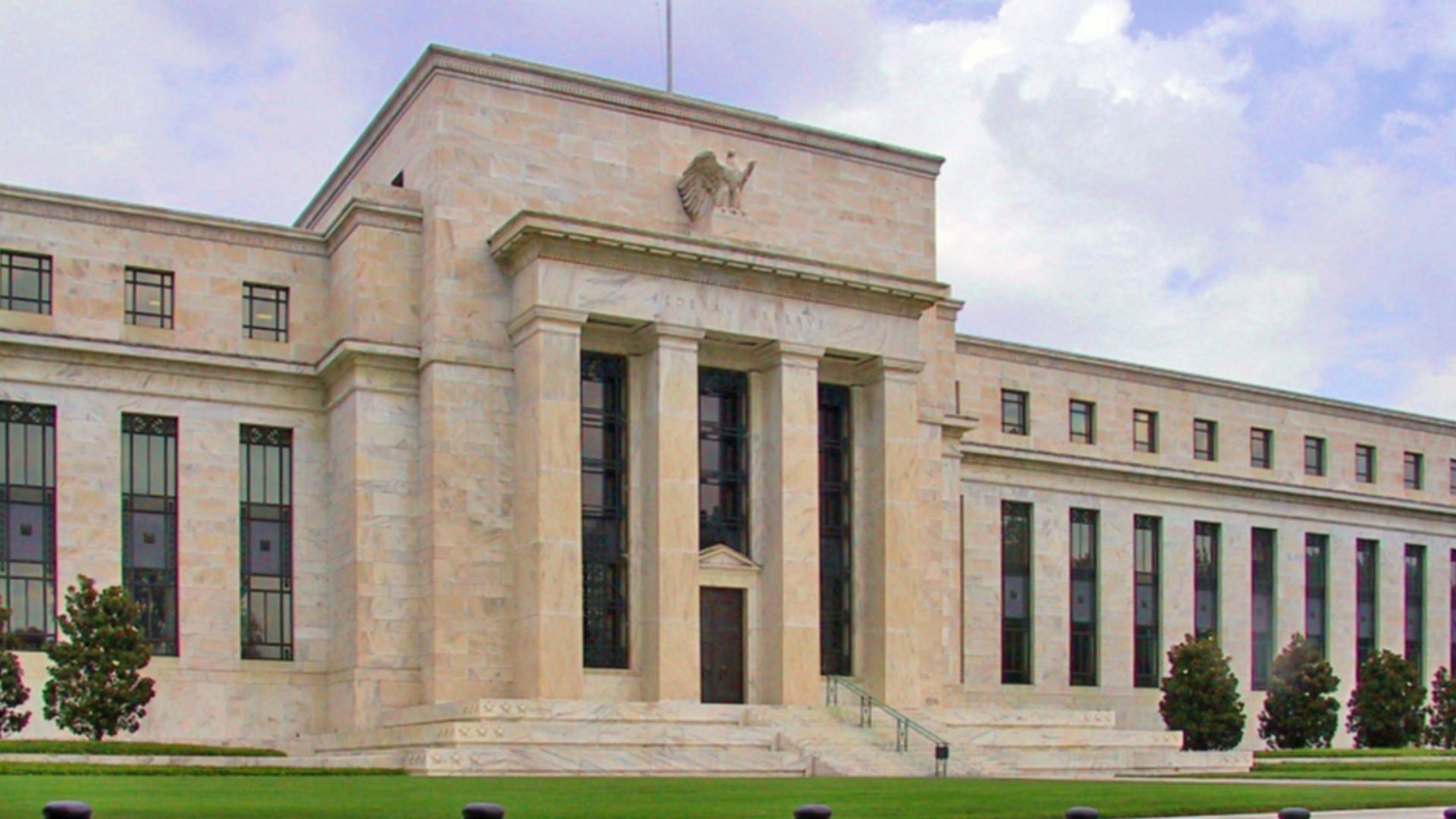
Checks are disappearing quicker than cash. The Federal Reserve reports check usage has dropped by more than 50% over the past few decades as electronic payments replaced them. Many businesses no longer accept them.
Who Still Depends On Cash?
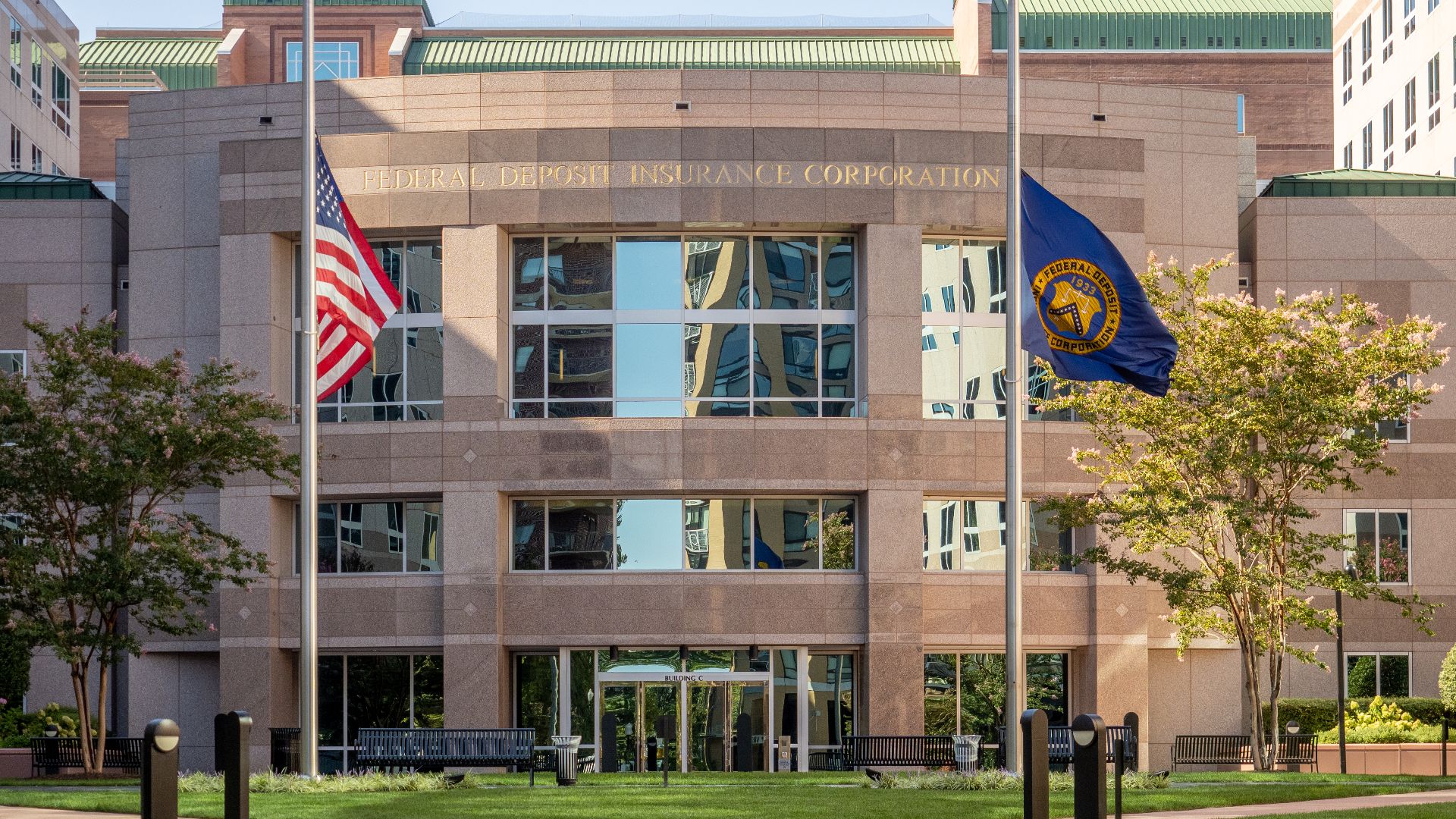
According to the FDIC, millions of U.S. households are unbanked or underbanked, meaning they rely heavily on cash. For them, going fully digital would make everyday life more difficult, not easier.
 ajay_suresh, Wikimedia Commons
Some Places Are Already Cashless
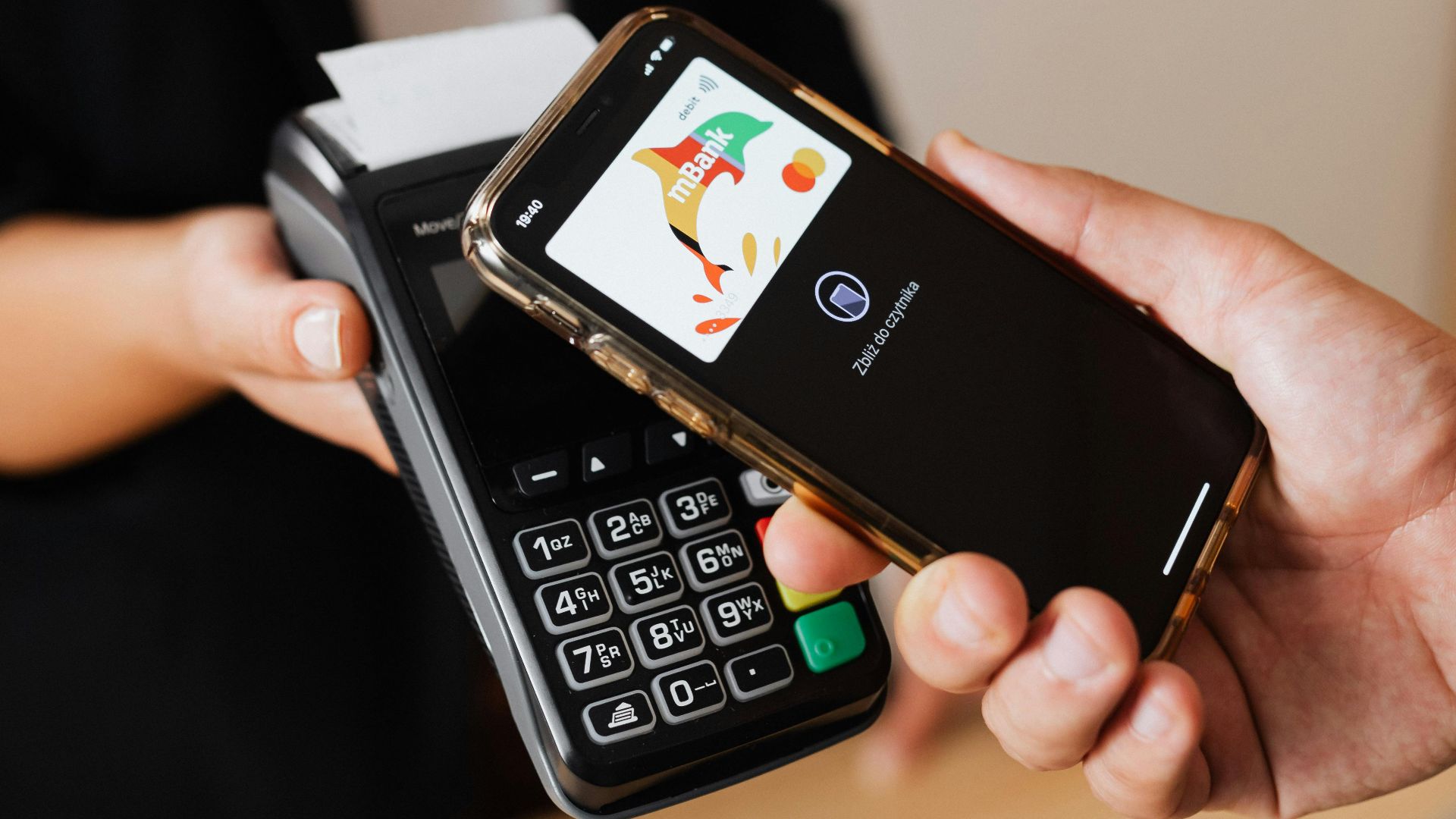
Certain restaurants, arenas, and stores have stopped accepting cash altogether—especially after the pandemic accelerated contactless payments. They prefer digital payments because they’re faster and reduce theft risk.
Can Businesses Refuse Cash?
Sometimes—but not everywhere. Some regions require businesses to accept cash to avoid excluding people who depend on it. So while cashless stores exist, there are still protections for cash users.

The Privacy Trade-Off
Cash is private—digital payments aren’t. Every card swipe or app payment creates a record. That’s useful for tracking spending, but it also means your financial activity is easier to monitor and store.

What Happens If Systems Go Down?
During power outages or network failures, digital payments can stop working entirely. In real-world disruptions, businesses have had to temporarily switch back to cash-only transactions when systems failed.

Is Cash Riskier?
Cash can be lost or stolen, and once it’s gone, it’s gone—there’s no getting it back. Digital payments can be hacked, but often come with fraud protection and reimbursement options, making both methods come with different risks.
Why Some People Prefer Cash
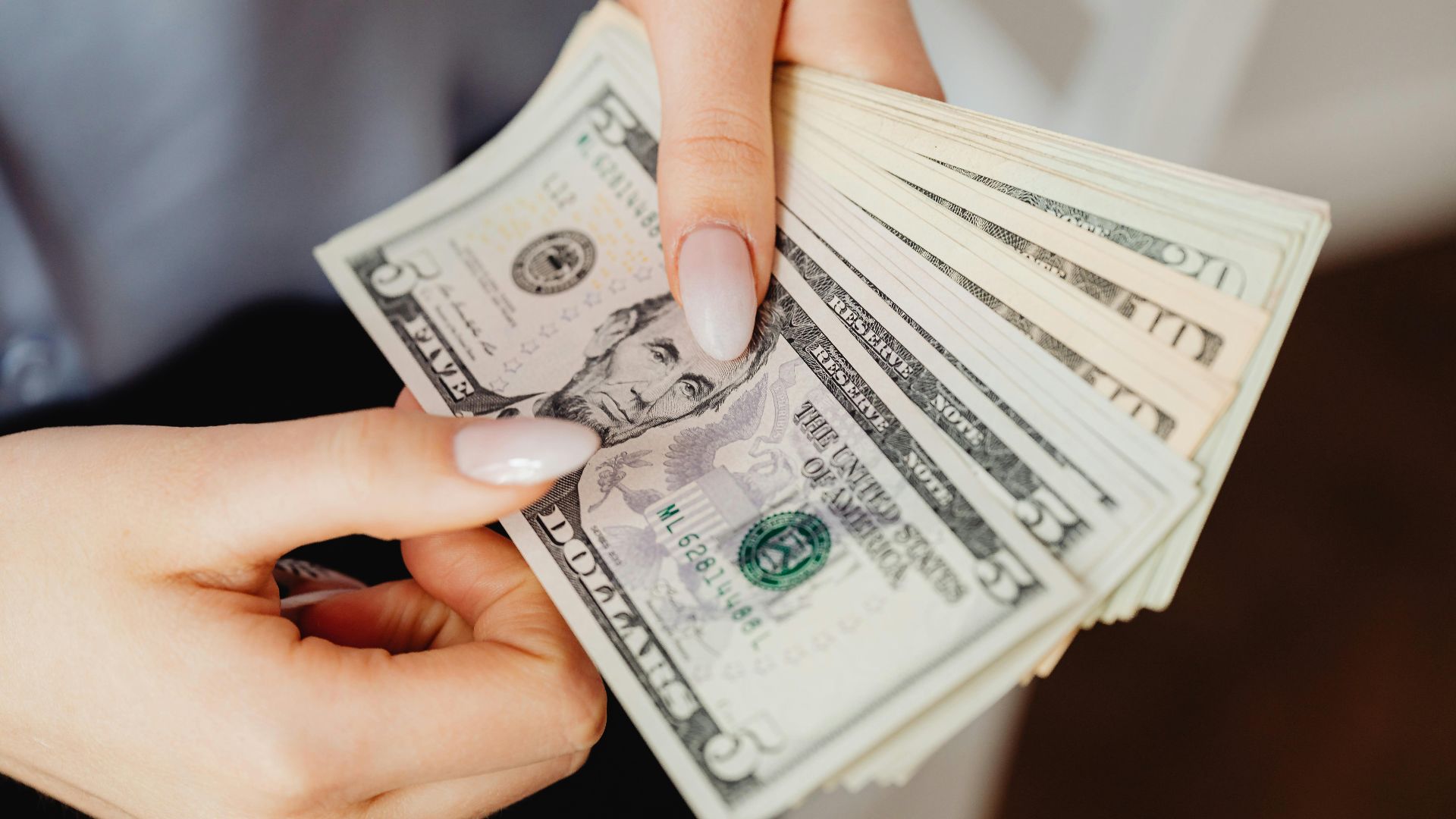
For many people, cash makes spending feel more real. Physically handing over money can reduce impulse purchases and improve budgeting. Studies have shown people often spend less when using cash compared to cards.

Younger Generations Are Driving This
Millennials and Gen Z are leading the move away from cash. Many go days—or even weeks—without using it. For them, paying digitally is normal, and that shift is accelerating the broader move toward cashless payments.

Are There Hidden Costs?
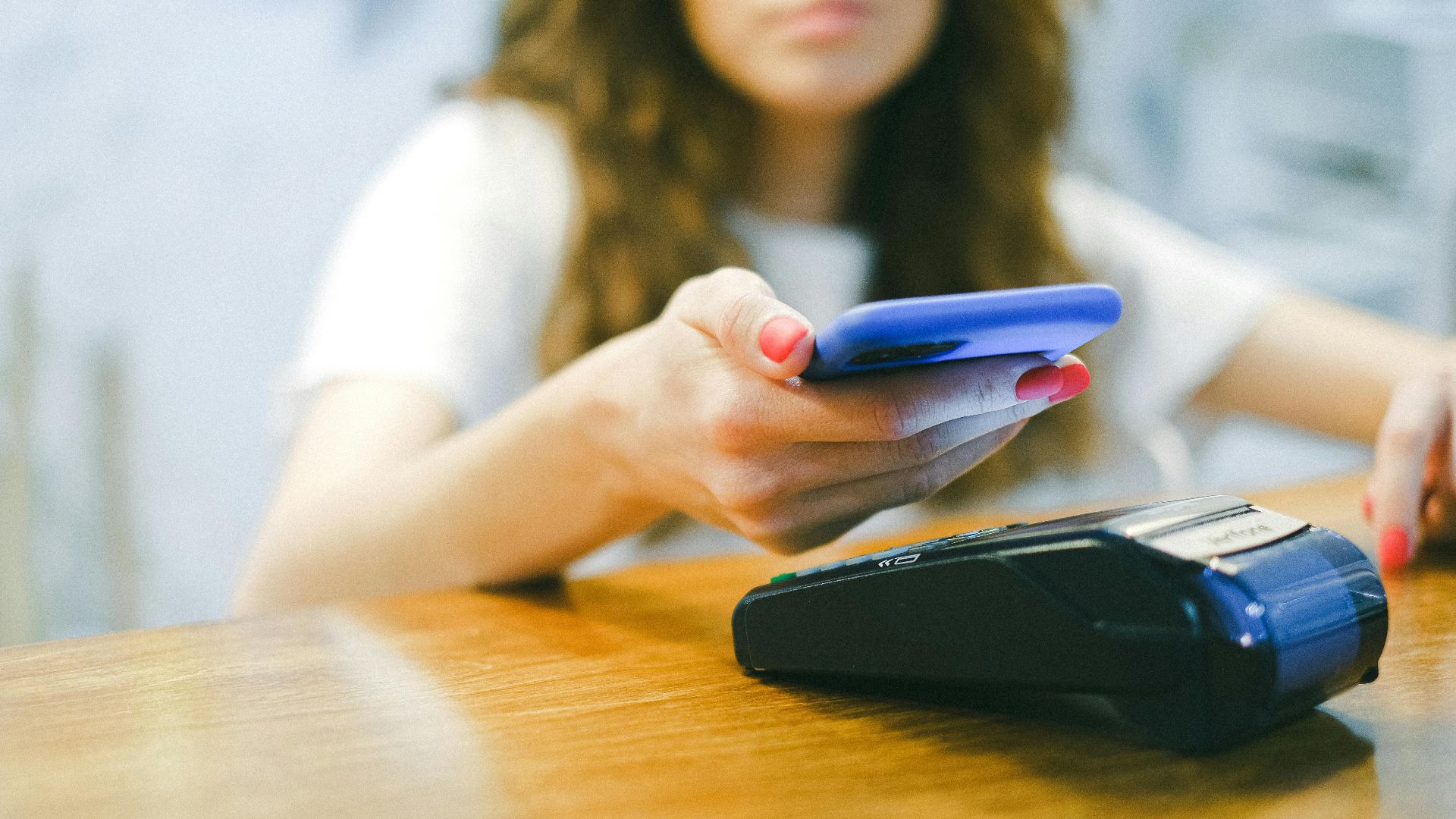
Businesses pay fees on card transactions, which can get passed to customers through higher prices. Some places even add surcharges for credit card use, while cash avoids those extra costs entirely.
Could Governments Push This Further?
Digital payments are easier to track and tax, which governments tend to prefer. But fully eliminating cash would be controversial and could exclude millions of people without reliable access to banking or technology.
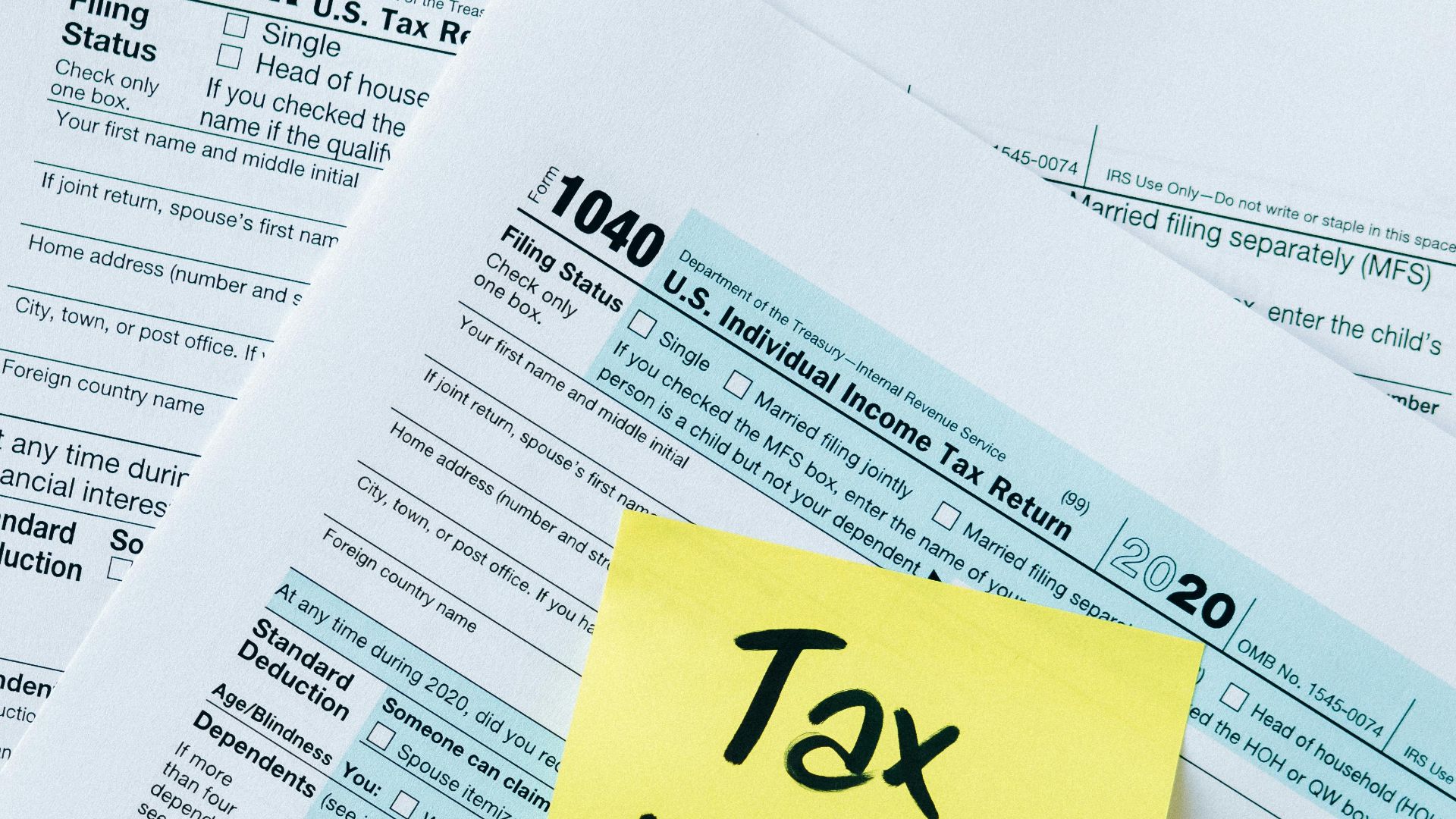
Do You Need To Change Right Now?
Not really. Cash and checks are still accepted in many places, especially for smaller purchases. You don’t need to stop using them, but it’s smart to get comfortable with digital options as the shift continues.
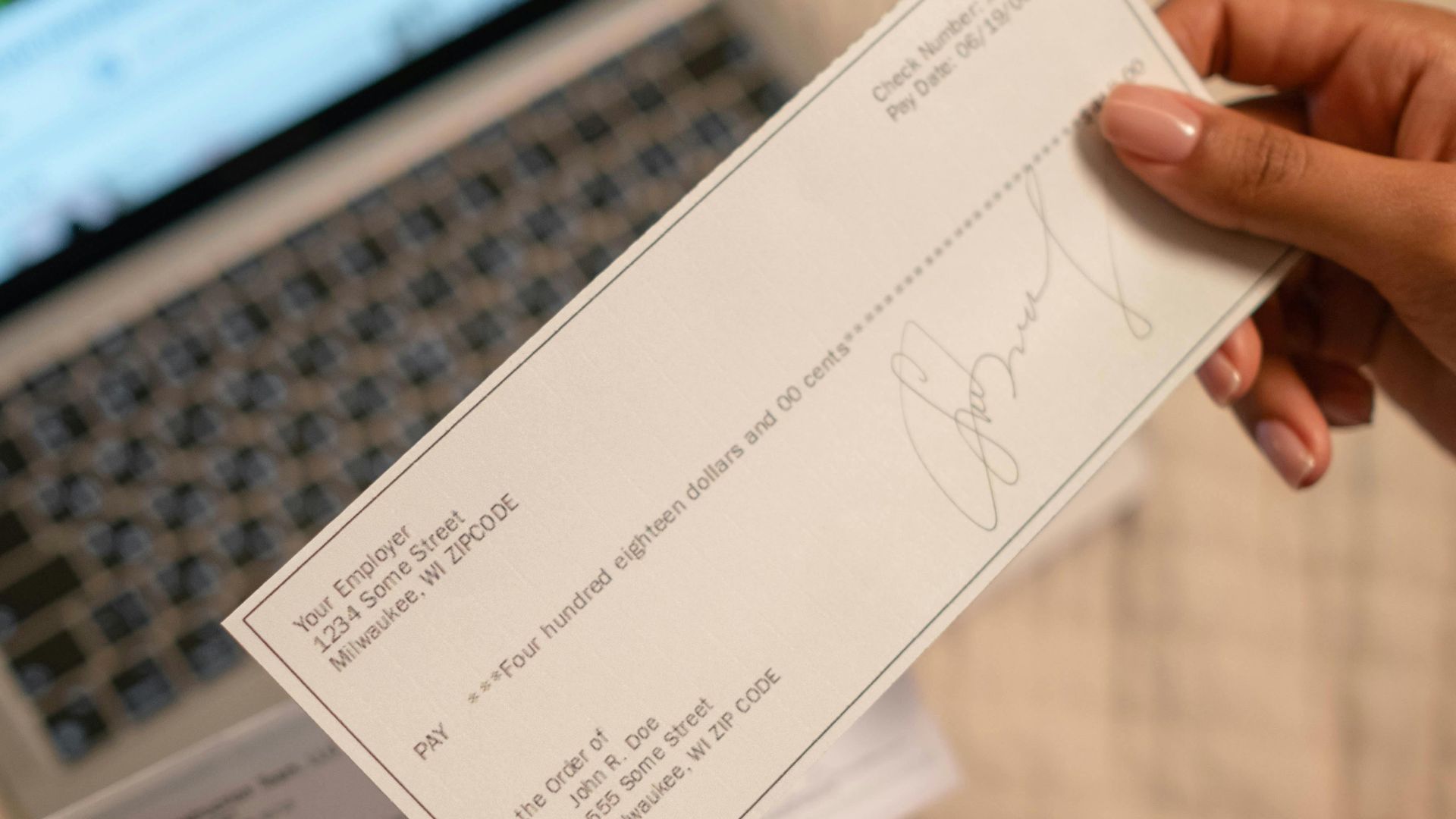
Should You Stop Using Checks?
Checks are slower, less secure, and increasingly outdated. Many banks and businesses are moving away from them entirely, while digital payments are faster, easier to track, and more widely accepted.
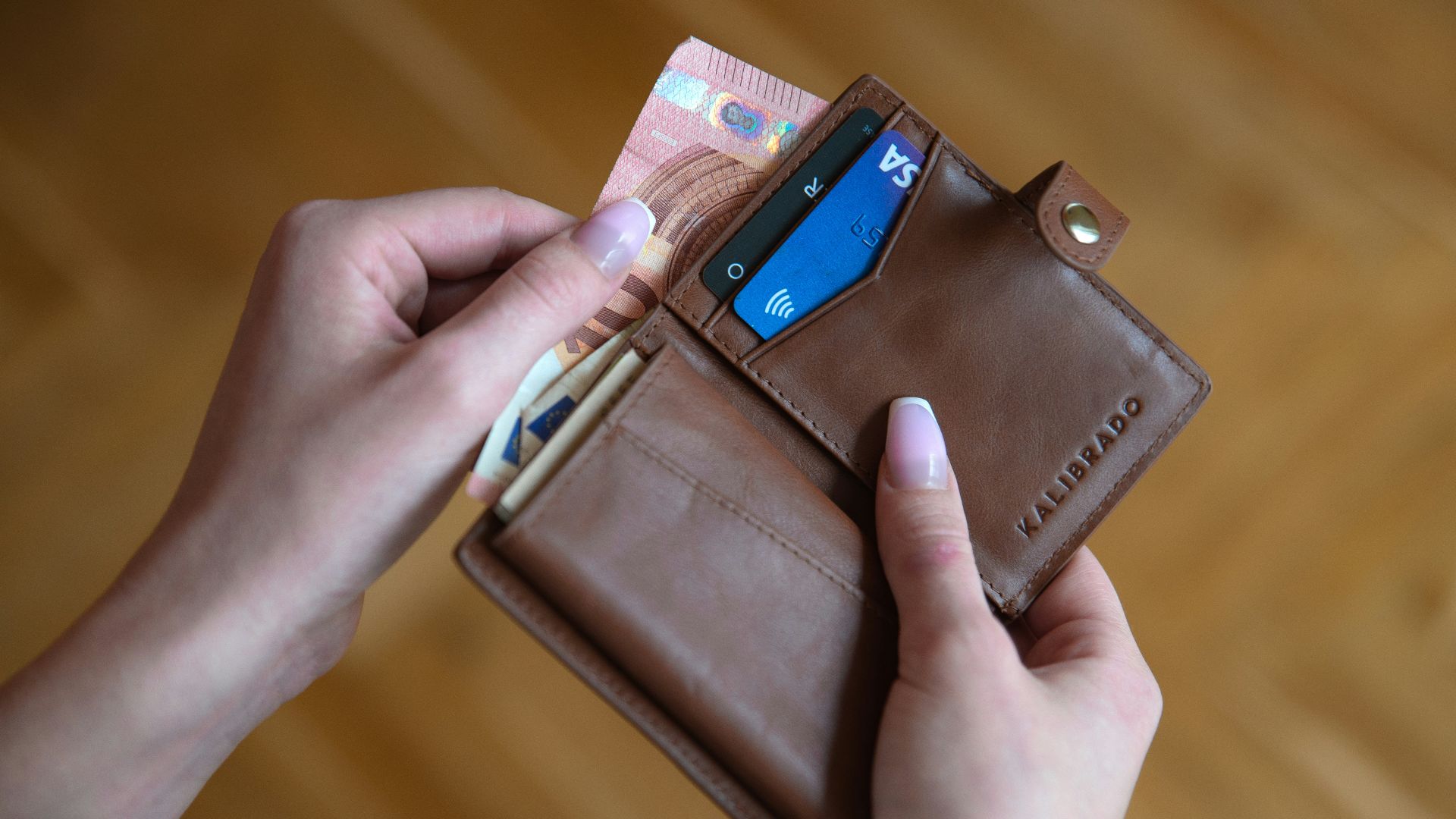
Should You Stop Using Cash?
No. Cash still has real advantages, especially for emergencies, privacy, and budgeting. Many experts recommend keeping some cash on hand at all times, even as digital payments become more common.

The Bottom Line
We are moving toward a more cashless world—but we’re not there yet. In countries like Sweden, cash is used in only a small share of transactions, offering a glimpse of what could be coming next.
You Might Also Like: