Why Your On-Time Power Payments Aren’t Helping Your Credit Score
You’ve been doing the responsible thing for a full year: paying every bill on time, staying organized, and feeling like your credit should be getting a nice little boost. Then comes the nasty surprise—your power bill hasn’t been showing up on your credit report at all. Annoying? Absolutely. Unusual? Not really. Utility payments often work differently from credit cards and loans, which means your good habits may not automatically get the gold star you thought they would.

The First Thing To Know
Take a deep breath: this does not mean your credit card is broken, your credit report is wrong, or your payments disappeared into a financial black hole. In most cases, it simply means your electric company does not report regular monthly payments to the major credit bureaus unless your account becomes seriously delinquent.

Utilities Don’t Play By Credit Card Rules
Credit cards, auto loans, mortgages, and student loans are classic credit accounts, so they’re commonly reported every month. Utility accounts are different. They’re considered service accounts, not traditional borrowing. That means many power companies only report bad news, like collections, instead of routinely reporting your steady, on-time payments.
Why This Feels So Unfair
You’ve been paying on time. You’ve been responsible. You’ve been doing exactly what personal finance experts preach. So yes, it feels wildly unfair that your utility bill can hurt you if ignored but may not help you when handled perfectly. Welcome to one of the credit system’s least charming quirks.

Check What’s Actually Missing
Before you panic, make sure you understand what is and isn’t being reported. Pull your credit reports and look for your utility provider by name. You may discover the bill isn’t missing from your credit card statement—it was never supposed to appear there in the first place.

Your Power Bill Usually Isn’t A Credit Card Account
This is where wording matters. A power bill typically won’t “report to your credit card.” Your credit card issuer and your utility company are separate players. If you’re paying your power bill with a credit card, that card activity may show as part of your card balance, but the utility account itself usually won’t become a credit tradeline.
Paying With A Credit Card Still Helps A Little
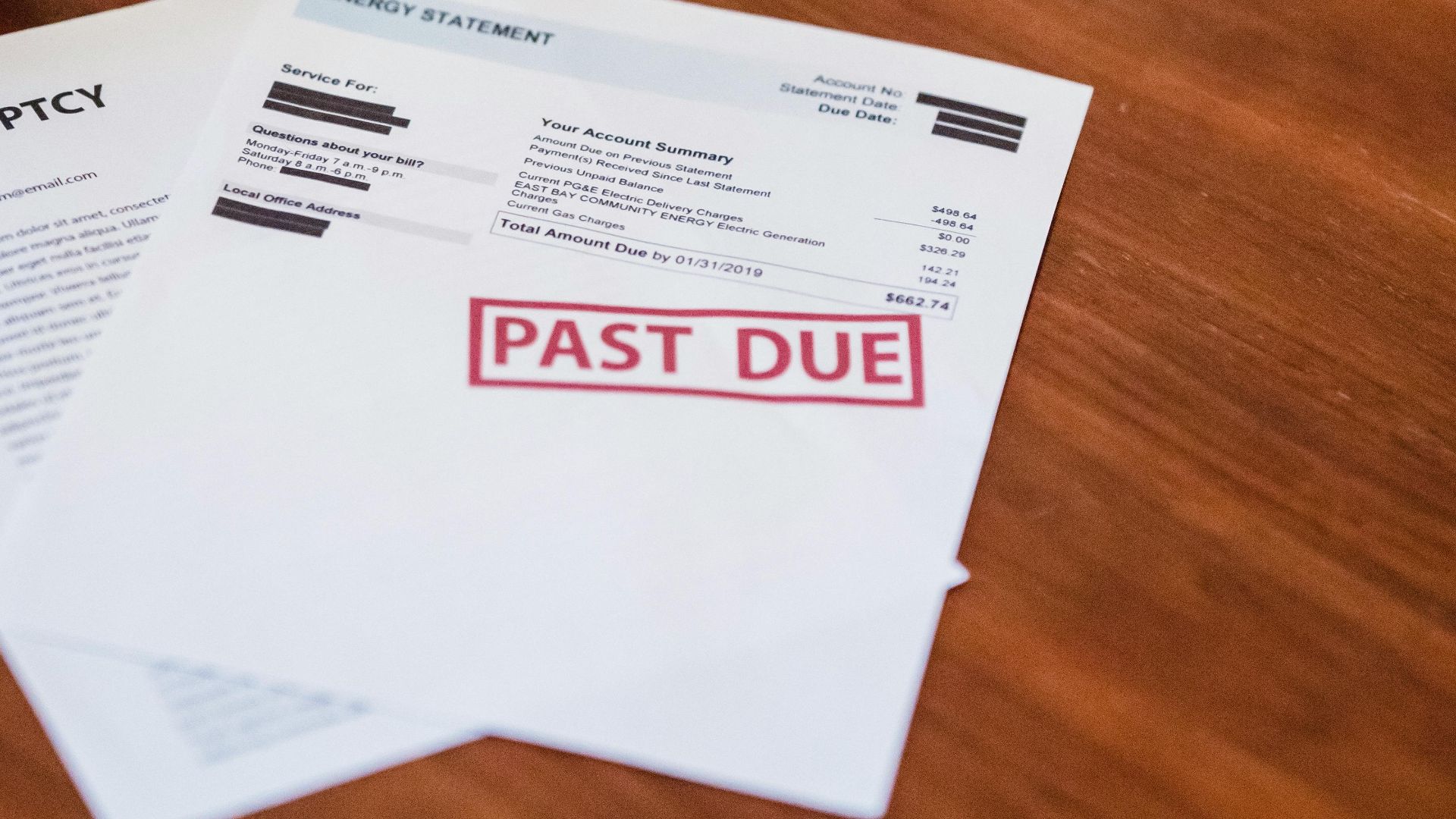
There is some good news. If you pay your utility bill with a credit card and then pay your card on time, you’re still building positive credit history through the card itself. So your responsible behavior isn’t totally invisible—it’s just being credited in a different place.

Confirm How You’ve Been Paying
Look back at the last year of payments. Were you paying directly from your checking account, through your utility company’s portal, or through a rewards credit card? This matters because only the credit card account may be contributing to your credit history, not the utility account attached to it.

Call The Utility Company
Now it’s time to ask a very simple question: “Do you report on-time payments to any credit bureau?” Don’t overcomplicate it. The answer will usually be a fast no, but sometimes utilities partner with third-party reporting services, and that one phone call could reveal an option you didn’t know existed.

Ask Whether They Support Rent-And-Bill Reporting Programs
Some utility providers participate in programs that allow payment history to be shared through outside services. It’s not universal, and it’s definitely not glamorous, but it’s worth asking. If they already have a relationship with a reporting platform, getting your payment history recognized may be easier than you think.

Look Into Credit-Building Services
If your utility company doesn’t report on its own, you may still be able to get recognition through services that add eligible bills to your credit file. These programs are designed for exactly this kind of frustration: people paying real bills on time and getting zero credit for it.

Understand The Catch Before Signing Up
Not every bill-reporting service works the same way. Some report only to one bureau. Some require bank account access. Some charge fees. Some only count recent payment history. In other words, don’t sign up just because the landing page says “boost your score” in giant cheerful letters.

Check Whether Past Payments Can Be Added
This is a big one. If you’ve already paid on time for a year, ask whether the service can include past payment history or only future payments. The answer matters because twelve months of perfect payments is way more exciting than starting from scratch next Tuesday.

Make Sure The Math Makes Sense
A paid service should earn its keep. If you’re paying a monthly fee just to report a utility bill, compare that cost with other credit-building options. You don’t want to spend meaningful money for a tiny score bump when a no-fee credit card habit might do more for you.

Don’t Expect A Miracle Score Jump
Even if your utility payments start reporting, the effect may be modest. Credit scores are influenced by a lot more than one bill. Payment history matters, yes, but so do credit utilization, account age, account mix, and whether you’ve recently opened new credit.

Use This As A Credit Strategy Tune-Up
This discovery can actually be useful. Since you now know your power bill may not count, it’s a great moment to review your full credit setup. Are you using a credit card lightly and paying it off? Keeping balances low? Avoiding missed due dates? That’s where the real momentum lives.

Focus On Your Credit Card Utilization
If you want one of the fastest ways to help your score, pay attention to how much of your credit limit you’re using. Even if you pay on time every month, carrying a high balance can drag your score down. Low utilization often matters more than people realize.
Consider A Second Credit-Building Tool
If your credit profile is thin, adding another positive account may help more than chasing utility reporting alone. A secured credit card or a credit-builder loan can create a cleaner, more reliable stream of on-time data for the bureaus to track month after month.

Keep Paying The Power Bill On Time Anyway
No, it may not be earning you points right now. But missing it can still cause trouble later if the account goes to collections. So this isn’t the moment to get dramatic and stop paying out of protest. The system may be silly, but the late fees are very real.

Watch Out For Collections Risk
Utility companies may ignore your good behavior for months, then suddenly report the bad behavior once an account becomes delinquent enough to be sent to collections. That means these bills are sneaky: they may not help your credit much, but they can absolutely damage it.
Check Your Credit Reports Regularly
Once you start exploring reporting options, monitor your credit reports to see what actually changes. Don’t rely on marketing promises. Look for new tradelines, updated payment history, and any score movement. Your credit profile should tell the story, not just an app notification with confetti.
Dispute Errors If You Find Them
If your utility account was supposed to be reported and the information is inaccurate, dispute it promptly with the credit bureau and the reporting company. Keep records of statements, confirmations, and payment receipts. Being organized is boring, but in credit matters, boring is powerful.
 LIGHTFIELD STUDIOS, Adobe Stock
Build Credit In Ways You Can Control
One of the smartest money moves is focusing less on what should count and more on what does count consistently. Credit cards paid on time, low balances, older accounts kept open, and avoiding unnecessary hard inquiries will usually do more for your score than hoping your light bill gets noticed.

Don’t Take It Personally
This isn’t a sign you’ve failed at adulting. It’s just a weird feature of the credit system. Plenty of financially responsible people assume all on-time bills help build credit, only to learn that many household expenses are basically invisible unless they go terribly wrong.

Turn Frustration Into Action
The best response here is not outrage—it’s strategy. Confirm whether your utility provider reports, explore third-party bill reporting if it makes sense, and strengthen the parts of your credit profile that already carry the most weight. Annoyance is understandable; action is more profitable.

The Smartest Next Step
If you’re unsure whether a bill-reporting service is worth it, start with the free moves first: review your credit report, optimize your credit card utilization, and automate every payment you can. Once those basics are tight, then decide whether adding utility reporting is worth the extra effort.

Your Good Habits Still Count
Here’s the comforting truth: your discipline was never wasted. Even if your power bill hasn’t been directly helping your credit score, paying bills on time keeps your financial life stable, protects you from collections, and supports the habits that build long-term wealth. The credit system may not applaud every smart move, but your bank account, stress level, and future self definitely will.

You May Also Like:
McDonald's Has Another Lawsuit Over A Hot Coffee Spill Decades After The First