It Made No Sense
You went to pay your rent, every dollar counted out in coin rolls. The landlord didn’t even consider it, just flat-out refused. So how is that allowed when coins are literally legal tender? Shouldn’t it be illegal?

It Feels Like It Should Be Illegal
Coins are official currency backed by the government. In both the U.S. and Canada, they’re valid money. So your instinct is that refusing them must be illegal. It feels like someone rejecting money itself, which doesn’t seem like it should be allowed in a normal transaction.

What “Legal Tender” Actually Means
“Legal tender” means money must be accepted to settle a debt, but it does not force someone to accept any form of payment in every situation. It’s a narrower rule than most people think, especially when contracts are involved.

Legal Tender Doesn’t Always Apply Here
Legal tender laws mainly apply to debts enforced in court, not everyday private transactions. Rent payments happen under a lease agreement first, so your landlord can set rules before it ever becomes a legal dispute.

Businesses And Landlords Can Set Payment Rules
In many places, private businesses and landlords can refuse certain forms of payment unless local laws say otherwise. In Canada, there’s no federal law requiring businesses to accept cash. In the U.S., federal law also doesn’t force private parties to accept cash or coins.

Rent Isn’t Just A Basic Debt
Rent is governed by your lease, a contract you agreed to. That contract can legally define how rent must be paid, including method, timing, and acceptable formats. That agreement is usually what determines what counts as proper payment.

Your Lease Might Already Decide This
Many leases specify payment methods like e-transfer, check, or direct deposit. Some even say “no cash” at all. Courts often uphold these clauses, so if your lease limits payment types, your landlord can enforce that without much issue.

Coins Are Legal, But Not Always Practical
Handling large amounts of coins is a real burden. Counting, verifying, and depositing coins takes time and effort. Banks may charge fees or require special handling, which is one reason landlords often avoid accepting large coin payments.

Canada Has Clear Coin Limits
Canada’s Currency Act sets legal tender limits by denomination. For example, nickels are only legal tender up to $5, dimes or quarters up to $10, $1 coins up to $25, and $2 coins up to $40 in a single transaction.

That Means Your Rent Payment Likely Exceeds The Limit
If your rent is hundreds or thousands of dollars in coins, you’re far beyond those thresholds. In Canada, that gives your landlord clear legal grounds to refuse the payment, even though each individual coin is valid currency.

In The U.S., The Bigger Issue Is Different
In the U.S., the key issue isn’t coin limits. Federal law does not require private individuals or landlords to accept cash or coins for private transactions, which gives landlords flexibility to define acceptable payment methods.

Refusing Coins Doesn’t Mean Refusing Rent
Your landlord isn’t rejecting payment entirely. They are rejecting that specific form. Legally, that still counts as unpaid rent until you provide it in an acceptable way that follows your lease terms.
 LinkedIn Sales Solutions, Unsplash
And That’s Where Problems Can Start
If you insist coins should count and don’t offer another method, your landlord may treat it as non-payment. From their perspective, and often legally, you have not fulfilled your obligation under the lease.

You Could Still Be Considered Late
That can trigger late fees or notices. The exact timeline varies by location and lease terms, but once your payment is refused, the clock does not necessarily stop just because you attempted to pay.

Once It Becomes A Legal Issue, It’s Too Late
If things escalate to court or formal eviction proceedings, legal tender rules may matter more. But by that point, you are already dealing with consequences, and it becomes much harder to fix the situation.

Some Areas Require Cash Acceptance
Certain cities or states require landlords to accept cash in specific situations. These rules are local, not universal, and often come with conditions about how payment must still be made.

Ontario Has Its Own Payment Rules
In Ontario, landlords and tenants can agree on how rent will be paid, and once that method is set, it generally cannot be changed unless both sides agree. Landlords also cannot require post-dated cheques or automatic withdrawals.
 Iamnoone069, Wikimedia Commons
But “Cash” Doesn’t Mean Unlimited Coins
Even where cash must be accepted, that does not mean unlimited coins. Laws and courts often look at what is reasonable, and extremely large coin payments can be considered impractical or excessive.
 Bovia & Co. Photography, Unsplash
Courts Look At What’s Reasonable
A key concept is whether the payment method is reasonable and customary. Paying rent in thousands of coins can be seen as burdensome, which strengthens a landlord’s ability to refuse that form of payment.

Documentation Can Protect You
If there is ever a dispute, proof helps. Showing you attempted to pay through texts, emails, or even photos of the coin rolls can demonstrate good faith and may help reduce penalties.

Banks Don’t Always Make It Easy
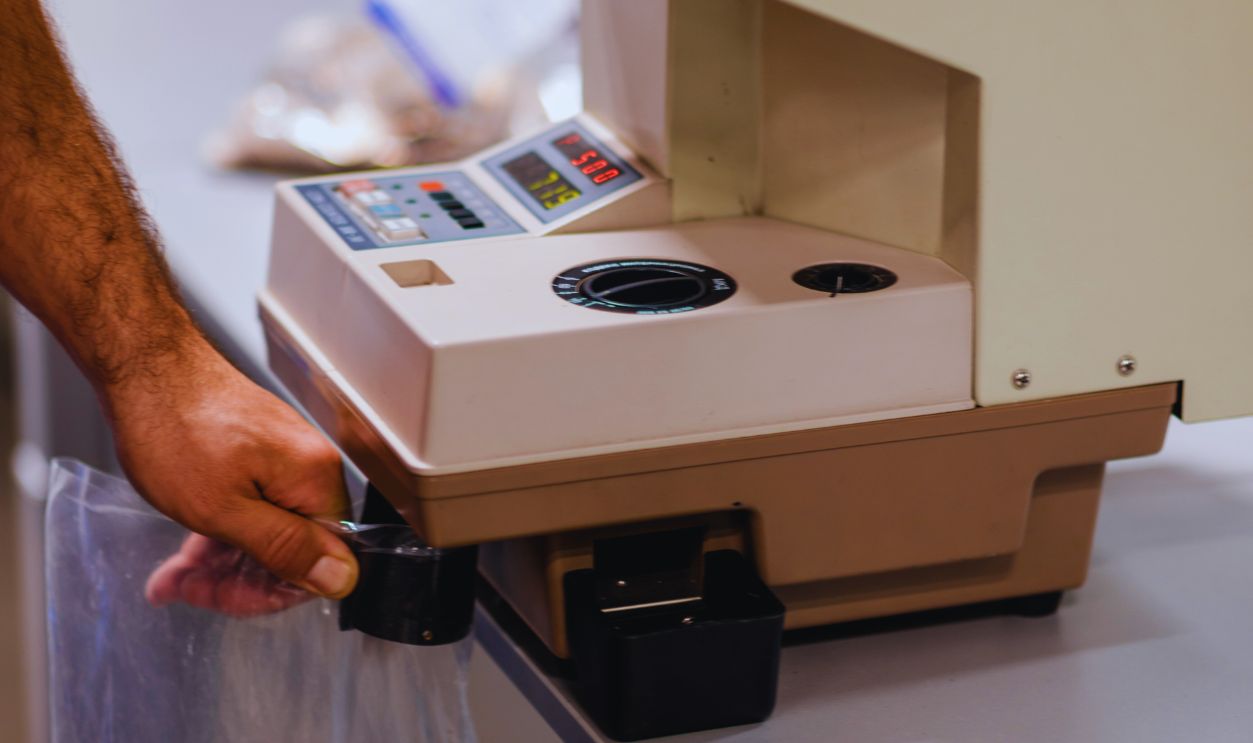
Many banks limit coin deposits to account holders and may require coins to be sorted or rolled in specific ways. Some branches no longer offer coin-counting machines, and others only process large amounts for business clients.
Coin Machines Can Take A Big Cut
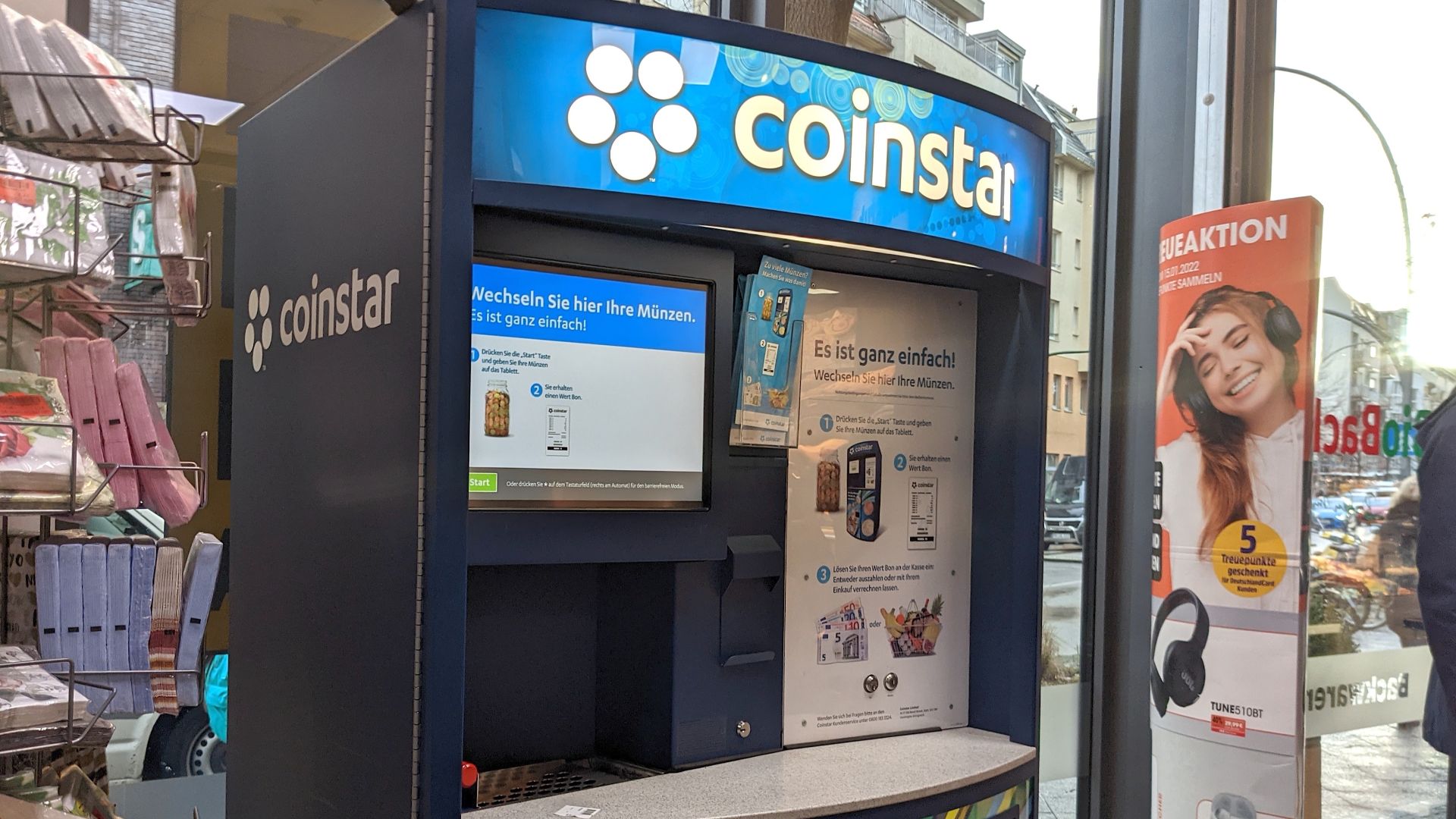
Coin-counting machines often charge around 12 percent in fees, sometimes plus a small flat fee. On $1,000 in coins, that could mean losing over $120 just to convert it into usable cash.
The Practical Reality
Large payments like rent are expected to be efficient, traceable, and easy to process. Landlords rely on consistent systems for accounting and records, and coin payments can disrupt that process significantly.

The Safer Way To Handle It
If you have a lot of coins, convert them first. Deposit them, exchange them gradually, or use a machine if needed. Then pay your rent using a method clearly accepted in your lease.
So…Can He Really Refuse It?
Yes, especially if your lease specifies payment methods or the payment is impractical. In private transactions, landlords have flexibility, and courts often side with reasonable payment expectations.

The Bottom Line
Coins are legal tender, but that does not mean they must be accepted in every situation. Lease terms, local laws, and practicality all matter, and ignoring those can lead to late fees or bigger problems quickly.

You Might Also Like:
Sources: 1, 2, 3