I’ve got jars full of pennies I’ve been saving forever, but now my bank won’t take coins and stores don’t want them either—what am I supposed to do?

I’ve got jars full of pennies I’ve been saving forever, but now my bank won’t take coins and stores don’t want them either—what am I supposed to do?


April 8, 2026 | Jesse Singer

I’ve got jars full of pennies I’ve been saving forever, but now my bank won’t take coins and stores don’t want them either—what am I supposed to do?


This Started as a Smart Habit… Now It’s a Huge Problem

You did what everyone says is smart—saved your loose change, filled jars, and held onto every penny (literally). But now you’re stuck with piles of coins no one seems to want. It turns out, the system quietly changed. And you’re not the only one dealing with this.

woman with lots of penniesFactinate

Advertisement

Why the U.S. Ended the Penny

The U.S. officially stopped producing new pennies for circulation after more than 230 years, largely because they cost far more to make than they’re worth. Each one cost several cents to produce, adding up to millions in losses every year. But even though production has stopped, billions are still out there—and you’re the one stuck dealing with them.
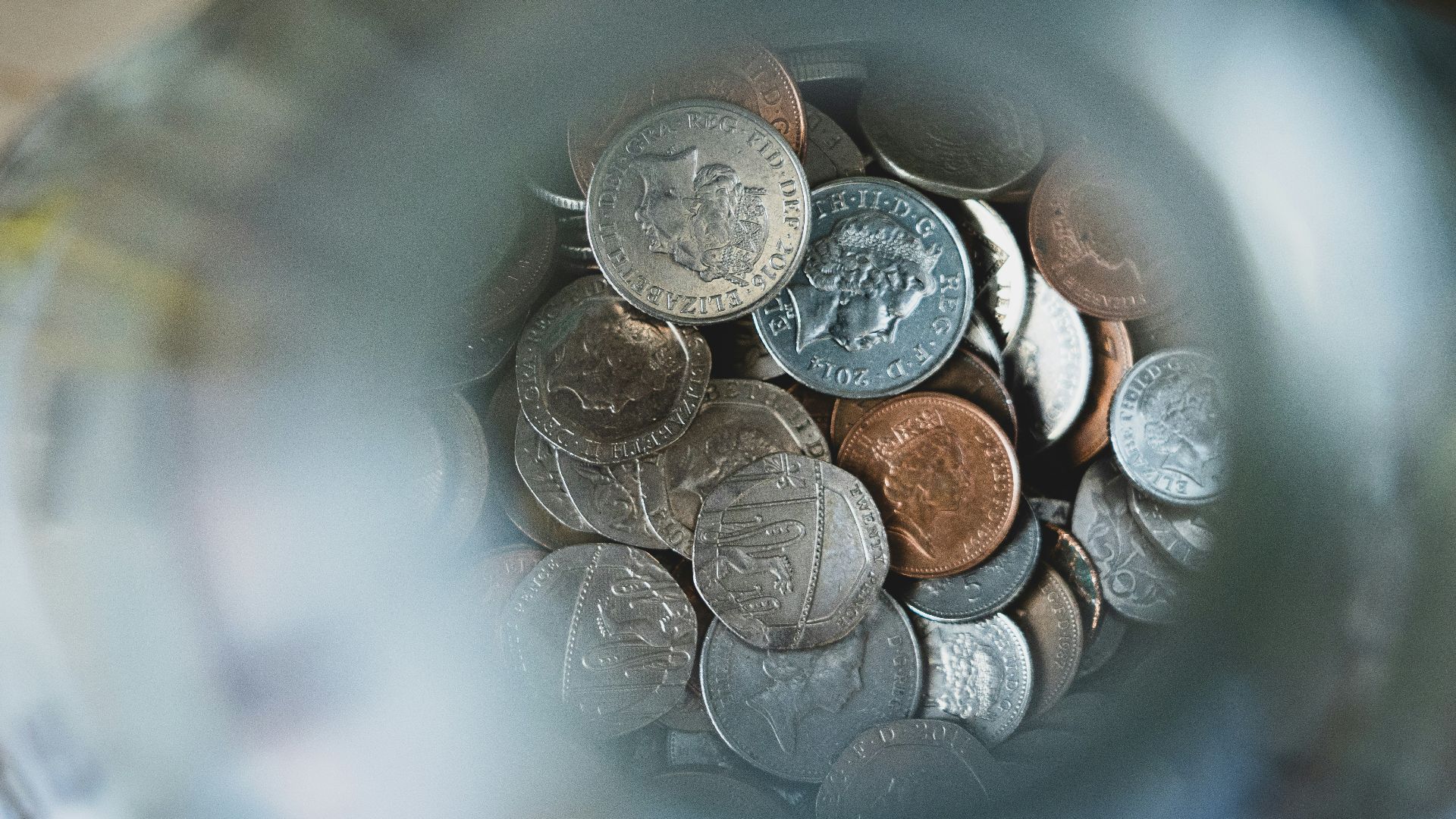
silver round coins on blue round containerNick Fewings, Unsplash

Advertisement

Pennies Didn’t Disappear

Even though new ones aren’t being made, there are still hundreds of billions of pennies out there. They’re sitting in jars, drawers, old piggy banks, and forgotten containers across the country—just like yours. The supply didn’t vanish overnight—it’s just no longer being replenished.

kschneider2991kschneider2991, Pixabay

Advertisement

Your Bank Might Not Even Take Them

Large banks have quietly scaled back coin services over the years. Some branches won’t accept loose change at all, while others require everything to be rolled first. It’s not always advertised clearly, which is why people often only find out after showing up with jars full of coins.
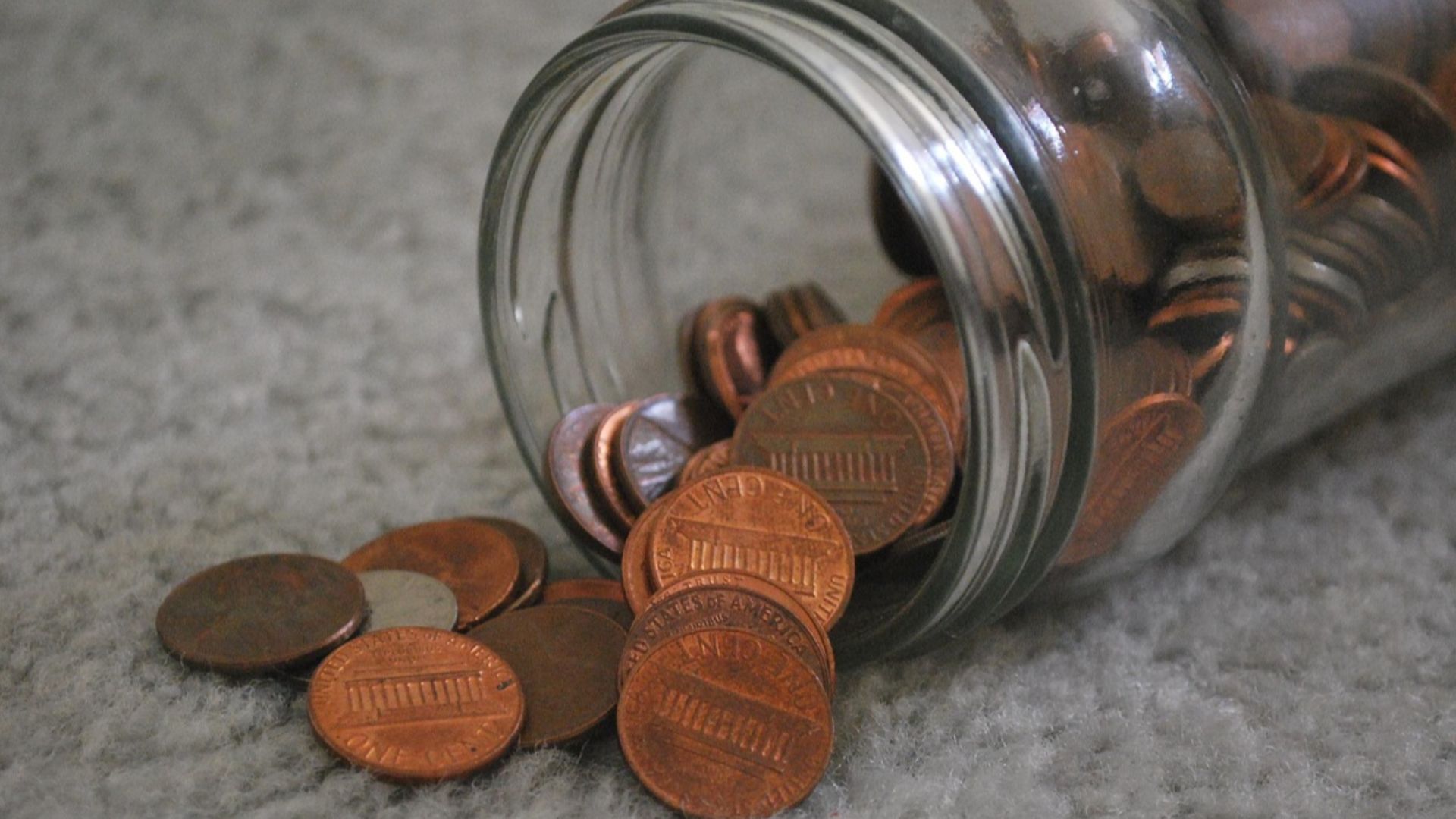
PublicDomainPicturesPublicDomainPictures, Pixabay

Advertisement

Coin Machines Are Harder to Find Than You Think

Coin-counting machines still exist, but they’re not nearly as common as they once were. Some grocery stores and retailers removed them entirely, while others kept them but limited availability. If you haven’t used one in years, you might be surprised how hard they are to find now.
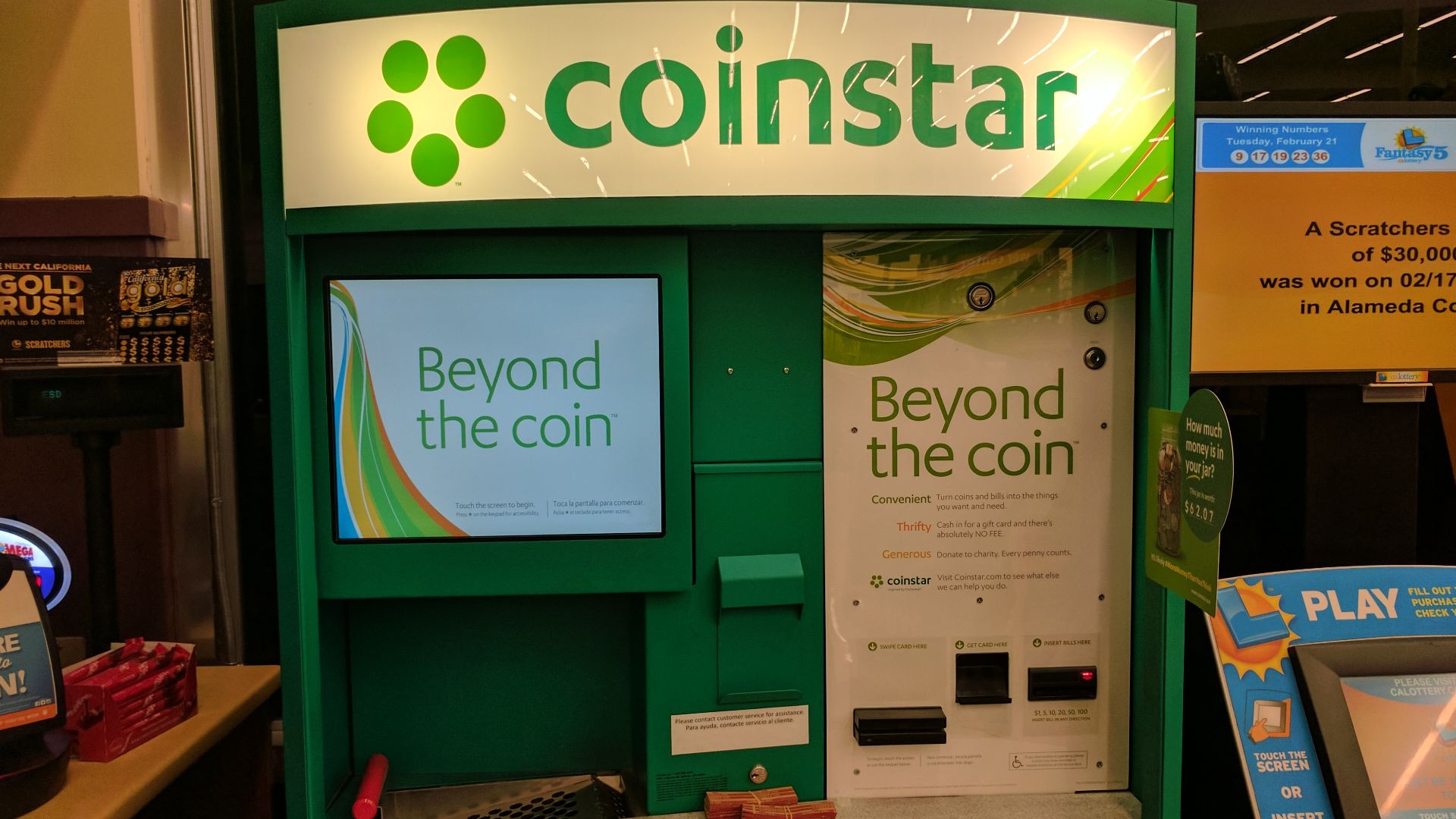
a coin-sorting machine exchanging loose change for scrips or gift vouchers, in the United States of America. See also a video of the machine in action.Ijon, Wikimedia Commons

Advertisement

You Could Lose 10%

If you do find a coin machine, there’s usually a catch. Many charge around 10–12% if you want cash back. That means turning in $100 worth of coins could cost you $10 or more—just to access money that was already yours.
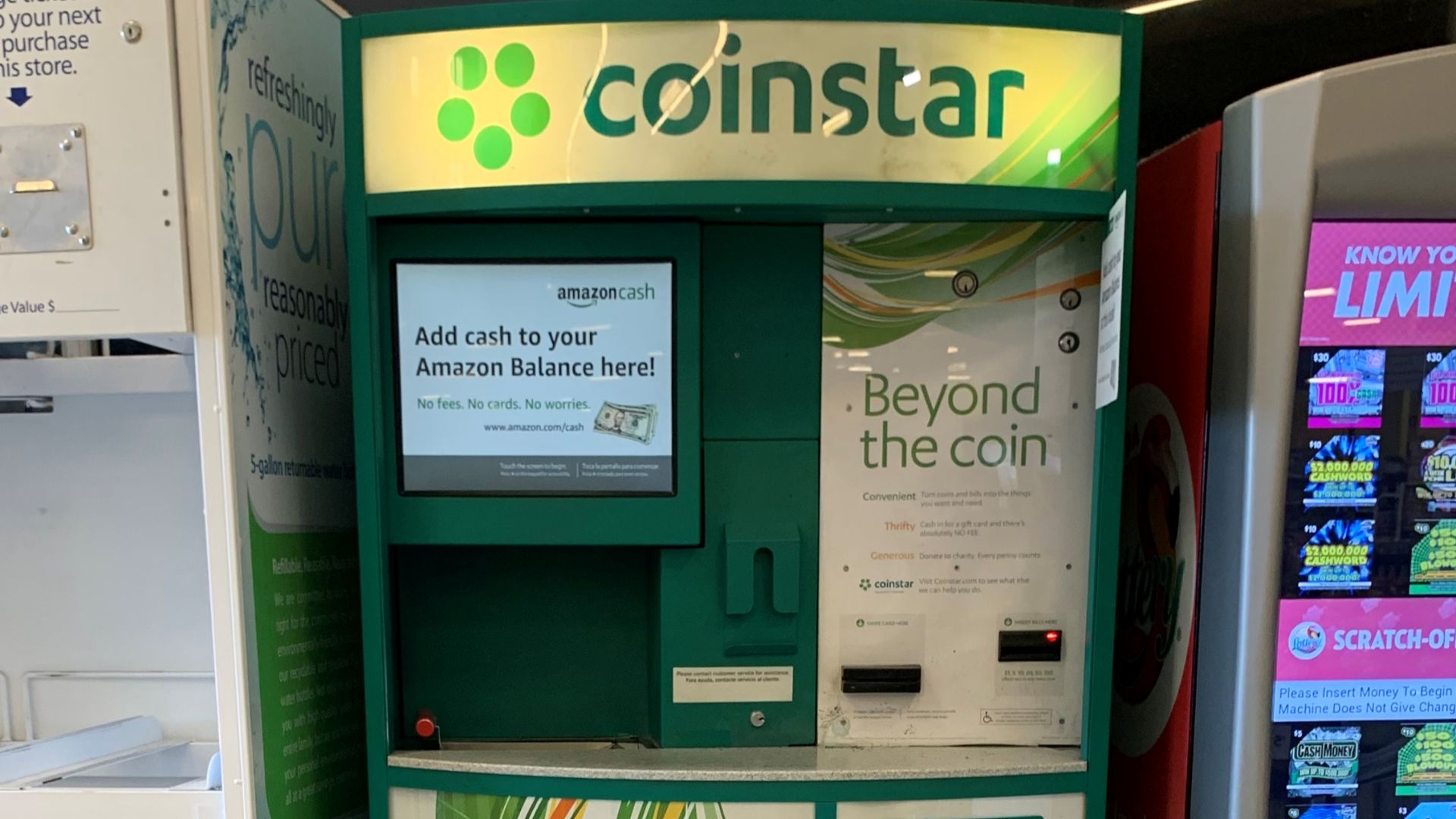
A Coinstar machine inside a Winn-Dixie in Hialeah, Florida.Phillip Pessar, Wikimedia Commons

Advertisement

No One Has to Take Them

Pennies are still legal U.S. currency, but that doesn’t force businesses to accept them—especially in large amounts. Many stores set their own policies and will refuse piles of coins, which is why people are often surprised when their payment gets turned away.
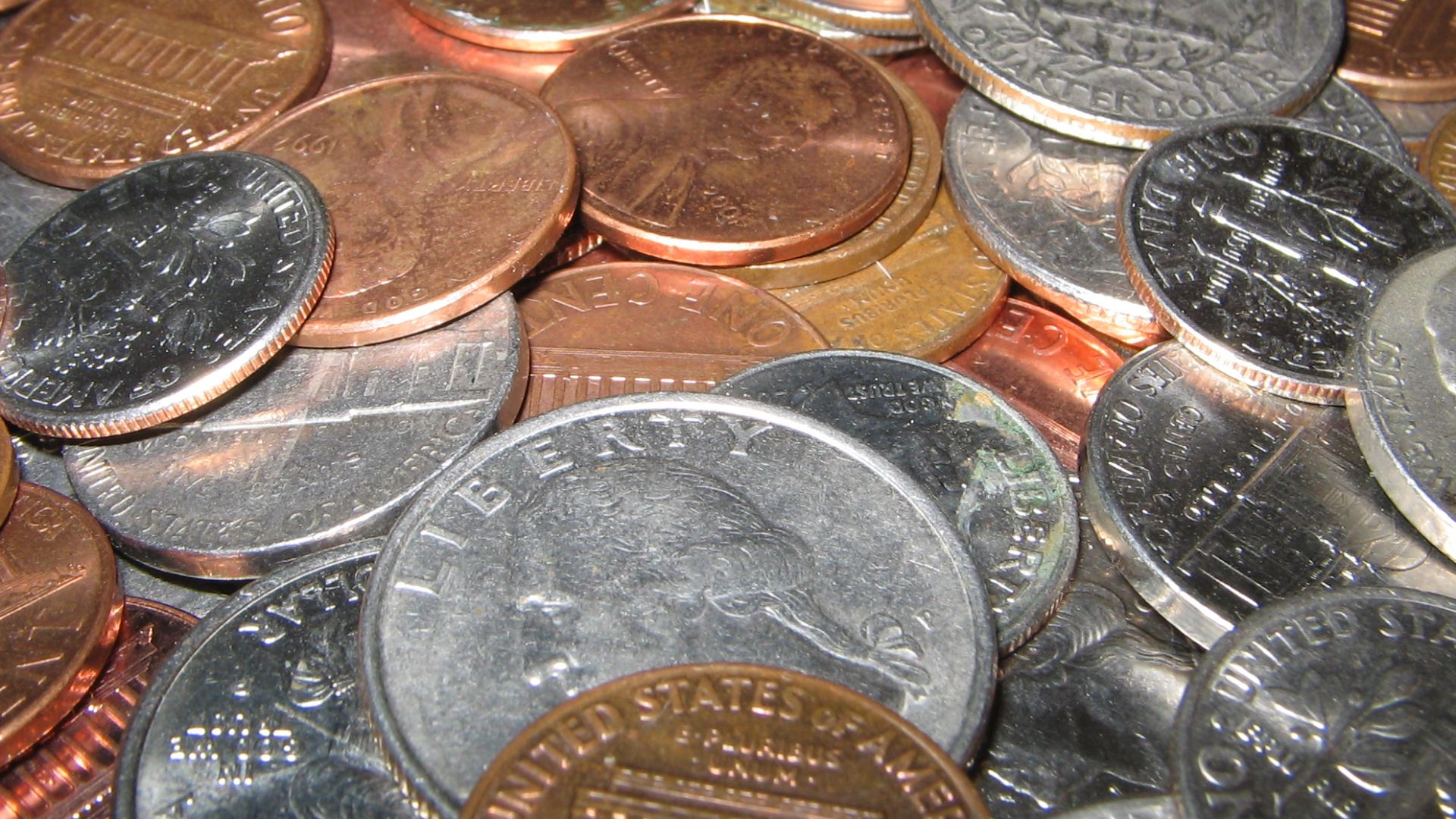
I'm releasing this photo into the public domain.brownpau, Wikimedia Commons

Advertisement

Pennies Slow Everything Down

From a business perspective, pennies are inefficient. Counting them takes time, handling them adds extra steps, and they can slow down checkout lines. For busy stores, that inconvenience often outweighs the value of accepting them.
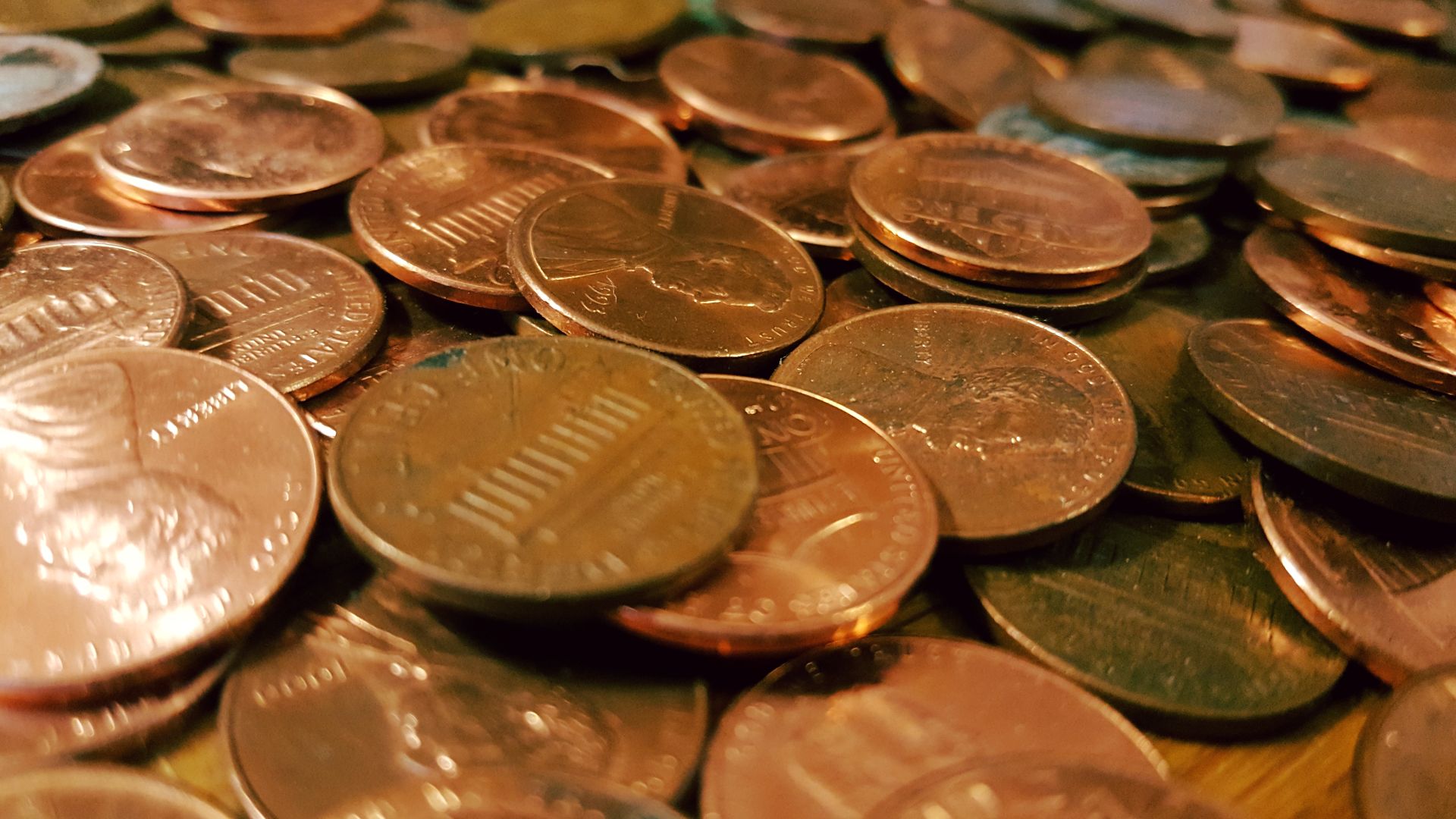
A pile of pennies.cweyant from Syracuse, United States, Wikimedia Commons

Advertisement

Rolling Them Is a Job on Its Own

If your bank still accepts coins, they’ll likely expect them to be rolled. That means sorting and wrapping 50 pennies per roll, over and over again. If you’ve been saving for years, this can turn into a surprisingly long and tedious process.
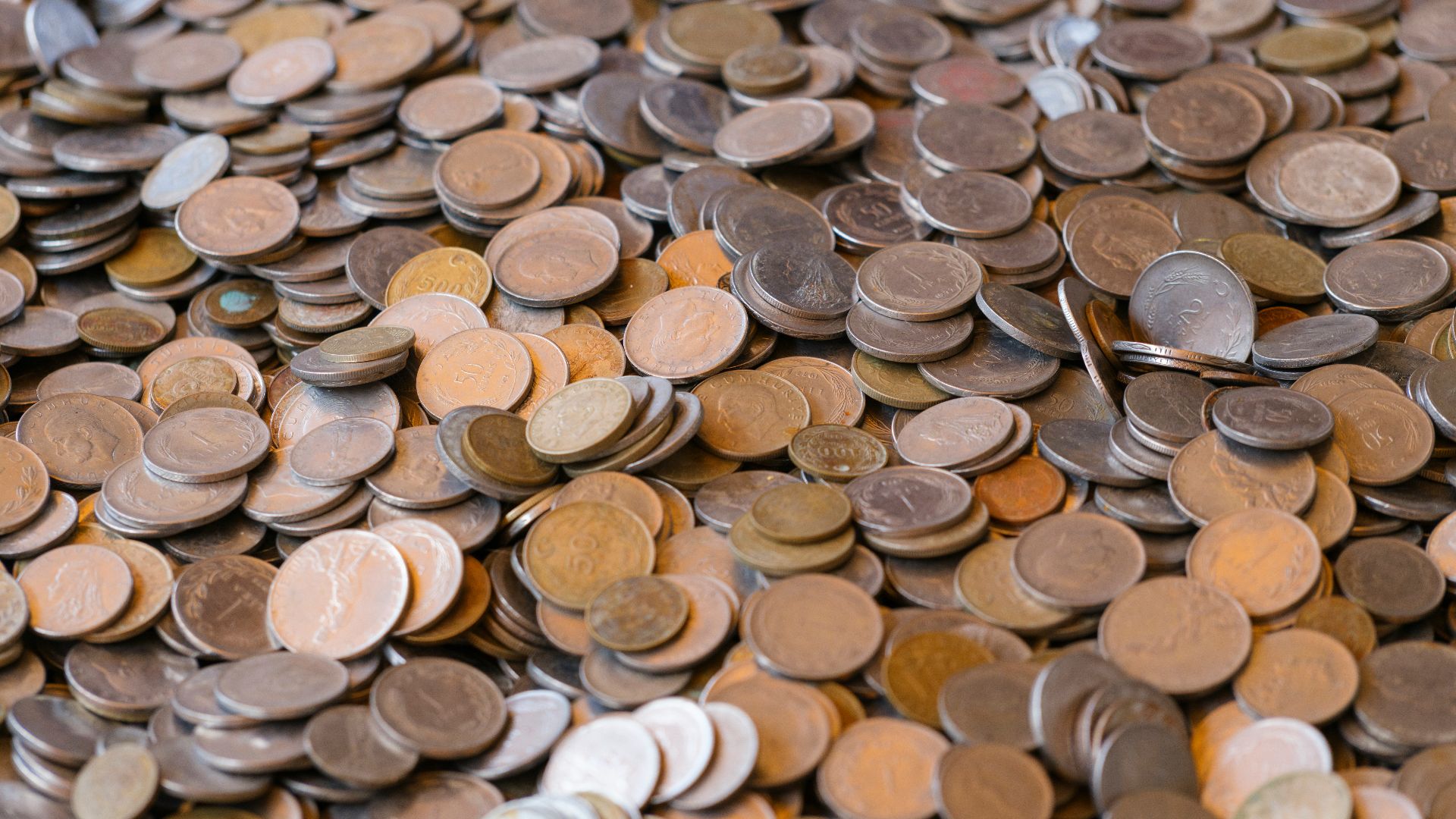
A large pile of various coins.engin akyurt, Unsplash

Advertisement

You Might Be Sitting on Hundreds

It might not feel like much, but pennies add up. A single gallon jar can hold over $50 in pennies. If you have multiple jars tucked away, you could easily be sitting on a few hundred dollars without realizing it.
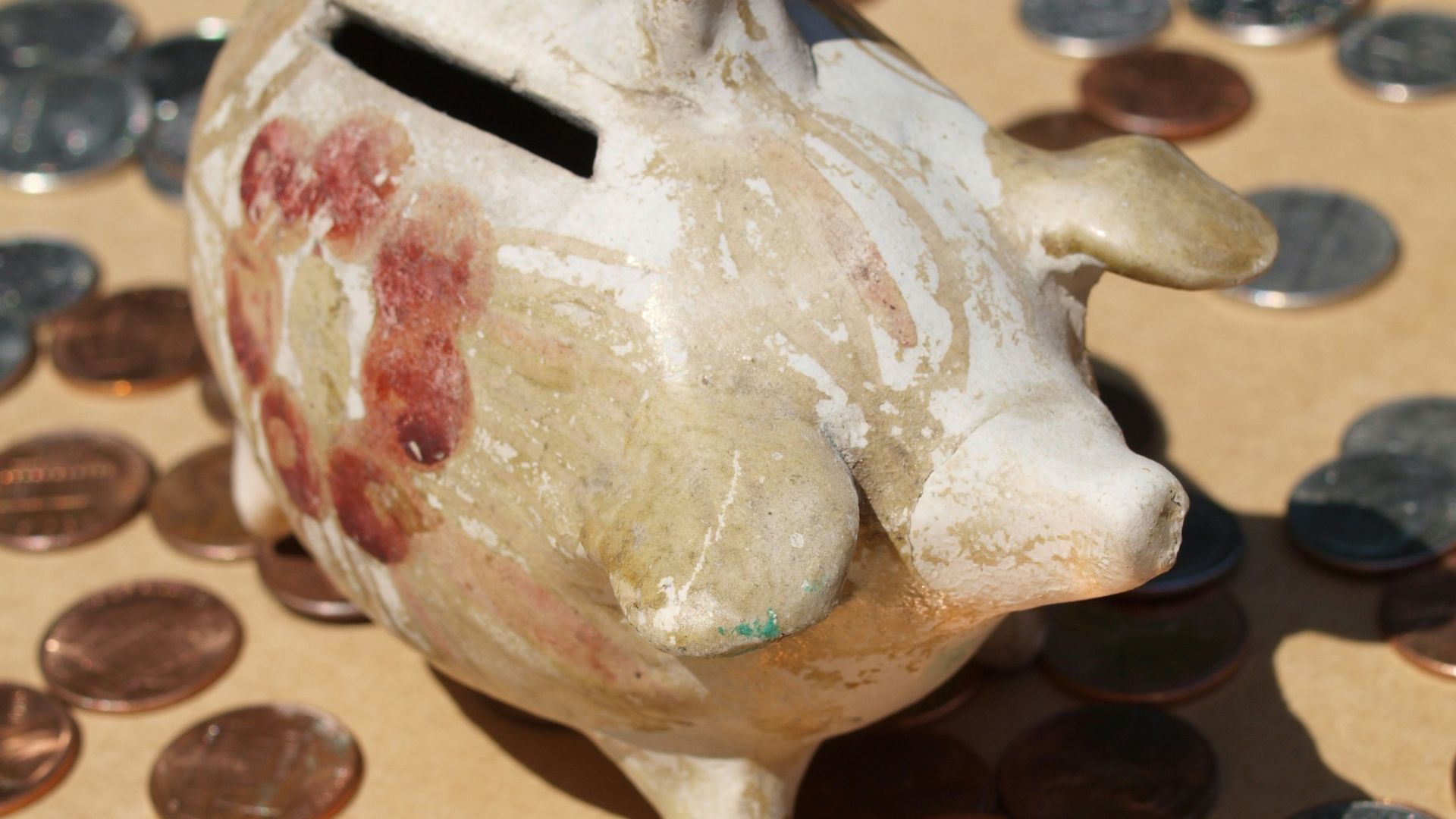
coin bankDiane Helentjaris, Unsplash

Advertisement

Strings Attached

Certain banks will still take coins, especially if you’re an account holder. But there are often limits or conditions, like requiring rolls or restricting how much you can bring in at once. Policies vary widely depending on the branch.
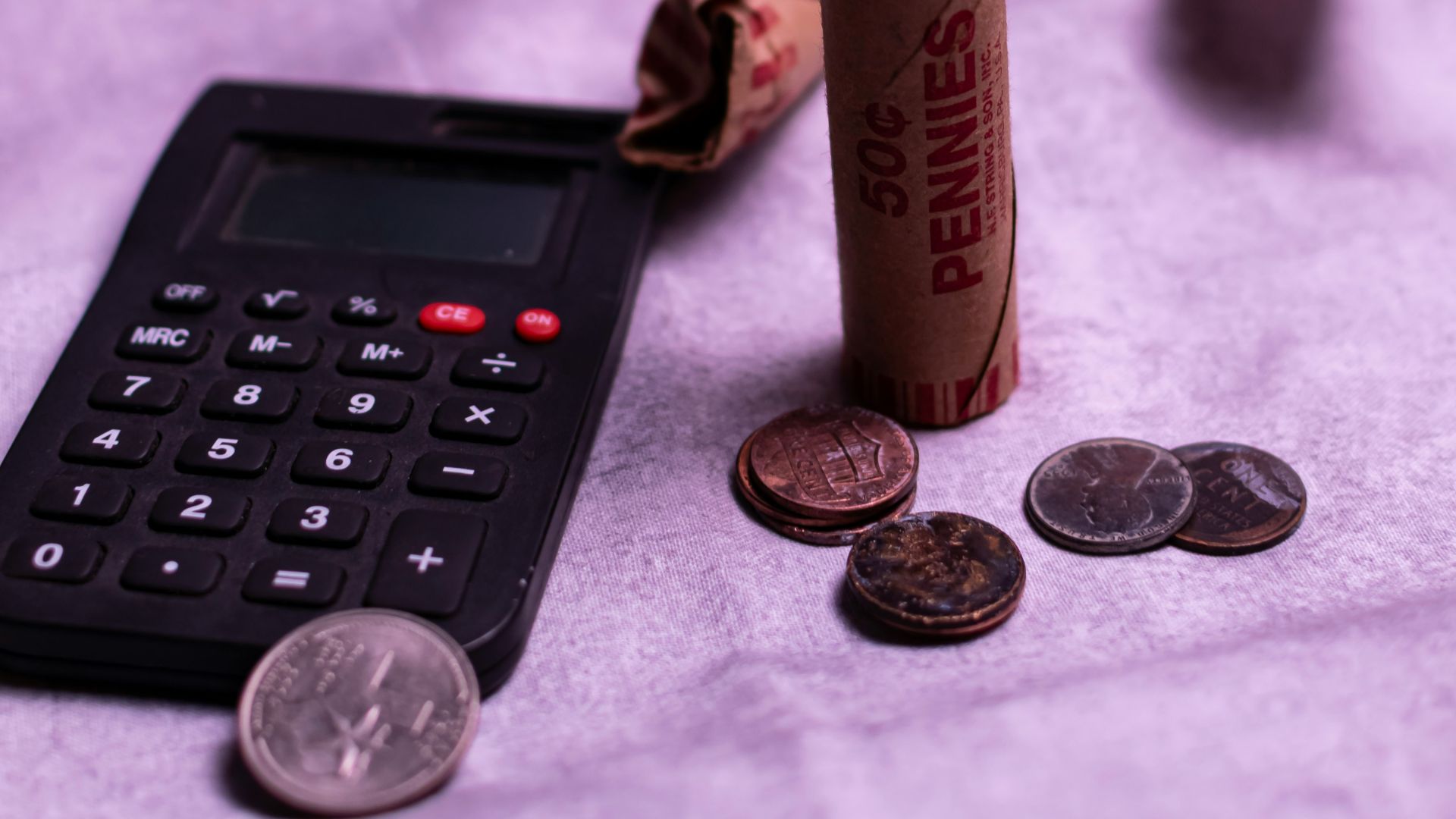
Calculator and rolls of pennies with loose coins.Tuccera LLC, Unsplash

Advertisement

Credit Unions Might Be Your Best Bet

Smaller credit unions tend to be more accommodating when it comes to coins. Some still offer coin-counting services or accept loose change without as many restrictions. If your bank won’t help, this can be a good alternative to check.

a sign on the side of a brick buildingJonathan Cooper, Unsplash

Advertisement

There’s One Way to Avoid the Fees

Some coin machines offer a workaround—if you choose a gift card instead of cash, the fee is often waived. It’s not ideal if you need cash, but it can help you keep the full value.
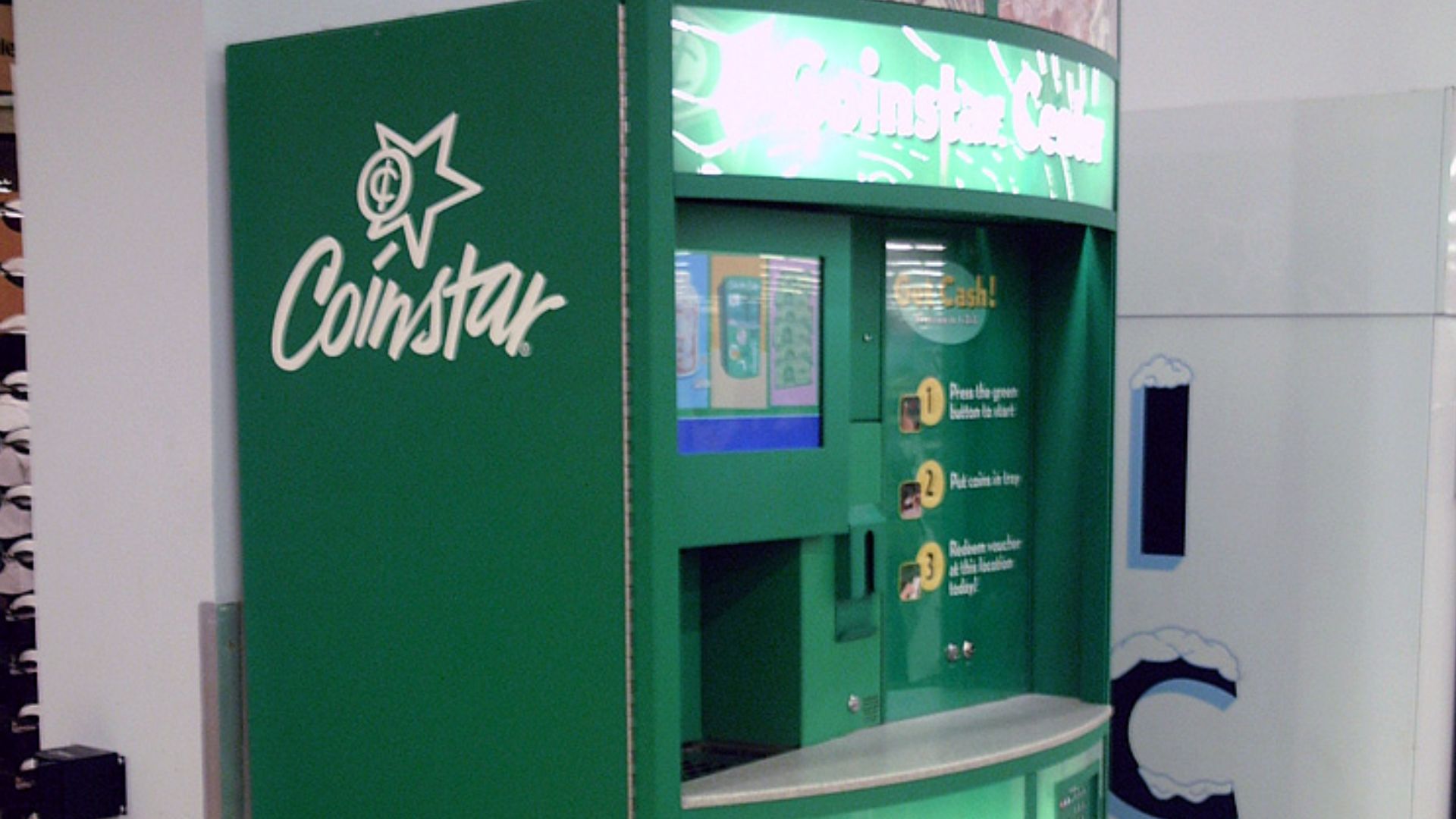
This will probably be the end of the series, unless I find anything else worth photographing, or anyone wants me to take more.Clean Wal-Mart from United States, Wikimedia Commons

Advertisement

The Pandemic Quietly Made This Worse

During COVID-19, coin circulation slowed down significantly. Businesses adapted by limiting or avoiding coins altogether, and many never fully went back. That shift is still affecting how coins are handled today.

71638937163893, Pixabay

Advertisement

You Can’t Melt Them Down Either

Modern pennies are mostly made of zinc with a thin copper coating. That means their metal value is extremely low. On top of that, melting pennies for scrap is illegal in the U.S., so there’s no easy workaround there.
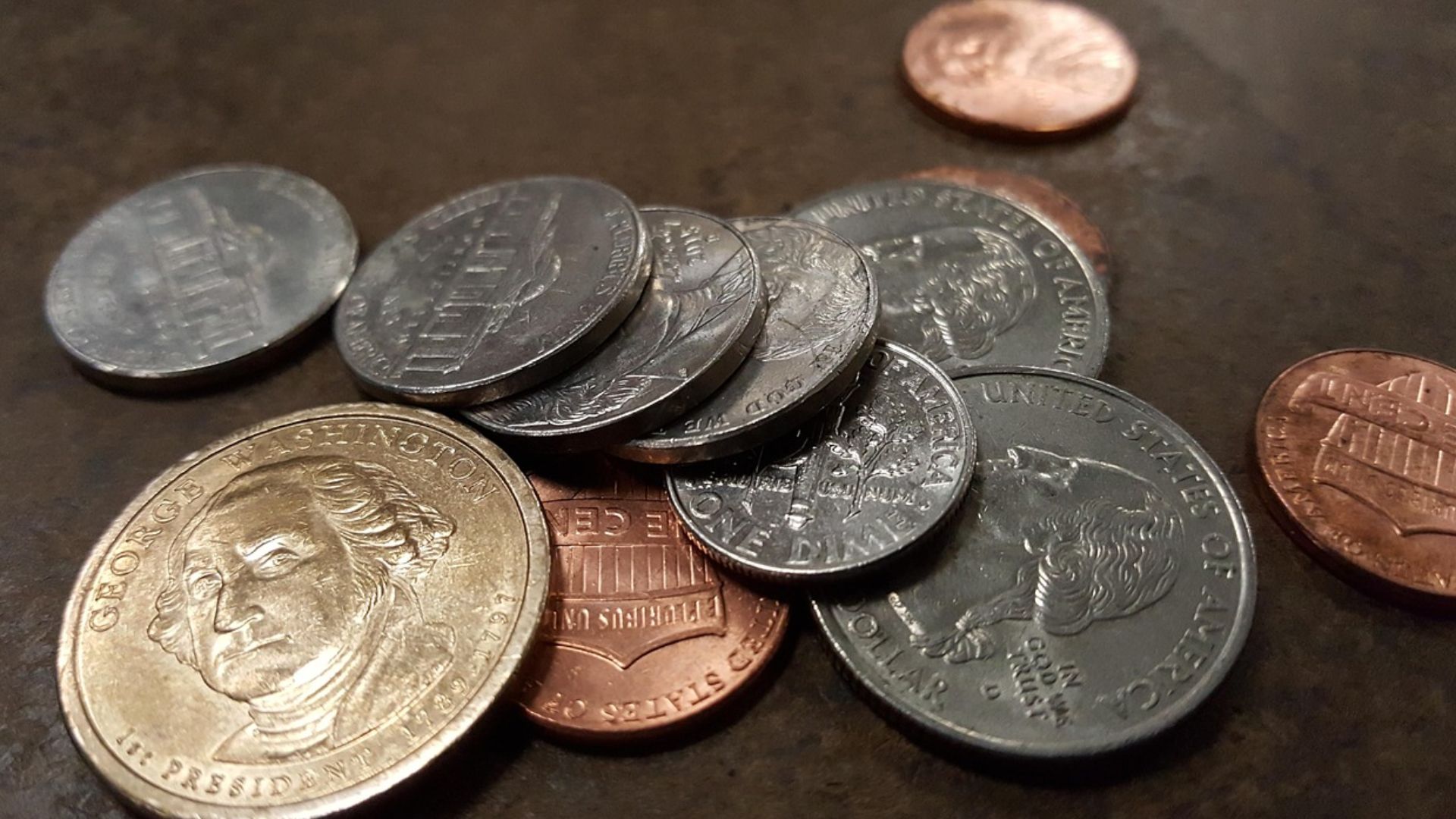
AzamKamolovAzamKamolov, Pixabay

Advertisement

Finding the Rare Ones Takes Time

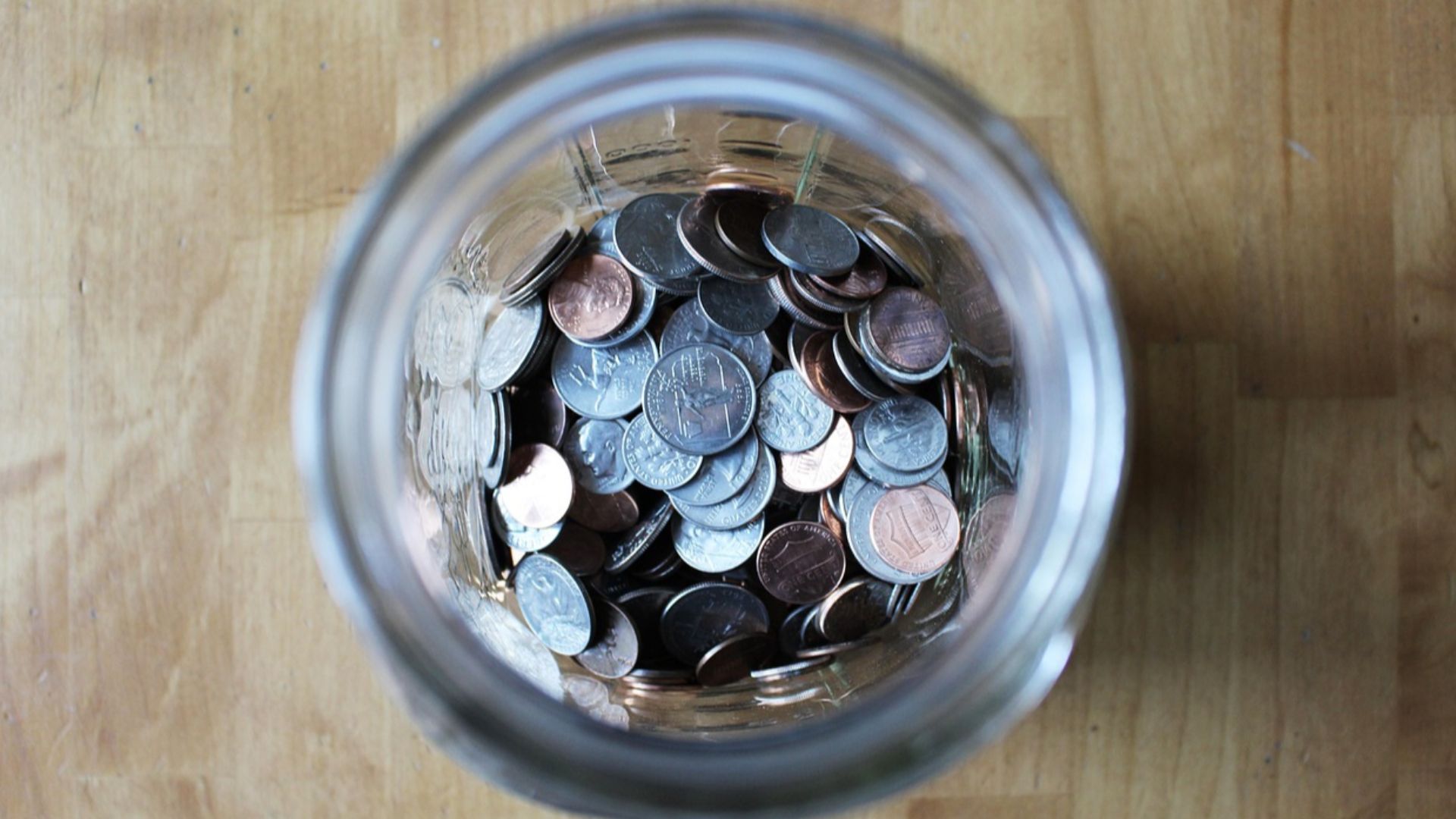
There are rare pennies that can be worth more than one cent, especially older coins or those with mint errors. But realistically, the vast majority are only worth face value. And finding valuable ones means sorting carefully, which can take hours with no guarantee of a payoff.
mnplatypusmnplatypus, Pixabay

Advertisement

Donating Them Might Be the Easiest Way Out

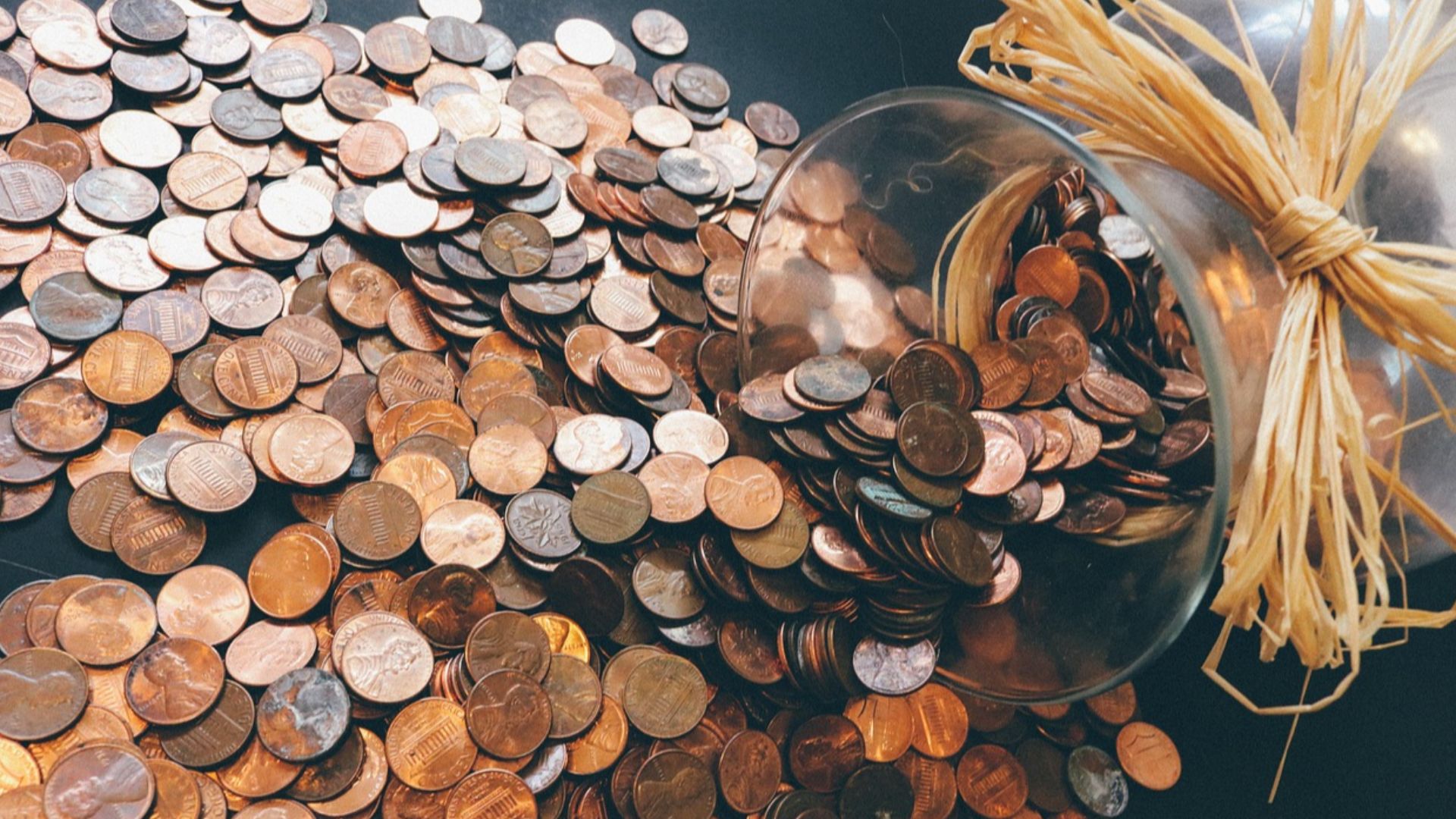
If dealing with banks, fees, and rolling coins feels like too much, donating your pennies is a simple alternative. Many charities, schools, and fundraisers still accept coins—even in large amounts. And if you donate to a qualified charity and itemize your taxes, you may be able to write it off. It won’t put cash back in your pocket—but it might be the easiest way to finally be done with them.
OlichelOlichel, Pixabay

Advertisement

You Can Spend Them

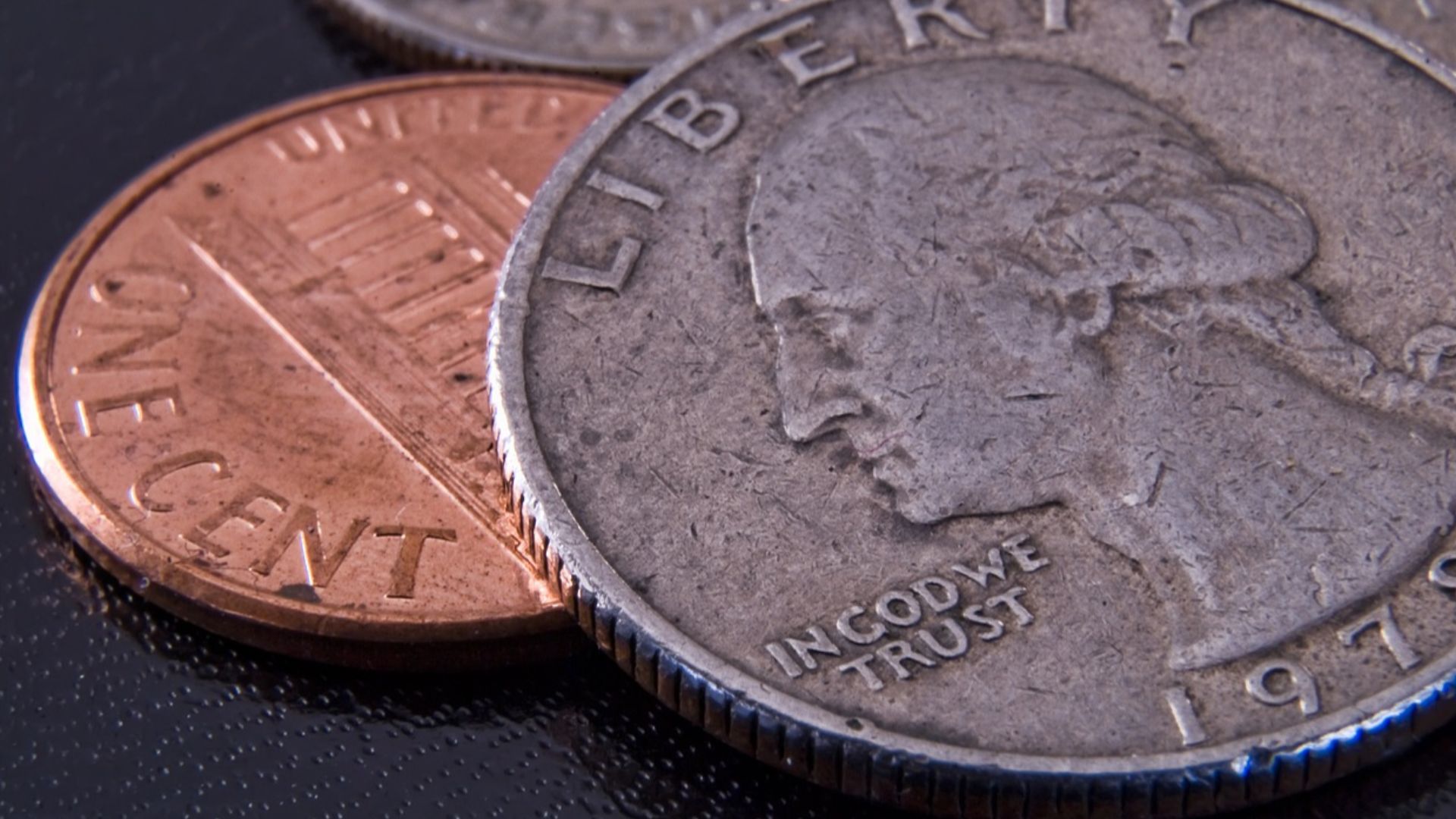
Using a handful of pennies here and there usually isn’t a problem. But trying to pay with hundreds or thousands at once will likely get rejected or at least slow things down significantly.
joslexjoslex, Pixabay

Advertisement

You Might Spend Hours for Almost Nothing

At a certain point, the issue isn’t just money—it’s time. Spending hours rolling, sorting, and transporting coins just to access a relatively small amount can feel frustrating and not worth the effort.

Towfiqu barbhuiyaTowfiqu barbhuiya, Pexels

Advertisement

This Is Happening to a Lot of People

As digital payments continue to take over, physical coins are becoming less practical. More and more people are ending up in the same situation—stuck with jars of change they don’t know how to use.

A close-up image of a person's hand holding a jar full of coins labeled 'Savings'.Towfiqu barbhuiya, Pexels

Every Option Kind of Sucks

You can roll coins, use machines, or spend them slowly—but every option comes with some kind of downside. There’s no quick or perfect solution anymore.

Stressed man sitting on couch, feeling overwhelmed and frustrated, expressing mental strain.Andrea Piacquadio, Pexels

Advertisement

So What Should You Actually Do With All These Pennies?

Start with your bank—call first and ask if they’ll accept rolled coins. If not, look for a no-fee coin machine (or use a gift card option to avoid losing money). After that, spend small amounts gradually where you can. 

If none of that feels worth the effort, donating them might honestly be the simplest move. There’s no perfect solution—but this is the most practical way to finally get rid of them.

Black piggy bank surrounded by a variety of coins on a white surface, symbolizing savings and finance.cottonbro studio, Pexels

Advertisement

You Might Also Like:

I just found out my bank can close my account for “too many deposits”—I deposit cash every week. Am I about to get shut down?

I was told to deposit my cash in smaller amounts to avoid the $10,000 rule. Now I'm really worried—did I just make things worse?

Sources:  123


READ MORE

Saving money

Are Canadians Saving More Than Americans? Latest Studies Reveal A Surprising Gap

Curious how your savings stack up? This article compares average savings in the U.S. and Canada, revealing surprising gaps, reasons behind them, and shocking stats about American savings.
January 28, 2026 Allison Robertson
concerned woman holding phone

I just found out about the $600 rule and I’ve been using Venmo and PayPal all year—am I about to owe a huge tax bill?

A growing number of people are suddenly hearing about a $600 rule connected to Venmo and other cash apps, usually in the form of warnings, screenshots, or half-explained posts. There’s rarely context—just the implication that a normal year of payments may have crossed an invisible line with real consequences.
January 28, 2026 Jesse Singer
Adidas X Kanye West Yeezy 750 Boost Light Grey

Who Knew Sneakers Could Cost As Much As Your Mortgage? Here Are The World's Most Expensive Kicks.

Do your sneakers cost more than your dinner payment? That's cute. Some of these kicks could pay your whole house’s mortgage.
January 27, 2025 Miles Brucker
Inheritance

My grandpa just died and my cousins all got a big inheritance, but my mom is keeping my portion. I’m 40 years old. Can she do that?

Your cousins got their inheritance, but your mom is keeping yours—at age 40. Learn what rights you have and how to challenge unfair inheritance issues when a parent blocks your share.
January 20, 2026 Allison Robertson

I anonymously posted a bad online review. The company posted my name and address and sent a cease-and-desist letter. What can I do?

When you posted a negative online review of a company's service, they published your contact information online and sent a cease-and-desist letter. We look at how you can protect yourself.
January 13, 2026 Jane O'Shea

Here’s How To Figure Out If You’re Paying Too Much For Car Insurance

Car insurance has a funny way of becoming invisible. You sign up, set the payment to auto-draft, and then forget about it—until your bank account reminds you every month. The problem is that many drivers end up overpaying not because they’re reckless or unlucky, but because their policy hasn’t kept up with their life. If you’ve ever wondered whether your premium feels a little too spicy for what you’re getting, these signs will help you figure it out.
January 9, 2026 J. Clarke


Disclaimer

The information on MoneyMade.com is intended to support financial literacy and should not be considered tax or legal advice. It is not meant to serve as a forecast, research report, or investment recommendation, nor should it be taken as an offer or solicitation to buy or sell any securities or adopt any particular investment strategy. All financial, tax, and legal decisions should be made with the help of a qualified professional. We do not guarantee the accuracy, timeliness, or outcomes associated with the use of this content.


Dear reader,


It’s true what they say: money makes the world go round. In order to succeed in this life, you need to have a good grasp of key financial concepts. That’s where Moneymade comes in. Our mission is to provide you with the best financial advice and information to help you navigate this ever-changing world. Sometimes, generating wealth just requires common sense. Don’t max out your credit card if you can’t afford the interest payments. Don’t overspend on Christmas shopping. When ordering gifts on Amazon, make sure you factor in taxes and shipping costs. If you need a new car, consider a model that’s easy to repair instead of an expensive BMW or Mercedes. Sometimes you dream vacation to Hawaii or the Bahamas just isn’t in the budget, but there may be more affordable all-inclusive hotels if you know where to look.


Looking for a new home? Make sure you get a mortgage rate that works for you. That means understanding the difference between fixed and variable interest rates. Whether you’re looking to learn how to make money, save money, or invest your money, our well-researched and insightful content will set you on the path to financial success. Passionate about mortgage rates, real estate, investing, saving, or anything money-related? Looking to learn how to generate wealth? Improve your life today with Moneymade. If you have any feedback for the MoneyMade team, please reach out to [email protected]. Thanks for your help!


Warmest regards,

The Moneymade team