That Old Change Might Be Worth Way More Than You Think
You’ve probably heard it before: pre-1964 coins are made of silver and worth way more than their face value. Sure, it sounds like one of those “too good to be true” money myths, but this one...well, this one actually has some truth to it. The real question is how much and which coins actually matter.

Yes, Some Old Coins Really Do Contain Silver
Some U.S. coins minted before 1965 really do contain silver—especially dimes, quarters, and half dollars. Those coins were struck with precious metal in them, not just base metals, which is exactly why collectors and silver buyers still pay attention to them now.
Why 1964 Is the Magic Cutoff
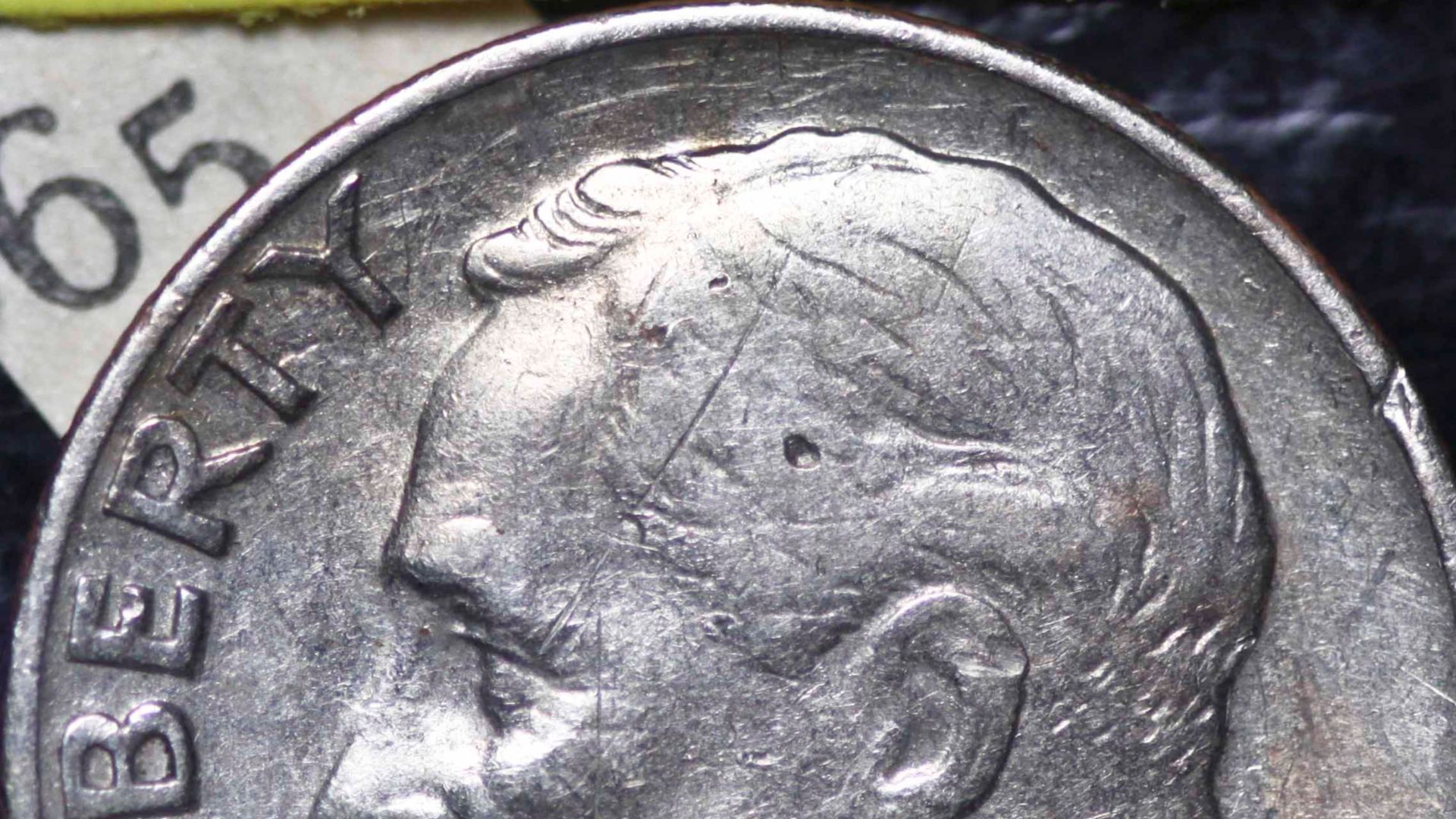
For dimes and quarters, 1964 is the last regular issue made with silver. In 1965, the Mint switched those coins to copper-nickel clad compositions as silver became too expensive to keep using in everyday circulating coinage.
Which Coins Actually Contain Silver
The big ones to check are dimes, quarters, and half dollars dated 1964 or earlier. Those are the classic U.S. 90% silver circulating coins most people mean when they talk about “silver change.” Pennies do not fit that category, and regular nickels usually do not either.
 Bananasoldier, Wikimedia Commons
Silver Dimes Add Up Fast
Pre-1965 dimes, including Mercury dimes and older Roosevelt dimes, are 90% silver. Each one contains about 0.072 troy ounces of silver, which may not sound like much, but they add up quickly. Even a handful can be worth several times their face value depending on current prices.
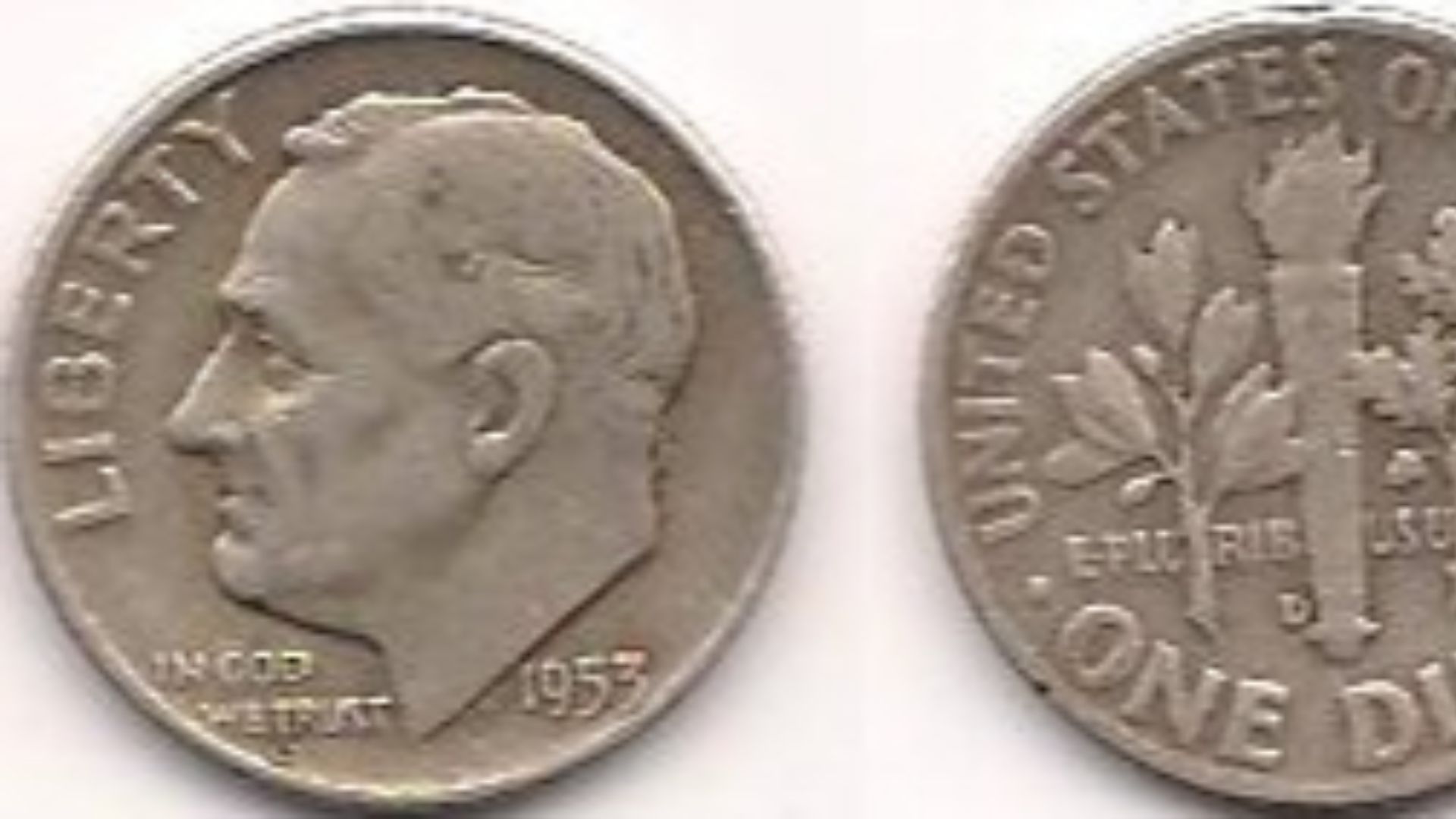 Aamsse (photo), John R. Sinnock (coin), Wikimedia Commons
Quarters Could Be Hidden Gems
Washington quarters dated 1964 or earlier are also 90% silver, with about 0.18 troy ounces of silver each. Many people unknowingly spend them or leave them sitting in jars. One silver quarter is often worth 15 to 25 times its face value depending on silver prices.
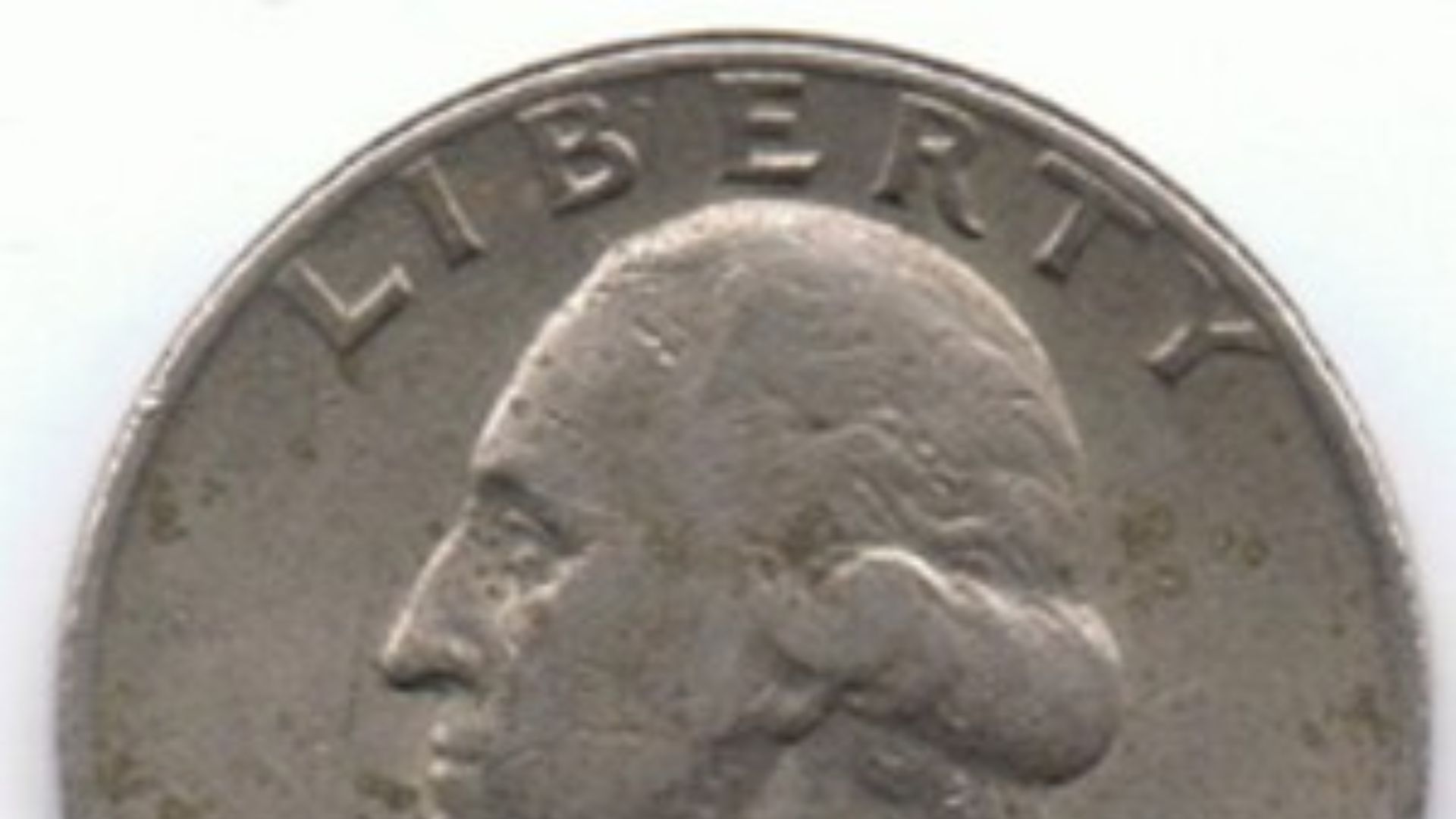 Nicholas Gemini, Wikimedia Commons
Half Dollars Can Be Even Better
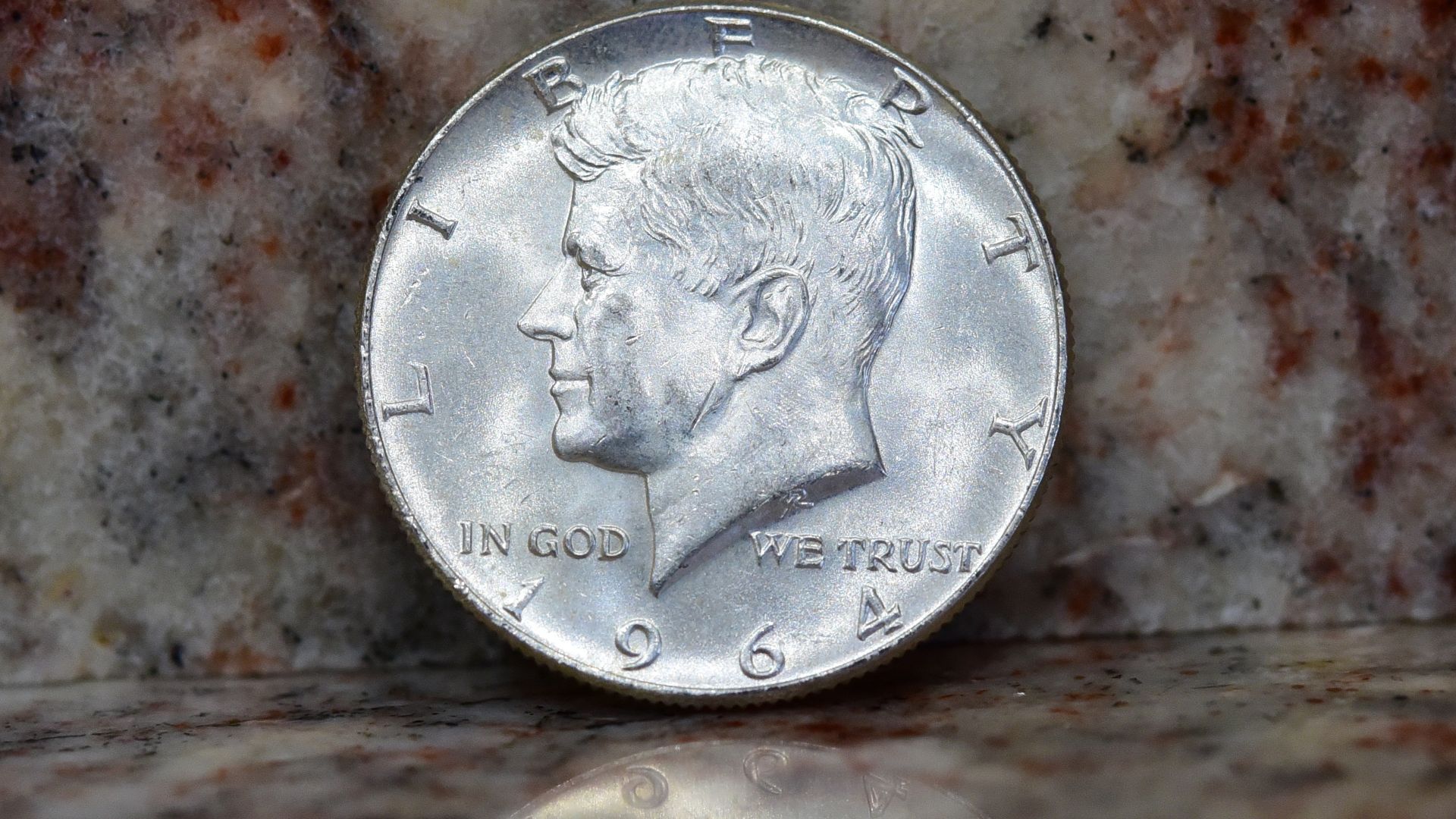
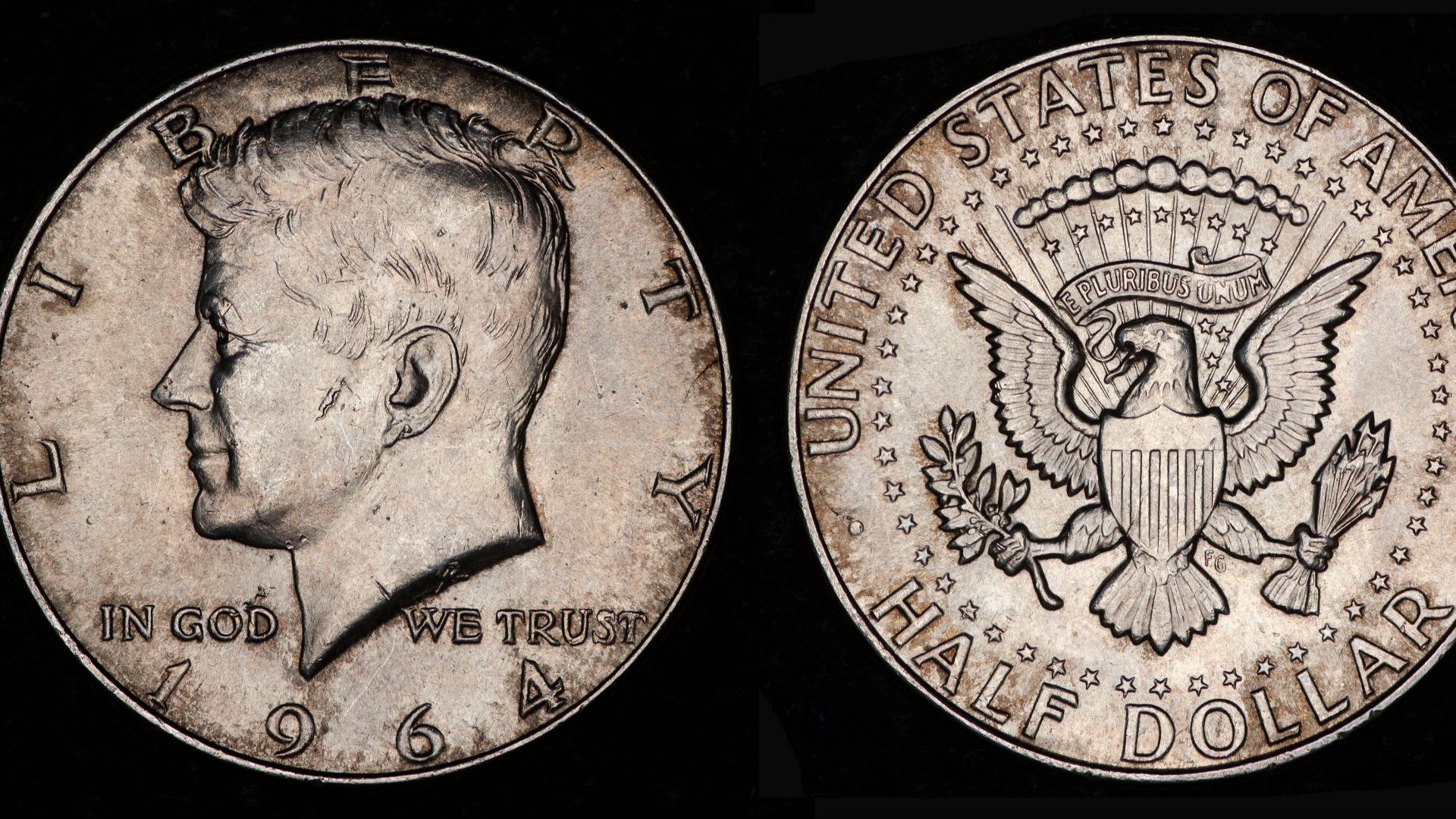
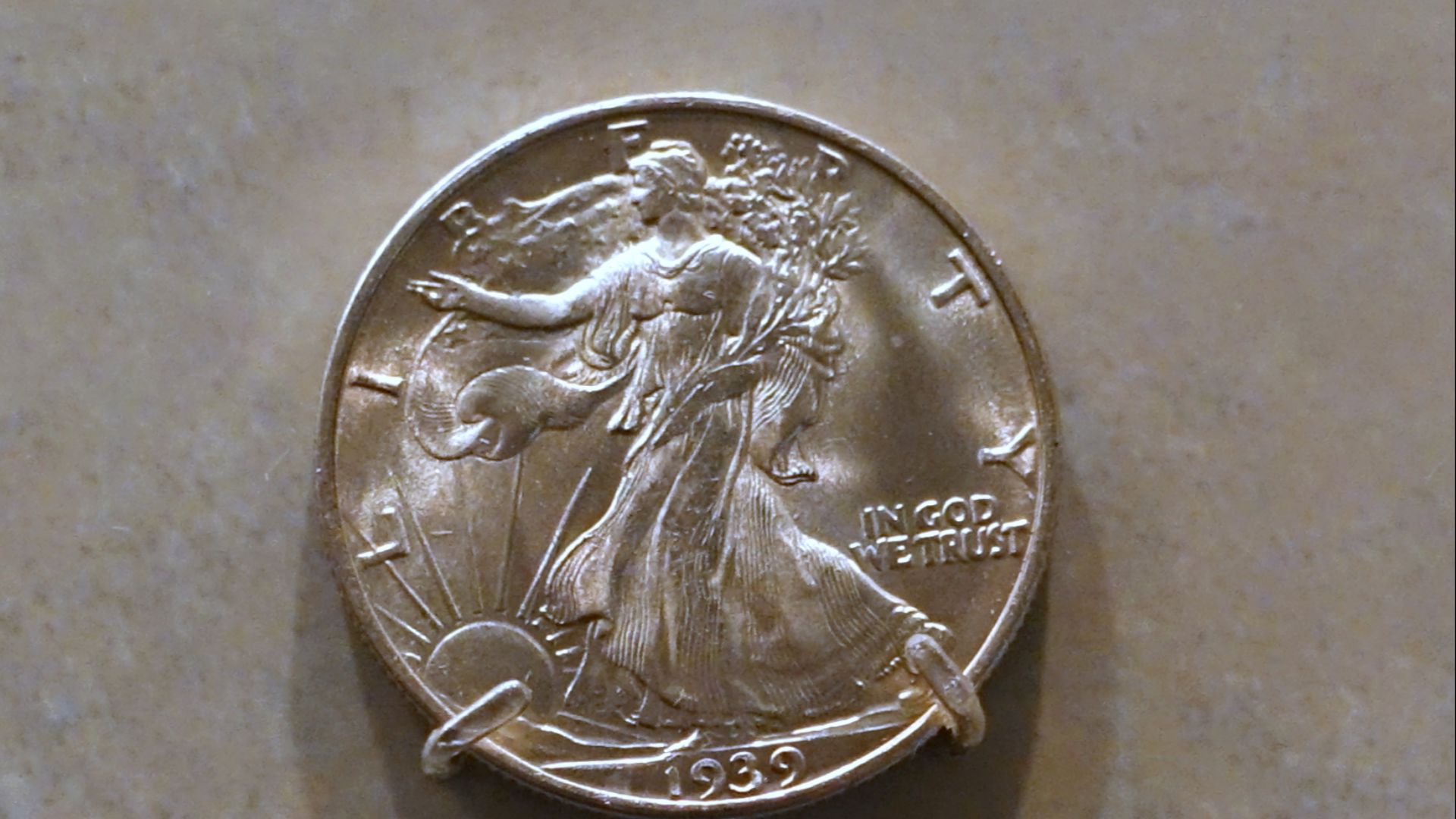
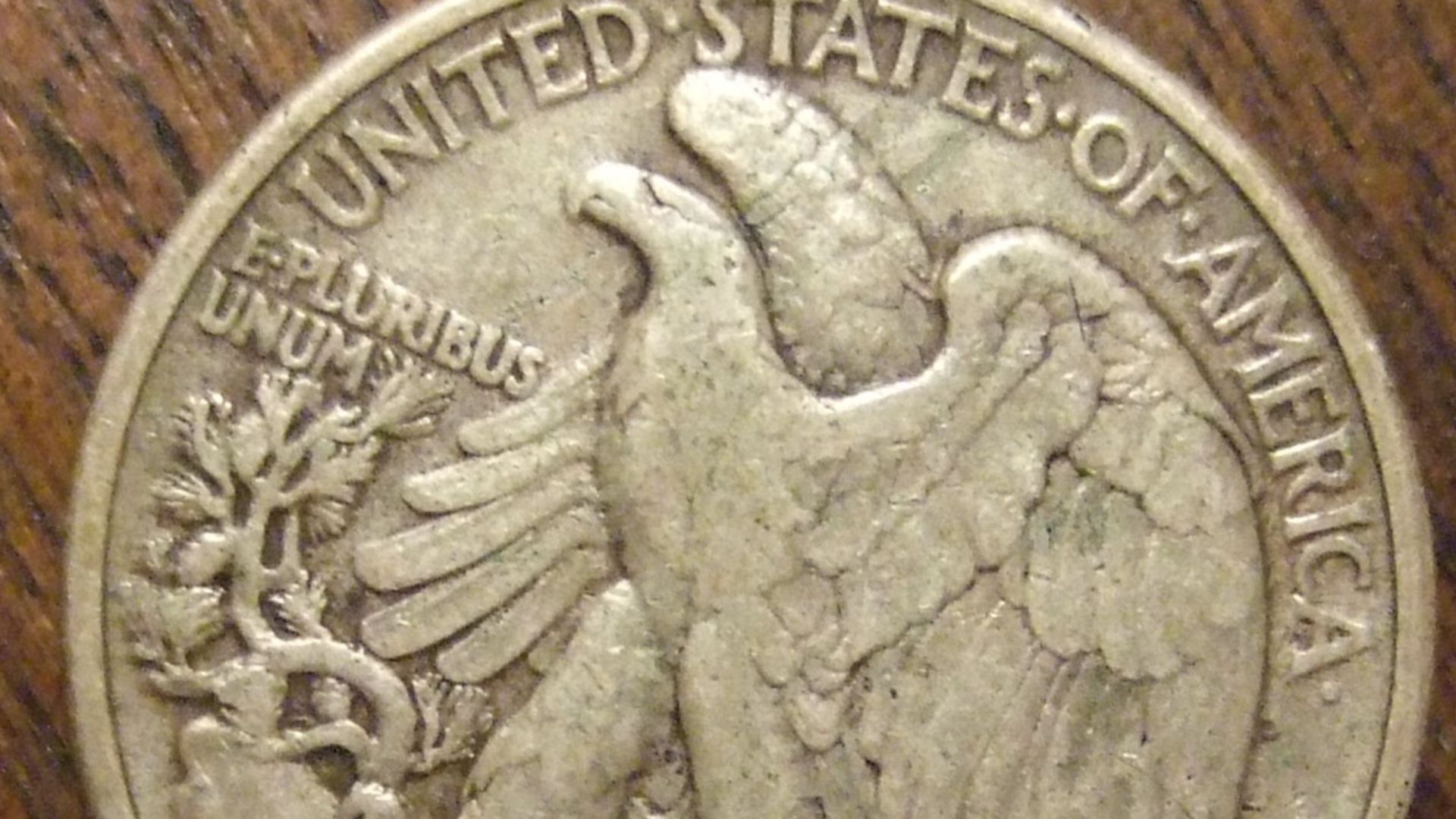
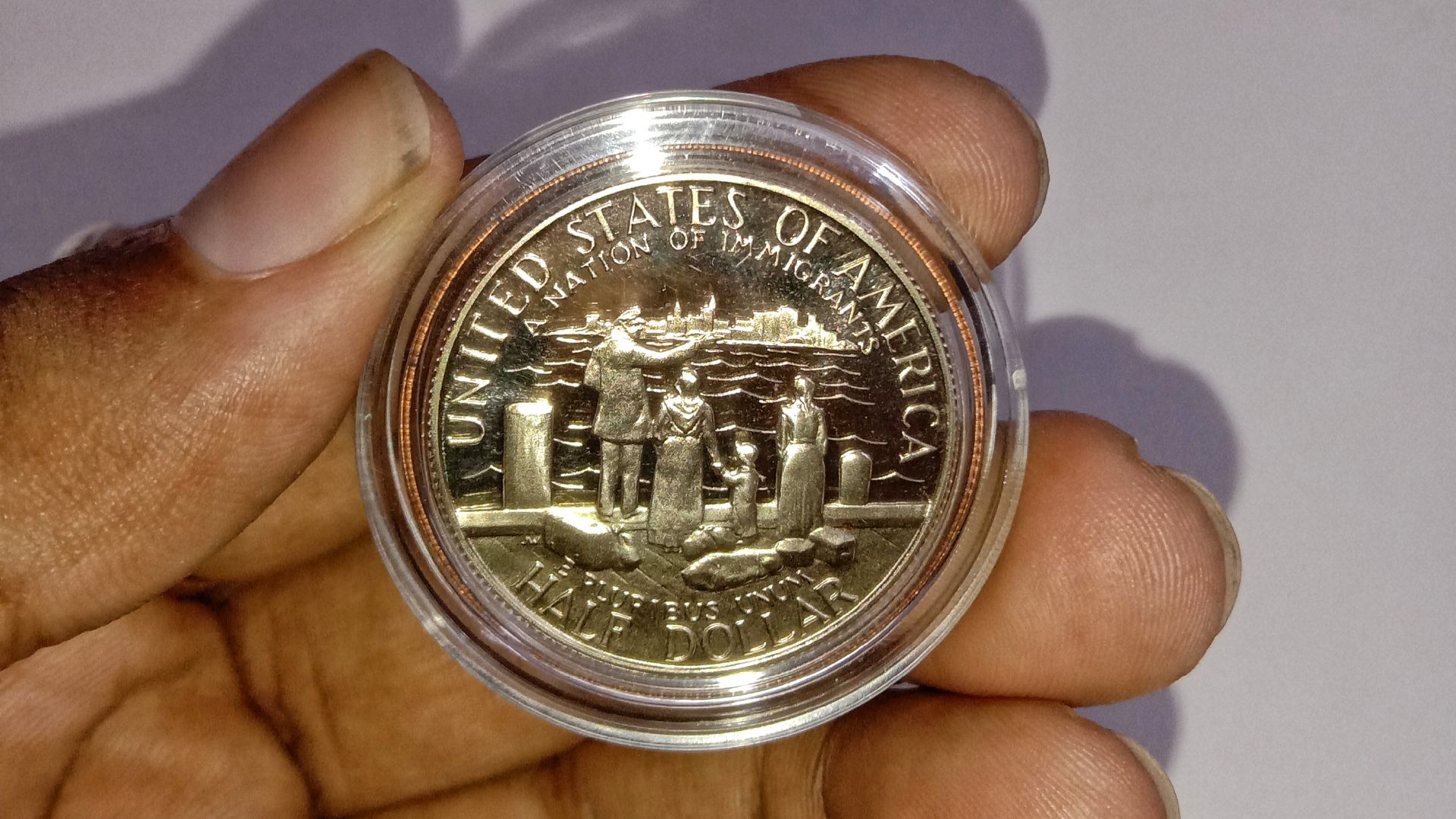
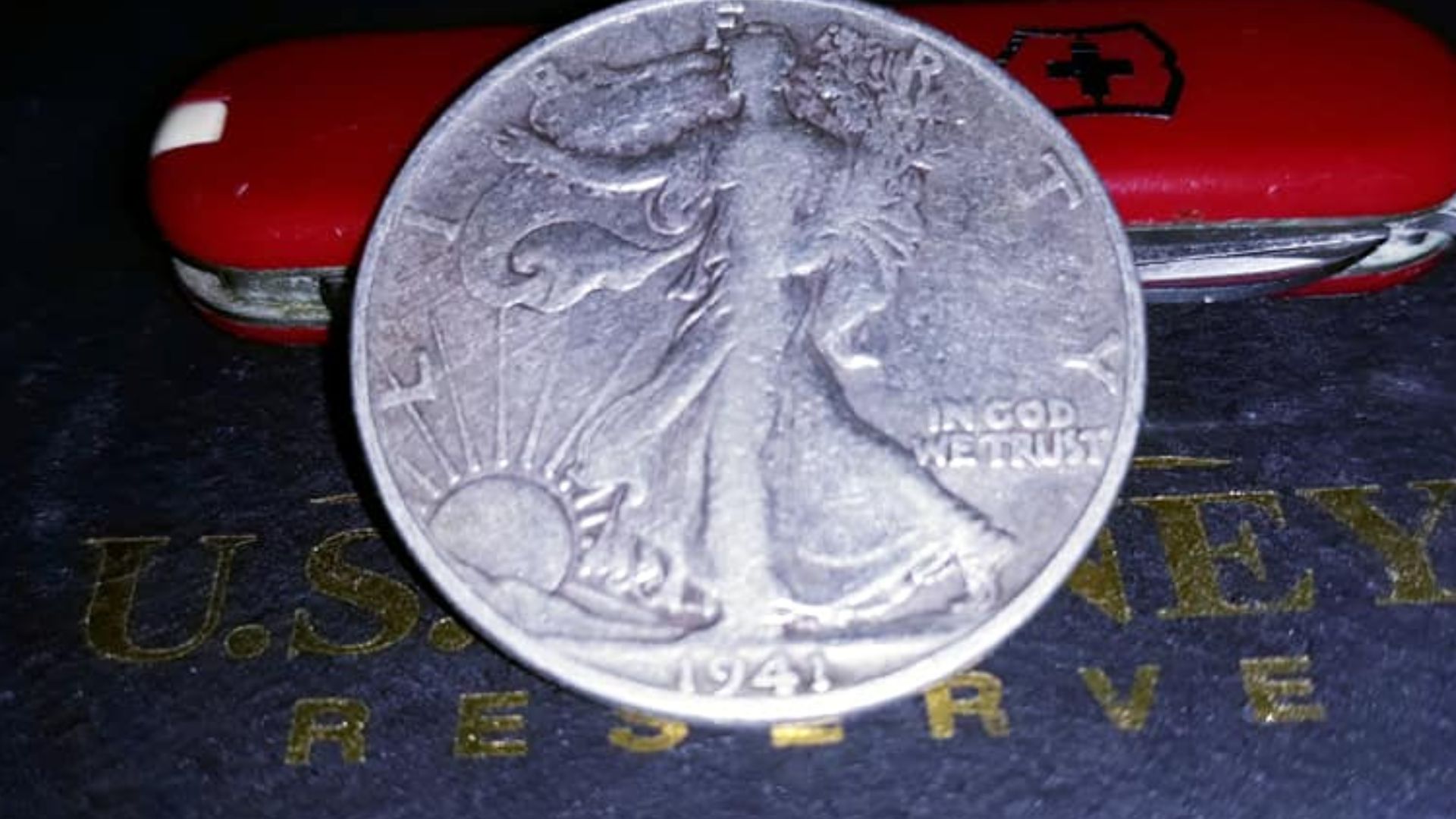
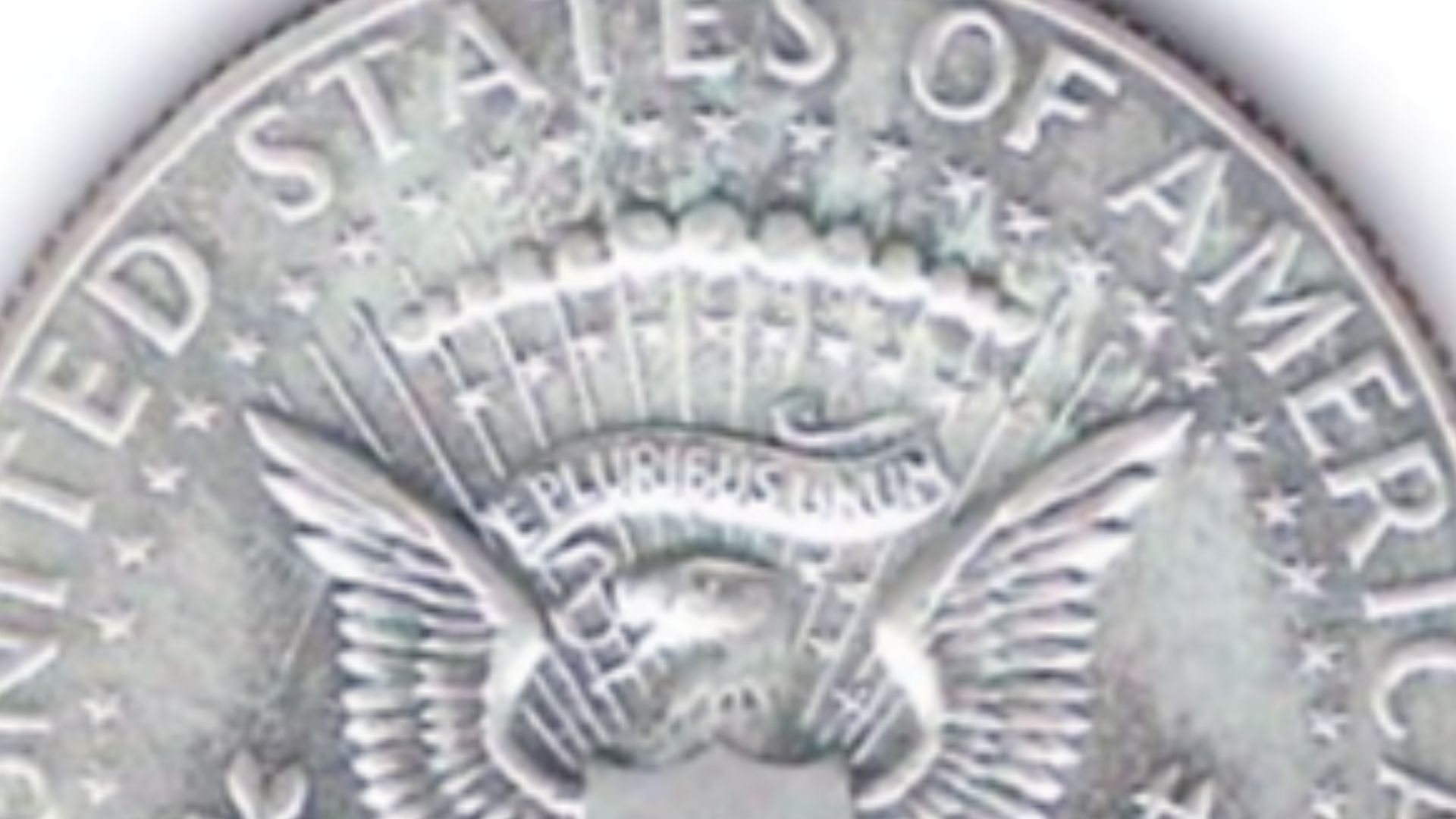
Half dollars are where some people get tripped up. A 1964 half dollar is 90% silver, containing about 0.36 troy ounces of silver. Half dollars dated 1965 through 1970 still contain silver too—just 40%. The Mint removed silver completely in 1971.
What About Pennies and Nickels?
Most pennies and nickels are not silver coins. The main exception is the wartime Jefferson nickel from 1942 to 1945, which used a special alloy containing 35% silver. These can be identified by the large mint mark above Monticello.
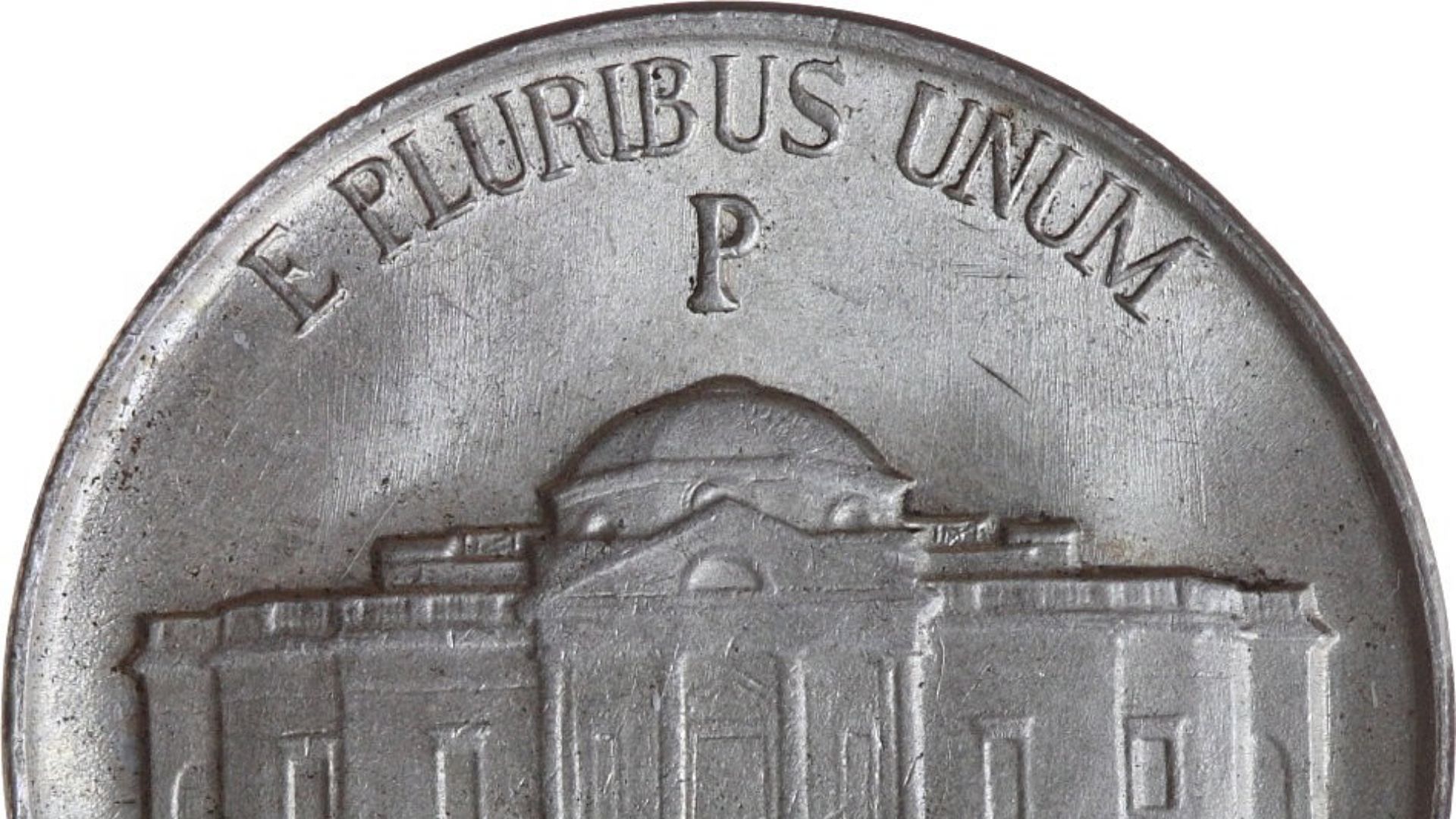 Bobby131313, Wikimedia Commons
It’s Not Just About Age
Age alone does not make a coin valuable. What matters first is composition—whether it has silver in it—and then condition, rarity, and collector demand. An old coin can be worth very little, while a worn silver coin can still be worth more than face value.
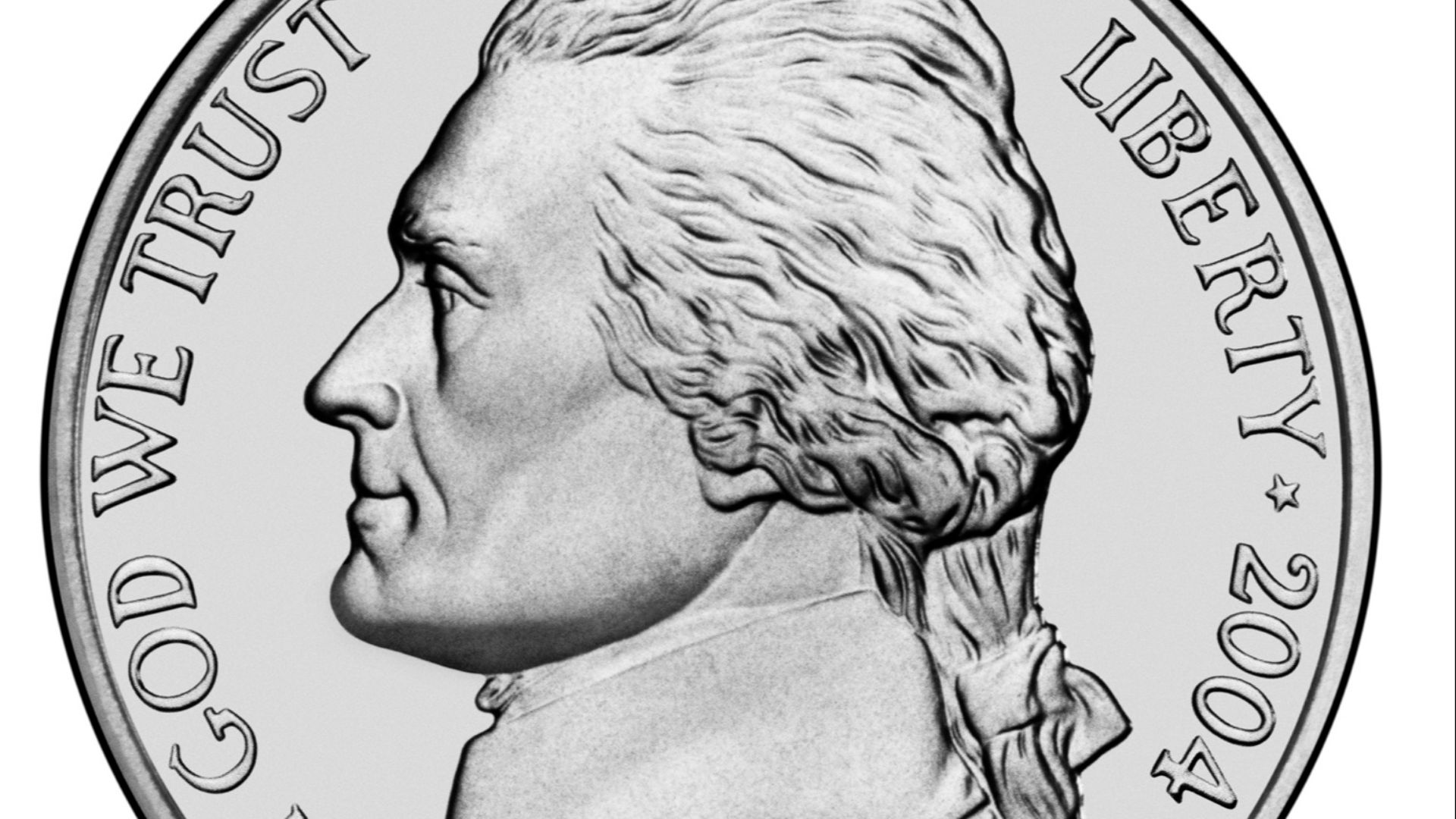 design is by Felix Schlag, Wikimedia Commons
How Much Are These Coins Worth Today?
The answer changes with the silver market. A useful rule of thumb is that $1 in face value of 90% silver coins contains about 0.715 troy ounces of silver, so even a small group of coins can quickly turn into real money at today’s prices.
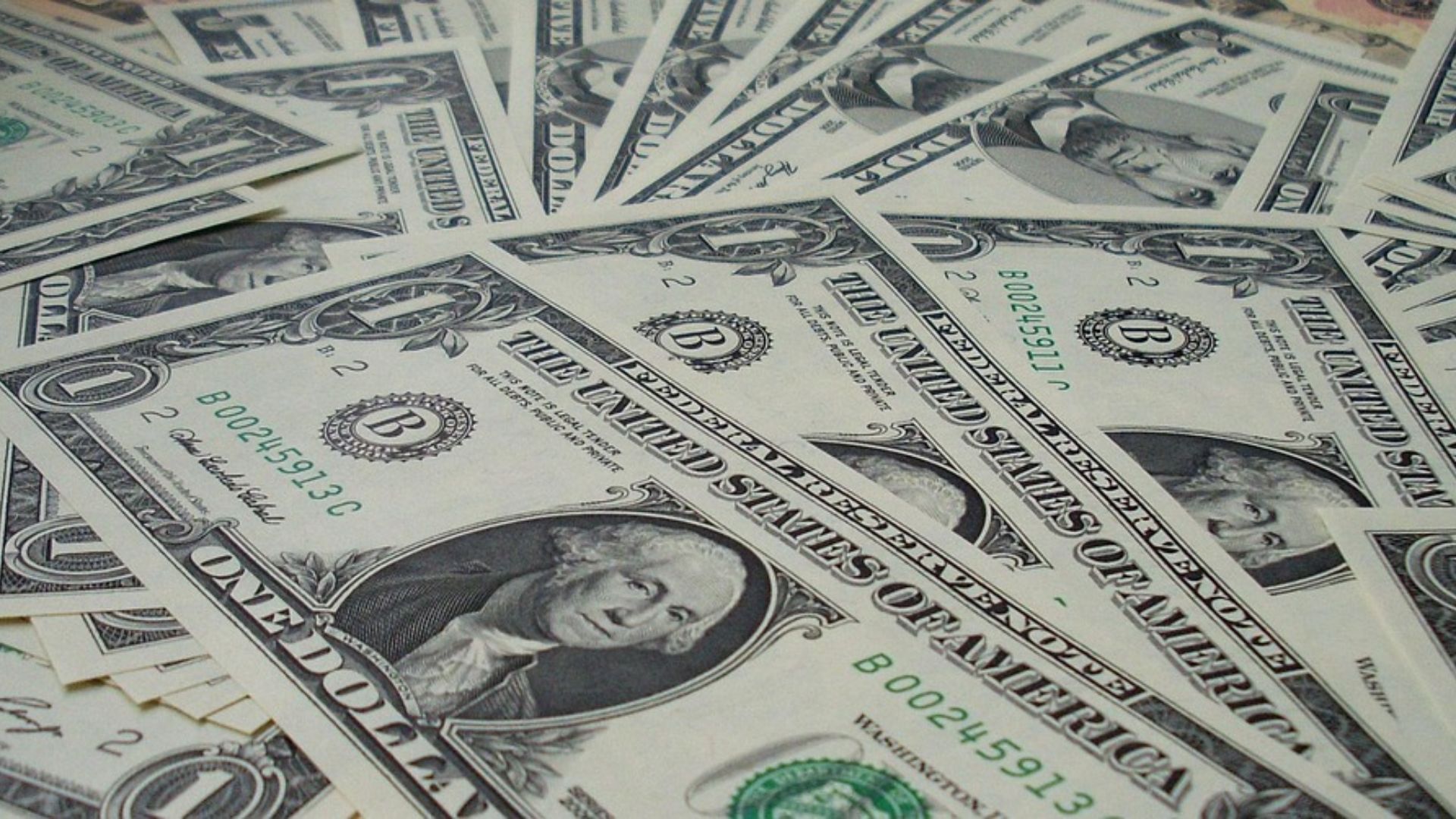
This Is Called “Junk Silver”
You might hear these coins called “junk silver.” That does not mean they are worthless. It refers to common coins valued mainly for their metal content rather than rarity. They’re popular because they’re easy to buy, sell, and understand for beginners.
Why Silver Coins Were Phased Out
Silver coins disappeared from circulation because the metal became too valuable relative to face value. People began hoarding them, which drained them from circulation and forced the switch to cheaper materials across everyday coins.
You Might Already Have Some
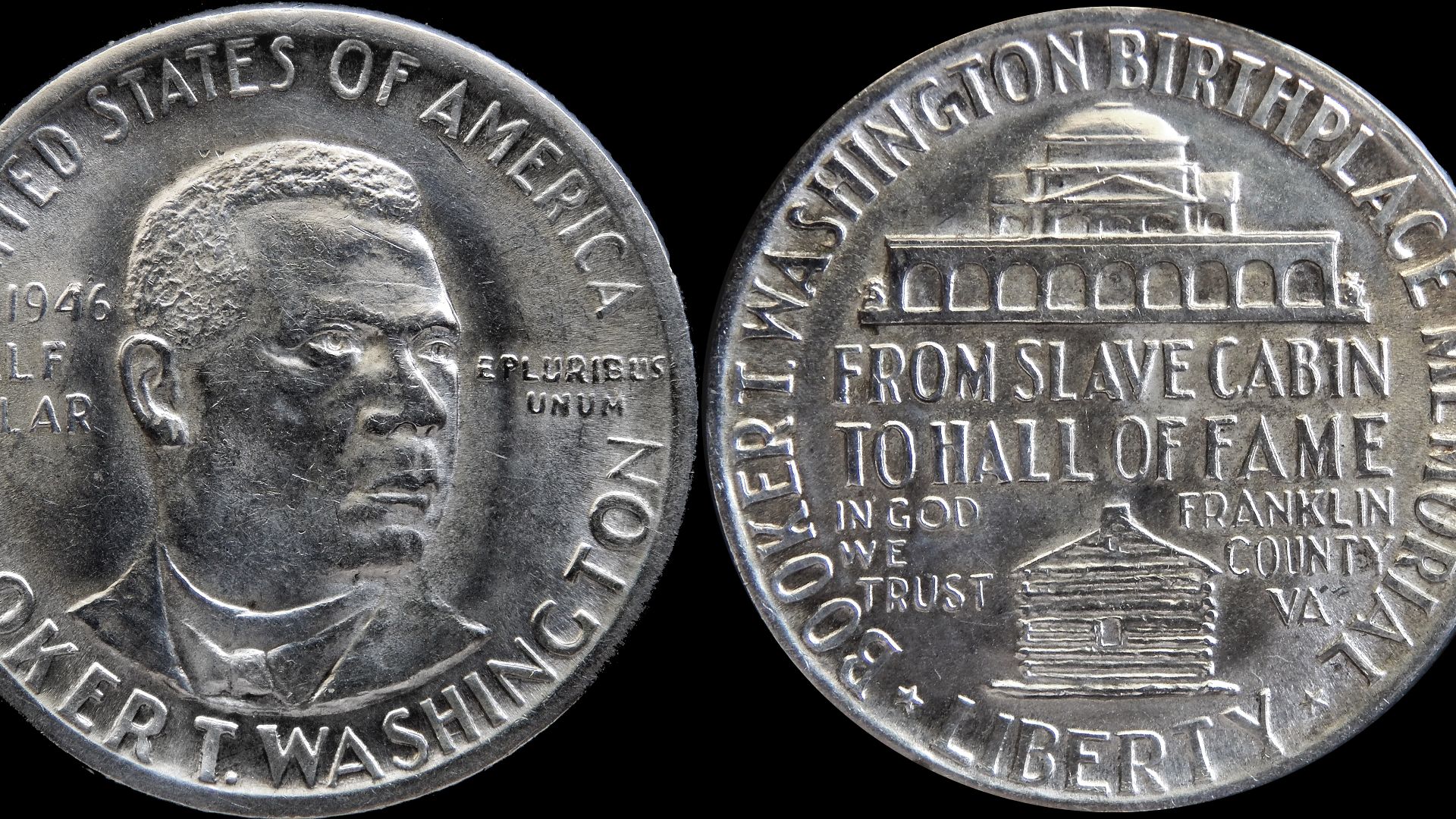
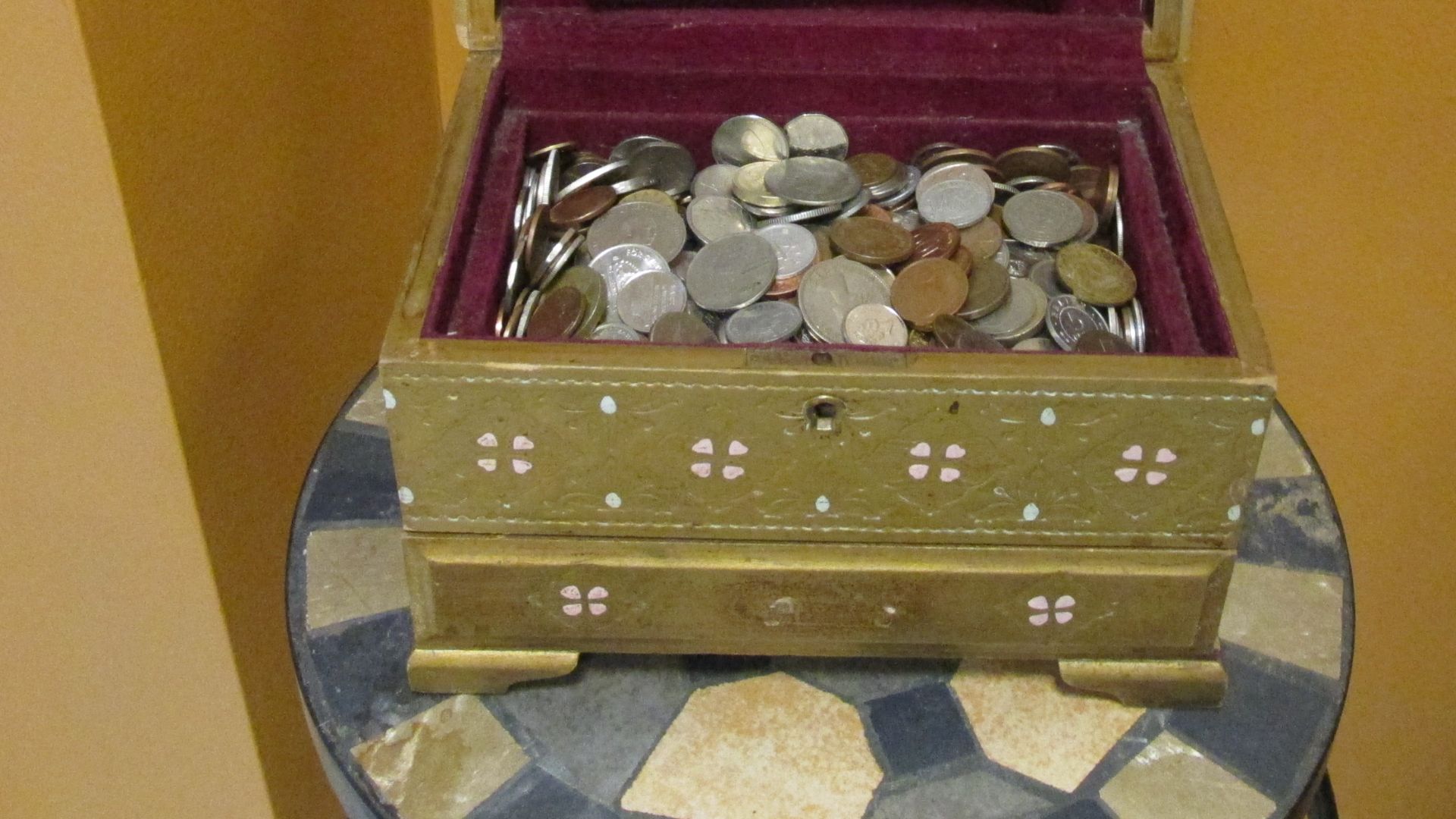
That doesn’t mean every coin jar is a jackpot. But if a family member saved change decades ago, or if a jar has gone unsorted for a long time, it’s absolutely possible that silver dimes, quarters, or half dollars are mixed in. And it doesn’t take many—even a small handful can add up to $50, $100, or more depending on silver prices.
Coin Roll Hunting Is a Real Thing
Some hobbyists search rolled coins from banks hoping to spot older silver pieces still floating around. It’s a real hobby, and the appeal is obvious—finding even one silver coin at face value means you instantly come out ahead. Some searchers go through thousands of coins hoping to find just a few.
Condition Still Matters for Collectors
Even when a coin has silver value, collectors may pay more if it’s in strong condition. Better surfaces, sharper details, and less wear can push the value above simple melt value, especially for coins that haven’t been heavily circulated.
 Billjones94, Wikimedia Commons
Rare Coins Can Be Worth Much More
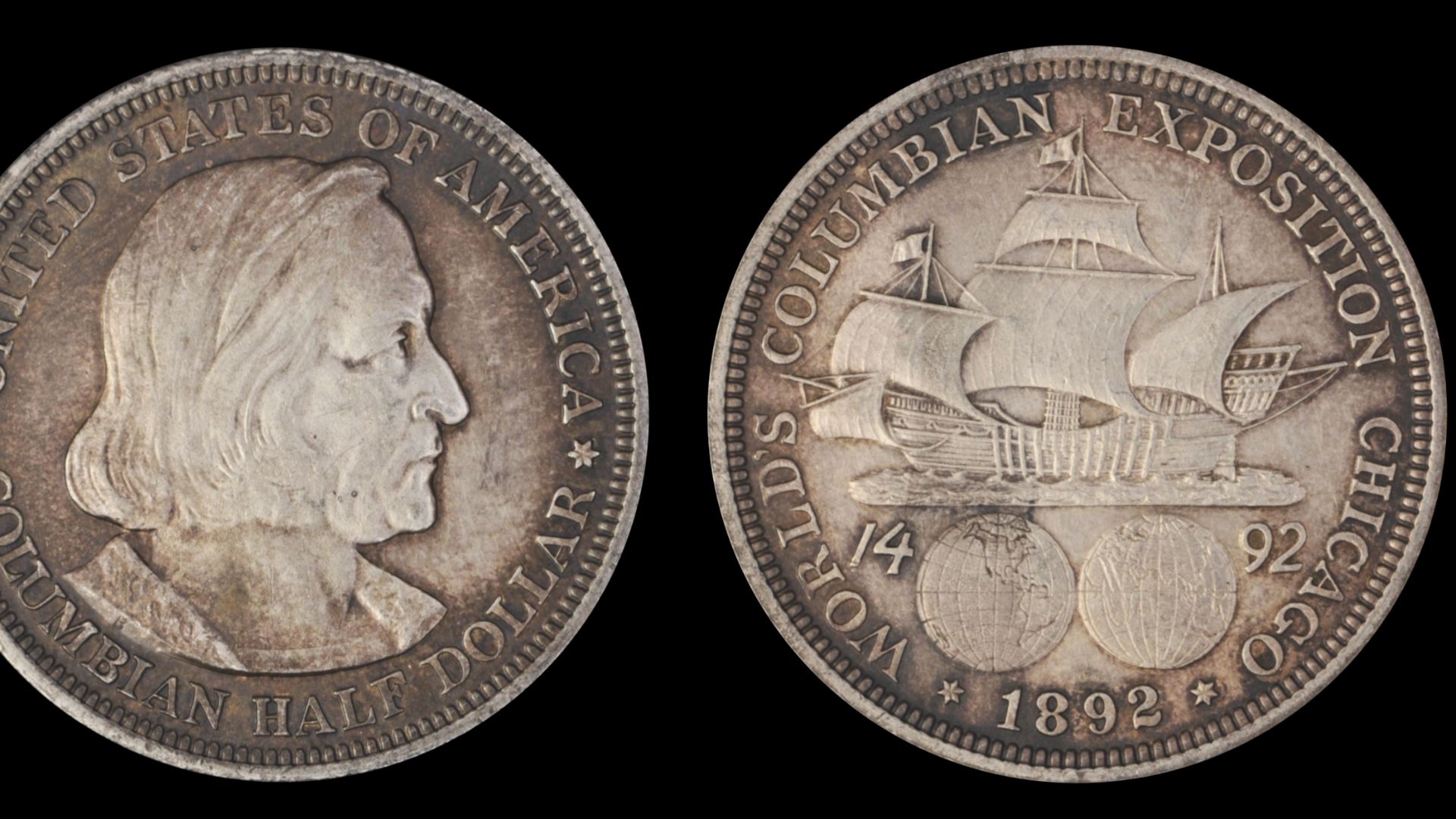
Some coins are worth far more than their silver content due to rarity, mint errors, or collector demand. That’s where values can jump significantly, sometimes into the hundreds or thousands, but those finds are much less common.
How to Check If Your Coin Is Silver
Start with the date. For dimes and quarters, 1964 or earlier is the key. Then check the edge: silver coins have a solid silver-colored edge, while modern coins show a visible copper stripe, which is one of the quickest ways to tell.
Don’t Clean Your Coins
If you think you found something valuable, leave it alone. Cleaning can damage the surface and reduce what collectors are willing to pay, even if the coin still contains silver.
 Mark Morgan from Trinidad, Wikimedia Commons
Where to Sell Silver Coins
Coin shops, bullion dealers, and online marketplaces are the most common options. It’s smart to check current silver prices first so you know what your coins are roughly worth before accepting any offer.
 John Phelan, Wikimedia Commons
Silver Prices Change Everything
What these coins are worth can move over time because silver prices move. When silver rises, so does the value of these coins, sometimes quickly, and when it drops, that baseline value comes down as well.
 US gov / picture: own work, Wikimedia Commons
Are They “Worth a Lot”? It Depends
Some are worth only a few dollars over face value. Others, especially in quantity, can add up quickly into meaningful money. One coin won’t make you rich, but a group of them can definitely be worth a closer look.
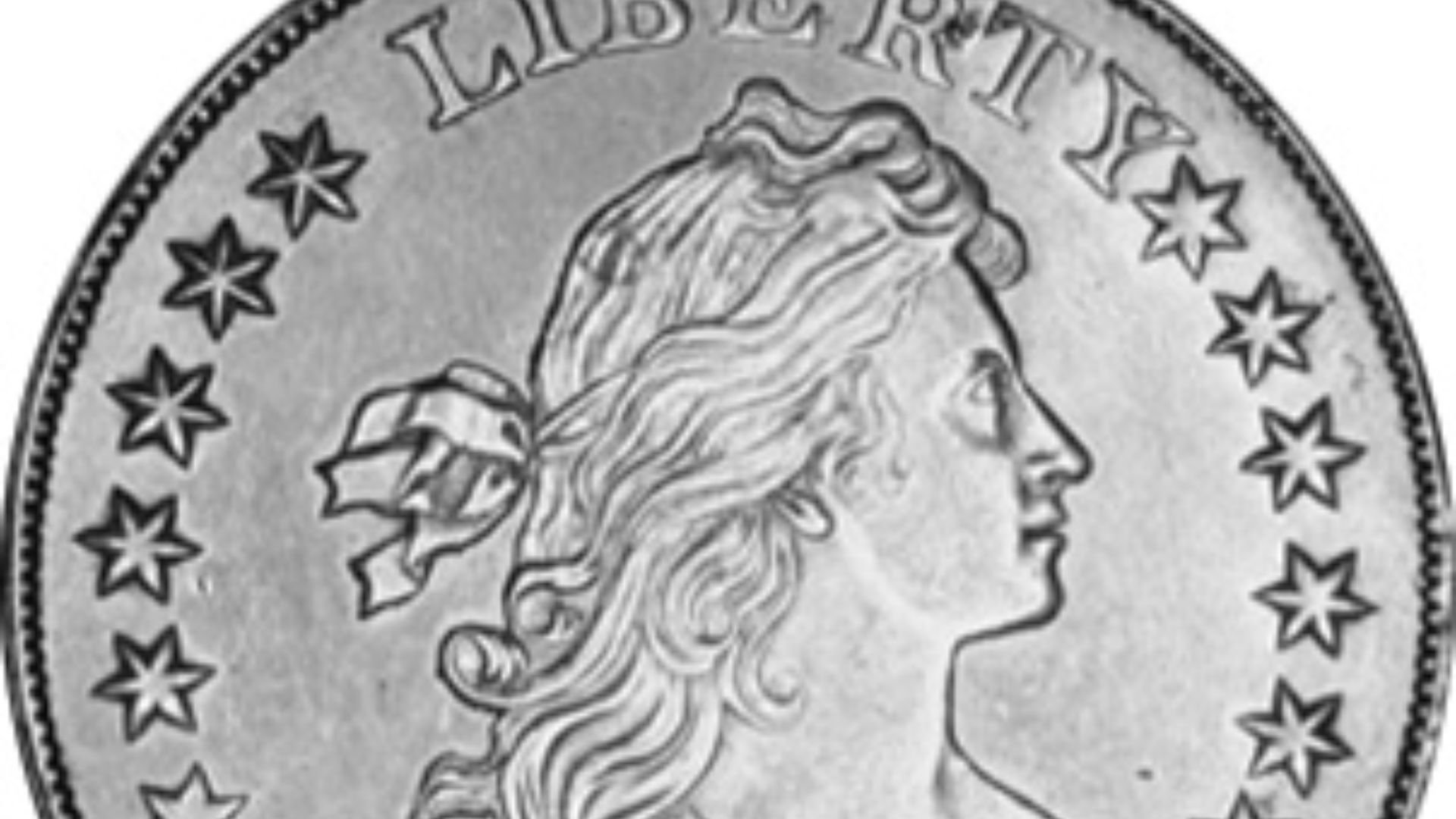 Smithsonian/US government, Wikimedia Commons
The Bottom Line
Yes, the core idea is true. Many U.S. coins minted before 1964 contain silver, and some half dollars from 1965 to 1970 do too. That makes them worth more than face value, sometimes significantly more depending on silver prices and collector demand.
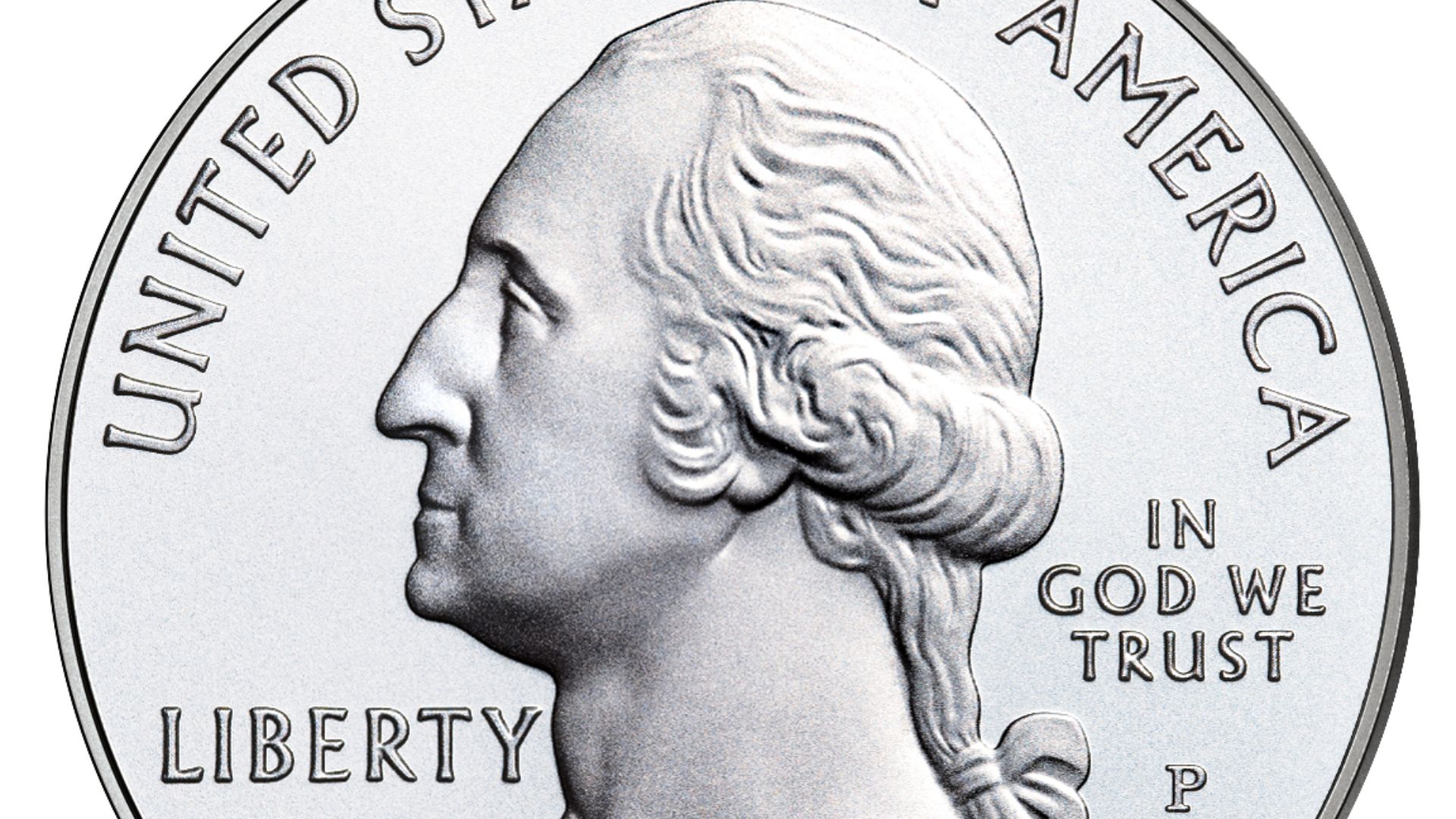 United States Mint, Wikimedia Commons
You Might Also Like:
I tried to pay with cash at a store and they actually refused it. Isn't that illegal?
I’m 25 and willing to sacrifice almost anything to retire by 45. Tell me what to do.