Birth Of MySpace
MySpace was launched in August 2003 as a project created by employees of the digital marketing company eUniverse in Los Angeles. Founders Chris DeWolfe and Tom Anderson set up the new platform to enable users to create profiles and connect with each other socially. In those years, online social networking was still experimental and poorly understood.
 Sharaf Maksumov, Shutterstock; Factinate
Early Adoption And Rapid User Growth
Despite its experimental nature, MySpace experienced explosive growth in its first year as early adopters invited their friends to join the site. The site’s signup process was straightforward, and its viral spread relied heavily on personal email invitations. By 2004, user numbers were growing rapidly and the platform was beginning to attract wider attention across the internet community.
Customizable Profiles Drew Young Users
MySpace set itself apart by allowing deep profile customization. Users could change layouts, add music players, modify colors, and embed HTML. This level of creative freedom and flexibility appealed strongly to teenagers and young adults, helping MySpace build a passionate and expressive user base that earlier social platforms had never seen.
Overtaking Friendster
By late 2004, MySpace surpassed Friendster, which had struggled with technical failures and slow performance. A lot of Friendster users migrated over to MySpace seeking a more reliable service and a greater level of personal expression. This shift positioned MySpace as the leading social network during a pivotal moment in the history of the internet.
Expansion Into Music And Pop Culture
MySpace soon turned into a hub for musicians to promote their work. Bands and independent artists used MySpace pages to upload songs and connect directly with fans. This focus on music embedded the platform deeply into youth culture and helped the site expand its reach beyond simple social networking.
 Karolina Grabowska www.kaboompics.com, Pexels
Growing Popularity With Advertisers
As user engagement increased, advertisers were now starting to see MySpace as a valuable platform. The growing user base generated a massive amount of page views, creating opportunities for display ads and sponsored content. These early revenue signals attracted the attention of major media companies.
Missed Opportunity
In early 2005, a twenty-year-old Mark Zuckerberg offered to sell his social networking platform, Facebook, to MySpace for approximately $75 million. But MySpace turned down the offer, believing it already dominated the social networking space. To be fair, at that time Facebook looked like little more than yet another online dating app. But the decision later got tagged as one of the biggest missed opportunities in tech history.
News Corporation Acquires MySpace
In July 2005, News Corporation purchased MySpace for about $580 million. This acquisition validated MySpace’s dominance and represented one of the biggest social media deals of the era. News Corp expected to integrate MySpace into its own corporate digital media strategy and advertising network.
Traffic Surged After The Acquisition
Following the purchase, MySpace traffic surged even higher. By 2006, MySpace became the most visited website in the United States, surpassing Google and Yahoo in monthly page views. At its peak, MySpace appeared to be an unstoppable force within the rapidly evolving internet ecosystem.

Heavy Monetization Begins
News Corporation monetized MySpace aggressively through all kinds of advertising deals. A major agreement with Google guaranteed hundreds of millions of dollars in ad revenue. The problem was, this strategy resulted in cluttered pages, slower loading times for users, and an overall noticeably degraded user experience that frustrated many longtime users.
Facebook Picks Up Speed
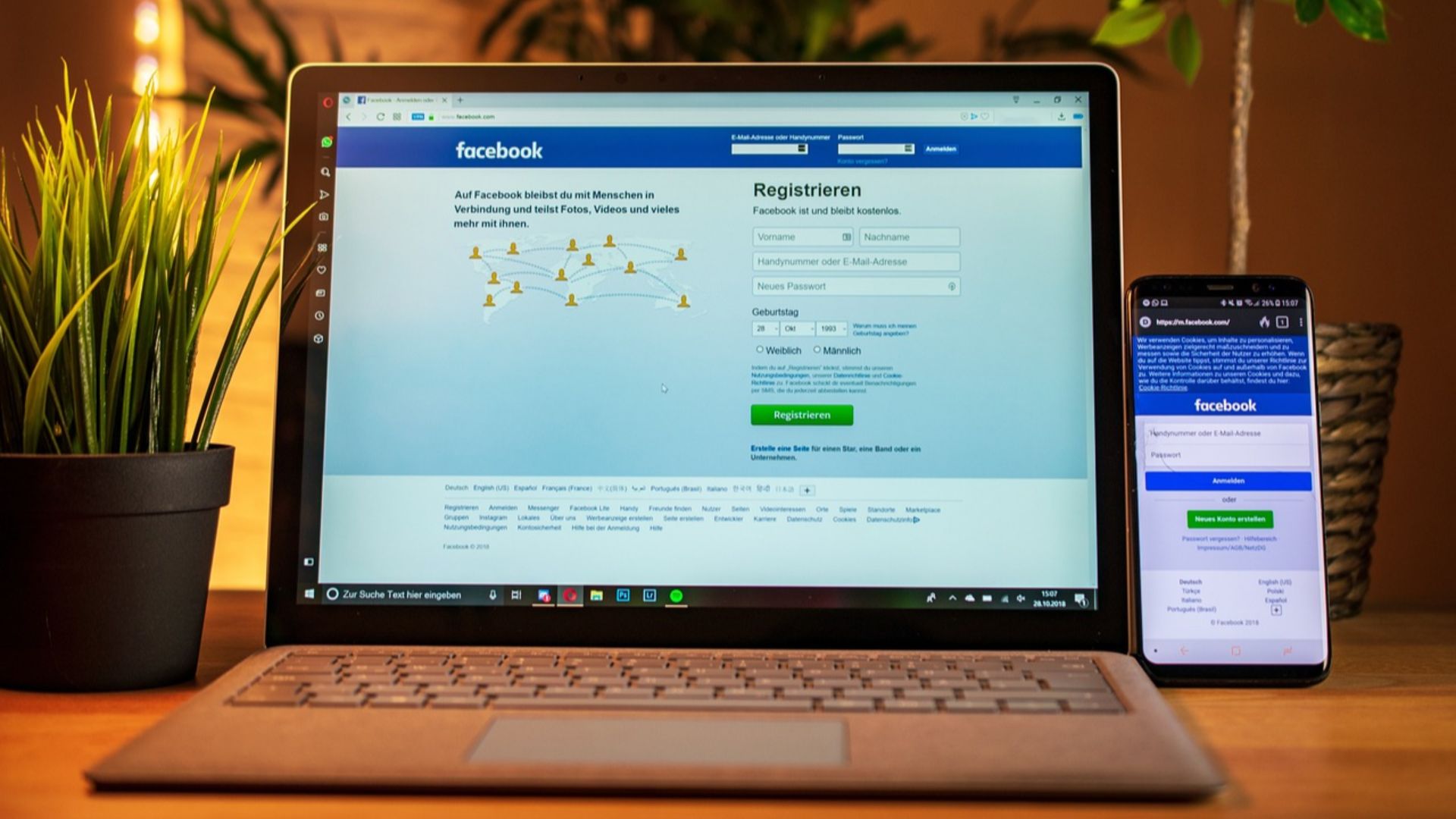
While MySpace was focusing on monetization, Facebook was steadily refining its own platform. Facebook put their emphasis on clean design, real identity, and performance stability. As early as 2007, Facebook’s growth rate started to surpass MySpace’s, especially among college students and young professionals looking for a simpler interface.
Facebook Passes MySpace In Engagement
In 2008, Facebook overtook MySpace in global traffic and engagement metrics. Users increasingly abandoned MySpace’s noisy interface in favor of Facebook’s streamlined design. This shift marked the beginning of MySpace’s irreversible decline within the highly competitive social networking market.

Declining User Trust And Satisfaction
MySpace users began to complain more and more about spam, malware, and annoying performance issues. Profile pages were now crowded with autoplay media and intrusive ads everywhere you looked. The interface had become a mess. Shockingly, the platform struggled to maintain basic usability, causing many users to deactivate accounts or stop logging in because they were being driven crazy by the bad user experience.

Failed Redesigns And Strategic Confusion
MySpace brought in several major redesigns between 2008 and 2010 to try to win back the users they’d lost. These changes were often poorly received and they disrupted familiar features. Instead of solving the fundamental issues, redesigns confused existing users and did very little to attract new audiences, who had now started to move on to other platforms.
Infrastructure And Engineering Problems
Behind the scenes, MySpace was hampered by outdated infrastructure that limited its ability to innovate changes to attract new users. Legacy code made it hard to introduce improvements quickly. In contrast, Facebook’s modern architecture allowed much faster updates and scalability, widening the already evident technical gap between the two platforms.

User Numbers Went Over The Cliff
By 2010, MySpace started to lose tens of millions of monthly users. Advertisers reined in their spending as traffic declined. What had once been the dominant social network was now quickly losing its relevance amid the growing competition from Facebook and other emerging platforms.
 Karolina Grabowska www.kaboompics.com, Pexels
News Corporation Pulls Back
No longer able to ignore its failure to revive the platform, News Corporation now reduced investment in MySpace. Layoffs followed as revenue declined. Internally, MySpace was no longer seen as a growth asset but as a declining digital property with limited future growth prospects.
 ANTONI SHKRABA production, Pexels, Modified
MySpace Sold At A Massive Loss
In 2011, News Corporation sold MySpace to Specific Media and Justin Timberlake for roughly $35 million. The sale represented a dramatic collapse in valuation from the $580 million that the company had paid to acquire MySpace six years earlier.
 Gage Skidmore, Wikimedia Commons
Pivot Toward Music And Media
The new ownership now attempted to reinvent MySpace as a music focused platform. The redesign emphasized artist discovery and curated media rather than any social networking, where it clearly stood no chance against Facebook. Despite some initial interest, the pivot failed to attract a sustainable user base.

Loss Of Historical Content
In 2019, MySpace disclosed that millions of user files uploaded before 2015 were now permanently lost due to a server migration issue. This included music, photos, and videos, further tarnishing the platform’s legacy and eliminating any last remaining vestiges of user goodwill.

MySpace’s Present Day Existence
Today, MySpace still exists online but it has minimal relevance. It serves a niche audience and no longer seriously competes with major social platforms. Its brand recognition is still high, but active engagement with the platform is only a fraction of its former scale.
MySpace’s Enduring Legacy
Despite its collapse, historically MySpace helped to define basic social media conventions that we now take for granted like the use of profiles, follower connections, and embedded media. Its influence shaped later platforms, even as its business failures demonstrated the risks of a poor user experience and misplaced business priorities.
Lessons From The Rise And Fall
MySpace’s story goes to show that early market sector dominance doesn’t guarantee survival. Its failure to prioritize usability, adaptability, and technological evolution allowed its competitors to overtake it. Even now the platform is still a cautionary tale for technology companies trying to navigate fast moving digital markets.
You May Also Like:
The Most Common Mistakes People Make When Starting Their First Online Business