To Fly High And Sink Like A Stone
From a homemade surf camera to one of the most well-known hardware brands of the 2010s, GoPro experienced one of the biggest roller coaster trips in modern consumer electronics. GoPro’s journey from its inspired origin and explosive IPO to failed expansions, collapsing stock value, and its narrower role today is a classic story of sudden success and steep decline.
GoPro’s Original Idea
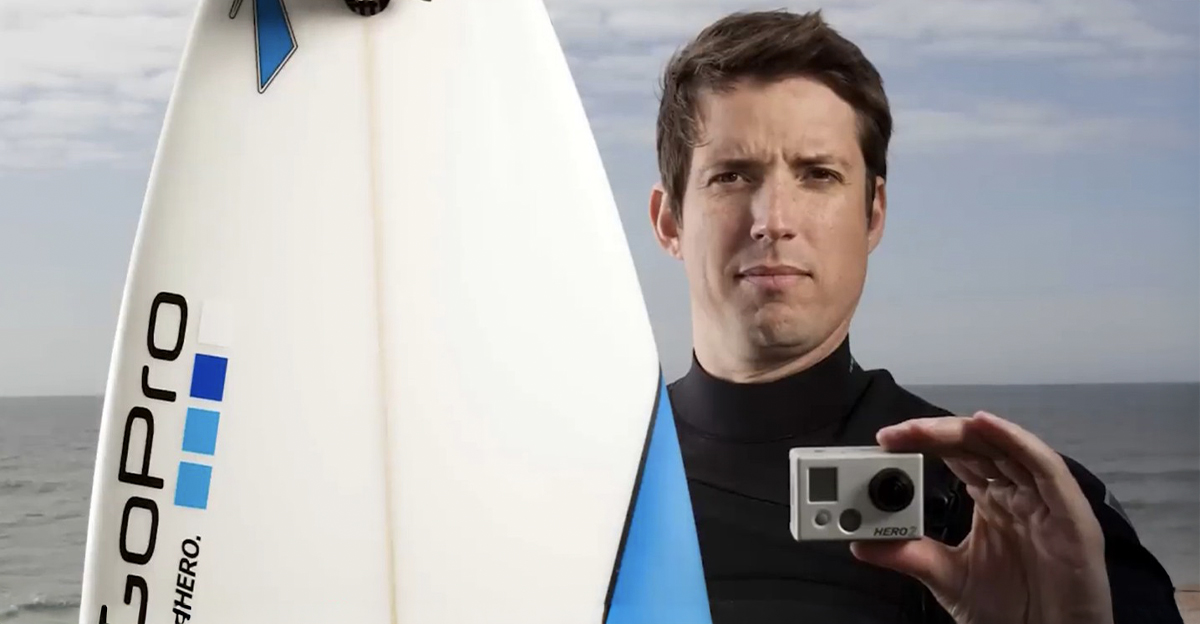
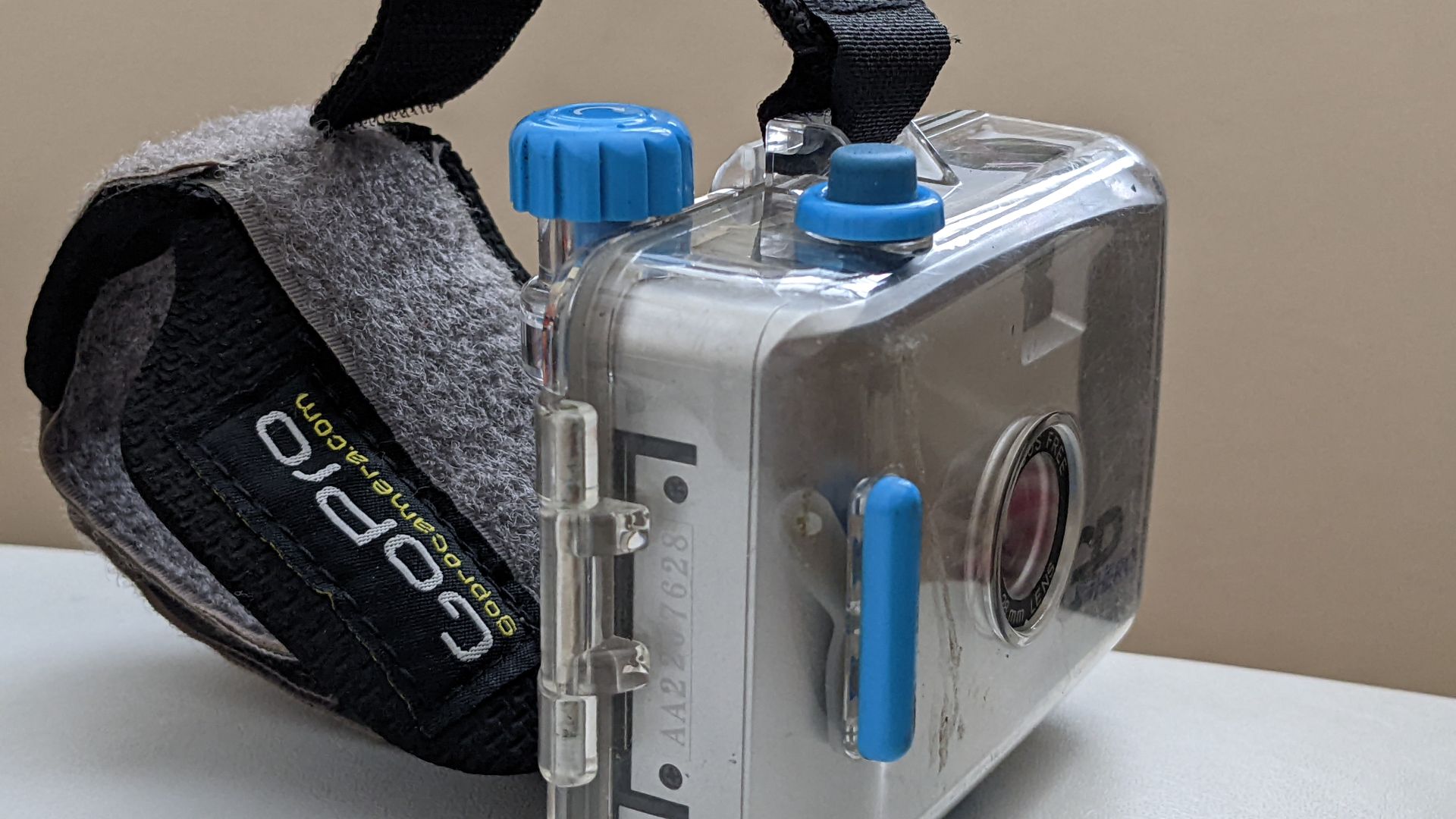
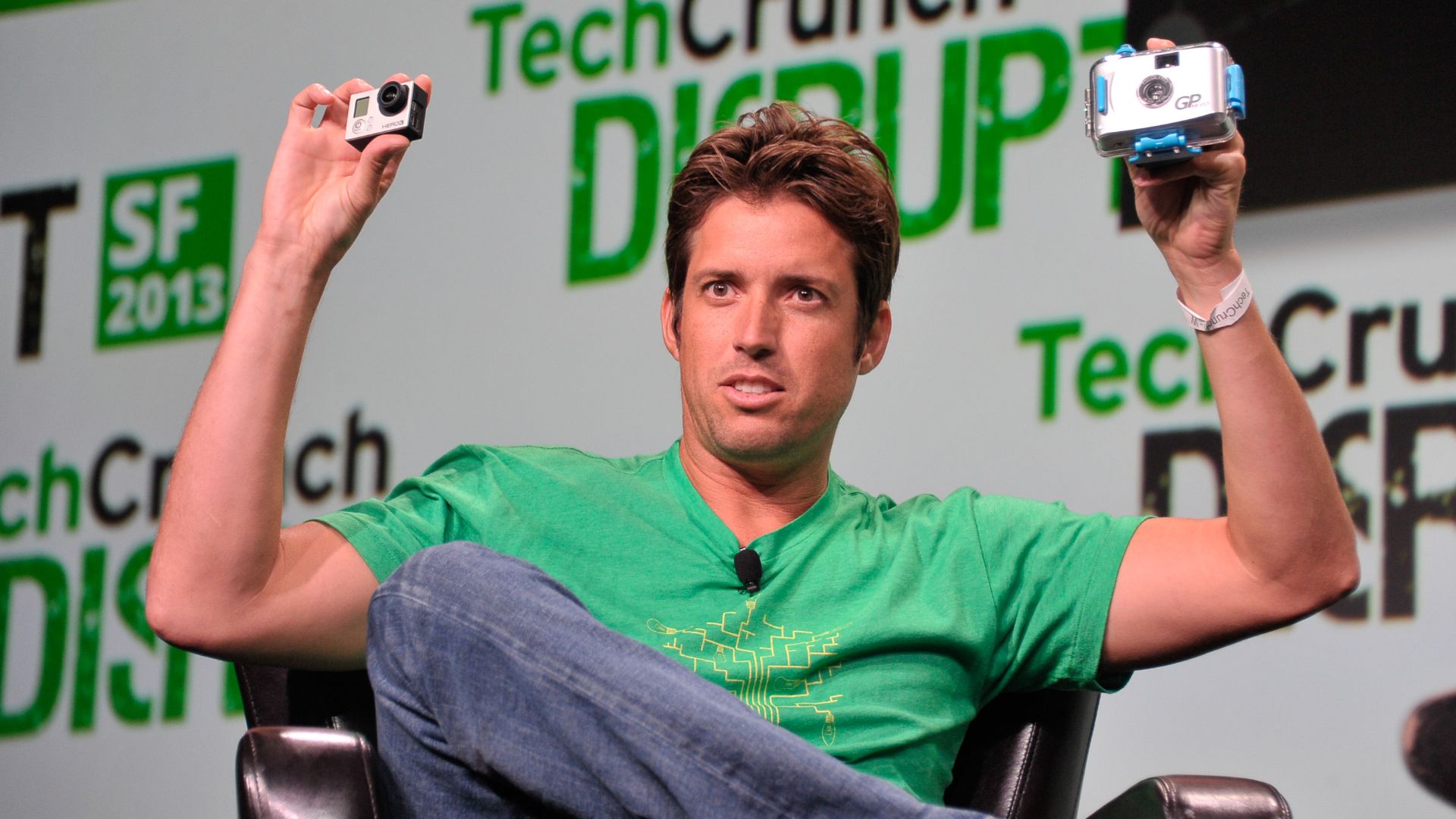
GoPro got its start way back in 2002 when founder Nick Woodman designed and created a wearable camera so he could film himself and his buddies surfing. The early prototypes used simple disposable film cameras strapped to the wearer’s wrist. The core idea of creating hands-free, point-of-view action footage was designed to tackle a real unmet need long before the masses started using smartphones to record everything.

Early Market Interest
By the mid-2000s, GoPro’s small, rugged cameras were starting to gain traction with surfers, snowboarders, skydivers and other adventurous people. These communities were the product’s early adopters, and they had a heyday sharing their dramatic footage online. The camera’s ability to capture action without the need for professional equipment helped GoPro stand out from other more traditional consumer electronics brands.
From Film To Digital Video
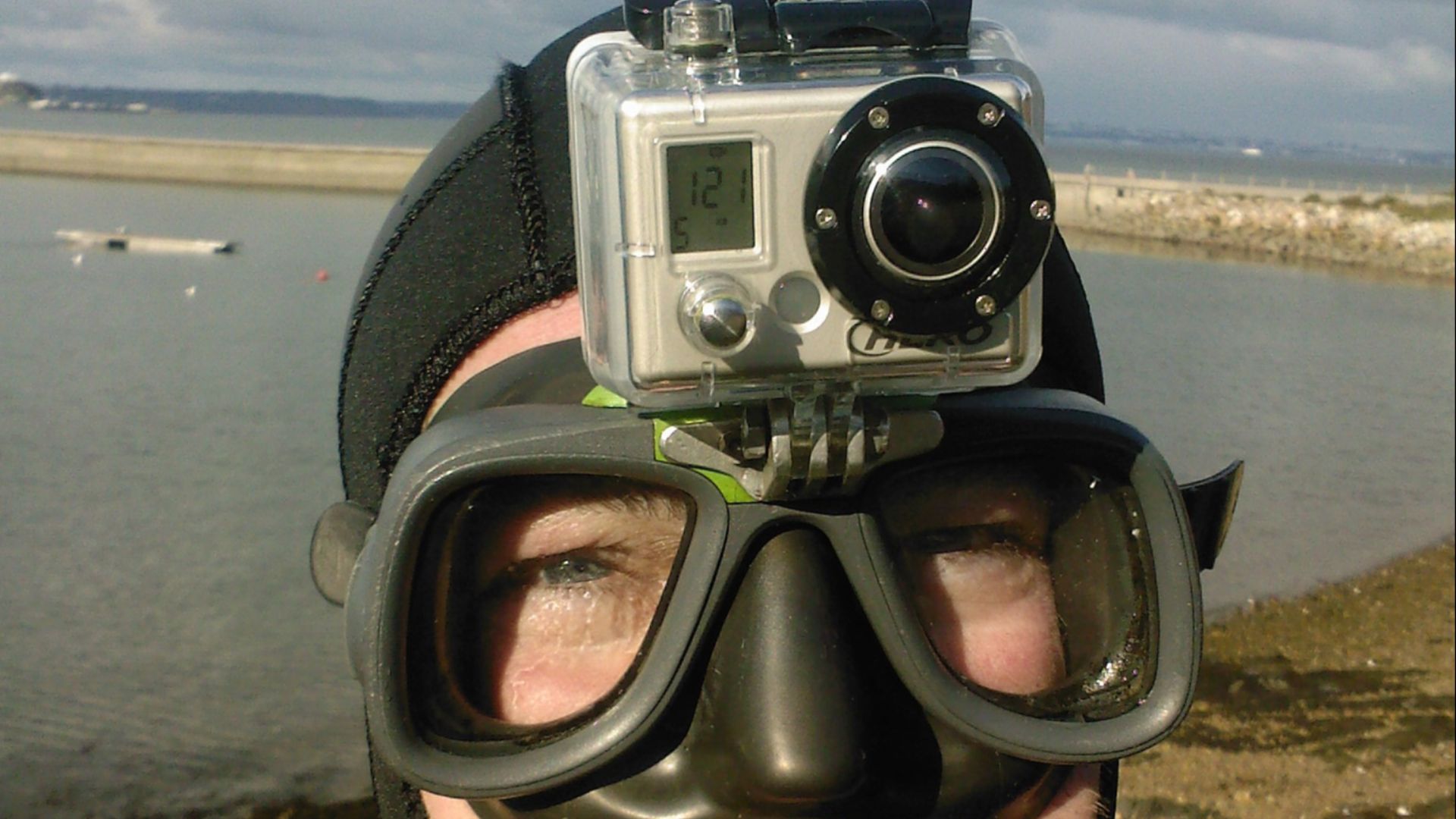
In 2004, GoPro released its first digital camera, a move that significantly expanded its appeal. Digital recording did away with processing delays and made rapid sharing possible. This shift coincided with the growth of online video platforms. All of a sudden, GoPro found itself perfectly set up for the onrushing explosion of user-generated content.
Rise Of Online Video Platforms
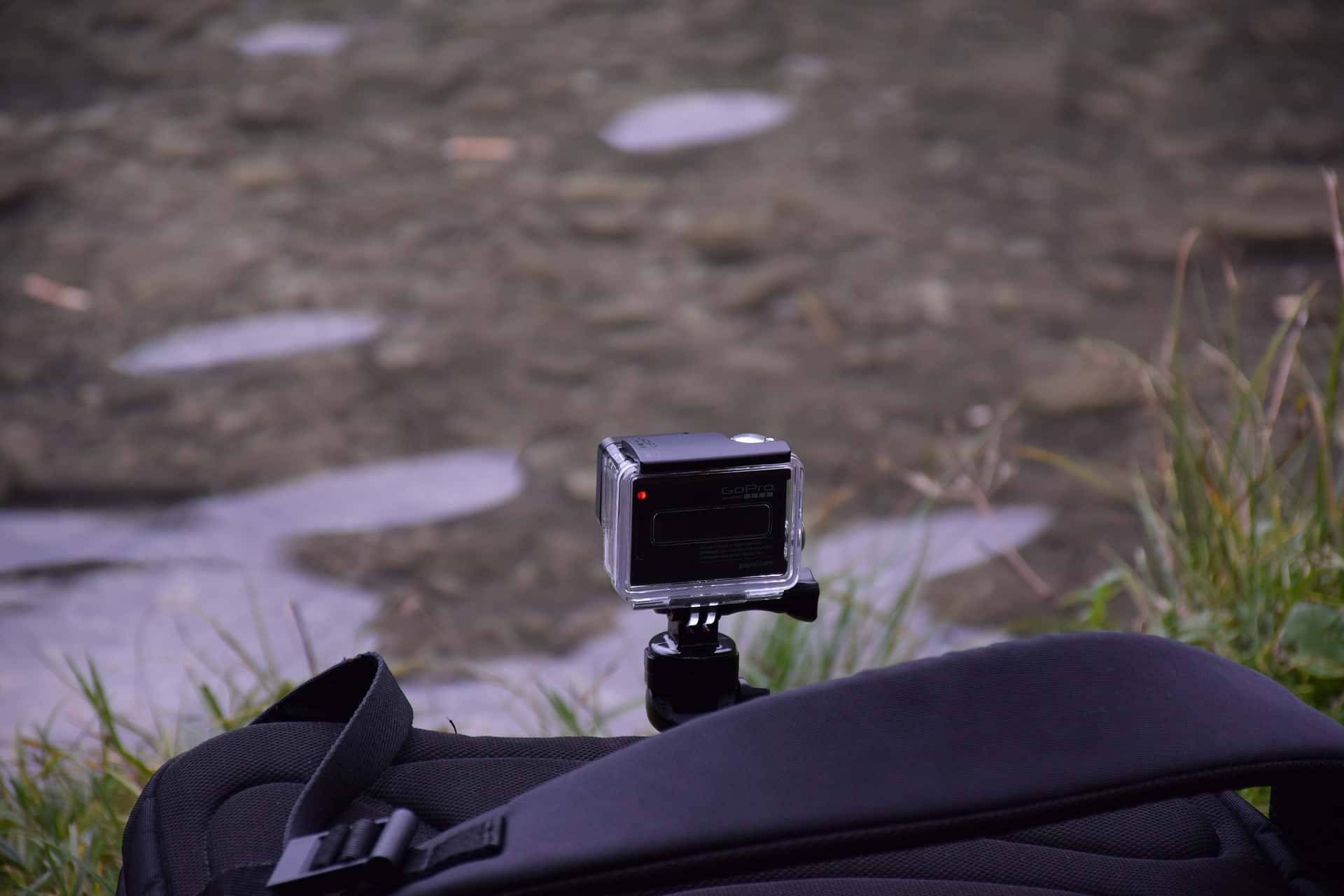
The launch of YouTube in 2005 was pivotal, creating a massive ready-made distribution channel for GoPro content. Users uploaded first-person videos of extreme sports, travel, and stunts. The camera now acted as both a product and a marketing engine, as each viral clip helped to advertise GoPro without the traditional ad budget.
 Stef Juncker Parapax, Wikimedia Commons
GoPro Was A Lifestyle Brand
By the early 2010s, GoPro was marketing itself as not just hardware but a lifestyle brand. The obvious branding choice was centered on adventure, authenticity, and self-documentation. This marketing and lifestyle prestige allowed the company to demand premium pricing compared to its basic point-and-shoot competitors.
Simplicity Fueled Success
Early GoPro models stayed narrowly focused on durability, wide-angle lenses, and simplicity. The lack of complicated menus or features were attractive to users who wanted reliable footage in extreme conditions without having to mess around. This simplified focus helped GoPro dominate a niche that larger electronics companies (for the most part) hadn’t even bothered with.

2014: IPO And Market Enthusiasm
GoPro went public in June 2014 at $24 per share. Investor enthusiasm was fueled by rapid revenue growth and strong brand recognition. The stock rallied to an effervescent $90 per share within months, briefly valuing the company higher than some established camera manufacturers.
High Valuation And Hardware Expectations
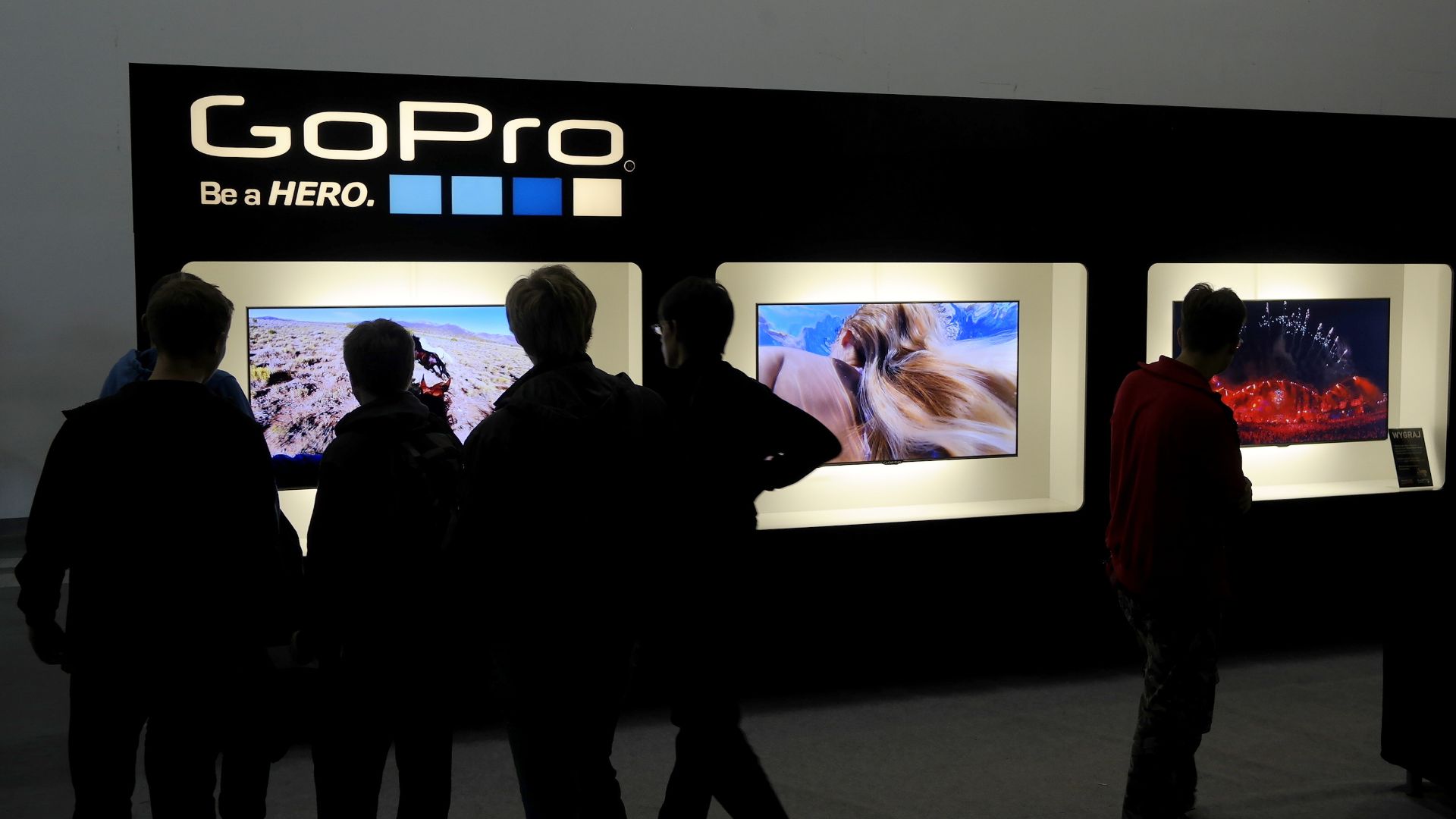
At its peak valuation of $11 billion in 2014, GoPro was priced like a high-growth technology platform rather than a hardware company. Investors were eager to see its continued product innovation, ecosystem expansion, and media monetization. All these lofty expectations created pressure that the company would struggle to live up to as competition tightened.
Smartphone Cameras Improve Rapidly
Around 2015, smartphone cameras began to show dramatic improvement in their video quality, stabilization, and waterproofing. Casual users who always used GoPros for travel and daily activities began to rely a lot more on their phones. This had the obvious result of shrinking GoPro’s potential customer base outside of extreme sports enthusiasts.
Failed Attempts To Expand The Product Line
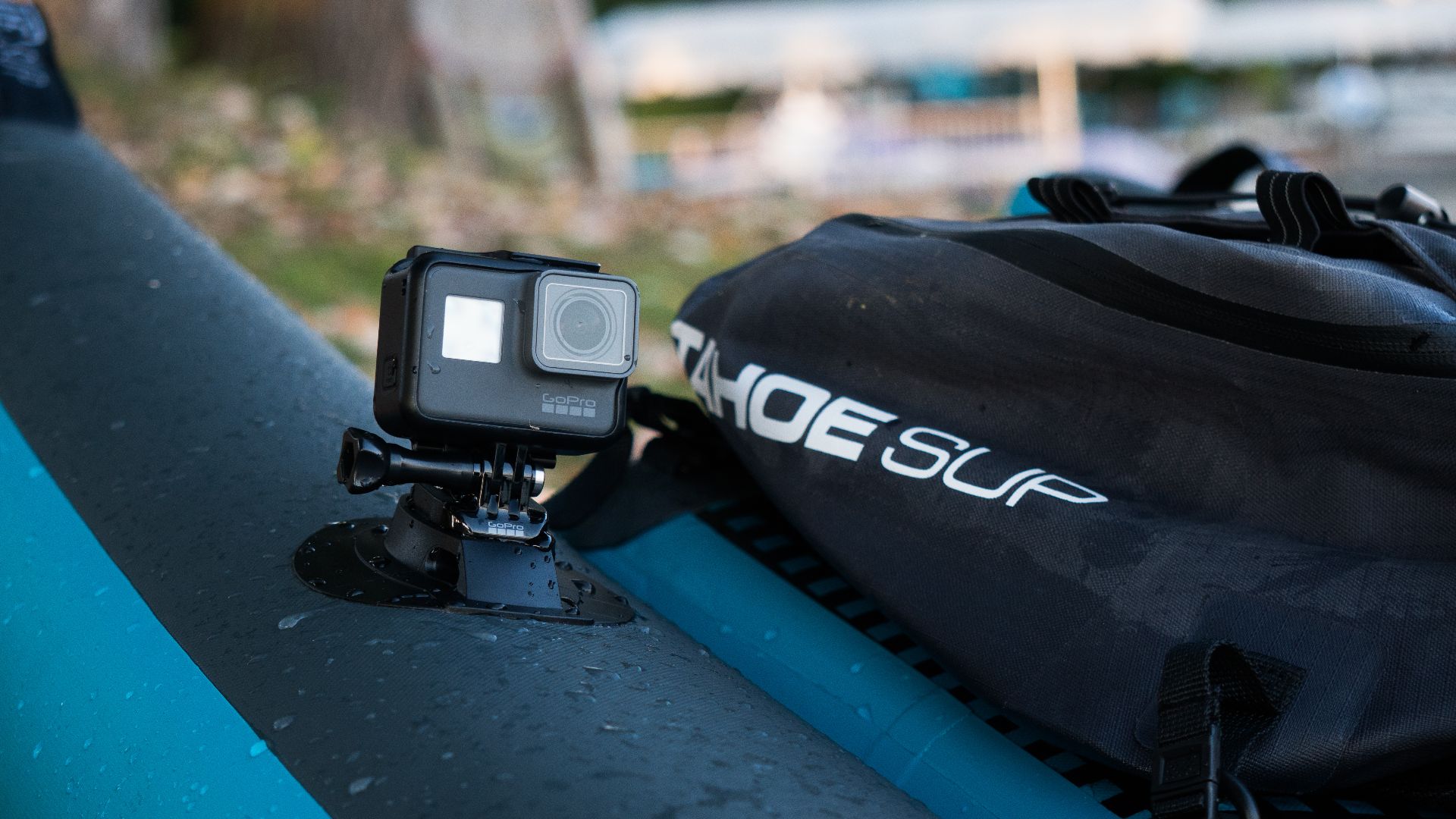
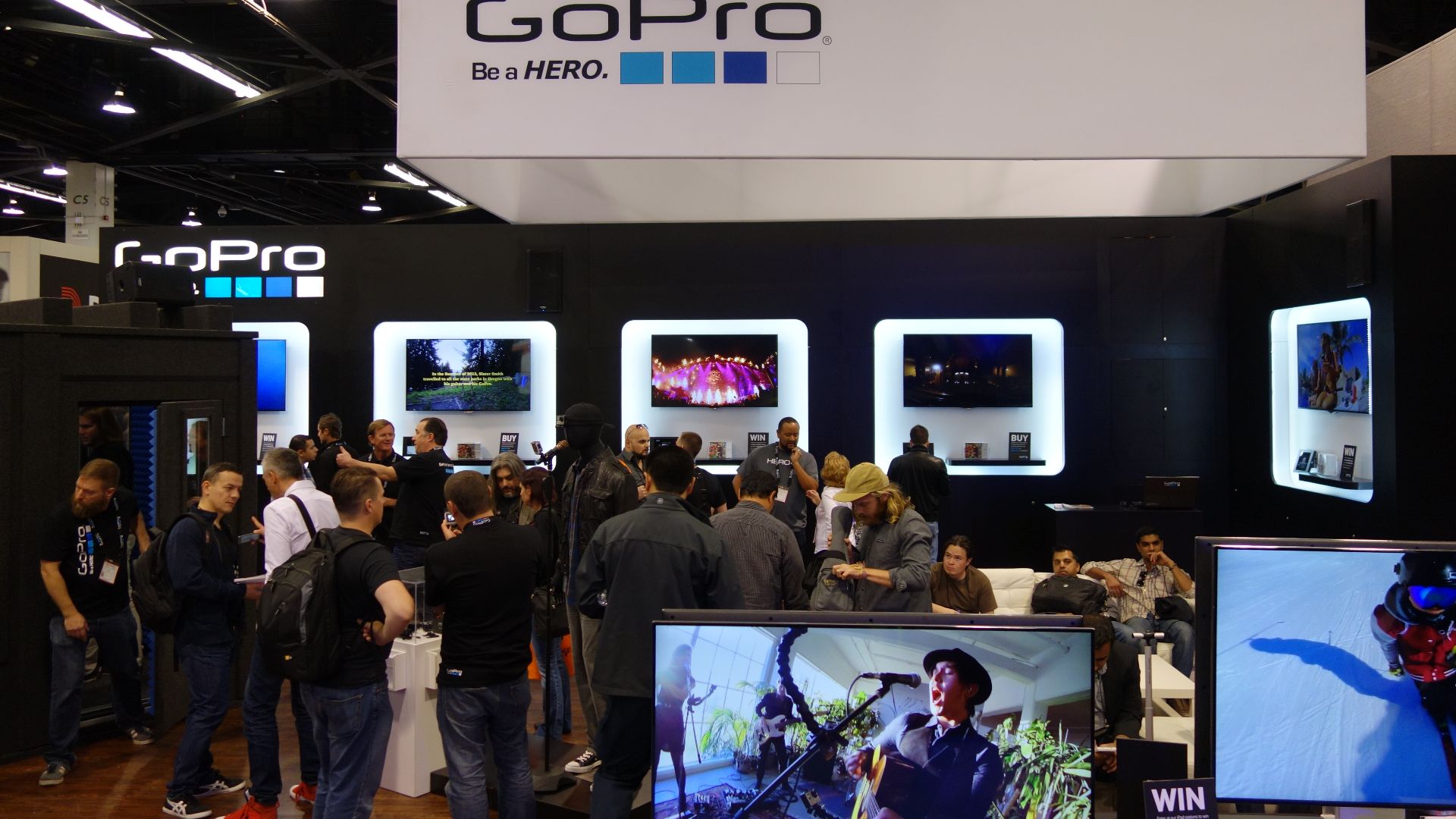
GoPro gamely tried to move beyond cameras with new accessories and products, but many of these failed to gain traction. Efforts to simplify models led to confusion for users, while premium pricing limited mass adoption. Product line missteps began to eat away at both consumer confidence and retail relationships.
 Pete Brown from Gambrills, MD, USA, Wikimedia Commons
Launch Of The Karma Drone
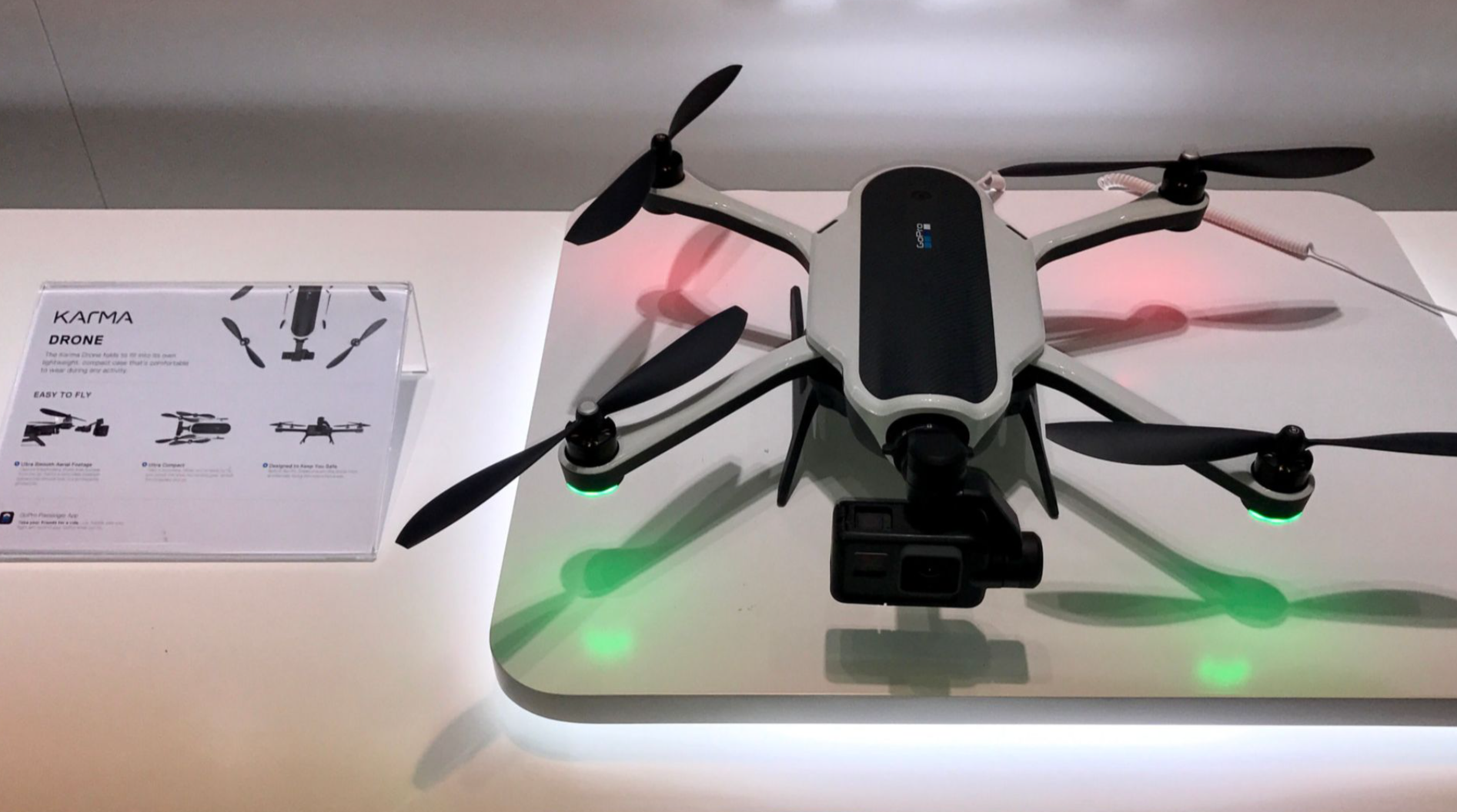
In 2016, GoPro released the Karma drone, a strong effort to diversify revenue beyond cameras. The drone entered an already very competitive market dominated by DJI. Early reviews were mixed, and the product was unable to establish a meaningful market foothold before serious problems emerged.
Karma Drone Recall And Financial Damage
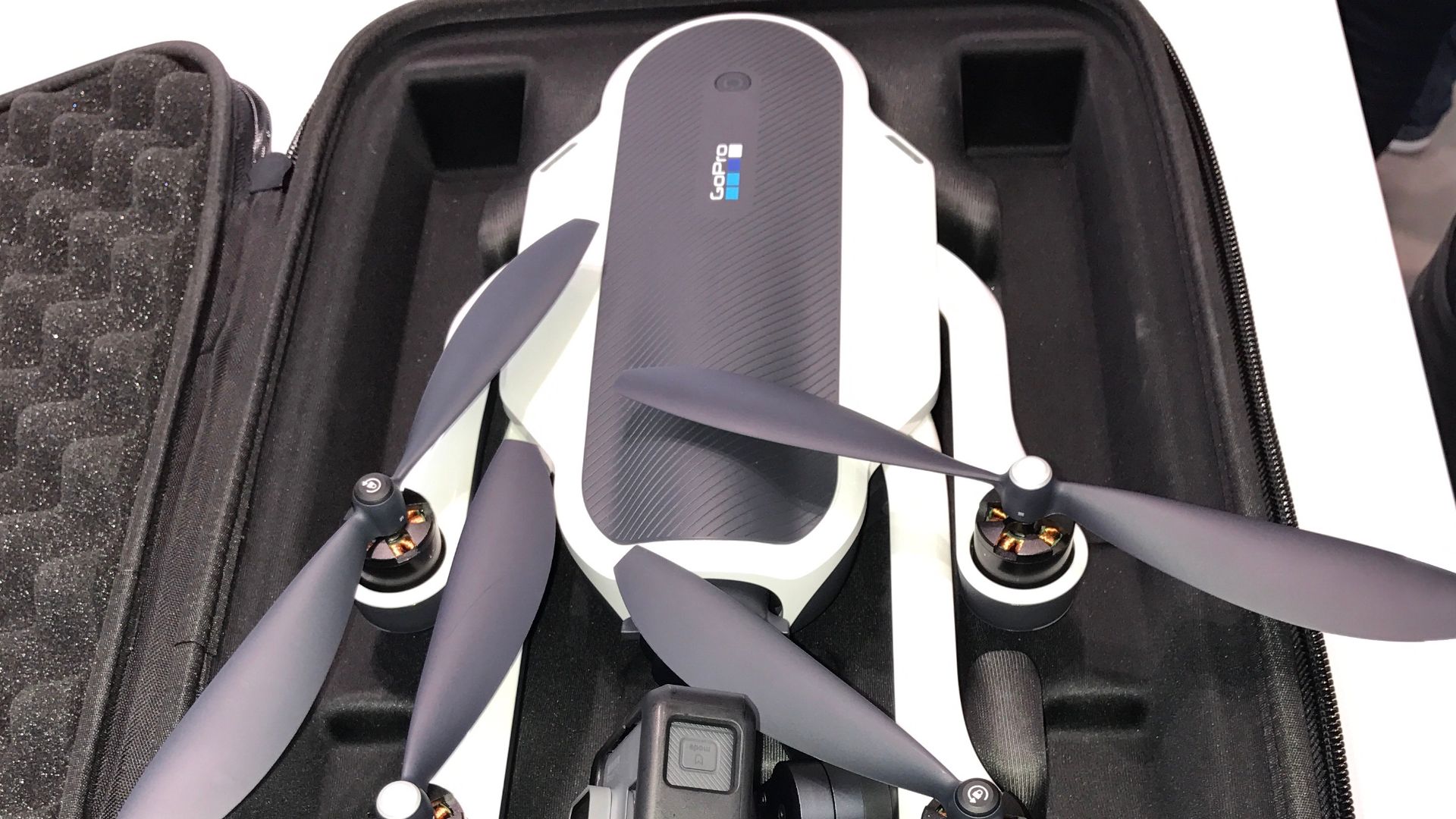
Shortly after launch, GoPro recalled the Karma drone due to battery latch failures causing mid-air power loss. The recall damaged GoPro’s reputation, cost millions, and marked one of the company’s most visible operational failures. The drone line was eventually discontinued entirely.
Stock Price Collapse After Peak
Following missed earnings expectations and all the dashed hopes that went with the Karma setback, GoPro’s stock collapsed from its once-exhilarating highs. By 2018, shares traded below $6, wiping out most of the gains from the post-IPO interval. Investors took a hard second look at GoPro as a cyclical hardware company rather than what they’d hoped would be a disruptive tech platform.
 Open Grid Scheduler / Grid Engine, Wikimedia Commons
Layoffs And Restructuring
GoPro responded with layoffs, reduced product lines, and operational streamlining. Manufacturing was outsourced, and costs were slashed to the bone. These moves stabilized the finances but confirmed that the company’s earlier growth assumptions no longer rested on a viable footing.
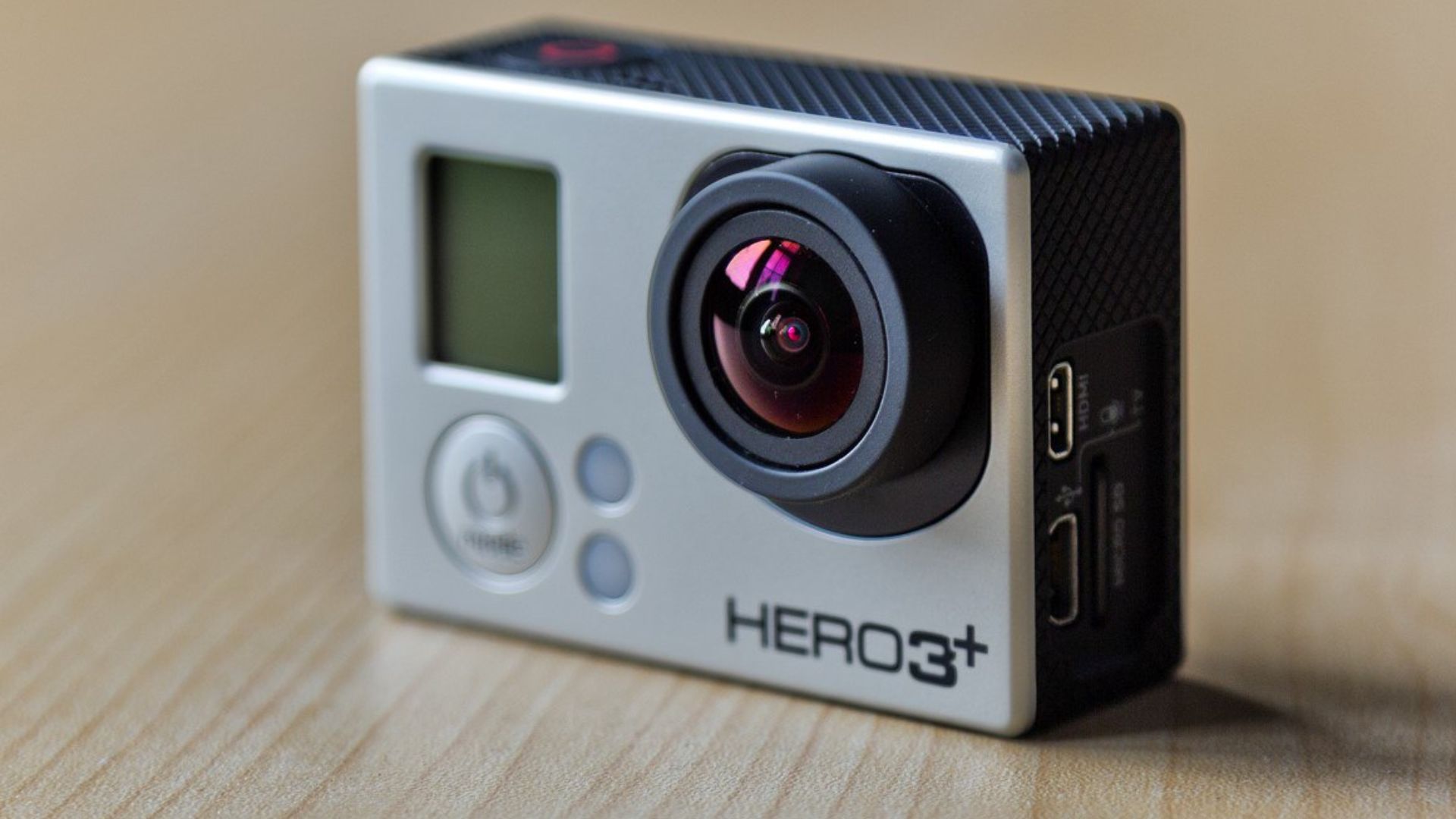 Fred the Star Seller, Wikimedia Commons
Shift To Subscription Services
In 2019, GoPro introduced a subscription model that offered cloud storage, camera replacement, and editing tools. This was part of a strategic pivot toward recurring revenue. While subscriptions grew gradually, they couldn’t fully balance out the declining hardware unit sales.
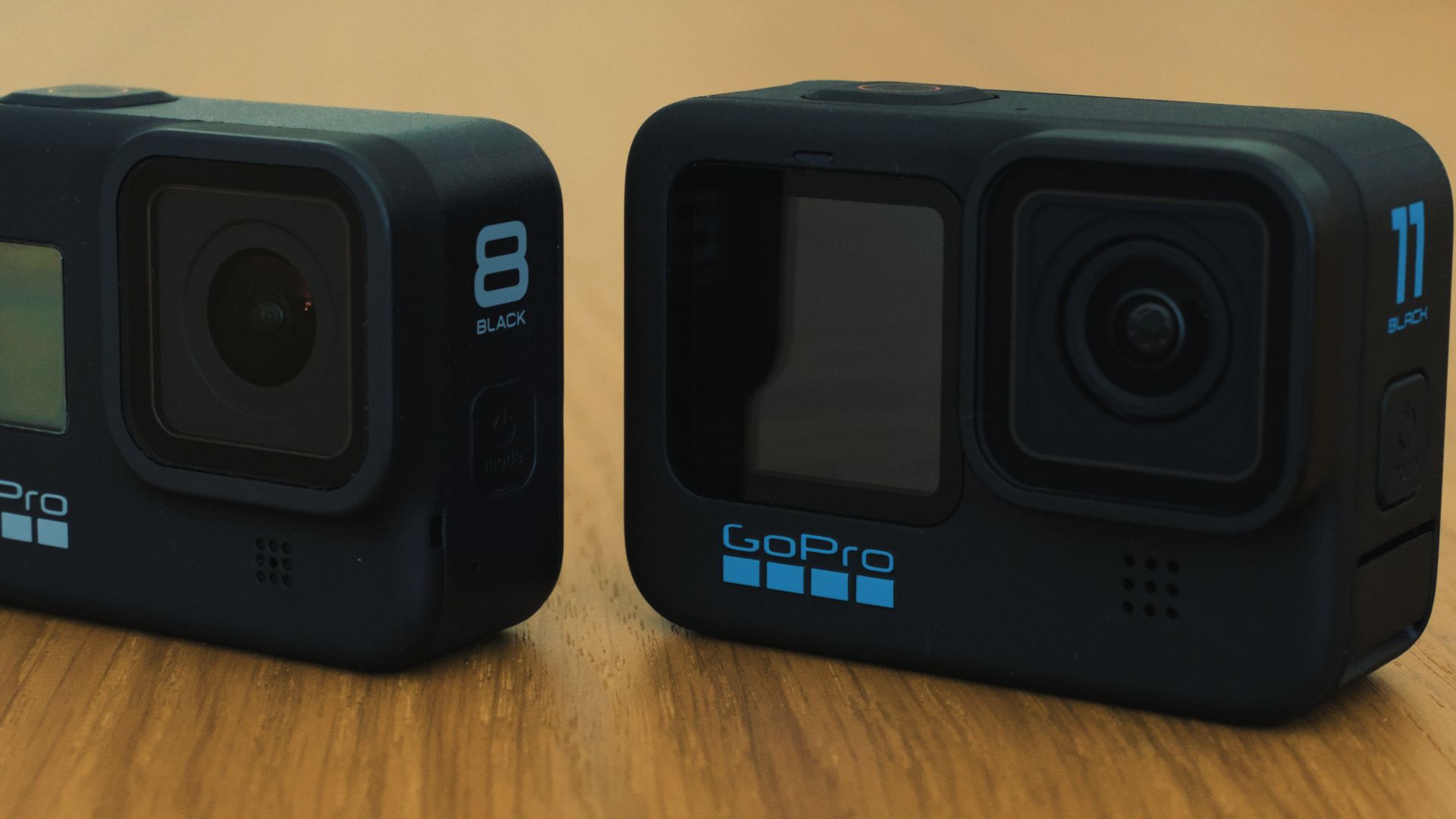 Benlisquare, Wikimedia Commons
Ongoing Strength In Marketing And Branding
Despite its financial struggles, GoPro was still one of the most successful examples of user-generated marketing. Its curated social media channels still showcased customer footage worldwide, reinforcing brand identity that had never faded even as overall market share contracted.
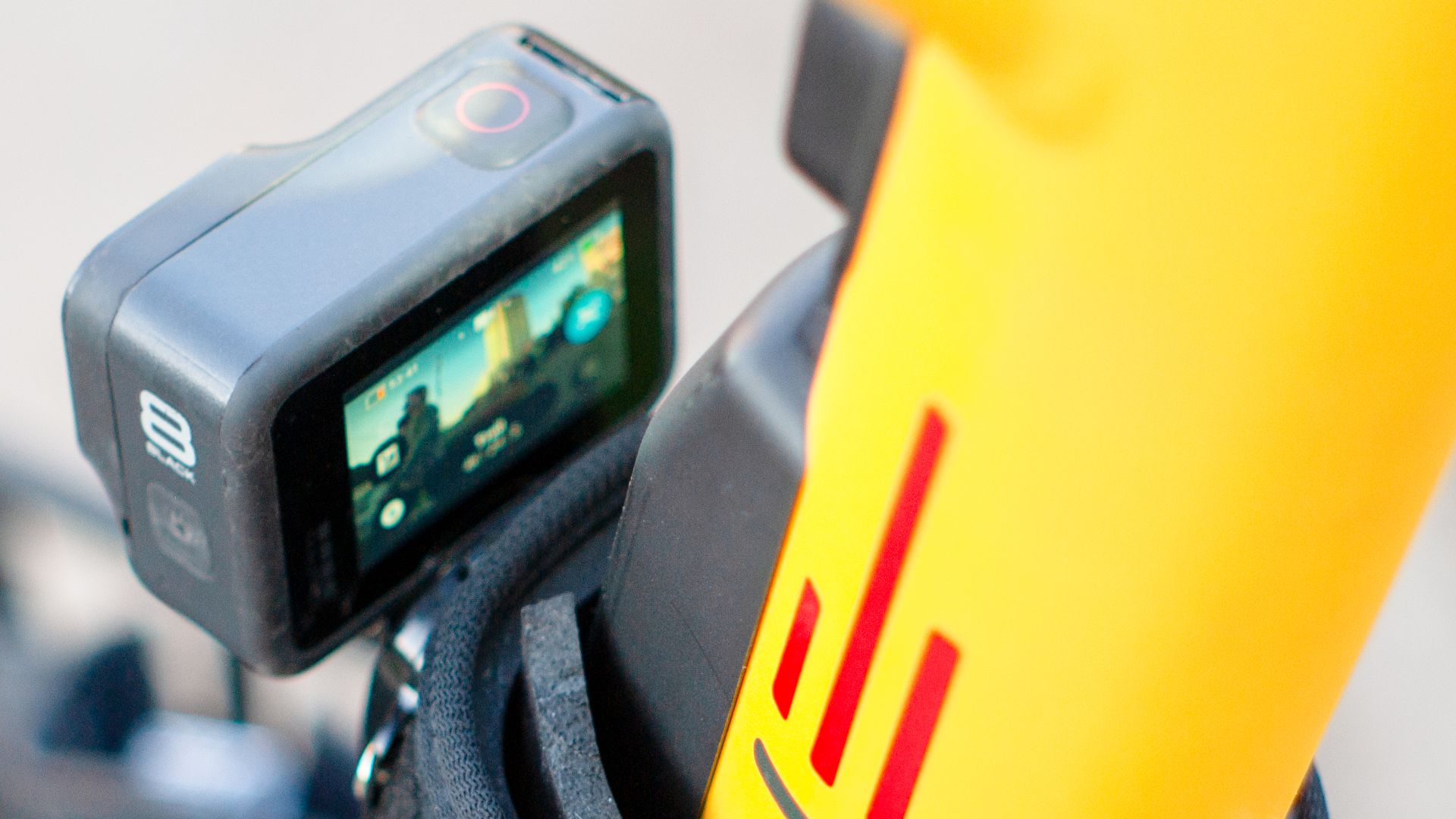 Artyom Svetlov, Wikimedia Commons
Narrow Focus On Core Users
GoPro shifted gears to its most loyal customers, the ones that had helped them grow all those years ago. These were the action sports enthusiasts, creators, and professionals needing rugged cameras. By abandoning attempts to compete with smartphones, the company aimed to maintain its hold with a smaller but more brand-loyal market segment.
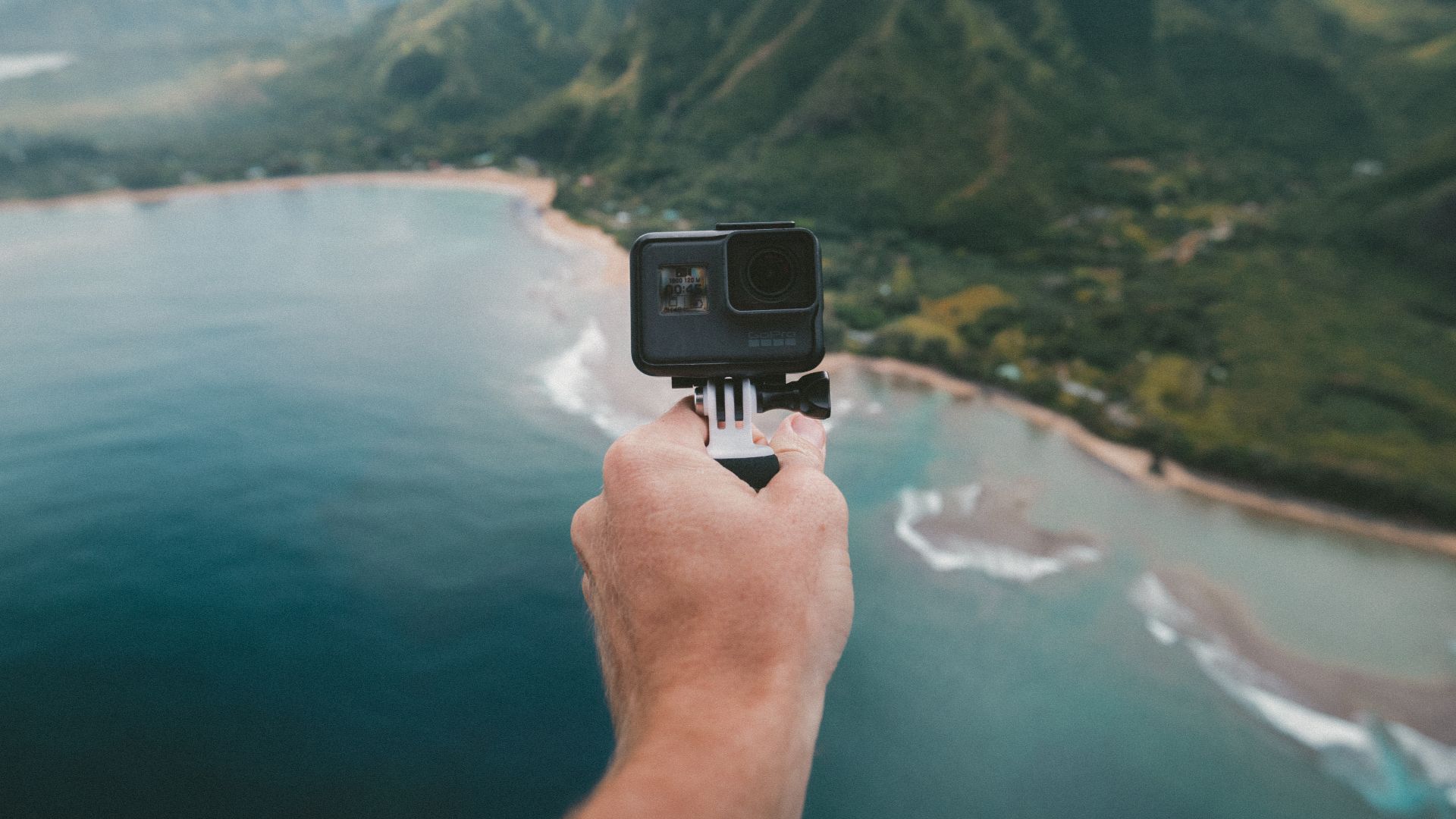 Jakob Owens jakobowens1, Wikimedia Commons
Recent Products And Stability
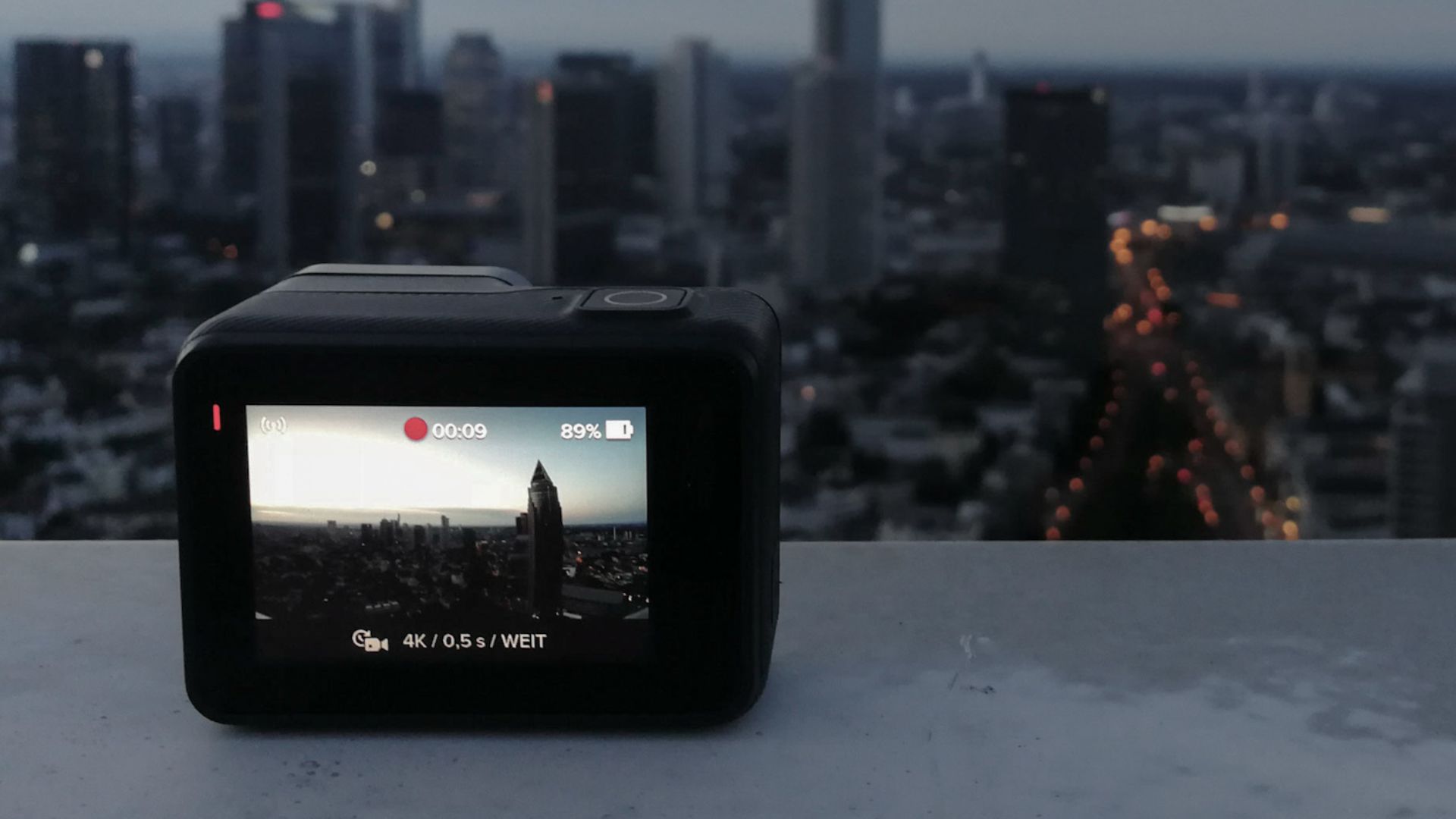
Recent GoPro releases put the onus on incremental improvements rather than radical attempts at innovation. Features like better stabilization, cloud integration, and editing software target existing users rather than new ones. Revenue has evened out to a more stable stream, though growth is still quite limited in comparison to GoPro’s peak years.
 FreeclimbZurich, Wikimedia Commons
Current Market Position
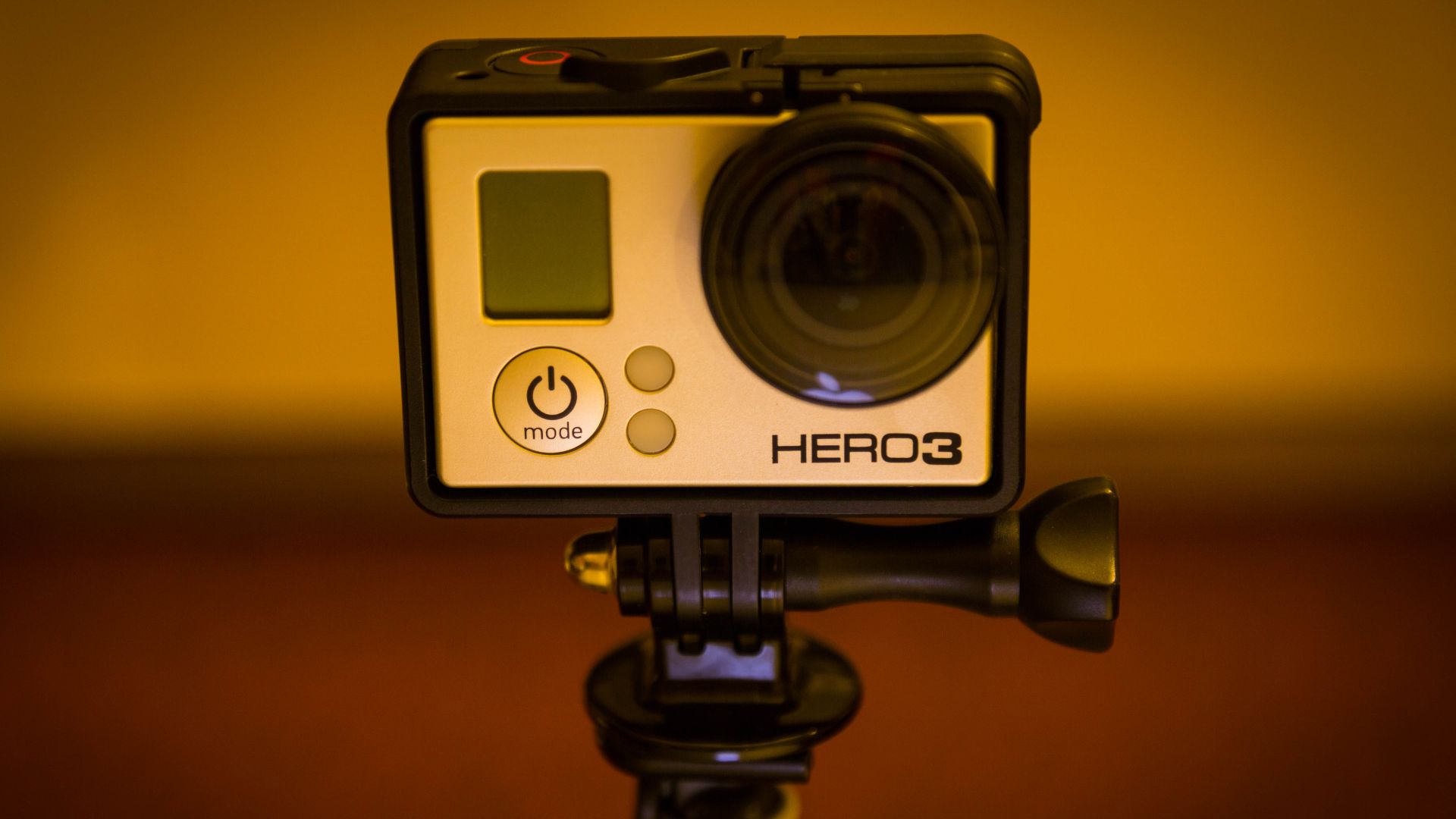
Today, GoPro runs as a niche hardware company with a strong brand but modest scale. It no longer carries the extreme stock market valuations, but remains profitable in certain years and relevant within its core category. Expectations are now far more grounded to staying within its limitations.
 superidoljp from Naha, Japan, Wikimedia Commons
GoPro’s Future Trajectory
GoPro’s story reflects the challenges of scaling a hardware business during times of rapid technological change. Its early innovation, iconic marketing, can-do attitude, and IPO success were amazing, but competition and execution missteps proved costly. But GoPro is still surviving today by focusing narrowly on what it does best. Maybe there’s a lesson in there for us all.
You May Also Like: