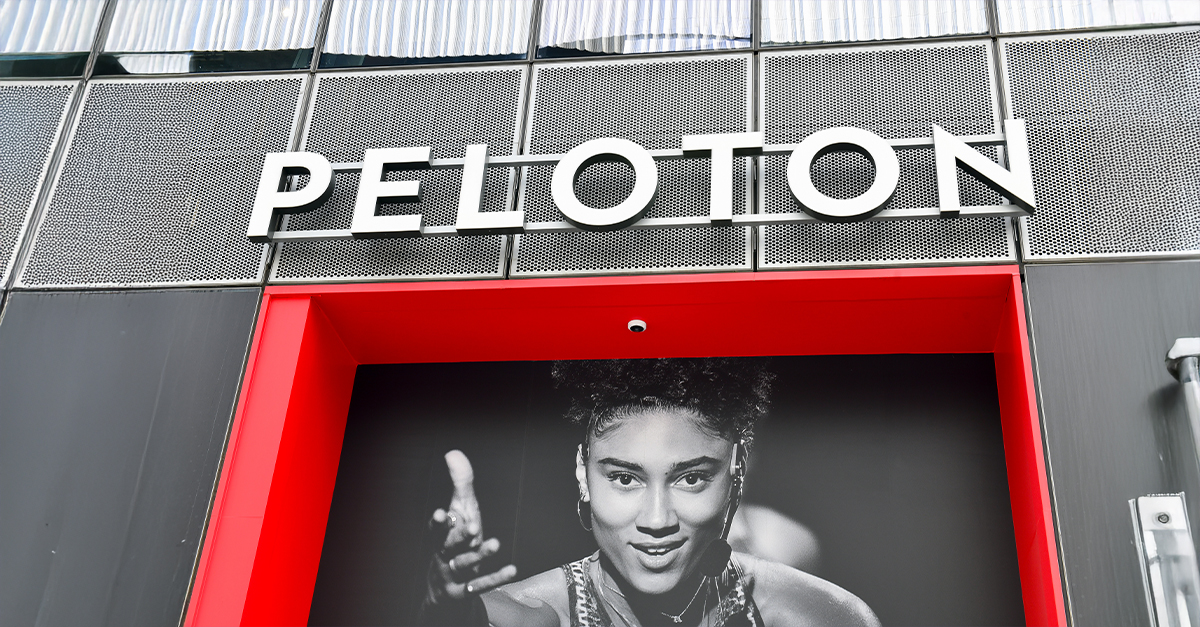
Bold Rise, Spectacular Fall
Peloton started out as a bold attempt to merge boutique fitness with home technology, creating a premium exercise experience without needing to go to the gym. Over the span of a decade, it rode massive waves of hype, investor delight, pandemic demand, and devastating missteps. Let’s retrace the major milestones in Peloton’s roller-coaster story, from its founding vision to its present-day struggle to get back in the race.

Founding Vision In 2012
In 2012, John Foley founded Peloton after he got tired of the long waitlists at boutique cycling studios. He thought technology could deliver the same experience at home. The initial concept was straightforward: combine hardware, streaming classes, and a built-in community. Foley assembled a team of engineers and instructors early, and built his company around premium design features and high-energy on-screen coaching.
Launch And Early Interest
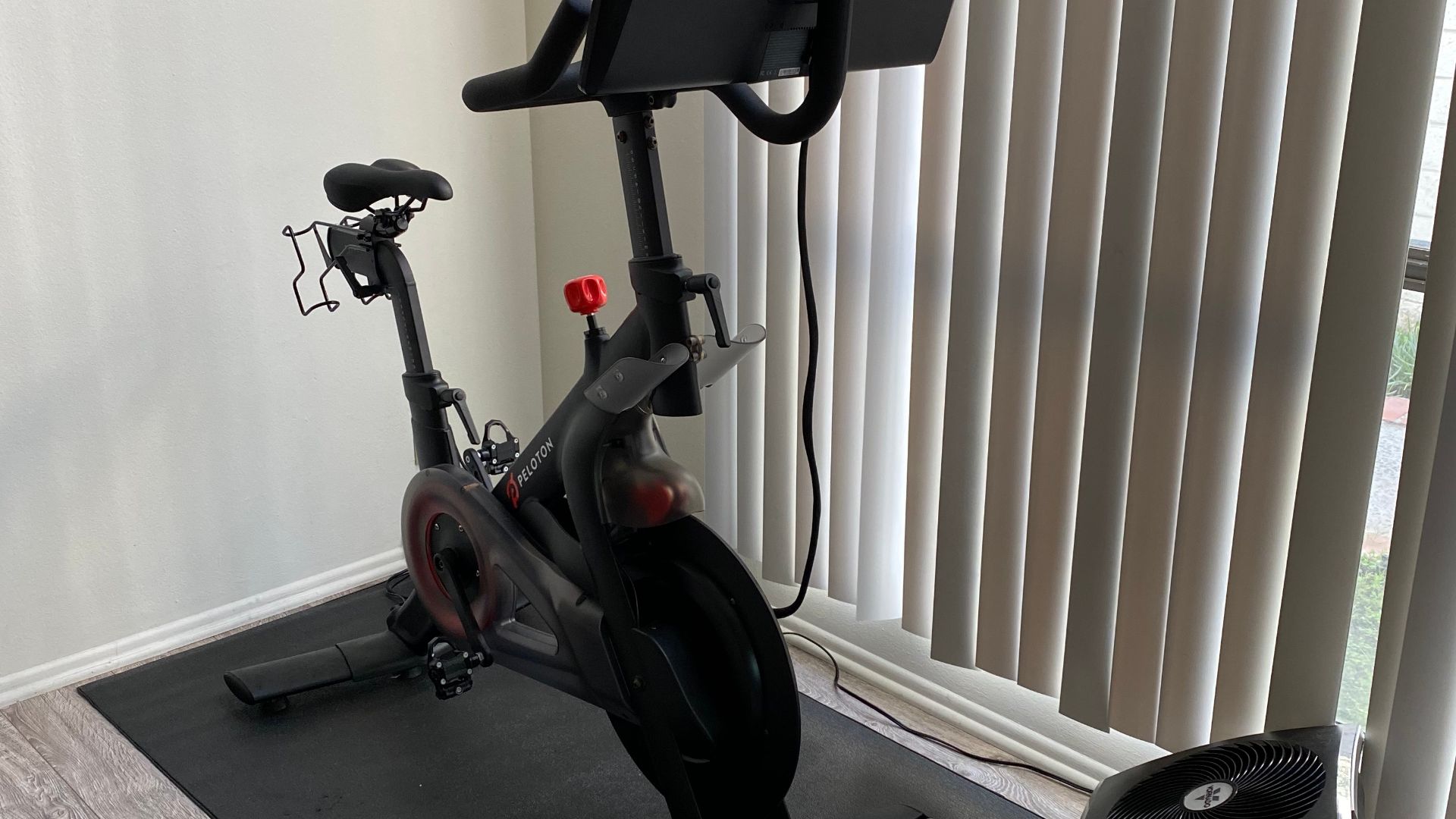
Peloton launched its first bike through a 2013 Kickstarter campaign, raising over $300,000. The campaign revealed a sizable consumer appetite for an at-home studio cycling experience. Backers got early access bikes, validating the hardware and the company’s subscription model. This early traction helped Peloton tie into additional venture funding and scale its manufacturing pipeline upward.
 Steve Jurvetson from Menlo Park, USA, Wikimedia Commons
First Studio And Streaming Production
By 2014, Peloton opened a live New York studio to produce on-demand cycling classes. This professional-quality content creation was part of what fueled its core value: immersive, instructor-led workouts streamed directly to customers’ bikes. The investment paid off with high-quality production and helped secure Peloton’s image as a fitness technology leader ready to take the next step forward in their expansion.
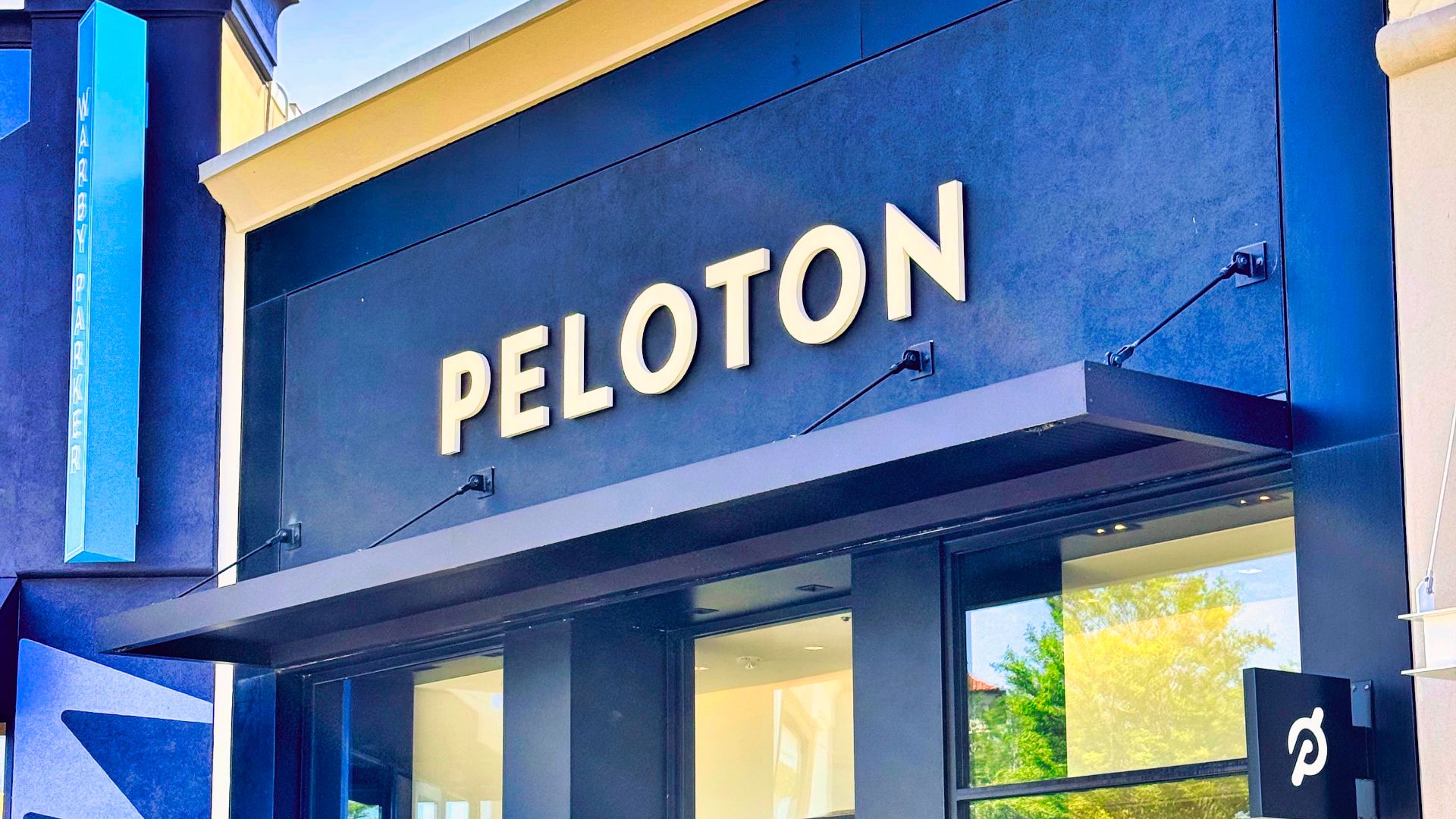 Harrison Keely, Wikimedia Commons
Rapid Membership Growth
Between 2015 and 2018, Peloton’s subscriber base grew quickly as word-of-mouth and a rising social media profile drove sales. Its instructors became minor celebrities, and customers jumped wholeheartedly into the leaderboard competition. Peloton made improvements to its manufacturing and software, strengthening the bond with its customer base. This set the foundation for the company’s explosive valuation later on.

Peloton Files For IPO In 2019
Peloton went public in September 2019 with a valuation of around $8 billion. The IPO underscored strong sales growth and a rapidly expanding subscription base. But early concerns began to arise about profitability and high production costs. Despite this criticism, Peloton’s leadership were quick to point out that its vertically integrated model was set up to deliver sustainable long-term profits.

Early Marketing Controversy
In late 2019, Peloton faced backlash for a holiday commercial that many viewed as tone-deaf. The negative press put a damper on the stock and drew widespread media attention. Although the controversy was short-lived, it showed Peloton’s growing scrutiny as a high-visibility brand. It entered 2020 with the desire to rebuild public perception even as the demand for their products was about to explode.
 Screenshot from Peloton Advertisement, Peloton Interactive, Inc. (2019)
Pandemic Demand Explosion
During coronavirus lockdowns in 2020, Peloton demand went through the roof as gyms closed down across the country. Sales surged, waitlists got longer, and production desperately tried to keep pace. The company became synonymous with pandemic-era home fitness. Peloton’s stock soared to the incredible mark of nearly $170 per share, a reflection of investor belief that the company was the future of exercise.
Supply Chain Strain And Delivery Delays
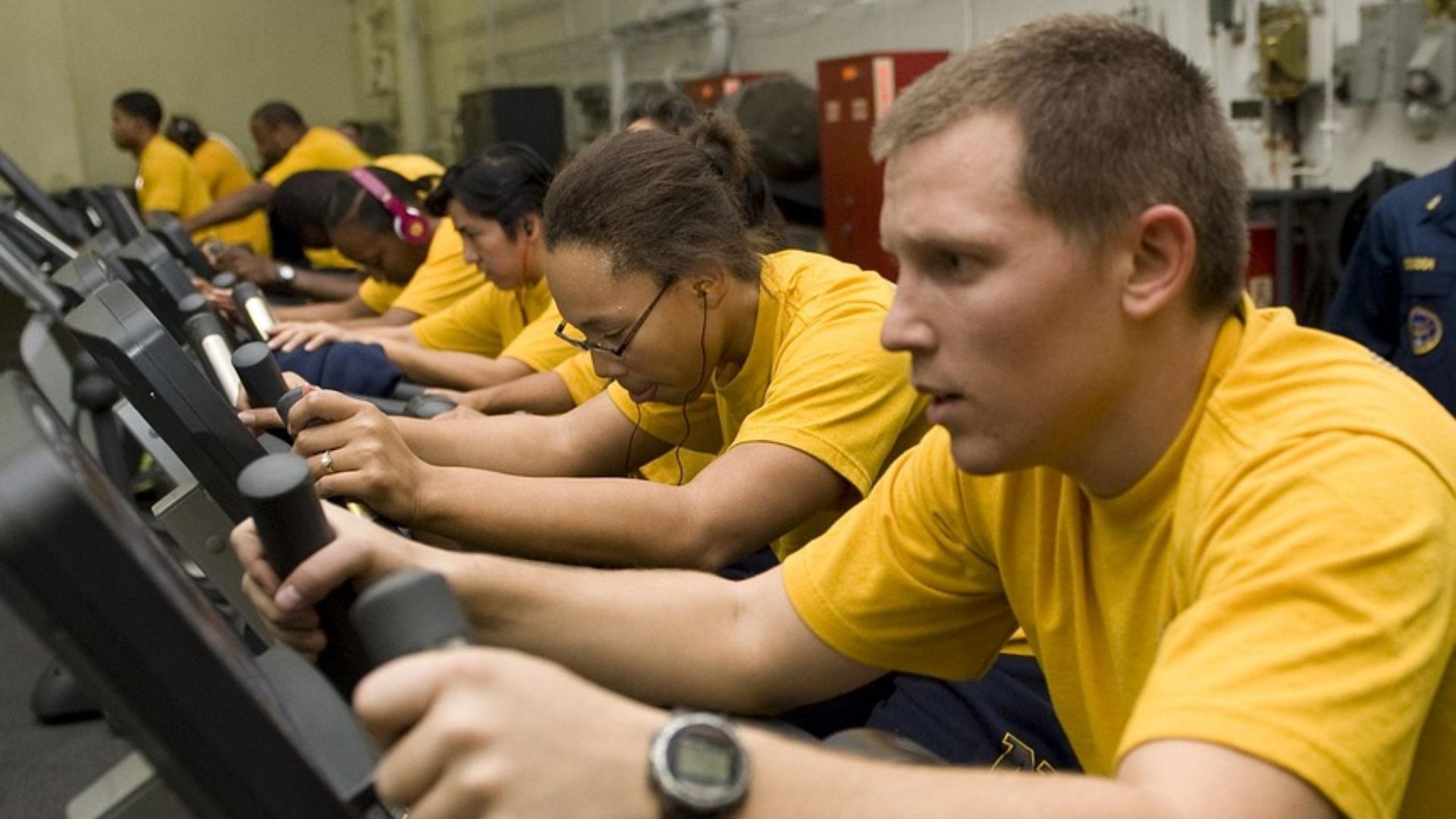
The unexpected surge in demand caused massive supply chain challenges. Bikes and treadmills were back-ordered for months, while frustrated customers made their displeasure known. Peloton invested more than $100 million in air freight and accelerated manufacturing partnerships to put the rush on deliveries. The backlog highlighted both Peloton’s popularity and its operational vulnerabilities during rapid scaling.
 Marcus Wong Wongm, Wikimedia Commons
Acquiring Precor
In 2020, Peloton bought fitness equipment manufacturer Precor for $420 million. This aggressive move was designed to expand domestic manufacturing capacity and jump into commercial markets like hotels and gyms. Management expected that Precor’s facilities would help to solve the aggravating delivery bottlenecks. The acquisition highlighted Peloton’s confidence in long-term demand beyond the surge brought by the pandemic.

Tread+ Safety Concerns Emerge
In early 2021, the U.S. Consumer Product Safety Commission reported dozens of injuries and even one child’s death involving Peloton’s Tread+ treadmill. Peloton at first resisted doing a recall, insisting that customers weren’t using the product properly. But the public dispute put a big dent in Peloton’s reputation, raising questions about product testing, safety standards, and general management decision-making.

Tread+ Recall And Apology
Under increasing pressure, Peloton issued a full recall of the Tread+ in May 2021. CEO John Foley issued a public apology for the company’s earlier resistance. The recall put treadmill sales at a standstill and cost tens of millions of dollars. The controversy was one of the sharpest turning points in Peloton’s history, damaging both the company’s finances and its trust with customers.

Gyms Reopen And Demand Drops
As gyms reopened in 2021, demand for Peloton equipment took a nosedive. Itching to get out of their homes, consumers came back in full force to public fitness spaces, and subscription growth slowed. Inventory started piling up, in a 180-degree reverse scenario to the shortages seen in 2020. Peloton now had the difficult task of recalibrating expectations after a year of unprecedented expansion that was never sustainable long-term.

Stock Plummets From 2021 Highs
Through late 2021 and 2022, Peloton’s stock value spiraled down from nearly $170 to under $15. Analysts pointed out overproduction, declining demand, high operating costs, and major strategic mistakes. Unhappy investors started questioning the company’s long-term viability. The turnaround became one of the most dramatic valuation declines ever seen in the consumer tech-fitness sector.

CEO John Foley Steps Down
In February 2022, founder John Foley resigned as CEO amid the ongoing losses and investor discontent. Barry McCarthy, former CFO of Netflix and Spotify, now took over with a mandate to cut costs and get things back on an even keel. The leadership changes were Peloton’s shift from growth mode to crisis containment.

Mass Layoffs And Cost Cutting
Peloton announced thousands of layoffs in 2022 and canceled its plans for a new Ohio manufacturing plant. The company outsourced more of its production and cut the number of retail showrooms. These stark measures were desperate moves to preserve cash and reduce overhead. Peloton’s restructuring was in sharp contrast to its lofty expansionist ambitions of just a few short years ago.
 ANTONI SHKRABA production, Pexels
Subscription Price Revision
Peloton brought in price changes for hardware and subscriptions in a belated effort to rebalance revenue. While some hardware prices fell, subscription fees went up. The company also started marketing its app-only membership tier as a way to expand beyond bike and treadmill owners. This shift was a clear attempt to pivot toward software-driven growth.

New Partnerships And Equipment Rentals
To jump-start consumer interest, Peloton launched rental programs and partnerships with companies like Amazon. Renting equipment lowered the upfront cost barriers, and selling through Amazon gave Peloton reach beyond their own retail ecosystem. The initiatives were part of a pragmatic approach to regenerating some positive consumer engagement after the steep declines of the previous couple of years.

Refocus: Digital And App Strategy
Peloton increasingly emphasized its digital platform, offering strength training, yoga, running, and rowing content. Leadership now pushed to reposition Peloton as a broad fitness brand rather than just a hardware company. This pivot was aimed at stabilizing recurring subscription revenue, even as equipment sales continued to decline.

Peloton Today
Peloton is still having its difficulties but is going through a turnaround. The company is restructuring operations, cutting costs, and seeking new strategic partnerships while also fighting to retain its subscribers. Its hardware is still popular, but a far cry from its pandemic peak. Peloton is now facing the challenge of redefining its image in a post-lockdown fitness landscape.
 Phillip Pessar, Wikimedia Commons
Peaks And Valleys
The Peloton tale is one of extraordinary highs and equally dramatic lows. From Kickstarter origins to pandemic star, from safety recalls to restructuring, the company’s valuation history reflects the risks of too-rapid scaling in consumer tech. Whether Peloton can come back to the sustainable digital fitness powerhouse that it once was is still an open question, but its rise and fall makes for a good current business case study.
 Phillip Pessar, Wikimedia Commons
You May Also Like:
Crocs: Invention And Reinvention