
Doubling Down
You signed up at a gym for a specific monthly price, then at some point ownership changed. Shortly afterward, your credit card began showing charges at double the previous rate. You contacted the new owners to dispute the increase, but they refused to refund the difference or provide a new contract. You’re now left at a financial and fitness crossroads, unsure of your rights.
 PeopleImages, Shutterstock; Factinate
New Ownership Doesn’t Erase Existing Agreements
When a business changes ownership, customer contracts typically transfer along with that. The new gym owner normally steps into the prior owner’s position. They can’t simply disregard existing agreements or impose new pricing without following the terms you originally accepted.

Why A New Contract Matters
A contract defines what a business can charge you, and under what conditions. If the gym never sent you a new agreement and you never agreed to updated pricing, the original contract is still in force as the controlling document. Verbal explanations or posted signs usually can’t override written terms.
 Karolina Grabowska www.kaboompics.com, Pexels
Review Your Original Membership Agreement Closely
Go back and find the original contract you signed when you first joined. Look for clauses covering rate changes, notice requirements, assignment to new owners, or month-to-month conversion. Many gyms rely on vague language, but if pricing changes require notice or consent, the new charges may be improper.

Refusal To Refund Is A Red Flag
A business that refuses to refund disputed charges without showing some sort of contractual basis is concerning. Legitimate operators should be able to point to a clause that justifies this action. Flat out refusal may indicate they are relying on customer apathy or ignorance rather than enforceable terms.
 Karolina Grabowska www.kaboompics.com, Pexels
Notice Requirements Still Apply
Even if a contract allows for rate increases, most consumer protection rules require proper notice before any such higher charges go into effect. Doubling the rate with no advance communication can violate both contract law and card network billing rules, no matter what changes have gone on at the ownership level.

Unauthorized Billing Isn’t Made Legal By Silence
The gym may argue that your continued attendance or lack of immediate cancellation implies acceptance. In most cases, silence doesn’t equal consent to materially higher charges. Especially when you objected promptly, acceptance cannot be inferred.

Credit Card Rules Work In Your Favor
Credit card networks generally prohibit businesses charging more than what was authorized. A doubled charge with no new agreement in place can qualify as unauthorized or incorrect billing. This gives you leverage even if the gym refuses to cooperate directly.

Don’t Delay Taking Action
Most dispute processes have strict timelines. If you wait too long, you can forfeit your right to reverse the charges. Since it sounds like you’ve already taken steps to resolve the issue with the gym, moving to formal remedies is in no way a premature escalation.

Dispute The Charges With Your Card Issuer
Contact your credit card issuer and explain that the gym doubled your rate with no new contract and has so far refused to refund you. Provide your original agreement and proof of prior billing amounts. Issuers often credit disputed amounts while they investigate the matter.

Block Future Charges If Necessary
If the gym continues to bill you at the higher rate, ask your issuer about blocking that merchant. This keeps you from incurring more financial losses while the dispute is reviewed. Under most circumstances, blocking a merchant is vastly preferable to canceling your entire card.

Cancel Based On Breach Of Agreement
Unauthorized rate increases can constitute a breach of contract. In many jurisdictions, a material breach allows you to cancel your membership with no penalty. Review your agreement to confirm the membership cancellation procedures and follow them carefully.

Watch For Improper Cancellation Fees
Some gyms will make underhanded attempts to impose termination or administrative fees after the dispute has seemingly been settled. Only fees clearly authorized in your original agreement are enforceable. New penalties introduced without consent and other mischievous actions like these after the fact are subject to the same challenge as the unauthorized rate hikes.

Document Everything
It should go without saying, but we always do anyway: save emails, billing statements, screenshots, and any written refusal that you receive from the gym. Documentation strengthens your chargeback claims and any consumer complaints process you put in motion. Avoid over-the-phone discussions unless you are able to follow up in writing.

File A Consumer Complaint
If the issue persists, file a complaint with your state or provincial consumer protection agency or attorney general’s office. Properly submitted and documented complaints can trigger investigations by regulators and pressure businesses to refund improper charges.
Small Monthly Increases Add Up Quickly
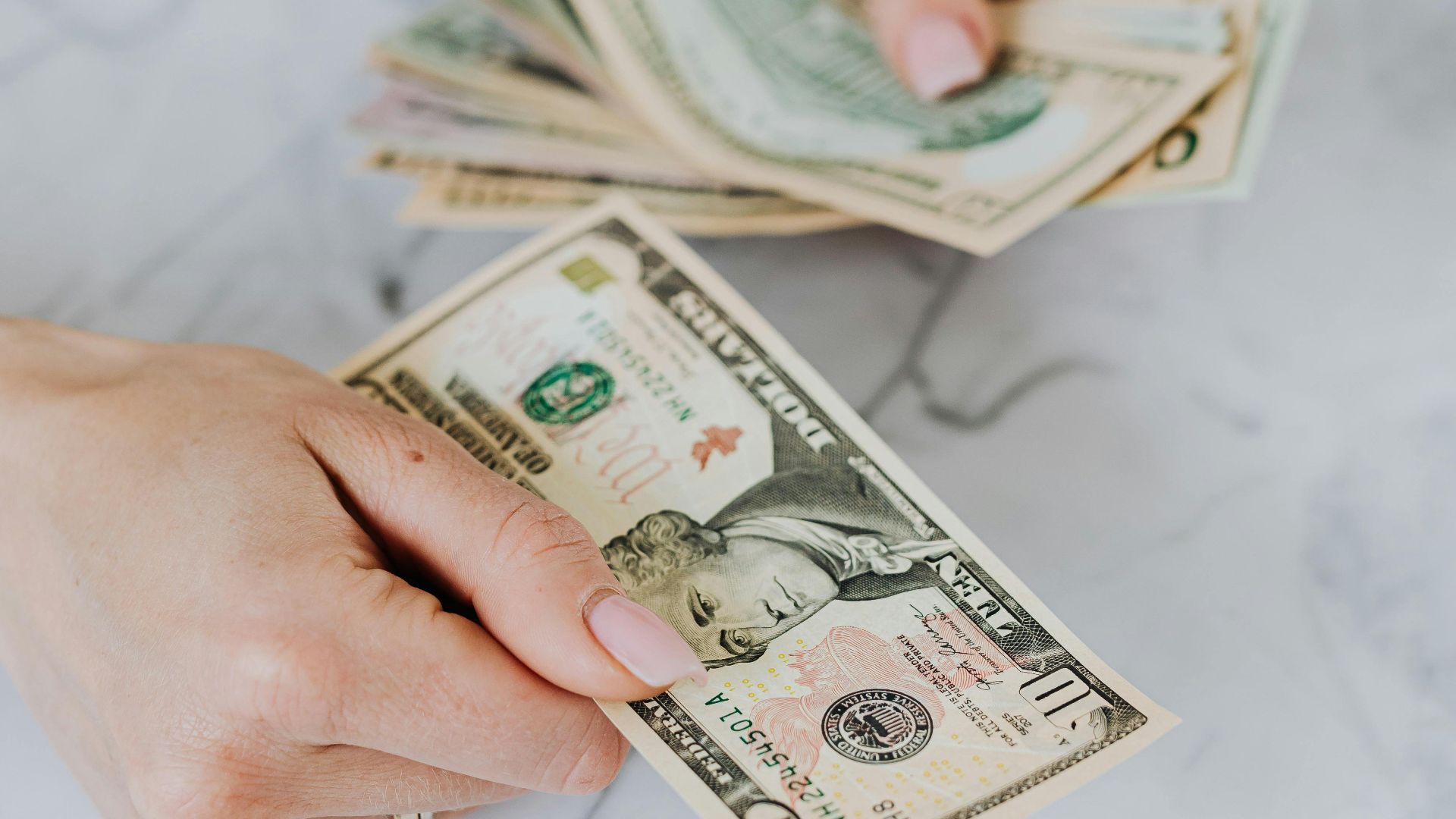
A doubled rate may seem manageable in the short term, but over a year you’ll be out hundreds or even thousands of dollars. Acting promptly limits long-term financial damage and discourages any continued improper billing.
 Karolina Grabowska www.kaboompics.com, Pexels
Patterns Among Other Members
Scan online reviews or community forums to see if something similar happened to any other members. A pattern of complaints strengthens regulatory interest and reinforces the point that the issue is systemic rather than individual.

Don’t Get Mad
It’s normal to feel mad or taken advantage of. Focus on the process rather than confrontation. Calm, documented steps typically yield better outcomes than continued bickering back-and-forth with an uncooperative business.

Lessons For Future Memberships
Keep all copies of contracts, monitor statements closely after ownership changes, and question any unexplained billing immediately. Subscription services often rely on customer inattention to slip some unfavorable changes through.

Before You Leap Into Action
A gym can’t double your rate without contractual authority and notice. Since the new owner is inexplicably refusing to refund you, escalate to your card issuer, block future charges, and cancel if warranted. Your original agreement and consumer billing protections remain your strongest safeguards.

You May Also Like: