
A Great Deal Turns Into A Nasty Surprise
You opened a new credit card offering 0% APR (annual percentage rate) interest with the idea of using it to pay off your student loans faster and cheaper. But instead of treating the payment like a balance transfer or purchase, the credit card company counted it as a cash advance, slapped on steep fees, and started charging interest immediately. Now you’re stuck with a bigger balance and left wondering: can they really do this?

Ads For 0% APR Offers
Credit card ads typically highlight the best parts of the arrangement, like long promotional periods and no interest. But those deals normally only apply to purchases or balance transfers; they don’t apply to every type of transaction. The fine print lays out what qualifies, and lenders rely on that technicality to charge you lucrative cash-advance fees whenever they can.
Why Student Loan Payments Trigger Cash Advances
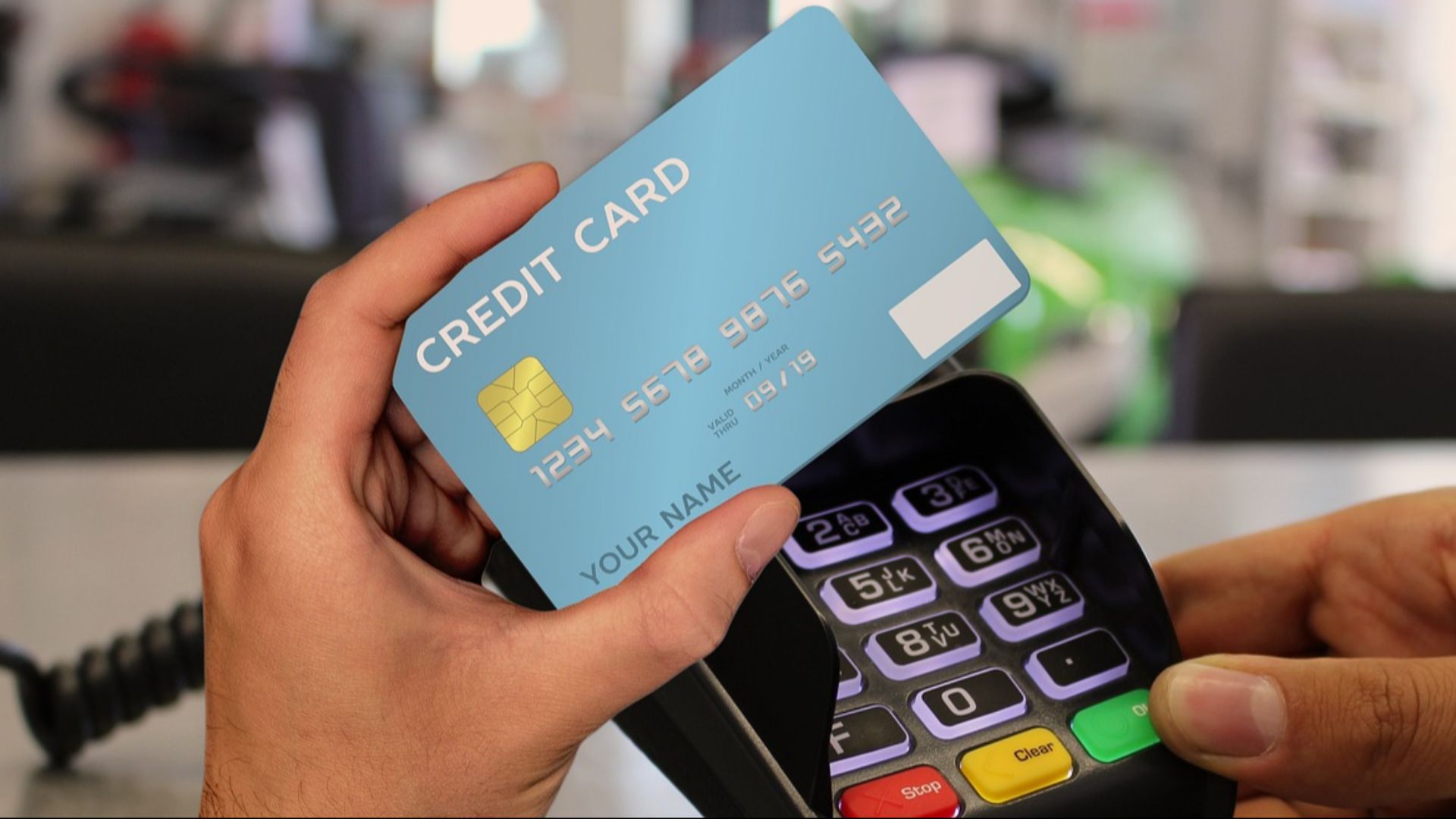
When you use a credit card to pay a lender directly, including a student loan servicer, the issuer treats it like giving you cash to settle up a separate debt. Credit card companies classify that as a cash-equivalent transaction, even though you never touched any money physically. It’s a frustrating thing but it's an all too common one.

Cash Advances Carry Hidden Costs
Cash advances often include fees of 3–5% of the transaction amount plus immediate interest accrual, i.e., there is no grace period. They also typically have higher APRs, sometimes above 24–29%. Now all of a sudden, your debt gets more expensive than before, and the 0% promo is basically useless.

Each Card Has Its Terms
Every card has different rules, and some actually do treat student loan payments like balance transfers. Other cards specifically exclude them. The details are usually buried down in the fine print of cardholder agreements; nevertheless, they’re still legally binding. If the terms said cash advance, the lender is likely within their rights to charge those fees.
Balance Transfer Checks Are No Loophole
Many issuers offer convenience checks specifically designed for balance transfers. But using those checks to pay student loans could still be classified as a cash advance depending on the lender’s coding. Always ask before using them, as assumptions can be costly.

Don’t Go By Customer Service Verbal Assurances
Customer service agents often give incomplete or inaccurate information. If someone told you the 0% rate applied, but you have no confirmation of that in writing, the bank will in most cases side with the contract. Always try to get written confirmation through secure messaging before you start moving thousands of dollars around.

Why They Can Do This
Student loan processors aren’t credit card merchants. Because no physical product or service was purchased, credit networks categorize the payment as a cash-like transaction. That categorization allows issuers to legally bypass promotional terms and apply default fees.

You Can Dispute Unexpected Treatment
If you feel the marketing was misleading, or you relied on incorrect guidance from the bank, you might be able to file a dispute. Companies sometimes issue one-time courtesy adjustments to avoid compliance complaints or losing customers to a competitor.

Ask For A Fee Waiver
You can get in touch with customer support and tell them you believed the promo rate applied. Some issuers will reverse cash-advance fees, especially if you’re a new customer or the transaction was large. It’s important not to get too wound up before talking to them: polite firmness works best.

Ask For A Lower APR On The Advance
If they won’t refund fees, you can request a temporary or permanent APR reduction. Even a small drop can save you some serious money while you work off the balance created by this fiasco.

Don’t Make Any More Cash-Like Payments
Avoid Venmo, PayPal, loan payments, or gaming transactions on this card. All of these types of transactions can be coded as cash advances. Keep your spending simple and predictable until everything is resolved.
Build A Fast Payoff Strategy
Since interest is already piling up, your priority should be to minimize the damage. Make the highest payments you can afford, and consider moving the balance (properly) to a true 0% balance transfer card if the fees are lower than what you already owe.

Balance Transfer The Right Way
Balance transfers have to originate from your credit card, not your student loan account. Look for options that specifically allow debt consolidation, including federal and private loan payments. Read the eligibility terms closely before you go and apply for anything.

For Federal Loans, Consider Safer Options
If your student loans are federal, you could qualify for income-driven repayment or temporary deferment and forbearance. These kinds of solutions help avoid the risk of triggering expensive credit card fees when money is tight.

Private Loan Refinancing
If your student loans are private and at high interest, refinancing could actually save you a lot of money without involving a credit card at all. Go through and compare multiple lenders; some of these offer incentives for good credit and automatic payments.
Watch Out For Reward Scams
Some people think they can earn sign-up bonuses or points by paying student loans with a card. But cash-advance rules usually cancel out any reward advantage. If it sounds too good to be true, the credit card company has probably already figured it out.

Learn To Spot Future Promotions
Next time, check and see which transactions qualify for 0% APR, whether balance transfers include student loan payments, and all fees and APRs after the promo period. Knowing these details will help you avoid unpleasant surprises and support your payoff goals.

You’re Not The First
Many borrowers misunderstand how 0% offers work. Financial systems can be confusing; sometimes it even seems like they’re designed to trap people in costly situations. You acted with good intentions. Now the focus is damage control and to make smarter moves in the years ahead.

You Have Options
Yes, credit card companies really can classify student loan payments as cash advances, but that doesn’t mean you’re stuck. By negotiating fees, reducing the APR, and exploring better payoff strategies, you can bounce back fast. The key lesson? Always check the fine print before using credit card promotions to tackle other debt.

You May Also Like: