
When Doing The Right Thing Suddenly Feels Very Wrong
You became a nurse to save lives, not to debate statutes and licensing regulations. Yet here you are: you intubated a patient on the street during a medical emergency, acted fast, acted competently, and acted to save a life—and now someone is whispering the terrifying words “license investigation.” Welcome to the uniquely stressful intersection of ethics, law, and professional regulation. Take a breath. You’re not the first, and you’re definitely not alone.

The Moment That Changed Everything
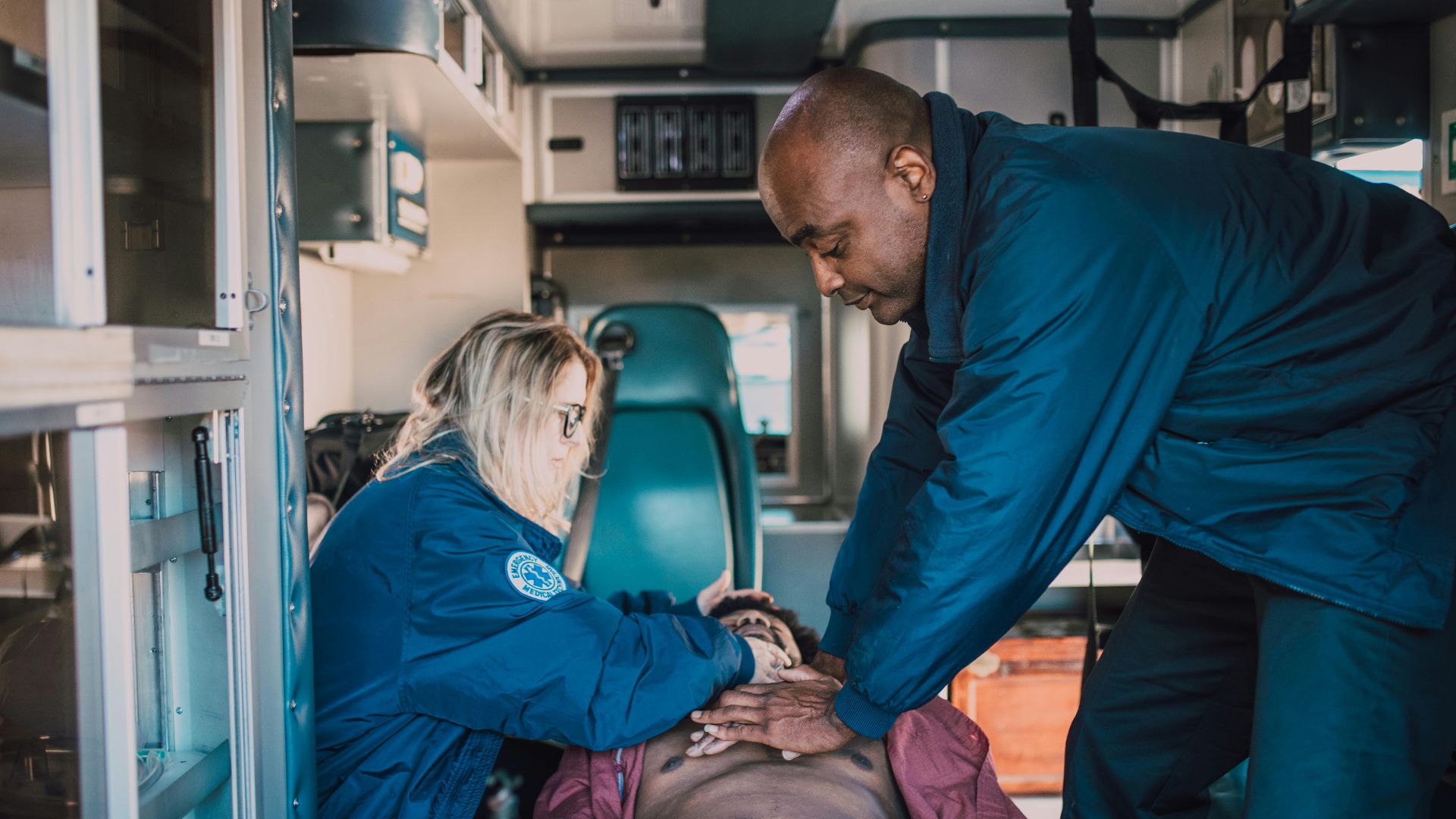
Street emergencies don’t come with consent forms or legal briefings. They come with chaos, bystanders filming on phones, and someone who can’t breathe. In that moment, you weren’t thinking about administrative codes—you were thinking about oxygen, airways, and survival. That instinct matters. It’s also the foundation of your defense, even if it doesn’t feel like it right now.
Why Your License Is Suddenly In Question
Licensing boards don’t operate on vibes or hero narratives. They operate on scope-of-practice rules. If intubation is considered outside your authorized duties in that jurisdiction—or restricted to certain settings—it can trigger a review. This doesn’t mean you “did something wrong.” It means the board is obligated to ask whether what you did aligned with regulations as written, not as lived.

The Good Samaritan Law Isn’t A Magic Shield
Good Samaritan laws protect people who provide emergency aid—but they’re not identical everywhere. Some states protect any responder acting in good faith. Others carve out special rules for licensed professionals, holding them to a higher standard. In some jurisdictions, being trained can paradoxically mean less protection. Annoying? Yes. Reality? Also yes.

Scope Of Practice Is Not About Skill
Here’s the frustrating part: scope of practice isn’t a judgment of competence. You can be fully trained, certified, and experienced—and still technically “out of scope” depending on location and setting. Boards aren’t saying you couldn’t intubate. They’re asking whether you were authorized to do so outside an employment or medical direction context.

Street Medicine Lives In A Legal Gray Zone
Hospitals are neat, regulated ecosystems. Streets are not. Emergency medicine outside clinical settings lives in a gray zone where laws lag behind reality. Nurses, paramedics, and physicians regularly face situations lawmakers never imagined. That gray zone is where investigations happen—not because regulators are cruel, but because the law hasn’t caught up.

First Rule: Do Not Panic
A letter from a licensing board feels like a career-ending bomb. In most cases, it’s not. Investigations are fact-finding missions, not verdicts. The worst thing you can do is spiral, overshare, or fire off an emotional response. The second worst thing you can do is ignore it. Calm, timely, and strategic is the name of the game.

Second Rule: Do Not Go It Alone
This is not a DIY moment. You need an attorney who specializes in professional licensing or healthcare regulation. Not your cousin who does real estate law. Not a general criminal defense lawyer. A licensing attorney understands how boards think, what they care about, and how to frame your actions in regulatory language—not just moral language.

Gather Your Memory While It’s Fresh
Write everything down now. Time, location, what you observed, what interventions you attempted first, why intubation became necessary, and what happened after. Don’t dramatize. Don’t editorialize. Just facts. Memories fade, and details matter. This document is for you and your attorney, not the board—unless advised otherwise.

Identify Witnesses And Evidence
Were there EMTs, police officers, or physicians who arrived after you? Bystanders who helped? Body cam footage? 911 call records? Hospital intake notes referencing pre-hospital airway management? These details can corroborate that this was a true emergency and that your actions were reasonable under the circumstances.

Understand What The Board Actually Cares About
Boards are less interested in heroics and more interested in patterns. Are you reckless? Do you disregard protocols? Or did you face an extraordinary situation and make a defensible decision? Your goal is to show this was an isolated, exigent response—not a habit of boundary-pushing behavior.

Good Faith Is A Legal Concept, Not A Vibe
“Good faith” means you genuinely believed your actions were necessary to prevent serious harm or death, and that belief was reasonable given the circumstances. You weren’t showing off. You weren’t experimenting. You weren’t acting for personal gain. That distinction matters enormously in administrative law.

Training And Competency Still Matter
Even if intubation was outside strict scope, evidence of proper training can mitigate consequences. Certifications, continuing education, simulation training, or prior supervised experience all help show you didn’t act blindly. Competence doesn’t erase scope issues—but it can reduce sanctions dramatically.
Expect A Slow And Uncomfortable Timeline
Licensing investigations move at a glacial pace. Months of silence followed by sudden requests for information are normal. This limbo is psychologically brutal. Try not to read meaning into delays. No news is often just… no news.

Possible Outcomes (Most Are Not Catastrophic)
Outcomes range widely: dismissal of the complaint, a warning letter, mandated education, probation, or in rare cases, suspension. License revocation is uncommon for a first-time, emergency, good-faith incident. The board’s job is correction, not destruction.

Why This Feels So Unfair (And Kind Of Is)
You did what society expects healthcare professionals to do—step in when others can’t. The disconnect between public praise and regulatory scrutiny is jarring. You’re not wrong to feel angry or betrayed. Just don’t let that emotion steer your legal strategy.

How To Talk About This At Work
If your employer isn’t already aware, consult your attorney before disclosing. Some employers are supportive; others are risk-averse. Stick to facts, avoid speculation, and don’t minimize the seriousness—but don’t self-incriminate either. This is a delicate balance.

What Not To Say To The Board
Avoid phrases like “I had no choice,” “Anyone would have done the same,” or “The law is stupid.” Instead: “Based on my assessment, the patient was in imminent danger,” and “I acted to preserve life using the skills I am trained in.” Language matters more than you think.

This Is About Regulation, Not Morality
It’s tempting to argue morality: A life was saved. While true, boards operate on regulatory compliance. Your attorney’s job is to translate your moral decision into a legally defensible professional judgment within existing frameworks.

Emotional Fallout Is Real And Valid
Even nurses who save lives can experience anxiety, shame, or second-guessing afterward—especially when investigated. Consider counseling or peer support. This isn’t weakness; it’s occupational survival. Burnout loves moments like this.

The Bigger Systemic Problem
Cases like yours expose a larger issue: outdated scope laws that don’t reflect real-world emergencies. Many reforms have come from professionals who went through exactly what you’re experiencing now. You didn’t just save a life—you highlighted a gap in the system.

Should You Advocate Or Stay Quiet?
For now, stay quiet publicly. Advocacy comes later, once your case is resolved. Speaking out mid-investigation can complicate things. Long-term, your experience could inform policy change—but timing is everything.

What This Means For Your Future Practice
You may become more cautious—and that’s natural. But don’t let fear erase your instincts. Part of professionalism is learning how to navigate risk, not eliminating compassion. This experience will likely make you sharper, not smaller.

You Are Still A Good Nurse
An investigation does not erase your competence, your ethics, or your years of service. It’s an administrative process, not a moral judgment. Hold onto that distinction tightly when doubt creeps in.

How This Usually Ends
Most cases resolve quietly. A letter, a condition, maybe a course. Life goes on. The patient you saved goes on too—that matters, even if it never appears in the final order.

The Takeaway For Every Professional
Know your scope. Know your state laws. But also know this: emergencies don’t wait for legal clarity. When systems collide with humanity, professionals are often the point of impact. Preparation and legal literacy help—but courage still counts.

You Acted To Save A Life—Now Protect Your Own
You stepped into chaos and made a call that mattered. Now it’s time to be just as intentional about protecting your career. Get the right help, move carefully, and remember: being investigated doesn’t mean you failed. Sometimes, it means the law is catching up to the reality of care.

You May Also Like: