
When Someone Refuses To Let Go
You bought your home years ago, completed the sale, and moved on with your life. But the former owner keeps showing up on your doorstep, asking for mail, and acting like she still has a connection to the property. What started out as a minor annoyance now feels unsettling, leaving you wondering what your rights are and how to put a stop to it.

Understand Your Legal Ownership
Once the sale of a home is finalized and the deed is transferred, you are the legal owner of the property. The previous owner has no remaining rights to access or use the home unless this is specifically outlined in a written agreement. That means you’re fully entitled to control who comes onto your property.

Why The Behavior Raises Concerns
A former owner repeatedly returning to your home is not typical behavior. While it may start out as a simple issue involving misdirected mail, it can raise concerns about boundaries, privacy, and even safety. It’s important to take the situation seriously before it goes any further.

The Issue With Mail And Address Use
If the previous owner is still using your address for mail, that can cause needless complications. Important documents linked to your address could potentially be used to establish residency or for fraudulent purposes. You’re not responsible for managing someone else’s mail long term.
What To Do With Their Mail
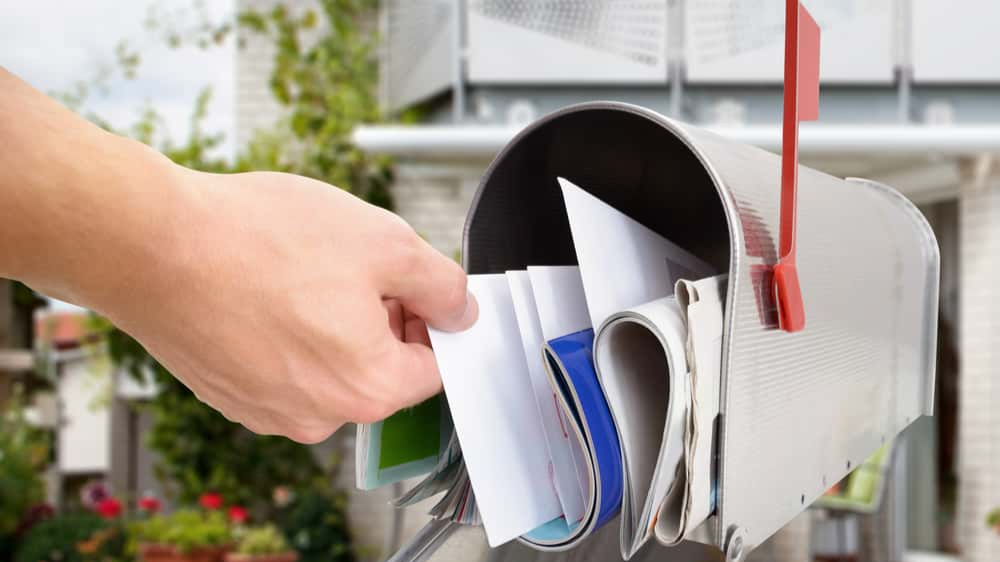
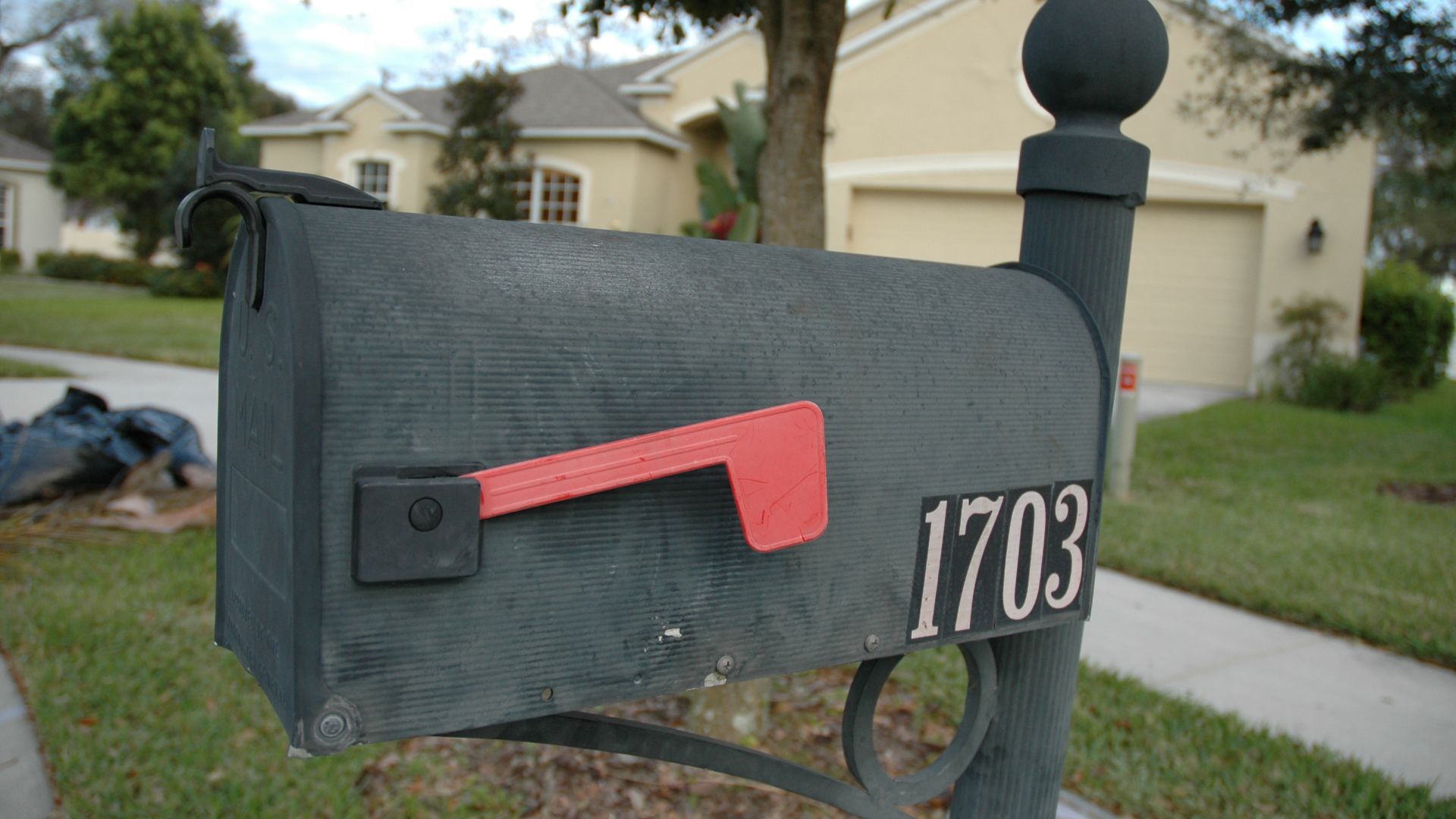
The safest approach is to mark any mail addressed to the former owner as Return To Sender and place it back in the mailbox. Don’t hold onto it or hand it directly to them. This creates a clear record that the individual no longer resides at your address.
 http://en.wikipedia.org/wiki/User:Steevven1, Wikimedia Commons
Set Clear Verbal Boundaries
If the former owner approaches you, it’s important to set them straight by declaring that they no longer live at the property and shouldn’t return. You don’t need to justify your position. A direct statement helps establish that their behavior is not acceptable going forward.

When To Put It In Writing
If the behavior continues, consider sending a written notice requesting that the former owner stop coming onto your property. A written record strengthens your position and shows that you’ve made a clear and reasonable request.

Trespassing Laws And Your Rights
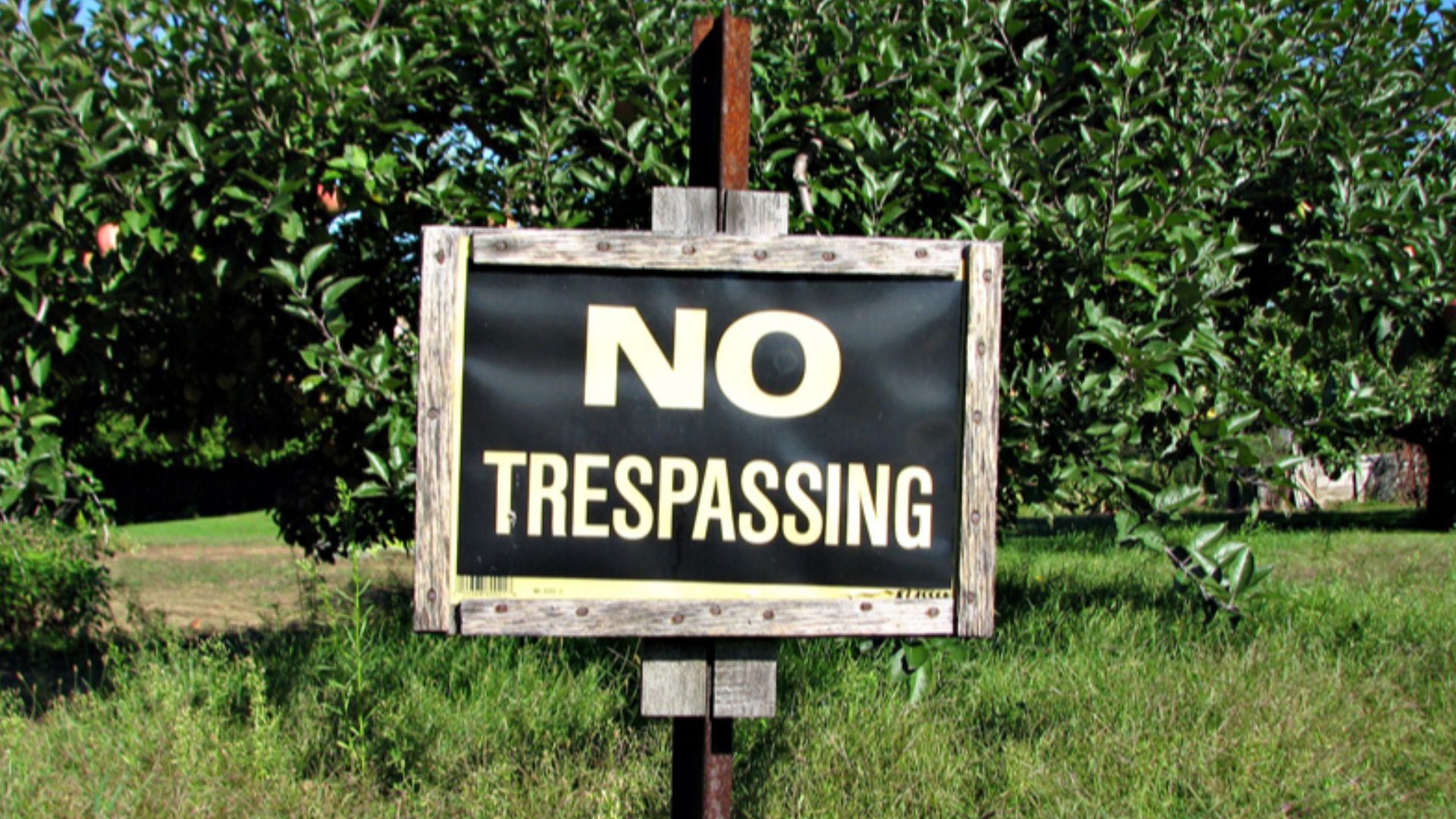
If the former owner still keeps coming onto your property after being told not to, their actions may qualify as trespassing. Laws vary by state, but generally, you have the right to prevent unwanted individuals from entering your property and to involve law enforcement if necessary.
 Djuradj Vujcic, Wikimedia Commons
Document Every Interaction
Keep a record of each time the former owner visits your property. Note dates, times, and what occurred. If possible, save any messages or correspondence. This documentation can be of value if you need to raise the stakes legally.

Installing Cameras For Protection
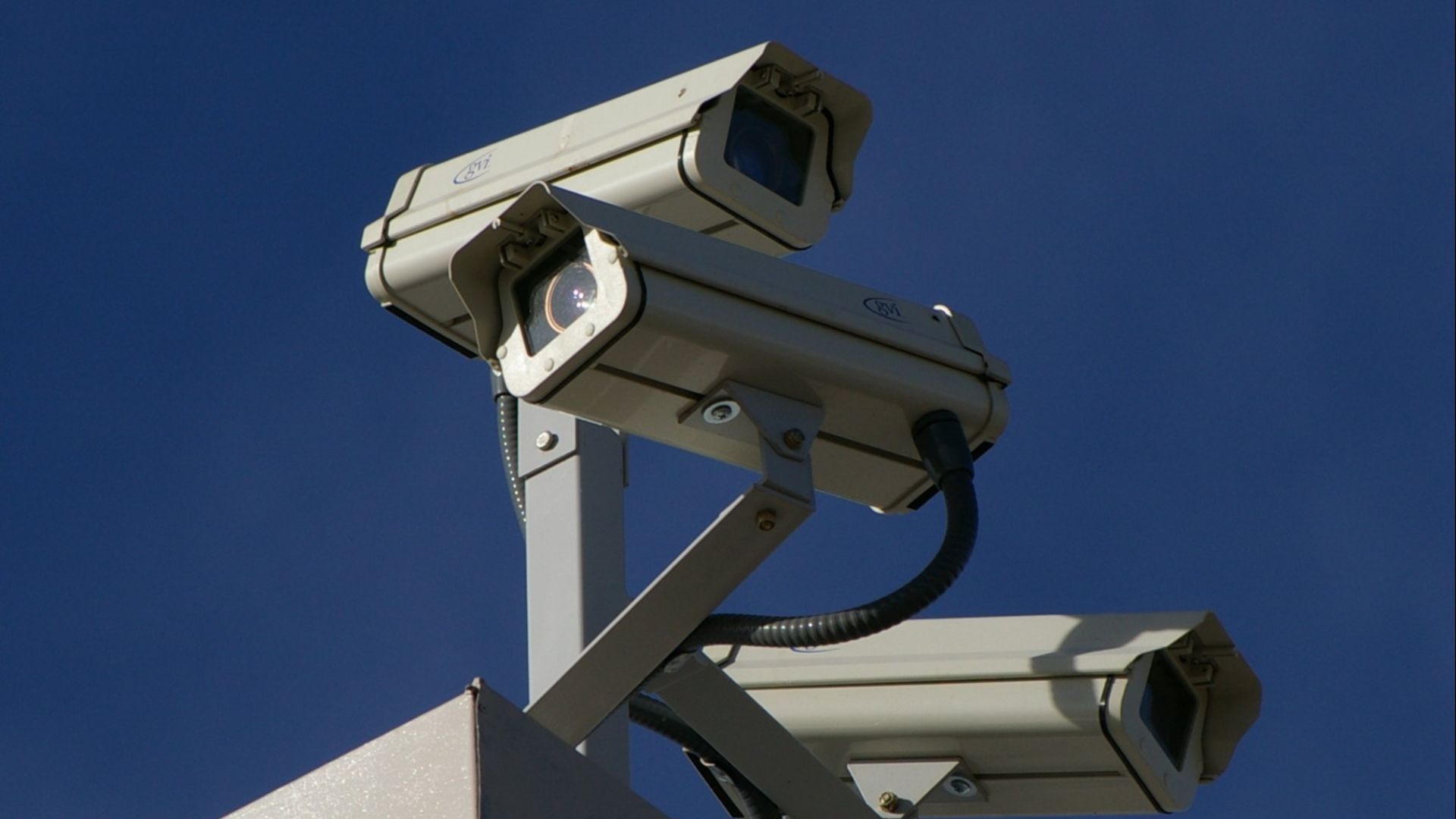
Security cameras can provide both peace of mind and evidence. Visible cameras may also discourage the former owner from returning. If the situation continues, recorded footage can help prove a pattern of behavior to authorities or legal professionals.
Could This Be An Attempt To Establish Residency
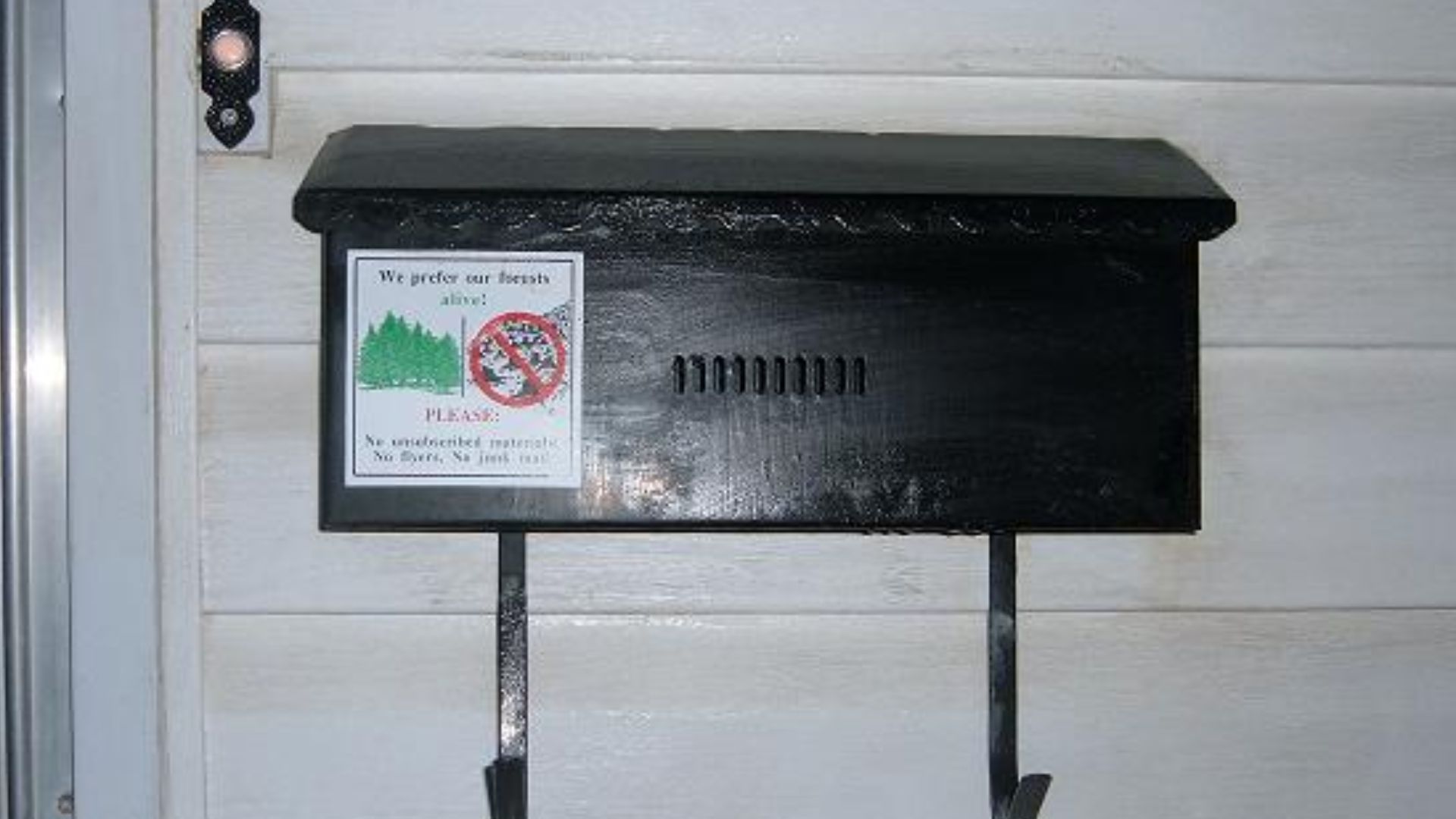
In some cases, repeated visits and continued use of an address can raise concerns about someone attempting to establish residency. While instances of this are rare, it’s important to be cautious. Letting someone collect mail or claim ties to your address can create unnecessary complications.
 User:NellieBly, Wikimedia Commons
When To Contact Local Authorities
If the former owner continues to show up despite your requests, it may be time to contact local law enforcement. You can ask for guidance or file a report documenting the behavior. This doesn’t necessarily mean you have to press charges, but it creates an official record.

Talk To Your Neighbors
Informing neighbors about the situation can be helpful. They may notice patterns or alert you if the former owner is seen around your property when you’re not home. A simple conversation can give you an extra layer of awareness and security.

Review Your Closing Documents
Take a moment to review your closing paperwork to make sure there were no post-sale agreements allowing the former owner access. In most cases, there are none, but a quick check of this can give you additional confidence in asserting your rights.

When The Behavior Becomes Harassment
If the visits are frequent or feel threatening, the situation may constitute harassment. Repeated unwanted contact can be taken seriously under the law. At that point, seeking legal advice becomes an important step.

Consider A Cease And Desist Letter
An attorney can help you send a formal cease and desist letter. This document clearly states that the former owner must stop contacting you and entering your property. It often serves as a strong deterrent and signals that you’re also ready to take further action if necessary.

Protect Your Personal Information
Make sure that your own mail and personal information are secure. If the former owner is still connected to your address in any systems, it’s wise to monitor for unusual activity. Taking proactive steps can help remove any identity-related risks.

Understand When Legal Action Is Needed
If the situation doesn’t improve, you may need to pursue legal remedies. This could include filing for a restraining order or taking other steps to formally prevent the previous owner from returning. Legal action is typically a last resort but can be effective.

Trust Your Instincts
If something about the situation feels off, trust that instinct. You’re under no obligation to tolerate repeat visits from someone who no longer has any claim to your home. Acting early can prevent the situation from turning into something more serious.

Take Back Control Of Your Home
Your home is your space, and you have every right to feel safe and secure in it. By setting boundaries, documenting behavior, and taking appropriate legal steps if necessary, you can put an end to the situation and regain full control over your property.
You May Also Like: