
A Premature Renovation
You’re in the final stretch of selling your home, and closing is scheduled for next week. Then you discovered workers were already tearing up the place. The buyer’s contractors have been let in to start renovations before the sale has legally closed, all with permission from your own listing agent. Now you’re scrambling to figure out how this was allowed, what risks you face, and how to fix it. It feels like the seller ignored your rights, and you need to know what comes next.
 Olha Havelia, AdobeStock; Factinate
Most Sales Aren’t Conveyed Immediately
A real estate transaction isn’t legally complete until the closing paperwork is signed and funds are transferred. This is what is meant by “closing.” Until that moment, the seller legally still owns the home. Allowing anyone, even a buyer’s contractor, to enter and do work on the property before closing raises legal and insurance complications because the title hasn’t changed hands yet. That’s why most contracts forbid any pre-closing access.

How Listing Agents Normally Handle Inspections
It’s common for buyers to do inspections and appraisals prior to closing, and sellers will often accommodate that to facilitate a sale. But inspections are limited in scope and duration and do not allow physical modifications. Renovations, structural changes, or repairs done before closing typically require explicit written permission from the seller, and it can only be done after significant agreement between buyer and seller.

What Your Contract Says About Access
Most purchase contracts will carry clauses that define specifically when and how the buyer can gain access to the property. These clauses usually allow access for inspections or agreed walk-throughs, but do not provide any open-ended access to contractor work. Unless you signed an addendum expressly granting access for renovations, your agent likely overstepped your rights by letting workers into your home prematurely.

The Problem With Pre-Closing Work
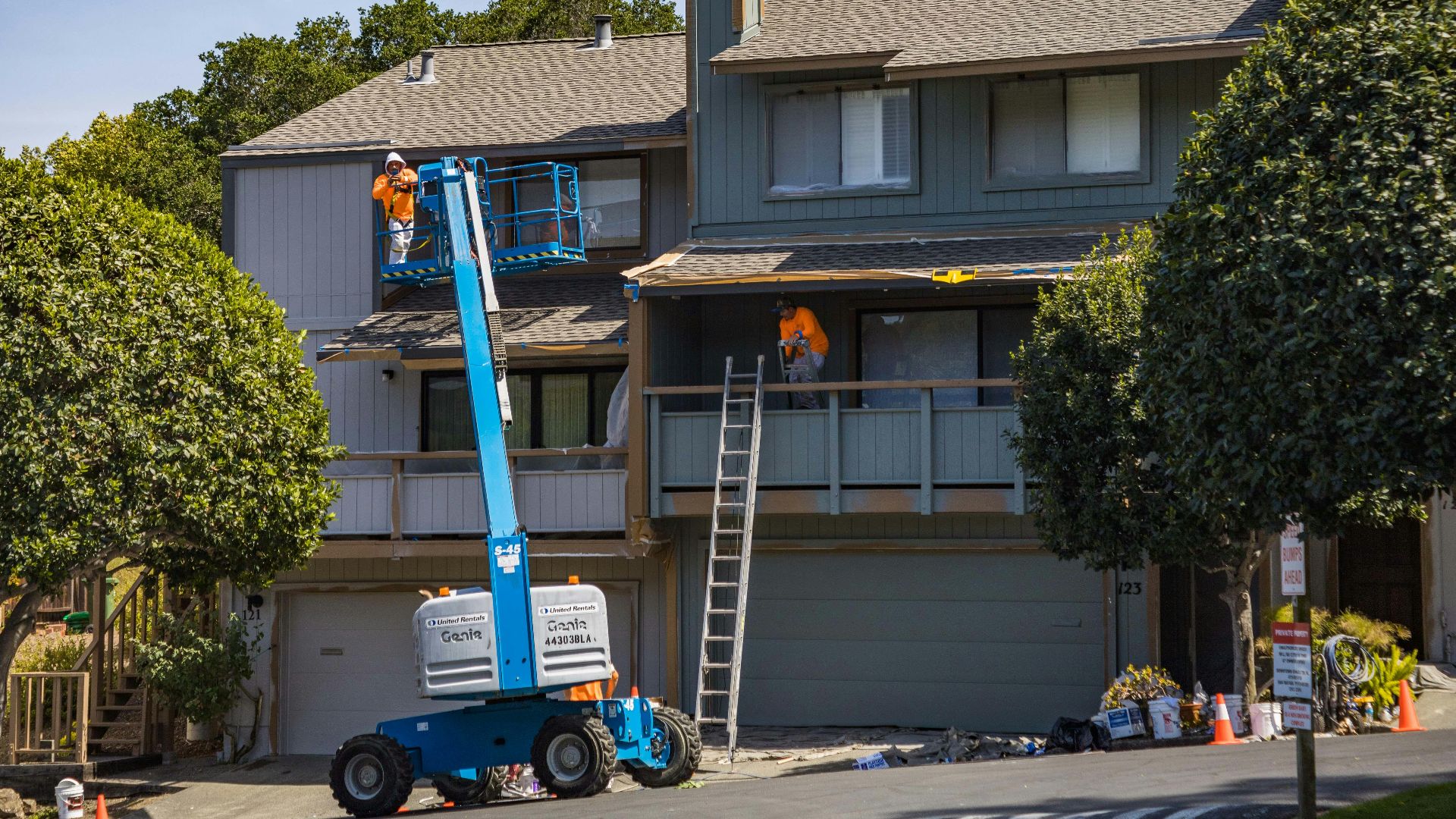
When contractors start work before the sale closes, multiple problems can ensue: you might be liable for damage if something goes wrong, your insurance may not cover injuries or losses, and disputes could arise over who’s responsible for any problems with the work. Buyer’s workers aren’t typically covered under your homeowner policy, and you never signed off on their presence.
Who Is Liable For Damage?
Since you still own the property until closing, you could be held responsible for any injuries or property damage caused by contractor activity before the formal title transfer. Your homeowner’s insurance may deny these claims since the work wasn’t authorized under the terms of your policy. The buyer’s insurance would likely also refuse coverage because the risk was on a property you still owned.

Your Realtor’s Role
Listing agents are supposed to protect their seller clients’ interests. Letting a buyer’s contractors have unsupervised access could be seen as negligent or beyond the scope of their authority. If your agent never got your explicit, documented permission for this pre-closing access, you may have grounds to complain and potentially even pursue professional recourse.

What To Do First: Contact Your Agent
Before you do anything else, contact your realtor and get him/her to give you a written explanation of why access was granted. Ask for copies of any written authorizations or agreements they believed permitted this. If no written consent exists, make sure you make a note of that fact for later, as it could become important if liability or contract enforcement issues come up later.

Put Access Rules In Writing Going Forward
If you do agree to allow access for specific tasks before closing, insist on a signed access agreement that clearly defines exactly who can enter, when, for what purpose, and who is ultimately responsible for damage and liability. This protects both parties and clarifies everybody’s rights and obligations.

Talk To The Buyer’s Realtor Too
You can also talk to the buyer’s agent and formally request that all work be put on hold until after closing or until written access permission is signed. It should go without saying, but keep copies of all your correspondence. If the buyer insists that the work continue, get their position in writing so there’s no confusion later about consent.

Talk To Your Insurance Provider
It’s highly recommended that you call your homeowner’s insurance company and let them know what’s going on. Ask them if the pre-closing presence of contractors affects your coverage and what documentation they would need if a claim arises. This protects you in case of injuries, theft, or damage caused during the unauthorized work.

Document Everything Now
Take photos and videos of the house as it currently stands, especially areas where work has begun. Document which rooms have been accessed, what tools or equipment were brought in, and any damage or unfinished work you observe. This will be important evidence if disputes arise later.

A Change Order Doesn’t Substitute For A Contract
Buyers sometimes present a change order or written work directive for renovations. But this doesn’t give contractors legal right to be on the property unless the seller agrees and signs that change order. Your signature, or a specific clause in your real estate contract, takes precedence over a buyer’s unilateral directive.

When Repairs Are Agreed Before Closing
There are cases where sellers agree to make repairs before closing as part of the sale negotiations. But these are typically negotiated line items. These could be for things like, for example, fixing a leaky roof or replacing appliances. These items are typically agreed upon in writing with costs and schedule defined.
What Happens If Work Damages The Home?
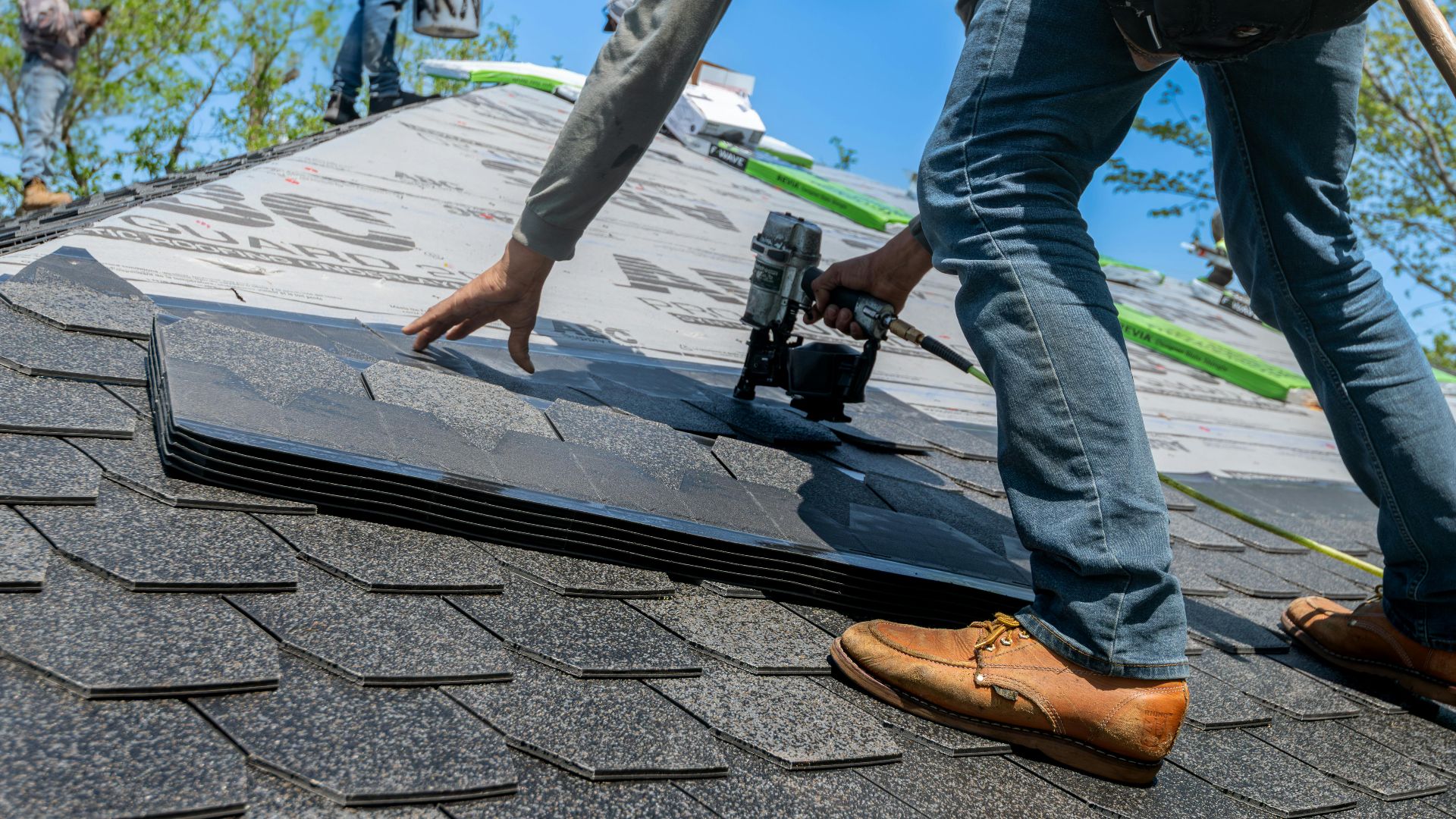
If the contractors damage floors, walls, utilities, or fixtures before ownership changes, you could face disputes with the buyer about who is on the hook for the repairs. Unless you have clear documentation showing that the work was unauthorized, resolving liability may require legal advice. Protect yourself by documenting all damage thoroughly.

Can You Refuse To Close?
In extreme cases where unauthorized access or work fundamentally breaches the purchase contract, you may have grounds to pause or even go so far as to refuse closing until the issue is addressed to your satisfaction. However, refusing to close can have legal consequences of its own, and should only be done with the guidance of a qualified real estate attorney.

Talk To A Real Estate Attorney
Given the potential legal complexities here, including: property rights; contract obligations; agent duties; and insurance concerns, consulting a real estate attorney is probably a wise move. An attorney can review your contract, assess whether your agent overstepped, and advise you on all the available legal remedies.

Your Agent’s Brokerage May Have A Complaint Process
If your agent acted improperly or without your authorization, you can file a professional complaint with their brokerage or local real estate board. These professional bodies have codes of conduct and can do a formal investigation of whether your agent violated professional standards by granting access.

How To Prevent This In Future Sales
For any future sale, always include explicit clauses about when and how access is granted to buyers or third parties before closing. Never rely on verbal assurances; always demand written consent and clear documentation in the contract. Protecting your rights starts with clear paperwork.

A Learning Experience
This situation is understandably stressful, but you can use it as a lesson in all your future negotiations, documentation, and agent communications. Address the issue head-on and early, document everything, and get professional advice wherever it is needed. That way, you protect your finances, your property, and your peace of mind.