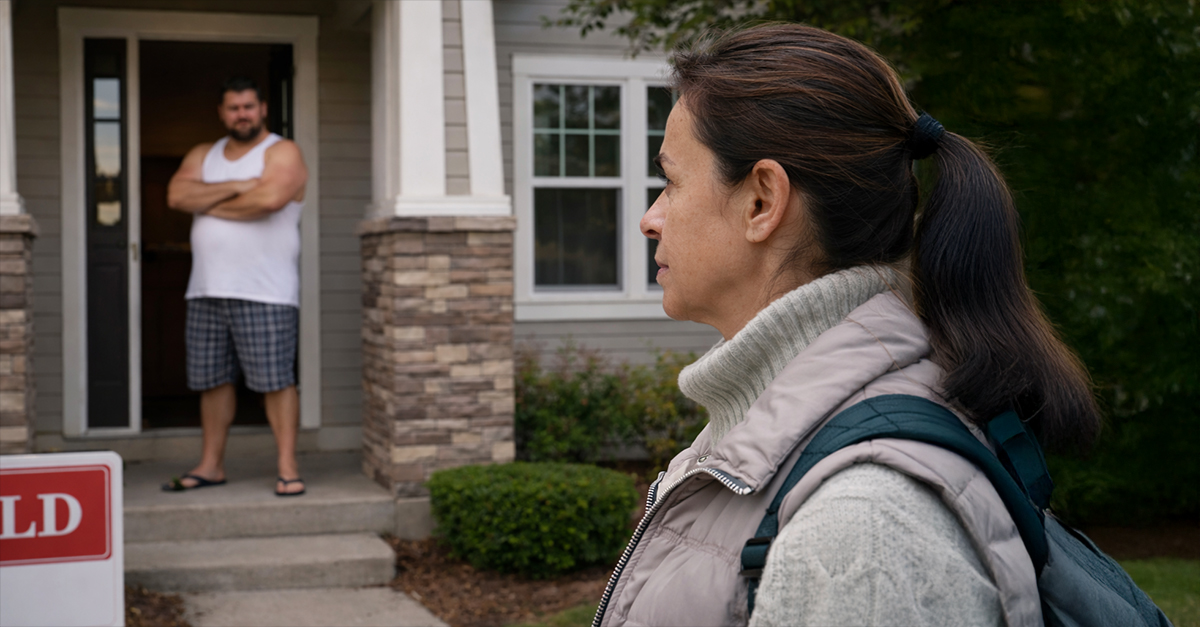
Closing Came And Went But The House Isn’t Empty
You closed on your new home and expected to move in immediately afterward, only to find the seller still living there. Now you’re stuck between ownership on paper and possession in reality. You’re likely trying to juggle moving plans, storage costs, and uncertainty about your rights. This situation feels shocking, but there are clear steps you can take.
 Krakenimages.com, Adobe Stock; Factinate
Ownership Vs Possession
In real estate, closing transfers legal ownership, but possession is governed by the contract. If your agreement states that possession occurs at closing, the seller no longer has any right to remain. Knowing this distinction is critical, because it determines whether the seller is only delayed or actually in violation of the contract.

Check Your Purchase Agreement
Start by reviewing your purchase agreement and any addenda. Look for clauses about possession timing, rent back arrangements, or post-closing occupancy. These details will dictate your options. If the contract clearly says vacant possession at closing, you’re on firm legal ground to demand that the seller leave as soon as possible.

Rent Back Agreement
Sometimes buyers can agree to let sellers remain temporarily after closing through a rent back agreement. If there is such an agreement in place, it would be the only way that the previous owner could legally stay there. If no such arrangement was made, the seller’s continued presence there is unauthorized, and you're within your rights to get rid of him.

Contact Your Real Estate Agent
Your real estate agent should be the first phone call you make. They can reach out to the seller’s agent and clarify exactly what’s going on. Sometimes delays are caused by logistics or bungling rather than bad intent. A quick conversation can sometimes resolve the issue before it spirals into a legal dispute.

Involve Your Real Estate Attorney
If the situation doesn’t get resolved quickly, contact your real estate attorney. They can interpret your contract and advise you on next steps. An attorney can also send a formal demand letter, which often motivates sellers to get a move on once they realize there are legal consequences.

Document Everything Carefully
Take photos, keep emails, and document all communications with the seller or their agent. This documentation may be crucial if you need to pursue damages later. Clear records reinforce your position and help demonstrate that the seller is in breach of the agreement.

The Seller May Now Be A Holdover
In many states, a seller who stays in the after closing without permission can be treated as a holdover occupant. This doesn’t automatically make them a tenant, but it can have an impact how you remove them. Local laws will determine whether eviction procedures apply.
Don’t Take Matters Into Your Own Hands
Even though you legally own the home, you shouldn’t try to forcibly remove the seller or change the locks while they’re inside. Doing so could expose you to legal risk. It’s frustrating, but sitting tight and following the proper legal channels protects you in the long run.

Request Immediate Vacant Possession
Through your agent or attorney, formally request that the seller vacate the property immediately. This step establishes a clearly documented timeline and shows that you’re enforcing your contractual rights. Many sellers fall in line once they see that the buyer is serious.

Consider Charging Daily Occupancy Fees
If the seller needs a short extension, you could negotiate a daily occupancy fee. This is often a lot higher than market rent and compensates you for the inconvenience of postponing your move. Confirm that any agreement is documented in writing to avoid further confusion.

Explore Financial Remedies
If the seller’s delay causes you to have to cover extra costs like storage fees, hotel stays, or moving rescheduling, you may be entitled to compensation. Your contract may already specify penalties. If not, you can still seek damages for breach of contract through legal channels.

Check That The Funds Are Still In Escrow
Sometimes, part of the seller’s proceeds are held in escrow until they vacate. If so, this gives you leverage. Your agent or attorney can use those funds to compel compliance or cover damages without the need to set in motion a lengthy legal process.

Understand Eviction May Be Necessary
If the seller refuses to leave, you may need to begin formal eviction proceedings. While this sounds like a remote or extreme situation, sometimes it’s the only way to regain possession. The process varies by state, but your attorney will guide you through it efficiently.

Consider A Cash For Keys Approach
In some cases, offering a small payment for the seller to leave quickly can save time and stress. This approach, known as cash for keys, may feel unfair, but it can be a practical solution as a last resort compared to the maddening delays of legal action.

Coordinate With Your Lender And Insurer
Notify your lender and insurance company if you’re unable to take possession right away. This ensures your coverage is still valid and avoids complications. Some policies assume owner occupancy, so transparency is important while the situation is unresolved.

Protect Your Property During The Delay
Even if the seller remains, you still legally own the property. Make sure utilities, insurance, and security measures are in place. If possible, do a walkthrough or request updates to make sure the property is not being damaged during the delay.

Plan For Temporary Living Arrangements
Unfortunately, you may need to arrange temporary housing while the issue is resolved. Save your receipts for all related expenses. These costs can be recovered later, especially if the seller is clearly in breach of contract.

Learn From The Situation For Future Deals
This unpleasant experience highlights the importance of clear possession terms and contingencies in real estate contracts. In future transactions, consider adding stronger penalties or escrow holdbacks to stop any similar situations from happening again.

Take Decisive But Measured Action
This situation is stressful, but you have strong legal rights as the new owner. By reviewing your contract, involving professionals, and documenting everything, you can resolve the issue effectively. Stay calm, act strategically, and focus on securing possession as quickly as possible.
You May Also Like: