
An Unwanted Phone Call
You thought the sale of your house was finished and you could finally move on with your life in your new home. Then your realtor called to say the buyers are demanding compensation because the dishwasher is leaking and not working. You told your agent it was working fine when you moved out and even ran it before closing. The dishwasher is over 10 years old and the buyers skipped an inspection, but now want payment through your realtor.
 Enrique, Adobe Stock; Factinate
Why Post-Closing Complaints Happen
It’s common for buyers to discover minor problems once they move in to a new place. Appliances can fail unexpectedly, and sometimes issues come up only after heavier use. While their frustration may feel urgent to them, a malfunction after closing doesn’t automatically mean you’re responsible as the former owner.

Start With Your Purchase Agreement
Your contract is the single most important document you have right now. Review how the appliances were listed and whether the sale included any warranties. Most residential agreements include appliances in their present condition unless it’s specifically stated otherwise. The wording of the agreement is what decides whether you promised working order or simply transferred ownership at closing.

Risk Usually Transfers At Closing
In most standard real estate transactions, responsibility for the property shifts to the buyer at closing. Once ownership of the property changes hands, repairs and maintenance become the new owner’s obligation unless there was clear misrepresentation involved. If the dishwasher was working at the time you moved out, that distinction may be critical to your defense.

Appliances Included Doesn’t Mean Guaranteed
Buyers often confuse inclusion with warranty protection. Just because the dishwasher was included in the sale doesn’t necessarily mean you guaranteed it would function indefinitely. Unless you signed an explicitly worded working condition guarantee, you typically transferred the appliance as part of the house in its existing state.
Importance Of The Final Walk-Through
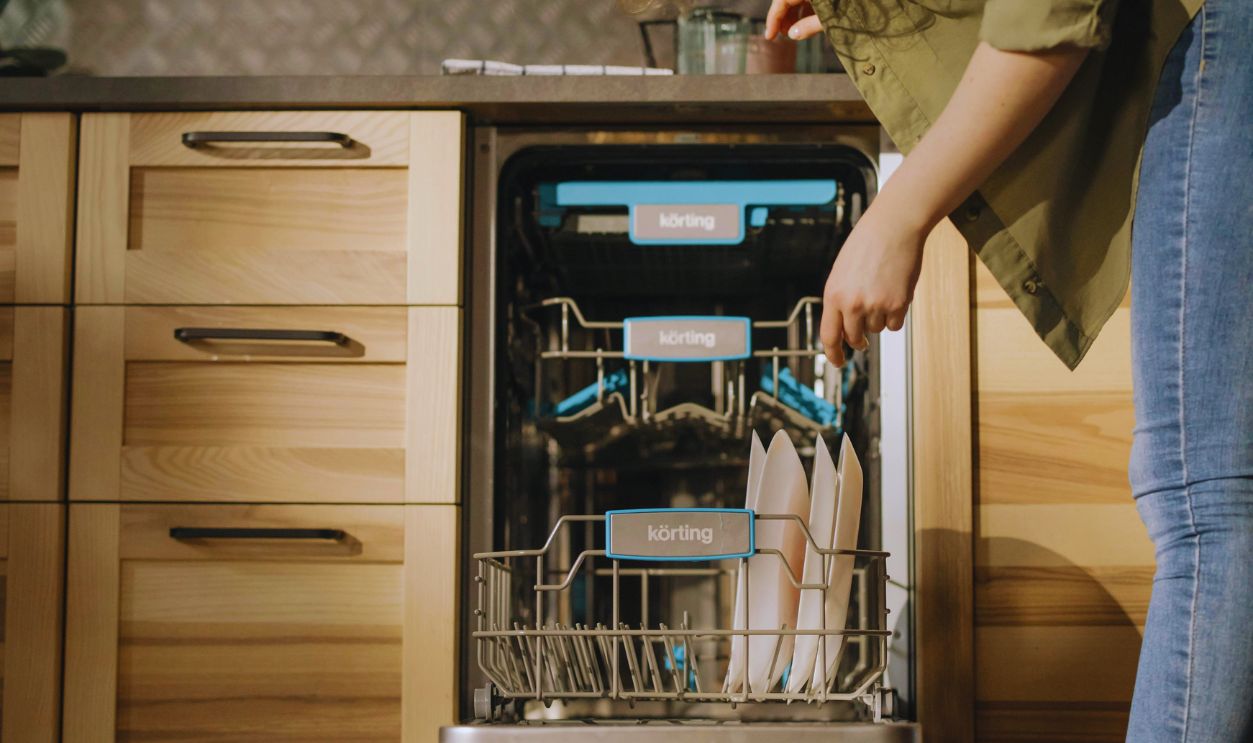
Buyers are normally given the opportunity to do a final walk-through before closing in order to assure that the home and its fixtures are still in expected condition. That moment is their chance to test appliances. If they didn’t run the dishwasher during the walk-through, it weakens the argument that you are responsible.

Buyers Chose To Skip An Inspection
In this case, your buyers elected not to hire a home inspector. That decision shifts even more responsibility onto them. Inspections are specifically done to catch potential appliance or plumbing issues like these. Choosing to skip that protection limits their leverage after the transaction is complete.
Why They Contacted You Through The Realtor
Instead of talking to their own attorney, the buyers contacted you through your realtor, who reiterated their demand for compensation. That approach is a recipe for potential confusion. Realtors are supposed to be intermediaries, not judges. Their job is to communicate, not pressure you into accepting liability after closing.

Watch For Realtor Overreach
If your realtor made any suggestion that you have to pay or if they failed to explain that post-closing complaints are typically the buyer’s responsibility, that could be a problem. An agent should only be relaying neutral communication and not unintentionally pressuring you into a financial concession that the contract does not require.

Document That It Was Working When You Left
If you ran the dishwasher before you moved out and saw no leaks or malfunctions, write that down immediately while it’s still fresh in your mind. Gather any photos, videos, or cleaning receipts from your move-out day. Up to date documentation boosts your credibility if the dispute goes to the next level.

Sudden Appliance Failure Does Happen
Dishwashers contain pumps, seals, hoses, and electronic components, any of which can fail without warning. A machine that works one day can spring a leak the next, particularly after being moved, jostled, or reconnected improperly. Mechanical failure alone doesn’t prove prior knowledge or concealment.
Warranty Or Service Coverage (If Applicable)
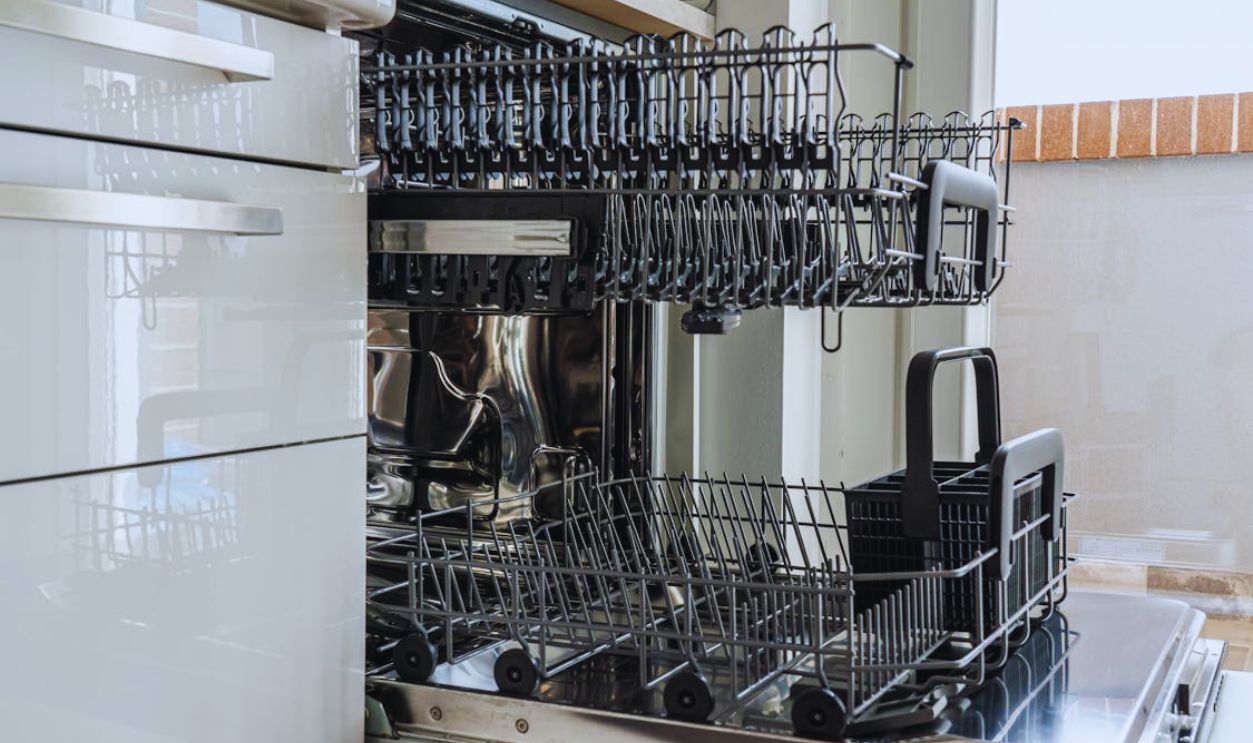
If the dishwasher were newer, it could still carry manufacturer or service coverage. Many appliances have transferable warranties. In that case, you could suggest the buyers explore that route before pursuing you. Warranty repair is often faster and cheaper than a financial dispute between private parties.

Consider A Small Good-Faith Gesture
Even if you’re legally protected, you may decide that a modest contribution toward a repair is worth the emotional closure. If you do decide to take this path, clearly state that the payment is voluntary and not in any way an admission of your responsibility. A written acknowledgment can protect you from any future claims.

Don’t Admit Fault In Casual Messages
Avoid texting or emailing statements that could be interpreted as you admitting fault. Even saying you’re sorry it happened could be reframed negatively in a legal sense. Keep all your communications calm, businesslike, factual, and limited to what you know is true about the condition at closing.

Threat Of Legal Action
If the buyers escalate and start bringing up lawyers or small claims court, don’t panic. Many post-closing disputes melt away when both sides understand the legal standards. Still, at that point, consulting your own real estate attorney might be a wise idea to ensure you respond properly.

Mediation Can Calm The Situation
If emotions are at the boiling point, a brief mediated conversation through brokers or attorneys can sometimes be a way of settling misunderstandings. Mediation is cheaper and faster than litigation. It can allow both parties to maintain goodwill without engaging in an acrimonious legal standoff over an aging household appliance.

Lawsuits Over Appliances Are Rare
While buyers may threaten to sue, honestly, litigation over relatively modest repairs like a dishwasher replacement is rare. Legal fees would most likely exceed appliance costs. Courts typically look for evidence of fraud or misrepresentation, not normal mechanical failure after an ownership transfer.

Evaluate The Cost Of Principle
Weigh the cost of standing firm against the cost of putting the issue to rest quickly. Replacing or repairing a dishwasher is normally a lot less expensive than prolonged stress. Sometimes your peace of mind is worth more than the strict financial aspect of the issue.

Protect Yourself In Writing
If you decline to pay, respond formally and politely. State that the appliance was operational at closing, risk transferred at settlement, and there was no warranty beyond what was written in the sale agreement. Clear communication minimizes misunderstandings and future contact as you move on with your life.

Learn From The Experience
This situation demonstrates the importance of documenting your appliance condition during move-out and encouraging a thorough final walk-through procedure. Clear contracts and photographic evidence will head off any lingering questions later. Even smooth sales can wind up seeing some unexpected post-closing surprises.

Get Legal Advice If Needed
If the buyers keep peppering you with demands or you feel pressured by the realtor, schedule a consultation with a real estate attorney in your jurisdiction. A short review of your purchase contract can clarify your exposure and provide confidence in how to move forward.

You May Also Like: