A Picture Worth Looking At
Most people walk past old paintings without giving them a second thought. Some end up in attics. Others gather dust in storage rooms. But every once in a while, a forgotten piece of art turns out to be something extraordinary. This is the story of one painting that went from near-obscurity to rewriting auction history.

Sold For Less Than A Used Car
In 1958, the painting sold at auction for roughly $1,175. At the time, nobody believed it was anything extraordinary. It then disappeared into private collections for decades, setting the stage for one of the most remarkable rediscoveries in art history.

Nobody Thought It Was Special
Part of the problem was its condition. The painting had been heavily damaged, restored, painted over, and altered across the centuries. By the time many collectors saw it, it looked more like a worn copy of an old religious image than a priceless treasure.
A Mysterious Portrait
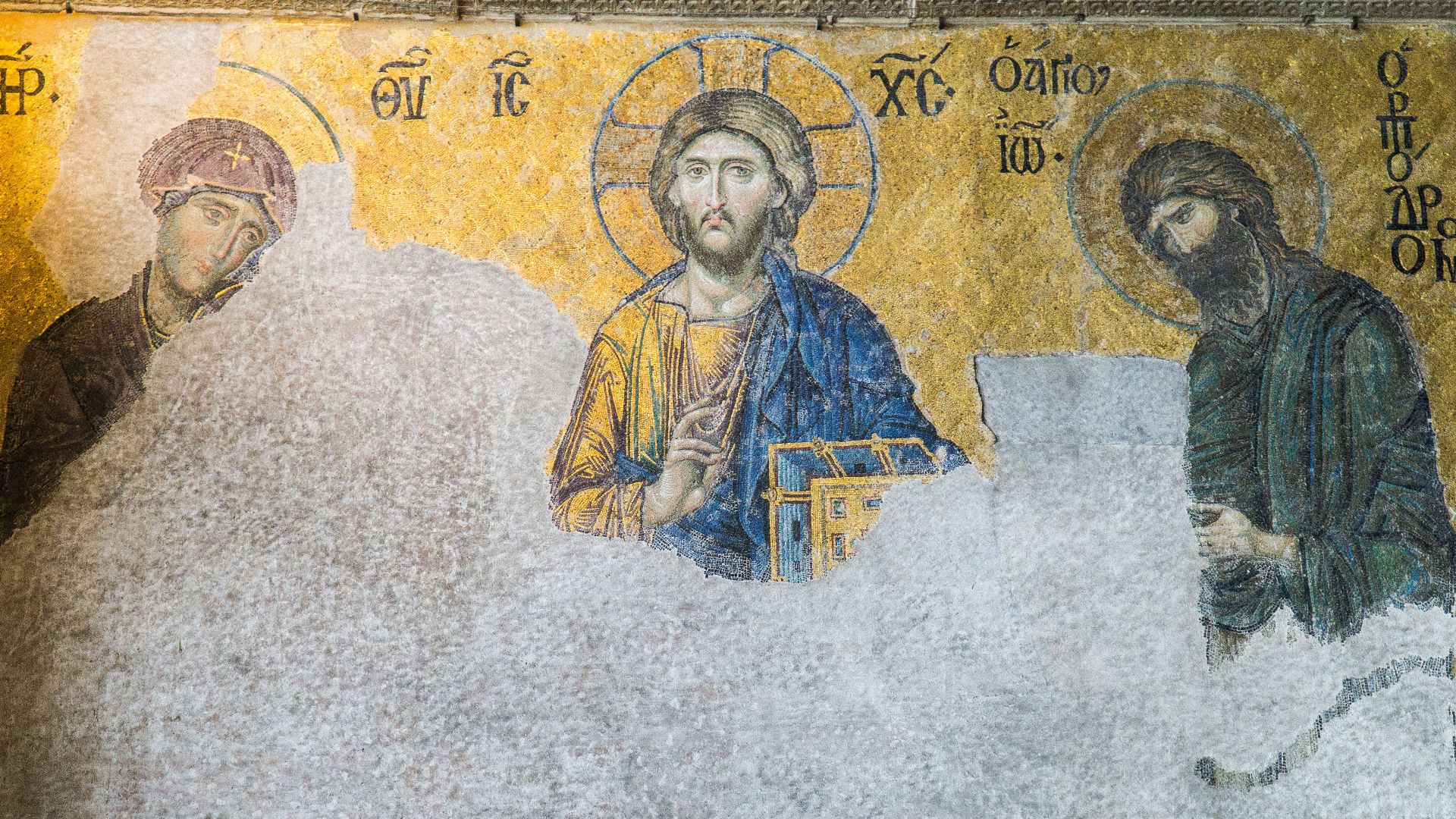
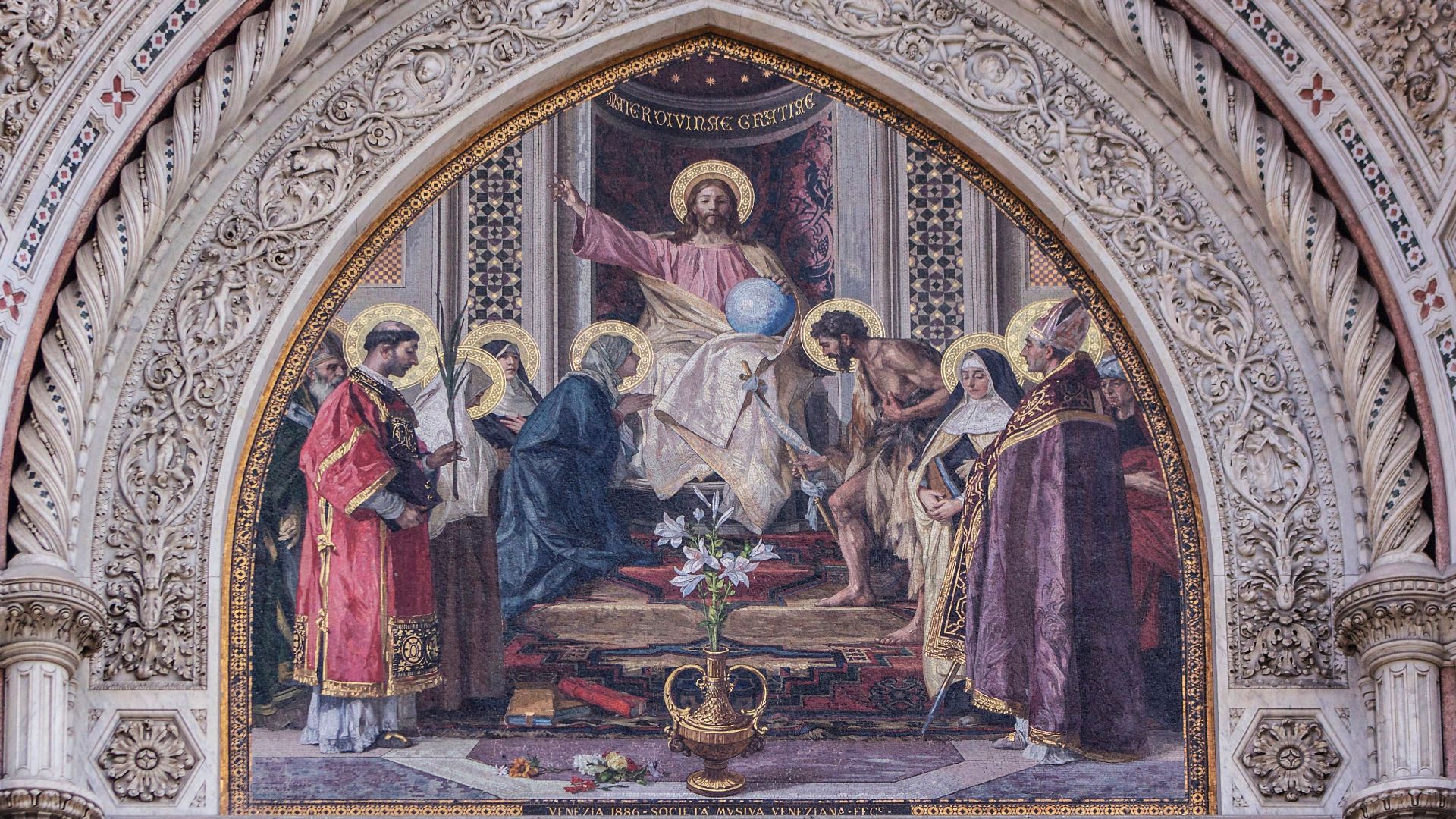
The artwork showed Jesus Christ holding a crystal orb and raising one hand in blessing. It was known as Salvator Mundi, Latin for 'Savior of the World.' No one knew who painted it. But to give you an idea: it was often described as a work created 'after Leonardo da Vinci' or by one of his followers.
Pretty interesting, sure—but not the kind of thing anyone expected to become one of the most valuable paintings on Earth.
The Painting Disappears
For generations, the painting drifted through private collections. Records were incomplete. Ownership changed. Experts lost track of it. Eventually, it became one of many forgotten artworks whose true story had largely vanished from public view.

A Gamble In 2005
Nearly 50 years after that $1,175 sale, everything changed when a group of art dealers spotted the battered painting at a small Louisiana auction in 2005. They paid about $10,000 for it, mostly because they suspected there might be something much more important hiding beneath centuries of damage and restoration.
Looking Beneath The Surface
The new owners sent the painting for extensive restoration. As layers of later additions were carefully removed, details began to emerge. Features that had been hidden for centuries suddenly became visible again, and the painting started attracting serious attention.

Experts Start Asking Questions
The more specialists studied the artwork, the more intrigued they became. Certain details appeared unusually sophisticated. The handling of light, the subtle facial features, and the painting techniques all hinted that this might be far more important than anyone first imagined.
Could It Be Him?
Soon, an astonishing possibility entered the conversation. Some experts wondered whether the painting might have been created by Leonardo da Vinci himself. Considering only a small number of Leonardo paintings are known to survive, the suggestion sounded almost unbelievable.
The Debate Begins
Not everyone agreed. Some scholars embraced the attribution. Others remained skeptical. Art historians spent years debating the evidence, examining brushwork, historical records, and restoration details. The arguments were intense because the stakes couldn't have been higher.

A Lost Leonardo?
Supporters believed Salvator Mundi was a long-lost Leonardo masterpiece that had simply disappeared from view over the centuries. If true, the painting wasn't merely valuable—it was one of the most important rediscoveries in modern art history.

The Royal Connection
Researchers traced the painting's history back hundreds of years, with evidence linking it to the collection of King Charles I of England during the 1600s. That royal connection only added to the painting's growing mystique and importance.
 Anthony van Dyck and workshop, Wikimedia Commons
The Art World Takes Notice
As word spread, museums, collectors, and investors paid attention. The painting was exhibited publicly, and crowds lined up to see it. Whether people believed the Leonardo attribution or not, everyone understood they were witnessing something remarkable.
The Price Starts Climbing
Once the painting entered the high-end art market, its value exploded. What had once sold for pocket change was now worth tens of millions of dollars. The rise was so dramatic that even seasoned collectors struggled to predict where it would end.

Enter The Billionaires
At the highest levels of the art world, masterpieces become more than paintings. They're status symbols, investment assets, and historical trophies. Wealthy buyers from around the globe began competing for the chance to own Salvator Mundi.

Auction Day Arrives
In November 2017, Christie's auction house offered the painting for sale in New York. Excitement had reached a fever pitch. Some expected a record-breaking result, but few imagined just how far the bidding would go.

Bidding Gets Serious
The auction quickly turned into a battle between determined buyers. Prices surged higher and higher. Gasps filled the room as the total climbed beyond levels usually reserved for the rarest treasures in the world.

A New Record
When the hammer finally fell, Salvator Mundi had sold for an astonishing $450.3 million, including fees. It shattered the previous auction record and instantly became the most expensive work of art ever sold at auction.
 ART STOCK CREATIVE, Shutterstock
From $1,175 To History
The contrast was almost impossible to comprehend. A painting that had once sold for around $1,175 had ultimately become a $450 million global sensation. Few objects in history have experienced such a dramatic transformation in perceived value.

Not Everyone Is Convinced
Even after the record sale, debates continued. Some scholars still question whether Leonardo painted all or most of the work. The discussion remains one of the most fascinating controversies in the art world.

Where Is It Now?
After the sale, the painting largely disappeared from public view again. It is widely believed to be owned by Saudi Arabia's Crown Prince Mohammed bin Salman, but it has not been publicly exhibited since the 2017 auction, fueling years of speculation about its whereabouts.

Why People Love Stories Like This
Everyone dreams of finding something valuable where nobody else sees it. Most attic discoveries turn out to be ordinary junk. This one turned out to be a painting that rewrote the record books.

You Might Also Like: