The “Hard Asset” Pitch Sounds Convincing
Luxury watches come with a great story. They're tangible, portable, beautifully made, and some genuinely do hold value better than most other comparable consumer goods. But if your husband calls every expensive watch an investment, the truth is a lot more complicated than the sales pitch. The question is: Does he really know what he's doing?

What A Hard Asset Actually Is
A hard asset is usually a physical asset with widely recognized value. Real estate, commodities, precious metals, and some collectibles can fit that label. A watch is definitely physical, but that alone does not make it a good investment.

A Watch Can Be An Asset Or Just A Costly Purchase
This is where things blur. A luxury watch can be a collectible asset, much like art, classic cars, or rare coins. It can also be a discretionary buy that loses value as soon as it leaves the store.
Most Watches Do Not Print Money
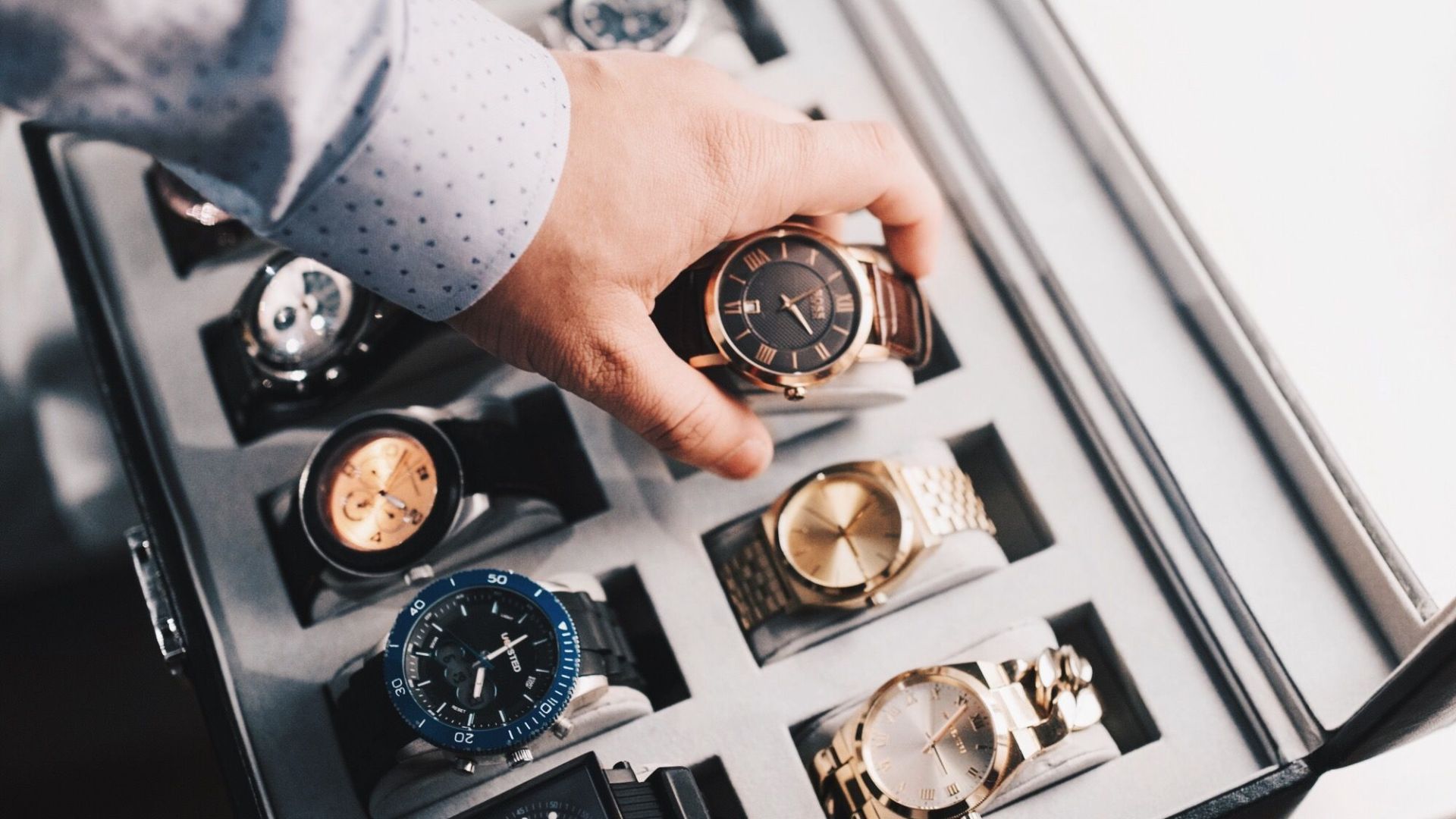
The watch market has a glamorous reputation because a small number of models have brought huge resale prices. That does not mean the average buyer gets the same result. For most watches, resale value depends on the brand, reference, condition, rarity, service history, and timing.

The Pandemic Boom Changed Expectations
During 2020 and 2021, prices for many sought-after pre-owned luxury watches jumped sharply. Morgan Stanley and WatchCharts tracked how the secondary market heated up, especially for brands like Rolex, Patek Philippe, and Audemars Piguet. That run-up convinced a lot of people that watch prices only move one way, which was not true.

Then The Market Cooled Off
By 2022 and into 2023, prices started falling from their highs. WatchCharts published data showing broad declines in the secondary market after the peak in early 2022. It was a good reminder that collectible markets can swing hard, even when the collectible is shiny and Swiss.

Rolex Headlines Can Skew The Whole Conversation
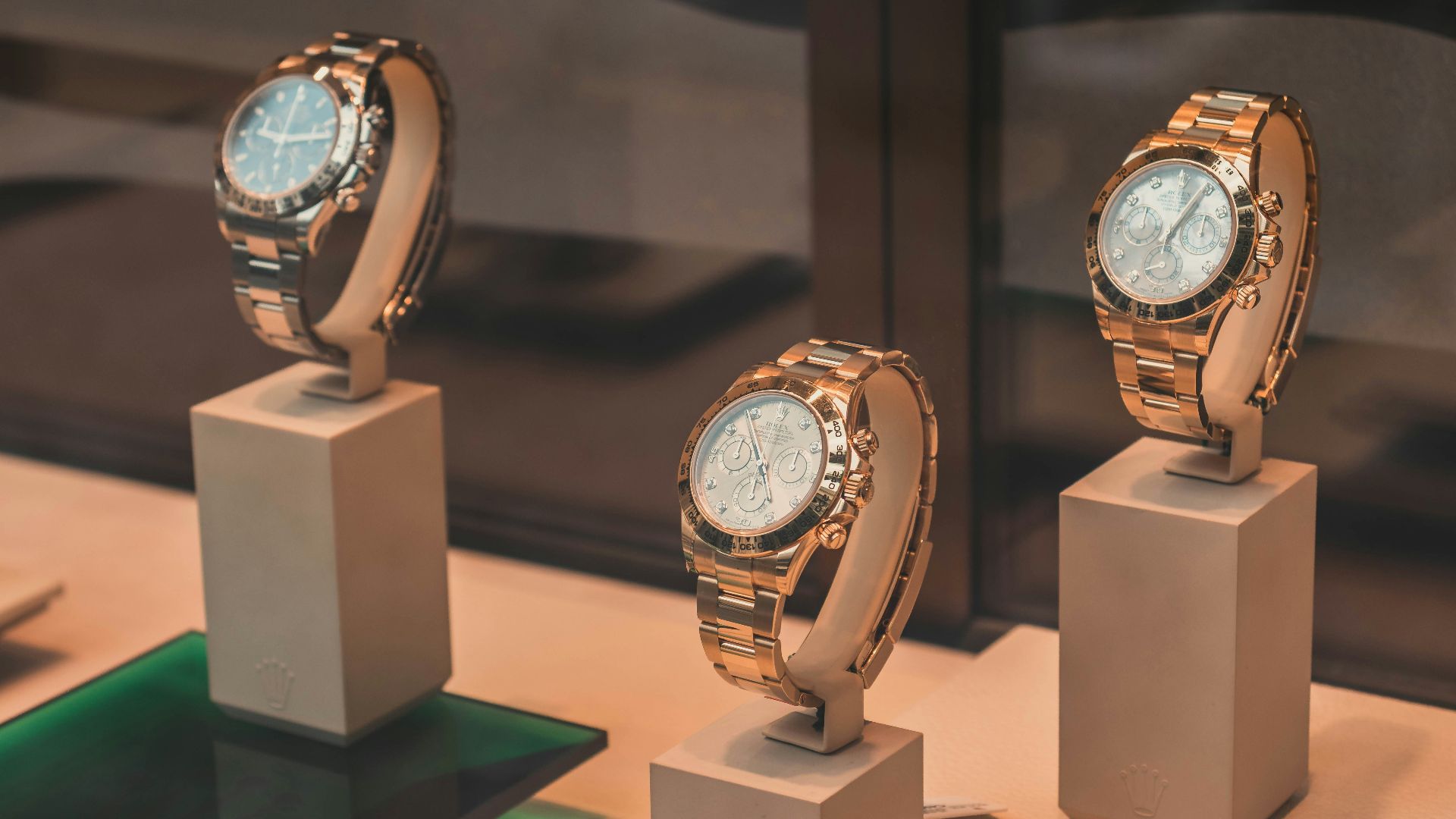
When people talk about watches as investments, they are often really talking about a tiny part of the market. Certain Rolex sports models, along with select Patek Philippe and Audemars Piguet watches, have drawn strong demand for years. That does not mean a random luxury watch bought at full retail will perform the same way.

Retail Price And Market Price Are Two Different Things
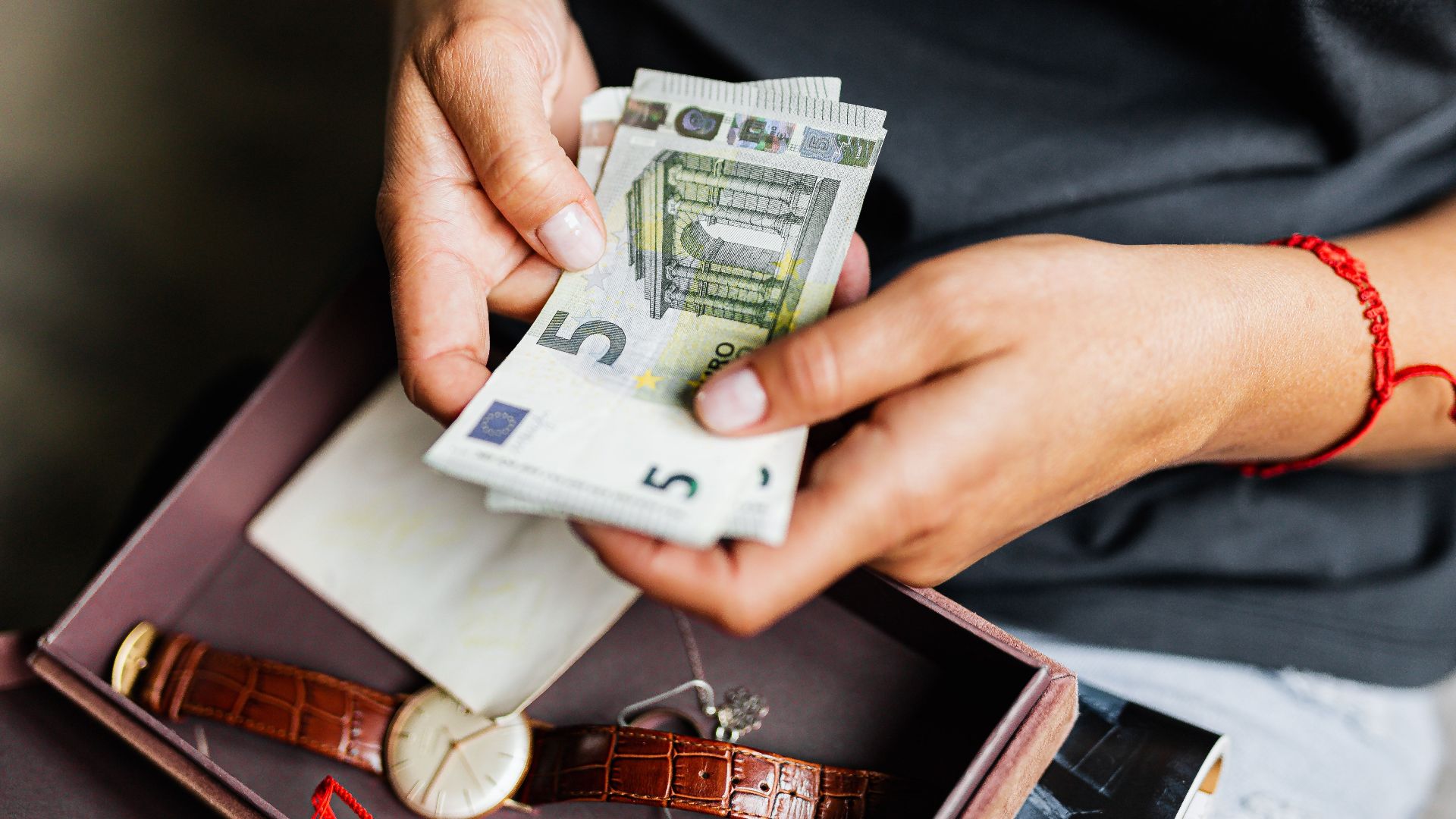
This is one of the biggest traps. Some hard-to-get watches sell above retail on the secondary market, but many others sell below it. If someone buys at retail, pays sales tax, and later sells to a dealer at wholesale, any hope of a profit can disappear fast.
Fees Can Wreck The Dream
Selling a watch is not as easy as checking a stock price and pressing a button. Auction houses take commissions, consignment platforms charge fees, and dealers need room for profit. Insurance, maintenance, and regular servicing also eat into returns over time.

Condition Changes Everything
In collectibles, small details can mean big money. Original box and papers, an unpolished case, matching parts, and a clear service history can all matter. Two watches may look nearly identical to a casual buyer and still sell for very different prices.
Servicing Is Part Of The Deal
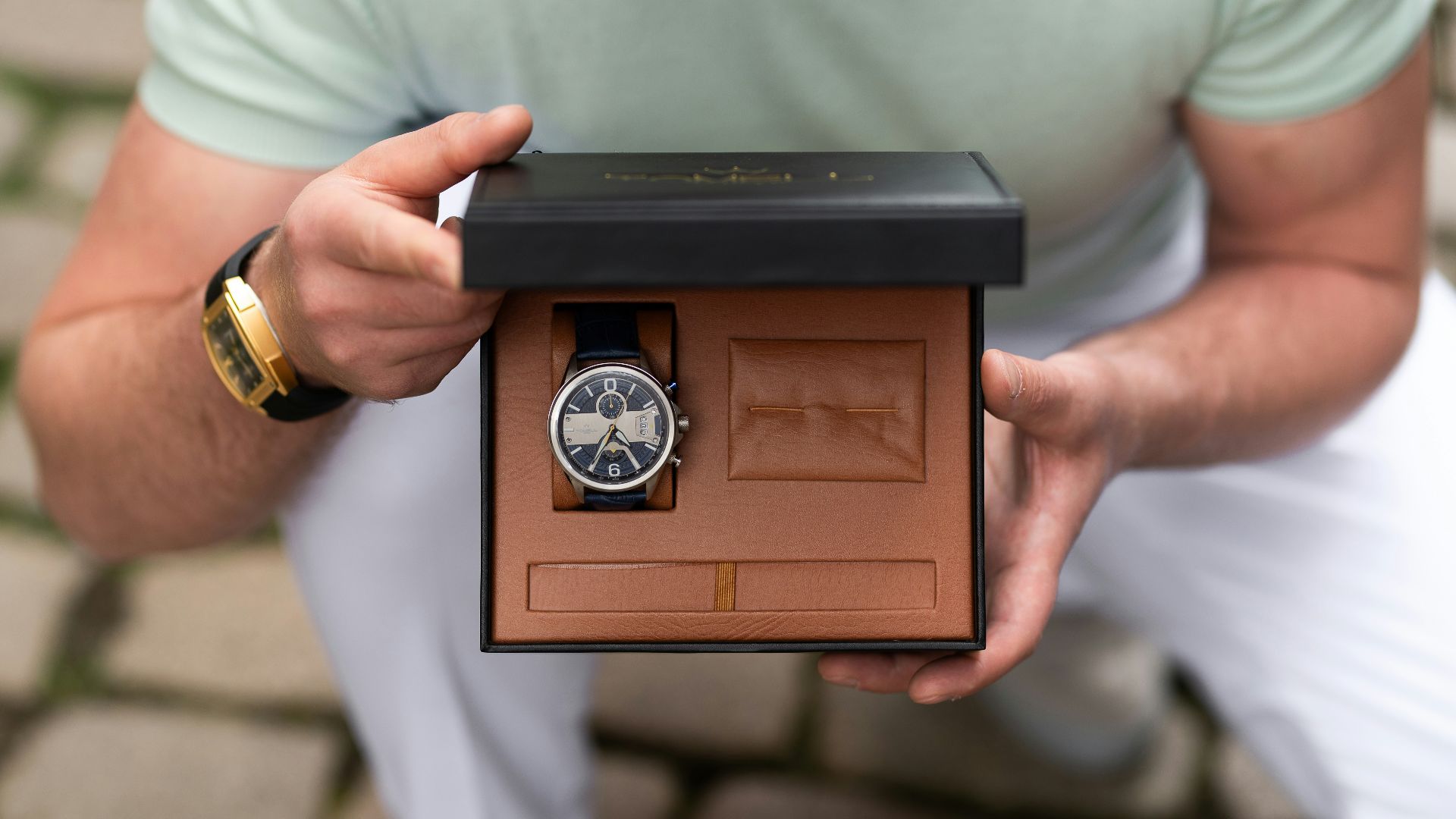
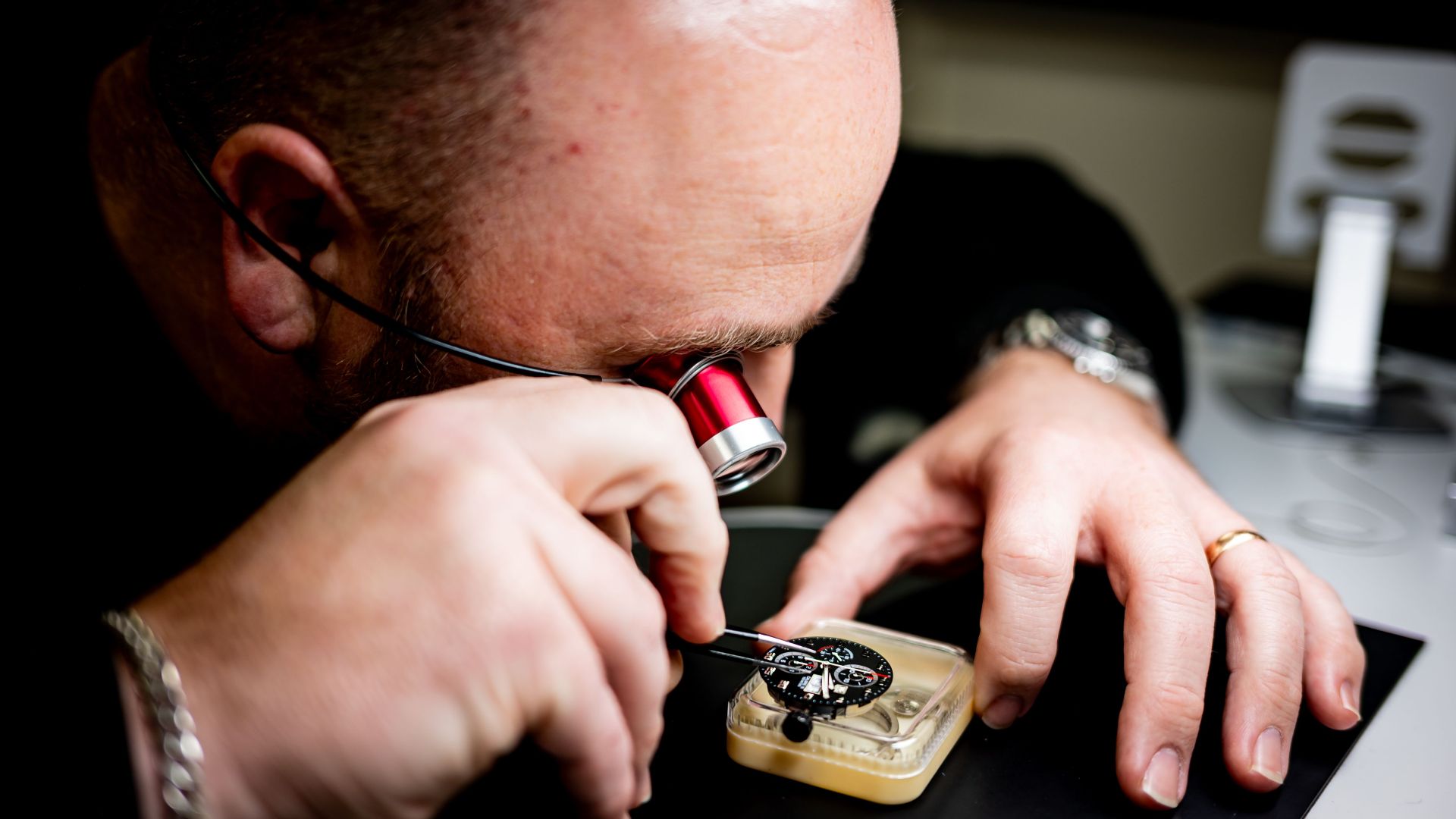
Mechanical watches need maintenance, and it is not cheap. Major brands often recommend periodic servicing, and the cost can range from hundreds to well over a thousand dollars depending on the model and the work needed. If someone wants to call the watch an investment, those costs have to count.
It Is More Liquid Than Art, But Not Like Cash
Yes, a desirable watch can often be sold faster than a house or a niche collectible. But it is still not cash in the bank or shares in a broad index fund. Finding a buyer at the price you want can take time, and needing money quickly usually means settling for less.
Fake Watches Are A Serious Risk
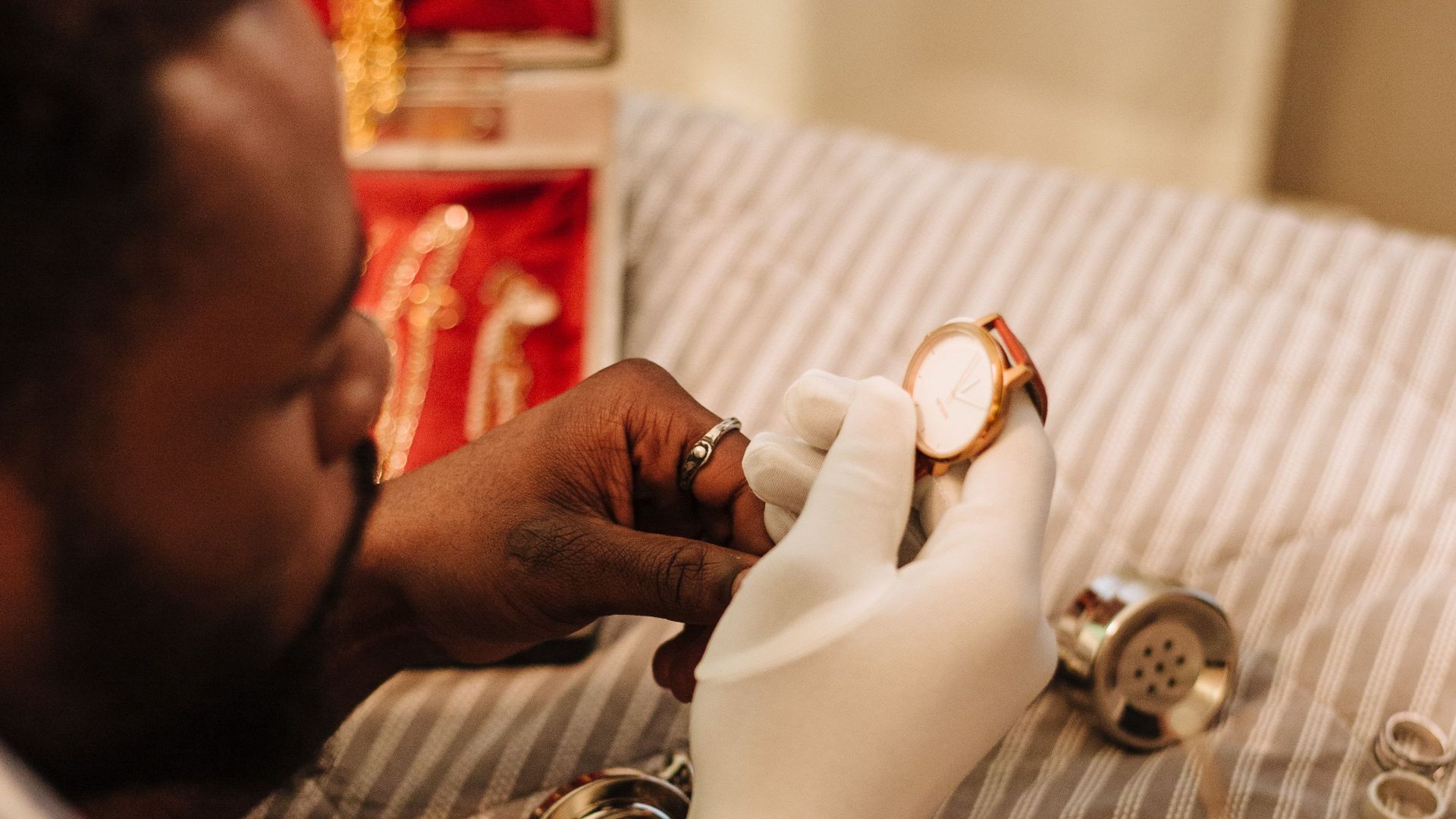
The luxury watch world has a real counterfeit problem, and today’s super fakes can be impressively convincing. That is one reason reputable dealers, major auction houses, and authentication-focused marketplaces matter. It is also why a casual flip-for-profit strategy can go sideways fast.
Insurance Adds Another Cost
Expensive watches can be stolen, lost, or damaged. Insuring them may mean adding them to a homeowners policy or buying separate coverage. That is another ownership cost, and it matters when someone is trying to frame a luxury purchase as financial wisdom.

Collectibles Are Not The Same As Index Funds
A diversified stock index fund gives investors broad market exposure, liquidity, and a long history of building wealth. A watch gives you exposure to one object in a niche market driven by taste, status, and trends. Those are not the same kind of investment, no matter how beautiful the watch is.

Financial Pros Usually Treat Collectibles As A Side Bet
Many financial planners see collectibles as alternative assets, not core retirement holdings. That means they may have a place for wealthy buyers who understand the risks and keep the allocation small. It does not mean they should replace emergency savings, retirement accounts, or paying off high-interest debt.

Buying What He Loves Is A More Honest Argument
There is nothing wrong with spending money on a hobby if the household budget can handle it. The problem starts when enjoyment gets dressed up as disciplined investing. Calling a purchase an asset can be technically true while still being a convenient excuse.

Opportunity Cost Is The Real Issue
Every dollar tied up in a watch is a dollar that cannot go somewhere else. That same money could pay down credit card debt, build an emergency fund, max out an IRA, or go into a low-cost index fund. If the watch does worse than those options, the investment label starts to look shaky.

Try The Forced-Sale Test
Ask a simple question: if you needed cash next month, what would the watch actually sell for after fees and negotiation? If that number is far below the purchase price, then the watch is probably a luxury item first and an asset second.

Then Look At Concentration Risk
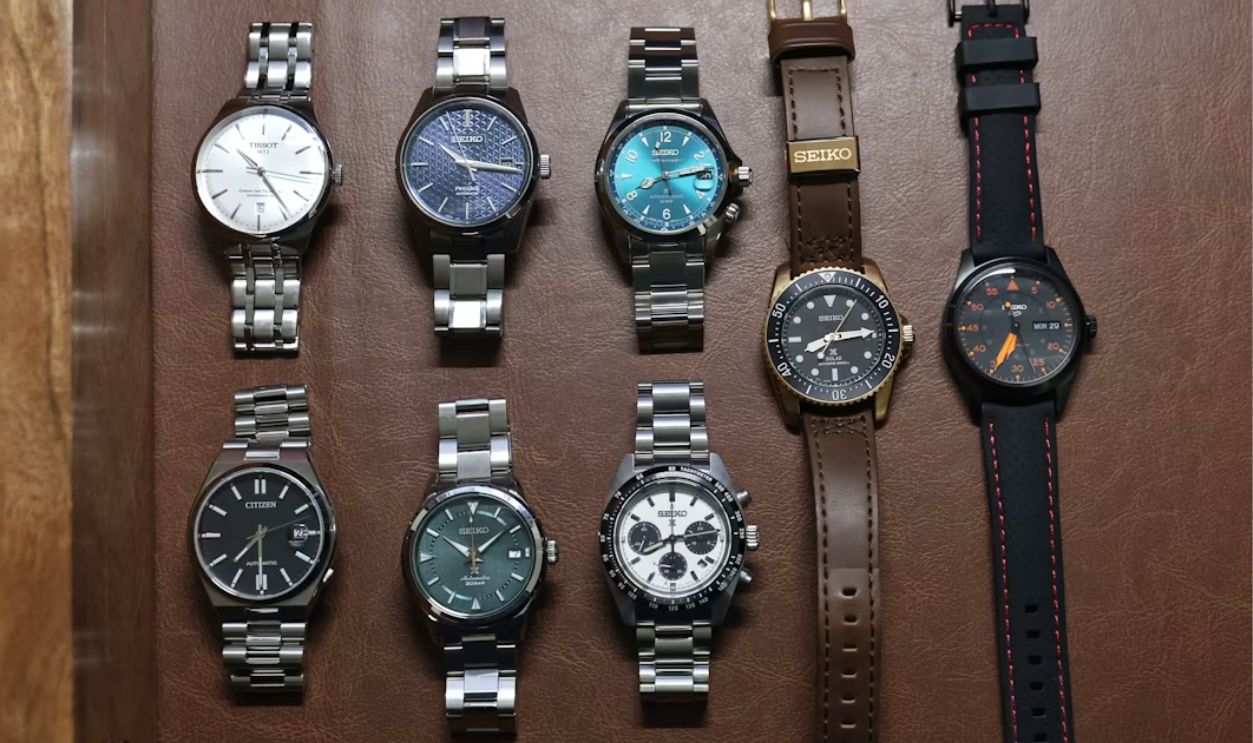
If one spouse is putting a big chunk of net worth into watches, that is not diversification. It is concentration in a niche market shaped by taste, economic cycles, and brand hype. A few flashy auction headlines do not change that.
The IRS Treats Collectibles Differently
In the United States, gains on collectibles can be taxed differently from gains on many other investments. The IRS says collectibles are subject to a maximum 28 percent capital gains rate if they are held for more than one year. That tax treatment can make after-tax returns less appealing than people expect.

The Market Has Already Shown It Can Swing Wildly
WatchCharts and other trackers have shown that prices can rise quickly and then fall in a meaningful way. That is not unique to watches. It is common in collectible markets where scarcity, status, and speculation all feed off each other.

Yes, Some People Really Do Make Money
It would be wrong to say watches never work as investments. Specialists with deep product knowledge, strong dealer relationships, and access to in-demand references can sometimes do very well. But that takes skill, sourcing, timing, and discipline. That is very different from simply buying expensive things.

Most Families Need A Higher Standard
For a household budget, the real question is not whether a watch could someday be sold. The real question is whether buying it improves the family’s financial position compared with safer and simpler alternatives. In many cases, the answer is no, or at least not by enough to justify the confidence.

How To Spot Investing Versus Rationalizing
It looks more like investing when there is a budget, clear limits, proper records, insurance, and an honest estimate of resale value after costs. It looks more like rationalizing when purchases are impulsive, financed, hidden, or defended with cherry-picked stories about record auction sales. The way someone talks about the watch can tell you almost as much as the numbers do.

A Practical Compromise Can Keep The Peace
If watches are his passion, it may help to treat them like a hobby with guardrails. Set a yearly budget, agree on how many pieces can be bought or sold, and make retirement savings and emergency savings nonnegotiable first. That leaves room for the collection without pretending every purchase belongs in the same category as a diversified portfolio.

The Bottom Line On The “Hard Asset” Defense
Buying expensive watches can be collecting, occasional speculating, or in rare cases informed investing. It can also just be spending dressed up in nicer language. If the purchases fit the budget and happen after the essentials are covered, fine. But if the “hard asset” argument is being used to dodge basic financial reality, it is probably rationalizing.