America Couldn't Resist An All-You-Can-Eat Bargain
For decades, Americans couldn't resist the promise of endless fried chicken, mountains of mashed potatoes, and unlimited desserts for one low price. Chains like Old Country Buffet, Ryan's, and Ponderosa turned ordinary family dinners into all-you-can-eat feasts. But those overflowing plates weren't always the incredible bargains customers believed they were, and many of these once-famous restaurants have since disappeared.
How many of these forgotten buffet chains do you remember, and were they really worth the money?
Why Americans Loved All-You-Can-Eat Buffets
Buffets promised something ordinary restaurants couldn't: unlimited food for one predictable price. Families loved the variety, generous portions, and freedom to return for seconds or thirds without paying extra. But the savings weren't always what they seemed, especially for customers who ate less than the fixed admission price justified. Sometimes the feeling of getting a bargain was worth more than the food itself.
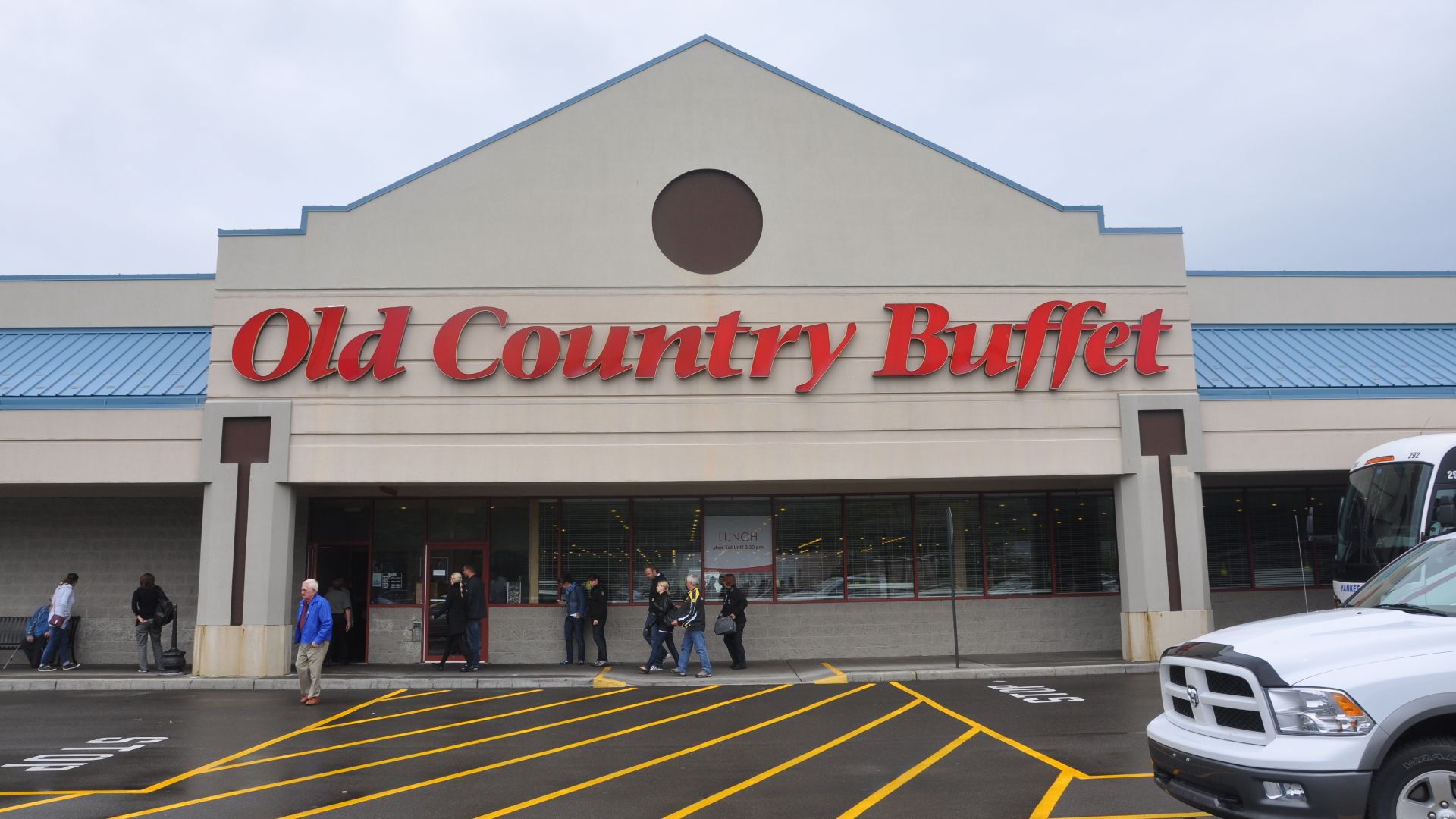
Old Country
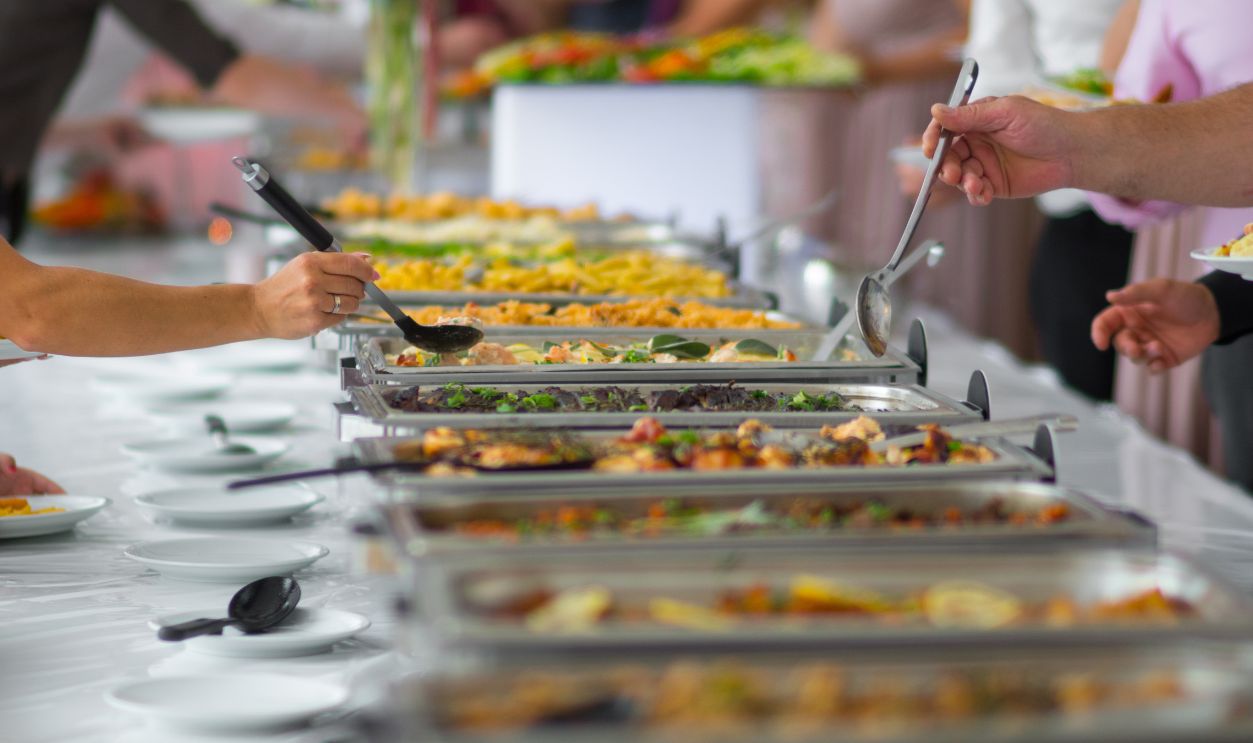
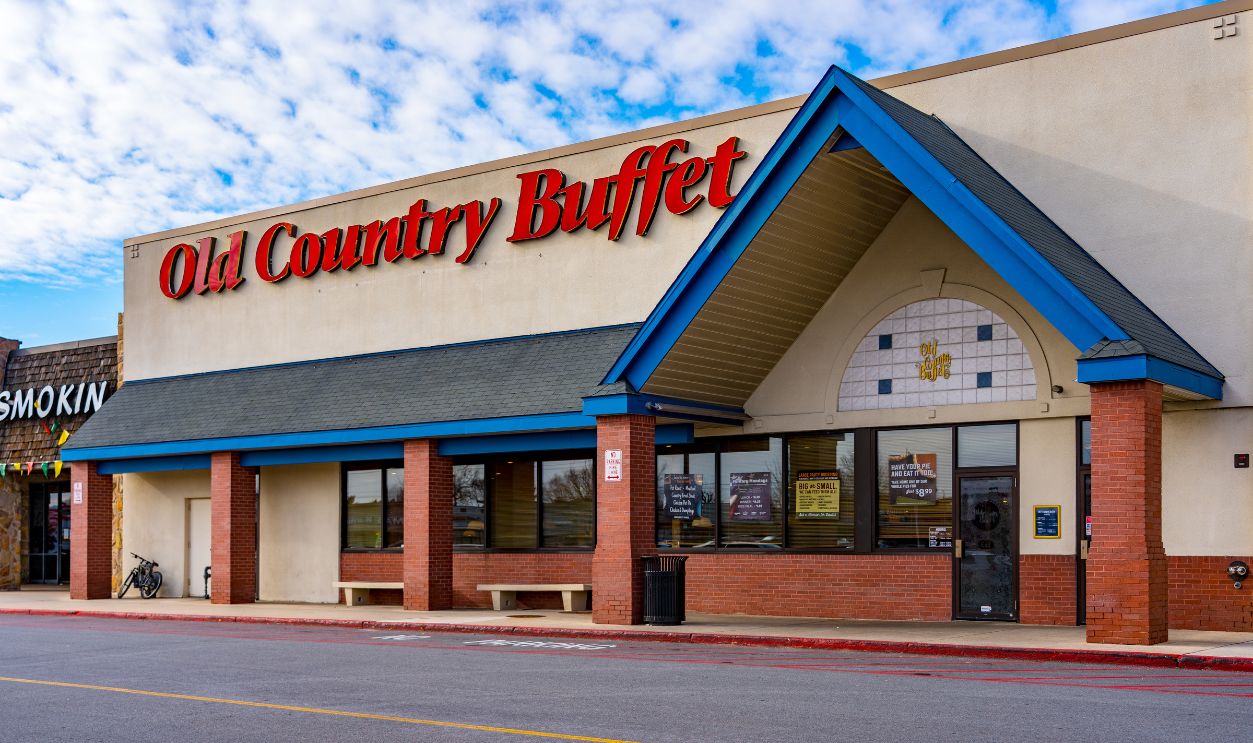
Old Country Buffet opened its first restaurant in 1983 and became a popular destination for families seeking an affordable night out. Its enormous food stations offered everything from roast beef and fried chicken to mashed potatoes, vegetables, and desserts. Parents could feed the entire family without ordering separate entrees, while children loved choosing whatever they wanted.
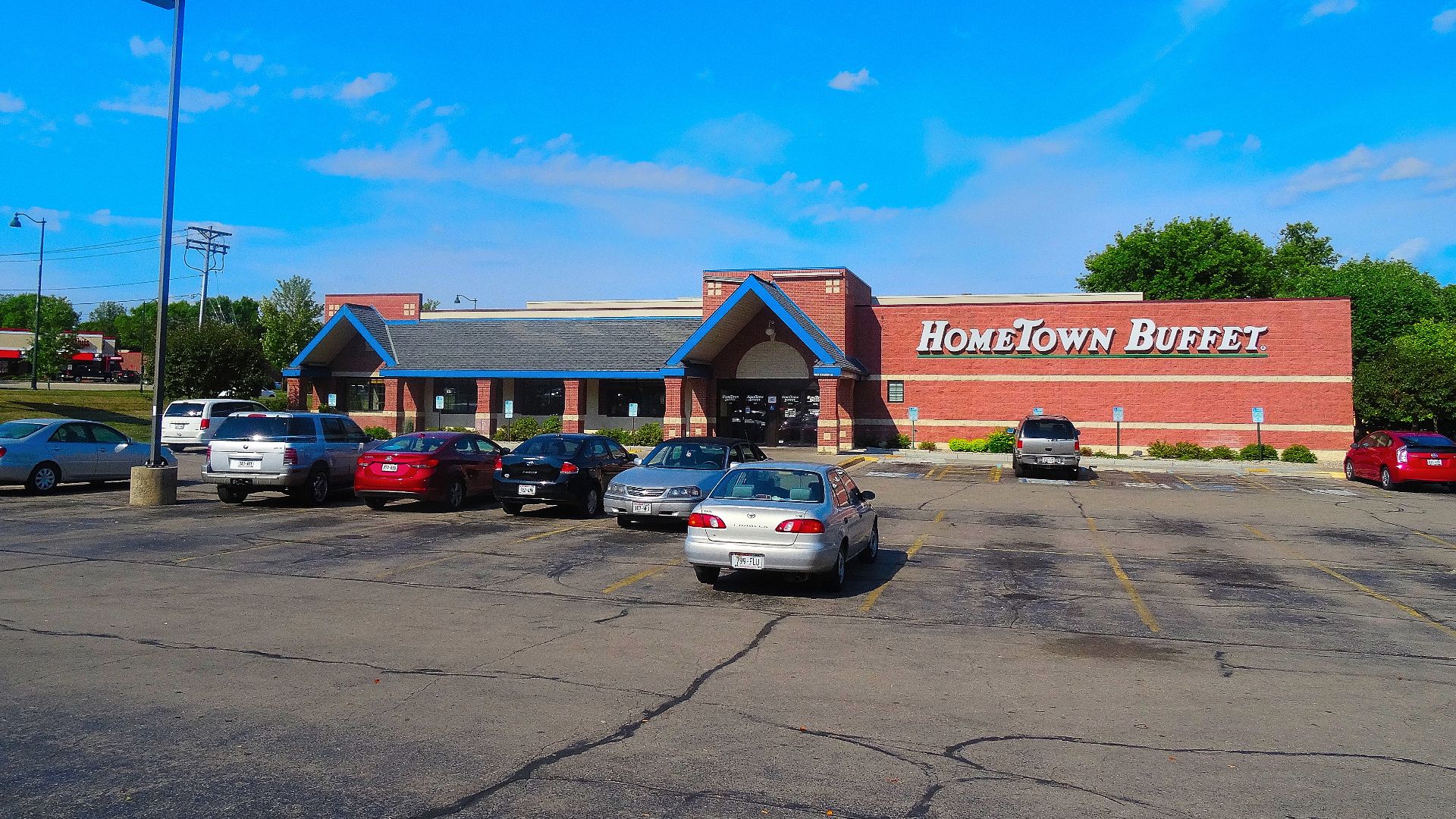
HomeTown Buffet
HomeTown Buffet became especially popular in Western states, offering a sprawling selection of American comfort foods. Eventually sharing ownership with Old Country Buffet, the chain helped create a nationwide buffet empire. Customers could choose from carving stations, hot entrees, salads, and desserts, making it particularly appealing to families with picky eaters.
 Corey Coyle, Wikimedia Commons
Ryan's
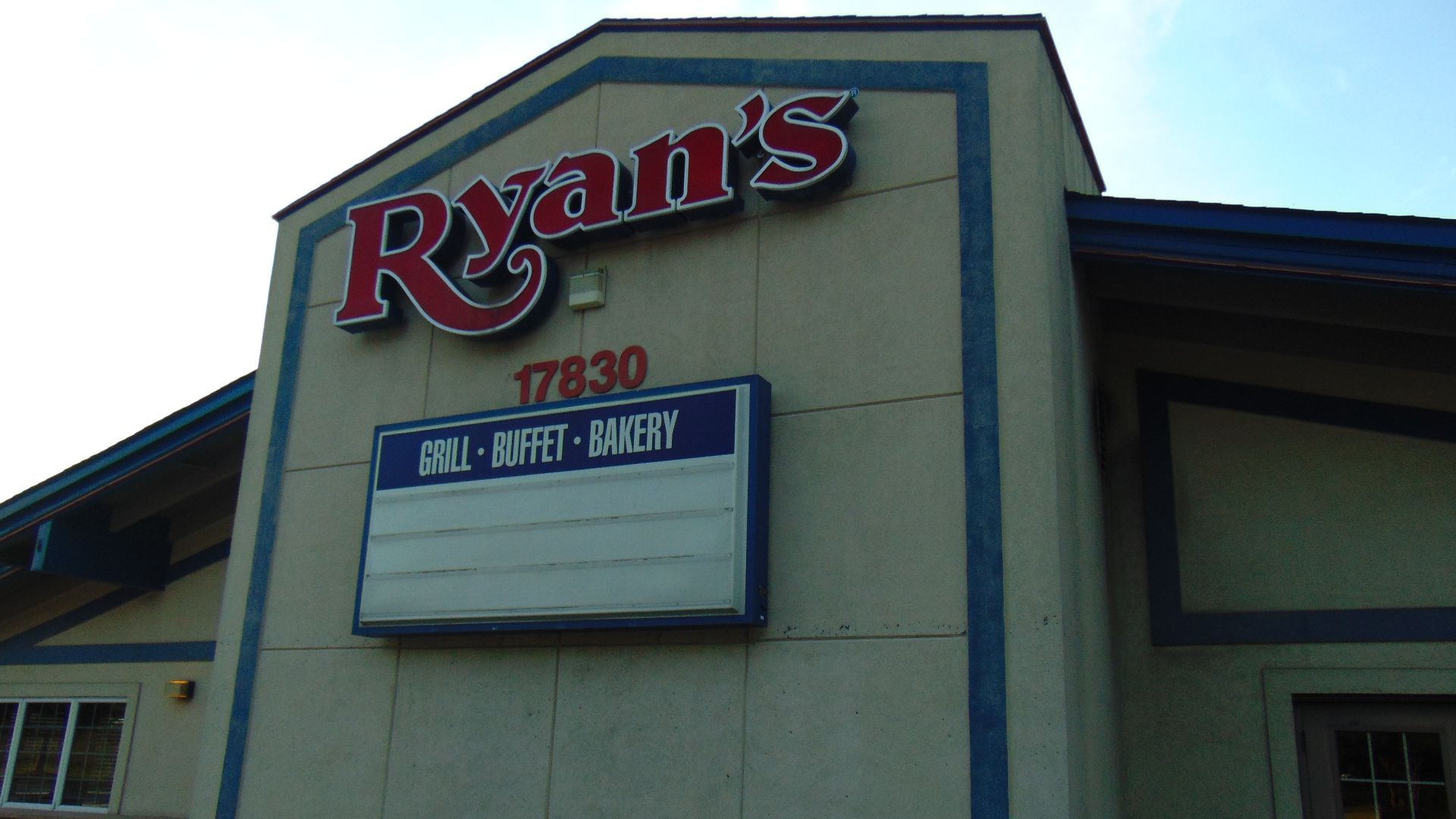
Founded in South Carolina in 1977, Ryan's originally built its reputation on affordable steakhouse meals. Everything changed in 1986 with the introduction of its Mega Bar, which expanded the traditional salad bar into an enormous selection of hot and cold dishes. Customers could enjoy meats, vegetables, salads, and desserts without ordering a conventional steak dinner.
 JJBers from Willimantic, Connecticut, USA, Wikimedia Commons
Fire Mountain
Fire Mountain emerged in 2003 as a buffet concept associated with Ryan's Restaurant Group. Its lodge-style buildings offered a more elaborate atmosphere than traditional cafeteria dining. Inside, customers found extensive food stations and display cooking areas where they could watch certain dishes being prepared.
Furr's
Furr's began in Hobbs, New Mexico, in 1946, long before all-you-can-eat dining became a national obsession. Customers originally moved through cafeteria lines, selecting individual portions of meatloaf, fried chicken, vegetables, and desserts. The chain eventually embraced buffet dining, offering a wider selection for one price.
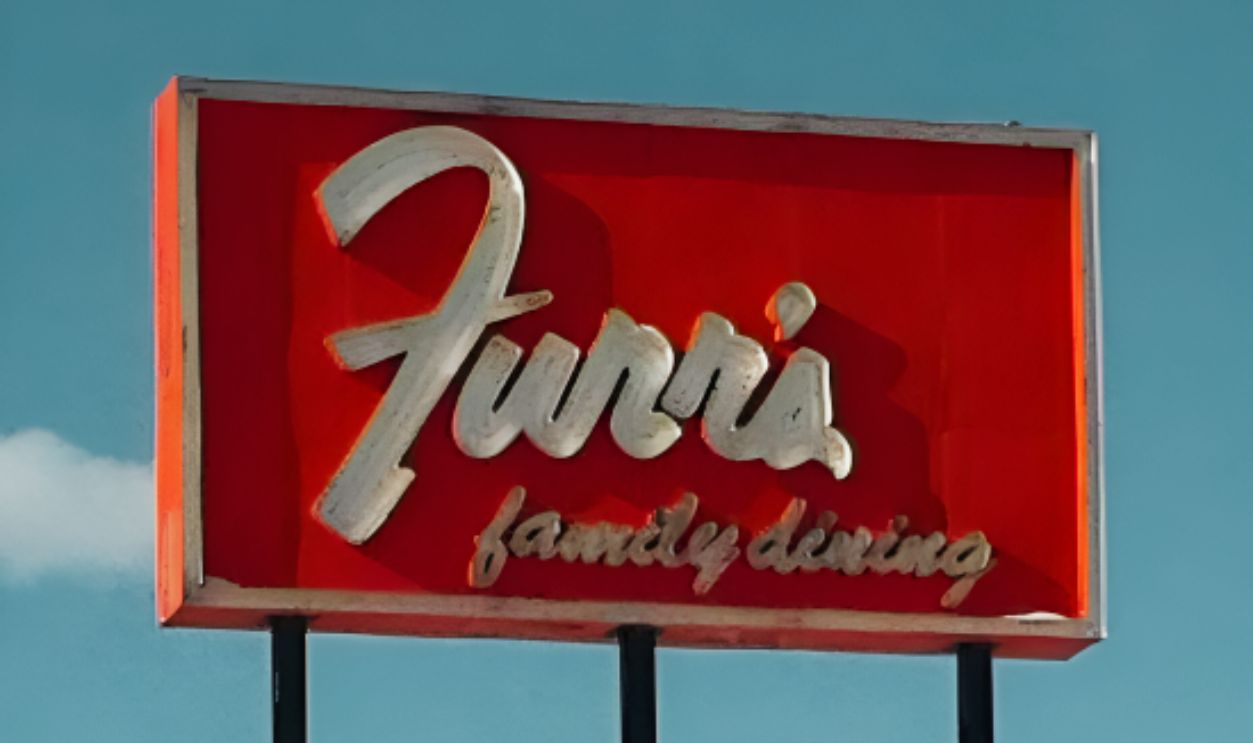 Xnatedawgx, Wikimedia Commons, Enhanced
Ponderosa
Founded in Kokomo, Indiana, in 1965, Ponderosa helped popularize affordable family steakhouse dining. Customers could order traditional steak dinners while enjoying salad bars and, at many locations, expanded buffet selections. Ponderosa still operates today, preserving a familiar piece of American dining nostalgia.
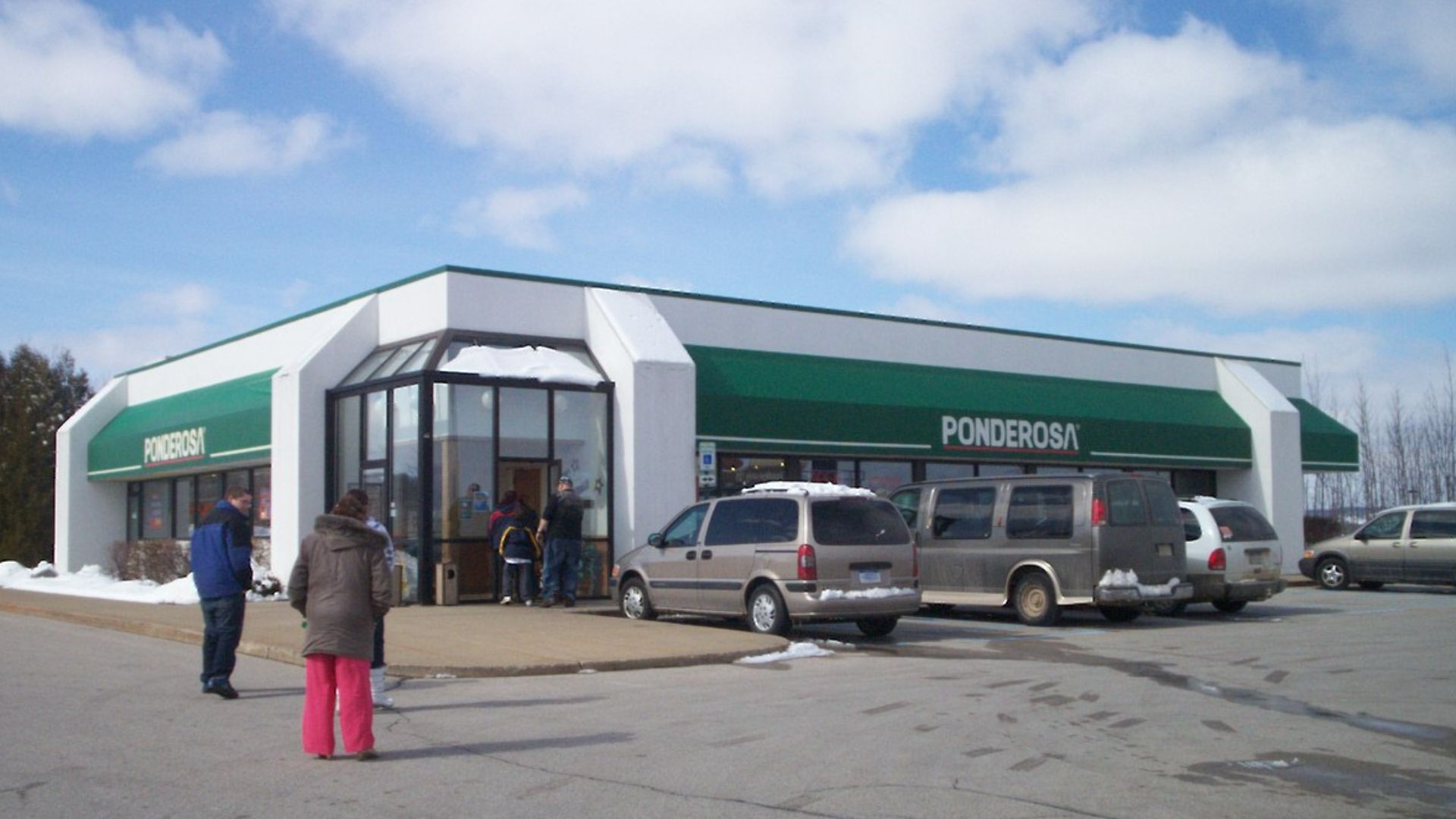 TenPoundHammer, Wikimedia Commons
Bonanza
Bonanza Steakhouse arrived in 1963 and became another recognizable name in affordable family dining. Its combination of steakhouse meals, salad bars, and buffet options offered something for everyone. The chain eventually came under the same corporate ownership as Ponderosa, and a small number of Bonanza restaurants remain today.
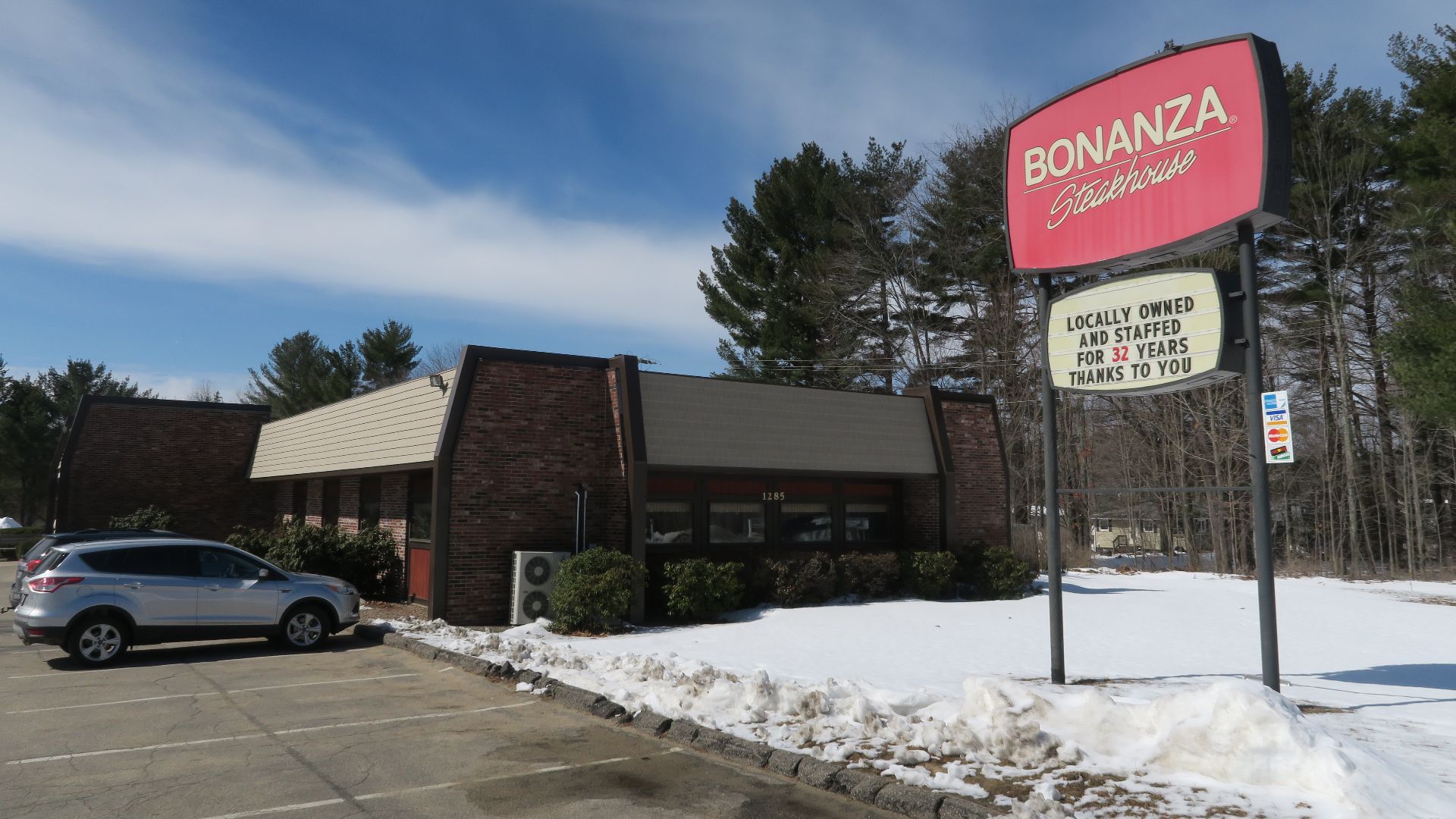 John Phelan, Wikimedia Commons
Western Steer
Western Steer began in North Carolina during the 1970s, combining affordable steaks with increasingly elaborate buffet offerings. By 1986, its All-American Food Bar advertised more than 80 items, including meats, casseroles, breads, and desserts. Some promotions offered the buffet for around $3.99, or just $1.89 when added to an entree.
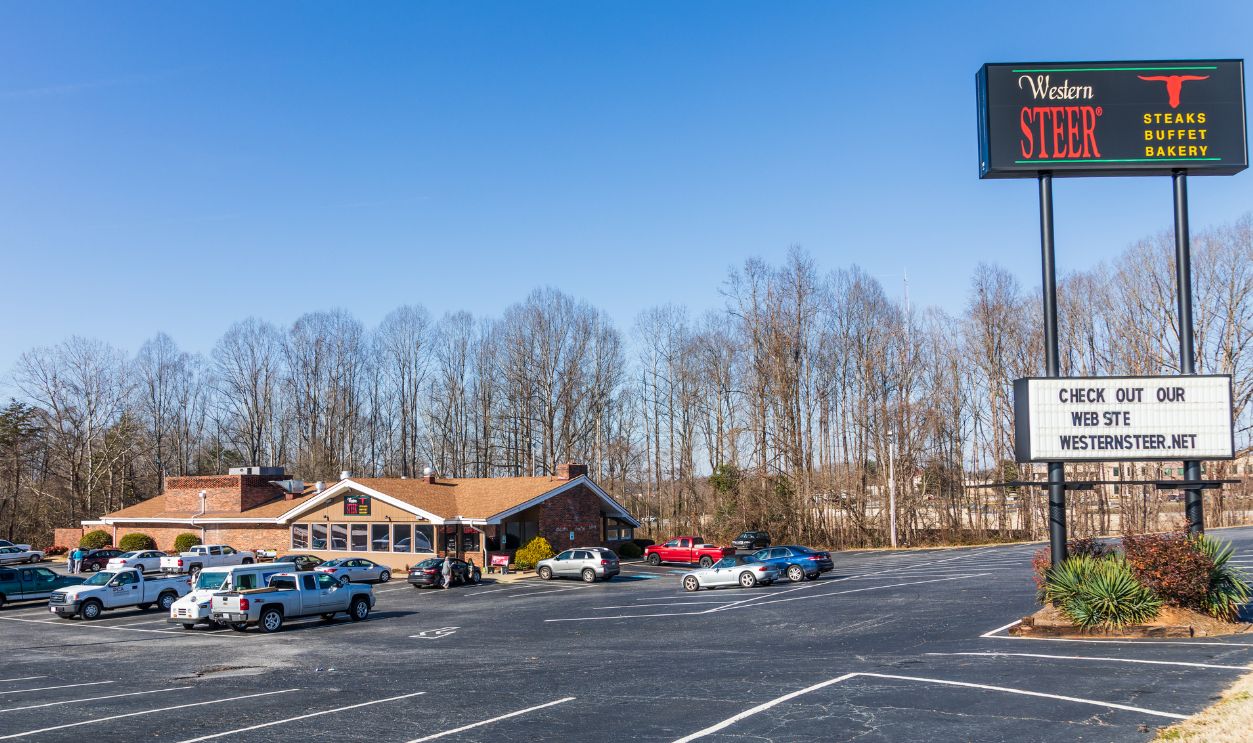 J. Michael Jones, Shutterstock
Quincy's
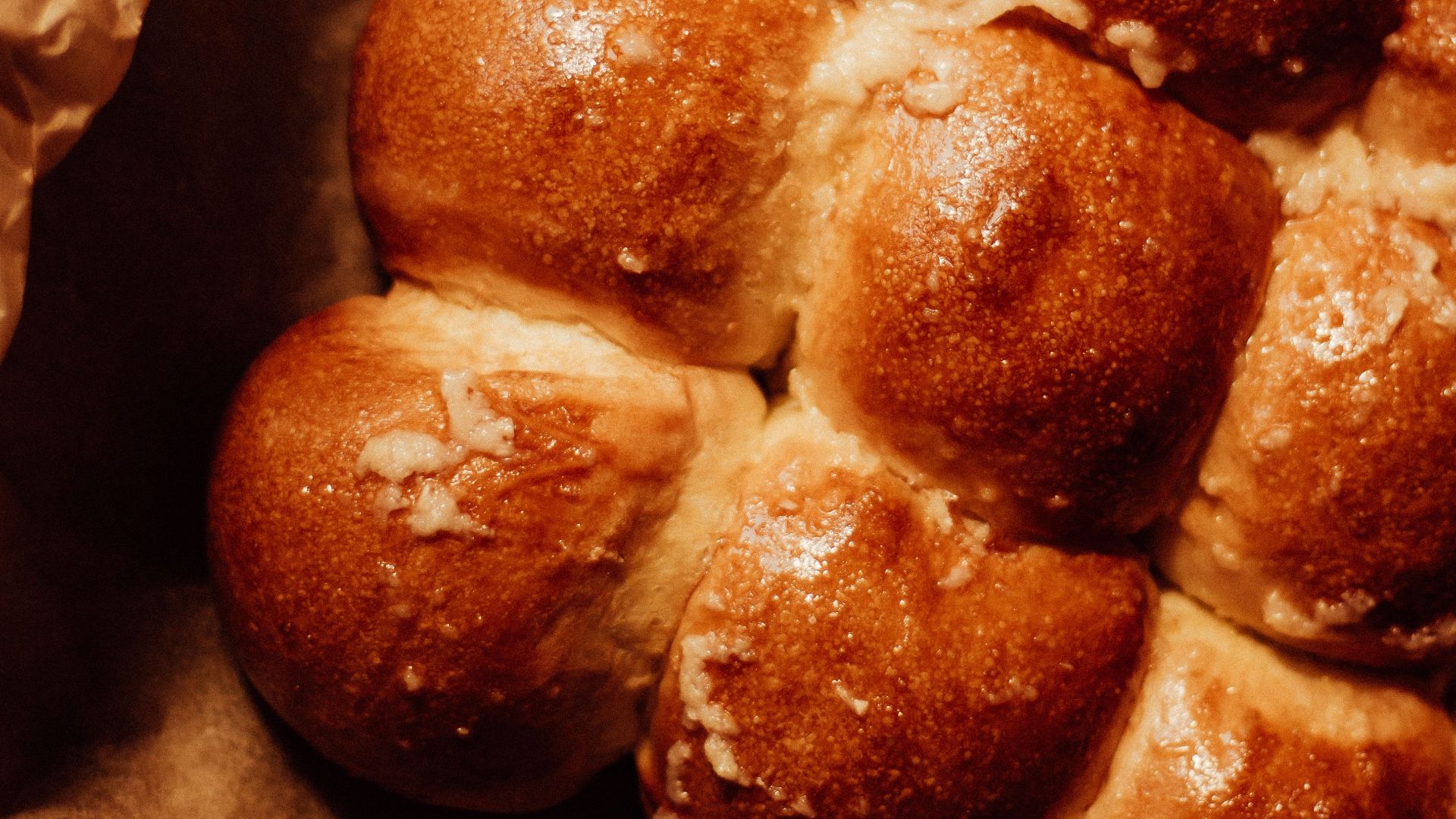
Quincy's Family Steakhouse became a Southern favorite, known for affordable meals and extensive food bars. But its most memorable attraction was the Big Fat Yeast Roll, a warm, oversized dinner roll that became the chain's signature. A small number of Quincy's restaurants continue serving nostalgic favorites today.
Sirloin Stockade
Sirloin Stockade combined affordable steakhouse dining with extensive buffet selections. Customers could choose from traditional meats, vegetables, salads, baked goods, and desserts, creating meals suited to almost any appetite. A limited number of Sirloin Stockade restaurants remain open today, continuing that familiar dining tradition.
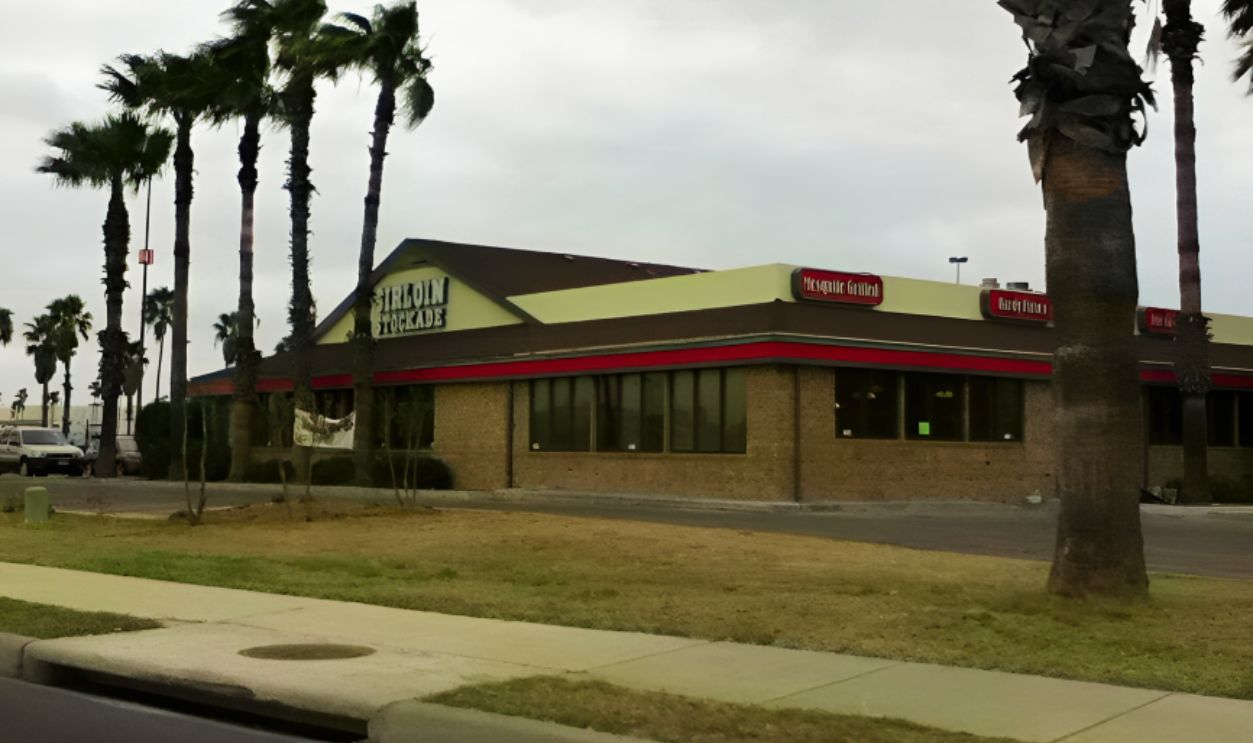 Octavio Alonso Maya …, Wikimedia Commons, Enhanced
Shoney's
Shoney's introduced its breakfast bar in the early 1980s, transforming an ordinary morning meal into a self-service feast. Customers could pile their plates with scrambled eggs, bacon, sausage, pancakes, biscuits, and gravy. The breakfast bar became one of the chain's signature attractions and remains part of Shoney's dining experience today.
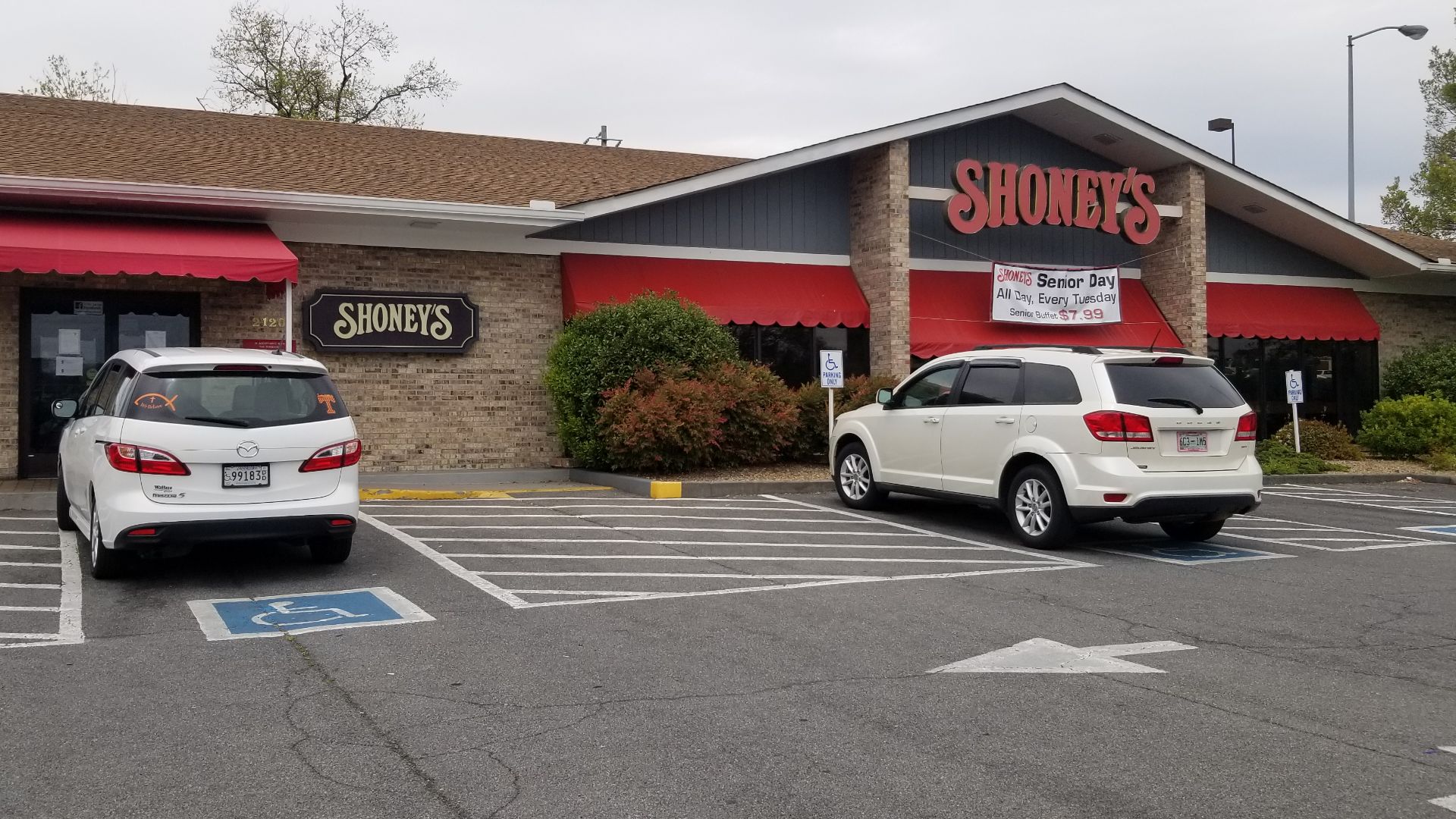 Mike Kalasnik from Unionville, CT, USA, Wikimedia Commons
Country Cookin
Founded in Roanoke, Virginia, in 1981, Country Cookin specialized in traditional Southern comfort food. Its restaurants became popular family destinations, offering homestyle meals and buffet selections without the work of cooking at home. The regional chain permanently closed its remaining 13 locations in October 2020, ending nearly four decades of service.
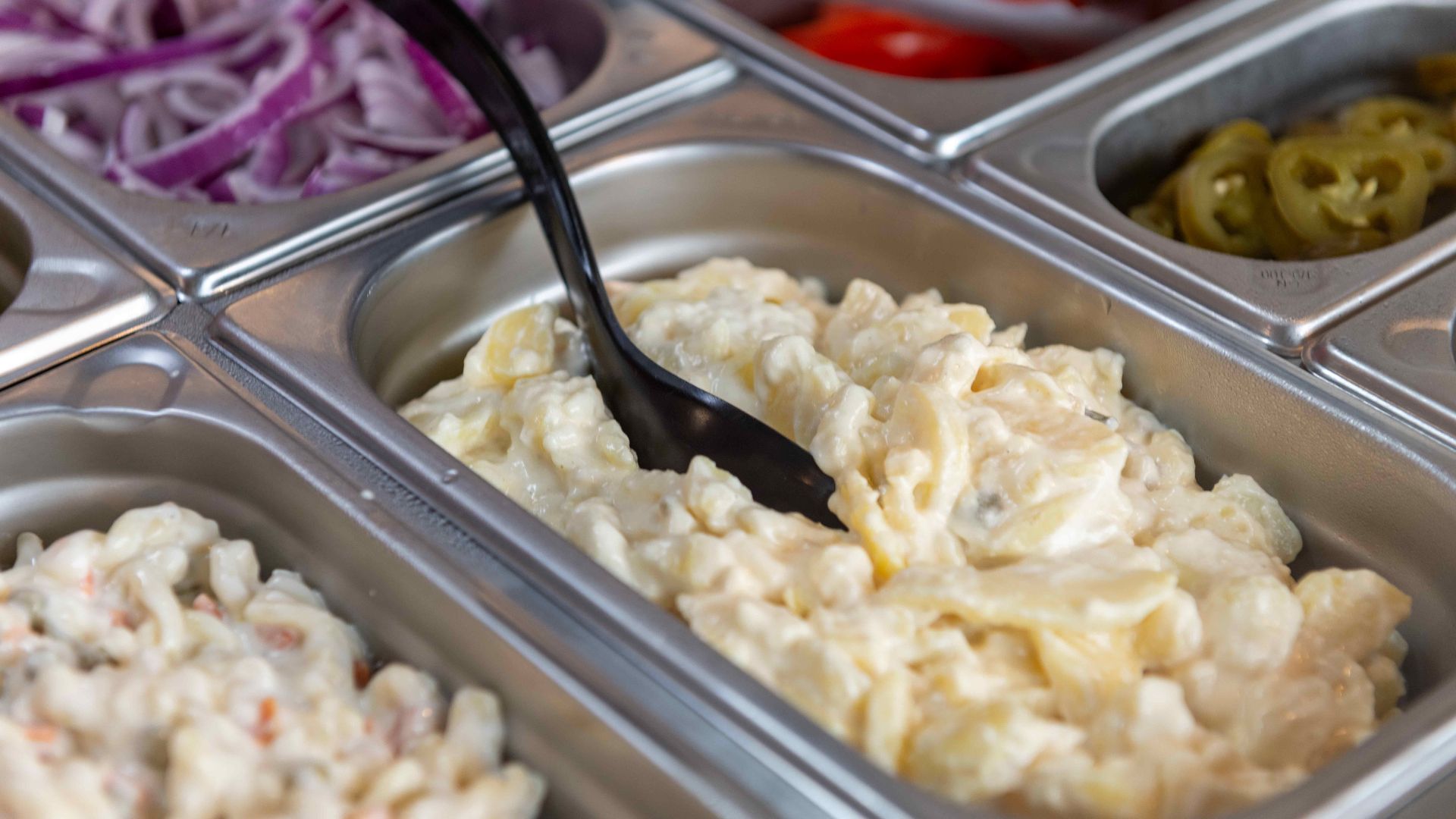
Fresh Choice
Fresh Choice opened in Sunnyvale, California, in 1986, offering an alternative to traditional steakhouse buffets. Its extensive salad bars, soups, vegetables, and lighter dishes allowed customers to build colorful meals from dozens of ingredients. The chain became especially popular in Northern California before its original business entered bankruptcy in 2012.
Souplantation
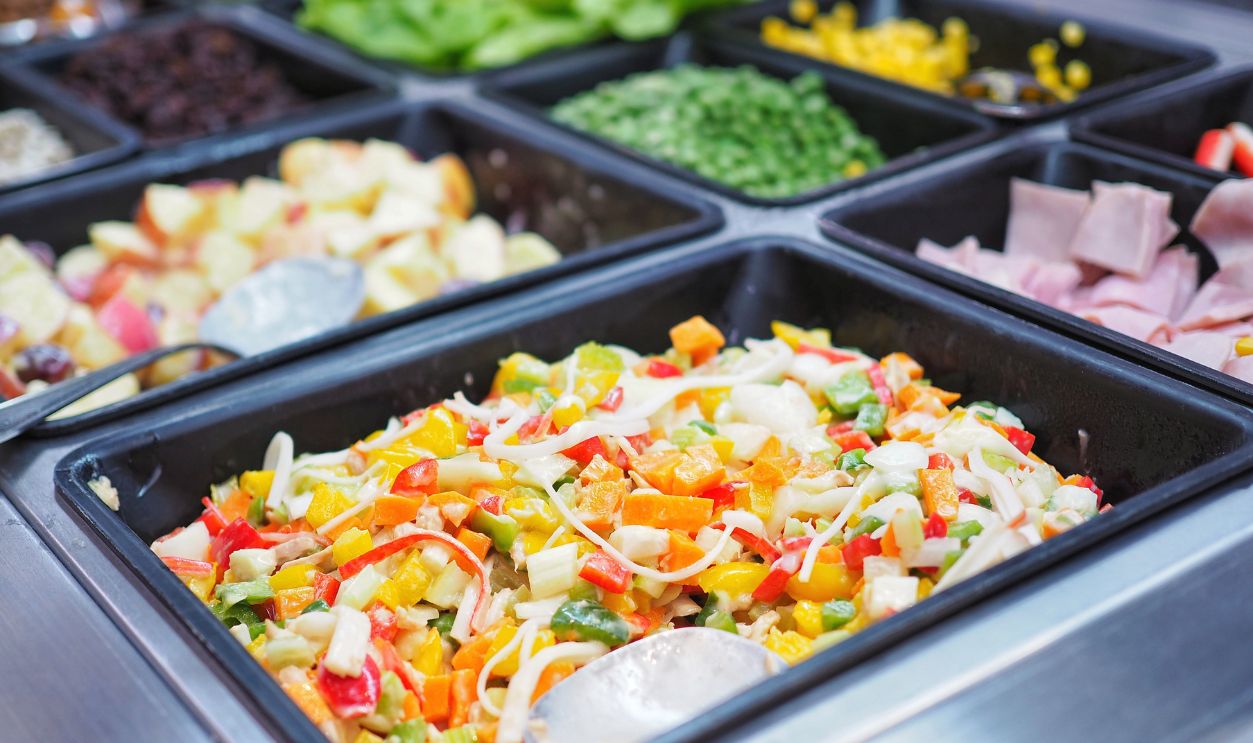
Souplantation opened in San Diego in 1978, building its reputation around fresh salads, soups, breads, and baked goods. Customers could start with a custom-built salad before moving on to pasta, muffins, and desserts. Its generous selection helped make Souplantation a beloved Southern California institution.
Sweet Tomatoes
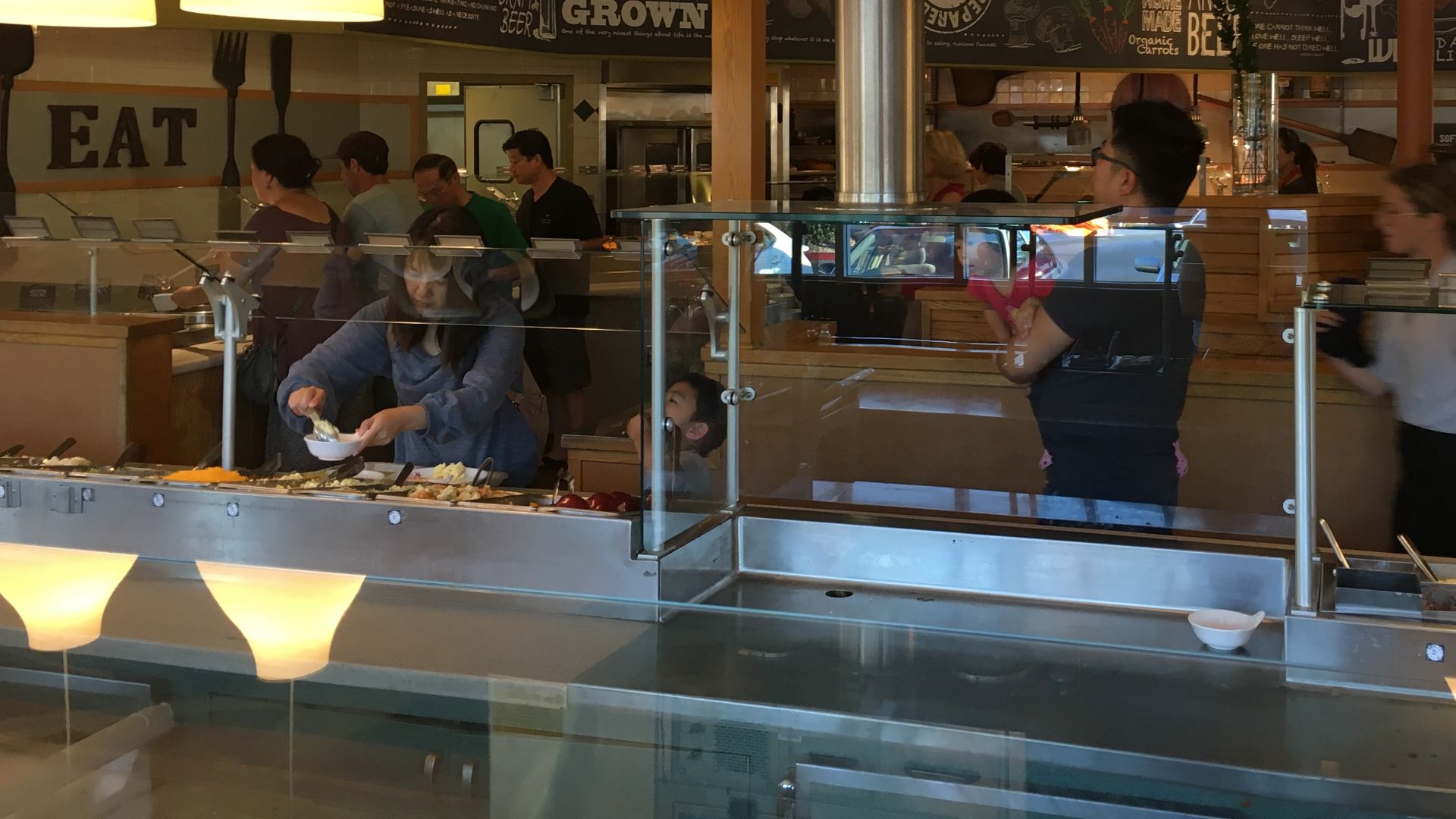
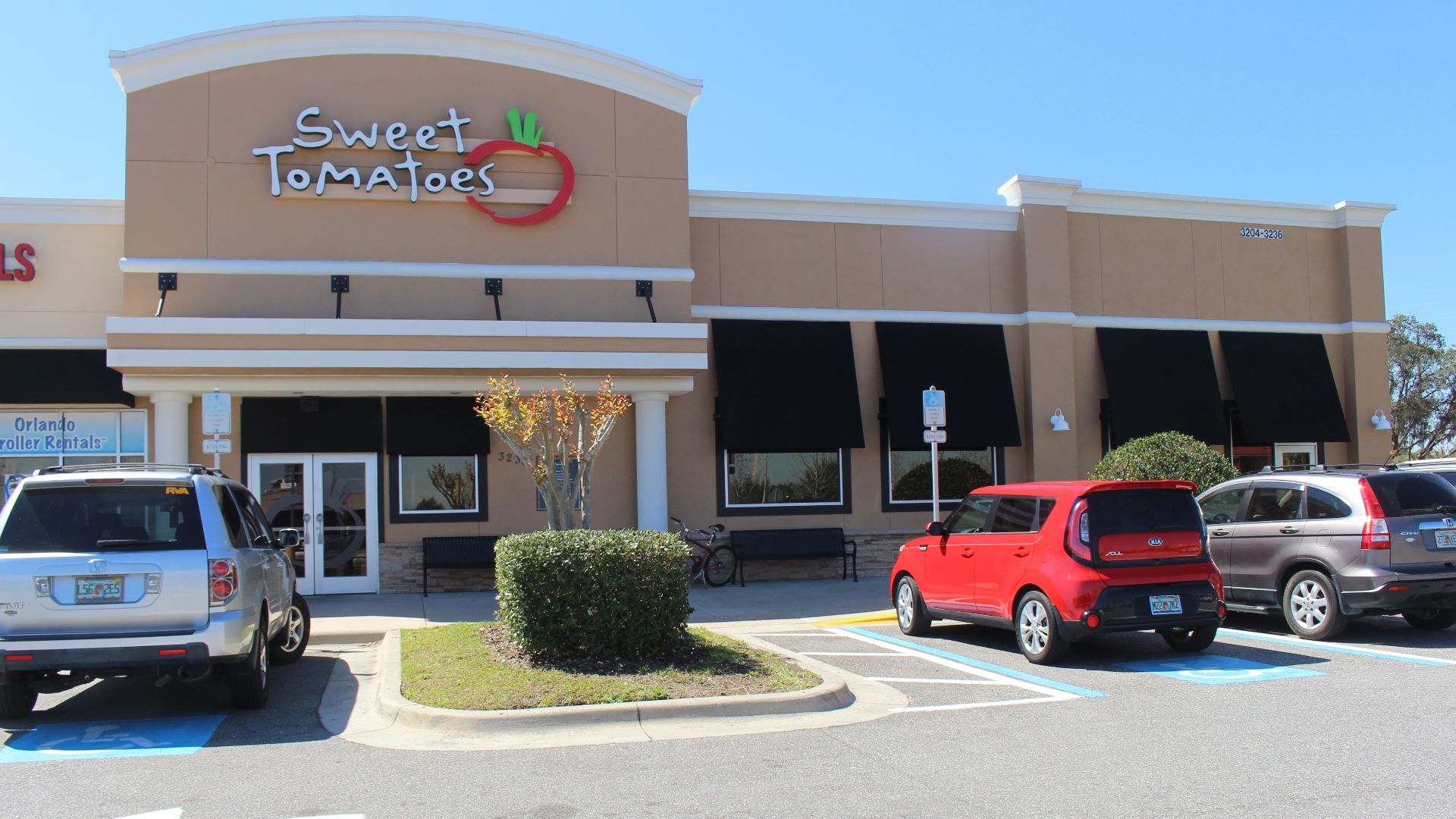
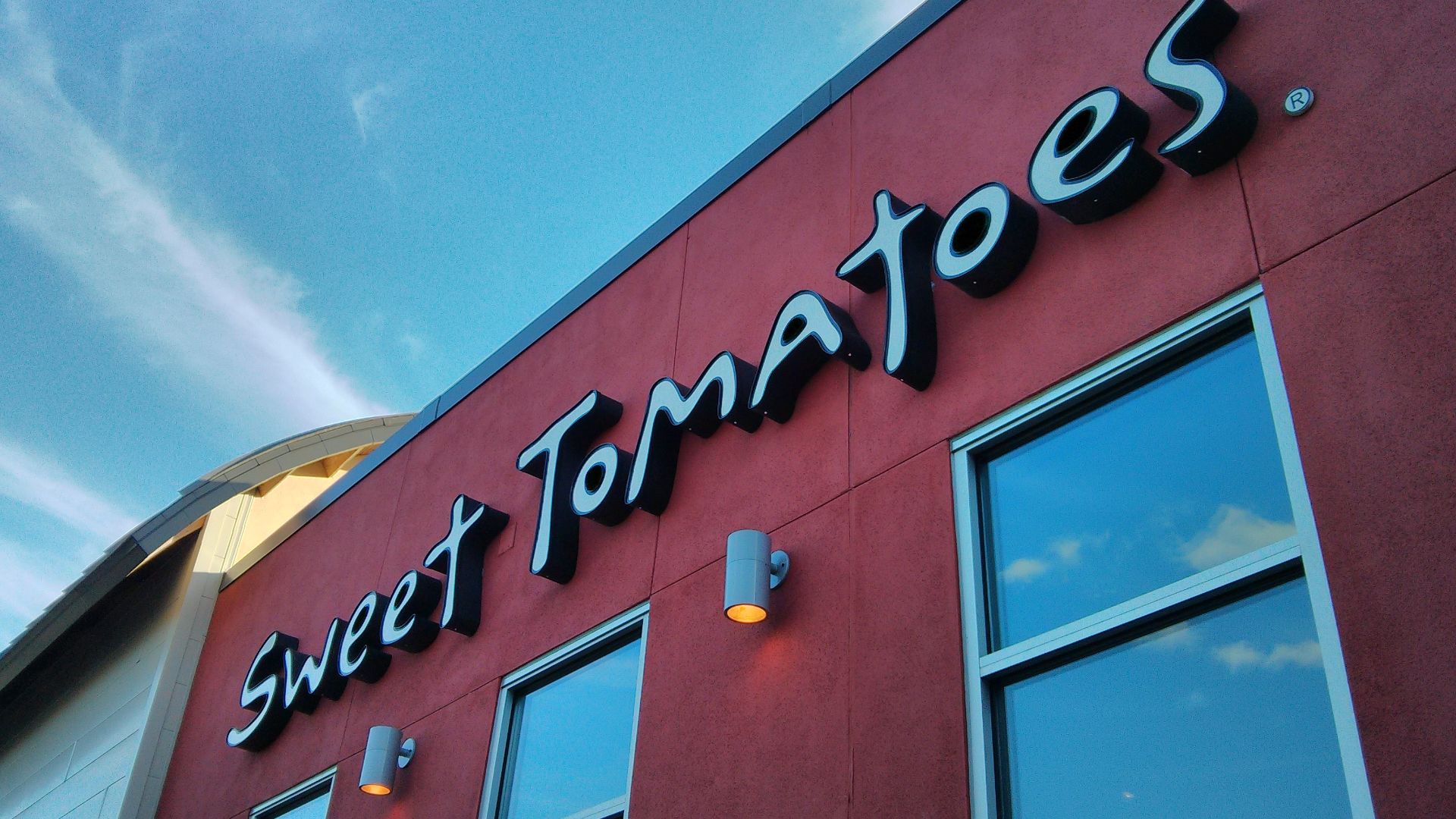
Sweet Tomatoes brought Souplantation's salad-and-soup buffet concept to markets outside Southern California. The original company closed all 97 remaining restaurants under both names in 2020, seemingly ending the story. But Sweet Tomatoes reopened in Tucson in 2024, giving nostalgic customers another chance to enjoy the familiar buffet.
 Michael Rivera, Wikimedia Commons
Wendy's SuperBar
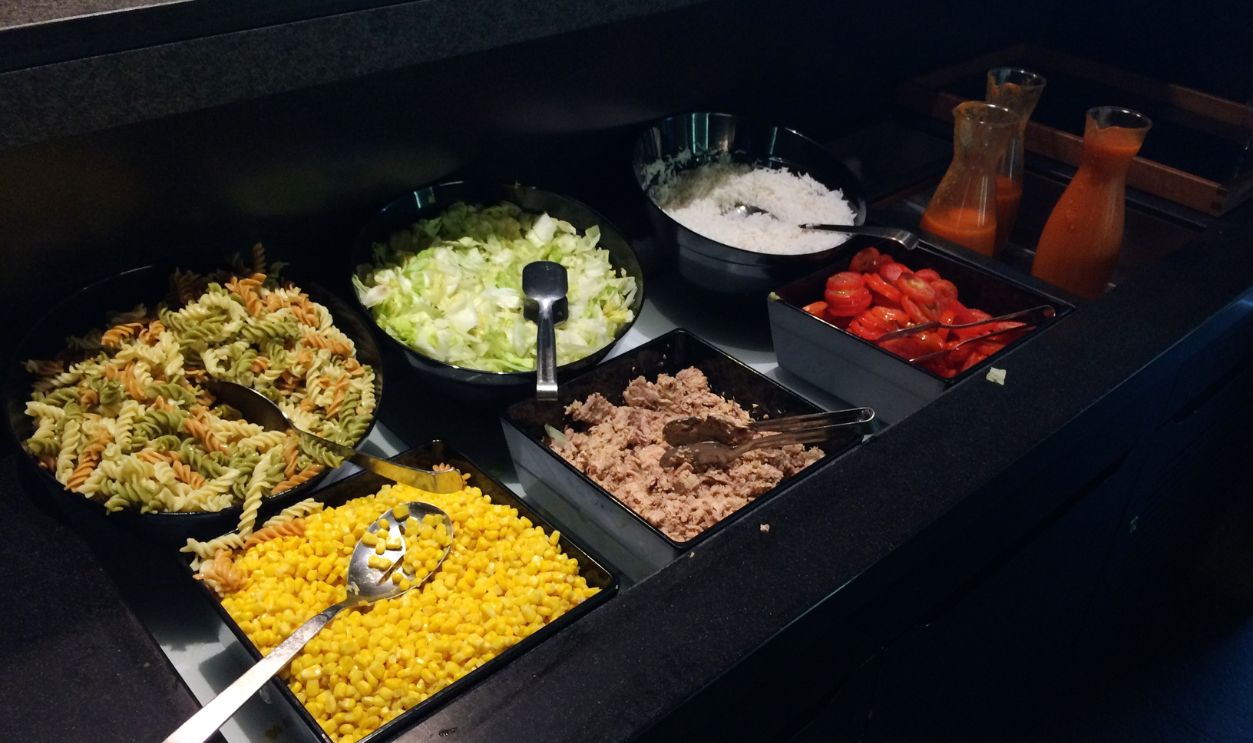
In 1988, Wendy's introduced an all-you-can-eat SuperBar offering considerably more than hamburgers and fries. Its Mexican Fiesta, Pasta Pasta, and Garden Spot stations featured tacos, spaghetti, salads, and pudding, with the buffet advertised for just $2.99. The concept disappeared by 1998 but remains one of the most memorable fast-food experiments of the era.
Pizza Hut
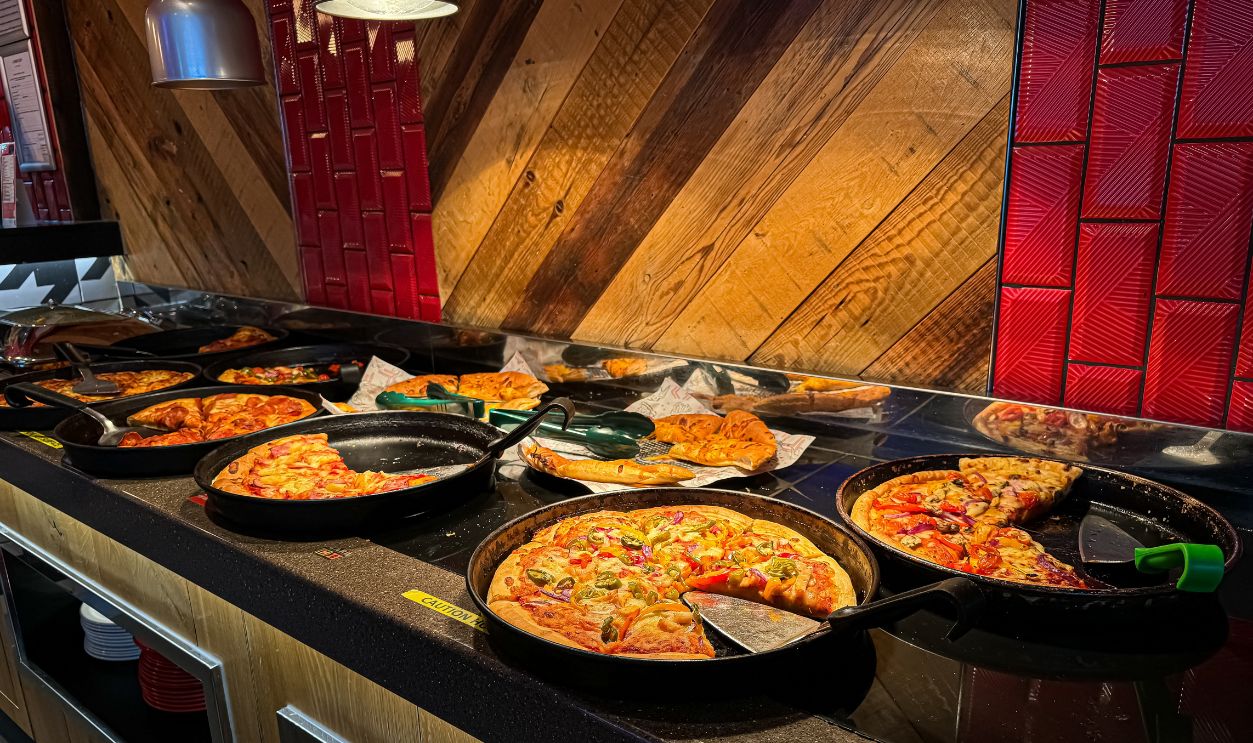
Pizza Hut's lunch buffet became a familiar sight during the 1980s and 1990s, particularly at its traditional dine-in restaurants. Customers could sample several pizza varieties alongside salads, pasta, and other buffet offerings without ordering an entire pie. Combined with the familiar red booths, the experience made an ordinary weekday lunch feel like a pizza party.
KFC
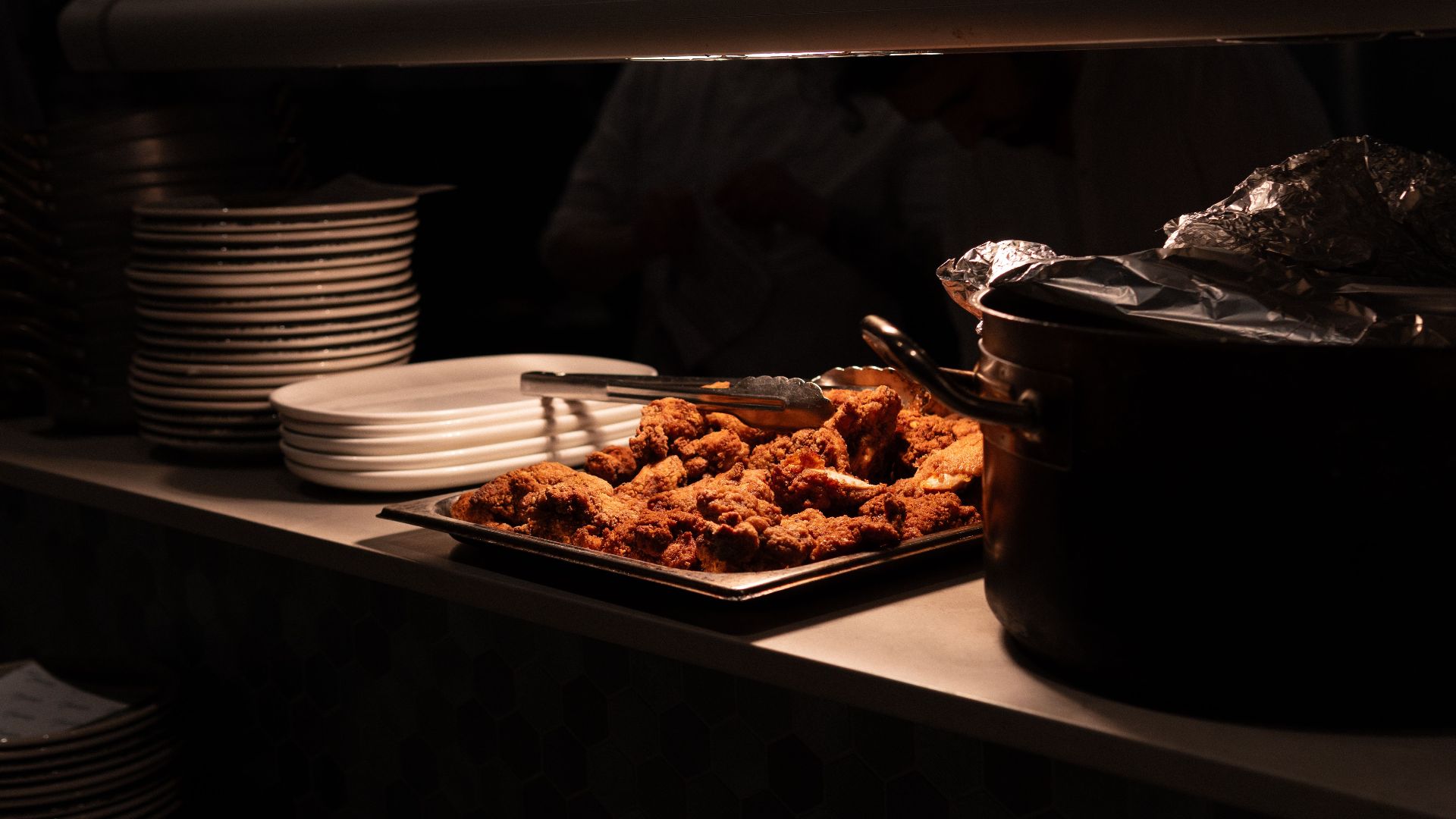
At participating KFC restaurants, customers could once enjoy unlimited fried chicken instead of ordering a traditional bucket meal. Buffet stations featured familiar favorites such as mashed potatoes, biscuits, vegetables, and Southern-style sides. Because the format wasn't offered everywhere, it became an especially memorable experience for customers who had a buffet location nearby.
Popeyes
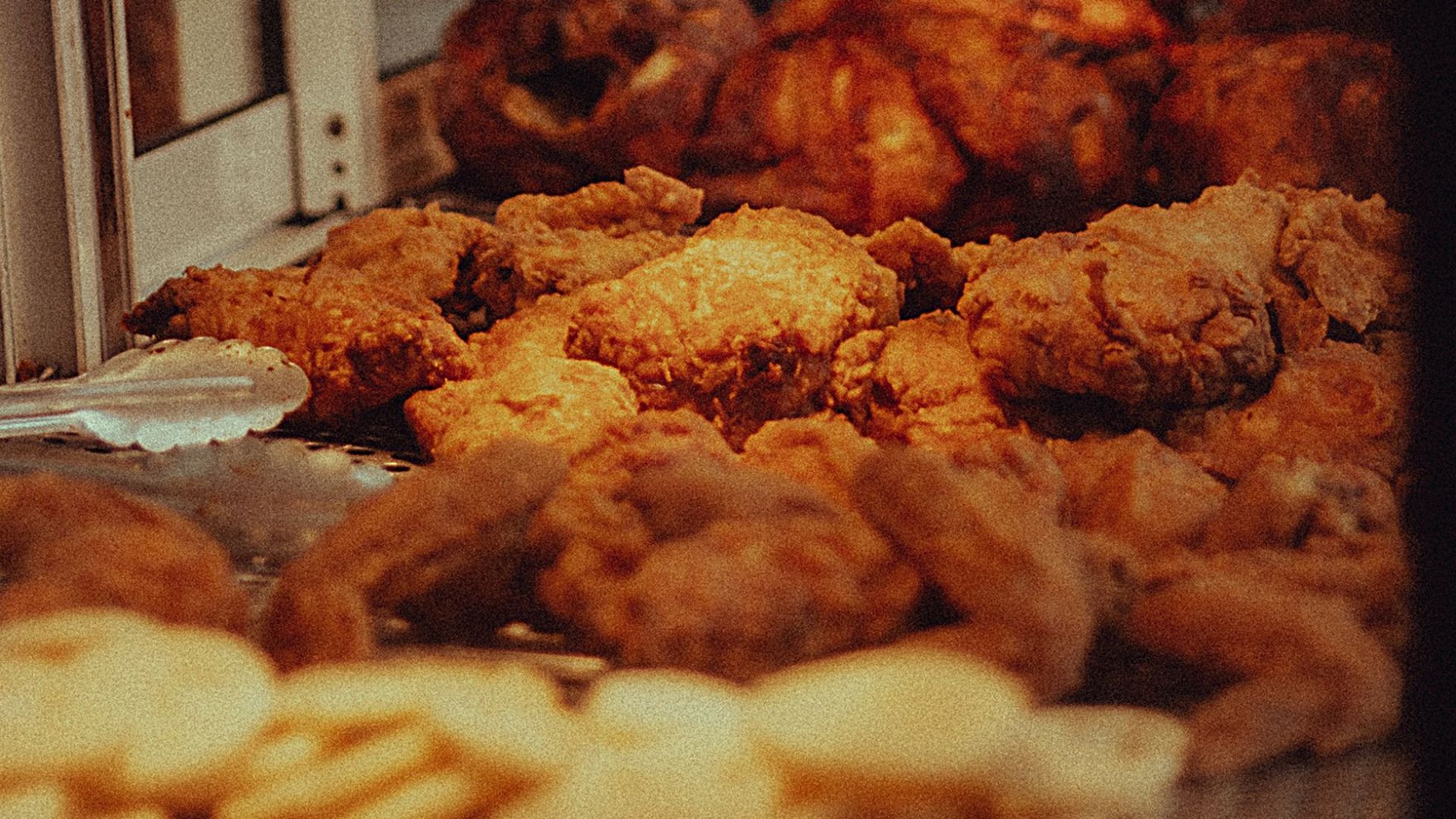
Certain Popeyes restaurants once offered unlimited fried chicken, biscuits, and Southern-style sides. The last widely reported buffet was in Lafayette, Louisiana, where Anthony Bourdain famously ate for three consecutive days while filming Parts Unknown. Although the restaurant continued serving its regular menu, its buffet was reported permanently closed in December 2021.
Sizzler
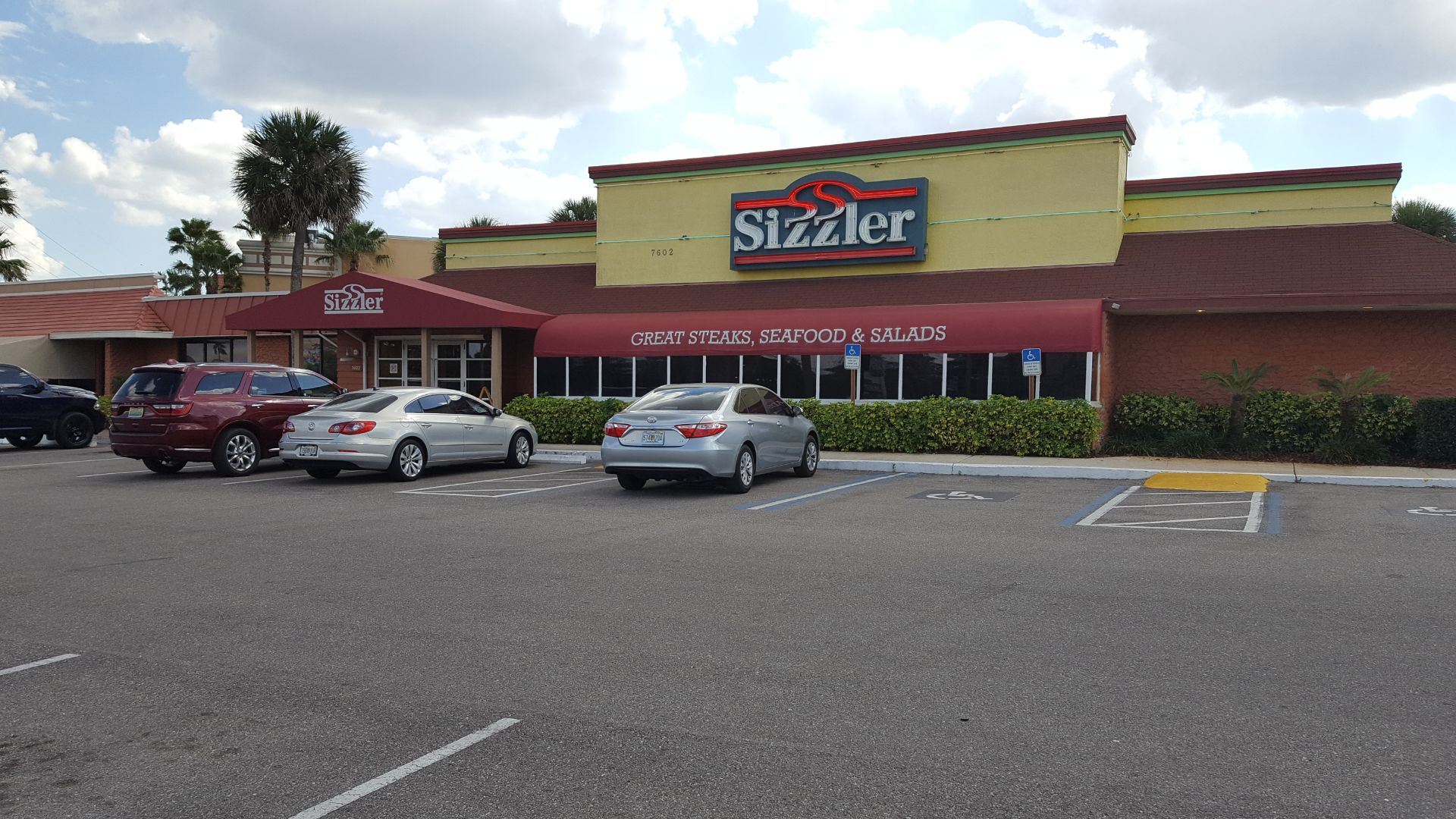
Founded in Culver City, California, in 1958, Sizzler helped popularize affordable family steakhouse dining. Its extensive salad bar and buffet-style selections offered vegetables, salads, hot dishes, and desserts alongside traditional entrees. Sizzler continues operating today, with its famous cheese toast and salad bar remaining recognizable attractions.
 Mike Kalasnik from Jersey City, USA, Wikimedia Commons
The Buffet Had A Clever Psychological Advantage
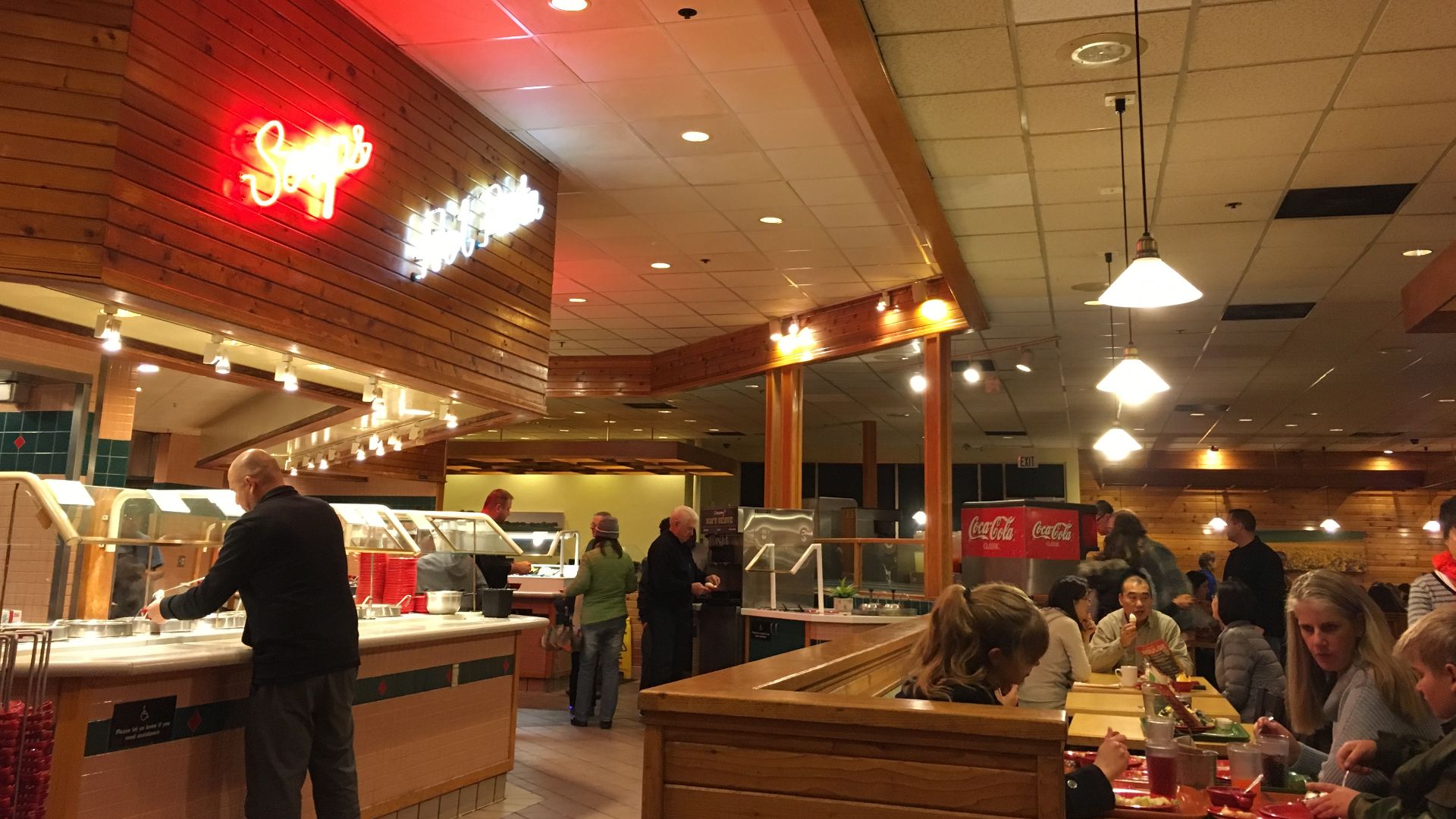
Part of the appeal of buffet dining came from paying one price before eating anything. Once customers had paid, every return trip to the serving station seemed to increase the value of their purchase. That made seconds, thirds, and extra desserts tempting, even when diners were already satisfied.
The Buffet Business Had An Expensive Secret
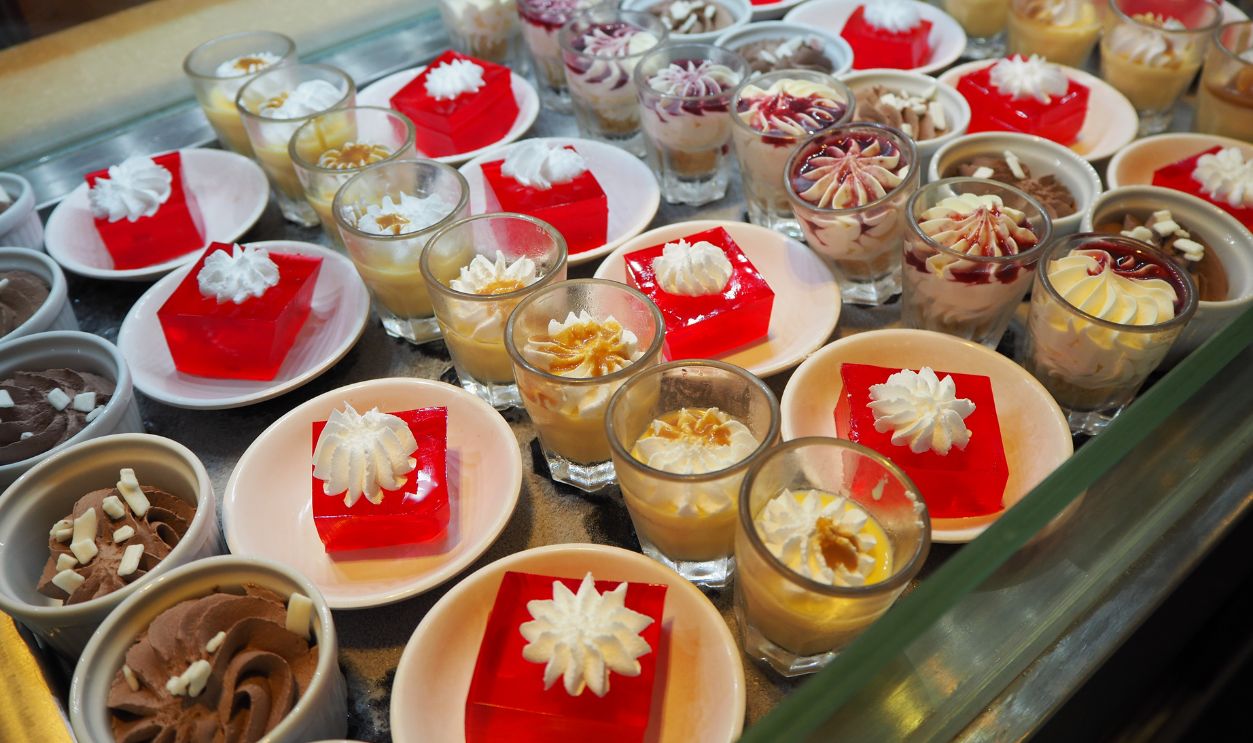
Behind those enormous food stations was a complicated operation involving preparation, staffing, equipment, and constant replenishment. Restaurants needed enough variety to attract customers while managing the cost of serving diners with different appetites. Offering unlimited food at one attractive price required careful financial planning.
Why Buffets Could Offer So Much Food
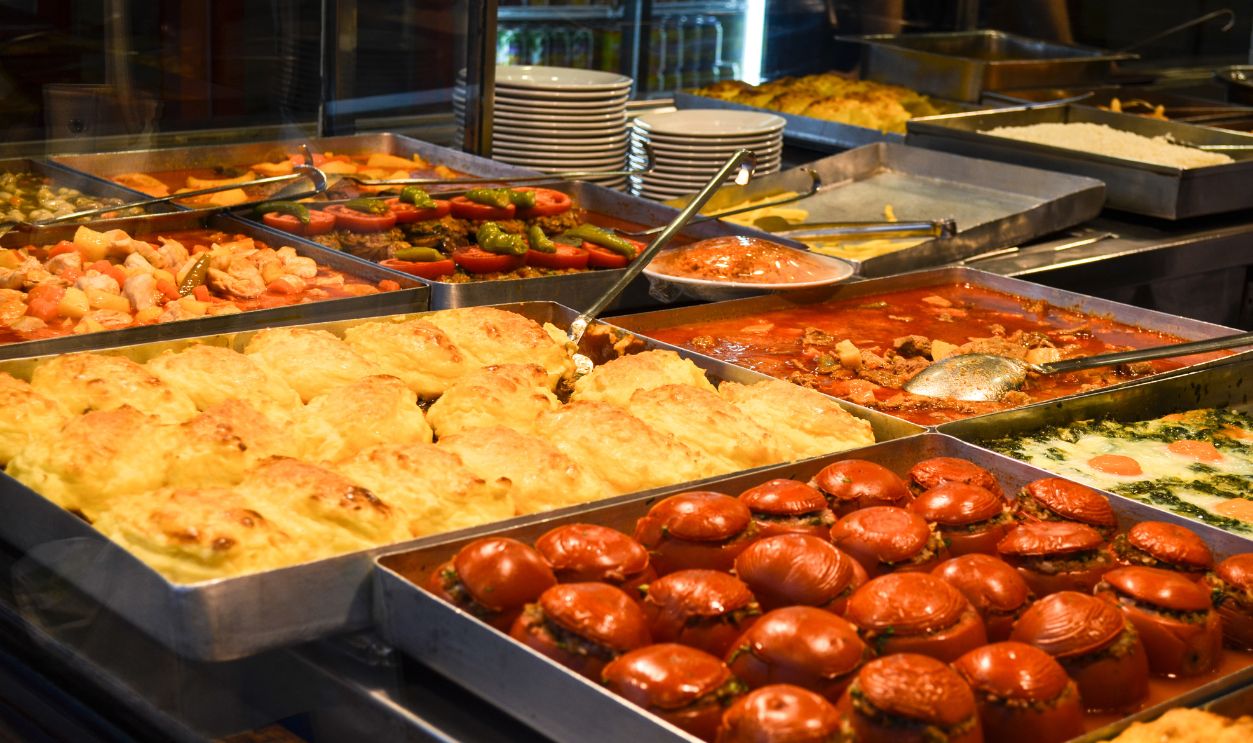
Buffets relied on careful menu planning, with inexpensive, filling staples like potatoes, pasta, rice, and bread served alongside costlier meats. These dishes helped restaurants provide generous selections while managing overall food costs. For customers, the result was an impressive spread that could feel more expensive than the admission price suggested.
Why Americans Started Eating Differently
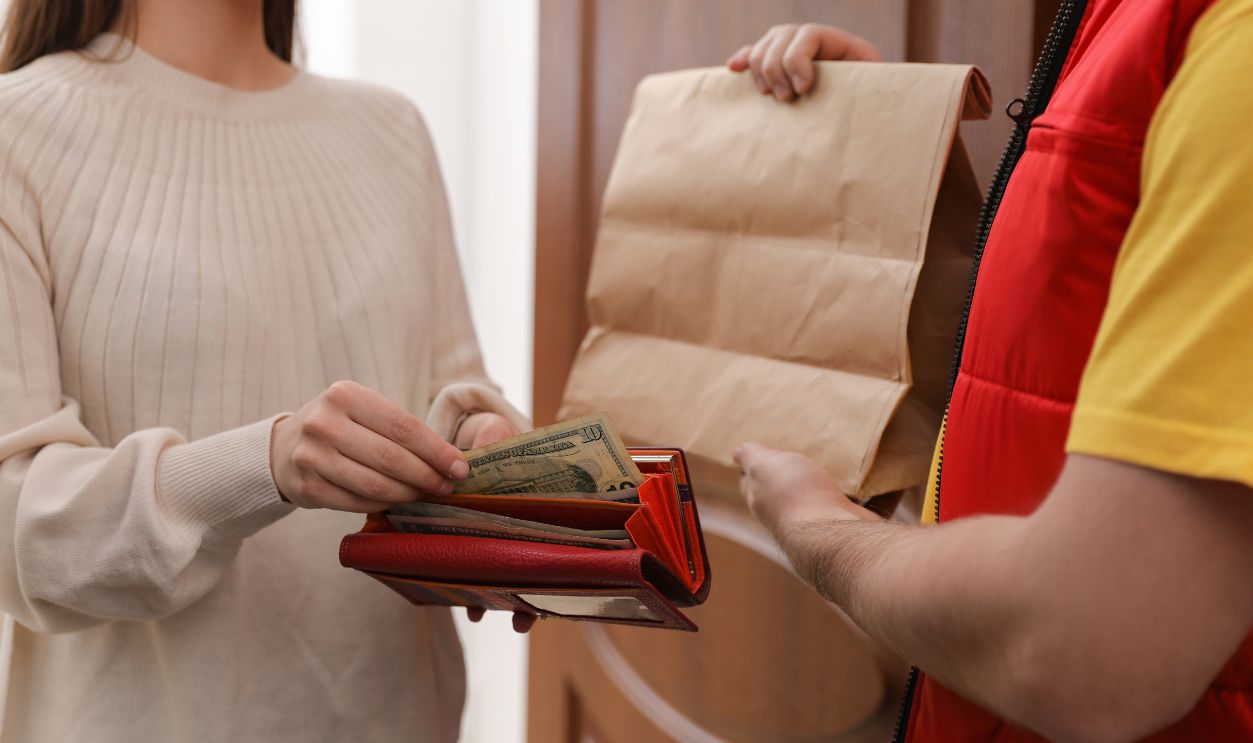
As dining habits changed, many customers began looking for meals that were quicker, more customizable, or easier to take home. Fast-casual restaurants and delivery services offered alternatives to the traditional family buffet outing. These changes helped reshape the restaurant industry even before the pandemic disrupted self-service dining.
The Buffet Empire Began To Unravel
In 2006, the company behind Old Country Buffet and HomeTown Buffet merged with Ryan's in a deal valued at approximately $876 million, including debt. The combined operation controlled roughly 675 restaurants across 42 states. But heavy debt and restructuring led to repeated bankruptcy filings between 2008 and 2021, leaving most of those famous buffet brands shuttered.
The Pandemic Delivered Another Blow
COVID-19 created unprecedented challenges for restaurants built around communal self-service dining. Temporary closures and restrictions on buffet service forced operators to reconsider their traditional formats. Souplantation and Sweet Tomatoes closed their original operations in 2020, while Country Cookin permanently shut down that October.
 User:Ryaninc, Wikimedia Commons
America's Buffet Era Left A Lasting Legacy
Many once-familiar buffet chains have disappeared, but their overflowing food stations, dessert bars, and family dinners remain vivid memories for generations of Americans. Some offered genuine value, while others simply made customers feel like they were getting more for their money. Either way, those all-you-can-eat restaurants became an unforgettable part of American dining history.
You May Also Like:
Restaurants From The 1980s That American Families Couldn't Get Enough Of—Then They Vanished
Companies That Were Worth Billions In The 1990s—Then Everything Fell Apart
Forgotten Frozen Foods From The 1970s And 1980s That Once Filled America's Freezers