When Family Dinner Was An Event
Remember when restaurants had overflowing salad bars, giant booths, and menus that seemed to go on forever? In the 1980s, chains like Chi-Chi's, Steak and Ale, and ShowBiz Pizza were packed with families looking for an affordable night out. Some grew into enormous businesses before bankruptcy, competition, and corporate takeovers brought them crashing down.
How many of these once-beloved restaurants do you still remember?
The Golden Age Of Family Dining
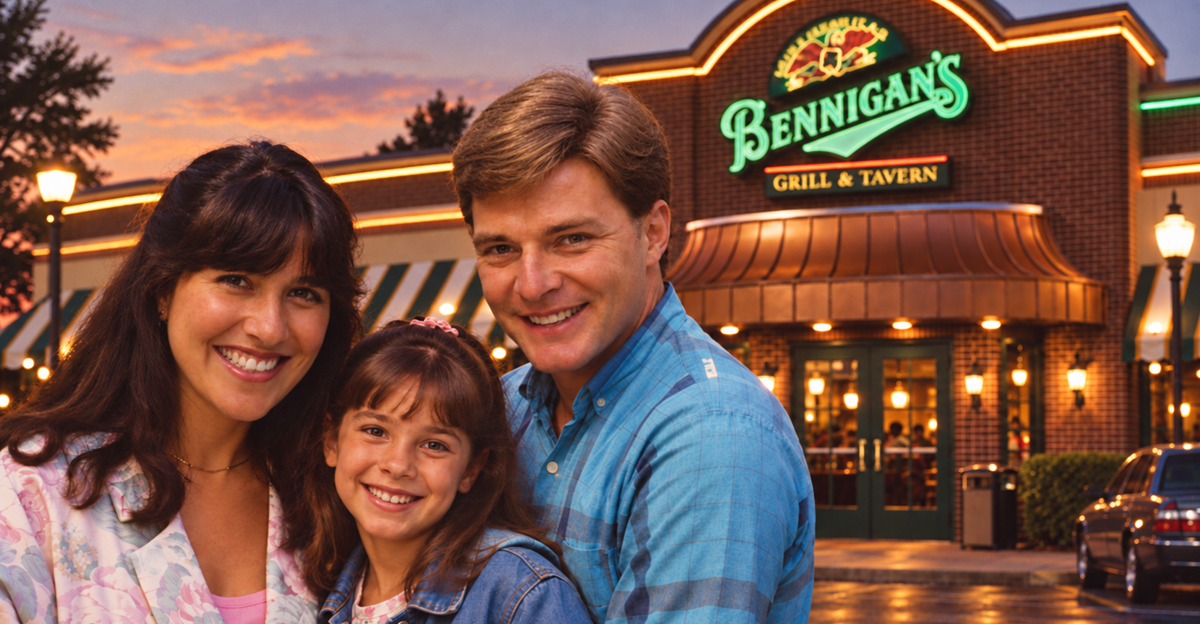
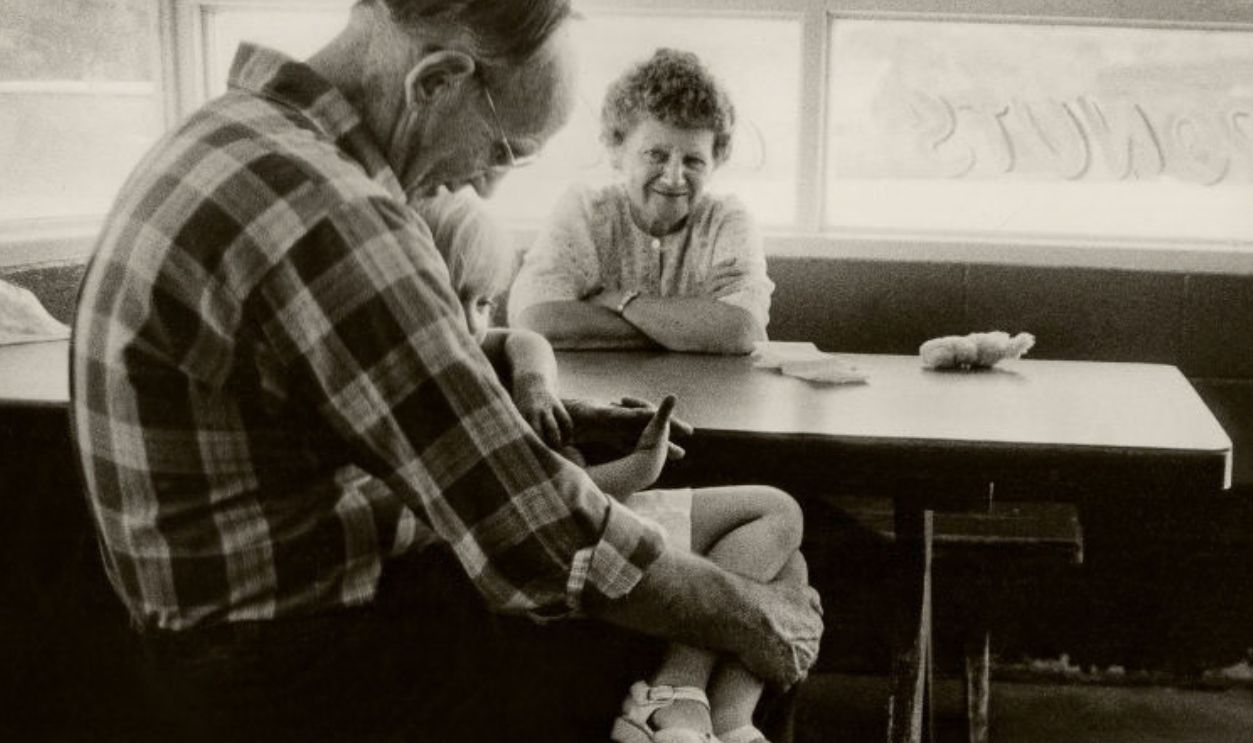
The 1980s were a defining decade for American casual dining, with chains offering an appealing alternative to fast food. Families could enjoy table service, generous portions, and lively surroundings without paying fine-dining prices. Restaurants expanded rapidly as companies competed for customers and valuable locations. Some of the biggest names seemed unstoppable, but their success wouldn't last.
 Bromberger Hoover Photography, Getty Images
Chi-Chi's Brought Mexican Food To The Masses
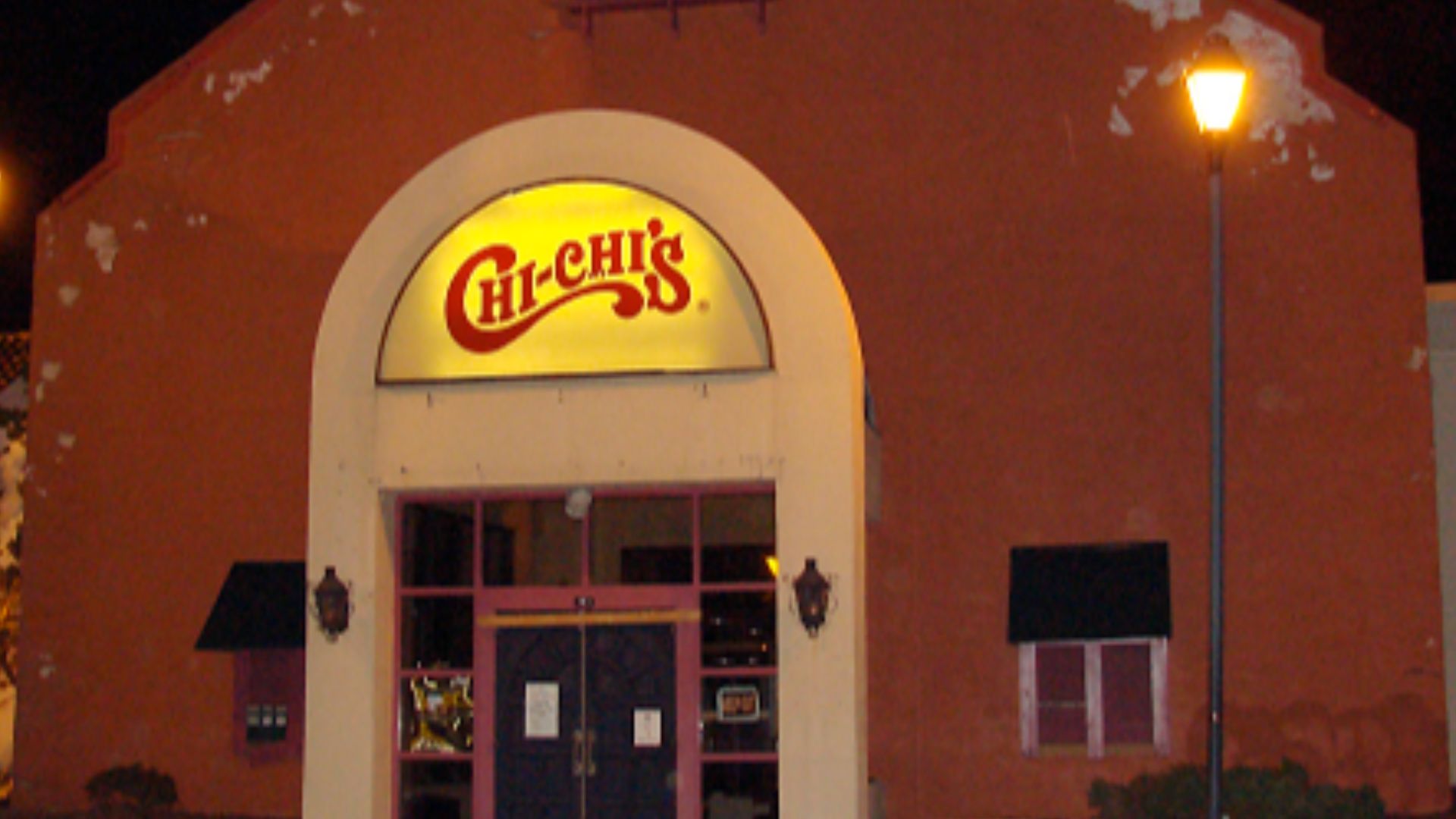
Founded in Minnesota in 1975, Chi-Chi's became a family favorite throughout the 1980s. Its chimichangas, fried ice cream, and festive atmosphere introduced many American diners to Tex-Mex-inspired food. The chain eventually grew to more than 200 locations and became one of the country's best-known Mexican restaurant brands. Few customers imagined how dramatically its fortunes would change.
 Nostaljack at English Wikipedia, Wikimedia Commons
Chi-Chi's Suffered A Devastating Collapse
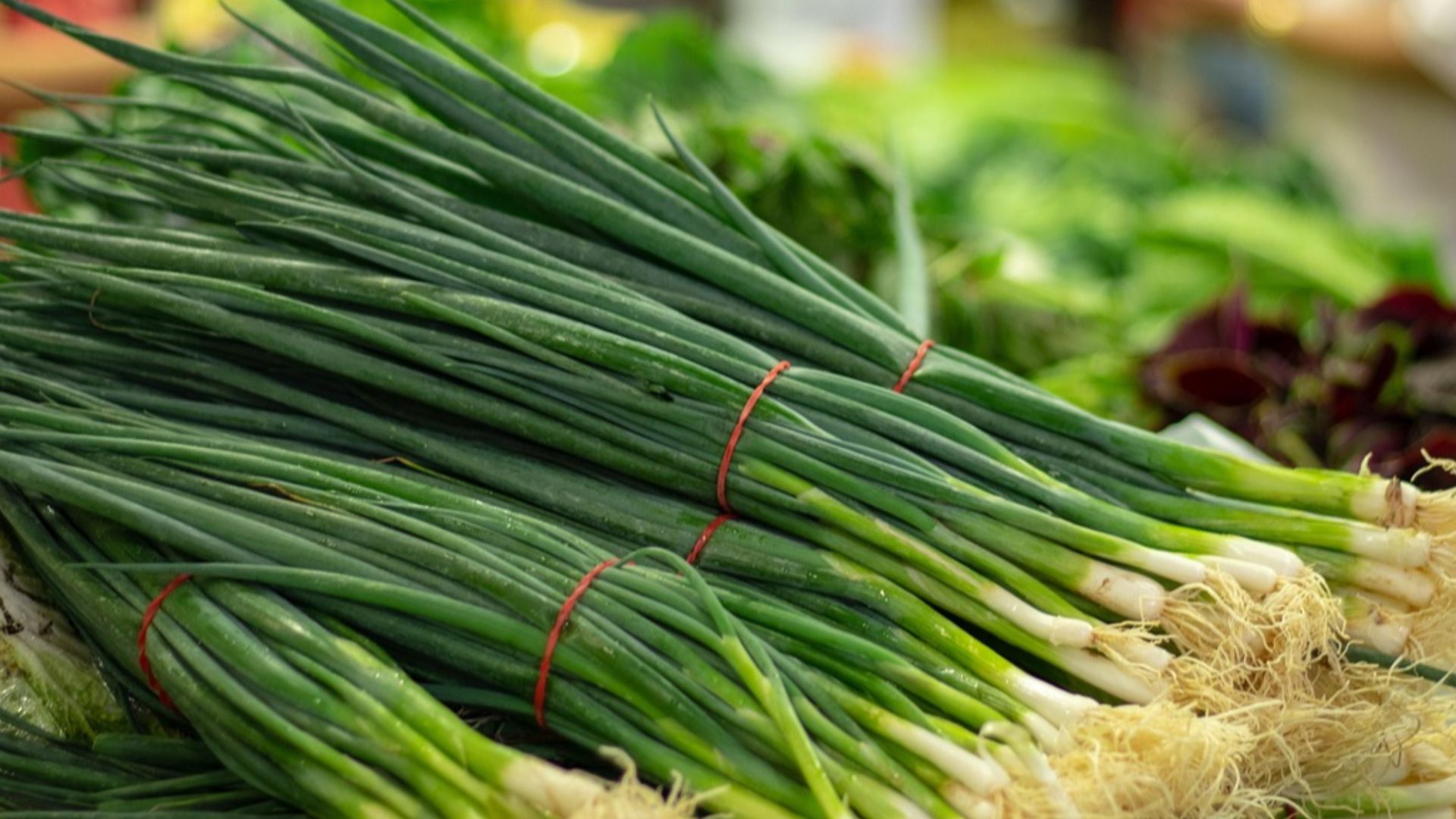
By 2003, Chi-Chi's was struggling with competition and financial problems, prompting a Chapter 11 bankruptcy filing that October. Weeks later, a hepatitis A outbreak linked to contaminated green onions at a Pennsylvania restaurant sickened approximately 660 people and caused four deaths. The crisis further damaged the chain's reputation. In 2004, Chi-Chi's closed its remaining American restaurants.
Chi-Chi's Made An Unexpected Comeback
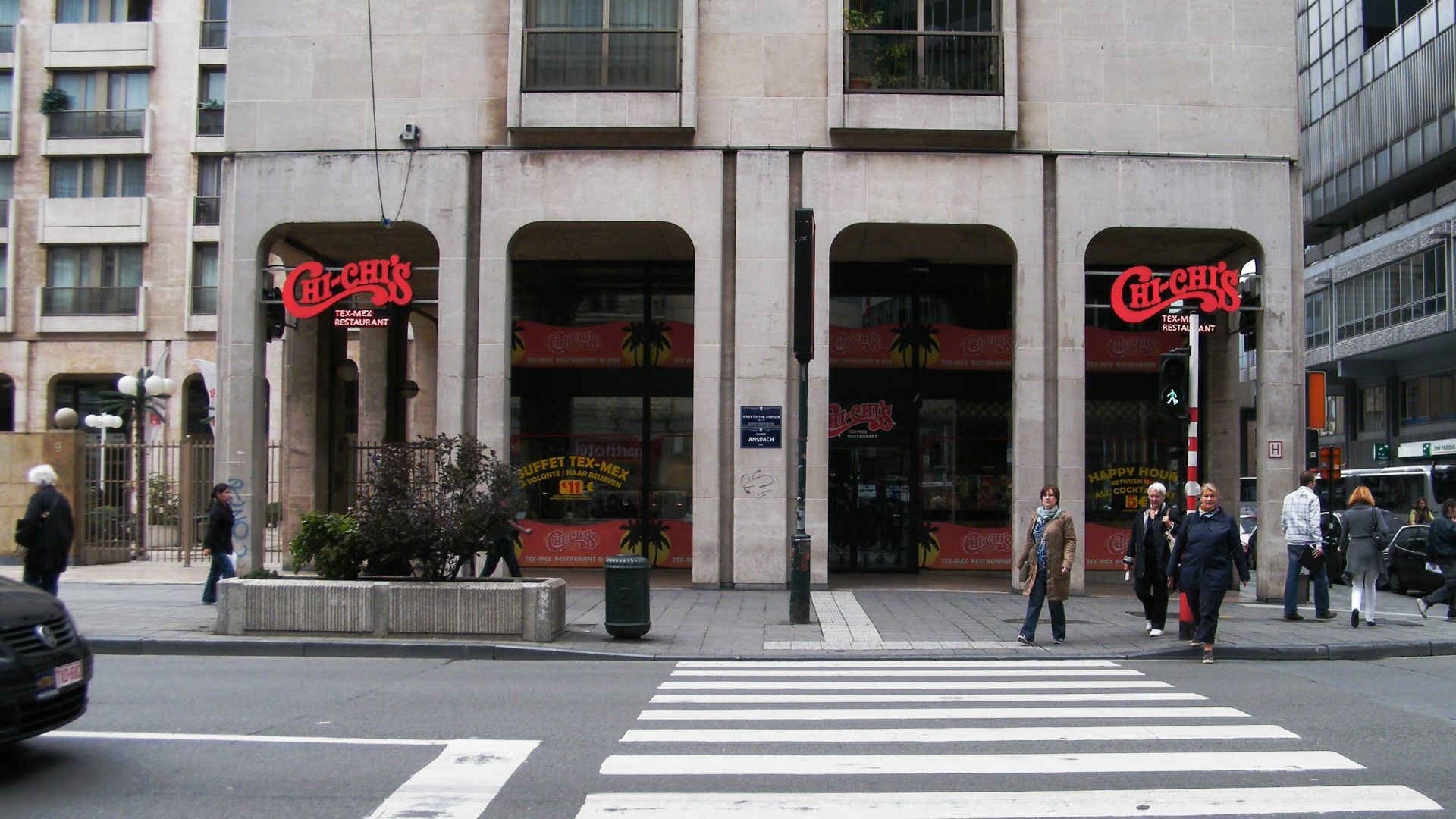
For more than two decades, Chi-Chi's survived in American supermarkets through products bearing its familiar name. Then, in October 2025, a new restaurant opened in St. Louis Park, Minnesota, led by the son of one of the original founders. The revival brought back favorites while updating the menu for modern diners. It proved that a recognizable restaurant brand could retain value long after its original business disappeared.
 Sarah Stierch, Wikimedia Commons
Steak And Ale Made Families Feel Fancy
Steak and Ale offered an upscale dining experience without the prices associated with expensive steakhouses. Founded in 1966, the chain became famous for its dim lighting, Tudor-style interiors, prime rib, and generous salad bar. By the 1980s, it was a popular choice for family celebrations and special occasions. At its height, Steak and Ale operated nearly 300 restaurants.
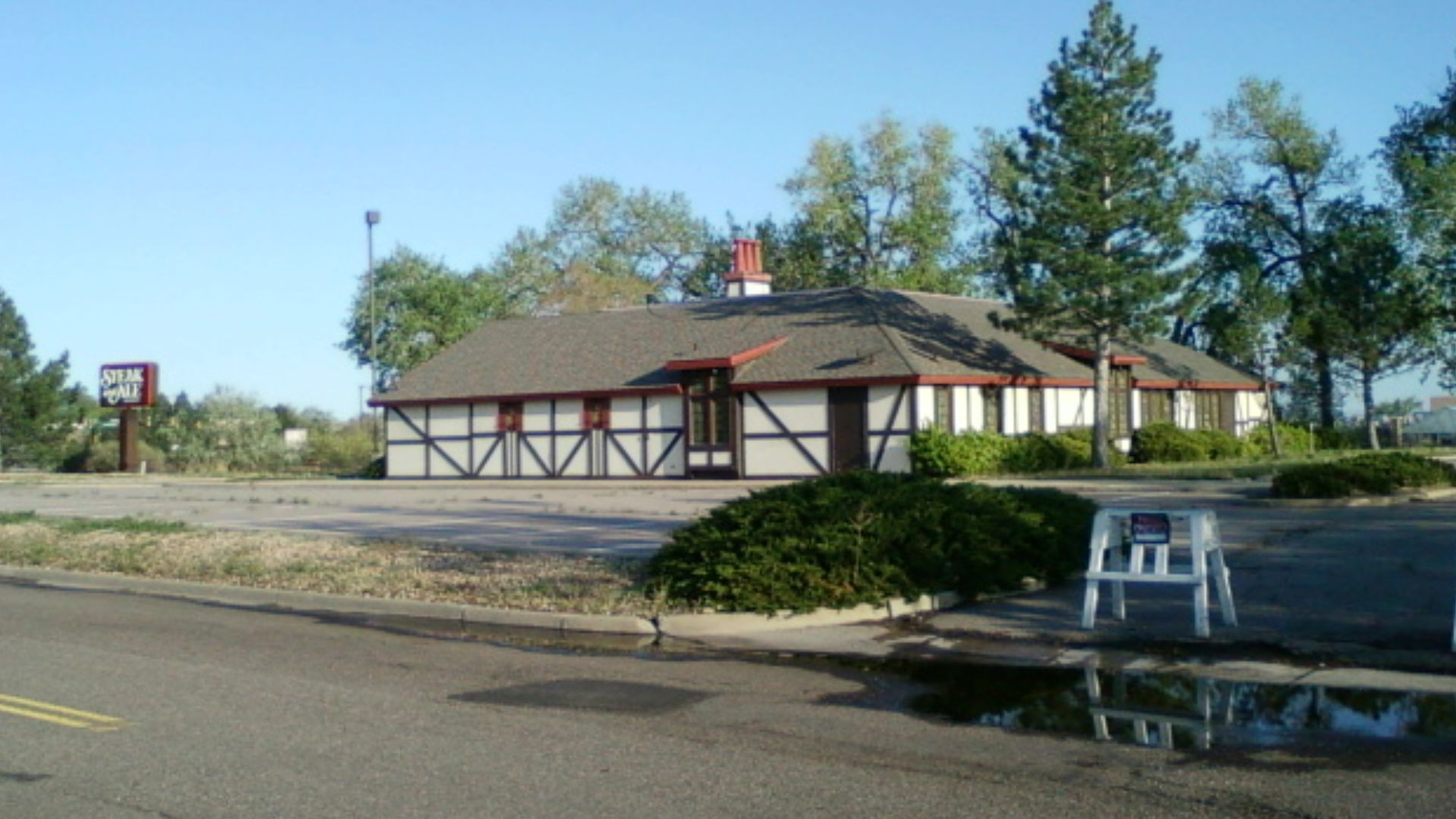
Steak And Ale Suddenly Disappeared
As competition intensified, Steak and Ale struggled to maintain its position in the casual-dining market. In July 2008, its parent company entered Chapter 7 bankruptcy, abruptly closing the chain's remaining 58 restaurants. Unlike Chapter 11 restructuring, Chapter 7 generally involves selling assets to repay creditors. After decades of serving American families, Steak and Ale was gone.

Steak And Ale Returned After 16 Years
In July 2024, Steak and Ale reopened in Burnsville, Minnesota, under new ownership. Familiar favorites returned, including prime rib, Hawaiian Chicken, and the salad bar. The restaurant adopted a more practical design rather than recreating the chain's expensive old buildings. Its comeback highlighted an important business calculation: nostalgia can attract customers, but a restaurant still needs an affordable operating model.
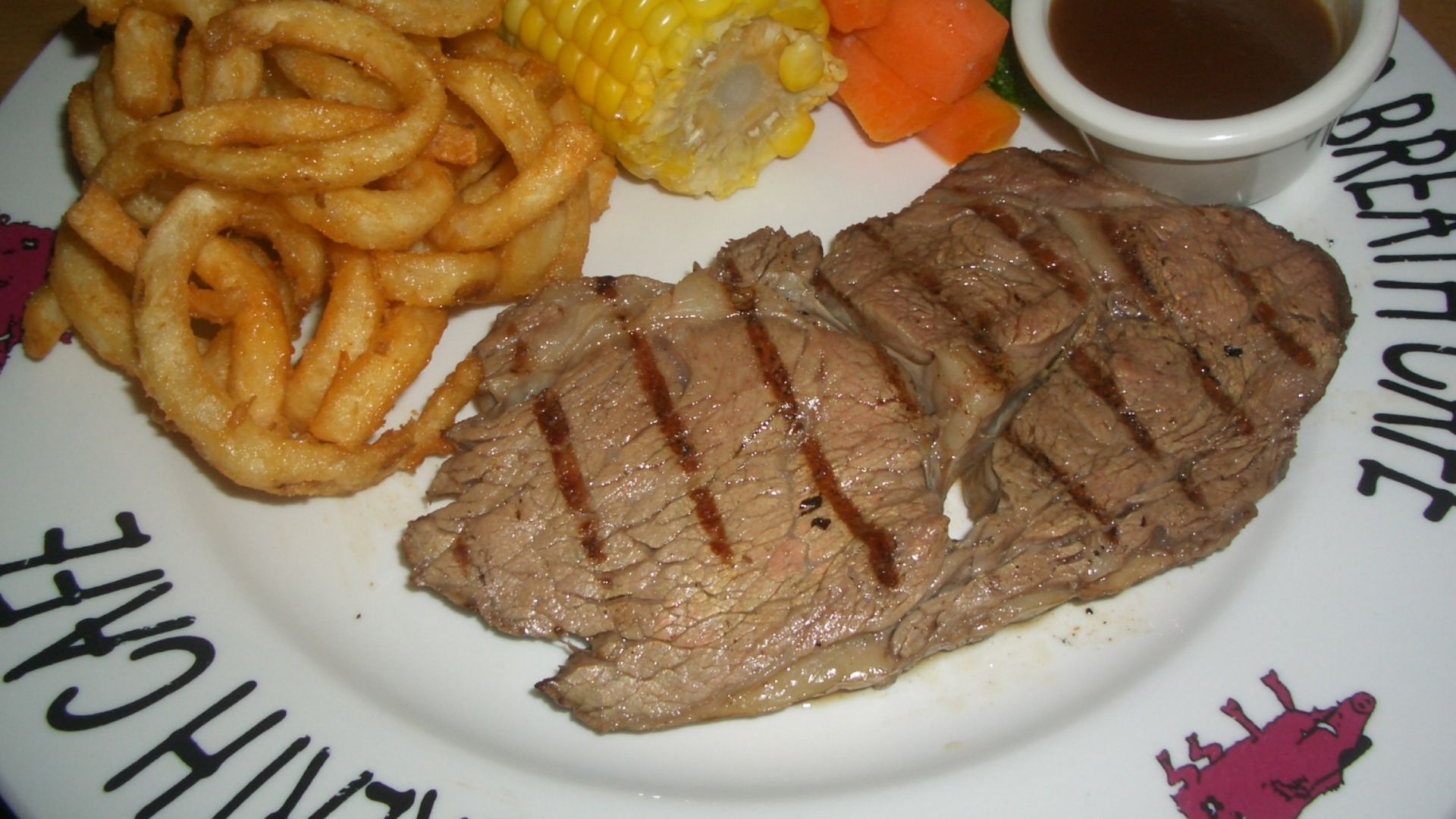
Bennigan's Was The Place To Gather
Bennigan's helped define American casual dining during the 1980s with its Irish-pub-inspired decor and relaxed atmosphere. Customers flocked to the chain for burgers, appetizers, and its famous deep-fried Monte Cristo sandwich. It offered families and groups a lively middle ground between fast food and expensive restaurants. But its popularity attracted plenty of competitors offering similar experiences.
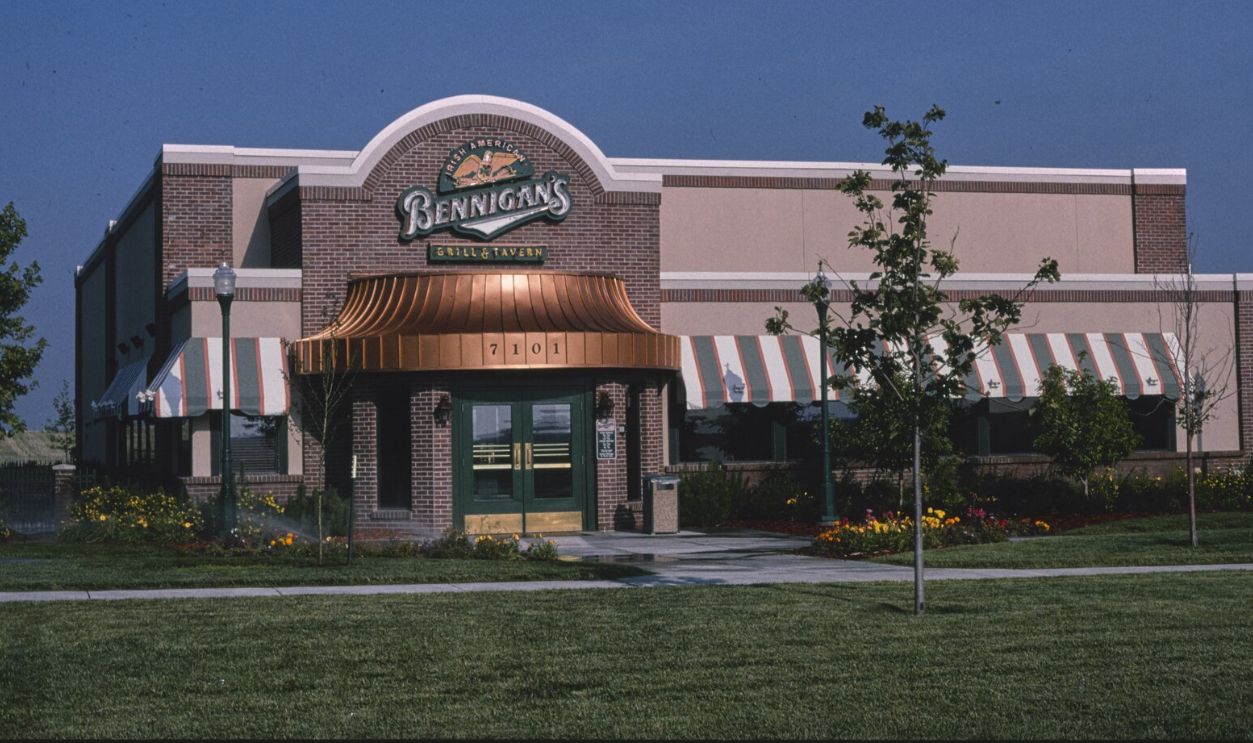 John Margolies, Wikimedia Commons
Bennigan's Bankruptcy Shocked Customers
In July 2008, Bennigan's corporate parent filed for bankruptcy, leading to the closure of approximately 150 company-owned restaurants. Many customers believed the entire chain had vanished, but independently owned franchise locations continued operating. New leadership later acquired the brand and worked to rebuild it on a smaller scale. The collapse demonstrated how franchise ownership could help parts of a restaurant chain survive a corporate failure.
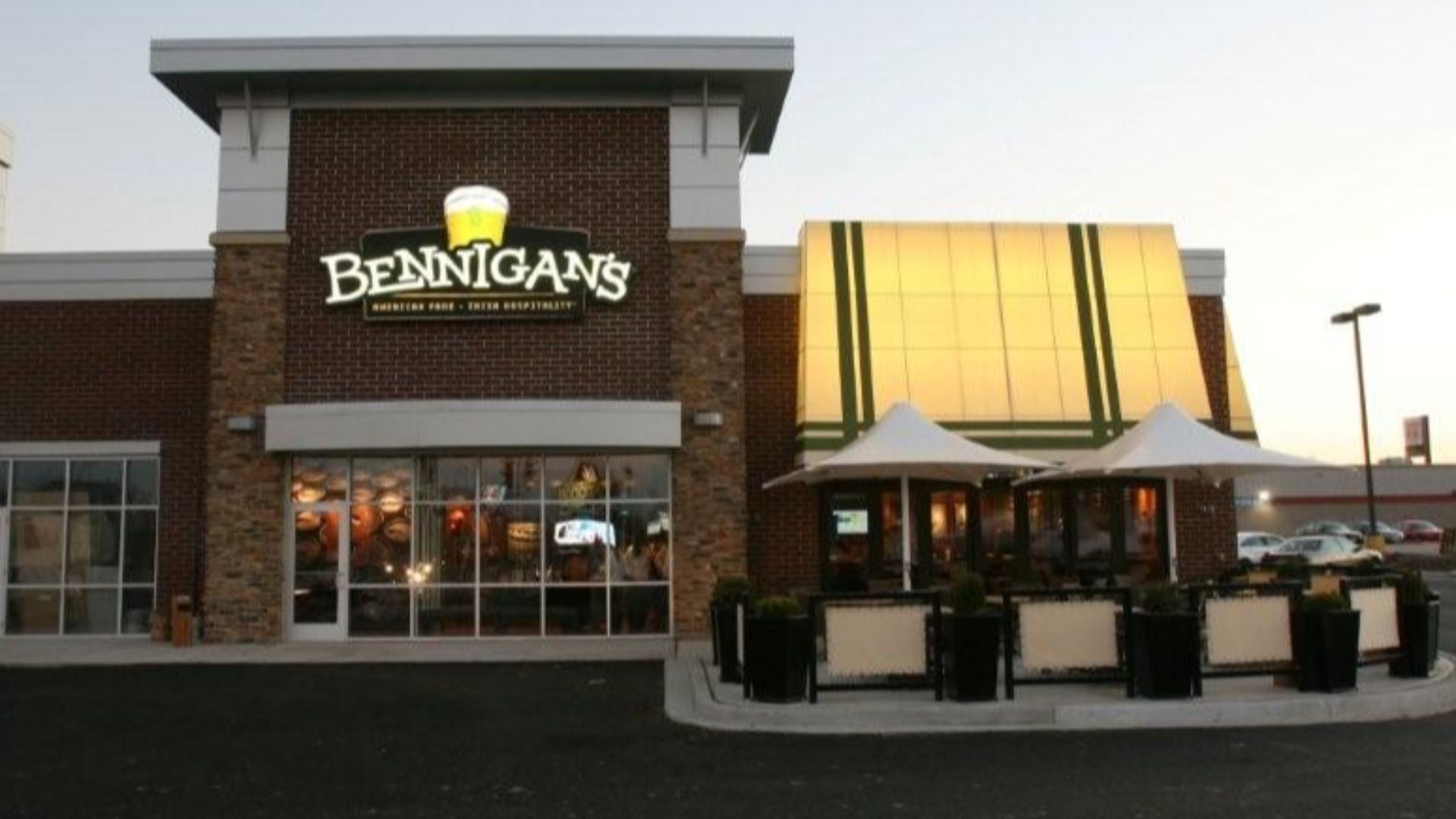
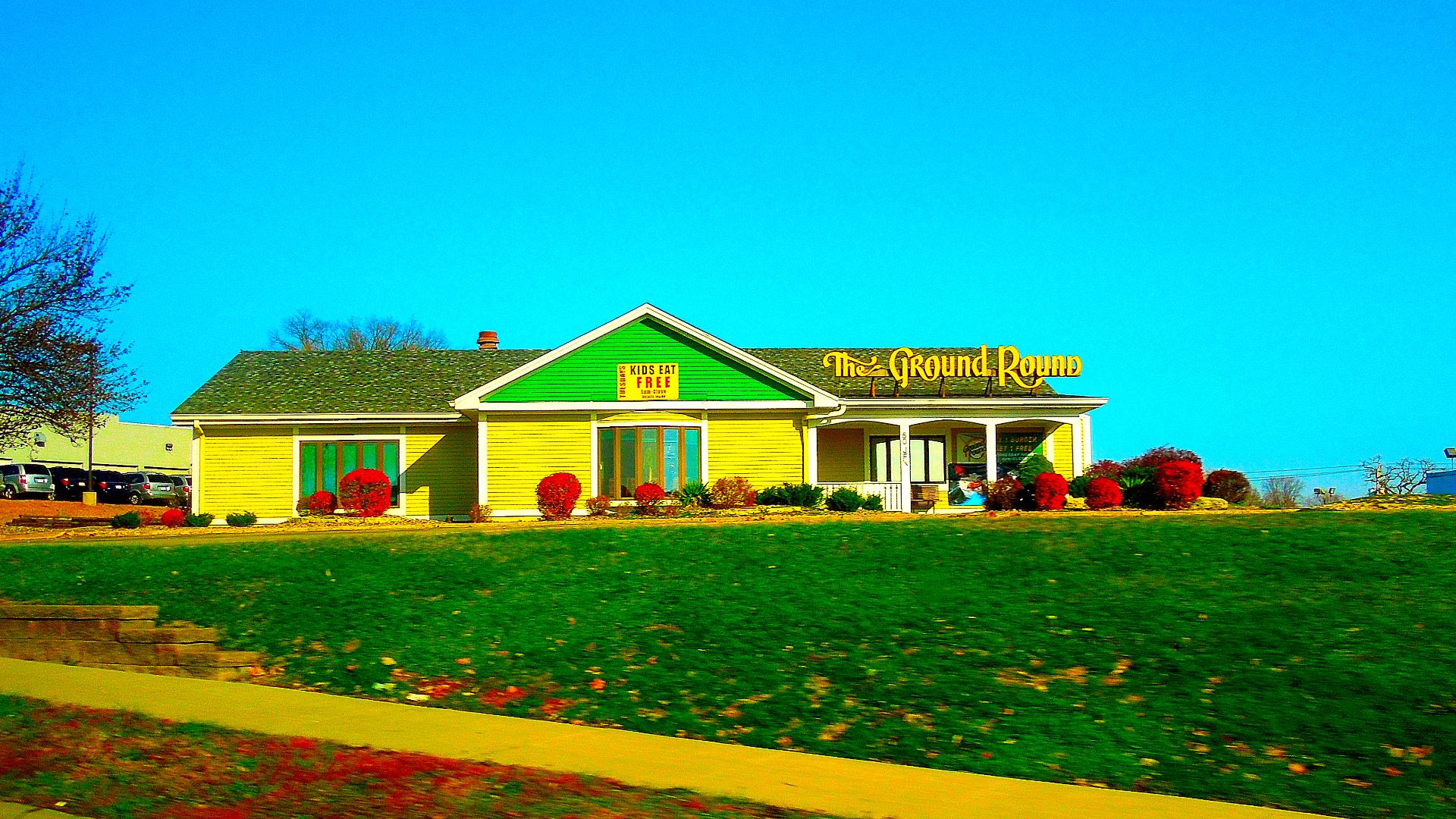
Ground Round Was A Kid's Paradise
Ground Round offered more than hamburgers and family meals during its heyday. Children enjoyed complimentary popcorn, peanuts, and entertainment that sometimes included clowns and cartoons. Some locations even offered a memorable promotion that priced children's meals according to their weight. These unusual attractions made Ground Round a favorite family destination, especially throughout the Northeast and Midwest.
 Corey Coyle, Wikimedia Commons
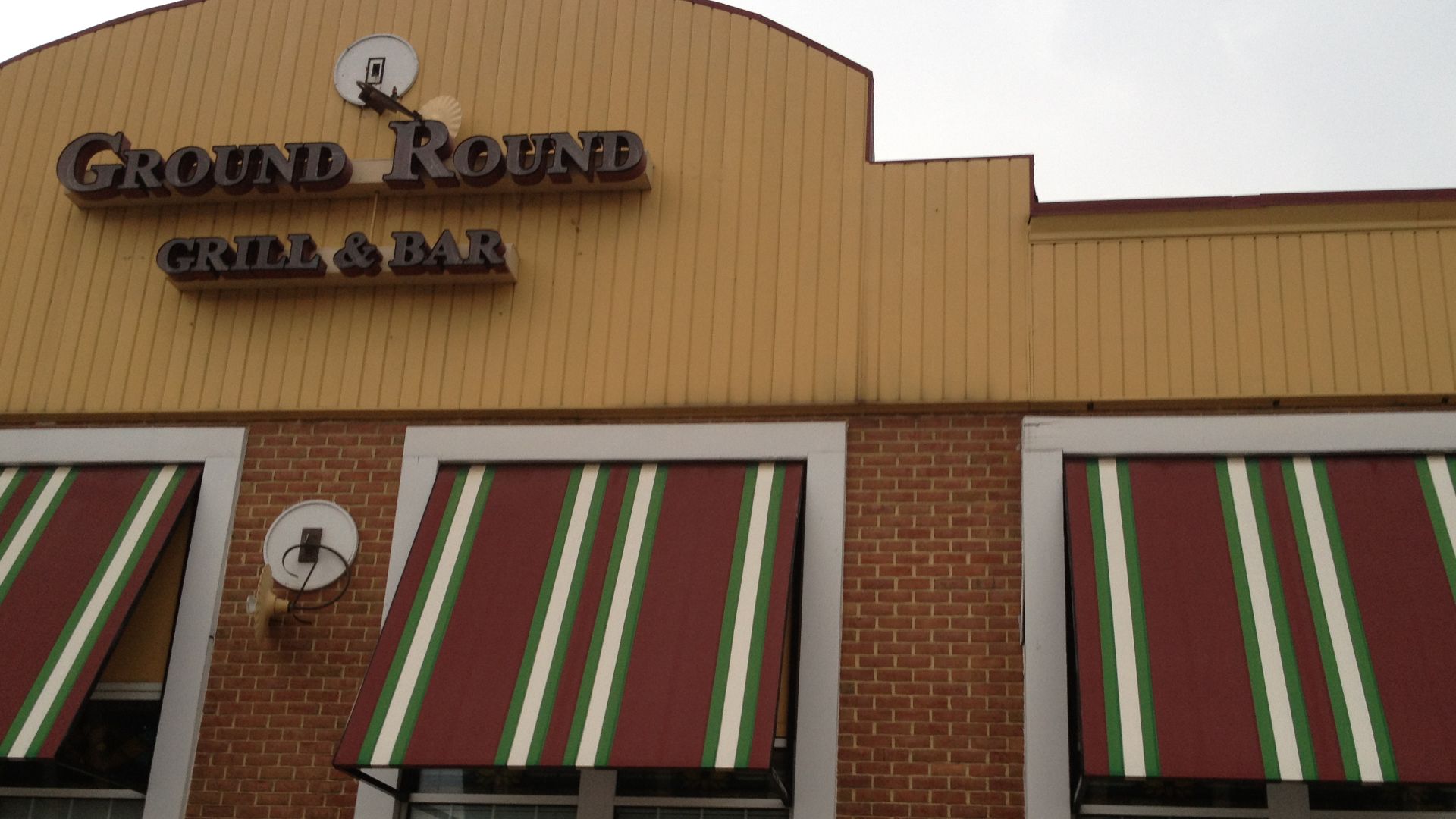
Ground Round's Owners Pulled The Plug
By the early 2000s, Ground Round faced mounting financial difficulties and changing consumer preferences. In February 2004, its corporate parent abruptly closed 59 company-owned restaurants before entering bankruptcy. The 72 franchised locations were independently owned, and a group of franchisees eventually purchased the brand. Their rescue preserved part of Ground Round, although its national presence was dramatically reduced.
 MikeKalasnik, Wikimedia Commons
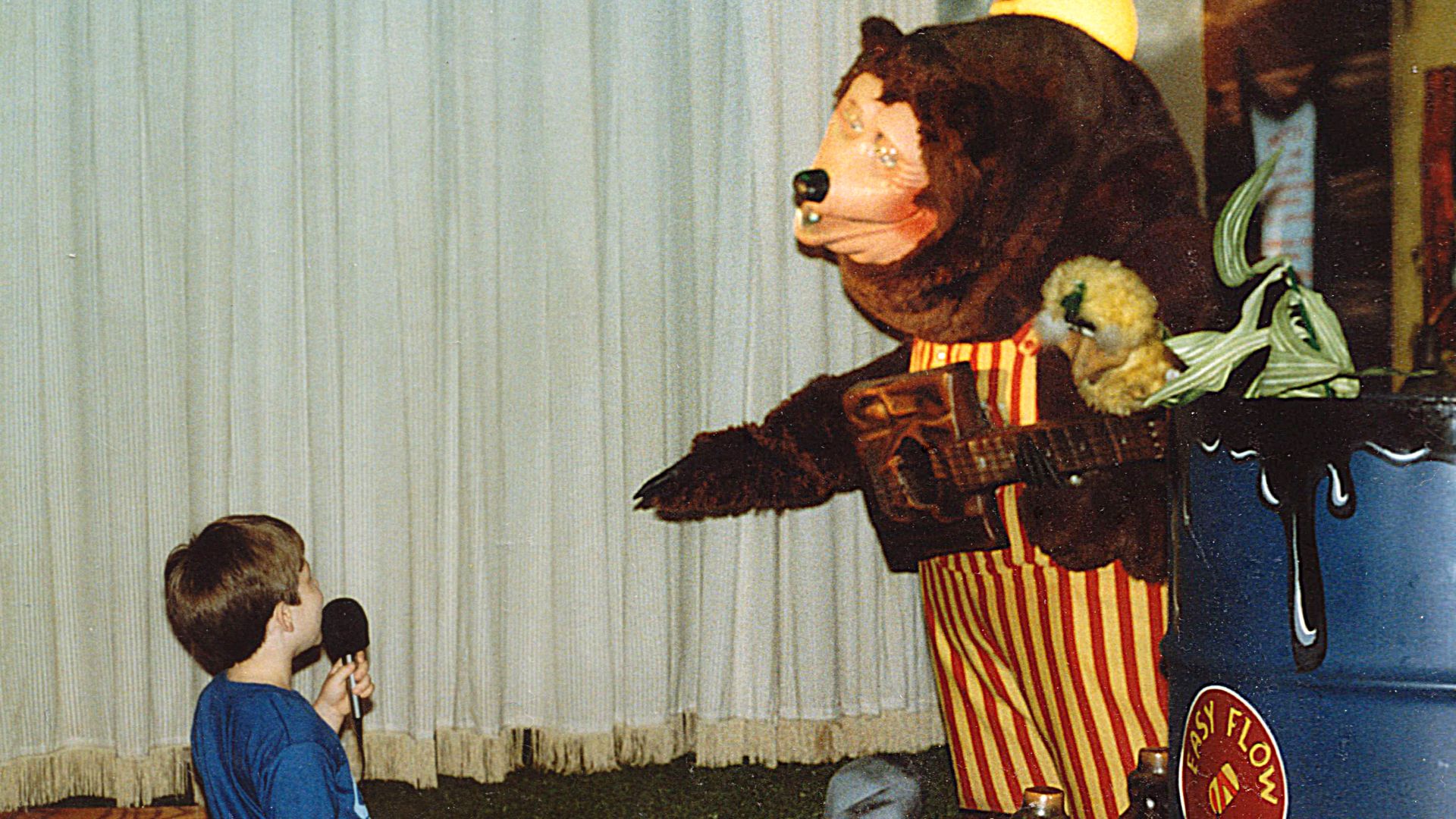
ShowBiz Pizza Was Every Kid's Dream
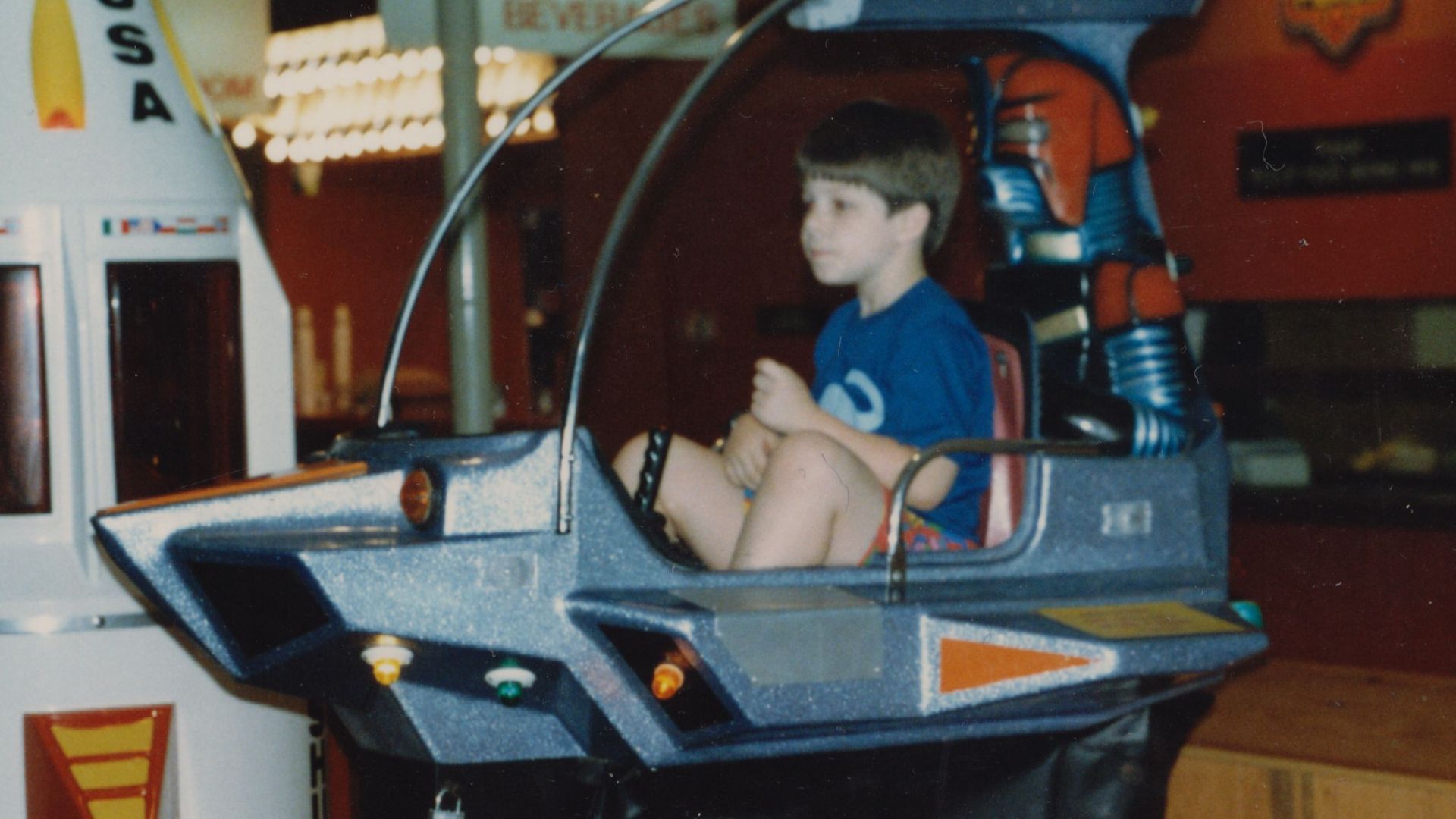
When ShowBiz Pizza Place opened in 1980, it combined pizza, arcade games, and elaborate animatronic entertainment. Its Rock-afire Explosion band made the restaurants especially popular for children's birthday parties. Families weren't simply buying dinner; they were paying for an entire entertainment experience. The concept quickly became a major competitor to Chuck E. Cheese's Pizza Time Theatre.
 Ray or Jane Schumin, Wikimedia Commons
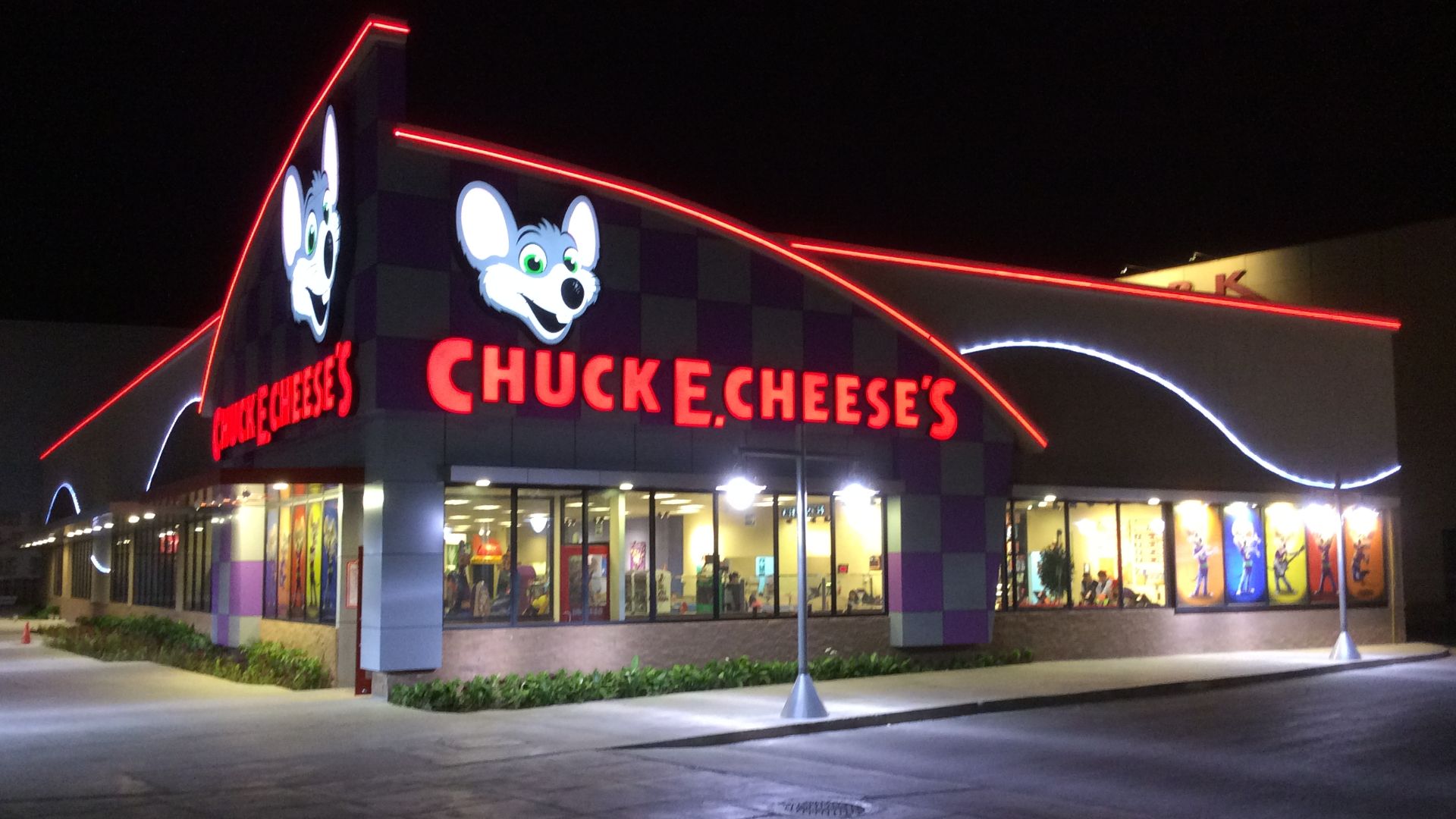
ShowBiz Pizza Lost Its Identity
The rivalry between ShowBiz Pizza and Chuck E. Cheese became increasingly expensive. After Pizza Time Theatre filed for bankruptcy in 1984, ShowBiz acquired the company in 1985. The combined business gradually rebranded its restaurants as Chuck E. Cheese, completing the transition by the early 1990s. ShowBiz disappeared, but its legacy lived on through the surviving chain.
Burger Chef Once Rivaled McDonald's
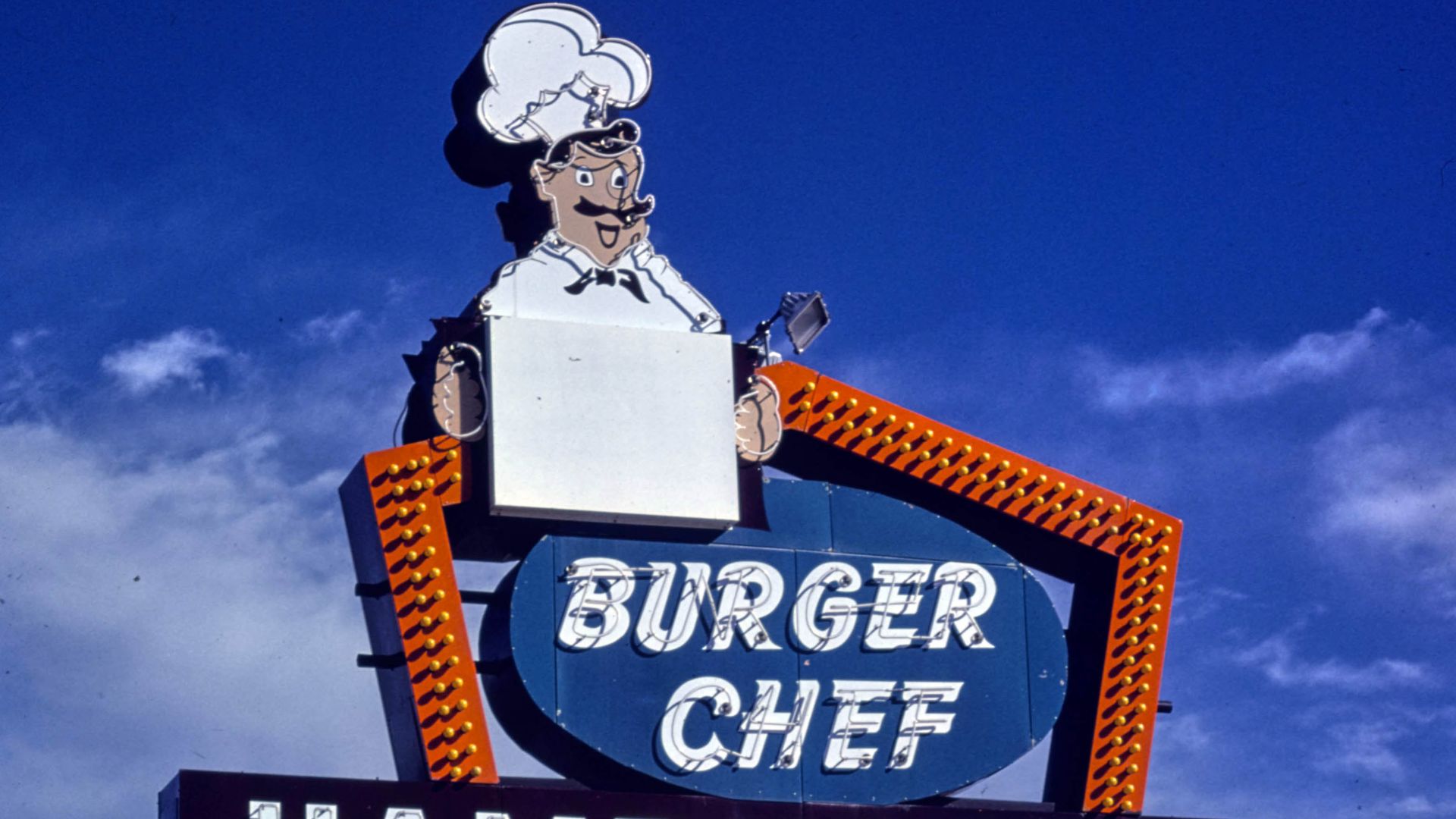
Long before McDonald's dominated the American hamburger industry, Burger Chef was one of its biggest competitors. The Indianapolis-based chain expanded to more than 1,000 locations during its peak and remained familiar to families in the early 1980s. Its Funmeal helped popularize the idea of packaging food and toys for children. But Burger Chef's widespread recognition wasn't enough to protect it from a larger competitor.
 John Margolies, Wikimedia Commons
Hardee's Bought Burger Chef For $44 Million
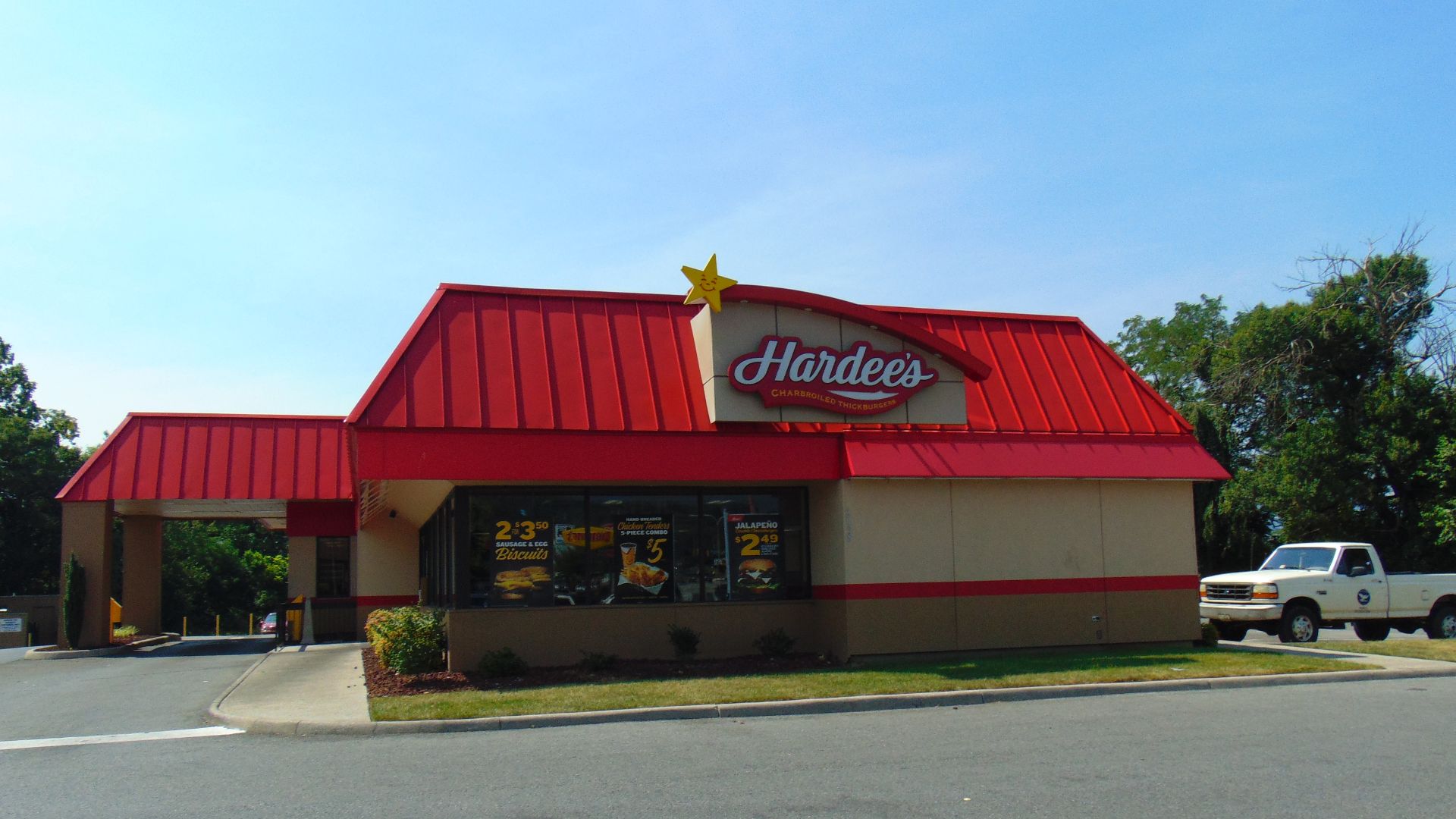
In December 1981, Hardee's announced plans to buy Burger Chef from General Foods for $44 million. Completed in 1982, the deal included 679 outlets, with 259 company-owned locations. Hardee's converted its restaurants while giving franchisees some flexibility. Burger Chef gradually disappeared as Hardee's absorbed its former competitor.
 JJBers from Willimantic, Connecticut, USA, Wikimedia Commons
Rax Tried To Reinvent Fast Food
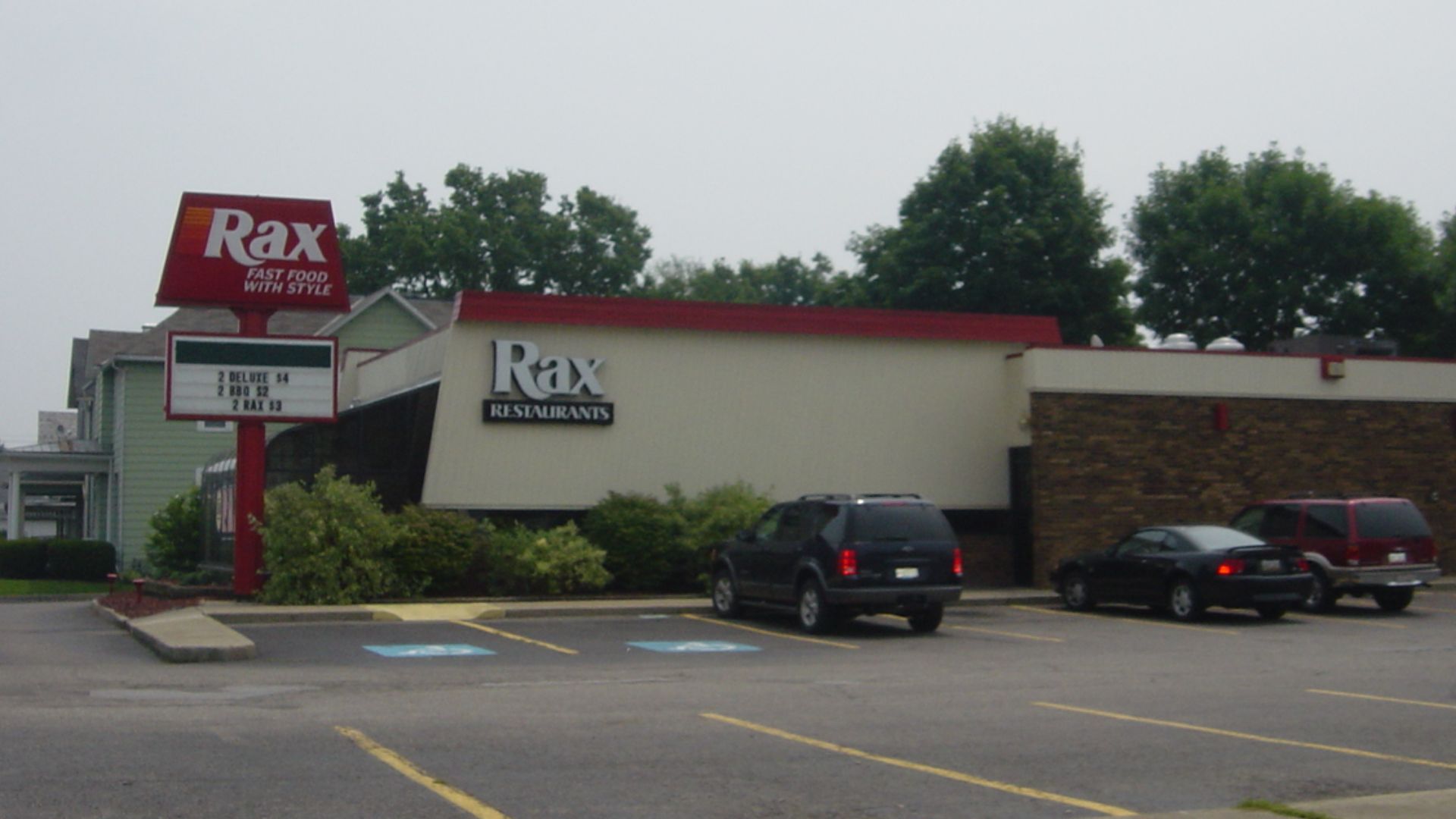
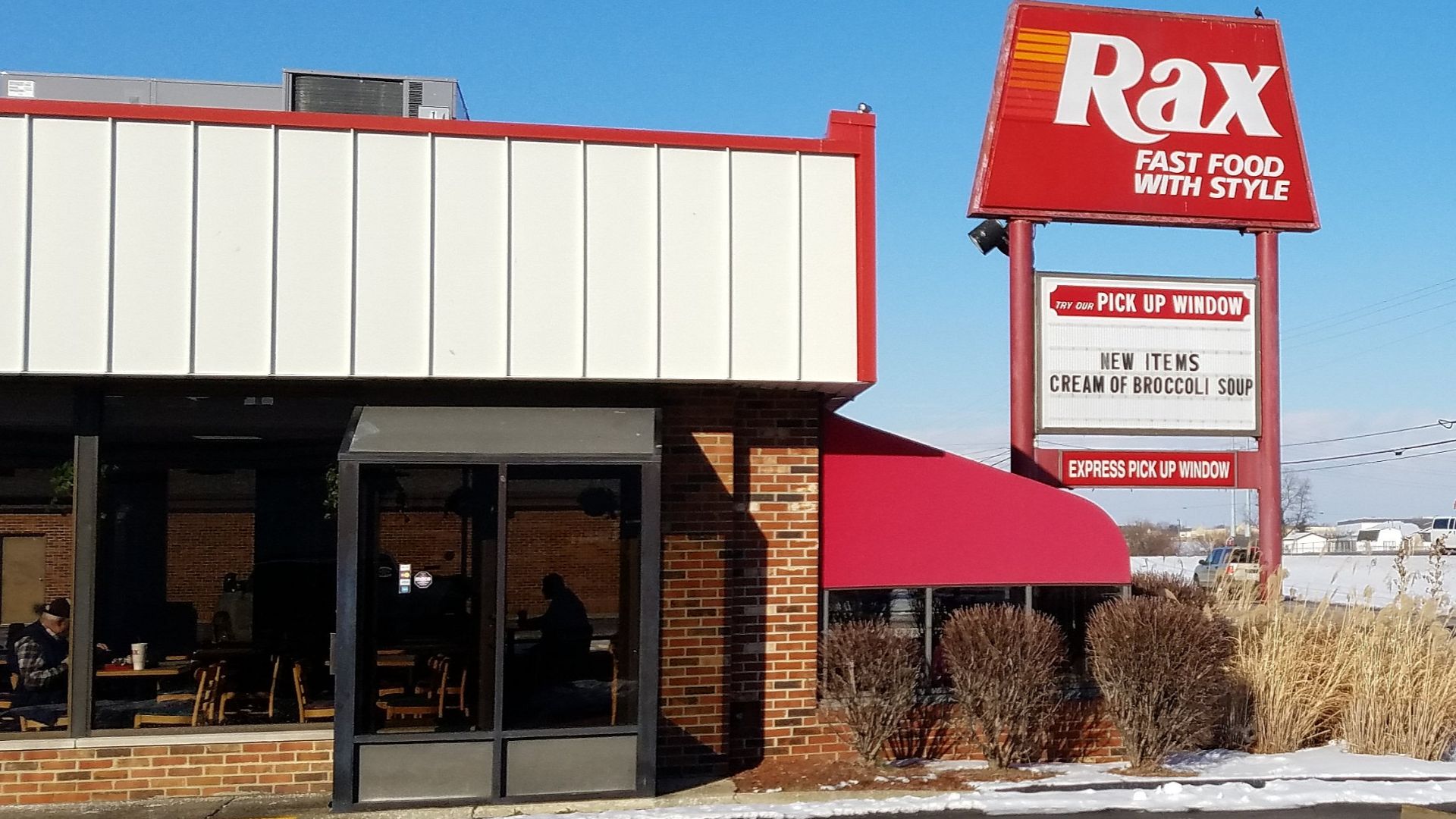
Rax became a familiar name in the 1980s by offering roast beef sandwiches, baked potatoes, and salad bars. At its height, the chain operated approximately 500 restaurants across 38 states. Its broader menu appealed to customers wanting something different from ordinary burger chains. But offering so many choices would eventually create an expensive problem.
 AndrewSP at English Wikipedia, Wikimedia Commons
Rax's Menu Became Too Ambitious
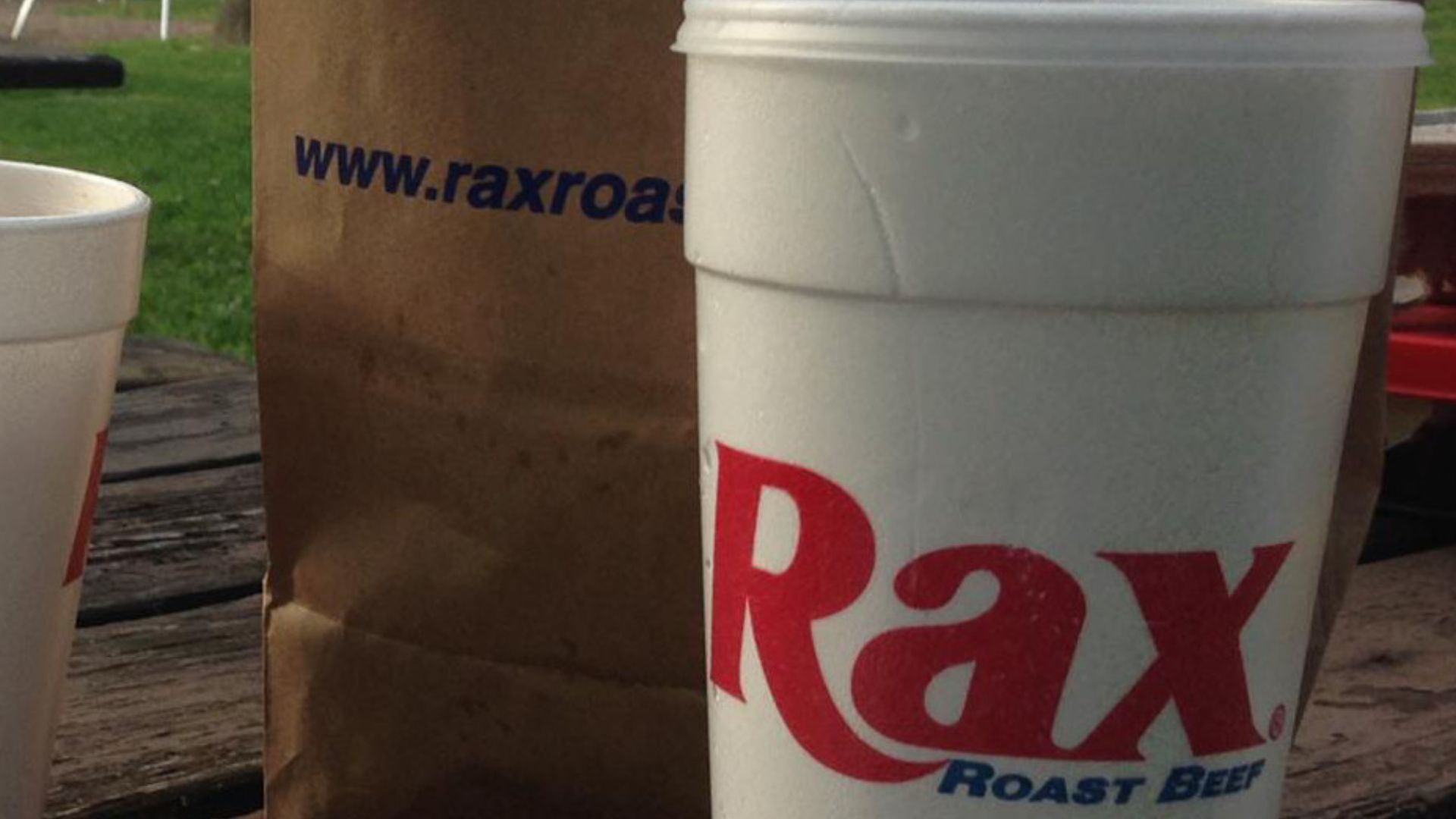
Rax expanded its salad bars to include everything from miniature bagels to Chinese food, pushing far beyond traditional fast-food offerings. Costs climbed while declining food quality and weaker sales undermined the business. Its parent company eventually entered bankruptcy, and the restaurant network shrank dramatically. A few Rax locations survived, but the chain never regained its former prominence.
Howard Johnson's Was A Road Trip Tradition
The orange roofs of Howard Johnson's restaurants were once familiar sights along American highways. Families stopped for fried clams, hearty meals, and the chain's famous selection of 28 ice cream flavors. By 1975, Howard Johnson's had surpassed 1,000 restaurant locations, making it an early industry giant. But its traditional roadside dining model struggled as newer competitors expanded.
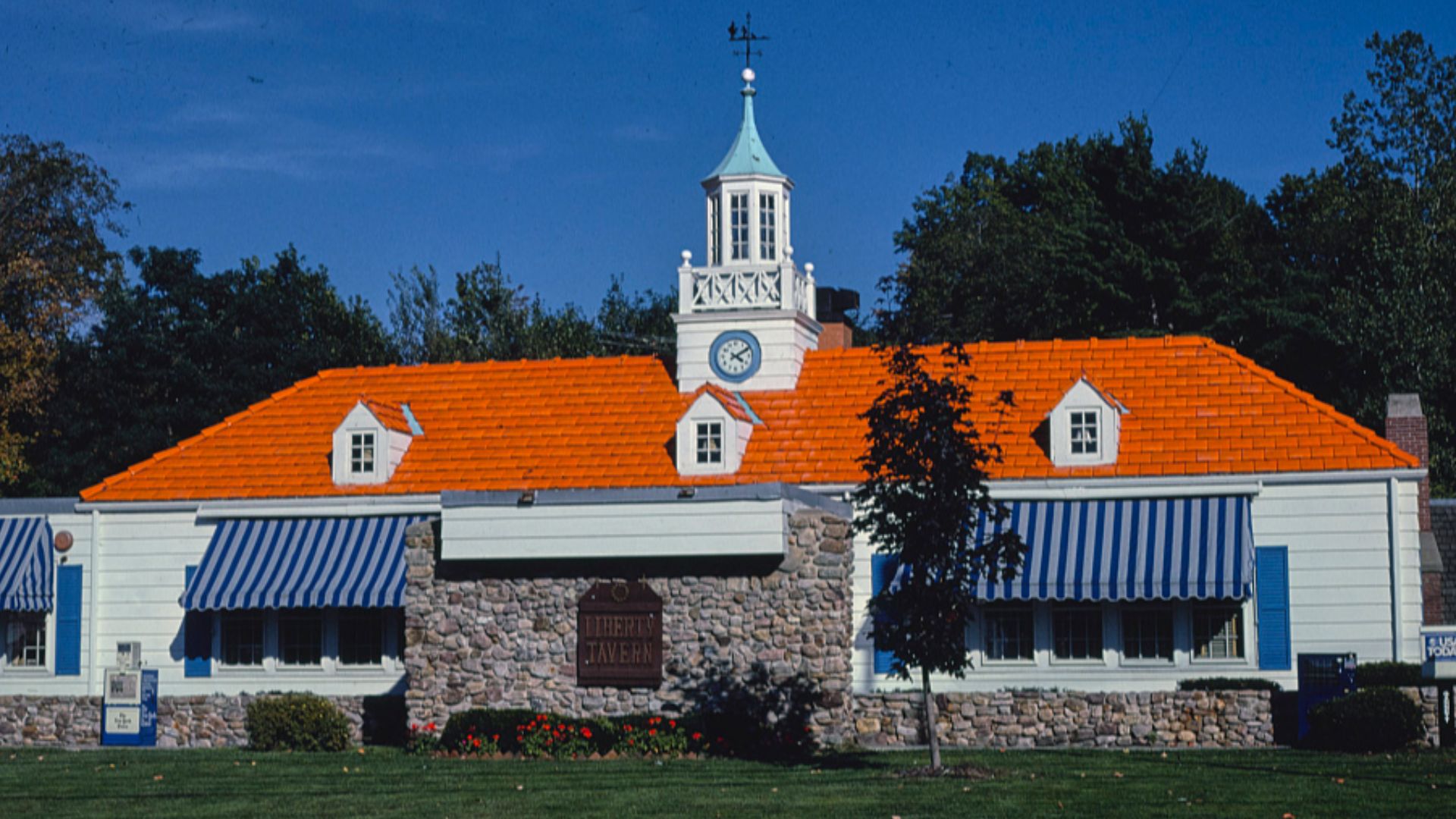 The Library of Congress from Washington, DC, United States, Wikimedia Commons
The Last Howard Johnson's Finally Closed
By the 1980s, Howard Johnson's restaurant operations were already losing ground to changing dining habits and growing competition. The chain gradually contracted until only one restaurant remained in Lake George, New York. That final location closed in 2022, ending nearly a century of restaurant history. The separately operated Howard Johnson hotel brand continued, but the original dining experience was gone.
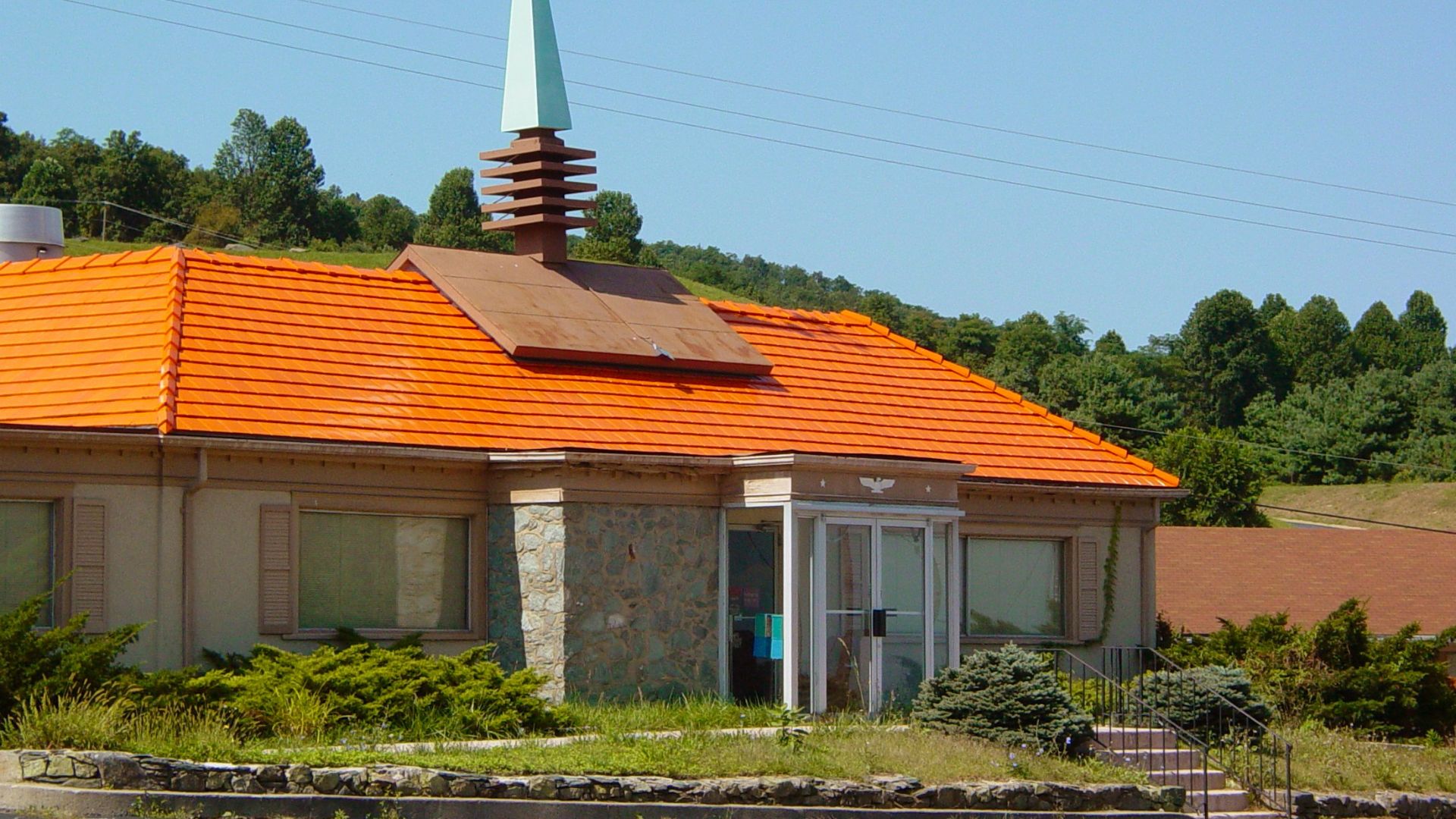 Ben Schumin, Wikimedia Commons
Sambo's Was Once Almost Everywhere
Founded in Santa Barbara in 1957, Sambo's grew into one of America's largest family restaurant chains. At its peak, more than 1,100 locations served customers across 47 states. Its breakfast-focused menu and casual dining model attracted families, but the chain's name and imagery also faced criticism for their racist associations. By the early 1980s, the company was confronting serious financial difficulties.
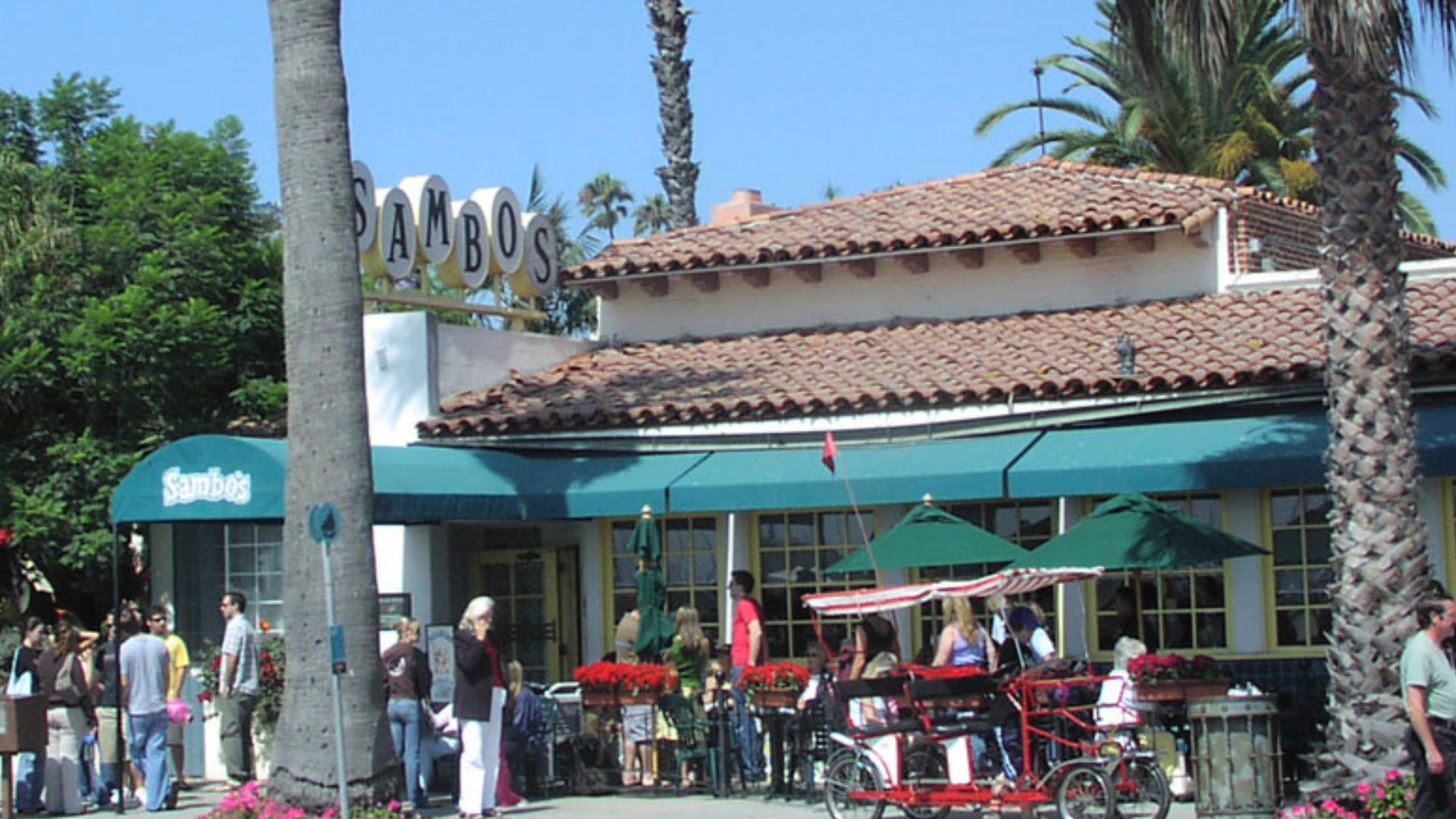 Taken by Antandrus, Wikimedia Commons
Sambo's Expansion Ended In Bankruptcy
By November 1981, Sambo's had closed 447 restaurants while struggling with heavy losses and a troubled $100 million loan arrangement. On November 27, the company filed for Chapter 11 bankruptcy protection after failing to secure needed financing. Most remaining restaurants eventually closed or changed ownership and names. The last surviving Sambo's location in Santa Barbara finally changed its name to Chad's in 2020.
 Vitalii Vodolazskyi, Shutterstock
Pup 'N' Taco Was A California Favorite
For Southern California families, Pup 'N' Taco offered an unusual combination of tacos, hot dogs, pastrami sandwiches, and frozen drinks. The drive-in chain became a recognizable regional favorite thanks to its varied menu and convenient locations. By the early 1980s, it operated approximately 100 restaurants. But a much larger fast-food company saw an opportunity in its restaurant network.
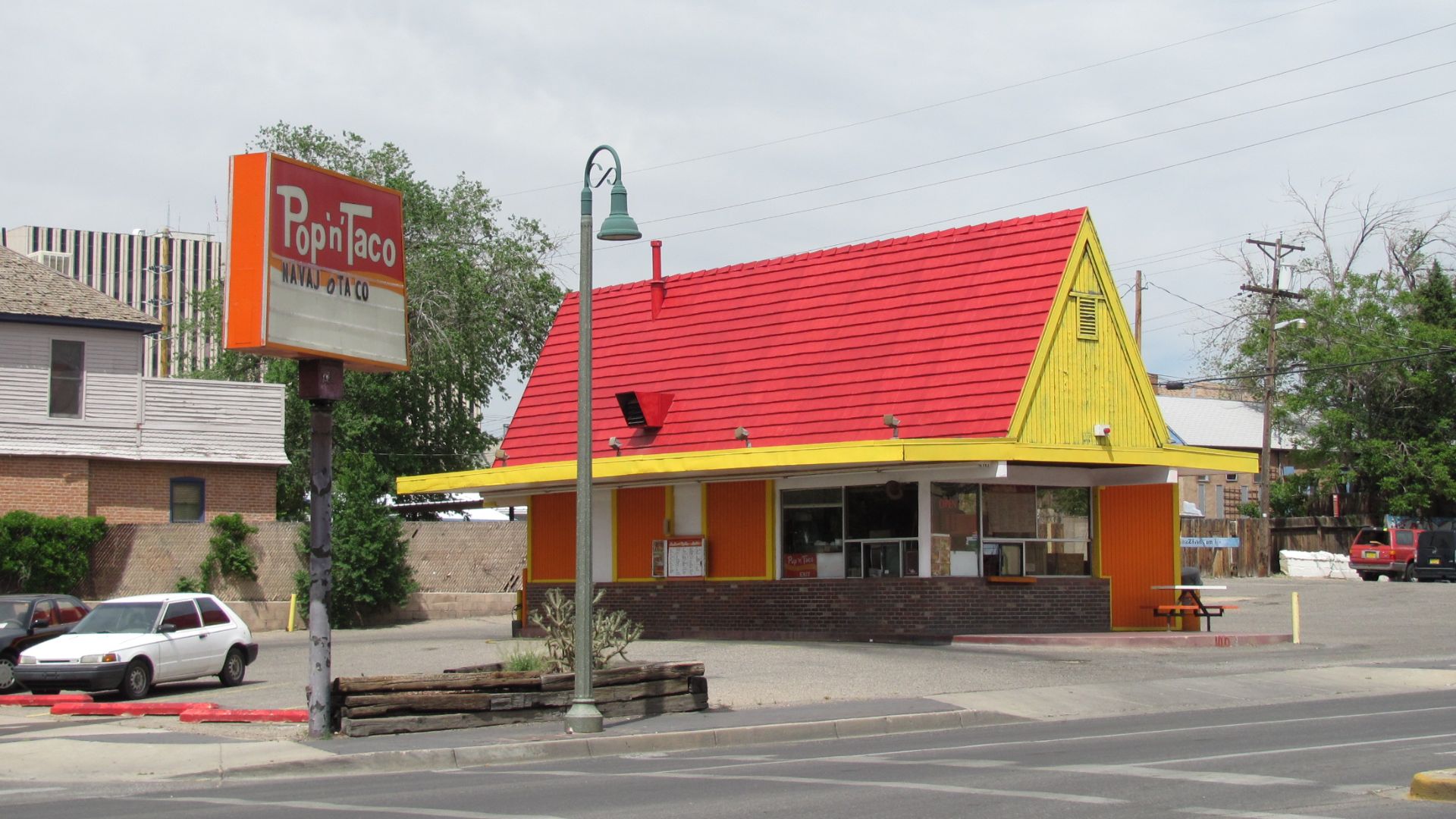 John Phelan, Wikimedia Commons
Taco Bell Took Over Pup 'N' Taco
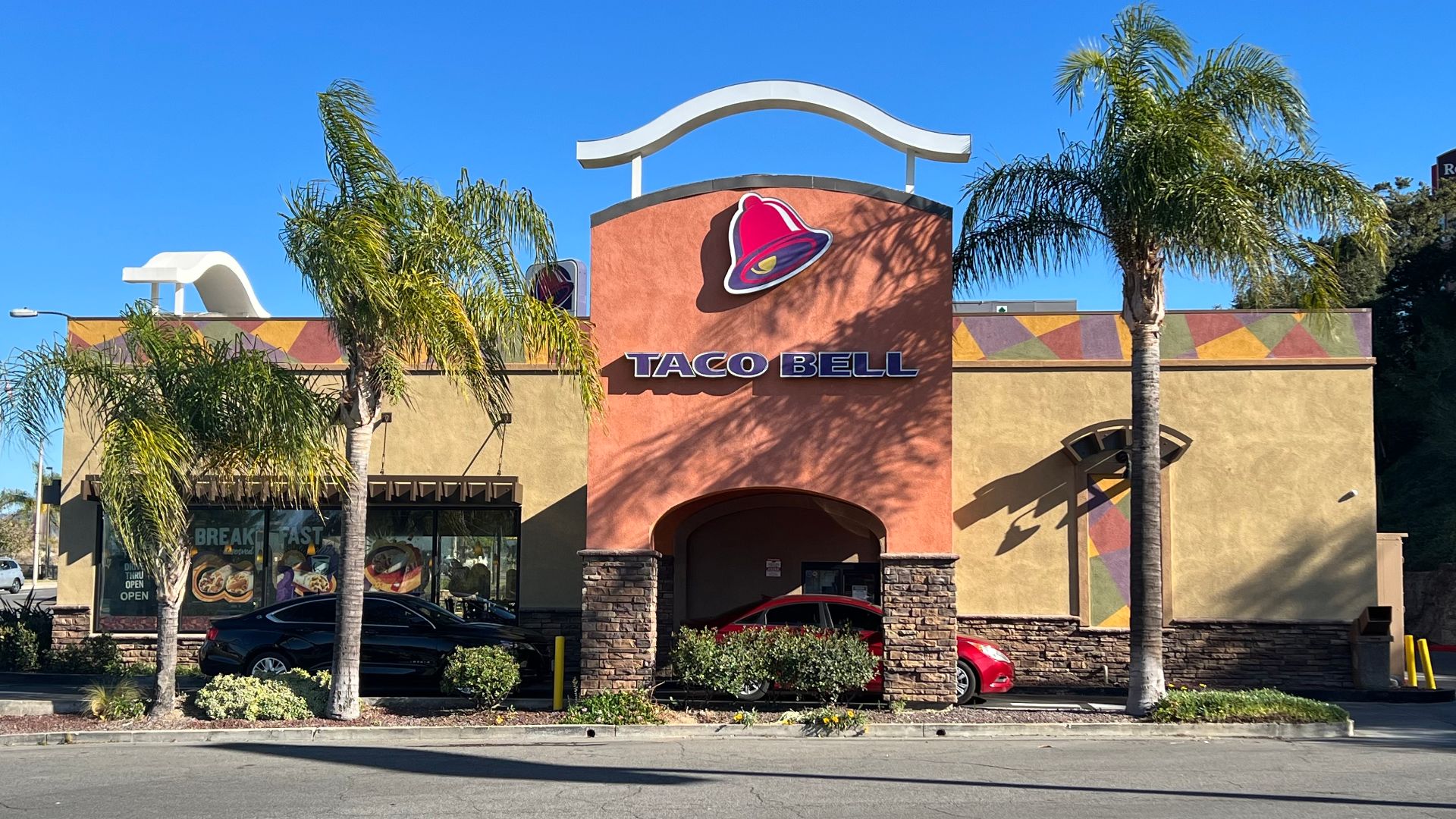
In 1984, Taco Bell purchased 99 Pup 'N' Taco locations, gaining valuable real estate in Southern California. The transaction brought most of the regional chain's restaurants into Taco Bell's expanding business. A few New Mexico locations weren't included and continued operating independently for years. For Southern California customers, however, another familiar restaurant name largely disappeared.
 TaurusEmerald, Wikimedia Commons
Souplantation Made Buffets Feel Fresh
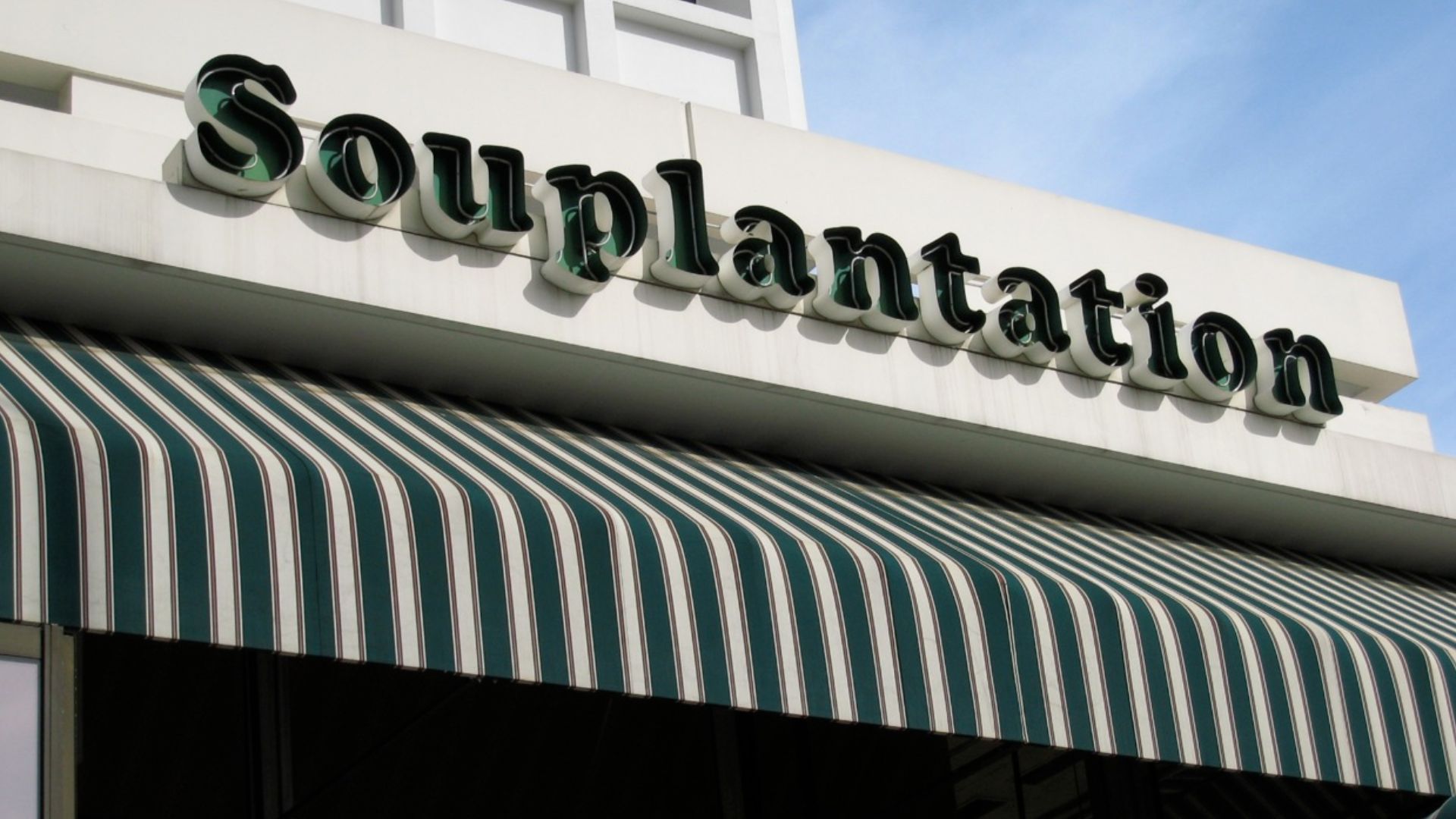
Founded in San Diego in 1978, Souplantation grew throughout the 1980s by focusing on soups, salads, and freshly baked foods. Its all-you-can-eat format offered customers plenty of choices for a single price. Outside California, the chain operated under the Sweet Tomatoes name, eventually expanding across multiple states. For families, it offered a different experience from traditional burger and steakhouse chains.
 John Pearson, Wikimedia Commons
Souplantation Couldn't Survive The Pandemic
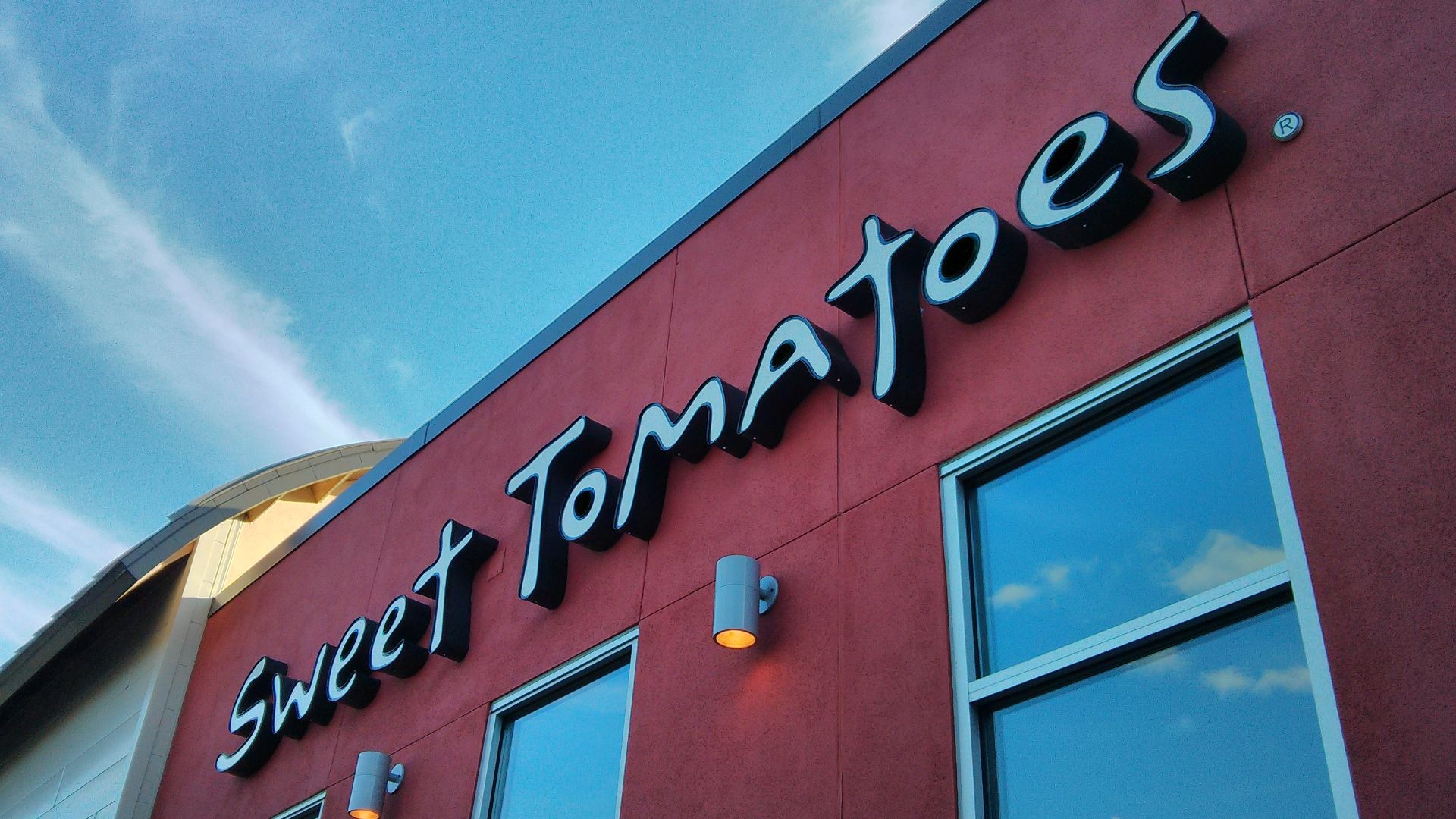
In May 2020, Souplantation and Sweet Tomatoes announced the permanent closure of all 97 restaurants. COVID-19 restrictions and guidance discouraging self-service buffets made their business model particularly difficult to operate. Parent company Garden Fresh Restaurants filed for Chapter 7 bankruptcy, reporting assets and liabilities of between $50 million and $100 million each. Approximately 4,400 employees lost their jobs.
 User:Ryaninc, Wikimedia Commons
Sweet Tomatoes Found Another Chance
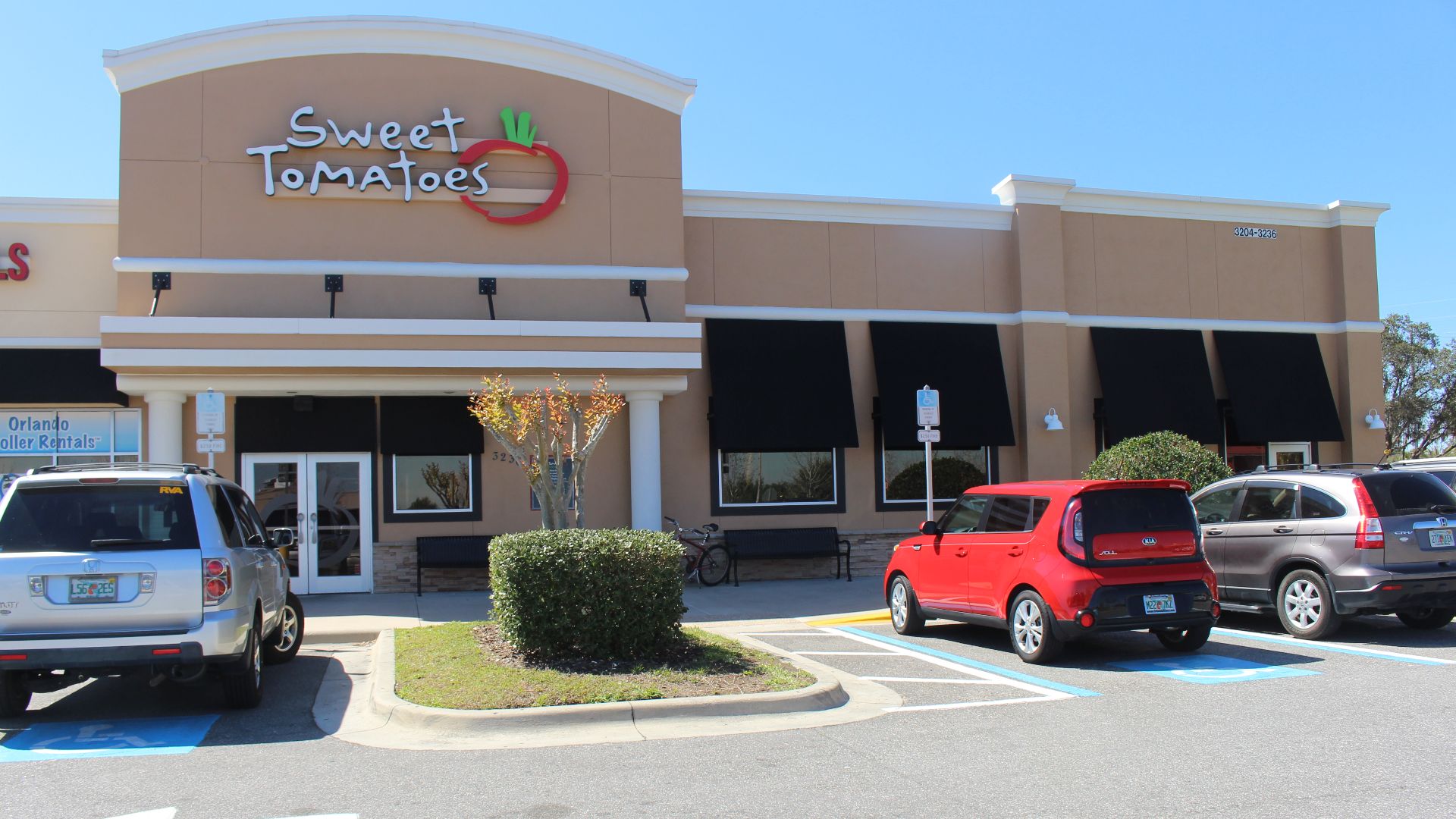
The original company disappeared, but its restaurant names eventually attracted new owners. Sweet Tomatoes reopened in Tucson, Arizona, in 2024, followed by another location in Fort Myers, Florida, in 2026. The company also announced plans for a California return under the Souplantation name in 2027. Its revival shows how new investors can reuse established brands without resurrecting the original corporations.
 Michael Rivera, Wikimedia Commons
What These Restaurant Failures Teach Us About Money
These restaurant failures show that popularity doesn't guarantee profits. Sambo's struggled with debt, Rax's expanding menu increased costs, and Burger Chef disappeared through a corporate takeover. For investors, cash flow, debt, and profit margins matter just as much as customer traffic. A packed dining room doesn't always mean a healthy business.
 Dan Keck from Ohio, Wikimedia Commons
The Restaurants Are Gone, But The Memories Remain
For millions of Americans, these restaurants were part of birthdays, road trips, and Friday-night family dinners. Some disappeared through bankruptcy, others were absorbed by competitors, and a surprising number have returned under new ownership. Their stories reveal how quickly even familiar restaurant brands can lose their place in a changing economy. Yet decades later, plenty of people would happily walk through those doors again.
 Ray or Jane Schumin, Wikimedia Commons
You May Also Like:
Companies That Were Worth Billions In The 1990s—Then Everything Fell Apart
Retail Chains From The 1970s That Once Seemed To Be Everywhere, Then Vanished
1970s Shopping Habits That Would Feel Totally Foreign Today—Which Would You Actually Bring Back?