The Stores That Seemed Like They Would Last Forever
For millions of Americans, shopping in the 1970s meant more than clicking “buy.” It meant wandering Woolworth’s aisles, flipping through catalogs, hunting for records, or piling the family into the car for a Saturday trip to the local discount store. Many of those chains felt permanent, yet changing tastes, bigger competitors, expensive expansions, and bad business decisions eventually wiped their names from the retail landscape. Some disappeared completely, while others left pieces of themselves inside companies Americans still shop at today.
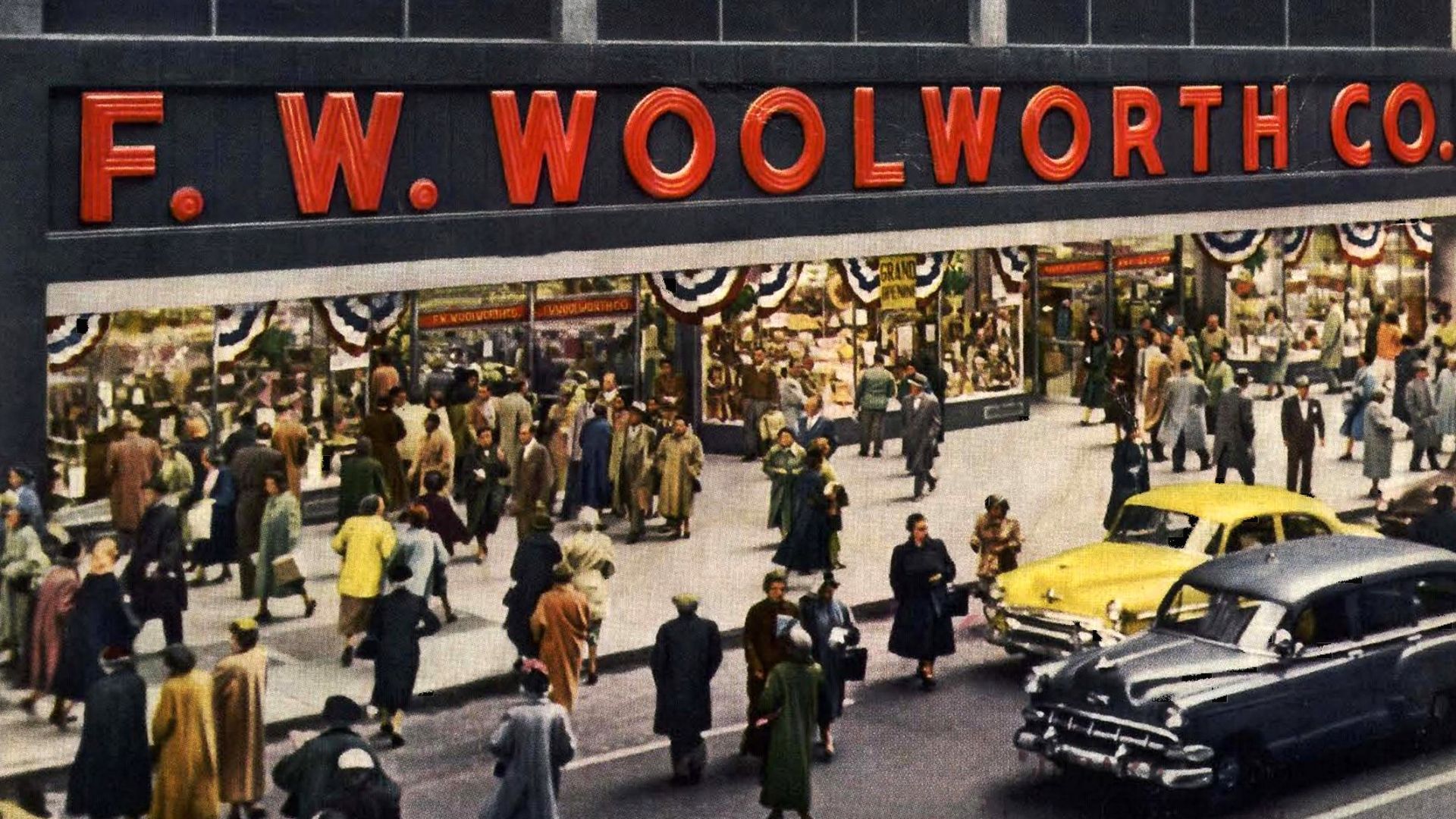
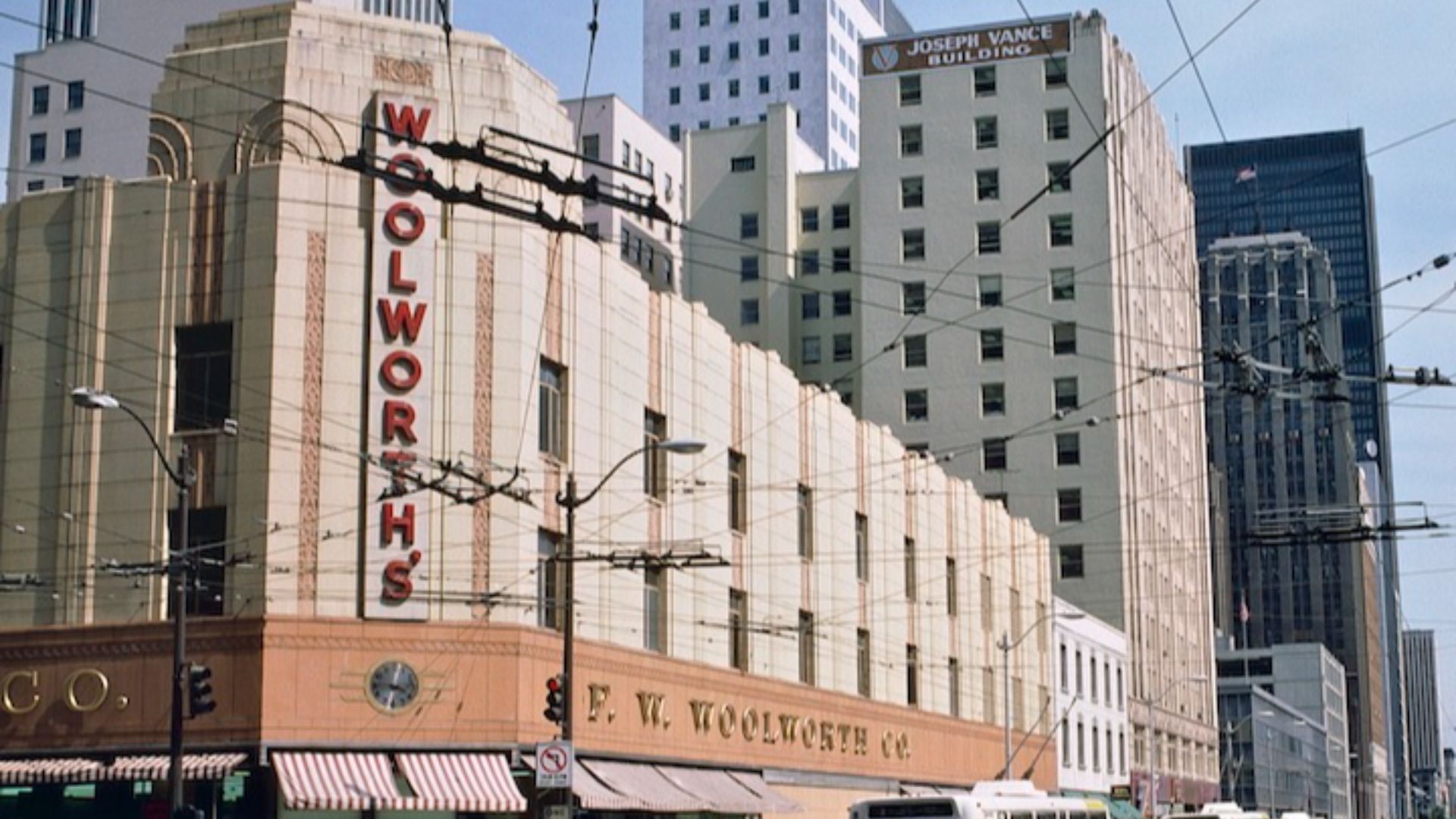
Woolworth Was Practically Part Of Main Street
Woolworth had been around long before the 1970s, but its five-and-dime stores still occupied a familiar place in American life. Shoppers could browse inexpensive household goods, candy, toys, clothing, and countless little items that rarely justified a special trip anywhere else. Many locations also had lunch counters, turning a shopping stop into a place to sit down for a sandwich or a soda. By Woolworth’s 100th anniversary in 1979, the company remained one of America’s best-known variety-store names.
 Click Americana, Wikimedia Commons
The Five-And-Dime Could Not Stay Cheap Forever
The trouble was that American shopping was moving toward larger discount stores with broader selections and aggressive prices. Woolworth tried different formats and expanded into other retail businesses, but its traditional variety stores increasingly looked like leftovers from an earlier era. In 1997, the company announced that it would close its roughly 400 remaining U.S. Woolworth stores. The corporation survived by concentrating on sporting goods and eventually became the company known today as Foot Locker.
Montgomery Ward Once Arrived In The Mail
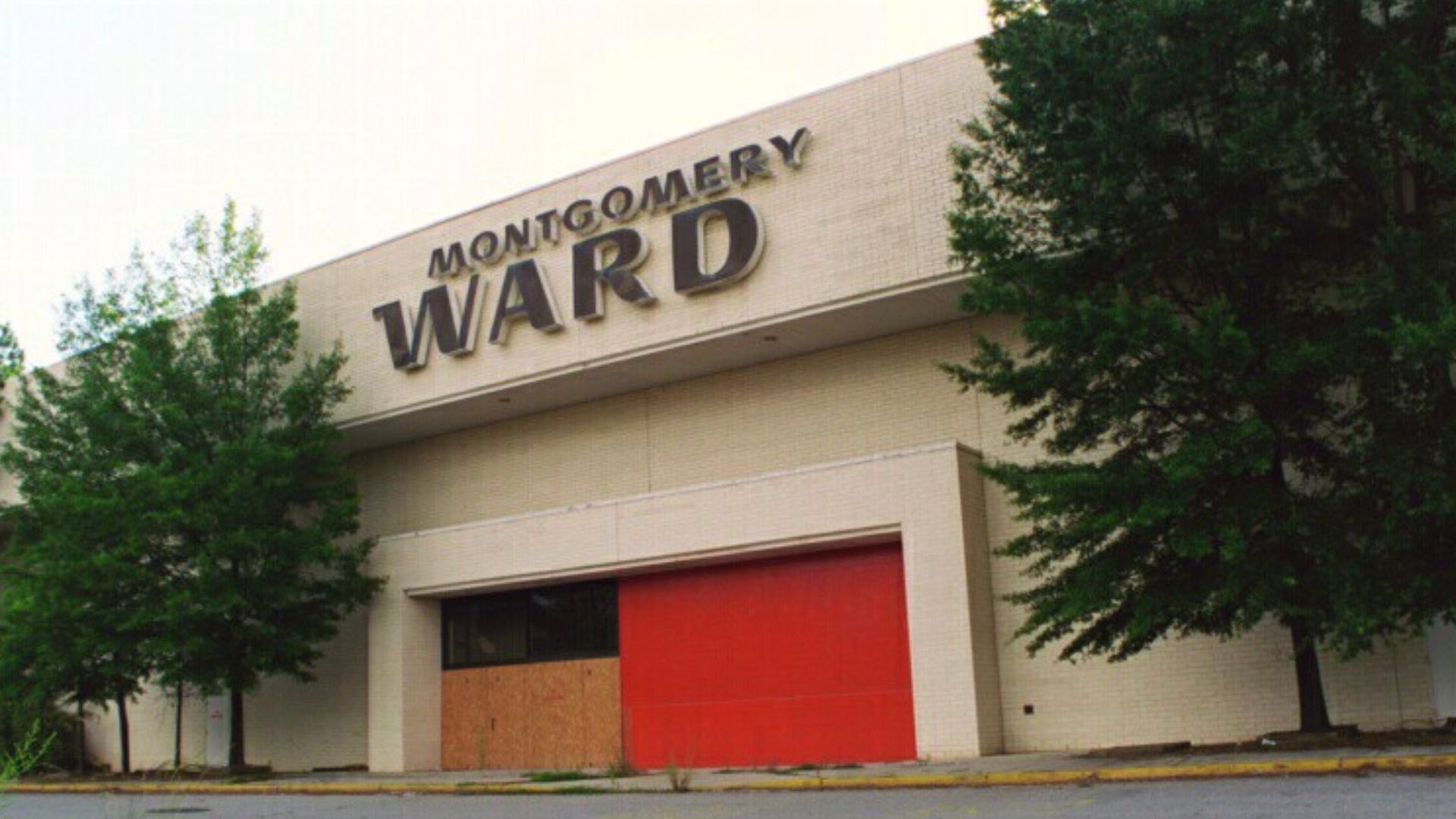
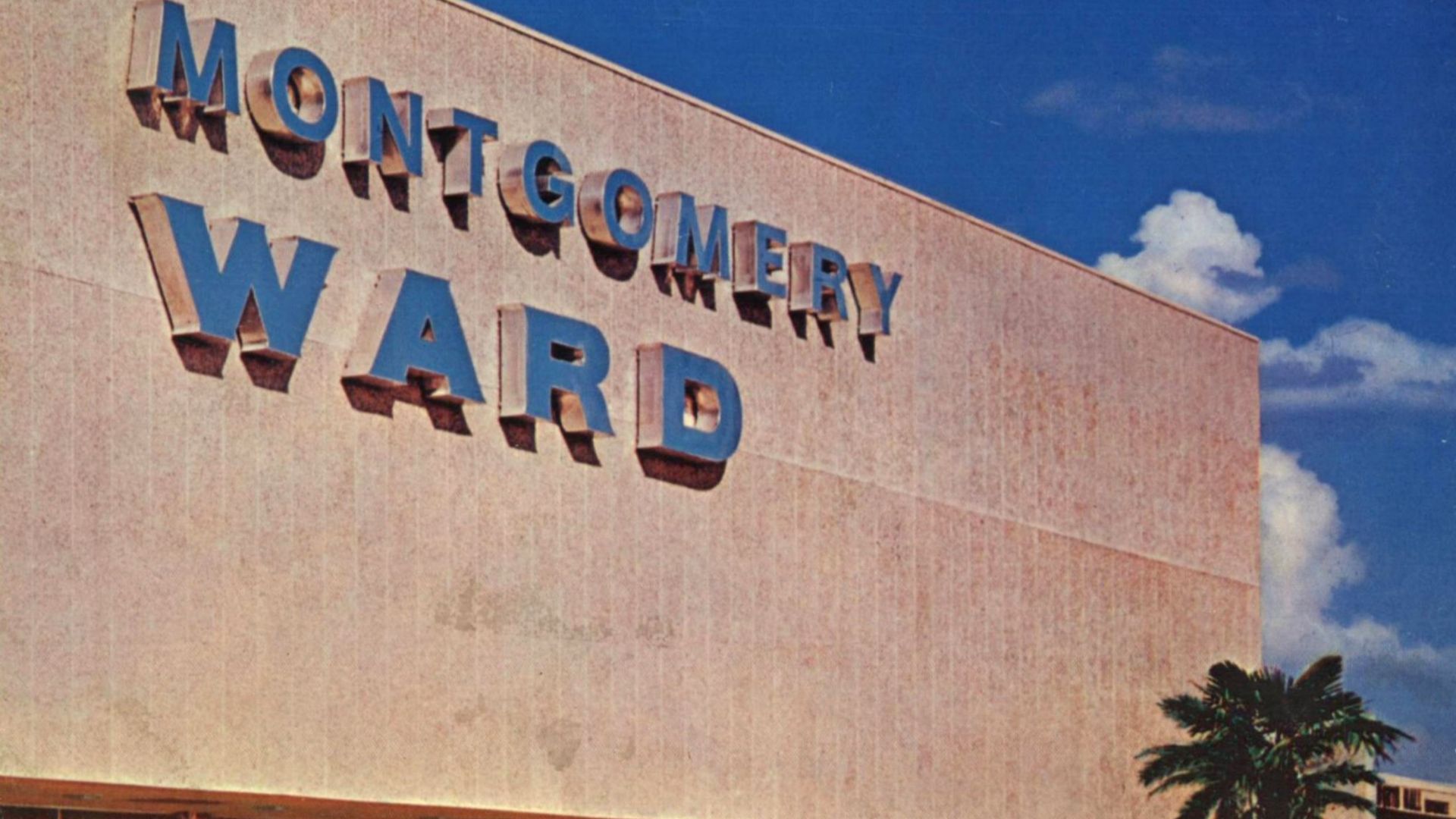
Long before Amazon boxes appeared on porches, generations of American families browsed the enormous Montgomery Ward catalog. By the 1970s, Ward was also a familiar presence in shopping centers, selling appliances, clothing, furniture, tools, and other household necessities. For many shoppers, it occupied the same mental space as Sears: a place where you could seemingly buy almost anything. That enormous history made its eventual disappearance especially difficult to imagine.
 The original uploader was Caldorwards4 at English Wikipedia., Wikimedia Commons
Wards Lost Its Reason To Exist
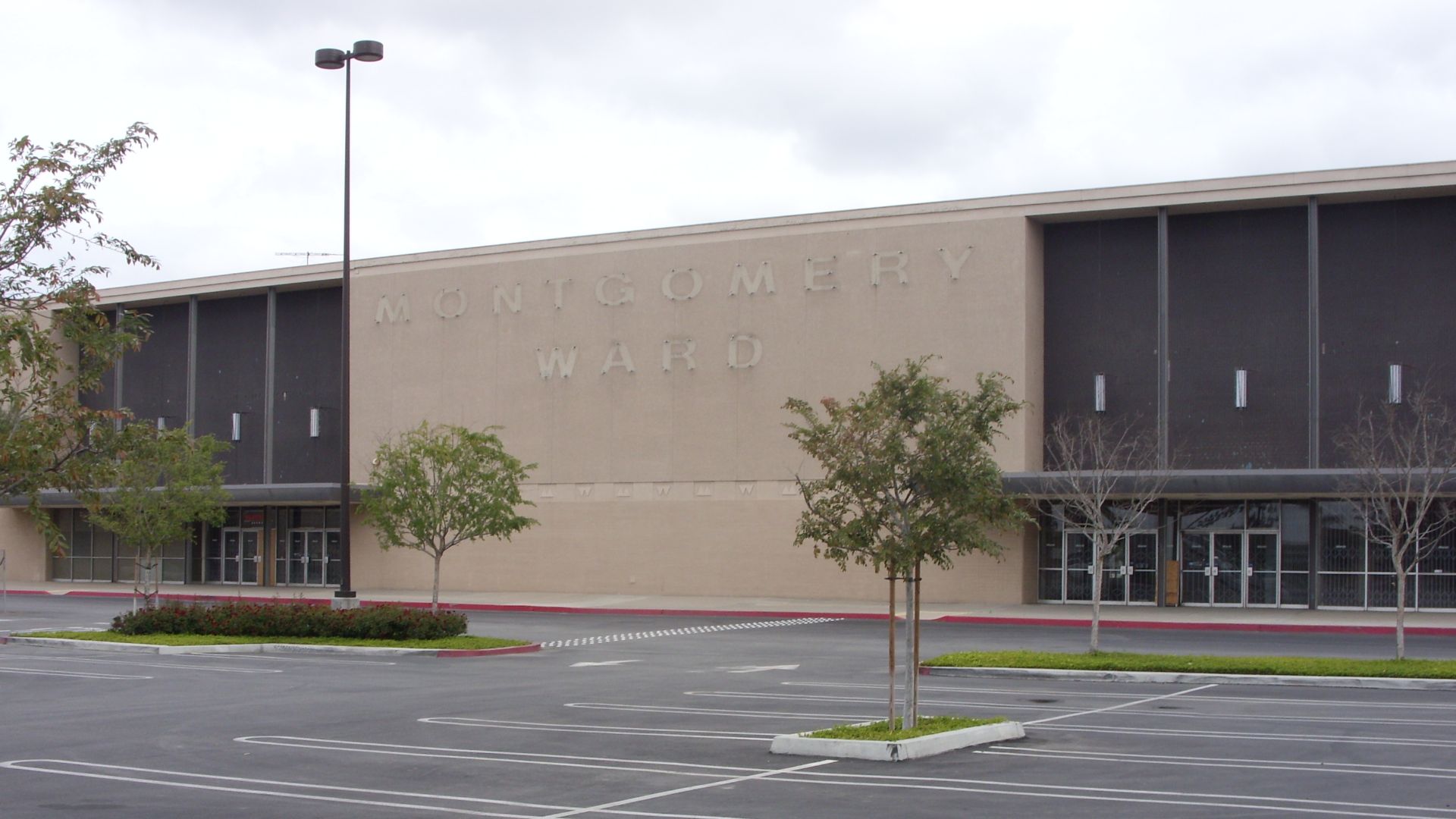
Montgomery Ward spent years trying to redefine itself as newer retailers chipped away at its business. Walmart and Target competed fiercely on price, while specialty retailers gave customers clearer reasons to visit them. Wards entered bankruptcy in 1997 and attempted a comeback under owner GE Capital, but continued losses and disappointing sales finally proved too much. In late 2000, the 128-year-old retailer announced that it would shut down its remaining stores.
A&P Was Once The Grocery Store
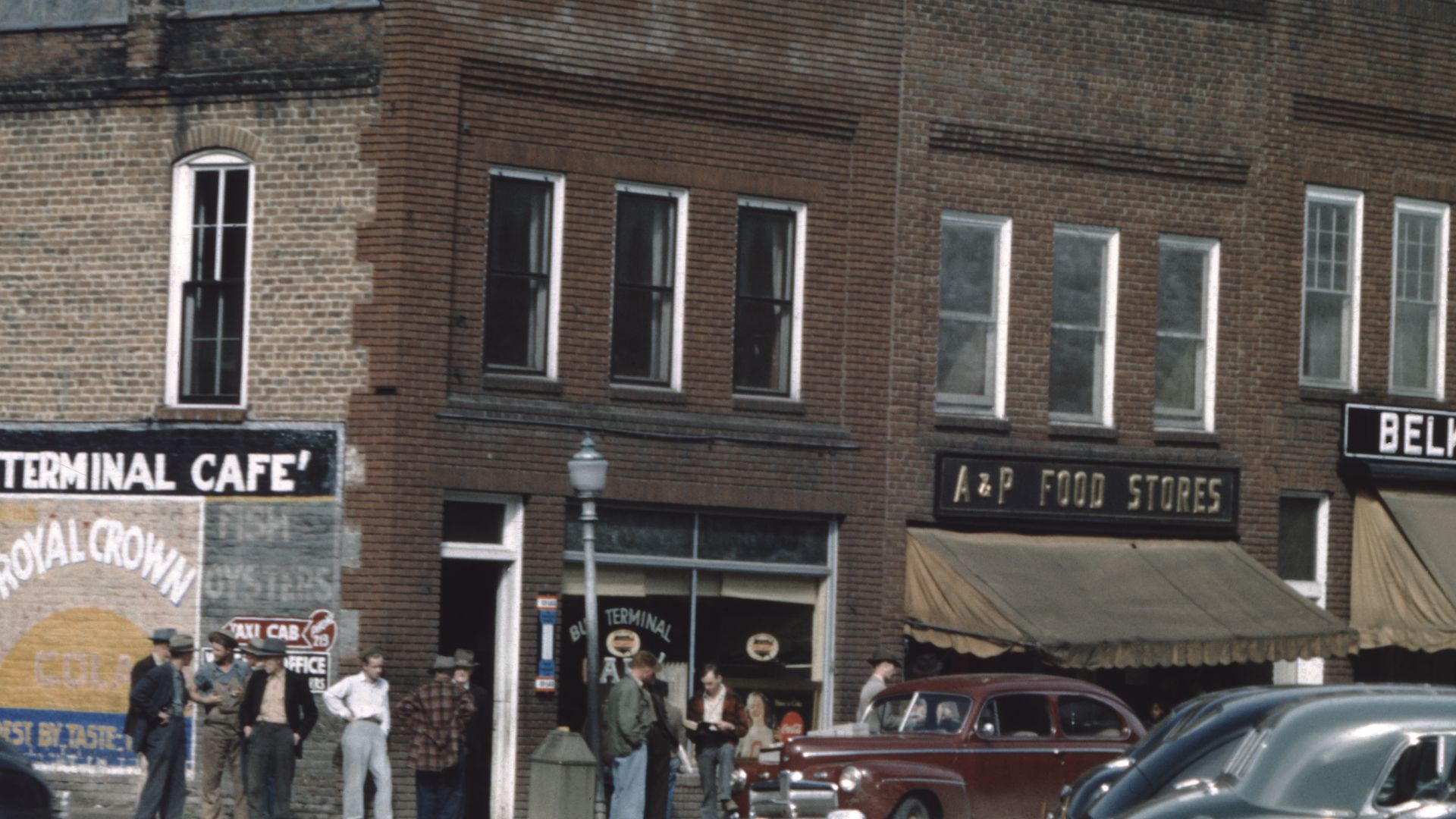
The Great Atlantic & Pacific Tea Company, better known as A&P, once occupied a position in groceries that is almost difficult to grasp today. At its height it operated thousands of stores, and for decades it ranked among the biggest retailers in the country. Even in the 1970s, an A&P sign could still feel like part of the basic scenery of everyday American life, particularly in the Northeast. Yet the decade also exposed how far the once-dominant company had fallen behind.
 Victor Grigas, Wikimedia Commons
A&P Stayed Old While The Supermarket Changed
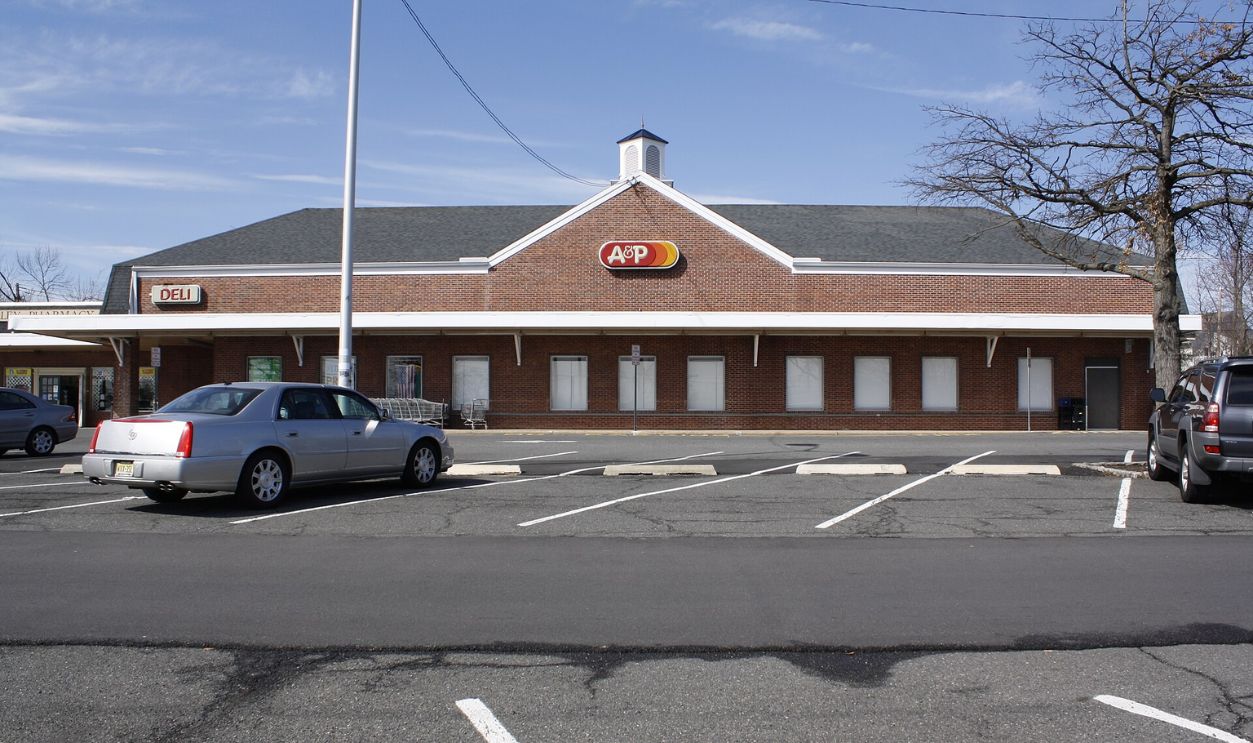
A&P held onto too many small, aging stores while competitors invested in larger suburban supermarkets with more modern layouts. In 1975, management considered closing roughly a third of its thousands of locations as part of a massive effort to rescue the company. A&P survived that crisis and remained in business for another 40 years, but it never recovered its old dominance. After years of debt, falling sales, and tough competition, its remaining supermarket business was dismantled following another bankruptcy in 2015.
 Unknown Author, Wikimedia Commons
Gimbels Was More Than A Department Store
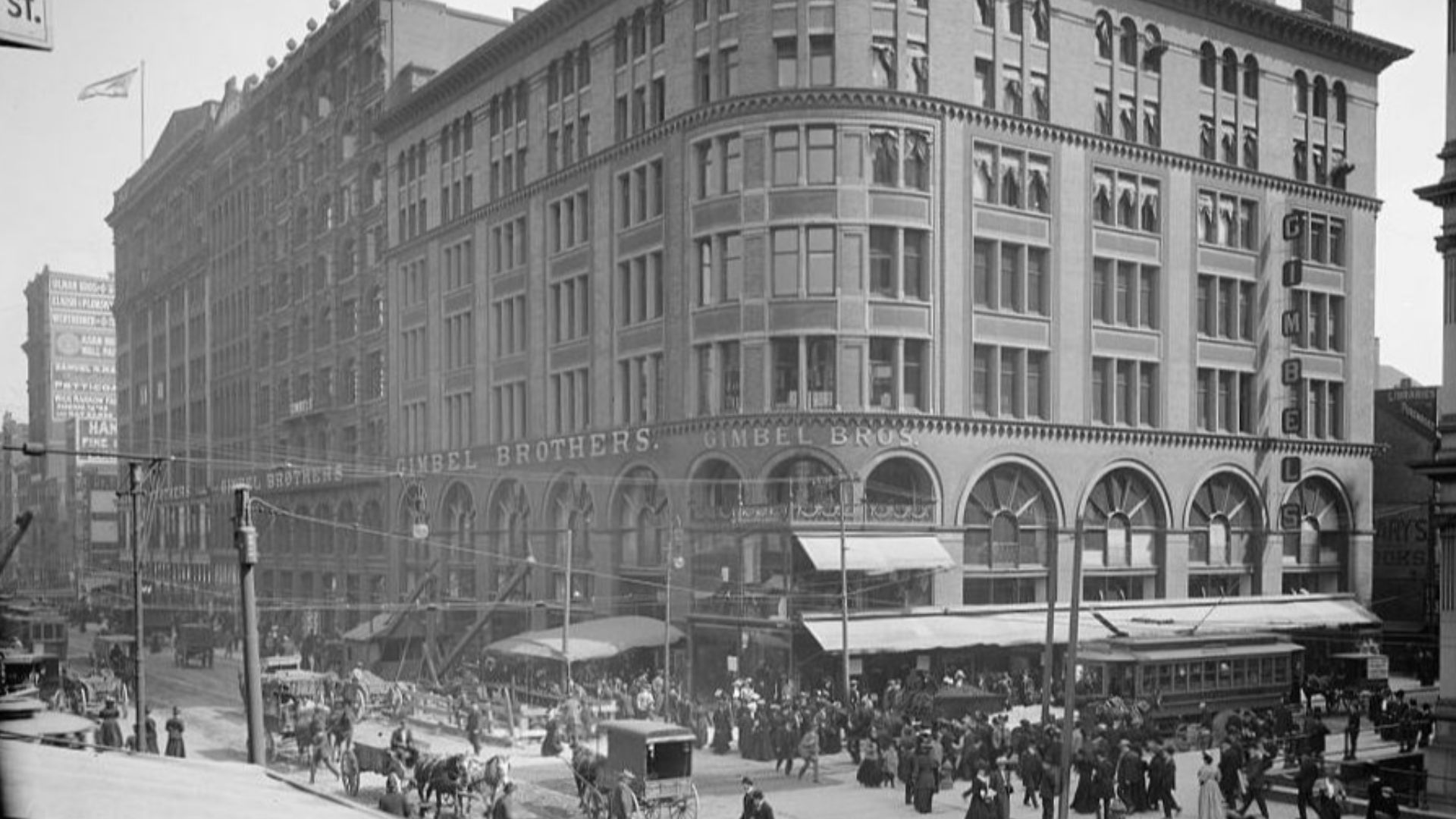
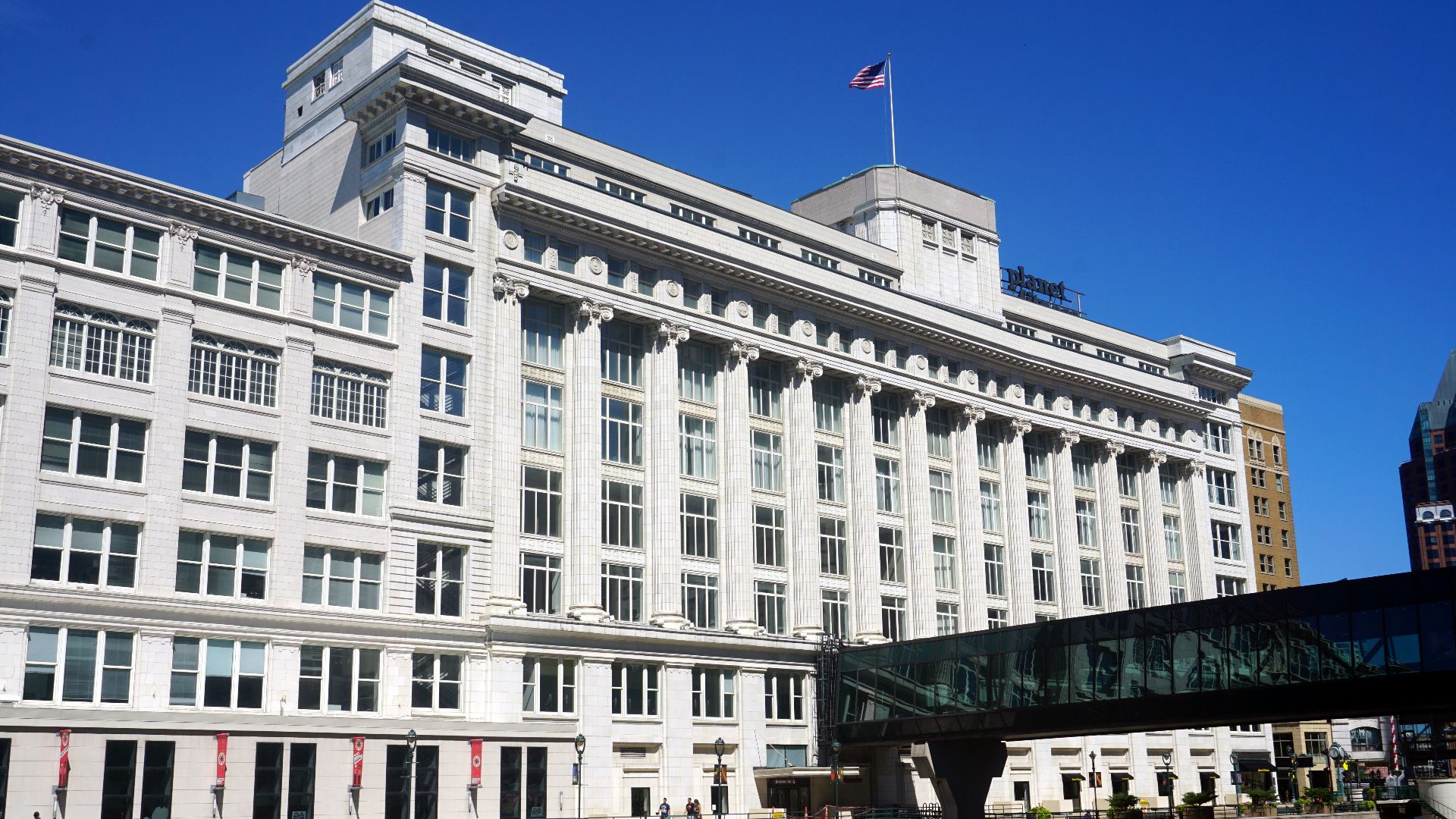
For shoppers in New York, Philadelphia, Pittsburgh, and Milwaukee, Gimbels was a retail institution. Its rivalry with Macy’s became so famous that it entered American popular culture, most memorably through Miracle on 34th Street. The Herald Square flagship had served New Yorkers for 76 years by the time it prepared to close in 1986. Shoppers were not simply losing another place to buy clothes and furniture. They were watching a piece of city life disappear.
 Unknown authorUnknown author, Wikimedia Commons
Its Owner Saw A Future Somewhere Else
Gimbels had been purchased by Batus, the American arm of British conglomerate BAT Industries, in 1973. By the mid-1980s, Batus was reshaping its American retail holdings and wanted to concentrate its money and attention on businesses it believed offered stronger growth. Some Gimbels operations were still profitable, so this was not simply a case of every store collapsing at once. Buyers took over parts of the business, but by late 1986 the Gimbels name had disappeared from American retail.
 Michael Barera, Wikimedia Commons
Korvettes Made Discount Shopping Feel Exciting
E.J. Korvette was one of the discount chains that shook up traditional department-store retailing before Walmart became a national powerhouse. Its big stores sold clothing, appliances, electronics, records, furniture, and plenty of other merchandise under one roof. For families in the Northeast and Mid-Atlantic, Korvettes could be a regular weekend destination during the 1960s and 1970s. Then the company discovered just how quickly a retail innovator could become yesterday’s news.
 John J. Meola, CC-BY-SA-4.0, Wikimedia Commons, Modified
The Competition Changed While Korvettes Did Not
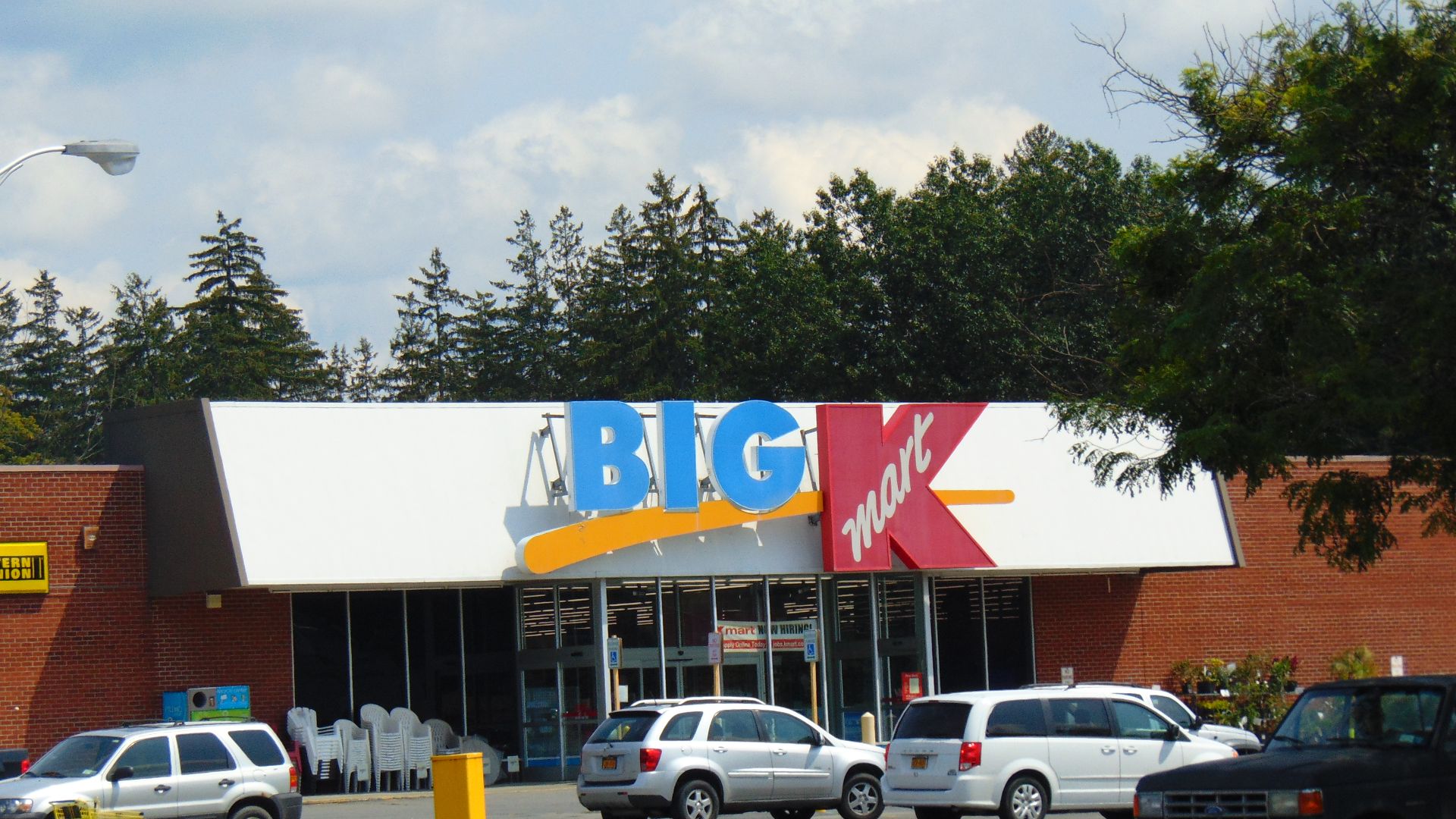
By the late 1970s, rivals such as Kmart had expanded and modernized while Korvettes struggled to keep pace. In 1980, the company began closing unprofitable locations and selling inventory to raise cash needed to pay suppliers. The rescue effort bought time, but it did not fix the underlying problem. By that October, Korvettes announced that its remaining stores would be closed or sold, bringing a once-pioneering discount chain to a remarkably abrupt end.
 JJBers Public, Wikimedia Commons
Zayre Was A Treasure Hunt Before Treasure Hunts Were Cool
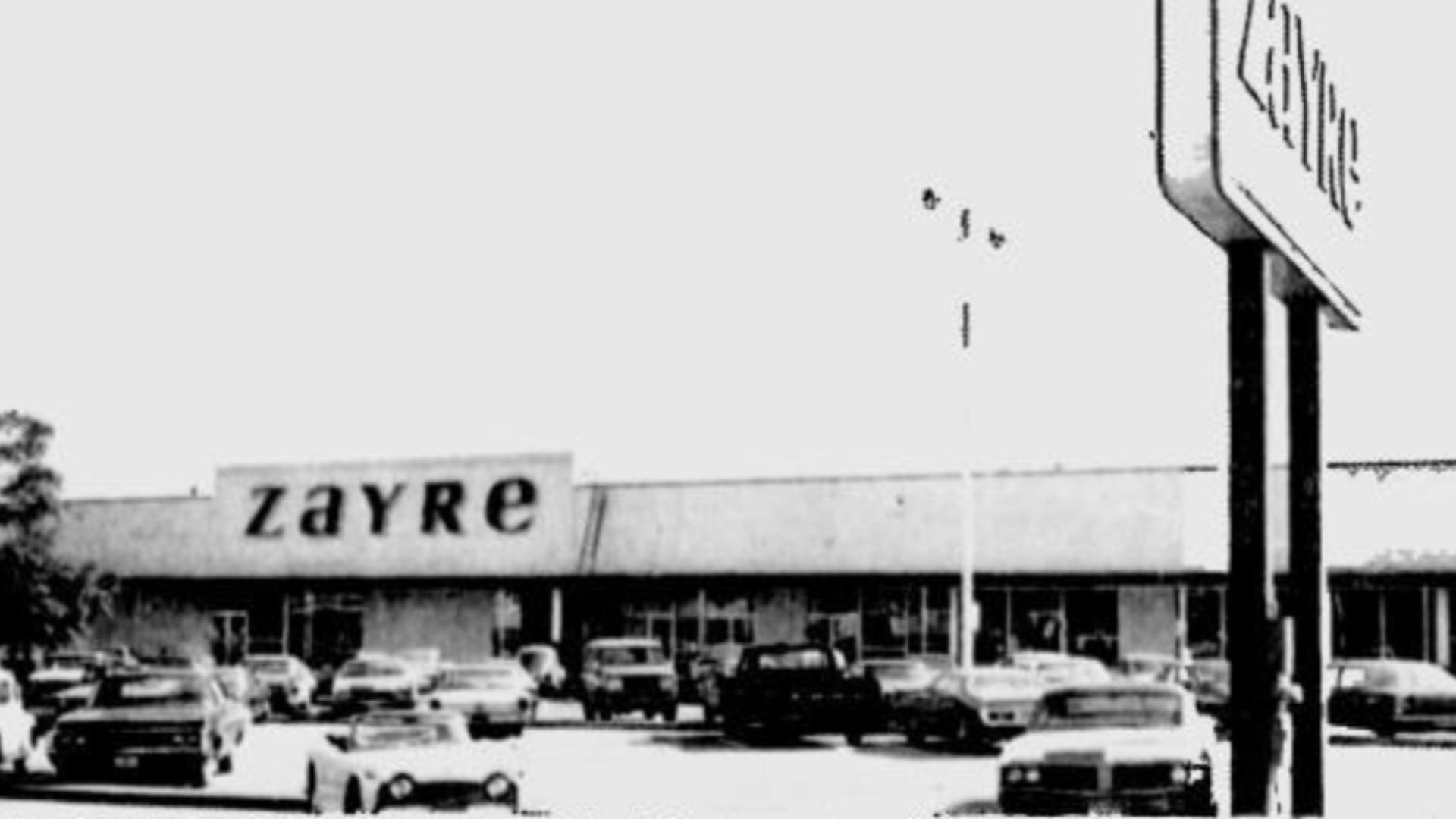
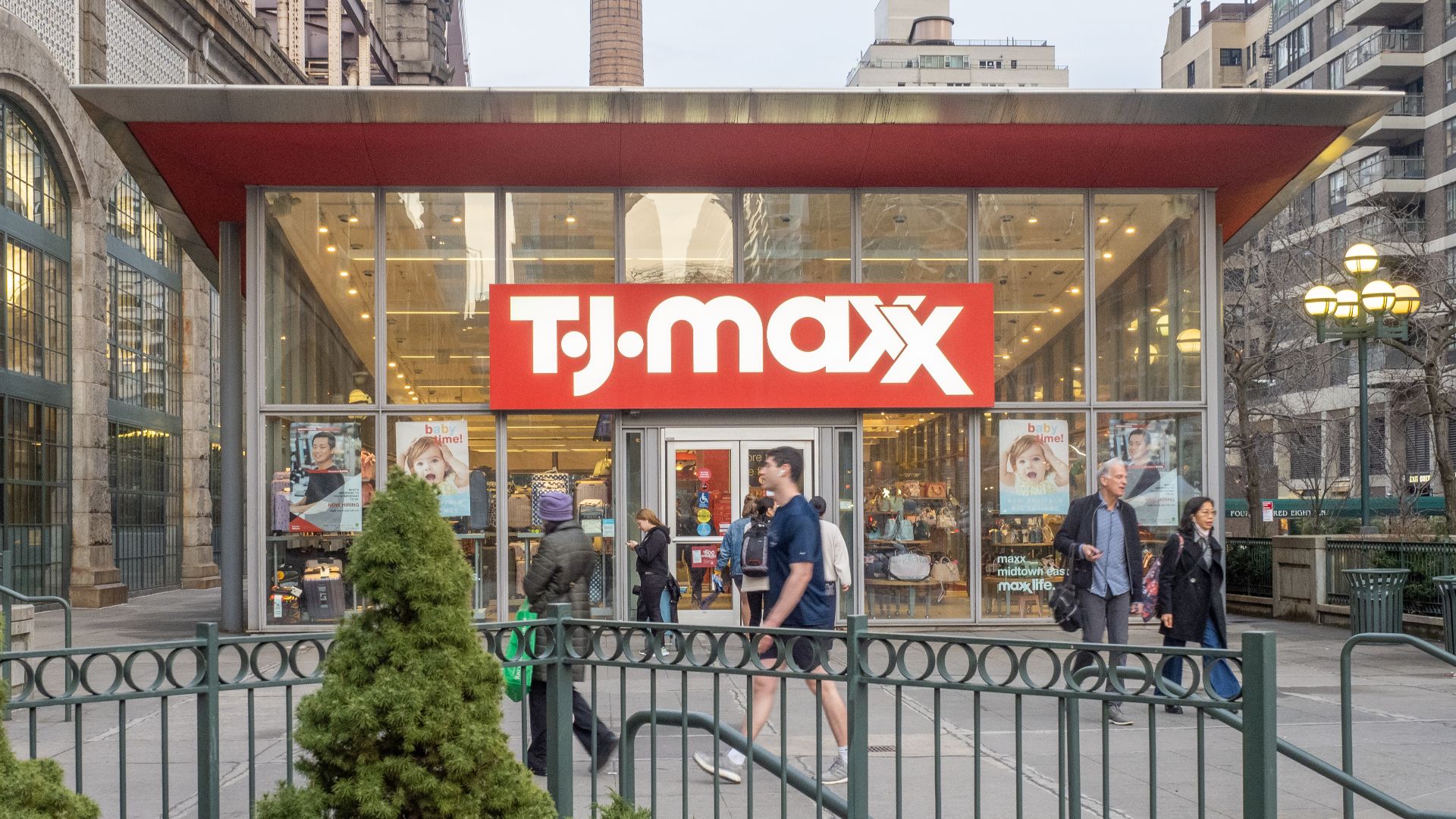
In much of the eastern United States, Zayre was one of those stores where shoppers could walk in for socks and leave with toys, kitchenware, a lamp, and something nobody planned to buy. The chain helped popularize self-service discount stores outside traditional downtown shopping districts and became a major regional retailer. By the 1980s, its parent company also controlled newer businesses including T.J. Maxx and BJ’s Wholesale Club. Eventually, management had to confront an awkward fact: some of those newer ideas were working much better than Zayre itself.
Zayre Vanished But Its Corporate Family Thrived
By 1988, Zayre’s discount stores were bleeding money while other parts of the company looked much healthier. The company sold 388 Zayre stores to Ames in a deal valued at roughly $800 million and increasingly focused on its successful T.J. Maxx business. The old Zayre corporation eventually became TJX Companies, the parent of T.J. Maxx, Marshalls, and other chains. Zayre disappeared, but one of its corporate descendants became an enormous retail success story.
 ajay_suresh, Wikimedia Commons
W.T. Grant Seemed To Be Everywhere
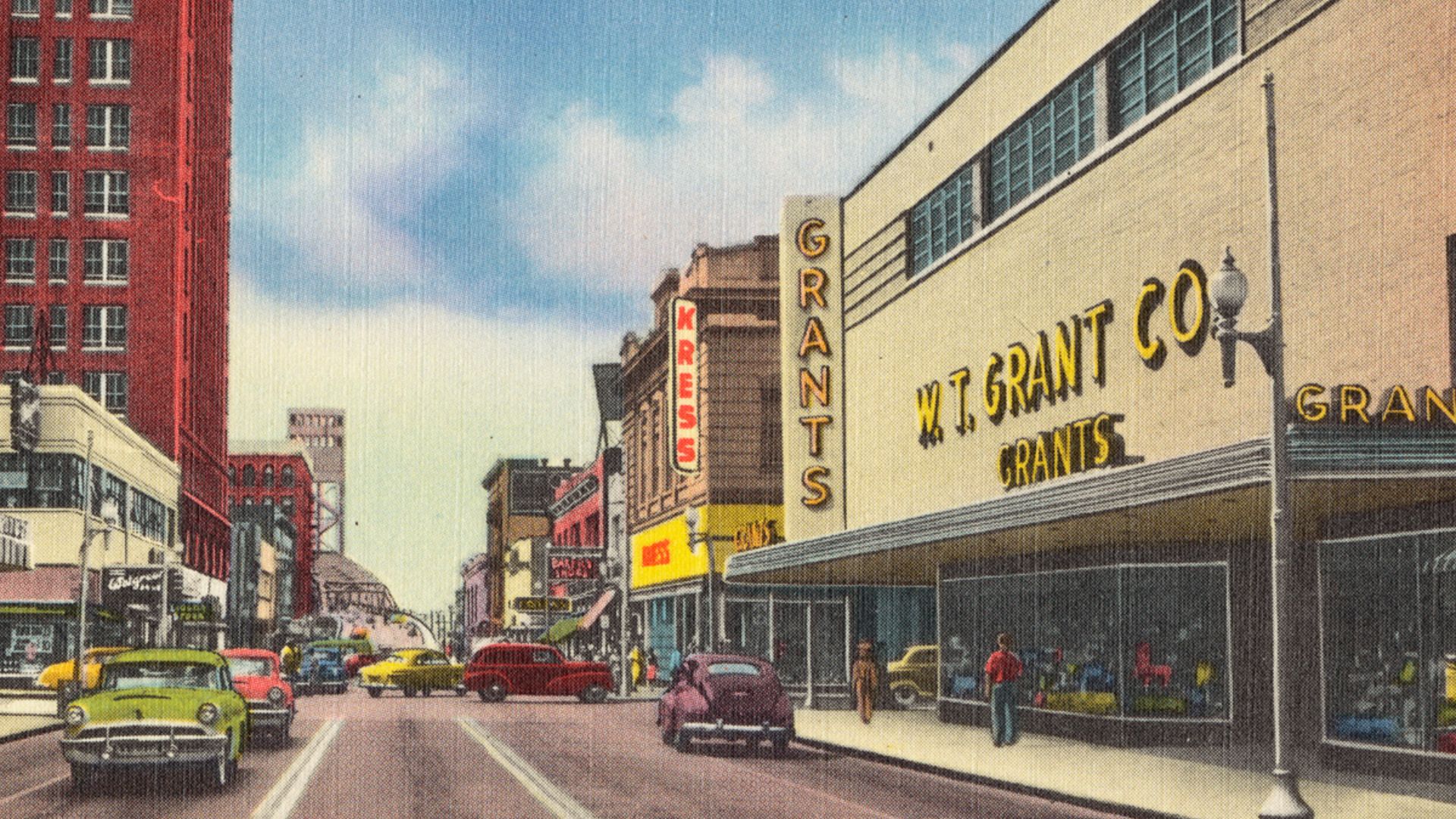
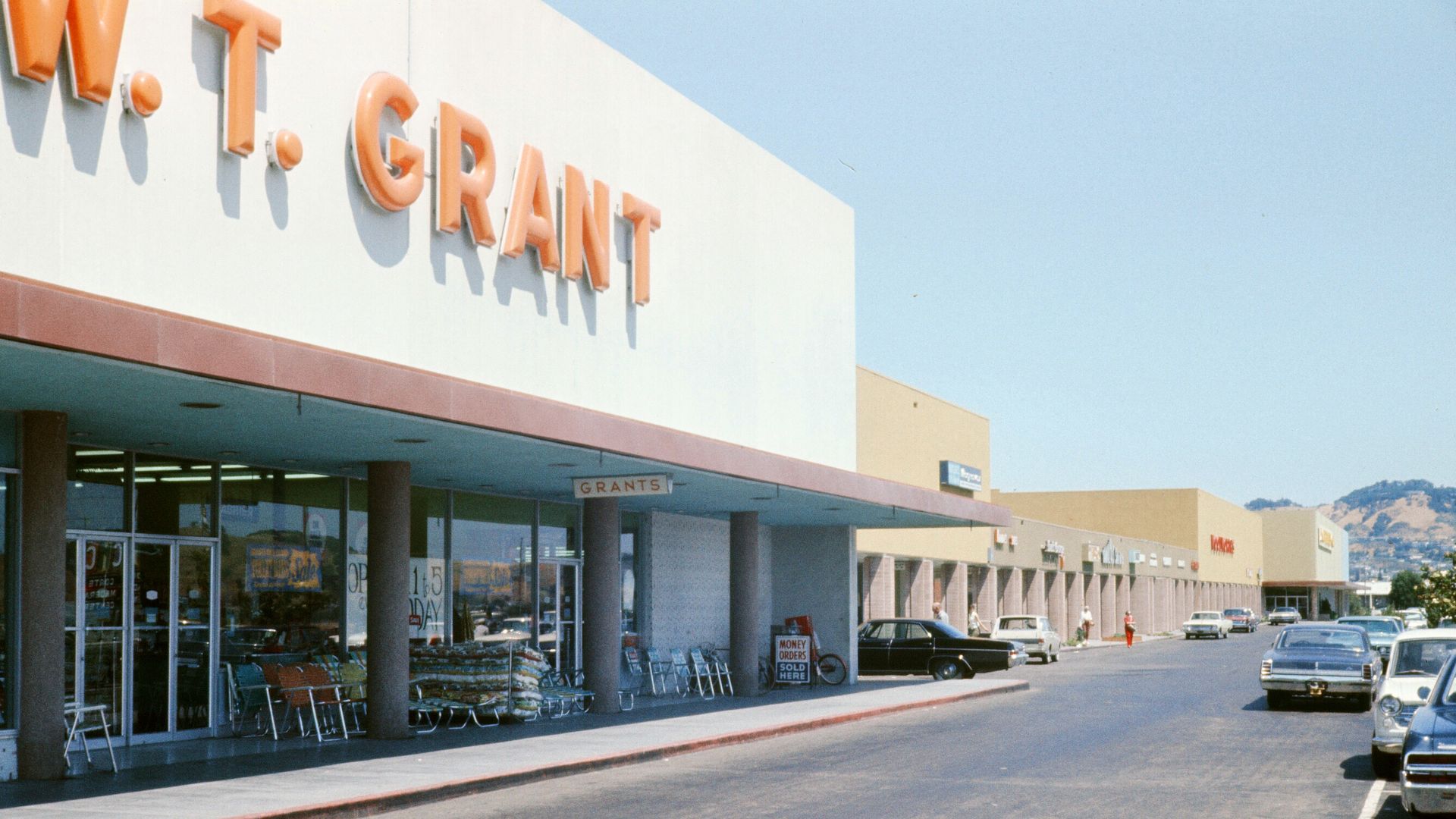
Grant’s was the kind of store generations of Americans visited for inexpensive clothing, housewares, furniture, and whatever else the family needed that week. The company entered the 1970s with more than 1,000 locations and decades of history behind it. From the sidewalk, that kind of size could make a retailer seem almost impossible to kill. Behind all those familiar storefronts, however, Grant’s finances were deteriorating with startling speed.
 Boston Public Library, Wikimedia Commons
Grant’s Big Expansion Came Back To Haunt It
W.T. Grant expanded aggressively, but weak sales and enormous debts eventually left the company scrambling for cash. It entered bankruptcy proceedings in 1975, and worried suppliers became increasingly reluctant to keep sending merchandise without assurances they would be paid. Creditors ultimately pushed for liquidation, and the remaining stores were ordered closed in 1976. One of the biggest names in American variety-store shopping disappeared in a collapse that, at the time, ranked among the largest corporate failures in U.S. history.
 Menlo Park Planning, Wikimedia Commons
Caldor Was The Fancy Discount Store
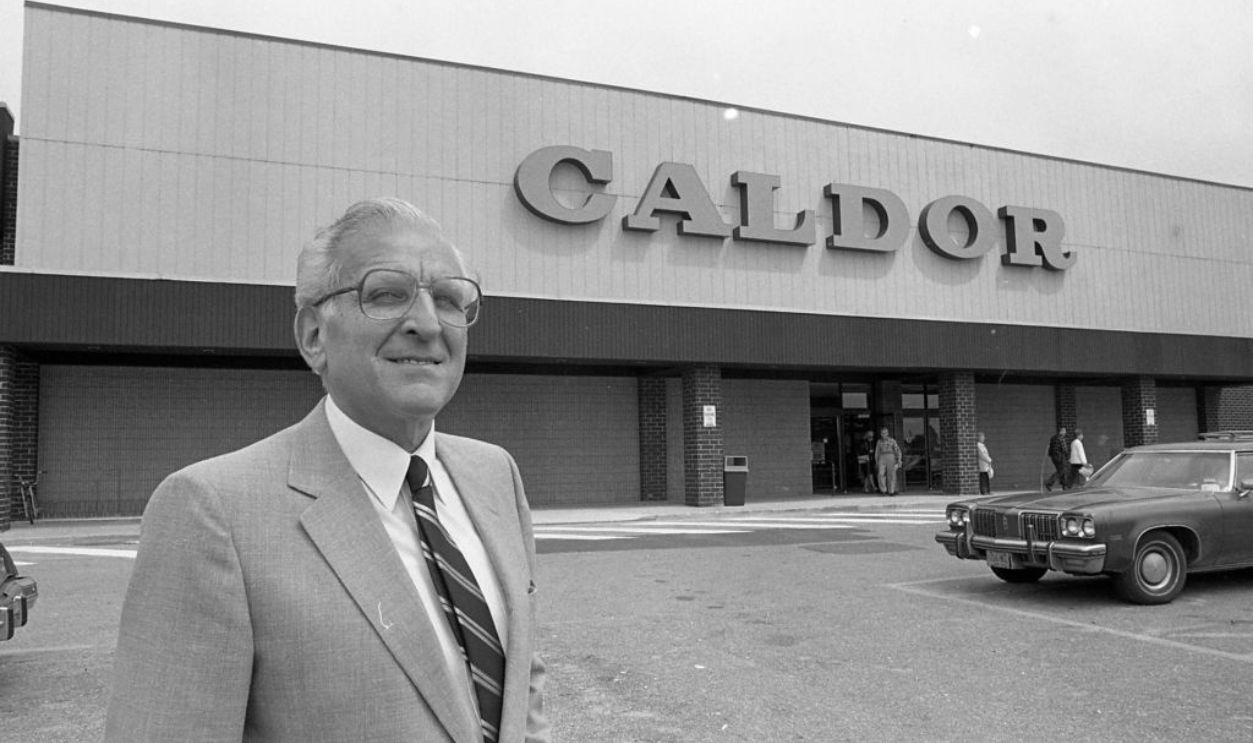
Caldor occupied an unusual middle ground in the Northeast. It offered discount prices, but management cultivated cleaner stores and recognizable brand-name merchandise, earning the chain the nickname “the Bloomingdale’s of discounting.” During the 1970s, the business expanded rapidly, and by 1981 it was operating dozens of stores across the region. For many families, Caldor felt slightly nicer than a bare-bones discount store without charging traditional department-store prices.
Walmart And Target Changed The Math
Caldor eventually found itself squeezed by increasingly powerful national discounters. Walmart and Target had the size and buying power to make life difficult for a regional competitor, and Caldor entered bankruptcy protection in 1995. The company closed weaker locations and tried to reorganize, but the comeback never really took hold. In 1999, after creditors rejected another rescue plan, Caldor announced that all 145 remaining stores would close.

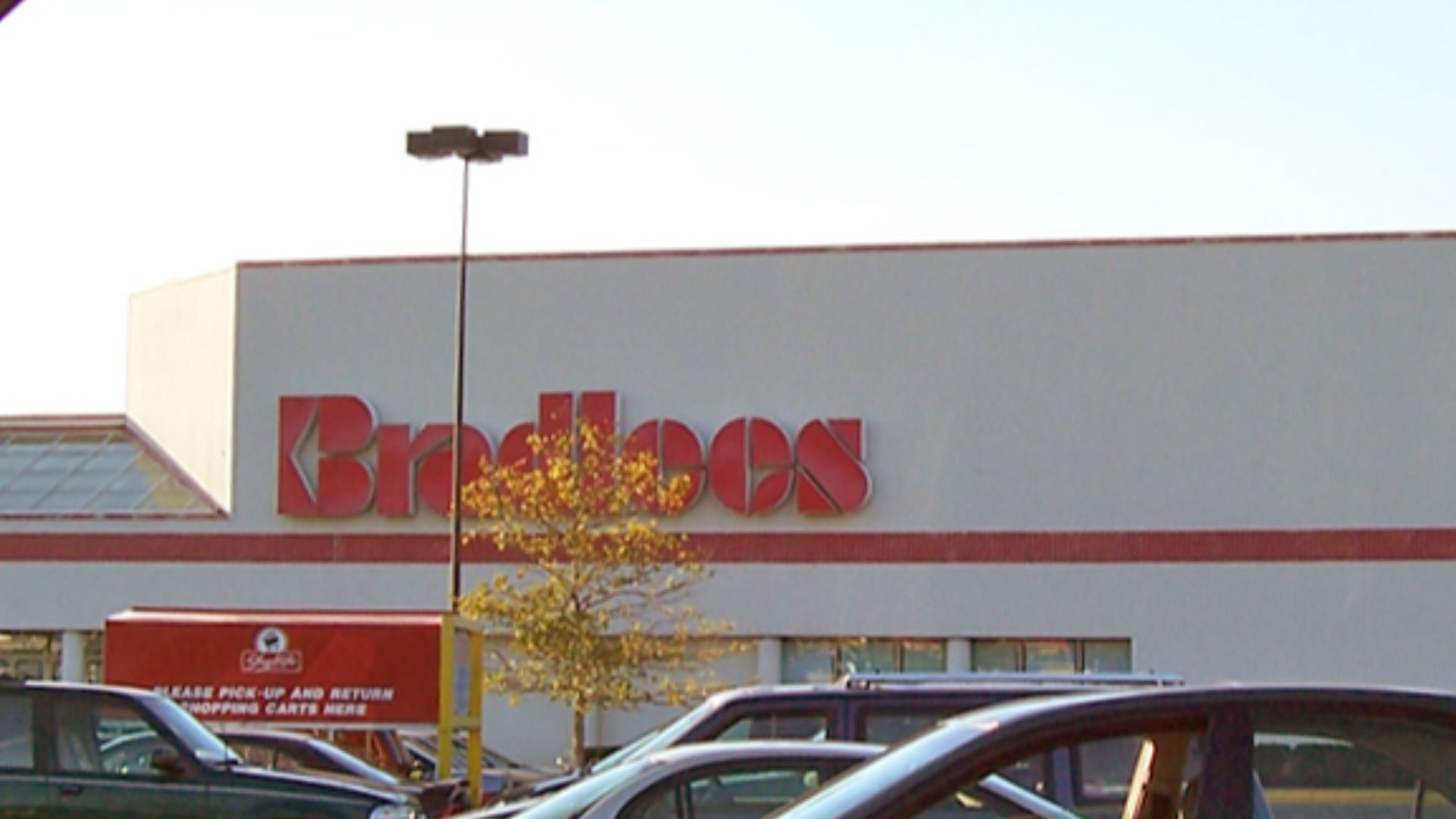
Bradlees Was A Northeastern Saturday Staple
Bradlees filled much the same niche for families throughout New England and the Mid-Atlantic. The chain sold clothing, toys, home goods, seasonal merchandise, and the usual assortment of things families seemed to need every weekend. It grew substantially under supermarket company Stop & Shop and became one of the Northeast’s most recognizable discount names. At its height, Bradlees operated more than 130 stores.
 Richjenkins (talk) (Uploads), Wikimedia Commons
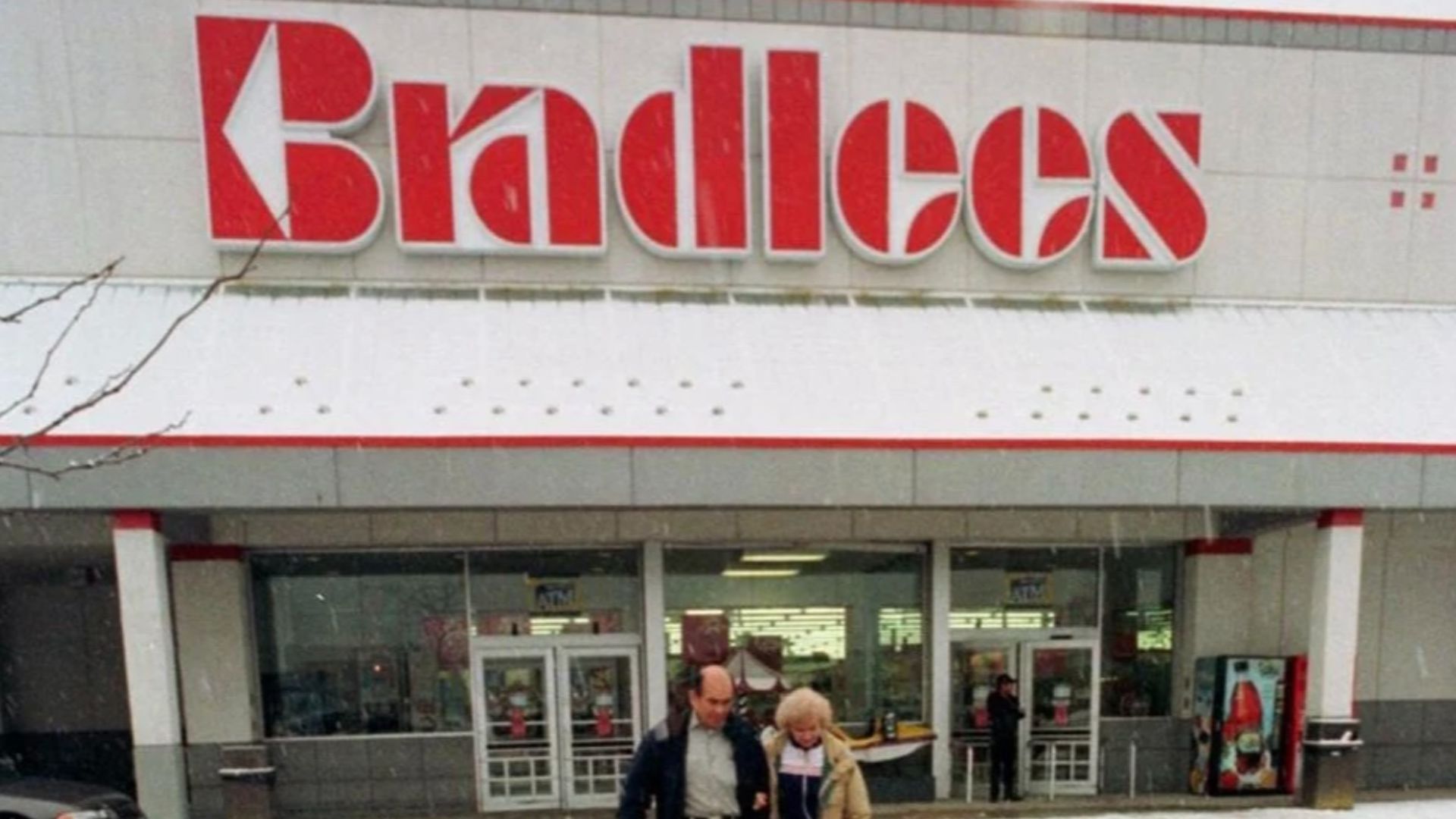
One Comeback Was Not Enough
Bradlees entered bankruptcy protection in 1995 and actually managed to emerge several years later. The underlying business never fully regained its strength, however, and large national chains continued putting pressure on regional discounters. By late 2000, suppliers were becoming less willing to send Bradlees merchandise without quicker payment, making an already difficult situation even worse. A second bankruptcy followed, and all 105 remaining stores were liquidated in 2001.
 Byron A. Nash from USA, Wikimedia Commons
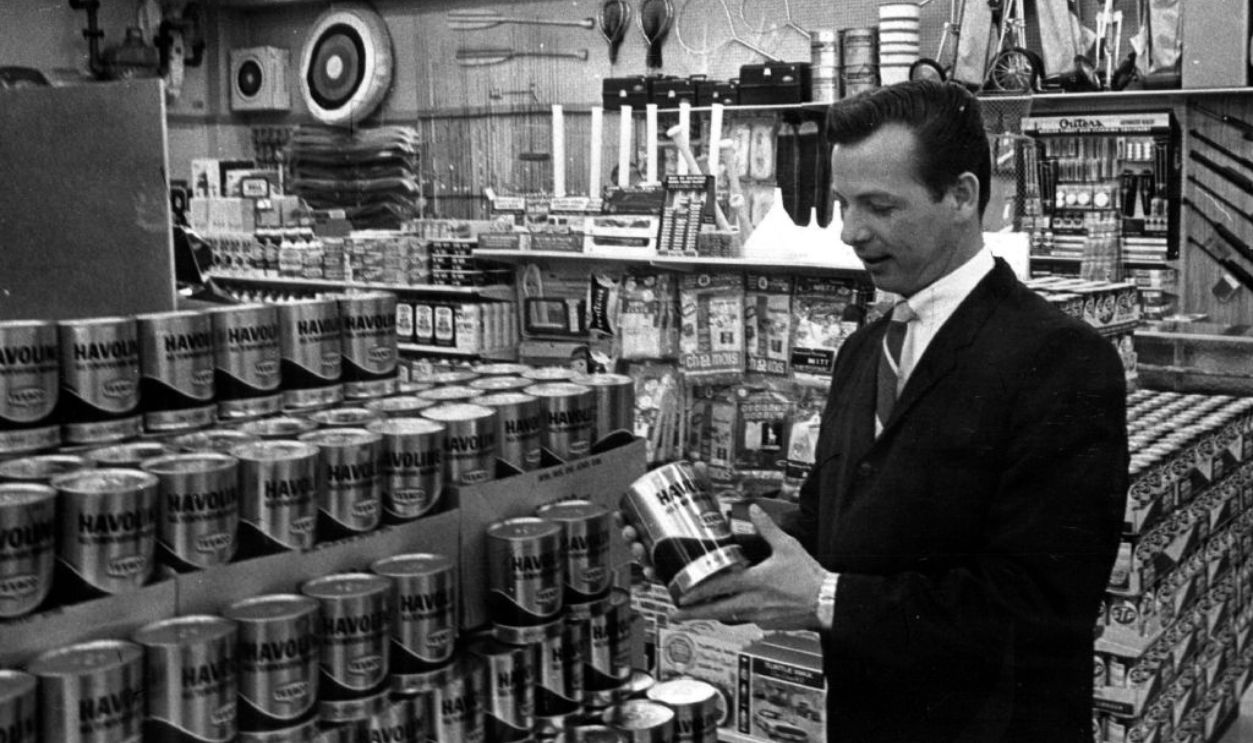
T.G.&Y. Was Where You Bought A Little Of Everything
Across the South, Midwest, and parts of the West, T.G.&Y. was a classic variety-store name. Depending on the location, customers could find household basics, fabric, toys, craft supplies, clothes, and countless inexpensive odds and ends. The company expanded beyond small variety stores into larger Family Centers as Americans increasingly embraced big discount shopping. At its peak, T.G.&Y. had hundreds of locations and was deeply familiar across many communities.
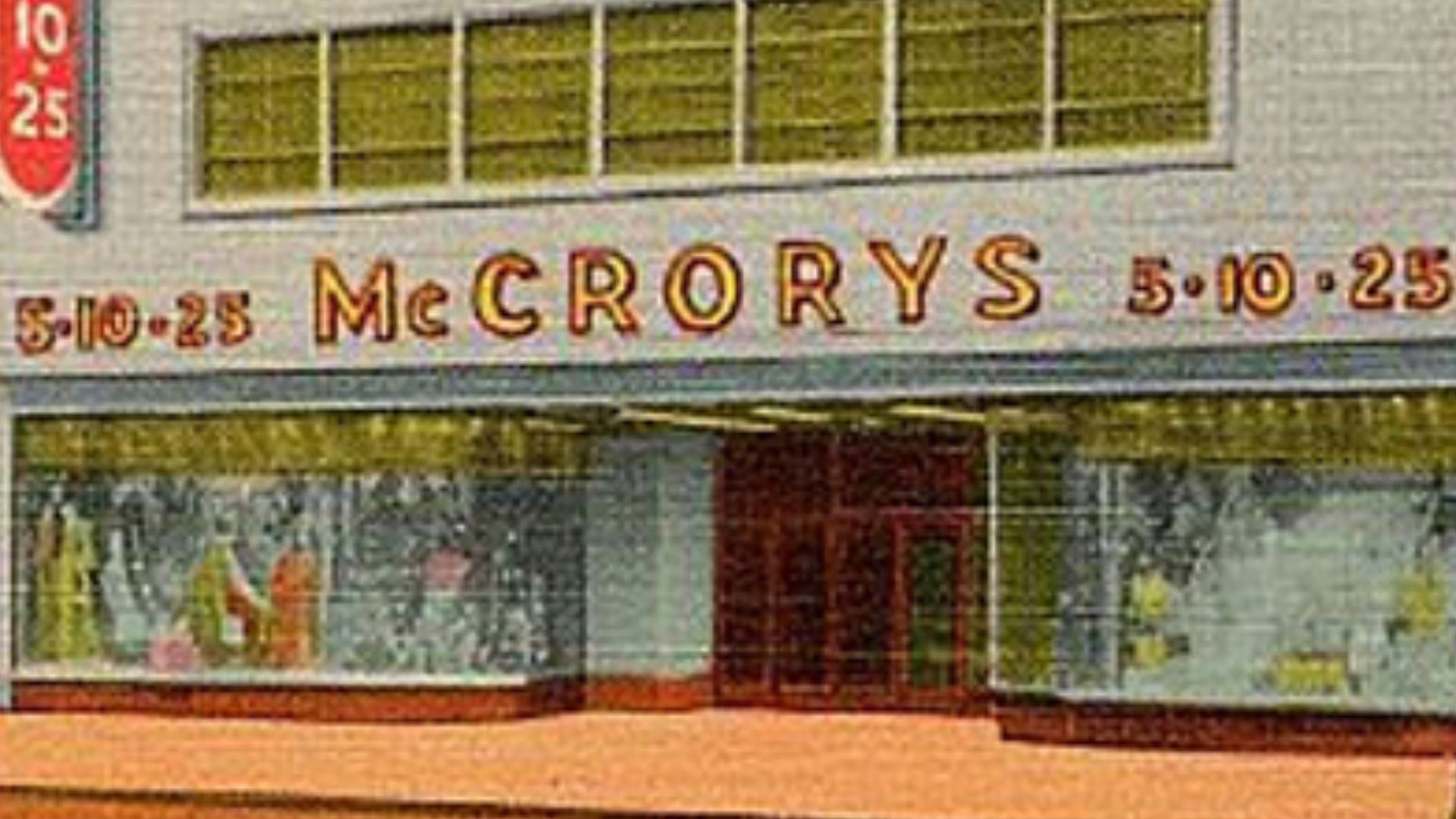
Bigger Stores Did Not Solve The Problem
By the 1980s, T.G.&Y. was trying to make some locations more like full department stores, but the company continued to struggle financially. McCrory bought roughly 730 T.G.&Y. outlets in 1986, only to find that the large stores and different merchandise mix did not fit especially well with its own business. Locations were gradually converted, sold, or closed. The familiar T.G.&Y. signs faded away, another casualty of the shift from traditional variety stores toward bigger national discounters.
 Unknown authorUnknown author, Wikimedia Commons
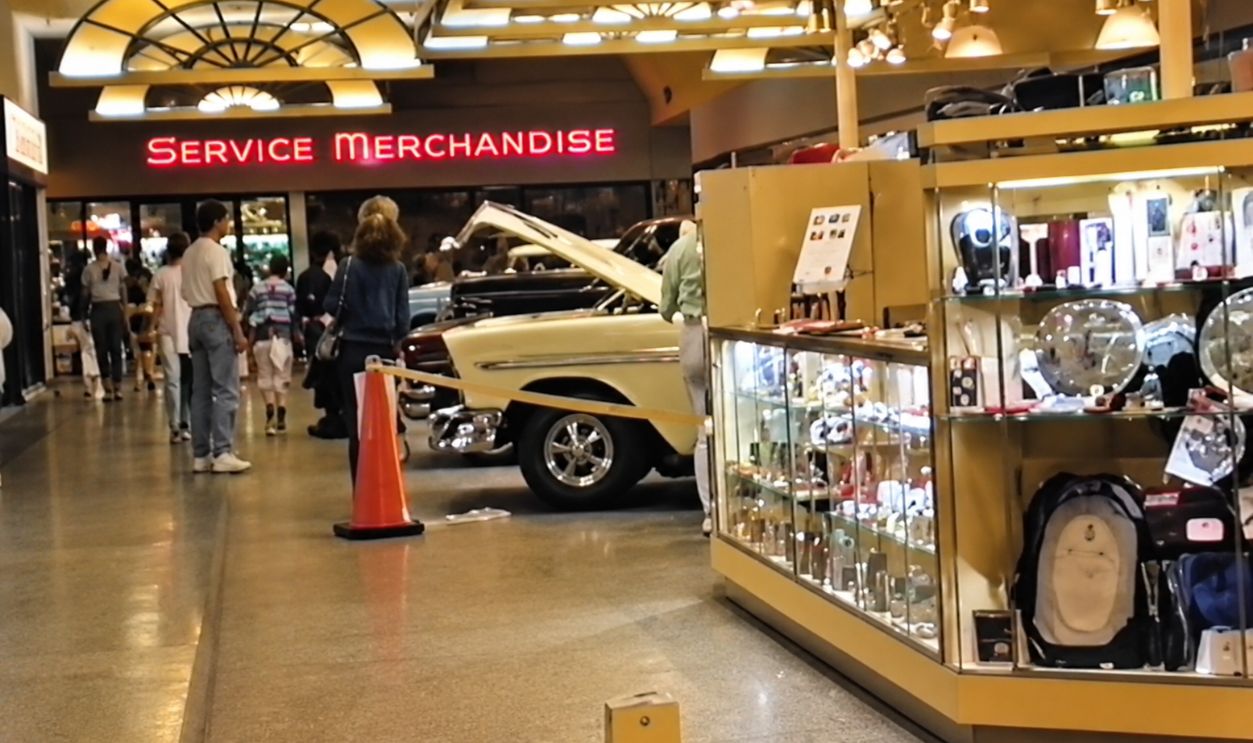
Service Merchandise Made Shopping Feel Like A System
Service Merchandise offered one of the strangest and most memorable shopping experiences of the era. Customers browsed displays or a thick catalog, wrote down item numbers, paid, and then waited while their purchases were brought out from a stockroom. The format became especially popular for jewelry, electronics, housewares, toys, and gifts. During the 1970s, Service Merchandise expanded rapidly and turned its unusual catalog-showroom idea into a major retail business.
 Jjazz76, CC-BY-SA-4.0, Wikimedia Commons, Modified
Convenience Eventually Beat The Catalog Showroom
The system once helped Service Merchandise keep inventory secure while offering competitive prices. Eventually, though, shoppers could walk into Walmart, Target, Best Buy, or another big retailer, grab what they wanted, and leave without waiting for somebody to retrieve it from a stockroom. Service Merchandise eventually abandoned the showroom format, but the reinvention came too late. After filing for bankruptcy protection in 1999, the company announced in 2002 that all roughly 200 remaining stores would close.
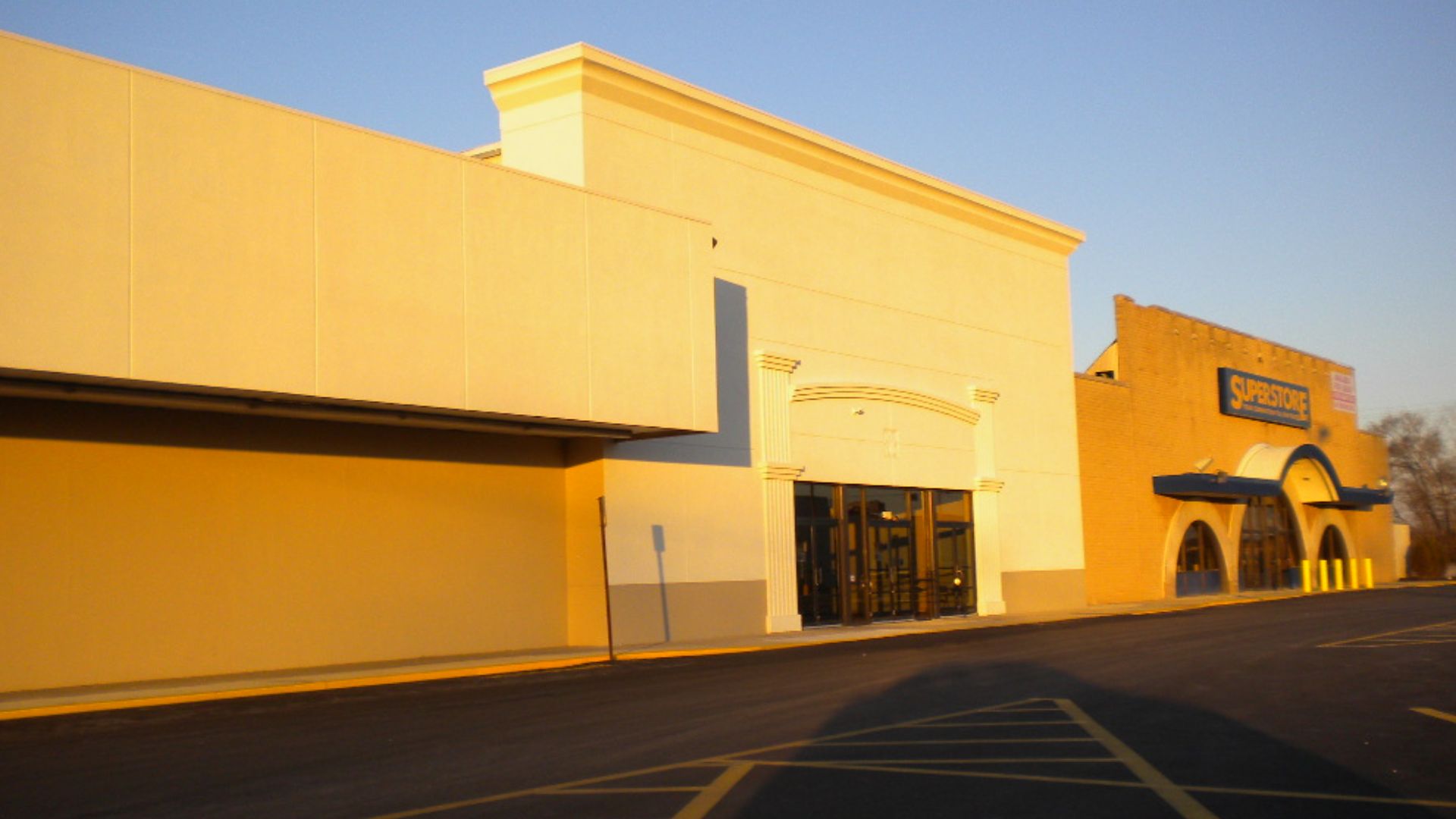
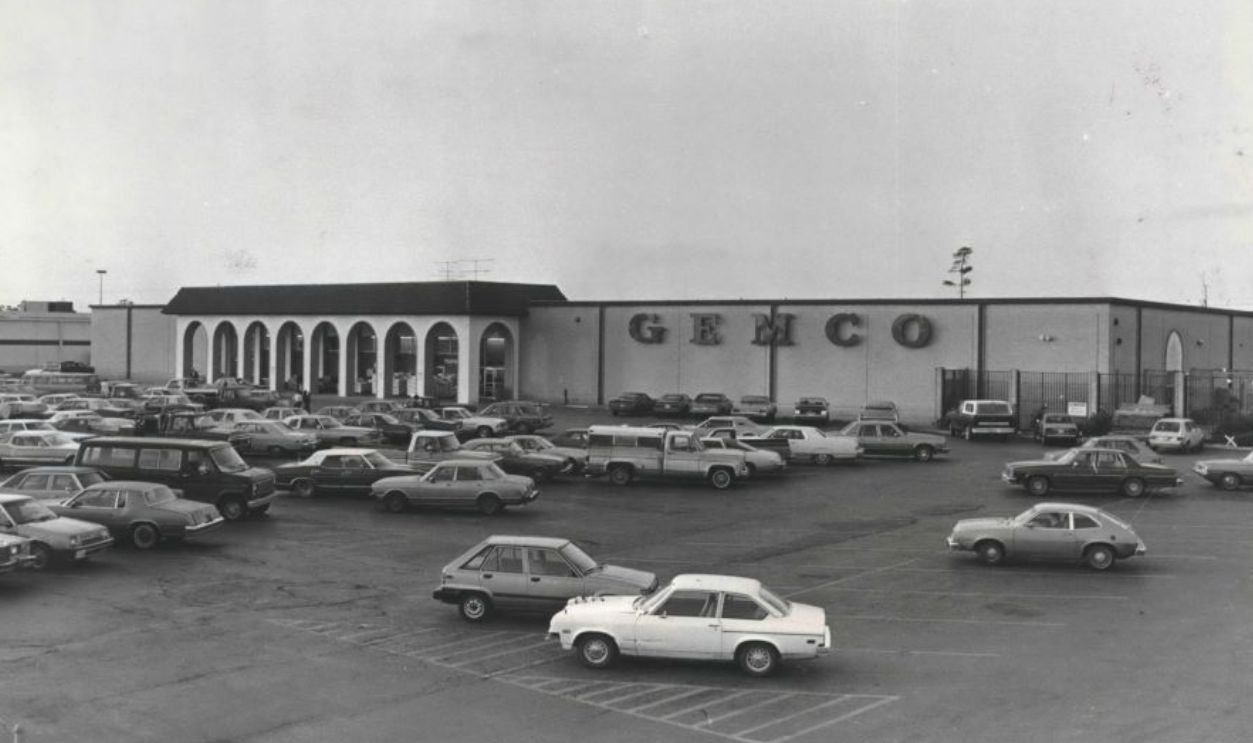
Gemco Was A West Coast Institution
For many shoppers in California and the Southwest, Gemco was the place where a single trip could cover groceries and general merchandise. Membership was part of the experience, with millions of customers paying a small fee for access to the chain’s discounts. The stores were large, busy, and deeply embedded in the shopping routines of many Southern California families. When Gemco disappeared, however, another retailer saw an enormous opportunity hiding inside all those empty stores.
 Houston Chronicle/Hearst Newspapers, Getty Images
Gemco Helped Target Conquer California
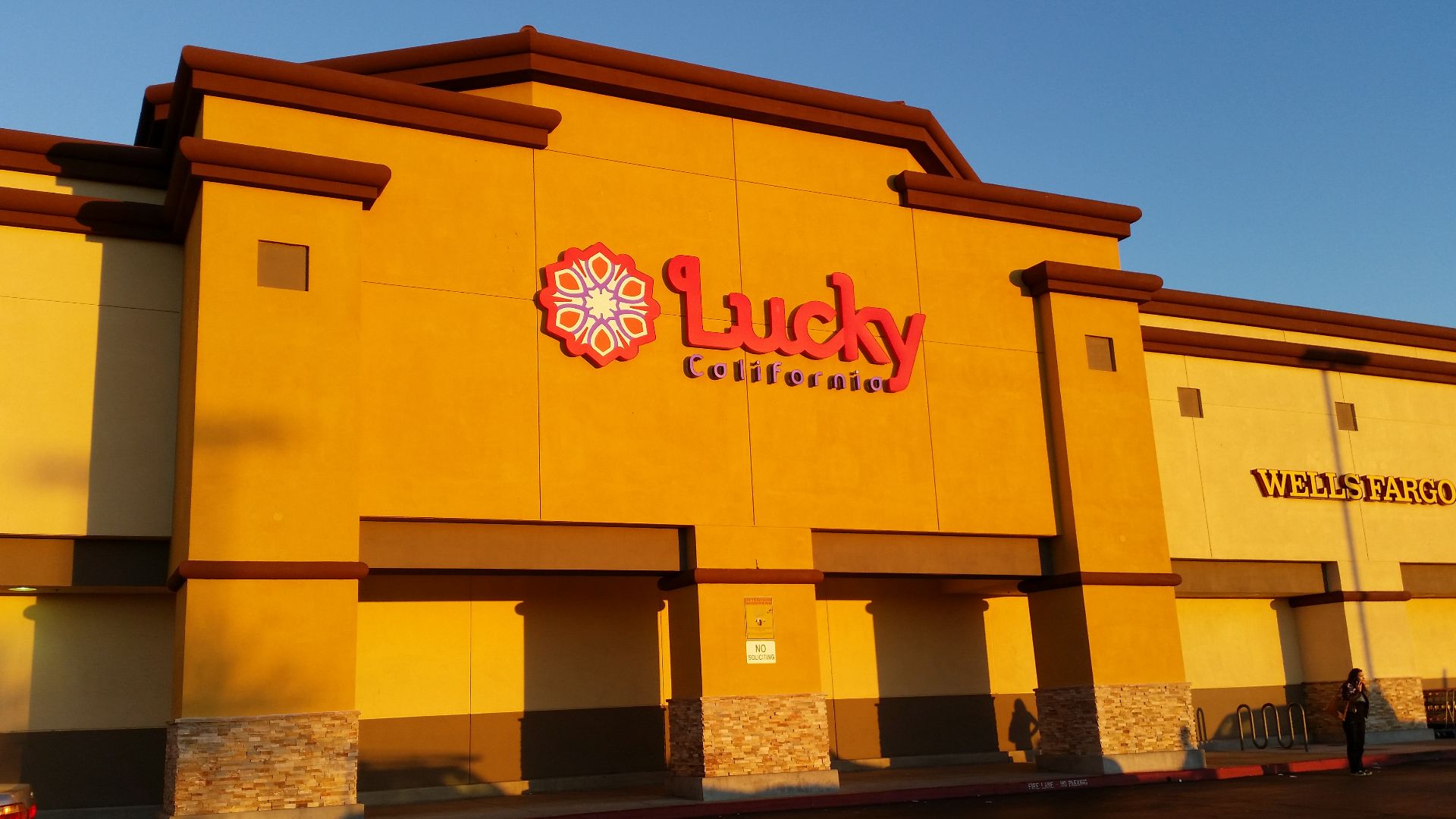
Gemco’s parent, Lucky Stores, decided to close the chain in 1986 during a major corporate restructuring as it fought an unwanted takeover attempt. Dayton-Hudson, the company behind Target, moved quickly to acquire dozens of Gemco locations and convert many of them into Target stores. That gave Target a fast way to expand across California using established retail sites instead of building an entire network from scratch. One vanished shopping name had inadvertently helped lay the groundwork for another chain’s enormous West Coast expansion.
 Dryedmangoez, Wikimedia Commons
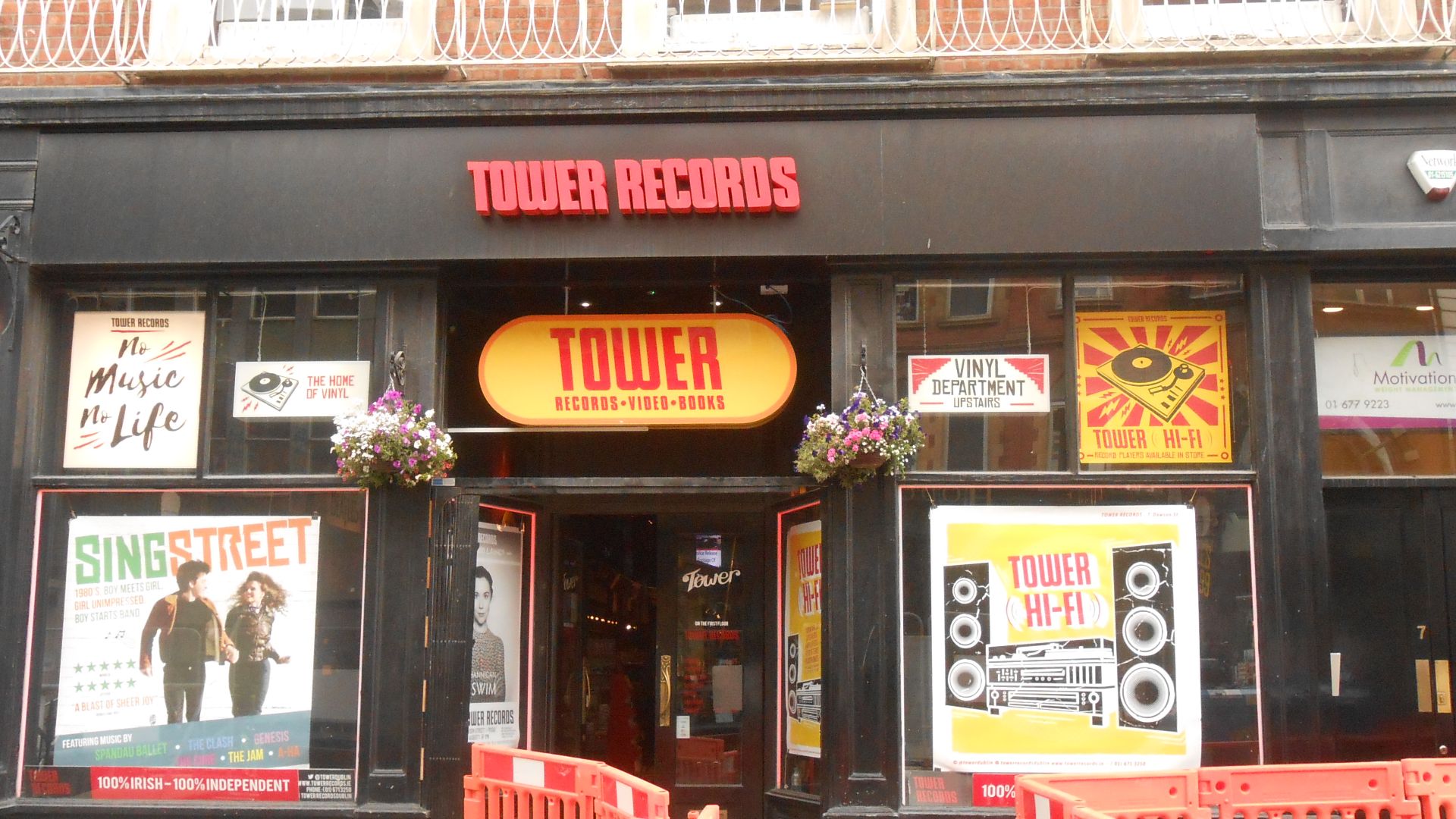
Tower Records Turned Buying Music Into An Event
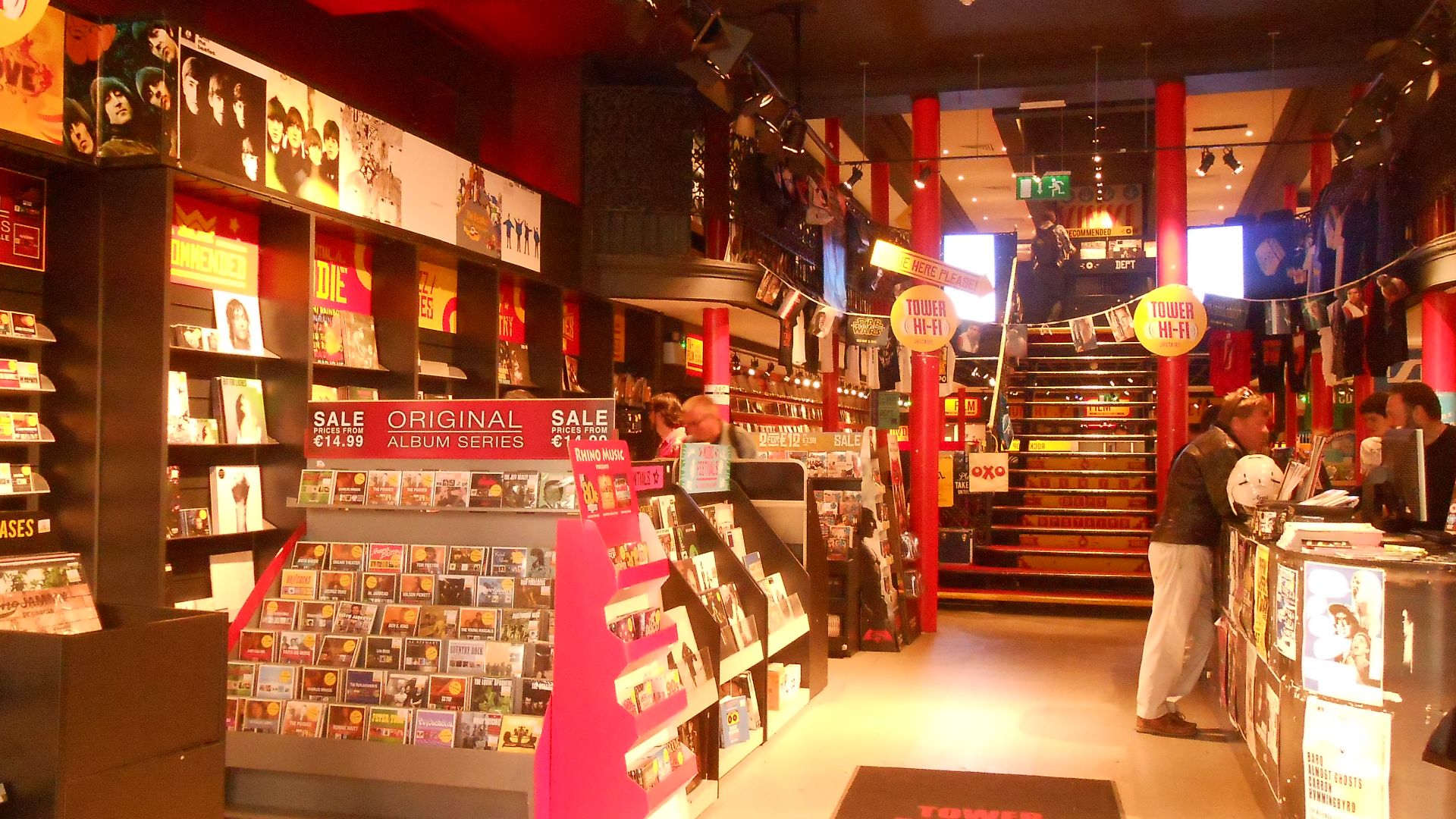
Tower Records did not feel like a store you rushed through. Its huge selection, late hours, knowledgeable employees, colorful displays, and stacks of albums encouraged customers to browse until they discovered something new. The famous Sunset Strip location became a major part of Los Angeles music culture during the 1970s, frequented by ordinary fans and music-industry insiders alike. At a time when finding an obscure record actually required searching, Tower made the search part of the fun.
Then Music Stopped Needing A Record Store
Tower grew into a major international retailer, but the way Americans bought music eventually changed beneath it. Big-box stores competed aggressively on popular releases, while downloads and online shopping steadily weakened the need for enormous record stores. Tower filed for bankruptcy protection twice in less than three years, and in 2006 a liquidation company won the auction for its U.S. assets. All 89 remaining American stores were slated to close, ending one of the most distinctive shopping experiences of the pre-digital era.
Their Buildings Outlived Their Names
One strange thing about vanished chains is that the retail landscape often kept their physical footprints. Former Gemcos became Targets, while buildings left behind by struggling discount stores were repeatedly bought, converted, and filled by newer retailers. Americans did not stop buying clothes, appliances, groceries, toys, or records simply because Woolworth, Caldor, or Zayre disappeared. They started buying those things somewhere else, and stronger competitors were often waiting to welcome them.
 Steve Morgan, Wikimedia Commons
Familiar Did Not Mean Financially Safe
It is easy to remember these stores through logos, lunch counters, catalogs, record bins, and Saturday shopping trips. Their disappearances also reveal something harsher about retail: being familiar is not the same thing as being financially secure. Some expanded too quickly, some failed to modernize, some were swallowed by stronger competitors, and others simply watched the things they sold move somewhere more convenient. The names vanished, but the same pressures are still deciding which familiar stores Americans will remember nostalgically decades from now.
 Click Americana, Wikimedia Commons
You May Also Like:
10 Shocking Corporate Meltdowns
Old American Collectibles Now Worth Big Bucks
Sources: 1, 2, 3, 4, 5, 6, 7, 8, 9, 10, 11, 12, 13, 14, 15, 16, 17, 18, 19, 20, 21, 22, 23, 24, 25