America's Freezers Were Full Of Surprises
Imagine opening your freezer and finding a spaghetti dinner with a Twinkie, a milkshake you had to microwave, or a gourmet meal advertised as perfect for date night. These weren't bizarre experiments hidden in test kitchens. They were real supermarket products from the 1970s and 1980s, backed by big food companies hoping to cash in on America's growing appetite for convenience. Some made millions before disappearing.
So, how many of these once-familiar frozen foods did you have in your freezer?
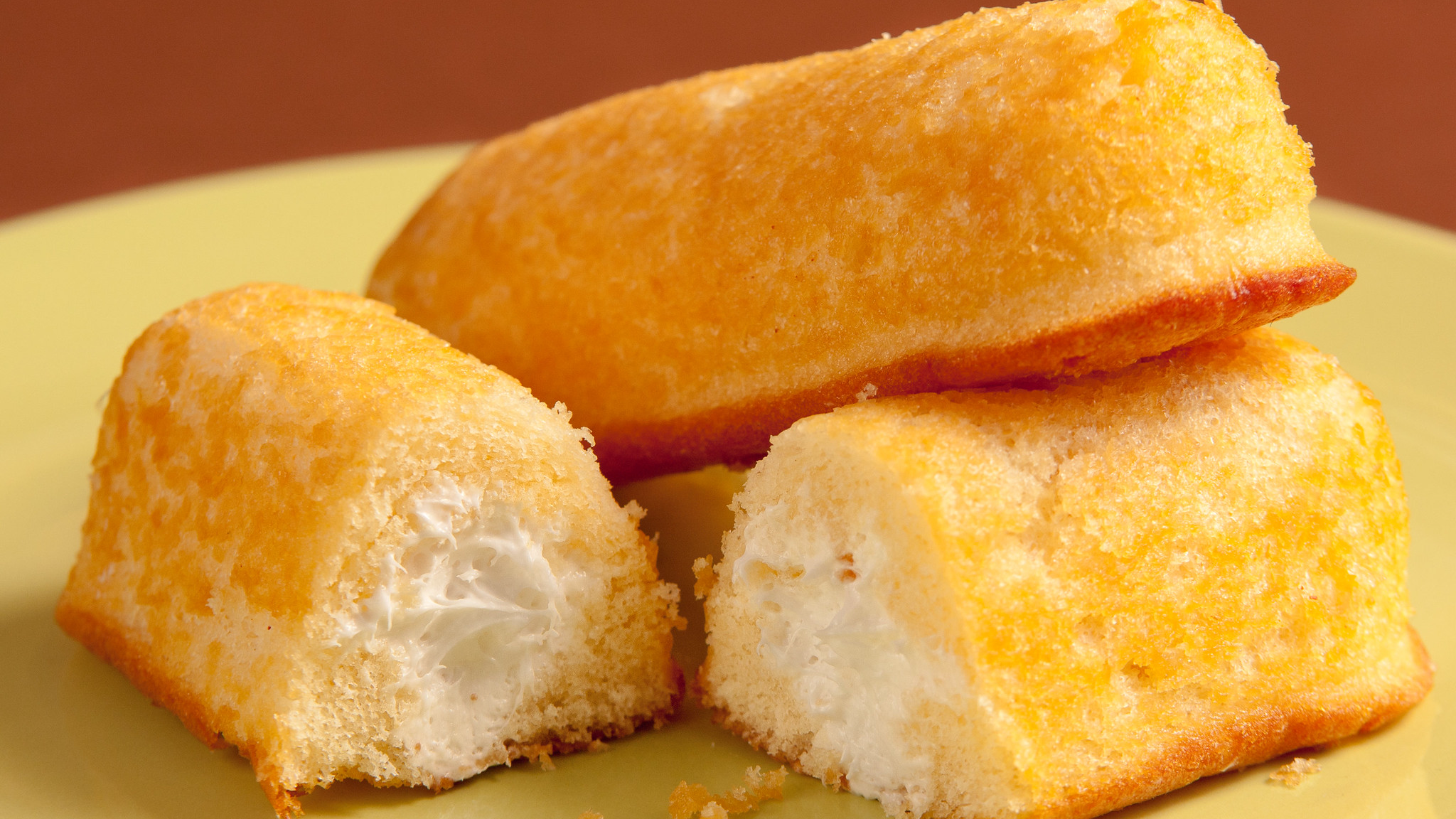
Morton's Twinkie Suppers
Yes, Americans really could buy a frozen dinner that came with a Twinkie. Introduced in the 1970s, Morton's unusual meals combined entrées such as hamburgers or spaghetti with the famous snack cake for dessert. The promotion paired two recognizable convenience foods, but the Twinkie Supper didn't become a permanent fixture in America's freezers.
Libbyland Pirate Picnic
In 1971, Libby introduced frozen dinners designed specifically for children, including a Pirate Picnic featuring a hot dog, pasta, vegetables, and chocolate pudding. The package doubled as a game, and each meal included a powder for flavoring milk. An advertisement from December 1971 listed the 11-ounce dinners at just 69 cents, making them an inexpensive way to turn dinner into an adventure.
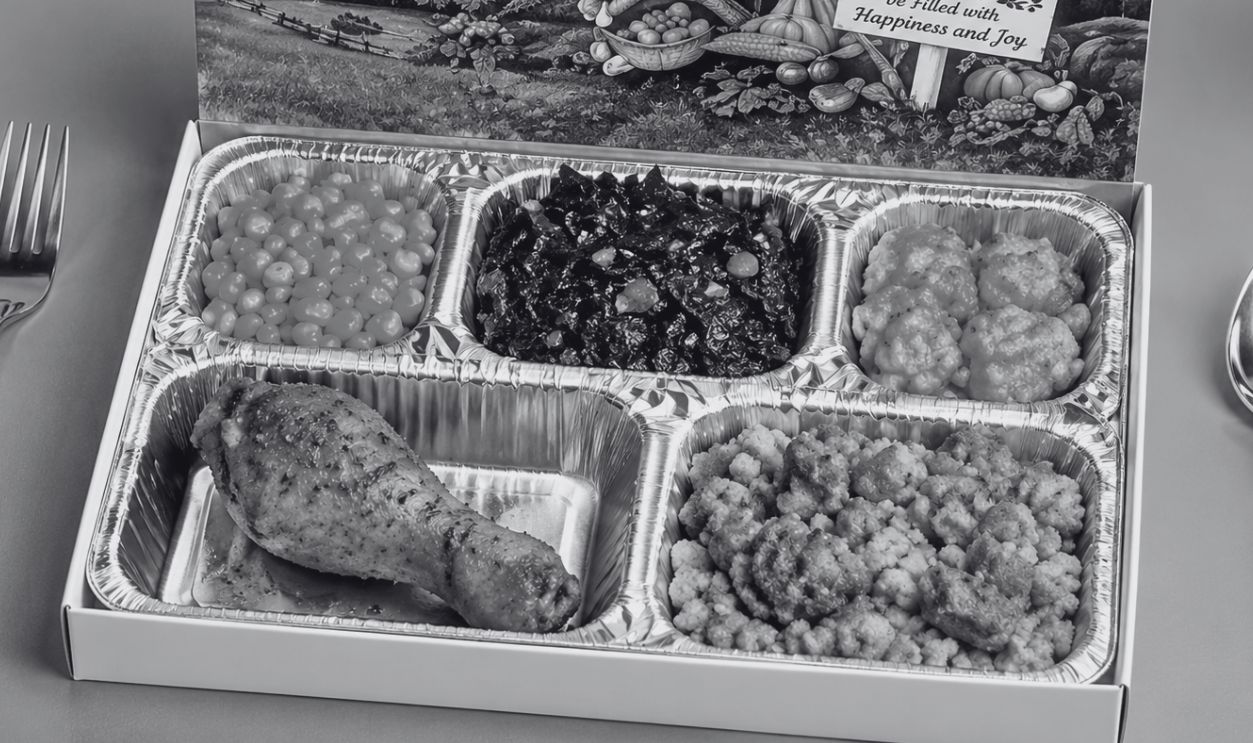 Screenshot from Libbyland Frozen Dinner Commercial, Libby, McNeill & Libby (1972)
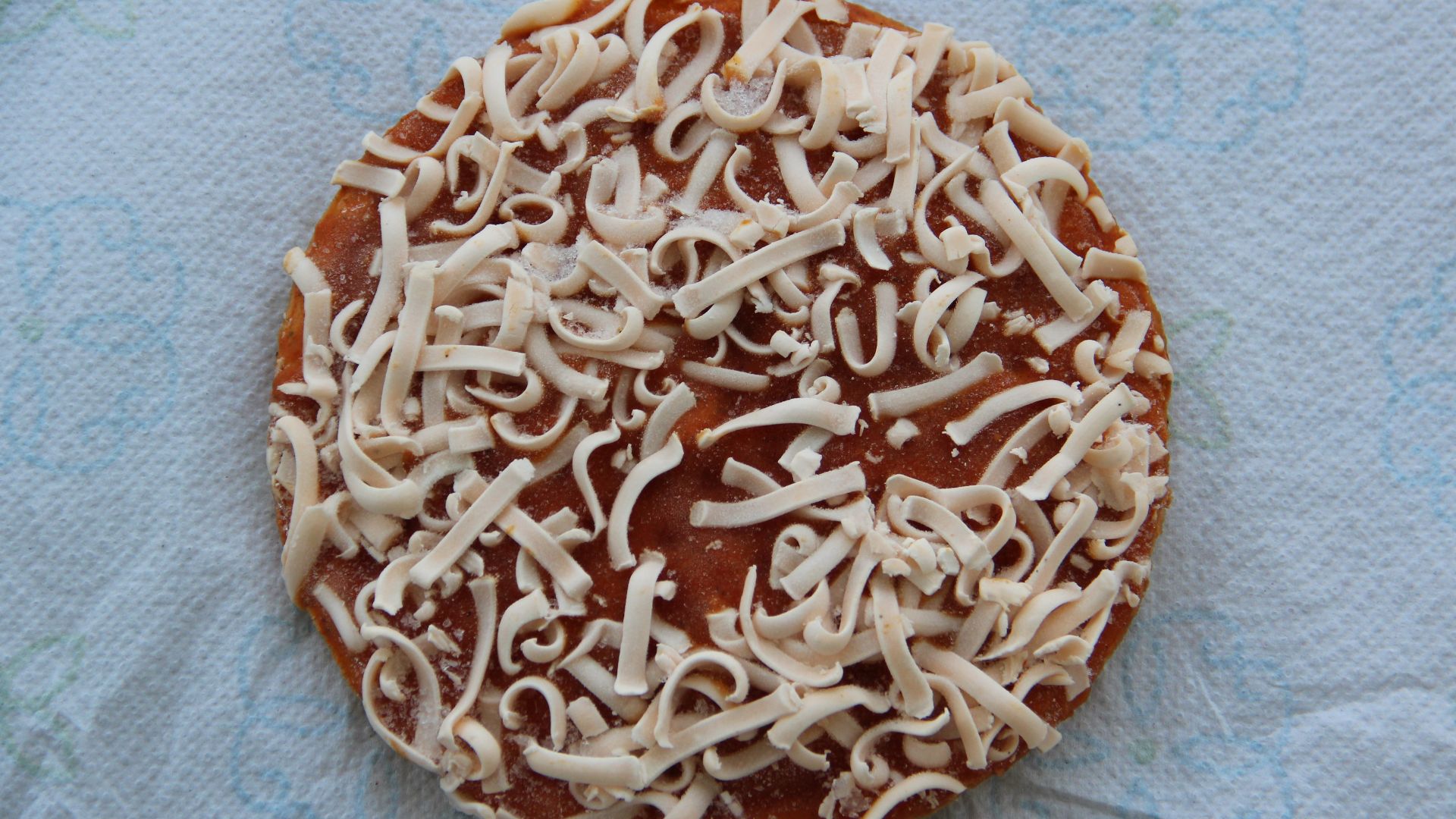
Celeste's Frozen Pizzas
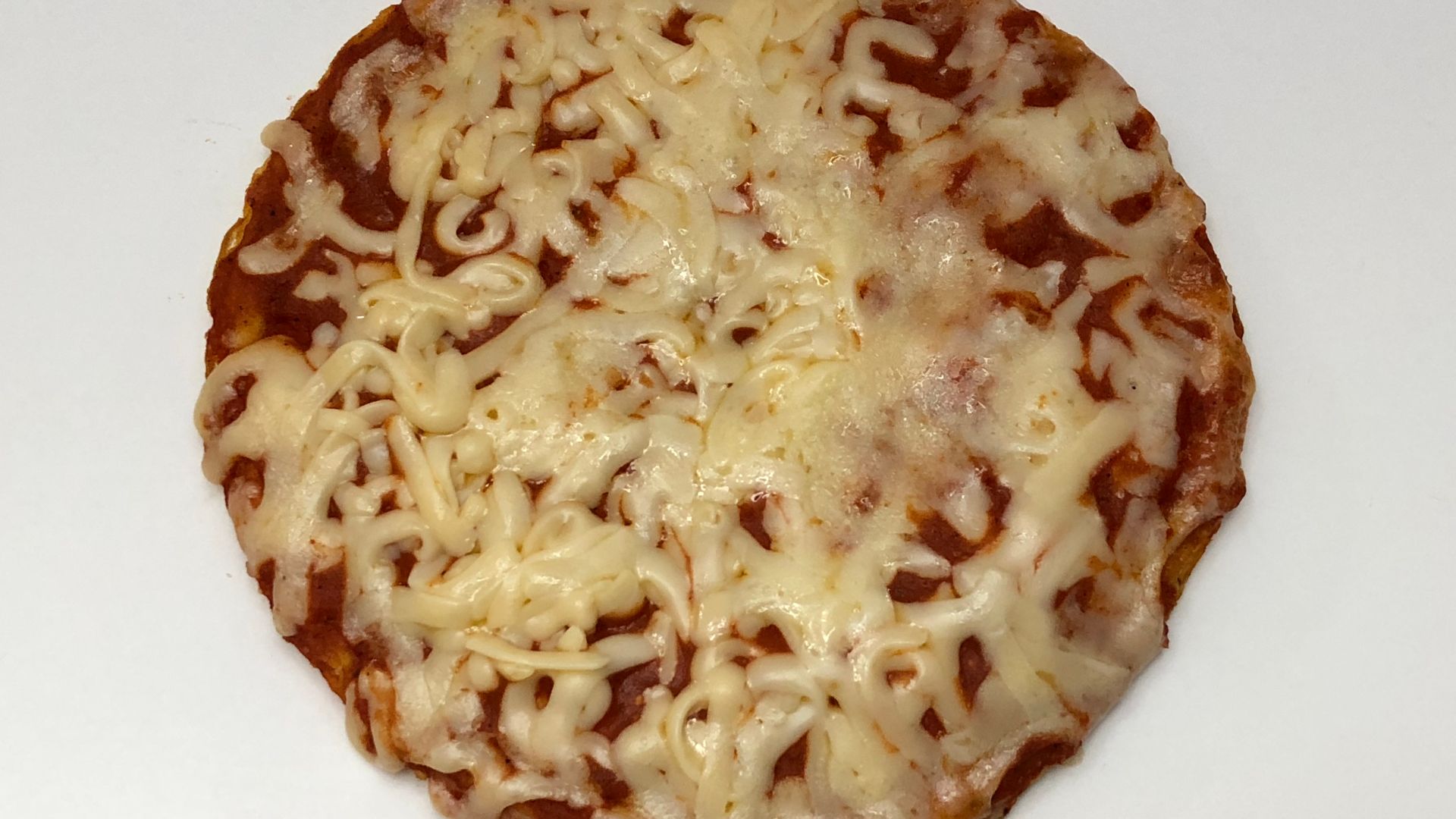
For decades, Celeste pizzas were a familiar sight in American supermarket freezers. Named after Italian immigrant Celeste Lizio, the company began producing frozen pizzas in 1962 and expanded nationally in 1969. In September 2026, Conagra confirmed it had stopped production, ending a grocery-store tradition that had lasted more than 60 years.
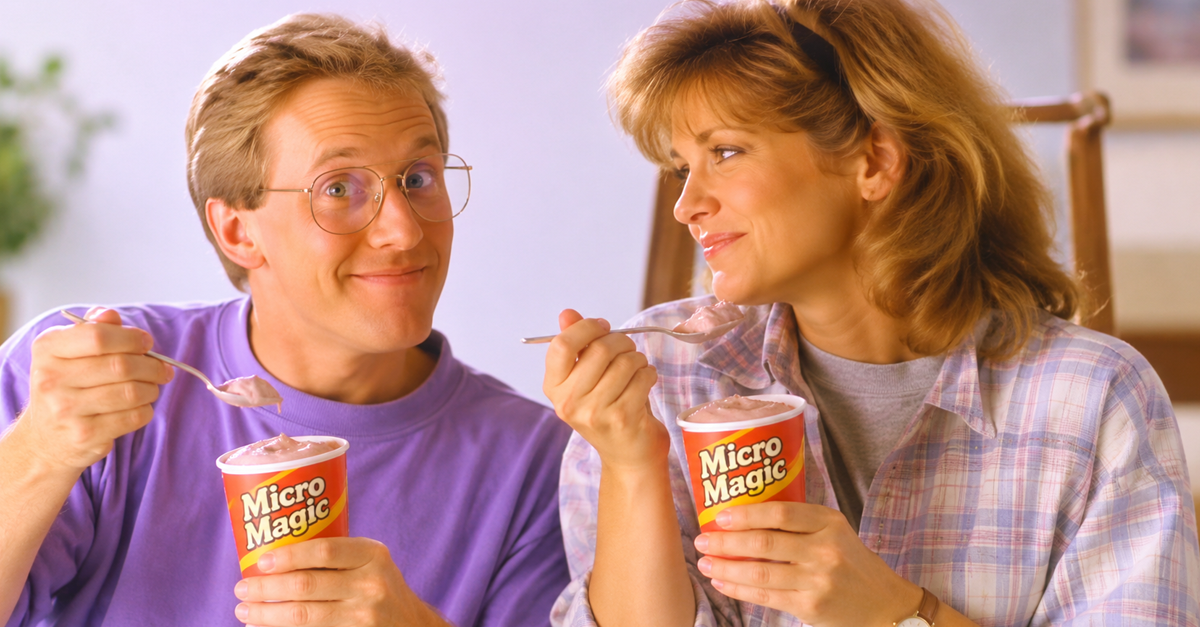
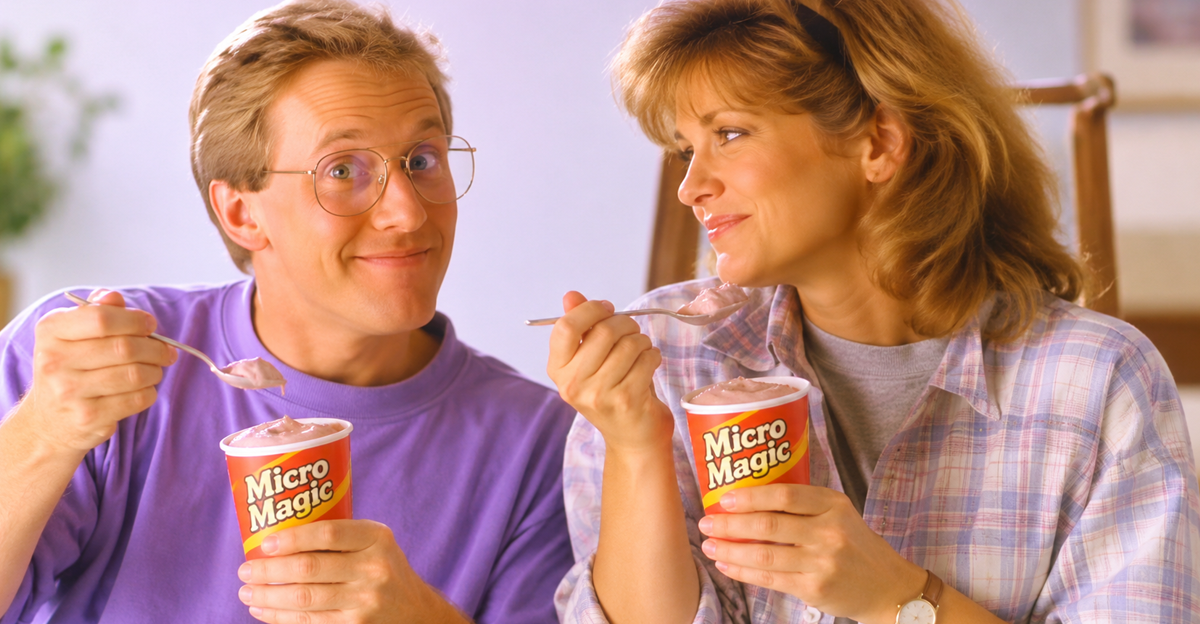
Micro Magic French Fries
In the late 1980s, Micro Magic promised something that once seemed extraordinary: French fries prepared in a microwave. The frozen fries came with special cardboard packaging designed to help them crisp up during cooking. Before air fryers became popular, products like these demonstrated how food manufacturers were finding new ways to capitalize on America's growing enthusiasm for microwave ovens.
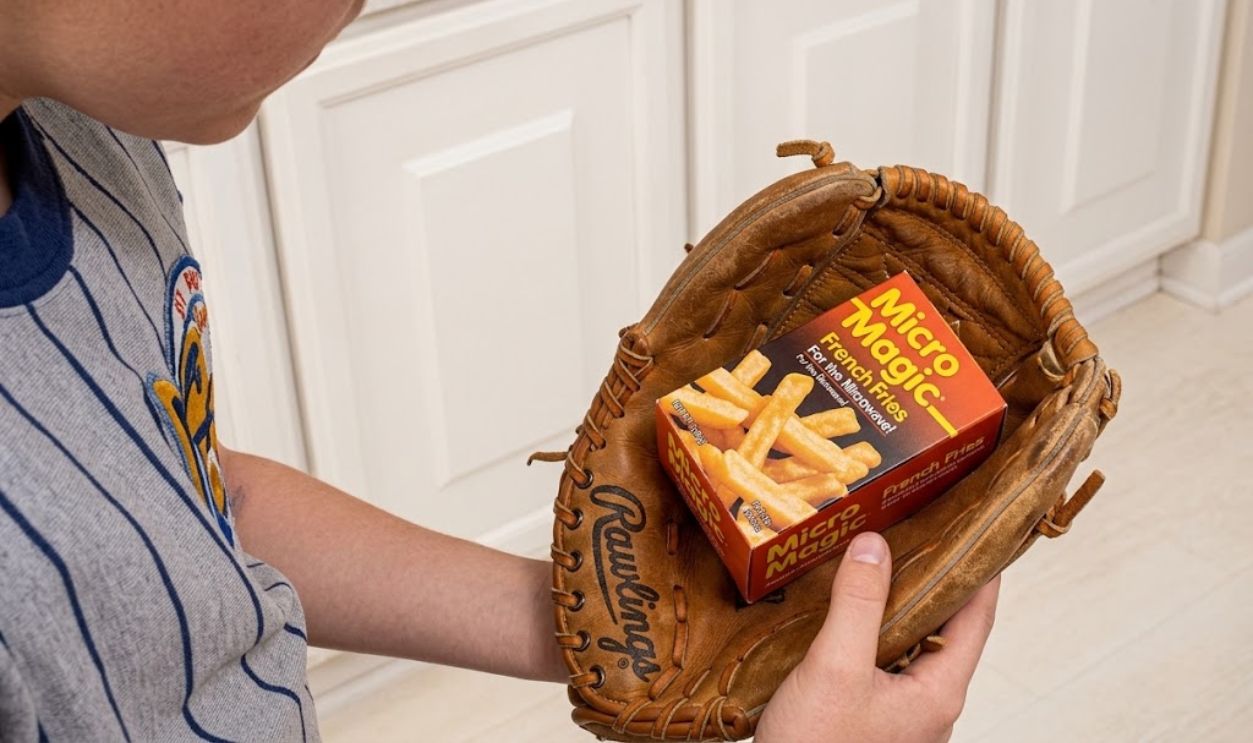 Screenshot from Micro Magic French Fries, J.R. Simplot Company (1987), Enhanced
Swanson's Polynesian Style Dinner
During the 1970s, Swanson offered a Polynesian-inspired frozen dinner featuring sweet-and-sour chicken and pork. The meal even included an orange tea cake, giving customers something more adventurous than conventional meat-and-potatoes dinners. International-themed offerings like this helped manufacturers expand their menus as American consumers developed an appetite for different flavors.
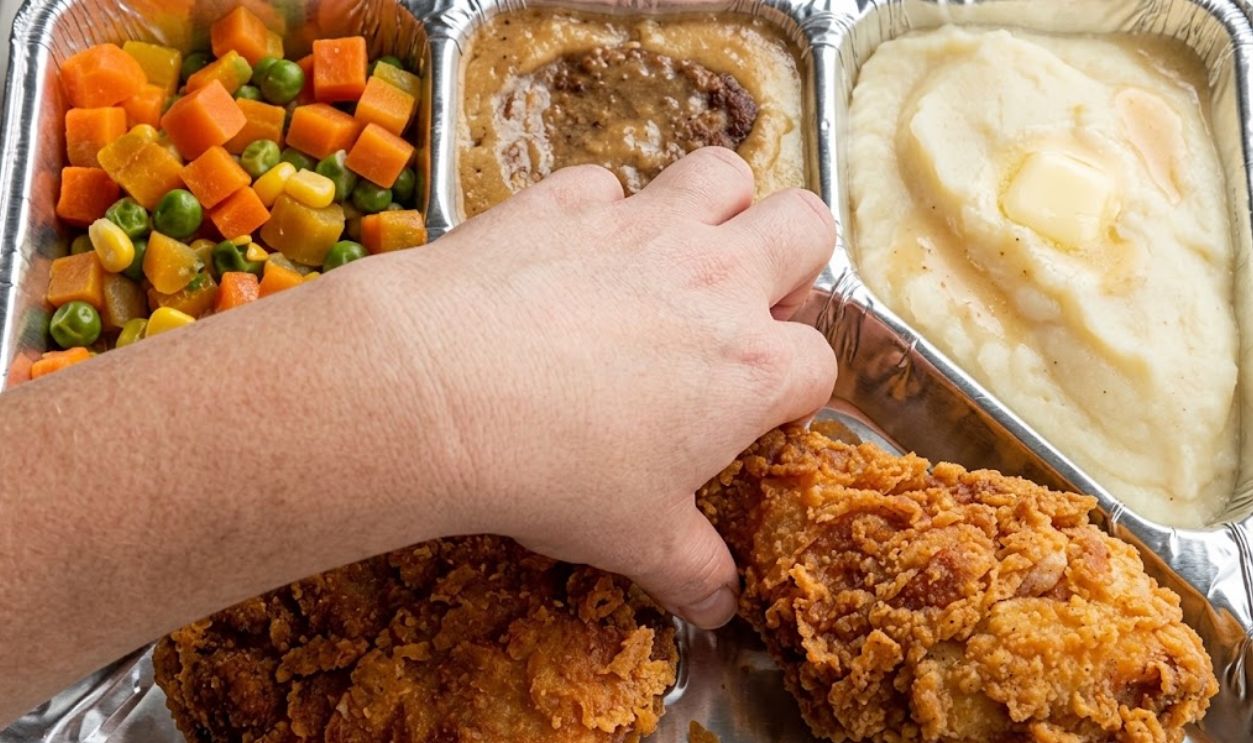 Screenshot from Swanson’s Polynesian Style Dinner, Campbell Soup Company (1970s), Enhanced
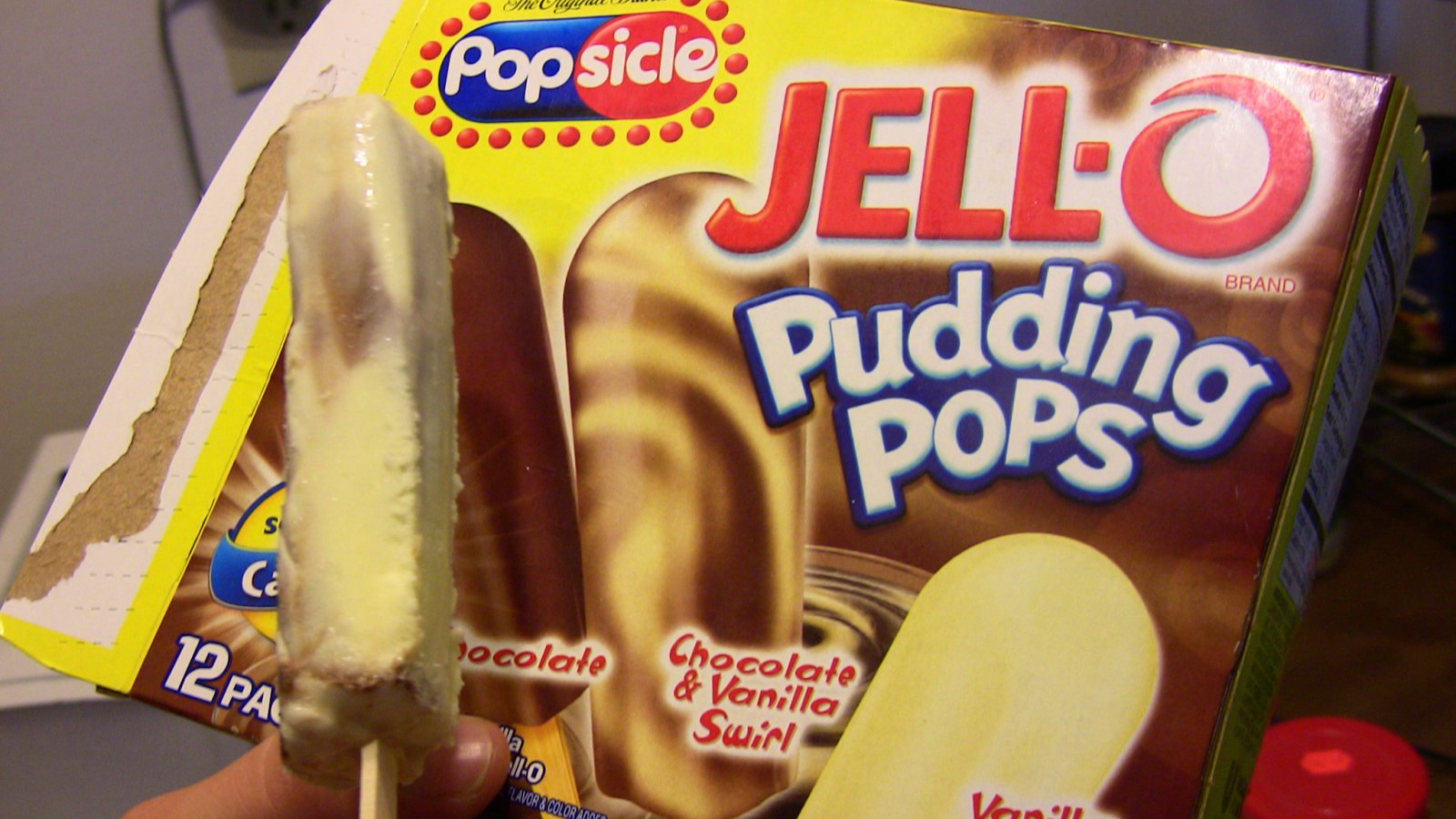
Jell-O Pudding Pops
Jell-O Pudding Pops became one of the most recognizable frozen desserts of the 1980s. Introduced around the beginning of the decade, the creamy treats reportedly generated approximately $100 million in sales during their first year. The original Pudding Pops eventually disappeared, and a later revival never fully recreated the familiar frozen pudding bars that Americans remembered.
Morton's Honey Buns
Long before bakery-style breakfast treats became supermarket staples, Morton sold frozen honey buns covered in sugary icing. Packaged four at a time, the pastries became one of the company's most recognizable products. Morton eventually disappeared from grocery freezers around 2000, but its honey buns remain a nostalgic favorite among people who remember the brand.
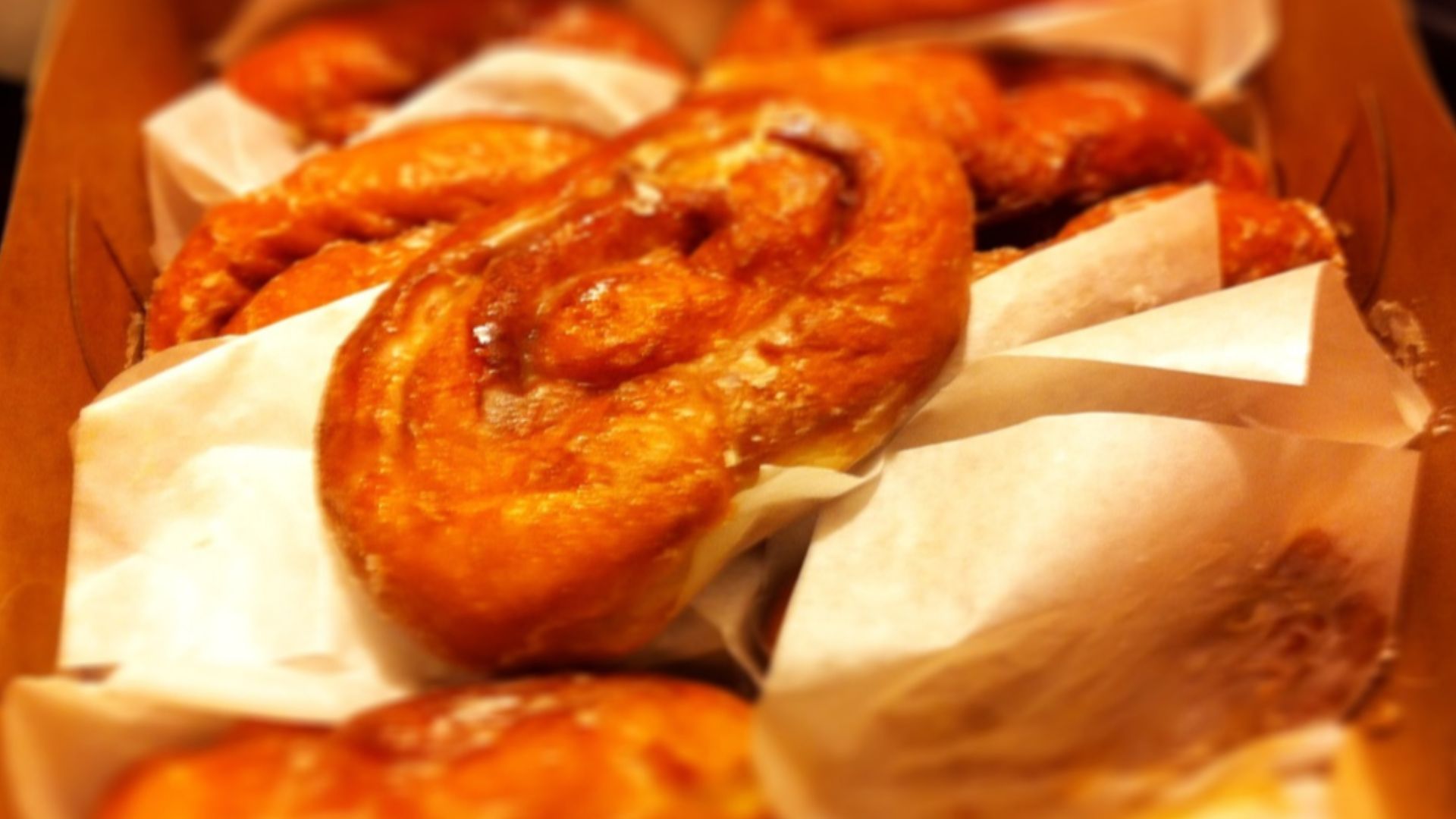 Martin Bowling from Charleston, US, Wikimedia Commons
Chun King's Frozen Chinese Dinners
During the 1970s, Chun King offered frozen Chinese-American meals featuring combinations such as chicken chow mein, beef chop suey, and egg rolls. The company was founded by entrepreneur Jeno Paulucci, who helped make Americanized Chinese food more accessible to supermarket shoppers. Chun King eventually disappeared, although its former owner would become associated with another famous frozen-food invention.
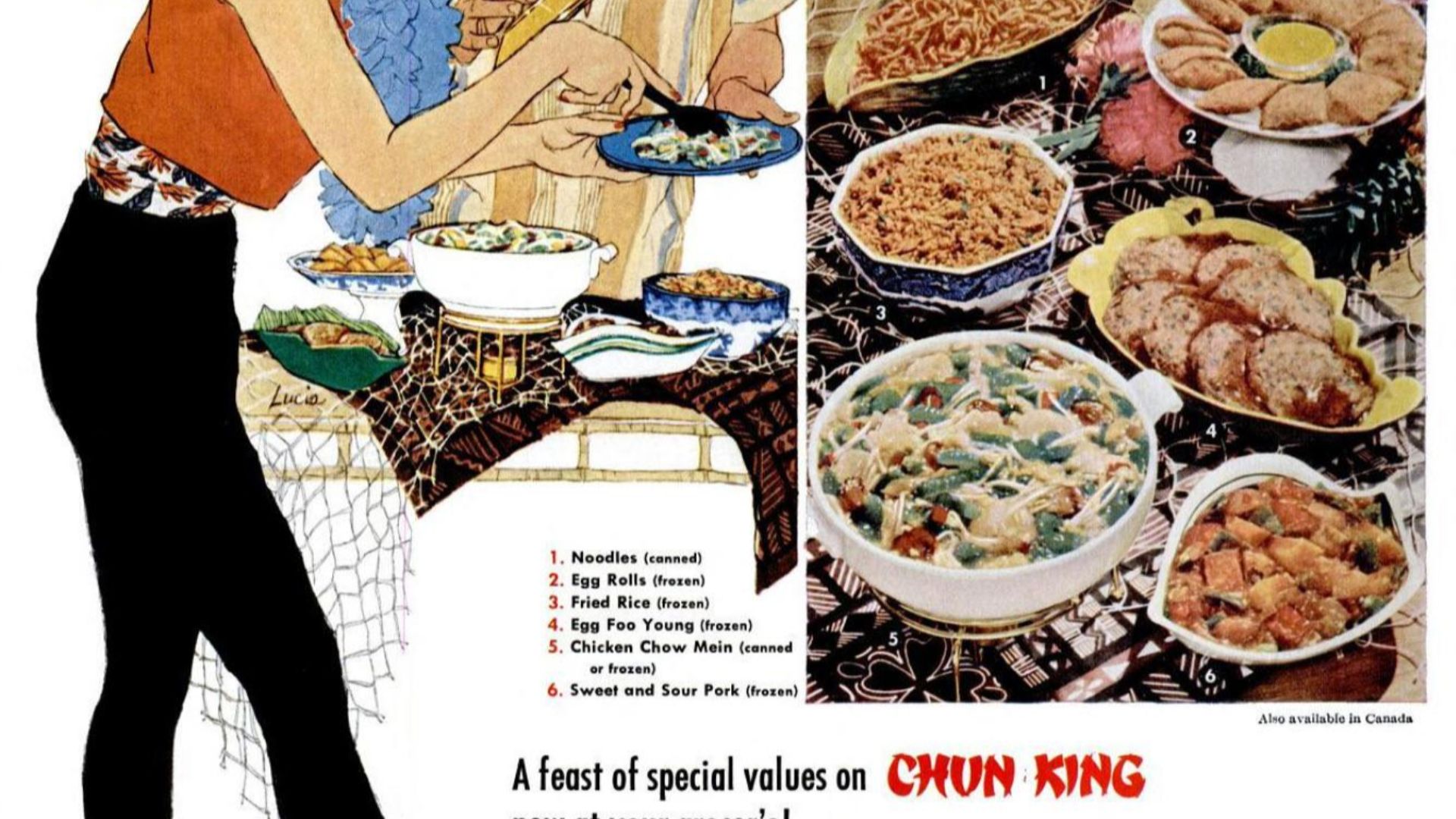 Chun King Co., Wikimedia Commons
Swanson's Le Menu Gourmet Dinners
In the early 1980s, Swanson introduced Le Menu, a premium line designed to make frozen dinners feel like restaurant meals. One offering featured beef sirloin tips with mushroom-wine gravy, while advertisements encouraged customers to enjoy their dinners with a glass of wine. The distinctive meals even came on plates without the usual dividers, giving customers a more sophisticated presentation at home.
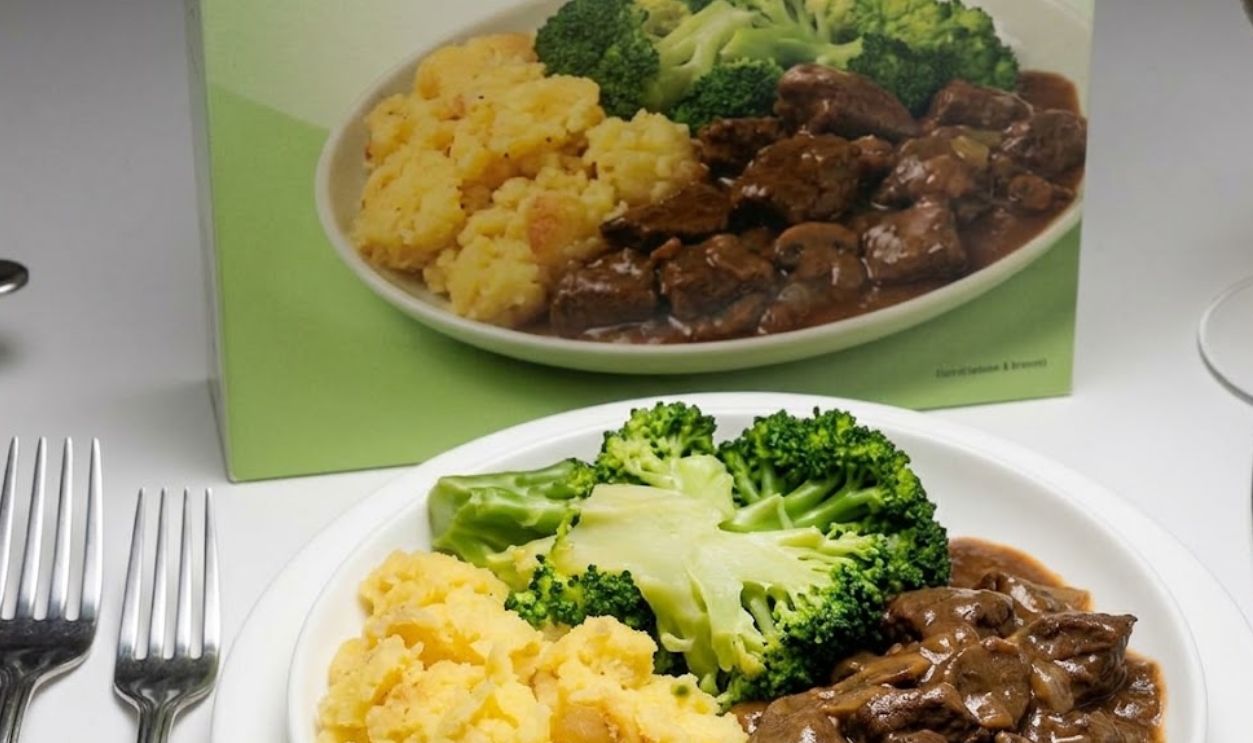 Screenshot from Swanson’s Le Menu Gourmet Dinners, Campbell Soup Company (1980s), Enhanced
Micro Magic's Frozen Cheeseburgers
French fries weren't the only products Micro Magic brought to the microwave. The company also sold frozen hamburgers and cheeseburgers that could be prepared without a grill or frying pan. These meals appealed to the growing market for convenient, individually portioned foods during the late 1980s, when microwave technology was transforming home cooking.
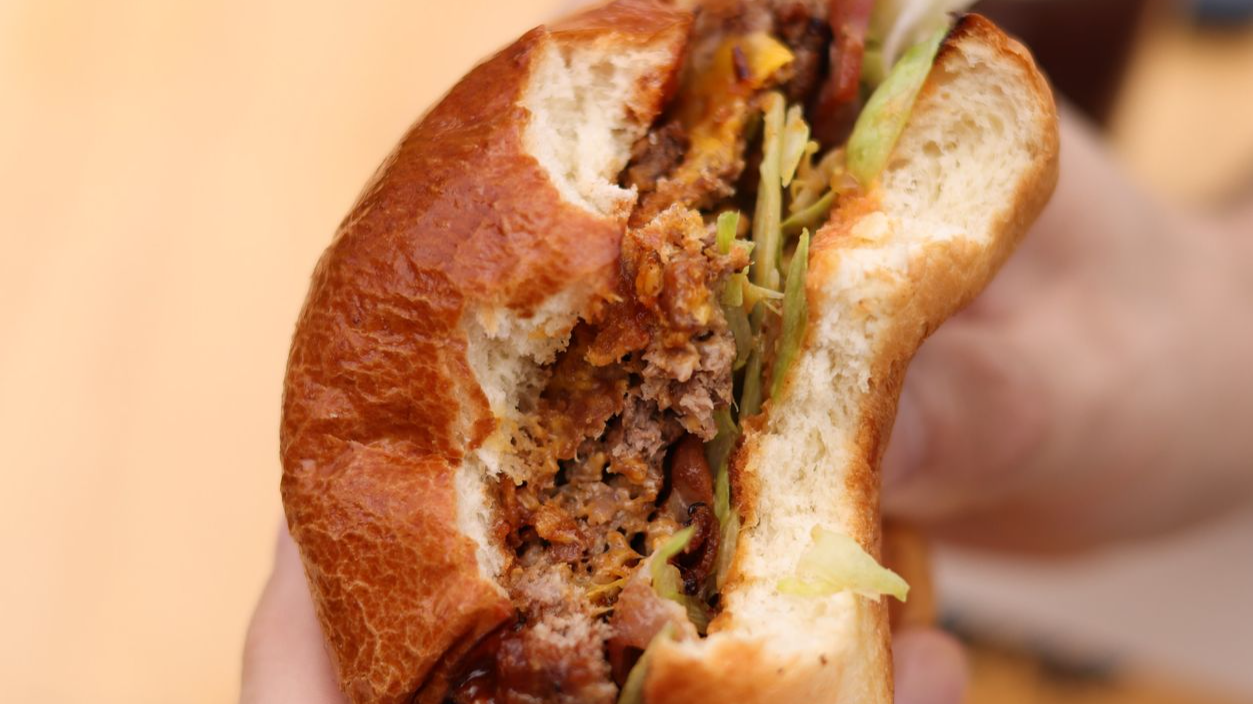
Libbyland Sea Diver's Dinner
Another Libbyland Adventure Dinner featured fish sticks, macaroni with ham in cheese sauce, and familiar side dishes. Called Sea Diver's Dinner, it used colorful packaging and playful characters to make an ordinary frozen meal feel exciting. Libbyland operated for only a few years during the 1970s, but its approach anticipated the elaborate children's food marketing that would become common in later decades.
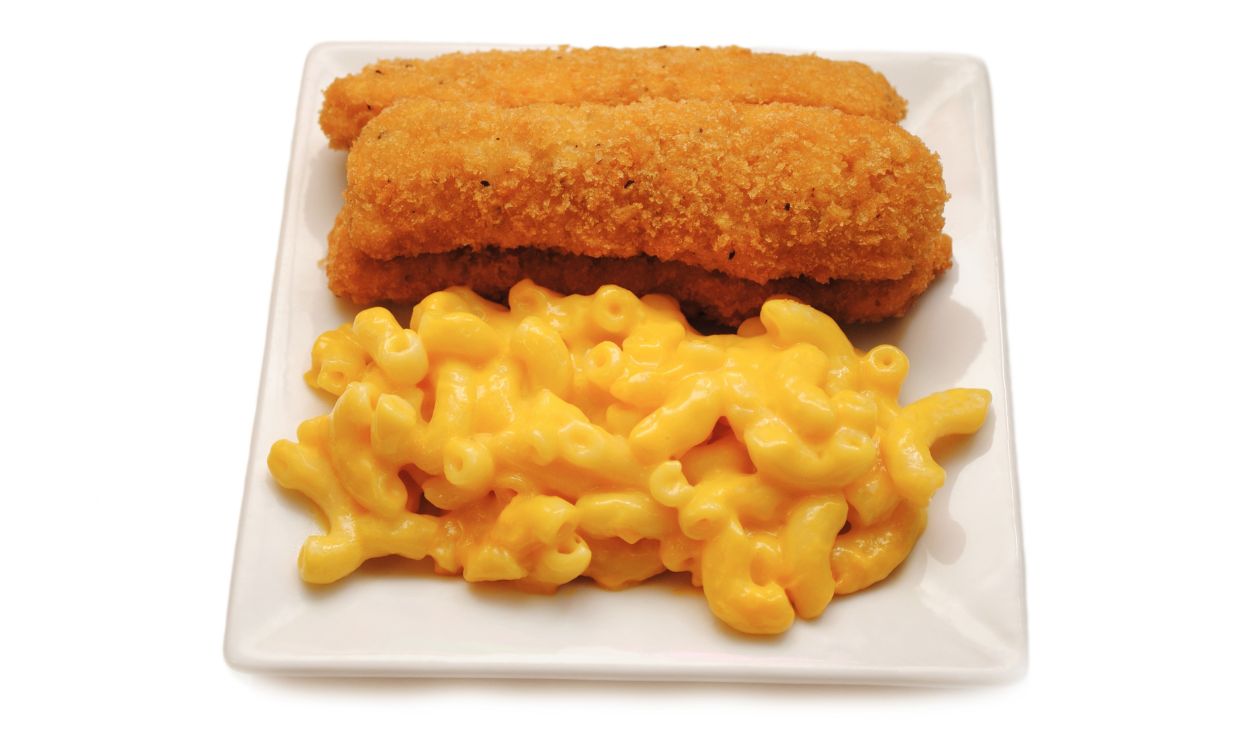 Collins Unlimited, Shutterstock
Budget Gourmet's Bay Shrimp And Linguine
When Budget Gourmet appeared in late 1983, its goal was to offer restaurant-inspired meals at affordable prices. Dishes such as bay shrimp and linguine helped distinguish the new brand from traditional frozen dinners. The company's sales reached $91 million in fiscal 1985, proving there was substantial demand for inexpensive meals with more sophisticated ingredients.
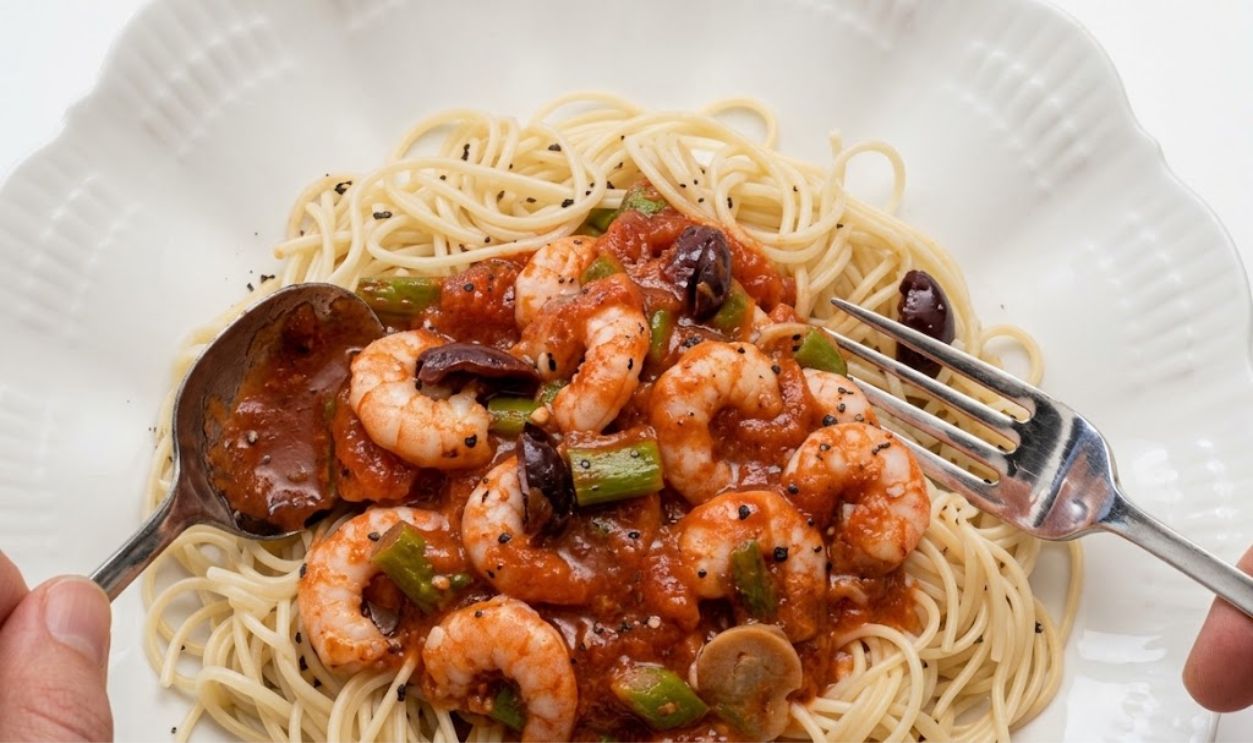 Screenshot from Budget Gourmet’s Bay Shrimp and Linguine, Bellisio Foods (1983), Enhanced
Morton's Chicken Pot Pies
Before its disappearance, Morton was one of America's familiar frozen-food companies, with chicken pot pies among its best-known products. The company introduced frozen chicken pot pies in 1949 and expanded into an extensive selection of meals and desserts. After several changes in corporate ownership, the Morton brand was discontinued around 2000, ending a business that had served American families for decades.
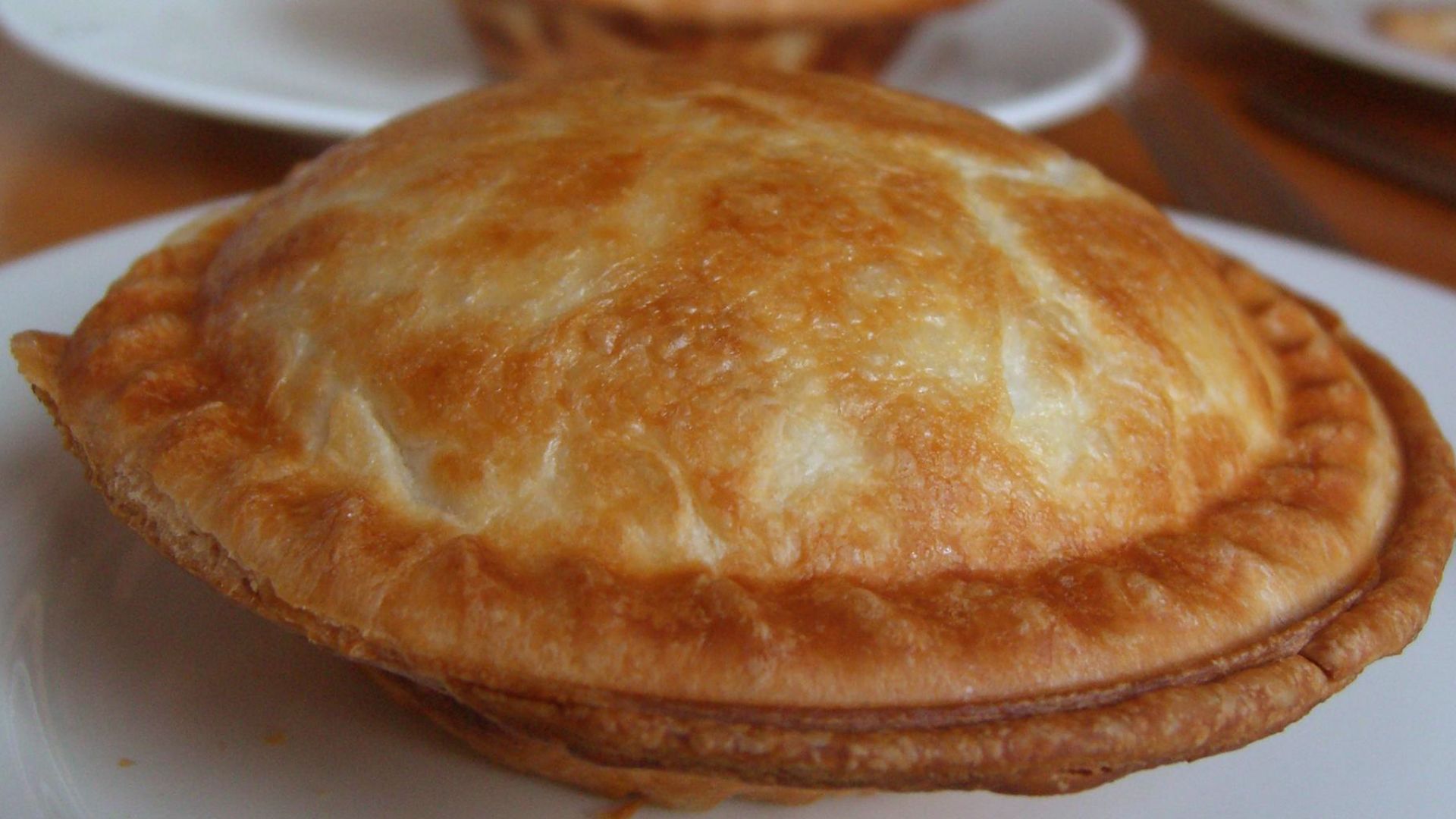 avlxyz at https://www.flickr.com/photos/avlxyz/, Wikimedia Commons
Jeno's Pizza Rolls
Millions of Americans know Totino's Pizza Rolls, but older shoppers may remember when the snacks carried the Jeno's name. Entrepreneur Jeno Paulucci developed the pizza-filled snack in the late 1960s, combining his experience with frozen foods and Italian-American flavors. Pillsbury acquired Jeno's business in 1985, and the Pizza Rolls name eventually moved to Totino's, ending the original branding.
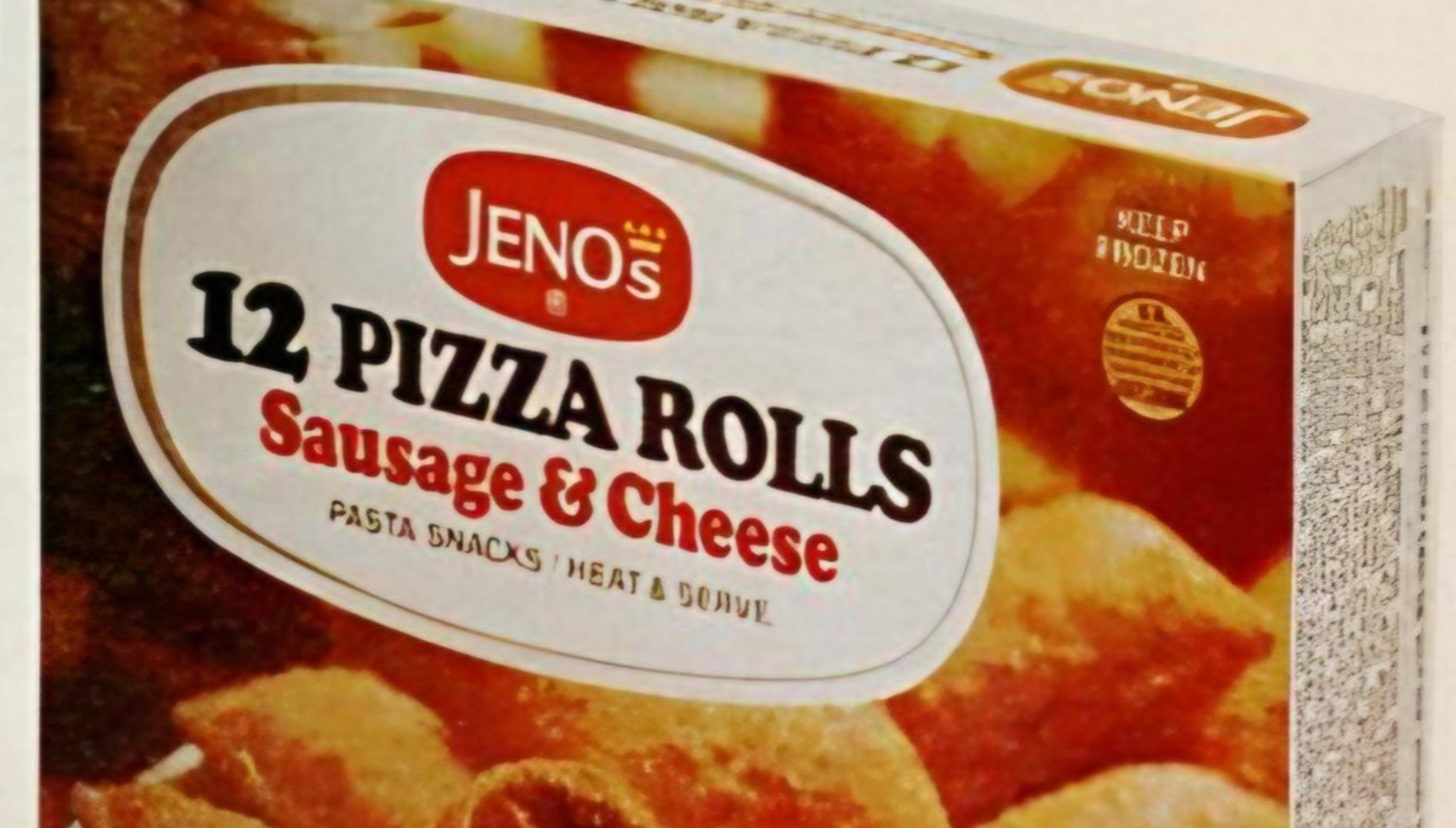 Jeno's, Inc., Wikimedia Commons
Swanson's German Style Dinner
American shoppers could once purchase a German-inspired frozen dinner featuring sauerbraten, spaetzle, and red cabbage. Introduced as part of Swanson's international offerings during the 1970s, the meal was considerably different from traditional turkey and Salisbury steak dinners. Its unusual combination of foods reflected the growing variety manufacturers were introducing into supermarket freezers.
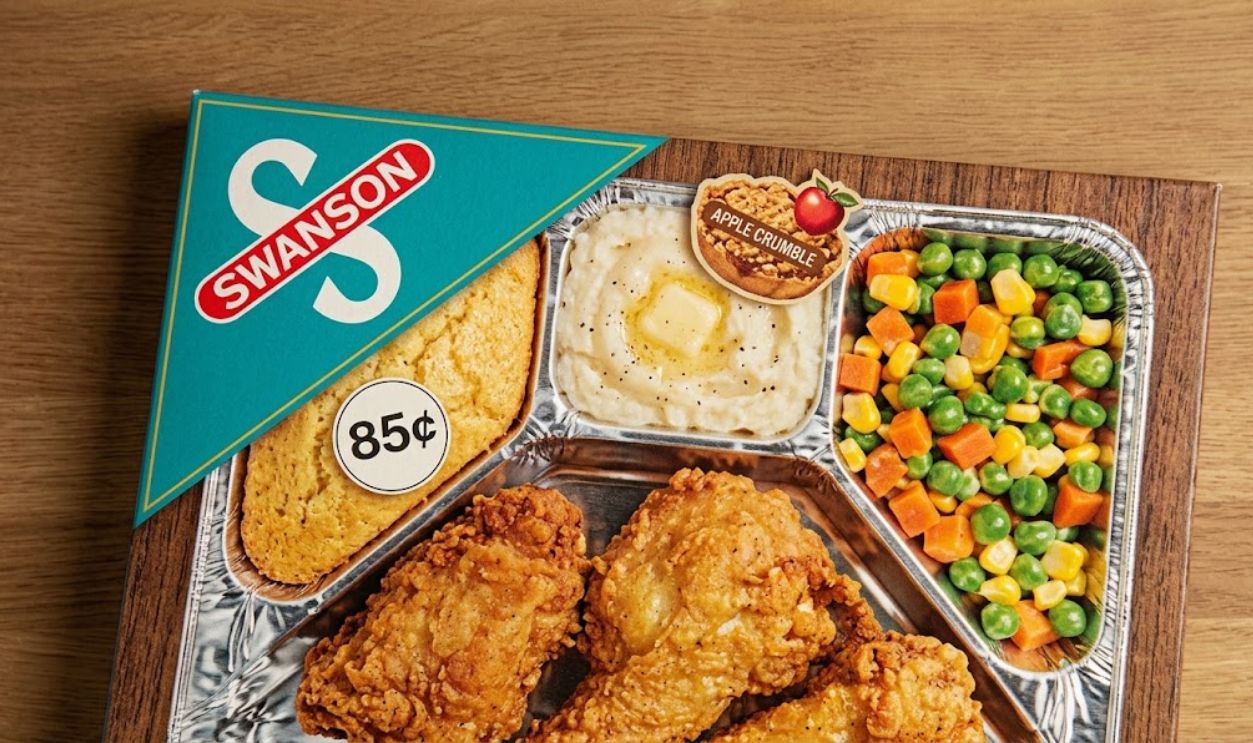 Screenshot from Swanson's German Style Dinner, Swanson (1967), Enhanced
Micro Magic's Frozen Milkshakes
Perhaps Micro Magic's strangest offering was a frozen milkshake designed for microwave preparation. Rather than buying a freshly made milkshake, customers could use their microwave to bring the frozen product to a drinkable consistency. It was another example of how food companies experimented with microwave technology during the 1980s, sometimes producing items that now seem almost unbelievable.
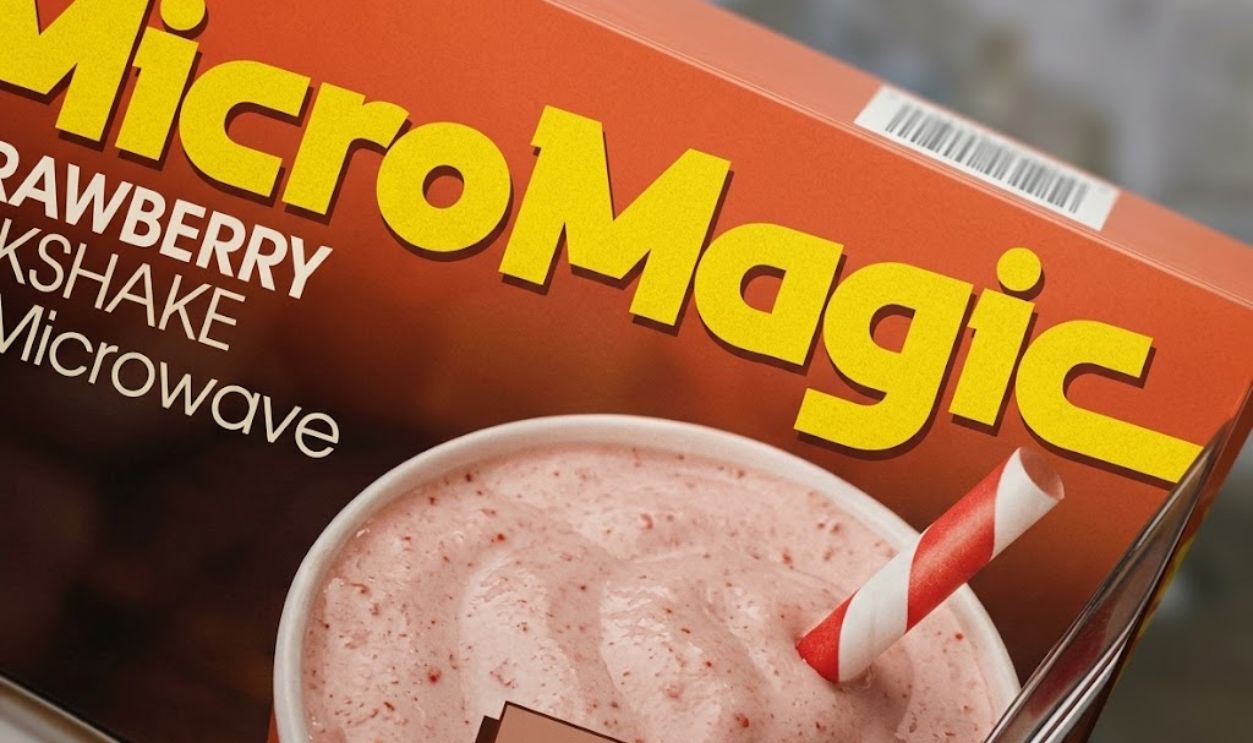 Screenshot from Micro Magic’s Frozen Milkshakes, J.R. Simplot Company (1989), Enhanced
Stouffer's Right Course Dinners
The enormous success of Lean Cuisine inspired Stouffer's to introduce another health-focused frozen meal range during the late 1980s. Called Right Course, the line emphasized low-fat, low-cholesterol meals at a time when Americans were paying increasing attention to nutrition. Stouffer's eventually retired Right Course in 1990, while its established Lean Cuisine business continued serving the market for portion-controlled frozen meals.
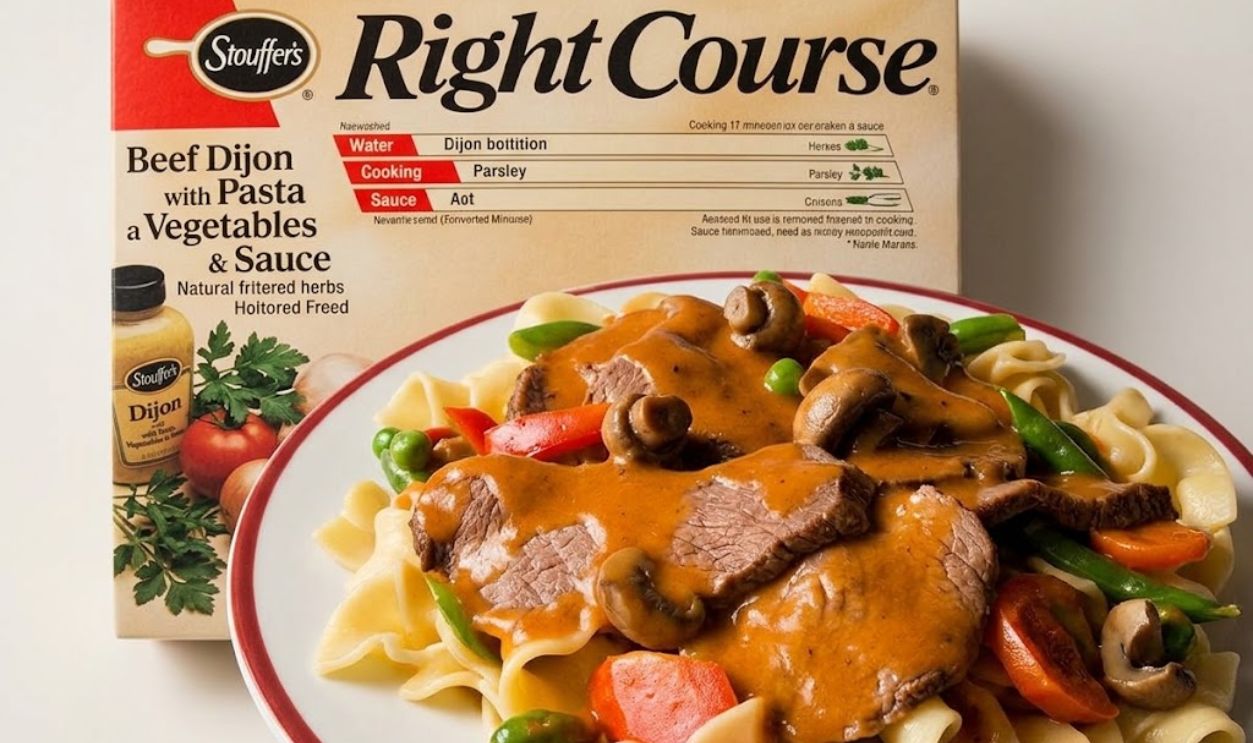 Screenshot from Stouffer’s Right Course Dinners, Stouffer Foods Corporation (1989), Enhanced
Morton's Frozen Donuts
In the 1970s, Americans could buy frozen donuts from Morton and heat them at home whenever they wanted a sweet treat. A surviving 1975 television commercial promoted the donuts as a way to enjoy bakery-style freshness on demand. The product helped Morton extend its business beyond traditional frozen entrées and into the growing market for convenient breakfast pastries.
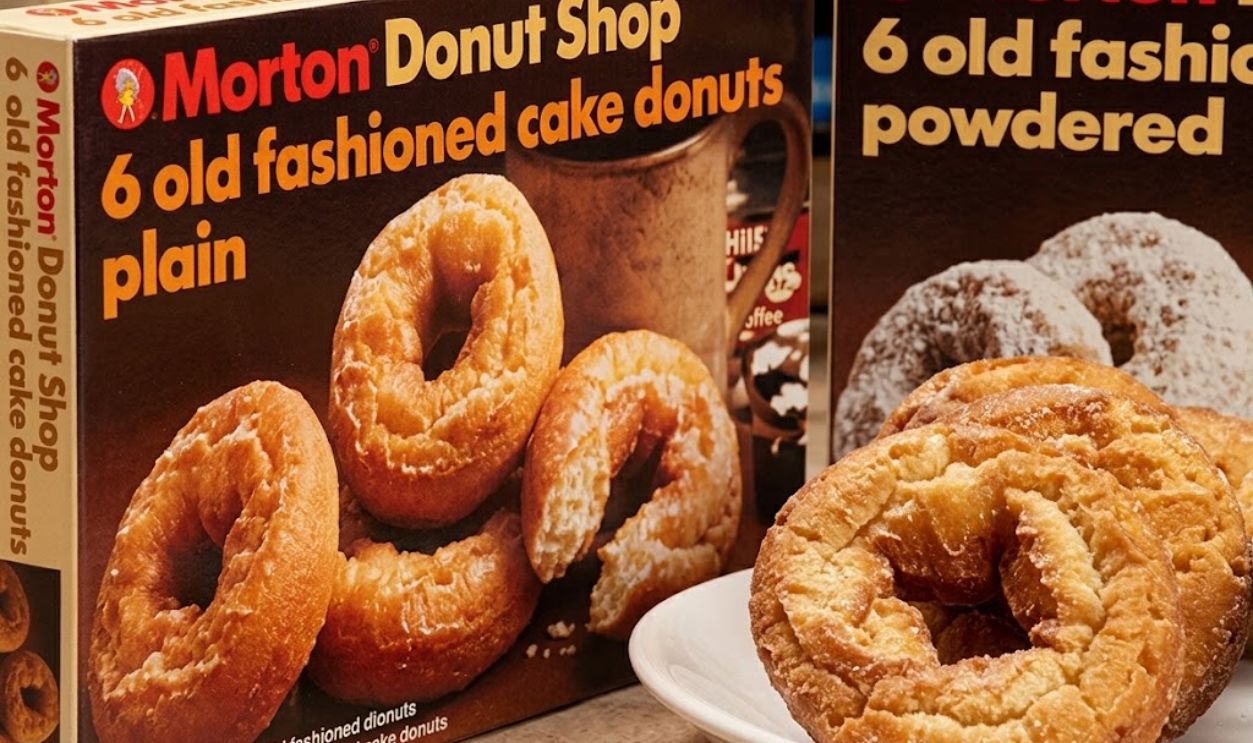 Screenshot from Morton’s Frozen Donuts, Morton Frozen Foods (1971), Enhanced
Libbyland Safari Supper
Libbyland also offered a Safari Supper, combining familiar children's foods such as fried chicken and spaghetti with meatballs. The packages featured games and colorful illustrations, turning the frozen dinner box into part of the entertainment. The line's disappearance in the mid-1970s left behind an unusual example of how manufacturers tried to make grocery shopping more appealing to children.
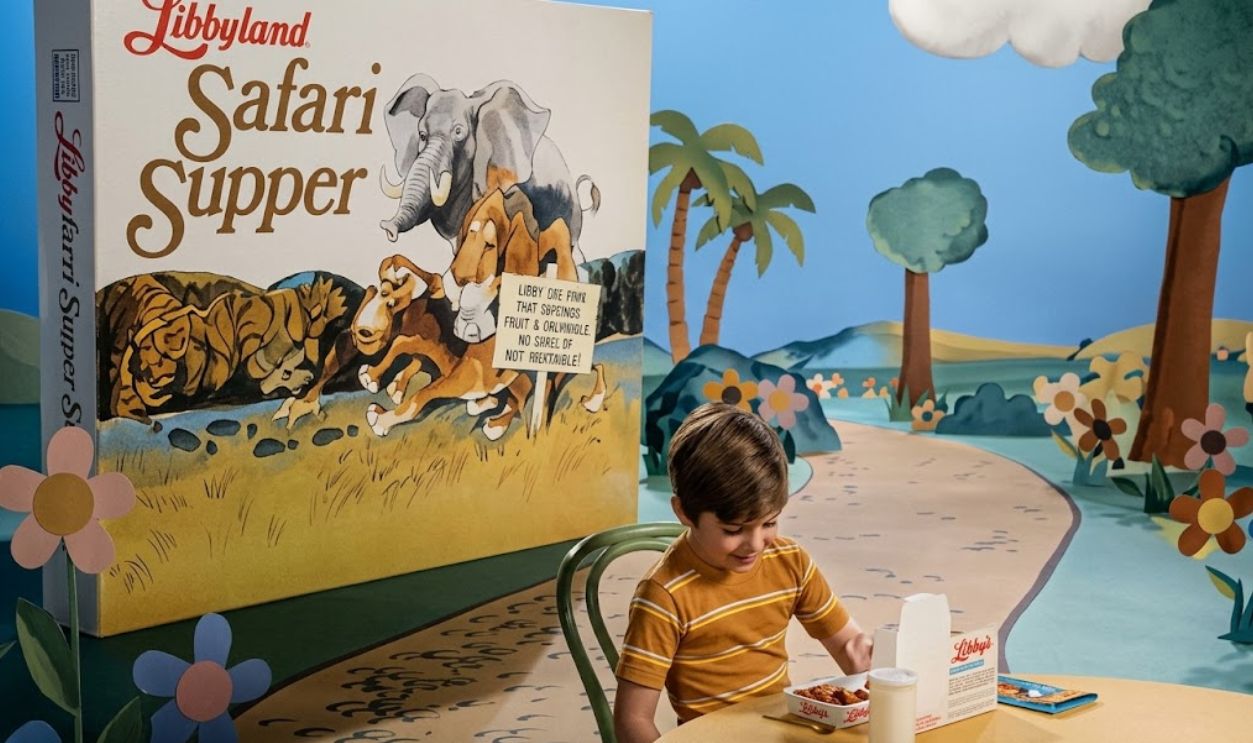 Screenshot from Libbyland Safari Supper, Libby, McNeill & Libby (1972), Enhanced
Swanson's Salisbury Steak Dinner
For many Americans growing up in the 1970s, Salisbury steak was a familiar frozen dinner choice. Swanson's version featured a beef patty with gravy, traditional sides, and a brownie for dessert. Including dessert in the divided tray helped create the impression of a complete meal, making frozen dinners particularly appealing to families looking for affordable convenience.
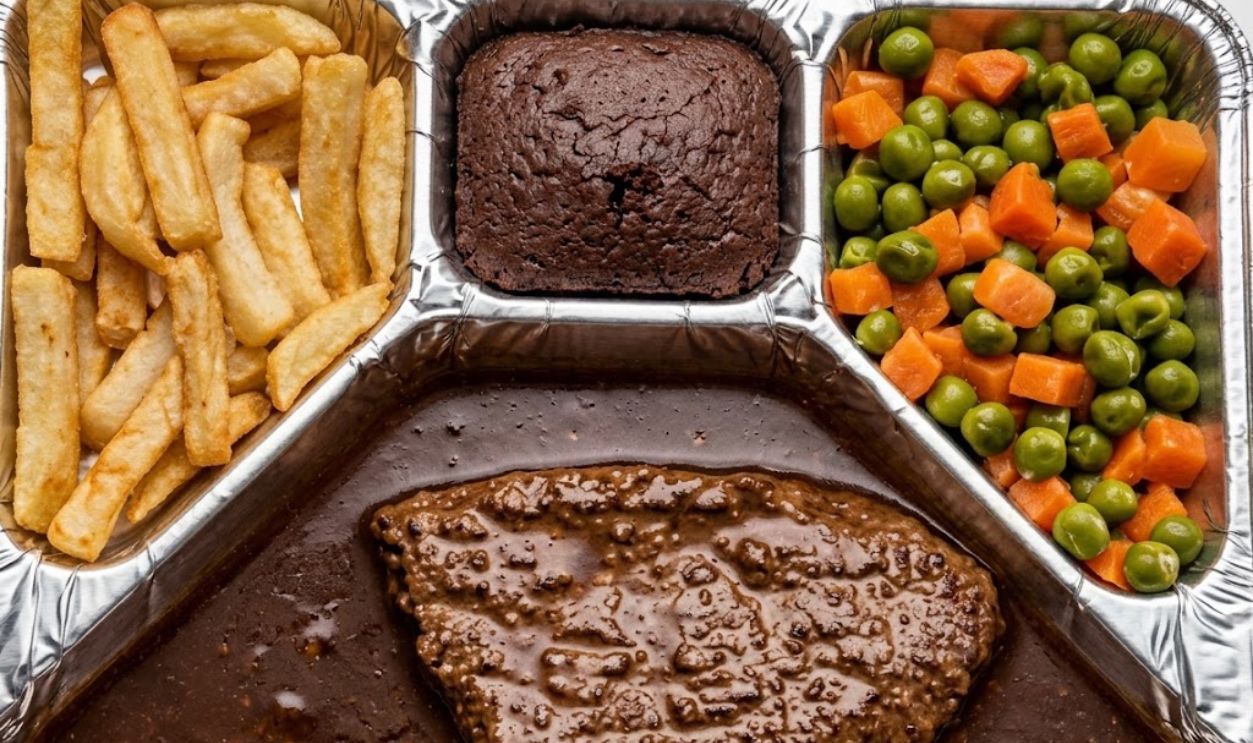 Screenshot from Swanson’s Salisbury Steak Dinner, Swanson (1960s), Enhanced
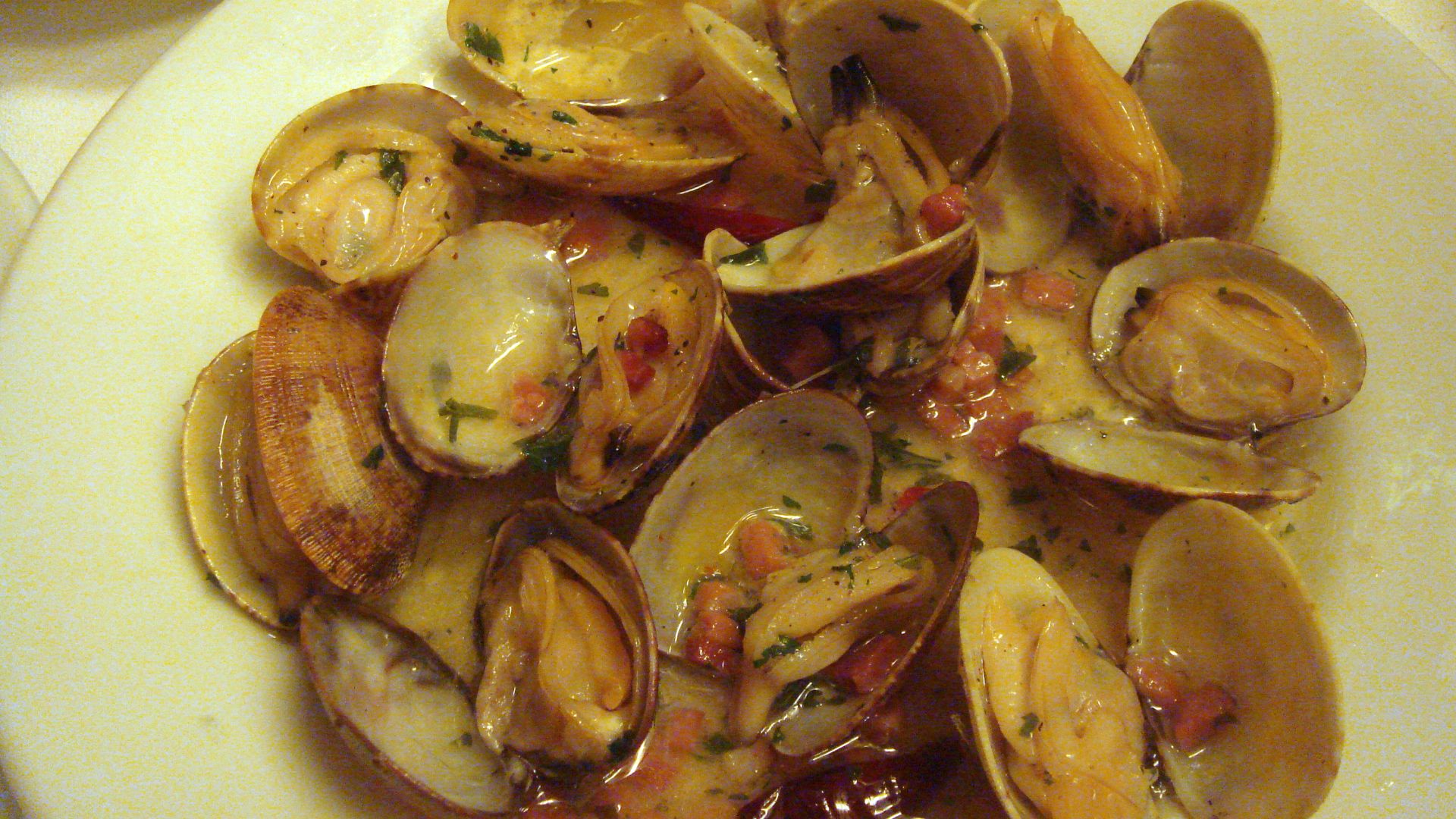
Budget Gourmet's Clams Marinara
Budget Gourmet also sold clams marinara, a dish that demonstrated how sophisticated frozen-food menus had become by the mid-1980s. The company's single-serving entrées typically cost $1.69 in 1986, with slightly higher prices in certain metropolitan markets. Its strategy combined adventurous recipes with standardized pricing, helping the business establish a national presence in just a few years.
 Leon Brocard, Wikimedia Commons
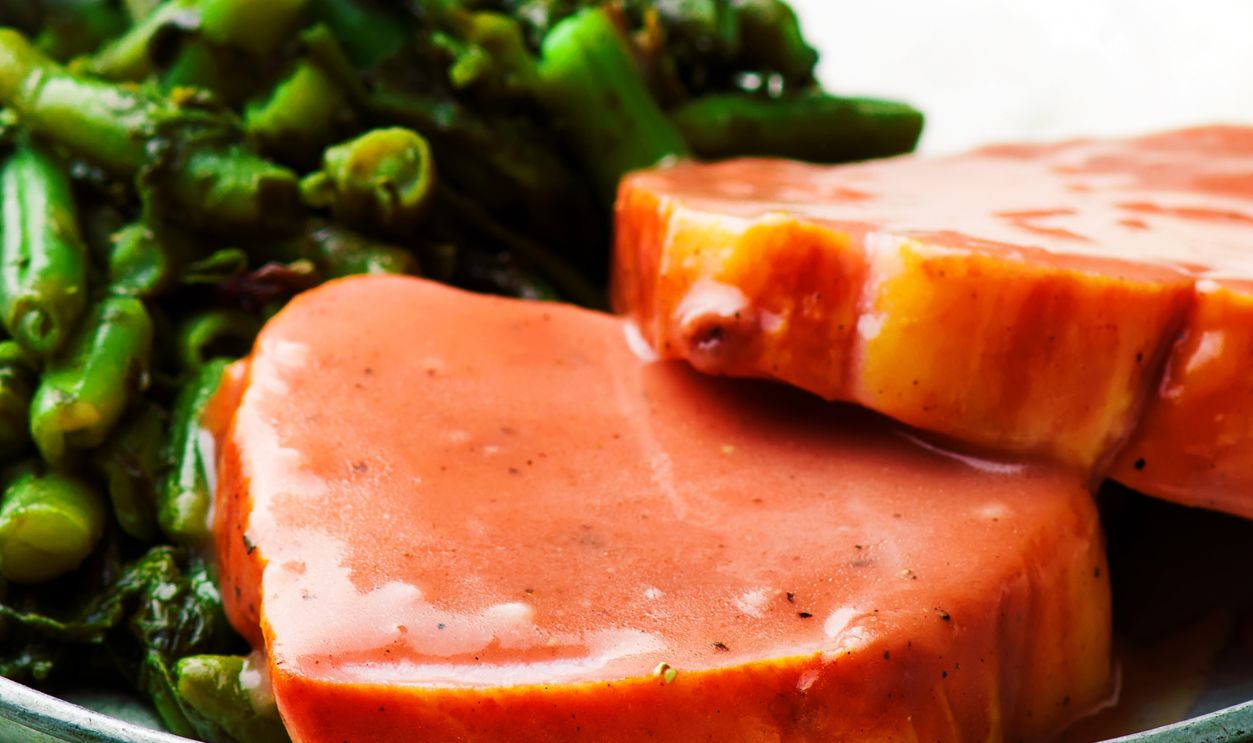
Morton's Ham Dinner With Raisin Sauce
Another distinctive Morton dinner featured a ham steak covered in raisin sauce, alongside sweet potatoes, peas, and sliced apples. The combination reflected the traditional comfort foods that filled American freezers during the 1970s. These long-discontinued dinners offer a nostalgic glimpse into what families once considered an ordinary weeknight meal.
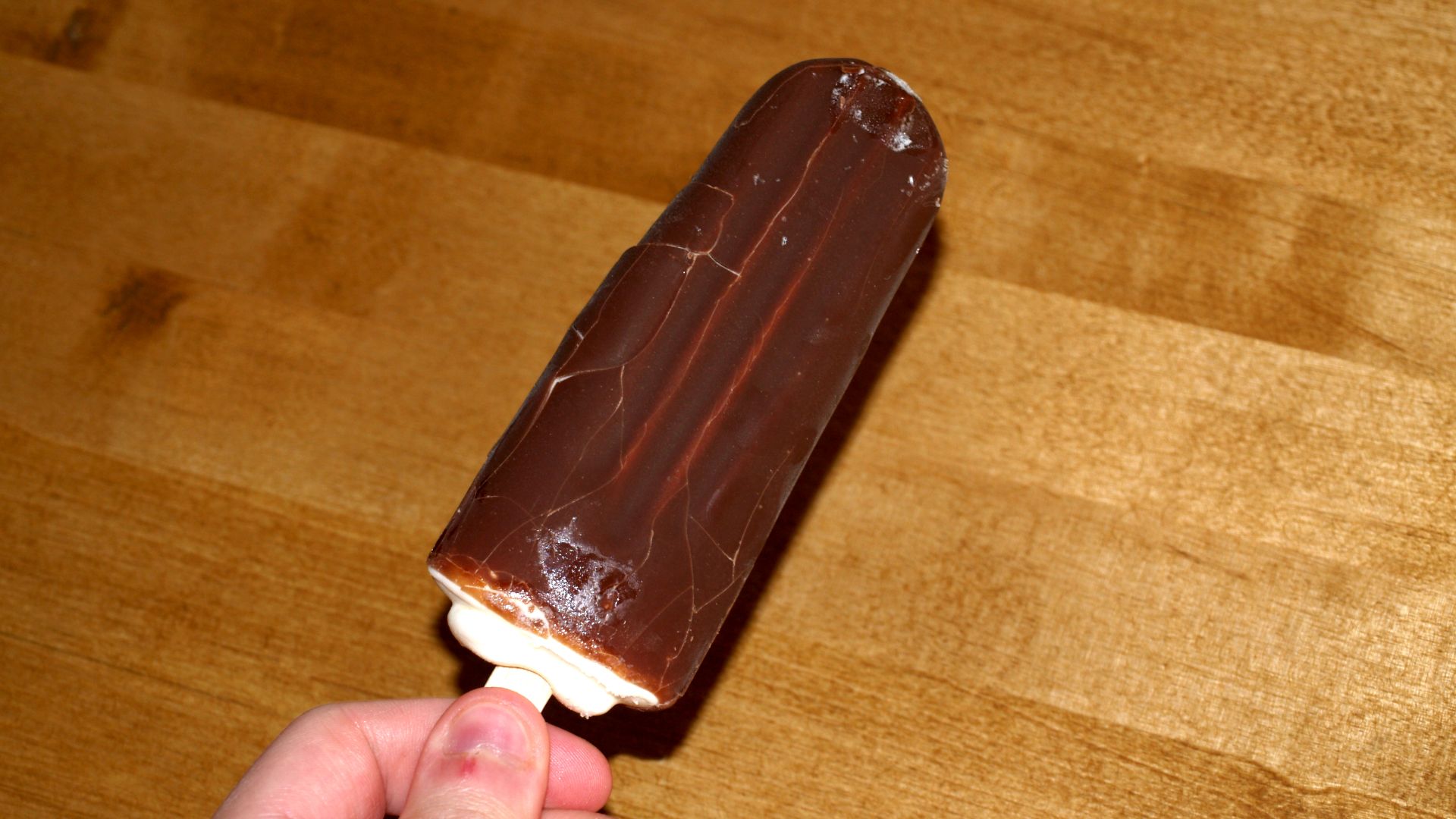
Jell-O Gelatin Pops
After expanding into frozen desserts, Jell-O marketed gelatin-based pops alongside its better-remembered pudding varieties. The brightly colored frozen treats extended a familiar supermarket brand into the freezer aisle, where companies competed for customers looking for convenient desserts. Gelatin Pops eventually disappeared, leaving Pudding Pops as the more recognizable part of Jell-O's frozen-food history.
 Santeri Viinamäki, Wikimedia Commons
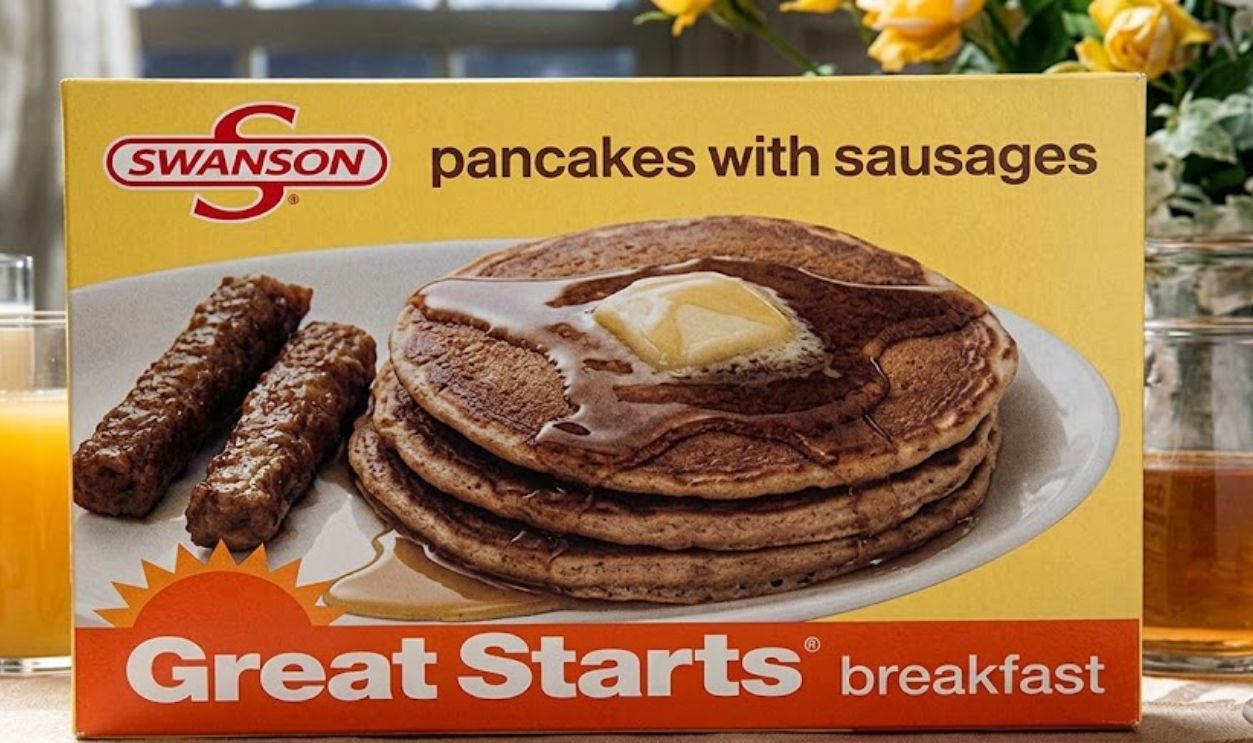
Swanson's Great Starts Breakfasts
In 1986, Swanson expanded its frozen breakfast business with Great Starts, a range of convenient morning meals. The lineup included breakfast sandwiches, pancakes, French toast, and more substantial breakfast platters. The original products eventually disappeared, but they represented an important shift toward using frozen convenience foods throughout the day rather than just at dinnertime.
 Screenshot from Swanson’s Great Starts Breakfasts, Campbell Soup Company (1980s), Enhanced
Chun King's Chinatown Style Dinners
By the mid-1970s, Chun King was selling elaborate frozen meals containing multiple Chinese-American entrées. A 1975 advertisement promoted a dinner with shrimp chow mein, pepper beef, fried rice, and two egg rolls. Offering several dishes in a single package allowed customers to enjoy a restaurant-style combination at home, illustrating how far frozen dinners had progressed beyond their original meat-and-potatoes format.
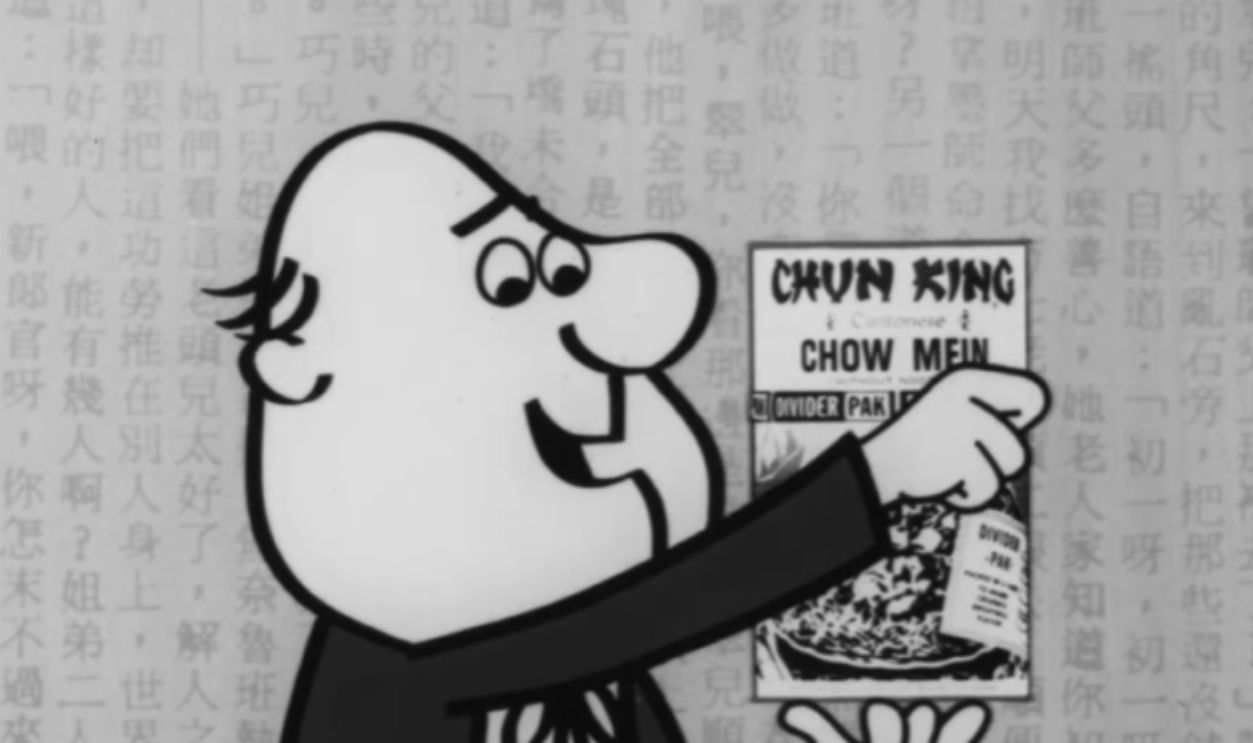 Screenshot from Chun King Frozen Dinner, Chun King Corporation (1958)
Morton's Frozen Fruit Salad Dinners
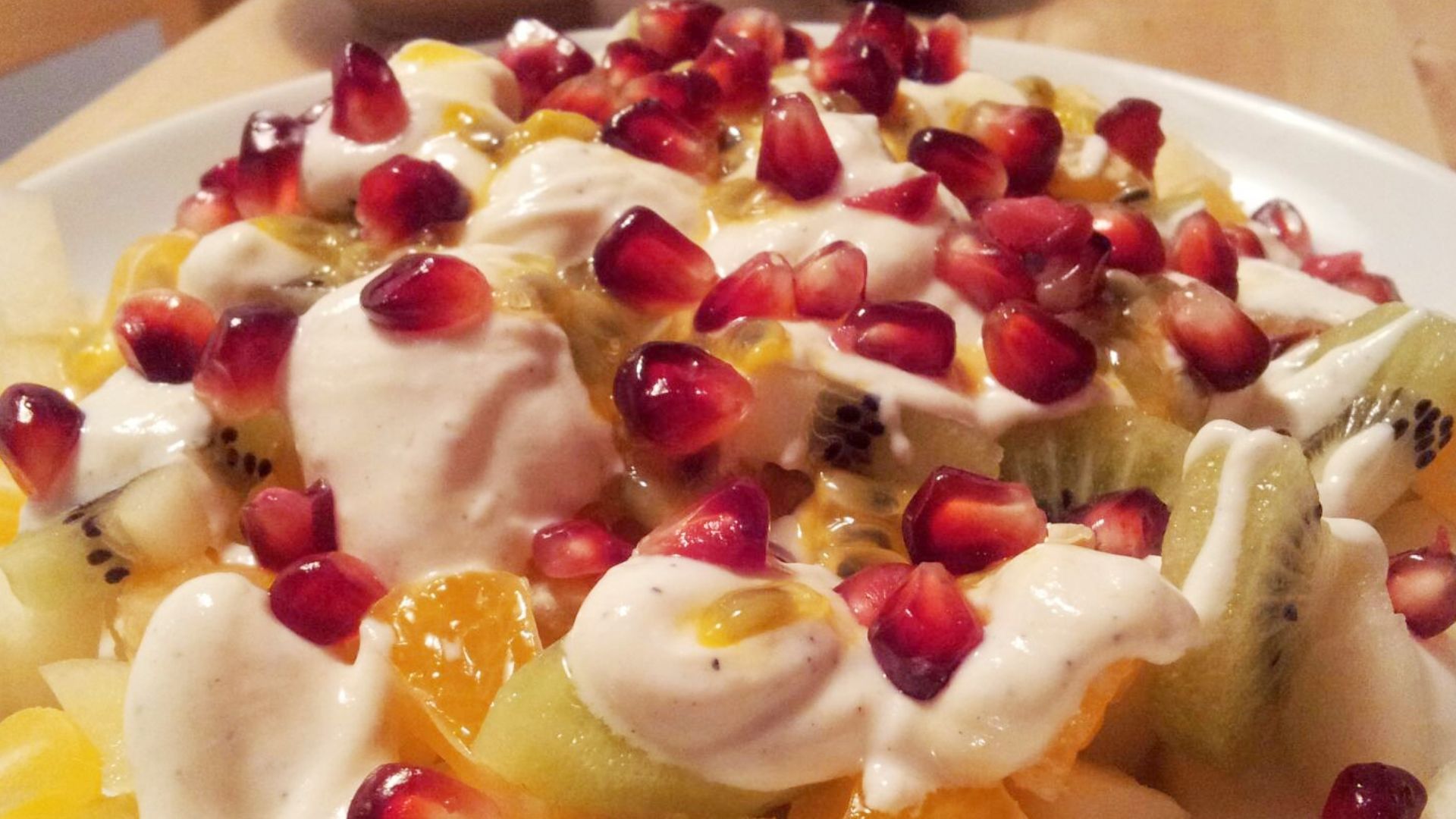
One of Morton's more unusual meals included a frozen fruit and marshmallow salad served as a first course. Packaged in a removable tray alongside chicken and dumplings, it gave shoppers an unexpected addition to dinner. It was a clever way to stand out in a competitive market and a reminder of how adventurous frozen foods became during the 1970s.
Swanson's Original Turkey Dinner
Long before most of these forgotten products appeared, Swanson helped popularize the frozen TV dinner with its turkey meal in 1954. Priced at 98 cents, the original dinner included turkey, cornbread dressing, buttered peas, and mashed potatoes in a divided aluminum tray. The product became an American institution and helped create the enormous frozen dinner market that flourished during the following decades.
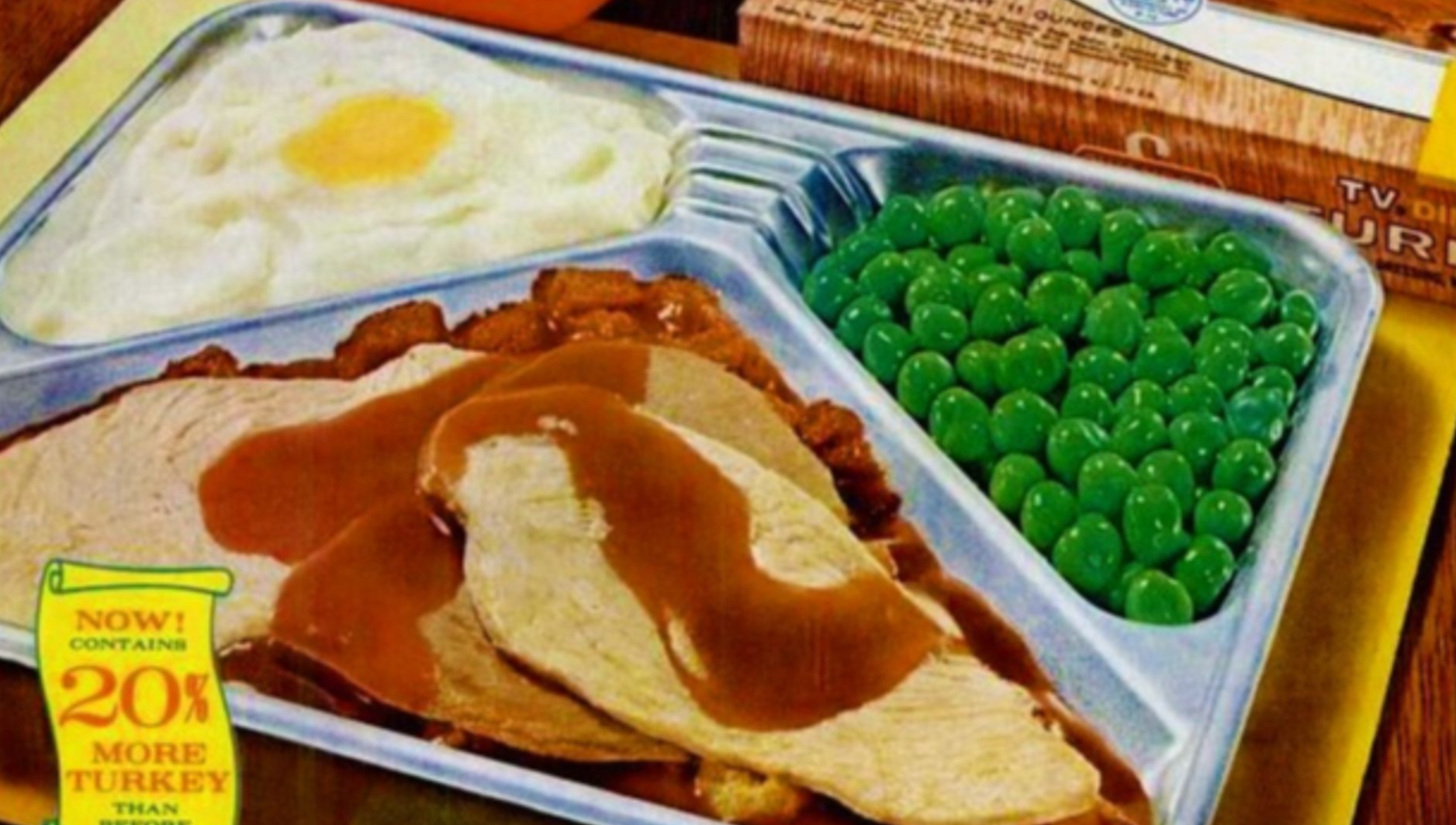 1950sUnlimited, Wikimedia Commons
America's Freezers Would Never Be The Same
By the end of the 1980s, frozen food had grown from simple TV dinners into a massive industry offering everything from microwave milkshakes to gourmet seafood. Manufacturers competed with new recipes, clever packaging, and ambitious advertising campaigns. Many once-familiar products eventually disappeared through corporate acquisitions, changing tastes, and shifting business priorities. Their stories remind us that even America's most recognizable grocery favorites don't always last forever.
You May Also Like:
Restaurants From The 1980s That American Families Couldn't Get Enough Of—Then They Vanished
Companies That Were Worth Billions In The 1990s—Then Everything Fell Apart
1970s Shopping Habits That Would Feel Totally Foreign Today—Which Would You Actually Bring Back?