Remember These Places?
In the 90s, these restaurants were worth putting your shoes back on and leaving the house for. Now, most have disappeared—and good luck getting anyone born after 2000 to recognize their names. How many did you eat at? And which one would you bring back for one more dinner?
Bill Knapp’s
Bill Knapp’s meant a dependable family dinner—and hopefully chocolate cake afterward. A late-90s makeover aimed at younger customers upset longtime regulars. Restoring old favorites couldn’t rescue the business, and the restaurants closed in 2002. The baked goods survived, so at least you can still get the cake.
Dive!
Steven Spielberg helped launch this submarine-shaped restaurant in Los Angeles in 1994. You could eat a submarine sandwich while the dining room pretended to dive underwater. Unfortunately, the spectacle didn’t pay the bills. The original closed in 1999, and its Las Vegas sibling followed in 2000.
Kahiki Supper Club
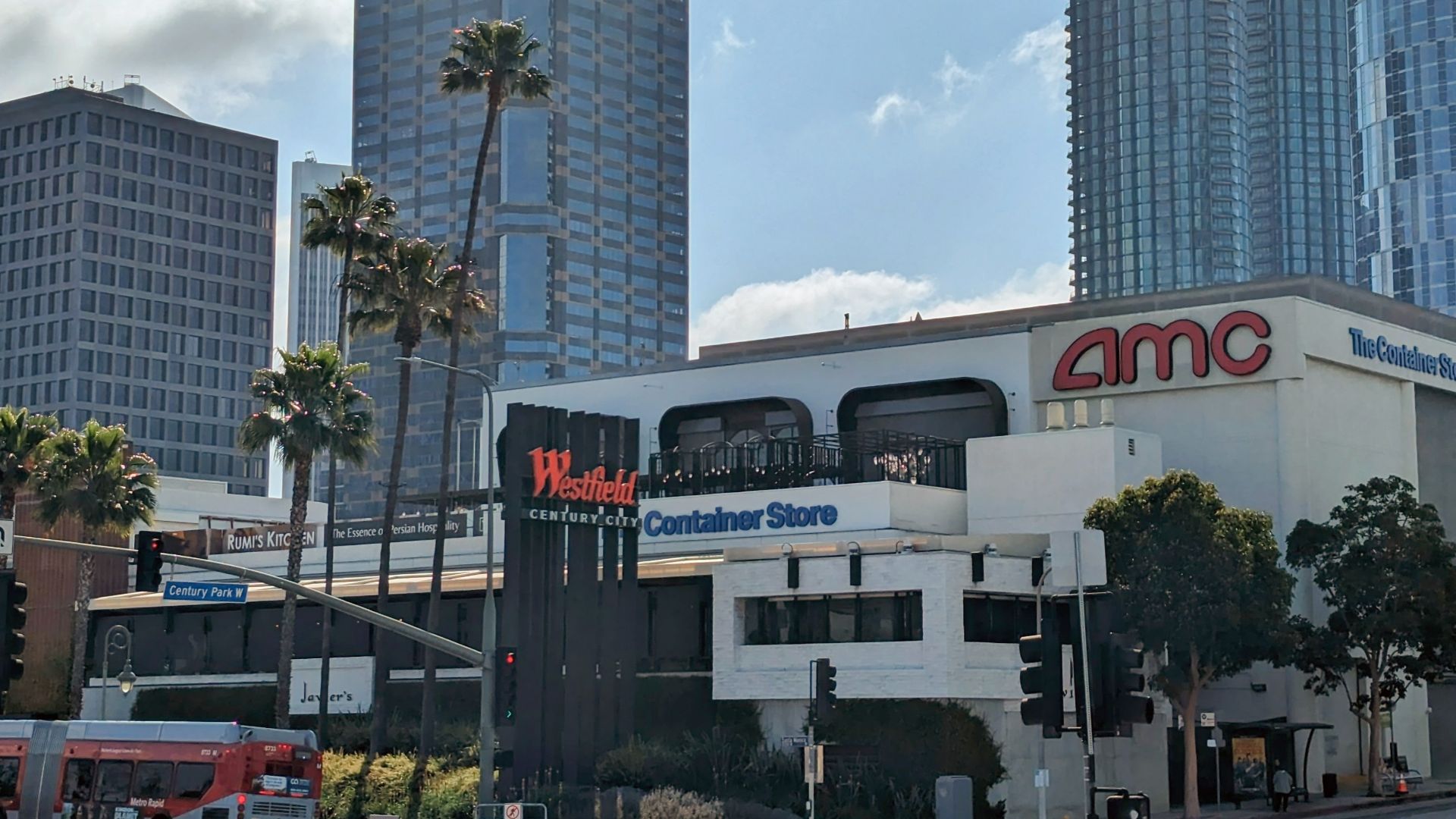
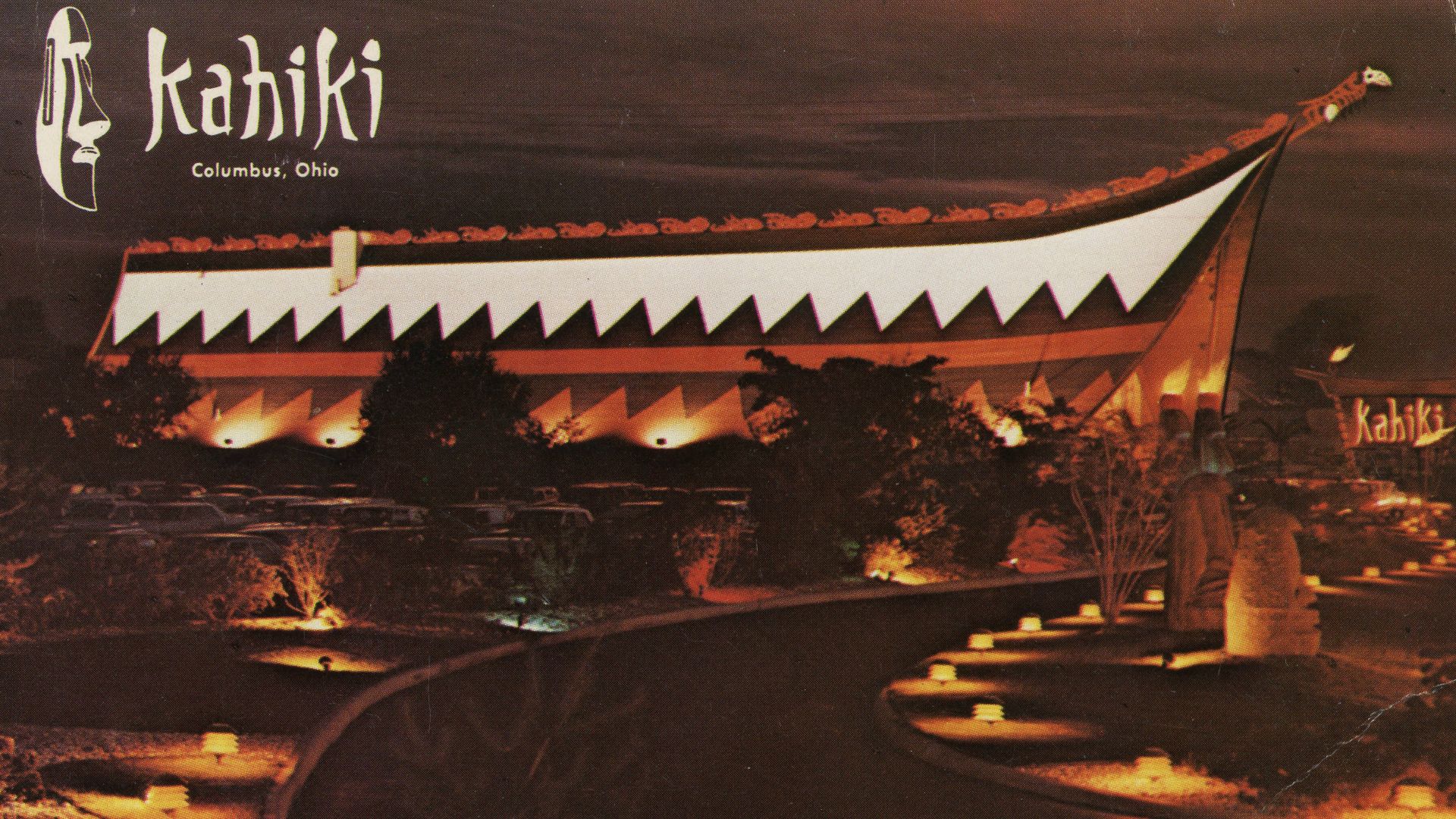
Columbus, Ohio, had its own tropical escape, complete with aquariums and a towering fireplace. Kahiki made dinner feel like a vacation without the airfare. Facing expensive repairs, owner Michael Tsao sold the property to Walgreens and concentrated on frozen foods. The restaurant closed in 2000; the grocery business carried on.
 Unknown authorUnknown author, Wikimedia Commons
Mighty Casey’s
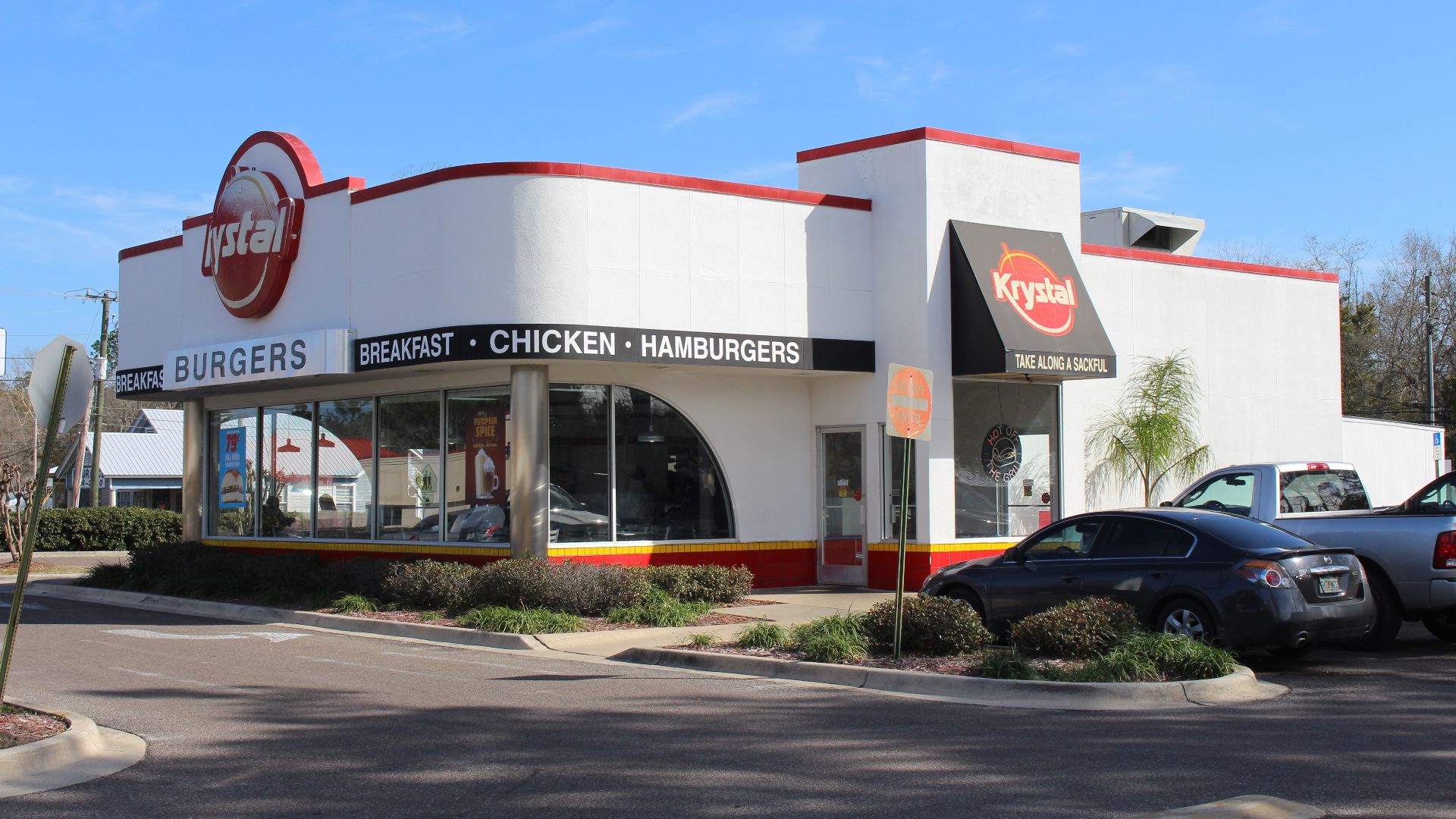
Atlanta diners had Mighty Casey’s for burgers, hot dogs, onion rings, and chicken wings. That was a pretty convincing argument against cooking. The regional chain’s run ended after Krystal bought it in 1994. Most locations became Krystals, trading the broader menu for the buyer’s familiar little burgers.
 Michael Rivera, Wikimedia Commons
Velvet Turtle
For California diners, Velvet Turtle was a place to dress up a little and order steak or seafood. The chain passed through several corporate owners, including Saga and Marriott. Its final restaurant closed in February 1997, according to its later owner’s securities filing. Even fancy nights out had an expiration date.
Motown Cafe
Motown Cafe opened in New York in 1995, bringing classic hits to the dinner table. Las Vegas and Orlando followed, but the music outlasted the restaurants. Vegas closed in 2000, with MGM Mirage buying out its other investors. Orlando stopped operating under the Motown name in 2005.
Cooker Bar & Grille
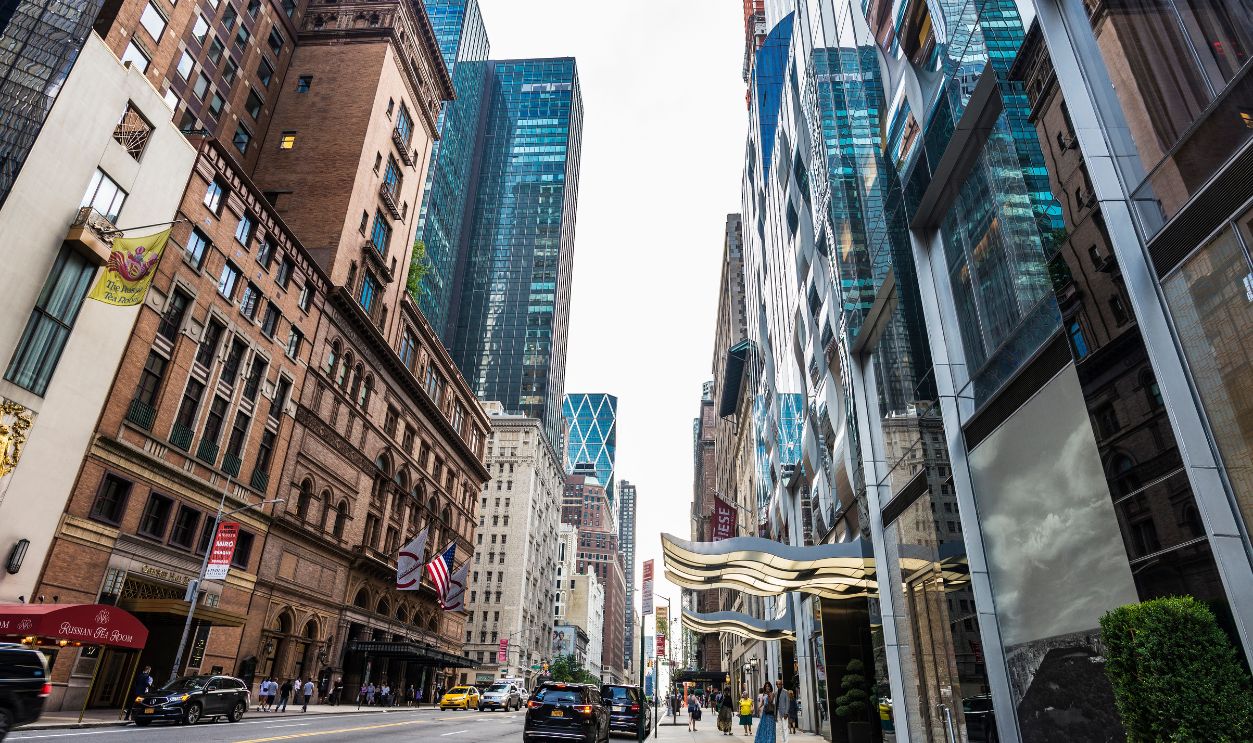
Cooker served pot roast, meatloaf, and ribs—the sort of dinner that made everybody happy. Its finances were less comforting. The company borrowed $42 million in 1998 for a stock buyback, then struggled with falling sales and mounting debt. Bankruptcy followed in 2001; the chain closed in 2004.
 Mark Miller, Wikimedia Commons
Mamma Leone’s
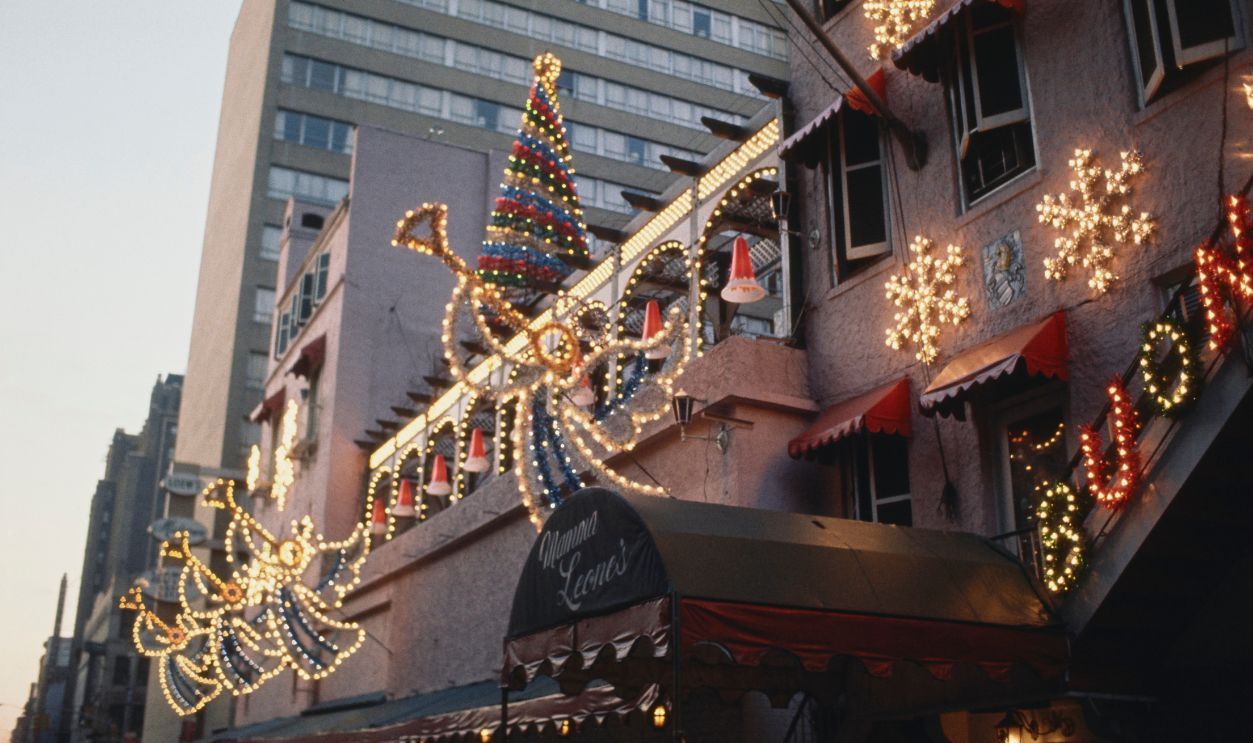
A trip to New York’s Theater District could mean a show and a very large Italian dinner at Mamma Leone’s. Owner Restaurant Associates closed it in 1994, citing rent and other rising costs. Plans to relocate never materialized. Apparently, even all those plates of pasta couldn’t cover Manhattan overhead.
China Coast
China Coast was supposed to do for Chinese American food what Olive Garden had done for Italian American dining. Launched in 1990, it grew to 51 restaurants before Darden closed the entire chain in 1995. That was a lot of expansion for a business that never found its footing.
 Quintin Soloviev, Wikimedia Commons
Mr. Fables
West Michigan had Mr. Fables, where olive burgers and onion rings gave locals plenty to miss. Founders Dick Faber and John Boyles sold the business in 1988 as retirement approached. The chain dwindled under its later owners and closed in 2000. Some cravings are harder to retire than a restaurant.
Chasen’s
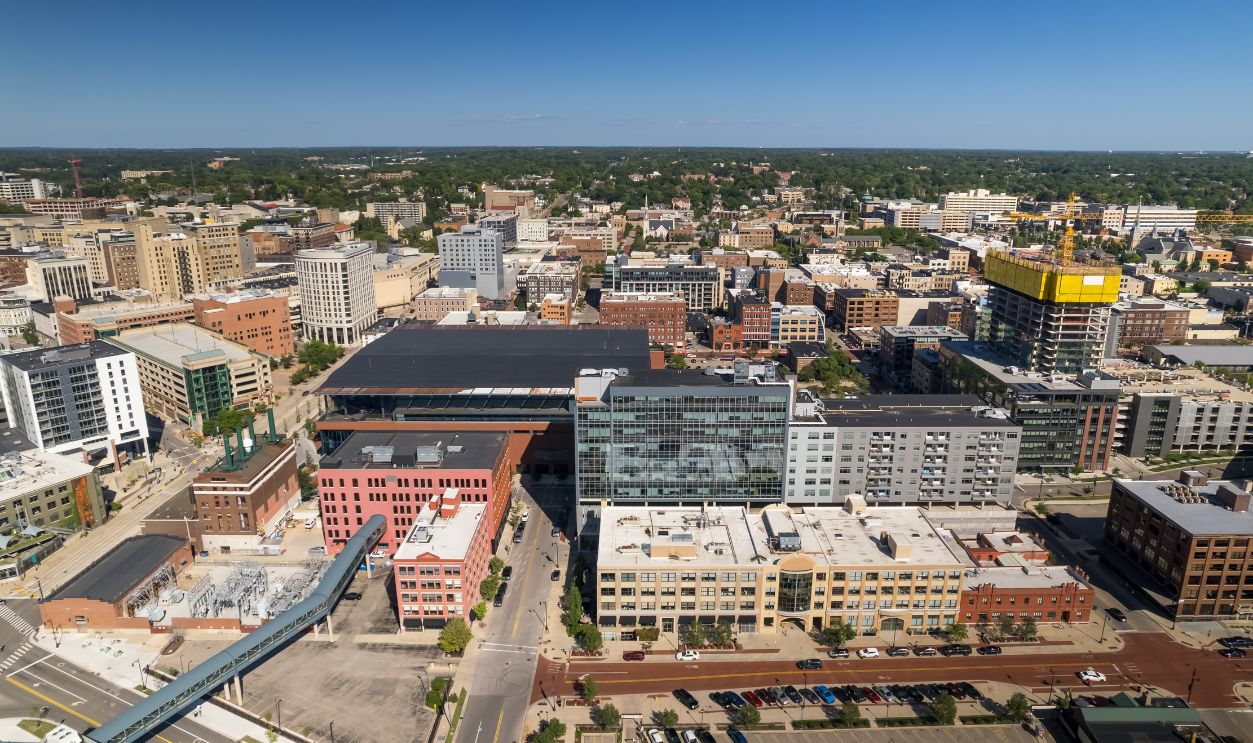
Chasen’s was a Hollywood institution where even the chili had a reputation. The original closed in 1995, but investor Grady Sanders bought the name and opened a Beverly Hills version in 1997. That second attempt closed in 2000. A famous name could get another chance, but it couldn’t guarantee a lasting comeback.
 Bigfatloser at English Wikipedia, Wikimedia Commons, Enhanced
Sholl’s Colonial Cafeteria
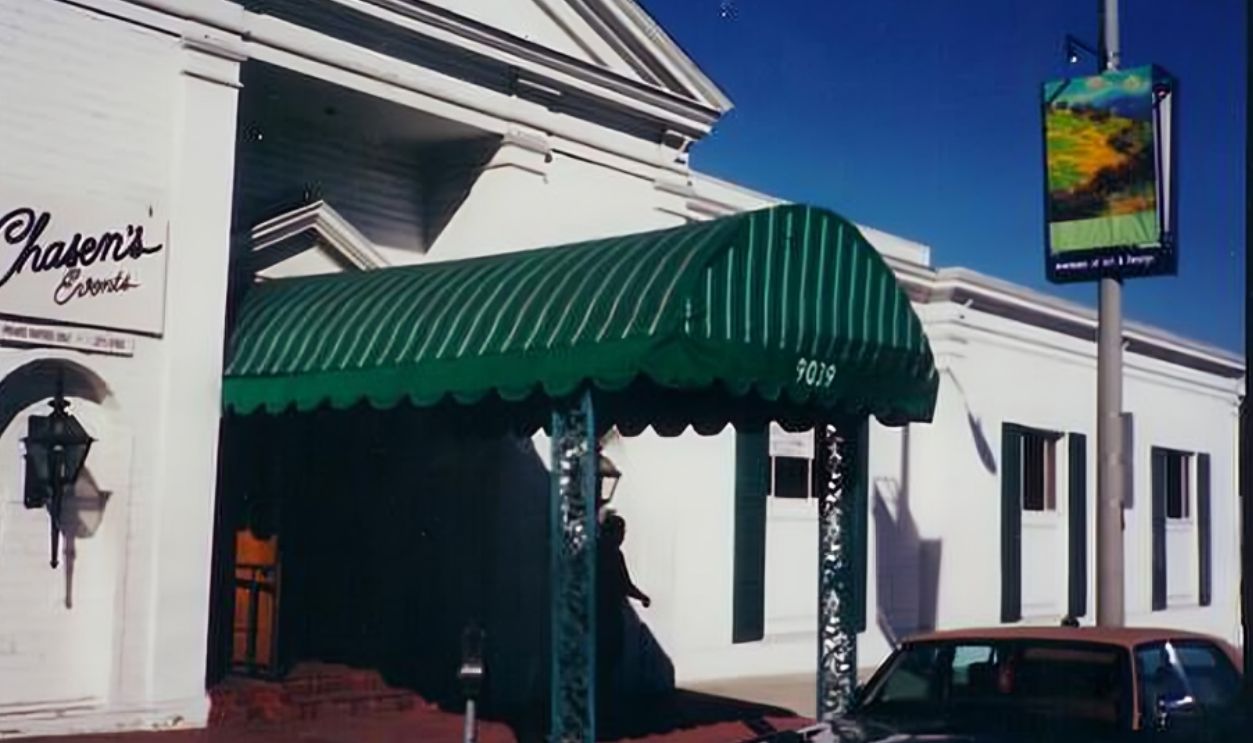
Washington’s Sholl’s Colonial Cafeteria fed government workers, tourists, and families who appreciated a straightforward meal. But straightforward meals still came with rent. High occupancy costs and a reported 35% drop in business after September 11 helped bring down the last location, which closed in December 2001.
Burger Chef
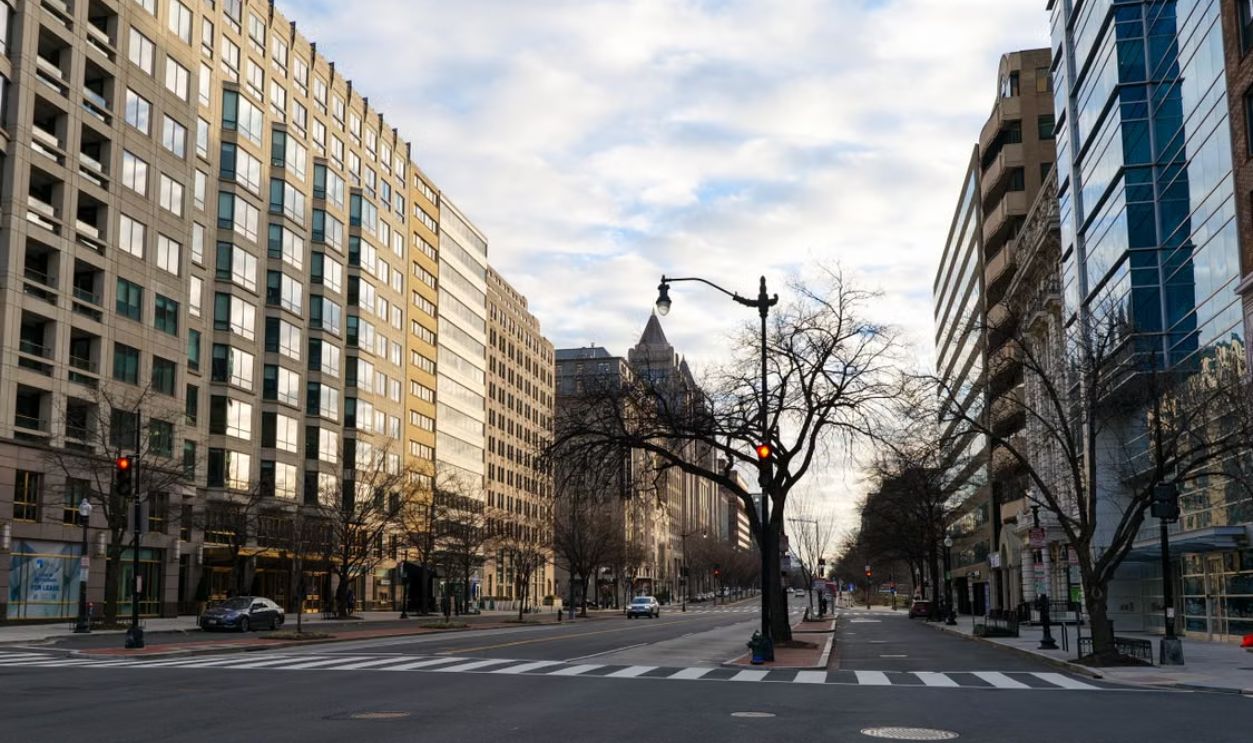
By the 90s, Burger Chef was a shadow of its former self. General Foods had sold the chain to Hardee’s owner in 1982, setting off years of conversions. Its final holdout in Cookeville, Tennessee, became Pleasers in 1996. The familiar name finally came off the last sign.
 John Margolies, Wikimedia Commons
Ernie’s
San Francisco’s Ernie’s offered red silk walls, formal service, and tableside crêpes Suzette. By 1995, owners Roland and Victor Gotti were ready for golf and travel, while dining tastes were changing. They closed that September. Sometimes the people running your favorite restaurant would like a little free time, too.
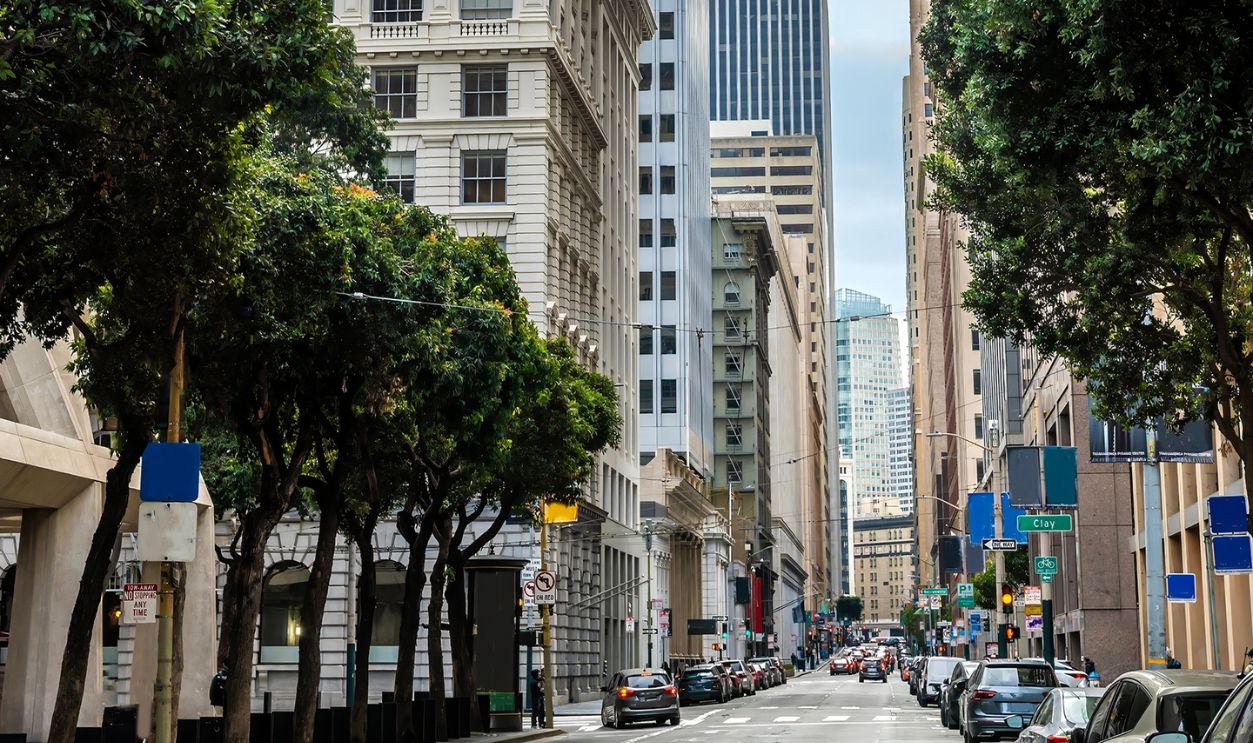
Chez Helene
New Orleans diners knew Chez Helene for Austin Leslie’s fried chicken and Creole cooking. Its connection to television’s Frank’s Place brought wider recognition, but fame couldn’t solve the restaurant’s local business problems. Neighborhood decline and unsuccessful expansion attempts took their toll. Chez Helene closed in the mid-90s.
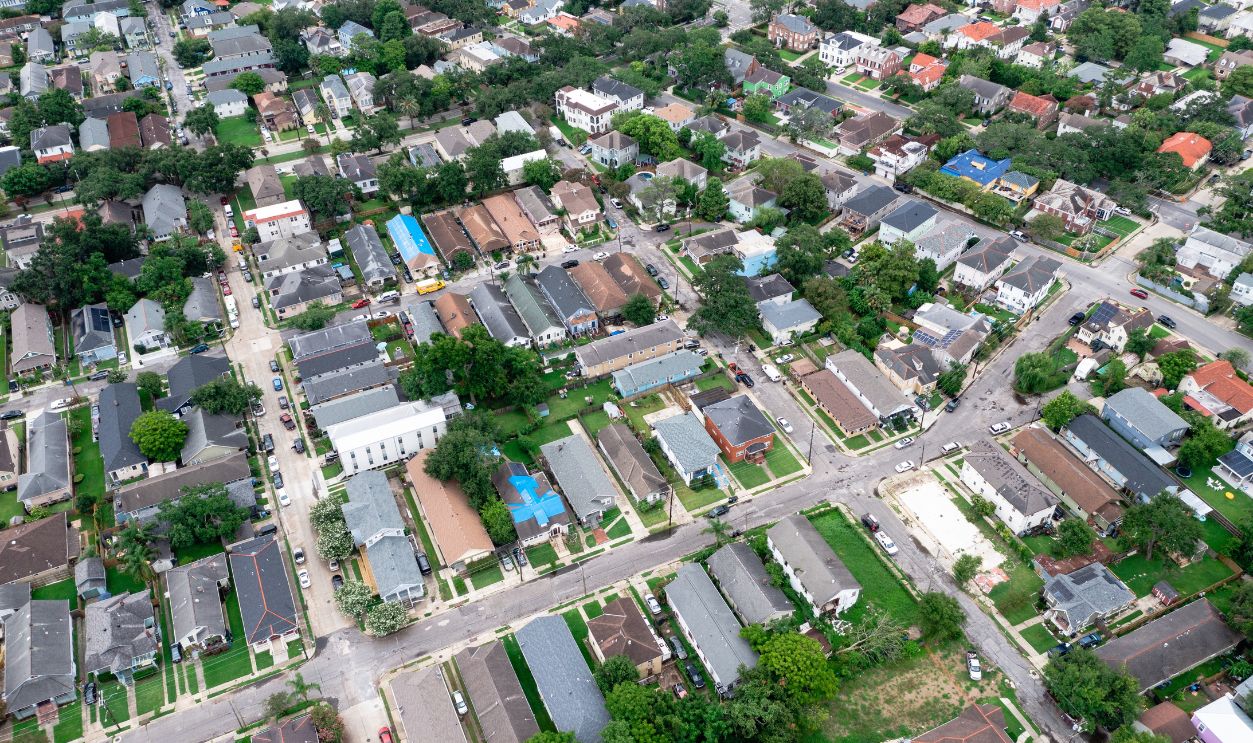
La Caravelle
New York’s La Caravelle was French dining for the occasion that deserved more than your usual reservation. Owners André and Rita Jammet closed it in 2004 as a costly lease renewal loomed. Their La Caravelle Champagne business continued, giving the name another life—and former diners something to toast with.
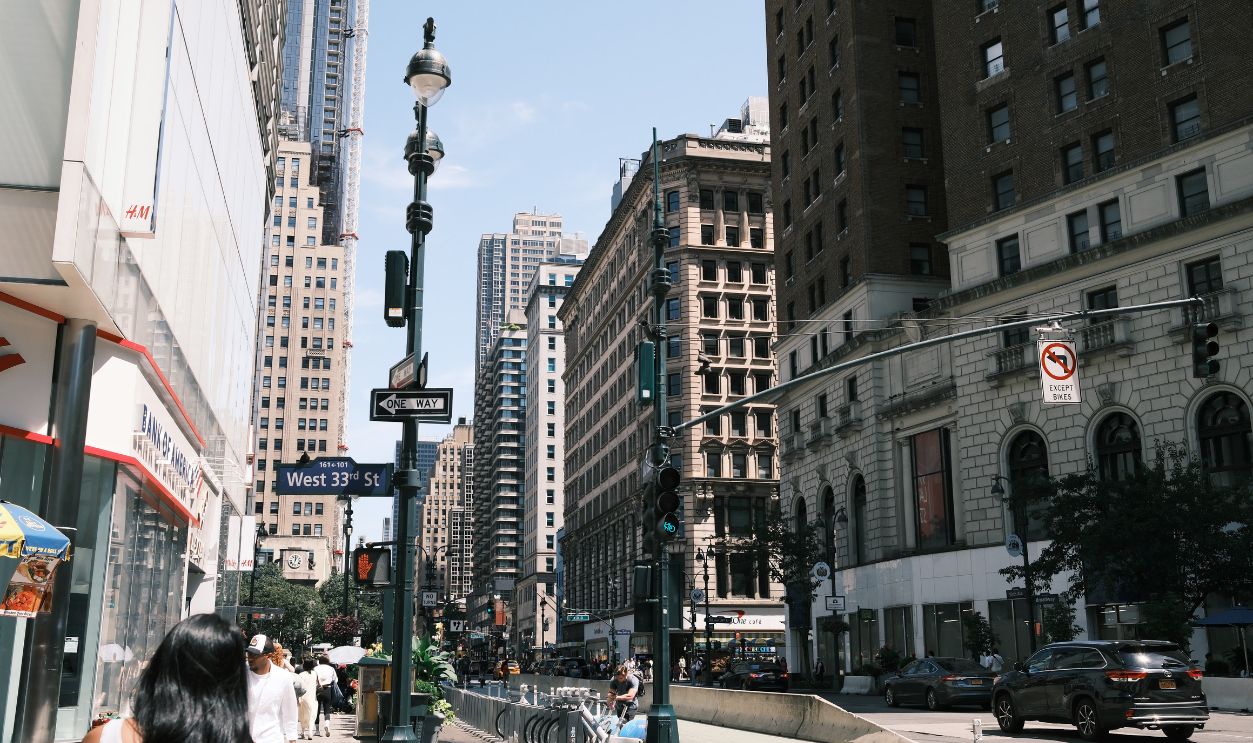
Gordon
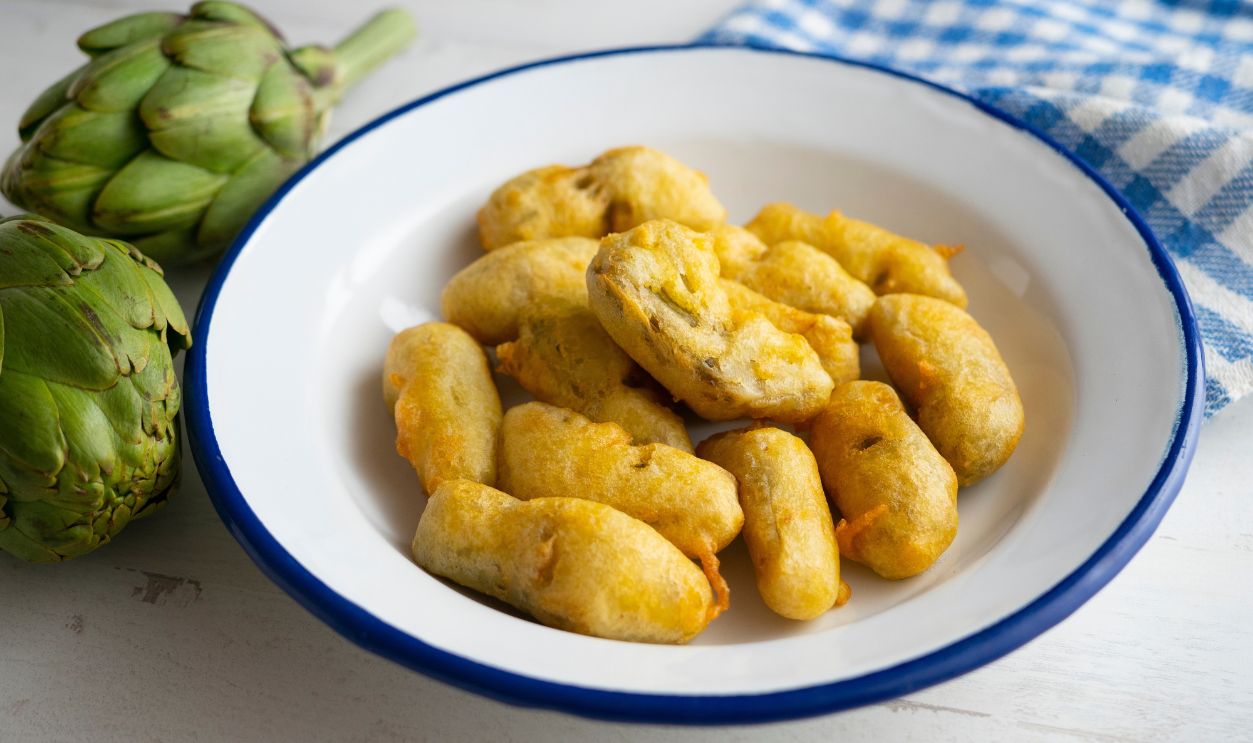
Chicago’s Gordon served artichoke fritters and flourless chocolate cake to diners who wanted an evening out in River North. Owner Gordon Sinclair closed the restaurant in 1999. Its former space became Naha in 2000, keeping the address in the dining business. Gordon’s chapter, however, was over.
The Quilted Giraffe
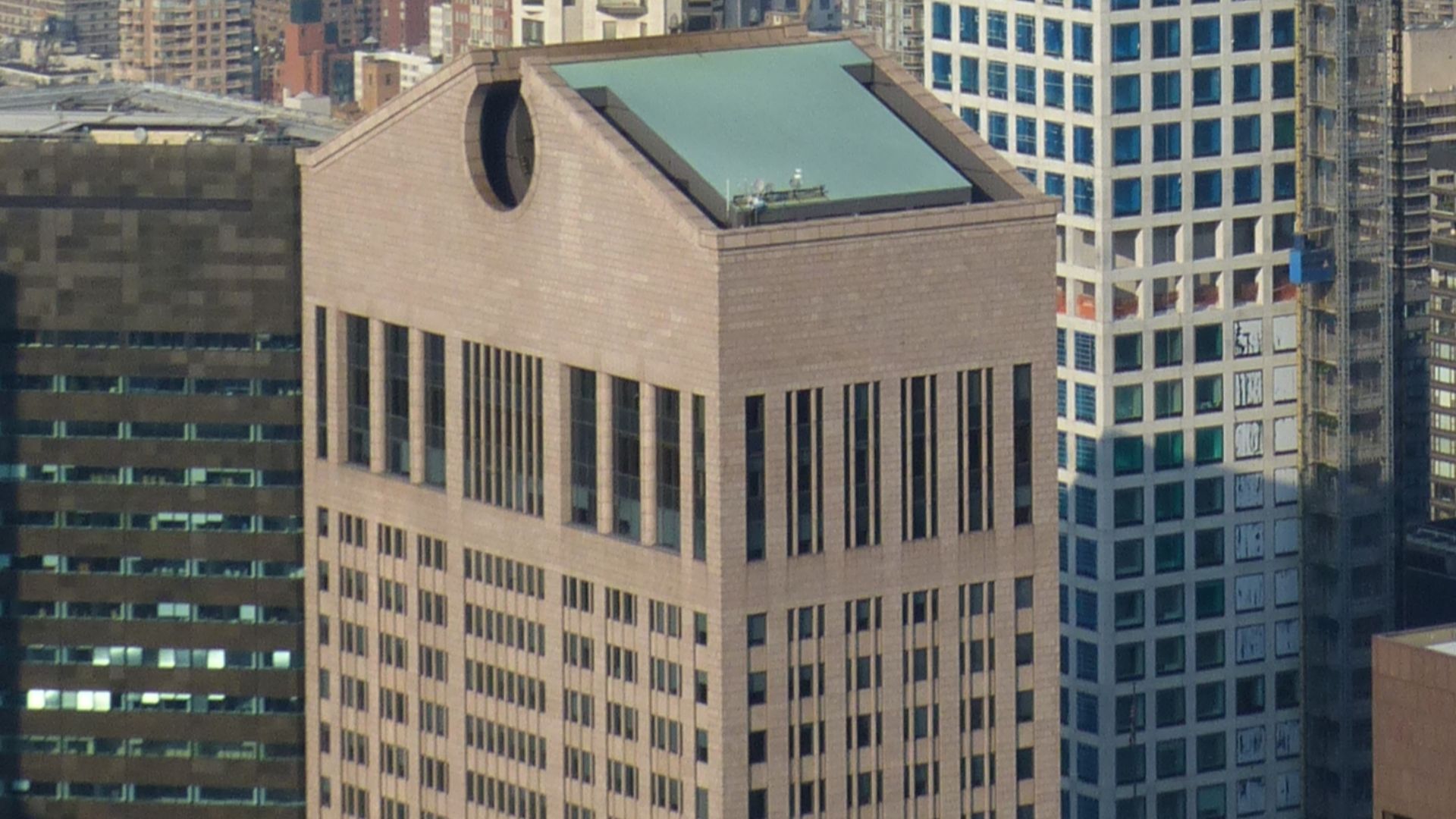
The Quilted Giraffe gave New York diners tiny caviar-filled crêpes called “beggars’ purses”—although this was hardly bargain dining. Its 90s run ended early, in 1992, when Sony bought out owners Barry and Susan Wine’s lease. Sometimes a restaurant’s final deal involves the real estate rather than the dinner menu.
Square One
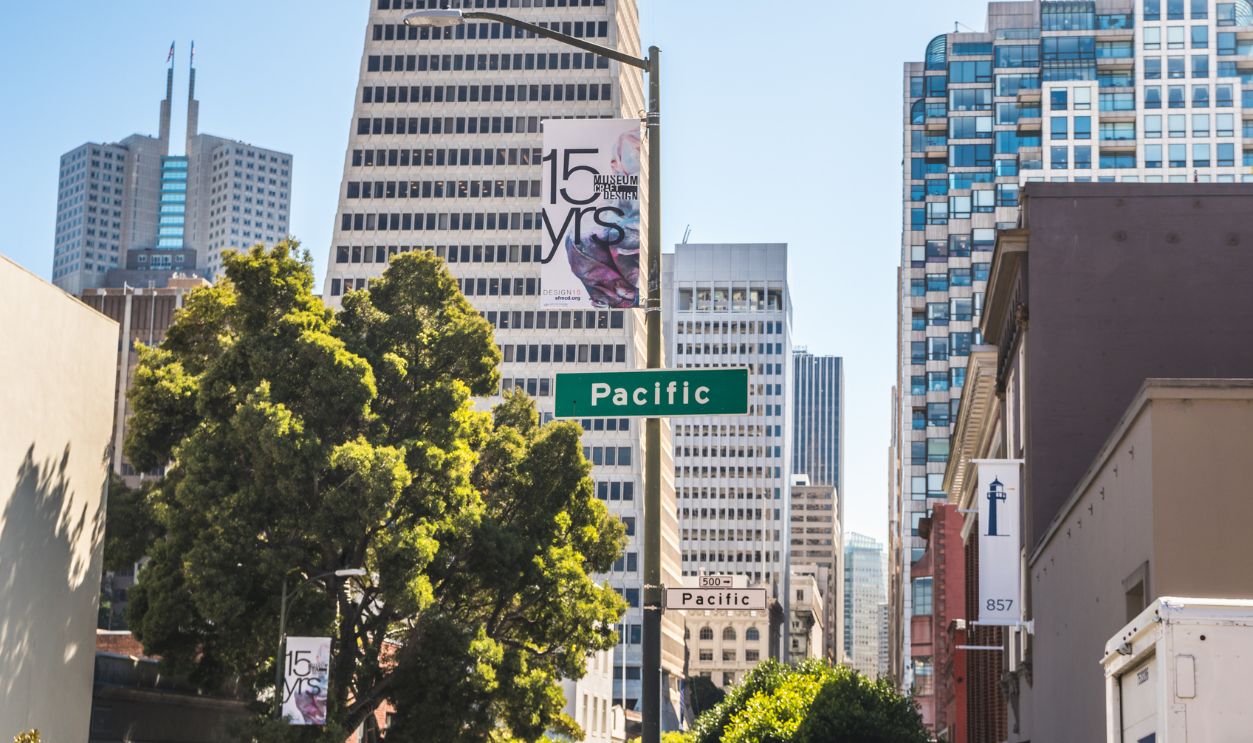
San Francisco’s Square One brought Mediterranean flavors to the table under chef-owner Joyce Goldstein. It was still successful when she closed it in 1996. After years of 15-hour workdays, she wanted time for writing, consulting, and family. A full dining room wasn’t enough reason to keep working those hours forever.
 Ioana Catalina E, Shutterstock
La Côte Basque
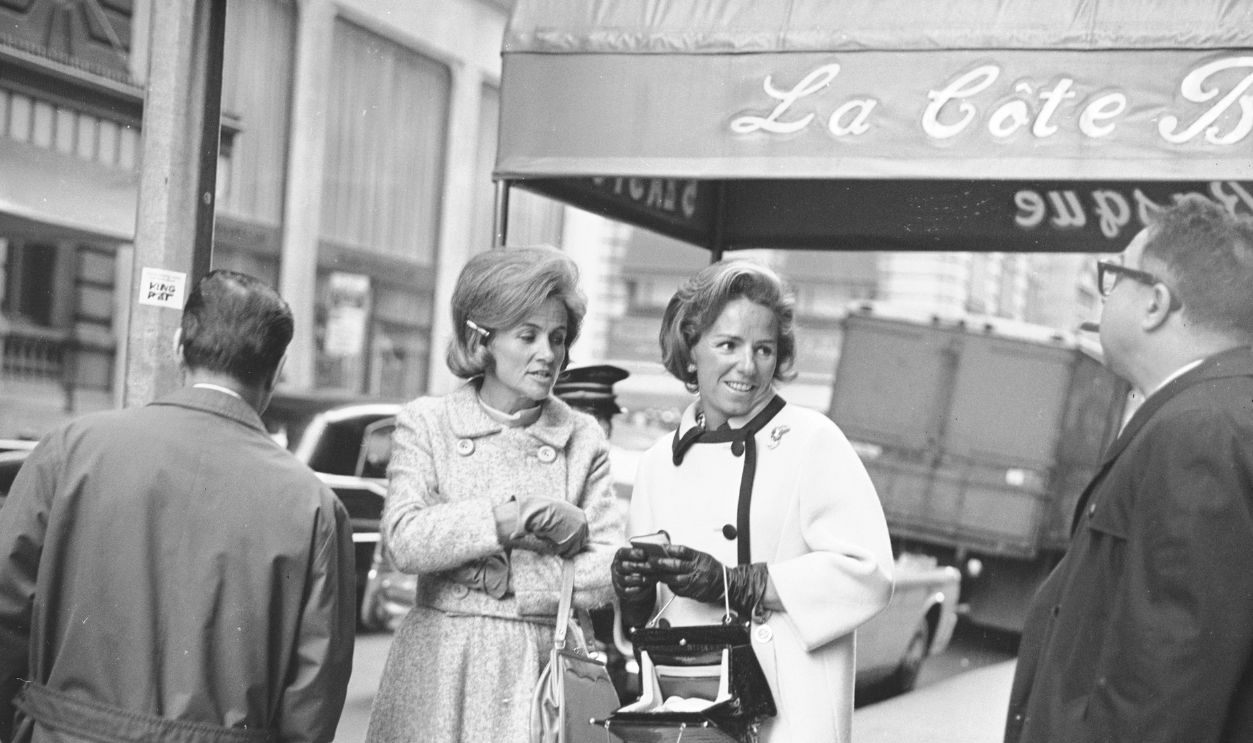
La Côte Basque was the sort of New York restaurant where flowers and table linens were serious expenses: reportedly more than $5,000 a week combined in 2003. Owner Jean-Jacques Rachou closed it in 2004 and replaced it with a less formal brasserie. Even elegance had a weekly bill to pay.
Which One Would Get Your Money First?
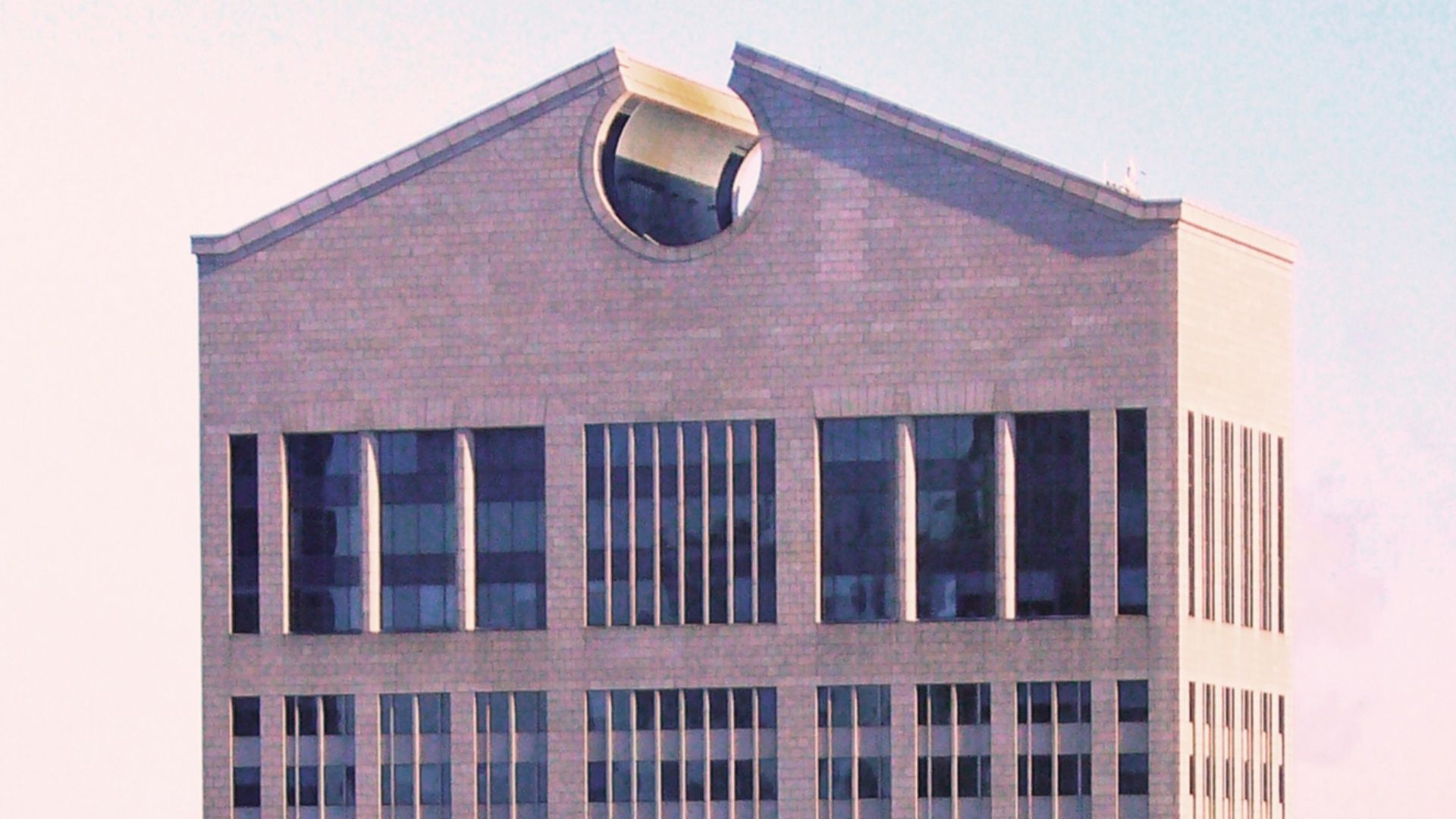
Forget the financial statements for a minute. If you could bring back one restaurant exactly as you remember it in the 90s, which would get your money first? The chocolate cake? The olive burgers? Or would you climb aboard Spielberg’s submarine and give that dinner another chance?
 David Shankbone; cropped by Beyond My Ken (talk) 13:28, 30 January 2011 (UTC), Wikimedia Commons
You Might Also Like:
Fast-Food Menu Items From The 1970s That Seemed Expensive Then But Would Shock Shoppers Now
Common New Restaurant Fees That Make Your Final Bill Look Nothing Like The Menu Price