
The Check Now Comes With Plot Twists
You ordered a $20 entrée, skipped dessert, and felt wonderfully responsible. Then the bill arrived looking as though several invisible guests had joined the table. Here are 25 charges diners increasingly encounter, and what each one actually means.
Fee rules vary by state and city. Some jurisdictions require prominent disclosure or all-in pricing, while others permit separately listed fees when properly disclosed. Government taxes are not included in this list.

General Service Charge
A restaurant may add a mandatory percentage labeled simply as a service charge. Unlike a voluntary tip, the restaurant generally controls how this money is used, so diners should not assume it goes directly to their server.

Automatic Gratuity
Automatic gratuities commonly appear on checks for large parties, private events, or particular dining formats. Although the name suggests a tip, the IRS generally treats a compulsory automatic gratuity as a service charge rather than a voluntary tip.
 Monkey Business Images, Shutterstock
Employee Health And Wellness Surcharge
This percentage or flat charge is described as supporting employee health insurance, paid leave, or wellness benefits. Whether it replaces any portion of the expected tip depends on the restaurant’s policy, which should be explained before customers order.

Living-Wage Surcharge
Some restaurants add a living-wage or fair-wage fee to help cover higher base compensation. It may support the entire staff rather than being distributed like a traditional server tip, making the restaurant’s written explanation especially important.

Kitchen Appreciation Fee
A kitchen appreciation fee is generally intended to support cooks, dishwashers, and other back-of-house workers who do not traditionally receive tips. Diners should check whether the restaurant distributes the fee to workers or retains it for broader labor expenses.
Restaurant Recovery Fee
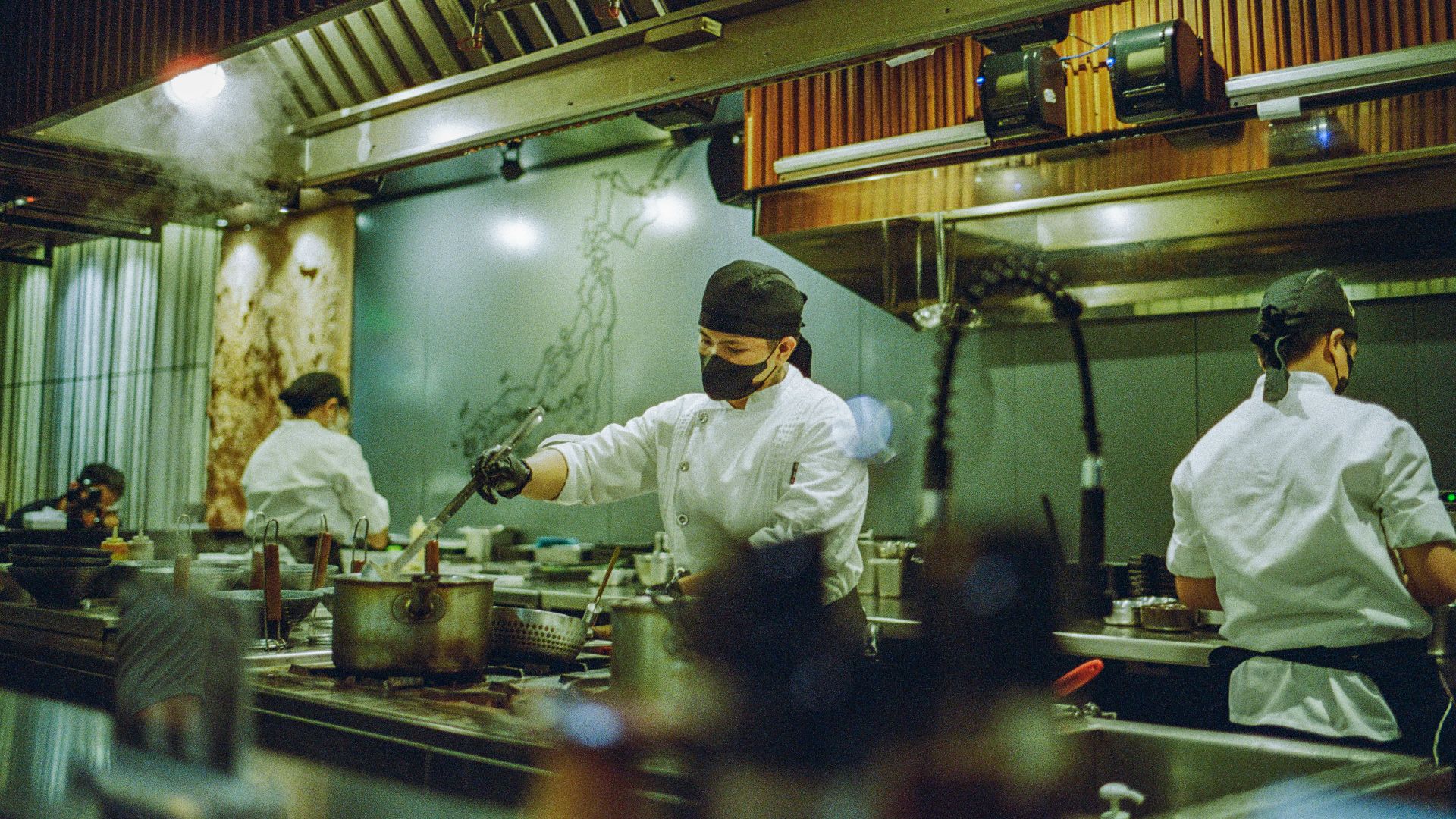
Originally associated with pandemic-era financial pressure, restaurant recovery fees have survived at some establishments. The label can be vague, covering anything from rent and supplies to labor costs, so customers should look for a clear explanation.

Inflation Surcharge
An inflation surcharge allows a restaurant to raise the final price without changing every menu listing. Restaurants may describe it as temporary, but diners should never assume the charge will disappear once ingredient or energy costs stabilize.

Credit-Card Surcharge
Some restaurants add a percentage when customers pay with a credit card. Card-network requirements and state laws can limit or regulate these surcharges, and diners should be informed before paying rather than discovering the charge after the card is processed.

Online Ordering Fee
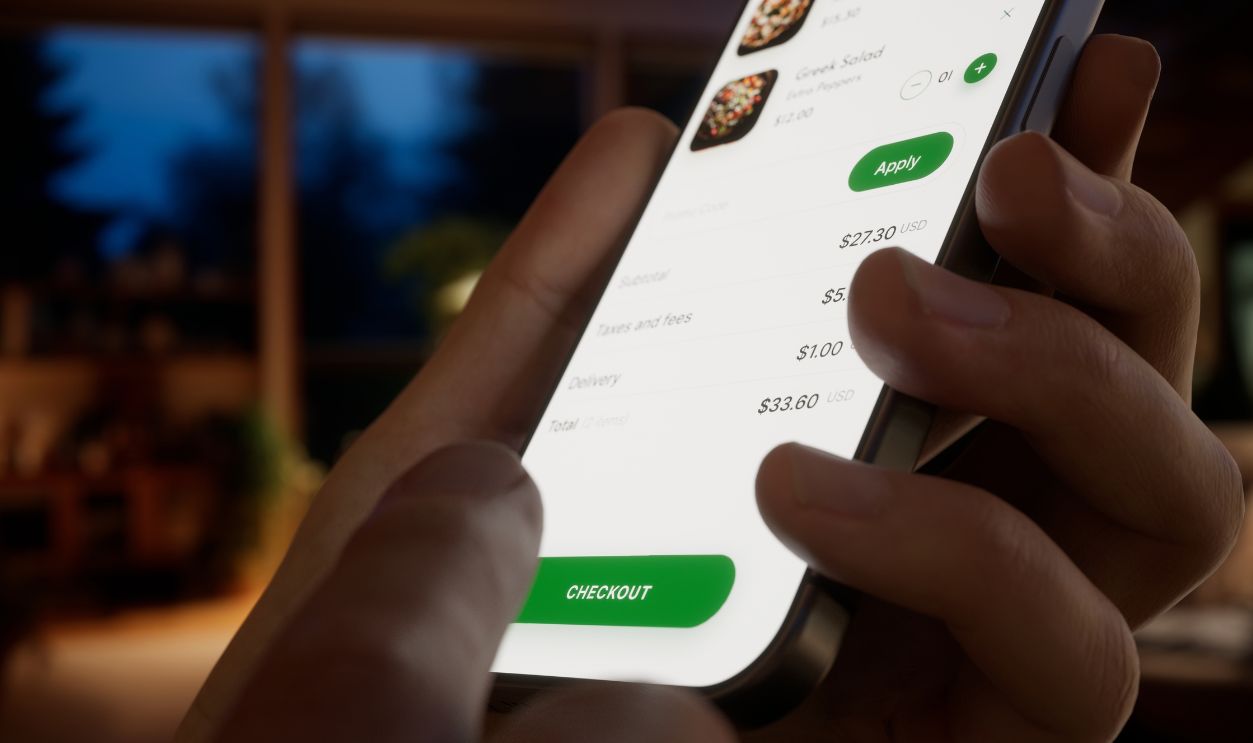
Ordering directly through a restaurant’s website does not always avoid an added digital fee. The charge may cover ordering software, payment processing, or technology costs, even when the customer collects the meal without receiving delivery.
Reservation Booking Fee
Some restaurants charge a nonrefundable amount simply to secure a table, particularly for popular seatings or special events. Unlike a deposit, a true booking fee may not be credited toward the meal, so customers should read the terms carefully.

Late Cancellation Fee
Canceling after the restaurant’s stated deadline can trigger a per-person or per-table charge. The policy should appear during booking, and customers should save the confirmation in case the restaurant applies a fee despite receiving timely notice.

No-Show Fee
A no-show fee applies when the party never arrives and does not cancel according to the restaurant’s policy. It is different from a late cancellation charge because the restaurant receives no warning that the reserved table will remain empty.

Restaurant Delivery Fee
A restaurant may charge its own delivery fee to cover drivers, vehicles, insurance, or delivery operations. The fee is not automatically a driver tip, even when the wording makes it sound as though the money follows the food.

Third-Party Platform Service Fee
Delivery marketplaces frequently add a service fee separate from the restaurant’s prices and delivery charge. It generally supports the platform itself, so customers may still see additional charges for delivery, small orders, distance, and a driver tip.
Small-Order Fee
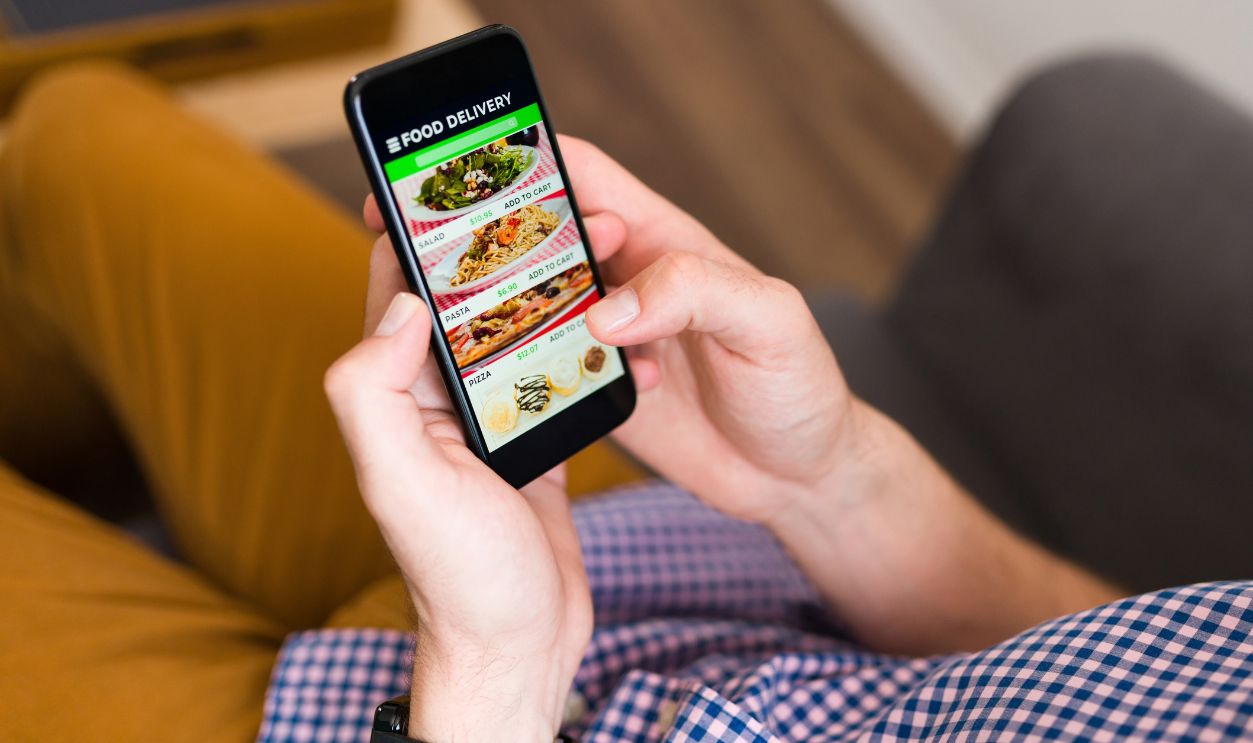
Customers who order below a stated dollar threshold may face a small-order fee. Adding one inexpensive item can sometimes eliminate it, but only if the extra food costs less than the fee and does not trigger another mysterious charge.

Extended-Range Delivery Fee
A customer located farther from the restaurant may pay an expanded-range or distance fee. This charge is separate from the ordinary delivery fee and can appear only after the customer enters a complete delivery address.

Peak-Time Delivery Fee
Some delivery services raise charges during busy dinner periods, bad weather, holidays, or driver shortages. The added amount may be described as a busy-area or demand fee, and it can change before the order is completed.

Takeout Service Fee
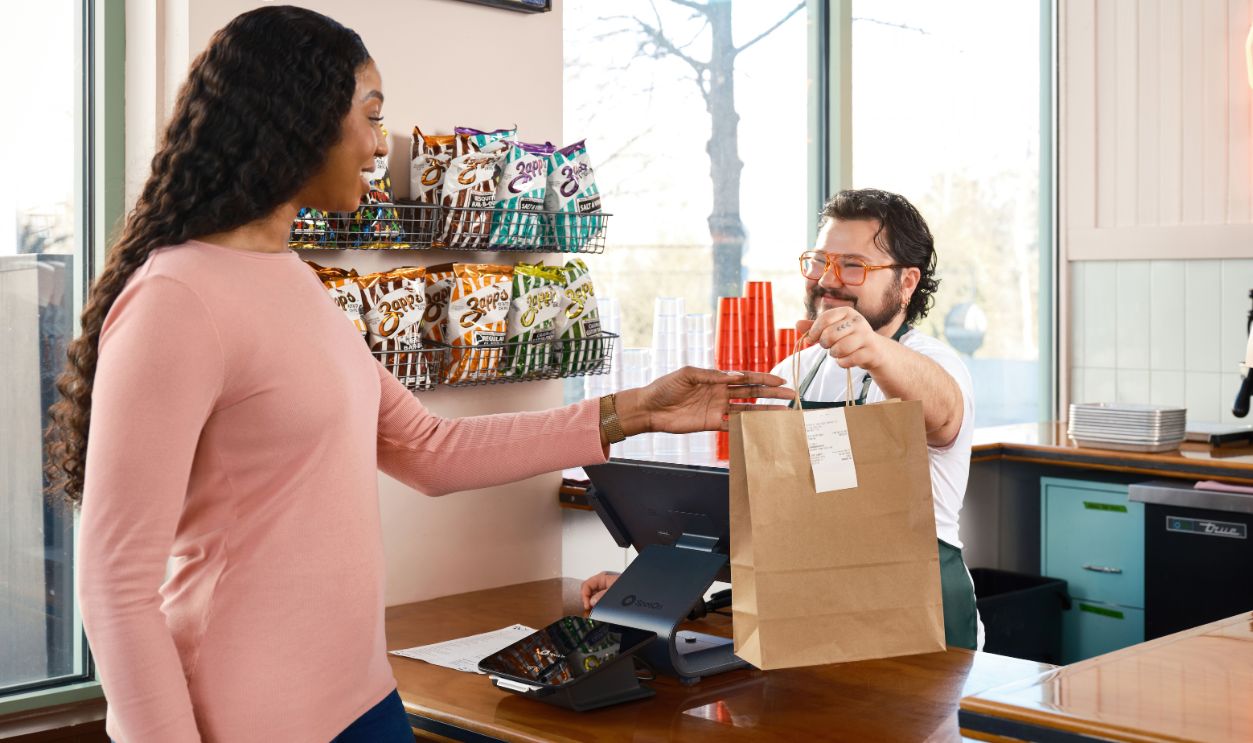
A restaurant may apply a flat amount or percentage to food ordered for pickup. This fee can cover the additional labor involved in assembling, checking, organizing, and handing off meals rather than serving them at a table.
Packaging And Container Fee
Some restaurants separately charge for clamshell boxes, beverage carriers, compostable containers, or other packaging. The fee may apply to takeout orders, delivery orders, or leftovers requested after a dine-in meal.

Disposable Bag Fee
A bag charge may come from local law, restaurant policy, or both. It is separate from packaging fees and may apply to paper, plastic, reusable, or regulated takeout bags depending on the jurisdiction and material used.

Split-Plate Fee
Two diners sharing one entrée may be charged for an additional plate, divided sides, or extra preparation. Restaurants often justify the fee through labor and table costs, but it should be disclosed before the kitchen splits the order.

Corkage Fee
Bringing an outside bottle of wine can trigger a corkage fee covering opening, glassware, and service. Amounts vary enormously, and some restaurants limit outside bottles or waive the fee when the table also purchases wine from the restaurant.

Cake-Cutting Fee
A restaurant may charge per person or per cake when guests bring an outside dessert. The fee typically covers refrigeration, plates, utensils, cutting, serving, and cleanup, even if the birthday guest does most of the ceremonial work.
 Nataliya Schmidt, Shutterstock
Substitution Or Modification Fee
Changing a side dish, adding extra ingredients, removing components, or requesting off-menu preparation can produce a customization charge. Some fees reflect genuine ingredient costs, while others cover the additional kitchen time required to alter the standard dish.

Entertainment Or Cover Charge
Restaurants offering live music, comedy, dancing, or special performances may add a cover charge to the check. This is separate from food, drinks, service charges, and tips, meaning one enjoyable evening can accumulate several percentages remarkably quickly.

The safest habit is to inspect the menu, reservation terms, and ordering screen before committing. If a mandatory fee was never disclosed, ask a manager for an explanation and keep the receipt. Depending on local law, a consumer-protection complaint may also be appropriate.

You May Also Like:
Workplace Habits Americans Think Are Normal—But The Rest Of The World Finds Bizarre
Financial Rights Most Americans Don’t Know They Have—And It’s Costing Them Money
These Strange Financial Rules Are Affecting Your Money—And You Don’t Even Know It