
Workplace Habits Americans Think Are Normal—But The Rest Of The World Finds Bizarre
Work culture in the US has its own rhythm—fast-paced, ambitious, and sometimes a little intense. But step outside the country, and some of these “totally normal” habits suddenly seem… a bit strange. What feels routine in America can feel surprising—or even confusing—elsewhere.

#25. Answering Emails After Hours
Americans often respond to emails late at night or on weekends without thinking twice. In many other countries, this would be seen as crossing a boundary, as workers are encouraged to fully disconnect after hours.

#24. Only Taking a Few Vacation Days
Many Americans don’t use all their vacation time, even when it’s available to them. In countries across Europe, taking your full vacation is expected and even seen as essential for maintaining health and productivity.

#23. “Living to Work” Mentality
Work is often a major part of identity in the US, with people frequently defining themselves by their careers. In other cultures, work is just one part of life, and personal time is often valued more highly.

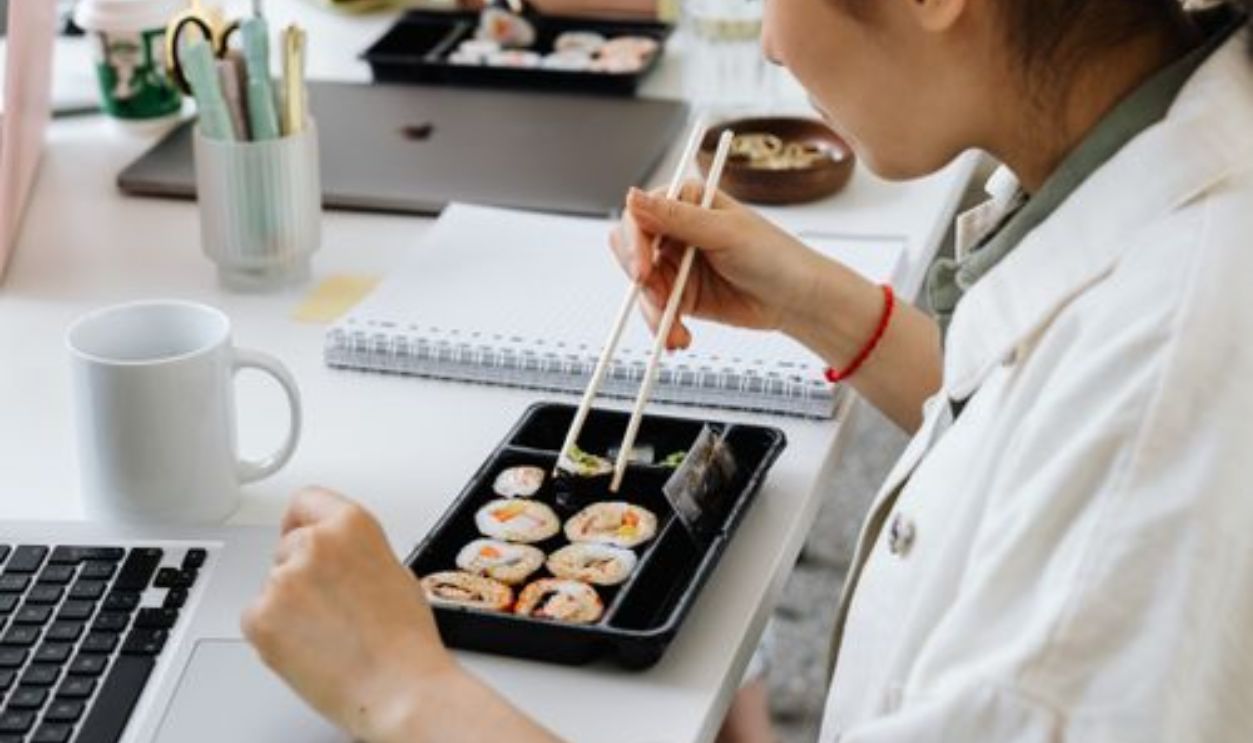
#22. Eating Lunch at Your Desk
Grabbing a quick bite while continuing to work is extremely common in American offices. In many countries, lunch is treated as a real break, giving employees time to relax, socialize, and step away from their responsibilities.
#21. Limited Parental Leave
Parental leave policies in the US are relatively short compared to other developed nations. In many countries, extended paid leave is standard, allowing parents more time to adjust and spend with their children.

#20. Calling Your Boss by Their First Name
In the US, it’s completely normal to address managers casually using their first names. In other cultures, this level of familiarity can feel unusual, as formal titles are often used to show respect.

#19. Always Being “On”
There’s often an expectation in American workplaces to be reachable at all times. In other parts of the world, employees are encouraged to set clear boundaries and fully disconnect once the workday ends.

#18. Competitive Work Environments
American workplaces often emphasize individual performance and competition between employees. In contrast, many countries focus more on teamwork and collaboration, creating a less intense work atmosphere.

#17. Celebrating Overwork
Working long hours is sometimes seen as a sign of dedication in the US However, in many countries, consistently working excessive hours is viewed as unhealthy and even counterproductive.

#16. Small Talk About Work Constantly
In the US, conversations often revolve around work, even in casual settings. In other cultures, people are more likely to focus on personal interests, hobbies, or family life when socializing.

#15. Minimal Sick Days
Some Americans go to work even when they’re not feeling well, prioritizing productivity over rest. In many countries, staying home to recover is encouraged to protect both the individual and their coworkers.

#14. Job-Hopping Frequently
Changing jobs every few years is fairly common in the US, especially for career growth. In other parts of the world, longer job tenures are more common and often seen as a sign of stability.

#13. Hustle Culture
Side gigs and constant productivity are widely encouraged in American culture. In many other countries, free time is valued as an important part of life and not something that needs to be monetized.

#12. Open Office Layouts
Open office spaces are common in the US, even though many employees find them distracting. In other countries, more private or quiet workspaces are often preferred to improve focus.
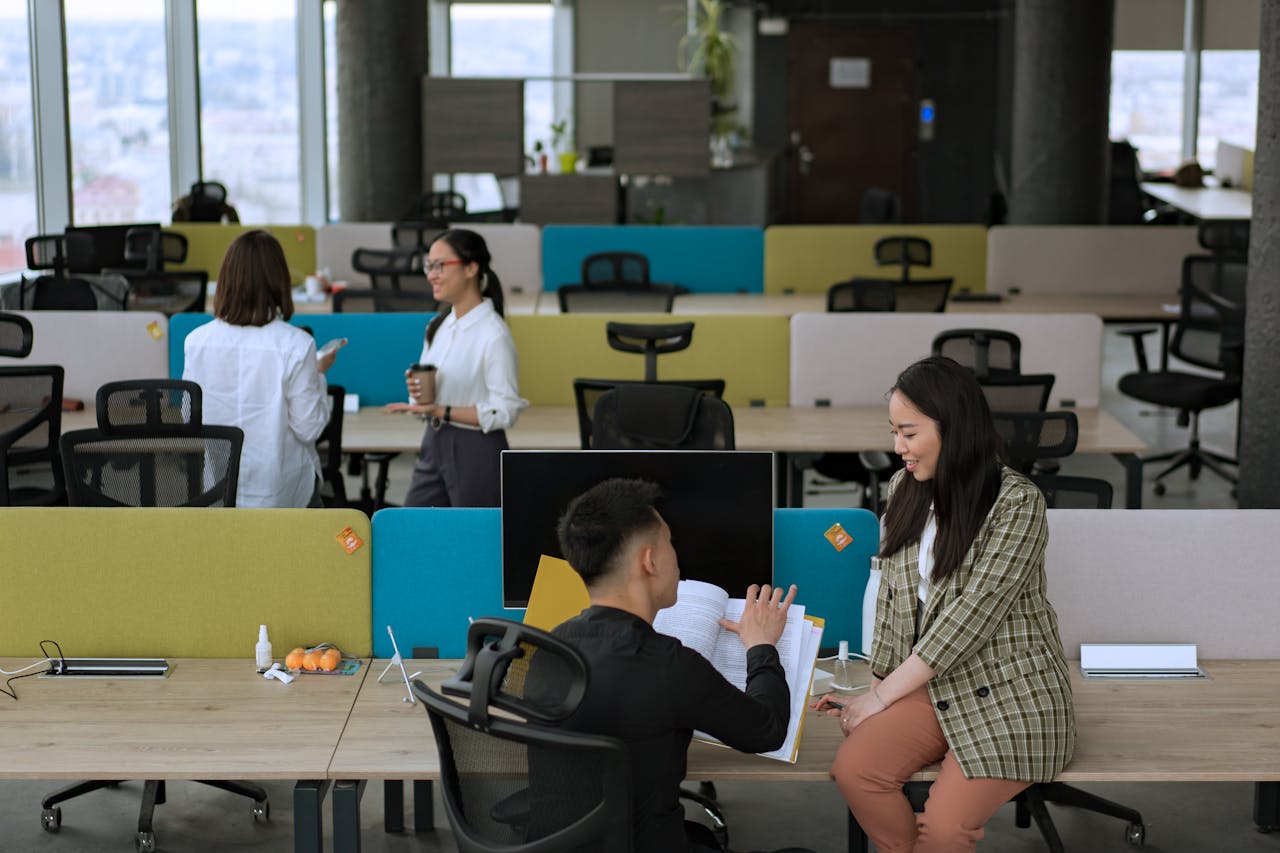
#11. Performance Reviews That Feel Intense
Formal performance reviews in the US can be detailed and frequent, often tied to raises and promotions. In some cultures, feedback is delivered more casually and less formally.
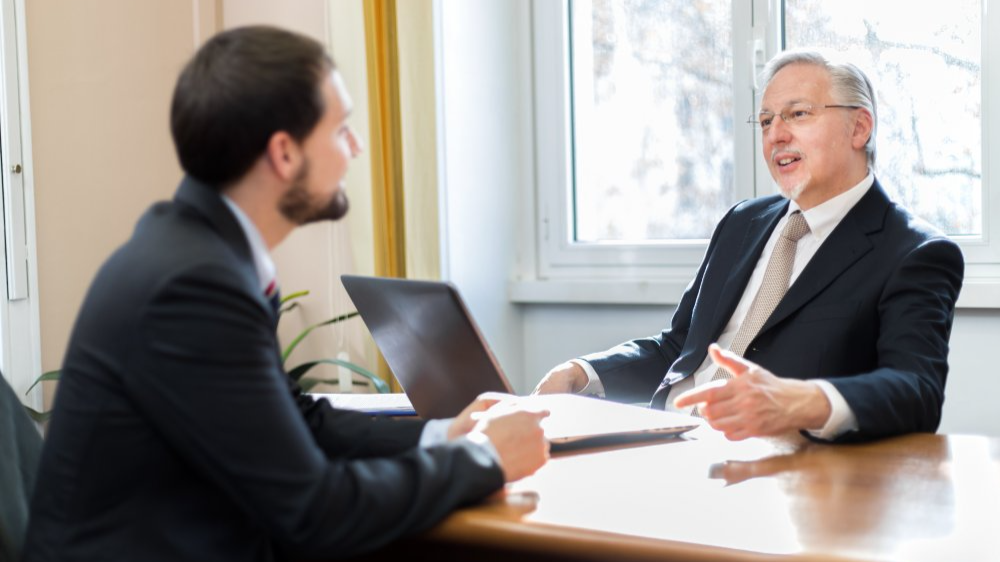
#10. Networking at All Costs
Networking is often treated as a key part of career success in the US. In other countries, professional relationships tend to develop more naturally over time without as much structured effort.

#9. Working Through Vacation
Many Americans check emails or take calls even while on vacation. In other countries, vacations are treated as true time off, and working during them is strongly discouraged.

#8. Early Morning Meetings
Starting meetings early in the day is common in many American workplaces. In other countries, workdays may start later and feel less rushed, allowing for a more relaxed pace.
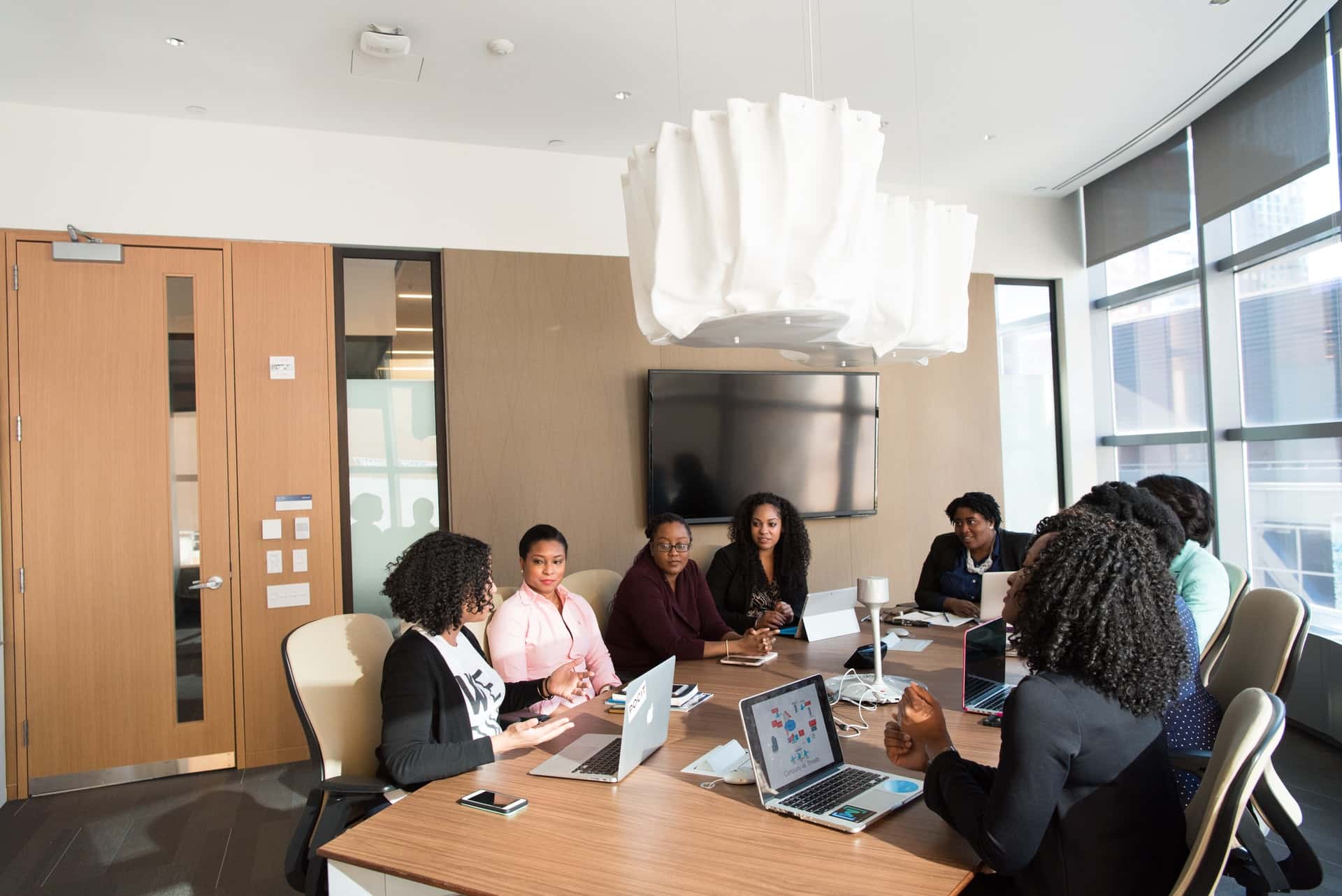
#7. Constant Goal-Setting
Setting and tracking goals is a major part of American work culture. In other places, this level of structure can feel excessive, with more emphasis placed on overall performance rather than constant metrics.

#6. Turning Hobbies Into Side Hustles
Americans often look for ways to turn hobbies into income streams. In many cultures, hobbies are meant to be enjoyed purely for relaxation and personal fulfillment.

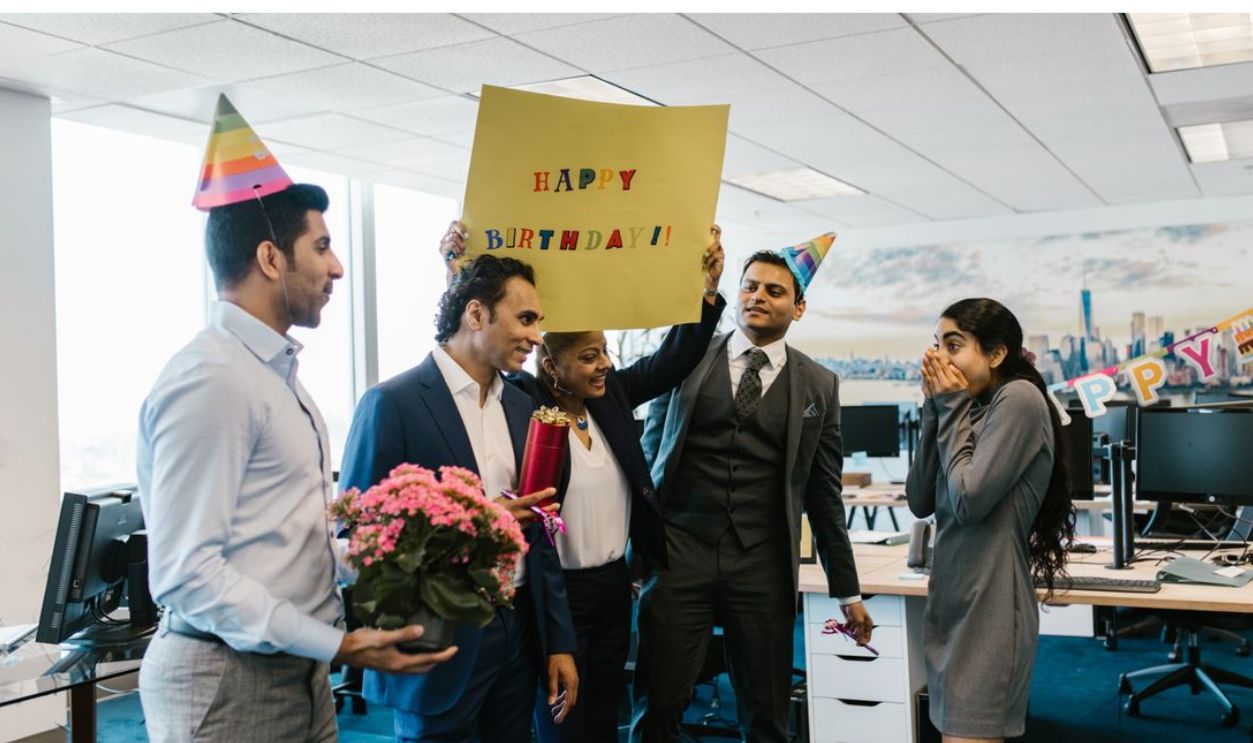
#5. Office Birthday Celebrations
Celebrating birthdays at work with cake or small gatherings is common in the US. In some countries, personal milestones are kept more private and celebrated outside of work.
#4. Talking About Promotions Openly
In American workplaces, discussing promotions and career advancement is fairly common. In other cultures, these topics are handled more quietly and may not be openly discussed.

#3. Long Commutes as Normal
Many Americans accept long commutes as a normal part of working life. In other countries, shorter commutes are often prioritized to improve overall quality of life.

#2. Prioritizing Work Over Breaks
Skipping breaks to stay productive is often encouraged in US workplaces. In many countries, breaks are considered essential and are built into the workday to maintain energy and focus.

#1. Measuring Success by Work Output
In the US, success is often defined by productivity and measurable output. In other parts of the world, success is more closely tied to balance, well-being, and overall life satisfaction.

Why It Feels So Different
American work culture is built around ambition, efficiency, and constant progress. But globally, many countries place a stronger emphasis on balance, boundaries, and quality of life—which makes these habits stand out even more.

You May Also Like: