Remember When Pizza Night Was A Big Deal?
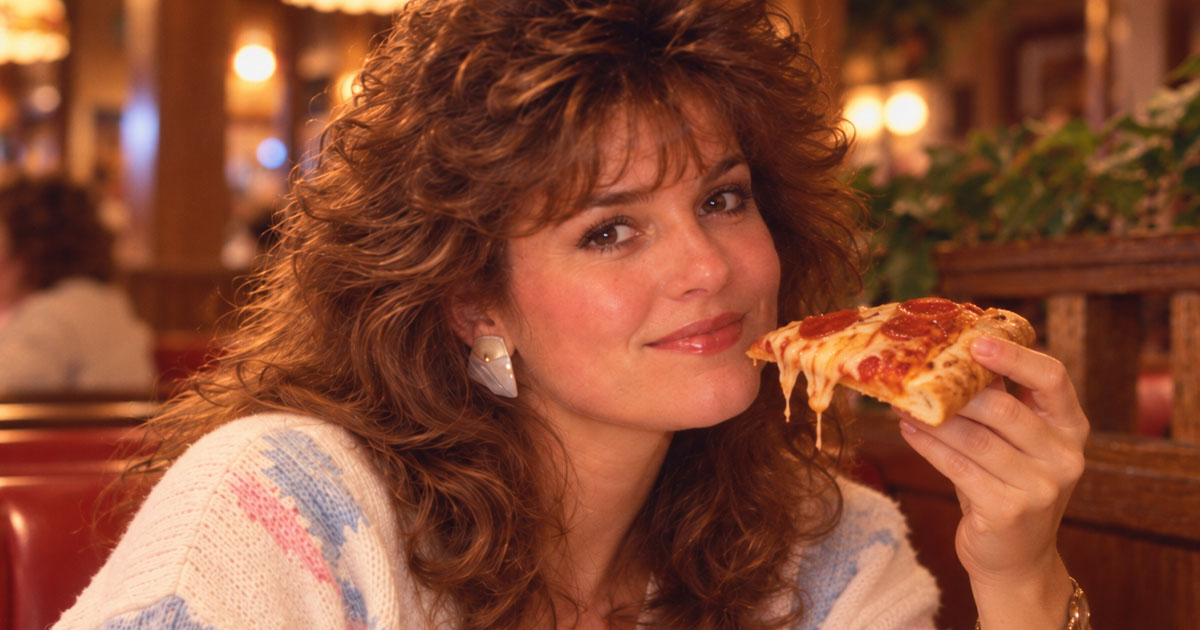
Remember when pizza night meant red plastic cups, arcade games, checkered tablecloths, and fighting your siblings for the last slice? Back in the 1980s, taking the whole family out for pizza was an affordable treat that usually didn't put much of a dent in the household budget. But rising costs, fierce competition, and changing customer habits eventually pushed many beloved pizza chains out of business. Others are barely hanging on.
How many of these once-popular pizza places do you remember?
#25. Blackjack Pizza
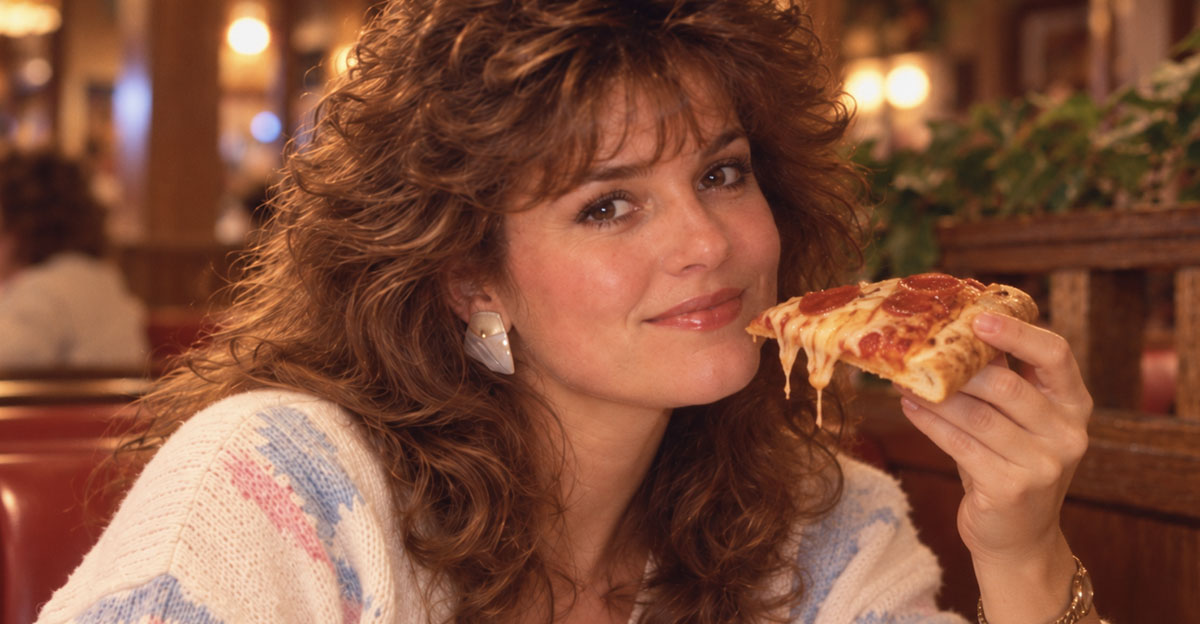
Blackjack Pizza began in Federal Heights, Colorado, in 1983, offering an alternative to the rapidly expanding national delivery chains. It became especially familiar to families around Colorado, serving straightforward pizzas without requiring an expensive family outing. The company still operates, but its relatively small regional footprint means plenty of Americans have never encountered one. For longtime customers, though, Blackjack brings back memories of simpler pizza nights.
#24. Bertucci's Brick Oven Pizza
Bertucci's opened in Somerville, Massachusetts, in 1981, offering brick-oven pizzas when most Americans were accustomed to more conventional chain-style pies. Its open kitchens, distinctive crusts, and family-friendly Italian dining helped it grow into a recognizable Northeastern chain. Expansion eventually brought financial difficulties, bankruptcies, and restaurant closures. Today, finding one is considerably harder than during its more successful years.
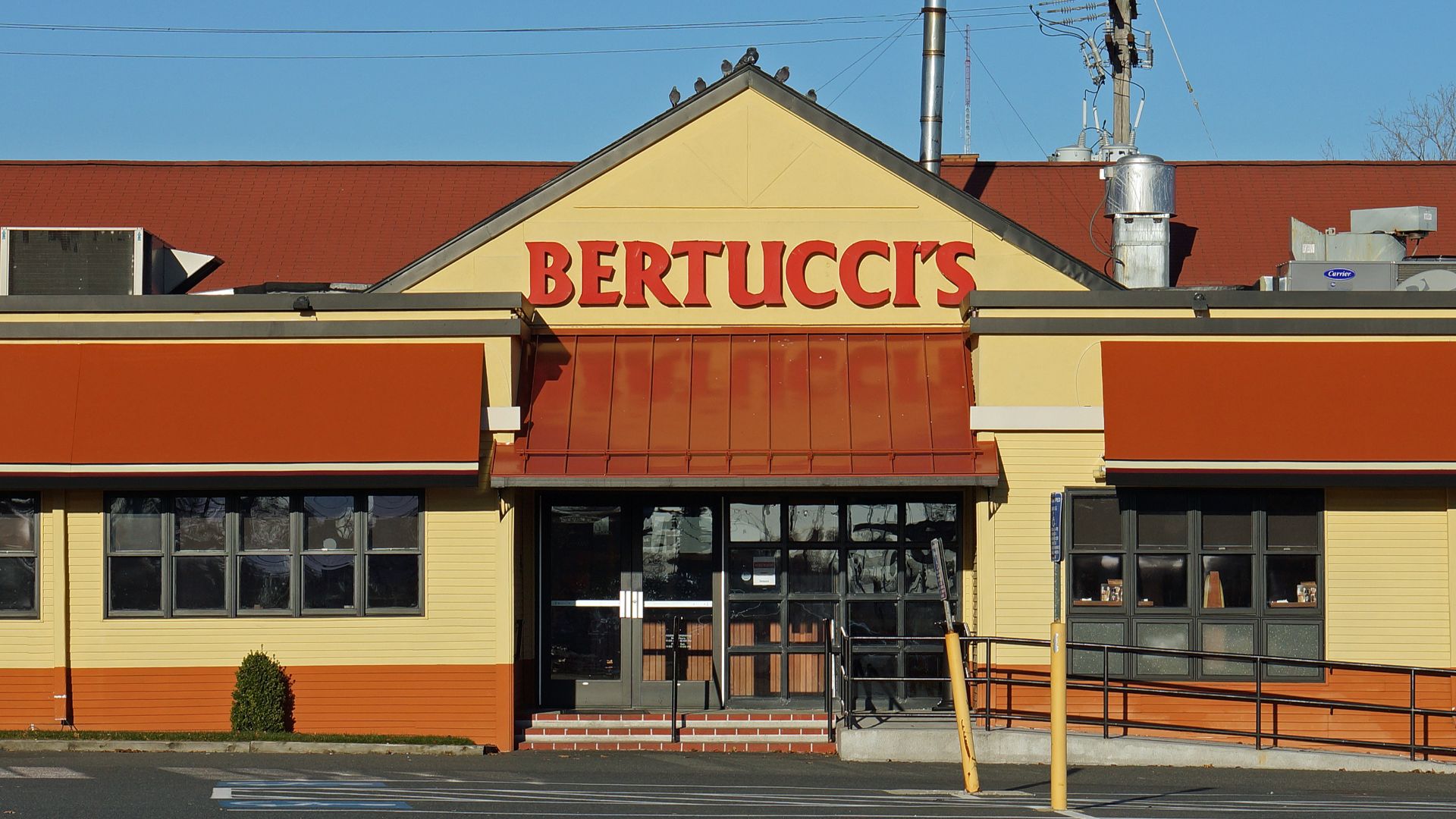 Anthony92931, Wikimedia Commons
#23. Pizza Factory
Pizza Factory traces its beginnings to Oakhurst, California, in 1979. Its small-town restaurants became gathering places for families, sports teams, and students throughout parts of the western United States. The chain still survives, especially in California and neighboring states, but it remains a regional name rather than a nationwide fixture. For some families, Pizza Factory was where every victorious Little League team went to celebrate.
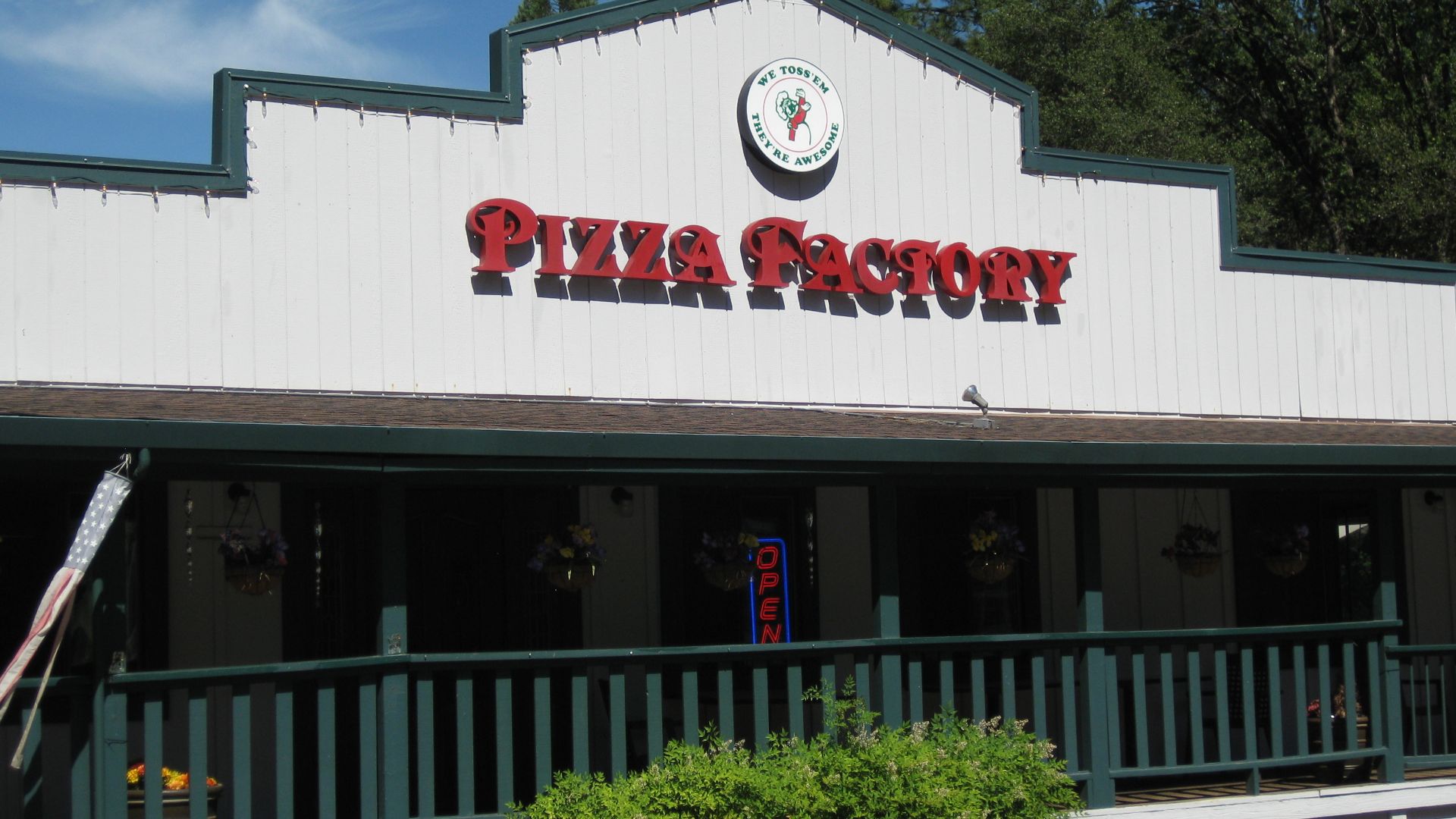 Kevin Schultz from Citrus Heights, CA, USA, Wikimedia Commons
#22. Sir Pizza
Sir Pizza began in the late 1950s and developed a loyal following in parts of the eastern and southeastern United States. Its distinctive small-cut slices and tavern-style pizza made it memorable to customers who grew up near one. The brand survives through regional operations, but finding a Sir Pizza outside its traditional markets is difficult. Some childhood pizza loyalties apparently last longer than the restaurants themselves.
#21. Village Inn Pizza
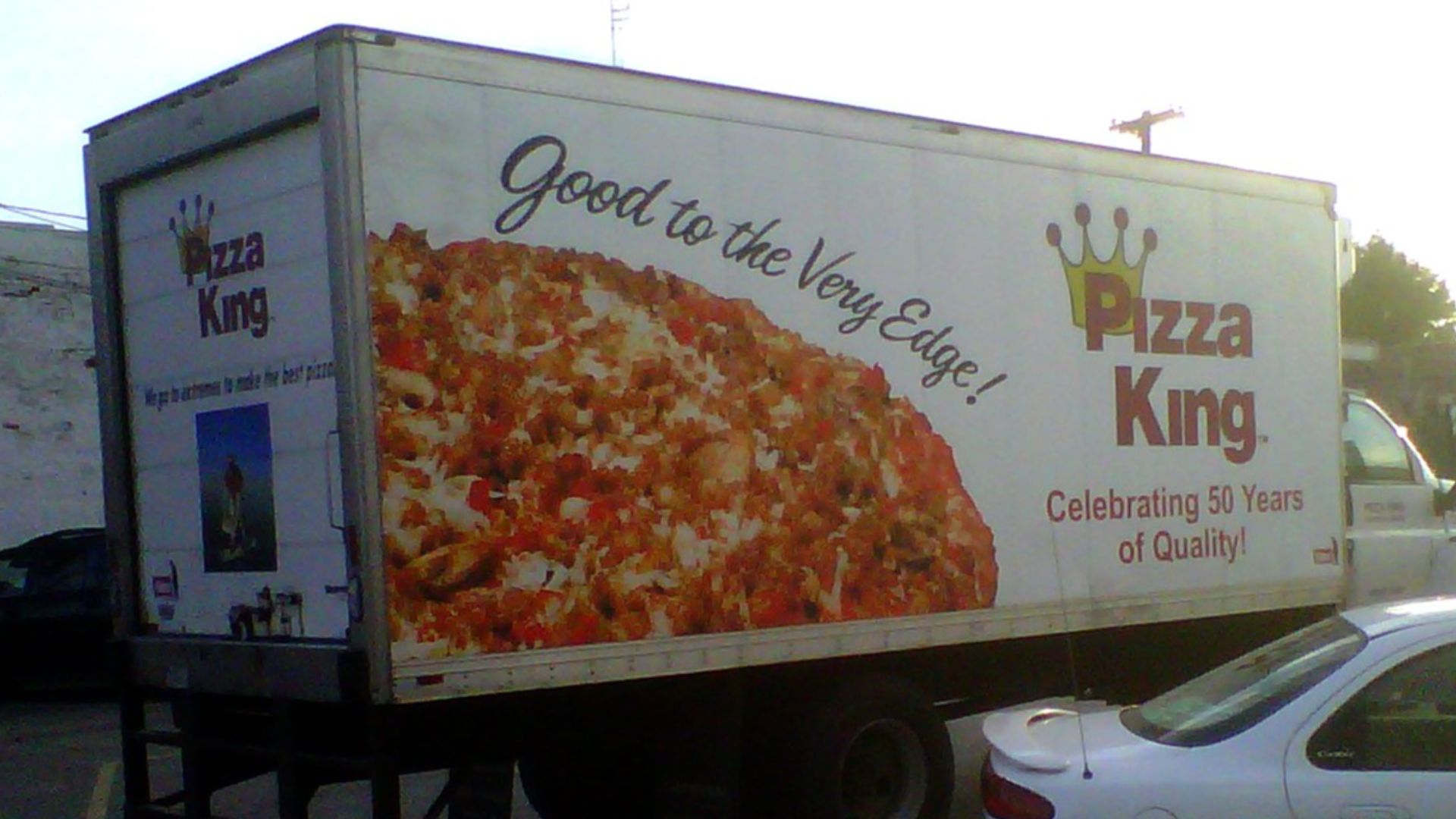
Village Inn Pizza developed into a regional favorite in the Carolinas, where its pizza buffets and casual dining rooms became familiar to families. Founded in 1967 in Statesville, North Carolina, the chain offered the kind of affordable outing that rarely required reservations or fancy clothes. It still operates in parts of the Southeast, although its footprint remains limited. For longtime customers, the name brings back memories of family buffets and unlimited second helpings.
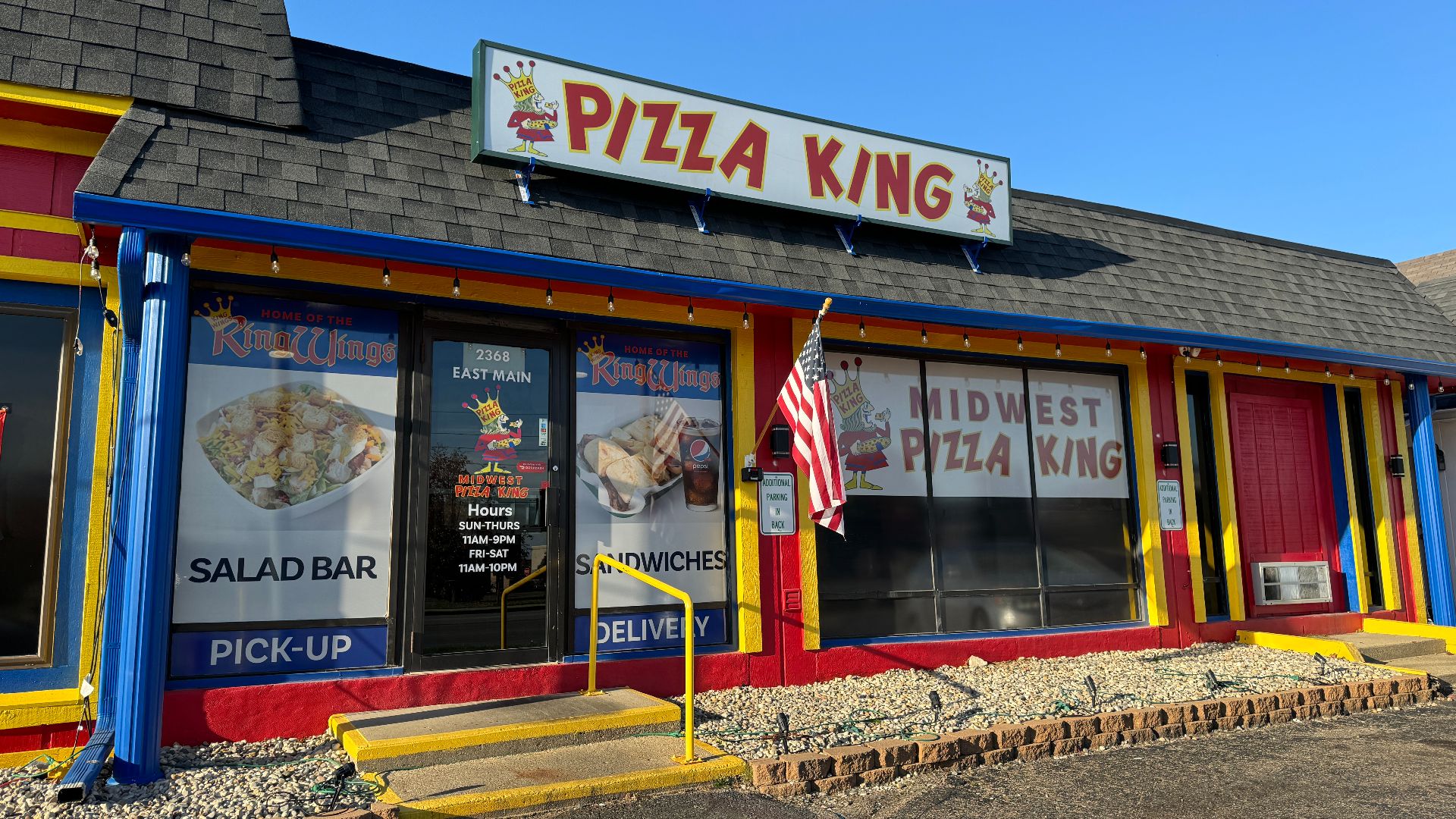
#20. Pizza King
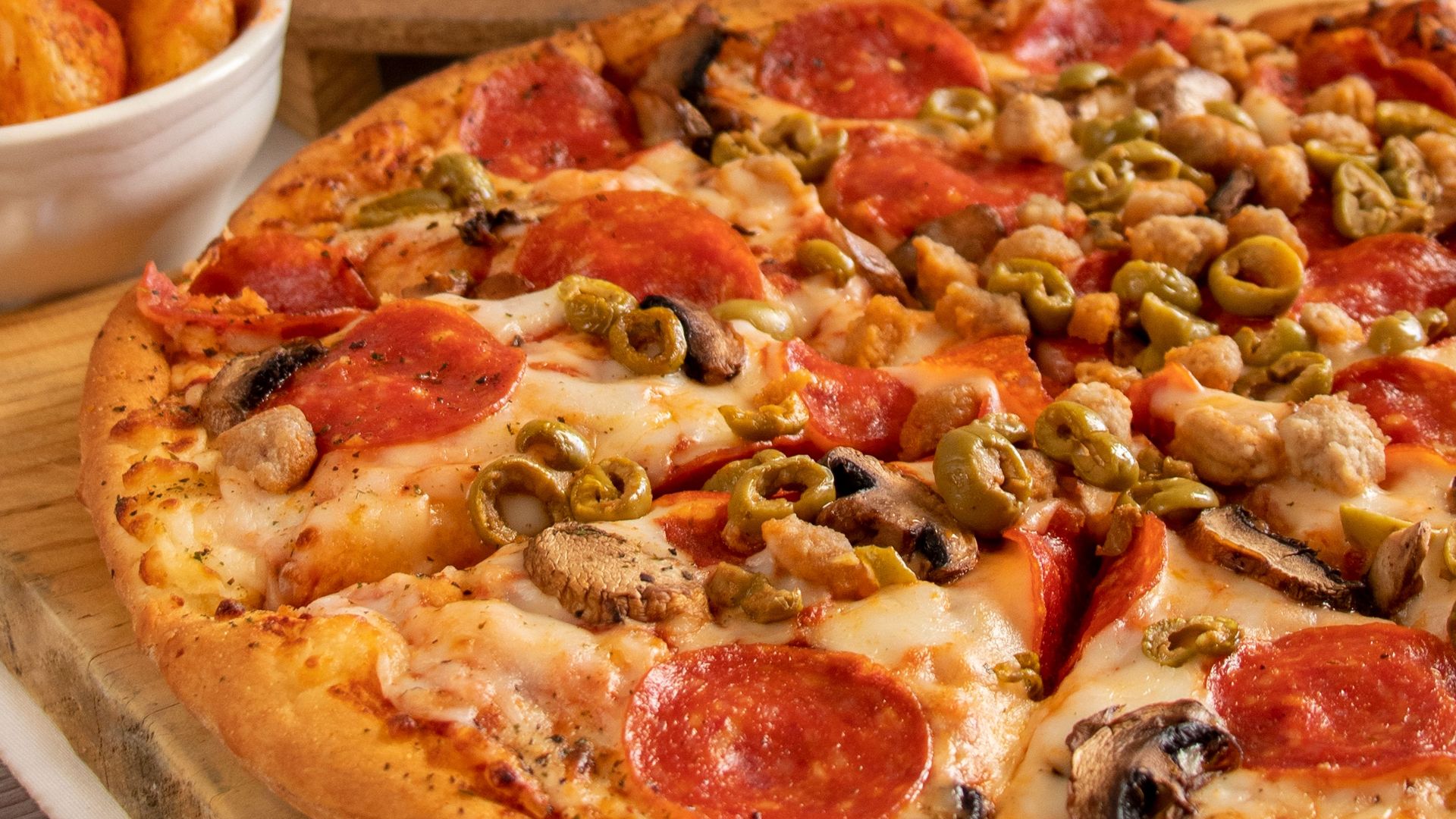
Pizza King traces its roots to 1956 in Lafayette, Indiana, and became especially popular across parts of the Midwest. Its thin-crust pizzas, square-cut slices, and unusual ordering systems helped distinguish it from larger competitors. Various restaurants continue operating under the Pizza King name, but it remains very much a regional experience. Anyone who grew up with its pizza knows that ordinary triangular slices were apparently unnecessary.
#19. Happy Joe's Pizza & Ice Cream Parlor
Founded by Joe Whitty in Davenport, Iowa, in 1972, Happy Joe's combined pizza, ice cream, and birthday celebrations into one nearly irresistible family outing. Its Taco Joe pizza became a signature item, while the restaurant's festive atmosphere made it particularly popular with children. The chain still exists, but its footprint has contracted from earlier decades. For Midwestern kids, few words sounded better than pizza and ice cream together.
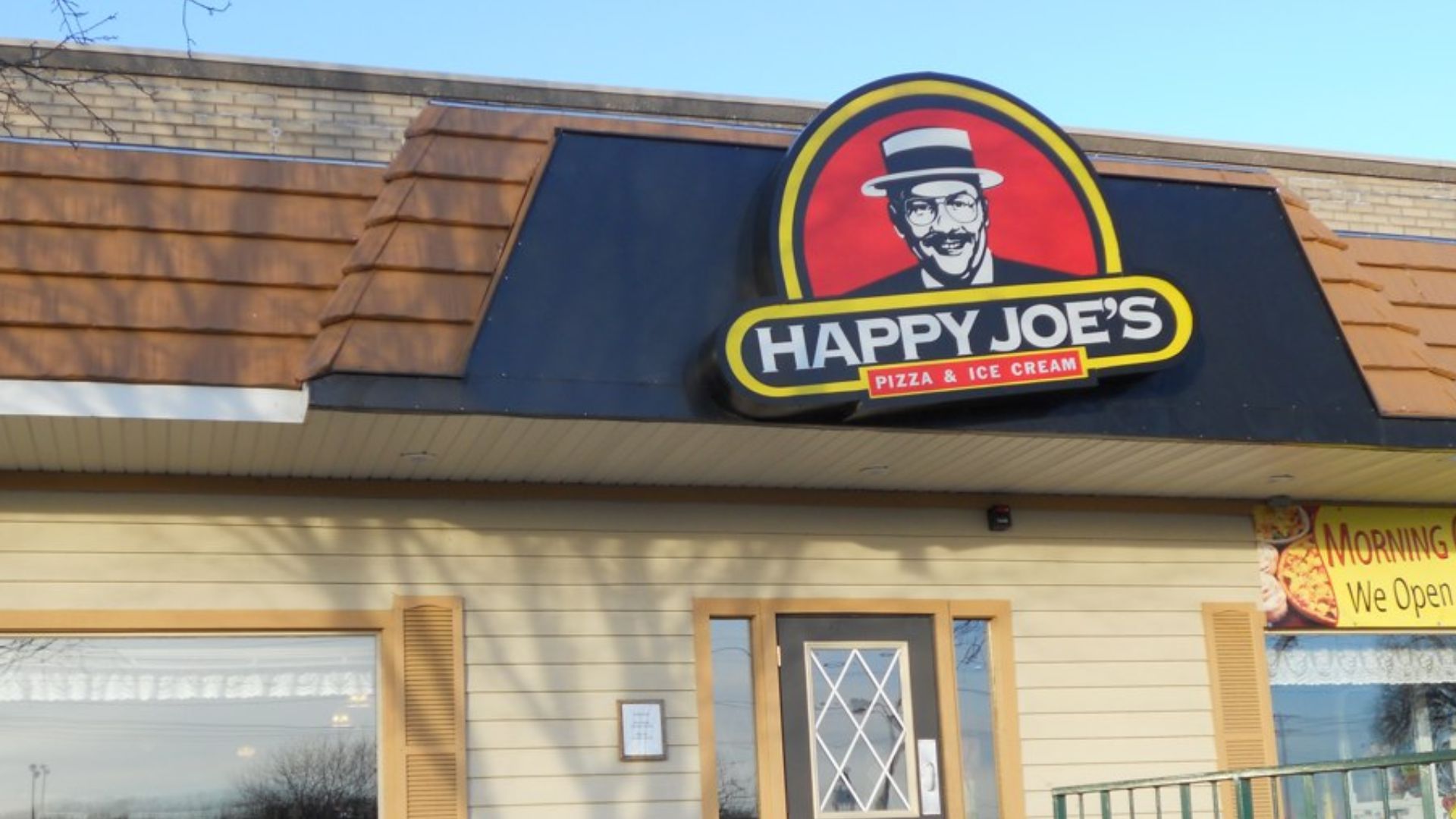 IowaPolitics.com, Wikimedia Commons
#18. Mazzio's Pizza
Mazzio's originated from Ken Selby's Oklahoma pizza business, which began in 1961. The Mazzio's name debuted in 1979, and the chain expanded during the 1980s with thick pizzas, sandwiches, and salad bars. Its restaurants became familiar across parts of the South and Midwest. Although Mazzio's still operates, it is mainly a regional chain today. If you remember those family salad-bar expeditions, congratulations: your nostalgia is showing.
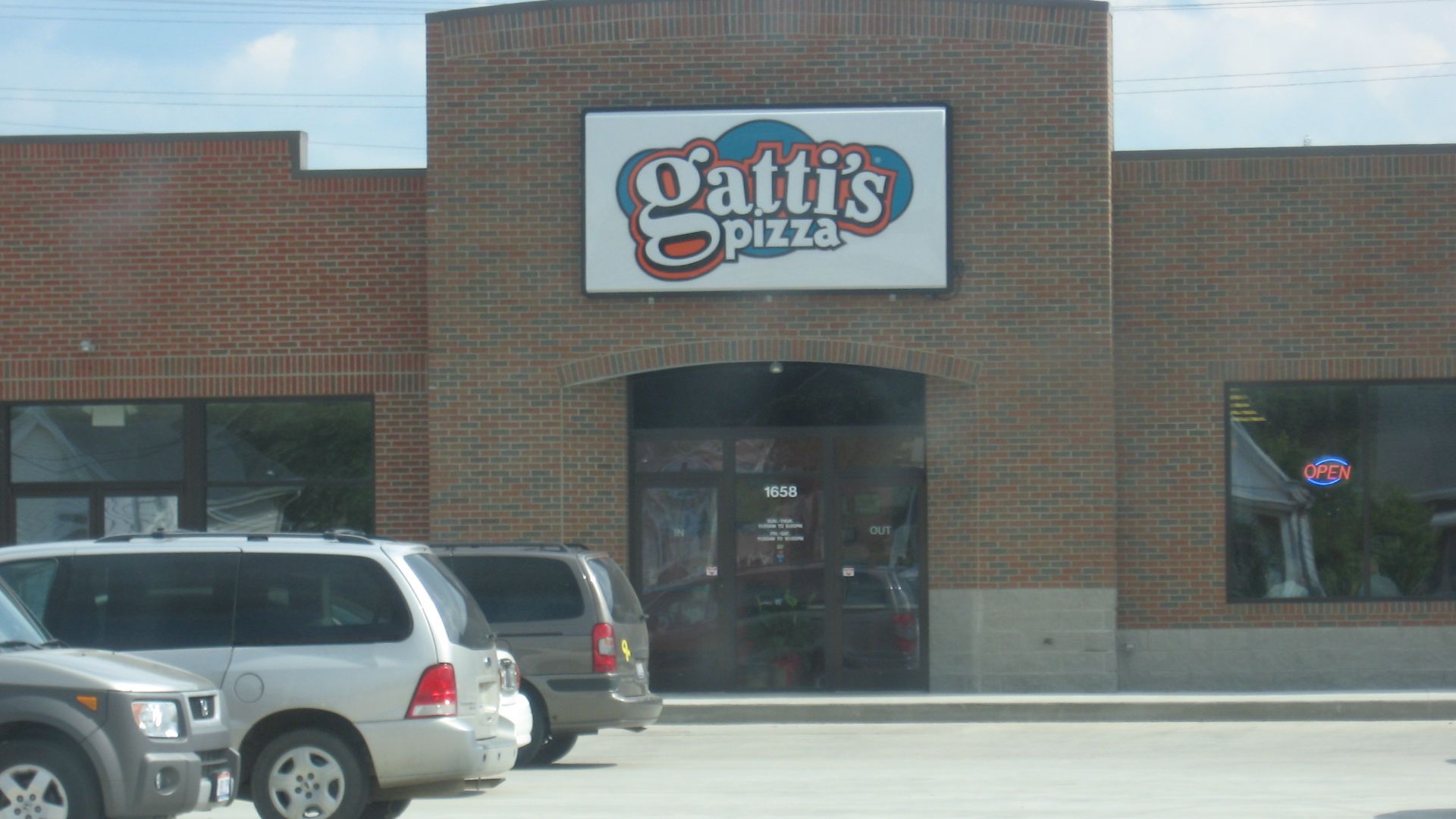
#17. Mr Gatti's Pizza
Mr Gatti's started in Austin, Texas, in 1969 and became a recognizable name across Texas and parts of the South. Pizza, family dining, and later game-filled entertainment locations helped build its following. The brand still operates and has pursued new expansion, but its presence remains concentrated in certain markets. For generations of Southern kids, a trip to Gatti's meant pizza first and an urgent request for arcade money second.
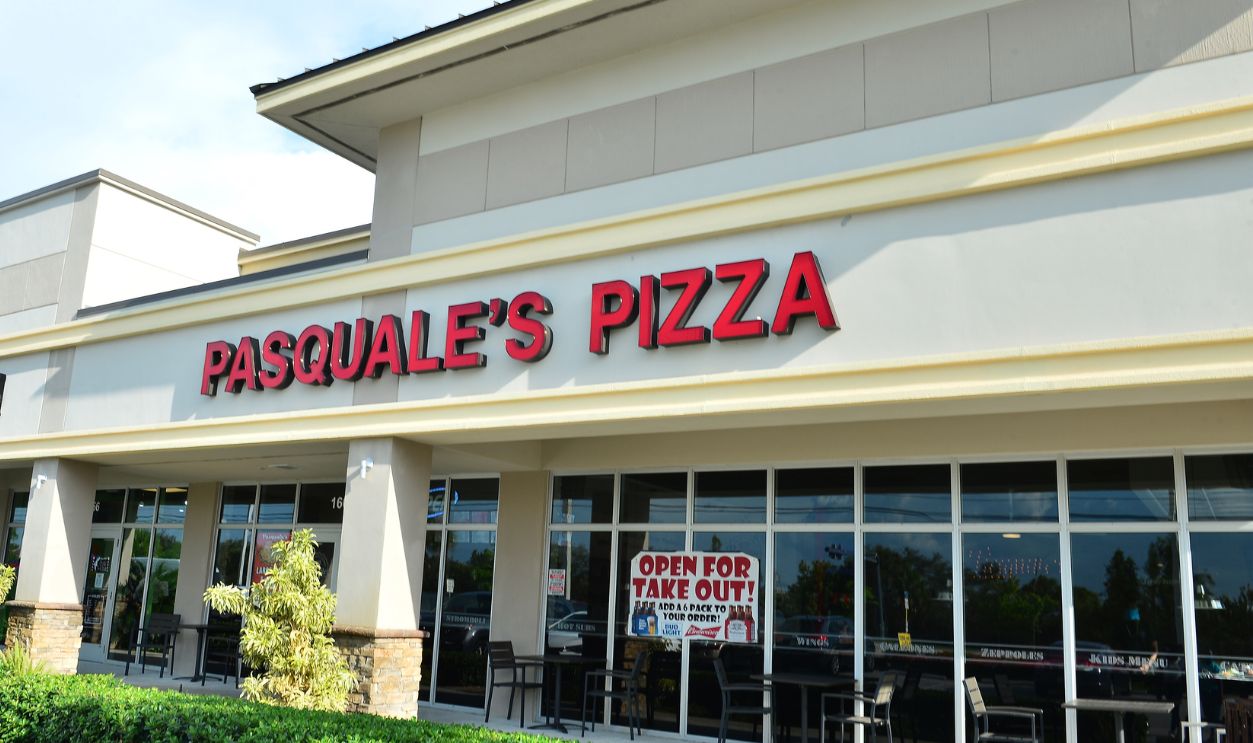
#16. Pasquale's Pizza
Pasquale's Pizza became a familiar restaurant name in several American communities during the 1960s, 1970s, and 1980s. Different operators and franchise arrangements gave the brand a particularly regional character, and some locations survived long after others closed. Today, Pasquale's is largely a collection of localized restaurant traditions rather than a major national chain. For former customers, the name alone can bring back memories of dark booths and bubbling cheese.
#15. Papa Gino's
Papa Gino's began in East Boston, Massachusetts, in 1961, originally under the name Piece O' Pizza. Its thin-crust pies became a New England staple, and by the 1980s, the brand was deeply familiar to families throughout the region. The chain later faced financial difficulties and closed numerous restaurants, including a major wave of closures in 2018. It survives, but its once-common signs are much less common across New England.
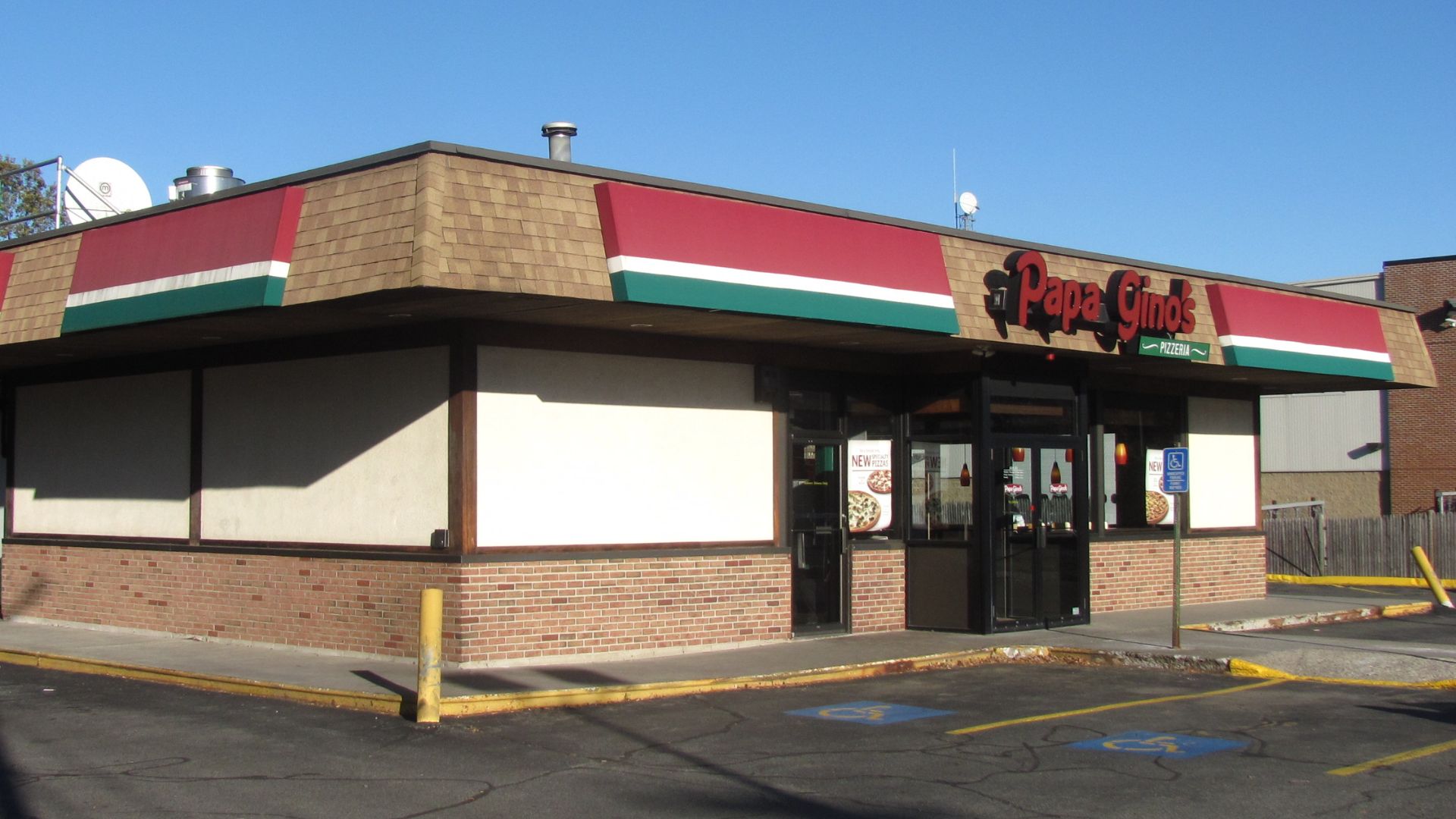 John Phelan, Wikimedia Commons
#14. Uno Pizzeria & Grill
Uno began in Chicago in 1943 and helped popularize deep-dish pizza. Its restaurant chain expanded beyond Chicago during the 1980s, bringing deep-dish dining to families who had never tasted anything quite so substantial. The larger restaurant business eventually experienced bankruptcies, ownership changes, and closures. Uno still exists, but many former locations are gone. Its pizzas were famously thick enough to make dinner feel like a construction project.
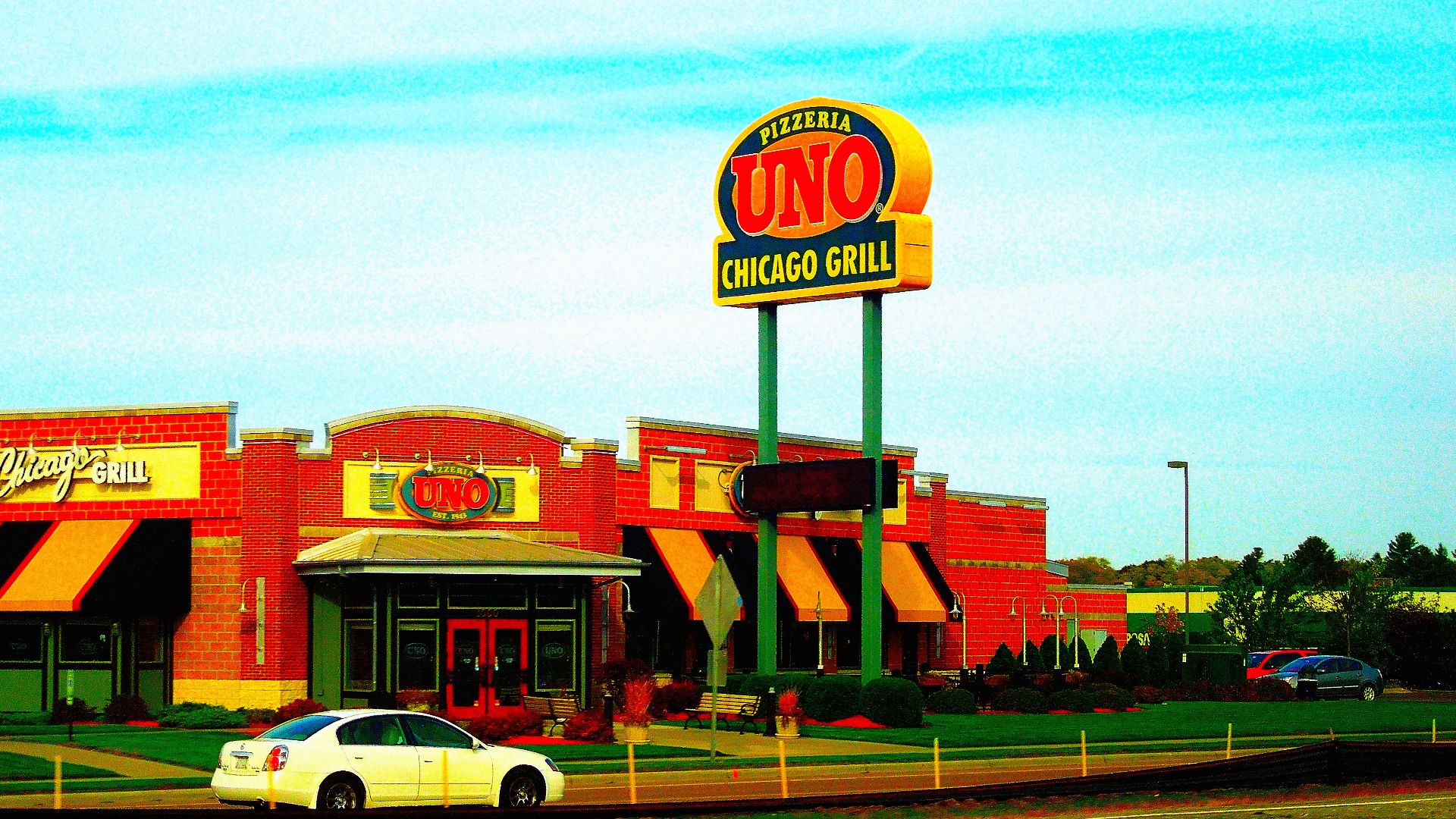 Corey Coyle, Wikimedia Commons
#13. The Organ Grinder
The Organ Grinder opened in Portland, Oregon, in 1973 and brought together pizza and an enormous theater pipe organ. Other locations followed, making it one of the strangest and most memorable restaurant concepts of its era. Families could eat while watching a musician operate a gigantic instrument surrounded by theatrical effects. The Portland restaurant closed in 1996, ending an experience that made an ordinary pizza dinner feel like a musical extravaganza.
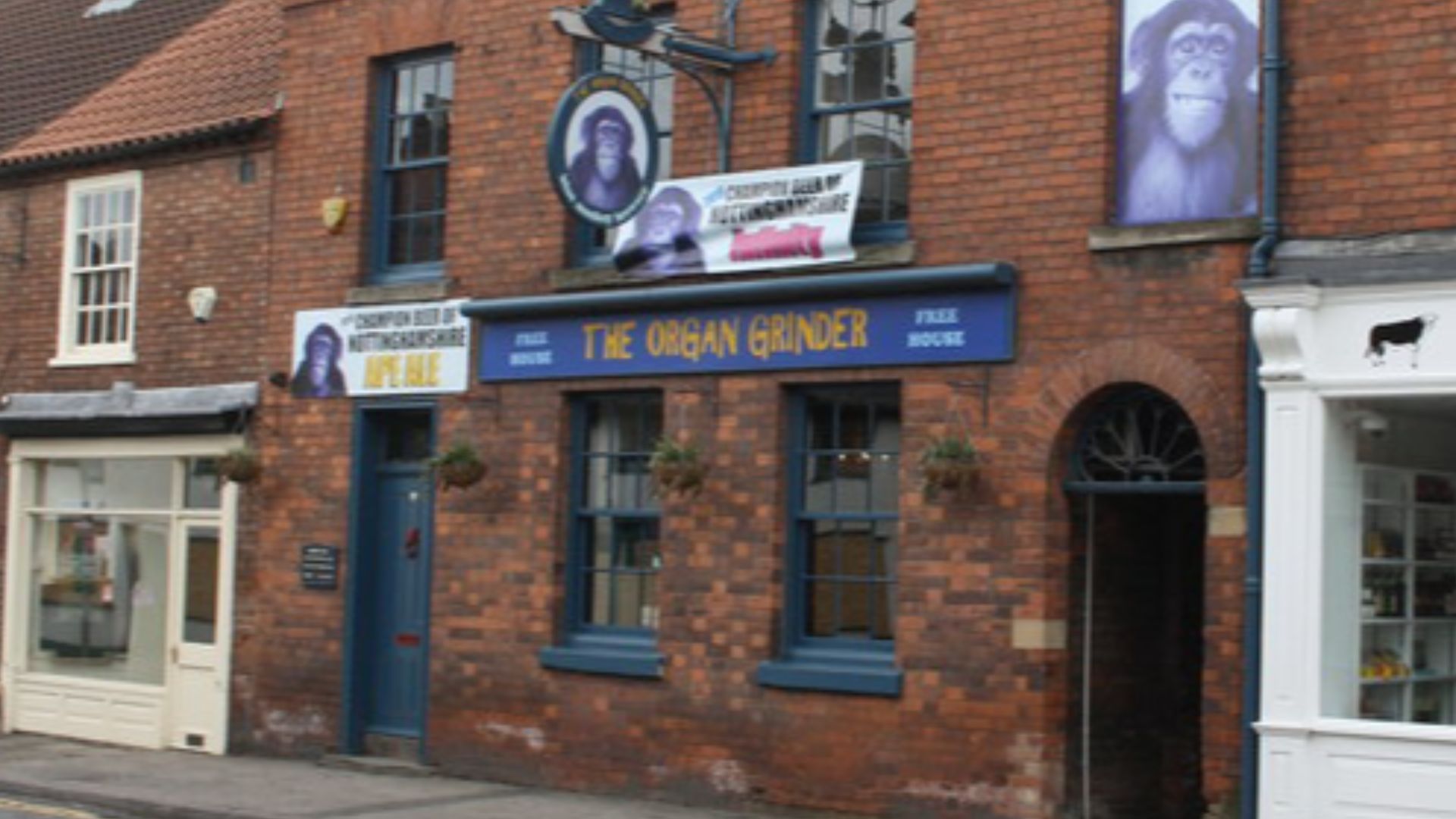 Roger Templeman, Wikimedia Commons
#12. Pizza & Pipes
Pizza & Pipes grew from Cap'n's Galley Pizza & Pipes, which opened in Santa Clara, California, in 1968. The restaurants featured enormous Wurlitzer theater organs, live performances, and sometimes silent movies. Locations spread through parts of California and Washington, becoming unforgettable 1980s family destinations. As competitors and entertainment habits changed, the restaurants gradually disappeared. Imagine telling modern kids that the main attraction at pizza night was an organist.
#11. Pietro's Pizza
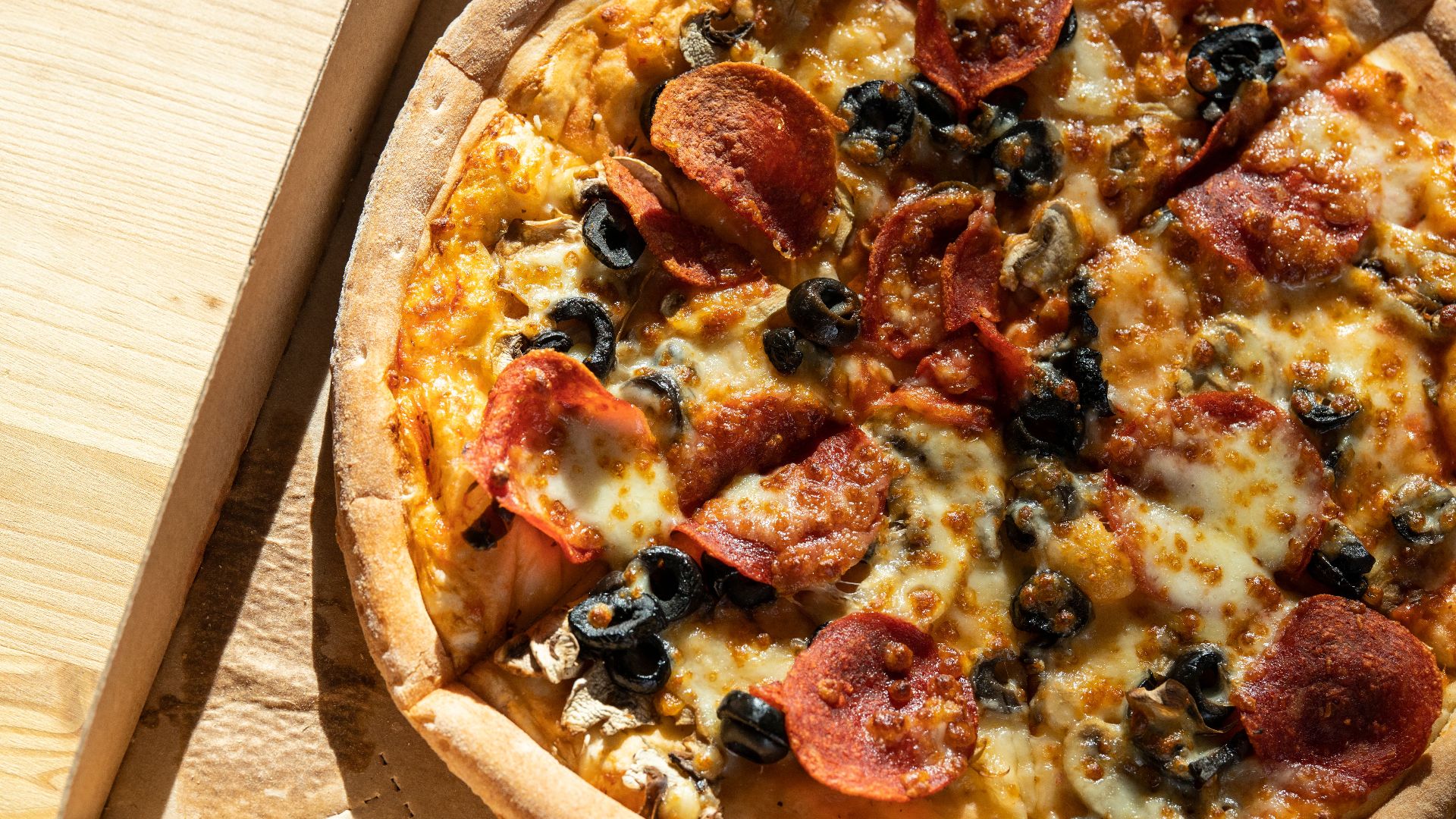
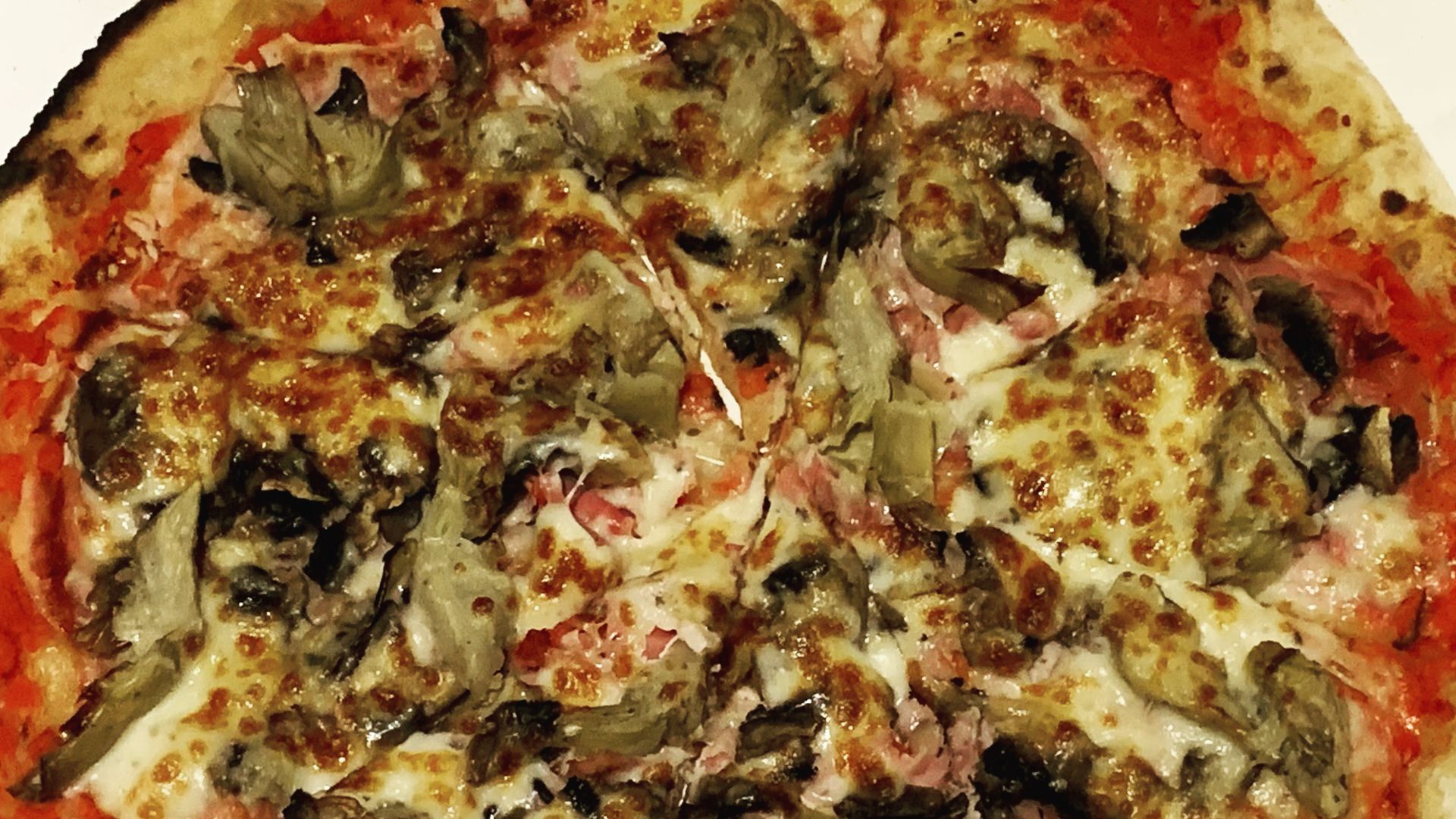
Pietro's Pizza became a favorite in parts of Oregon and Washington, where its family restaurants were known for pizza, salad bars, and an old-fashioned atmosphere. Founded in Longview, Washington, in 1957, it grew into a larger regional chain before ownership changes and increasing competition reshaped the business. Only a small number of restaurants remain under the name. For Pacific Northwest families, Pietro's still brings back memories of wood-paneled dining rooms and Friday-night celebrations.
 Benoit Prieur, Wikimedia Commons
#10. Noble Roman's Pizza
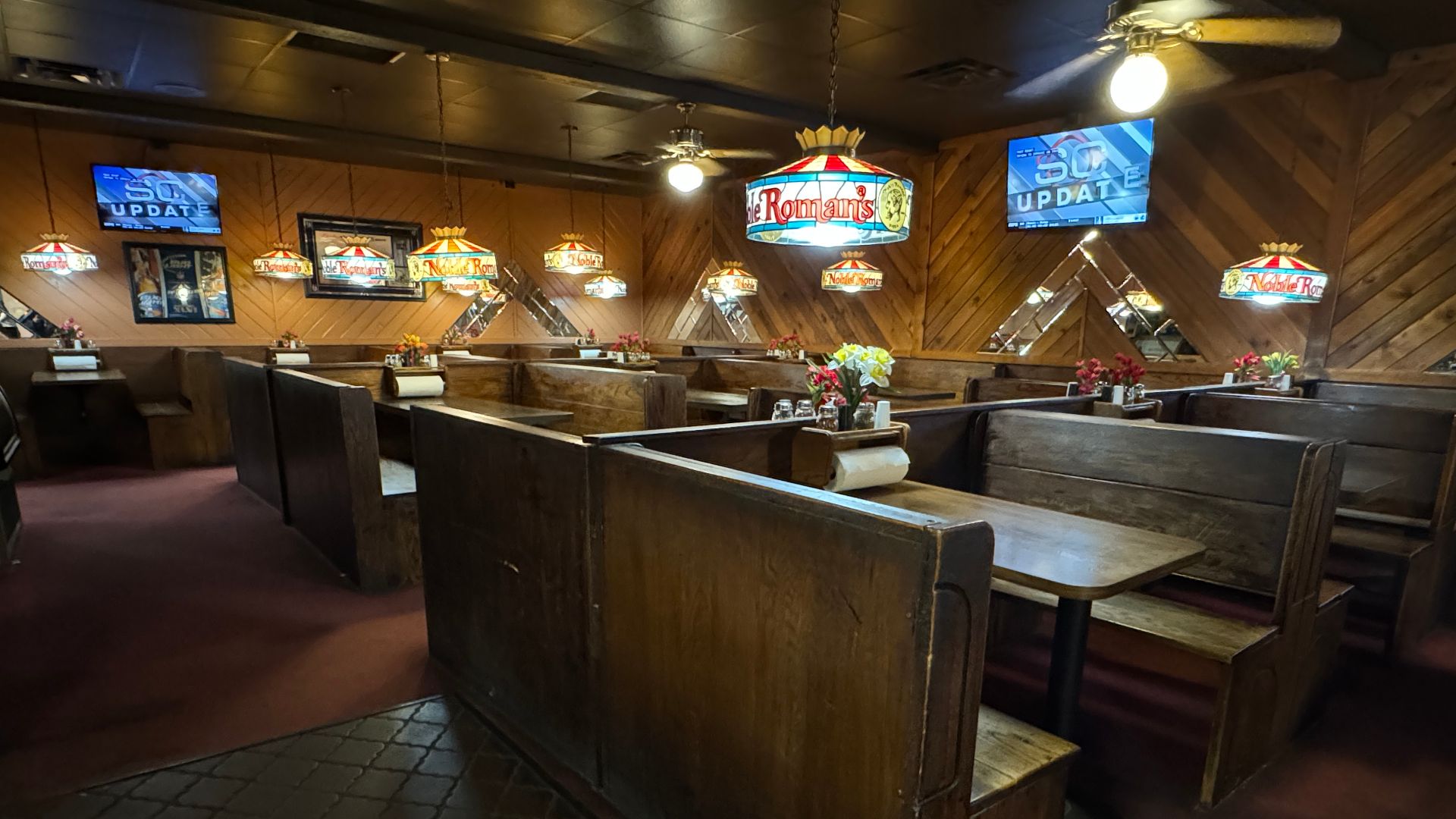
Noble Roman's began in Bloomington, Indiana, in 1972 and grew rapidly during the late 1970s and early 1980s. Within a few years of going public in 1982, it had roughly 120 restaurants across Indiana and Ohio. Financial difficulties and unsuccessful expansion decisions later forced closures and restructuring. The brand survives in other formats, but its old full-service pizza parlors are much harder to find. The Roman-themed name apparently could not conquer every market.
#9. Rocky Rococo Pizza
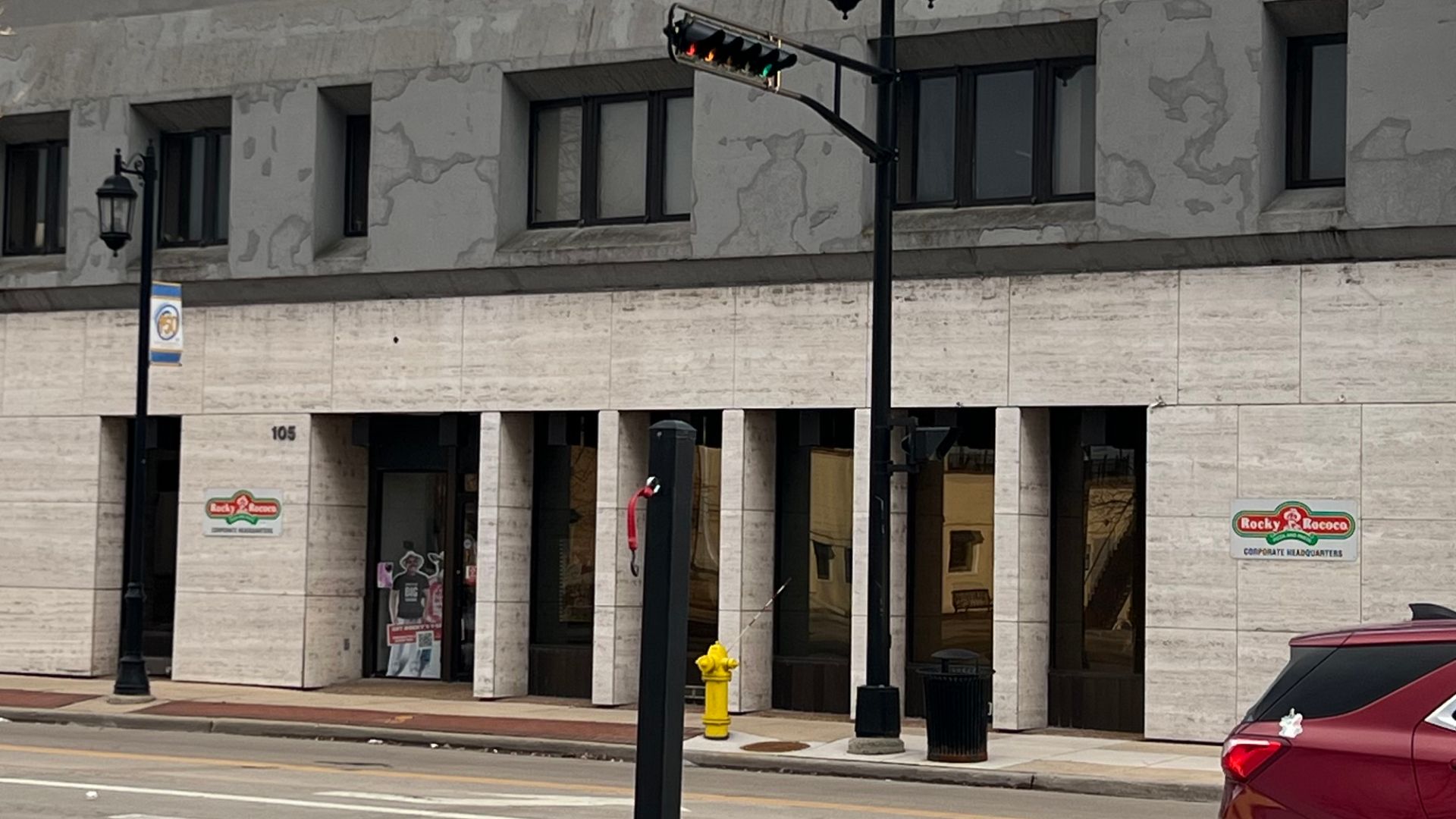
Founded in Madison, Wisconsin, in 1974, Rocky Rococo became a Midwestern favorite thanks to its thick, square slices and memorable advertising. At its peak in 1986, the chain reportedly operated about 120 restaurants. Its footprint later shrank substantially, although some locations remain, particularly in Wisconsin. For anyone who grew up eating those enormous rectangular slices, ordinary pizza triangles must have seemed a little underdressed.
#8. Pistol Pete's Pizza
Pistol Pete's Pizza brought Western-themed family entertainment to parts of Texas, Arizona, and New Mexico during the 1980s. Restaurants featured pizza, arcade games, birthday parties, and a cowboy mascot. The concept competed in the same crowded market as Chuck E. Cheese and Peter Piper Pizza. Peter Piper acquired the chain in 1995, and the Pistol Pete's identity eventually disappeared. The cowboy rode into the sunset, taking plenty of arcade memories with him.
#7. Pizza Haven
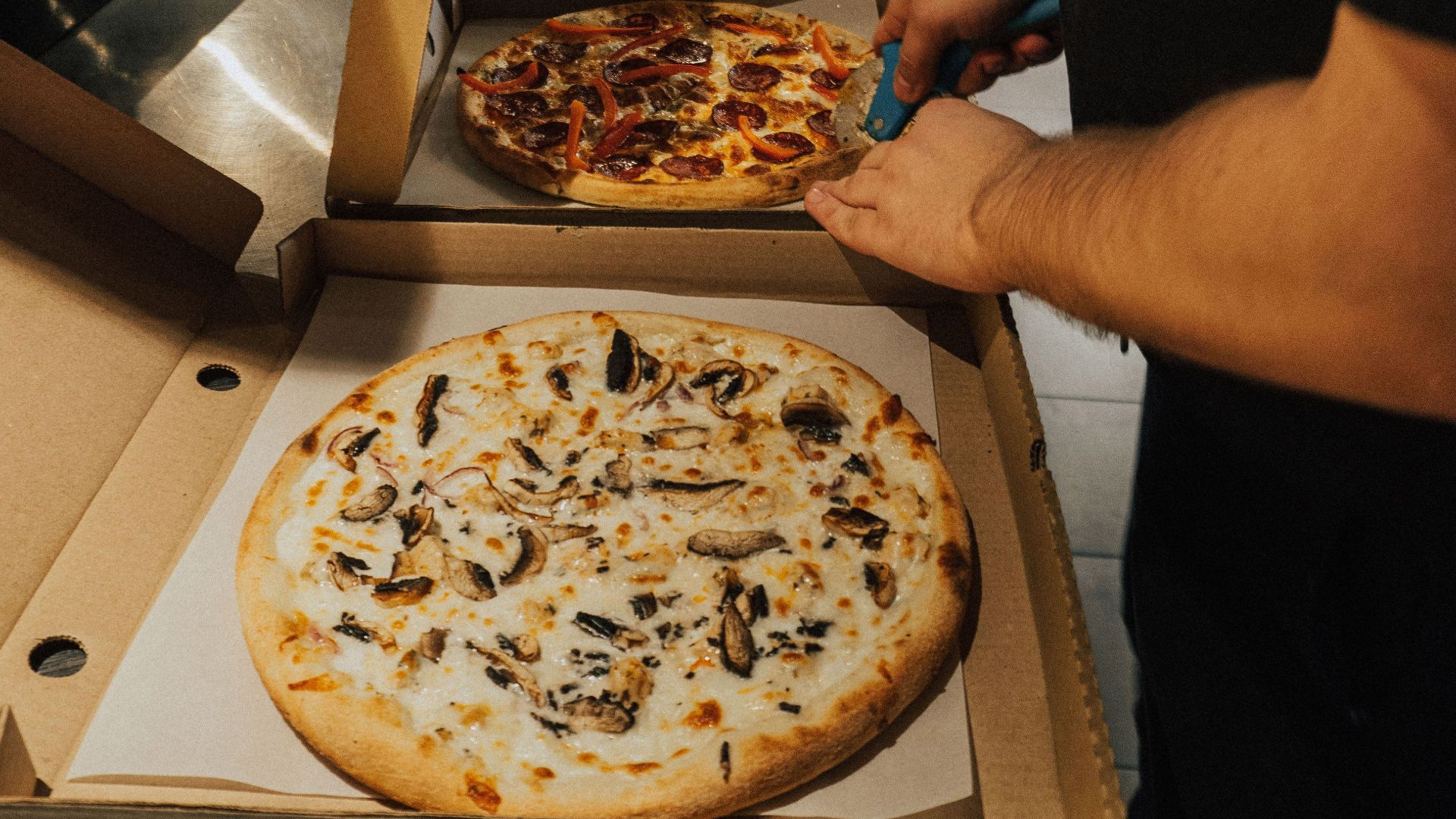
Pizza Haven opened in Seattle in 1958 and became an early pioneer of pizza delivery. Its drivers used vehicles equipped to keep pizzas warm, while the business expanded across the Pacific Northwest and into California. By its peak, the chain had roughly 42 restaurants. Financial struggles eventually led to bankruptcy in 1998, and the final surviving location closed in 2012. For Northwest families, Pizza Haven was delivering dinner before pizza delivery became practically automatic.
#6. Pizza Inn
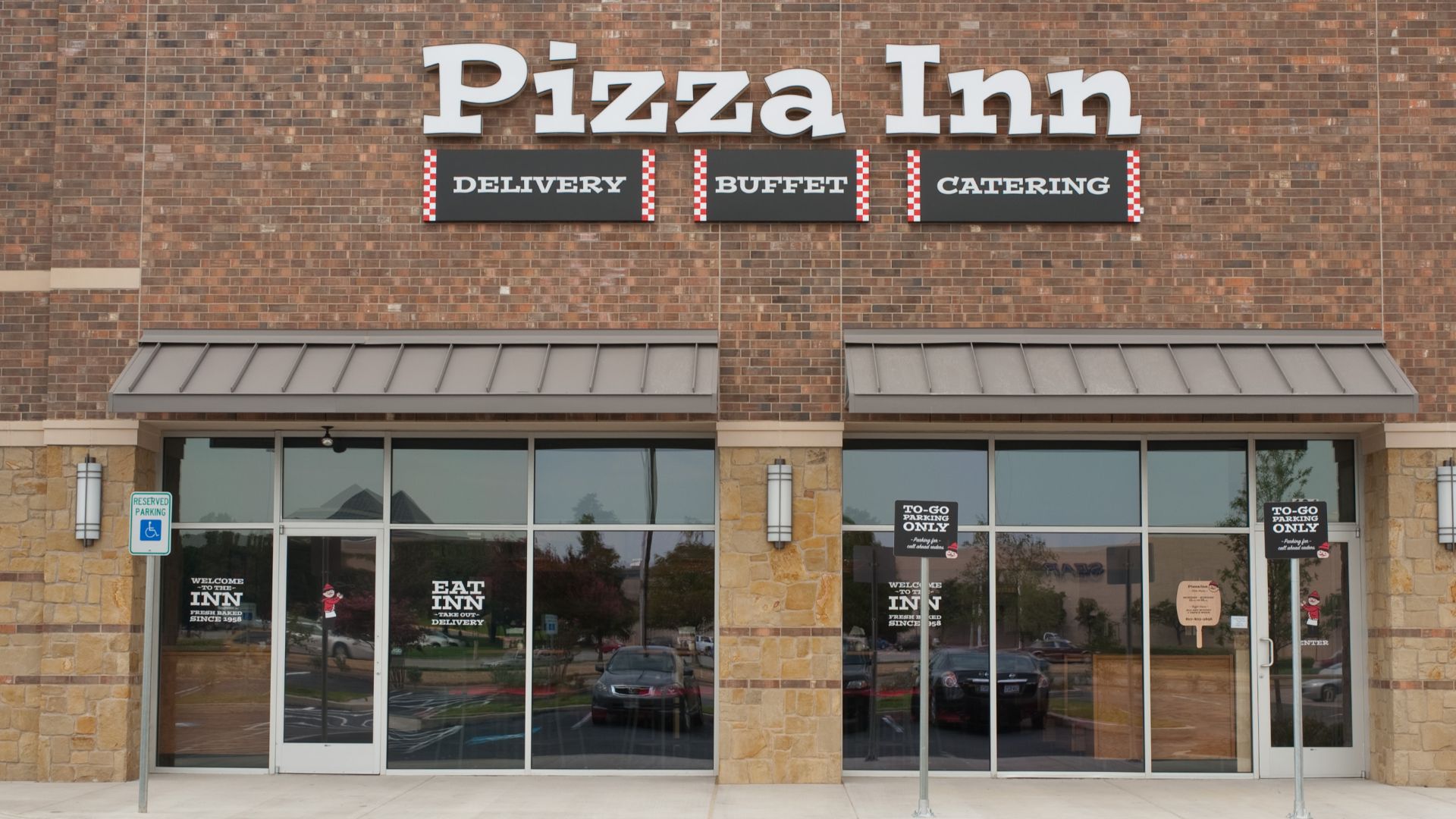
Founded in Dallas in 1958, Pizza Inn was once one of America's largest pizza restaurant chains. By the end of the 1970s, it had roughly 745 locations, making it second only to Pizza Hut among U.S. pizza chains at the time. Competition intensified during the 1980s, and the brand later became considerably smaller. It still operates today, but its former reach is long gone. Those pizza buffets once seemed almost impossible to beat.
 Rsa182 at en.wikipedia, Wikimedia Commons
#5. Straw Hat Pizza
Straw Hat Pizza was founded in San Leandro, California, in 1959 and became a major West Coast family dining chain. By 1980, it had reached 230 restaurants. Comedian Tim Conway even appeared in advertising during the early 1980s, giving the chain some extra star power. Its footprint later contracted dramatically, although some locations remain. For Californians who grew up visiting Straw Hat, those familiar signs once seemed to be everywhere.
#4. Godfather's Pizza
Godfather's Pizza opened in Omaha, Nebraska, in 1973 and became a major player during the 1980s. Famous for thick, heavily topped pizzas and mobster-inspired advertising, it grew into one of America's largest pizza brands. A 1988 report described it as the country's fifth-largest pizza chain, although it had already lost hundreds of locations. The brand survives today, but its former national prominence has faded. The pizza was still making offers people couldn't refuse.
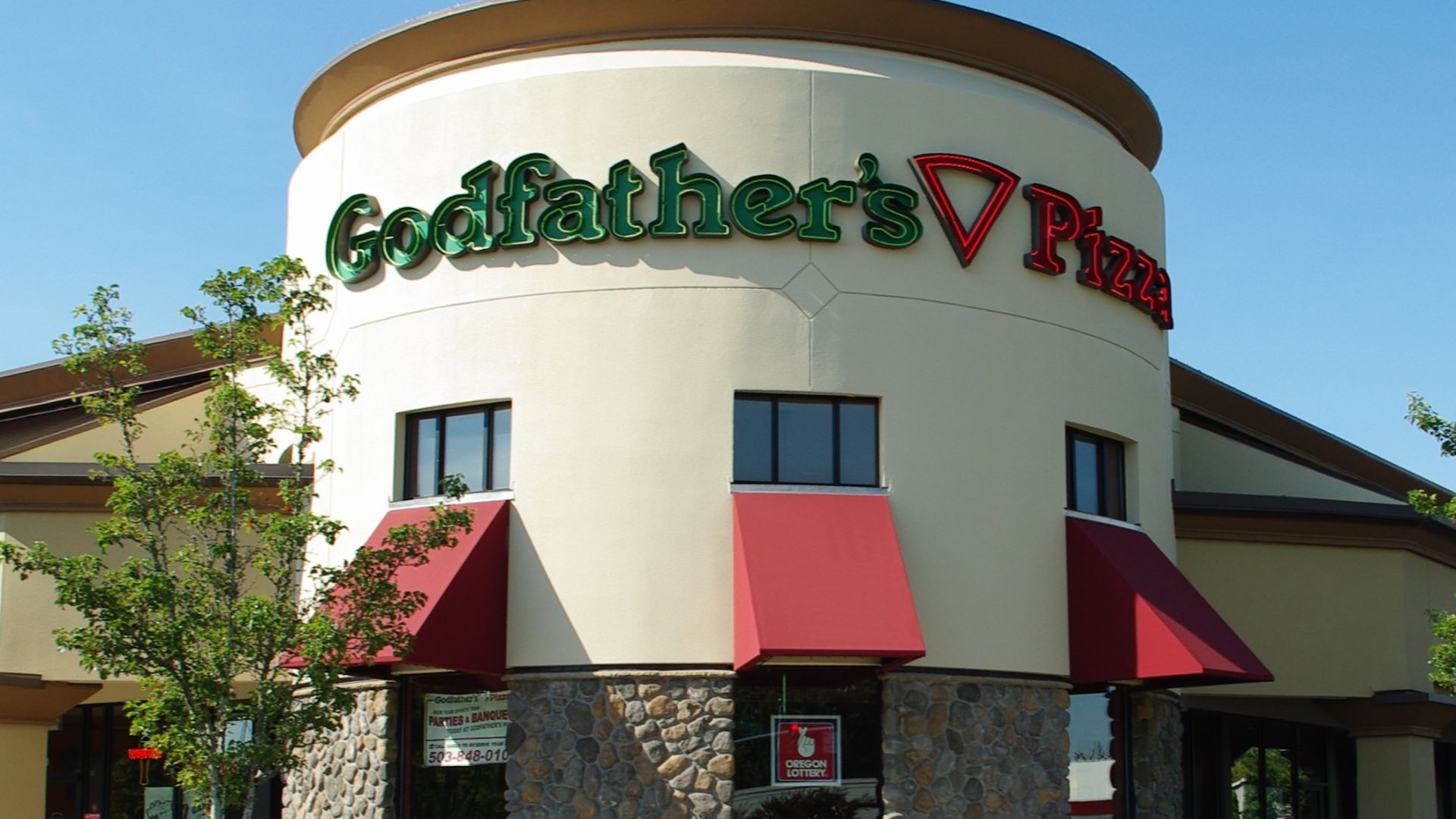 M.O. Stevens, Wikimedia Commons
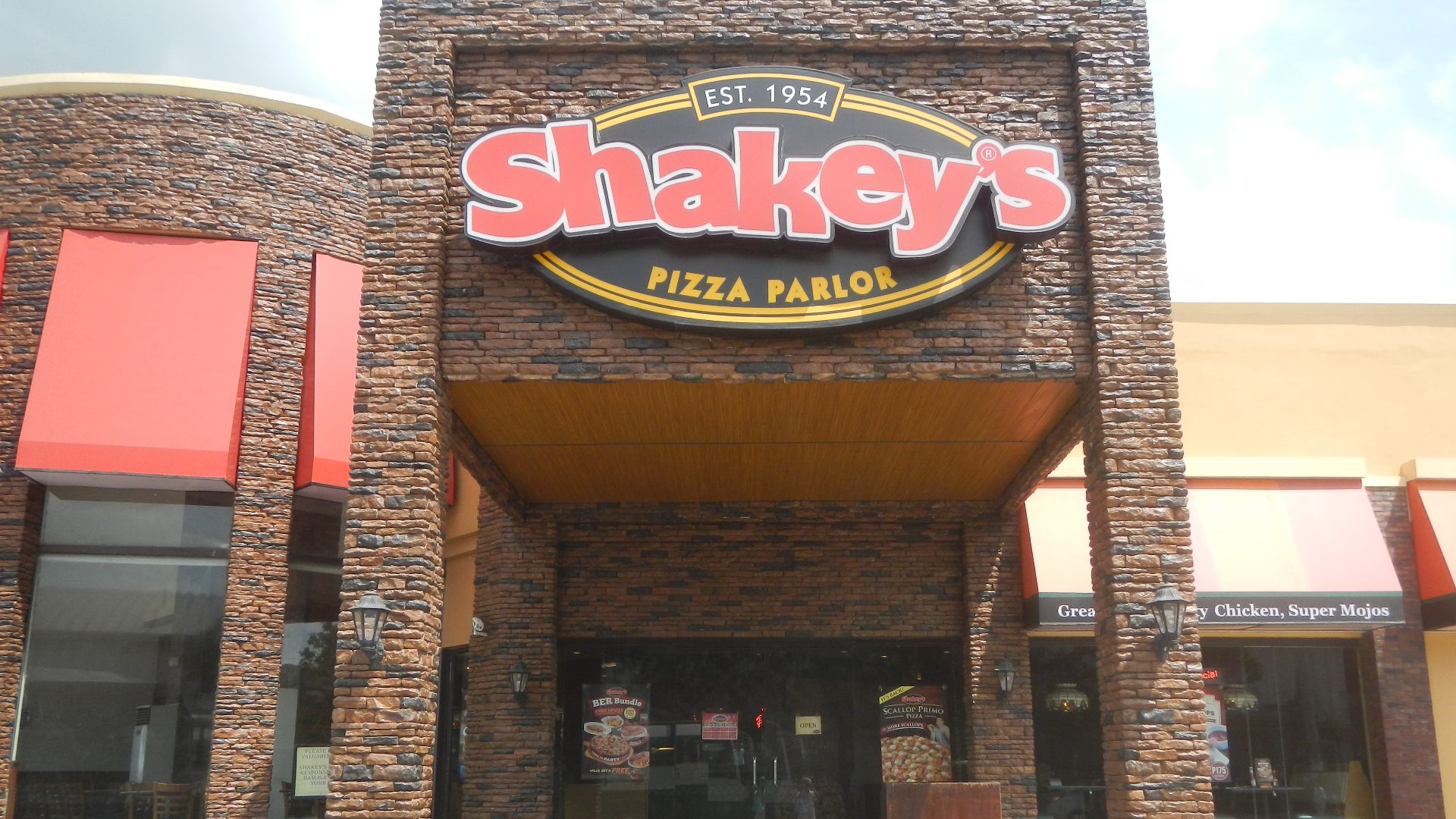
#3. Shakey's Pizza Parlor
Shakey's opened in Sacramento, California, in 1954 and became one of America's pioneering pizza restaurant chains. By the 1970s, it had expanded to hundreds of locations, and many remained popular family destinations during the 1980s. Live entertainment, pizza, fried chicken, and Mojo Potatoes helped make it memorable. Today, the U.S. chain is concentrated mainly in Southern California. For older Americans, Shakey's represents an entire style of family restaurant that almost disappeared.
#2. Chuck E. Cheese's Pizza Time Theatre
The original Chuck E. Cheese's Pizza Time Theatre opened in San Jose, California, in 1977, combining pizza, arcade games, birthday parties, and animatronic entertainment. Its original identity was especially memorable during the early 1980s. Financial trouble led to bankruptcy in 1984, followed by a merger with ShowBiz Pizza's parent company. The Chuck E. Cheese brand survived, but the original Pizza Time Theatre format disappeared. For millions of kids, those mechanical animals were pure magic, with just a hint of nightmare fuel.
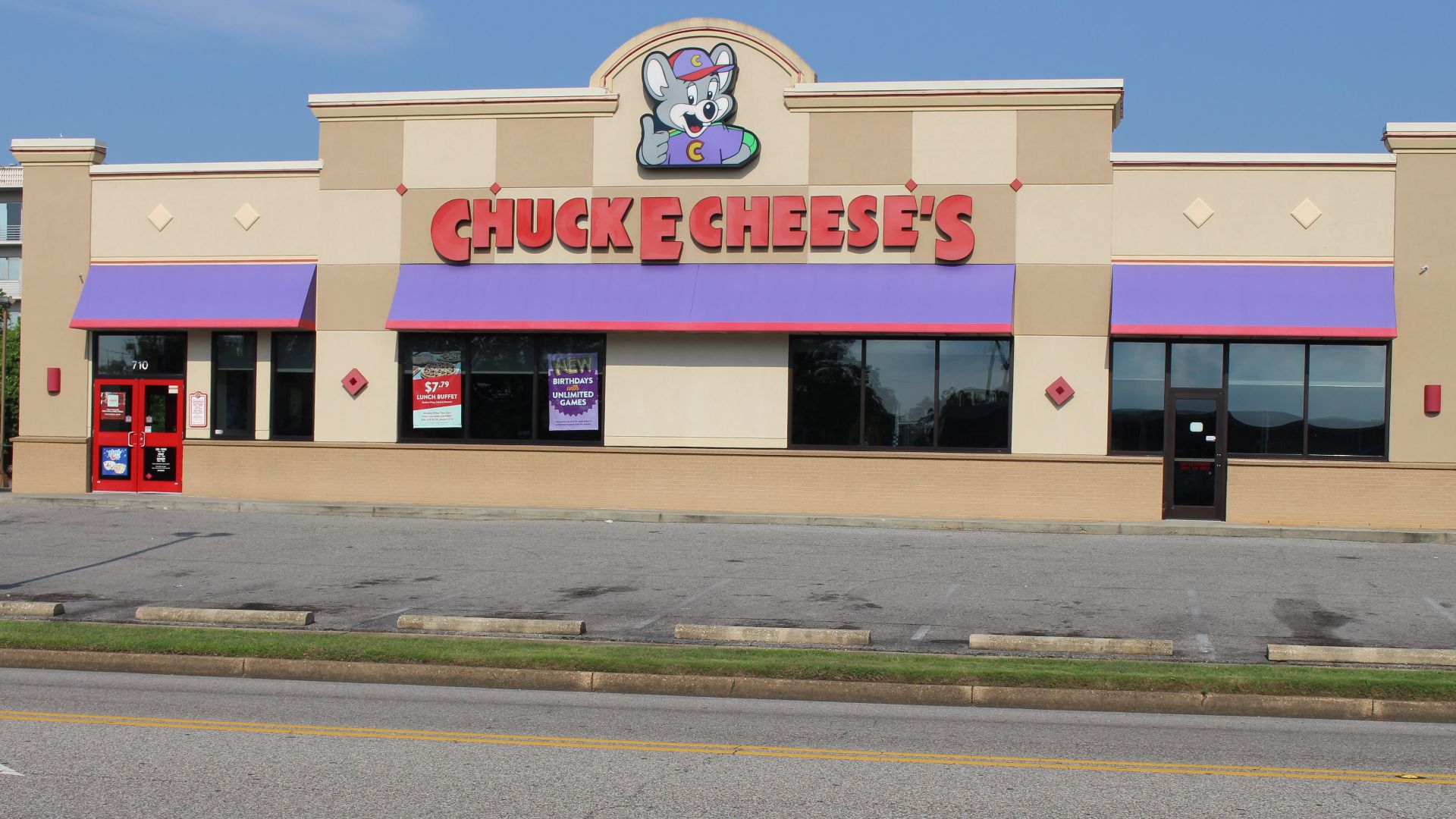 Michael Rivera, Wikimedia Commons
#1. ShowBiz Pizza Place
ShowBiz Pizza Place opened in Kansas City, Missouri, in 1980 and became one of the decade's most unforgettable family restaurant chains. Its biggest attraction was the Rock-afire Explosion, an elaborate animatronic band featuring Billy Bob Brockali, Fatz Geronimo, and other musical characters. Pizza, arcade games, birthday parties, and robotic entertainment made it a childhood paradise.
After ShowBiz's parent company acquired its rival Chuck E. Cheese's parent company in 1984, the restaurant concepts gradually merged. During the early 1990s, ShowBiz locations were converted to the Chuck E. Cheese identity, and the Rock-afire Explosion disappeared from the chain. For countless 1980s kids, nothing captures a lost era of pizza restaurants quite like those singing mechanical animals.
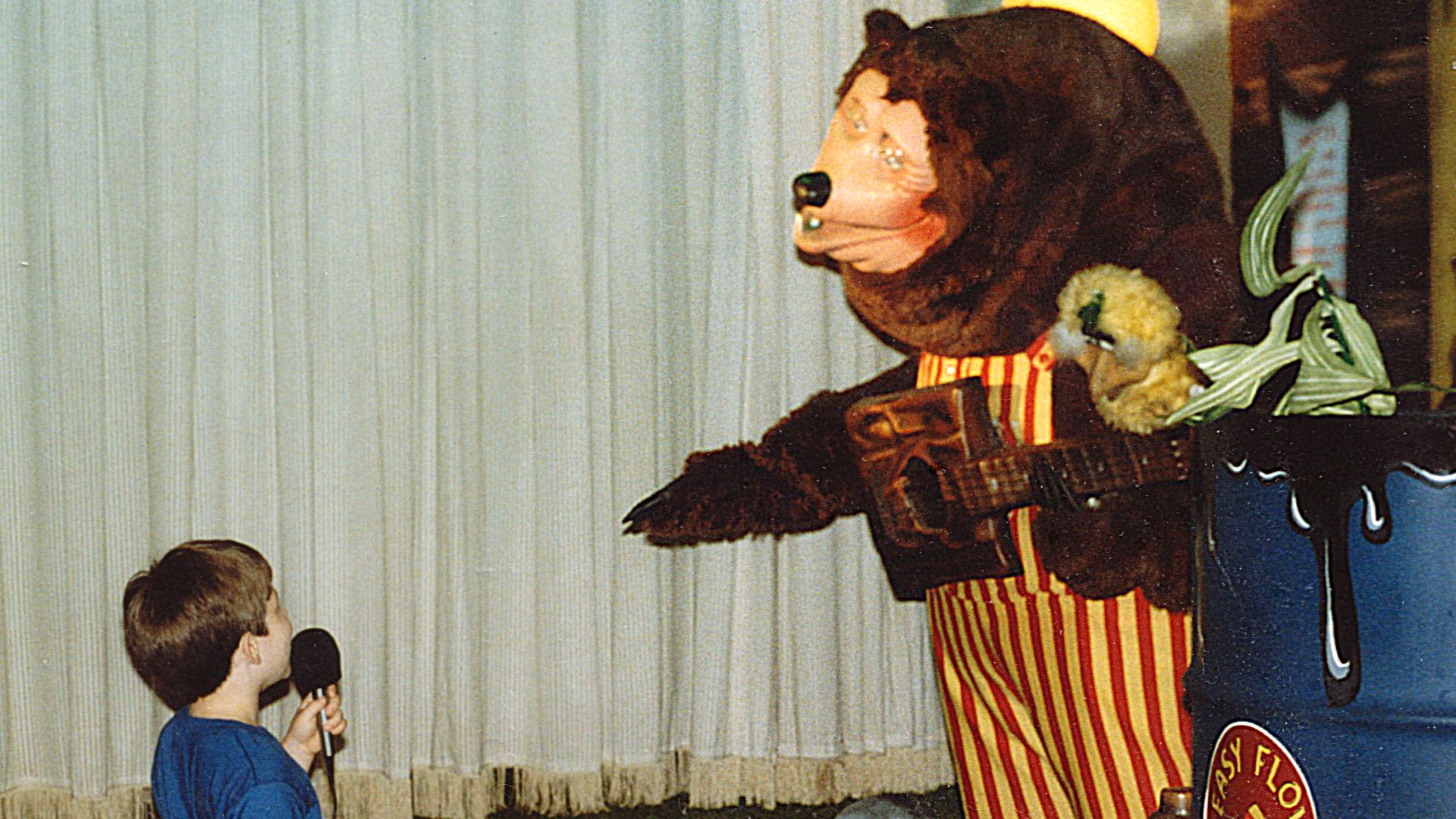 Ray or Jane Schumin, Wikimedia Commons
You May Also Like:
Common New Restaurant Fees That Make Your Final Bill Look Nothing Like The Menu Price
These Everyday Grocery Store Products Got Hit By “Shrinkflation”—Which Ones Have You Noticed?
Common Jobs That Were Everywhere In The 1970s—Until Technology Made Them Nearly Disappear. Did You Do Any Of These Jobs?