Remember When Someone Actually Had To Do These Jobs?
The working world of the 1970s was filled with people doing things that a screen, machine, smartphone, or piece of software handles today. Some of these jobs still technically exist, but finding one can feel like spotting a rotary phone in the wild. How many do you remember?
 George Grantham Bain Collection, Wikimedia Commons
#25. Gas Station Attendant
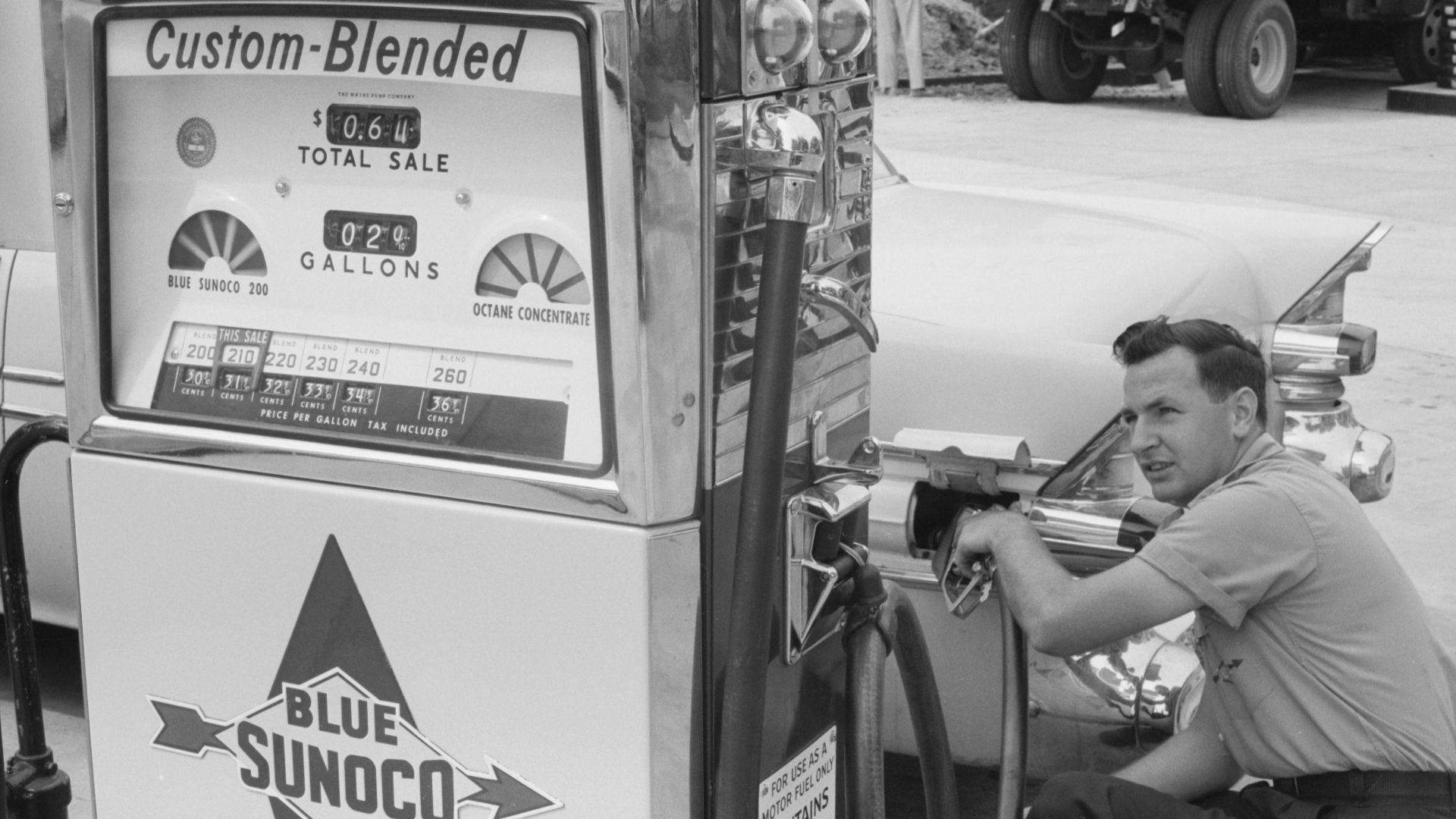
Pull into a service station in the 1970s and somebody might pump your gas, check your oil, clean your windshield, and take your payment without you leaving the driver's seat. Self-service stations gradually made attendants unnecessary across most of America. New Jersey and Oregon famously held onto restrictions much longer, although Oregon ended its broad self-service prohibition in 2023.
 Thomas J. O'Halloran, Wikimedia Commons
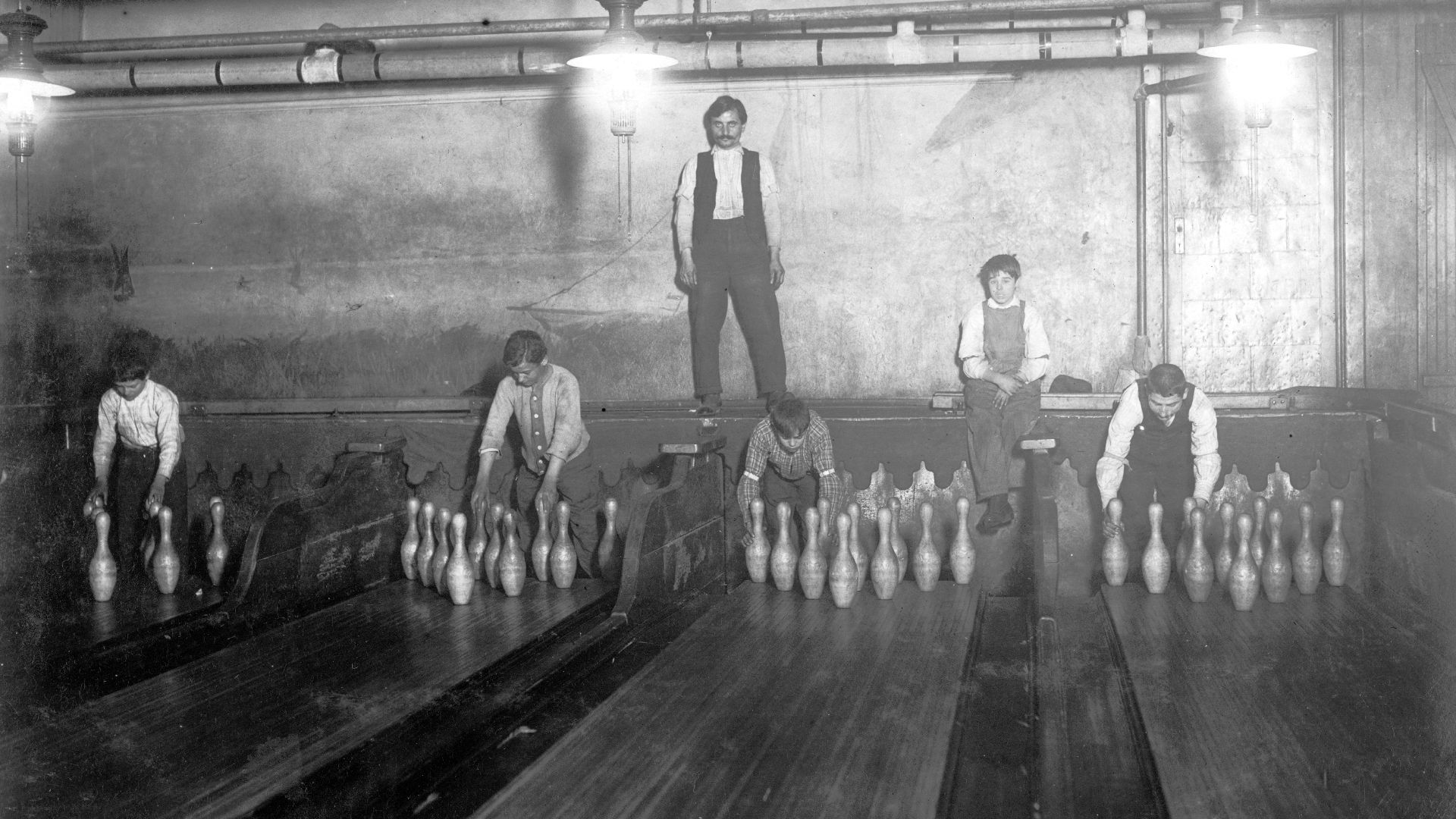
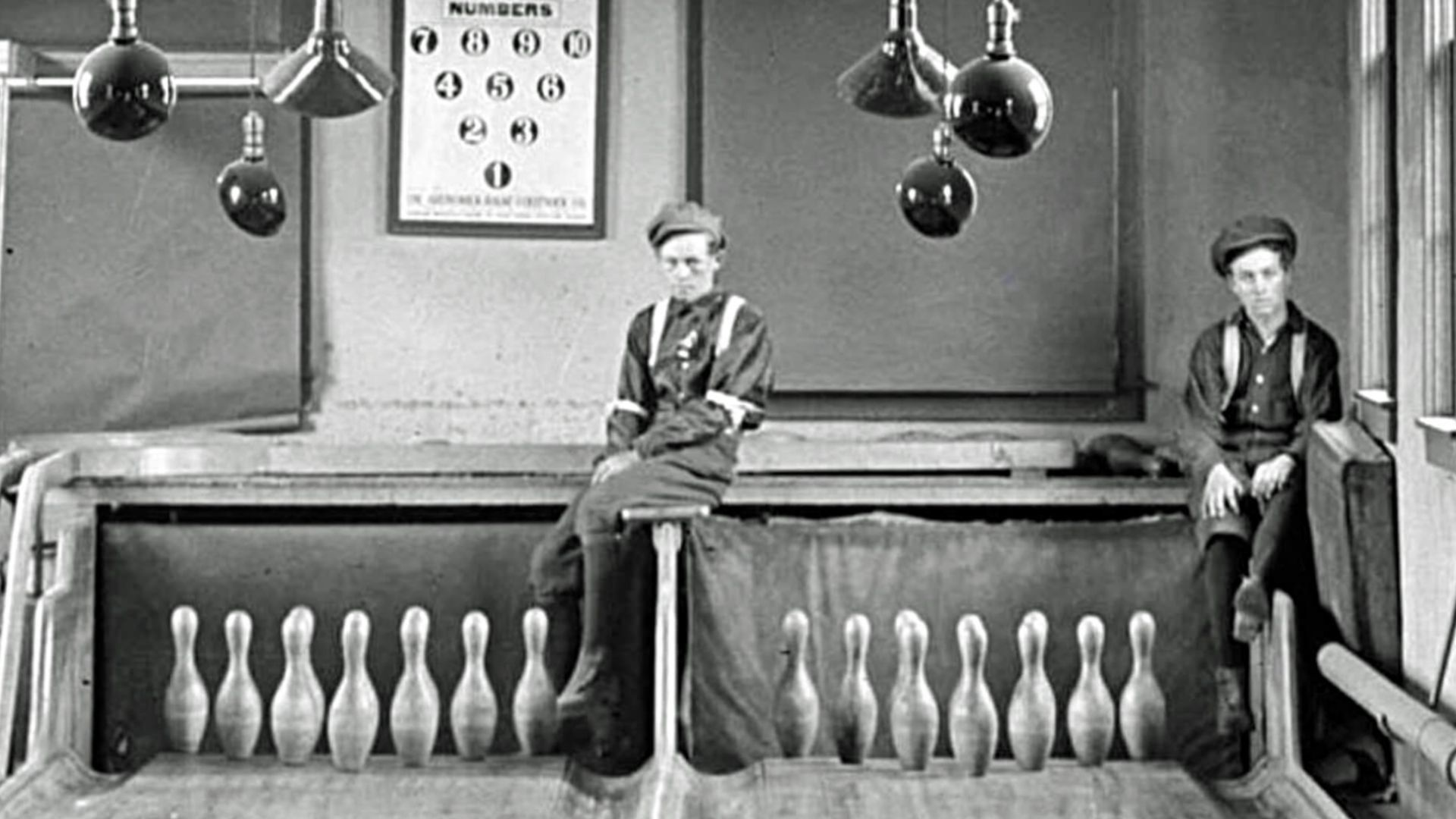
#24. Bowling Pinsetter
Bowling alleys once employed people—often teenage boys—to manually reset pins and return bowling balls. Automatic pinsetting machines had already begun replacing them before the 1970s, but older Boomers may still remember when "pin boy" was an actual after-school job. Today, the human version is essentially a historical curiosity.
 Lewis Wickes Hine, 1874-1940, photographer., Wikimedia Commons
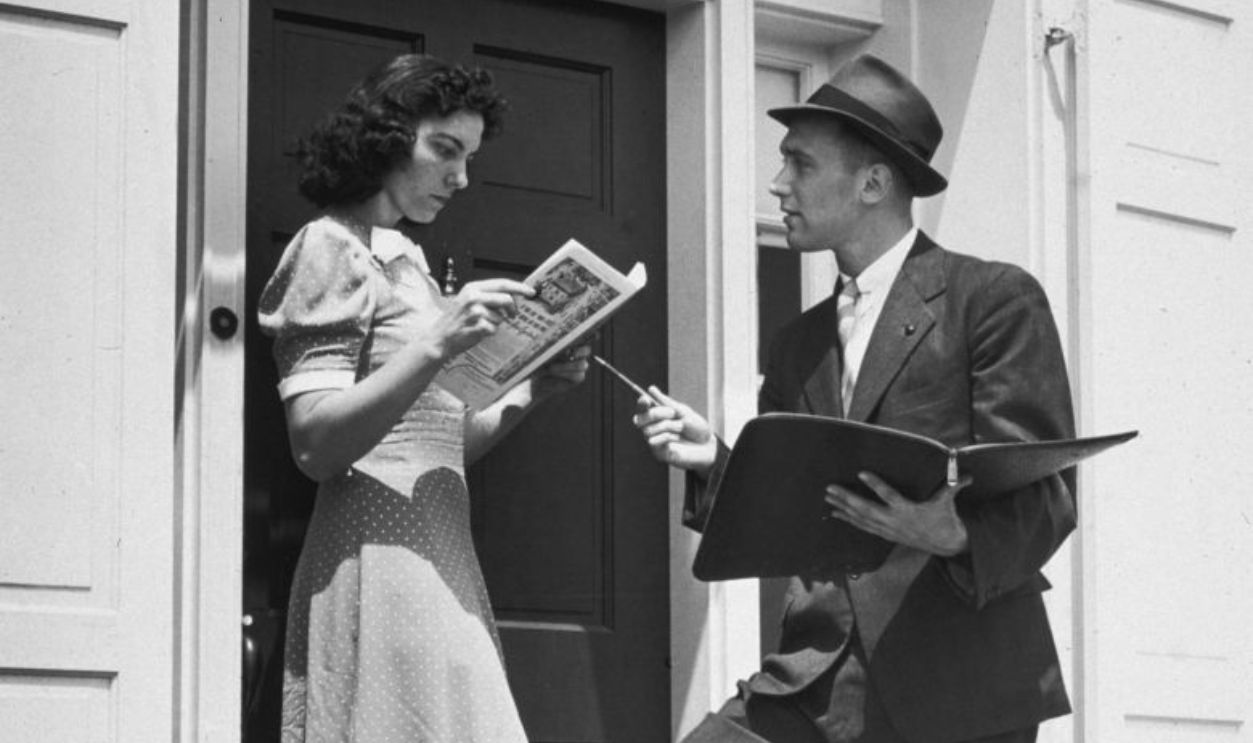
#23. Door-To-Door Encyclopedia Salesperson
A knock at the door could once lead to a family buying an entire encyclopedia set from a salesperson standing in the living room. Britannica, World Book, and other reference sets were expensive but valuable before instant online information existed. Personal computers and eventually the internet devastated the traditional encyclopedia business.
 Harold M. Lambert, Getty Images
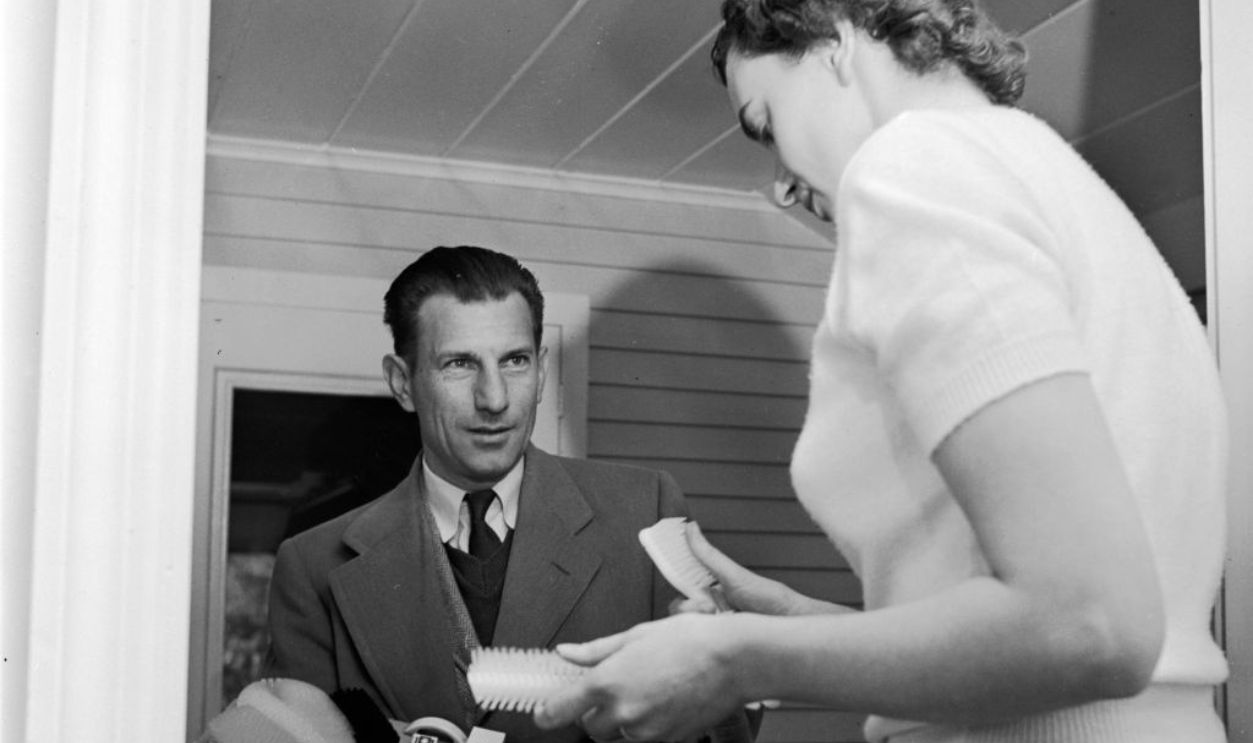
#22. Fuller Brush Salesperson
For generations, the "Fuller Brush Man" went door-to-door selling brushes, cleaning supplies, and household products. The company's sales force became so culturally familiar that the phrase itself entered American pop culture. Changing shopping habits and the decline of door-to-door selling made this once-familiar occupation increasingly unusual.
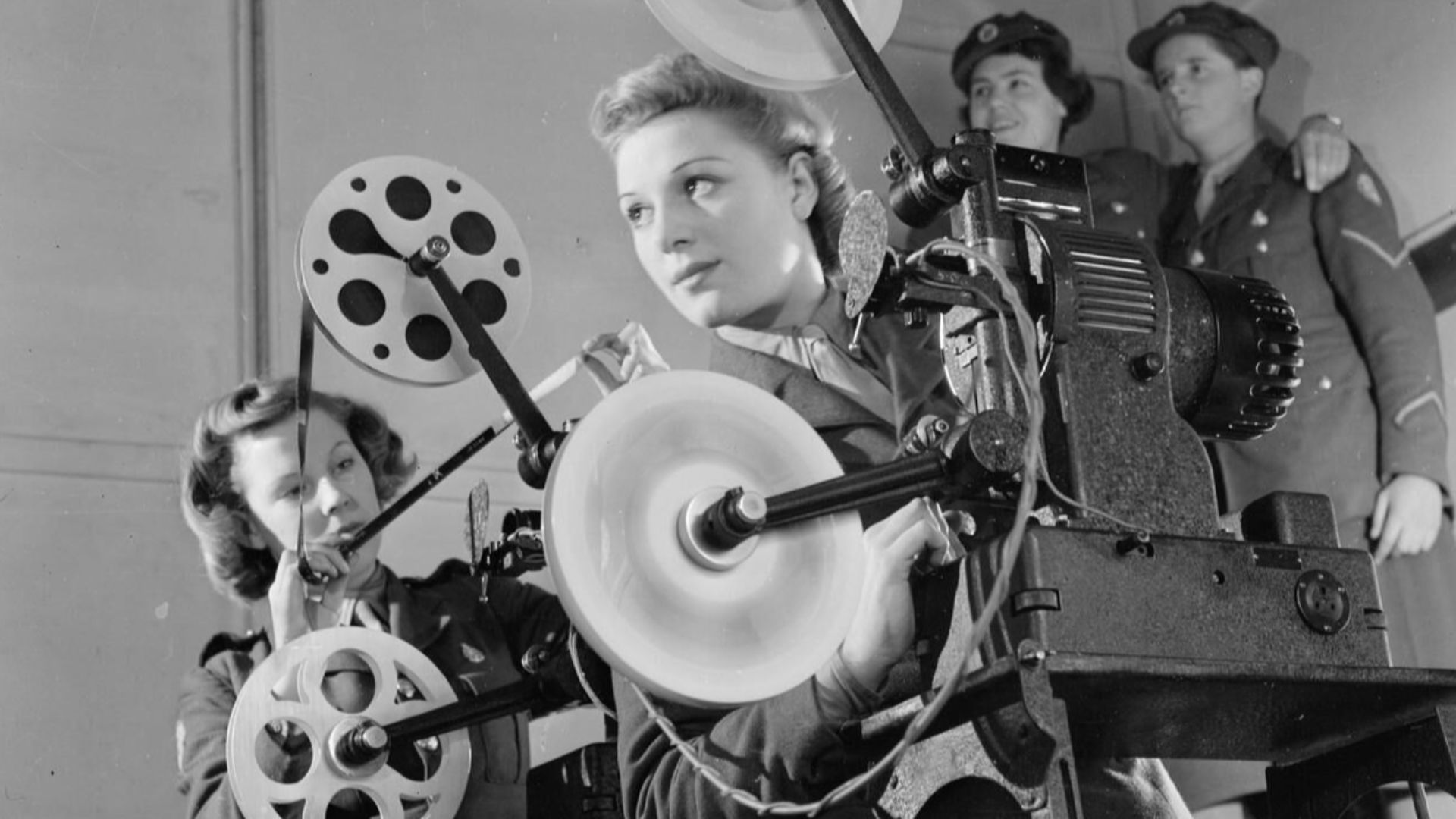
#21. Film Projectionist
Running a movie wasn't always a matter of clicking a file. Projectionists threaded reels of 35mm film through projectors, changed reels, monitored focus and sound, and occasionally dealt with film that decided to misbehave halfway through the show. Digital cinema largely eliminated that specialized work from modern multiplexes.
 Ministry of Information Photo Division Photographer, Wikimedia Commons
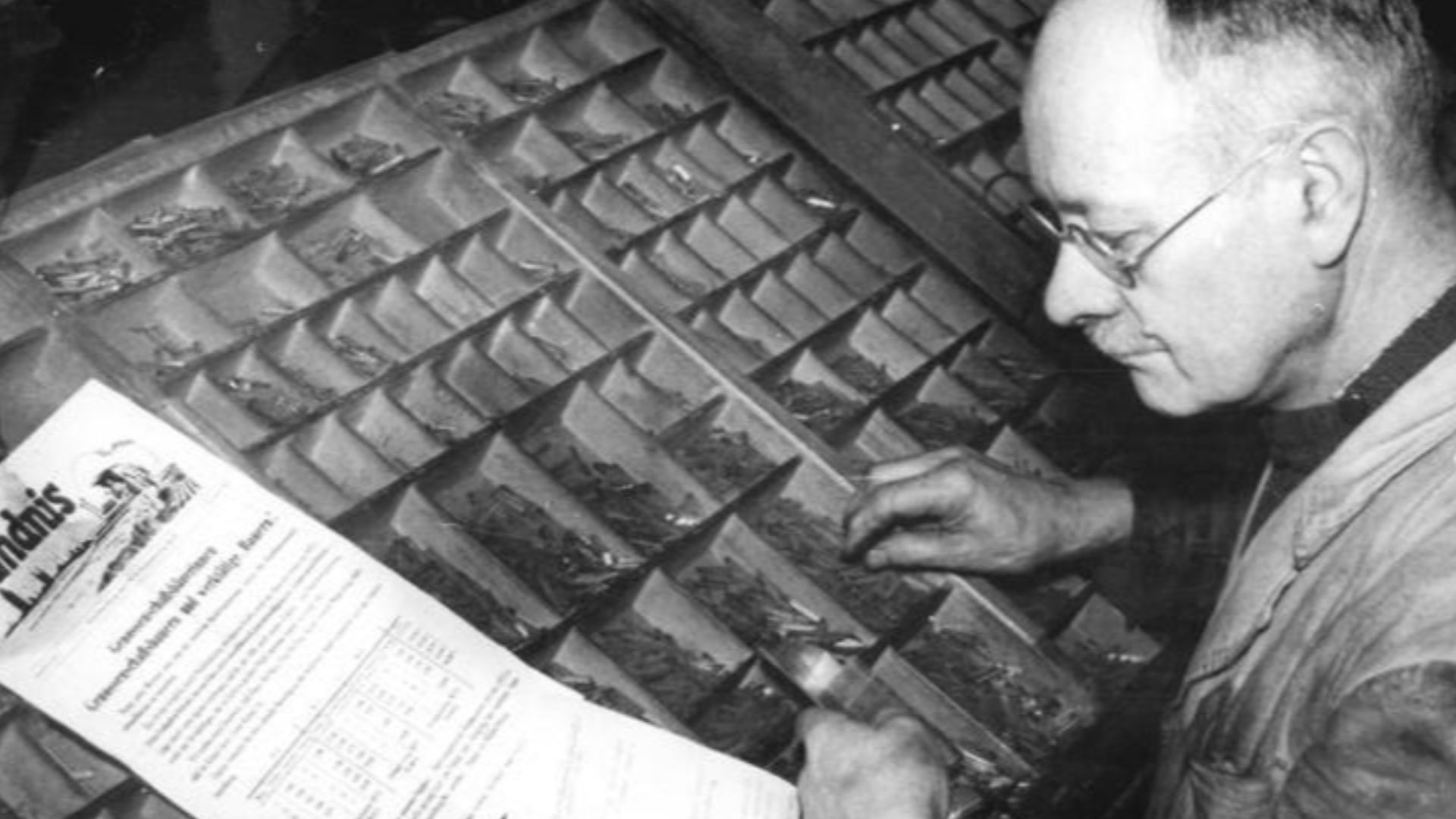
#20. Typesetter
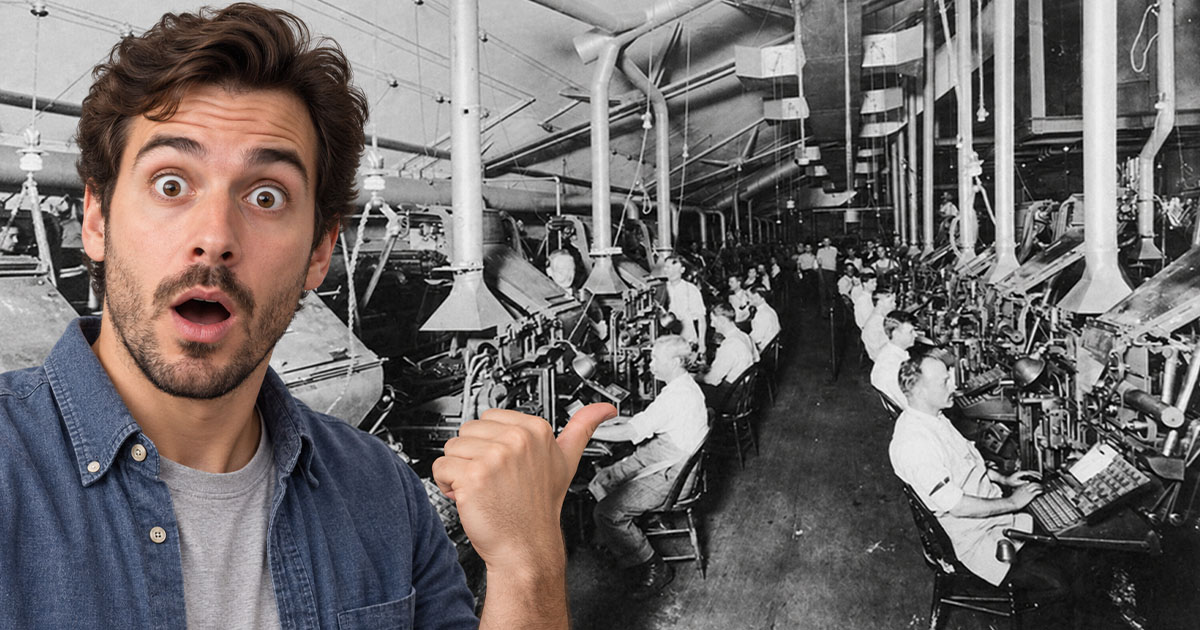
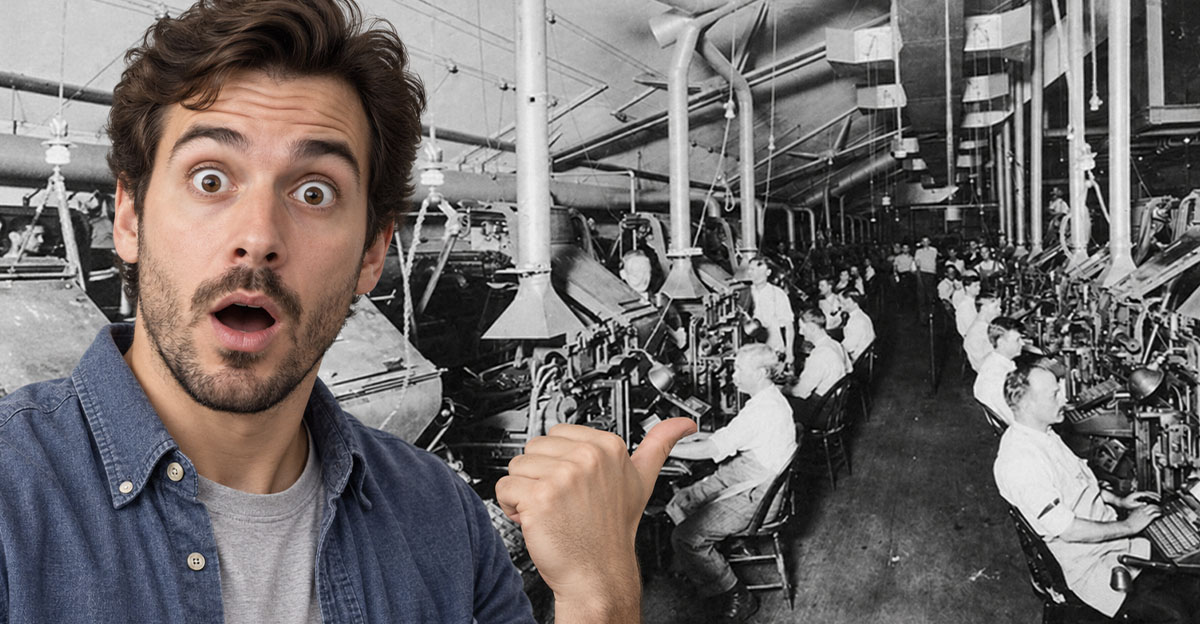
Newspapers, magazines, advertisements, and books required skilled workers to prepare type before anything reached the printing press. By the 1970s, traditional hot-metal methods were already giving way to phototypesetting. Desktop publishing and computerized page layout eventually transformed the industry so thoroughly that the old typesetter's job largely vanished.
 Wilhelm Biscan, Wikimedia Commons
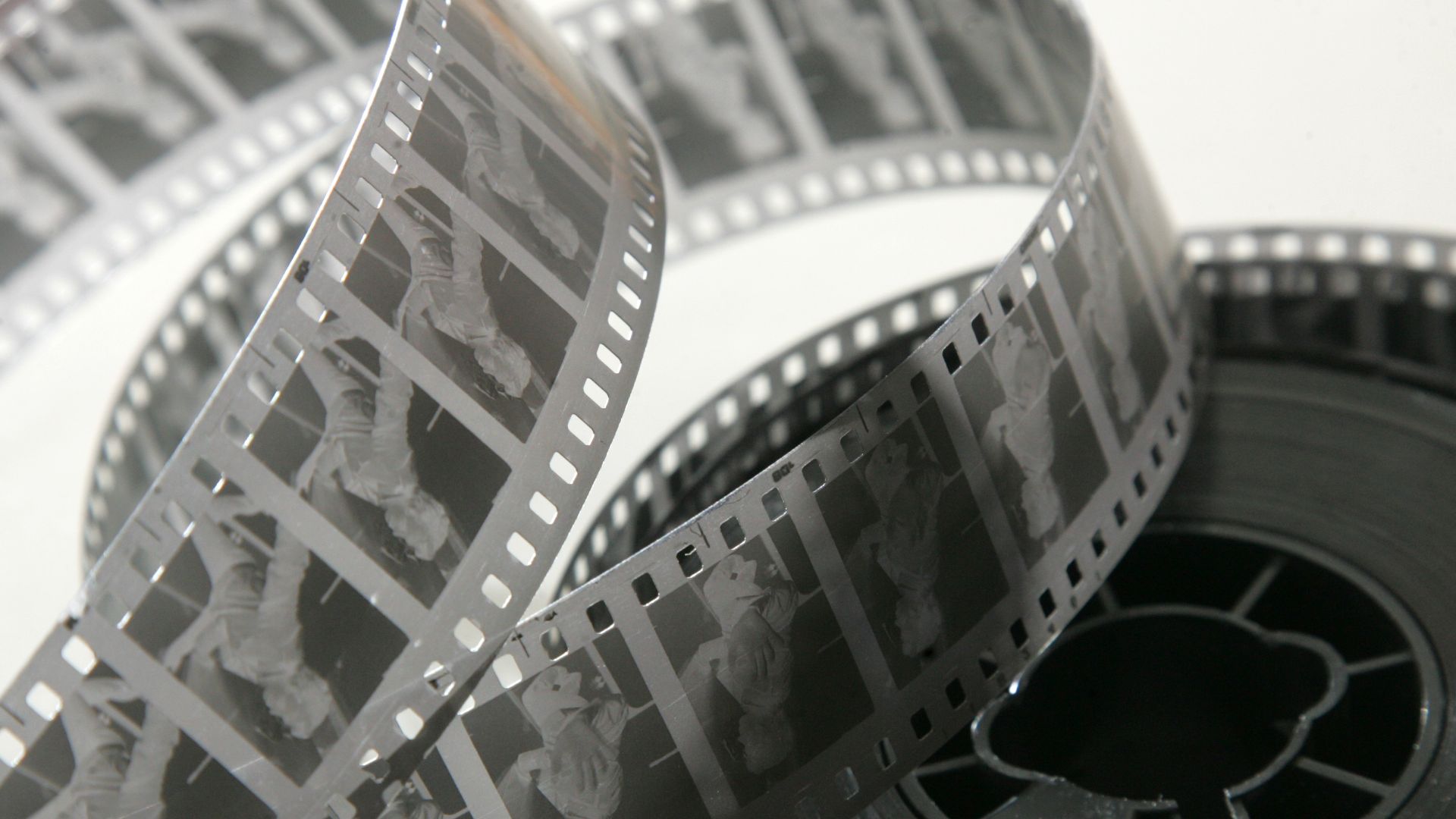
#19. Photo Lab Technician
Remember dropping off a roll of film and waiting days to discover whether your vacation photographs were any good? Photo lab workers developed negatives and produced prints at camera shops, pharmacies, department stores, and dedicated one-hour labs. Digital cameras and smartphones demolished the enormous consumer film-processing market.
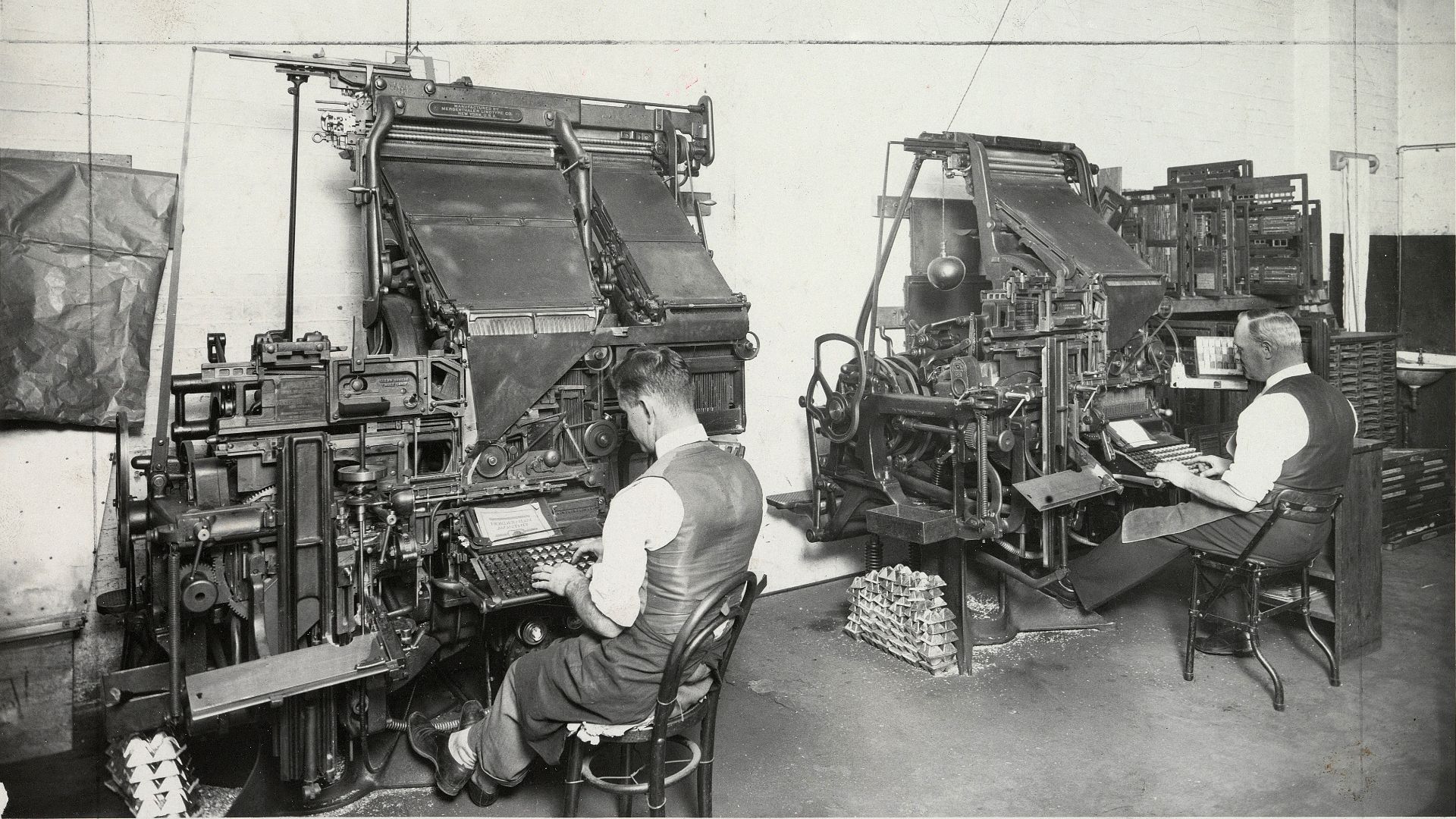
#18. Newspaper Linotype Operator
The clattering Linotype machine was once essential to newspaper production. Operators typed copy into machines that assembled entire lines of metal type for printing—a skilled, hot, noisy job that took serious training. Phototypesetting and computerized composition rapidly displaced Linotype during the latter 20th century.
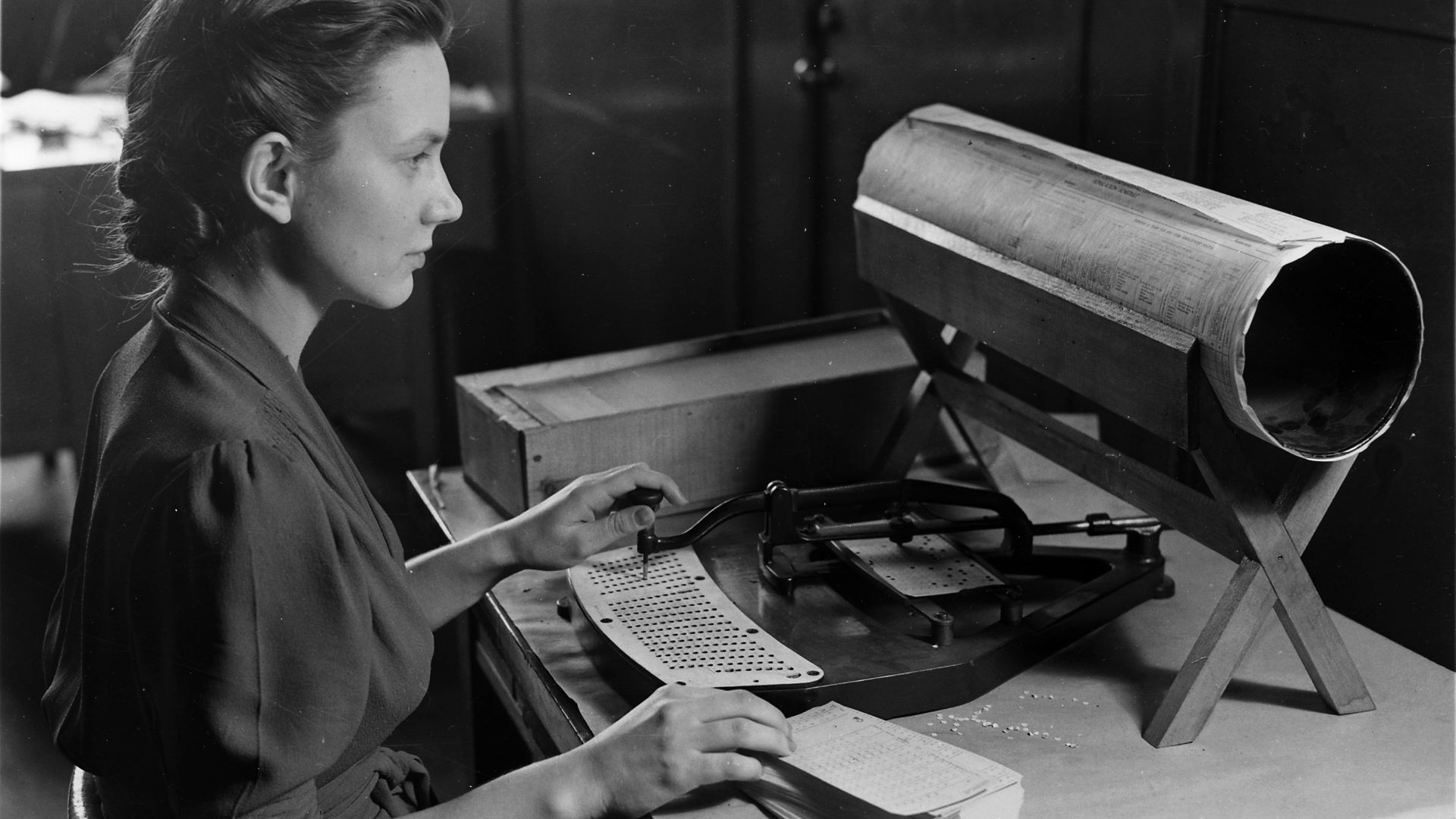
#17. Keypunch Operator
Before entering information meant clicking into a spreadsheet, armies of office workers transferred data onto punched cards using keypunch machines. The cards could then be fed into computers for processing. Electronic data entry and newer computer storage made punch cards obsolete—and took this once-common office occupation with them.
 Unknown authorUnknown author or not provided, Wikimedia Commons
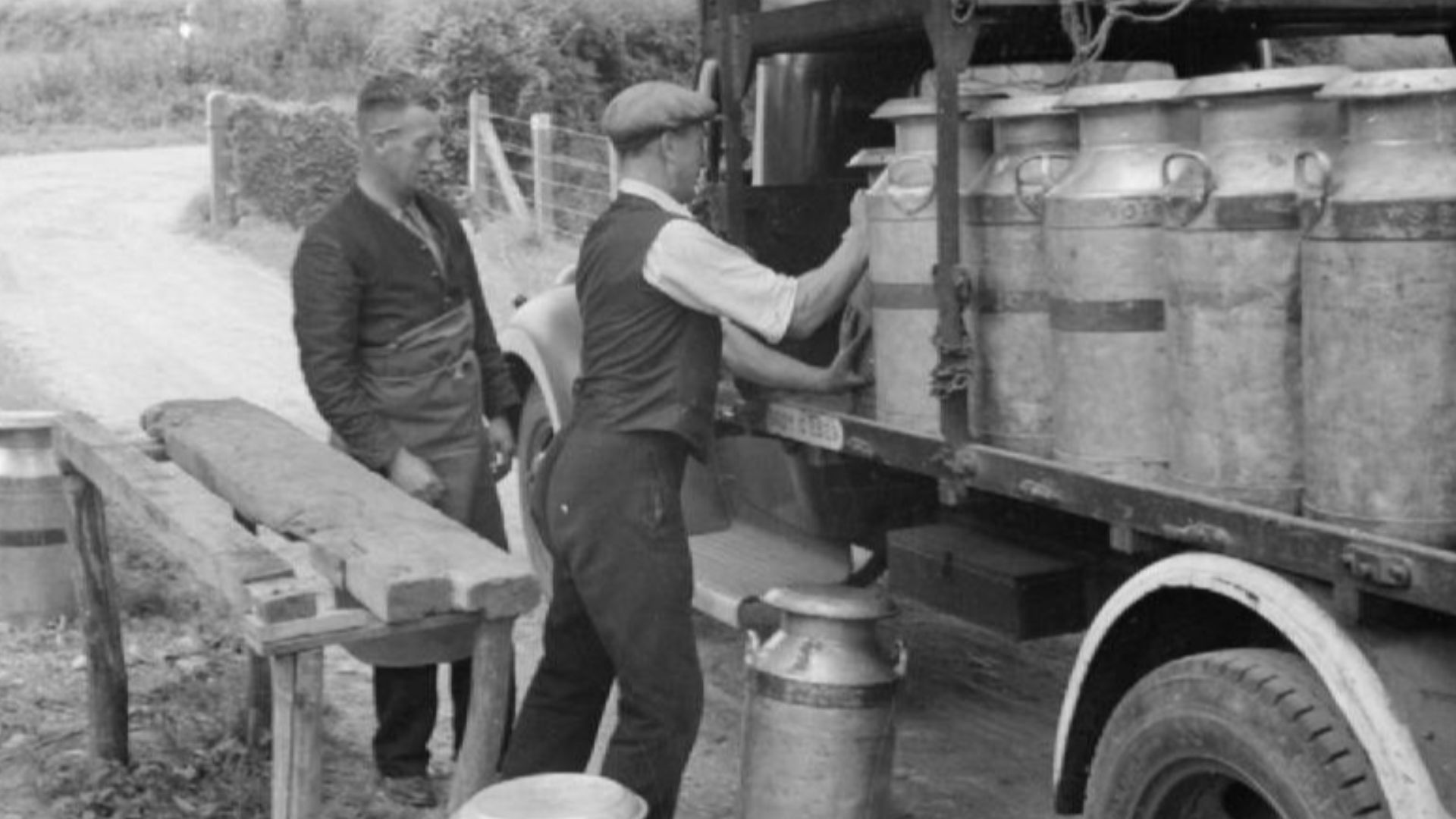
#16. Milk Delivery Driver
Opening the front door and finding bottles of milk waiting outside was once perfectly ordinary. Milkmen delivered dairy products directly to homes, often following the same neighborhood routes for years. Supermarkets, household refrigerators, suburban shopping patterns, and changing distribution systems dramatically reduced the need for daily residential milk delivery.
 Ministry of Information Photo Division Photographer, Wikimedia Commons
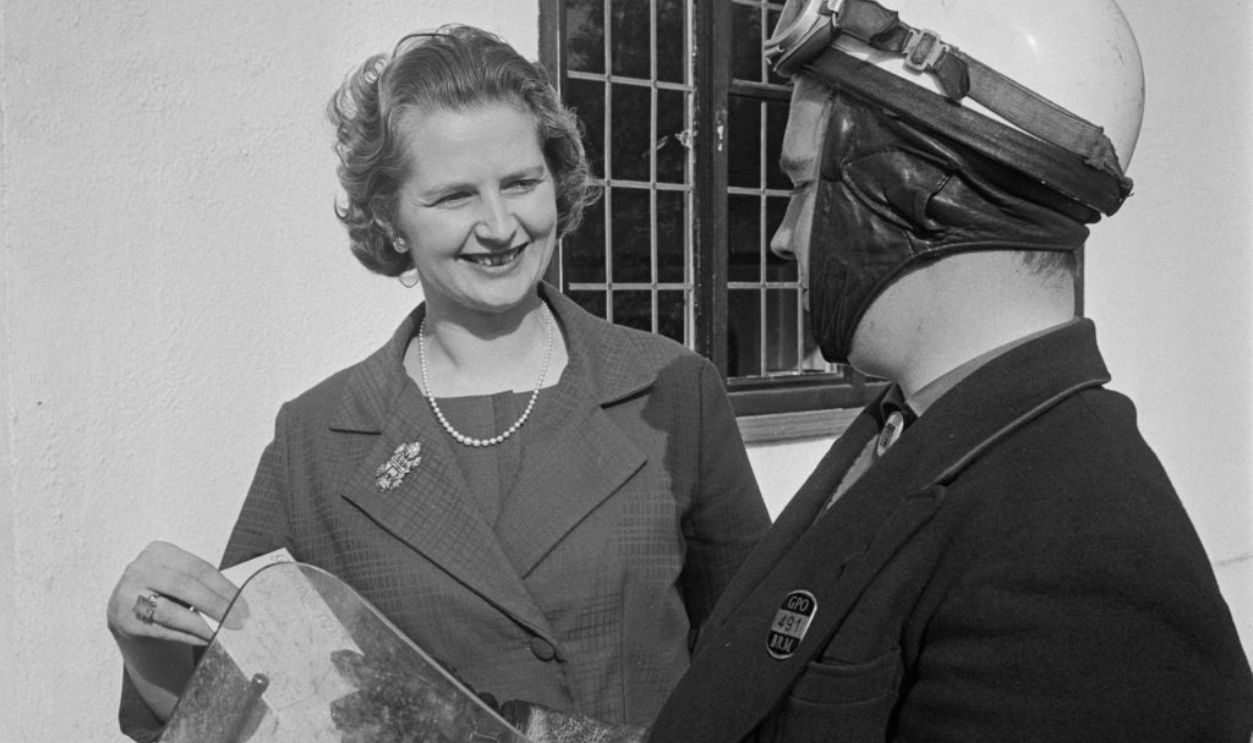
#15. Telegram Messenger
Long before texting, an unexpected telegram arriving at the house could be exciting—or make everybody nervous. Messengers physically delivered short communications transmitted through telegraph networks. Telephones, inexpensive long-distance calling, fax machines, email, and other electronic communication gradually made commercial telegram delivery unnecessary.
 Evening Standard, Getty Images
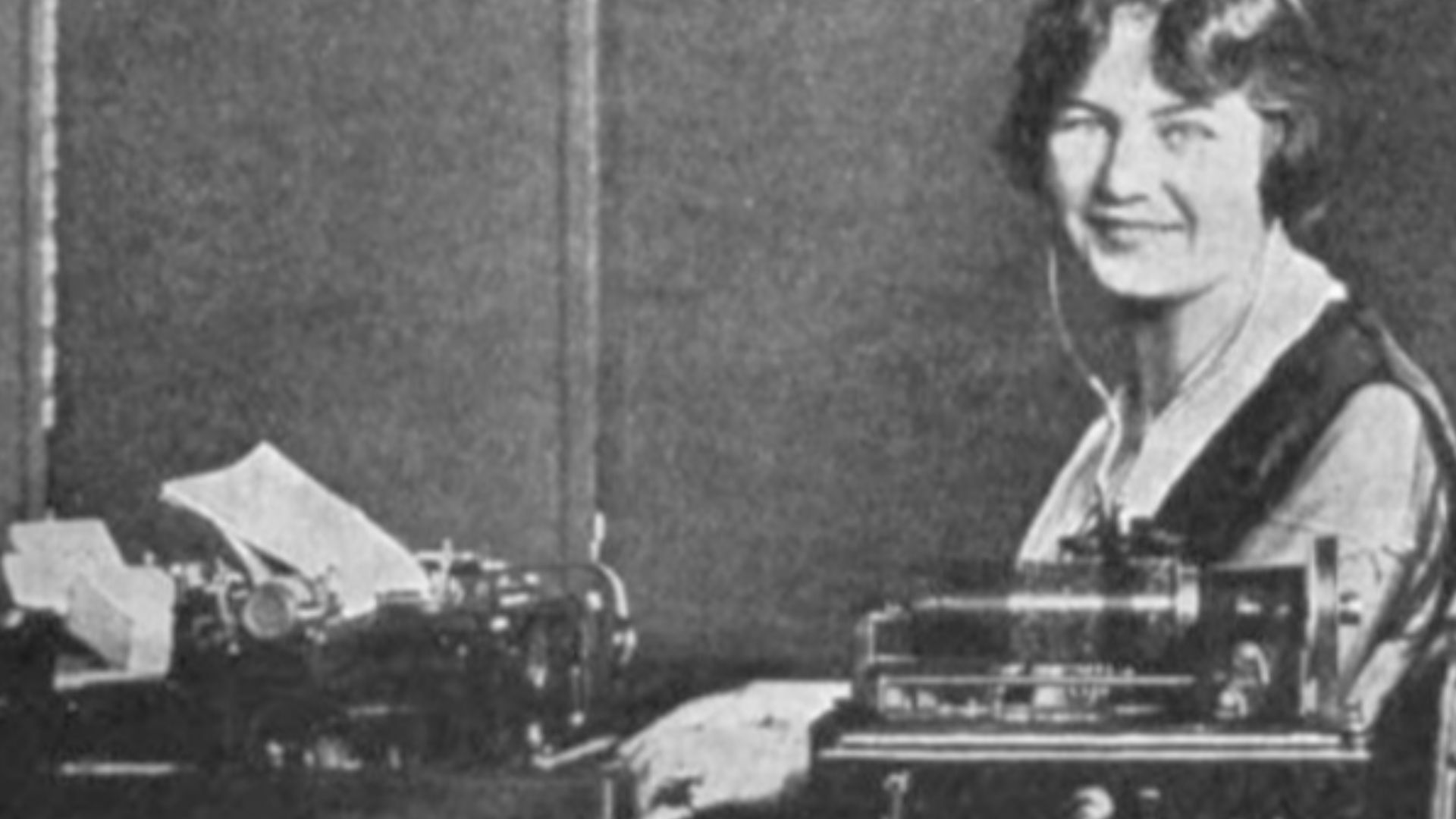
#14. Dictaphone Transcriptionist
Executives didn't always type their own letters. Many dictated correspondence into recording machines, after which a secretary or transcriptionist listened and typed everything out. Word processors, personal computers, email, voice recognition, and changing office roles eventually made dedicated business transcription far less common.
 Columbia Phonograph Co., Wikimedia Commons
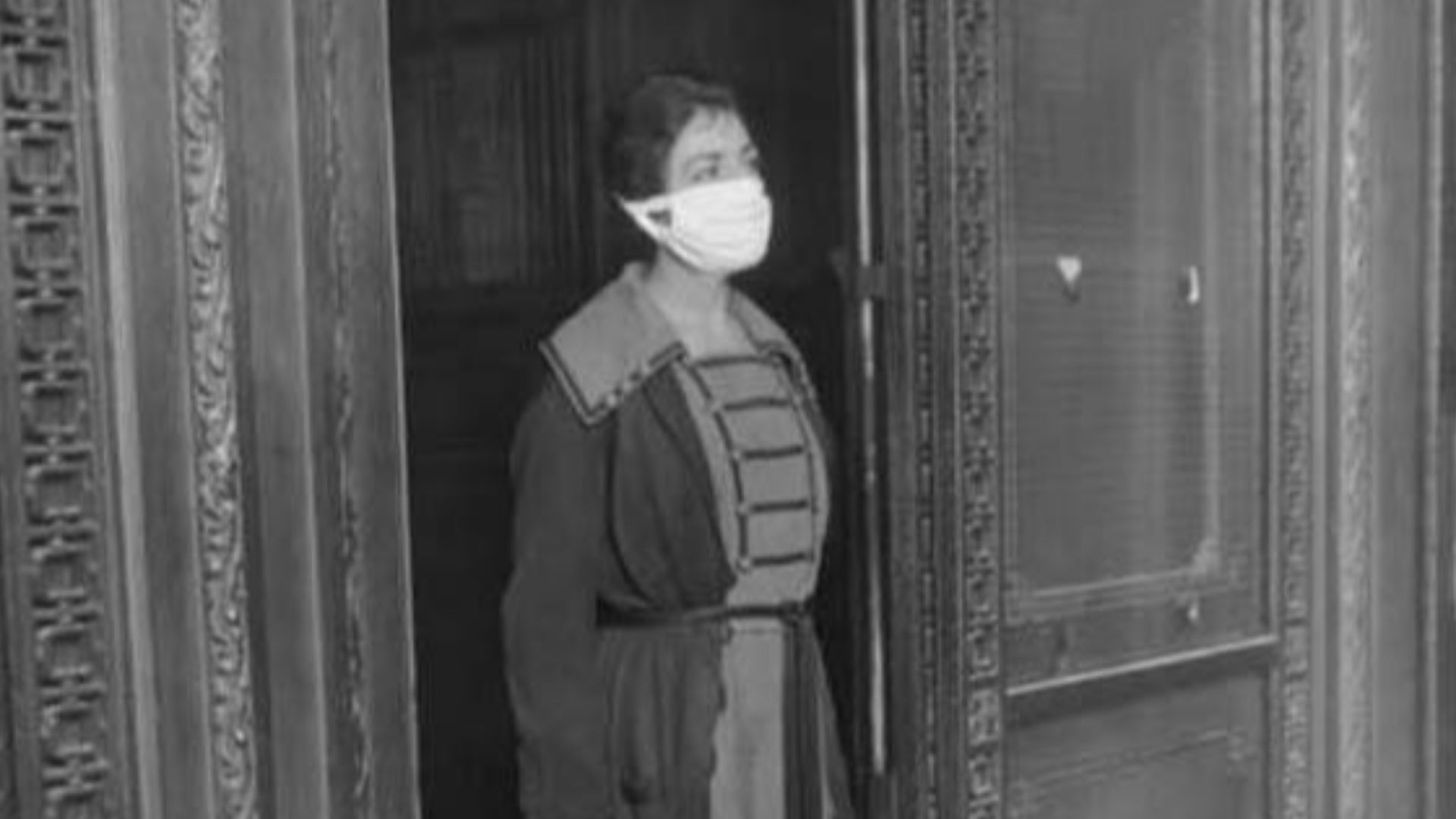
#13. Elevator Operator
"Going up?" really was somebody's job. Elevator operators controlled older manually operated elevators, opened and closed doors, stopped accurately at floors, and announced destinations. Automatic controls steadily eliminated the need for them, although a handful remain in historic buildings, luxury properties, and specialized settings.
 Webster & Stevens, Wikimedia Commons
#12. Toll Booth Collector
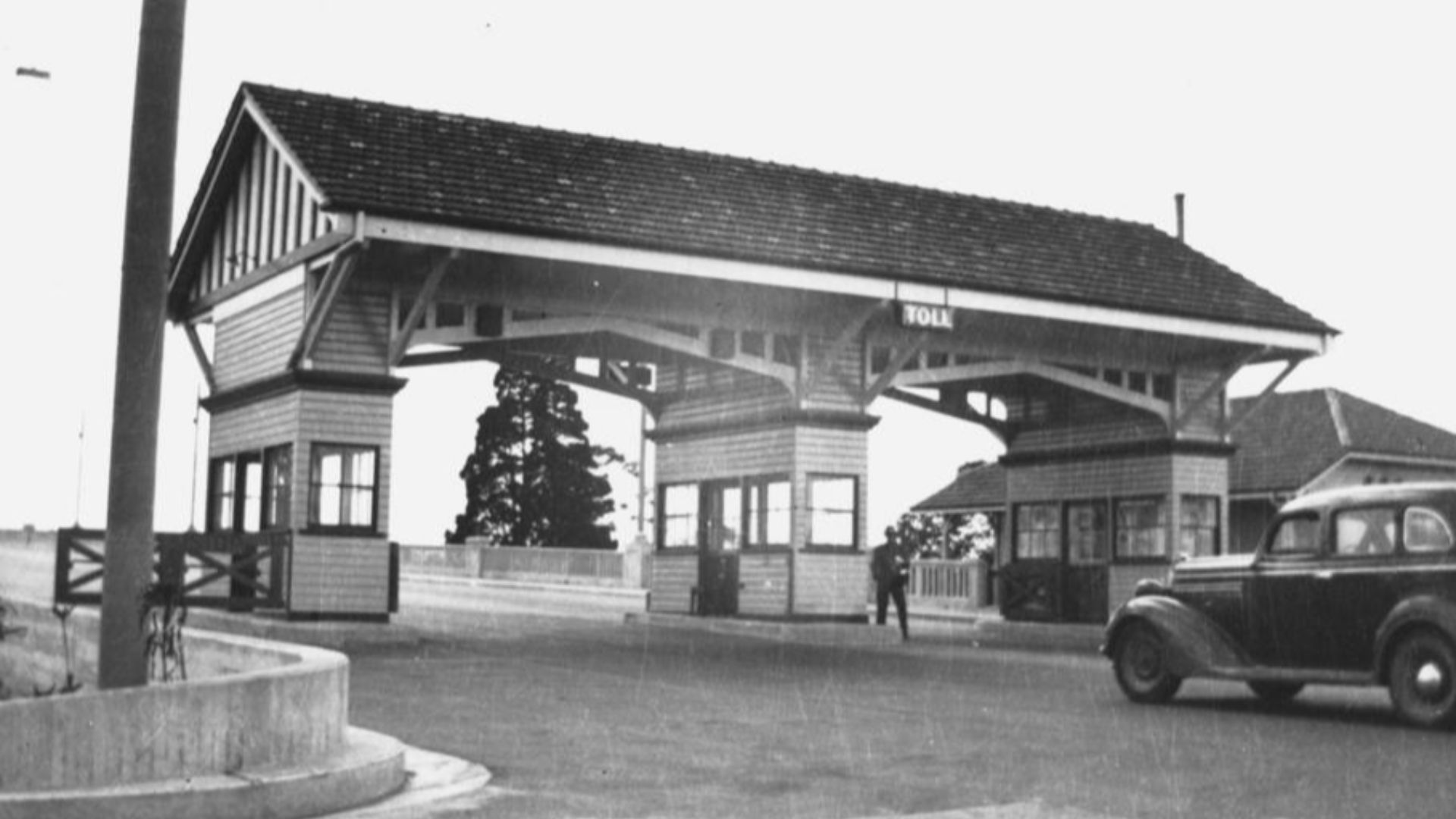
For generations, American motorists approaching bridges and toll highways slowed down, rolled down the window, and handed money to a person inside a tiny booth. Electronic tolling systems such as E-ZPass and license-plate billing have steadily eliminated staffed booths. The toll didn't disappear—just the person taking your quarters.
#11. Newspaper Delivery Worker
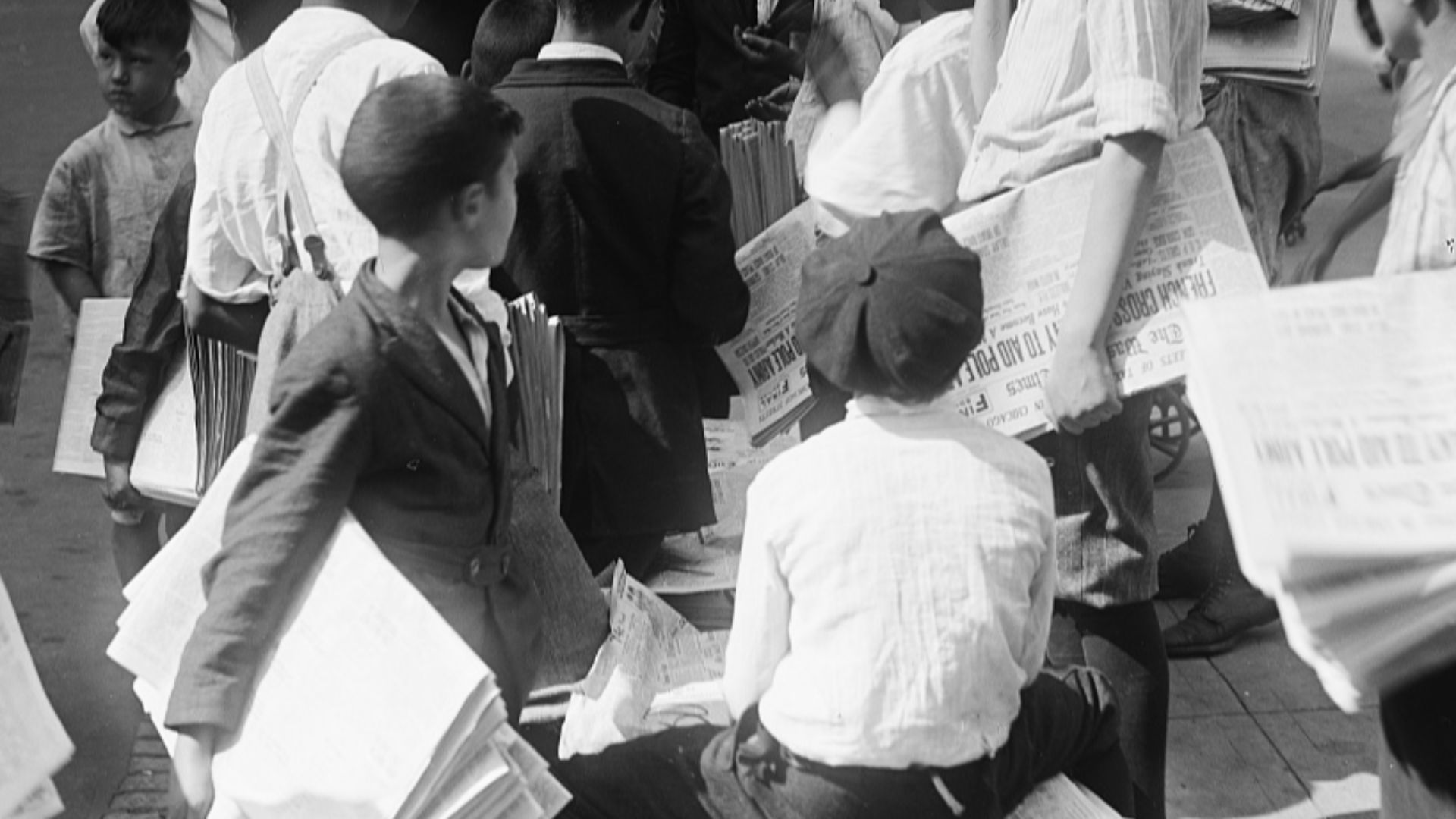
The neighborhood paper route was practically a rite of passage for generations of American kids. They folded papers, loaded bicycle baskets, tossed copies onto porches, and sometimes collected subscription money themselves. Newspaper circulation declines and consolidated vehicle delivery have made the classic kid-on-a-bike paper route increasingly rare.
 Harris & Ewing, Washington D.C. based photography studio, Wikimedia Commons
#10. Copy Boy Or Copy Girl
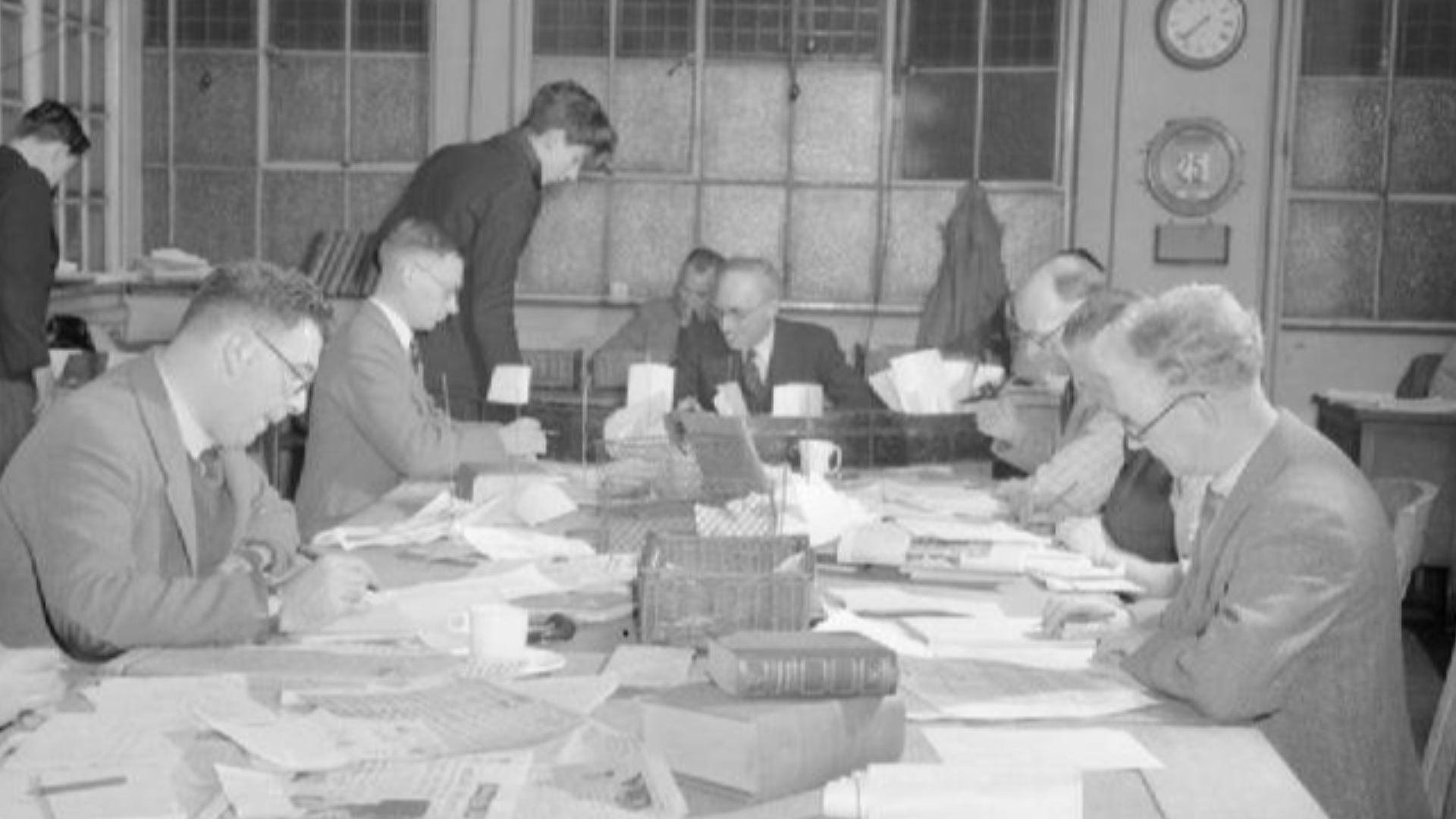
Newsrooms once employed young workers to physically carry reporters' copy between desks, editors, and composing rooms. It was a humble job, but it offered an entry point into journalism for ambitious youngsters hoping to move up. Computers and networked newsrooms made physically transporting pieces of paper rather pointless.
 Ministry of Information Photo Division Photographer, Wikimedia Commons
#9. Travel Reservation Agent
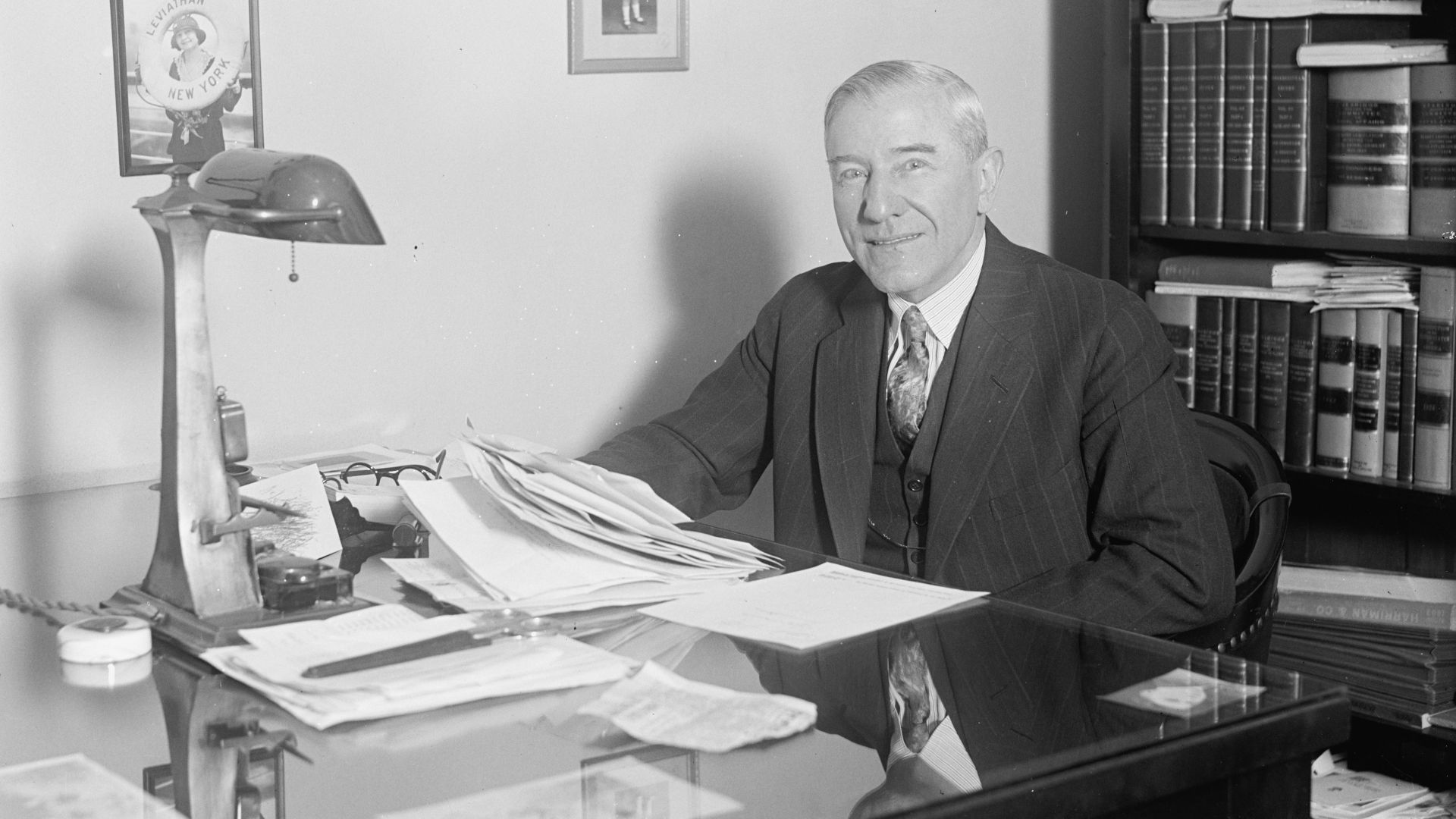
Booking a vacation once meant calling or visiting someone who had access to schedules and reservation systems ordinary travelers couldn't easily use themselves. Agents handled airline tickets, hotels, cruises, and complicated itineraries. Online booking transformed the business. Travel advisers still exist, but the everyday ticket-booking agent is far less ubiquitous.
 National Photo Company Collection, Wikimedia Commons
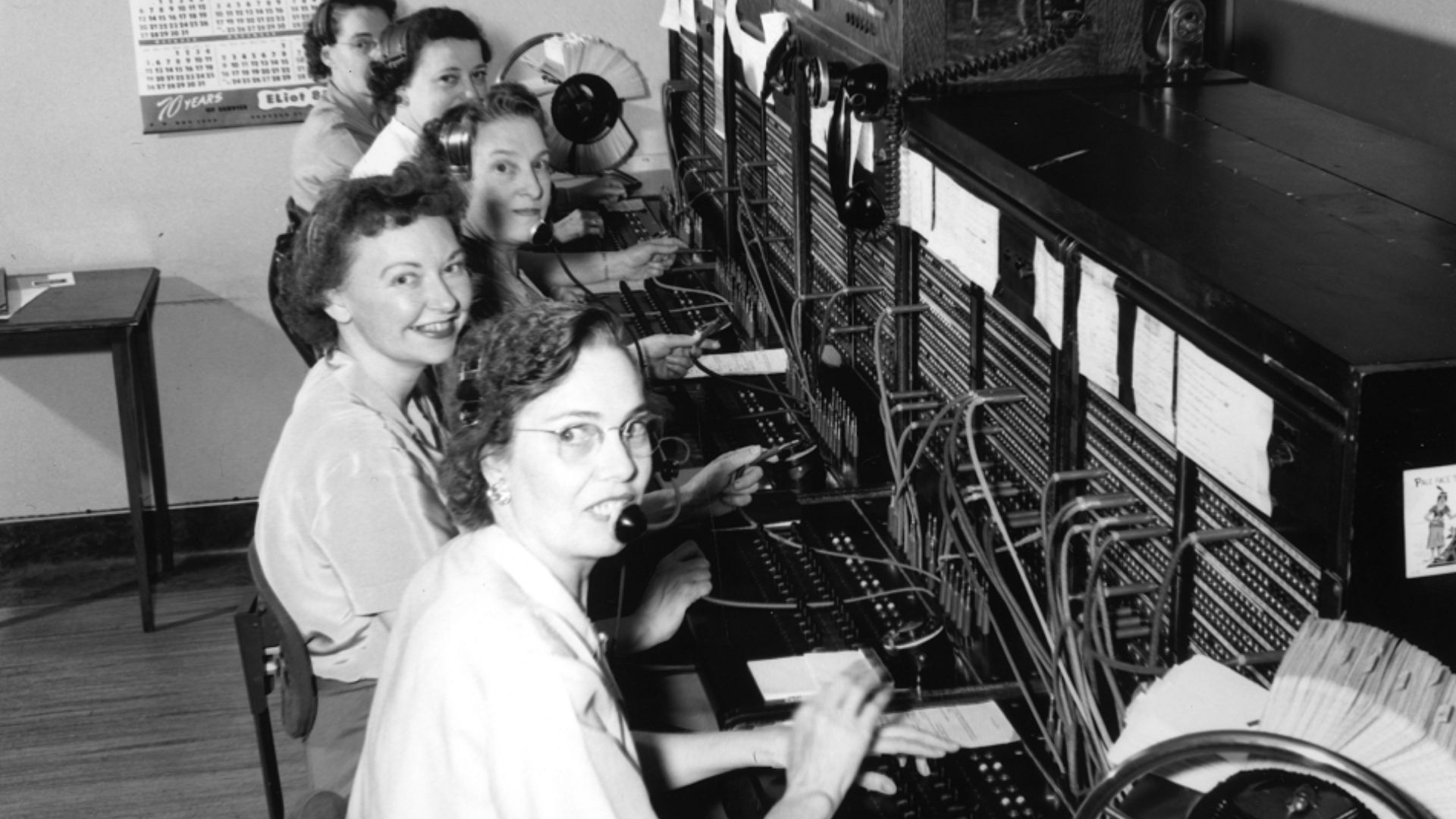
#8. Telephone Information Operator
Before Google—and before everyone carried a telephone directory in their pocket—you could dial an operator and ask for a number. Directory-assistance operators searched listings and supplied telephone numbers to callers. Online searches, smartphones, saved contacts, and automated systems have reduced that once-routine service to a shadow of itself.
 Seattle Municipal Archives from Seattle, WA, Wikimedia Commons
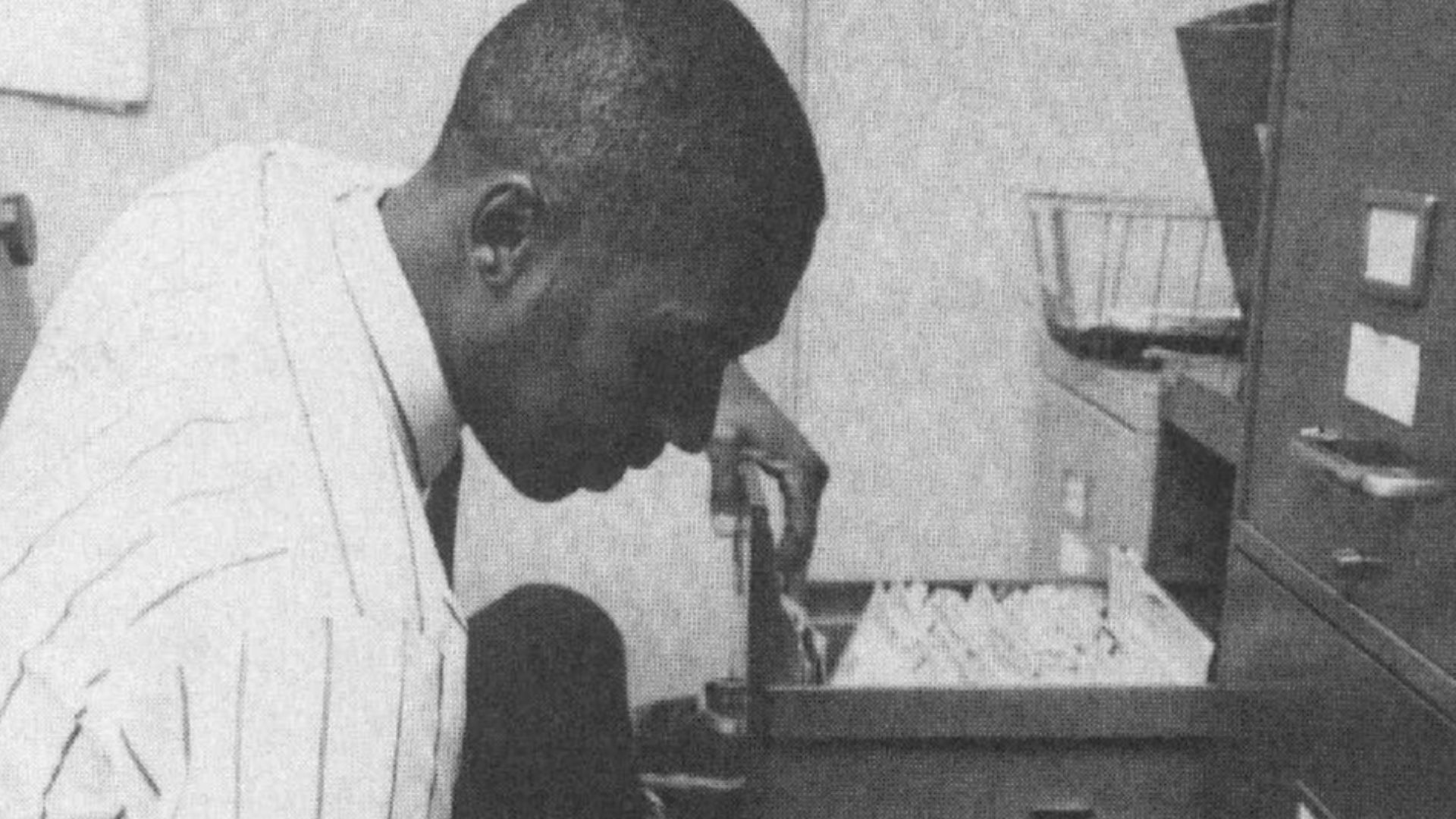
#7. File Clerk
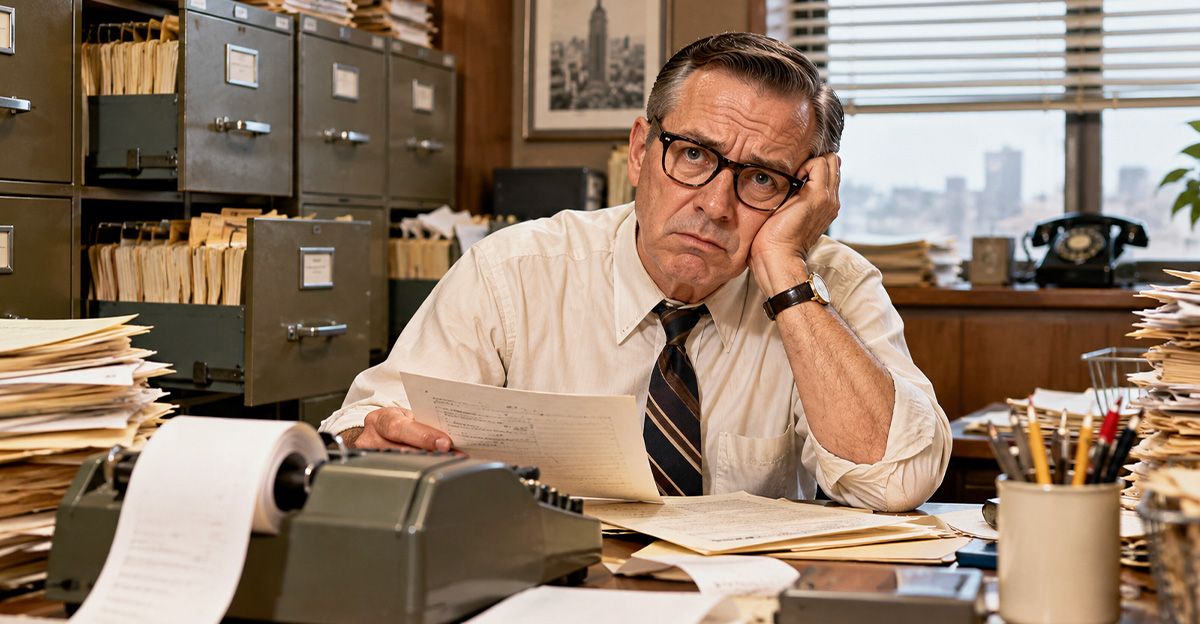
Imagine an office database, except it's a room full of cabinets and somebody has to remember where everything went. File clerks organized, retrieved, updated, and refiled mountains of paper records. Digital databases and electronic document management eliminated huge amounts of that work as American offices computerized.
 Bureau of Labor Statistics, Wikimedia Commons
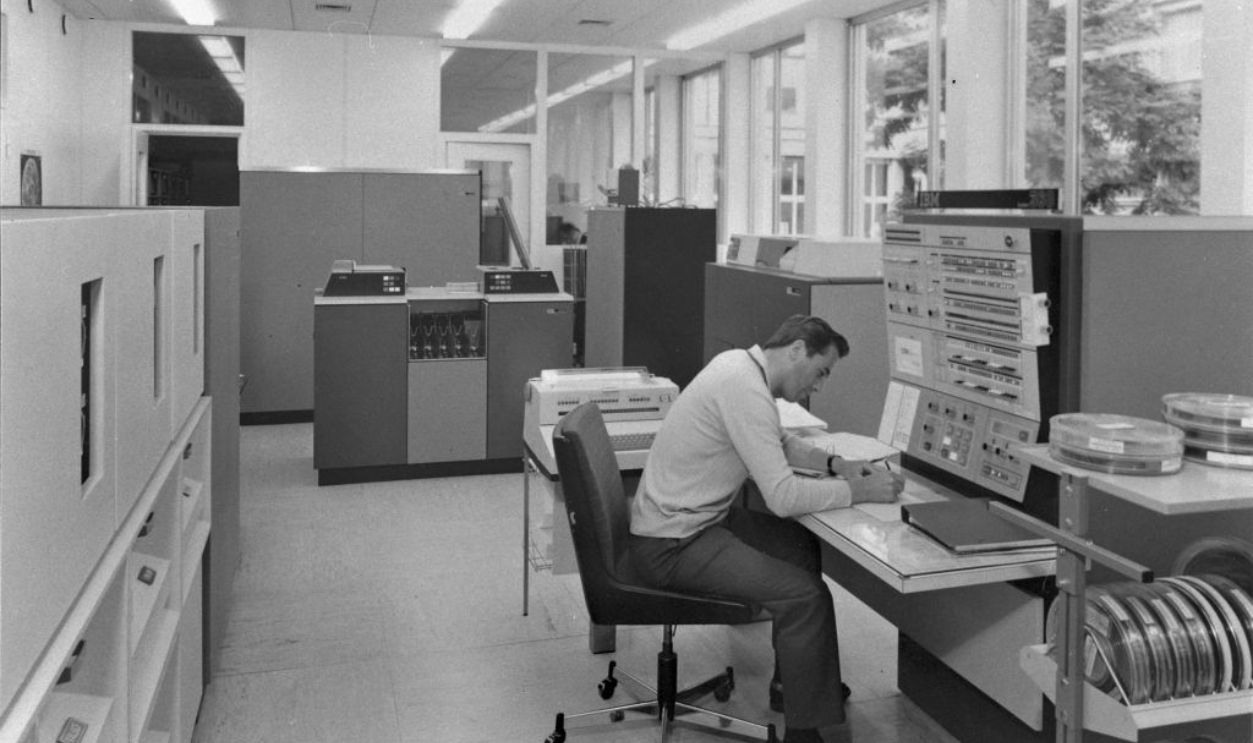
#6. Bank Proof Machine Operator
Banks once needed employees dedicated to processing checks and other financial documents through specialized proof machines, encoding and verifying information before items moved through the banking system. Check imaging, electronic payments, computerized processing, and automated banking gradually swallowed much of this behind-the-scenes work.
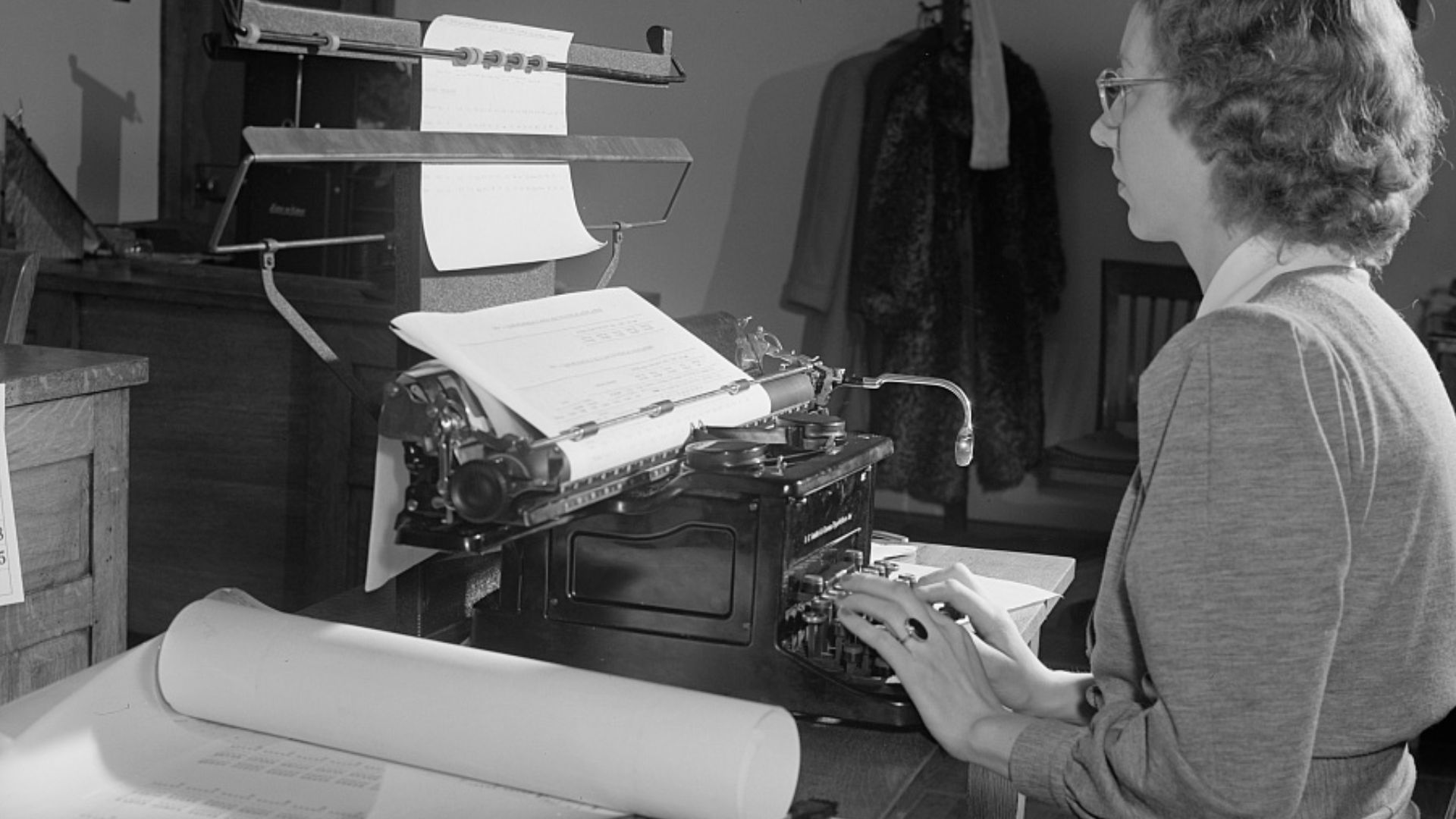
#5. Word Processor/Typist
Typing was once enough of a specialized skill to be a standalone occupation. Typists produced letters, reports, manuscripts, forms, and business documents for other employees. Personal computers put keyboards on virtually everyone's desks, leaving far fewer businesses looking for someone whose primary job is simply typing.
 Jack Delano, Wikimedia Commons
#4. Data Entry Keyer
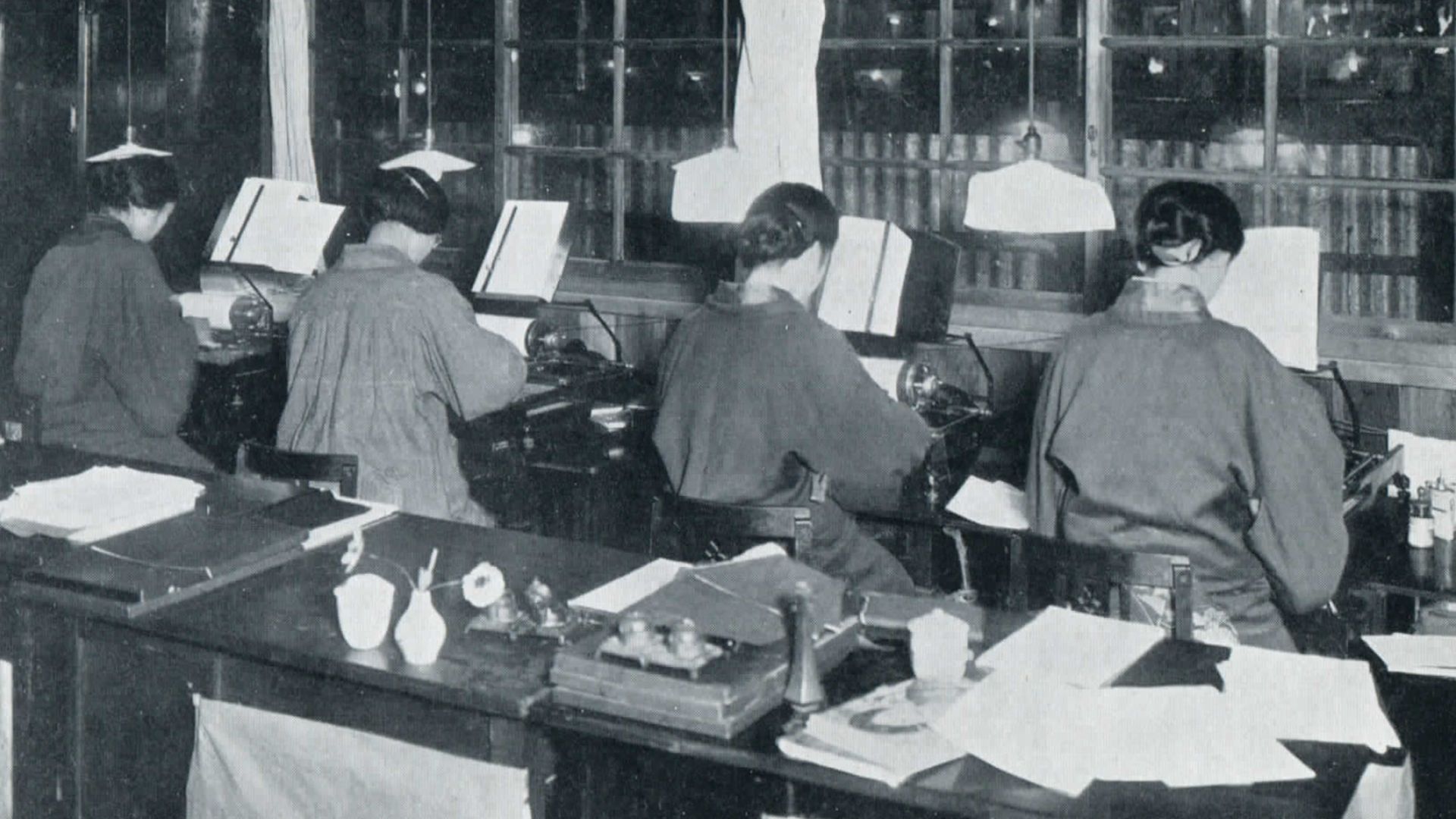
Companies once employed enormous numbers of workers specifically to take information from forms and other records and enter it into computer systems. Scanning, optical recognition, integrated databases, online forms, and automation have dramatically reduced the occupation. Even today, federal projections continue to put data-entry work among America's shrinking occupations.
 Noma, Seiji, Wikimedia Commons
#3. Telephone Switchboard Operator
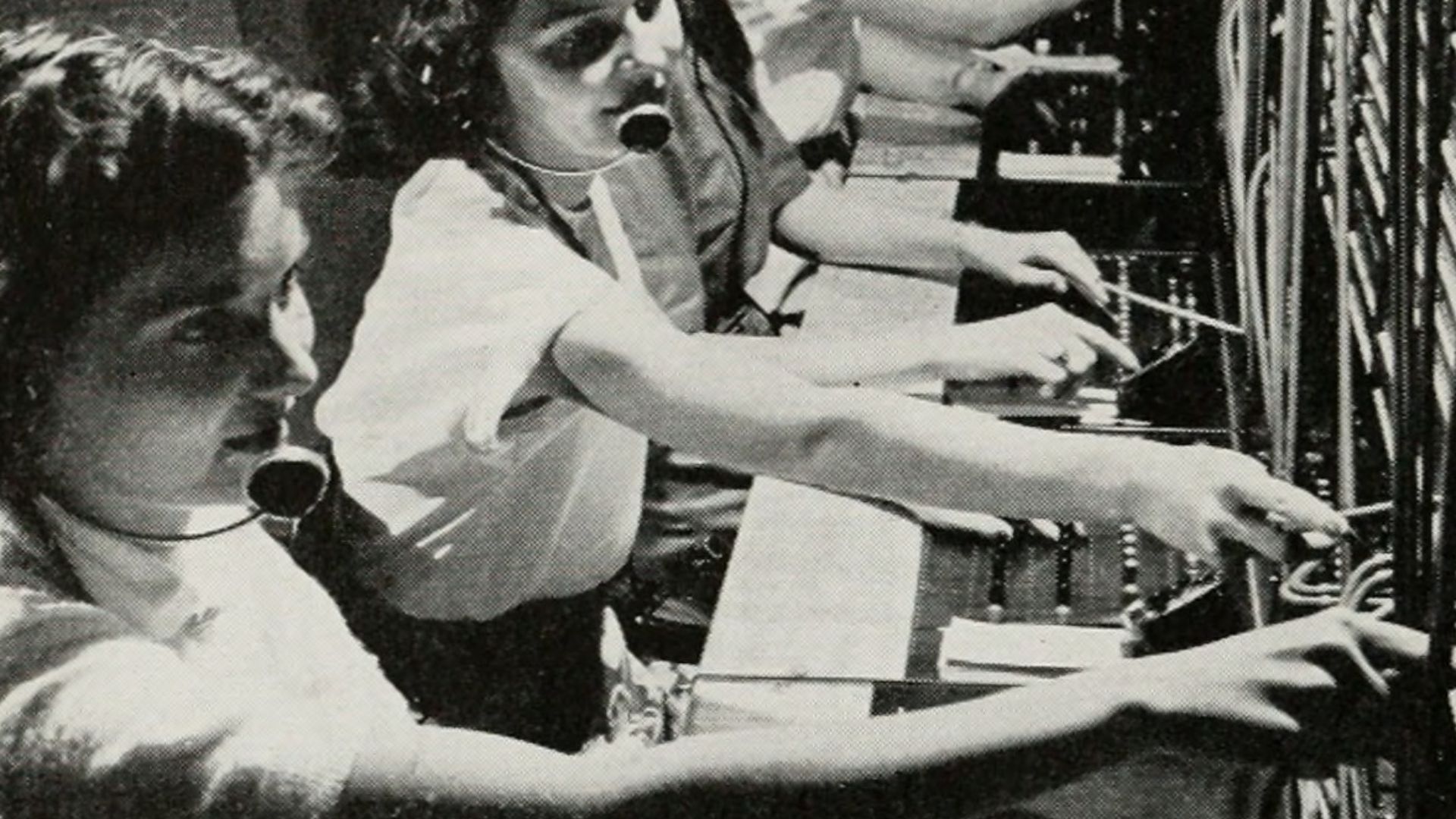
A busy company, hotel, hospital, or answering service could have employees sitting at a switchboard routing calls to the correct extensions. Earlier systems involved physical cords and plugs; later boards became electronic. Automated telephone systems steadily took over, turning the once-familiar switchboard into something younger generations mostly encounter in old movies.
 Internet Archive Book Images, Wikimedia Commons
#2. Telephone Operator
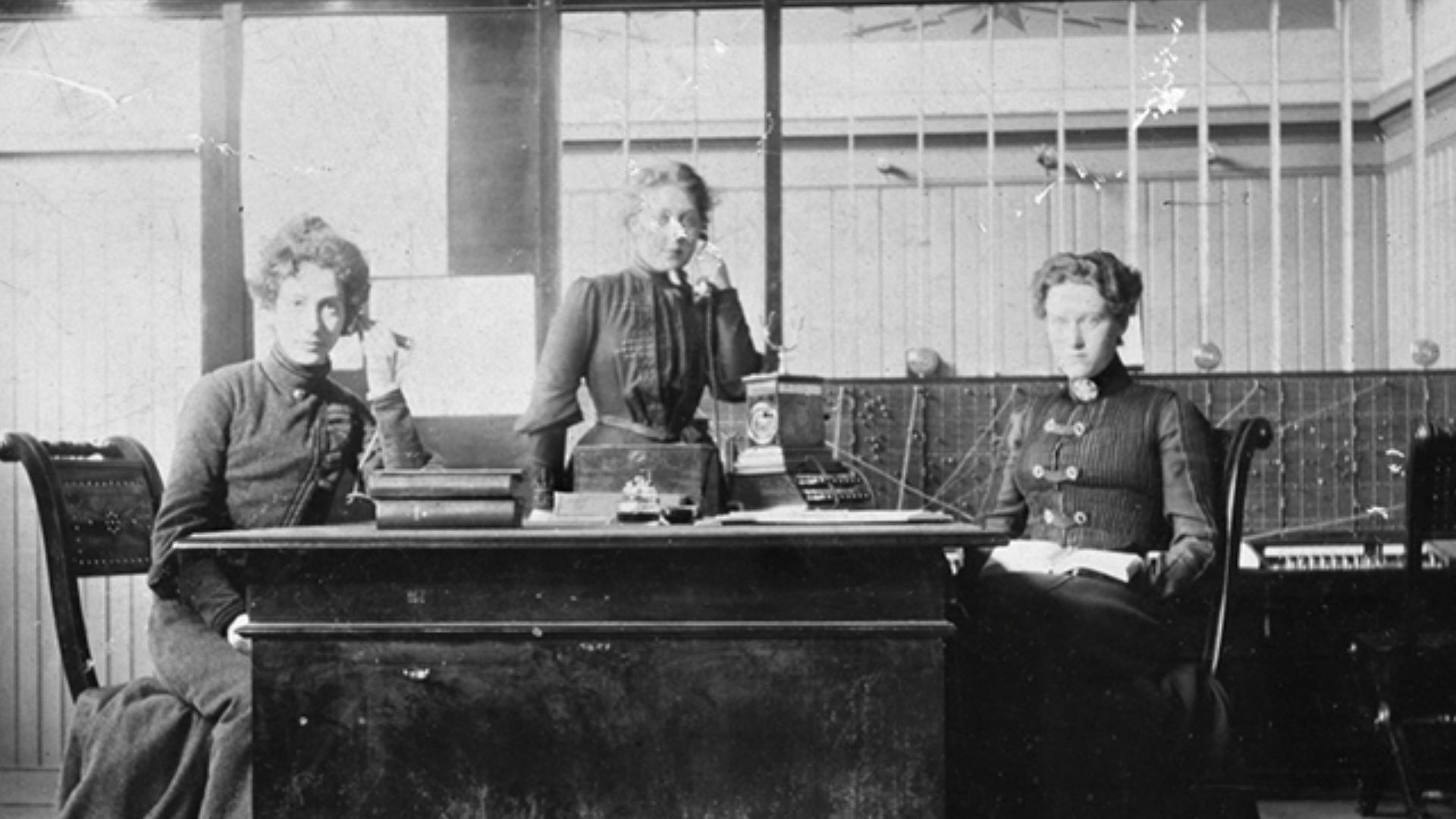
There was a time when placing certain calls meant speaking to an actual person. Telephone operators assisted with long-distance calls, collect calls, person-to-person connections, directory information, and billing questions. Automated switching and digital telecommunications changed everything, leaving only a tiny fraction of the operator jobs Americans once knew.
 Unknown authorUnknown author, Wikimedia Commons
#1. Newspaper Paste-Up Artist
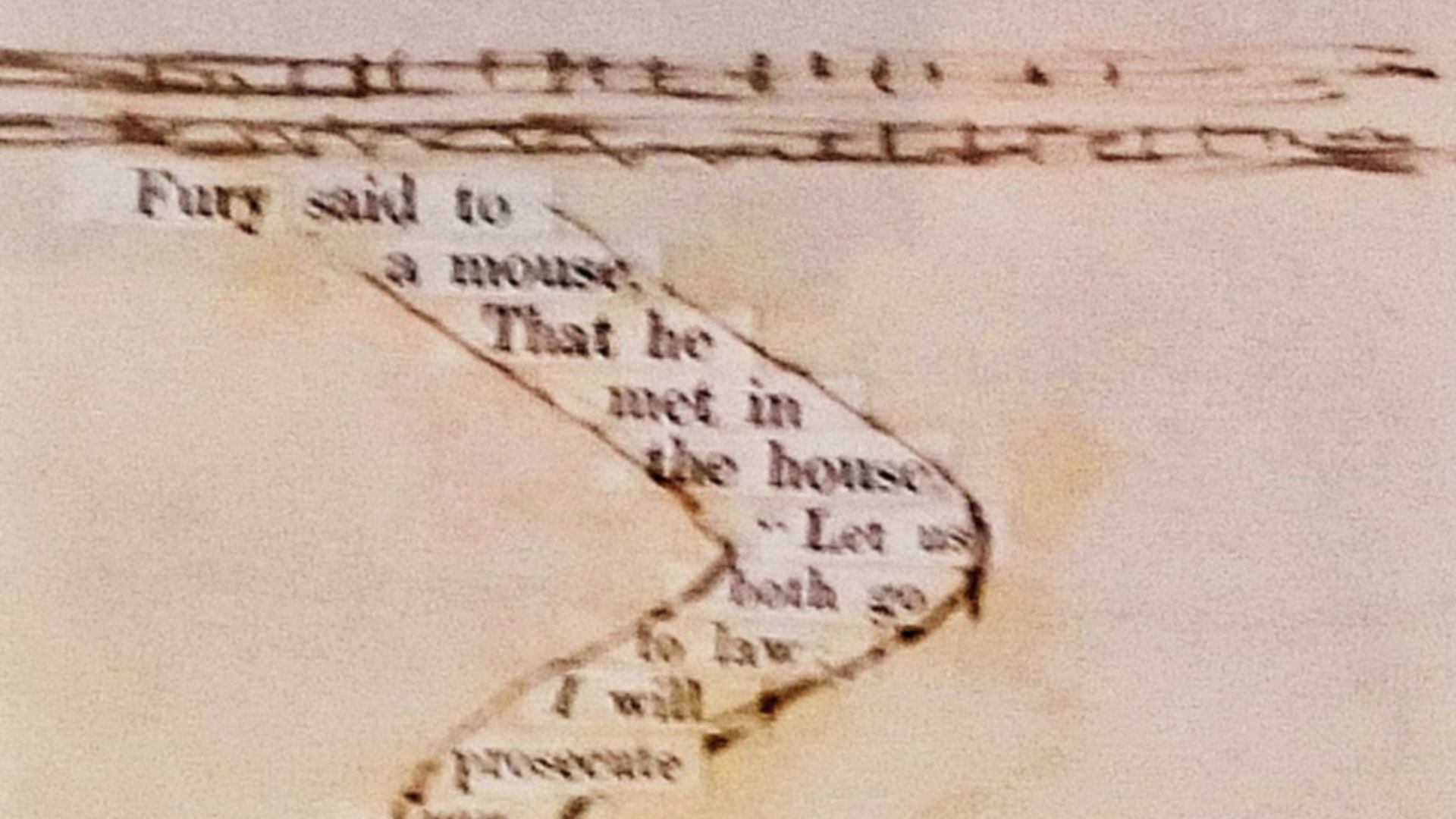
Before newspaper pages were assembled on computer screens, somebody had to build them by hand. Paste-up artists trimmed columns of typeset copy, positioned headlines and images, and attached everything to layout boards using wax or adhesive.
Desktop publishing eventually moved page assembly onto computers, turning the wax machines, layout boards, rulers, and carefully trimmed strips of type into newsroom relics. Of all the vanished jobs on this list, few demonstrate quite so literally how computers took something people once did with their hands and moved the entire process onto a screen.
 AEPM from Brussels, Belgium, Wikimedia Commons
The Machines Didn't Just Change The Jobs—They Changed Everyday Life
The strange thing isn't simply that these occupations disappeared. It's how ordinary they once seemed. You called an operator, handed coins to a toll collector, picked up milk from the porch, dropped film at the drugstore, and watched the gas-station attendant clean your windshield.
 Unknown photographer, 1890-1910, Wikimedia Commons
You May Also Like:
Brand-Name Groceries That Used To Be In Every American Family’s House—Do You Remember What They Used To Cost?
Workplace Habits Americans Think Are Normal—But The Rest Of The World Finds Bizarre