When A Good Job Meant A Job For Life
Back in the 1960s, getting a steady office job often meant you were set for life. Banks needed clerks, telephone companies hired operators, and businesses had entire departments devoted to paperwork. Nobody imagined computers would eventually do so much of that work. But times changed, and some familiar jobs practically vanished. How many do you remember?
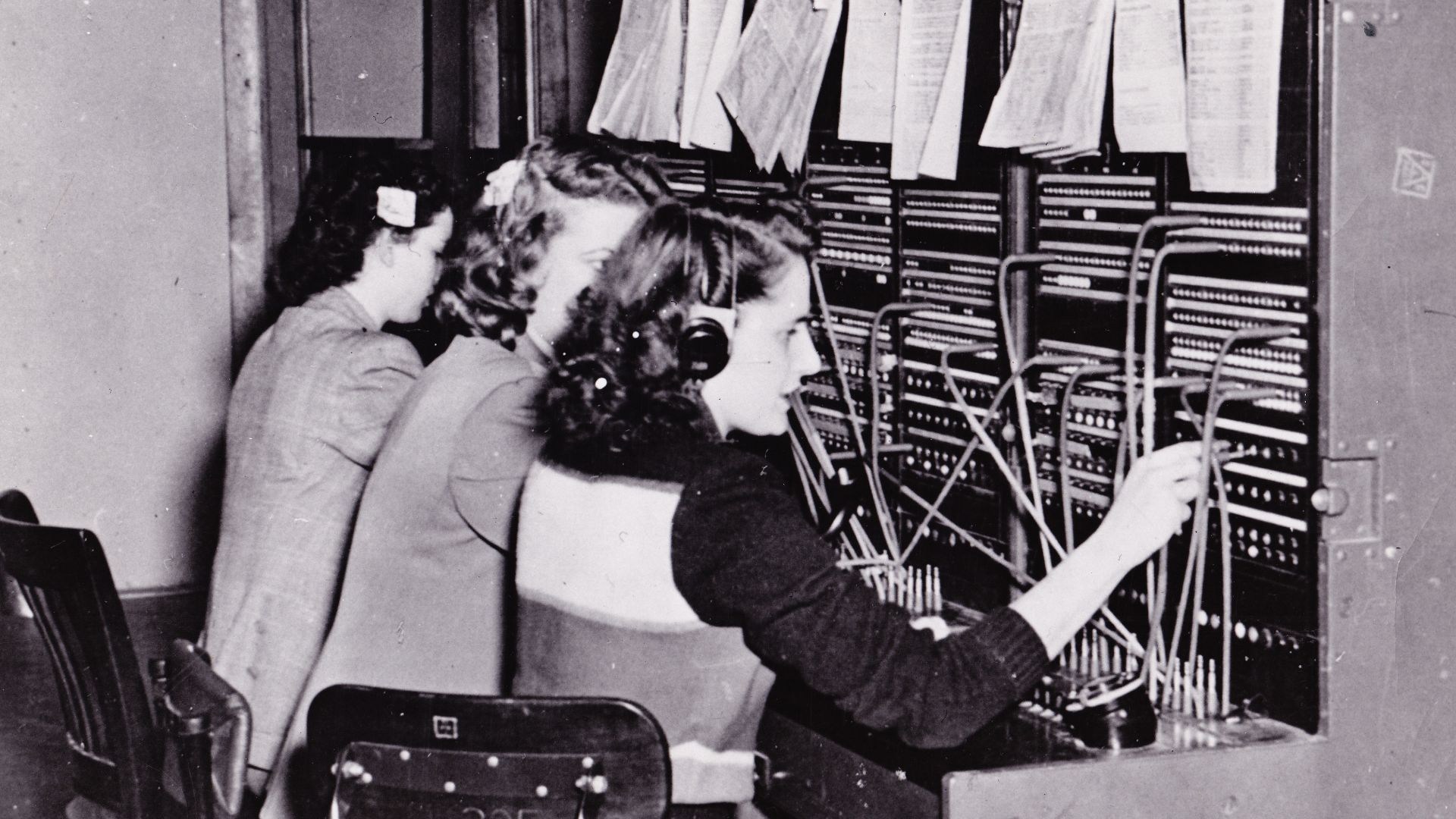
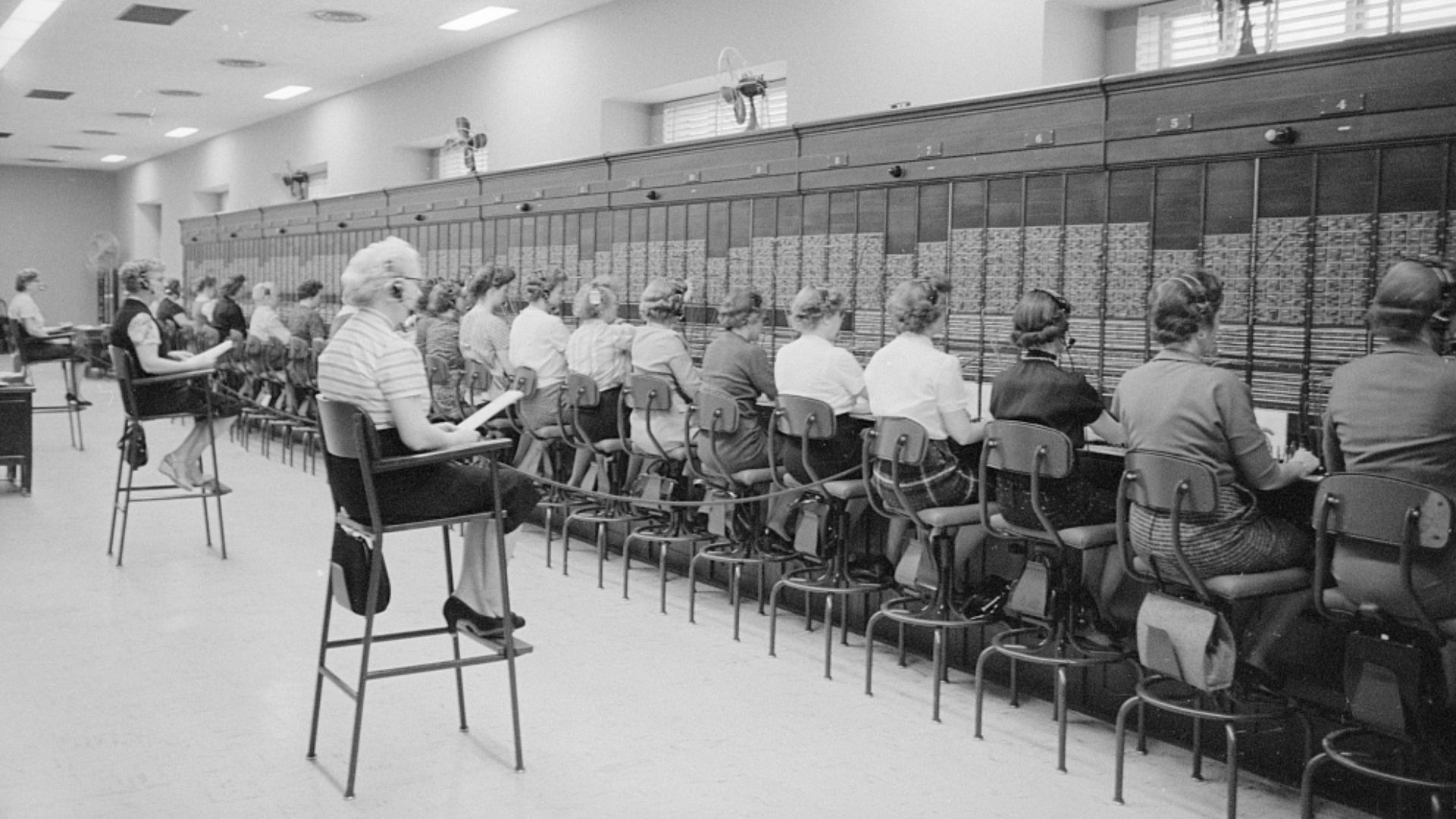
Telephone Switchboard Operators
Remember calling someone and hearing a friendly operator connect your call? Switchboard operators once worked behind enormous panels, plugging cables into sockets to connect conversations. Telephone companies employed thousands of them. Automated switching systems eventually took over much of the work, leaving those busy switchboards as fascinating reminders of another era.
 David Bedard, Wikimedia Commons
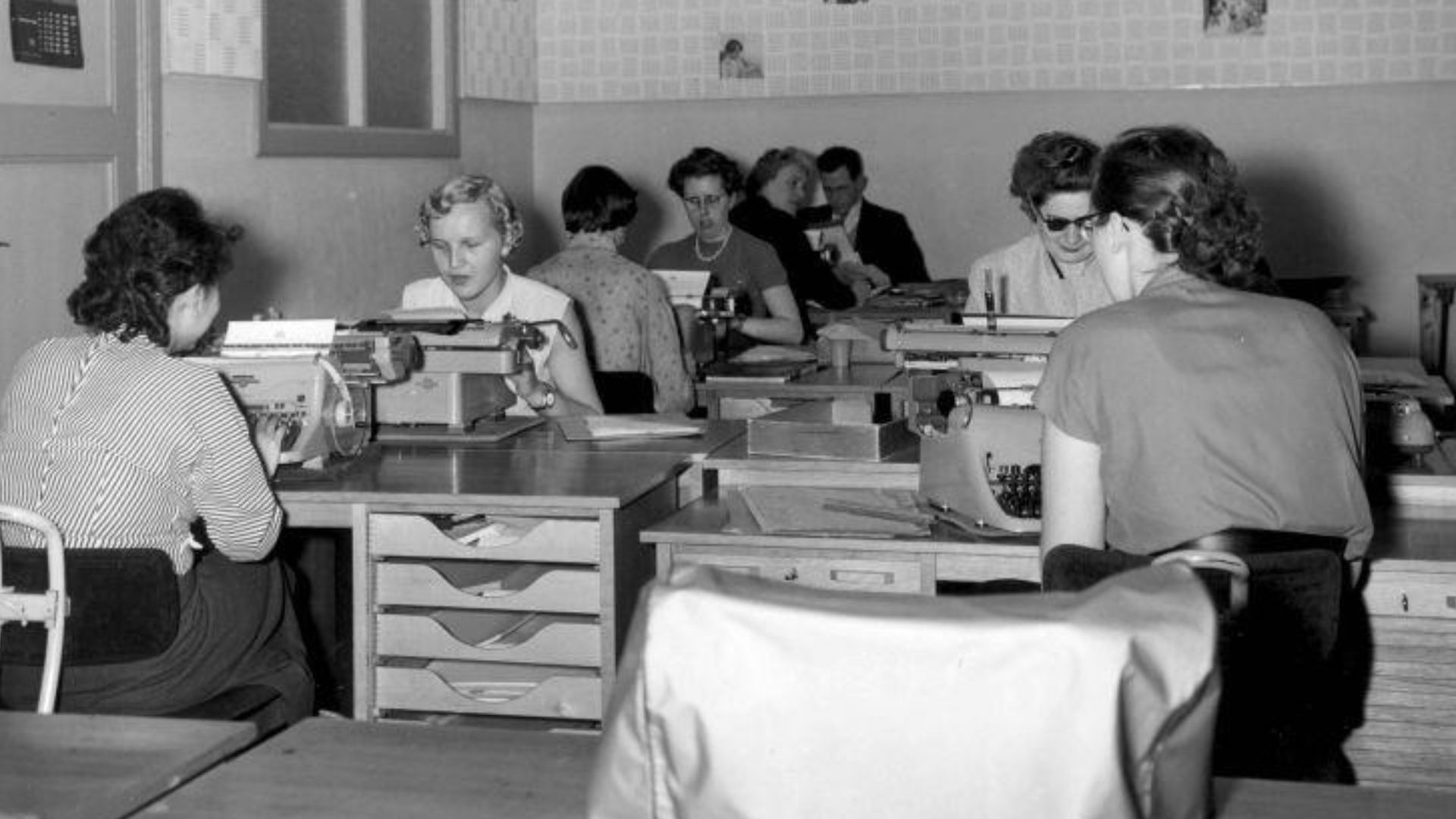
Typing Pool Secretaries
Every respectable office seemed to have a typing pool in the 1960s. Rows of workers hammered away on typewriters, producing letters, reports, and business documents. Accuracy mattered because correcting mistakes wasn't easy. Word processors, personal computers, and eventually email transformed office work. Today, dedicated typing pools are practically museum pieces.
 Collectie SPAARNESTAD PHOTO/Wilko A.G.M. Bergmans, Wikimedia Commons
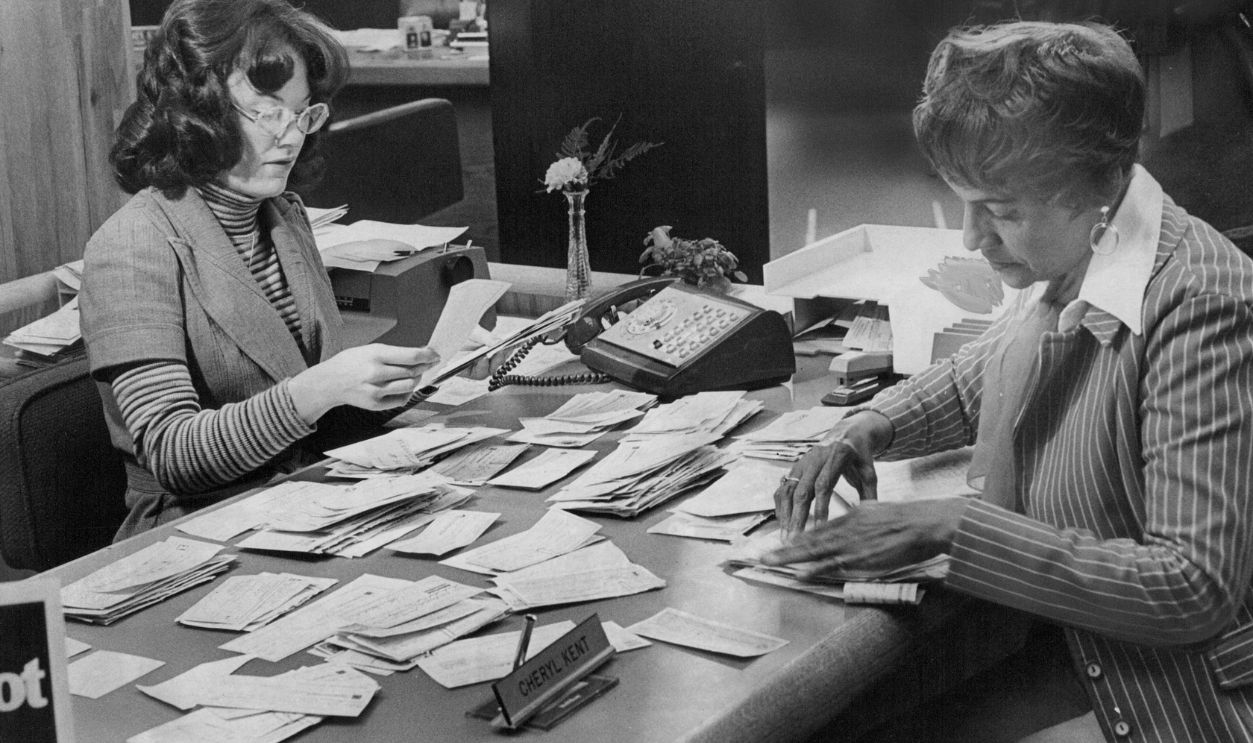
Bank Check Processing Clerks
Before electronic banking, someone had to sort, record, and process mountains of paper checks. Banks employed teams of clerks who spent their days handling payments and balancing records. Computerized check processing gradually replaced much of this labor. Now, depositing a check can be as simple as taking a picture with your phone.
Elevator Operators
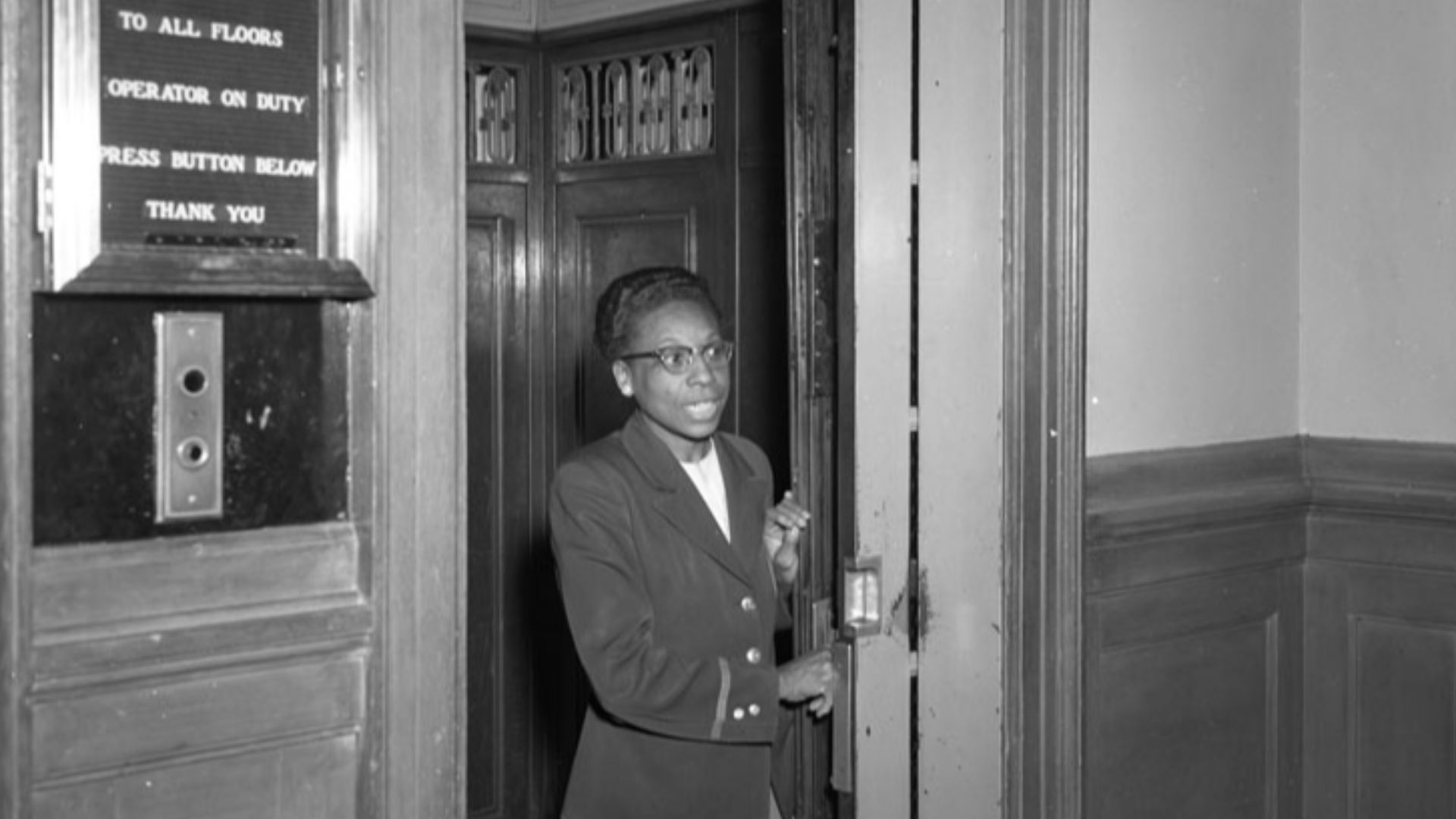
There was a time when riding an elevator meant someone else controlled the journey. Elevator operators greeted passengers, operated the controls, and announced floors. It was a respectable job in department stores, hotels, and office buildings. Automatic elevators steadily made operators unnecessary. These days, finding one is more of a novelty than an expectation.
 The Library of Virginia from USA, Wikimedia Commons
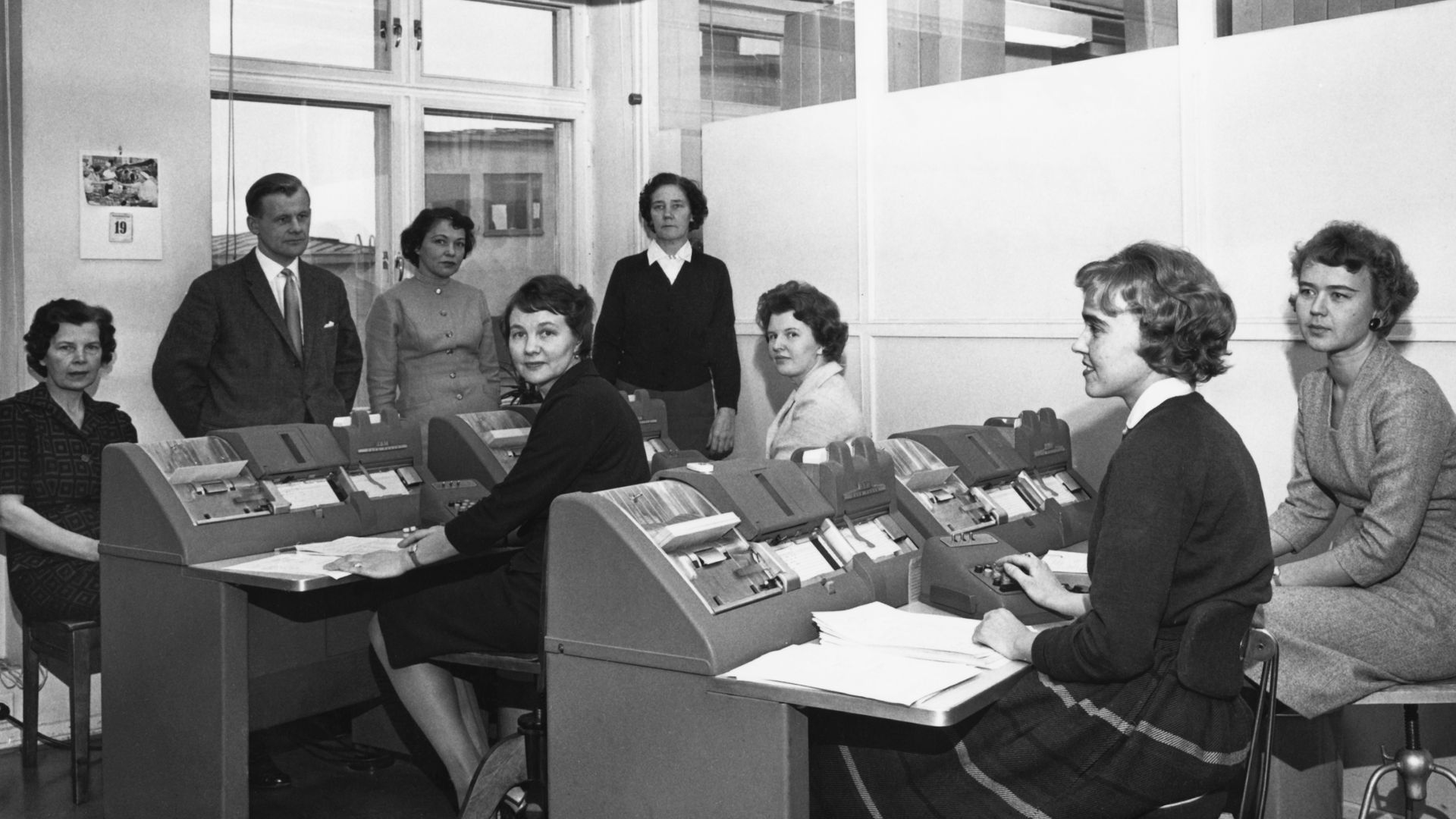
Punch Card Operators
If you worked with computers in the 1960s, you might remember punch cards. Operators used special machines to punch holes representing information that computers could read. One misplaced hole could cause trouble. As keyboards, terminals, and electronic storage improved, dedicated card-punching jobs gradually disappeared. Those cardboard cards became computing history.
 Constantin Grünberg, Wikimedia Commons
Newspaper Linotype Operators
Newspapers once depended on skilled workers operating enormous Linotype machines. These operators transformed typed instructions into lines of metal printing type. It was noisy, demanding work requiring considerable training. Computerized typesetting eventually changed everything. By the late 1970s, even major newspapers were saying goodbye to their traditional Linotype machines.
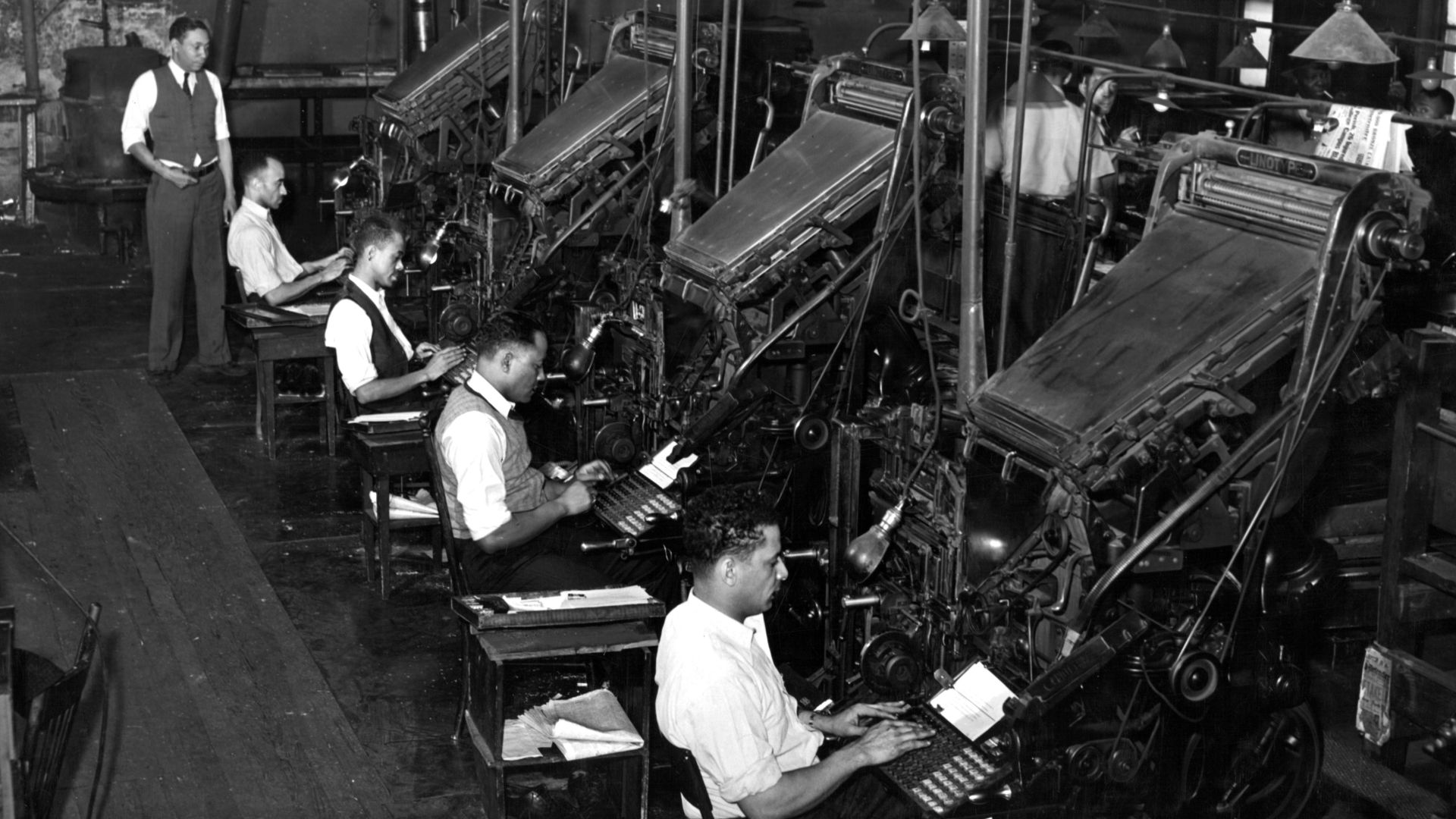 Russell Lee, Wikimedia Commons
Payroll Calculation Clerks
Imagine calculating an entire company's payroll without a spreadsheet. In the 1960s, payroll clerks relied on paper records, adding machines, and considerable patience. Every deduction and overtime payment needed attention. Computerized payroll systems eventually handled much of the arithmetic. Payroll professionals still exist, but the old manual calculation jobs have largely disappeared.

Directory Assistance Operators
Before Google, finding someone's telephone number could mean calling directory assistance. Operators searched printed directories or other records to locate telephone numbers. It was a useful service, particularly when someone lived in another city. Digital directories, automated systems, and internet searches eventually made the traditional operator far less necessary.
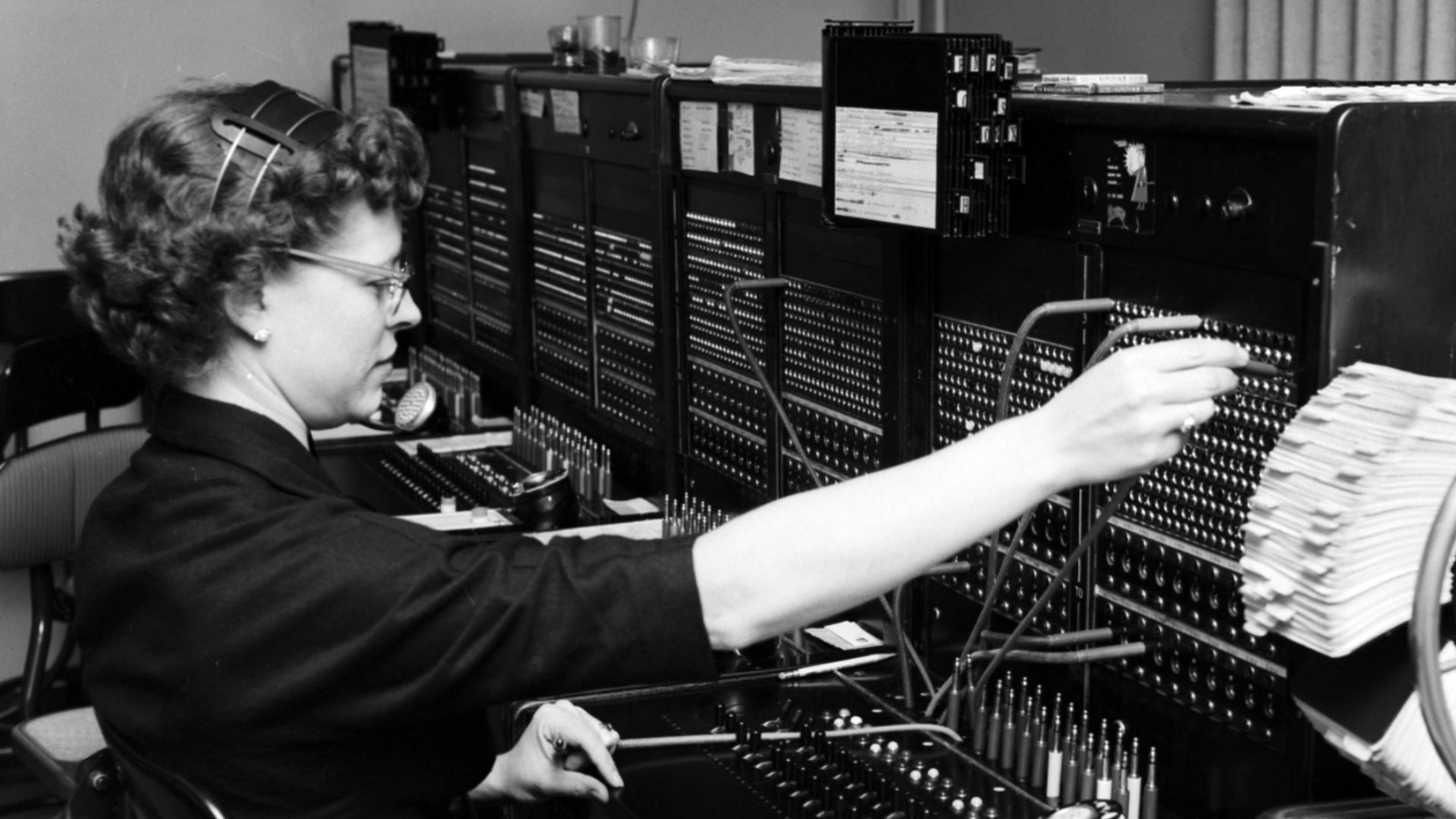 Seattle Municipal Archives from Seattle, WA, Wikimedia Commons
Railway Reservation Clerks
Planning a train journey once involved speaking with someone who understood routes, schedules, and ticket availability. Reservation clerks searched printed timetables and booking records to organize trips. Computerized reservation systems gradually reduced the paperwork, while online ticketing made self-service common. The occupation survives, but much of the old-fashioned booking work does not.
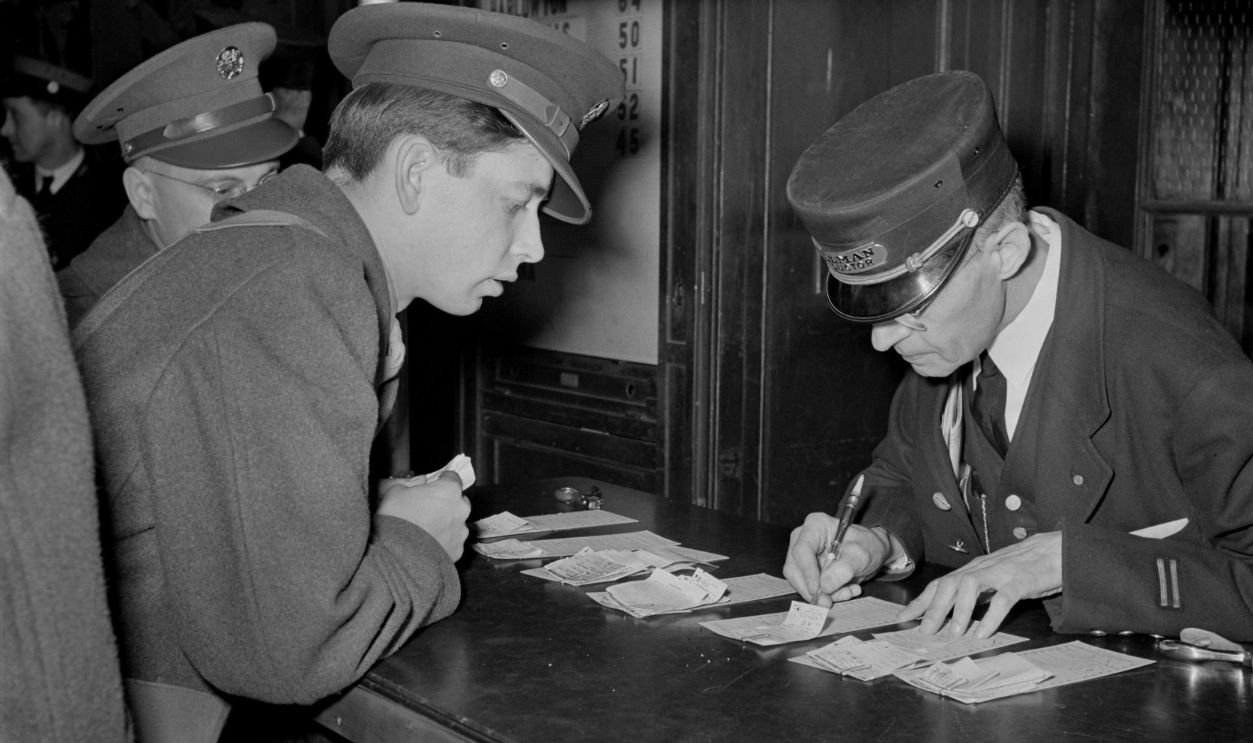 Universal History Archive, Getty Images
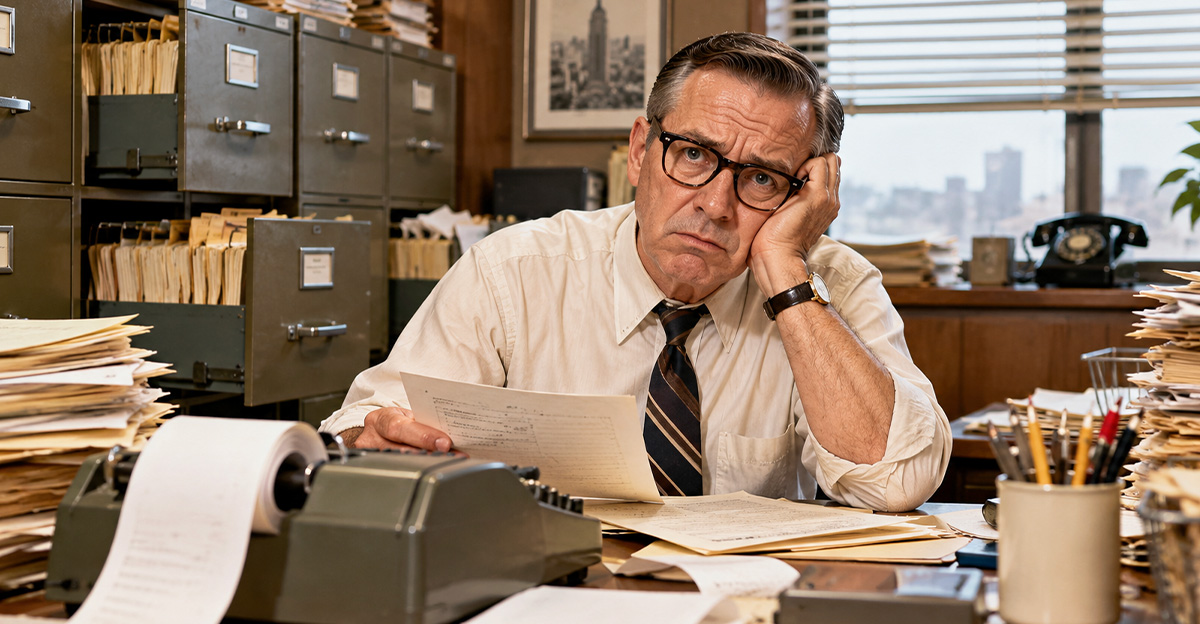
Filing Clerks
Remember those enormous filing cabinets that seemed to occupy half the office? Filing clerks organized invoices, contracts, correspondence, and employee records. Finding a missing document could become an afternoon adventure. Electronic databases and document management systems transformed the profession. Today, a computer search can accomplish what once required digging through several cabinets.
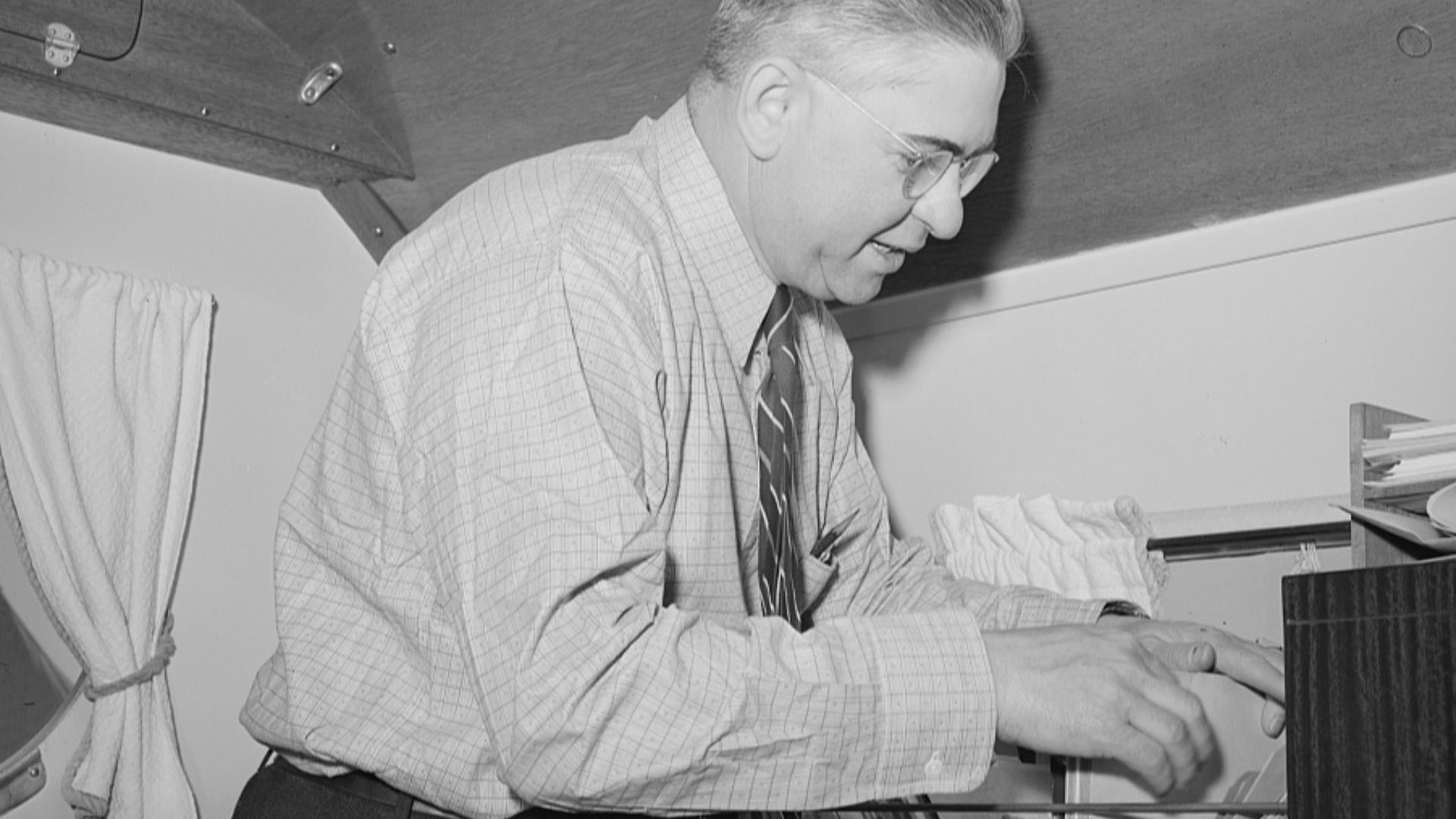 Russell Lee, Wikimedia Commons
Travel Agency Booking Clerks
In the 1960s, booking a vacation usually meant speaking with someone who knew airline schedules, hotel rates, and travel arrangements. Travel agencies handled countless reservations by telephone and paperwork. Online booking later changed the industry dramatically. Travel agents still work today, but routine reservation tasks increasingly happen through websites and apps.
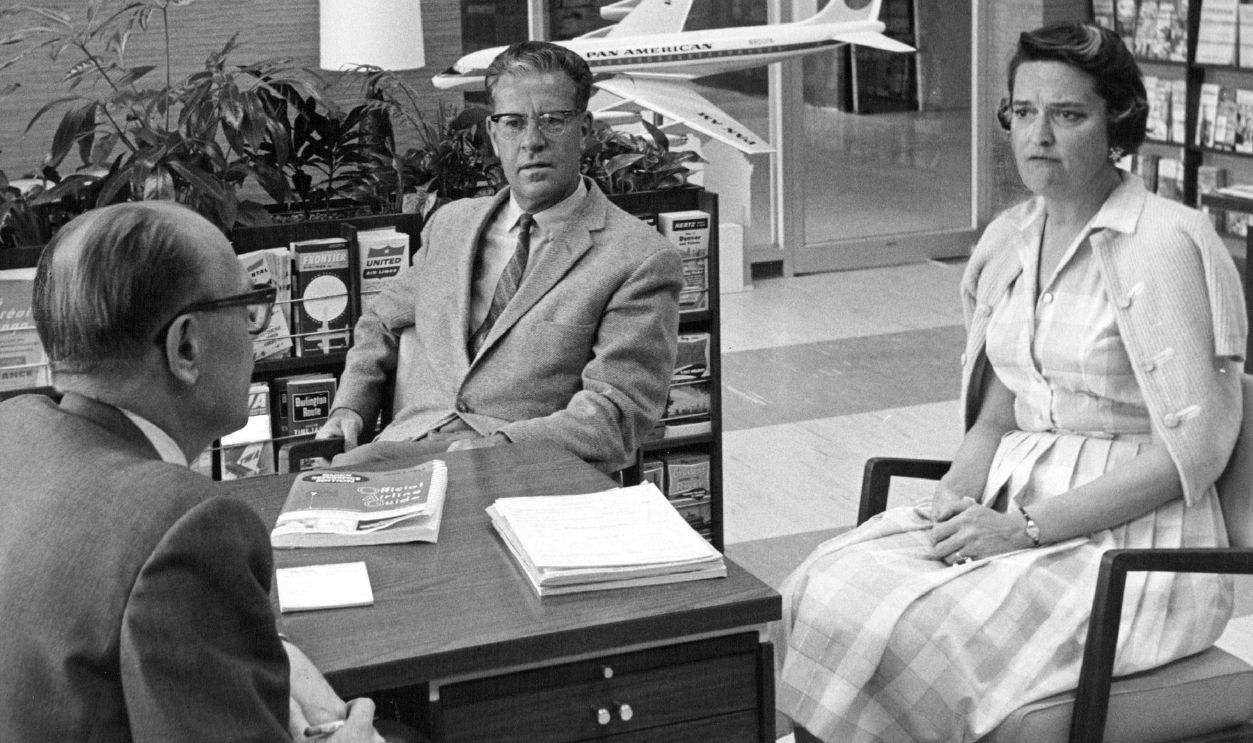
Manual Bookkeeping Clerks
Businesses once maintained their finances in enormous paper ledgers. Bookkeeping clerks recorded transactions, balanced accounts, and carefully checked columns of numbers. Mistakes could mean spending hours searching for a discrepancy. Accounting software eventually automated many routine calculations. Bookkeepers haven't disappeared, but the traditional ledger-based job has changed beyond recognition.
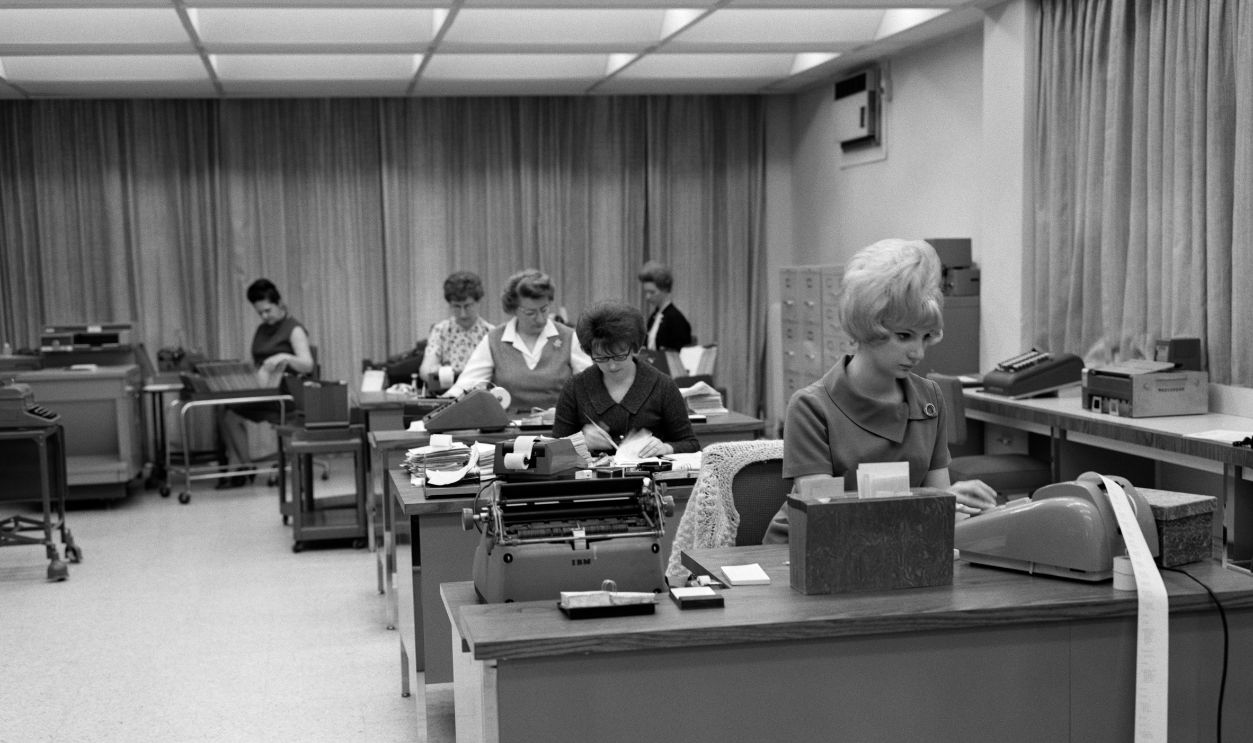
Insurance Policy Processing Clerks
Insurance companies once needed large clerical teams to prepare policies, record customer information, and calculate routine figures. Much of the work involved reviewing forms and transferring information between documents. Computer databases and automated processing systems eventually took over many repetitive steps. Human employees still handle exceptions, complex policies, and customer questions.
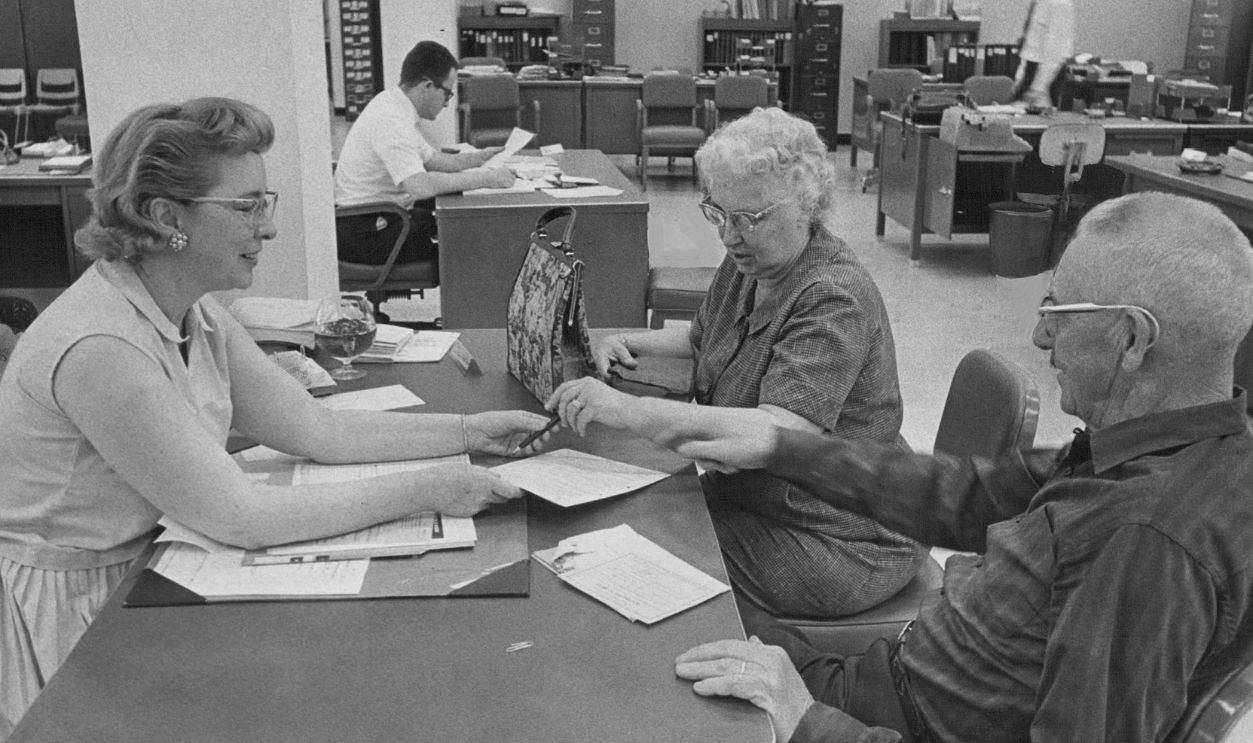
Bank Statement Preparation Clerks
Remember receiving thick bank statements filled with carefully recorded transactions? Preparing account records once required considerable clerical labor. Employees helped reconcile balances, organize information, and prepare customer statements. Computerized banking systems now perform much of that routine work automatically. Most customers can check their balances instantly instead of waiting for the mail.
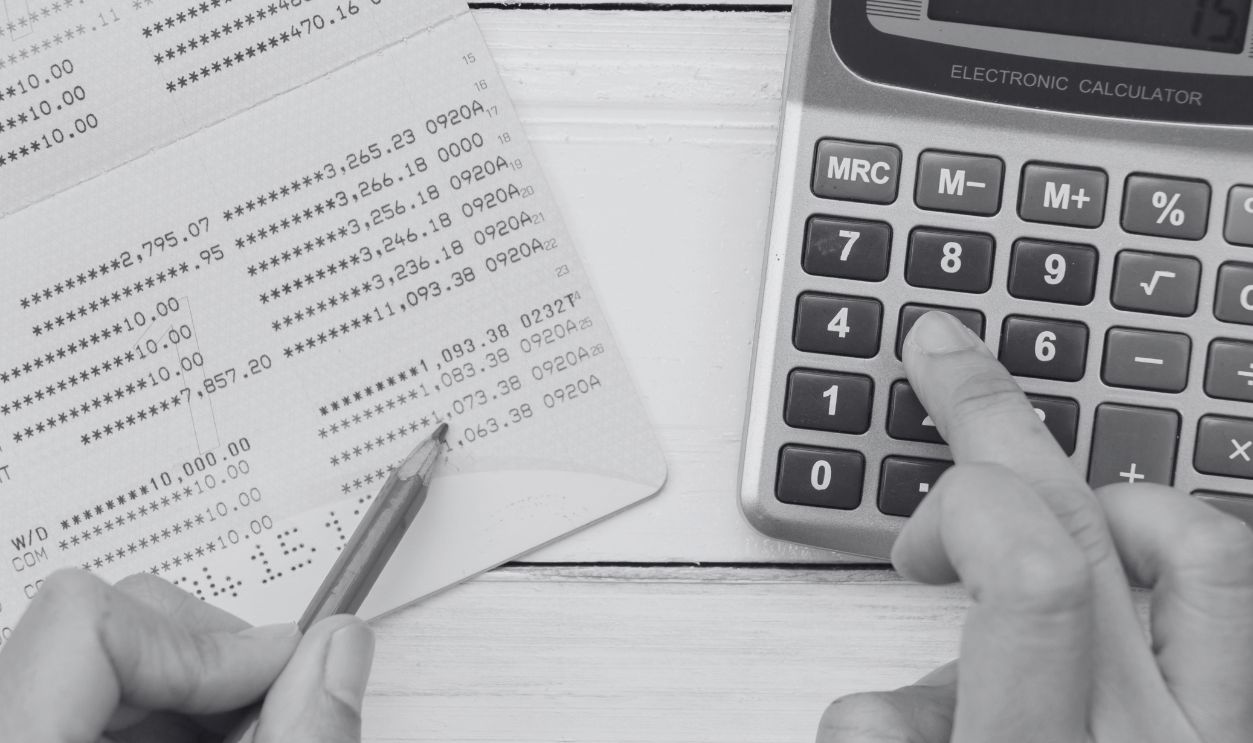
Newspaper Classified Advertising Clerks
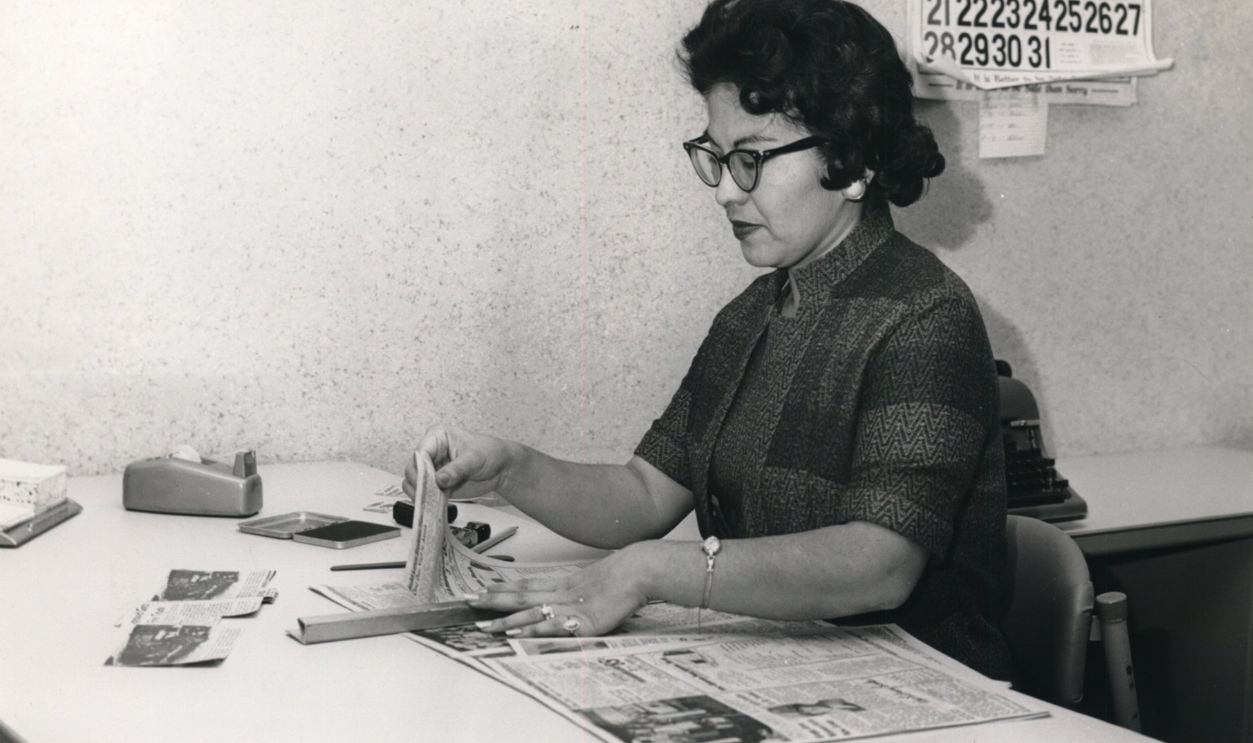
Before online marketplaces, people looking to sell furniture, find apartments, or advertise jobs often turned to newspaper classifieds. Clerks accepted advertisements, counted words, calculated charges, and arranged publication. Digital advertising platforms transformed that business. The familiar classified advertising desk gradually became another casualty of the internet age.
 Houston Chronicle/Hearst Newspapers, Getty Images
Computer Tape Librarians
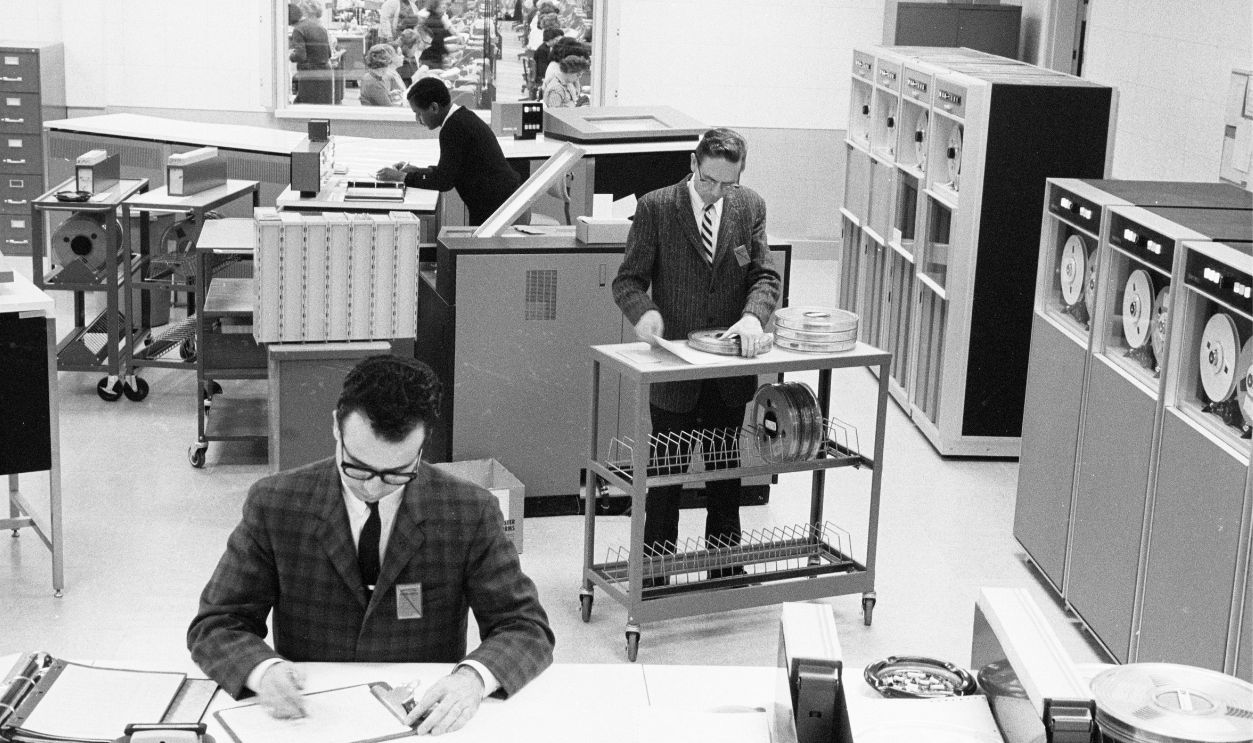
Early computers often relied on magnetic tapes to store important information. Large organizations employed tape librarians to label, organize, retrieve, and track these valuable reels. It was serious work when company records depended on physical storage. Modern digital systems eventually reduced the need for dedicated tape rooms and the people managing them.
Airline Ticketing Clerks
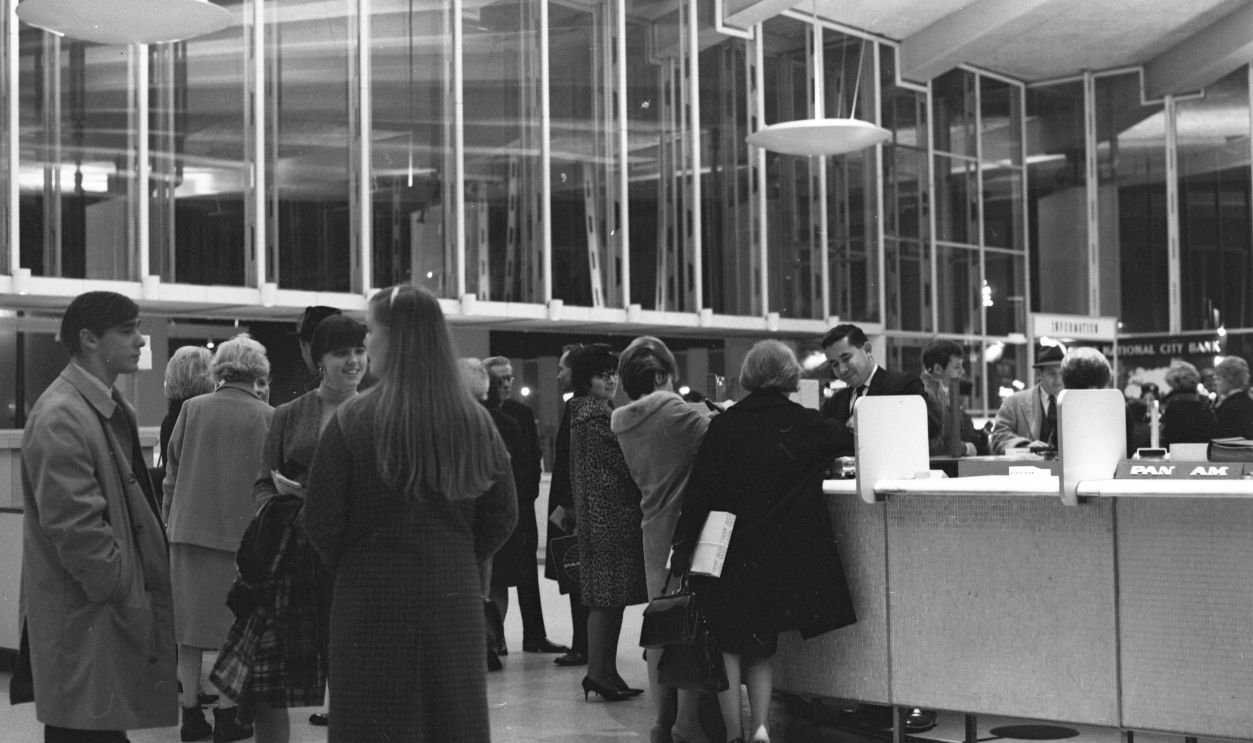
Flying in the 1960s involved paper tickets, printed schedules, and plenty of human assistance. Airline ticketing clerks prepared documents, checked reservations, and helped passengers arrange journeys. Electronic ticketing and online check-in eventually automated much of that process. Airport employees remain essential, but the old paper-ticket routine has largely vanished.
Inventory Record Clerks
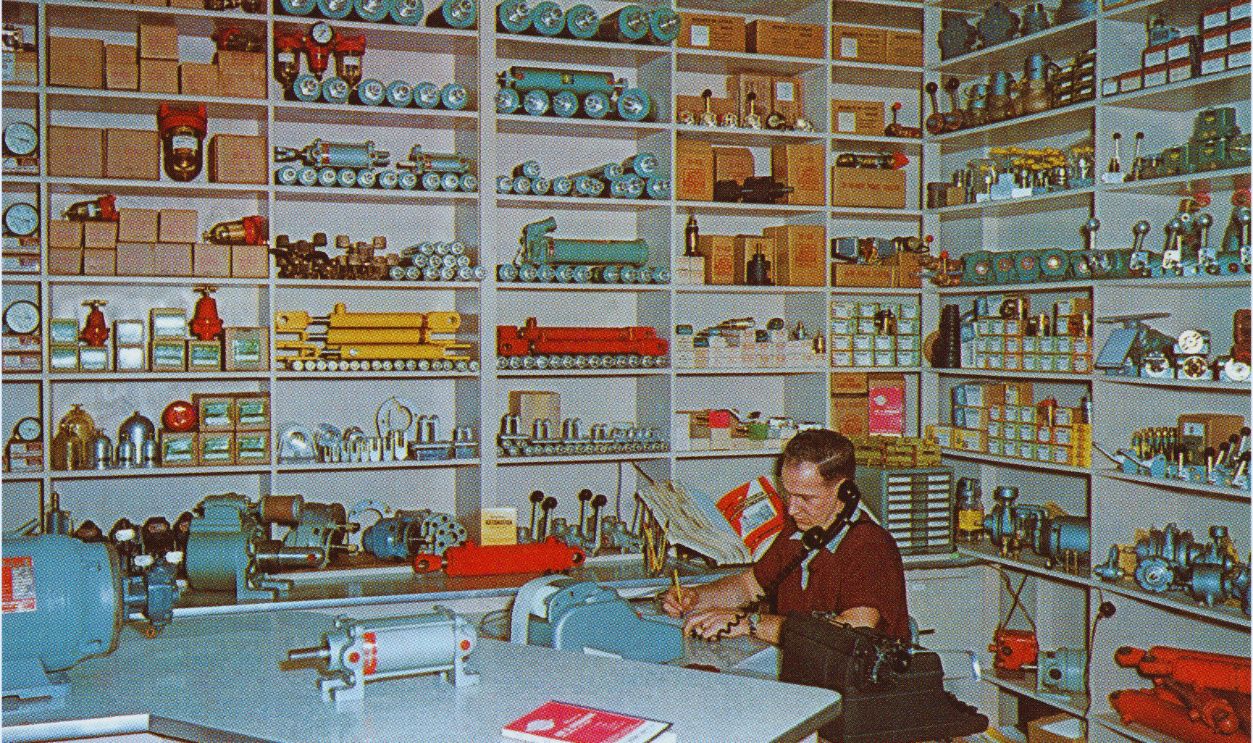
Before computerized inventory systems, stores and warehouses needed workers to keep track of everything arriving and leaving. Clerks updated stock cards, checked deliveries, and counted merchandise. Barcodes, inventory software, and automated warehouses revolutionized the process. Today, many businesses can track thousands of products without updating a single handwritten card.
 Found Image Holdings Inc, Getty Images
Handwritten Billing Clerks
Businesses once employed clerks to prepare bills, calculate charges, and send invoices through the mail. Large companies might have entire departments devoted to this paperwork. Computerized billing systems now generate invoices and track payments automatically. Anyone who remembers carbon-copy invoices knows just how much office life has changed.
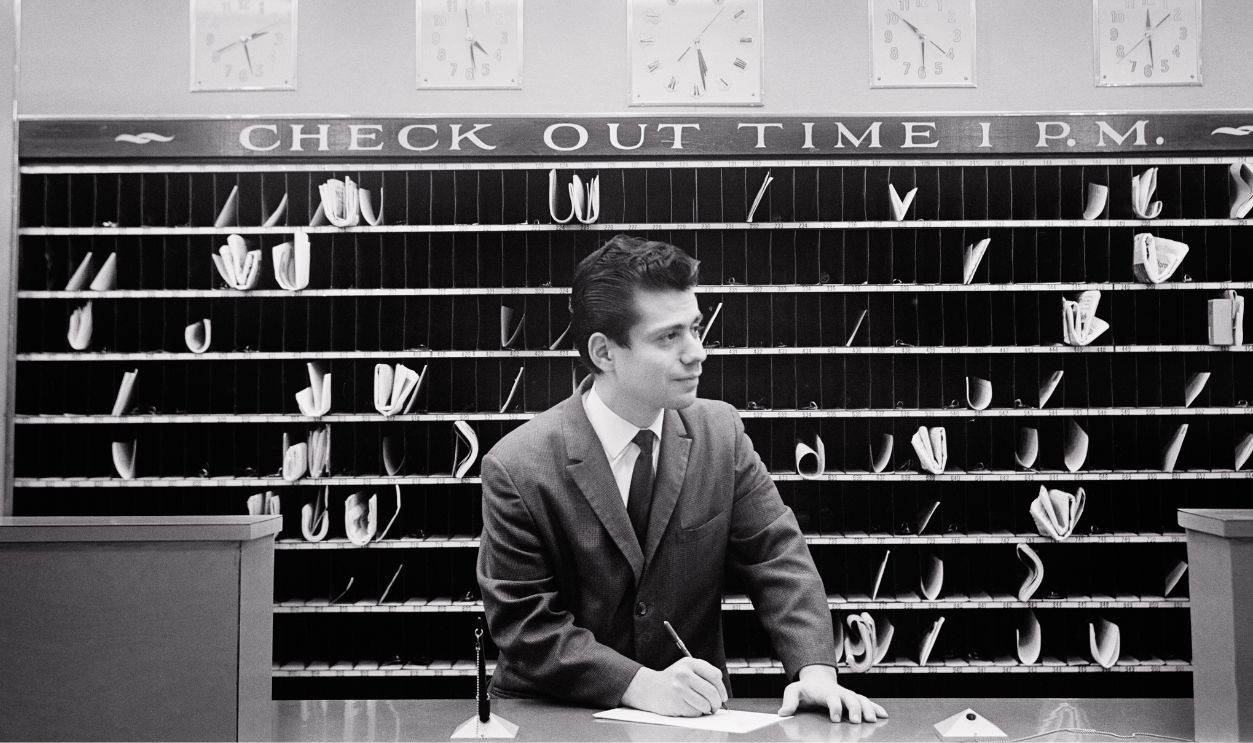
Postal Mail Sorting Clerks
Mail sorting once involved workers reading addresses and directing letters into the correct compartments. It required speed, concentration, and extensive knowledge of postal routes. Automated sorting equipment eventually began reading addresses and organizing huge volumes of mail. Postal workers still perform sorting duties, but machines handle much of the repetitive work once done manually.
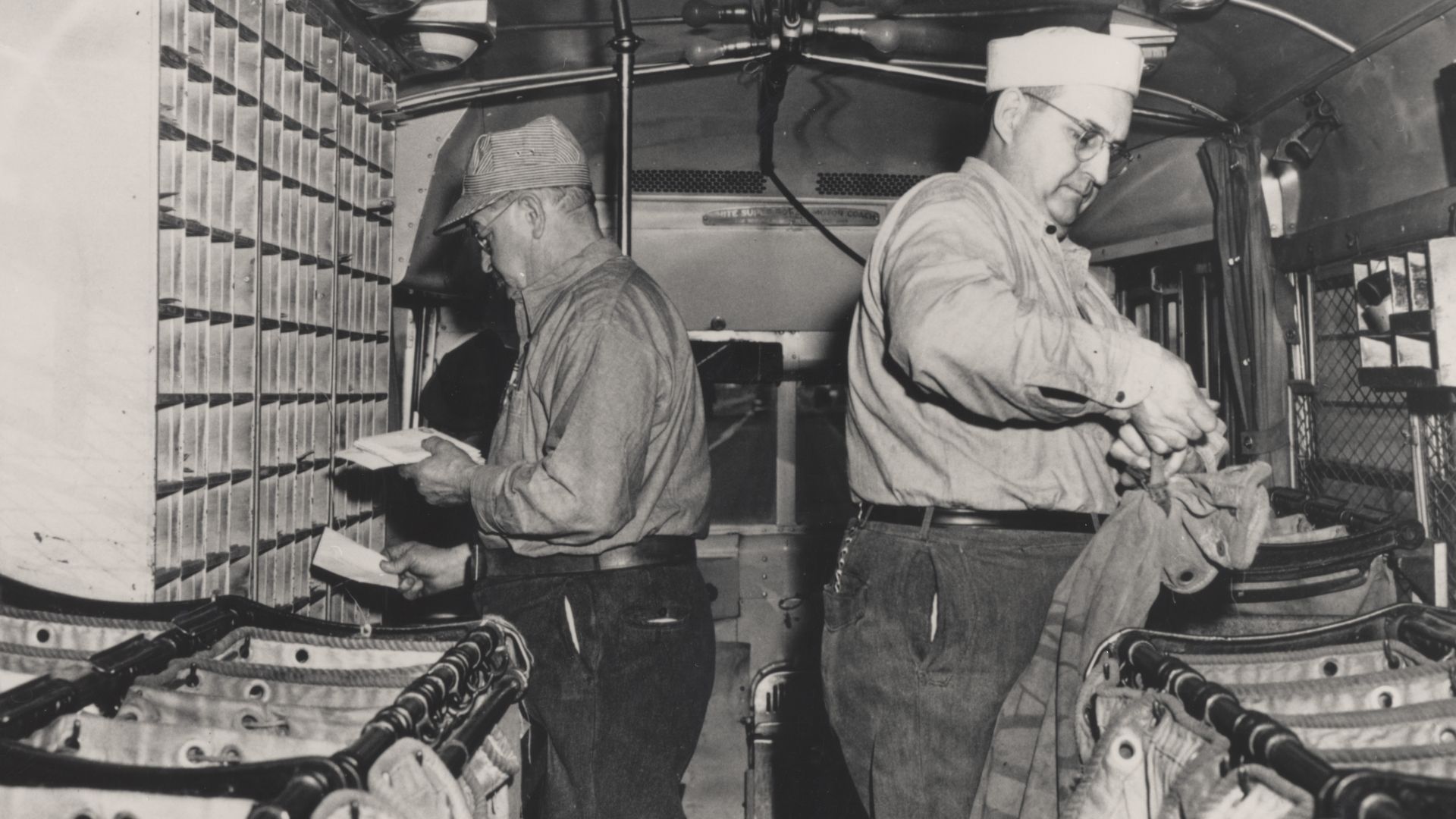 Smithsonian Institution from United States, Wikimedia Commons
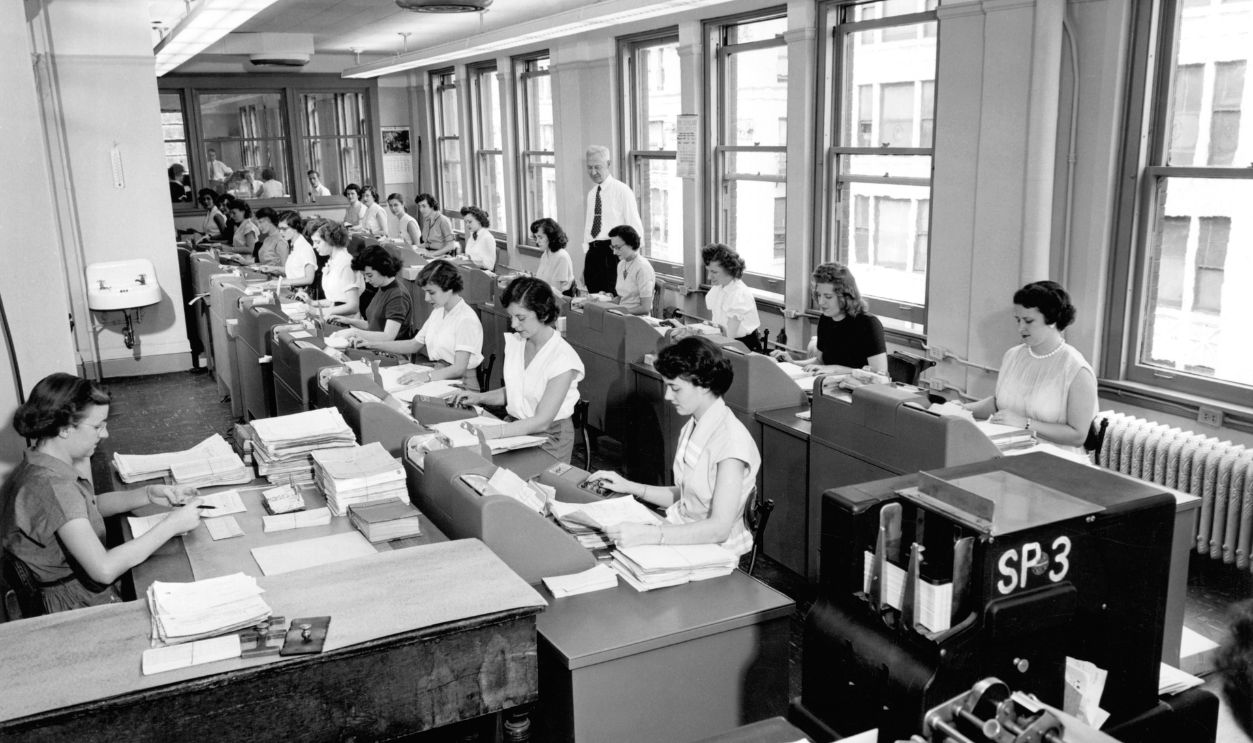
Statistical Tabulation Clerks
Long before spreadsheets became commonplace, businesses and government offices employed clerks to compile figures from surveys, sales reports, and other records. Their work involved counting, classifying, and checking enormous amounts of information. Computers gradually automated many calculations. Today, software can process datasets that once kept an entire department occupied.
 Underwood Archives, Getty Images
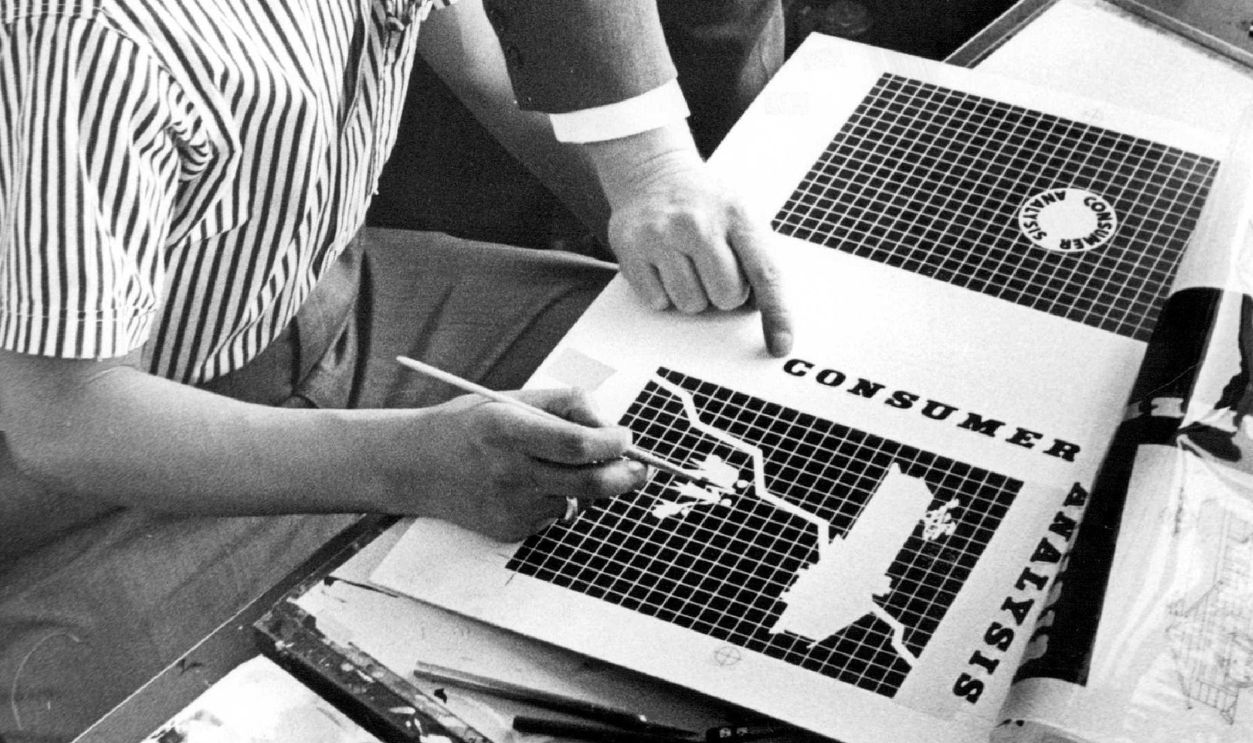
Newspaper Paste-Up Artists
Preparing a newspaper page once meant physically arranging photographs, headlines, and columns of printed text. Paste-up workers used rulers, knives, and adhesive to create layouts. Desktop publishing software eventually brought this work onto computer screens. Graphic designers still arrange pages, but the traditional paste-up room has almost entirely disappeared.
Telex And Teleprinter Operators
Before email, businesses used telex and teleprinter systems to send written messages over telecommunications networks. Operators prepared messages, entered information, and managed incoming communications. These machines were particularly useful for international business. Fax machines, computer networks, and eventually email made dedicated telex operators increasingly unnecessary.
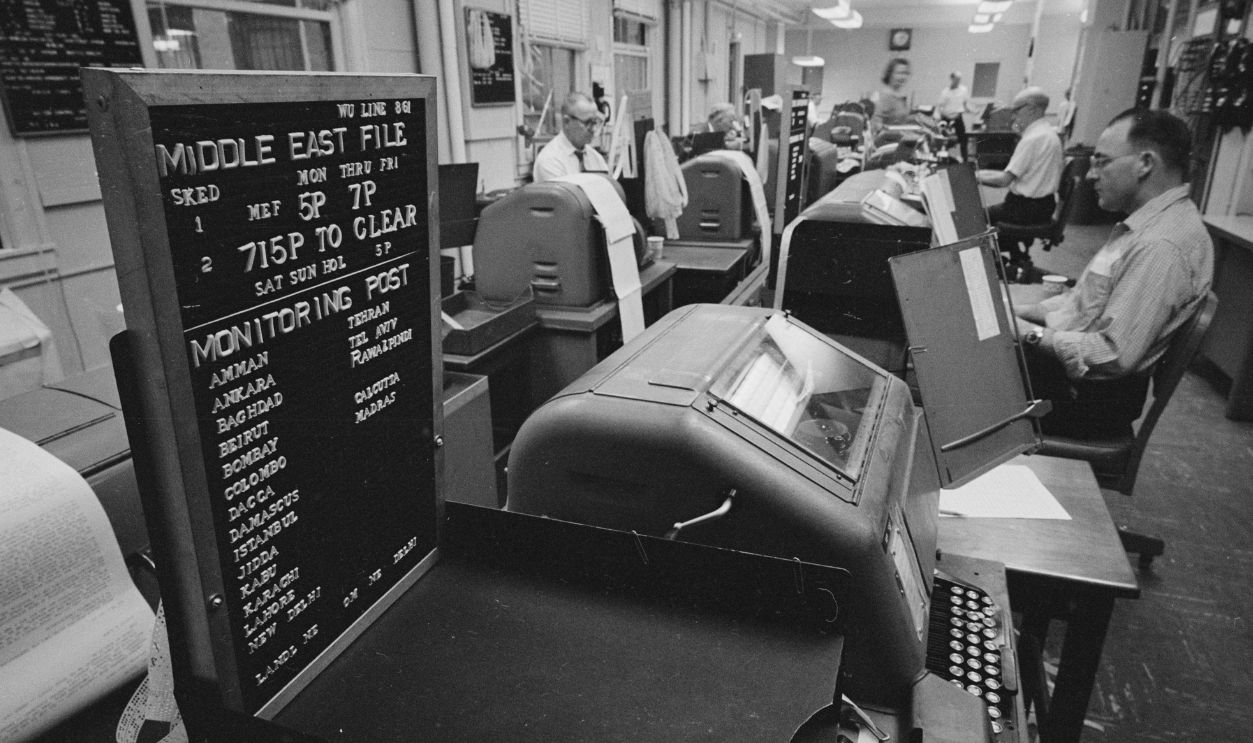
Currency Sorting Clerks
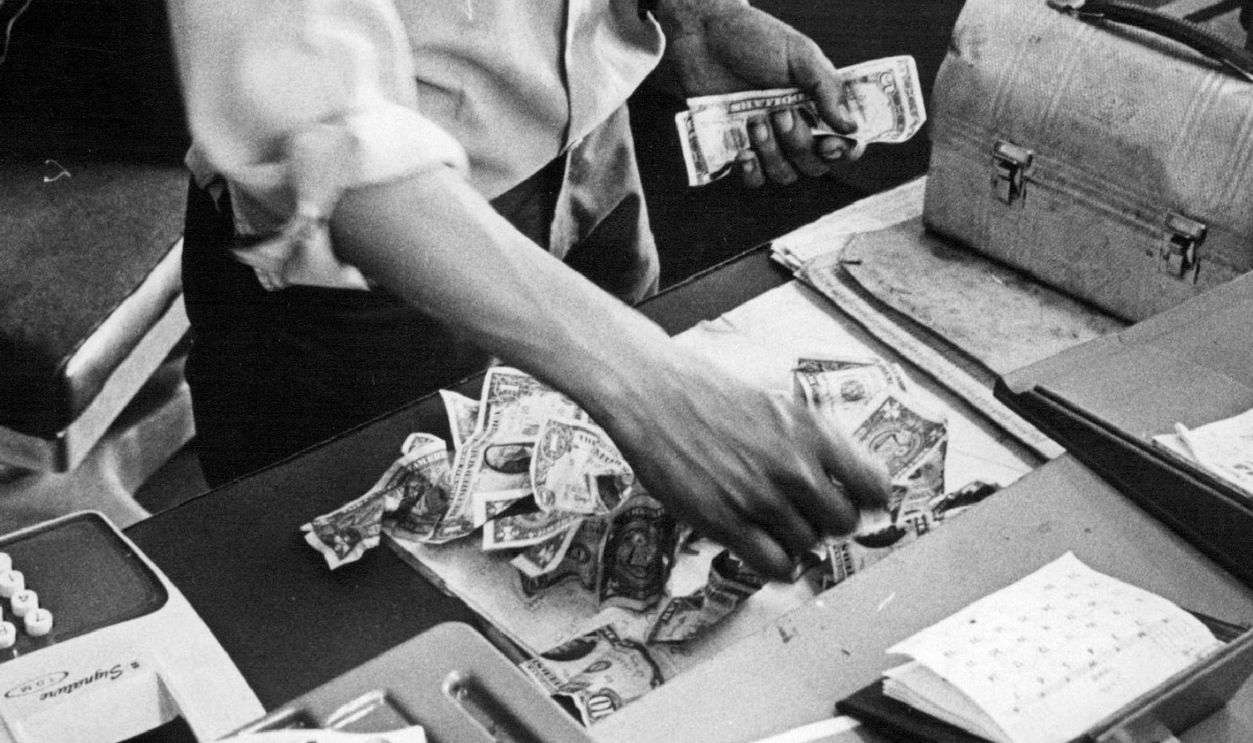
Banks and financial institutions once relied heavily on workers to inspect, count, and sort large quantities of paper money. They checked banknotes for damage and organized currency by denomination. High-speed machines gradually took over much of this repetitive work. Modern equipment can even identify suspicious notes, although human oversight remains important.
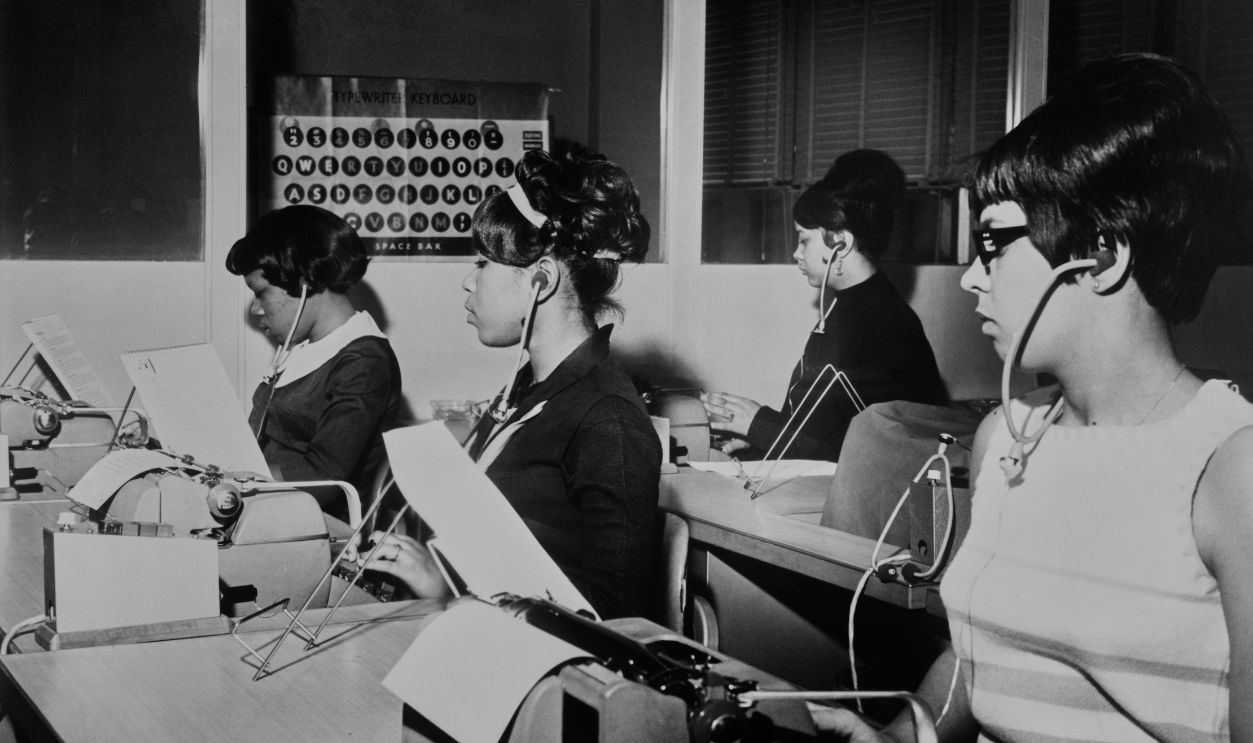
Medical Transcriptionists
Doctors once dictated reports that transcriptionists carefully converted into written medical records. The job required excellent typing skills and knowledge of medical terminology. Digital dictation, speech-recognition software, and newer AI-powered documentation systems have automated increasing portions of the process. Some transcriptionists remain, particularly where accuracy and specialized review are essential.
 Authenticated News, Getty Images
When Technology Changed The Meaning Of Work
For Baby Boomers, many of these jobs represented independence, steady paychecks, and the possibility of a comfortable retirement. Computers didn't eliminate every occupation overnight, but they gradually transformed entire industries. Now artificial intelligence is bringing another wave of change. It makes you wonder which familiar jobs today's grandchildren will be reminiscing about 60 years from now.
 The Library of Congress, Wikimedia Commons
You May Also Like:
Five-And-Dime Stores From The 1960s That Baby Boomers Loved—But Millennials Have Never Shopped At