
When Budgeting Didn't Require An App
Remember when managing money involved a pencil, a checkbook, and maybe a few envelopes stuffed with cash? Back in the 1970s, Baby Boomers had plenty of clever ways to stretch a paycheck. Some of these methods might seem hopelessly outdated today, but they helped families keep their finances in order. How many did you use?
The Famous Envelope System
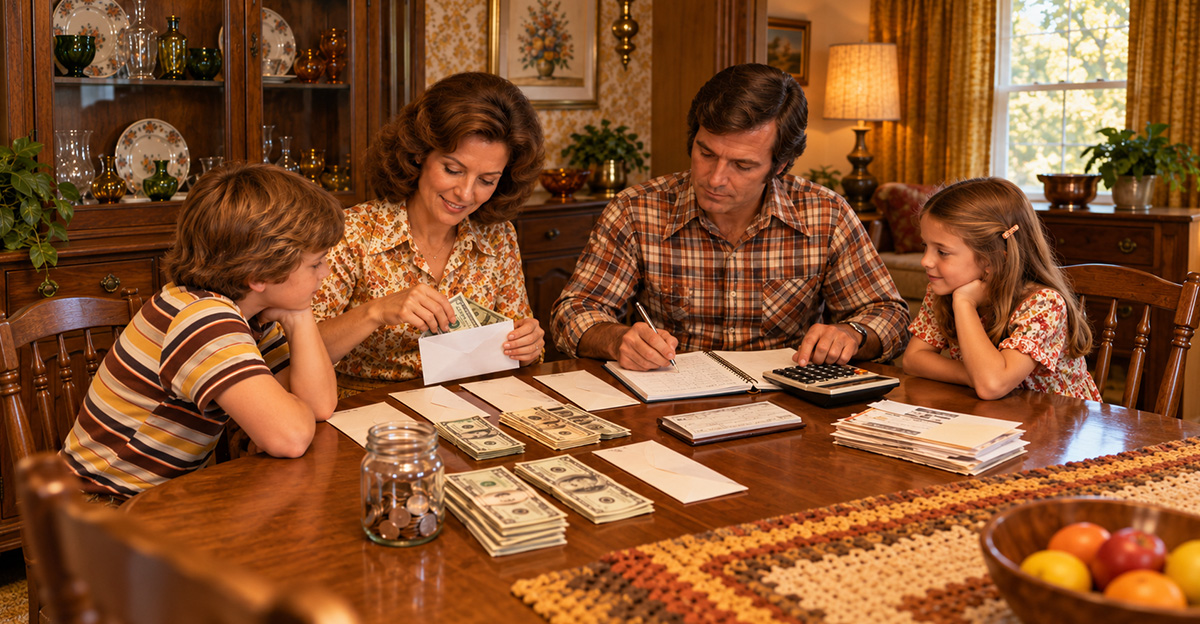
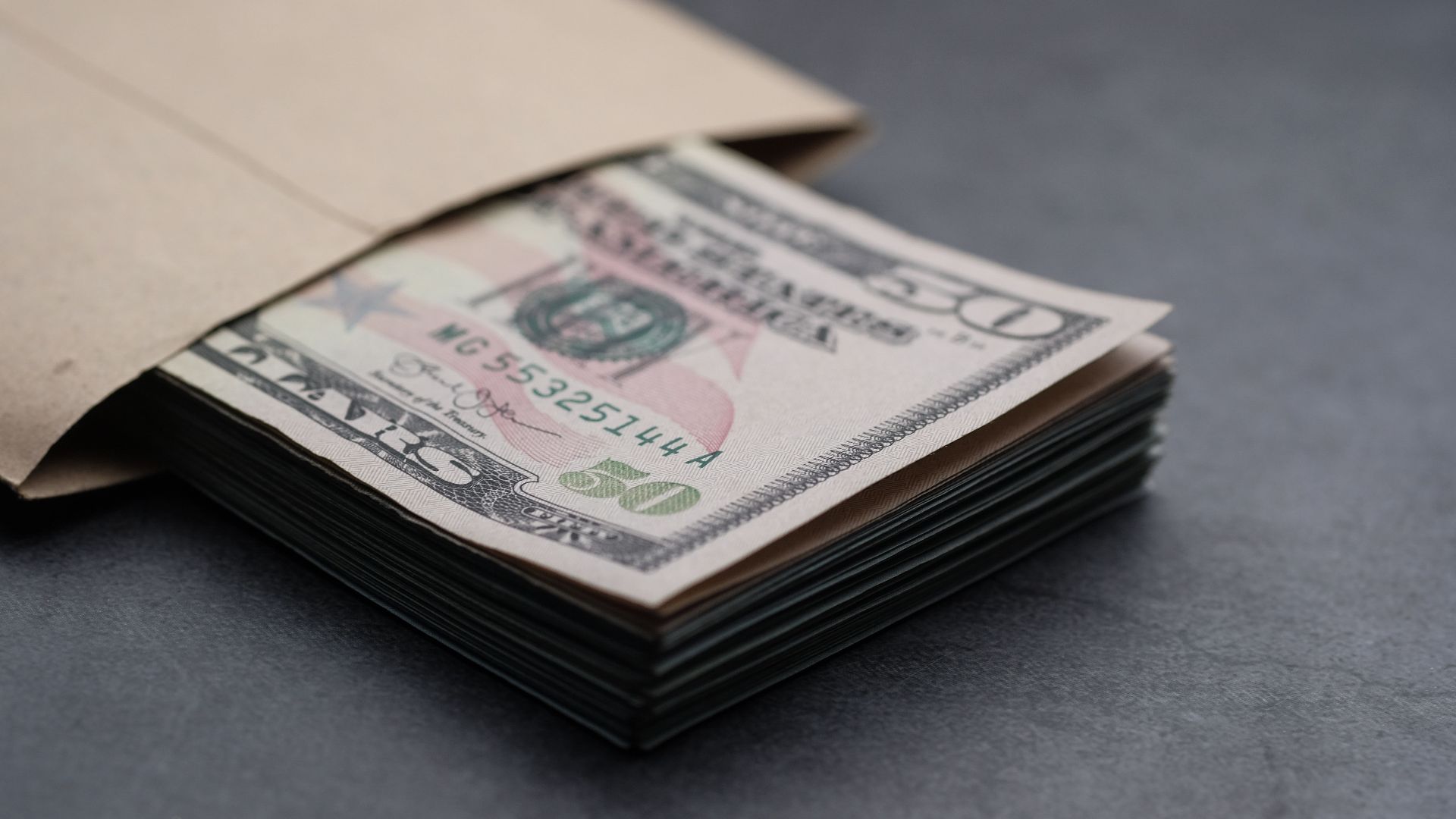
Before budgeting apps, there were actual envelopes. Families divided their paychecks into categories like groceries, rent, gas, and entertainment, placing cash into labeled envelopes. When the grocery envelope was empty, that was it until payday. No transferring money with a smartphone or pretending there was more left to spend.
Balancing The Checkbook
If you grew up in the 1970s, you probably remember sitting at the kitchen table with a checkbook and calculator. Every deposit, withdrawal, and written check went into a little register. Balancing your checkbook wasn't exciting, but it meant you knew exactly how much money you had. A surprisingly useful habit!
 Harold M. Lambert, Getty Images
The Weekly Cash Allowance
Plenty of households operated on a strict weekly cash allowance. After paying essential bills, they withdrew a set amount for everyday spending. Once that cash disappeared, there was no more until the following week. It might sound restrictive today, but it certainly made people think twice before opening their wallets.
 https://kaboompics.com/, Pexels
Keeping A Household Expense Ledger
Many families kept a notebook dedicated entirely to household expenses. Everything from groceries to electricity bills went into it, sometimes down to the last penny. At the end of the month, they could see exactly where their money went. It wasn't glamorous, but those handwritten numbers told the truth.
 https://kaboompics.com/, Pexels
Paying Yourself First
One piece of financial advice that Baby Boomers heard repeatedly was to save before spending. Instead of putting away whatever remained at the end of the month, families set aside a little money immediately after payday. Even $10 or $20 mattered. Over time, those small amounts could grow into something substantial.
 https://kaboompics.com/, Pexels
The Christmas Club Account
Remember Christmas Club savings accounts? Banks encouraged customers to deposit a little money every week throughout the year. When November arrived, the accumulated savings were ready for holiday shopping. It was a wonderful way to avoid waking up in January with a mountain of Christmas debt and an empty wallet.
The Old-Fashioned Layaway Plan
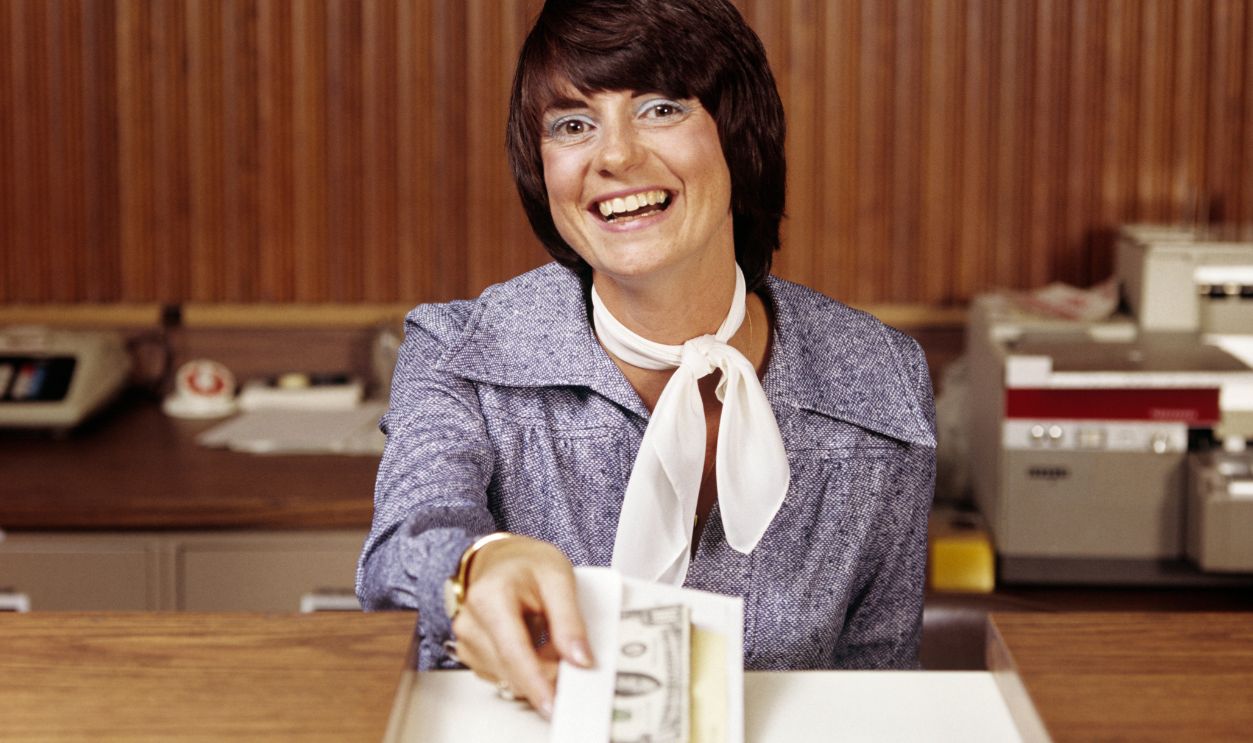
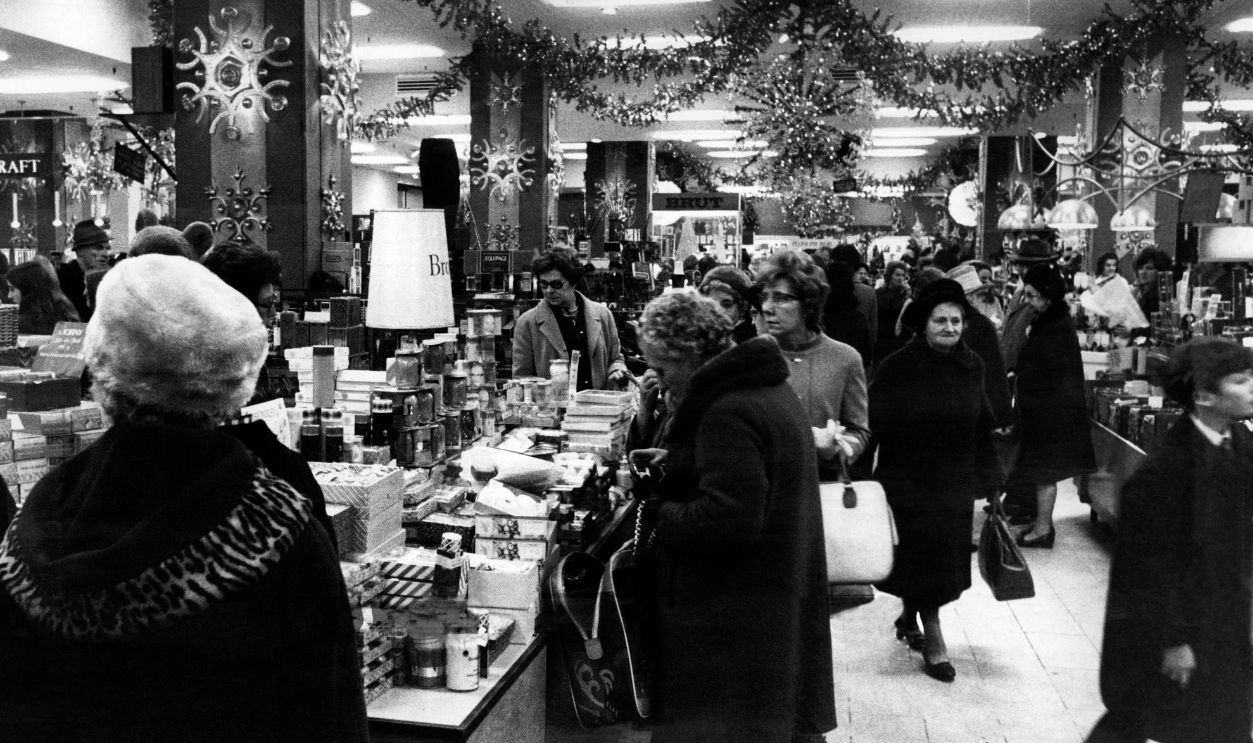
Before buy-now-pay-later services, there was layaway. Families picked out expensive purchases, made regular payments, and collected their merchandise once they'd paid the balance. Department stores frequently offered these arrangements, especially around Christmas. Unlike buying on credit, you generally didn't take the item home until you'd actually paid for it.
Saving Every Spare Penny
Who remembers the enormous glass jar sitting on the kitchen counter? Some households used old coffee cans instead. Every spare penny, nickel, dime, and quarter went inside. Eventually, somebody would count the coins and discover enough for a special purchase. It was slow, but watching that collection grow was oddly satisfying.
 https://kaboompics.com/, Pexels
Planning Meals For The Entire Week
Before heading to the grocery store, budget-conscious families often planned what they'd eat for the coming week. Monday might be meatloaf, Tuesday leftovers, and Wednesday spaghetti. Planning ahead reduced unnecessary purchases and wasted groceries. With food prices climbing throughout much of the 1970s, careful meal planning helped stretch household budgets.

The Grocery List Was Law
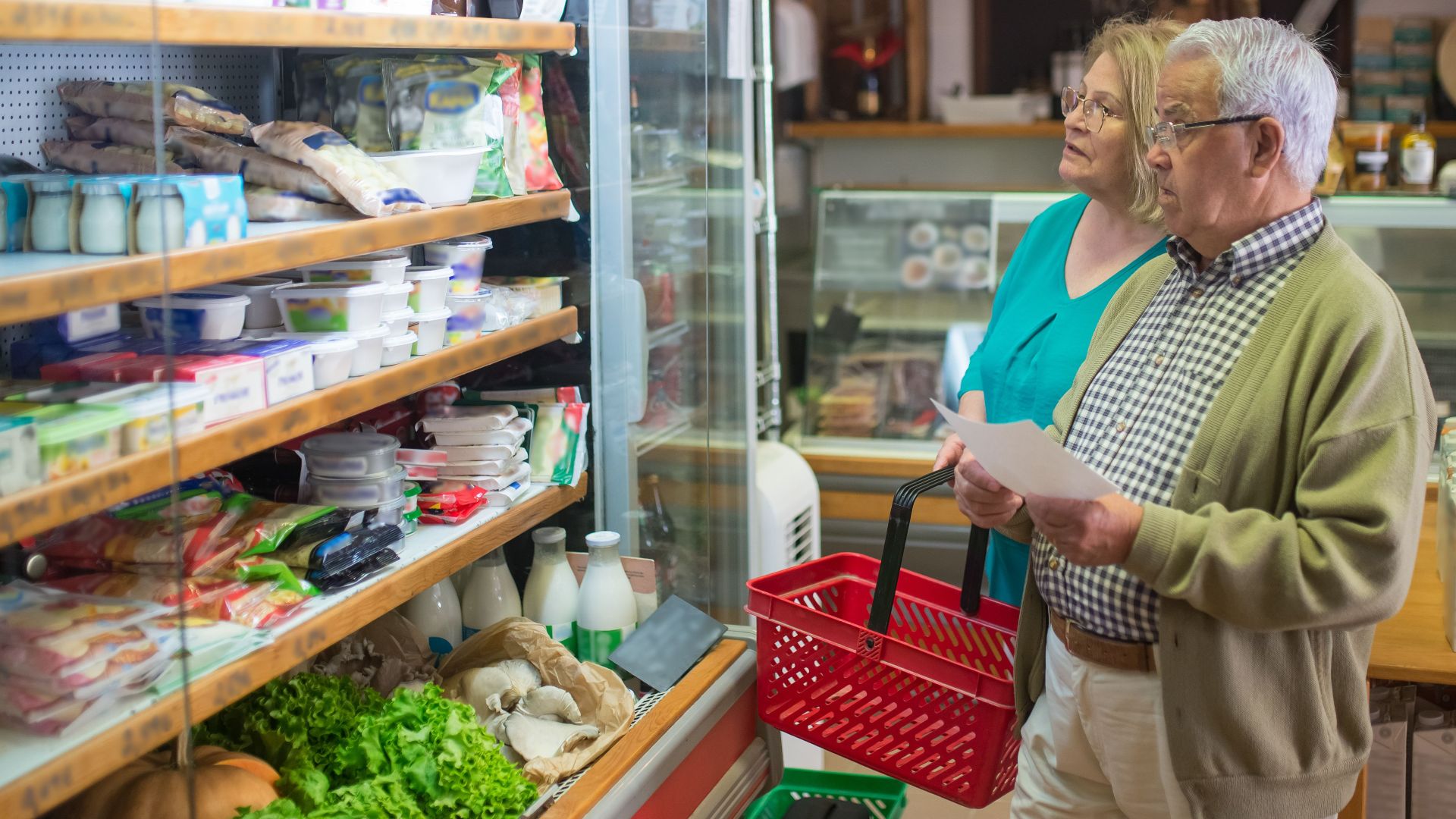
Walking into the supermarket without a shopping list was practically asking for trouble. Many families wrote their lists around the week's meals and tried to stick to them. Impulse purchases could throw off the entire grocery budget. And if something wasn't on that carefully prepared piece of paper, it usually stayed on the shelf.
Clipping Coupons Every Sunday
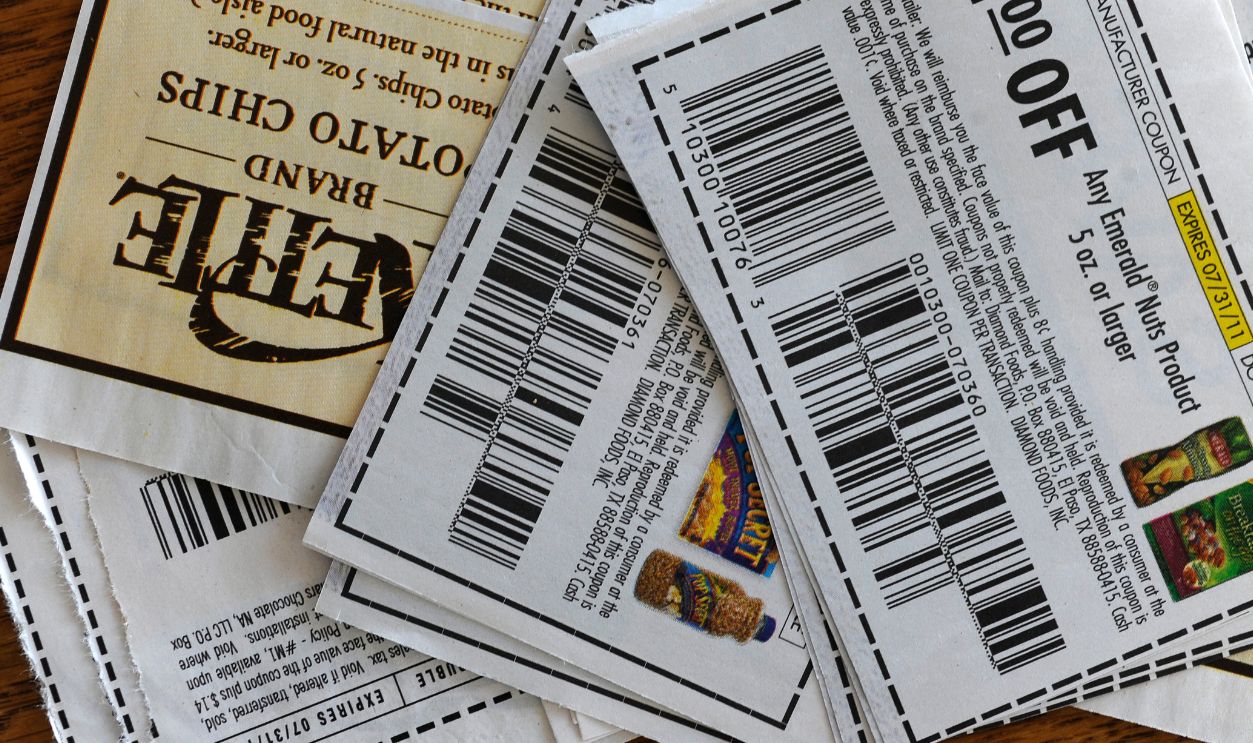
Sunday newspapers were practically treasure chests for bargain hunters. Families spent hours cutting coupons for groceries, toiletries, and household supplies. Some kept elaborate organizers filled with little paper discounts. Dedicated coupon collectors even saved product labels for mail-in refunds. It required patience, but the savings could make all that cutting worthwhile.
The Weekly Grocery Price Book
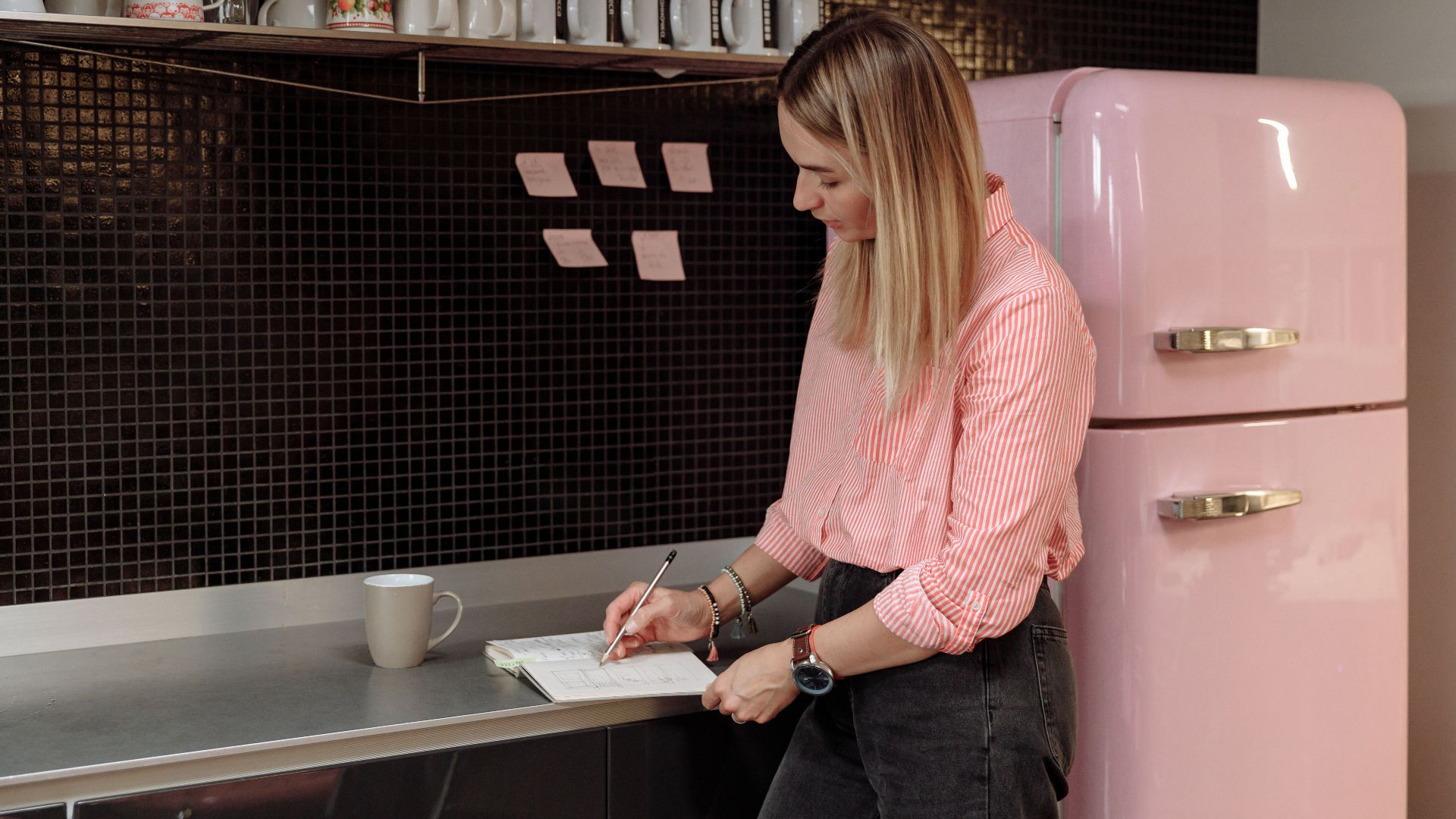
Some particularly organized shoppers maintained small notebooks recording grocery prices at different supermarkets. They knew which store offered the cheapest milk, coffee, or canned vegetables. Whenever prices changed, they updated their records. Imagine doing all that without a smartphone! For careful shoppers, though, the notebook was a valuable money-saving tool.
Buying Groceries With Cash Only
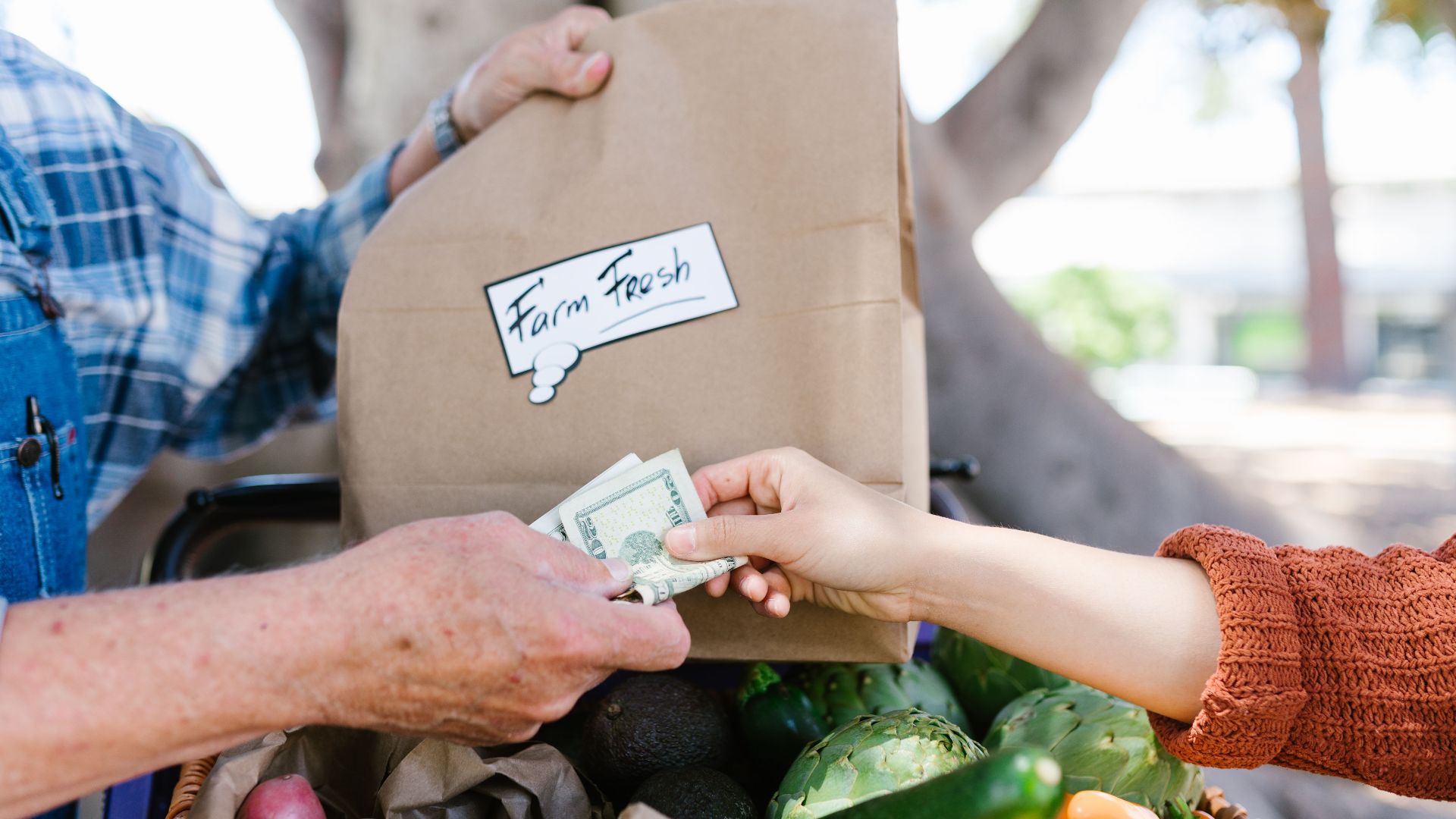
Some families went shopping carrying only the cash they'd budgeted for groceries. No credit card backup meant no spending beyond their limit. Shoppers sometimes added prices as they placed items in the cart to avoid surprises at checkout. Going over budget could mean putting something back before reaching the register.
Making Every Leftover Count
Throwing away perfectly good food wasn't something many budget-conscious families took lightly. Sunday's roast might become Monday's sandwiches and Tuesday's stew. Leftover vegetables found their way into soups, while stale bread became breadcrumbs. These little habits helped households get more meals from the groceries they'd already paid for.

The No-Spending Weekend
Long before anyone called them spending challenges, families occasionally spent weekends without opening their wallets. Instead of restaurants and shopping trips, there were homemade dinners, board games, library books, and neighborhood visits. The idea was simple: enjoy what you already had. Sometimes the cheapest weekend turned out to be the most memorable.
 National Cancer Institute, Unsplash
Saving For Vacations In Advance
Remember putting money aside all year for the family vacation? Some households used dedicated savings accounts, while others kept cash in envelopes or jars. They saved gradually rather than expecting future paychecks to cover everything. By the time summer arrived, they had money waiting for gasoline, motels, and roadside attractions.
Keeping A Bill-Payment Calendar
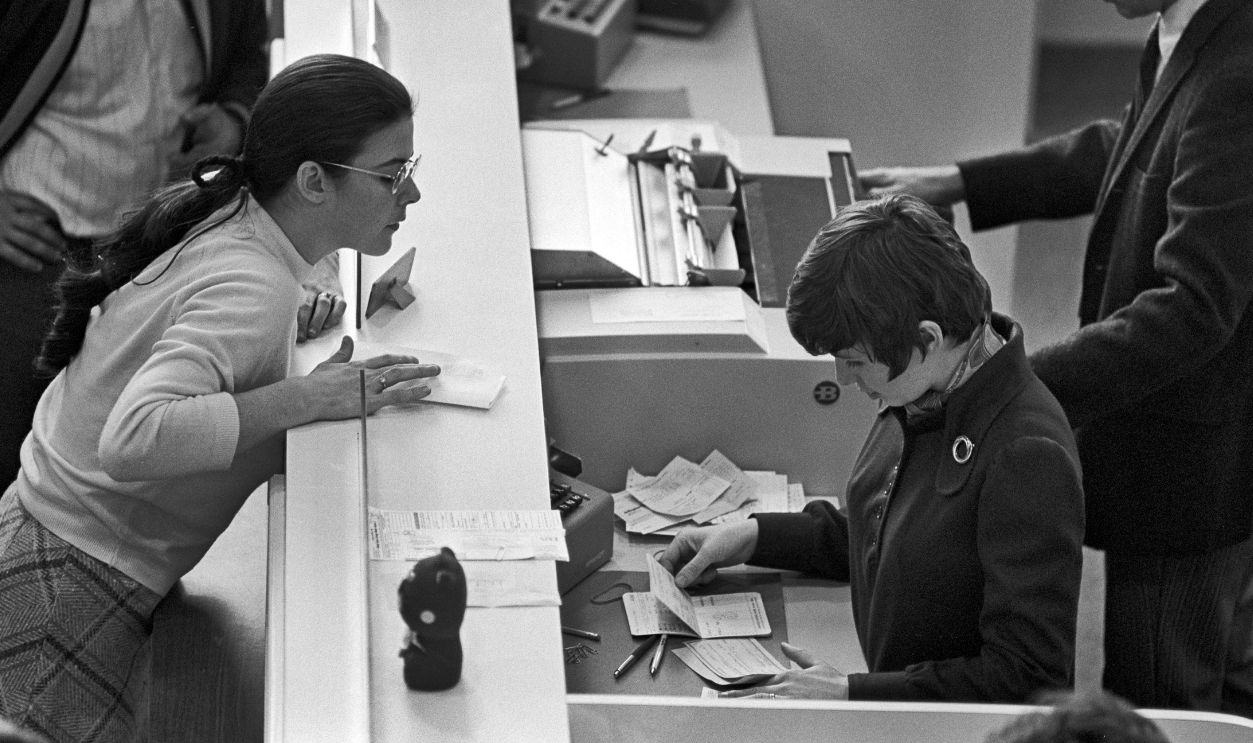
Before automatic payments and smartphone reminders, families had to remember when their bills were due. Many marked payment dates on wall calendars or maintained a handwritten list. Mortgage payments, utilities, insurance, and telephone bills all had their places. Missing one could mean penalties, so organization was essential to staying within budget.
Paying Bills On Payday
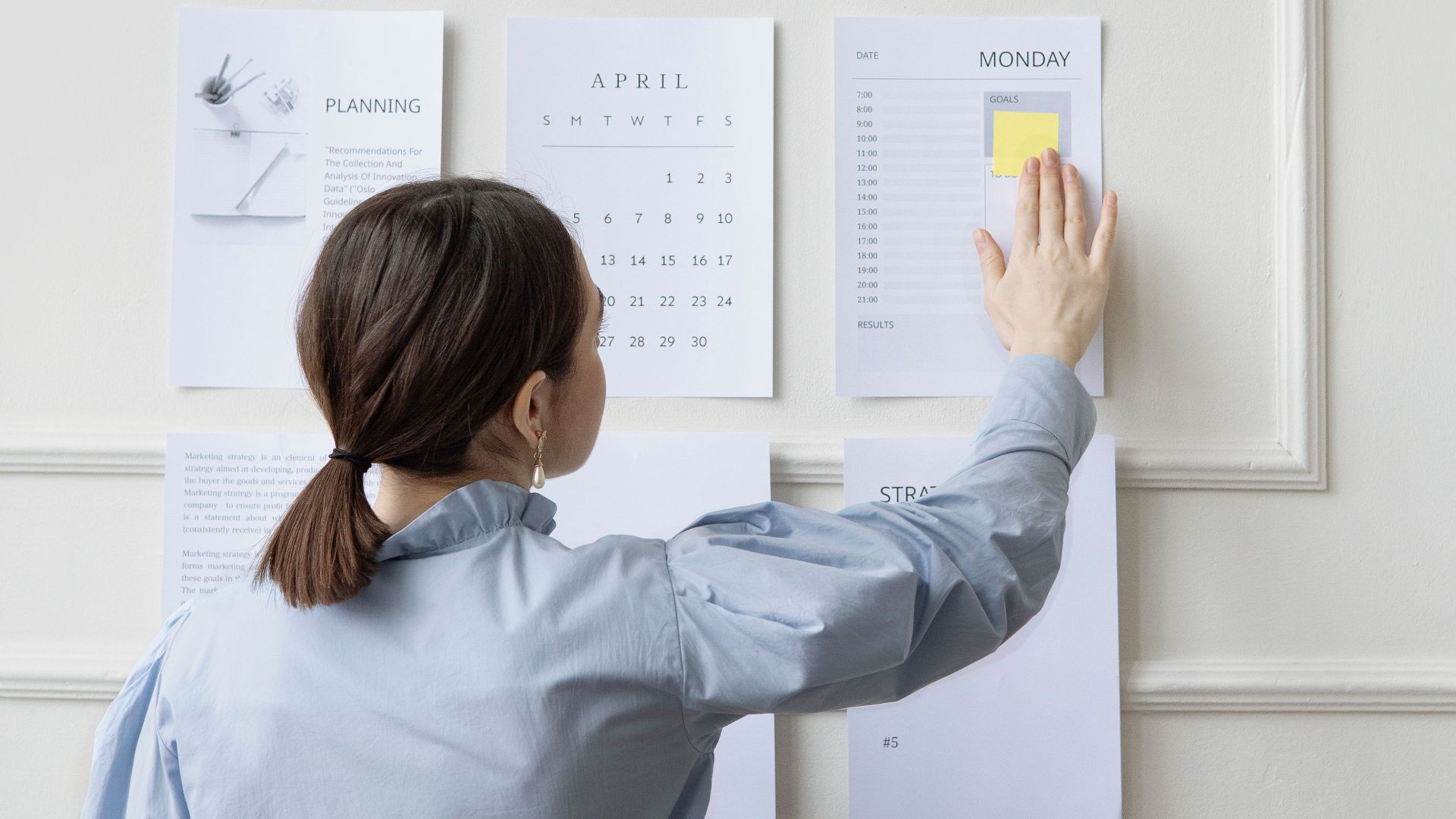
For many households, payday wasn't an invitation to go shopping. It was bill-paying day. Before spending money on anything enjoyable, they wrote checks for rent, utilities, and other commitments. Only afterward did they calculate what remained for groceries and personal spending. It wasn't exciting, but it helped keep financial obligations from piling up.
The Passbook Savings Account
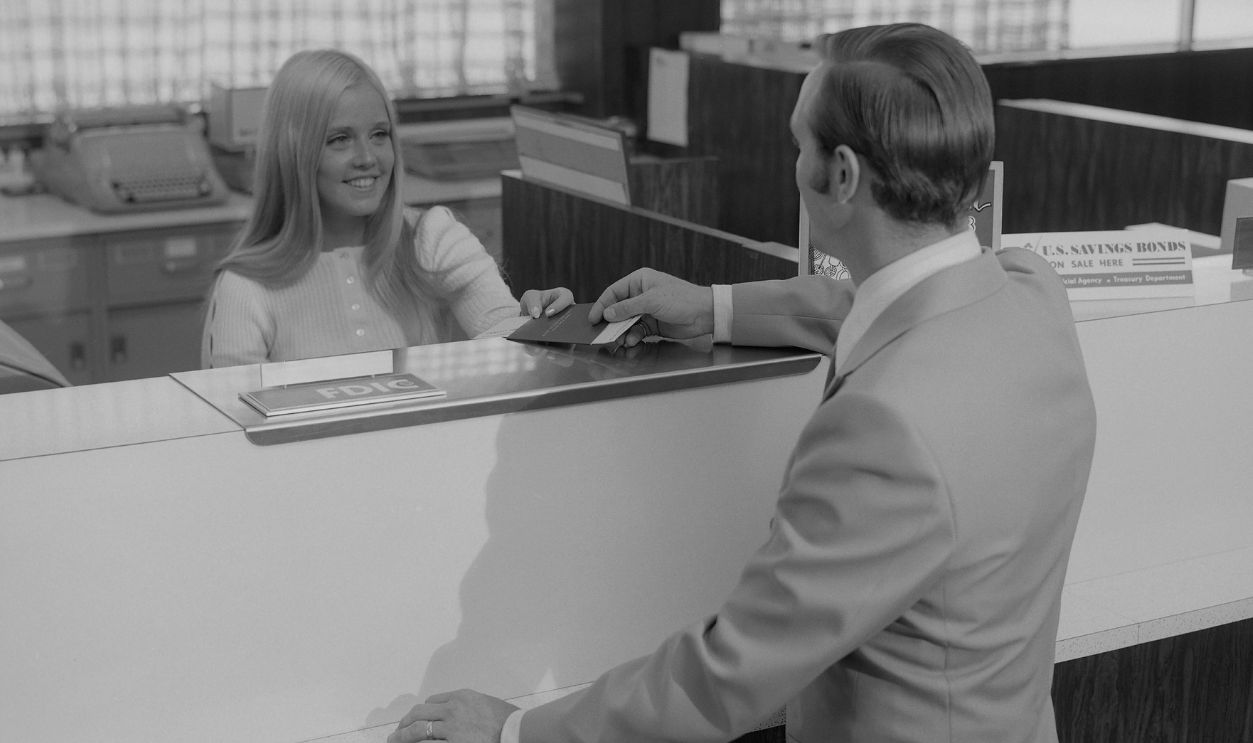
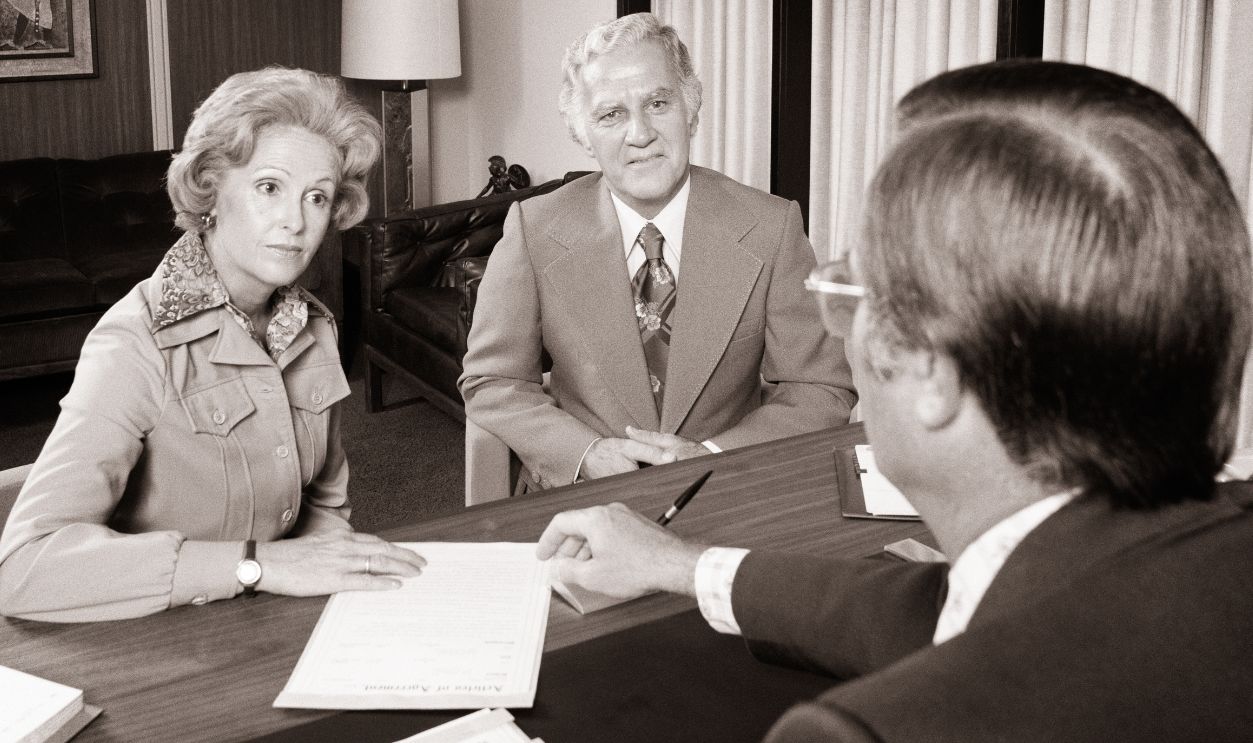
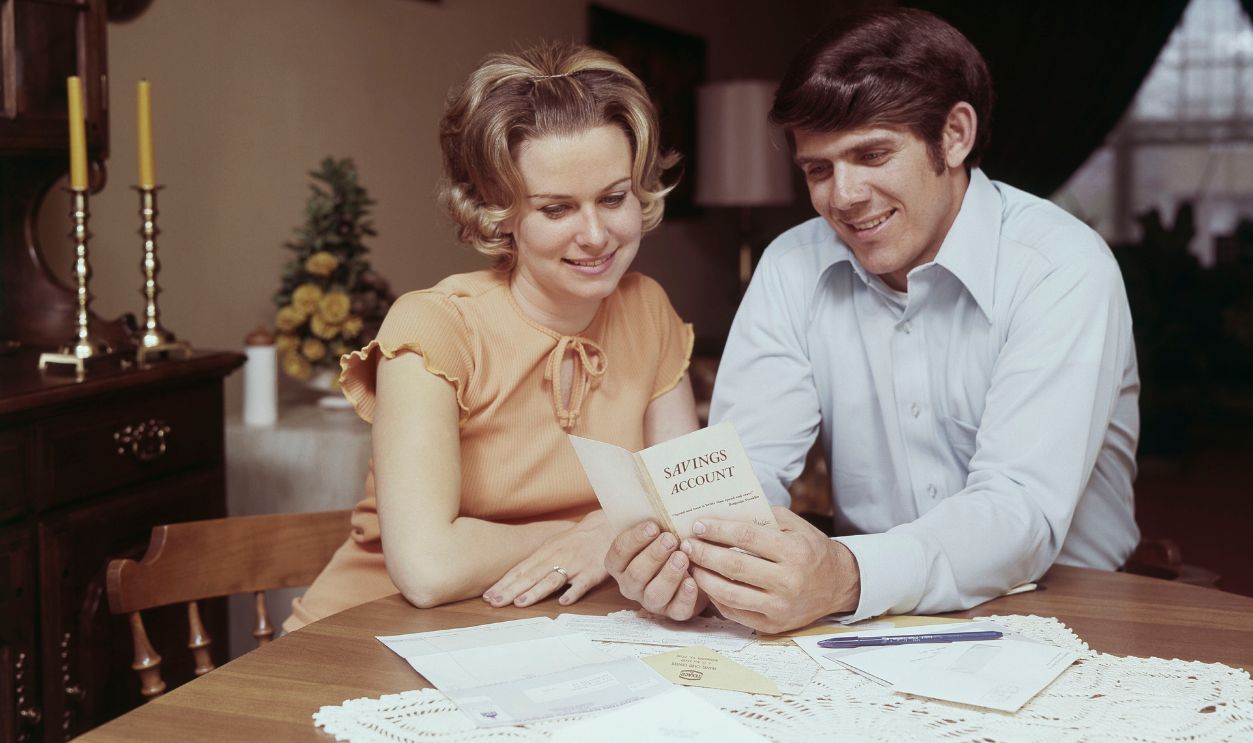
Remember carrying a little savings passbook to the bank? Each deposit or withdrawal was recorded, giving account holders a physical record of their progress. Watching the balance grow could be genuinely satisfying. Unlike today's instant transfers, accessing savings often required a trip to the bank, adding an extra obstacle to impulsive withdrawals.
 Harold M. Lambert, Getty Images
Dividing Money Into Separate Savings Accounts
Some families used different savings accounts for different goals. One might be for emergencies, another for a new car, and another for a vacation. Keeping the money separate made it easier to resist spending it on something else. It was an early version of today's digital savings buckets, without the technology.
 https://kaboompics.com/, Pexels
Saving Through Payroll Deductions
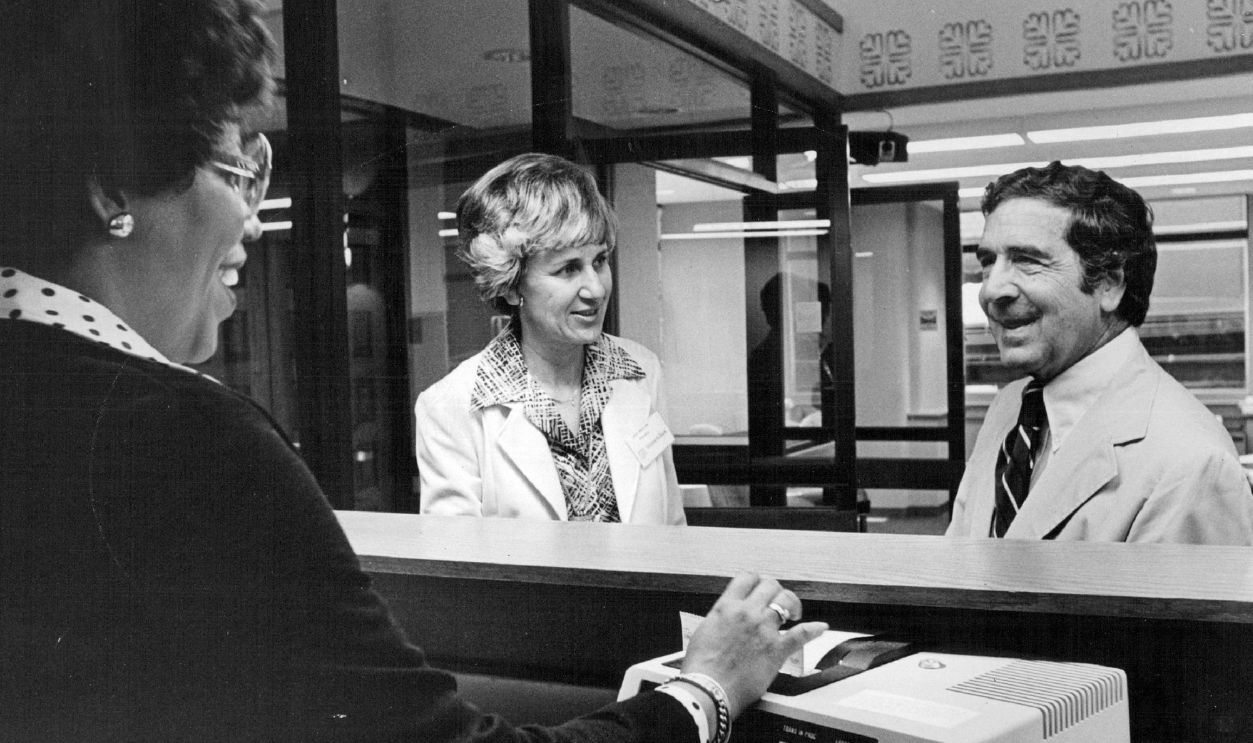
One popular savings method involved having money deducted directly from a paycheck. Workplace payroll savings programs allowed employees to purchase U.S. Savings Bonds automatically. The beauty was that workers didn't have to remember to save. Their money was set aside before they had a chance to spend it.
Waiting Until Something Went On Sale
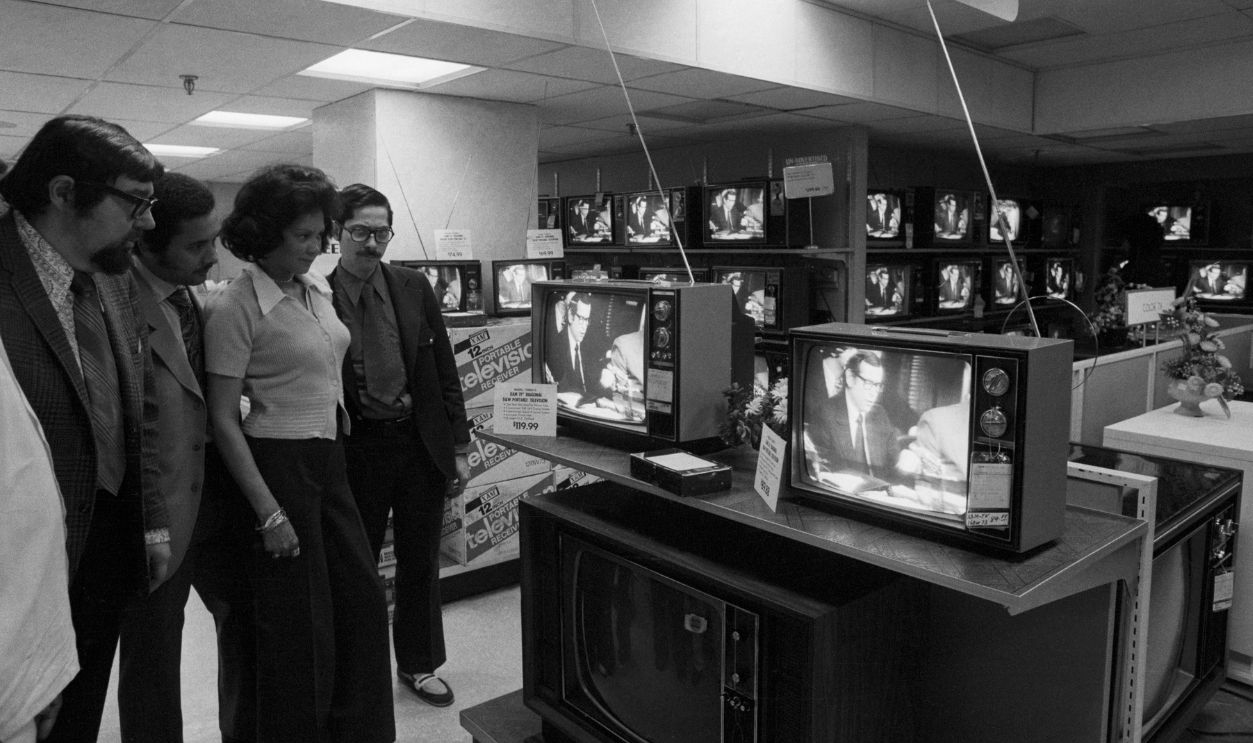
Families who wanted a new television, washing machine, or sofa often waited for advertised sales. They checked newspaper flyers, compared prices, and postponed purchases until something fit their budget. There weren't endless online flash sales tempting them every afternoon. Waiting could be frustrating, but patience sometimes saved a surprising amount.
Repairing Instead Of Replacing
A broken toaster didn't automatically mean buying another one. Many households tried repairs before spending money on replacements. Clothes were mended, furniture was refinished, and appliances sometimes lasted for decades. Of course, not everything was worth fixing. But avoiding unnecessary replacements could free up precious room in the family budget.

Keeping Emergency Cash At Home
Some families kept a little emergency cash tucked away in a drawer, envelope, or other hiding place. It wasn't meant for shopping or everyday expenses. Instead, it provided a backup when an unexpected bill appeared or the bank was closed. The trick was remembering where you'd hidden it!

The Twenty-Four-Hour Waiting Rule
One simple budgeting trick involved waiting a day before making an unnecessary purchase. That new radio or fashionable jacket might seem irresistible in the store, but would you still want it tomorrow? Giving yourself time to reconsider helped separate genuine needs from passing temptations. It was an easy way to prevent buyer's remorse.

Could These Old Budgeting Tricks Still Work Today?
Modern banking certainly makes managing money more convenient, but some 1970s habits remain remarkably practical. Tracking expenses, saving before spending, and waiting before buying can still make a difference. Baby Boomers didn't have fancy apps to organize every dollar, but they understood the value of a careful budget. Which of these methods helped your family save?

You May Also Like:
Grocery Staples That Are Still Surprisingly Affordable Despite Rising Food Prices