

Some Bargains Are Still Hiding In Plain Sight
A trip through the grocery store can feel considerably more expensive than it used to, especially once meat, produce, snacks, and convenience foods start filling the cart. But not everything has become painfully expensive, and a surprising number of old-school staples can still stretch a few dollars into multiple meals.
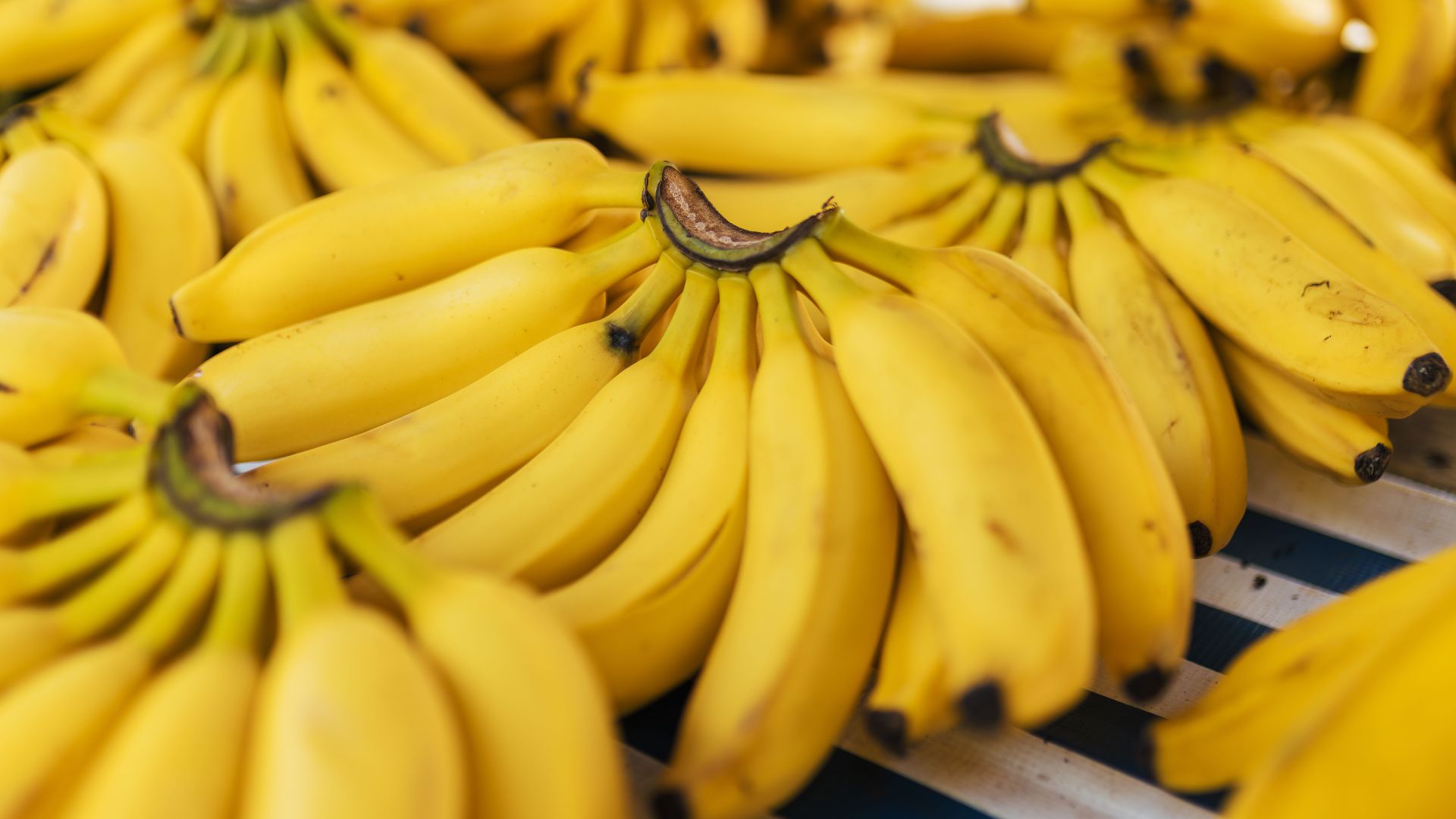
Bananas
Bananas remain one of those unusual fresh foods that can still look inexpensive before you even start calculating the cost per serving. A bunch provides several breakfasts or snacks, requires no preparation, and pairs naturally with other inexpensive staples like oats and peanut butter. They also work well in smoothies or baking once they become too soft to eat on their own.
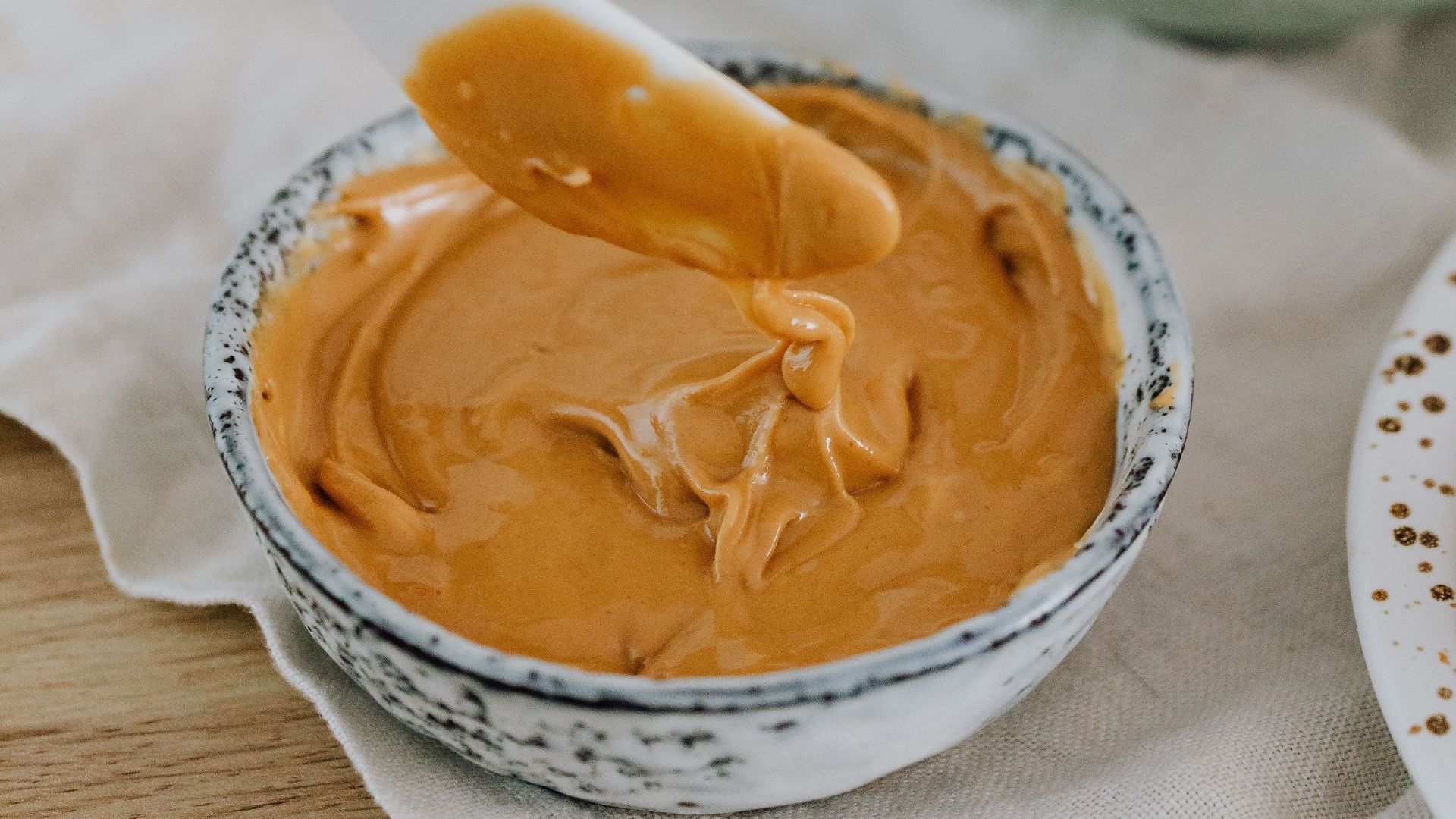
Peanut Butter
Peanut butter costs more upfront than the very cheapest canned goods, but one jar delivers a remarkable number of servings. It can make toast, oats, bananas, crackers, smoothies, and sandwiches more filling with almost no preparation. Its long shelf life is another advantage, since there’s little risk of having to throw out half the container before it gets used.
 https://kaboompics.com/, Pexels
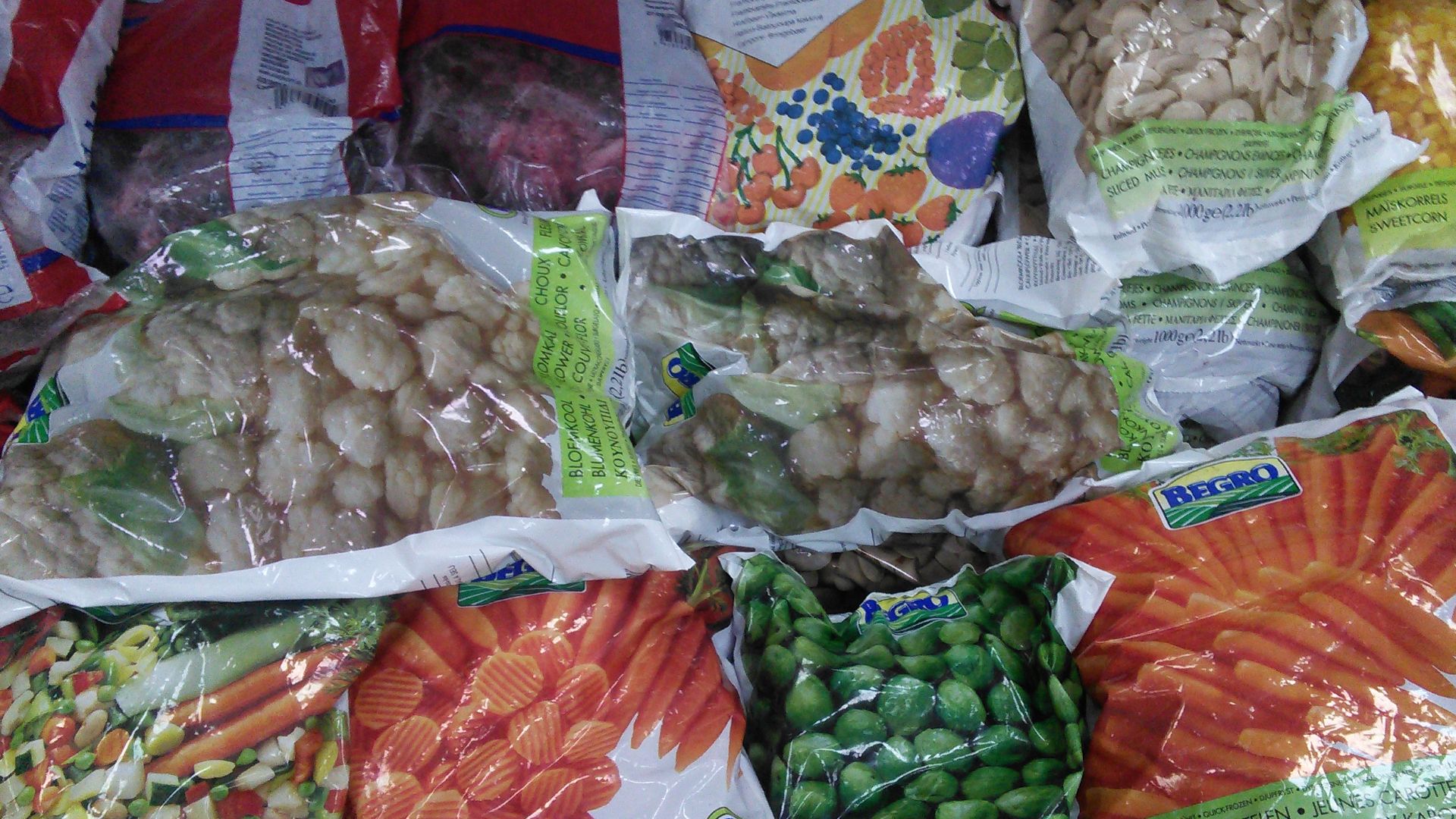
Frozen Mixed Vegetables
Frozen mixed vegetables solve two budget problems at once: they’re reasonably inexpensive, and almost nothing has to be discarded. Shoppers can pour out exactly the amount they need and return the rest to the freezer. A handful can bulk up rice, ramen, soup, pasta, casseroles, fried rice, or pot pies without requiring several different fresh vegetables.
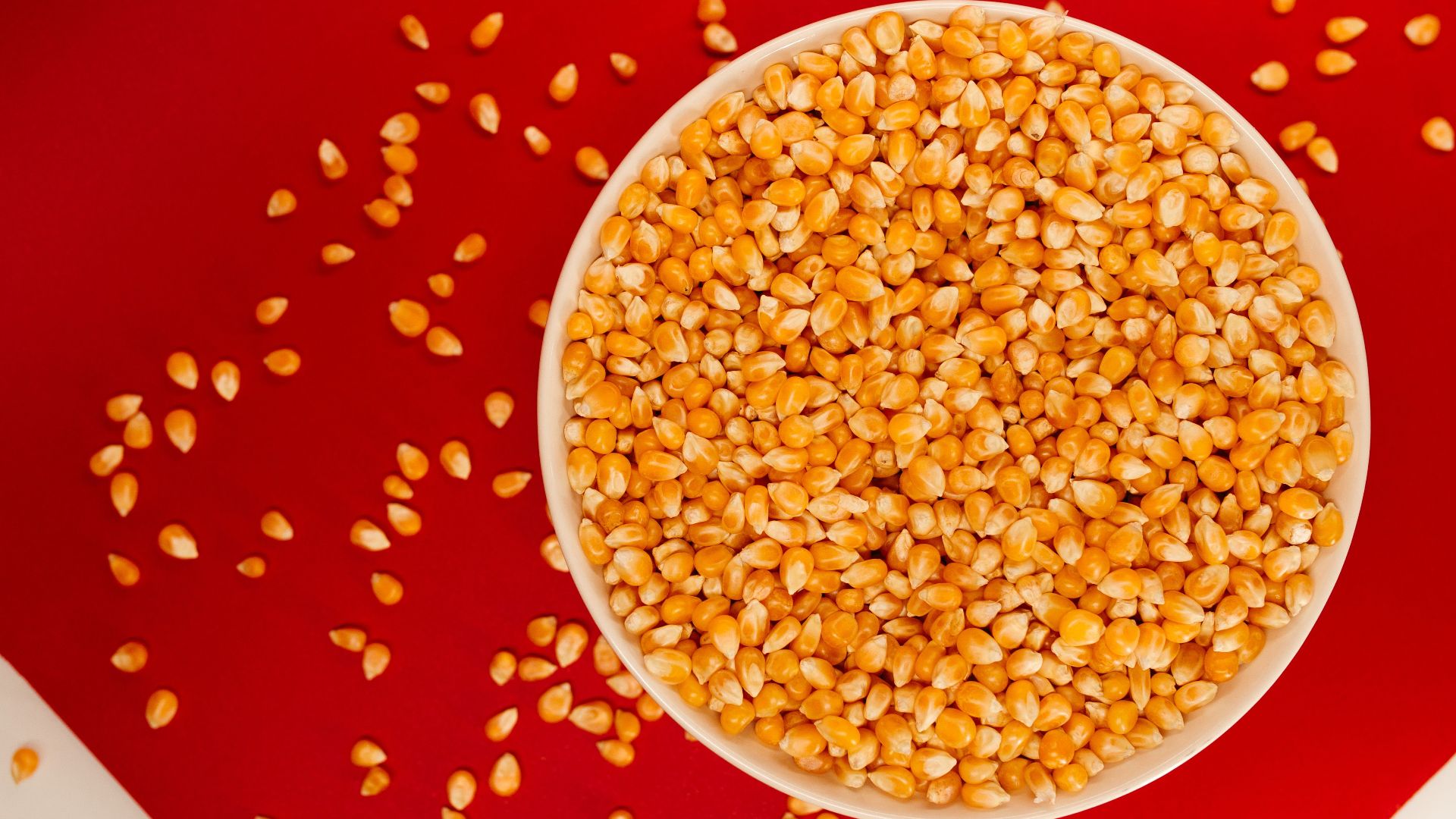
Popcorn Kernels
Snack aisles can become surprisingly expensive, which makes plain popcorn kernels stand out even more. A relatively small bag produces bowl after bowl of popcorn at a fraction of what shoppers can spend on chips or individual microwave packages. A pot with a lid and a little oil is enough, and seasonings can change the flavor without requiring another specialty snack purchase.
Whole Chicken
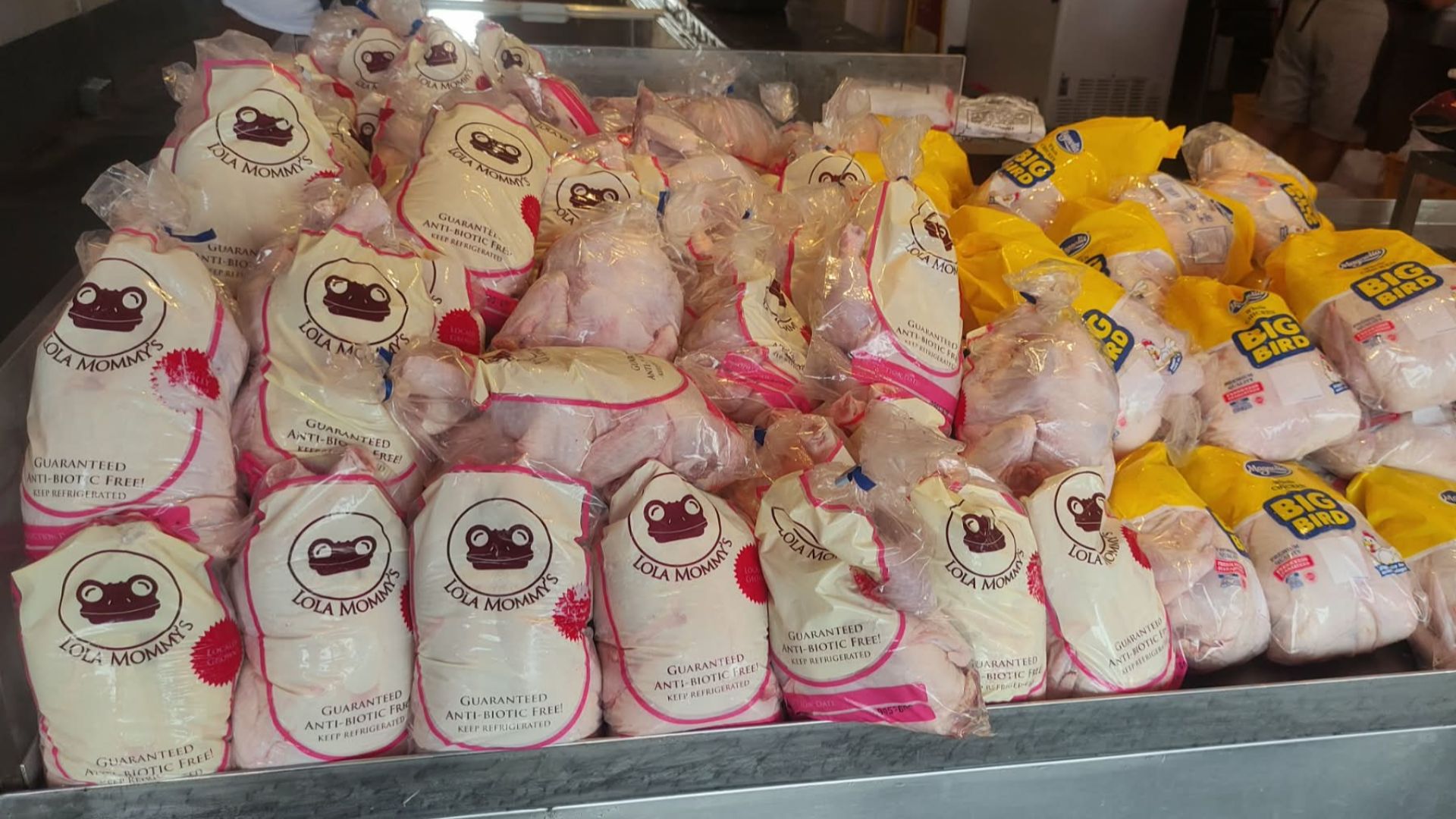
A whole chicken has a higher checkout price than most pantry staples, but it can deliver several different meals when it’s used completely. Roast it once, use leftover meat for sandwiches or casseroles, and save the bones for stock or soup. For households willing to do a little extra preparation, buying the whole bird can make fresh meat go considerably further.
Applesauce
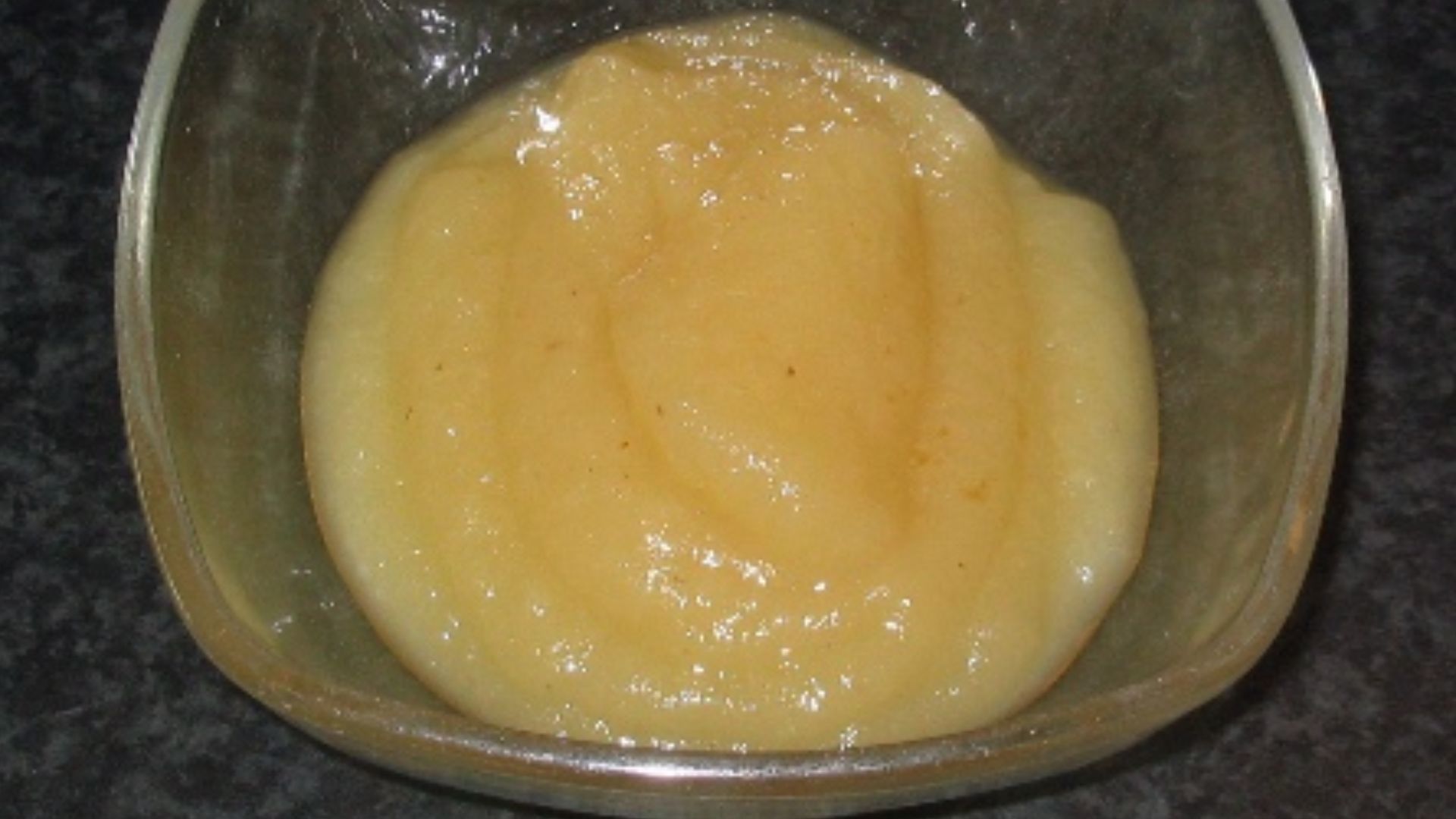
Large jars of store-brand applesauce can be much better value than individual snack cups. It keeps well, requires no washing or chopping, and works as a snack, breakfast side, baking ingredient, or easy fruit option when fresh produce is running low. Unsweetened versions can also be surprisingly versatile in recipes rather than simply being eaten straight from the bowl.
Dried Beans
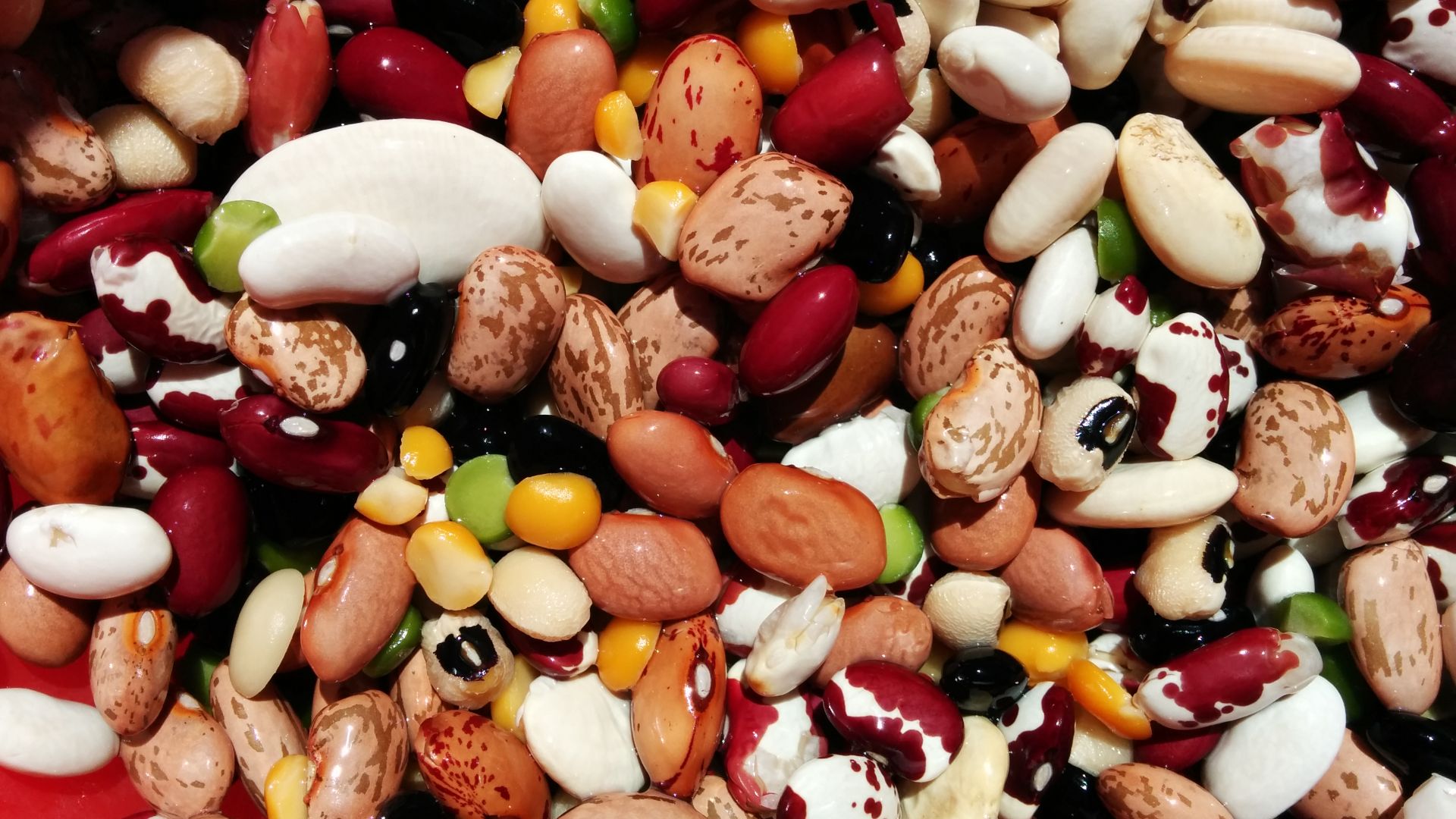
Few grocery items can compete with dried beans when sheer number of servings matters. Black, pinto, kidney, navy, and other varieties swell considerably as they cook, turning an inexpensive bag into enough food for several meals. They’re especially useful in chili, soups, burritos, rice bowls, and stews where a relatively small amount can make a dish considerably more filling.
Lentils
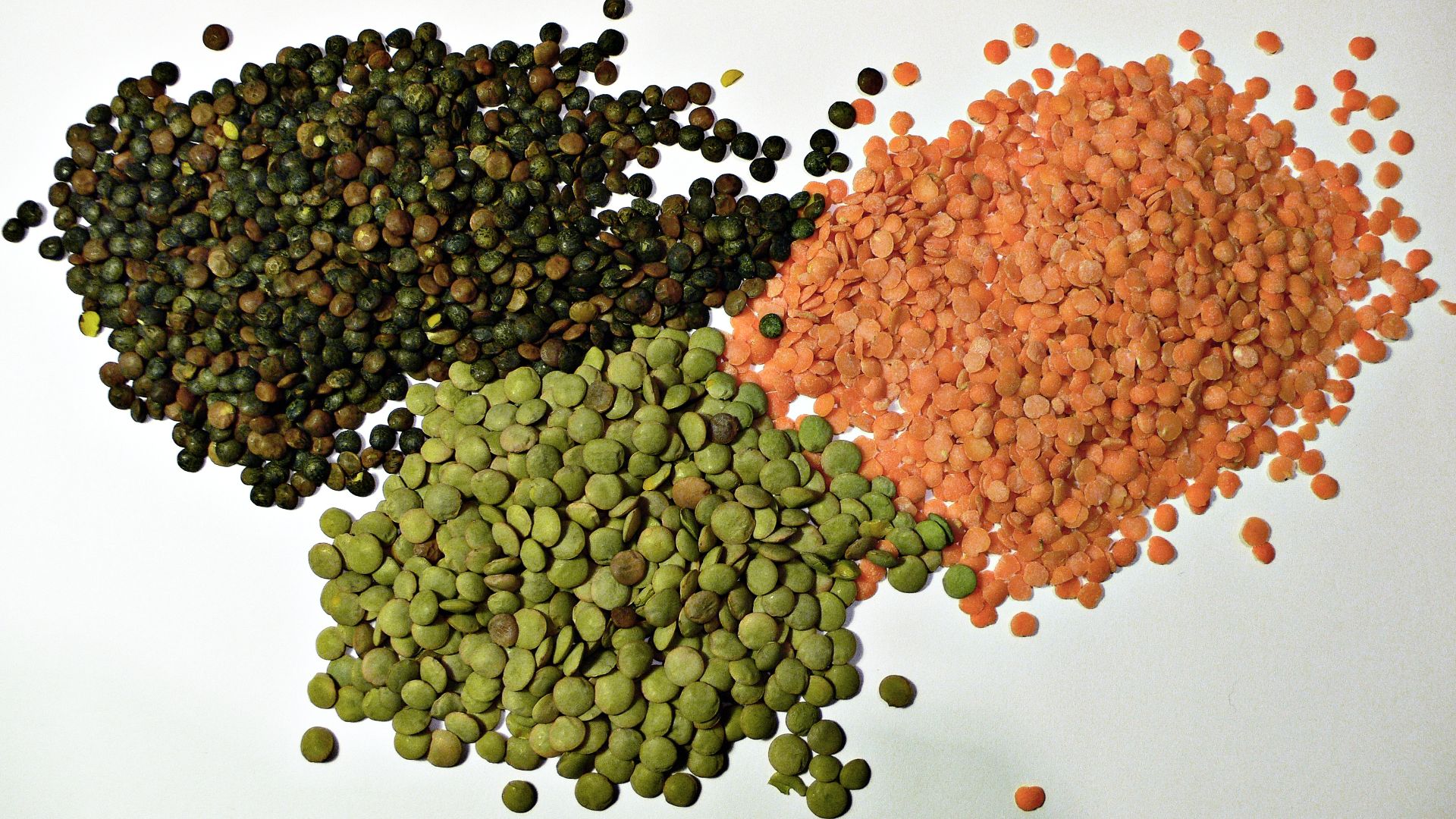
Lentils deliver many of the budget advantages of dried beans without requiring nearly as much planning. Most varieties cook relatively quickly and don’t need an overnight soak, making them convenient enough for weeknight meals. They can carry a soup or curry by themselves, stretch ground meat in tacos or pasta sauce, or be combined with rice for an extremely inexpensive meal.
 User:Justinc, Wikimedia Commons
Ramen Noodles
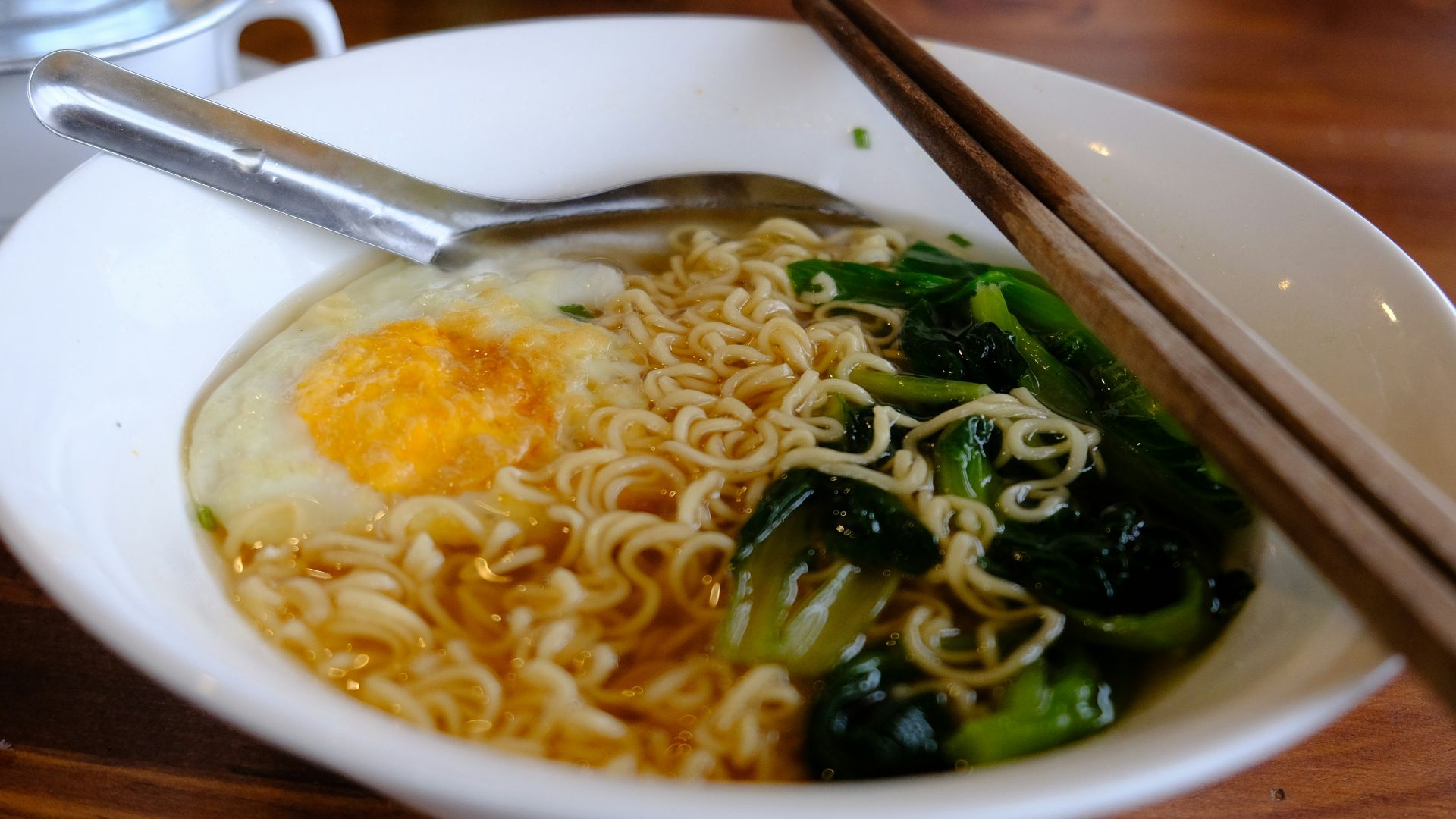
The humble ramen packet is still hard to beat when the immediate goal is spending as little as possible. It isn’t much of a complete meal on its own, but that doesn’t mean it has to stay that way. Frozen vegetables, an egg, leftover chicken, cabbage, scallions, or a spoonful of peanut butter can turn inexpensive noodles into something far more substantial.
Store-Brand Pasta
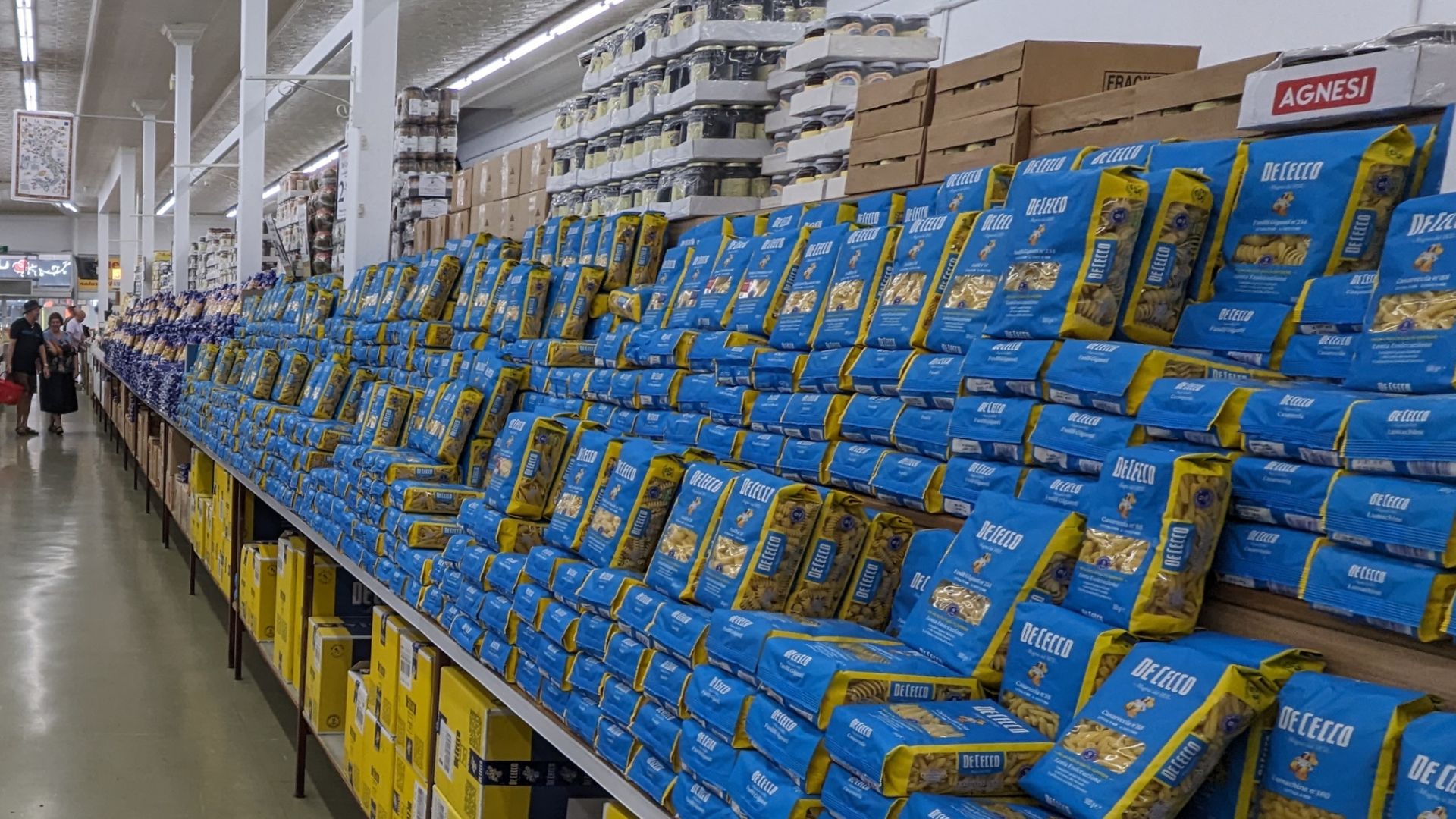
Basic store-brand spaghetti, penne, elbows, and other dried pasta can still offer several servings without making much of a dent in the grocery budget. Pasta also makes expensive ingredients stretch because a little meat, cheese, or sauce can flavor an entire pot. Keeping several shapes in the pantry makes it easy to build dinner around whatever inexpensive ingredients happen to be available.
 Philip Mallis, Wikimedia Commons
Canned Beans
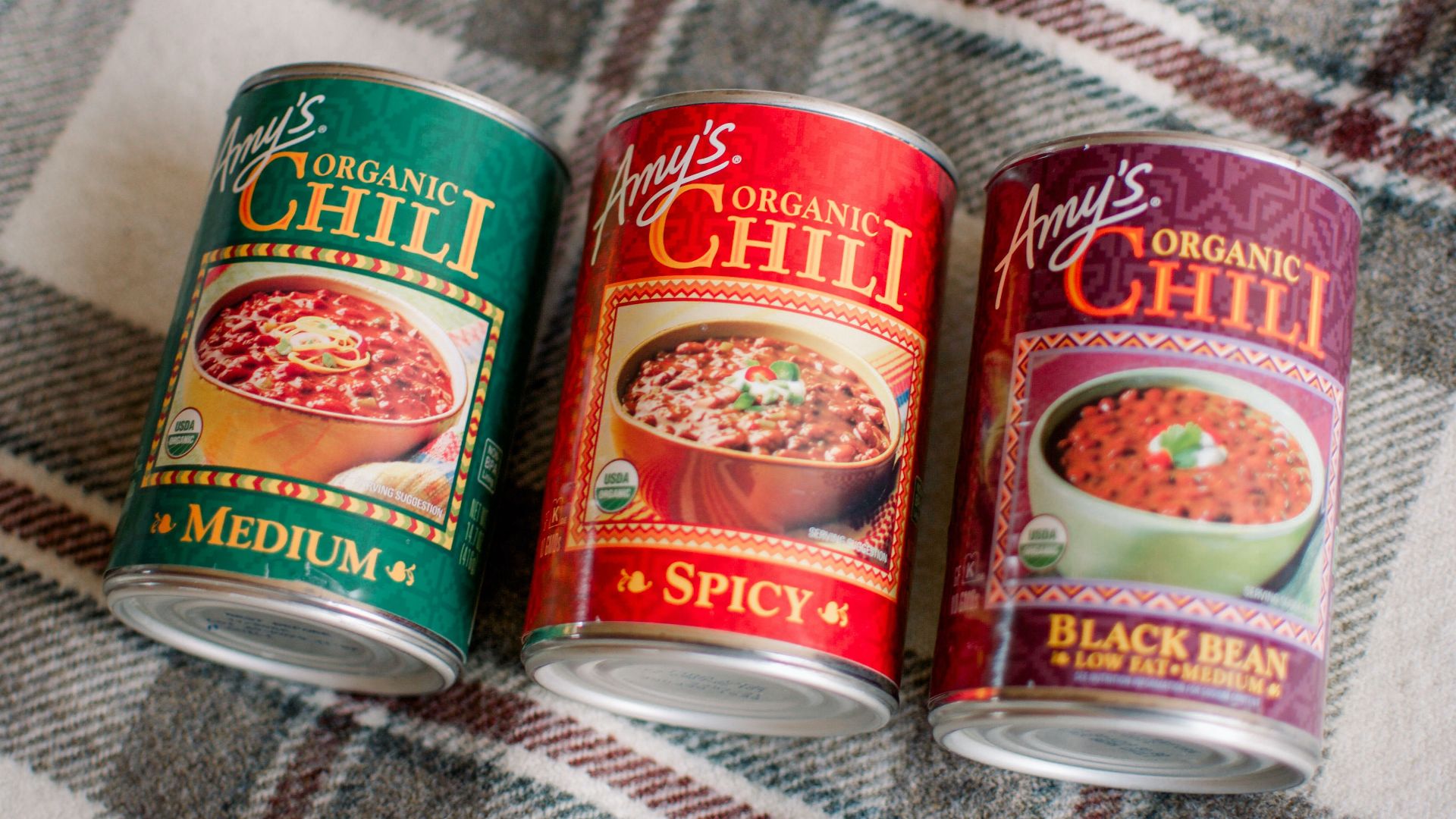
Dried beans win on cost per serving, but canned beans have convenience firmly on their side. For a relatively small shelf price, shoppers get cooked protein and fiber that can be drained and added directly to salads, tacos, chili, soups, or rice. They’re particularly useful on nights when saving 45 minutes matters almost as much as saving money.
Canned Tomato Sauce
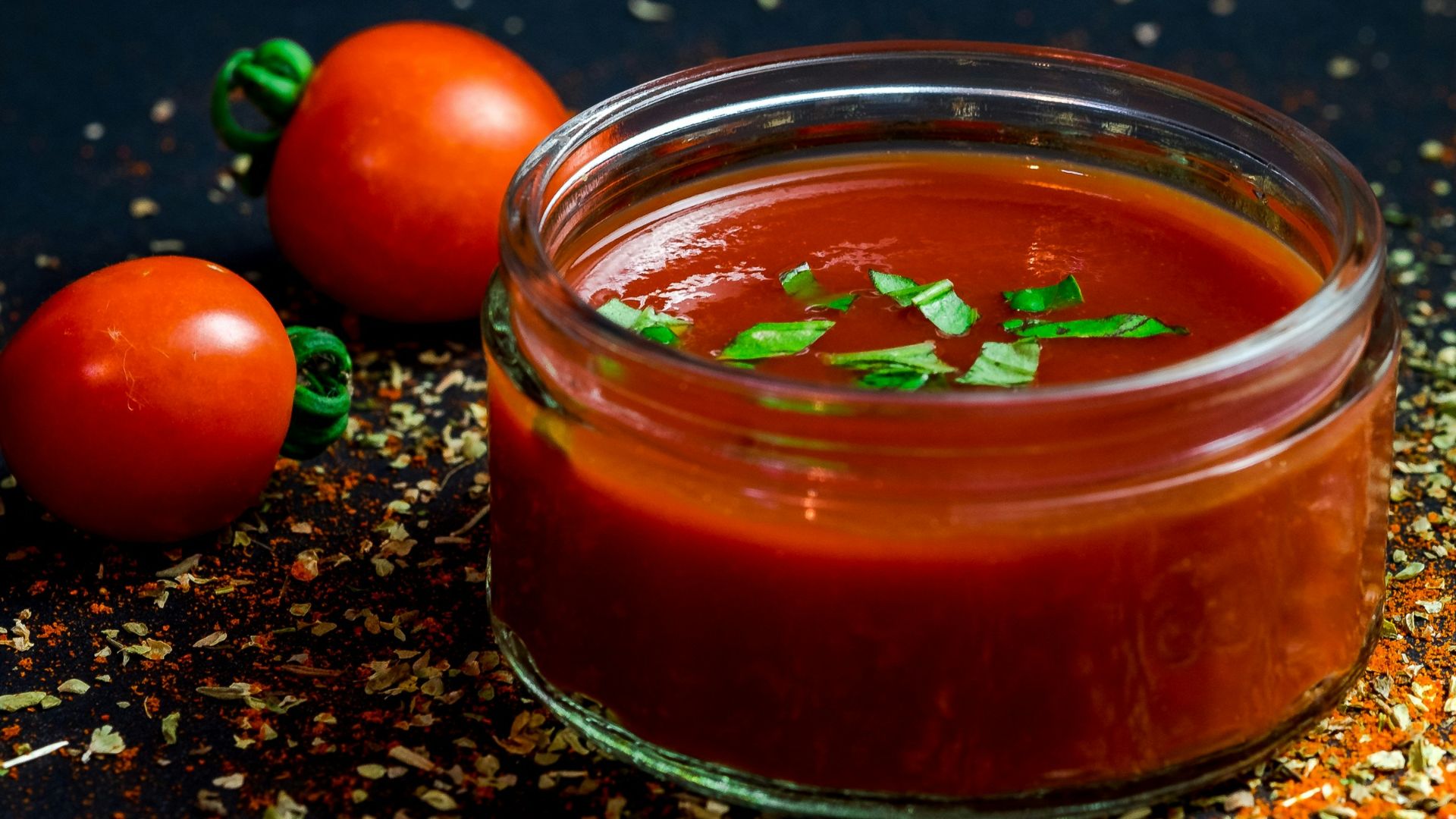
A small can of plain tomato sauce remains one of the cheapest building blocks in the pantry. Add seasoning and it can become pasta sauce, pizza sauce, soup, chili, or part of a casserole without requiring an expensive jar of prepared sauce. Because it’s so adaptable, stocking several cans can make a kitchen full of inexpensive staples much easier to turn into actual meals.
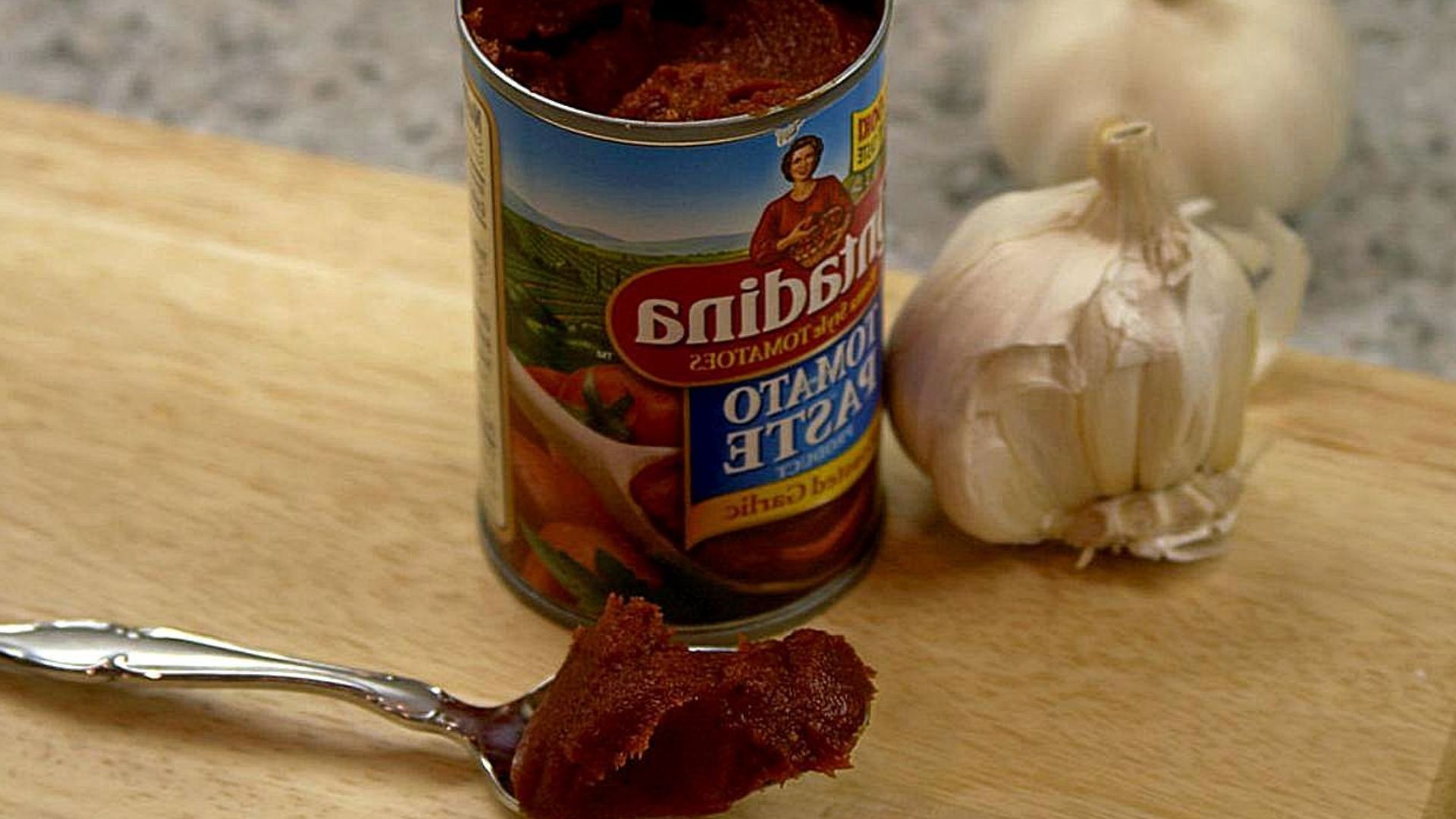
Tomato Paste
Tomato paste may come in a tiny package, but a little goes a surprisingly long way. A spoonful can deepen the flavor of soups, stews, sauces, rice dishes, and braised beans without requiring much additional spending. Tubes are convenient, but the inexpensive little cans can be an especially good value if the unused portion is frozen for later.
 Jon Sullivan, Wikimedia Commons
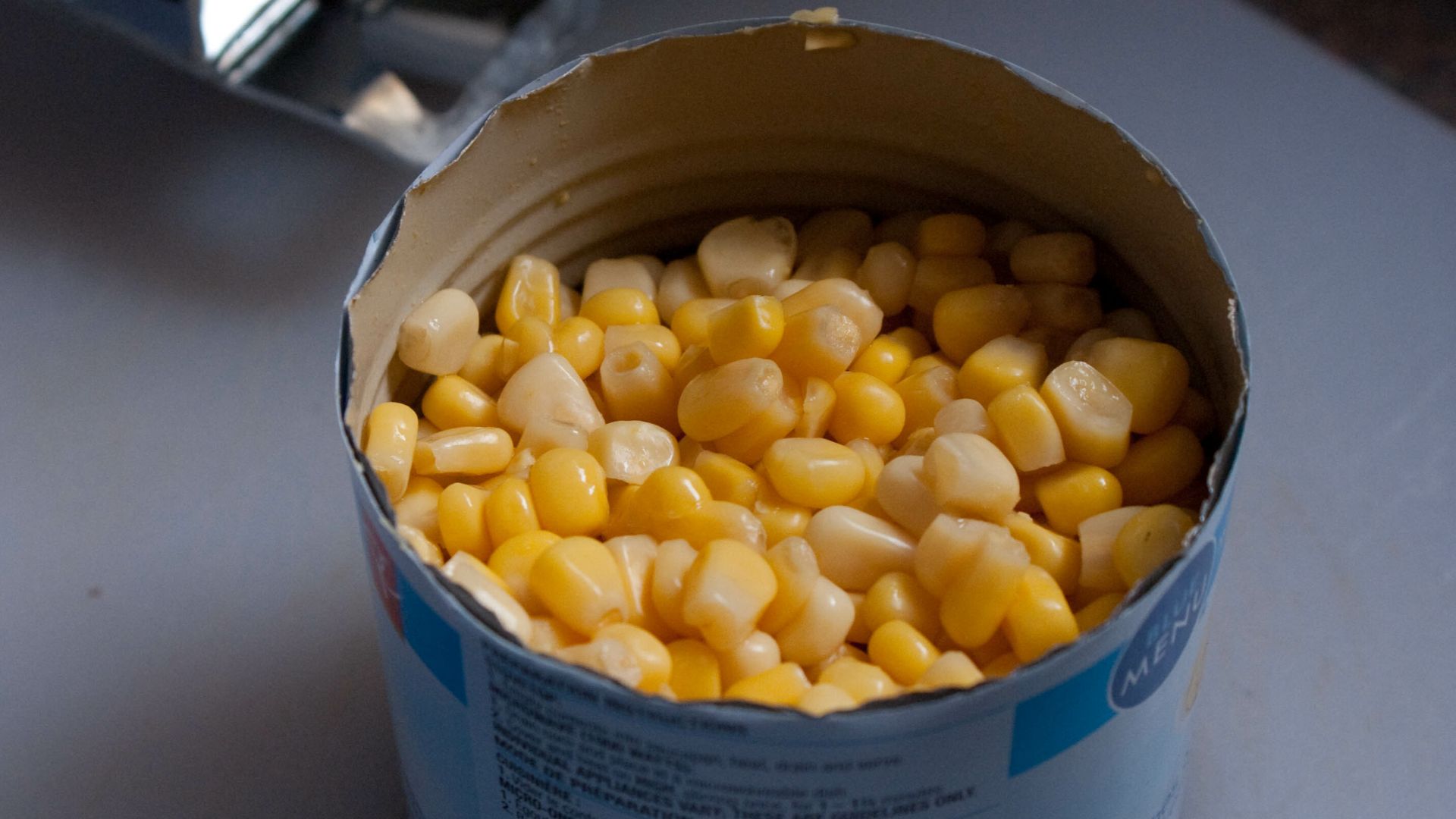
Canned Corn
Canned corn requires practically no effort, lasts for ages in the pantry, and can still carry a pleasantly low shelf price compared with many prepared side dishes. It works alongside a meal, but it’s even more useful mixed into chili, taco filling, rice, soup, pasta salad, or casseroles. Draining a can into something already cooking can instantly stretch the number of servings.
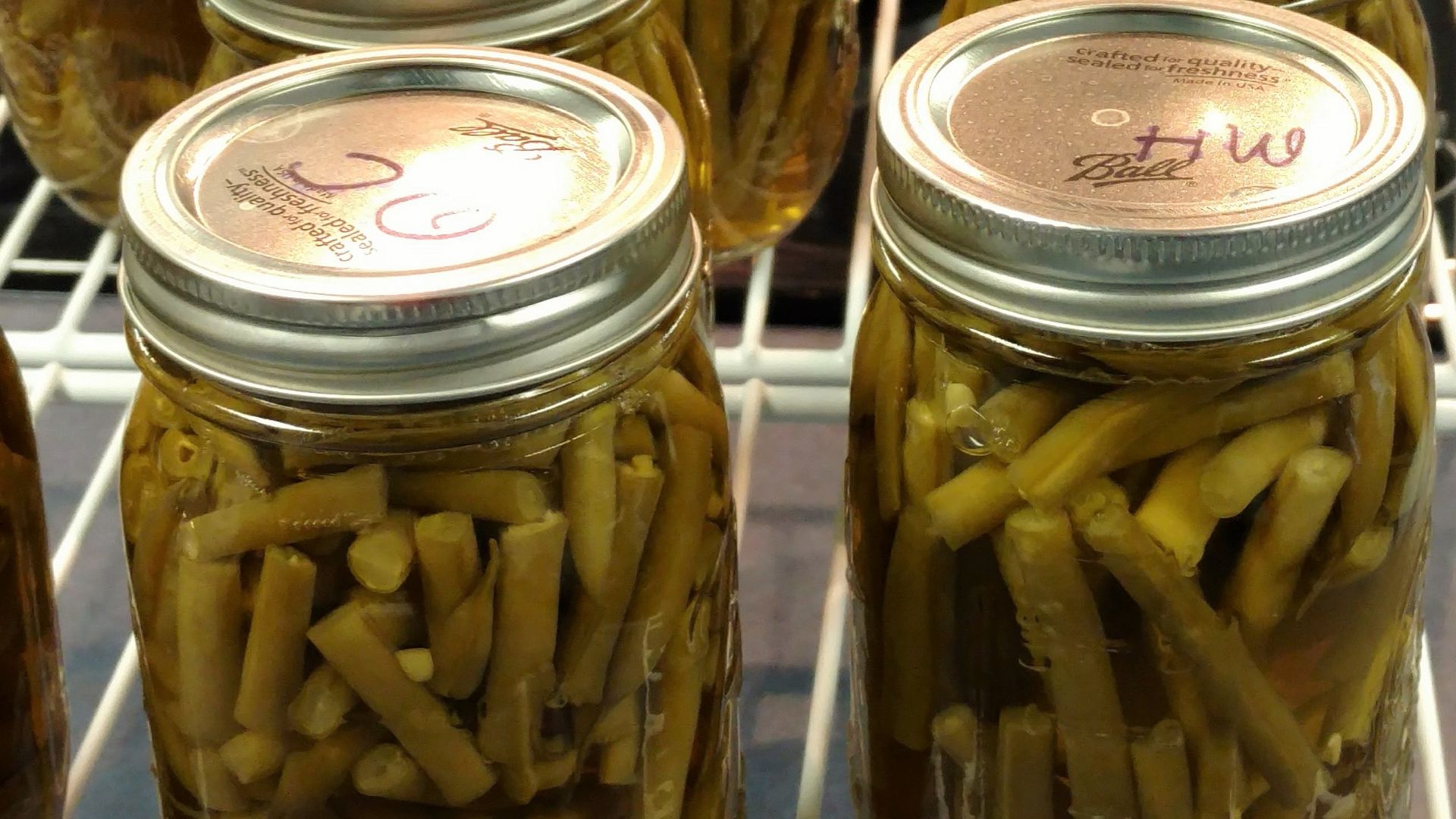
Canned Green Beans
Fresh vegetables sometimes get forgotten in the refrigerator until they’re no longer usable. Canned green beans largely eliminate that problem. They’re inexpensive, require no trimming or chopping, and can sit in the pantry until needed. They may not have the texture of fresh beans, but they’re an easy way to put a vegetable on the table without worrying about waste.
 Nutrition, Food Safety & Health, Wikimedia Commons
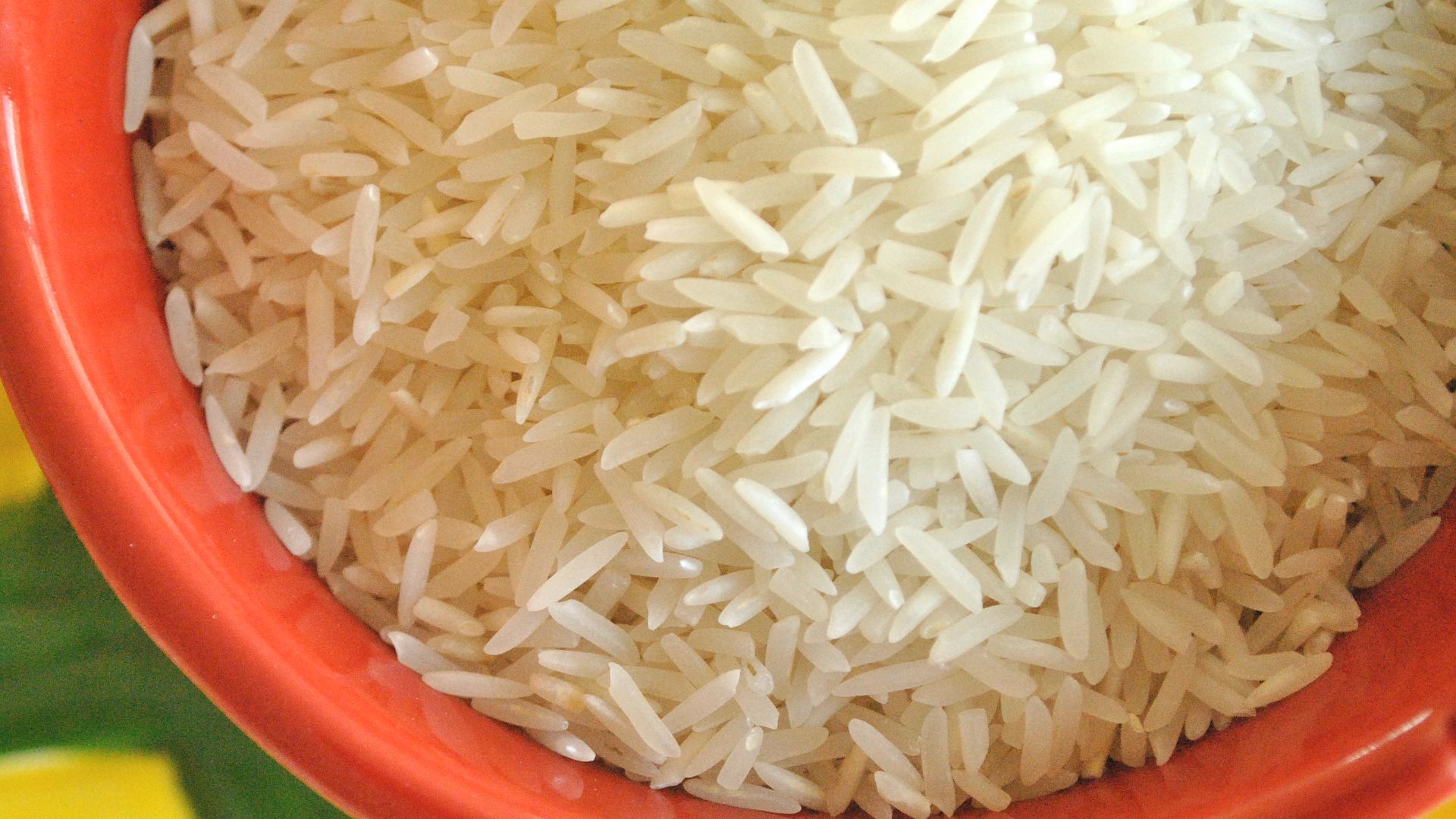
White Rice
Rice remains one of the easiest answers to the question, “How do I make this feed more people?” Even a relatively small bag produces a large number of cooked servings. Beans, leftover chicken, frozen vegetables, curry, chili, canned tuna, or practically any saucy dish can be served over rice to turn a modest amount of food into a much more substantial meal.
 cookbookman17, Wikimedia Commons
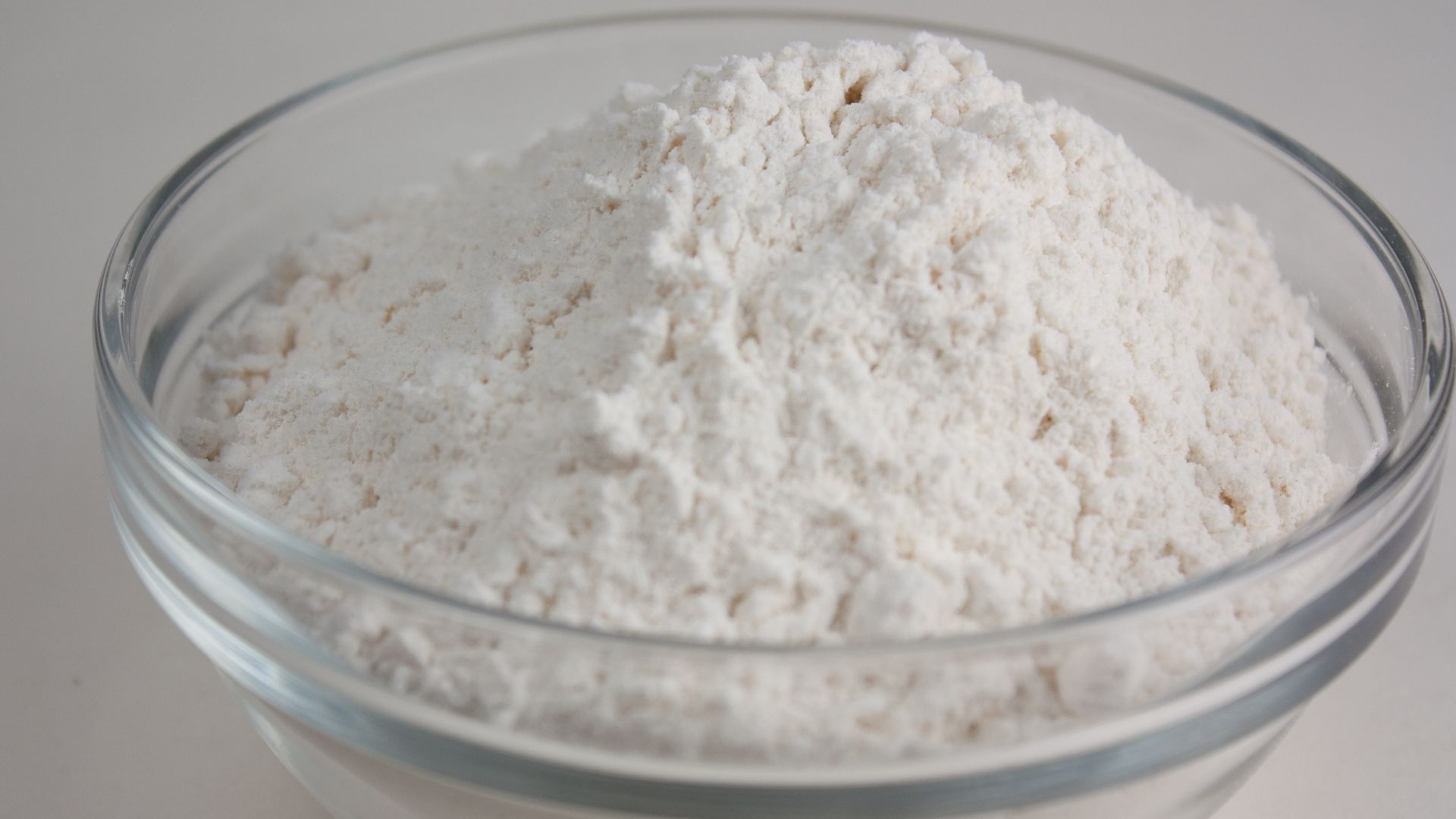
All-Purpose Flour
A bag of flour doesn’t look exciting in the cart, but few inexpensive ingredients can turn into so many different foods. Pancakes, biscuits, bread, pizza dough, muffins, gravy, dumplings, and baked goods can all begin with the same bag. People willing to cook from scratch can get far more meals out of flour than they would from similarly priced prepared baked goods.
 Veganbaking.net from USA, Wikimedia Commons
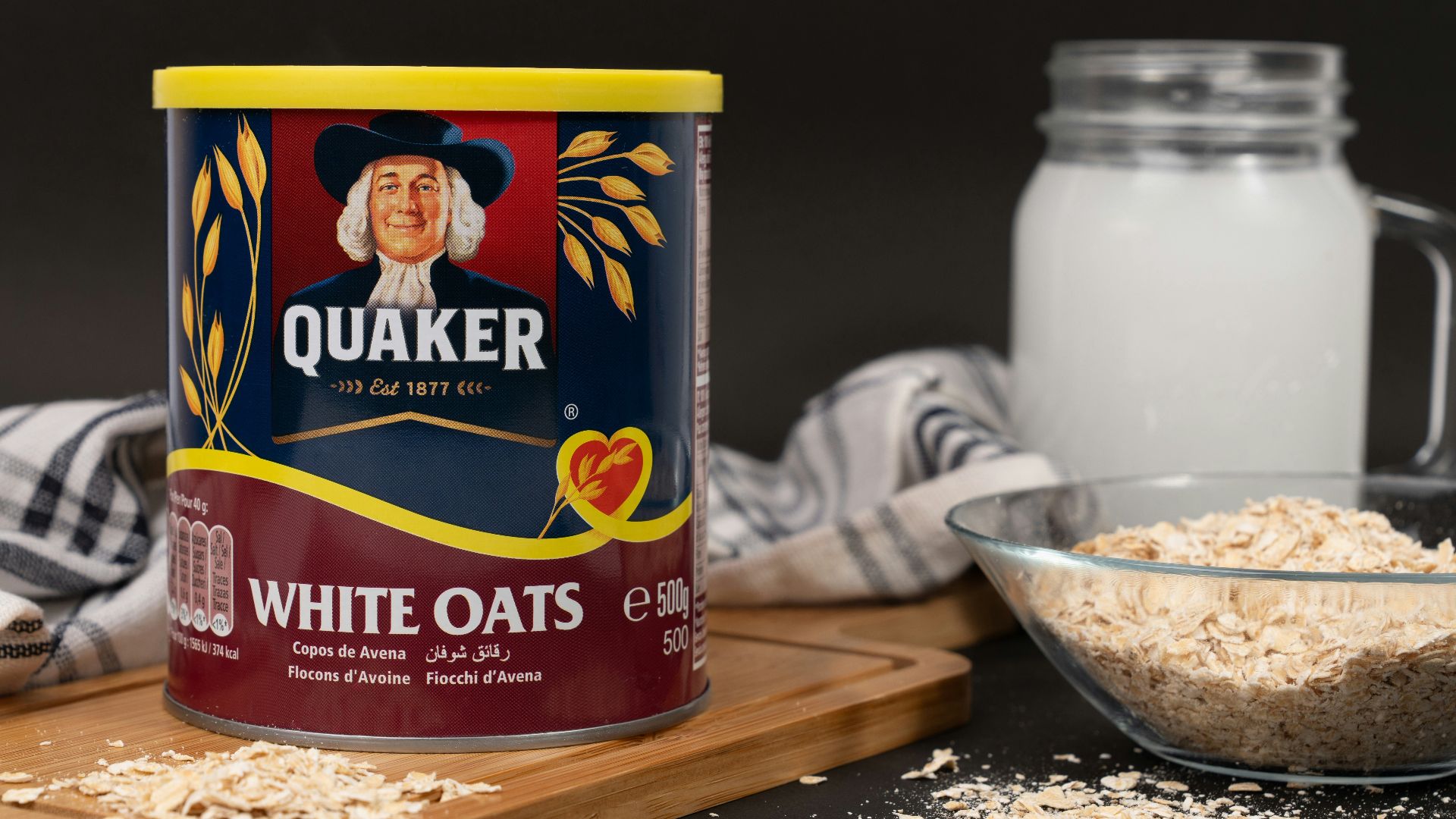
Old-Fashioned Oats
Plain oats remain a strong alternative to pricey boxed cereals, breakfast bars, and individual breakfast cups. A single container can supply breakfasts for weeks, and the basic flavor means shoppers can change things up with bananas, apples, peanut butter, cinnamon, raisins, or whatever else is available. Oats can also appear in baking, meatloaf, homemade granola, and other recipes.
 Abdul Raheem Kannath, Unsplash
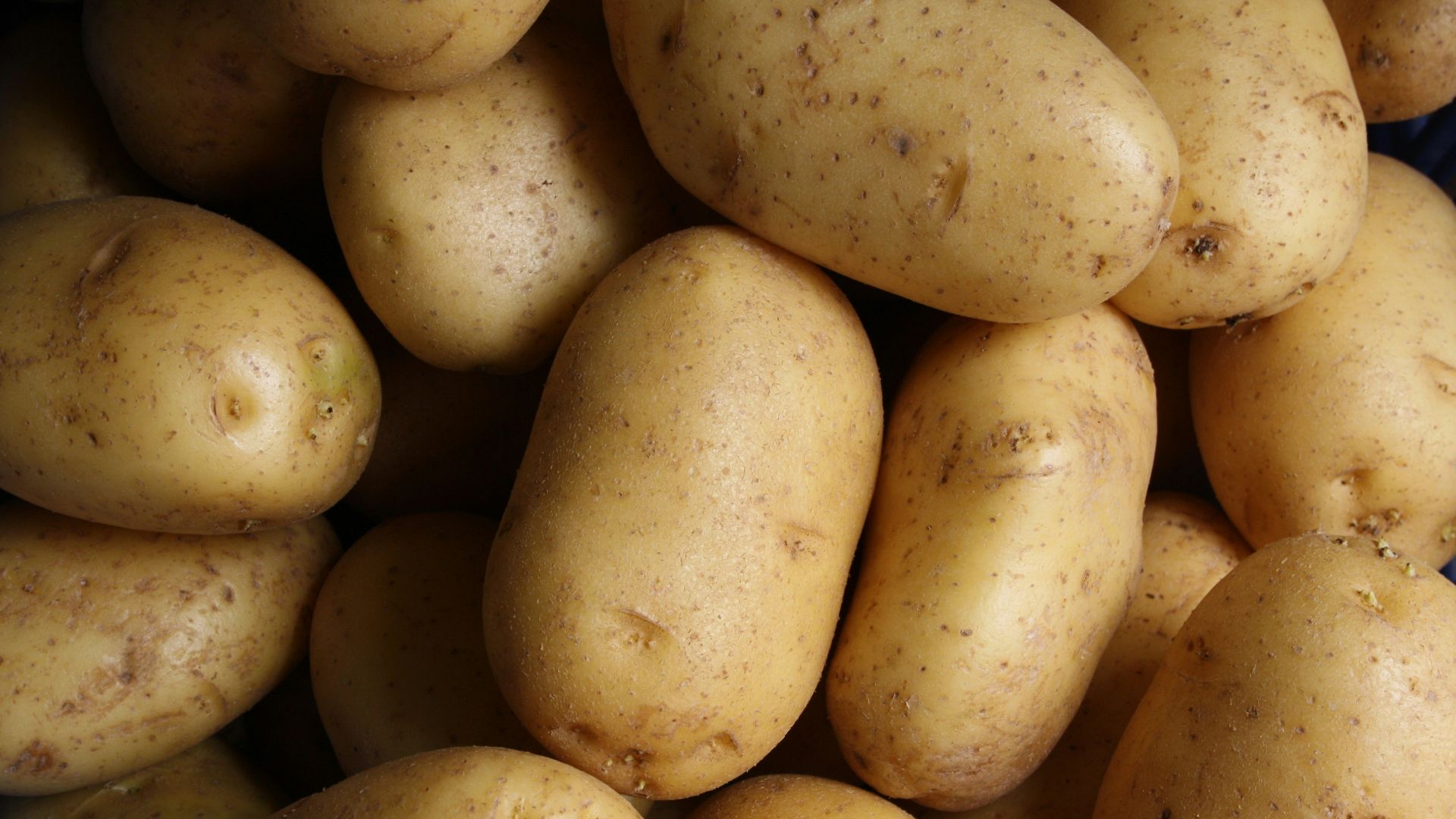
Potatoes
Potatoes are one of the few vegetables filling enough to become the foundation of dinner instead of merely appearing beside it. Large bags usually lower the per-pound price further, and there are countless inexpensive ways to prepare them. Bake them and pile on beans, turn them into soup, roast them with chicken, mash them, or stretch leftovers into hash the next morning.
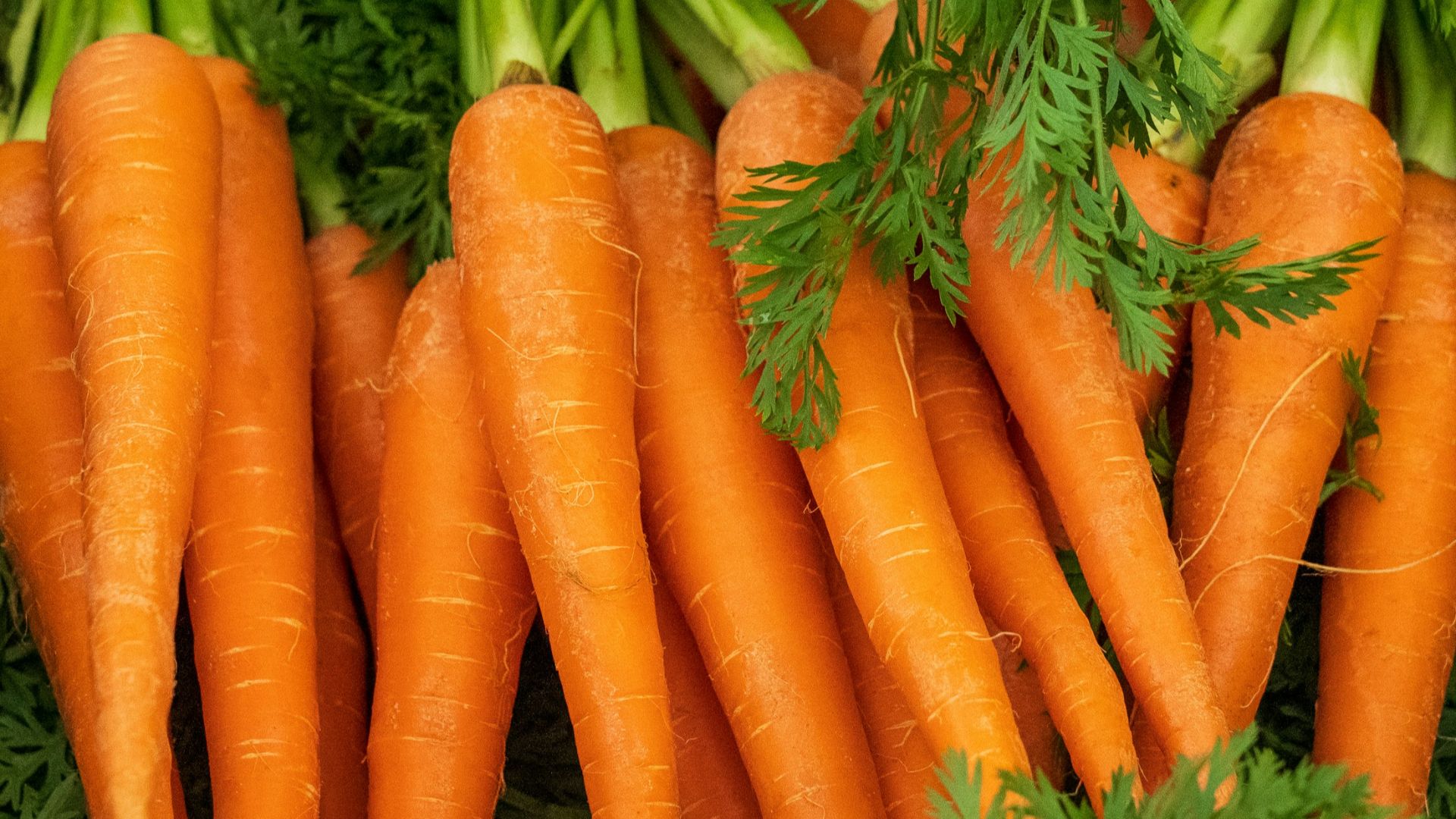
Carrots
Whole carrots continue to offer an impressive combination of low cost and long refrigerator life. Unlike delicate produce that can become an expensive science experiment after a few forgotten days, carrots tend to give shoppers plenty of time to use them. They can go into soups, stews, stir-fries, roasted vegetable trays, slaws, snacks, and even baked goods.
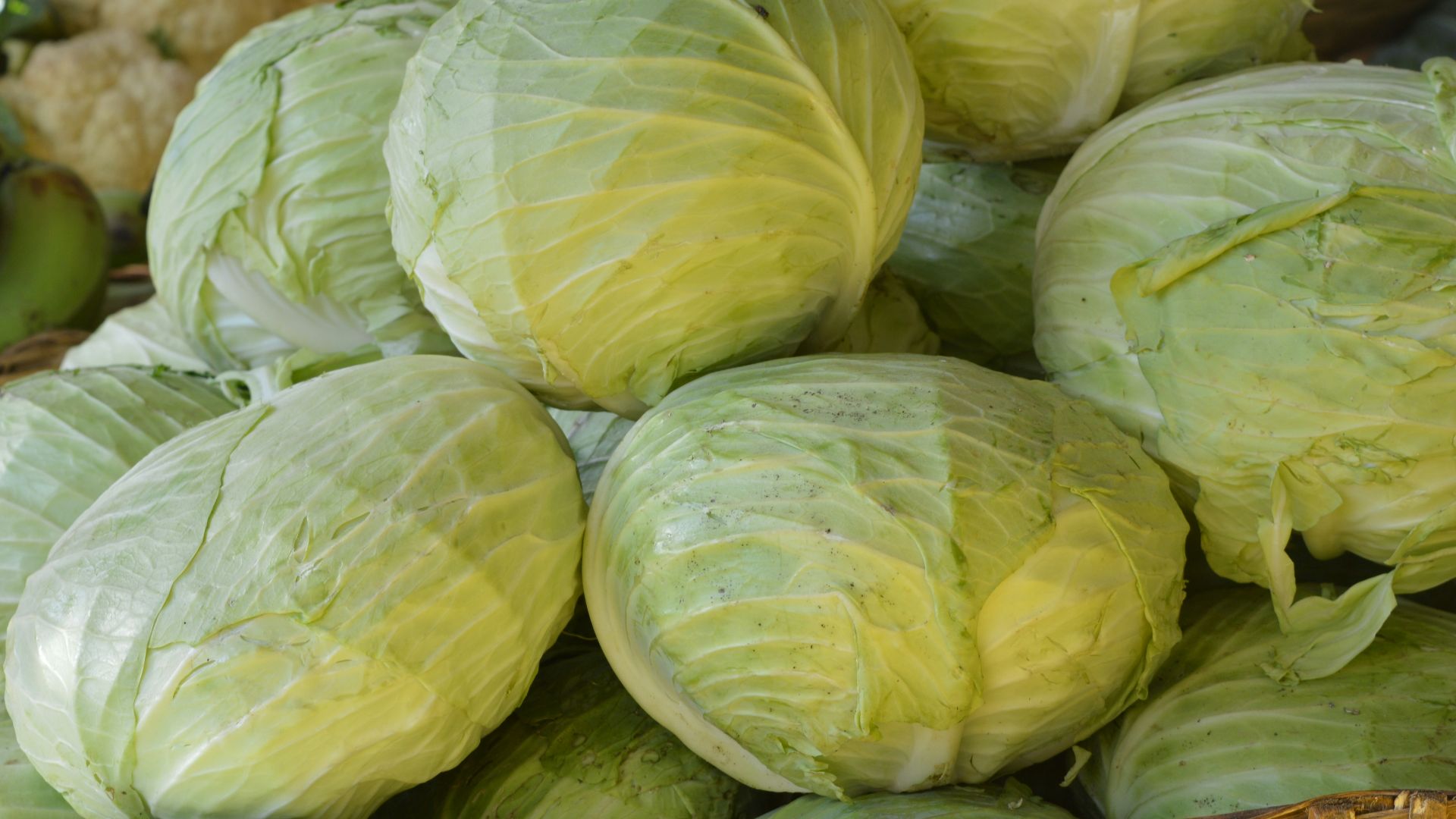
Cabbage
One head of cabbage can feel almost comically large for what it costs, and that’s exactly what makes it useful. Shred some for slaw, add some to soup, fry it with noodles, roast wedges, stuff the leaves, or use it to bulk out tacos and stir-fries. Its relatively long refrigerator life also means there’s less pressure to use the entire thing immediately.
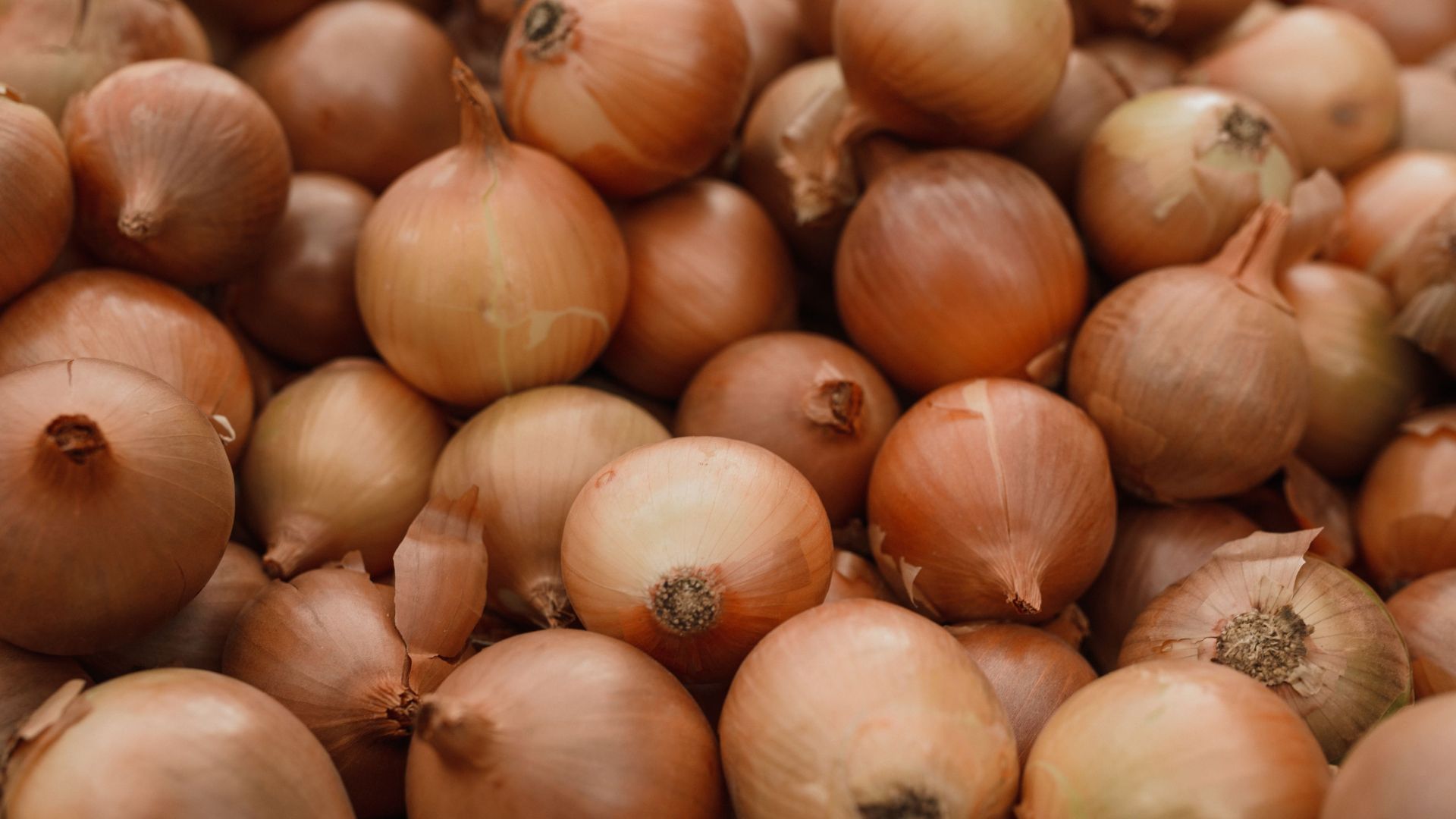
Onions
Onions aren’t usually the star of an inexpensive dinner, but they make nearly every other cheap ingredient taste better. A bag can flavor beans, lentils, rice, soups, pasta sauce, potatoes, chicken, and countless one-pot meals. Because they store reasonably well when kept properly, they’re one of those staples worth having around before you even know what you’re cooking.
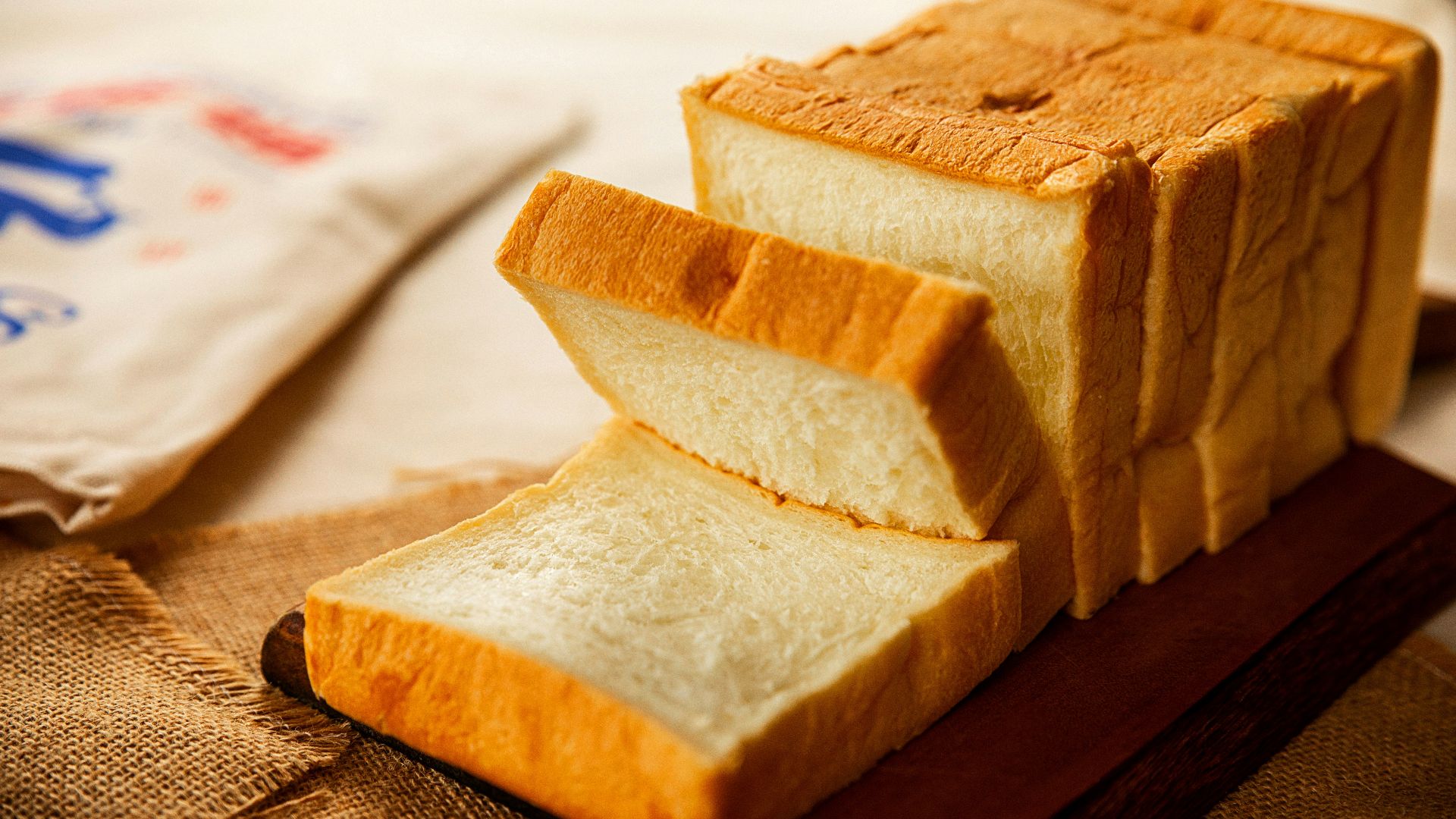
Store-Brand Sandwich Bread
Fancy bakery loaves can get expensive quickly, but basic store-brand sandwich bread can still provide a lot of meals for relatively little money. One loaf can cover toast in the morning, sandwiches at lunch, grilled cheese for dinner, and French toast when it starts getting stale. Freezing part of the loaf also helps prevent a cheap purchase from becoming discarded food.
Frozen Peas
Peas deserve their own place in the freezer because they can disappear into almost anything. They cook quickly, require no chopping, and can turn plain pasta, rice, soup, mashed potatoes, or boxed macaroni and cheese into something more substantial. Because they stay frozen until needed, there’s also no race to finish the bag before the vegetables spoil.
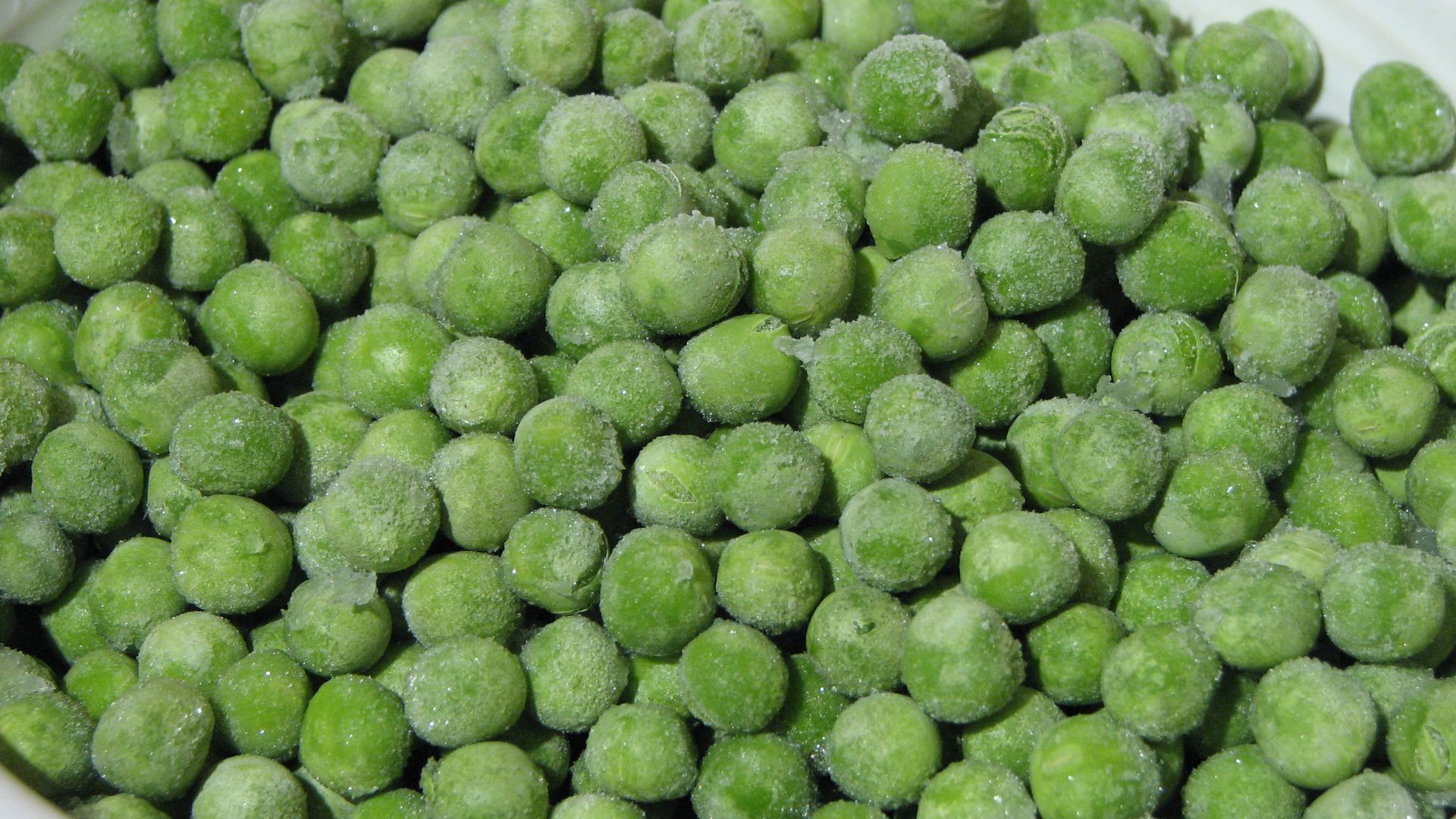 Photo by and (c) 2007 Jina Lee, Wikimedia Commons
Boxed Macaroni And Cheese
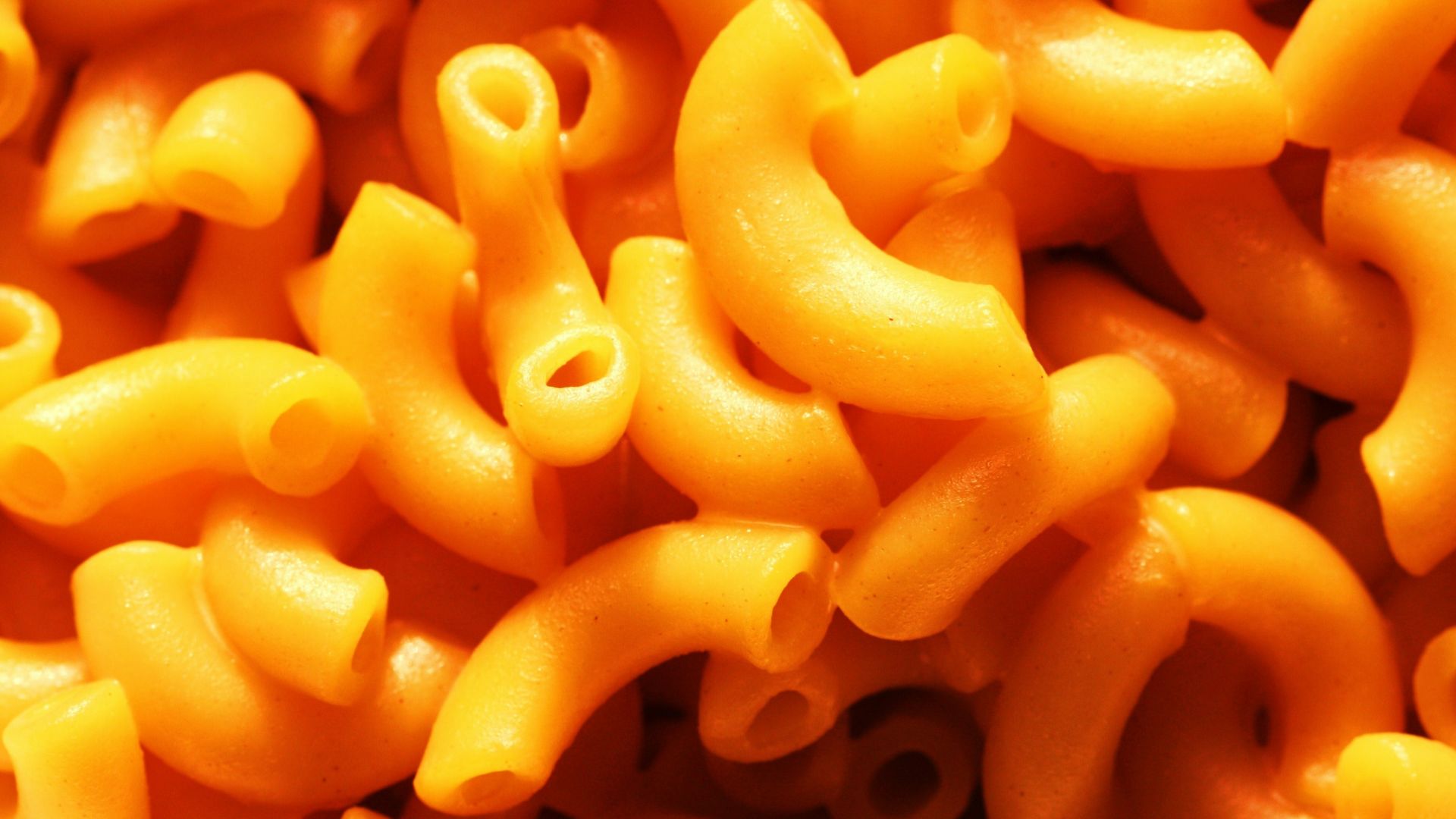
Store-brand macaroni and cheese remains one of the cheaper convenience meals available, particularly when it goes on sale. By itself, a box is basic comfort food rather than an elaborate dinner, but it makes an easy starting point. Frozen peas, canned tuna, beans, leftover chicken, broccoli, or other odds and ends can stretch it into a larger meal without much additional spending.
 Pink Sherbet Photography from USA, Wikimedia Commons
Chicken Legs
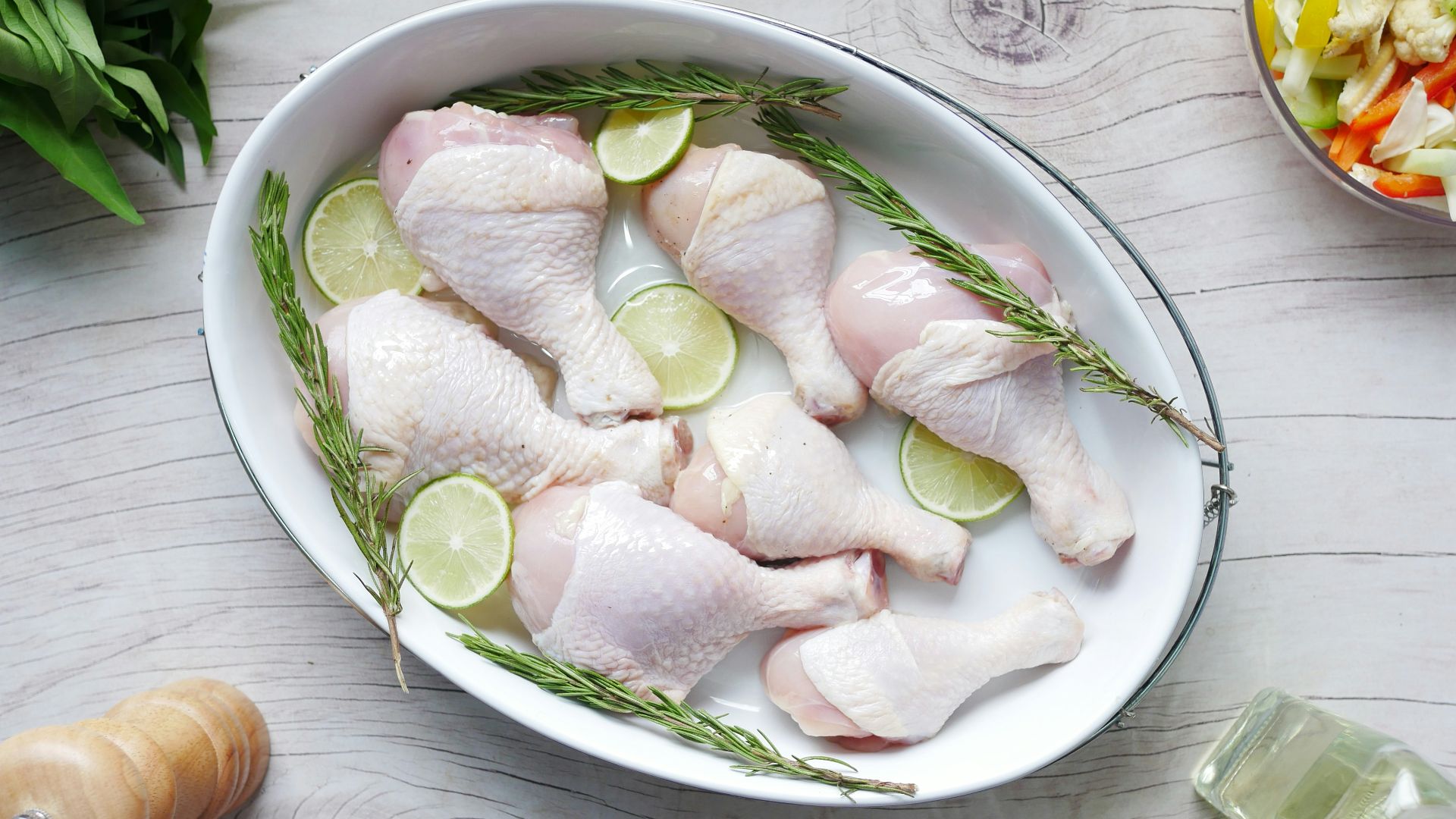
Anyone determined to put meat on the table without buying expensive boneless cuts should take another look at chicken legs. Family packs of bone-in legs can offer significantly more food for the money than premium chicken products, especially when stores run specials. Roasting a large batch also creates leftovers that can be pulled from the bone for soup, rice, pasta, or sandwiches.
Instant Mashed Potatoes
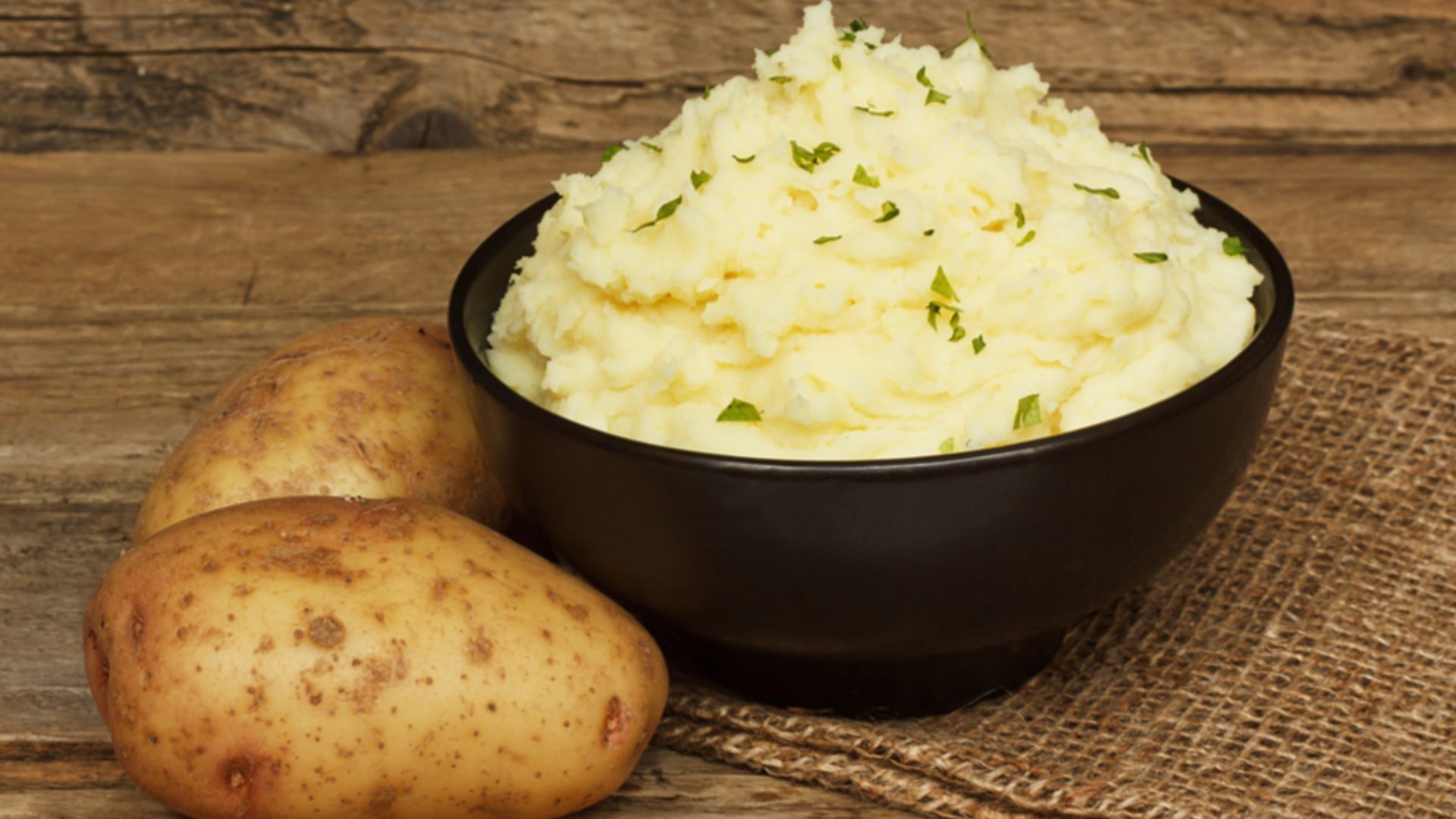
Potato flakes aren’t glamorous, but they earn their pantry space by being inexpensive, shelf-stable, and ready in minutes. They’re useful when fresh potatoes have run out, when there isn’t time to peel and boil anything, or when dinner simply needs a quick filling side. They can also thicken soups or be used as a topping for inexpensive casseroles and shepherd’s-pie-style meals.
 sousvideguy, Wikimedia Commons
Canned Tuna
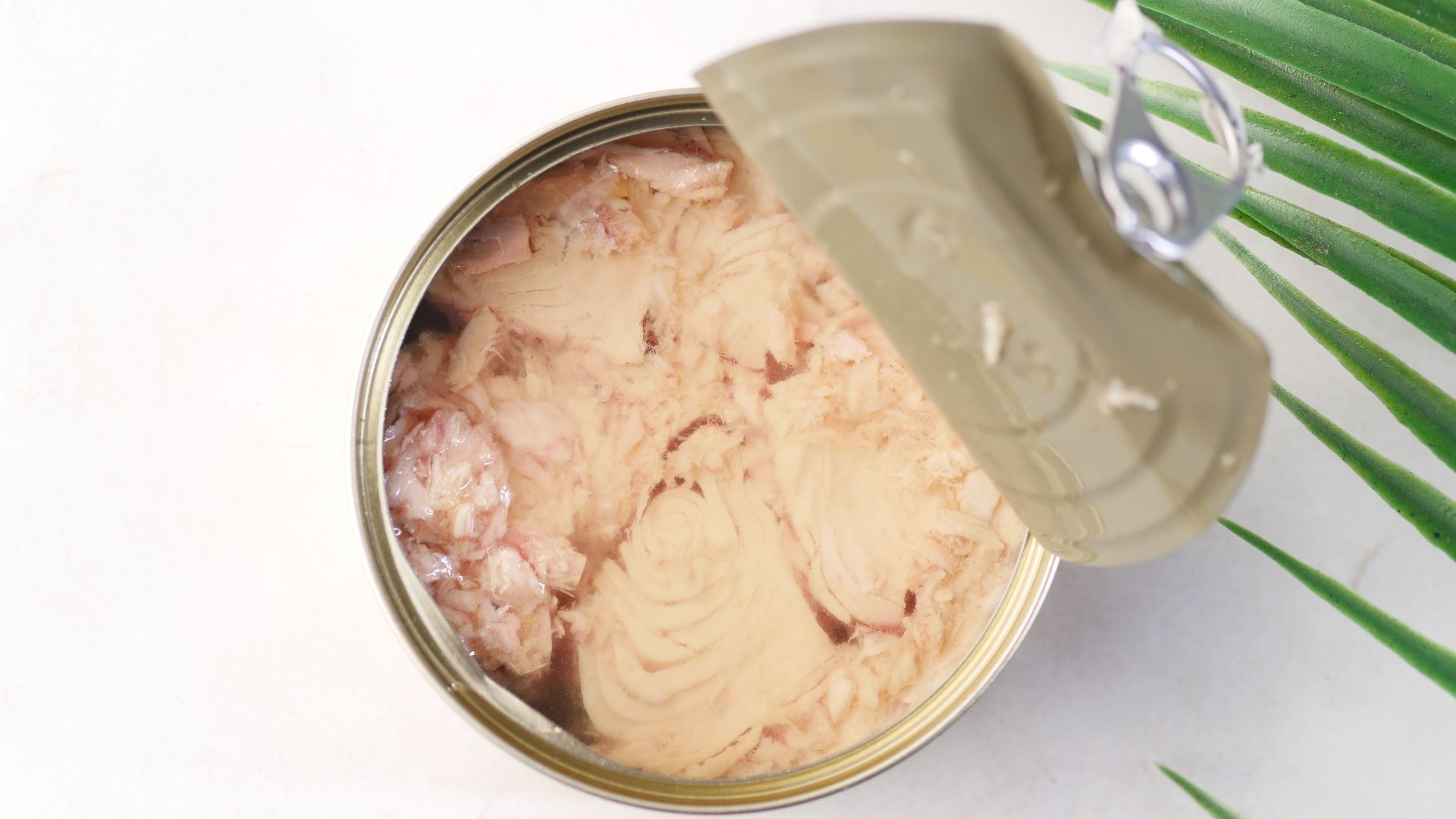
Tuna isn’t the rock-bottom bargain it once was, but basic store-brand cans can still provide useful protein without requiring shoppers to buy a large package of meat. A single can can become tuna salad, sandwiches, pasta, casserole, wraps, or a topping for crackers. Buying multipacks or waiting for sales can make the price per can considerably more attractive.
Apples
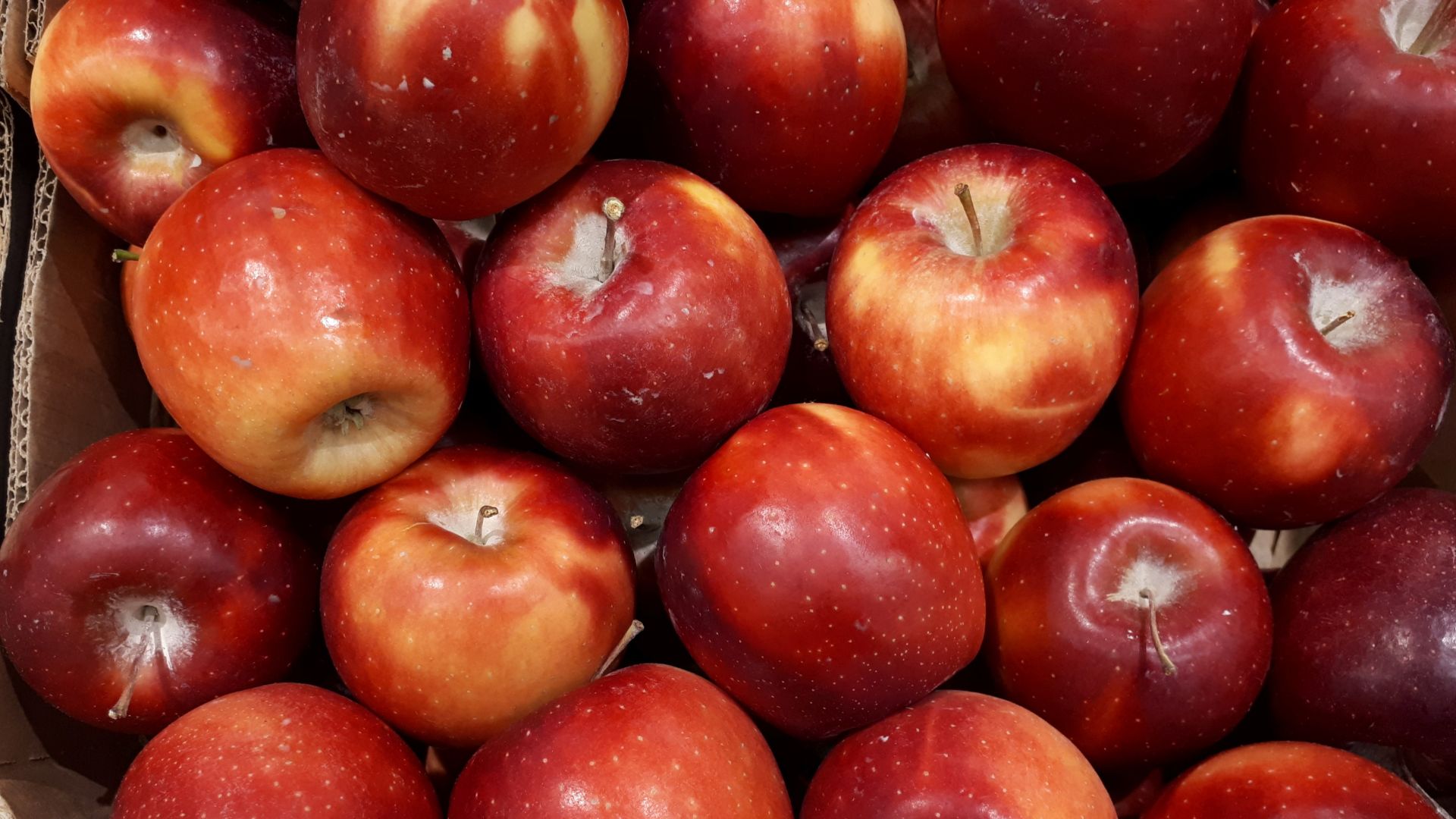
Not every apple variety qualifies as a bargain, especially when specialty types are sold individually. Basic bagged apples are a different story, particularly when they’re in season or on promotion. They generally keep much longer than berries or other delicate fruit, which matters when calculating real grocery value. Apples can become snacks, oatmeal toppings, desserts, applesauce, or additions to salads.
Saltine Crackers
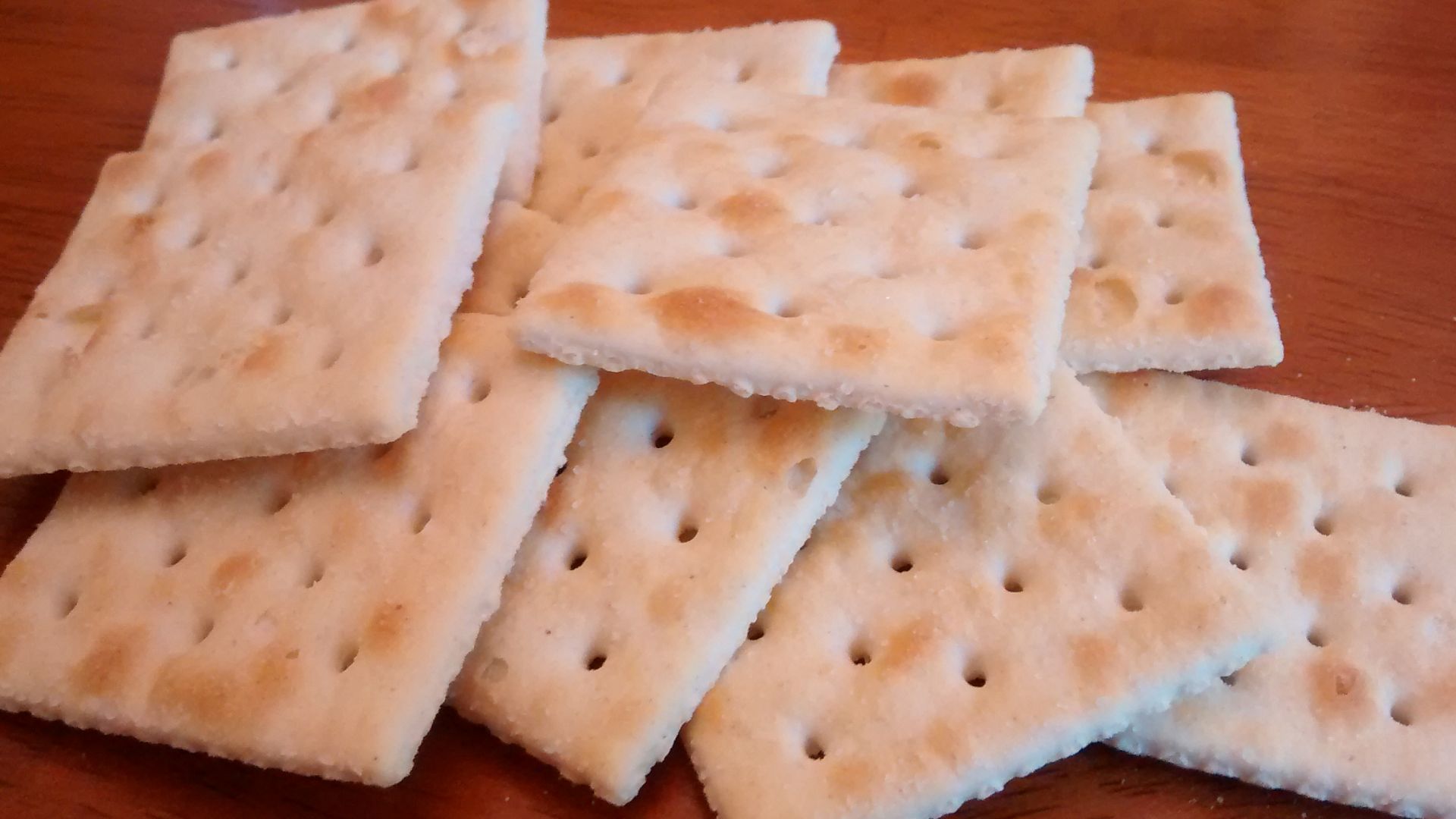
Basic store-brand saltines remain one of those inexpensive foods that become much more useful when paired with something else. They can stretch soup or chili, carry peanut butter or tuna salad, accompany cheese, or serve as a quick snack. They also keep for a long time unopened, which makes them an easy backup food to leave in the pantry.
 Mx. Granger, Wikimedia Commons
You May Also Like:
Groceries People Think Are Affordable—Until They Compare The Unit Price
Store-Brand Swaps That Actually Save Money On Groceries—And Ones That Don’t
Cheap Grocery Staples From The 1970s That Families Can’t Believe The Price Of Today